
The Best Ways to Store Food in a Root Cellar

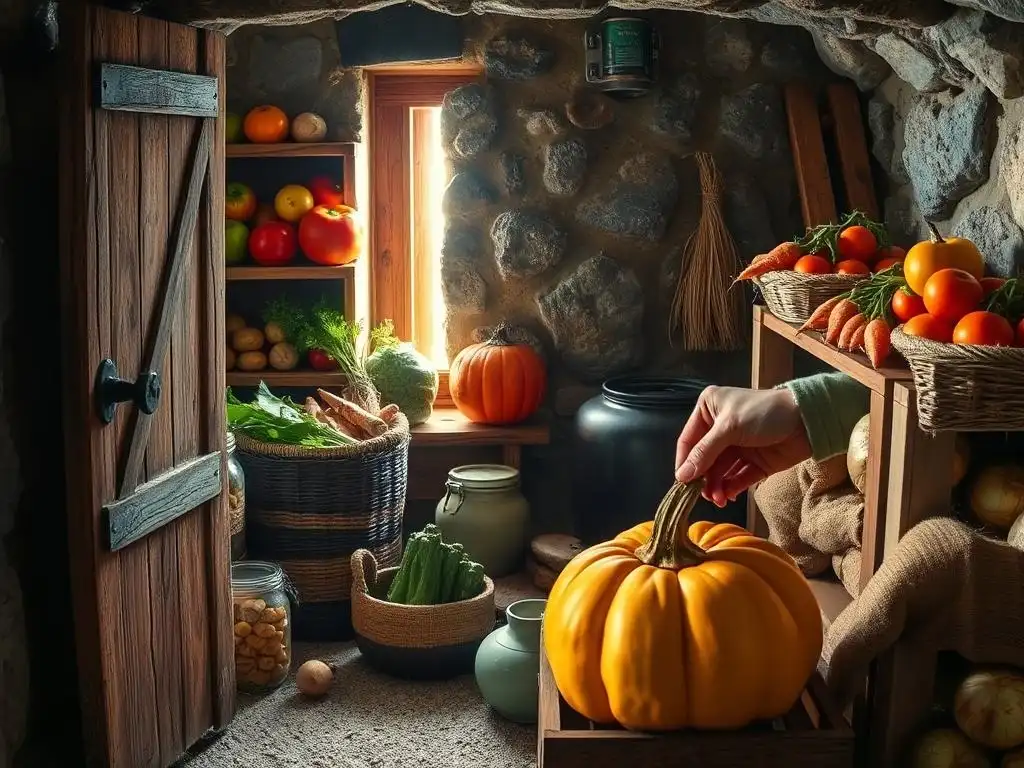
Welcome to CultivateYourFood, your guide to a bountiful and sustainable harvest! Ready to maximize your homegrown bounty and enjoy fresh produce year-round? Then delve into our expert advice on Root cellar food storage tips, a crucial element of gardening for self-sufficiency. Discover how proper storage can transform your harvest from seasonal abundance to a pantry brimming with flavor all year long. Let's unlock the secrets to preserving your hard work and reaping the rewards of your organic garden.
- Maximizing Your Root Cellar's Potential for Food Preservation
- Proper Food Storage Techniques for Your Root Cellar
- Advanced Root Cellar Food Storage Strategies
- Troubleshooting Common Root Cellar Storage Problems
- Harvesting and Preparing Food for Root Cellar Storage
- Sustainable Practices for Root Cellar Food Storage
-
Frequently Asked Questions
- What are the ideal temperature and humidity levels for a root cellar?
- How do I prevent spoilage and pest infestations in my root cellar?
- What types of food are best suited for root cellar storage?
- How can I improve the air circulation in my root cellar?
- What should I do if I find mold or pests in my root cellar?
- Final Reflection: Harvesting the Bounty: Preserving Our Food Heritage
- Unlock Your Root Cellar's Potential: Fresher Food, Longer Lasting!
Maximizing Your Root Cellar's Potential for Food Preservation
Preserving your homegrown harvest is a crucial step towards achieving self-sufficiency, and a root cellar offers an unparalleled method for long-term food storage. This guide delves into the best practices for storing food in a root cellar, focusing on maximizing its potential for preserving the quality and longevity of your fruits, vegetables, and herbs. We'll explore the ideal conditions for optimal storage, the importance of proper preparation, and practical tips to ensure your root cellar becomes a reliable sanctuary for your hard-earned bounty.
Mastering root cellar food storage significantly reduces food waste, saves money, and provides access to fresh, healthy produce throughout the year. By following these "Root cellar food storage tips," you'll unlock the full potential of this traditional preservation method and enjoy the fruits (and vegetables!) of your labor for months to come.
Understanding Root Cellar Conditions for Optimal Food Storage
A root cellar's success hinges on maintaining a consistently cool, humid, and dark environment. Fluctuations in temperature and humidity can drastically affect the lifespan of your stored produce. Ideal temperature ranges generally fall between 33°F and 40°F (0.5°C and 4.4°C), while humidity should hover around 80-90%. Maintaining these conditions requires careful monitoring and, potentially, adjustments throughout the year. Too much warmth accelerates spoilage, while excessively cold temperatures can freeze produce.
Similarly, insufficient humidity can lead to dehydration, while excessively high humidity can promote mold growth. Regularly checking temperature and humidity levels with a reliable thermometer and hygrometer is crucial. Consider using a dehumidifier or humidifier as needed to fine-tune the environment to achieve the optimal conditions for your specific root cellar and the types of food you're storing. Understanding these parameters is the cornerstone of effective root cellar food storage. Remember, consistency is key!
Maintaining the Ideal Temperature and Humidity for Long-Term Storage
Maintaining the ideal temperature and humidity within your root cellar requires a proactive approach. Proper insulation is paramount. Ensure your root cellar is well-insulated to minimize temperature fluctuations caused by external weather changes. This might involve adding additional insulation to the walls, floor, and ceiling. Ventilation is equally important. Adequate ventilation helps regulate humidity levels and prevents the buildup of excess moisture, which can lead to mold and rot.
Consider installing passive ventilation systems or using small fans to ensure proper air circulation. Monitoring temperature and humidity levels regularly, ideally daily, allows you to make timely adjustments. This might involve using a dehumidifier to reduce excess moisture during humid periods or a humidifier to increase humidity during dry spells. Regularly checking and cleaning your ventilation system is also essential for its proper function. Consistent monitoring and adjustments are key to achieving long-term, optimal storage conditions in your root cellar.
Essential Root Cellar Preparation: Cleaning and Organization for Efficient Food Storage
Before storing your harvest, thoroughly clean your root cellar. This is a crucial step to prevent the spread of pests and diseases. Begin by removing any debris, old produce, or other items that might harbor pests. Scrub down the walls and floor with a mild detergent solution, then rinse thoroughly with clean water. Allow the cellar to dry completely before storing any food.
Organization is vital for efficient food storage and easy retrieval. Consider using shelving units to maximize space and create distinct storage areas for different types of produce. Labeling containers clearly with the contents and storage dates helps with inventory management and prevents accidental spoilage. Appropriate storage containers are crucial.
Use breathable containers such as baskets or wooden crates to allow for proper air circulation. Avoid using airtight containers that can trap moisture and lead to spoilage. By implementing these preparation steps, you'll create a clean, organized, and efficient space that optimizes your root cellar's capacity and prolongs the life of your stored food. A well-prepared root cellar is the foundation of successful long-term food preservation.
Proper Food Storage Techniques for Your Root Cellar
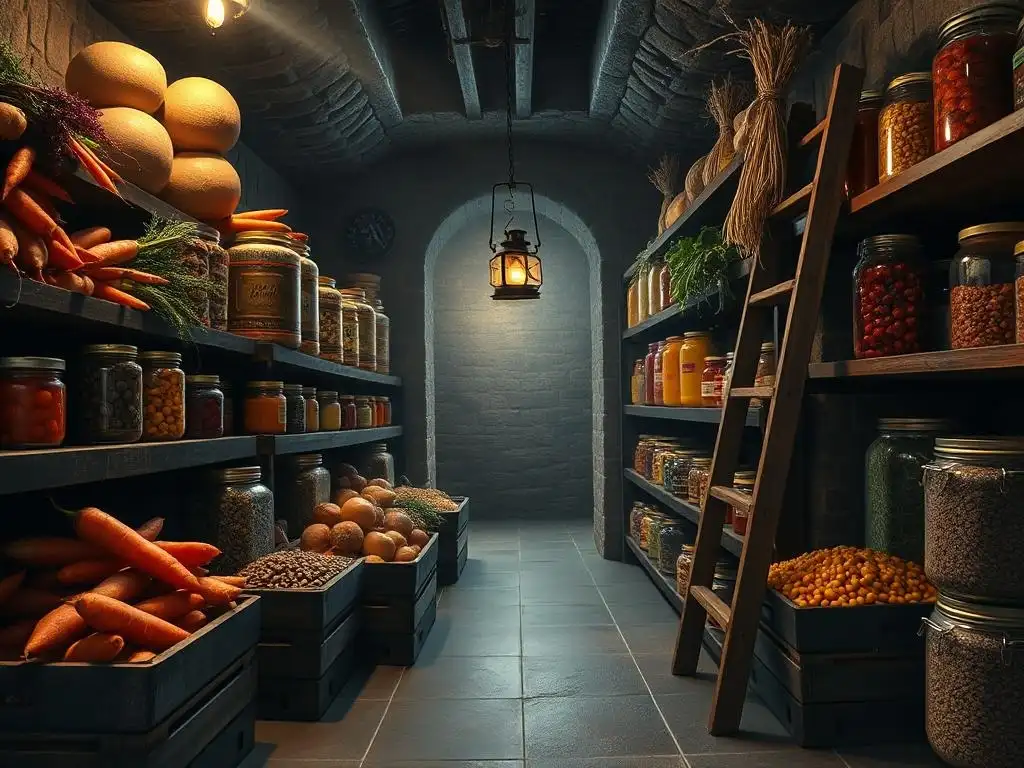
This section delves into the specifics of maximizing your root cellar's potential for long-term food preservation. Understanding the nuances of proper storage is crucial for minimizing spoilage and maximizing the shelf life of your homegrown bounty. These root cellar food storage tips will help you achieve optimal results, ensuring you enjoy the fruits (and vegetables!) of your labor for months to come. Remember, consistent temperature and humidity control are paramount for success.
Storing Root Vegetables: Carrots, Potatoes, Beets, and More
Root vegetables are the stars of the root cellar show. However, even these hardy crops require specific attention to prevent rotting and sprouting. Proper storage techniques will significantly extend their shelf life, providing you with fresh produce well into the winter months.
Proper storage hinges on several key factors:
- Temperature: Ideally, maintain a temperature between 32-40°F (0-4°C). Fluctuations should be minimal.
- Humidity: Aim for a humidity level around 70-80%. Too much moisture promotes rot, while too little leads to shriveling.
- Ventilation: Good airflow prevents the build-up of excess moisture and gases that can accelerate spoilage.
- Darkness: Exposure to light can trigger sprouting and reduce the quality of your vegetables.
Here's a breakdown of storage for some common root vegetables:
| Vegetable | Storage Method | Notes |
|---|---|---|
| Potatoes | In crates or bins, loosely piled; avoid stacking tightly. | Avoid contact with apples, which release ethylene gas that accelerates sprouting. |
| Carrots | In boxes with slightly moist sand or peat moss. | Keep them away from potatoes. |
| Beets | Similar to carrots; trim the greens before storing. | Ensure good ventilation to prevent mold. |
| Onions & Garlic | In mesh bags or well-ventilated containers. | Braiding onions is also a traditional and effective method. |
Properly stored, carrots, potatoes, and beets can easily last for 4-6 months, providing a consistent supply of fresh, homegrown goodness throughout the winter. Remember to regularly inspect your stored produce for any signs of spoilage and remove any affected items promptly to prevent the spread of rot. This proactive approach is a vital aspect of successful root cellar food storage.
Preserving Fruits in Your Root Cellar: Apples, Pears, and Winter Squash
While root cellars are primarily associated with root vegetables, they are also excellent for preserving certain fruits. Apples, pears, and winter squash, specifically, thrive in the cool, dark, and humid environment. However, each requires a slightly different approach for optimal storage.
Apples and pears benefit from being individually wrapped in newspaper or placed in perforated plastic bags to slow down ripening and reduce ethylene gas buildup. This helps maintain their crispness and flavor for several months. Regular checks for bruising and rotting are crucial. Discard any affected fruit immediately.
Winter squash, on the other hand, requires a slightly drier environment. They should be cured for a few weeks in a warm, well-ventilated area before being transferred to the root cellar. Once cured, they can last for several months. Properly stored, these fruits can provide a delicious and healthy addition to your winter diet.
Storing Canned Goods and Preserves in a Cool, Dark Environment
Your root cellar isn't just for fresh produce; it's also an ideal location for storing canned goods and preserves. The cool, dark, and relatively stable temperature and humidity make it a superior storage solution compared to warmer areas of your home. This helps maintain the quality and safety of your preserved foods, extending their shelf life significantly.
Remember to rotate your stock, using older items before newer ones, to prevent spoilage and waste. Inspect cans for any dents or rust before storing them. Damaged cans should be discarded immediately.
The consistent temperature of your root cellar helps to slow down the degradation of the food within the cans and jars, safeguarding your hard work for much longer. This is a crucial aspect of your overall root cellar food storage strategy, ensuring maximum utilization of your preserved homegrown ingredients. Proper storage of canned goods and preserves minimizes the risk of spoilage and helps you maintain a well-stocked pantry throughout the year.
Protecting Your Harvest from Pests and Spoilage: Root Cellar Pest Control
Maintaining a pest-free environment in your root cellar is crucial for preserving your harvest. Rodents, insects, and even fungi can quickly decimate your carefully stored food. A proactive approach to pest control is essential, combining preventative measures with effective remediation strategies. Regular inspections are key; a weekly check allows for early detection of any infestations, preventing widespread damage.
One of the most effective preventative measures is ensuring your root cellar is properly sealed. Cracks and gaps in the walls, floor, and ceiling provide easy access points for pests. Caulk, weatherstripping, and screens on any ventilation openings can significantly reduce the risk of infestation. Consider using metal mesh around pipes and other potential entry points for added protection. Regularly checking for and sealing any new openings is a crucial step in long-term pest control.
Beyond structural integrity, maintaining cleanliness is paramount. Spilled produce, decaying matter, and general debris attract pests. Regular sweeping and cleaning of the cellar floor and shelves are essential. Properly disposing of any spoiled or damaged produce outside the cellar prevents attracting unwanted guests. Consider using a stiff-bristled broom and dustpan to effectively remove debris from hard-to-reach areas. Regular cleaning also helps monitor for signs of infestation, such as droppings or insect activity.
Traps and deterrents can also play a significant role. Snap traps, glue traps, and ultrasonic pest repellents can be effective in controlling rodent populations. However, it's crucial to choose methods that are safe and don't pose a risk to your stored food. Always follow the manufacturer's instructions carefully and place traps strategically to maximize their effectiveness. Remember that traps alone are not sufficient; they should be part of a comprehensive pest control strategy. Furthermore, consider natural deterrents such as placing strong-smelling herbs, like mint or lavender, near potential entry points to discourage pests.
For insect control, consider using diatomaceous earth. This natural powder is non-toxic to humans and pets, but deadly to insects. Sprinkle it lightly on shelves and floors to deter crawling insects. However, remember that diatomaceous earth is a fine powder and should be handled with care, ideally wearing a mask to avoid inhalation. Regularly replacing the diatomaceous earth ensures its continued effectiveness.
Another effective method is the use of pheromone traps which lure specific insects into traps, allowing for targeted control. These traps are particularly useful for monitoring insect populations and preventing larger infestations. Remember to dispose of trapped insects properly to avoid spreading the infestation. A multi-pronged approach combining preventative measures, traps and natural deterrents is usually the most effective method for managing pests in your root cellar.
Advanced Root Cellar Food Storage Strategies
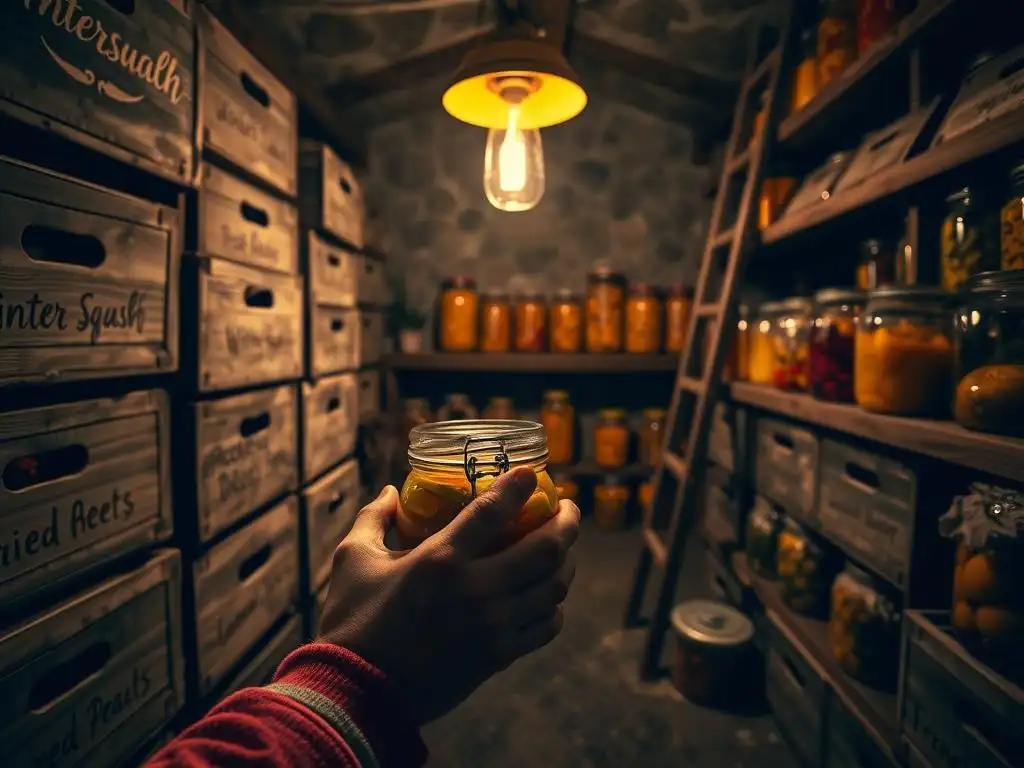
This section delves into sophisticated techniques to maximize the lifespan and quality of your homegrown produce in your root cellar. Mastering these strategies will elevate your root cellar from simple storage to a dynamic preservation hub, ensuring you enjoy the fruits (and vegetables!) of your labor for months to come. Remember, even with the best root cellar food storage tips, regular monitoring is key.
Creating a Layered Storage System for Efficient Space Use
Efficient space utilization is crucial in a root cellar, especially if you're harvesting a bountiful crop. A layered storage system maximizes vertical space and minimizes spoilage. Think of it like a well-organized pantry, but underground!
Instead of simply piling produce on shelves, consider using stackable bins or crates of varying sizes. This allows you to categorize items based on their storage needs and susceptibility to damage. For example, delicate herbs might be stored in shallow, ventilated containers on the top shelves, while sturdier root vegetables like potatoes and carrots can occupy deeper bins on lower shelves.
Consider utilizing hanging baskets for items like onions or garlic braids. This frees up valuable shelf space and adds a charming, rustic touch to your root cellar. Furthermore, you can use dividers within larger bins to separate different types of produce, preventing bruising and cross-contamination of flavors. A well-designed layered system not only saves space but also allows for easy access and inventory management. This is a critical aspect of successful root cellar food storage.
Proper labeling is also essential for a layered system. Use waterproof labels to clearly identify the contents and date of storage for each bin or container. This will help you track inventory and ensure that you use older produce first, minimizing waste and maximizing freshness. Think about using different colored labels to easily identify produce types at a glance, enhancing efficiency.
Utilizing Humidity Control Techniques for Optimal Preservation
Maintaining the right humidity level is paramount for preserving the quality of your stored food. Too much moisture can lead to rot and mold, while too little can cause produce to shrivel and dry out. Achieving optimal humidity requires a multifaceted approach, going beyond simply relying on the natural properties of your root cellar.
One effective technique is to monitor humidity levels regularly using a hygrometer. Ideally, your root cellar should maintain a humidity level between 70% and 90%, depending on the type of produce stored. You can adjust humidity levels by strategically placing containers of water (to increase humidity) or using a dehumidifier (to reduce humidity) as needed. This requires careful observation and adjustment based on seasonal changes and the types of food you're storing.
Another excellent strategy is to utilize natural humidity buffers. For example, placing a container of sand or vermiculite near your produce can help regulate humidity levels. These materials absorb excess moisture and release it slowly, creating a more stable environment. Similarly, you can use open containers of peat moss to help control humidity fluctuations.
Remember, different produce requires different humidity levels. Potatoes, for instance, prefer a drier environment, while root vegetables like carrots benefit from slightly higher humidity. Understanding these specific needs and adjusting your humidity control strategies accordingly is key to successful long-term storage. This aspect is often overlooked in basic root cellar food storage tips.
Extending Shelf Life with Proper Food Handling and Preparation
Even with the perfect root cellar environment, proper handling and preparation of your produce before storage significantly impacts its shelf life. This step often gets overlooked in discussions of root cellar food storage tips.
Before storing any produce, ensure it's thoroughly cleaned and dried. Any residual dirt or moisture can accelerate spoilage. Gently brush off excess soil from root vegetables and allow them to air dry completely before placing them in storage. For leafy greens, carefully inspect each leaf and remove any damaged or wilted parts.
Proper preparation also involves careful sorting and culling. Discard any produce that shows signs of damage, disease, or bruising before storing it in your root cellar. This prevents the spread of rot and mold to other items. Early detection and removal of spoiled produce is crucial for maintaining the overall quality of your stored food.
Furthermore, consider pre-treating certain produce to extend its shelf life. For example, slightly drying onions and garlic before storage can help prevent them from sprouting prematurely. Similarly, you can treat potatoes with a solution of baking soda and water to inhibit the growth of mold. These small, proactive steps can make a significant difference in the longevity of your harvest. Remember, meticulous attention to detail in handling and preparation can significantly improve the success of your root cellar food storage efforts.
Troubleshooting Common Root Cellar Storage Problems
Maintaining a root cellar requires vigilance. Even with proper construction and initial setup, various issues can arise that impact the longevity and quality of your stored food. Understanding these problems and implementing proactive solutions is crucial for maximizing the benefits of root cellar food storage. This section delves into common challenges and provides practical, effective strategies for root cellar food storage tips, ensuring your harvest remains fresh and safe throughout the storage period.
Dealing with Excess Moisture and Humidity Issues
High humidity is a significant threat to root cellar food storage. Excessive moisture encourages mold growth, rotting, and the rapid spoilage of stored produce. Several factors contribute to high humidity, including poor ventilation, leaks, and insufficient insulation. Effective humidity control is paramount for long-term preservation.
Several strategies can help mitigate excess moisture:
- Improved Ventilation: Ensure adequate airflow throughout the root cellar. This can involve installing vents, fans, or even strategically placed open containers of desiccant materials like calcium chloride or silica gel. Proper airflow helps to regulate humidity levels and prevent stagnant air pockets. Consider adding a dehumidifier, especially during periods of high humidity.
- Leak Detection and Repair: Thoroughly inspect the root cellar's walls and floor for any leaks. Even small leaks can significantly increase humidity levels. Promptly repair any leaks to prevent further moisture buildup.
- Moisture-Absorbing Materials: Strategic placement of materials that absorb moisture, such as wood shavings or charcoal, can help regulate humidity. These materials should be regularly monitored and replaced as needed. Remember to avoid using materials that could introduce pests or contaminate your food.
- Monitoring Humidity Levels: Invest in a reliable hygrometer to consistently monitor humidity levels. This allows you to proactively adjust ventilation or implement other moisture control strategies as needed. Aim for a relative humidity between 70-80% for optimal food preservation. Maintaining consistent humidity is one of the most critical root cellar food storage tips.
Addressing Temperature Fluctuations and Their Impact on Food
Maintaining a consistently cool temperature is essential for preserving food in a root cellar. Temperature fluctuations can cause spoilage, accelerate ripening, and reduce the shelf life of your stored produce. Several factors can contribute to temperature fluctuations, including inadequate insulation, external weather changes, and inconsistent ventilation.
Here's how to address temperature inconsistencies:
- Insulation Enhancement: Proper insulation is crucial for maintaining a stable temperature within the root cellar. Consider adding extra insulation to walls, ceilings, and floors to minimize temperature fluctuations. This is particularly important in regions with significant temperature variations throughout the year.
- Temperature Monitoring: Use a thermometer to regularly monitor the temperature inside the root cellar. This allows you to identify any significant temperature fluctuations and take corrective action. A consistent temperature between 33°F and 40°F (0.5°C and 4.4°C) is ideal for most root vegetables.
- Ventilation Adjustment: Adjust ventilation to regulate temperature. During colder periods, reduce ventilation to retain heat. Conversely, increase ventilation during warmer periods to prevent overheating. This delicate balance requires careful monitoring and adjustment.
- Thermal Mass: Incorporating materials with high thermal mass, such as stone or concrete, can help stabilize temperature fluctuations. These materials absorb and release heat slowly, buffering against external temperature changes.
Preventing Spoilage and Pest Infestations in Your Root Cellar
Spoilage and pest infestations are major concerns for root cellar food storage. Mold, bacteria, and various pests can quickly compromise the quality and safety of your stored food. Preventing these problems requires a multi-faceted approach.
Here's how to prevent spoilage and pest infestations:
- Proper Food Preparation: Before storing food, ensure it is clean, dry, and free from any damage. Remove any bruised or damaged areas, as these are prime locations for spoilage to begin. Proper sorting and preparation is a crucial aspect of root cellar food storage tips.
- Regular Inspection: Regularly inspect your stored food for signs of spoilage, mold, or pest activity. Remove any affected items immediately to prevent contamination. Early detection is key to preventing widespread problems.
- Pest Control: Implement preventative measures to deter pests. This may involve using natural pest repellents, such as cedar chips or diatomaceous earth. Proper sealing of cracks and crevices can also help prevent pest entry. Consider using traps specifically designed for common root cellar pests.
- Maintaining Cleanliness: Regularly clean and sanitize the root cellar to prevent the buildup of mold, bacteria, and other contaminants. Remove any debris or spilled produce promptly. A clean environment is essential for preventing spoilage and pest infestations. This is a fundamental aspect of effective root cellar food storage tips.
Remember, consistent monitoring and proactive maintenance are key to successful root cellar food storage. By addressing these common problems effectively, you can significantly extend the shelf life of your homegrown produce and enjoy the fruits (and vegetables!) of your labor throughout the year.
Harvesting and Preparing Food for Root Cellar Storage
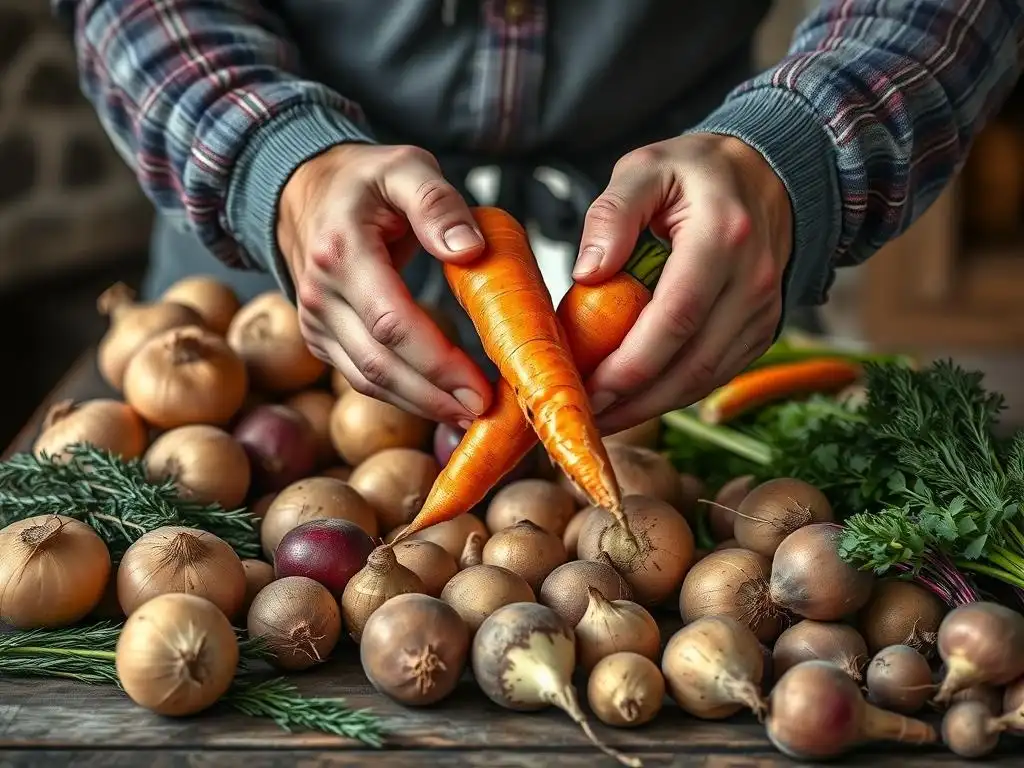
This section focuses on the crucial first steps in ensuring your root cellar's success: harvesting and preparing your homegrown bounty. Proper harvesting and preparation significantly impact the shelf life of your produce, maximizing your root cellar's potential and minimizing spoilage. Mastering these techniques is key to achieving optimal "Root cellar food storage tips".
Harvesting at the Right Time for Maximum Shelf Life
Harvesting at the peak of ripeness, yet before the first frost, is paramount for long-term storage. This timing varies depending on the specific crop and your local climate. For example, carrots should be harvested in the fall, after the leaves have begun to die back but before the ground freezes. Onions and garlic, however, should be harvested when their foliage has completely yellowed and dried.
Observing these subtle cues ensures your produce is at its optimal storage condition. Failing to harvest at the right time can lead to increased susceptibility to disease and decay during storage. A little patience and observation during the harvest period can make a big difference in the quality and longevity of your root cellar's contents.
Here's a simple table to illustrate ideal harvesting times for some common root cellar staples:
| Crop | Optimal Harvesting Time | Signs of Readiness |
|---|---|---|
| Carrots | Late fall, after leaves die back, before frost | Tops wilting, roots firm and fully developed |
| Potatoes | After the foliage has died back completely | Skins firm, easily detach from the plant |
| Onions & Garlic | When foliage has completely yellowed and dried | Bulbs firm, necks dry |
| Beets | Late fall, before frost | Roots fully developed, leaves wilting |
| Winter Squash | After a frost, when rind is hard and deeply colored | Rind hard enough to resist fingernail pressure |
Ignoring these subtle signs can result in reduced storage time and potentially wasted produce. Careful attention to detail at this stage is a vital "Root cellar food storage tip".
Cleaning and Curing Produce Before Storage
Before entering the root cellar, all produce requires thorough cleaning and curing. Cleaning removes soil, debris, and potential pathogens that could lead to rot. Curing involves a controlled drying process that allows the produce to heal and develop a protective layer, further extending its shelf life. For root vegetables, gently brushing off excess soil is sufficient. Avoid washing them until just before consumption. Washing before storage can introduce moisture, promoting decay.
For certain fruits and vegetables, curing is essential. Winter squash, for instance, requires a period of 1-3 weeks at room temperature (around 70°F/21°C), with good air circulation, before storage. This allows the rind to harden and the moisture content to reduce. During this period, carefully monitor for any signs of decay and remove any affected produce. This careful pre-storage preparation is a key element of effective "Root cellar food storage tips".
Preparing Root Vegetables for Long-Term Preservation
Proper preparation extends beyond simple cleaning. Certain root vegetables benefit from specific handling to maximize their storage potential. For instance, carefully trim the carrot tops, leaving about ½ inch attached to the root. This prevents the tops from drawing moisture from the roots. For potatoes, remove any damaged or bruised areas, as these are entry points for disease. Remember, meticulous preparation contributes significantly to successful long-term storage in your root cellar. These detailed steps are not merely optional; they are crucial "Root cellar food storage tips" that translate to longer-lasting, higher-quality produce.
Sustainable Practices for Root Cellar Food Storage
This section delves into the sustainable aspects of utilizing a root cellar for food preservation, focusing on minimizing environmental impact while maximizing the lifespan of your homegrown produce. Effective root cellar food storage isn't just about preserving food; it's about practicing environmentally conscious food preservation techniques. By employing these strategies, you can significantly reduce your carbon footprint associated with food waste and transportation.
Reducing Food Waste Through Proper Storage Techniques
Proper storage is paramount to minimizing food waste in your root cellar. Understanding the specific needs of each type of produce is crucial. For example, root vegetables like carrots and potatoes should be stored in slightly moist sand or sawdust to prevent shriveling. This simple technique drastically reduces spoilage and extends their shelf life by several months. Conversely, fruits like apples and pears, which release ethylene gas, should be stored separately from other produce to avoid premature ripening and rotting. This careful segregation is a key aspect of minimizing waste and maximizing the benefits of your root cellar.
Consider using reusable containers made from natural materials like wood or clay, rather than plastic. These reduce plastic waste and often offer better breathability for certain foods, helping to regulate humidity and prevent mold growth. Regular inventory and rotation of your stored food is also essential. A "First In, First Out" (FIFO) system ensures that older produce is used before it spoils, preventing unnecessary waste. Implementing these techniques can drastically reduce food waste, saving you money and reducing your environmental impact. A well-managed root cellar contributes significantly to sustainable food practices.
Eco-Friendly Methods for Pest Control in Your Root Cellar
Maintaining a pest-free root cellar is crucial for preserving your harvest. However, it's vital to employ eco-friendly pest control methods that avoid harmful chemicals. Regular cleaning and sanitation are the first lines of defense. Thoroughly cleaning the cellar before storing produce, and periodically inspecting for signs of pests, can prevent infestations before they begin.
Natural deterrents can also be effective. For example, placing diatomaceous earth strategically can help control insects, while cedar chips can naturally repel rodents. These natural solutions are far safer for the environment and your food than chemical pesticides. Traps, both commercially available and homemade, can be used to catch and remove rodents humanely. Remember to check and empty traps regularly. By prioritizing natural and sustainable methods, you can keep your root cellar pest-free without resorting to harmful chemicals. This eco-conscious approach ensures the safety of your food and protects the environment.
Minimizing Energy Consumption in Root Cellar Maintenance
Root cellars, by their nature, are energy-efficient storage solutions. However, even small adjustments can further reduce energy consumption. Proper insulation is key to maintaining a stable temperature and humidity, minimizing the need for artificial cooling or heating. This also reduces reliance on energy-intensive climate control systems.
Monitoring temperature and humidity levels regularly is important. Simple, inexpensive thermometers and hygrometers can help you track conditions and make necessary adjustments. This proactive approach prevents energy waste by avoiding unnecessary intervention. Consider using natural ventilation methods whenever possible, opening vents on warmer days to allow for natural air circulation. These small adjustments to your root cellar maintenance routines can collectively contribute to significantly lower energy consumption. Embracing these energy-saving practices aligns with sustainable living and reduces your environmental impact.
Frequently Asked Questions
What are the ideal temperature and humidity levels for a root cellar?
The ideal temperature for a root cellar is between 33°F and 40°F (0.5°C and 4.4°C), with humidity around 80-90%. Maintaining these levels is crucial for optimal food preservation.
How do I prevent spoilage and pest infestations in my root cellar?
Proper ventilation is key to preventing mold and rot. Regularly inspect stored items for signs of spoilage or pests, and remove any affected produce immediately. Consider using natural pest deterrents.
What types of food are best suited for root cellar storage?
Root cellars are perfect for storing root vegetables like potatoes and carrots, as well as winter squash, onions, garlic, and apples. Avoid storing foods that require higher temperatures or humidity.
How can I improve the air circulation in my root cellar?
Good air circulation is vital. Ensure your root cellar has adequate ventilation through vents or windows. Consider adding shelving to allow for airflow around stored items.
What should I do if I find mold or pests in my root cellar?
Immediately remove any affected produce and thoroughly clean the area. Address the source of the problem – this might involve improving ventilation or sealing cracks. Consider using natural pest control methods.
Final Reflection: Harvesting the Bounty: Preserving Our Food Heritage
The art of root cellar food storage, once a cornerstone of self-sufficiency, is experiencing a powerful resurgence. In a world grappling with food insecurity and the environmental impact of mass production, understanding how to preserve our harvests has never been more crucial. This renewed interest isn't just a nostalgic trend; it's a vital step towards building more resilient and sustainable food systems.
The simple act of carefully storing potatoes, preserving fruits, and ensuring the longevity of root vegetables connects us to a deeper understanding of the food cycle. It reminds us of the labor and care involved in producing food, fostering a respect that often gets lost in the convenience of modern supermarkets. We must not forget that the earth provides enough to satisfy every man's needs but not every man's greed.
– Mahatma Gandhi. This quote perfectly encapsulates the importance of mindful food storage and consumption, a practice deeply rooted in the traditions of root cellar preservation.
Now, consider your own relationship with food. Think about where your food comes from, how it's produced, and how you can contribute to a more sustainable future. Take the knowledge gained from this article and apply it—start small, perhaps with a single shelf of preserved goods, and watch as your connection to the land and your food deepens. The journey towards self-sufficiency begins with a single step, a single carefully stored carrot, a testament to the enduring wisdom of preserving our harvest.
Unlock Your Root Cellar's Potential: Fresher Food, Longer Lasting!
Thanks for exploring the world of root cellar food storage! We hope you've discovered valuable techniques to preserve your harvest throughout the year. Now, let's put your knowledge into practice.
- Organize your root cellar: Take some time to arrange your space, focusing on proper ventilation, humidity control, and strategic shelving. Consider the best preservation method—canning, drying, or other techniques—for each type of produce.
- Share your experiences: Join our CultivateYourFood community and share your successes and challenges! Have you found a new way to extend the life of a particular vegetable? What obstacles have you overcome? We'd love to hear from you.
- Experiment with different approaches: Don't hesitate to try new storage methods or shelving configurations. Every root cellar is unique, and the best approach is often discovered through experimentation.
Ready to transform your root cellar from simple storage into a vibrant ecosystem of fresh food? What will you try first?