
Natural Pest Control: A ChemicalFree Approach

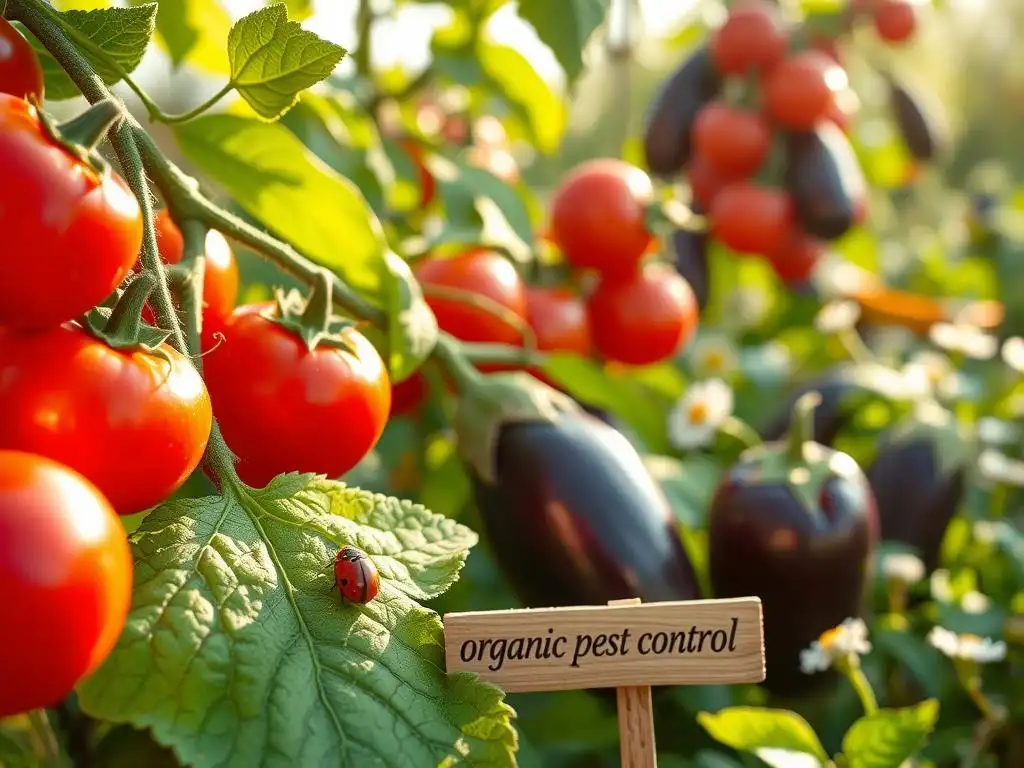
Ready to ditch the harmful chemicals and embrace a thriving, chemical-free garden? CultivateYourFood is your guide to growing delicious fruits, vegetables, and herbs using sustainable, organic methods. Learn how to cultivate a bountiful harvest while protecting your plants naturally. Discover the secrets to effective organic pest control home garden solutions and unlock the potential of your own backyard oasis – let's get started!
- Understanding Organic Pest Control in Your Home Garden
-
Attracting Beneficial Insects: Natural Predators for Organic Pest Control
- Ladybugs: Effective Predators for Aphids and Other Soft-bodied Insects
- Lacewings: Control of Aphids, Mealybugs, and Spider Mites
- Praying Mantises: Versatile Predators for a Wide Range of Pests
- Ground Beetles: Effective Control of Slugs, Snails, and Caterpillars
- Hoverflies: Natural Control for Aphids and Other Pests
- Creating a Pest-Resistant Garden Ecosystem
- Natural Pest Control Methods for Your Home Garden
- Monitoring and Prevention: Long-Term Organic Pest Control Strategies
- Resources for Organic Pest Control in Your Home Garden
- Frequently Asked Questions
- Final Reflection: Cultivating a Healthier Future, One Garden at a Time
- Unleash Your Garden's Natural Power!
Understanding Organic Pest Control in Your Home Garden
Protecting your homegrown fruits, vegetables, and herbs from pests is crucial for a successful and bountiful harvest. This article focuses on organic pest control, a chemical-free approach that prioritizes the health of your plants, the environment, and your family. We'll explore how to identify common garden pests, recognize the signs of infestation, and understand the significant dangers of using chemical pesticides in your home garden.
Choosing organic pest control methods means embracing sustainable practices that foster a thriving ecosystem in your garden, promoting biodiversity and reducing your environmental impact. By attracting beneficial insects and employing natural deterrents, you can effectively manage pests and enjoy a healthy, delicious harvest, all while contributing to a healthier planet. This guide will empower you to cultivate a vibrant and resilient garden, free from harmful chemicals, and teeming with life.
Identifying Common Garden Pests and Their Damage
Identifying the culprits is the first step towards effective pest control. Many common garden pests can cause significant damage if left unchecked. Let's examine some examples:
- Aphids: These tiny, soft-bodied insects suck sap from plants, causing stunted growth, leaf curling, and honeydew excretion (a sticky substance that attracts other pests like ants). Look for clusters of aphids on tender new growth.
- Spider Mites: These microscopic arachnids also suck plant sap, leaving behind stippled leaves and fine webbing. They're often found on the undersides of leaves.
- Caterpillars: Various caterpillars can devour leaves, stems, and even fruits. Look for holes in leaves, chewed edges, and the caterpillars themselves. Identifying the specific type of caterpillar can help determine the best control method, as some are more damaging than others.
- Slugs and Snails: These slimy mollusks feed on leaves and stems, leaving behind characteristic slime trails. Their damage is most noticeable at night or during damp conditions.
- Whiteflies: These tiny, white, flying insects cluster on the undersides of leaves, sucking sap and causing yellowing and wilting.
Understanding the specific damage caused by each pest is vital for determining the appropriate organic control strategy. For example, while aphids might primarily affect young shoots, caterpillars can decimate entire leaves. Careful observation and identification are key to successful organic pest management.
Recognizing Signs of Pest Infestation in Fruits, Vegetables, and Herbs
Early detection is crucial in preventing widespread damage. Knowing the signs of infestation allows for timely intervention, minimizing the impact on your plants. Here are some key indicators:
- Visible Pests: The most obvious sign is the presence of the pests themselves. Regularly inspect your plants, checking both the tops and undersides of leaves, stems, and fruits.
- Damage to Foliage: Look for holes, chewed edges, discoloration, wilting, or distorted growth. These are common signs of feeding damage.
- Presence of Webbing: Spider mites and some caterpillars create webs, which are easily visible, especially on the undersides of leaves.
- Sticky Residues: Honeydew, excreted by aphids and other sap-sucking insects, is a sticky, shiny substance that often attracts ants.
- Yellowing or Wilting: These symptoms can indicate a variety of pest problems, including root damage or sap-sucking insects.
The specific signs will vary depending on the pest and the plant affected. Regular monitoring is essential to catch problems early and prevent major infestations. Remember that even minor infestations should be addressed promptly to prevent them from escalating.
The Dangers of Chemical Pesticides in Your Home Garden
While chemical pesticides offer quick results, they carry significant risks:
- Harm to Beneficial Insects: Chemical pesticides don't discriminate; they kill beneficial insects like ladybugs and lacewings, which are natural predators of many garden pests. This disrupts the natural balance of your garden ecosystem, making it more vulnerable to future infestations.
- Environmental Pollution: Chemical pesticides can contaminate soil, water, and air, harming wildlife and potentially impacting human health. Runoff from treated gardens can pollute nearby waterways.
- Residue on Produce: Chemical residues can remain on your harvested fruits and vegetables, posing a risk to your family's health. This is particularly concerning for children, who are more vulnerable to the effects of pesticides.
- Development of Pesticide Resistance: Overuse of chemical pesticides can lead to the development of resistance in pest populations, making them harder to control in the future. This necessitates the use of even stronger chemicals, creating a vicious cycle.
- Human Health Risks: Exposure to chemical pesticides can cause a range of health problems, from skin irritation and respiratory issues to more serious long-term effects.
Choosing organic pest control methods protects your health, the environment, and the long-term health of your garden. It's a more sustainable and responsible approach to gardening. 🌱
Attracting Beneficial Insects: Natural Predators for Organic Pest Control
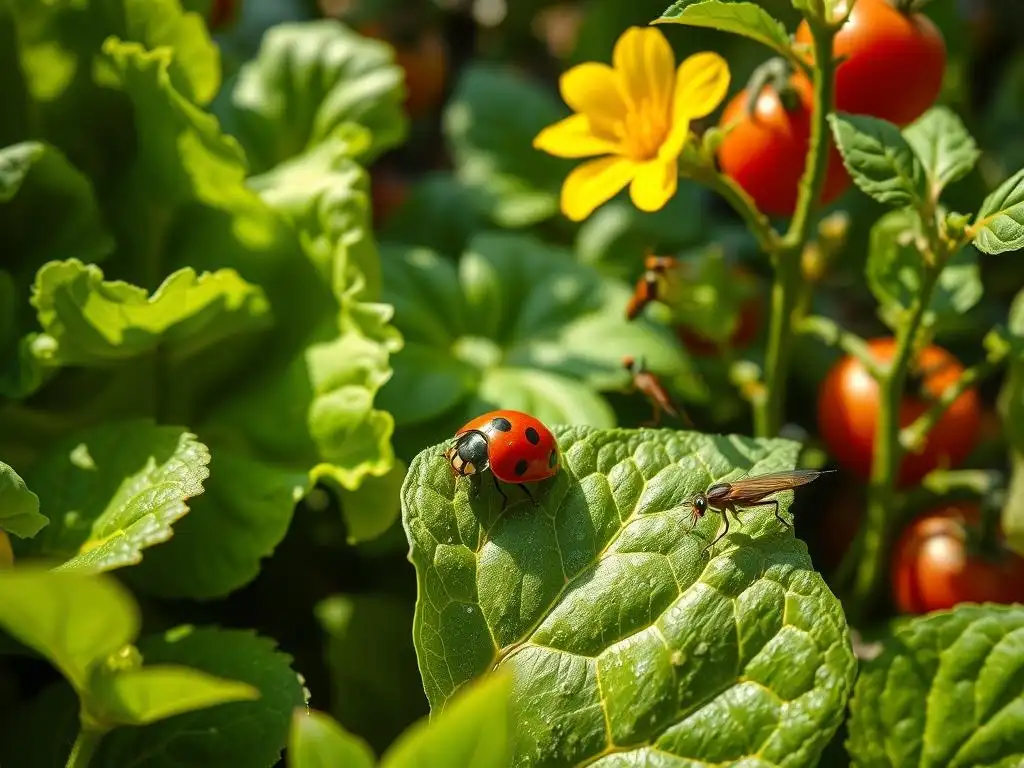
This section focuses on harnessing the power of nature to control pests in your home garden using organic pest control methods. By attracting beneficial insects, you can create a balanced ecosystem that naturally suppresses pest populations, reducing or eliminating the need for harmful chemical pesticides. This approach is crucial for maintaining a healthy and thriving organic home garden. Remember, a healthy garden is a balanced garden.
Ladybugs: Effective Predators for Aphids and Other Soft-bodied Insects
Ladybugs, those charming little beetles, are voracious predators, particularly effective against aphids. A single ladybug can consume up to 5,000 aphids in its lifetime! Their appetite extends to other soft-bodied insects like mealybugs, mites, and scale insects, making them valuable allies in the fight against common garden pests. To attract ladybugs to your garden, provide them with the resources they need to thrive.
This includes:
- Flowering plants: Ladybugs are attracted to nectar and pollen from plants like dill, fennel, yarrow, and cosmos. Planting a variety of these flowers throughout your garden will act as a buffet, encouraging them to stay and reproduce.
- Shelter: Ladybugs seek shelter in crevices and under leaves. Leaving some leaf litter or providing small, sheltered areas can provide ideal habitats.
- Avoid pesticides: The use of broad-spectrum insecticides will kill ladybugs along with the pests you're trying to control, defeating the purpose of attracting beneficial insects. Stick to organic pest control strategies.
Consider creating a ladybug habitat specifically. A small pile of rocks or a mini-log pile can provide a perfect overwintering site. You can even purchase ladybug larvae or adults from reputable suppliers and release them into your garden, though ensuring your garden is already hospitable is key to their long-term success. Remember, a healthy ladybug population is a key component of effective organic pest control home garden strategies.
Lacewings: Control of Aphids, Mealybugs, and Spider Mites
Lacewings, with their delicate, lacy wings, are another valuable asset in your organic pest control arsenal. Both the adult and larval stages are predatory, feeding on a wide range of soft-bodied insects. Their larvae, often called "aphid lions," are particularly effective aphid hunters. A single larva can consume dozens of aphids daily. Their diet also includes mealybugs, spider mites, and other small pests.
To attract lacewings, focus on providing similar resources as for ladybugs:
- Nectar sources: Lacewings are attracted to nectar-rich flowers, including dill, coriander, and buckwheat. These plants not only provide food for the adults but also encourage egg-laying, ensuring future generations of aphid-munching larvae.
- Minimal pesticide use: Again, the use of chemical pesticides will harm lacewings, so organic pest control is paramount.
- Overwintering sites: Similar to ladybugs, providing sheltered areas like leaf litter or rock piles will help lacewings survive the winter and return to your garden in the spring.
The presence of lacewings signifies a healthy and balanced ecosystem, a testament to your effective organic pest control home garden practices. Their delicate beauty adds to the aesthetic appeal, while their predatory prowess provides significant pest control benefits.
Praying Mantises: Versatile Predators for a Wide Range of Pests
Praying mantises are fearsome predators, known for their distinctive raptorial forelegs used to snatch and devour prey. They are truly versatile hunters, consuming a wide variety of insects, including aphids, caterpillars, grasshoppers, flies, and even some larger pests. Their presence in the garden is a strong indicator of a healthy ecosystem and effective organic pest control.
Attracting praying mantises requires a slightly different approach than attracting ladybugs or lacewings:
- Tall grasses and shrubs: Mantises prefer tall vegetation where they can ambush their prey. Leaving some areas of your garden slightly wilder, with taller grasses and shrubs, will provide ideal hunting grounds.
- Avoid disturbing their natural habitats: Praying mantis egg cases (oothecae) are often found on stems and branches. Avoid removing these structures during garden cleanups.
- Provide a water source: While they don't need large water bodies, a shallow dish of water can be beneficial, especially during dry spells.
Unlike other beneficial insects, you don't necessarily need to plant specific flowers to attract praying mantises; they are more opportunistic hunters. However, maintaining a diverse and healthy garden will naturally attract them. Their presence is a welcome sign of a thriving and naturally balanced garden, effectively utilizing organic pest control strategies within your home garden. The impressive size and predatory skills of the praying mantis make them a particularly effective deterrent and a symbol of a successful, chemical-free approach to pest management.
Ground Beetles: Effective Control of Slugs, Snails, and Caterpillars
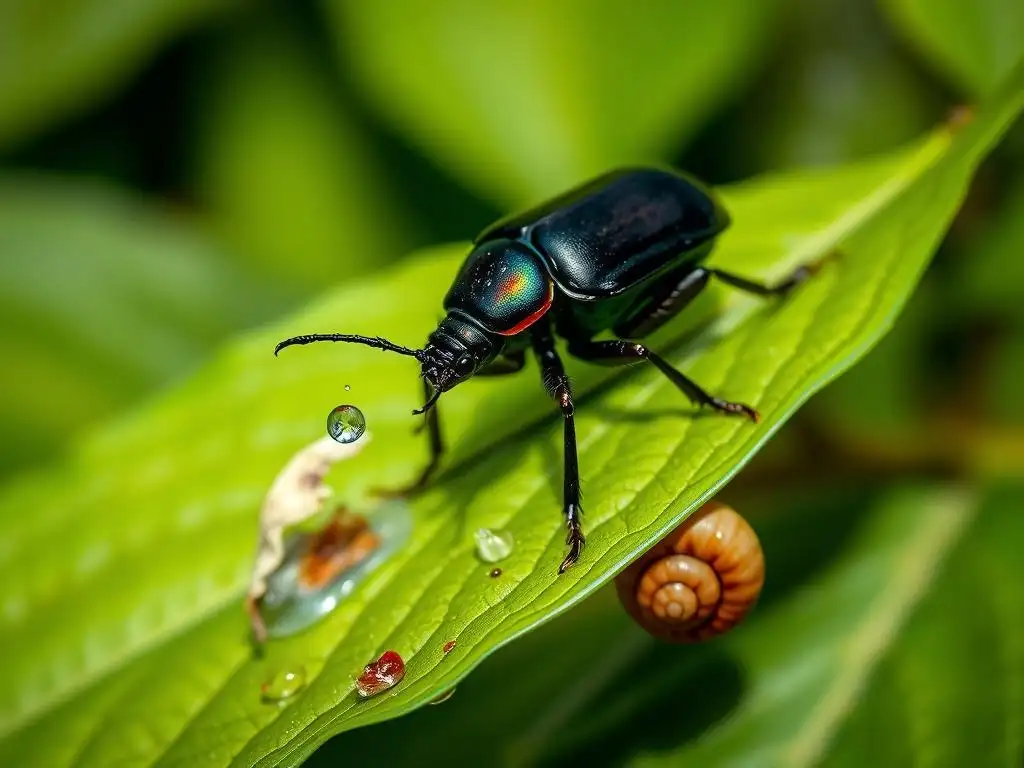
Ground beetles are voracious nocturnal predators, making them invaluable allies in the fight against common garden pests. These beneficial insects, often dark and shiny in appearance, patrol the soil surface and leaf litter, actively hunting for slugs, snails, caterpillars, and other soft-bodied invertebrates. Their mandibles are powerful enough to crush the shells of even relatively large snails. A healthy population of ground beetles can significantly reduce the need for chemical pesticides in your organic pest control strategy. Encouraging their presence in your home garden is a simple yet highly effective method of organic pest control.
To attract ground beetles, focus on creating a habitat that provides food, shelter, and ideal conditions for their survival. This involves minimizing soil disturbance, which disrupts their natural habitats and breeding grounds. Avoid excessive tilling or digging, particularly in areas where you suspect ground beetle activity. Leaving leaf litter and mulch undisturbed provides excellent cover and overwintering sites for these beneficial insects.
Providing shelter through rock piles or woodpiles further enhances their habitat. Remember, a diverse and healthy garden ecosystem is key to attracting and supporting a thriving ground beetle population. The presence of other beneficial insects will also indicate a balanced ecosystem, which will further attract ground beetles.
Furthermore, avoid the use of broad-spectrum insecticides which can inadvertently harm ground beetles. These indiscriminate chemicals can wipe out beneficial insect populations as easily as they eliminate pests. Opting for targeted, organic pest control methods, such as handpicking or using natural deterrents, will protect ground beetles while managing pest populations. Consider planting a variety of plants to create a diverse ecosystem, which will attract a wider range of prey for the ground beetles to feed on. A thriving ecosystem ensures a healthy population of ground beetles, leading to effective and long-term organic pest control in your home garden.
Hoverflies: Natural Control for Aphids and Other Pests
Hoverflies, also known as syrphid flies, are remarkably effective aphid predators. Their larvae are voracious eaters, consuming large numbers of aphids and other soft-bodied insects, thus significantly reducing pest populations. Adult hoverflies are often mistaken for bees or wasps due to their similar coloration, but they are harmless to humans and animals. They play a vital role in organic pest control, providing a natural and sustainable solution to aphid infestations. Their presence is a clear indicator of a healthy and balanced garden ecosystem.
Attracting hoverflies to your garden is relatively straightforward. They are drawn to flowering plants, particularly those with umbel-shaped flower heads such as dill, fennel, and yarrow. These flowers provide both nectar and pollen for the adult hoverflies, fueling their energy and supporting their reproductive cycle. Providing a variety of flowering plants throughout the growing season ensures a continuous food source, encouraging hoverflies to stay and breed in your garden. This constant food supply is key to maintaining a strong hoverfly population that can effectively manage aphid populations throughout the year.
Furthermore, avoid the use of pesticides, especially broad-spectrum insecticides, as they can harm hoverfly larvae and adults. Maintaining a diverse range of plants ensures a variety of food sources for the hoverflies and their prey. This biodiversity is essential for a thriving ecosystem that supports beneficial insects, promoting natural pest control.
The presence of these beautiful and beneficial insects not only indicates a healthy garden but also contributes to a sustainable and effective organic pest control strategy in your home garden. By creating a welcoming environment for hoverflies, you are actively contributing to a healthier and more productive garden. Remember, a healthy ecosystem is the foundation of successful organic pest control.
Creating a Pest-Resistant Garden Ecosystem
This section focuses on establishing a garden environment that naturally discourages pest infestations, a crucial aspect of organic pest control home garden practices. A thriving ecosystem, rich in biodiversity, is your first line of defense against unwanted visitors. By understanding and implementing the principles below, you can significantly reduce your reliance on chemical interventions. Remember, a healthy garden is a resilient garden.
Choosing Pest-Resistant Plant Varieties
Selecting pest-resistant plant varieties is a proactive strategy in organic pest control home garden management. This minimizes the likelihood of infestations from the outset. Many plant species possess natural defenses against common pests. For instance, certain tomato varieties exhibit resistance to blight, while some squash varieties are less susceptible to squash bugs.
Researching and choosing these resilient varieties is a cornerstone of building a robust and healthy garden. Consider consulting seed catalogs and local gardening resources for information specific to your region and the prevalent pests in your area. Don't hesitate to ask experienced gardeners for their recommendations on varieties known for their pest resistance. This upfront effort saves significant time and energy later in the growing season.
Here's a simple table to illustrate the concept:
| Vegetable | Pest-Resistant Variety Example | Target Pest(s) |
|---|---|---|
| Tomatoes | 'Roma VF' or similar | Blight, certain caterpillars |
| Peppers | 'California Wonder' or similar | Aphids, some leaf-eating insects |
| Squash | 'Black Beauty' zucchini or similar | Squash vine borers, squash bugs |
| Cabbage/Broccoli | 'Marathon' or similar | Cabbage worms, aphids |
Remember to always check the specific characteristics of each variety you choose, as resistance can vary.
Companion Planting: Using Plants to Repel Pests
Companion planting leverages the synergistic relationships between different plant species to deter pests. Certain plants emit scents or chemicals that repel insects or attract beneficial predators. This natural pest control strategy is both effective and environmentally friendly. For example, planting basil near tomatoes is known to repel tomato hornworms, while marigolds can deter nematodes and other soil-borne pests. The careful selection and placement of companion plants can create a mutually beneficial environment, enhancing the overall health and resilience of your garden.
Effective companion planting requires careful planning. Consider the specific pests you are trying to control and research plants known to repel them. Here are a few examples:
- Basil: Repels tomato hornworms, whiteflies, and aphids.
- Marigolds: Repel nematodes, whiteflies, and some other soil pests.
- Nasturtiums: Attract aphids (away from other plants) and deter whiteflies.
- Mint: Repels cabbage moths and other insects.
Experimentation is key! Observe your garden and note which combinations seem to work best for you. It's a learning process, and each year you'll gain more insight into the dynamics of your specific garden ecosystem.
Maintaining Soil Health for Strong Plants
Healthy soil is the foundation of a pest-resistant garden. Strong, vigorous plants are naturally more resistant to pests and diseases than those struggling in poor soil conditions. Organic matter, such as compost and well-rotted manure, improves soil structure, aeration, and nutrient availability. This leads to healthier root systems and stronger plants capable of withstanding pest attacks. Regular soil testing can help you identify any nutrient deficiencies and adjust your fertilization strategy accordingly. A balanced approach to soil nutrition is critical for successful organic pest control home garden strategies.
Maintaining healthy soil is a continuous process, not a one-time event. Regular practices such as adding compost, cover cropping, and crop rotation contribute to long-term soil health. Avoid using chemical fertilizers, as they can disrupt the delicate balance of the soil ecosystem and weaken plant defenses. Remember, a thriving soil ecosystem supports thriving plants, enhancing their natural resistance against pests. The healthier your soil, the healthier your plants, and the less susceptible they will be to pests. This is a fundamental principle in achieving effective organic pest control in your home garden.
Proper Watering and Fertilization Techniques for Pest Prevention
Proper watering and fertilization are cornerstones of organic pest control and creating a resilient garden ecosystem. Plants stressed by improper watering or nutrient deficiencies are significantly more susceptible to pest infestations. Think of it like this: a healthy, strong plant is much better equipped to defend itself against attacks than a weak, vulnerable one. A plant struggling to survive is a much easier target for pests seeking an easy meal.
Consistent watering is key. Avoid both underwatering and overwatering. Underwatered plants wilt and become stressed, making them more attractive to pests. Conversely, overwatering can lead to root rot, weakening the plant and creating a breeding ground for fungal diseases which can further attract pests. The best approach involves regular, deep watering that encourages strong root growth. The frequency of watering will depend on factors like climate, soil type, and plant species. Observe your plants carefully; if the top inch or two of soil feels dry, it's time to water.
Fertilization plays a crucial role. Healthy soil equals healthy plants, and healthy plants are less prone to pest problems. Use organic fertilizers like compost, manure, or seaweed extract to provide a balanced supply of nutrients. Avoid using synthetic fertilizers, as these can disrupt the soil's delicate ecosystem, potentially harming beneficial insects and microorganisms that help to control pests naturally.
Over-fertilizing can also weaken plants, making them more susceptible to pests and diseases. Always follow the instructions on the fertilizer packaging and consider soil testing to determine your soil's nutrient levels before applying fertilizer. Remember, a little goes a long way, and it's better to under-fertilize than over-fertilize. A well-balanced approach to fertilization, coupled with consistent watering, will significantly contribute to building an organic pest control strategy.
This creates a thriving environment where your plants can flourish and naturally resist pests, minimizing the need for chemical interventions. This is a fundamental aspect of achieving successful organic pest control in your home garden. By nurturing your plants with the right balance of water and nutrients, you're actively strengthening their natural defenses against pests, reducing the chances of infestation and promoting a healthier, more vibrant garden overall. This sustainable approach contributes significantly to the overall health of your garden ecosystem.
Natural Pest Control Methods for Your Home Garden
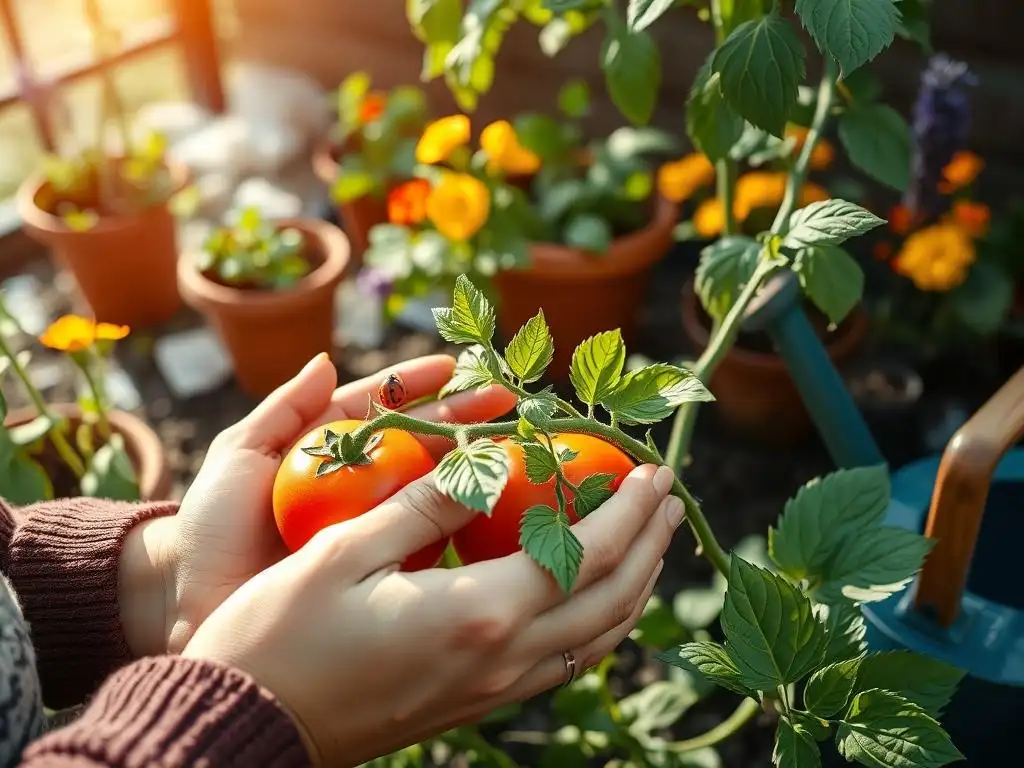
This section delves into effective, organic pest control strategies for your home garden, focusing on readily available and sustainable methods to keep your plants thriving without harmful chemicals. We'll explore several natural approaches that are both environmentally friendly and highly effective in managing common garden pests. Remember, a healthy garden ecosystem is your best defense against infestations, and attracting beneficial insects is key to long-term success with organic pest control home garden practices.
Using Diatomaceous Earth for Pest Control
Diatomaceous earth (DE) is a naturally occurring sedimentary rock composed of fossilized diatoms. Its microscopic, sharp edges effectively pierce the exoskeletons of soft-bodied insects like aphids, slugs, and ants, causing dehydration and death. This makes it a fantastic, non-toxic option for organic pest control in your home garden.
DE is available in food-grade and non-food-grade forms. Always use food-grade DE if you're applying it near edible plants. Application is simple: dust the DE directly onto affected plants, focusing on the areas where pests are most active. For slugs and snails, create a barrier of DE around vulnerable plants. Reapplication may be necessary after rain or watering, as DE can be washed away. Remember to wear a mask during application to avoid inhaling the dust.
- Advantages of using DE:
- Non-toxic to humans, pets, and beneficial insects when food-grade is used.
- Effective against a wide range of pests.
- Relatively inexpensive and readily available.
- Easy to apply.
- Disadvantages of using DE:
- Needs reapplication after rain or watering.
- Can be messy.
- Inhaling DE dust can irritate the lungs, so always wear a mask.
Neem Oil: A Natural Insecticide and Fungicide
Neem oil, extracted from the neem tree ( Azadirachta indica), is a versatile and powerful natural pesticide and fungicide. It disrupts the life cycle of many insects, acting as both a repellent and a growth inhibitor. Neem oil is effective against a wide range of pests, including aphids, whiteflies, mealybugs, and certain fungal diseases.
When using neem oil, remember to follow the instructions on the product label carefully. Dilute the oil according to the recommended ratio with water and add a few drops of liquid soap to help it adhere to the plant leaves. Apply as a foliar spray, ensuring thorough coverage of the plant's foliage. Avoid applying during the hottest part of the day, as this can damage your plants. Repeated applications may be necessary, depending on the severity of the infestation.
| Pest | Effectiveness of Neem Oil | Application Notes |
|---|---|---|
| Aphids | High | Spray thoroughly, covering undersides of leaves. |
| Whiteflies | High | Repeat applications every 3-5 days. |
| Mealybugs | Moderate | Focus on infested areas. May require multiple treatments. |
| Powdery Mildew | Moderate | Combine with other organic fungicides for best results. |
Homemade Insecticidal Soaps for Pest Management
Insecticidal soaps offer a simple and effective method for controlling soft-bodied insects. These soaps disrupt the cell membranes of pests, leading to dehydration and death. They are generally safe for beneficial insects and humans, making them a great choice for organic pest control in a home garden.
You can easily make your own insecticidal soap at home. Here's a simple recipe:
- 1 tablespoon of liquid dish soap (avoid those containing dyes or fragrances)
- 1 gallon of water
Mix the soap and water thoroughly in a spray bottle. Apply directly to the affected plants, ensuring good coverage. Test on a small area first to ensure it doesn't harm your plants. Reapply as needed, typically every 3-5 days. Remember that insecticidal soap is most effective against soft-bodied insects and needs direct contact to work. It may not be effective against all pests. This method constitutes a safe and effective option for organic pest control home garden.
Using Garlic and Onion Sprays to Deter Pests
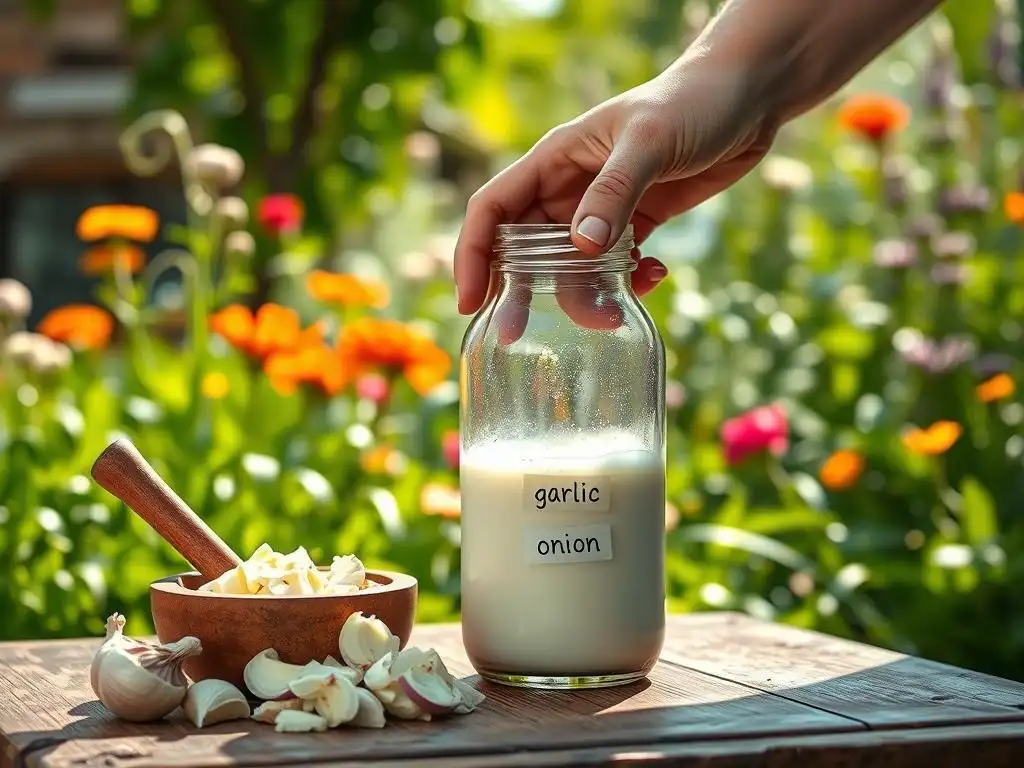
Garlic and onion sprays represent a simple yet effective method of organic pest control for your home garden. These pungent plants contain compounds that repel many common garden pests, including aphids, spider mites, and certain caterpillars. The strong odor disrupts the pests' feeding and mating behaviors, leading to reduced infestations. Creating the spray is straightforward: simply blend several cloves of garlic and/or a small onion with water, let it steep for a few hours, strain the mixture, and then dilute it with more water before spraying directly onto plants.
Remember to test a small area first to ensure the spray doesn't harm your plants. The effectiveness of these sprays can be enhanced by adding a small amount of liquid soap to help the mixture adhere to plant leaves. Regular application, ideally every few days during periods of high pest activity, is crucial for optimal results.
While not a silver bullet solution, garlic and onion sprays offer a safe and readily available deterrent for a range of common garden pests, contributing to a healthier, more productive organic garden. Regular application is key; consider combining this method with other organic pest control strategies for broader protection. The pungent aroma not only deters pests but also adds a unique, albeit subtle, fragrance to your garden.
Bacillus thuringiensis (Bt): A Biological Control Agent
Bacillus thuringiensis (Bt) is a naturally occurring soil bacterium that produces proteins toxic to specific insect larvae. This makes it a powerful and environmentally friendly biological control agent for organic pest control in your home garden. Different strains of Bt are effective against different insect pests. Some strains target caterpillars (like those of cabbage moths or tomato hornworms), while others are effective against mosquitoes or fungus gnats.
The beauty of Bt is its specificity; it generally doesn't harm beneficial insects, birds, mammals, or humans. Bt is available commercially in various formulations, including powders, liquids, and granules. Application methods vary depending on the product and the target pest, but generally involve spraying or dusting the affected plants. Always follow the product instructions carefully, paying attention to the recommended dosage and application timing.
While Bt is highly effective, it's important to note that its efficacy can be affected by factors such as temperature and rainfall. For optimal results, apply Bt during periods of active pest infestation and repeat applications as needed, following the manufacturer's guidelines. Bt is a valuable tool in the organic gardener's arsenal, providing a safe and effective way to manage many common garden pests without resorting to harmful chemicals. This biological approach contributes significantly to sustainable and organic pest management practices in the home garden, promoting a healthy ecosystem.
Monitoring and Prevention: Long-Term Organic Pest Control Strategies
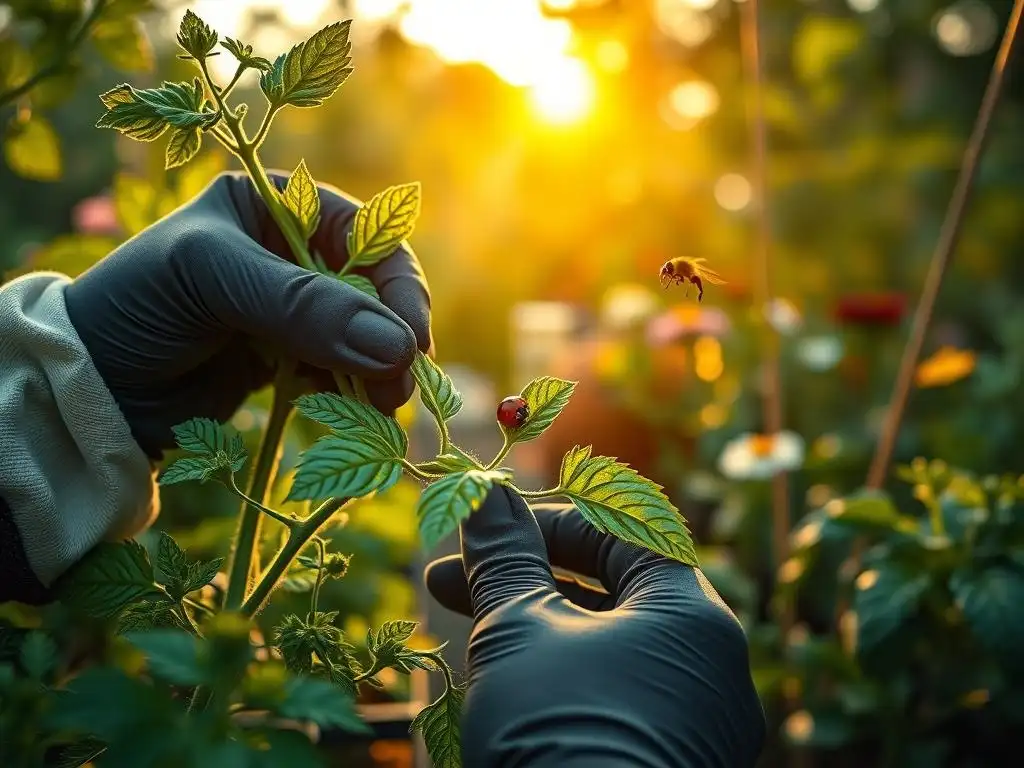
Effective organic pest control for your home garden isn't just about reacting to infestations; it's about proactively minimizing their likelihood. A comprehensive monitoring and prevention strategy is crucial for long-term success and healthy plant growth. This involves diligent observation, preventative measures, and adapting your approach to the ever-changing seasons. By implementing these strategies, you'll significantly reduce your reliance on chemical interventions and cultivate a thriving, pest-resistant garden. This approach to organic pest control home garden management is key to sustainable gardening.
Regular Garden Inspections for Early Pest Detection
Regular inspections are the cornerstone of successful organic pest control. Early detection allows for swift intervention, often preventing a minor problem from escalating into a major infestation. Aim for at least twice-weekly inspections, more frequently during peak growing seasons. Your inspections should be thorough, covering all plant parts—leaves, stems, buds, flowers, and fruits. Pay close attention to the undersides of leaves, where many pests like to hide.
Look for telltale signs of pest activity, including:
- Visible pests: Aphids, caterpillars, beetles, slugs, snails, etc.
- Damage to plants: Holes in leaves, wilting, discoloration, stunted growth, chewed stems, or webbing.
- Feces or eggs: These can indicate the presence of pests even if you don't see the insects themselves.
- Unusual plant behavior: Plants exhibiting stress, such as sudden wilting or yellowing, may be under attack.
Maintaining detailed records of your observations is extremely beneficial. Note the date, location in the garden, affected plants, type of pest (if identified), and the extent of the damage. This information will help you track pest populations, identify trends, and tailor your response accordingly. A simple notebook or spreadsheet can suffice for this task. Consider using a system that allows you to easily track your observations over time to identify patterns in pest activity.
Implementing Preventative Measures to Minimize Pest Problems
Prevention is always better than cure, especially when it comes to organic pest control. Several proactive measures can significantly reduce the risk of pest infestations:
- Crop rotation: Rotating crops annually helps break the life cycles of many soilborne pests and diseases.
- Companion planting: Strategically planting certain plants together can deter pests. For example, marigolds are known to repel nematodes, while basil can help protect tomatoes from aphids.
- Healthy soil: Healthy soil promotes strong, resilient plants that are better able to withstand pest attacks. Use compost and other organic matter to improve soil health.
- Proper watering: Avoid overhead watering, which can create a humid environment favorable to fungal diseases and some pests. Water deeply and less frequently at the base of the plants.
- Sanitation: Regularly remove weeds, dead leaves, and other plant debris, which can harbor pests and diseases. Dispose of infected plant material properly, avoiding composting unless you're certain the disease or pest can't spread further.
- Choosing pest-resistant varieties: Opt for plant varieties known for their resistance to common pests in your area. Consult your local garden center or agricultural extension office for recommendations.
By diligently implementing these preventative measures, you'll create a less hospitable environment for pests, reducing the need for intervention later. This proactive approach is a vital component of a successful organic pest control home garden strategy.
Adjusting Your Approach Based on Seasonal Changes and Pest Cycles
Pest activity fluctuates throughout the year, influenced by temperature, rainfall, and the life cycles of the pests themselves. A successful organic pest control plan must adapt to these seasonal changes.
- Spring: Many pests emerge from overwintering as temperatures rise. Increase the frequency of your garden inspections and focus on preventative measures.
- Summer: Summer is often the peak season for pest activity. Monitor closely and be prepared to implement control measures as needed. Consider using beneficial insects or other organic controls.
- Autumn: As temperatures drop, many pests seek shelter for the winter. Clean up garden debris thoroughly to remove potential overwintering sites.
- Winter: While pest activity is low, this is a good time to plan for the next growing season, including crop rotation, companion planting, and soil amendments.
Understanding the life cycles of common pests in your area is crucial for effective seasonal management. Knowing when pests are most active allows you to target your efforts most effectively. This adaptability is key to a sustainable and effective organic pest control home garden approach. Remember that consistent observation and adjustment are key to success in organic gardening. 🌱
Maintaining a Healthy Garden Ecosystem for Natural Pest Control
A thriving garden ecosystem is the cornerstone of effective organic pest control. A balanced ecosystem naturally regulates pest populations, minimizing the need for harsh chemical interventions. This balance involves fostering biodiversity, promoting beneficial insects, and creating an environment that's less attractive to pests in the first place. Think of it as a natural check and balance system. When one element is out of whack, it can trigger an imbalance that leads to pest problems.
One crucial aspect is soil health. Healthy soil, rich in organic matter, supports strong, resilient plants better able to withstand pest attacks. Composting is a vital part of this process, providing essential nutrients and beneficial microbes that improve soil structure and fertility. Regular soil testing can help identify nutrient deficiencies and guide amendments to further optimize soil health for robust plant growth. This is crucial because stronger plants are less susceptible to pests and diseases.
Another key component is plant diversity. Monoculture—planting large areas with a single species—creates a buffet for pests. Diversifying your plantings, incorporating a variety of plants with different growth habits and flowering times, disrupts pest cycles and makes it harder for them to establish large populations. Interplanting, or planting different species together, can also help confuse pests and reduce their impact. For instance, planting marigolds amongst tomatoes can deter certain tomato pests. This variety also supports a wider range of beneficial insects and other organisms that contribute to natural pest control.
Finally, providing habitat for beneficial insects and other natural predators is critical. Leaving some areas of your garden slightly wilder, with longer grasses and flowering plants, can attract ladybugs, lacewings, praying mantises, and other beneficial insects that feed on common garden pests. These natural predators are a crucial part of a healthy garden ecosystem, helping to keep pest populations in check naturally.
Consider adding birdhouses or bat houses to further enhance biodiversity and attract even more natural pest controllers to your garden. The more diverse and balanced your garden ecosystem, the less reliant you'll be on chemical interventions for organic pest control in your home garden.
Resources for Organic Pest Control in Your Home Garden
This section provides a curated list of resources to help you implement effective organic pest control in your home garden. We'll explore reputable online sources, informative books, and local resources to support your journey towards a thriving, chemical-free garden. Remember, a healthy ecosystem is the best defense against pests! This aligns perfectly with our commitment to organic pest control home garden solutions.
Reputable Online Resources for Organic Gardening
The internet offers a wealth of information on organic gardening, but navigating it can be overwhelming. Here are some trusted online resources dedicated to providing accurate and reliable advice on natural pest control:
- University Extension Websites: Many state universities offer extensive online resources on gardening, including pest control. These sites often feature research-based information tailored to your specific region's climate and common pests. Look for your state's agricultural extension service – they are invaluable!
- Organic Gardening Blogs and Forums: Numerous blogs and online forums are run by experienced organic gardeners who share their knowledge and experiences. These communities can be excellent sources of practical tips and advice, offering diverse perspectives and solutions for common pest problems. However, always critically evaluate the information you find; prioritize sources backed by scientific evidence.
- Specialized Websites on Beneficial Insects: Websites dedicated to beneficial insects and their roles in pest control can provide detailed information on attracting and supporting natural predators in your garden. Learning to identify these helpful creatures is crucial for effective organic pest management.
- Online Databases of Pests and Diseases: Several online databases offer comprehensive information on identifying common garden pests and diseases, along with organic control methods. These resources can be invaluable for diagnosing problems and choosing appropriate solutions.
Relevant Books on Natural Pest Control
While online resources are convenient, books offer a more in-depth and structured approach to learning about organic pest control. Here are some titles to consider adding to your gardening library:
- "The Organic Gardener's Handbook": This classic guide offers comprehensive coverage of organic gardening techniques, including detailed sections on pest and disease management. It's a great starting point for beginners and a valuable reference for experienced gardeners alike.
- "Natural Pest Control in the Garden": This book focuses specifically on natural pest control methods, providing practical advice and detailed explanations of the underlying principles. It often includes regional variations and recommendations.
- "Gardening Without Chemicals": This book explores chemical-free gardening practices, providing a holistic approach to maintaining a healthy garden ecosystem. It emphasizes soil health and plant vigor as key elements in preventing pest problems.
- Regional Guides: Look for books specifically focused on organic gardening in your region. These often include pest control strategies tailored to local conditions and common pests.
Local Resources for Organic Gardening Supplies and Advice
Connecting with your local community can provide invaluable support and resources for your organic gardening journey.
- Local Nurseries and Garden Centers: Many nurseries specialize in organic gardening supplies, offering a range of beneficial insects, organic pesticides, and other materials. They often have knowledgeable staff who can provide personalized advice based on your specific needs and local conditions.
- Community Gardens and Gardening Clubs: Joining a community garden or gardening club provides opportunities to learn from other gardeners, share experiences, and access collective knowledge. These groups often organize workshops and events focused on organic pest control and other sustainable gardening practices.
- Farmers' Markets: Farmers' markets can be a great source of organic produce and often feature vendors who can offer advice on organic gardening techniques and pest control. Connecting with local farmers can provide insights into their successful strategies.
- Local Extension Offices (again!): Don't forget the power of your local extension office! They often host workshops, provide consultation services, and have up-to-date information on local pests and organic pest control methods. They are a truly invaluable resource.
Remember, building a thriving, pest-resistant garden is a journey, not a race. By combining knowledge from diverse resources and adapting strategies to your specific needs, you can successfully cultivate a healthy and productive organic garden, achieving effective organic pest control home garden management. 🌱
Frequently Asked Questions
What is organic pest control?
Organic pest control involves using natural methods to manage pests in your garden, avoiding synthetic pesticides. This includes techniques like beneficial insect introduction, companion planting, and physical removal of pests. It's safer for your family, pets, and the environment.
How effective is organic pest control compared to chemical pesticides?
While not always as immediately effective as chemical pesticides, organic methods offer long-term sustainability. They build soil health and promote a balanced ecosystem, reducing pest populations over time. Effectiveness depends on consistent application and proper identification of pests.
What are some common organic pest control methods?
Popular methods include introducing ladybugs to control aphids, using neem oil as a natural insecticide, and employing diatomaceous earth for physical pest control. Companion planting with strong-smelling herbs can also deter many pests.
Are there any downsides to organic pest control?
Organic methods may require more time and effort than using chemical pesticides. They may also be less effective against severe infestations. Thorough monitoring and early intervention are crucial for success.
Where can I learn more about organic pest control for my home garden?
Resources like the CultivateYourFood website offer comprehensive guides and information on sustainable gardening practices, including detailed advice on organic pest control techniques. You can also find helpful information from local gardening clubs and extension services.
Final Reflection: Cultivating a Healthier Future, One Garden at a Time
The shift towards chemical-free pest control isn't just a trend; it's a crucial step towards safeguarding the health of our planet and ourselves. The alarming effects of synthetic pesticides on biodiversity, human health, and the delicate balance of our ecosystems demand a fundamental change in how we approach pest management, particularly in our home gardens. This article has explored the efficacy and accessibility of natural pest control methods, proving that a thriving garden doesn't require harmful chemicals.
The journey towards embracing organic pest control is a deeply personal one, reflecting a growing awareness of our interconnectedness with the natural world. It's about reclaiming control over our food sources and fostering a healthier environment for future generations. We do not inherit the earth from our ancestors, we borrow it from our children.
This quote encapsulates the responsibility we bear to cultivate sustainable practices, and organic pest control is a powerful expression of that responsibility. The impact extends beyond our individual gardens; it's about creating a ripple effect of change, encouraging others to adopt similar methods and contributing to a larger movement towards environmental stewardship.
Consider the small changes you can make today. Start by identifying the pests in your garden and researching natural solutions. Experiment with companion planting, introduce beneficial insects, or explore homemade pest deterrents. Remember, every step you take towards chemical-free pest control is a victory for your garden, your health, and the health of our planet. Embrace the challenge, celebrate the successes, and become a part of a growing community committed to a healthier, more sustainable future.
Unleash Your Garden's Natural Power!
Thank you for exploring chemical-free pest control! You now have the knowledge to cultivate a thriving, healthy garden. Ready to put your new skills into practice?
- Craft your own natural pest repellent: Begin by gathering readily available ingredients and create a customized solution for your garden's specific needs. It's surprisingly simple!
- Share your experiences: Join our CultivateYourFood community forum and connect with fellow gardeners to share your successes and challenges. Let's learn from one another!
- Experiment with companion planting: This rewarding technique offers a natural way to protect your plants. Discover which plant combinations thrive best in your garden.
What natural pest control methods will you try first? Let's discuss in the comments below!