
Drying Fruits 101: The Ultimate Guide for Home Gardeners

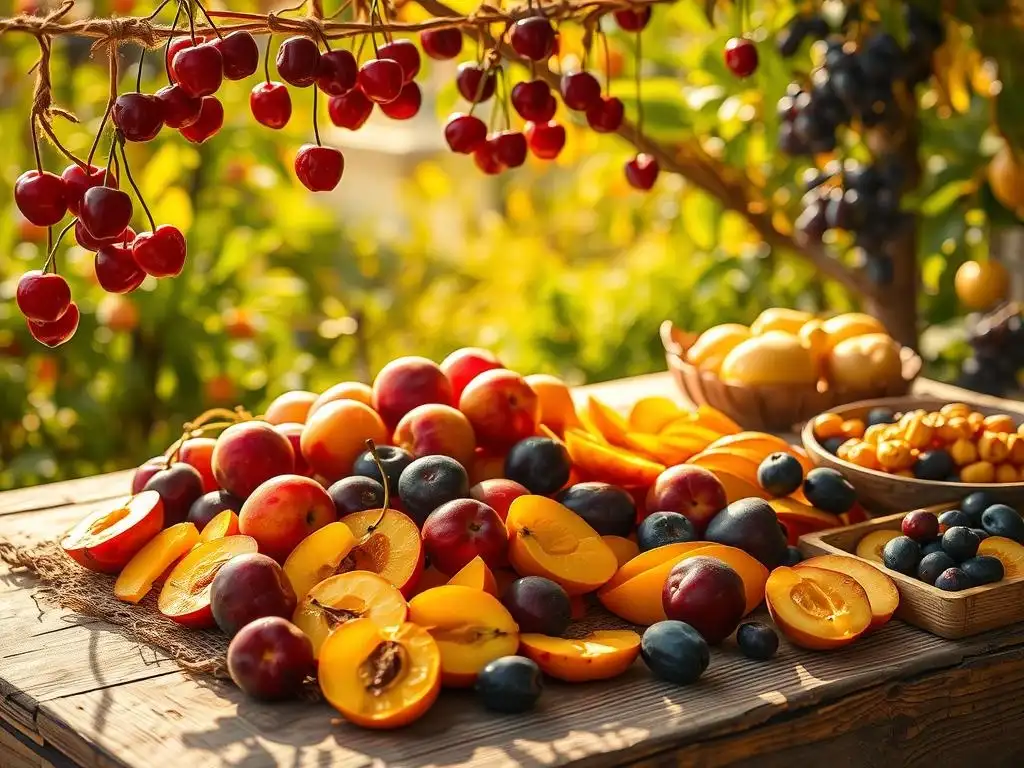
Welcome to CultivateYourFood, your guide to a bountiful and sustainable home garden! Ready to unlock the secrets to preserving your harvest and enjoying the fruits (literally!) of your labor all year round? Learn how to dry fruit at home with our comprehensive guide, part of our Harvesting and Preserving series. Discover simple, effective techniques that will transform your fresh produce into delicious, long-lasting treats. Let's get started!
Why Dry Fruits? Benefits of Home Fruit Drying
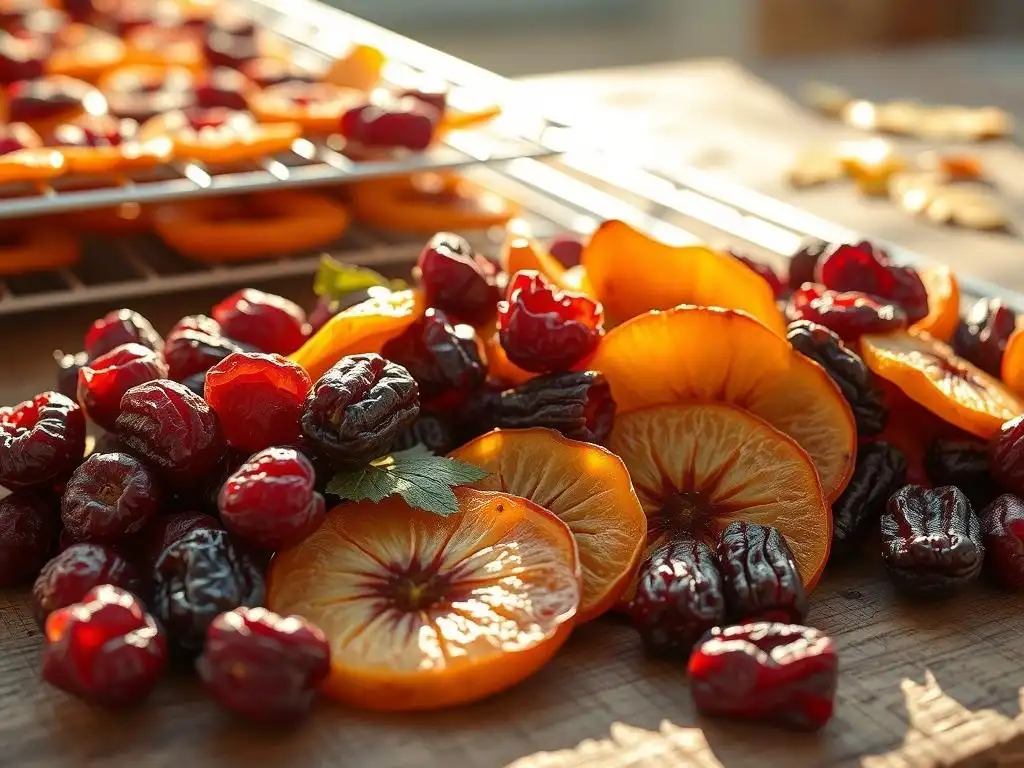
Drying fruit at home is a rewarding and sustainable way to preserve the bounty of your garden, extending the enjoyment of your harvest long after the growing season ends. This ultimate guide will walk you through the process, from selecting the right fruits to the various drying methods available for home gardeners, ensuring you get the best results while minimizing waste and maximizing flavor.
Learning how to dry fruit at home not only provides a delicious and nutritious snack but also contributes to a more environmentally conscious lifestyle by reducing reliance on commercially produced dried fruits, often laden with preservatives and additives. This comprehensive guide will cover everything you need to know to successfully dry fruits at home, answering the question "How to dry fruit at home" definitively.
We'll explore the benefits, techniques, and considerations involved in this age-old preservation method, empowering you to transform your fresh harvest into delectable dried treats.
The Nutritional Powerhouse: Preserving Nutrients Through Drying
Drying fruit is a surprisingly effective way to retain many essential nutrients. While some water-soluble vitamins might be lost during the drying process, a significant portion of vitamins like vitamin C and various antioxidants remain intact. 1 Furthermore, the concentration of minerals and fiber increases as the water content decreases, making dried fruits a nutrient-dense snack. For example, dried apricots are a great source of beta-carotene, which your body converts into vitamin A, crucial for vision and immune function. Similarly, dried cranberries boast a high concentration of antioxidants, known for their protective effects against cell damage. The process of sun-drying, in particular, allows for a gentler preservation of these vital nutrients compared to some industrial methods.
Extending Shelf Life: From Fresh to Months of Enjoyment
One of the most significant advantages of drying fruit is its extended shelf life. Fresh fruits are highly perishable, often spoiling within days or weeks. Drying significantly reduces the water activity, creating an environment inhospitable to microorganisms that cause spoilage.
This allows you to enjoy your favorite fruits for months, even years, if stored properly in airtight containers in a cool, dark, and dry place. This is especially valuable for home gardeners who may have an abundance of fruit during harvest season and want to enjoy it throughout the year. Imagine the satisfaction of savoring the taste of summer strawberries during the cold winter months!
Reducing Food Waste: A Sustainable Approach
Drying fruit is a fantastic method for reducing food waste. Often, home gardeners find themselves with an overabundance of fruit that they can't consume fresh before it spoils. Instead of letting this bounty go to waste, drying provides a practical and delicious solution. This aligns perfectly with sustainable living principles, minimizing environmental impact by making the most of your harvest. Turning surplus fruit into dried snacks reduces landfill waste and promotes a more responsible approach to food production and consumption. This is a win-win situation – both for your wallet and the planet!
Versatility and Culinary Applications: Beyond Simple Snacks
Dried fruits are incredibly versatile and can be incorporated into a wide range of culinary creations. They can be enjoyed as a healthy snack on their own, added to trail mixes, incorporated into baked goods like muffins and breads, used as a topping for yogurt or oatmeal, or even incorporated into savory dishes for a unique flavor twist. The possibilities are endless, allowing you to experiment and discover new and exciting ways to use your home-dried fruit. The concentrated sweetness and unique textures add depth and complexity to many recipes.
1 Further research is needed to quantify the exact nutrient retention rates for various fruits and drying methods.
Frequently Asked Questions
What is the best way to dry fruit at home?
There are several methods, including air drying, dehydrating with a food dehydrator, and sun drying. The best method depends on your climate, available resources, and the type of fruit. Air drying is generally the simplest for smaller batches.
How long does it take to dry fruit at home?
Drying time varies greatly depending on the method used, fruit type, thickness of slices, and humidity. Air drying can take several days to weeks, while a dehydrator may take only a few hours to a day.
What fruits are best for drying?
Fruits with a low moisture content and high sugar content generally dry well. Good choices include apples, pears, berries, figs, and cherries. Avoid fruits that are overly watery or prone to spoilage.
How do I store dried fruit properly?
Store dried fruit in an airtight container in a cool, dark, and dry place. This helps to prevent spoilage and maintain quality. Proper storage can extend the shelf life of your dried fruit for months.
Can I use my oven to dry fruit?
Yes, you can use your oven on a low setting with the oven door slightly ajar to dry fruit. However, this method requires close monitoring to prevent burning and may not be as efficient as a dehydrator. It's crucial to maintain consistent low heat.
Final Reflection: The Enduring Sweetness of Home-Dried Fruit
The art of drying fruit at home isn't just a nostalgic hobby; it's a powerful tool for preserving nature's bounty and reducing our environmental footprint. In a world increasingly focused on sustainable living and minimizing food waste, mastering this simple technique offers a tangible way to connect with our food sources and enjoy the fruits of our labor (literally! ).
The process of drying fruit, from the careful selection of ripe produce to the satisfying crunch of the finished product, has profoundly impacted my relationship with food. It's a meditative practice, a slow and mindful process that allows for deep appreciation of the natural world. We must learn to live together as brothers or perish together as fools.
- Martin Luther King Jr. While seemingly unrelated to drying fruit, this quote speaks to the interconnectedness of our actions – our choices in food production and consumption have far-reaching consequences, and choosing to dry our own fruit is a small but significant step towards a more sustainable future.
Now, it's your turn. Consider the abundance of fruit available to you, whether from your own garden or your local farmers market. Imagine the joy of savoring the sun-ripened sweetness of home-dried fruit throughout the year, knowing you played a part in its journey from branch to bowl. Embrace the challenge, experiment with different fruits and techniques, and discover the enduring sweetness of home-dried fruit for yourself. Let this guide be your starting point on a journey of delicious self-sufficiency and mindful consumption.
Unlock the Sweetness: Preserve Your Harvest Today!
Thank you for exploring the world of fruit drying! We hope you've gained valuable insights into preserving your homegrown produce. Now it's time to put your knowledge into practice.
- Start drying your first batch: Choose your favorite fruits and begin! Even a small batch is a rewarding way to experience the joy of preserving your harvest. Remember to follow the drying techniques outlined in the article for optimal results.
- Share your experiences: Connect with our community on social media and share your fruit-drying journey. We'd love to see your creations and hear your tips!
- Experiment with different fruits and techniques: Don't be afraid to try something new! Drying various fruits opens up a world of culinary possibilities.
What fruit are you most excited to dry next?