
Composting with Kids: Turning Kitchen Scraps into Garden Gold

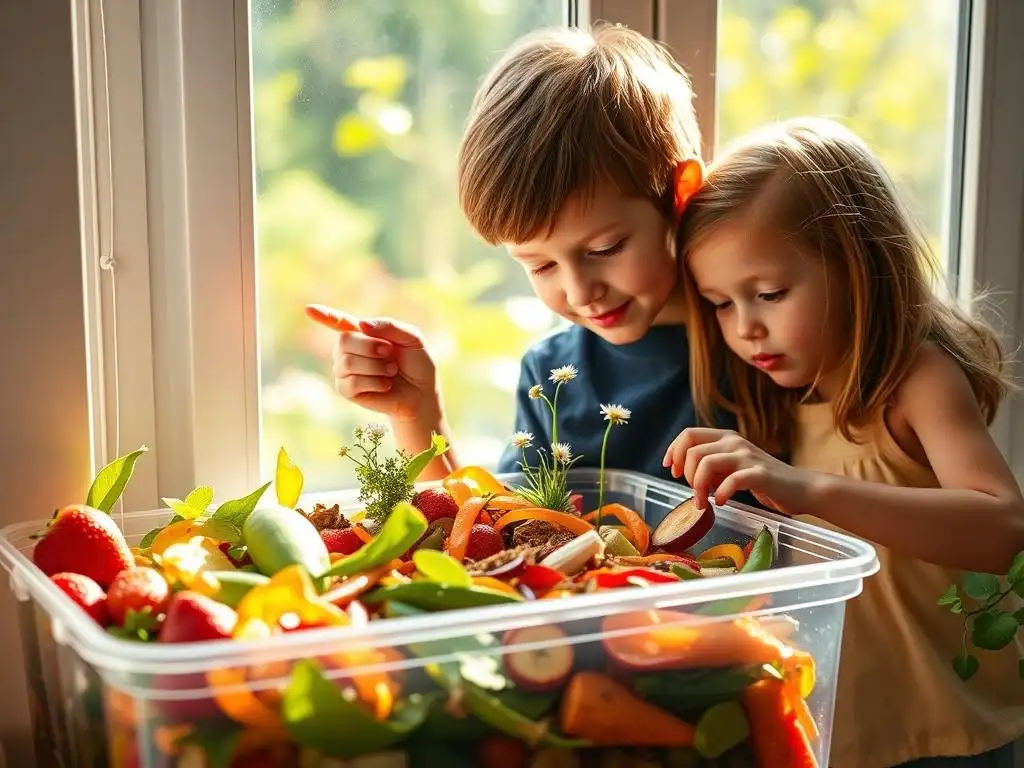
Welcome to CultivateYourFood, your guide to a greener, more fruitful life! Ready to transform your kitchen scraps into valuable garden gold? We'll show you how, with our insightful guide on Kids Composting Kitchen Scraps, part of our "Gardening with Children" series. Discover fun, sustainable ways to involve the whole family in creating a thriving home garden, from planting to harvest and beyond. Let's get started on this rewarding journey together!
-
Why Compost with Kids? Benefits of Engaging Children in Composting
- Environmental Education: Teaching Kids about Waste Reduction and Recycling
- Building Responsibility: Fostering a Sense of Ownership and Care for the Environment
- Connecting with Nature: Understanding the Life Cycle and Decomposition Process
- Fun Family Activity: Creating a Shared Experience Through Gardening and Composting
-
Getting Started: Setting Up Your Kid-Friendly Composting System
- Choosing the Right Composting Method for Kids: Worm Composting vs. Backyard Bin
- Gathering Materials: Essential Supplies for a Successful Composting Project with Children
- Building a Compost Bin Together: A Step-by-Step Guide for Kids and Parents
- Safety First: Important Precautions When Composting with Young Children
- What to Compost: Suitable Kitchen Scraps for Kids Composting
- The Composting Process: A Kid-Friendly Explanation
- Harvesting and Using Your Compost: Rewarding the Effort
- Beyond Kitchen Scraps: Expanding Your Composting Efforts
- Frequently Asked Questions
- Final Reflection: Cultivating a Greener Future, One Compost Bin at a Time
- Unlock Your Garden's Potential: Start Composting Today!
Why Compost with Kids? Benefits of Engaging Children in Composting
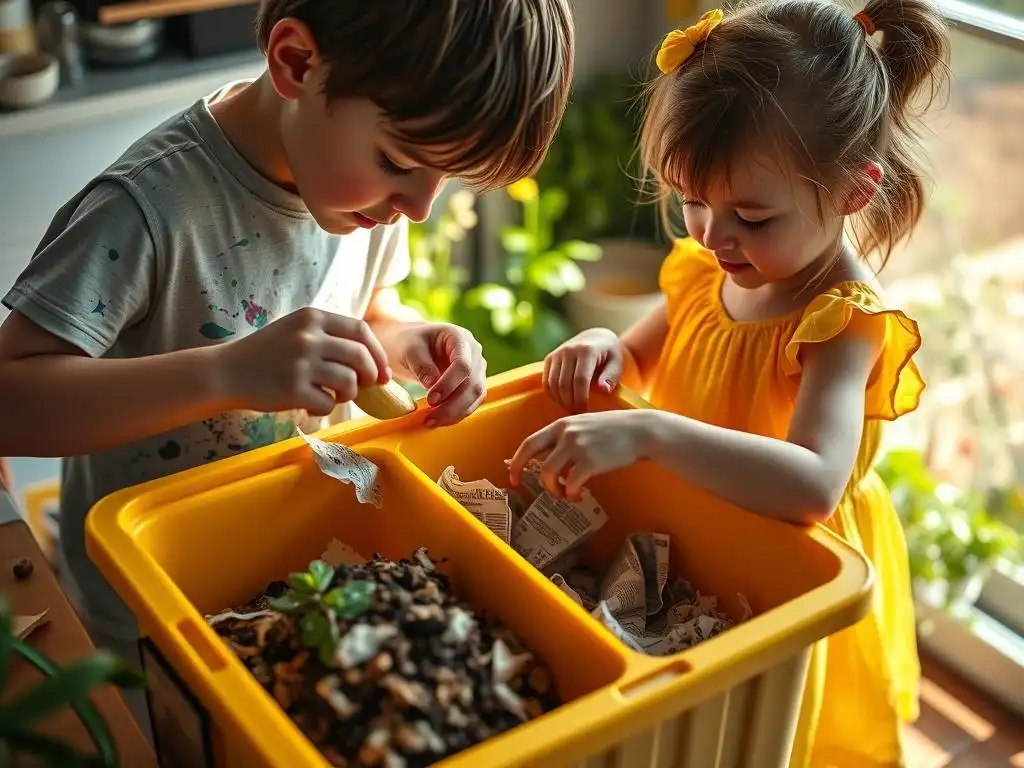
Composting with kids isn't just about creating nutrient-rich soil for your garden; it's about cultivating a lifelong appreciation for environmental stewardship. This article explores the numerous benefits of involving children in the composting process, transforming what might seem like a chore into a fun and educational experience that fosters responsibility, connects them with nature, and teaches valuable lessons about waste reduction. Turning kitchen scraps into "garden gold" becomes a tangible demonstration of sustainability, making abstract concepts like recycling and decomposition readily understandable and engaging for young minds.
We'll delve into practical tips and strategies to make composting with children a rewarding and enriching activity for the whole family, helping you create a thriving garden and a generation of environmentally conscious individuals. Let's get started on this enriching journey of transforming kitchen waste into valuable garden resources! 🎉
Environmental Education: Teaching Kids about Waste Reduction and Recycling
Incorporating children into the composting process provides a hands-on lesson in waste reduction and recycling. Instead of simply throwing away fruit peels, vegetable scraps, and coffee grounds, kids learn that these materials can be repurposed into something valuable. This directly combats the often-abstract concept of landfill waste, demonstrating the tangible impact of responsible waste management. By actively participating in the composting process, children gain a deeper understanding of the lifecycle of organic materials, observing the transformation from discarded scraps to nutrient-rich compost that nourishes their garden.
This experiential learning fosters a stronger sense of environmental responsibility and encourages sustainable practices from a young age. For example, explaining how reducing food waste through mindful consumption directly impacts the amount of compostable material available is a powerful lesson in interconnectedness. ♻️
Building Responsibility: Fostering a Sense of Ownership and Care for the Environment
Composting offers a unique opportunity to instill a sense of responsibility and ownership in children. Assigning age-appropriate tasks, such as collecting kitchen scraps, turning the compost pile (with supervision! ), or watering the compost bin, empowers them to contribute meaningfully to a shared household project. This fosters a feeling of accomplishment and pride in their contribution to the environment.
The cyclical nature of composting—from kitchen scraps to rich soil nourishing plants—demonstrates the importance of continuous care and attention, mirroring the responsibility we have towards our planet. Children learn that their actions have a direct and positive impact, nurturing a sense of environmental stewardship that extends far beyond the compost bin. Regular participation builds consistency and reinforces the value of contributing to a sustainable lifestyle. 🌱
Connecting with Nature: Understanding the Life Cycle and Decomposition Process
Composting provides a fascinating window into the natural processes of decomposition and the life cycle of organic matter. Children can observe firsthand the transformation of kitchen scraps into rich, dark compost, witnessing the work of microorganisms and understanding the role they play in the ecosystem. This hands-on experience brings abstract scientific concepts to life, making learning engaging and memorable. Observing worms and other beneficial organisms within the compost pile sparks curiosity and encourages further exploration of the natural world.
The connection between composting, healthy soil, and thriving plants creates a tangible link between their actions and the growth of their own garden, strengthening their understanding of the interconnectedness of life. This experience fosters a deeper appreciation for the natural world and inspires a lifelong interest in environmental sustainability. 🐛
Composting with kids isn't just about creating nutrient-rich soil; it's about fostering a deeper connection with nature and building lasting family memories. Transforming kitchen scraps into valuable garden gold becomes a shared journey, a collaborative project that strengthens family bonds. Imagine the laughter as little hands carefully layer banana peels and coffee grounds into the compost bin, learning about decomposition and the circle of life firsthand. This hands-on experience transcends the typical screen-time activities, offering a unique opportunity for quality time and shared accomplishment.
The pride children feel when they see their compost enriching the family garden, nurturing the vegetables they'll later harvest and enjoy, is immeasurable. It's a powerful lesson in responsibility and the interconnectedness of nature, all while creating fun, lasting memories. Moreover, working together on a shared project like composting teaches patience, observation skills, and the importance of teamwork – valuable life lessons that extend far beyond the garden.
The shared experience of nurturing something from start to finish fosters a sense of accomplishment and belonging, strengthening family ties in the process. Consider family composting days – a dedicated time each week or month where everyone contributes, shares in the process, and celebrates the results together. This shared activity is a fantastic way to make learning about sustainability fun and engaging for the whole family.
The benefits extend beyond the immediate family experience. Including extended family members, like grandparents, in the composting process creates intergenerational connections, passing down valuable knowledge and traditions. Grandparents can share their gardening wisdom, while children gain a connection to their family's history and a deeper appreciation for the natural world. These shared experiences create lasting memories and strengthen familial bonds across generations, fostering a sense of community and shared purpose.
Family bonding over composting is not just about the end product; it's about the shared journey, the laughter, the lessons learned, and the memories created along the way. The garden becomes a space for connection, collaboration, and cherished family time. It’s a unique opportunity to teach children about environmental responsibility while creating a positive and engaging family experience.
Getting Started: Setting Up Your Kid-Friendly Composting System
This section focuses on establishing a safe and engaging composting system perfect for involving children in the process of transforming kitchen scraps into valuable garden compost. We'll explore different methods, gather essential supplies, and build a compost bin suitable for little hands. Remember, the goal is to foster a love for sustainable practices while having fun! This process teaches valuable lessons about decomposition and the circularity of nature. Learning about "Kids composting kitchen scraps" becomes an exciting adventure rather than a chore.
Choosing the Right Composting Method for Kids: Worm Composting vs. Backyard Bin
Choosing the right composting method is crucial for keeping kids engaged and the process manageable. Two popular options are worm composting (vermicomposting) and using a traditional backyard bin.
Worm Composting: This method uses worms, specifically red wigglers ( Eisenia fetida), to break down organic matter. It's ideal for smaller spaces and produces a nutrient-rich "worm castings" fertilizer. Kids find the worms fascinating, and the relatively small scale makes it easy for them to participate in regular maintenance. The learning opportunities abound; they can observe the worms' activity, learn about their role in decomposition, and even gently handle them (with supervision, of course!). However, worm composting requires consistent monitoring of moisture levels.
Backyard Bin Composting: This traditional method involves layering kitchen scraps and yard waste in a larger bin. It's great for larger quantities of waste, but requires more space and might be less engaging for very young children due to the slower decomposition process. However, older children can be involved in turning the compost pile, a crucial step to ensure proper aeration and decomposition. The visual changes over time are significant and can be a great learning tool to understand the decomposition process.
Gathering Materials: Essential Supplies for a Successful Composting Project with Children
Before you begin, gather these essential materials to make the composting experience fun and educational for your children:
- For Worm Composting: A clear plastic bin (to observe the worms), coco coir or shredded newspaper (as bedding), red wiggler worms (order online or from a local supplier), a spray bottle for moisture control.
- For Backyard Bin Composting: A sturdy compost bin (wooden or plastic), a garden fork or shovel (child-sized tools are available! ), a tarp or sheet (to cover the bin and retain moisture).
Remember safety first! Choose child-safe tools and supervise children closely during the composting process. Consider using gloves to protect hands from potential irritants. Explain the importance of hygiene and handwashing after handling compost. This aspect is crucial for "Kids composting kitchen scraps" safety.
Building a Compost Bin Together: A Step-by-Step Guide for Kids and Parents
Building a compost bin with your children is a rewarding experience. Here’s a simple guide for a basic three-bin system:
- Gather your materials: Three sturdy wooden pallets (or other suitable material), screws, a drill, and gloves.
- Assemble the bins: Stand the pallets upright to create three separate compartments. Securely fasten them together using screws.
- Add the compostable material: Start with a layer of brown materials (dried leaves, twigs) followed by green materials (kitchen scraps, grass clippings). Repeat the layering process.
- Turn the compost: Regularly turn the compost using a garden fork to introduce air and speed up decomposition. This is a great opportunity to involve children in the process, teaching them about aeration and decomposition.
- Monitor moisture: Keep the compost moist, but not soggy. Add water if necessary.
- Harvest the compost: After several months (depending on the climate and materials), your compost will be ready to use. This rich, dark soil is perfect for your garden!
This hands-on project teaches children responsibility, patience, and the importance of recycling and sustainability. The satisfaction of creating something useful from waste is invaluable. Remember to emphasize the positive impact of "Kids composting kitchen scraps" on the environment and their garden.
Safety First: Important Precautions When Composting with Young Children
Composting with kids is a fantastic way to teach environmental responsibility and connect them with the natural world. However, safety should always be the top priority. Young children can be curious and might unintentionally put themselves at risk. Therefore, establishing clear safety guidelines is crucial before embarking on this rewarding project.
One of the most important precautions is to supervise children closely at all times when they are near the compost bin. This isn't about stifling their independence, but rather about preventing accidents. Small children might be tempted to touch or even reach into the compost, potentially encountering sharp objects like broken glass or metal, or coming into contact with potentially harmful bacteria. Constant supervision minimizes these risks.
Another key aspect of safety is choosing the right compost bin. Avoid bins with sharp edges or easily accessible openings. A closed-lidded bin, perhaps with a secure latch, is ideal for preventing little fingers from getting stuck or exploring the contents unsupervised. Consider a bin made from a child-safe material, such as sturdy plastic or wood, to minimize the risk of splinters or breakage.
The type of compostable material also plays a role in safety. Avoid adding meat scraps, dairy products, or oily foods to the compost, as these can attract pests like rodents or flies. These pests can pose health risks to children, especially if they're not properly managed. Stick to readily compostable vegetable scraps, fruit peels, and yard waste, which are less likely to create unsanitary conditions. Remember to thoroughly wash any fruits or vegetables before adding them to the compost pile to reduce the risk of bacterial contamination.
Finally, teach children about appropriate compost handling. Explain that they shouldn't touch their faces or mouths after handling compost materials and that thorough handwashing is essential after each composting session. This simple act can significantly reduce the risk of infection.
Make handwashing a fun and engaging part of the composting process, perhaps with colorful soap and a timer to ensure they wash their hands long enough. By prioritizing safety and establishing clear guidelines, you can create a fun and educational composting experience for your children while ensuring their well-being. Remember, a safe and engaging experience makes learning about composting much more enjoyable for everyone involved!
What to Compost: Suitable Kitchen Scraps for Kids Composting
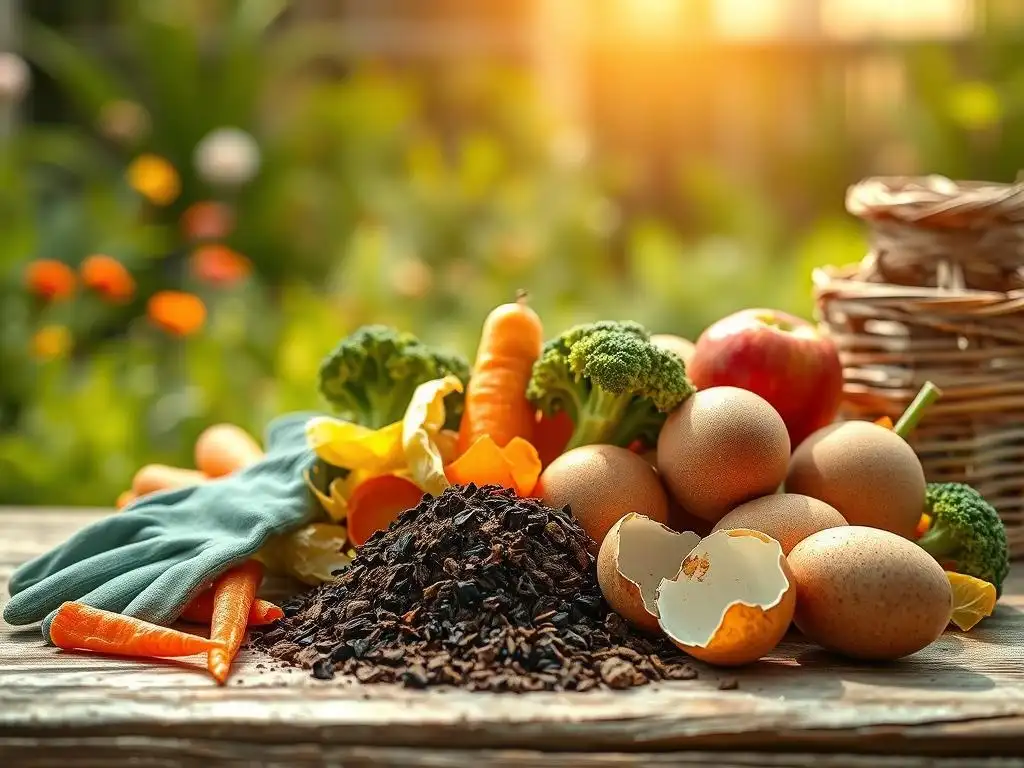
This section details what kitchen scraps are ideal for composting with children, focusing on safety and ease of handling. Remember, the goal is to make composting an enjoyable and educational experience for young learners. Proper selection of materials is key to a successful and odor-free composting process. Let's explore what makes the cut!
Acceptable Items: Fruits, Vegetables, Eggshells, Coffee Grounds, Tea Bags
Many common kitchen scraps are perfect for a child-friendly compost bin. Think of fruits and vegetables as the stars of the show! Apple cores, banana peels, carrot tops, and orange peels all decompose beautifully, providing rich nutrients for your garden. Eggshells, surprisingly, are also excellent additions. They're a great source of calcium and help improve soil structure. Similarly, coffee grounds and tea bags (remove staples!) add nitrogen to the mix, boosting the composting process. These items are relatively easy for children to handle and identify, making them ideal for hands-on learning about decomposition.
Consider using a visual aid, such as a labeled chart or picture cards, to help children quickly identify acceptable items. This reduces confusion and makes the sorting process more efficient and fun. For example:
| Acceptable Item | Benefits | Ease of Handling for Kids |
|---|---|---|
| Fruit scraps (apples, bananas) | Rich in sugars and nutrients | Easy |
| Vegetable scraps (carrot tops, potato peels) | Adds fiber and nutrients | Easy |
| Eggshells | Calcium source, improves soil structure | Moderate (supervise cracking) |
| Coffee Grounds | Nitrogen source, improves soil aeration | Easy |
| Tea Bags (staple-removed) | Nitrogen source, adds organic matter | Easy |
Remember to always rinse items before adding them to the compost bin to prevent attracting pests. This is a great opportunity to teach children about hygiene and responsible waste management.
Items to Avoid: Meat, Dairy, Oily Foods, Diseased Plants
While many kitchen scraps are compostable, some should be avoided, especially when composting with children. Meat, dairy products, and oily foods attract pests and can create unpleasant odors, making the composting experience less enjoyable. These items also decompose more slowly and can contribute to foul smells. Furthermore, diseased plants can introduce harmful pathogens into your compost and soil, potentially damaging your garden. It's crucial to teach children to identify and separate these items from the compostable materials.
The following table summarizes items to avoid and why:
| Item to Avoid | Reason for Avoidance | Potential Consequences |
|---|---|---|
| Meat, Fish, Poultry | Attracts pests, decomposes slowly, foul odor | Pests, unpleasant smell, slow decomposition |
| Dairy Products | Attracts pests, decomposes slowly, foul odor | Pests, unpleasant smell, slow decomposition |
| Oily Foods | Attracts pests, creates unpleasant odor, repels worms | Pests, unpleasant smell, inhibited decomposition |
| Diseased Plants | Can spread pathogens to healthy plants and soil | Damaged plants, unhealthy soil, potential disease spread |
Teaching children about the "don'ts" of composting is equally important as teaching them the "dos." This comprehensive approach ensures a safe and successful composting experience for everyone.
Making it Fun: Engaging Kids in Sorting Kitchen Waste for Composting
Turning kitchen waste into garden gold shouldn't feel like a chore, especially for kids! Here are some ideas to make the sorting process engaging and educational:
- Create a Composting Chart: Use pictures and simple words to illustrate what can and cannot be composted. This visual aid helps children quickly identify items and reinforces the learning process.
- Compost Bingo: Create bingo cards with pictures of acceptable compost materials. As children sort, they mark off the items on their cards. The first to get bingo wins a small prize!
- Storytelling: Invent stories about the kitchen scraps' journey from the sink to the garden. This imaginative approach makes learning fun and memorable.
- Compost Creature Creation: Use the compostable items to create small sculptures or art projects. This adds a creative element to the process and provides a sense of accomplishment.
- Regular Monitoring and Observation: Involve children in monitoring the compost bin regularly. This allows them to observe the decomposition process firsthand and understand the transformation of waste into nutrient-rich soil. This is a fantastic opportunity to discuss the importance of patience and the natural cycle of decomposition.
Remember to always supervise young children while they are handling kitchen scraps and interacting with the compost bin. By making composting a fun and interactive activity, you are not only teaching children about environmental responsibility but also fostering a love for nature and gardening. The rewards – both for the garden and for the children – are immeasurable! 🌱
The Composting Process: A Kid-Friendly Explanation
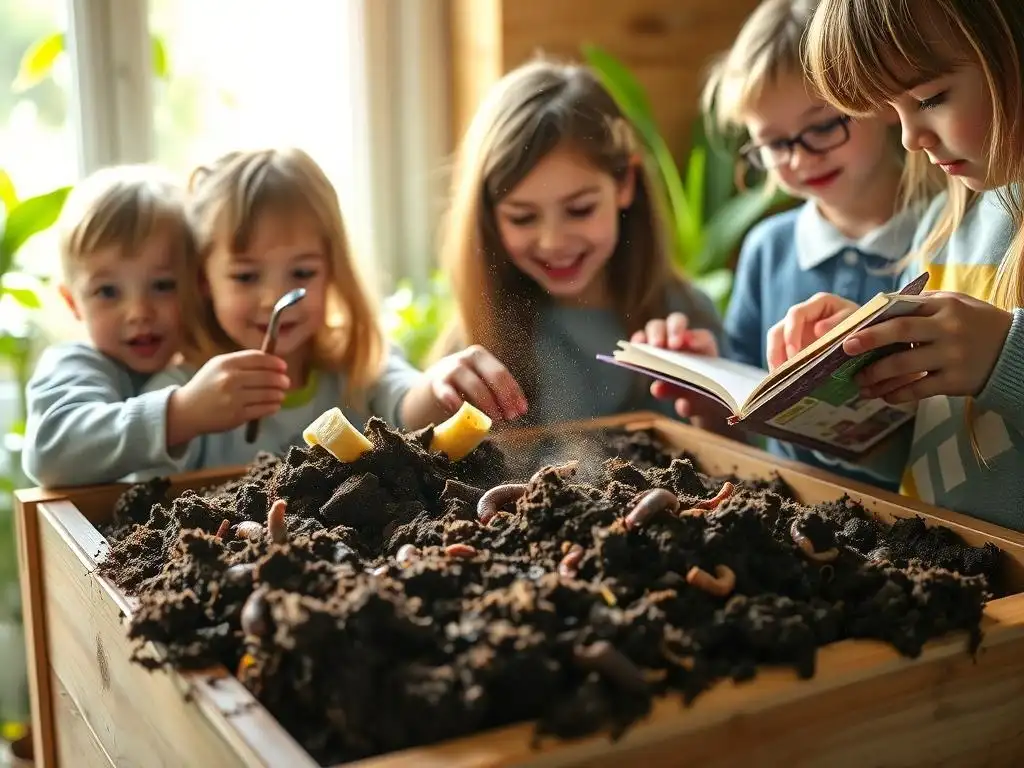
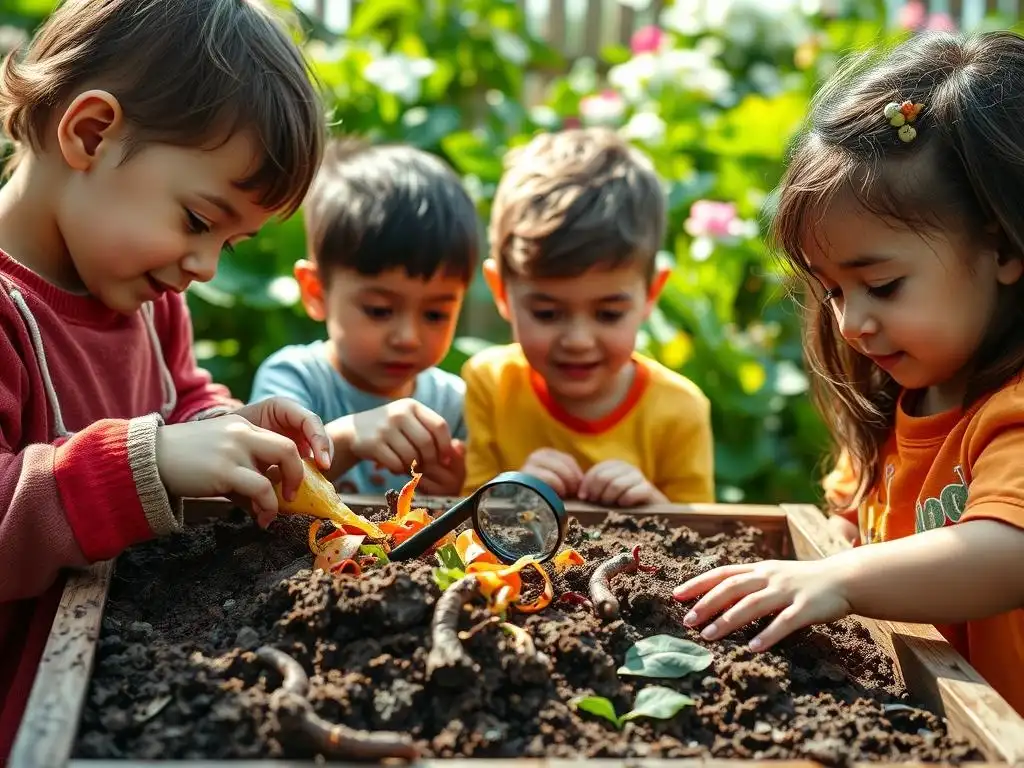
Composting is nature's way of recycling! It's like giving your food scraps a second life, transforming them into nutrient-rich soil that helps your plants grow big and strong. This process is perfect for teaching kids about environmental responsibility and the circle of life. Think of it as a magical transformation – turning unwanted kitchen scraps into "garden gold" that nourishes your plants.
Kids can actively participate in every step, making learning fun and engaging. By involving children in the composting process, you're fostering a sense of responsibility towards the environment and teaching them valuable life skills related to sustainability and resource management. This makes "Kids composting kitchen scraps" a particularly rewarding activity.
Decomposition: What Happens to the Scraps? (Including visual aids)
Imagine a busy city underground! That's what's happening inside your compost bin. Tiny creatures, like bacteria and fungi (too small to see without a microscope! ), are the hardworking city workers. They break down the food scraps into smaller and smaller pieces. Think of it like this:
- Step 1: Shredding: Larger pieces of food are broken down into smaller pieces by larger organisms like worms and insects.
- Step 2: Digestion: Bacteria and fungi then go to work, digesting the complex organic matter, like sugars and starches. This process releases heat, which is why compost piles often get warm.
- Step 3: Humus Formation: Finally, the scraps transform into dark, crumbly humus – the rich, nutrient-rich soil that's perfect for your plants!
We can visualize this process with a simple table:
| Stage | Workers | Process | Result |
|---|---|---|---|
| Shredding | Worms, insects | Break down large pieces into smaller ones | Smaller, manageable pieces of organic matter |
| Digestion | Bacteria, fungi | Break down organic matter into simpler forms | Heat generation, release of nutrients |
| Humus Formation | Bacteria, fungi, other decomposers | Transformation into stable organic matter | Dark, crumbly, nutrient-rich humus |
This decomposition process is vital for healthy soil and thriving plants. It's a fantastic opportunity to illustrate the interconnectedness of nature and the importance of recycling. The entire process, from "Kids composting kitchen scraps" to the resulting rich soil, is a testament to the beauty of nature's cycles.
Turning the Compost: Why and How to Teach Kids this Important Step
Turning, or aerating, the compost pile is crucial. It's like giving the tiny decomposers a breath of fresh air! Without enough oxygen, the decomposition process slows down, and the compost can become smelly and slimy. Teaching kids to turn the compost is a great way to engage them physically and help them understand the importance of oxygen in the process.
Here's how to teach kids to turn the compost:
- Use a garden fork or a special compost turner.
- Gently lift and turn sections of the pile, mixing the materials from the inside to the outside.
- This ensures even decomposition and prevents anaerobic conditions (lack of oxygen).
- Aim to turn the compost every few days, or at least once a week, depending on the size of the pile and weather conditions.
Turning the compost is a great opportunity to observe the changes happening within the pile. Kids can see how the materials are breaking down and how the compost is changing in color and texture. It's a hands-on lesson in environmental stewardship that reinforces the importance of "Kids composting kitchen scraps" as a valuable contribution to a sustainable lifestyle.
Monitoring Moisture Levels: Teaching Kids to Maintain the Right Balance
Maintaining the right moisture level is key to successful composting. Too dry, and the decomposition process slows down. Too wet, and the compost becomes anaerobic (lack of oxygen), leading to foul smells and potentially harmful bacteria. Teaching kids to monitor moisture helps them develop observational skills and a sense of responsibility.
Here’s how to teach kids to check moisture levels:
- Grab a handful of compost.
- Squeeze it gently.
- It should feel damp, like a wrung-out sponge.
- If it's too dry, add some water.
- If it's too wet, add some dry materials like shredded paper or dry leaves.
Regular monitoring and adjustments ensure optimal composting conditions. This hands-on approach helps kids understand the delicate balance needed for successful decomposition and the importance of their role in maintaining this balance. By involving kids in this aspect of "Kids composting kitchen scraps", you are nurturing their understanding of environmental responsibility and building their confidence in practical skills. It is a fun and educational process that teaches them valuable lessons about the environment and the importance of sustainable practices.
Troubleshooting Common Issues: Dealing with Odors or Pests
Composting with kids is a rewarding experience, but like any process, it can present a few challenges. Understanding how to address common problems proactively will ensure a smooth and successful composting journey. Let's tackle two frequent issues: unpleasant odors and pesky pests.
Dealing with unpleasant smells is often a matter of managing moisture levels. Too much moisture creates anaerobic conditions (lack of oxygen), leading to foul-smelling gases. The solution? Simply add more brown materials like dry leaves or shredded paper to absorb excess moisture. Think of the browns as the compost's "sponges." Regularly turning the compost pile also helps aerate it, reducing odor-causing bacteria. A well-aerated compost pile will smell earthy and slightly sweet, not pungent or rotten. If the smell persists despite these efforts, you may need to remove some of the wettest materials.
Pests are another potential concern, particularly fruit flies. Fruit flies are attracted to decaying fruit and vegetables. To prevent them, ensure you're not adding overly ripe or spoiled food scraps. Covering the compost bin with a lid or mesh screen can also help keep these pests at bay. If you already have an infestation, removing the offending scraps and adding a layer of brown material can help deter them. In more severe cases, you might consider introducing beneficial nematodes, microscopic worms that feed on fly larvae. However, this is generally only necessary for large-scale composting operations. For a home compost bin with kids, the simpler solutions usually suffice. Remember, involving kids in regularly checking the compost and addressing minor issues early prevents larger problems from developing. It's a great learning opportunity about observation and problem-solving! They can even help you create a chart to track moisture levels and pest activity.
Harvesting and Using Your Compost: Rewarding the Effort
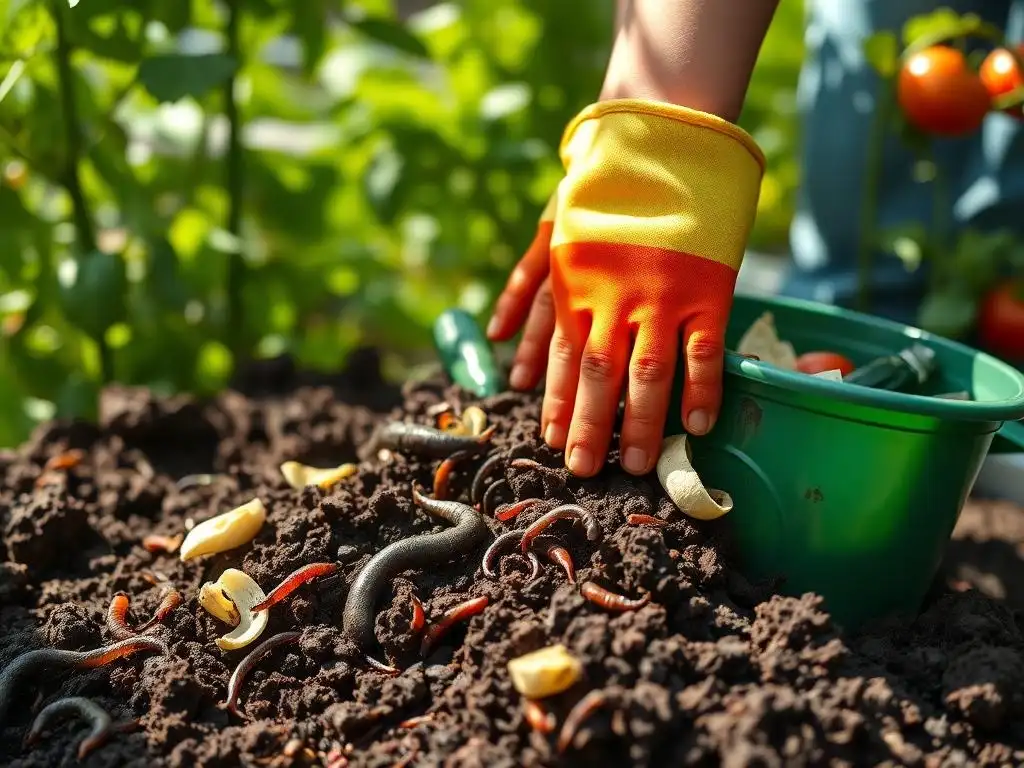
Composting with kids isn't just about the process; it's about the rewarding outcome! Turning kitchen scraps into nutrient-rich compost is a fantastic learning experience, but reaping the benefits of your hard work in the garden is equally fulfilling. This section focuses on recognizing when your compost is ready and how to best utilize it to cultivate a thriving garden. Remember, patience is key; the entire process, from initial composting to garden enrichment, takes time and careful observation.
Ready to Use Compost: Signs that the Compost is Mature and Ready for the Garden
Knowing when your compost is ready is crucial. Immature compost can harbor harmful pathogens and may not provide the necessary nutrients for your plants. Mature compost, on the other hand, is dark brown or black, crumbly, and has an earthy smell – almost like freshly turned soil. Here are some key indicators:
- Color: The color should be a rich, dark brown or black, indicating the breakdown of organic matter. A lighter color suggests the composting process is still underway.
- Texture: The compost should be crumbly and easily broken apart. Clumps indicate incomplete decomposition.
- Smell: A pleasant, earthy aroma signifies maturity. A foul odor indicates anaerobic decomposition (lack of oxygen) and needs adjustment.
- Temperature: The temperature of the compost pile should have cooled down significantly. A consistently high temperature indicates active decomposition, but it should eventually stabilize.
- Worm Activity: The presence of earthworms is a great sign! They're a natural indicator of healthy, nutrient-rich compost.
You can perform the "squeeze test" to check for maturity. Grab a handful of compost and squeeze it tightly. Mature compost will hold its shape slightly but will crumble easily when released. If it's too wet and slimy, it needs more time to decompose. If it's dry and powdery, it needs more moisture.
Enriching the Soil: Using Compost to Grow Vegetables and Flowers
Compost isn't just a soil amendment; it's a powerful tool for improving soil structure, fertility, and water retention. Adding compost to your garden beds before planting provides essential nutrients and creates a healthier environment for your plants to thrive. This is especially important for kids' gardens, where the focus is often on easy-to-grow, colorful vegetables and flowers.
Using compost is simple: Mix it into the soil before planting. The amount of compost you use will depend on your soil's condition. For poor soils, a higher ratio (e.g., 50% compost, 50% soil) might be necessary. For already healthy soils, a smaller amount (e.g., 25% compost, 75% soil) will be sufficient. Remember to gently mix the compost into the soil so as not to damage any existing plant roots.
This will ensure that the nutrients are evenly distributed. Kids can help with this process by gently turning over the soil with small trowels or their hands. It's a great way for them to connect with nature and understand the importance of nurturing plant growth. The improved soil structure resulting from the addition of compost will lead to stronger, healthier plants and a more bountiful harvest.
Planting with Kids: Involving Children in the Planting Process Using Compost
Planting seeds or seedlings into compost-enriched soil is a fun and educational activity for kids. It provides a tangible connection between their composting efforts and the growth of their plants. Here's how to involve children in the planting process:
- Seed Starting: Let children help sow seeds in small pots filled with compost. This allows them to experience the early stages of plant growth.
- Transplanting: When seedlings are large enough, let them help transplant them into the garden beds. This teaches them about the importance of proper spacing and soil care.
- Watering: Children can assist with watering the plants, ensuring they receive the necessary moisture. This teaches them about water conservation and the needs of growing plants.
- Weeding: Kids can also participate in weeding the garden, learning about the importance of removing unwanted plants. This teaches them about maintaining a healthy garden ecosystem.
By involving children in every stage of the planting process, from preparing the compost to harvesting the fruits of their labor, you're not just teaching them about gardening; you're fostering a lifelong appreciation for nature and sustainable practices. The joy of watching their plants grow, thanks to the compost they helped create, is an invaluable lesson in environmental stewardship and the rewards of hard work. This hands-on approach makes "kids composting kitchen scraps" a truly rewarding and educational experience.
Beyond Kitchen Scraps: Expanding Your Composting Efforts
Composting with kids isn't limited to just kitchen scraps! Expanding your composting efforts to include yard waste significantly boosts the compost's nutrient richness and volume, providing ample learning opportunities for young gardeners. This section explores how to safely and effectively incorporate yard waste into your family's composting system, fostering a deeper understanding of the decomposition process. Remember always to supervise children closely when handling yard waste, especially sharp twigs or thorny branches.
Yard Waste Composting: Adding Leaves, Grass Clippings, and Twigs
Incorporating yard waste into your compost bin introduces a crucial element: brown materials. These carbon-rich materials balance the nitrogen-rich green materials (like fruit and vegetable scraps). Leaves, grass clippings, and small twigs are excellent additions. However, avoid adding diseased plants or weeds, as these could spread to your garden.
To successfully integrate yard waste:
- Chop larger items: Use garden shears or a shredder to break down larger twigs and leaves. This increases surface area, speeding up decomposition. This is a great opportunity to involve children in safe, age-appropriate tasks. Smaller children can help gather leaves, while older children can assist with chopping (with adult supervision! ).
- Layer appropriately: Continue layering your compost bin, alternating between green and brown materials. A good guideline is a ratio of 1:2 or 2:1 (brown:green). Too many browns can make the compost too dry, while too many greens can lead to an unpleasant smell.
- Monitor moisture: Yard waste can vary in moisture content. Leaves are usually drier than grass clippings. Regularly check the moisture level of your compost and add water if it's too dry. Kids can help with this by gently feeling the compost and reporting back on its dampness.
- Avoid excessive amounts: Adding too much yard waste at once can impede decomposition and create anaerobic conditions (lack of oxygen), resulting in foul odors. Start with smaller amounts and gradually increase as your compost pile matures.
Remember, teaching kids about the importance of balancing brown and green materials in their compost is a valuable lesson in ecological balance and sustainable practices. This hands-on experience teaches them the importance of proper composting techniques for a healthy, thriving garden.
Creating a Children's Compost Calendar: Tracking Progress and Learning Opportunities
A compost calendar offers a fantastic way to engage kids in the composting process and enhance their understanding of decomposition. This isn't just about recording what goes into the bin; it's about observing changes over time and connecting actions with results.
Here's how to create an effective children's compost calendar:
- Choose a format: A simple wall calendar, a whiteboard, or even a dedicated notebook works well. Let the children help decorate it!
- Record additions: Encourage children to note each addition to the compost bin, including the date and type of material (e.g., "banana peels, 10/26," "grass clippings, 10/27").
- Track changes: Include space to observe and record changes in the compost pile's appearance, smell, and temperature. This observational learning is crucial for understanding the decomposition process. Are there fewer large pieces? Does it smell earthy? Is it warmer?
- Note milestones: Record significant events, such as turning the compost, adding water, or harvesting finished compost.
- Celebrate successes: Using stickers or drawings to mark significant milestones makes the process more engaging and rewarding for children. Perhaps a smiley face when they notice the compost is heating up, indicating active decomposition.
This calendar transforms composting from a chore into a fascinating science experiment, teaching patience, observation skills, and the rewards of sustainable practices. It's a tangible way to see the fruits (or rather, the garden gold!) of their labor.
Composting as a Year-Round Activity: Adapting the Process for Different Seasons
Composting isn't just a warm-weather activity. With a little adjustment, you can keep your compost pile thriving throughout the year. This adaptability teaches kids the importance of adjusting practices to environmental conditions, a key concept in sustainable living.
Here's how to adapt your composting for different seasons:
- Summer: The warmer temperatures accelerate decomposition. Monitor moisture levels frequently, as the compost may dry out quickly. Ensure adequate airflow to prevent overheating and anaerobic conditions. This is a great time to add lots of green materials.
- Autumn: Leaves provide an abundance of brown material. Layer these generously with kitchen scraps. The cooler temperatures slow down decomposition, requiring less frequent turning.
- Winter: Decomposition slows significantly. Cover the compost bin to protect it from freezing temperatures and snow. Continue adding kitchen scraps and available yard waste, but expect slower progress. This is a good time to focus on the children's compost calendar and the observations they've made.
- Spring: As temperatures rise, decomposition speeds up again. Turn the compost pile to aerate it and promote decomposition. Start incorporating spring garden waste (e.g., pruned branches) into the mix.
By continuing to compost through all seasons, children learn about the continuous cycle of nature and the adaptability required for successful gardening practices. They see that composting isn't just a summer project but a year-round commitment to sustainable living and a healthy garden. The process becomes a testament to the resilience of nature and the importance of mindful stewardship of resources.
Frequently Asked Questions
What are the benefits of composting kitchen scraps with kids?
Composting with kids teaches environmental responsibility, reduces waste, and provides a hands-on learning experience about decomposition and the lifecycle of plants. It's a fun and educational activity for the whole family!
What types of kitchen scraps are best for composting?
Fruit and vegetable peels, coffee grounds, eggshells, and tea bags are excellent choices. Avoid meat, dairy, and oily foods, which can attract pests and create unpleasant odors.
How do I make composting easy and safe for young children?
Start with a small, easily managed compost bin, like a countertop container. Supervise children closely, especially when handling sharp objects like eggshells. Make it a fun, shared activity.
How often should we add kitchen scraps to our compost bin?
Add scraps regularly, but avoid overfilling the bin. The frequency depends on the size of your bin and the amount of scraps you generate. Aim for a balance to maintain proper aeration and decomposition.
What can we do with the finished compost?
Use your rich, nutrient-rich compost to enrich your garden soil, giving your plants a boost. It's a fantastic natural fertilizer for fruits, vegetables, and herbs, improving soil health and plant growth.
Final Reflection: Cultivating a Greener Future, One Compost Bin at a Time
Composting with kids isn't just a fun activity; it's a vital step towards building a more sustainable future. The simple act of transforming kitchen scraps into nutrient-rich soil teaches valuable lessons about environmental responsibility, resourcefulness, and the interconnectedness of nature, all while fostering a deeper appreciation for the food we consume. This is more crucial now than ever, as we face increasing challenges related to waste management and climate change.
Witnessing the transformation of discarded food into life-giving compost has been a profoundly rewarding experience for me, and I hope it will be for you too. The process itself is a microcosm of the larger ecological cycles we are all a part of. It's a tangible reminder of the importance of reducing our environmental footprint. The earth laughs in flowers.
– Ralph Waldo Emerson. This quote beautifully encapsulates the joy and wonder that can be found in nurturing life, even from something as seemingly insignificant as kitchen scraps.
Now, I invite you to consider how you can integrate composting into your own life. Start small, perhaps with a single countertop bin for collecting scraps. Involve your children, your family, or even your community. The rewards extend far beyond a healthier garden; they encompass a deeper understanding of our planet and our role in its well-being. Let's cultivate a greener future, one compost bin at a time, and teach the next generation the importance of respecting and nurturing our precious Earth.
Unlock Your Garden's Potential: Start Composting Today!
Thanks for joining us on this composting adventure! We hope you feel empowered to transform your kitchen waste into rich, valuable compost for your garden. Ready to get started?
- Build your own compost bin: Even a simple container is a great way to begin composting. Remember the tips we shared about layering materials and maintaining the correct moisture level!
- Make it a family affair: Get your kids involved by assigning them age-appropriate tasks, such as collecting kitchen scraps or turning the compost pile. This is a fun and educational way to teach them about nature and environmental responsibility.
- Share your composting journey: Tell us about your successes and challenges in the comments below—we'd love to hear your stories!
What creative ways can you involve your children in nurturing a thriving compost ecosystem?