
Planting for Drainage: Selecting Plants That Thrive in Wet Soil

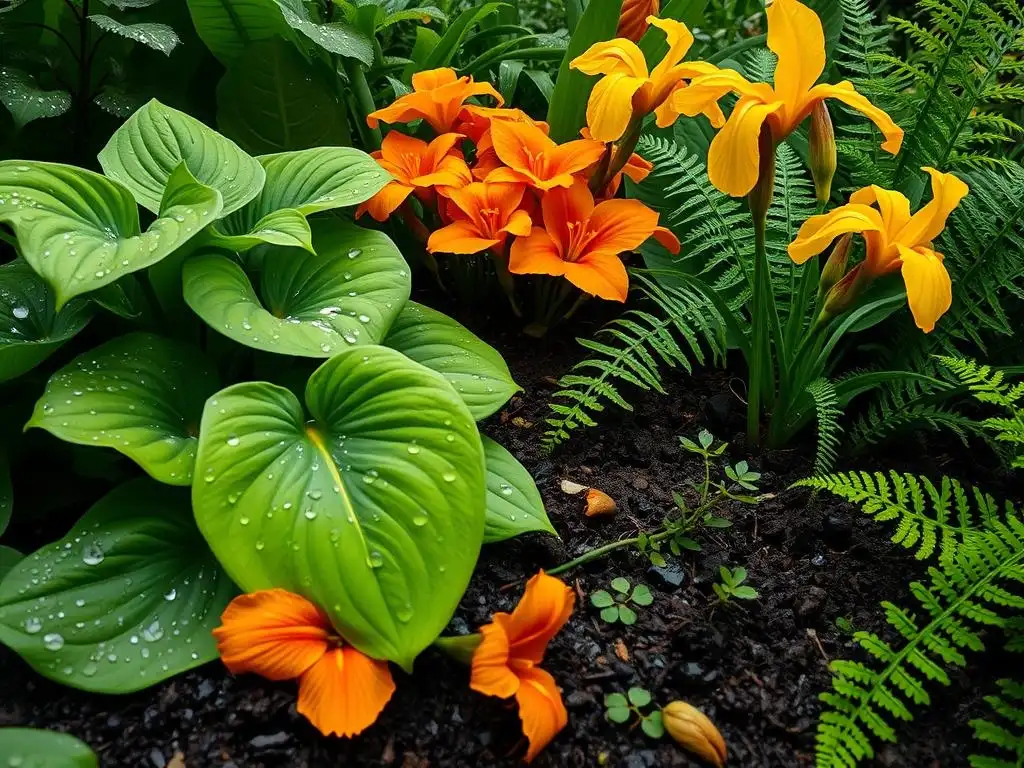
Ready to transform your garden into a thriving oasis? At CultivateYourFood, we empower you to grow your own food organically and sustainably. But what about those persistently soggy patches? Discover the secrets to success with our expert guide on wet soil plants best choices, and learn which vibrant fruits, vegetables, and herbs will flourish even in challenging conditions. Let's unlock the potential of your garden, no matter the soil!
- Understanding Your Soil's Drainage Issues
- Wet Soil Plants: Best Choices for Waterlogged Areas
- Specific Plant Recommendations for Wet Soil
- Improving Drainage in Your Garden Before Planting
- Maintaining Wet Soil Plants: Ongoing Care
- Long-Term Strategies for Wet Soil Management
- Frequently Asked Questions
- Final Reflection: Nurturing Life Where Water Flows
- Transform Your Soggy Spots into Thriving Gardens!
Understanding Your Soil's Drainage Issues
Cultivating a thriving garden, brimming with luscious fruits, vegetables, and herbs, often hinges on understanding the nuances of your soil. While fertile soil is crucial, equally important is its drainage capacity. Poor drainage can severely hamper plant growth, leading to root rot, stunted development, and ultimately, crop failure.
This article focuses on addressing the challenges of wet soil, exploring how to identify poor drainage and, crucially, selecting the best choices of plants that not only tolerate but thrive in consistently moist conditions. We'll delve into practical methods for assessing your soil's drainage and provide a comprehensive guide to selecting plants perfectly suited to wet soil environments, helping you cultivate a successful garden even with less-than-ideal drainage. Learning to work with your soil, rather than against it, is key to sustainable and bountiful gardening, and choosing the right plants is the first step.
Identifying Poor Drainage in Your Garden
Identifying poor drainage is the first step towards creating a thriving garden, even in challenging conditions. Several telltale signs indicate that your soil isn't draining properly. These include:
- Puddling: After rainfall or watering, water sits on the surface of the soil for extended periods, forming puddles. This is a clear indication of poor drainage.
- Waterlogged Soil: The soil remains consistently soggy and muddy, even days after rainfall or watering. You may notice a distinct lack of aeration.
- Runoff: Water rapidly runs off the surface of the soil instead of soaking in. This suggests a compacted or clay-heavy soil structure.
- Yellowing or Wilting Plants: Even with regular watering, plants may exhibit signs of stress, such as yellowing leaves and wilting, due to waterlogged roots.
- Moss or Algae Growth: Excessive moisture encourages the growth of moss and algae, especially in shady areas.
Observing these signs will help you determine if you're dealing with poor drainage. Remember, addressing this issue early on is vital for the long-term health of your plants. Don't underestimate the importance of proper soil assessment! 🌱
The Impact of Wet Soil on Plant Health
Wet soil, lacking adequate drainage, creates a suffocating environment for plant roots. The constant saturation limits oxygen availability, leading to a cascade of negative effects:
- Root Rot: The most significant consequence is root rot. Without sufficient oxygen, roots are unable to function properly, leading to decay and death. This often manifests as wilting, even when the soil is wet.
- Nutrient Deficiency: Waterlogged soil can hinder the uptake of essential nutrients, further stressing plants and impacting their growth and yield. The lack of oxygen inhibits the microbial activity vital for nutrient cycling.
- Stunted Growth: Plants struggling with poor drainage exhibit stunted growth, producing smaller fruits, vegetables, or flowers than expected.
- Increased Susceptibility to Diseases: Waterlogged conditions create an ideal environment for fungal and bacterial diseases to thrive, further compromising plant health and potentially leading to complete crop failure.
- Reduced Yield: Ultimately, poor drainage directly impacts the quantity and quality of your harvest.
Understanding these detrimental effects emphasizes the necessity of selecting plants adapted to wet soil conditions. Choosing the right plants is crucial for success in areas with poor drainage.
Testing Your Soil's Drainage Capacity
A simple test can confirm your suspicions of poor drainage. Dig a hole about 12 inches deep and fill it with water. Observe how quickly the water drains.
- Good Drainage: The water should drain completely within a few hours.
- Moderate Drainage: The water may take several hours to drain.
- Poor Drainage: The water remains standing for significantly longer, even a day or more.
Another method involves using a soil auger to collect a soil sample. Observe the soil's texture and structure. Clay soils are notoriously prone to poor drainage. Consider a soil test from a local agricultural extension office for a more comprehensive analysis of your soil's composition and drainage capabilities. This detailed analysis will provide valuable insights to help you make informed decisions about plant selection and soil improvement strategies. Remember, knowing your soil is half the battle! 💪
Wet Soil Plants: Best Choices for Waterlogged Areas
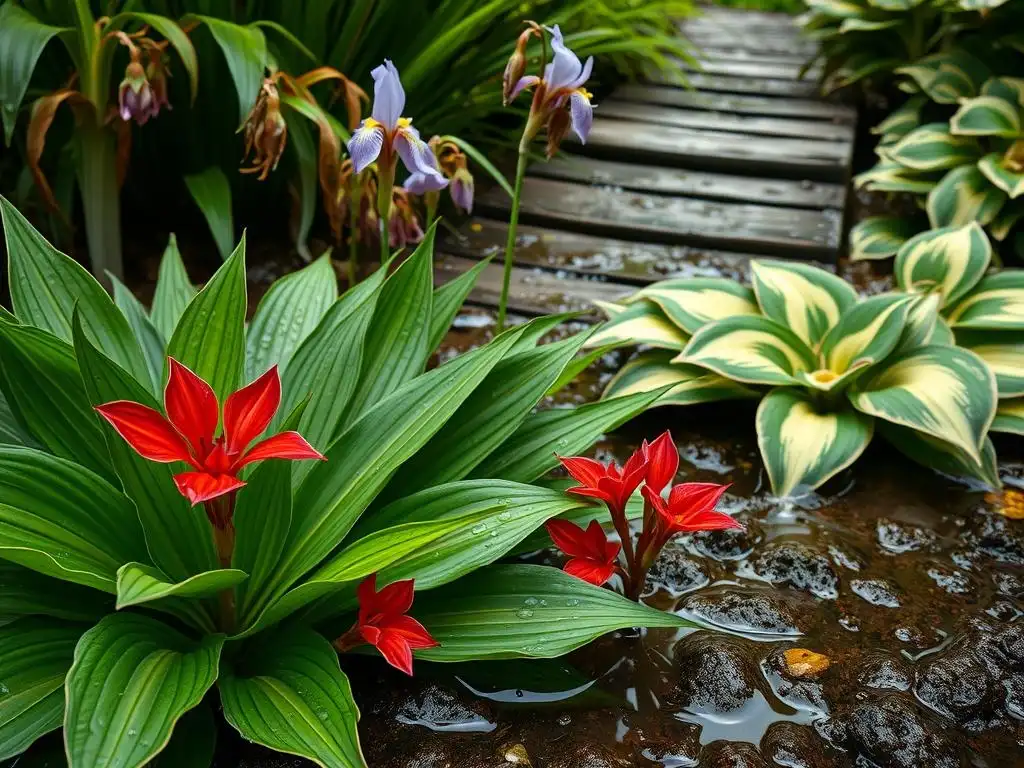
Understanding which plants thrive in consistently wet soil is crucial for successful gardening, especially if you're dealing with poor drainage. Ignoring this critical factor can lead to plant death and wasted effort. Selecting the right plants for wet soil conditions is key to maximizing your harvest and minimizing frustration. This section focuses on providing you with the best choices for wet soil, helping you transform waterlogged areas into thriving gardens. This selection will help you cultivate a beautiful and productive garden even in challenging conditions, addressing the common search term "wet soil plants best choices".
Top Performing Plants for Wet Soil Conditions
Many plants not only tolerate but actually prefer wet soil conditions. These are your best bets for consistently damp areas. Here are some top performers, categorized for easier selection:
- Vegetables:
- Watercress: This fast-growing, peppery green thrives in constantly moist soil and even shallow water. It's incredibly easy to grow and provides a continuous harvest.
- Swamp Cabbage (Skunk Cabbage): While the name might be off-putting, this plant offers delicious, nutritious greens that tolerate very wet conditions. Be aware of the strong odor, though!
- Asian Greens (e.g., Bok Choy, Tatsoi): Many Asian greens tolerate consistently moist soil and are relatively low-maintenance.
- Herbs:
- Mint: Various mint varieties are highly adaptable and flourish in consistently moist soil. However, their vigorous growth requires containment to prevent them from taking over your garden.
- Water Mint: This specific type of mint thrives in wet, even soggy conditions, offering a slightly different flavor profile than common mint.
- Flowers:
- Irises: Many iris varieties, particularly those categorized as "water irises," are designed for wet conditions and add beautiful blooms to your garden.
- Calla Lilies: These elegant flowers are known for their preference for moist to wet soil, offering striking visual appeal.
- Swamp Milkweed: An excellent choice for attracting pollinators, this milkweed thrives in wet conditions and is essential for Monarch butterfly conservation.
This list is not exhaustive, but it provides a solid starting point for building a thriving garden in wet areas. Remember to always check the specific needs of each variety, as even within a species, individual cultivars may have slightly different preferences.
Choosing Plants Based on Sunlight Exposure in Wet Areas
Sunlight exposure is another crucial factor to consider when selecting plants for wet soil. Different plants have different sunlight requirements, and these requirements can interact with the effects of wet soil.
| Plant Type | Full Sun (6+ hours) | Partial Sun (4-6 hours) | Shade (Less than 4 hours) |
|---|---|---|---|
| Vegetables | Peppers (some varieties), tomatoes (with excellent drainage) | Most leafy greens | Spinach, certain lettuces |
| Herbs | Rosemary, thyme (with good air circulation) | Basil, chives | Mint, Watercress |
| Ornamental Flowers | Sunflowers (with proper drainage), certain daylilies | Irises, many hostas | Astilbe, ferns |
It's important to note that even sun-loving plants in wet areas might benefit from some protection from intense midday sun, especially during the hottest part of the day. Consider using shade cloth or strategically placing taller plants to provide some shade. Proper spacing also helps improve air circulation, which can reduce fungal diseases often associated with wet conditions.
Selecting Plants Based on Soil pH for Optimal Growth in Wet Soil
Soil pH plays a significant role in plant health, especially in wet soil conditions. Poor drainage can exacerbate pH imbalances, leading to nutrient deficiencies or toxicities. Testing your soil pH is crucial before planting. Most plants prefer a slightly acidic to neutral pH (6.0-7.0), but some tolerate or even prefer more alkaline or acidic conditions.
- Acid-Loving Plants (pH below 6.0): Many blueberries, azaleas, and rhododendrons thrive in acidic, wet soils.
- Neutral to Slightly Alkaline Plants (pH 6.0-7.5): Many common vegetables, herbs, and flowers fall into this category.
- Alkaline Plants (pH above 7.5): Certain succulents and some grasses can tolerate higher pH levels, but these are less common choices for consistently wet areas.
Remember to amend your soil as needed to achieve the optimal pH range for your chosen plants. Adding organic matter, such as compost, can improve drainage and buffer pH fluctuations. Regular soil testing is recommended to monitor pH levels and adjust as necessary to ensure the best growing conditions for your "wet soil plants best choices".
Specific Plant Recommendations for Wet Soil
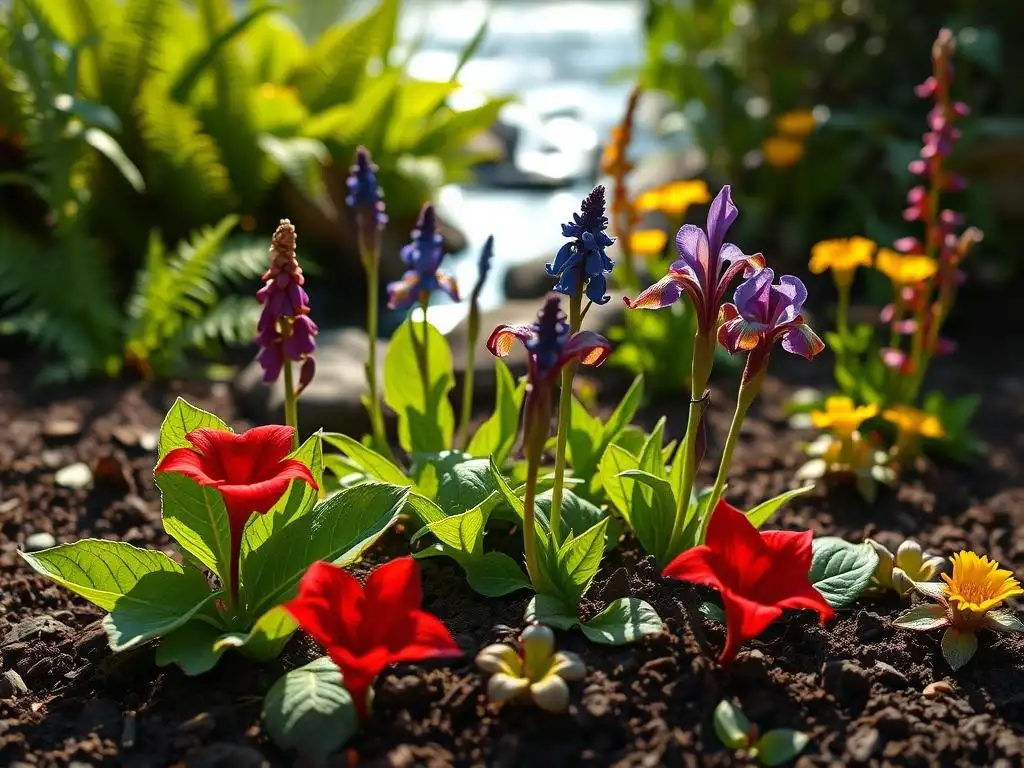
This section delves into specific plant varieties known for their tolerance, and even preference, for wet soil conditions. Choosing the right plants is crucial for a thriving garden, even in areas with poor drainage. Remember, proper soil preparation, including amending heavy clay soils with organic matter, can significantly improve drainage and overall plant health. However, selecting inherently moisture-loving plants remains key to success.
This list offers some of the best choices for wet soil conditions, categorized for ease of use. These plants are known for their ability to withstand saturated soil and even thrive in such environments. Finding the wet soil plants best choices for your garden is the first step towards a successful and beautiful landscape, even with challenging drainage.
Best Vegetables for Wet Soil
Many vegetables, while preferring well-drained soil, can surprisingly tolerate occasional periods of wetness. However, consistently waterlogged conditions will harm most vegetables. Focusing on varieties that are more tolerant is essential.
Here are some excellent options:
- Leafy Greens: Kale, spinach, and chard are relatively tolerant of wet soil, particularly if the soil is also rich in organic matter. These plants often appreciate consistent moisture, but avoid overwatering which can lead to fungal diseases.
- Root Vegetables (with caveats): While most root vegetables prefer well-drained soil, some can tolerate wetter conditions better than others. Consider parsnips and leeks, which can handle more moisture than carrots or beets. However, proper spacing and soil amendment are crucial to minimize rot.
- Other Vegetables: Swamp cabbage (a type of collard green) is exceptionally well-suited for consistently wet areas. Also, consider asparagus, which thrives in moist but well-drained soil (though it can tolerate wetter conditions than many other vegetables).
Remember, even these tolerant varieties benefit from well-prepared soil. Amending heavy clay soils with compost and other organic materials will improve drainage and aeration, even if the soil remains moist. Proper spacing also allows for better airflow, reducing the risk of fungal diseases in wet conditions.
Ideal Herbs for Waterlogged Gardens
Certain herbs are remarkably adaptable and flourish in consistently moist environments. These hardy plants can add flavor and beauty to your garden, even in areas with poor drainage.
Here's a selection of herbs that tolerate wet soil conditions:
- Mint Family: Mint, including spearmint and peppermint, thrives in moist soil. Their vigorous growth is often enhanced by consistent moisture. However, their aggressive spreading nature requires containment, perhaps using pots sunk into the ground.
- Watercress: This peppery herb actually prefers consistently wet or even submerged conditions. It's an excellent choice for boggy areas or near water features.
- Chives: Chives tolerate wet conditions relatively well, though they prefer well-drained soil ideally. Ensure good air circulation to prevent fungal issues.
It's important to note that while these herbs tolerate wet soil, they still need adequate sunlight and good air circulation to prevent disease. Regular mulching can help retain moisture while also improving soil structure.
Top-Performing Flowers for Wet Soil
Adding vibrant color to your garden, even in wet areas, is achievable with the right flower selections. These plants not only tolerate wet soil but often flourish in it, adding beauty and biodiversity to your space.
Here are some outstanding choices for wet soil conditions:
- Irises: Many iris varieties, particularly those labeled as "Siberian Irises" or "Japanese Irises," are specifically bred for wet conditions. They produce stunning blooms in various colors.
- Astilbe: These feathery-flowered plants thrive in consistently moist soil and prefer some shade. They add a delicate touch to shady, wet areas.
- Hostas: Known for their attractive foliage, hostas are highly adaptable and can tolerate a wide range of soil moisture levels, including consistently moist conditions. They add texture and visual interest to wet areas.
- Forget-Me-Nots: These charming, low-growing plants are a classic choice for wet areas, adding a splash of blue to your garden.
Choosing plants specifically suited to wet soil conditions is crucial for successful gardening in areas with poor drainage. By selecting the right varieties, you can create a thriving and beautiful garden, regardless of the challenges posed by excessive moisture. Remember to always consider soil preparation and plant spacing to maximize plant health and minimize the risk of disease. 🌱
Native Plants Adapted to Wet Soil Conditions
Choosing native plants for your wet soil garden offers numerous advantages. Native species are already adapted to the local climate and soil conditions, requiring less maintenance and fewer resources than non-native plants. They are naturally resilient to local pests and diseases, reducing the need for chemical interventions, perfectly aligning with the sustainable and organic practices championed by CultivateYourFood.
This inherent hardiness translates to less work for the gardener and a healthier environment. Furthermore, native plants often support local wildlife, attracting beneficial insects and providing food and shelter for birds and other animals. This creates a vibrant and biodiverse garden ecosystem.
For example, consider the various species of Iris. Many Iris varieties, particularly those native to wetland areas, thrive in consistently moist or even waterlogged soil. Their beautiful and varied blooms add a stunning visual element to any garden. Similarly, many wetland-loving sedges, such as Carex, offer attractive foliage and require minimal care in wet conditions. These plants provide texture and visual interest, even during periods when flowering plants may be less showy. Their strong root systems also help stabilize the soil and prevent erosion, which is particularly beneficial in areas prone to flooding.
Another excellent choice is Joe-Pye weed ( Eutrochium purpureum). This tall, striking plant boasts fluffy pink or purple flower heads that attract pollinators like butterflies and bees. It tolerates consistently wet conditions and adds height and drama to the garden landscape. Remember to research the specific native plants best suited to your region, as the ideal choices will vary depending on your local climate and soil type.
Local nurseries or botanical gardens can offer invaluable guidance in selecting the most appropriate native plants for your specific wet soil conditions. This ensures the best chance of success and helps create a truly thriving, sustainable garden. This careful selection of native, wet-soil-loving plants is crucial for building a resilient and beautiful garden that aligns with the principles of organic and sustainable gardening. The payoff is a low-maintenance, environmentally friendly, and visually appealing garden space.
Improving Drainage in Your Garden Before Planting
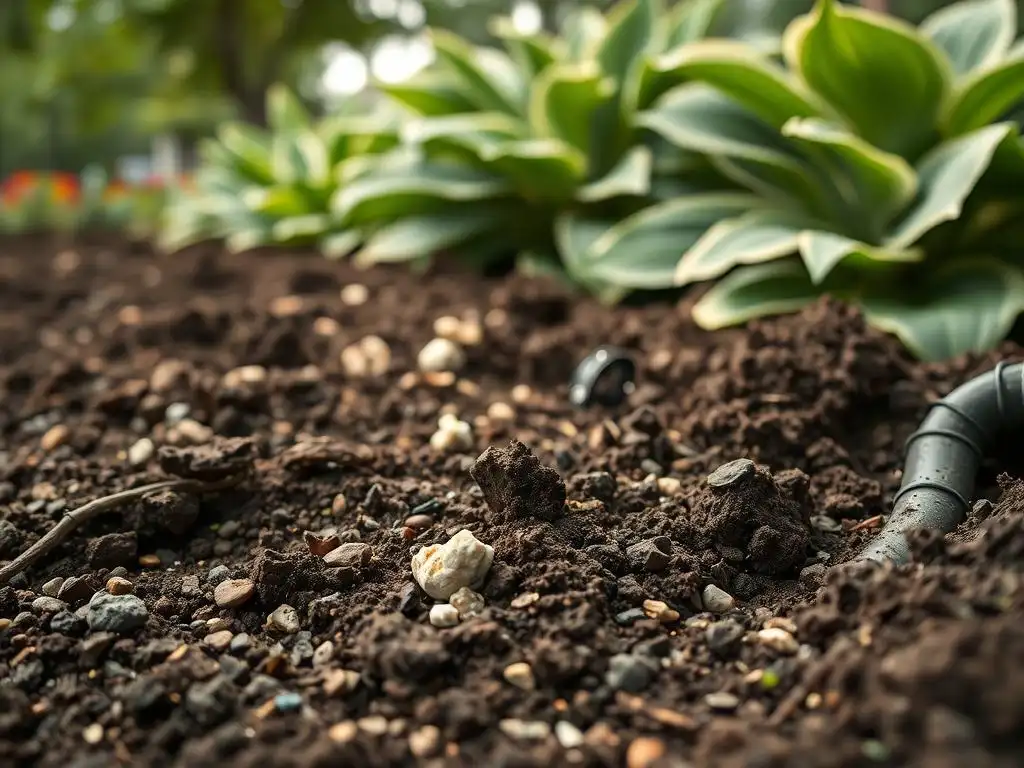
Before selecting your wet soil plants best choices, it's crucial to address the underlying drainage issue. Planting alone might not solve the problem, especially in areas with consistently poor drainage. Improving drainage proactively enhances the success rate of even the most water-tolerant plants. Think of it as creating a foundation for thriving plants, not just a band-aid solution. Neglecting this step often leads to plant loss, regardless of your plant selection. Let's explore some options:
Simple Drainage Solutions for Small Areas
For smaller garden beds or problematic patches, simple solutions can be highly effective. These methods are often less labor-intensive and more budget-friendly than larger-scale projects. Consider these options based on the severity of your drainage problem and the size of the affected area:
- Raised Beds: Constructing raised beds is a popular and effective way to improve drainage. By elevating the planting area, you create a well-drained environment even in clay-heavy soil. The height of the bed and the type of material used (wood, stone, etc.) will influence the overall drainage. A 12-inch-high bed, for instance, offers significantly better drainage than a 6-inch bed. Furthermore, using materials that allow for good air circulation, such as untreated wood, can further enhance drainage.
- Adding Organic Matter: Incorporating organic matter like compost, peat moss, or well-rotted manure improves soil structure. This increases the soil's porosity, allowing for better water infiltration and drainage. However, remember that simply adding organic matter may not be sufficient for areas with extremely poor drainage. It’s best used in conjunction with other methods. For example, combining organic matter with raised beds offers a powerful one-two punch against waterlogged soil.
- Gravel Layers: For small, localized areas, adding a layer of gravel at the bottom of the planting hole can help with drainage. This creates a reservoir for excess water, preventing the roots from sitting directly in standing water. This technique is particularly useful when planting individual plants in otherwise poorly drained areas. Remember to use clean gravel, free of contaminants, to avoid harming your plants.
More Extensive Drainage Solutions for Larger Areas
Addressing poor drainage in larger areas requires a more comprehensive approach. These solutions are typically more involved and may necessitate more significant investment of time and resources. However, the long-term benefits are considerable, creating a healthier growing environment for your plants. Consider these options:
- French Drains: A French drain is a trench filled with gravel or other porous material, often incorporating perforated pipe to collect and redirect excess water away from the planting area. This is a highly effective solution for areas with consistently poor drainage. The depth and length of the trench will depend on the size of the area and the severity of the drainage problem. Proper installation is crucial for its effectiveness. Improperly installed French drains can lead to further problems.
- Grading: Altering the slope of your land can significantly improve drainage. By gently sloping the land away from the planting area, you encourage water runoff. This requires careful planning and may involve significant earthmoving, particularly if the existing grade is very flat. Professional help may be needed for larger areas or significant changes in grade. This is a long-term solution that needs to be carefully planned to prevent erosion.
- Installing a Subsurface Drainage System: For extensive problems, a subsurface drainage system might be necessary. This involves installing a network of perforated pipes beneath the soil surface to collect and redirect water. This is a more complex and expensive solution but is highly effective for large areas with severe drainage issues. This typically requires professional installation.
Combining Planting Choices with Drainage Improvements
Even with improved drainage, selecting the right plants for your soil conditions is essential. Choosing plants that naturally tolerate wet conditions maximizes your chances of success. Don't rely solely on drainage improvements – the best approach combines soil improvement with appropriate plant selection. This synergistic approach ensures healthy growth and minimizes the risk of plant loss.
Remember, understanding your soil type is critical. A soil test can provide valuable insights into your soil’s composition and drainage capabilities, guiding you towards the most effective drainage solutions and plant choices. Pairing effective drainage solutions with the right plants for wet soil is the key to a thriving, sustainable garden. This holistic approach ensures a successful outcome, minimizing the risk of plant loss due to poor drainage.
Maintaining Wet Soil Plants: Ongoing Care
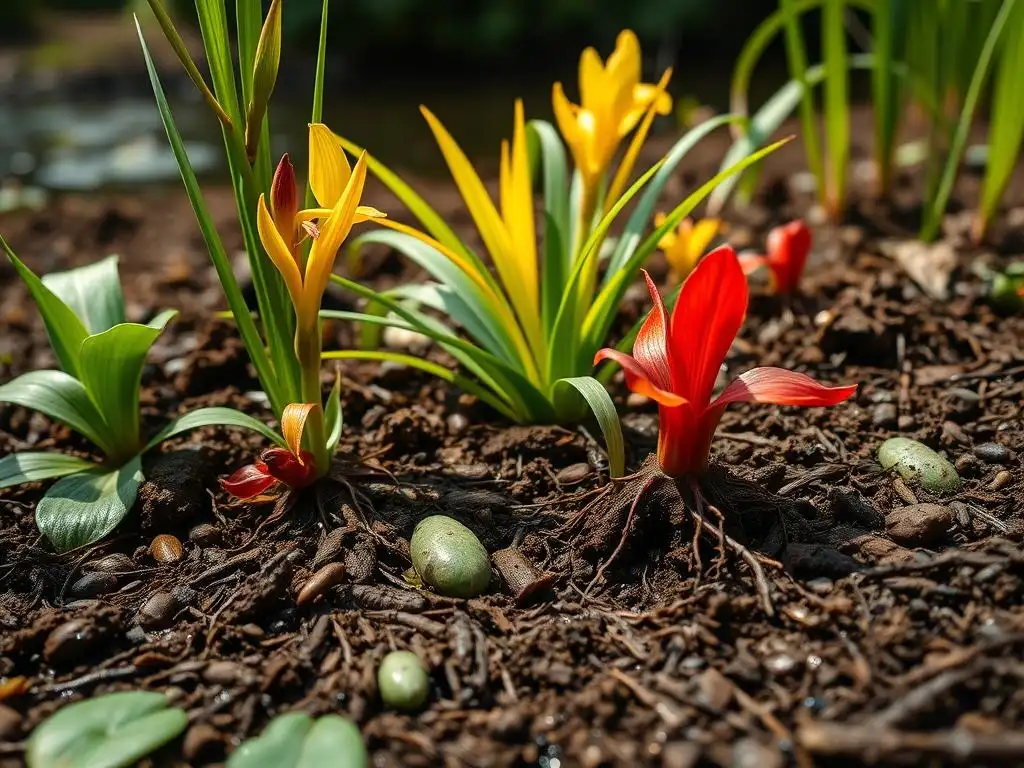
Even after carefully selecting plants suited to wet soil conditions, ongoing care is crucial for their success. Understanding the specific needs of these plants, particularly concerning watering, fertilization, and pest/disease management, will significantly impact their health and yield. The "wet soil plants best choices" aren't just about initial planting; it's about long-term commitment to their unique requirements.
Watering Strategies for Plants in Wet Soil
Ironically, plants thriving in wet soil don't necessarily need more water. Overwatering, even in naturally damp conditions, can lead to root rot and other issues. The key is to monitor soil moisture carefully. Instead of frequent, shallow watering, aim for infrequent, deep watering. This encourages deeper root growth, making the plants more resilient to periods of drier weather (even if rare in wet areas).
Consider using a soil moisture meter to gauge the moisture level before watering. Avoid watering during the hottest part of the day to minimize evaporation and runoff. Mulching can also help to retain moisture and regulate soil temperature, reducing the frequency of watering needed. Proper drainage, even in wet areas, is still important – ensure that water doesn't accumulate around the base of your plants, creating stagnant pools.
Fertilizing Plants in Wet Soil Conditions
Wet soil conditions can affect nutrient availability. Waterlogged soil can lead to nutrient leaching, meaning essential nutrients are washed away before your plants can absorb them. Therefore, fertilization strategies need careful consideration.
Choose a slow-release fertilizer to provide a consistent supply of nutrients without overwhelming the plants. Avoid fertilizers high in nitrogen, as this can promote lush foliage at the expense of fruit or flower production in some species. Organic fertilizers, like compost, are excellent choices for wet soil as they improve soil structure and drainage while providing nutrients. Consider soil testing to determine specific nutrient deficiencies and tailor your fertilization accordingly. Regular soil testing is crucial for optimal nutrient management, especially in conditions where nutrient leaching is a concern.
Pest and Disease Management in Wet Areas
Wet soil creates an ideal environment for certain pests and diseases. Fungal diseases, such as root rot and blight, thrive in consistently moist conditions. Slugs and snails also proliferate in damp environments, feeding on tender leaves and stems.
Implementing preventative measures is key. Ensure good air circulation around your plants by spacing them appropriately and avoiding overcrowding. Mulching, while beneficial for moisture retention, should be used judiciously to avoid creating a humid microclimate. Regularly inspect your plants for signs of pests or diseases, addressing any issues promptly.
Consider using organic pest control methods, such as introducing beneficial insects or using insecticidal soaps, to minimize environmental impact. For fungal diseases, consider using copper fungicide as a last resort, following label instructions carefully. Remember that proactive monitoring and preventative actions are far more effective than reactive treatments in managing pests and diseases in wet soil environments.
Long-Term Strategies for Wet Soil Management
Dealing with persistently wet soil requires a multifaceted approach. Simply planting "wet soil plants best choices" isn't always enough for long-term success. Instead, consider these strategies to improve your soil's drainage and overall health, leading to more robust and productive plants. These methods focus on improving the soil's structure and water retention capabilities, creating a healthier environment for your plants, regardless of their specific water needs. A holistic approach will yield superior results compared to relying solely on plant selection.
Soil Amendment Techniques for Better Drainage
Improving drainage in heavy clay soils is crucial for successful gardening. One of the most effective long-term strategies involves amending the soil with organic matter. This improves soil structure, allowing for better water infiltration and aeration. Several options exist, each with its own advantages:
- Compost: Adding compost significantly improves soil texture. Aim for a generous layer—at least 3-4 inches—worked into the top layer of soil. Regular composting adds organic matter over time, gradually enhancing drainage.
- Aged Manure: Well-rotted manure acts similarly to compost, adding nutrients and improving soil structure. Avoid fresh manure, as it can burn plants.
- Coarse Sand: Adding coarse sand can help break up compacted clay, improving drainage. However, use it judiciously; excessive sand can create a less desirable growing environment. Mix it thoroughly with the existing soil.
- Perlite and Vermiculite: These inorganic amendments improve aeration and drainage, especially in container gardening. They are lightweight and help to retain moisture while preventing waterlogging.
The amount of amendment needed depends on your soil's condition. A soil test can help determine the best approach. Remember, amending the soil is an ongoing process; regular additions of organic matter will maintain improved drainage over time. Consider the following table summarizing the pros and cons of different amendments:
| Amendment | Pros | Cons |
|---|---|---|
| Compost | Improves soil structure, adds nutrients | Can be labor-intensive to produce |
| Aged Manure | Adds nutrients, improves soil structure | Requires careful sourcing to avoid pathogens |
| Coarse Sand | Improves drainage, inexpensive | Can be difficult to mix thoroughly, may compact |
| Perlite/Vermiculite | Improves aeration, lightweight, readily available | Can be expensive, may not improve nutrient content |
Rotating Crops to Improve Soil Health in Wet Areas
Crop rotation is a vital practice for long-term soil health. Different plants have varying nutrient requirements and root structures. Rotating crops helps prevent nutrient depletion and improves soil structure, indirectly impacting drainage. For example, deep-rooted plants like carrots or radishes help break up compacted soil, improving water infiltration.
This contrasts with shallow-rooted plants that might contribute to surface compaction in wet areas. A well-planned rotation can significantly contribute to better drainage and overall soil health. Consider a three- or four-year rotation plan, incorporating a variety of plant types with different root systems. This strategy, combined with soil amendments, provides a comprehensive approach to managing wet soil.
Monitoring Soil Conditions Over Time
Effective wet soil management requires continuous monitoring. Regularly assess your soil's drainage by observing water runoff after rainfall or irrigation. Consider digging small holes to check for water saturation. A soil moisture meter can provide quantitative data.
Note the changes in your soil's texture and structure over time, observing the effects of amendments and crop rotation. Keep a detailed record of your observations, including the types of amendments used, crop rotation schedules, and any notable changes in drainage. This data will help you refine your strategies and ensure long-term success in managing wet soil conditions and selecting the best "wet soil plants best choices" for your garden. Consistent monitoring is key to adapting your approach and achieving optimal results.
Frequently Asked Questions
What are some of the best plant choices for wet soil?
Many plants thrive in consistently wet soil. Good options include water lilies, reeds, horsetail, and various marsh plants. Consider your specific climate and sunlight conditions for optimal choices.
How can I determine if my soil is too wet?
Look for signs like standing water, soggy soil that doesn't drain, and yellowing or wilting plants, even after watering. Poor drainage can also lead to root rot. A simple soil test can help determine the drainage properties.
Are there any vegetables that tolerate wet soil conditions?
While most vegetables prefer well-drained soil, some can tolerate wetter conditions. Certain leafy greens and some root vegetables like watercress can handle it, but proper soil preparation is vital to prevent rot.
What are the risks of planting plants unsuitable for wet soil?
Planting plants that dislike wet soil can lead to root rot, fungal diseases, and ultimately, plant death. Poor drainage suffocates roots, depriving them of oxygen. Choosing the right plants is crucial.
How can I improve drainage in my wet soil garden?
Improving drainage involves amending the soil with organic matter like compost. You can also install drainage systems or create raised beds to improve aeration and prevent waterlogging. Consider the soil type and the overall landscape when planning your solution.
Final Reflection: Nurturing Life Where Water Flows
The ability to transform waterlogged areas into thriving landscapes is not merely an aesthetic choice; it's a crucial step towards ecological resilience. Understanding which plants flourish in wet soil offers a powerful tool in combating the effects of climate change and creating more sustainable environments, both large and small. The choices we make in our gardens, even on a small scale, contribute to a larger, interconnected ecosystem.
The journey of discovering the best plants for wet soil has been a fascinating exploration of nature's adaptability and resilience. It's highlighted the importance of understanding the specific needs of different plants, and how even seemingly challenging conditions can be harnessed to create beauty and biodiversity. The earth laughs in flowers.
– Ralph Waldo Emerson. This quote perfectly encapsulates the joy and wonder that can be found in transforming a seemingly problematic area into a vibrant garden, teeming with life. The impact extends beyond the visual; it's about creating habitats for wildlife, improving water management, and fostering a deeper connection with the natural world.
Now, consider your own space. Do you have a soggy corner of your yard that seems stubbornly unproductive? I encourage you to embrace the challenge. Research the plants highlighted in this article, or explore others suited to your specific climate and conditions. By making conscious choices about the plants we cultivate, we can actively participate in creating healthier, more vibrant ecosystems, one wet patch at a time. Let's transform those waterlogged areas into havens of beauty and life.
Transform Your Soggy Spots into Thriving Gardens!
Thank you for learning how to transform waterlogged areas into vibrant, plant-filled havens! You now have the knowledge to select the perfect plants to overcome drainage problems and create a beautiful, flourishing garden. Let's put that knowledge into action.
- Design your dream wet-soil garden: Sketch out your garden design on paper or using a digital tool, considering sunlight and the overall garden layout. Let your creativity flow!
- Share your planting plans (and pictures!): Post your garden design ideas on our CultivateYourFood community forums—let's inspire each other!
- Find more information: Explore our website for more articles on gardening in challenging conditions, including soil amendments and irrigation techniques.
Ready to turn those waterlogged areas into thriving oases? What's the first plant you plan to add to your garden?