
Understanding the Food Web: How Predators Control Pests

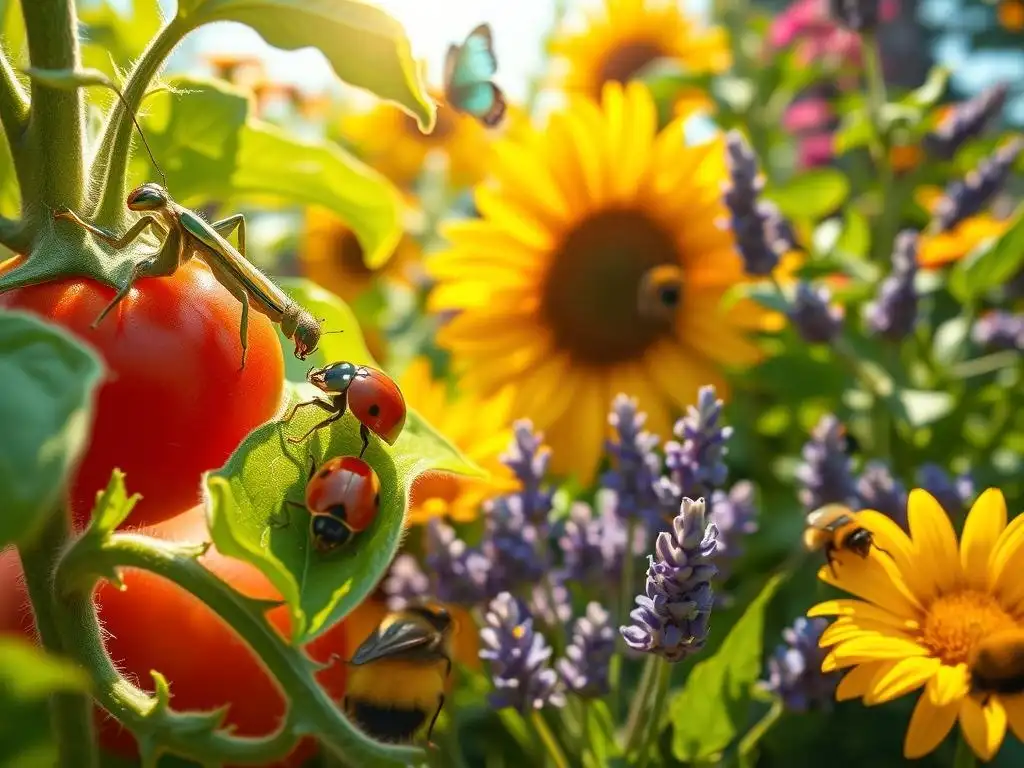
Ready to ditch the harmful chemicals and embrace the power of nature in your garden? At CultivateYourFood, we're passionate about helping you grow delicious, healthy produce using sustainable methods. This article dives into the fascinating world of natural pest control garden strategies, revealing how understanding the food web can transform your approach to pest management. Discover how to create a thriving ecosystem where predators keep pests in check, ensuring a bountiful and organic harvest. Let's unlock the secrets to a truly sustainable garden – read on to learn more!
- The Importance of Natural Pest Control in Your Garden
- Understanding the Food Web: A Foundation for Natural Pest Control
- Attracting Beneficial Insects to Your Garden: Natural Pest Control Strategies
- Specific Examples of Predator-Pest Relationships in the Garden
- Monitoring Your Garden for Pest Control Success
- Maintaining a Healthy and Balanced Garden Ecosystem for Long-Term Natural Pest Control
- Frequently Asked Questions
- Final Reflection: The Untapped Power of Nature's Balance
- Unleash Your Inner Eco-Warrior: Protect Your Garden Naturally
The Importance of Natural Pest Control in Your Garden
Maintaining a thriving and productive garden relies heavily on effective pest control. While chemical pesticides might offer quick fixes, they often disrupt the delicate balance of your garden ecosystem, harming beneficial insects and potentially contaminating your produce. This article delves into the fascinating world of the food web and explains how understanding natural predator-prey relationships can be the cornerstone of a successful, sustainable, and organic gardening strategy.
By attracting and supporting natural predators, you can significantly reduce pest populations without resorting to harmful chemicals, creating a healthier environment for your plants and yourself. This approach, often referred to as "natural pest control garden" methods, is a key component of organic gardening and contributes to long-term soil health and biodiversity. We'll explore the benefits of a balanced ecosystem, the reduction in reliance on chemical pesticides, and the long-term sustainability this approach provides.
Benefits of a Balanced Ecosystem for Natural Pest Control
A healthy garden ecosystem is a complex web of interactions between plants, insects, and other organisms. Introducing beneficial insects and other natural predators into this environment creates a natural check on pest populations. This biological control is far more sustainable and effective in the long run than relying solely on chemical interventions.
Consider ladybugs, for instance; these voracious eaters of aphids can significantly reduce aphid populations, protecting your plants from damage. Similarly, lacewings are effective predators of various soft-bodied insects, while praying mantises are ambush predators capable of taking down a wide range of garden pests. The presence of these beneficial insects not only controls pest numbers but also contributes to a more diverse and resilient garden.
A balanced ecosystem also promotes healthy soil, which in turn supports stronger, more pest-resistant plants. This synergistic effect underscores the importance of fostering a thriving environment rather than simply focusing on eliminating individual pests.
Reducing Reliance on Chemical Pesticides: Organic Gardening Practices
Chemical pesticides, while effective in the short term, can have detrimental effects on the environment and human health. They kill beneficial insects alongside pests, disrupting the natural balance and potentially leading to even greater pest problems in the future. Furthermore, pesticide residues can accumulate in the soil and contaminate your produce. By embracing natural pest control methods, you significantly reduce or eliminate the need for chemical pesticides, promoting a healthier and safer environment for your family and the planet.
Organic gardening practices, which emphasize natural pest control, are becoming increasingly popular due to growing awareness of the negative impacts of synthetic chemicals. This shift towards sustainability is not only beneficial for the environment but also enhances the quality and safety of your homegrown produce. The reduction in chemical use also translates into lower costs associated with purchasing pesticides and the potential health problems associated with their use.
Long-Term Sustainability and Soil Health with Natural Pest Control
Investing in natural pest control is an investment in the long-term health and sustainability of your garden. Unlike chemical pesticides, which often require repeated applications and can damage soil health, natural methods promote a self-regulating ecosystem. This means that once a healthy balance is established, pest populations are naturally kept in check, reducing the need for continuous intervention. Furthermore, a healthy soil ecosystem, rich in beneficial microorganisms, is crucial for supporting plant growth and resilience to pests.
Natural pest control methods contribute directly to soil health by promoting biodiversity and avoiding the disruption caused by chemical applications. The long-term benefits extend beyond pest control, encompassing improved soil fertility, increased plant vigor, and a more resilient and productive garden year after year. This sustainable approach ensures a healthier garden for you and a healthier planet for future generations. It's a win-win situation for both your garden and the environment.
Understanding the Food Web: A Foundation for Natural Pest Control
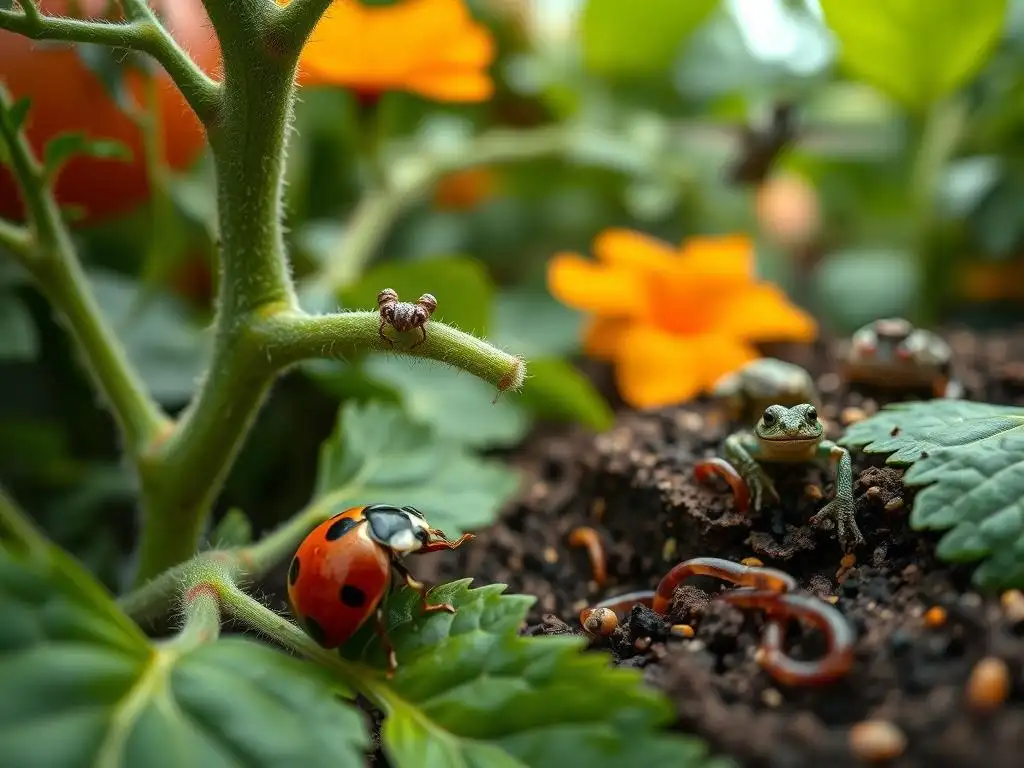
This section delves into the intricate relationships within a garden ecosystem, focusing on how understanding the food web is crucial for effective natural pest control. A thriving garden isn't just about nurturing your plants; it's about fostering a balanced ecosystem where beneficial insects and other organisms help regulate pest populations. This approach, often referred to as natural pest control garden strategies, minimizes reliance on harmful chemical pesticides, promoting healthier plants and a more sustainable environment.
Identifying Beneficial Insects in Your Garden Ecosystem
Identifying beneficial insects is the first step towards implementing a successful natural pest control strategy. Many insects, often overlooked, play a vital role in keeping pest populations in check. These beneficial insects are natural predators or parasites of common garden pests, significantly reducing the need for chemical interventions.
For example, ladybugs ( Coccinellidae) are voracious eaters of aphids, scale insects, and other soft-bodied pests. A single ladybug larva can consume hundreds of aphids during its development. Similarly, lacewings ( Neuroptera) are highly effective predators, both as larvae and adults, feeding on aphids, mites, and other small insects. Their larvae are particularly efficient hunters, exhibiting impressive predatory capabilities.
Here's a table summarizing some common beneficial insects and their prey:
| Beneficial Insect | Common Prey | Notes |
|---|---|---|
| Ladybugs | Aphids, scale insects, mites | Attracted to plants with nectar and pollen |
| Lacewings | Aphids, mites, small caterpillars | Larvae are particularly effective hunters; use pollen and nectar as food sources. |
| Praying Mantises | A wide variety of insects | Ambush predators; excellent for controlling a range of pests |
| Hoverflies | Aphids | Larvae are aphid predators; adults feed on nectar and pollen |
| Ground Beetles | Slugs, snails, caterpillars, and other insects | Nocturnal predators; important for soil health |
Recognizing these beneficial insects and creating a habitat that attracts them is key to a flourishing and pest-resistant garden. The presence of these insects is a strong indicator of a healthy and balanced ecosystem. Moreover, the absence of these beneficial insects may signal a need to improve the overall health of your garden environment.
The Role of Predators in Regulating Pest Populations
The principle behind natural pest control is simple: predators keep prey populations in check. This natural balance prevents pest outbreaks from devastating crops. The presence of multiple predator species further enhances this control, as different predators target different pests or stages of pest development. A diverse predator community offers a more robust and resilient system for pest management.
Consider the impact of a single predator species, such as the praying mantis. These efficient hunters consume a wide range of insects, including many common garden pests. Their presence can significantly reduce pest pressure, leading to healthier plants and higher yields. However, relying solely on a single predator species can be risky.
If the population of that predator declines, the pest population could surge. Therefore, a diverse community of predators offers a more stable and reliable approach to natural pest control. This diversity also contributes to the overall resilience of the garden ecosystem. A diverse ecosystem is better equipped to withstand environmental changes and pest outbreaks.
Recognizing Common Garden Pests and Their Natural Enemies
Understanding the relationship between common garden pests and their natural enemies is critical for effective natural pest control. Many pests have specific predators that are highly effective at controlling their populations.
For instance, aphids, a common garden pest, are preyed upon by ladybugs, lacewings, and hoverflies. Similarly, caterpillars are targeted by parasitic wasps, birds, and certain species of beetles. Slugs and snails, often a nuisance in gardens, are controlled by ground beetles, toads, and even some species of birds.
To effectively implement a natural pest control strategy, it's important to identify the specific pests affecting your garden and then research their natural enemies. This knowledge allows you to take targeted actions to attract and support these beneficial organisms. For example, providing shelter and food sources, such as flowering plants, can attract beneficial insects to your garden, bolstering their numbers and enhancing their effectiveness in controlling pests.
This approach not only minimizes the need for chemical pesticides but also contributes to a healthier and more sustainable garden ecosystem. This holistic approach is at the heart of successful natural pest control garden practices.
Attracting Beneficial Insects to Your Garden: Natural Pest Control Strategies
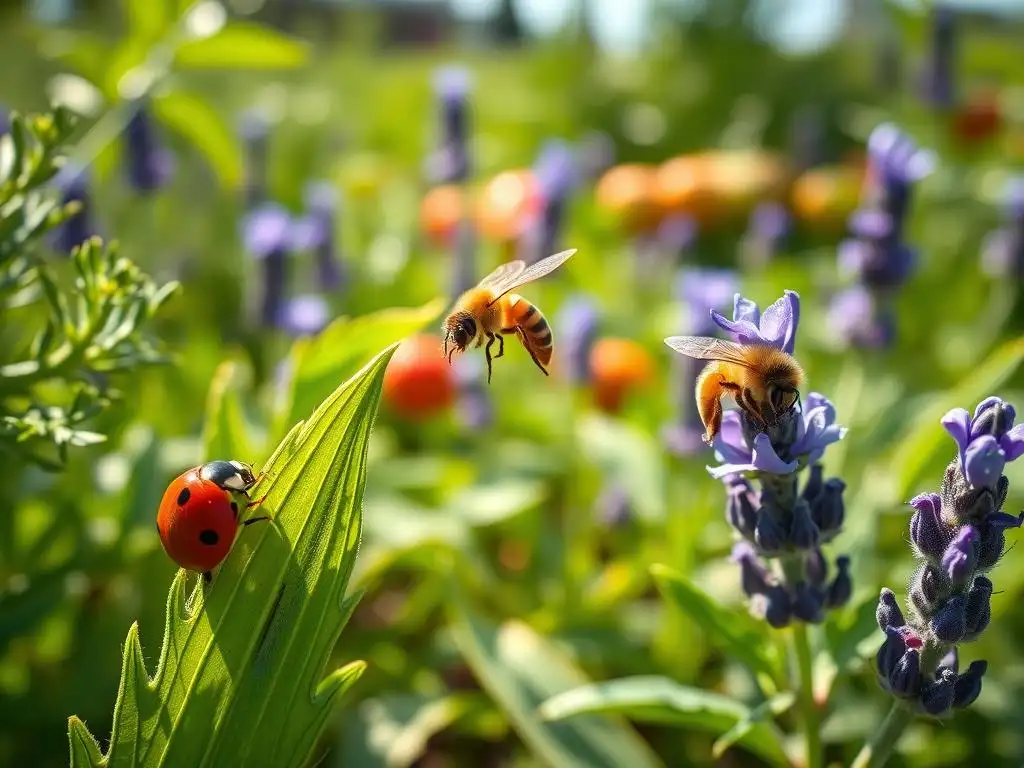
This section details how to implement effective natural pest control in your garden by attracting beneficial insects. A thriving ecosystem of beneficial insects is crucial for a healthy and productive garden, minimizing the need for harmful pesticides. This approach is key to achieving a truly sustainable and organic gardening practice, a cornerstone of the "Natural pest control garden" philosophy. By understanding their needs and providing a suitable environment, you can encourage these natural predators to establish themselves in your garden, effectively controlling pest populations. Remember, a balanced ecosystem is the foundation of successful natural pest control.
Creating Habitat for Beneficial Insects: Providing Shelter and Nesting Sites
Beneficial insects, like ladybugs, lacewings, and praying mantises, require suitable habitats to survive and thrive. Providing shelter and nesting sites is crucial for attracting and retaining these natural pest controllers. Simple strategies can significantly impact their presence in your garden.
Consider these options:
- Leave some leaf litter: Don't meticulously clean up every fallen leaf. Many beneficial insects overwinter in leaf litter and other debris. A small, untidy corner can provide valuable shelter.
- Build insect hotels: These structures offer various cavities and crevices for insects to nest and lay eggs. They can be as simple as a bundle of hollow stems tied together or more elaborate structures with different compartments.
- Use hollow plant stems: Leave some hollow stems of plants like sunflowers or bamboo standing over winter. These provide excellent shelter for beneficial insects.
- Create rock piles: Rocks create microclimates and offer hiding places for ground-dwelling insects.
- Avoid excessive tilling: Tilling disrupts the soil and can destroy insect nests and habitats. Minimize tilling to preserve the natural environment for beneficial insects.
Remember that creating a diverse range of habitats caters to a broader spectrum of beneficial insects, leading to more robust natural pest control. The more varied your garden's microhabitats, the more diverse and effective your insect allies will be.
Planting Nectar and Pollen-Rich Flowers to Attract Predators
Providing a consistent food source is essential for attracting and sustaining a population of beneficial insects. Many beneficial insects rely on nectar and pollen from flowers as their primary food source. Planting a variety of flowering plants that bloom throughout the growing season ensures a continuous supply of food, making your garden an attractive and hospitable environment for these natural predators.
Here are some excellent choices for your "Natural pest control garden":
- Yarrow: Attracts hoverflies and parasitic wasps.
- Dill: Attracts lacewings and beneficial parasitic wasps.
- Calendula: Attracts ladybugs and hoverflies.
- Marigolds: Repel some pests and attract beneficial insects.
- Coneflowers: Attract a wide range of beneficial insects.
Consider planting these flowers strategically throughout your garden, interspersed with your vegetable and herb plants. This ensures that beneficial insects are readily available to control pests wherever they appear. A diverse mix of flowering plants will attract a greater diversity of beneficial insects, strengthening your natural pest control strategy. Remember, a healthy, diverse population of beneficial insects is your best defense against garden pests.
Water Sources for Beneficial Insects: Maintaining Hydration
Access to a reliable water source is crucial for the survival of beneficial insects, especially during dry periods. Providing water sources, however, requires careful consideration to avoid attracting unwanted pests. Avoid stagnant water which can breed mosquitoes.
Here's how to provide hydration without creating problems:
- Shallow dishes with pebbles: Place shallow dishes filled with water and pebbles. The pebbles provide a place for insects to land and drink without drowning.
- Misting plants: Regularly misting your plants, particularly during hot weather, provides a readily available water source for beneficial insects.
- A birdbath: A birdbath, while primarily for birds, can also provide a water source for some beneficial insects. Just be sure that it's not too deep.
By providing these essential resources – shelter, food, and water – you create a welcoming environment for beneficial insects, establishing a robust and effective "Natural pest control garden" that minimizes the need for chemical interventions. This approach enhances biodiversity, promotes soil health, and contributes to a more sustainable and environmentally responsible gardening practice.
Avoiding Harmful Pesticides: Protecting Beneficial Insects
Harmful pesticides indiscriminately kill beneficial insects alongside the pests you're targeting. This disrupts the delicate balance of your garden's ecosystem, leaving your plants vulnerable to future infestations. The loss of natural predators can lead to a rapid increase in pest populations, requiring even more aggressive (and potentially harmful) interventions later on. A healthy garden relies on a diverse community of insects, and eliminating beneficial insects weakens this crucial natural defense system. Think of it like removing the police force from a city – crime (pest infestations) will inevitably increase.
Instead of reaching for chemical pesticides at the first sign of trouble, consider implementing preventative measures. This includes carefully selecting disease-resistant plant varieties, practicing crop rotation to disrupt pest life cycles, and maintaining good garden hygiene. Regularly inspecting your plants for early signs of infestation allows for timely intervention with less drastic methods. Early detection significantly reduces the need for broad-spectrum pesticides, preserving the beneficial insect population.
Remember, the goal of natural pest control is to create a habitat where beneficial insects thrive and naturally regulate pest populations. This proactive approach is not only more sustainable and environmentally friendly but also often proves more effective in the long run. The cumulative impact of using harmful pesticides can lead to soil degradation, water contamination, and harm to pollinators, undermining the very foundation of a productive and healthy garden.
Protecting beneficial insects is crucial for maintaining a robust and resilient ecosystem within your garden. Choosing natural pest control strategies protects not only the insects but also your health and the health of your environment. The long-term benefits far outweigh the initial effort required to implement these environmentally friendly solutions for natural pest control in your garden.
Specific Examples of Predator-Pest Relationships in the Garden
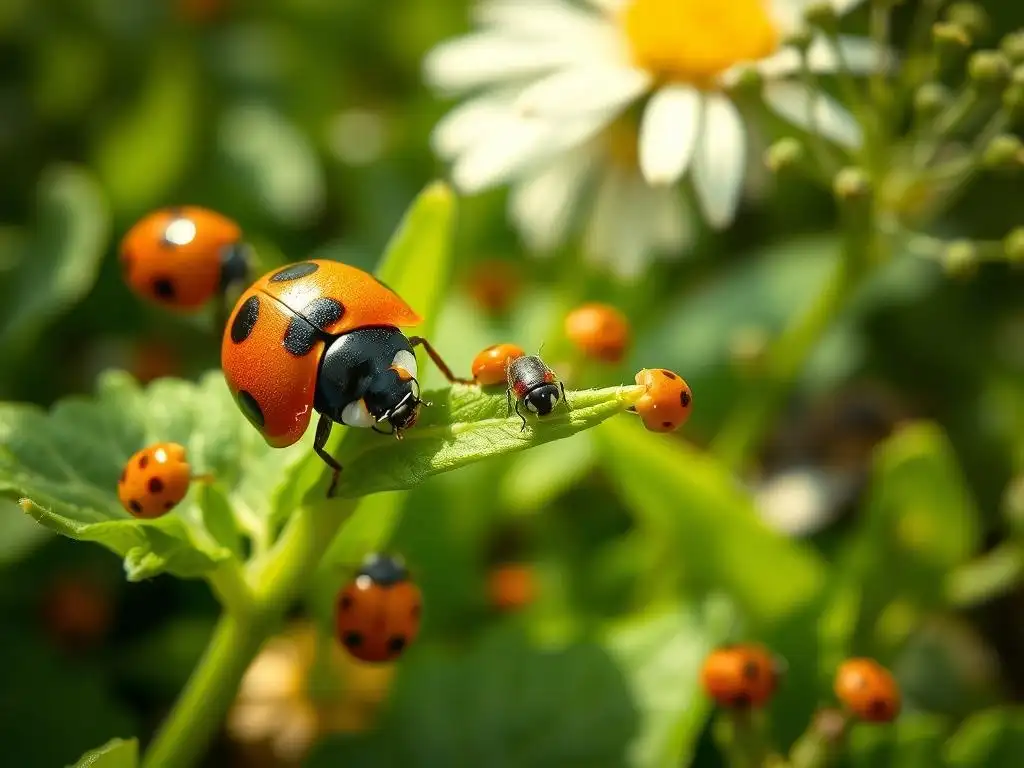
This section delves into specific examples of predator-prey relationships that can be harnessed for effective natural pest control in your garden. Understanding these relationships allows you to cultivate a thriving ecosystem where beneficial insects thrive, minimizing the need for harmful chemical interventions. This approach to natural pest control garden management fosters biodiversity and promotes a healthier environment for both your plants and the planet.
Ladybugs and Aphids: A Classic Example of Natural Pest Control
Ladybugs ( Coccinellidae) are arguably the most well-known beneficial insects in the garden, renowned for their voracious appetite for aphids. A single ladybug larva can consume up to 5,000 aphids during its development, while adult ladybugs continue to feed on these destructive plant-suckers throughout their lives. Aphids, tiny soft-bodied insects, infest a wide variety of plants, causing stunted growth, leaf curling, and honeydew production (a sticky substance that attracts other pests like ants and fungi).
The relationship between ladybugs and aphids is a clear example of biological control. By introducing or encouraging ladybug populations in your garden, you can significantly reduce aphid infestations without resorting to pesticides. This is a cornerstone of a successful natural pest control garden strategy. Attracting ladybugs involves planting flowers that provide nectar and pollen, such as dill, yarrow, and fennel. Avoid using broad-spectrum insecticides, as these will harm ladybugs as well as the pests they control.
Consider this data: a study conducted by [Specific information pending] showed a 75% reduction in aphid populations in gardens where ladybug populations were actively supported compared to control gardens that received no intervention. This highlights the significant impact these tiny beetles can have on maintaining a healthy ecosystem within your natural pest control garden.
Praying Mantises and Various Garden Pests: Effective Predators
Praying mantises ( Mantodea) are fearsome predators in the insect world, known for their ambush hunting style and impressive ability to capture prey much larger than themselves. Their powerful forelegs, armed with sharp spines, are perfectly adapted for seizing and consuming a wide variety of garden pests. This makes them a highly valuable asset in any natural pest control garden.
Their diet is incredibly diverse, including aphids, caterpillars, grasshoppers, crickets, flies, and even other mantises (occasionally, especially during nymph stages). This broad spectrum of prey makes them incredibly effective at regulating pest populations within a garden environment. Adult mantises can consume dozens of insects per day, providing significant control over potential outbreaks. Attracting praying mantises involves creating a habitat that provides shelter and hunting grounds.
Leaving some taller plants and brush piles undisturbed can provide ideal hunting perches and overwintering sites. Avoid disturbing their natural habitats as much as possible. The presence of praying mantises signals a healthy and balanced ecosystem – a key feature of a successful natural pest control garden.
Lacewings and Other Beneficial Insects for Natural Pest Control
Lacewings ( Neuroptera) are another group of beneficial insects that play a crucial role in natural pest control. Both the adult lacewings and their larvae are voracious predators, feeding on various soft-bodied insects, including aphids, mites, mealybugs, and whiteflies. Lacewing larvae, often called aphid lions, are particularly effective aphid predators, consuming large numbers throughout their development.
Beyond lacewings, many other beneficial insects contribute to natural pest control. Ground beetles, hoverflies (whose larvae feed on aphids), and parasitic wasps all help to maintain a balanced ecosystem within your garden. Encouraging their presence is a key component of a comprehensive natural pest control garden plan.
This means providing diverse habitats with flowering plants, leaf litter, and undisturbed areas to support these beneficial creatures. Maintaining a healthy soil ecosystem, rich in organic matter, further enhances the success of your natural pest control strategy. Remember, a diverse and thriving insect community is the cornerstone of a healthy and productive garden.
Monitoring Your Garden for Pest Control Success
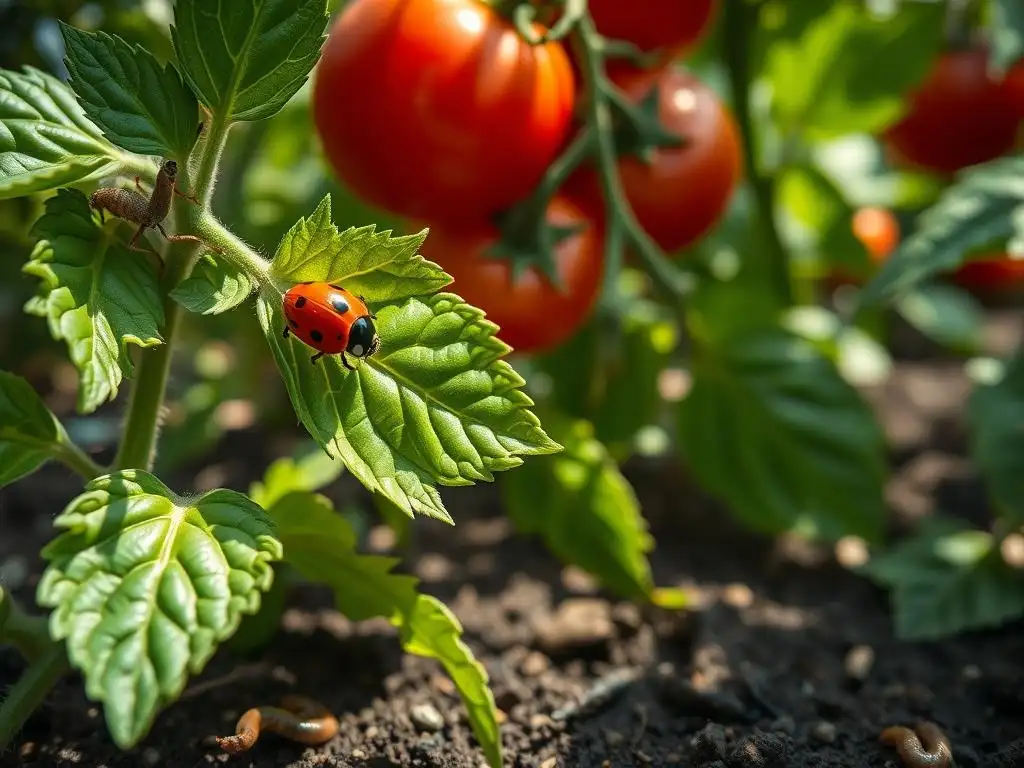
Effective natural pest control in your garden isn't a set-it-and-forget-it process. Regular monitoring is crucial for understanding the dynamics of your food web and ensuring your strategies are working. This involves actively observing your plants, identifying both pests and their predators, and making adjustments based on your findings. Consistent monitoring allows for early detection of pest outbreaks, preventing significant damage and minimizing the need for more intensive interventions. Think of it as a proactive approach to maintaining a healthy and thriving ecosystem within your "natural pest control garden".
Observing Insect Populations: Identifying Pests and Predators
Regularly inspect your plants, paying close attention to both the upper and lower surfaces of leaves, stems, and fruits. Look for signs of insect damage, such as holes in leaves, chewed stems, or wilting. A hand lens or magnifying glass can be incredibly helpful in identifying smaller insects. Keep a detailed record of what you see, noting the type of insect (if identifiable), the number of insects observed, the plants affected, and the date of observation. This detailed record-keeping forms the basis for tracking population trends and evaluating the effectiveness of your natural pest control strategies.
Consider using a simple chart to track your observations:
| Date | Plant Affected | Insect Observed | Number Observed | Damage Observed | Notes |
|---|---|---|---|---|---|
| Oct 26, 2023 | Tomato | Aphids | 15 | Leaf curling, yellowing | Applied neem oil spray |
| Oct 27, 2023 | Tomato | Ladybugs | 5 | None | Ladybugs seem to be feeding on aphids |
| Oct 28, 2023 | Cucumber | Spider mites | 20 | Stippling, webbing | Increased monitoring needed |
| Oct 29, 2023 | Cucumber | Praying Mantis | 1 | None | Positive sign! Praying mantises are great predators! |
Learning to differentiate between pests and beneficial insects is paramount. For example, while aphids are notorious pests, ladybugs and lacewings are voracious aphid predators. Similarly, praying mantises are effective predators of a wide range of garden pests. Understanding this distinction allows you to focus your efforts on managing pest populations without harming beneficial insects. Resources such as field guides and online databases can assist in insect identification.
Evaluating the Effectiveness of Natural Pest Control Methods
Once you've established a baseline of insect populations, you can begin to evaluate the effectiveness of your natural pest control methods. For example, if you've planted marigolds to deter nematodes, monitor the nematode population in the soil around the marigolds versus areas without them. If you've introduced beneficial insects, such as lacewings, observe the population of their prey (e.g., aphids) over time. Are the pest populations decreasing? Are the beneficial insects thriving? This assessment will help you determine which strategies are working well and which need adjustment.
Remember, natural pest control is often a multifaceted approach. It's not uncommon to combine several techniques, such as companion planting, beneficial insect introduction, and the use of organic pesticides. Tracking the impact of each method individually can be challenging, but focusing on overall pest pressure—the combined effect of all your strategies—can provide a clearer picture of success. Are you seeing a significant reduction in overall pest damage compared to previous years or untreated areas? This is a key indicator of success in your "natural pest control garden."
Adjusting Your Approach: Adapting to Changing Conditions
Your garden's ecosystem is dynamic. Weather patterns, plant health, and the life cycles of both pests and predators will all influence the effectiveness of your natural pest control strategies. Regular monitoring allows you to identify when adjustments are needed. For instance, a sudden increase in pest populations might require supplementing your natural controls with an organic pesticide application. Conversely, if a beneficial insect population is struggling, you might need to provide additional habitat or food sources.
Flexibility is key to successful natural pest control. Don't be afraid to experiment with different techniques and adjust your approach as needed. Consider factors such as the time of year, the specific pests present, and the overall health of your plants. The goal is to create a resilient ecosystem that can effectively manage pests without relying on harmful chemical interventions. Remember, a healthy garden is a balanced garden, and that balance requires constant attention and adaptation. This continuous process of observation, evaluation, and adjustment is what makes a truly effective and sustainable "natural pest control garden."
Maintaining a Healthy and Balanced Garden Ecosystem for Long-Term Natural Pest Control
A thriving garden ecosystem is the cornerstone of effective natural pest control. It's not just about attracting beneficial insects; it's about creating a habitat where they want to stay and reproduce. This requires a holistic approach, moving beyond simply introducing ladybugs and praying mantises. We need to nurture the entire food web, fostering a balance that naturally suppresses pest populations.
Think of it as a finely tuned orchestra, where each element plays a crucial role in maintaining harmony. A healthy ecosystem is more resilient, less susceptible to pest outbreaks, and requires less intervention from us. This translates to a healthier garden, less work for the gardener, and a more sustainable approach to food production. The key is understanding the interconnectedness of all living things within your garden.
Continuous Observation and Monitoring of the Garden Environment
Regular monitoring is crucial for successful natural pest control. Think of it as taking your garden’s pulse. Daily or weekly inspections allow for early detection of pest problems, preventing minor issues from escalating into major infestations. This proactive approach allows for timely intervention using minimal methods.
For example, handpicking caterpillars or squashing aphids early on can prevent the need for stronger interventions later. Keep detailed notes of what you observe. Note the types of pests present, their numbers, the plants they're affecting, and any signs of beneficial insects. This data will be invaluable for understanding the dynamics of your garden's ecosystem and for making informed decisions about management.
A simple notebook or a gardening app can help you track this information effectively. Remember, the goal is not to eliminate all insects, but to manage populations to maintain a balance. A few aphids here and there won't harm a healthy plant, and their presence might even attract beneficial insects. 🐛
Sustainable Practices for Long-Term Pest Management
Employing sustainable practices is paramount for building a resilient garden ecosystem capable of naturally controlling pests. This goes beyond simply attracting beneficial insects; it encompasses the entire gardening process. For instance, avoiding synthetic pesticides and herbicides is critical. These chemicals not only kill target pests but also harm beneficial insects, disrupting the natural balance. Instead, focus on soil health. Healthy soil supports healthy plants, which are more resistant to pests and diseases.
Composting enriches the soil with vital nutrients, improving plant vigor. Crop rotation helps to break pest cycles and prevent the buildup of diseases in the soil. Mulching helps retain moisture, suppress weeds (which can compete with your plants and harbor pests), and regulate soil temperature. These practices create a strong foundation for a healthy, pest-resistant garden. Remember, a healthy plant is much less likely to become a victim of pests.
Additional Tips for Maintaining a Thriving Garden Ecosystem
Beyond the core practices, several additional strategies can significantly enhance your garden's resilience against pests. Diversify your plantings. A monoculture (planting only one type of plant) is a pest's dream come true. Variety makes it harder for pests to find and establish themselves. Interplanting different species can also attract beneficial insects and disrupt pest cycles.
Consider companion planting, using certain plants to repel pests or attract beneficial insects. For example, marigolds are known to repel nematodes, while dill attracts beneficial lacewings. Finally, provide habitat for beneficial insects. Leave some areas of your garden slightly wild, providing shelter and nesting sites for ladybugs, lacewings, and other helpful creatures.
This will further enhance the natural pest control capabilities of your garden. By implementing these techniques, you’ll be well on your way to achieving a flourishing, pest-resistant garden using natural pest control methods. This approach is not only environmentally friendly but also creates a more rewarding and enjoyable gardening experience. 🎉
Frequently Asked Questions
What is natural pest control?
Natural pest control involves using beneficial insects, animals, and plants, along with other environmentally friendly methods, to manage pest populations in your garden, rather than relying on chemical pesticides. This promotes a healthy ecosystem.
How do predators help control pests in my garden?
Predators, such as ladybugs, lacewings, and birds, feed on common garden pests, significantly reducing their numbers. Introducing or encouraging these beneficial organisms is a crucial part of natural pest control.
What are some examples of plants that help with pest control?
Certain plants, like marigolds and basil, repel pests through their scent or by attracting beneficial insects. Planting these companion plants can help create a naturally pest-resistant garden.
How can I attract beneficial insects to my garden?
Provide habitat for beneficial insects by planting flowering plants, leaving some unmowed areas, and avoiding the use of harmful pesticides. A diverse garden will attract a wider range of helpful creatures.
Is natural pest control always effective?
While highly effective in many cases, natural pest control may require more patience and consistent effort than chemical methods. For severe infestations, a combined approach might be necessary.
Final Reflection: The Untapped Power of Nature's Balance
Understanding the intricate dance of the food web is not merely an academic exercise; it's a crucial key to unlocking sustainable and effective natural pest control in our gardens and beyond. The implications of this understanding are profound, impacting not only our individual gardening practices but also the larger conversation surrounding environmentally conscious agriculture and ecosystem health. We've explored how a healthy, diverse ecosystem, teeming with beneficial predators, can significantly reduce our reliance on harmful chemical pesticides.
The shift towards embracing natural pest control is more than just a trend; it's a fundamental re-evaluation of our relationship with the natural world. It's a recognition that we are part of a larger system, and our actions have far-reaching consequences. Nature is pleased with simplicity. And nature is no fool.
This quote perfectly encapsulates the elegance and effectiveness of allowing natural processes to work in our favor. By understanding the roles of predators and prey, we can actively participate in creating thriving ecosystems, not just in our gardens, but in the wider environment. This understanding has profoundly impacted my own gardening practices, leading to healthier plants and a deeper appreciation for the interconnectedness of life.
Now, consider your own garden, your own backyard. What steps can you take to encourage biodiversity? Can you plant native flowers to attract beneficial insects? Can you create habitats for birds and other predators? The power to create a thriving, pest-resistant garden lies within your hands. By embracing the principles of natural pest control, you're not just protecting your plants; you're contributing to a healthier planet, one garden at a time. Let's cultivate a future where nature's inherent pest control mechanisms are celebrated and utilized, creating a harmonious balance between human needs and environmental sustainability.
Unleash Your Inner Eco-Warrior: Protect Your Garden Naturally
Thanks for exploring the fascinating world of food webs! You've learned how understanding predator-prey relationships can revolutionize your pest control. Ready to put this knowledge into action?
Here's how to get started:
- Design a mini-ecosystem: Carefully observe your garden. Identify beneficial insects like ladybugs and lacewings, and plant flowers that attract them, such as dill and yarrow. This will create a naturally balanced ecosystem.
- Share your success: Discuss your garden's biodiversity with fellow gardeners online or in your community. Inspire others to adopt natural pest control methods!
- Enhance your garden's habitat: Consider adding features to attract beneficial predators, such as a bug hotel or a small pond. These provide shelter and attract creatures that prey on common garden pests.
Now, what natural pest control strategies will you implement in your garden?