
Disease Prevention in Basil: Organic Methods for Healthy Plants

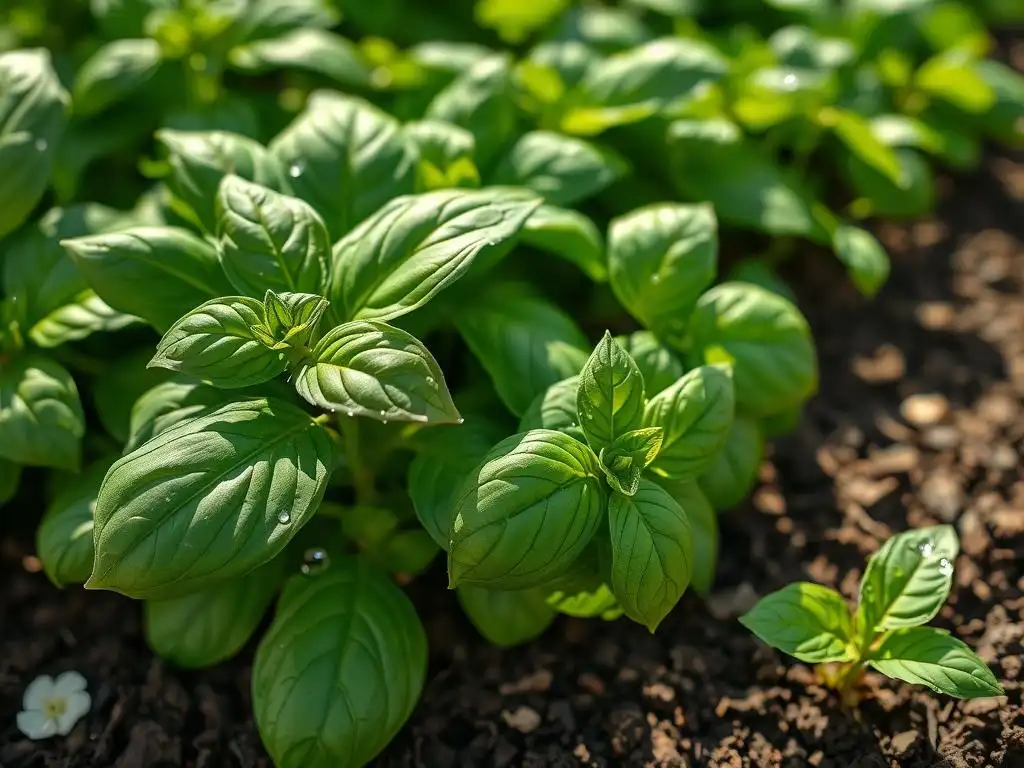
Welcome to CultivateYourFood, your guide to nurturing a thriving garden filled with homegrown fruits, vegetables, and herbs! Are you ready to unlock the secrets to a bountiful harvest? We believe everyone can cultivate their own food, sustainably and organically. This commitment starts with healthy plants, which is why we're diving deep into organic basil disease prevention. Discover proven techniques to safeguard your basil and ensure a vibrant, flavorful yield – let's grow together!
- Understanding Common Basil Diseases
- Organic Strategies for Preventing Basil Diseases
- Natural Pest Control for Basil Disease Prevention
- Organic Fertilization for Robust Basil Plants
- Harvesting and Storage to Minimize Disease Spread
- Monitoring and Ongoing Care for Healthy Basil
-
Frequently Asked Questions
- What are the most common diseases affecting basil plants?
- How can I prevent fungal diseases in my organic basil organically?
- What role does soil health play in preventing basil diseases?
- Are there any organic pest control methods to indirectly prevent disease?
- When should I apply preventative organic treatments for basil diseases?
- Final Reflection: Cultivating Resilience: Basil, and Beyond
- Unlock Your Basil's Full Potential: Grow Healthier, Happier Plants
Understanding Common Basil Diseases
Basil, with its fragrant leaves and culinary versatility, is a popular herb for home gardens. However, even the most diligent gardener can face challenges in keeping their basil plants healthy and free from disease. This article focuses on organic methods for preventing common basil diseases, ensuring a bountiful harvest of vibrant, flavorful leaves. We'll explore the identification of common ailments, the importance of early detection, and practical, sustainable strategies to protect your basil plants throughout their growing cycle.
Understanding these preventative measures is crucial for successful organic basil cultivation, minimizing the need for chemical interventions and promoting a thriving, healthy garden. This guide will empower you to cultivate robust basil plants using environmentally friendly practices, leading to a satisfying and rewarding gardening experience. The principles discussed here are applicable to various basil varieties, helping you achieve a flourishing and productive basil patch.
Identifying Common Basil Diseases: Downy Mildew, Fusarium Wilt, and Bacterial Leaf Spot
Basil plants, while relatively hardy, are susceptible to several diseases that can significantly impact their health and yield. Three of the most common culprits are downy mildew, fusarium wilt, and bacterial leaf spot. Let's examine each:
- Downy Mildew: This fungal disease manifests as fuzzy, grayish-purple spots on the undersides of leaves, often accompanied by yellowing or browning on the upper surfaces. High humidity and poor air circulation are key contributors to its development.
- Fusarium Wilt: A soilborne fungal disease, fusarium wilt causes wilting, yellowing, and eventual death of basil plants. The fungus attacks the vascular system, restricting water and nutrient uptake. Once established, it's difficult to eradicate.
- Bacterial Leaf Spot: Characterized by small, dark brown or black spots with yellow halos on the leaves, bacterial leaf spot is often spread through water splashing or contaminated tools. The spots can enlarge and coalesce, leading to leaf blight.
Understanding the visual characteristics of these diseases is the first step in effective prevention and management. Early identification is key to implementing appropriate organic control measures before significant damage occurs. Regular monitoring of your basil plants is crucial for early detection and timely intervention.
Recognizing Early Signs of Basil Diseases: Yellowing Leaves, Wilting, and Spots
Early detection is paramount in organic basil disease prevention. Often, subtle changes in the plant’s appearance precede the full manifestation of disease symptoms. Learning to recognize these early warning signs can significantly improve your chances of successful intervention and minimizing damage.
Key early indicators include:
- Yellowing Leaves: While yellowing can have multiple causes, it's often an early sign of disease, nutrient deficiency, or improper watering. Observe the pattern of yellowing; is it localized to specific leaves or widespread?
- Wilting: Sudden or progressive wilting, especially during periods of adequate moisture, can indicate root problems caused by diseases like fusarium wilt.
- Spots: The appearance of small, unusual spots on leaves, regardless of color, should raise a red flag. Note the size, shape, color, and location of the spots to aid in diagnosis.
Consistent observation of your basil plants, paying attention to these subtle changes, is critical. Regularly inspect both the upper and lower surfaces of leaves, examining stems and roots as well. A proactive approach, combined with a thorough understanding of potential diseases, greatly enhances successful organic disease prevention.
The Importance of Early Detection in Organic Basil Disease Prevention
Early detection is not just beneficial; it's crucial for effective organic basil disease prevention. The earlier you identify a problem, the more options you have for organic control, minimizing the need for harsh chemicals and maximizing the chances of saving your plants. Delaying intervention allows diseases to spread, potentially leading to significant crop loss and necessitating more drastic—and less environmentally friendly—measures.
Prompt action allows for the implementation of less intensive methods, such as:
- Removal of affected leaves or plants: This prevents the spread of disease to healthy parts of the plant or to neighboring plants.
- Improved sanitation practices: Cleaning tools and ensuring good air circulation helps prevent the spread of fungal diseases.
- Adjusting watering practices: Correcting overwatering or underwatering can alleviate stress and improve plant resilience.
By prioritizing early detection and implementing timely, organic control measures, you significantly increase the likelihood of a healthy and productive basil harvest. Remember, proactive monitoring and a keen eye for early warning signs are your best allies in organic basil disease prevention. 🌱
Organic Strategies for Preventing Basil Diseases
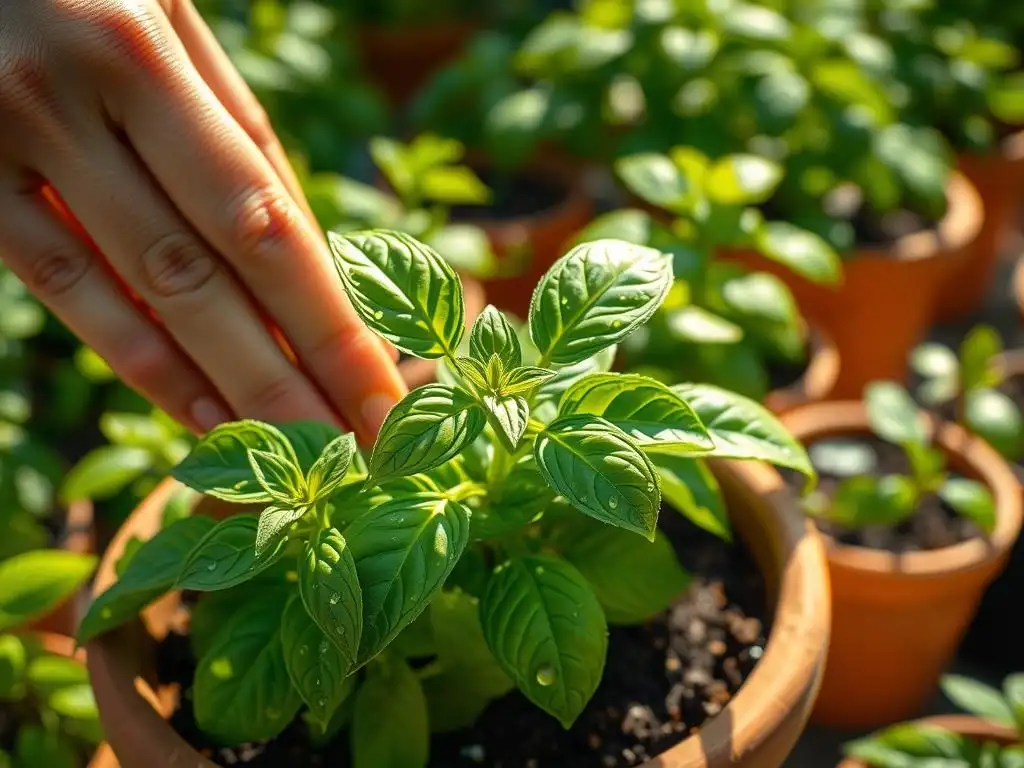
This section delves into practical, organic methods for preventing diseases in your basil plants. We'll explore how choosing the right variety, providing ideal growing conditions, and ensuring proper spacing can significantly reduce the risk of common basil ailments, leading to a bountiful and healthy harvest. Remember, a proactive approach to disease prevention is key to successful organic basil cultivation. This means focusing on creating an environment where disease is less likely to thrive, rather than reacting to problems after they appear. Let's get started!
Selecting Disease-Resistant Basil Varieties for Your Garden
Choosing disease-resistant basil varieties is your first line of defense against common fungal and bacterial issues. Certain basil types exhibit greater natural resistance to diseases like downy mildew and fusarium wilt. Instead of relying solely on chemical treatments, selecting inherently resilient plants significantly reduces the need for intervention. Researching your local climate and choosing varieties suited to those conditions is crucial. For example, 'Genovese' basil, known for its large leaves and robust flavor, often demonstrates good disease resistance. Similarly, 'Greek' or 'Lemon' basil varieties can also display increased resilience.
It's important to note that even disease-resistant varieties are not immune. Optimal growing conditions still play a vital role in maintaining their health. Think of disease resistance as a strong foundation upon which you build a healthy environment for your plants. Always source your basil seeds or plants from reputable suppliers known for their high-quality, disease-free stock. This minimizes the risk of introducing pathogens to your garden from the outset. Consider keeping a detailed record of the basil varieties you plant and their corresponding disease resistance, making it easier for you to select the best options for future seasons.
Maintaining Optimal Growing Conditions for Healthy Basil Plants: Sunlight, Watering, and Soil
Providing your basil plants with the right conditions is crucial for preventing diseases. Basil thrives in full sun (at least 6-8 hours daily) and well-draining soil. Overwatering is a significant contributor to fungal diseases like root rot and downy mildew. The soil should be consistently moist but never soggy. Allow the top inch of soil to dry slightly between waterings. Consider using a soil moisture meter to accurately gauge soil moisture levels.
The type of soil is equally important. Well-draining soil rich in organic matter is ideal. Amend heavy clay soils with compost or other organic materials to improve drainage. Avoid over-fertilizing, as excessive nitrogen can make plants more susceptible to diseases. A balanced organic fertilizer applied according to package instructions is sufficient. Regularly inspect your plants for signs of disease. Early detection allows for prompt intervention, often preventing widespread infection. Remember, prevention is always better than cure, especially when employing organic gardening methods. A healthy plant, properly nourished and watered, is far less likely to succumb to disease.
Proper Spacing and Air Circulation to Prevent Fungal Diseases in Basil
Adequate spacing between basil plants is essential for preventing fungal diseases. Overcrowding restricts airflow, creating a humid microclimate that favors fungal growth. Ensure that plants have enough space to breathe and receive sufficient sunlight on all sides. This helps to keep foliage dry and reduces the humidity levels around the plants. The recommended spacing varies depending on the basil variety, but generally, allow for 12-18 inches between plants.
Improving air circulation can be achieved through various methods. Consider planting basil in raised beds or containers to improve airflow around the base of the plants. Regular pruning can also enhance air circulation by removing crowded foliage. Remember to sterilize your pruning tools between plants to prevent the spread of diseases.
This simple precaution can make a significant difference. Avoid overhead watering, as this can keep the foliage wet for extended periods, creating ideal conditions for fungal pathogens. Instead, opt for watering at the base of the plant. Monitoring your plants regularly and promptly addressing any signs of overcrowding or poor air circulation will help you to maintain a healthy basil patch.
Implementing a Preventative Organic Fungicide Spray Schedule for Basil
Regular application of a preventative organic fungicide spray is crucial for maintaining healthy basil plants and preventing fungal diseases. These diseases, like downy mildew and gray mold, can quickly decimate a basil crop. A proactive approach is far more effective than reactive treatment. Instead of waiting for symptoms to appear, a preventative spray schedule helps to establish a protective barrier against fungal spores.
The frequency of application depends largely on environmental conditions. Hot, humid weather, coupled with inadequate air circulation, creates an ideal breeding ground for fungal pathogens. In such conditions, a weekly application might be necessary. However, in drier, cooler climates, spraying every two weeks, or even monthly, may suffice. Always carefully read and follow the instructions on your chosen organic fungicide product.
Several effective organic fungicide options exist. Commercially available products often contain ingredients like copper, neem oil, or potassium bicarbonate. These ingredients are known for their antifungal properties and are generally considered safe for use in organic gardening practices. Alternatively, you can create your own fungicide spray using household ingredients. A simple mixture of baking soda and water, or a diluted solution of milk and water, can provide some level of protection against fungal diseases. However, homemade solutions may require more frequent applications to maintain effectiveness. Remember to always test a small area of your plants before applying any homemade spray to the entire plant to avoid unintended damage. Careful observation of your plants is key to determining the effectiveness of your chosen spray and adjusting the schedule as needed. Early detection of any signs of fungal infection is crucial for timely intervention, even with a preventative spray schedule in place.
Remember, consistent application is key to the success of any preventative spray program. Don't let your spray schedule lapse, especially during periods of high humidity and rainfall. Regular monitoring of your basil plants for any signs of disease, such as discoloration, wilting, or unusual spots, remains vital even with the use of preventative sprays. Proactive vigilance, combined with a well-maintained preventative spray schedule, significantly increases the likelihood of a healthy and bountiful basil harvest. The investment in time and effort will be well worth it when you enjoy flavorful, organically grown basil all season long.
Natural Pest Control for Basil Disease Prevention
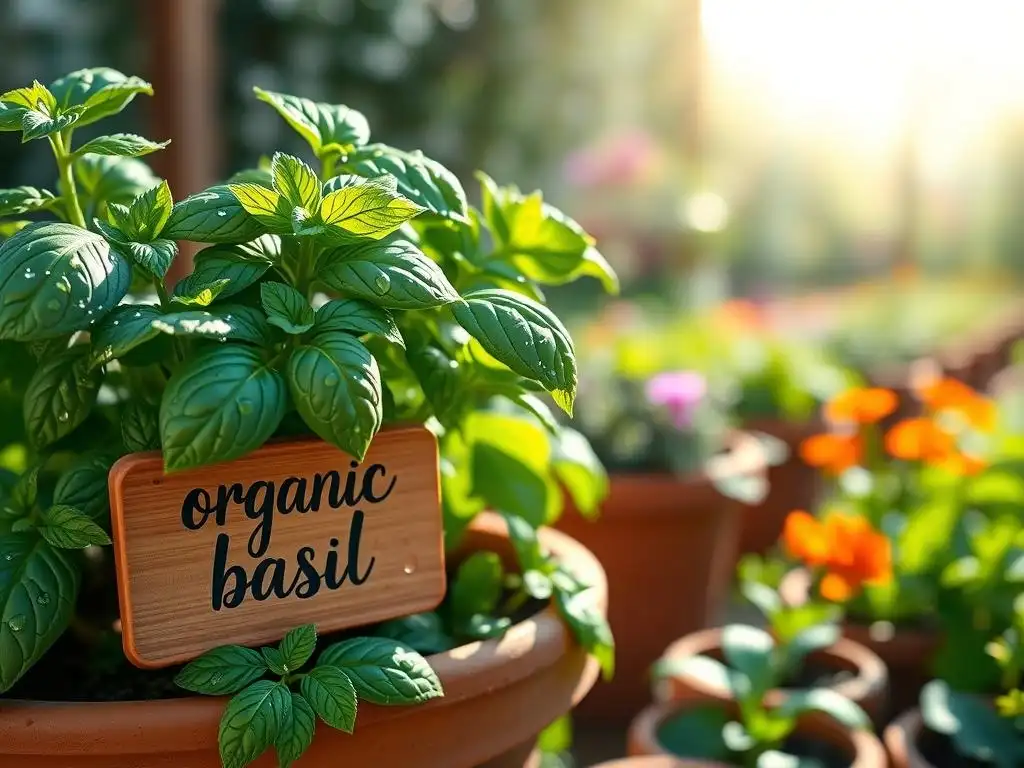
Organic basil disease prevention relies heavily on proactive measures, minimizing the need for harsh chemicals. A robust defense begins with understanding and implementing natural pest control strategies. This section will explore several effective, environmentally friendly methods to keep your basil healthy and thriving. Remember, a healthy plant is far less susceptible to disease than a stressed one. Consistent application of these techniques is key to achieving long-term success in organic basil cultivation.
Beneficial Insects and Their Role in Controlling Basil Pests and Diseases
Many beneficial insects act as natural predators to common basil pests, significantly reducing the risk of disease outbreaks. Introducing these helpful creatures into your garden ecosystem can be a powerful tool in organic basil disease prevention. For instance, ladybugs are voracious eaters of aphids, a common basil pest that can weaken plants and make them more vulnerable to fungal infections. Similarly, lacewings and their larvae prey on various soft-bodied insects, including whiteflies and thrips, which can transmit diseases.
Encouraging beneficial insects requires creating a welcoming habitat. This involves planting a diverse range of flowers that provide nectar and pollen, such as calendula, yarrow, and dill. Avoid using broad-spectrum insecticides, as these will harm beneficial insects along with pests. Providing shelter, such as leaf litter or small piles of rocks, can also attract and retain these helpful creatures.
Regularly inspecting your basil plants for signs of pests and beneficial insects allows for early intervention and prevents major infestations. A healthy balance of predator and prey is the cornerstone of a thriving and disease-resistant basil patch. Careful observation and a little patience are rewarded with a flourishing, pest-free garden.
Using Neem Oil as a Natural Pesticide for Basil Disease Prevention
Neem oil, derived from the neem tree, is a potent natural pesticide effective against a wide range of basil pests. Its effectiveness stems from its ability to disrupt the insect life cycle, acting as both a repellent and a contact insecticide. It's particularly useful in controlling aphids, mites, and whiteflies, all of which can contribute to basil diseases.
When using neem oil, always dilute it according to the manufacturer's instructions. Over-dilution may reduce its effectiveness, while over-concentration can harm your basil plants. Application is typically done as a foliar spray, ensuring thorough coverage of the leaves and stems. It's crucial to apply neem oil in the early evening or on cloudy days to minimize the risk of sun damage to the plants.
Repeated applications may be necessary, depending on the severity of the infestation and weather conditions. While generally safe, neem oil can sometimes affect beneficial insects, so careful monitoring and targeted application are recommended. The preventative use of neem oil, before a significant infestation occurs, is a highly effective part of a comprehensive organic basil disease prevention strategy.
Composting and Soil Health: Building Resistance to Basil Diseases
Healthy soil is the foundation of healthy plants. Composting plays a vital role in building soil fertility and creating a disease-resistant environment for your basil. Adding compost improves soil structure, aeration, and water retention, all of which contribute to robust plant growth. Furthermore, compost introduces beneficial microorganisms that compete with disease-causing pathogens, reducing the risk of infection.
High-quality compost is rich in nutrients essential for basil's growth. It provides a slow-release source of nitrogen, phosphorus, and potassium, promoting vigorous growth and strengthening the plant's natural defenses. The organic matter in compost also helps to regulate soil temperature and moisture levels, creating a more stable environment for basil to thrive.
Regular soil testing can help determine any nutrient deficiencies and guide compost application. By building healthy soil through composting, you're not only promoting vigorous basil growth but also establishing a strong foundation for organic basil disease prevention, reducing the need for external interventions. This proactive approach ensures a healthier, more resilient basil crop over the long term.
Organic Fertilization for Robust Basil Plants
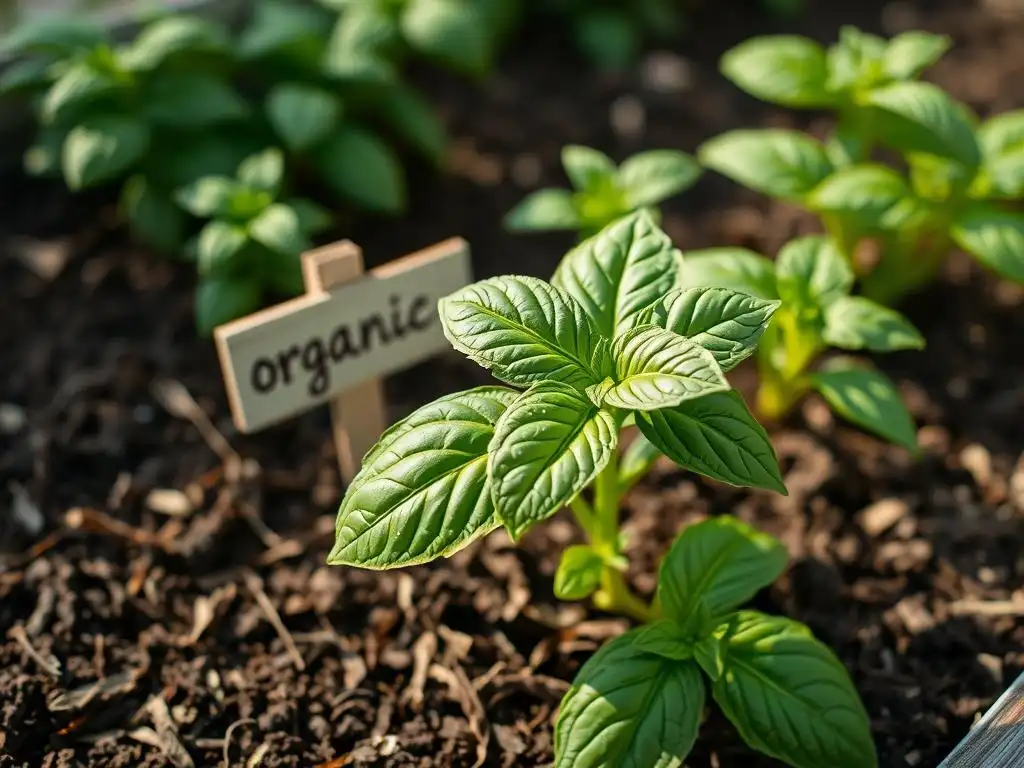
Healthy, robust basil plants are less susceptible to diseases. Organic fertilization plays a crucial role in achieving this. By providing the essential nutrients basil needs, we strengthen its natural defenses against pathogens and pests, a key component of organic basil disease prevention. This section details how to properly fertilize your basil plants using organic methods, ensuring vigorous growth and resilience.
Choosing Organic Fertilizers to Boost Basil's Immunity
Selecting the right organic fertilizer is paramount for disease prevention in basil. Avoid synthetic fertilizers, as they can disrupt the soil's delicate ecosystem and weaken the plant's natural resistance. Instead, opt for options that provide a balanced supply of macronutrients (nitrogen, phosphorus, and potassium) and micronutrients. Some excellent choices include:
- Compost: A rich source of organic matter, compost improves soil structure, aeration, and water retention, creating an ideal environment for healthy basil growth. Adding a layer of compost around your basil plants provides a slow-release source of nutrients. Aim for a well-rotted compost to avoid introducing unwanted pests or diseases.
- Worm Castings: These are the excrement of earthworms, incredibly rich in nutrients and beneficial microorganisms. They offer a gentle and readily available nutrient boost, improving soil health and boosting basil's immunity. They are an excellent top-dressing or can be incorporated into the soil before planting.
- Seaweed Extract: This liquid fertilizer is packed with micronutrients and beneficial compounds that enhance plant growth and resistance to diseases. It's a particularly effective foliar spray, applied directly to the leaves, for a quick nutrient boost.
- Bone Meal: A slow-release phosphorus source, bone meal is beneficial for root development and overall plant vigor. It's particularly useful for basil plants during their initial growth stages.
It's important to follow the manufacturer's instructions for application rates. Over-fertilizing can be detrimental, as we'll see in the next section. Remember, the goal is to provide balanced nutrition, not to overfeed the plants. Regular soil testing can help you determine the specific nutrient needs of your basil plants and guide your fertilizer choices. This proactive approach is a cornerstone of organic basil disease prevention.
Avoiding Over-Fertilization: A Key Aspect of Basil Disease Prevention
Ironically, excessive fertilization can weaken basil plants, making them more susceptible to diseases. Over-fertilization, particularly with nitrogen, can lead to lush, leafy growth that is weak and more vulnerable to fungal infections. The excess nutrients can also disrupt the soil's microbial balance, further compromising the plant's health.
Signs of over-fertilization include:
- Excessive leaf growth: Leaves may appear excessively large and dark green, but brittle and prone to wilting.
- Stunted growth: Paradoxically, over-fertilization can also lead to stunted growth, as the plant struggles to absorb the excess nutrients.
- Leaf burn: The tips and edges of the leaves may turn brown and crispy.
To avoid over-fertilization, always follow the recommended application rates on the fertilizer packaging. It's often better to under-fertilize slightly than to over-fertilize. Regularly monitor your basil plants for signs of nutrient imbalances, and adjust your fertilization schedule accordingly. Remember, prevention is key when it comes to organic basil disease prevention. A healthy soil ecosystem is a resilient one.
Nutrient Deficiencies and Their Impact on Basil Susceptibility to Diseases
While over-fertilization is harmful, nutrient deficiencies can also significantly weaken basil plants, making them more vulnerable to diseases. Different deficiencies manifest in distinct ways, affecting the plant's overall health and disease resistance.
| Nutrient Deficiency | Symptoms | Impact on Disease Susceptibility |
|---|---|---|
| Nitrogen | Pale green or yellow leaves, stunted growth | Increased susceptibility to fungal diseases |
| Phosphorus | Dark green leaves, stunted growth, purplish coloration on stems and leaves | Reduced overall vigor, increased susceptibility to various diseases |
| Potassium | Yellowing and browning of leaf margins, wilting | Increased susceptibility to fungal and bacterial diseases |
| Magnesium | Yellowing between leaf veins (interveinal chlorosis) | Reduced plant vigor and disease resistance |
| Iron | Yellowing of young leaves (interveinal chlorosis) | Increased susceptibility to various diseases |
Addressing nutrient deficiencies requires careful observation and appropriate organic solutions. Soil testing can help identify specific deficiencies. Organic amendments like compost, worm castings, and seaweed extract can provide a balanced supply of nutrients, improving overall plant health and bolstering disease resistance. Remember, a healthy plant is a disease-resistant plant. This holistic approach is fundamental to successful organic basil disease prevention.
Harvesting and Storage to Minimize Disease Spread
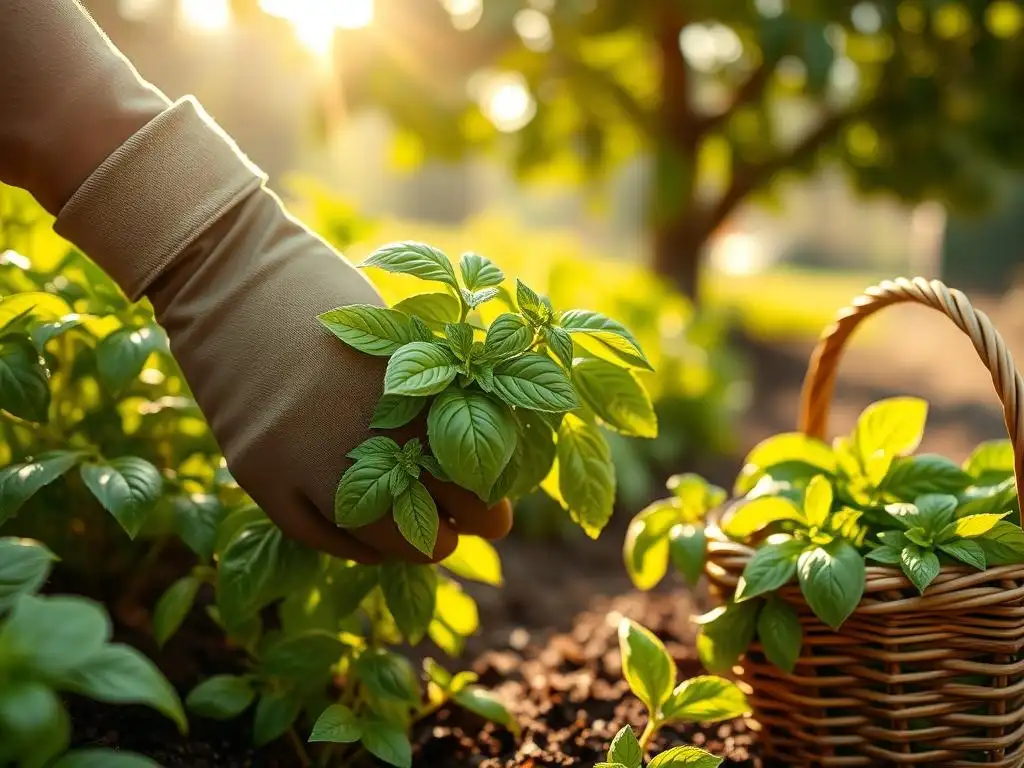
Proper harvesting and storage techniques are crucial in preventing the spread of diseases in your basil plants. By following these best practices, you can significantly reduce the risk of fungal, bacterial, or viral infections impacting your yield and the health of your plants. Effective organic basil disease prevention relies heavily on these post-harvest steps.
Proper Harvesting Techniques to Prevent Disease Transmission
Harvesting basil at the right time and using clean tools are paramount to minimizing disease transmission. Avoid harvesting when the plants are wet from dew or rain, as this increases the risk of spreading pathogens. Always use sharp, clean shears or scissors to prevent damaging the plant and creating entry points for diseases. Sterilize your tools between harvests using a solution of 70% isopropyl alcohol or a diluted bleach solution (1 part bleach to 9 parts water). Allow the tools to air dry completely before use. This simple step is a key component of organic basil disease prevention.
Furthermore, when harvesting, remove individual leaves or stems cleanly, avoiding tearing or bruising the plant. Damaged tissues are more susceptible to infection. It's recommended to harvest basil regularly, about once or twice a week, to promote bushier growth and prevent the plant from becoming overly mature and vulnerable to diseases. This consistent harvesting also helps maintain a healthy balance, acting as a preventative measure in your organic basil disease prevention strategy. Remember, preventing disease is far easier than curing it.
Consider the overall health of the plant when harvesting. If you notice any signs of disease – such as wilting, discoloration, or unusual spots – avoid harvesting from that particular plant or section to prevent the spread of the infection. Isolating and removing affected plants is a vital part of organic basil disease prevention.
Storing Basil Properly to Extend Shelf Life and Prevent Spoilage
Proper storage extends the shelf life of your basil and minimizes the risk of spoilage, indirectly contributing to organic basil disease prevention. Spoiled basil can harbor pathogens, potentially contaminating other plants. Immediately after harvesting, rinse the basil gently under cool running water to remove any soil or debris. Then, gently pat the leaves dry with a clean paper towel to prevent moisture buildup, a prime breeding ground for bacteria and fungi.
There are several effective storage methods:
- Refrigeration: Store basil in a plastic bag or airtight container lined with a paper towel to absorb excess moisture. This method can keep basil fresh for up to a week.
- Freezing: Blanch basil leaves briefly in boiling water, then plunge them into ice water to stop the cooking process. Dry thoroughly and freeze in freezer bags or ice cube trays for longer-term storage. Frozen basil retains its flavor well for several months.
- Drying: Hang small bunches of basil upside down in a cool, dark, and well-ventilated area to dry. Once completely dry, store the leaves in an airtight container in a cool, dark place. Dried basil can last for several months.
Choosing the appropriate storage method depends on your needs and the quantity of basil you're storing. However, proper storage, regardless of the method, remains a vital aspect of your organic basil disease prevention strategy. By minimizing spoilage, you also minimize the potential for disease transmission and maintain a healthy basil harvest.
Monitoring and Ongoing Care for Healthy Basil
Regular observation is the cornerstone of successful organic basil disease prevention. Early detection significantly improves the chances of successful treatment and minimizes the spread of disease. Ignoring seemingly minor issues can lead to widespread plant damage and potential crop loss. This section details best practices for monitoring your basil plants and addressing any issues promptly.
Regularly Inspecting Basil Plants for Signs of Disease or Pests
Regularly inspecting your basil plants is crucial for early disease detection. Aim for daily or at least every-other-day checks, especially during periods of high humidity or rainfall, which are ideal conditions for many fungal diseases to thrive. Look closely at all parts of the plant: leaves, stems, and roots.
Common signs of disease include:
- Leaf spots: Small, discolored spots on leaves, often with a yellow halo. These can indicate fungal infections like downy mildew or leaf spot.
- Wilting: Sudden or gradual wilting of the plant, even with adequate watering, might suggest root rot or a vascular wilt disease.
- Yellowing leaves: This can be a symptom of various issues, including nutrient deficiencies, overwatering, or disease. Note the pattern of yellowing – is it widespread, or concentrated in specific areas?
- Unusual growths: Check for unusual growths or deformities on leaves or stems, which could indicate viral infections or pest infestations.
- Pest presence: Look for aphids, spider mites, whiteflies, or other insects that can weaken the plant and make it more susceptible to disease.
A magnifying glass can be invaluable for spotting tiny pests or early signs of disease. Keep a detailed record of your observations, noting the date, the specific symptoms observed, and the location of affected plants within your garden. This will aid in identifying the problem and tracking its progression. Remember, early intervention is key to preventing a minor issue from becoming a major problem.
Implementing a Proactive Approach to Organic Basil Disease Prevention
Proactive measures are far more effective than reactive treatments when it comes to organic basil disease prevention. A healthy plant is much more resistant to disease and pests. This requires a holistic approach encompassing several key strategies:
- Proper spacing: Ensure adequate spacing between basil plants to promote good air circulation. Crowded plants are more prone to fungal diseases due to increased humidity.
- Sunlight and air circulation: Basil thrives in full sun with good air circulation. Ensure your plants receive at least six hours of direct sunlight daily and are not planted in overly shaded areas.
- Watering techniques: Water at the base of the plant, avoiding wetting the foliage, to minimize the risk of fungal diseases. Overwatering is a major contributor to root rot.
- Soil health: Healthy soil is fundamental to healthy plants. Use well-draining soil rich in organic matter. Regular composting and soil amendment will improve soil structure and nutrient content.
- Crop rotation: Rotating your crops yearly helps to break disease cycles and reduce pest pressure. Avoid planting basil in the same spot year after year.
- Resistant varieties: Choose basil varieties known for their disease resistance. Research and select cultivars that are less susceptible to common basil diseases in your region.
By focusing on these proactive strategies, you significantly reduce the likelihood of disease outbreaks and maintain healthy, thriving basil plants.
Adapting Your Strategies Based on Environmental Conditions and Disease Pressure
The effectiveness of your organic basil disease prevention strategies will depend heavily on environmental conditions and the level of disease pressure in your area. Regular monitoring of weather patterns and local disease reports is crucial.
| Factor | Impact on Basil Disease Prevention | Adapting Your Strategy |
|---|---|---|
| High Humidity | Increases risk of fungal diseases. | Improve air circulation, avoid overhead watering, consider using a fan on humid days. |
| Rainfall | Can spread fungal spores and wash away protective coatings. | Ensure good drainage, provide shelter from heavy rain if possible. |
| Temperature Fluctuations | Stress plants, making them more susceptible to disease. | Provide consistent watering and protection from extreme temperatures. |
| Local Disease Prevalence | Determines the types of diseases you need to be most vigilant about. | Consult local gardening resources and agricultural extensions for information on common diseases in your area and recommended practices. |
Regularly assess your approach. If you notice a significant increase in disease or pest pressure, you may need to adjust your strategies. This might involve increasing the frequency of inspections, implementing more rigorous preventative measures, or resorting to organic pest control methods if necessary. Remember, flexibility and adaptation are key to maintaining healthy and productive basil plants using organic methods.
Frequently Asked Questions
What are the most common diseases affecting basil plants?
Basil plants are susceptible to several fungal diseases, including downy mildew, fusarium wilt, and grey mold. Early detection is key to preventing widespread infection.
How can I prevent fungal diseases in my organic basil organically?
Good air circulation is crucial. Ensure proper spacing between plants and avoid overhead watering. Employ preventative fungicides, such as neem oil or copper fungicide, as needed.
What role does soil health play in preventing basil diseases?
Healthy soil is the foundation of healthy plants. Using well-draining soil amended with compost improves disease resistance and overall plant vigor. Avoid overwatering, which encourages fungal growth.
Are there any organic pest control methods to indirectly prevent disease?
Yes, managing pests like aphids and whiteflies is vital. These insects can weaken plants, making them more vulnerable to disease. Use insecticidal soap or neem oil to control them.
When should I apply preventative organic treatments for basil diseases?
Start preventative measures early in the growing season. Regularly inspect plants for signs of disease and apply treatments at the first sign of infection, or even prophylactically, to keep disease at bay.
Final Reflection: Cultivating Resilience: Basil, and Beyond
The fight against plant disease isn't just about saving basil; it's a microcosm of our broader struggle for sustainable practices and resilient ecosystems. Ignoring preventative measures, whether in our gardens or our wider world, ultimately leads to greater challenges and losses down the line. The health of our plants directly reflects the health of our environment, and proactive organic methods are key to a thriving future.
The journey of understanding organic disease prevention in basil has been a deeply rewarding one, highlighting the interconnectedness of nature and the power of simple, sustainable choices. It's a reminder that even small actions can have a significant impact. The earth laughs in flowers.
– Ralph Waldo Emerson. This quote perfectly encapsulates the joy and responsibility we have in nurturing the life around us, and the profound satisfaction that comes from witnessing healthy growth, whether it's a thriving basil plant or a flourishing community.
Now, consider your own "garden," be it your literal backyard, your community, or even your own inner world. What preventative measures can you implement to foster resilience and growth? What seemingly small actions can you take today to cultivate a healthier, more sustainable future, not just for your basil, but for yourself and the world around you? Let the lessons learned from protecting your basil inspire you to nurture a healthier, more vibrant world.
Unlock Your Basil's Full Potential: Grow Healthier, Happier Plants
Thank you for learning about keeping your basil healthy and thriving! We hope you feel empowered to tackle common plant problems organically. Ready to put your new knowledge into practice?
- Prioritize soil health: Enrich your soil with compost to provide your basil with essential nutrients and disease resistance. This simple step makes a huge difference!
- Improve air circulation: Space your basil plants appropriately and prune gently to improve airflow and reduce fungal problems.
- Share your basil wisdom: What's your favorite organic method for preventing disease in your basil? Let's build a thriving community of healthy basil growers!
What surprising tip will you be using in your garden today?