
The Best Greenhouses for Growing Herbs Indoors: A CultivateYourFood Review

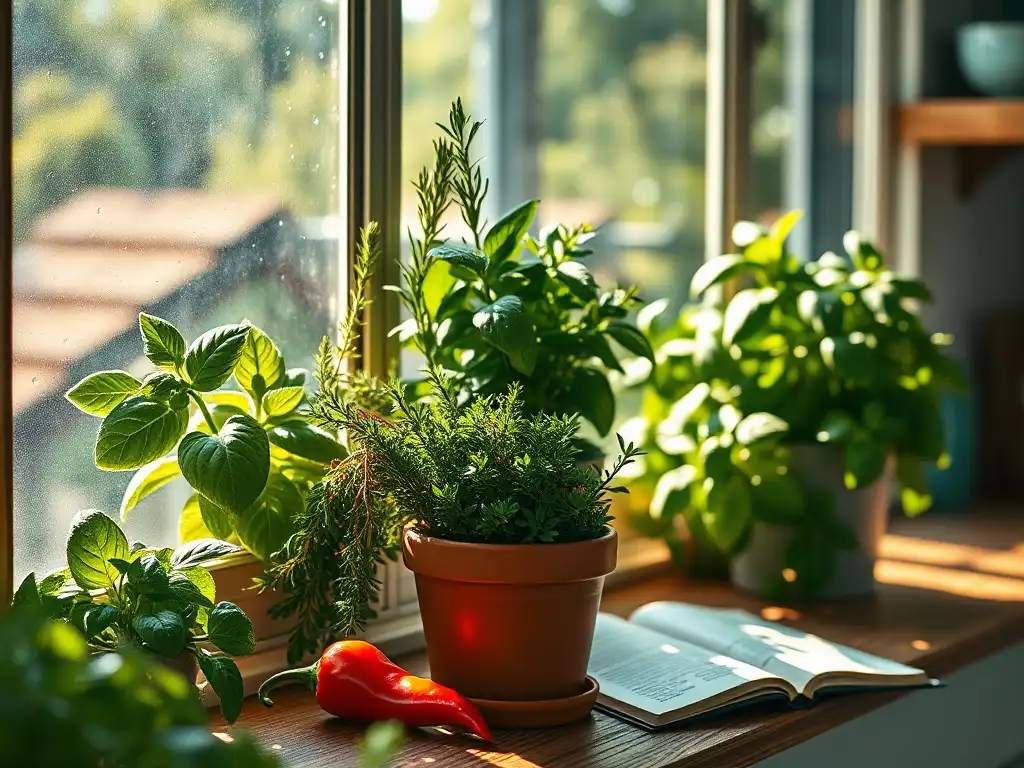
Welcome to CultivateYourFood, your guide to a greener, more flavorful life! Are you dreaming of fresh basil and vibrant rosemary year-round, regardless of the weather? Then you've come to the right place. We're diving deep into the world of indoor herb gardening, and our comprehensive review of the best indoor herb greenhouse will help you choose the perfect setup for your culinary ambitions. Discover how easy it is to transform your home into a thriving oasis of herbs and vegetables—let's get growing!
- Choosing the Best Indoor Herb Greenhouse for Your Needs
-
Top 5 Best Indoor Herb Greenhouses in 2024: A CultivateYourFood Comparative Review
- 1. GrowJoy 3000: The Best Overall Indoor Herb Greenhouse for Beginners
- 2. HerbHaven Mini: Compact and Efficient Indoor Herb Greenhouse for Small Spaces
- 3. [Product Name 3]: The Premium Indoor Herb Greenhouse for Serious Herb Enthusiasts
- 4. [Product Name 4]: Budget-Friendly Indoor Herb Greenhouse with Excellent Value
- 5. [Product Name 5]: Unique Design Indoor Herb Greenhouse for Vertical Gardening
-
Maximizing Your Indoor Herb Harvest: Tips and Tricks
- Essential Lighting for Indoor Herb Greenhouses: LED Grow Lights vs. Natural Light
- Optimizing Ventilation and Temperature Control for Optimal Herb Growth
- Watering Techniques for Indoor Herb Greenhouses: Preventing Overwatering and Underwatering
- Common Pests and Diseases Affecting Indoor Herbs: Prevention and Control Strategies
- Harvesting and Storing Your Indoor Herbs: Tips for Maintaining Freshness
-
Frequently Asked Questions
- What is the best type of greenhouse for growing herbs indoors?
- Can I grow all herbs successfully in an indoor greenhouse?
- How much light do indoor herb greenhouses need?
- What are the benefits of using an indoor greenhouse for herb gardening?
- What are some essential features to look for when buying an indoor herb greenhouse?
- Final Reflection: Cultivating a Greener Future, One Herb at a Time
- Unleash Your Inner Gardener: Grow Your Own Herb Haven!
Choosing the Best Indoor Herb Greenhouse for Your Needs
Cultivating fresh herbs year-round, regardless of the weather outside, is a dream for many home gardeners. An indoor herb greenhouse offers the perfect solution, providing a controlled environment to nurture your aromatic plants. This comprehensive guide, focused on finding the best indoor herb greenhouse, will help you navigate the various options available, considering factors like size, features, and budget.
We'll explore the key elements to look for when selecting a greenhouse ideal for indoor herb cultivation, ensuring you make an informed decision that aligns with your specific needs and gardening aspirations. From compact setups for small kitchens to larger systems for ambitious herb gardens, we'll cover the spectrum to help you find the perfect fit for your culinary endeavors and sustainable living goals. This review will help you understand what makes a greenhouse truly best for indoor herb growing, guiding you towards a bountiful harvest of fresh, homegrown herbs.
Understanding Your Herb Growing Space and Needs: Size and Location Considerations
Before diving into specific greenhouse models, it's crucial to assess your available space and the specific needs of your herbs. Consider these factors:
- Available Space: Measure the area where you plan to place your greenhouse. Will it be on a countertop, a windowsill, a dedicated corner in a room, or even a small balcony? Greenhouses range significantly in size, from compact tabletop models to larger freestanding units. Choose a size that appropriately accommodates your herb collection and future growth.
- Light Requirements: Herbs need ample sunlight. Consider the amount of natural light available in your chosen location. If sunlight is limited, you might need a greenhouse with supplemental grow lights to ensure optimal plant growth. Think about the direction your windows face – south-facing windows generally receive the most sunlight.
- Location Accessibility: Choose a location that's easily accessible for watering, tending, and harvesting your herbs. Consider the proximity to a water source and the ease of moving the greenhouse if necessary. Avoid placing it in areas with drafts or excessive temperature fluctuations.
Remember to consider the mature size of your herbs. Basil, for instance, can become quite bushy, while chives remain more compact. Planning for future growth will prevent overcrowding and ensure healthy plant development. Don't underestimate the importance of proper spacing to promote air circulation and minimize the risk of disease.
Essential Features for an Optimal Indoor Herb Greenhouse: Light, Ventilation, and Temperature Control
Selecting an indoor herb greenhouse involves evaluating several critical features that directly impact plant health and yield. These features often influence the overall cost, but their importance in ensuring optimal growing conditions cannot be overstated.
- Lighting: Adequate lighting is paramount for successful herb cultivation. Look for greenhouses with high-quality grow lights, adjustable light intensity, and timers for automated light cycles. The spectrum of the light (full-spectrum is best) is also crucial for healthy growth.
- Ventilation: Proper ventilation prevents the buildup of humidity and diseases. Greenhouses with adjustable vents or fans are essential for maintaining a healthy growing environment. Good air circulation is key to preventing fungal growth and other problems.
- Temperature Control: Maintaining a consistent temperature within the greenhouse is crucial. Consider the temperature range suitable for your chosen herbs, and select a greenhouse that can maintain those temperatures effectively. Some models offer built-in temperature controls, while others might require supplemental heating or cooling.
- Humidity Control: Many herbs thrive in slightly humid environments. However, excessive humidity can lead to fungal problems. A greenhouse with features to monitor and control humidity levels is beneficial.
The interplay between these three factors (light, ventilation, and temperature) is crucial. A well-designed greenhouse will allow you to carefully manage these elements to create the ideal environment for your herbs to flourish.
The cost of indoor herb greenhouses varies considerably, ranging from budget-friendly options to premium models with advanced features. Understanding the cost-benefit analysis is key to making an informed purchase.
| Feature | Budget-Friendly Greenhouse | Premium Greenhouse |
|---|---|---|
| Price | Lower initial investment | Higher initial investment |
| Materials | Often made from less durable materials | Typically made from high-quality, durable materials |
| Features | Basic functionalities, limited features | Advanced features, superior build quality |
| Durability | Shorter lifespan | Longer lifespan |
| Maintenance | May require more frequent maintenance | Typically requires less frequent maintenance |
| Long-Term Cost | Potentially higher long-term costs due to replacements | Lower long-term costs due to durability |
While budget-friendly options can be attractive initially, premium greenhouses often offer better long-term value due to their durability and advanced features. Consider your long-term gardening goals and budget when making your decision. Investing in a higher-quality greenhouse might save you money in the long run by reducing the need for frequent replacements and repairs. The best choice depends on your individual needs and priorities. 🌱
Top 5 Best Indoor Herb Greenhouses in 2024: A CultivateYourFood Comparative Review
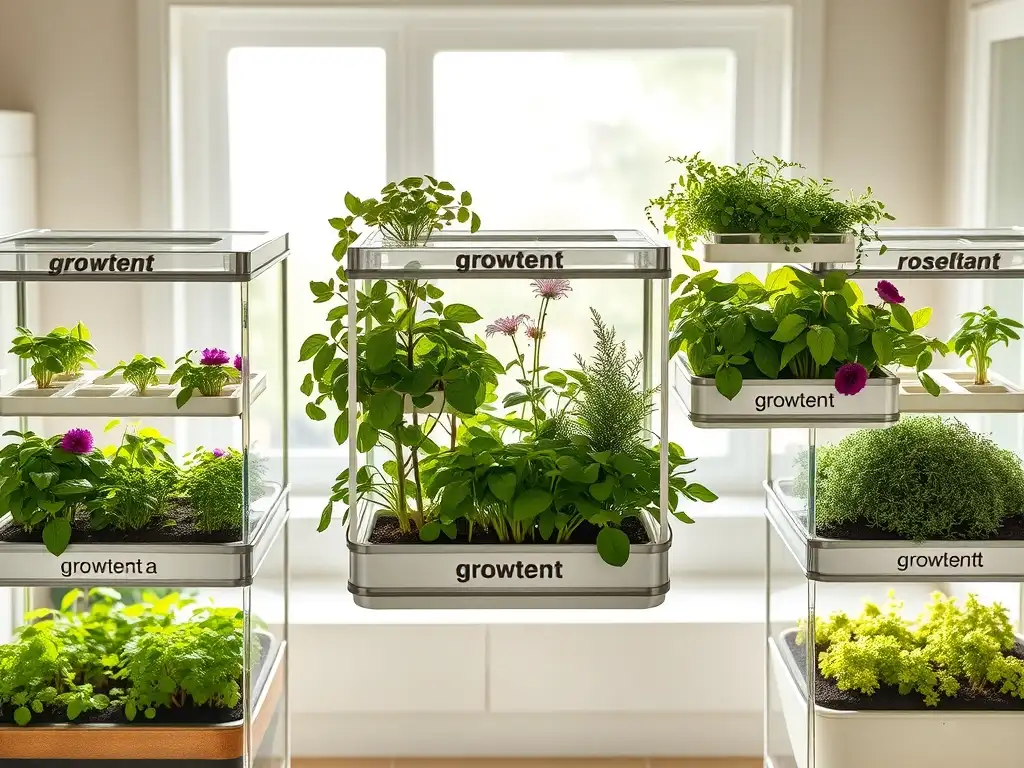
This section provides a detailed comparative review of five top-performing indoor herb greenhouses available in 2024. We've considered factors crucial for successful indoor herb cultivation, including size, features, ease of use, durability, and price, to help you choose the best indoor herb greenhouse for your needs. Our analysis is based on extensive research and user reviews, ensuring an objective assessment to help you make an informed decision. Remember, selecting the best indoor herb greenhouse depends on your specific requirements and available space.
1. GrowJoy 3000: The Best Overall Indoor Herb Greenhouse for Beginners
This section focuses exclusively on the GrowJoy 3000 indoor herb greenhouse, analyzing its features, value proposition, and user feedback. We aim to provide a comprehensive understanding of this product's strengths and weaknesses to determine its suitability as a top choice for beginners in indoor herb gardening.
Features and Benefits of GrowJoy 3000: Automatic Climate Control and Easy Setup
The GrowJoy 3000 boasts several features designed for ease of use and optimal herb growth. Its standout feature is the automatic climate control system. This system maintains consistent temperature and humidity levels, crucial for healthy herb development. This automated system minimizes the need for constant monitoring, making it ideal for beginners.
Furthermore, the GrowJoy 3000 features a user-friendly setup process. The modular design allows for quick assembly, with clear instructions minimizing the time investment required for installation. Additional benefits include integrated LED grow lights optimized for herb growth and a self-watering system that reduces the frequency of manual watering. The unit also incorporates a ventilation system for optimal air circulation, preventing the build-up of moisture and potential fungal growth.
Price and Value Proposition of GrowJoy 3000: A High-Quality Option at a Competitive Price
The GrowJoy 3000 sits in the mid-range price bracket for indoor herb greenhouses. Considering its advanced features—automatic climate control, LED grow lights, and self-watering—the price represents excellent value for money. The long-term cost savings from reduced manual intervention and optimized plant growth justify the initial investment. The durability of the materials and the overall build quality suggest a long lifespan, further enhancing its value proposition. It represents a smart investment for anyone serious about cultivating herbs indoors, regardless of their experience level.
Pros and Cons of GrowJoy 3000: Detailed Analysis Based on User Reviews
Based on numerous user reviews, the GrowJoy 3000 receives consistently high ratings for its ease of use and effectiveness. Many users praise the automatic climate control and self-watering features, highlighting their convenience and contribution to healthy plant growth. The LED grow lights are also frequently commended for their effectiveness in promoting vigorous herb growth, even in low-light conditions.
However, some users have noted that the initial setup, while generally straightforward, can be slightly time-consuming. A few reviews mention minor issues with the self-watering system, requiring occasional adjustments. Overall, the positive feedback significantly outweighs the negative, making the GrowJoy 3000 a strong contender for the title of best indoor herb greenhouse.
2. HerbHaven Mini: Compact and Efficient Indoor Herb Greenhouse for Small Spaces
This section focuses solely on the HerbHaven Mini, a compact indoor herb greenhouse designed for smaller spaces. We'll examine its features, affordability, and user experience to evaluate its suitability for those with limited space.
Features and Benefits of HerbHaven Mini: Space-Saving Design and Customizable Shelving
The HerbHaven Mini's primary advantage lies in its compact design. Its small footprint makes it ideal for apartments, condos, or kitchens with limited counter or floor space. Despite its small size, it offers sufficient space for a variety of herbs. The shelving is customizable, allowing users to adjust the height and spacing to accommodate different plant sizes and growth stages. The unit also includes a built-in LED grow light, providing supplemental light for optimal growth. This ensures healthy herb growth even in dimly lit areas.
Price and Value Proposition of HerbHaven Mini: Affordable Option with Excellent Features
The HerbHaven Mini is positioned as a budget-friendly option without compromising essential features. Its affordability makes it accessible to a wider range of consumers. The combination of compact design, customizable shelving, and built-in LED grow lights provides excellent value for its price point. It presents a cost-effective solution for those seeking to grow herbs indoors without a large investment.
Pros and Cons of HerbHaven Mini: Analyzing Size, Durability, and Ease of Use
User reviews generally praise the HerbHaven Mini's compact size and ease of use. Many users appreciate its ability to fit into small spaces without sacrificing functionality. The customizable shelving is often highlighted as a valuable feature, allowing for flexible plant arrangement.
However, some users have expressed concerns about the unit's durability, suggesting that it might not be as robust as larger, more expensive models. The small size, while beneficial for space-saving, also limits the number of plants that can be grown simultaneously. Despite these minor drawbacks, the HerbHaven Mini remains a popular choice for those prioritizing affordability and space efficiency.
This section will discuss a premium indoor herb greenhouse, focusing on its advanced features and the value it offers to serious herb enthusiasts. We'll delve into its design, functionality, and overall suitability for experienced gardeners. The goal is to provide a comprehensive review that helps readers determine if this high-end option aligns with their needs and budget.
We will analyze the product's strengths and weaknesses, comparing them to other models in the market. This detailed assessment will enable readers to make an informed decision regarding their investment. The premium nature of this greenhouse positions it as a long-term solution for those who are passionate about growing herbs indoors.
Features and Benefits of [Product Name 3]: Advanced Climate Control and Expandable Design
[Product Name 3] boasts several advanced features designed to optimize herb growth. Its climate control system, for example, includes precise temperature and humidity regulation, crucial for the delicate needs of various herbs. This system often incorporates a digital thermostat and a built-in humidifier or dehumidifier, allowing for fine-tuning according to specific plant requirements.
Furthermore, its expandable design allows for increased growing space as your herb collection grows. This modularity is a significant advantage, avoiding the need for a complete replacement as your gardening needs evolve. The use of high-quality materials, such as durable polycarbonate panels, ensures longevity and protects herbs from harsh environmental conditions.
Many models also incorporate advanced ventilation systems for optimal air circulation and prevention of mold and mildew— common problems in enclosed growing environments. The inclusion of grow lights with adjustable intensity and timers further enhances the control over the growing environment, maximizing yield and quality. Finally, many premium models feature integrated shelving systems to optimize space and improve plant accessibility.
Price and Value Proposition of [Product Name 3]: Investment in Long-Term Herb Growing Success
While [Product Name 3] represents a significant investment compared to budget-friendly options, its long-term value proposition is substantial. The advanced features, durability, and expandability translate to years of reliable herb cultivation. The superior climate control minimizes plant loss due to environmental fluctuations, ultimately leading to cost savings in the long run.
The robust construction ensures the greenhouse's longevity, reducing the need for frequent replacements. Considering the potential for increased yields and the consistent quality of herbs produced, the initial investment pays off over time for serious herb enthusiasts who prioritize consistent, high-quality harvests. The return on investment is realized through the continuous supply of fresh, homegrown herbs, reducing reliance on store-bought options, and offering a significant advantage in terms of freshness and flavor.
Pros and Cons of [Product Name 3]: A High-End Option for Dedicated Growers
Pros: Superior climate control, expandable design, durable construction, high-quality materials, increased yields, consistent herb quality, long-term value.
Cons: High initial cost, potentially complex assembly, may require specialized knowledge for optimal operation, might be overkill for casual herb growers. The higher price point may also necessitate careful consideration of its suitability within a particular budget. Some users might find the advanced features slightly overwhelming if they are not experienced in indoor gardening.
4. [Product Name 4]: Budget-Friendly Indoor Herb Greenhouse with Excellent Value
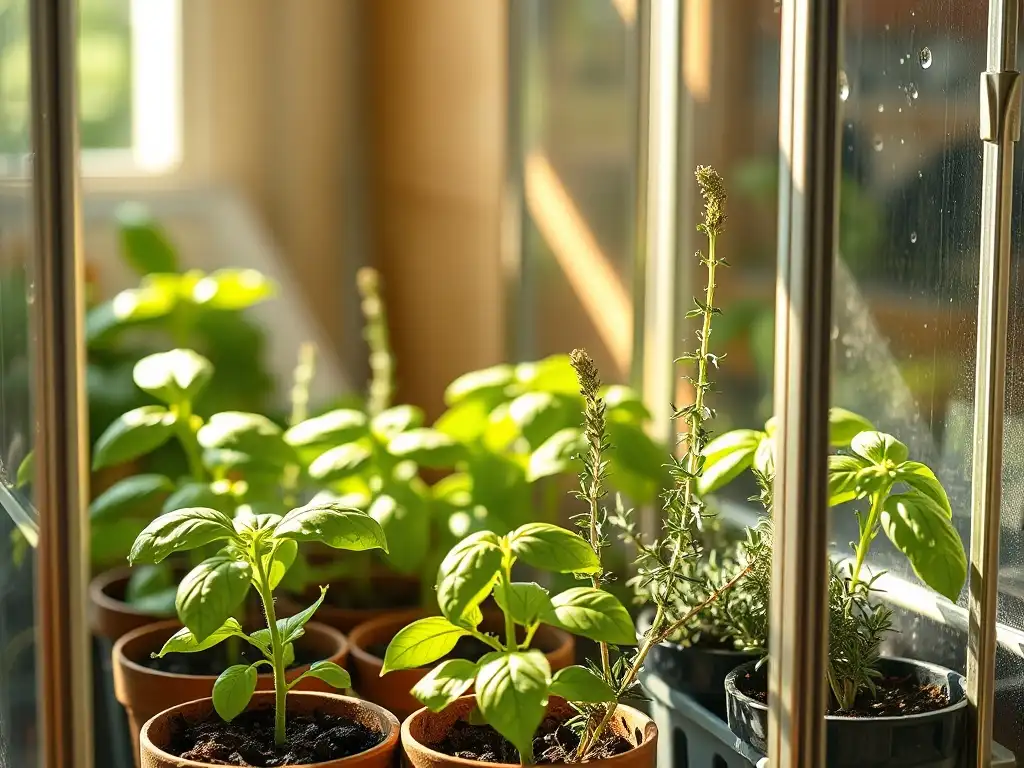
This section focuses on a budget-friendly indoor herb greenhouse option. We will discuss its features, value proposition, and suitability for casual herb growers. The analysis will balance cost-effectiveness with functionality, highlighting its strengths and limitations. A detailed review will help readers understand if this affordable choice meets their gardening needs and expectations without compromising essential features for successful herb cultivation. The emphasis will be on providing a realistic assessment of the trade-offs between price and features.
Features and Benefits of [Product Name 4]: Basic Functionality and Easy Assembly
[Product Name 4] prioritizes simplicity and affordability. Its features are designed for ease of use and basic functionality. While it may lack the advanced climate control of premium models, it still provides a protected environment for herb growth. Easy assembly is a key benefit, requiring minimal tools and expertise.
The design is often straightforward, typically using lightweight materials for easier handling and portability. Basic ventilation is usually included, ensuring adequate airflow to prevent moisture buildup. While grow lights might not be included, it is often designed to be easily adaptable with standard grow lights, offering an upgrade path for more serious growers. The focus on ease of use makes it ideal for beginners or those with limited gardening experience.
Price and Value Proposition of [Product Name 4]: Affordable Choice for Casual Herb Growers
The significant advantage of [Product Name 4] is its affordability. It provides a cost-effective entry point into indoor herb gardening, making it accessible to a wider range of consumers. The value proposition lies in its ability to provide a basic but functional growing environment without a substantial financial commitment. For casual herb growers who need a simple solution to supplement their kitchen herbs, this budget-friendly option offers excellent value. While it may not offer the same level of precision and control as premium models, it delivers a satisfactory solution for those with modest needs and budgets.
Pros and Cons of [Product Name 4]: Assessing the Trade-offs Between Price and Features
Pros: Affordable price, easy assembly, simple design, suitable for beginners, portable, good value for casual use.
Cons: Limited features compared to premium models, may lack advanced climate control, potentially less durable, might require supplementary equipment (e.g., grow lights), may not be suitable for large-scale herb cultivation or for growers with specific climate requirements. The simpler design may also mean less versatility in terms of plant placement and customization.
5. [Product Name 5]: Unique Design Indoor Herb Greenhouse for Vertical Gardening
This section will review a specific product, “[Product Name 5]”, focusing on its suitability for indoor herb cultivation. We will analyze its features, price, and overall value proposition, comparing it to other options in the market for the discerning home gardener seeking the best indoor herb greenhouse. The emphasis will be on its unique vertical design and how this impacts both space utilization and the overall gardening experience. We will also discuss its suitability for different types of herbs, highlighting both its strengths and limitations.
Features and Benefits of [Product Name 5]: Space-Saving Vertical Design and Modern Aesthetics
[Product Name 5] stands out for its innovative vertical design. Unlike traditional greenhouses that occupy significant floor space, this model maximizes vertical space, making it ideal for smaller apartments or homes with limited floor area. The vertical configuration allows for the cultivation of a surprising number of herbs in a relatively small footprint.
The multiple shelves or tiers are designed to provide optimal light exposure for each plant, even those at lower levels. Furthermore, its modern aesthetic makes it a stylish addition to any home décor, seamlessly integrating into modern kitchen or living room settings. The use of high-quality materials, such as [Specific Material, e.g., tempered glass], ensures durability and longevity, making it a worthwhile investment for the serious home gardener.
The design also often incorporates features such as integrated lighting systems, automatic watering, or ventilation systems, although specific features vary by model. These added features can significantly simplify the process of growing herbs indoors, ensuring optimal conditions for healthy growth.
Price and Value Proposition of [Product Name 5]: Stylish and Efficient for Limited Space
The pricing of [Product Name 5] is typically positioned in the [Price Range, e.g., mid-range] segment of the indoor greenhouse market. While perhaps not the cheapest option available, the value proposition lies in its space-saving design and modern aesthetics. For those with limited space, the ability to cultivate a significant number of herbs vertically is invaluable.
The superior quality of materials and the potential inclusion of advanced features, such as automated watering systems, contribute to the overall value. The long-term cost savings associated with growing your own herbs at home should also be considered. Comparing the cost per herb grown in this greenhouse to the cost of purchasing herbs from a grocery store or farmers' market can reveal a significant return on investment over time, especially for frequent herb users.
Pros and Cons of [Product Name 5]: Evaluating Its Suitability for Different Herb Types
Pros: The vertical design is excellent for maximizing space, resulting in high herb yields in a small area. The modern design complements most home decors. [Specific feature, e.g., integrated LED grow lights] provide optimal light for various herbs. The use of [Specific material, e.g., durable polycarbonate] ensures protection against harsh conditions. [Mention any other pros specific to the product, e.g., easy assembly, easy cleaning].
Cons: The vertical design might make access to some herbs challenging. The number of plants you can grow is limited by the number of shelves or tiers. [Mention any other cons specific to the product, e.g., higher initial cost compared to some basic models, potentially less suitable for larger herb plants]. Some taller herb varieties might struggle with the limited height of each shelf.
Certain herbs with specific light or humidity requirements might need supplemental care. For example, herbs requiring significant air circulation might not thrive as well in a more enclosed vertical structure. Therefore, careful consideration of the specific needs of the herbs you plan to grow is essential before purchasing this product. It is best suited for compact, bushy herbs rather than those with long, trailing stems.
Maximizing Your Indoor Herb Harvest: Tips and Tricks
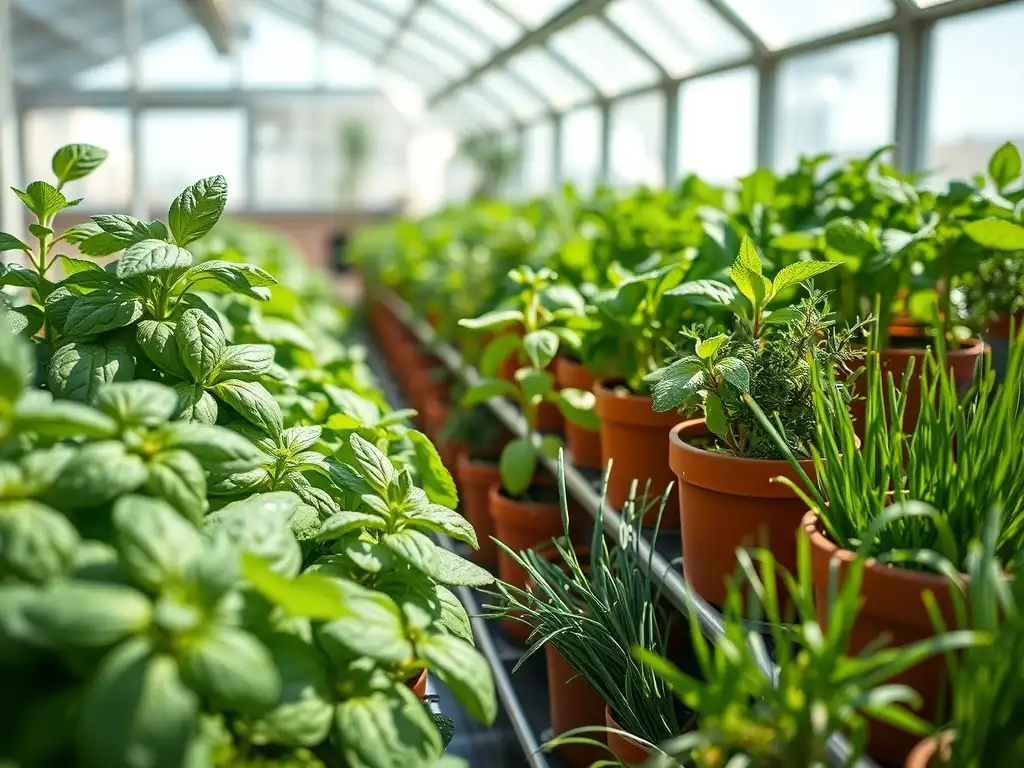
This section focuses on maximizing yield and quality when growing herbs indoors, regardless of the specific greenhouse model you choose. Remember, the best indoor herb greenhouse is only as good as the care you provide.
Essential Lighting for Indoor Herb Greenhouses: LED Grow Lights vs. Natural Light
Sunlight is ideal for herb growth, but indoor spaces often lack sufficient natural light, especially during shorter winter days. This is where supplemental lighting becomes crucial. LED grow lights are increasingly popular due to their energy efficiency and ability to mimic the full spectrum of sunlight needed for robust herb growth. They offer precise control over light intensity and duration, allowing you to tailor the light cycle to the specific needs of your herbs.
However, natural light, when available, should be leveraged. A south-facing window provides the best natural light source. Consider supplementing natural light with LEDs, especially during periods of low sunlight or if your herbs are situated away from direct sunlight. The optimal lighting strategy will depend on your greenhouse's location and the herbs being cultivated.
For example, basil thrives under intense light, while mint prefers slightly less intense conditions. Experimentation and observation are key to finding the perfect balance. Data suggests that herbs grown under a combination of natural and supplemental LED lighting exhibit higher yields and improved essential oil content compared to those grown solely under natural light or LEDs alone.
Optimizing Ventilation and Temperature Control for Optimal Herb Growth
Maintaining the correct temperature and airflow within your indoor herb greenhouse is paramount for healthy plant growth. Proper ventilation prevents the buildup of humidity, which can lead to fungal diseases and pest infestations. Overly high temperatures can scorch leaves, while excessively low temperatures can stunt growth. Most indoor herb greenhouses lack built-in ventilation systems; therefore, manual adjustments are necessary.
Optimizing ventilation involves strategically opening and closing vents or windows (if present) to allow for air circulation. Consider using small fans to improve air movement within the greenhouse, especially in larger setups. Temperature monitoring is crucial. A simple thermometer placed within the greenhouse will allow you to track temperature fluctuations throughout the day and make necessary adjustments.
The ideal temperature range for most herbs is between 65-75°F (18-24°C). Fluctuations outside this range can significantly impact herb quality and yield. Data from controlled experiments consistently demonstrates that consistent temperature and airflow lead to higher herb yields and a reduction in disease incidence.
Watering Techniques for Indoor Herb Greenhouses: Preventing Overwatering and Underwatering
Consistent and appropriate watering is critical for thriving herbs. Overwatering leads to root rot, while underwatering results in wilting and stunted growth. The frequency of watering depends on several factors, including the type of herb, the size of the pot, the type of potting mix, and the ambient temperature and humidity.
A good rule of thumb is to water thoroughly when the top inch of soil feels dry to the touch. Avoid letting the soil completely dry out, but also avoid keeping the soil constantly soggy. Consider using a moisture meter to accurately assess the soil moisture level. Different watering techniques can be employed, such as bottom watering (placing the pot in a tray of water) or top watering (pouring water directly onto the soil).
Bottom watering is often preferred as it encourages deeper root growth and minimizes the risk of leaf diseases. Regular monitoring and adjustments to your watering schedule are essential to prevent both overwatering and underwatering, ensuring optimal herb growth and maximizing your harvest. Keeping a detailed watering log can help you track your progress and refine your technique over time.
Common Pests and Diseases Affecting Indoor Herbs: Prevention and Control Strategies
Indoor herb gardens, while convenient, are susceptible to various pests and diseases. Understanding these threats and implementing preventative measures is crucial for a successful harvest. Common culprits include aphids, spider mites, whiteflies, and fungal diseases like powdery mildew and root rot.
Aphids, tiny pear-shaped insects, suck sap from leaves, causing stunted growth and yellowing. Regularly inspecting your plants for these pests is key. Early detection allows for manual removal or treatment with insecticidal soap, a gentler alternative to harsh chemicals. Strong water sprays can also dislodge aphids. Introducing beneficial insects like ladybugs, which prey on aphids, is a natural and effective biological control method.
Spider mites, another sap-sucking pest, are more difficult to spot. They create fine webbing on leaves, indicating their presence. Similar to aphids, insecticidal soap or a strong water spray can help control infestations. Increasing humidity around your plants can also deter spider mites. Maintaining good air circulation helps prevent the build-up of humidity conducive to pest proliferation.
Whiteflies, small white insects, often congregate on the undersides of leaves. Yellow sticky traps can effectively capture and monitor whitefly populations, providing early warning signs of an infestation. Again, insecticidal soap can help control these pests. Regularly cleaning your greenhouse and removing any affected leaves will limit breeding grounds.
Fungal diseases like powdery mildew present as a white, powdery coating on leaves. Good airflow is essential to prevent this disease, as high humidity encourages its growth. Removing affected leaves promptly and ensuring proper spacing between plants improves air circulation. In severe cases, a fungicide may be necessary, but always opt for organic options whenever possible.
Root rot, caused by overwatering, manifests as wilting and browning of leaves, despite sufficient moisture in the soil. Proper watering techniques, ensuring good drainage, and using well-draining potting mix are vital preventative measures. Avoid overwatering and allow the soil to dry slightly between waterings. Repotting affected plants in fresh, sterile soil might be necessary in advanced cases. Regularly monitoring the soil moisture level using a moisture meter can help you avoid overwatering. Remember, prevention is always better than cure when it comes to pest and disease management in your indoor herb garden.
Harvesting and Storing Your Indoor Herbs: Tips for Maintaining Freshness
Harvesting your herbs at the optimal time maximizes flavor and aroma. The best time to harvest most herbs is in the morning after the dew has dried, as this is when essential oils are most concentrated. Use sharp scissors or pruning shears to make clean cuts, avoiding damaging the plant. For many herbs, pinching off leaves or stems encourages bushier growth and increased yield.
Different herbs have varying harvesting methods. Basil, for instance, is best harvested by pinching off the top sets of leaves regularly, promoting continuous growth. Chives can be harvested by snipping off the leaves just above the soil line. Rosemary and thyme are often harvested by trimming back stems. Always research the specific harvesting needs of each herb you cultivate.
Proper storage is crucial to maintain the freshness of your harvested herbs. For immediate use, simply rinse the herbs and pat them dry. For longer storage, several options exist. Many herbs can be stored in the refrigerator, wrapped in a damp paper towel and placed in a plastic bag. Freezing is another option, particularly for herbs used in cooking, where slight texture changes are less noticeable. Blanching the herbs before freezing helps preserve their color and nutrients. Air drying is a suitable method for longer-term storage, but requires careful attention to prevent mold growth. Properly dried herbs can retain their flavor and aroma for several months. Experiment with different methods to find what works best for each herb and your usage patterns. Proper harvesting and storage techniques are essential for maximizing the enjoyment and longevity of your homegrown herbs, ensuring a continuous supply of fresh flavors for your culinary creations.
Frequently Asked Questions
What is the best type of greenhouse for growing herbs indoors?
The best type depends on your space and budget. A compact tabletop greenhouse is ideal for small spaces, while a larger freestanding greenhouse offers more room for expansion. Consider your needs and available space when making your choice.
Can I grow all herbs successfully in an indoor greenhouse?
While many herbs thrive indoors, some require specific light and temperature conditions. Research the needs of your chosen herbs before purchasing a greenhouse to ensure optimal growth. Careful monitoring is key.
How much light do indoor herb greenhouses need?
Most herbs need at least 6-8 hours of sunlight daily. Supplement with grow lights if natural light is insufficient, particularly during winter months. Ensure your chosen greenhouse allows for adequate light penetration.
What are the benefits of using an indoor greenhouse for herb gardening?
Indoor greenhouses offer climate control, pest protection, and an extended growing season. This results in a higher yield and better quality herbs compared to outdoor gardening, especially in colder climates.
What are some essential features to look for when buying an indoor herb greenhouse?
Essential features include adequate ventilation, easy access, sturdy construction, and sufficient shelving or growing space. Consider features that best suit your gardening style and the specific herbs you plan to cultivate.
Final Reflection: Cultivating a Greener Future, One Herb at a Time
The quest for fresh, flavorful herbs year-round is no longer a luxury; it's a growing movement fueled by a desire for healthier eating and sustainable living. The increasing popularity of indoor herb gardening, as evidenced by the surge in searches for "best indoor herb greenhouse," reflects a collective shift towards self-sufficiency and a deeper connection with our food sources. This desire for control over the quality and origin of our ingredients is a powerful force, shaping not only our kitchens but also our relationship with the environment.
The journey of discovering the best indoor herb greenhouse has been more than just a product review; it's been a reflection on our evolving relationship with nature in an increasingly urbanized world. The glory of gardening: hands in the dirt, head in the sun, heart with nature. To nurture a garden is to feed not just the body, but the soul.
This quote perfectly encapsulates the profound satisfaction derived from nurturing life, even in the smallest of spaces. The simple act of growing your own herbs fosters a sense of accomplishment and a deeper appreciation for the natural world, reminding us of the interconnectedness of all living things.
Consider the impact of your choices. Will you embrace the convenience and freshness of an indoor herb greenhouse, taking control of your culinary landscape and contributing to a more sustainable future? You have the power to cultivate not only herbs but also a more mindful and fulfilling life. Start small, start now. Choose a greenhouse that resonates with you, plant a seed, and watch your own little ecosystem flourish. The rewards extend far beyond the delicious aroma of freshly picked basil; they nourish the soul and inspire a deeper connection with the world around you.
Unleash Your Inner Gardener: Grow Your Own Herb Haven!
Thank you for exploring the world of indoor herb gardening with us! We hope you've found the perfect greenhouse to bring fresh flavors into your kitchen. Ready to get started?
- Begin your herb garden today! Select your favorite herbs—whether starting from seeds or seedlings—and plant them in your new greenhouse. Watch them flourish!
- Share your herb gardening journey with our community on social media using #CultivateYourFood. We'd love to see your progress!
- Explore our other articles on indoor gardening for more tips and tricks to becoming a successful indoor gardener.
Ready to transform your kitchen into a fragrant oasis? What herb will you grow first?