
Potting Mix Secrets: Perfect Soil for Thriving Basil and Mint

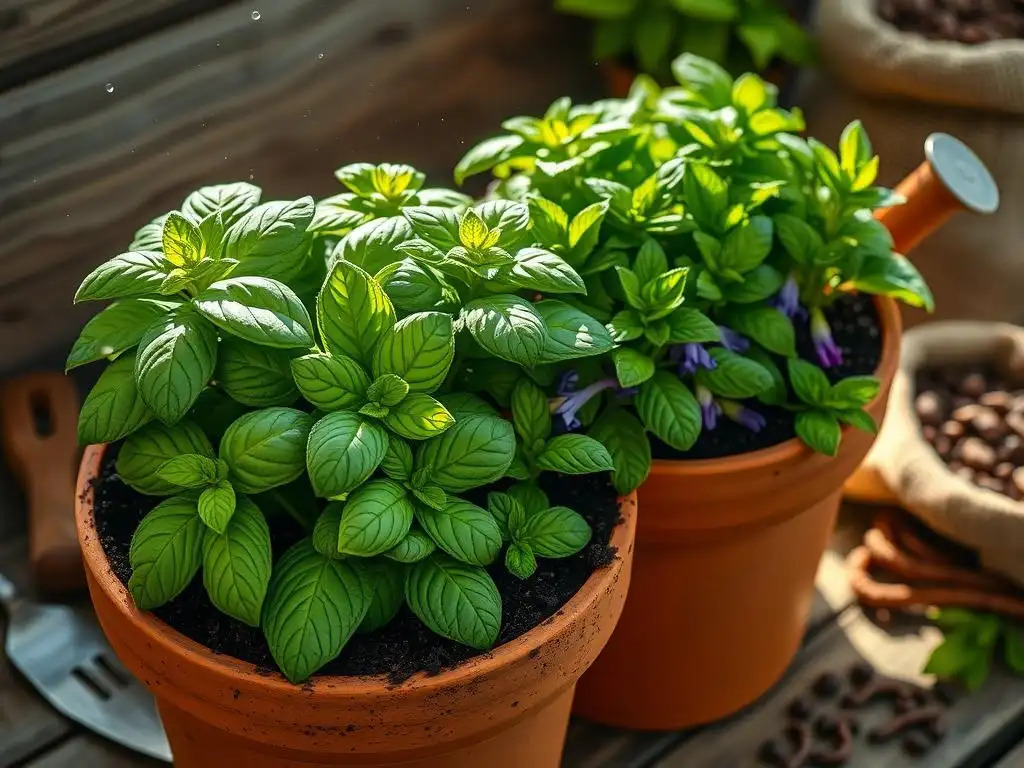
Welcome to CultivateYourFood, your guide to a greener, more flavorful life! Are you ready to unlock the secrets to a thriving herb garden? We'll show you how, starting with the foundation: the perfect potting mix. Discover the surprising truth behind finding the best potting mix for herbs like basil and mint, and learn how to cultivate bountiful harvests using sustainable, organic methods. Let's get growing!
- The Importance of the Right Potting Mix for Basil and Mint
- Crafting the Perfect Potting Mix for Optimal Herb Growth: A Step-by-Step Guide
- Best Potting Mix for Basil and Mint: Recipe and Instructions
- Troubleshooting Common Potting Mix Issues
- Maintaining Optimal Soil Conditions for Continuous Growth
- Frequently Asked Questions (FAQ) about Potting Mixes for Herbs
- Frequently Asked Questions
- Final Reflection: Cultivating More Than Just Herbs
- Unleash Your Inner Gardener: Grow the Freshest Herbs Ever!
The Importance of the Right Potting Mix for Basil and Mint
Choosing the right potting mix is paramount for successfully growing vibrant, flavorful basil and mint at home. Unlike many garden plants, these aromatic herbs have specific needs that standard garden soil often fails to meet. This article delves into the crucial aspects of creating the perfect potting mix for your basil and mint, ensuring optimal growth and a bountiful harvest.
We'll explore why standard soil isn't ideal, the essential qualities of a superior potting mix, and how to create your own custom blend for thriving herbs. Mastering the art of potting mix selection is key to unlocking the full potential of your herb garden, leading to healthier plants and a more abundant yield of fresh, aromatic leaves. This guide will equip you with the knowledge to cultivate the best potting mix for herbs, helping you achieve a thriving herb garden using sustainable and organic practices.
Let's get started on your journey to the perfect potting mix for your beloved basil and mint! 🌱
Why Standard Soil Isn't Ideal for Herbs
Standard garden soil, while suitable for many plants, often presents challenges for herbs like basil and mint. Its dense structure can hinder proper drainage, leading to root rot – a common problem for herbs grown in containers. Furthermore, garden soil often lacks the necessary aeration and porosity that these herbs require for healthy root development. The nutrient content might also be imbalanced, potentially leading to nutrient deficiencies or excesses that affect the plant's growth and flavor. Finally, garden soil can harbor harmful pests and diseases that can quickly decimate your precious herbs. Consider these points:
- Poor Drainage: Heavy clay soils retain too much water, suffocating the roots.
- Lack of Aeration: Compacted soil restricts oxygen flow to the roots.
- Nutrient Imbalance: Garden soil may not contain the ideal ratio of nutrients for optimal herb growth.
- Pest and Disease Risk: Garden soil can introduce unwanted guests into your containers.
Essential Qualities of a Superior Potting Mix for Basil and Mint
A superior potting mix for basil and mint should possess several key qualities to ensure optimal growth. These qualities work synergistically to create the perfect environment for these herbs to thrive. Here's a breakdown of the essential characteristics:
- Excellent Drainage: The mix must drain well to prevent waterlogging and root rot. This is crucial, especially for herbs grown in containers. A well-draining mix allows for consistent moisture without waterlogging.
- Good Aeration: The mix needs to be porous enough to allow for adequate air circulation around the roots. This promotes healthy root development and prevents anaerobic conditions.
- Optimal pH: Basil and mint prefer a slightly acidic to neutral pH range (around 6.0-7.0). The potting mix should fall within this range to ensure nutrient availability.
- Nutrient Richness: While not overly fertilized, the mix should contain sufficient essential nutrients to support healthy growth. Consider adding organic matter like compost to provide a slow-release source of nutrients.
- Light and Fluffy Texture: A light and airy texture ensures good drainage and aeration. This is achieved by using a blend of different components, such as peat moss, perlite, and vermiculite.
- Sterility: To prevent the introduction of pests and diseases, it's essential to use a sterile potting mix or to sterilize your homemade mix before planting.
Remember, creating the perfect potting mix is an investment in the health and vitality of your basil and mint plants. By understanding these essential qualities, you can confidently select or create a potting mix that will yield a bountiful harvest of flavorful herbs. 🌿
Crafting the Perfect Potting Mix for Optimal Herb Growth: A Step-by-Step Guide
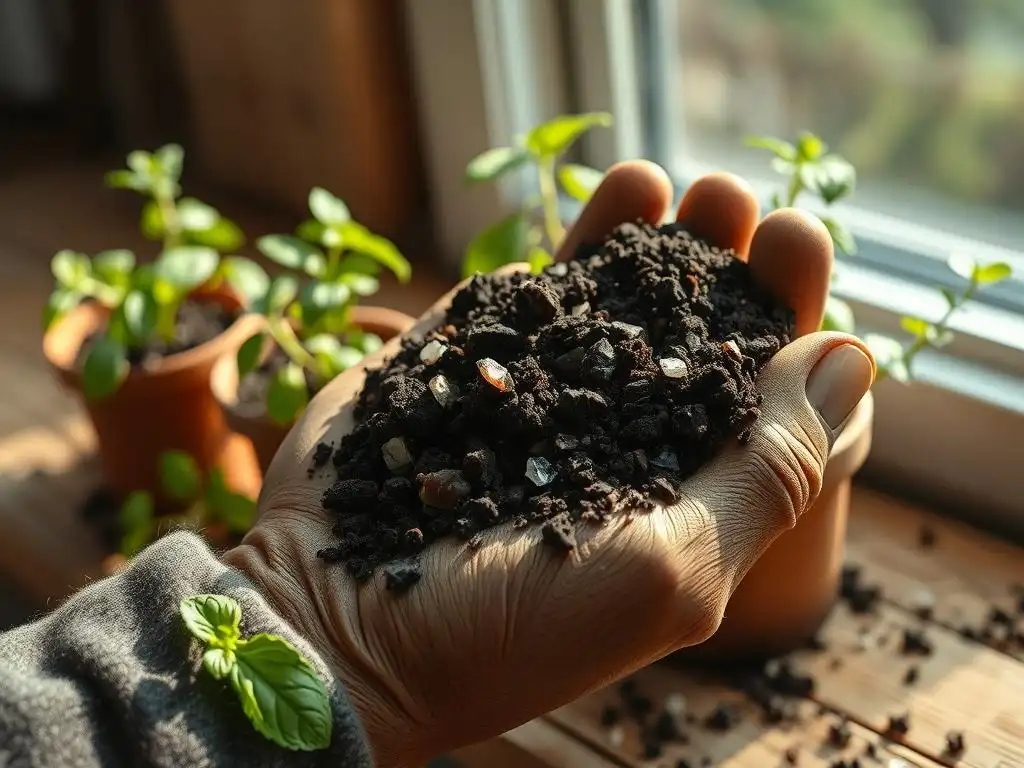
This section delves into the crucial aspects of creating a superior potting mix specifically designed to nurture the vigorous growth of basil and mint. Achieving the ideal balance of drainage, aeration, and nutrient retention is key to maximizing your herb yields and ensuring healthy, vibrant plants. Finding the best potting mix for herbs, particularly aromatic ones like basil and mint, requires careful consideration of several factors. We'll explore these factors in detail, providing you with the knowledge to create a custom blend tailored to your needs.
Selecting the Base Ingredients: Peat Moss, Coco Coir, or Compost?
The foundation of any successful potting mix lies in the choice of base ingredient. Three popular options exist: peat moss, coco coir, and compost. Each offers unique properties that influence the overall characteristics of your mix.
Choosing the best option depends on your priorities and environmental concerns.
- Peat Moss: Traditionally a popular choice, peat moss provides excellent water retention and a slightly acidic pH, ideal for many herbs. However, harvesting peat moss can have negative environmental impacts, contributing to habitat destruction. Consider sourcing sustainably harvested peat moss if you choose this option.
- Coco Coir: A sustainable alternative derived from coconut husks, coco coir offers good water retention and aeration. It's also more environmentally friendly than peat moss. However, it can be slightly more expensive and may require rinsing to remove excess salts.
- Compost: Using finished compost as a base adds significant organic matter, improving soil structure and nutrient content. It's a highly sustainable choice. However, compost can vary greatly in consistency and nutrient levels, requiring careful monitoring and potential supplementation.
For basil and mint, a blend of coco coir and compost often proves optimal. Coco coir provides excellent drainage and aeration, while compost boosts nutrient availability. This combination strikes a good balance between sustainability and performance. The ratio can be adjusted based on your specific compost's properties – aiming for a roughly 60/40 coco coir/compost mix is a good starting point.
Incorporating Perlite or Vermiculite for Drainage and Aeration
Excellent drainage and aeration are paramount for preventing root rot and ensuring healthy root development in your basil and mint. This is especially crucial in containers where water can easily accumulate. Adding perlite or vermiculite to your potting mix significantly improves these critical aspects.
- Perlite: A volcanic glass that's been heated and expanded, perlite is lightweight and provides excellent aeration. It helps prevent compaction and ensures that air can reach the roots.
- Vermiculite: A mineral that expands when heated, vermiculite also improves drainage and aeration. It also has a higher water-holding capacity than perlite.
For basil and mint, a 10-15% addition of perlite or vermiculite to the base mix is usually sufficient. Using a combination of both could further enhance both aeration and water retention. The exact percentage can be adjusted based on the texture of your base ingredients. A coarser compost, for example, may require less perlite or vermiculite.
Adding Organic Matter for Nutrient Retention and Soil Structure
Organic matter is essential for providing sustained nutrient release and improving the overall structure of your potting mix. This not only benefits your herbs directly but also enhances the overall health of the soil ecosystem.
Several options exist for incorporating organic matter:
- Worm Castings: Rich in nutrients and beneficial microbes, worm castings are an excellent choice for boosting fertility. They improve soil structure and promote healthy root growth.
- Aged Manure: Well-rotted manure provides a slow-release source of nutrients. Ensure the manure is thoroughly composted to avoid burning the delicate roots of your herbs.
- Seaweed Meal: A natural source of micronutrients and growth hormones, seaweed meal can enhance the overall vigor of your plants.
Adding approximately 5-10% organic matter to your final potting mix will provide a significant boost to nutrient availability and soil health. Remember that the "best" potting mix for herbs is a balanced mix, ensuring proper drainage, aeration, and nutrient levels. Experimentation and observation of your plants will help you refine your custom blend over time, leading to consistently thriving basil and mint. 🌿
Balancing the Mix: Achieving the Right Texture and Drainage
Creating the perfect potting mix for basil and mint involves achieving a delicate balance between texture and drainage. Too much clay, and your herbs will suffer from waterlogged roots, leading to root rot and a decline in overall plant health. Conversely, a mix that's too sandy will dry out too quickly, requiring constant watering and potentially stressing the plants. The ideal potting mix for these herbs needs to be well-draining yet retain enough moisture to keep the roots consistently hydrated.
Think of it like a sponge: you want a mix that can absorb water readily but also allows excess water to drain away swiftly. This prevents the buildup of stagnant water, which is a breeding ground for harmful fungi and bacteria. Poor drainage can also lead to nutrient leaching, depriving your herbs of essential minerals.
A good starting point is to use a combination of materials that offer different properties. For instance, incorporating coco coir provides excellent water retention, while perlite or vermiculite improves aeration and drainage. Adding a small amount of compost introduces beneficial microorganisms and organic matter, further enhancing the soil structure and nutrient content. The precise ratio will depend on your specific climate and the type of container you're using – larger pots will generally require a slightly higher proportion of water-retentive components.
Experimentation is key! Start with a base of high-quality potting mix, then amend it gradually with the other ingredients until you achieve the desired consistency. A good test is to gently squeeze a handful of the mix – it should hold its shape slightly but not be overly compact. Water should drain readily through the mix without leaving puddles on the surface.
Observing your plants' response to the potting mix is also crucial; if they appear wilted despite regular watering, your mix may be draining too quickly. Conversely, yellowing leaves and stunted growth could indicate poor drainage and waterlogging. Adjust the composition accordingly until you find the perfect balance for your herbs' needs. Remember, this is an iterative process; don't be afraid to adjust your recipe over time to find what works best in your unique gardening environment.
Best Potting Mix for Basil and Mint: Recipe and Instructions
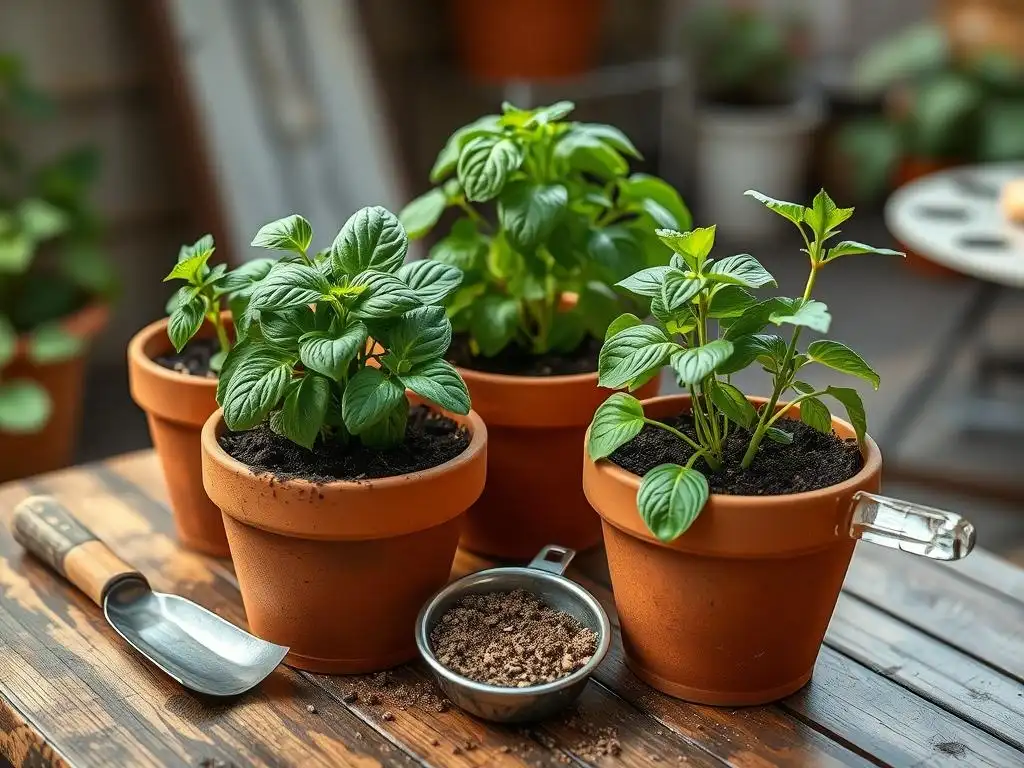
This section dives deep into creating the best potting mix for your basil and mint, ensuring optimal growth and a bountiful harvest. We'll cover a detailed recipe for a custom blend and provide step-by-step instructions, helping you achieve the perfect soil consistency for these aromatic herbs. Remember, using the right potting mix is crucial for healthy herb growth, maximizing your yield and minimizing potential problems. Finding the best potting mix for herbs like basil and mint is key to success.
Detailed Recipe for a Custom Basil and Mint Potting Mix
Creating a custom potting mix allows for precise control over the soil composition, catering specifically to the needs of basil and mint. These herbs thrive in well-draining, nutrient-rich soil that retains some moisture. Here's a recipe for a perfect blend:
| Ingredient | Percentage | Purpose | Notes |
|---|---|---|---|
| Coco Coir | 40% | Excellent water retention, good aeration, organic matter | Choose a high-quality coco coir, free from salts and pesticides. |
| Perlite | 20% | Improves drainage and aeration, prevents compaction | Essential for preventing waterlogged soil, crucial for mint and basil health. |
| Worm Castings | 20% | Rich in nutrients, improves soil structure, enhances microbial activity | Provides slow-release nutrients, boosting healthy root development. |
| Compost | 15% | Adds organic matter, improves soil structure, provides nutrients | Use well-rotted compost to avoid introducing weed seeds or pathogens. |
| Vermiculite | 5% | Improves water retention and aeration, provides essential minerals | A great addition to improve overall soil texture and moisture retention. |
This recipe provides a balanced mix of moisture retention, drainage, and nutrients, creating an ideal environment for robust basil and mint growth. Remember to adjust these percentages slightly based on your specific climate and growing conditions. For example, in drier climates, you may slightly increase the coco coir percentage. This adaptable recipe ensures you have the best potting mix for herbs in various situations.
Step-by-Step Instructions for Mixing Your Potting Mix
Mixing your potting mix is a simple process, but following these steps ensures a well-blended and consistent result. This consistency is vital for uniform growth and prevents uneven water distribution.
- Gather Your Materials: Ensure you have all the ingredients from the recipe above, a large container (a wheelbarrow or large bucket works well), and a garden trowel or similar mixing tool. Having everything prepared beforehand streamlines the process.
- Combine Dry Ingredients: Begin by thoroughly mixing the coco coir, perlite, and vermiculite. Use the trowel to ensure even distribution. This initial mixing of the dry components is critical for a uniform final product.
- Incorporate Organic Matter: Gradually add the worm castings and compost, mixing continuously to prevent clumping. The organic matter improves soil structure and provides essential nutrients. Gentle mixing avoids damaging the delicate structure of the compost.
- Check for Consistency: The final mix should be light and airy, not heavy or compacted. It should feel moist but not soggy when lightly squeezed. Adjust the proportions of the ingredients if necessary to achieve the desired consistency. This step is vital in determining the quality of your final potting mix.
- Prepare for Planting: Once you've achieved the perfect consistency, your custom potting mix is ready to use! Fill your pots, leaving about an inch of space from the top for watering. Now you're ready to plant your basil and mint and watch them thrive! Remember to water gently after planting. This ensures the roots settle properly in their new, perfectly crafted home. Enjoy the rewards of your homegrown herbs! 🌱
Troubleshooting Common Potting Mix Issues
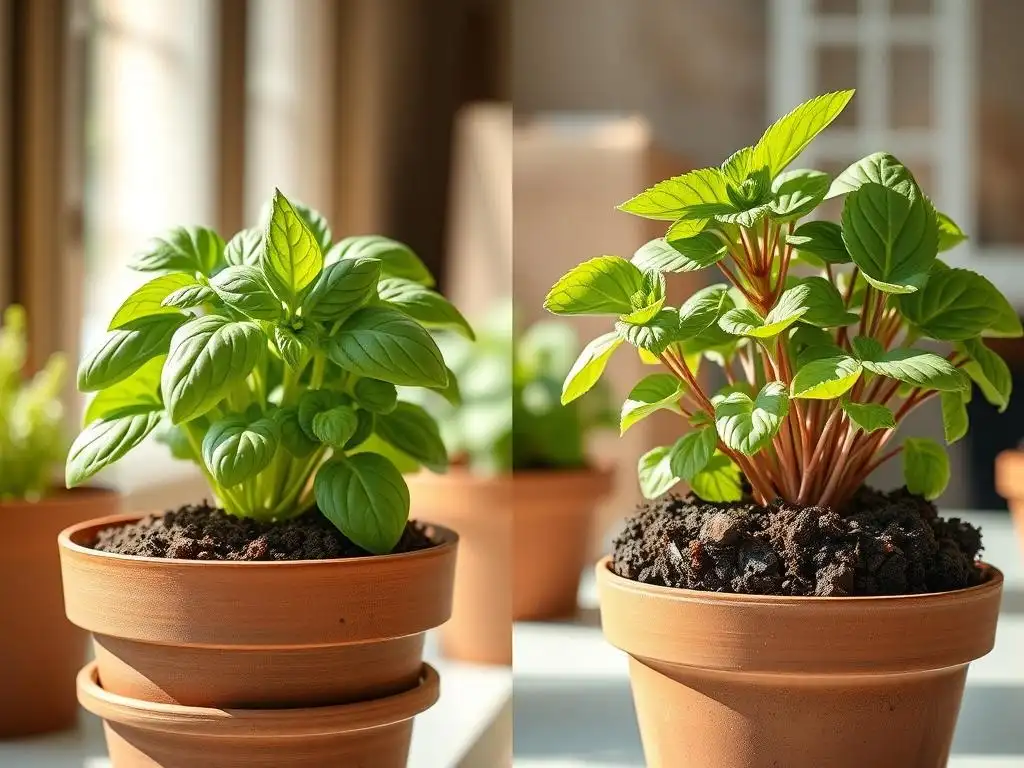
Growing vibrant basil and mint hinges on selecting and maintaining the best potting mix for herbs. Even with the best intentions, issues can arise. This section delves into common problems and provides practical solutions for achieving optimal growth. Choosing the right potting mix is crucial for healthy herb growth, and understanding how to address problems is key to success in your herb garden. Let's explore some of the most frequent challenges and how to overcome them. This will help you achieve the best potting mix for herbs, ensuring lush and flavorful harvests.
Addressing Poor Drainage in Your Herb Pots
Poor drainage is a significant problem for basil and mint, both of which dislike soggy roots. Overwatering, combined with a poorly draining potting mix, leads to root rot, a fatal condition characterized by wilting, yellowing leaves, and a foul odor emanating from the soil.
To diagnose poor drainage, observe your pots after watering. If water sits on the surface for an extended period, or if you see water seeping out the drainage holes very slowly, drainage is inadequate. You might also notice that the soil remains consistently wet, even after several hours.
Here's how to address this:
- Improve the potting mix: Amend your existing potting mix by adding perlite or vermiculite. These materials increase porosity, allowing for better water and air circulation. A good ratio is approximately 1 part perlite or vermiculite to 3 parts potting mix.
- Choose the right pots: Ensure your pots have adequate drainage holes. Avoid using containers without drainage, as they will retain excessive moisture.
- Adjust watering practices: Water thoroughly but less frequently. Allow the top inch or two of soil to dry out before watering again. Overwatering is a common mistake that exacerbates poor drainage issues.
- Repotting: In severe cases, repotting your herbs in a well-draining potting mix is necessary. Choose a fresh, high-quality potting mix specifically designed for herbs.
Remember, prevention is key. Start with a well-draining potting mix from the outset and monitor your watering habits closely. Regularly checking your soil moisture is crucial in preventing root rot and promoting healthy growth.
Dealing with Overly Compact or Dense Potting Mixes
A dense potting mix restricts root growth, leading to stunted plants and reduced yields. Compacted soil impedes air circulation, suffocating roots and creating an environment conducive to fungal diseases. This is particularly problematic for herbs like basil and mint, which require well-aerated soil for optimal development.
Signs of overly compact potting mix include difficulty watering (water runs off the surface instead of penetrating), slow growth, and yellowing leaves. The soil may also feel hard and difficult to work with.
Solutions for this issue include:
- Aerate the soil: Gently loosen the soil with a small trowel or your fingers, creating air pockets to improve drainage and aeration. Be careful not to damage the roots during this process.
- Amend the potting mix: Mix in organic matter such as compost or coco coir to improve the soil structure and create a more airy environment for root growth.
- Choose a lighter potting mix: For future plantings, select a potting mix that is specifically formulated for herbs and known for its good drainage and aeration. Look for mixes that contain ingredients like perlite or vermiculite.
- Repotting (if necessary): If the soil is severely compacted, repotting your herbs in a fresh, well-draining potting mix is the best course of action. This gives your plants a fresh start with optimal growing conditions.
By addressing soil compaction proactively, you will foster healthy root systems, promoting vigorous growth and abundant harvests of flavorful basil and mint.
Nutrient Deficiencies in Basil and Mint: Prevention and Solutions
Nutrient deficiencies manifest as various symptoms in basil and mint, including chlorosis (yellowing leaves), stunted growth, and poor yields. These deficiencies often stem from using a potting mix lacking essential nutrients or from overwatering, which leaches nutrients from the soil. Knowing which nutrients are lacking and addressing the issue promptly is crucial for healthy growth.
Common nutrient deficiencies in basil and mint include:
- Nitrogen (N): Nitrogen deficiency results in pale green or yellow leaves, especially on older leaves. The leaves may also be smaller than usual.
- Phosphorus (P): Phosphorus deficiency can lead to stunted growth and dark green or purplish leaves. Flowering and fruiting may also be affected.
- Potassium (K): Potassium deficiency often manifests as yellowing or browning leaf margins, followed by leaf curling and wilting.
Solutions involve:
- Using a balanced fertilizer: Use a balanced liquid fertilizer specifically formulated for herbs, following the manufacturer's instructions carefully. Avoid over-fertilizing, as this can also harm your plants.
- Adding compost: Compost is a rich source of organic nutrients and improves soil structure, enhancing nutrient uptake.
- Soil testing: A soil test can identify specific nutrient deficiencies, allowing you to address the problem effectively. This test will provide a more targeted approach to nutrient supplementation.
- Mulching: Applying a layer of mulch helps retain moisture and nutrients in the soil.
By proactively monitoring your plants' health and addressing nutrient deficiencies promptly, you can ensure healthy and productive basil and mint plants, yielding abundant harvests of aromatic herbs. Remember, prevention is always better than cure when it comes to nutrient management in your herb garden.
Maintaining Optimal Soil Conditions for Continuous Growth
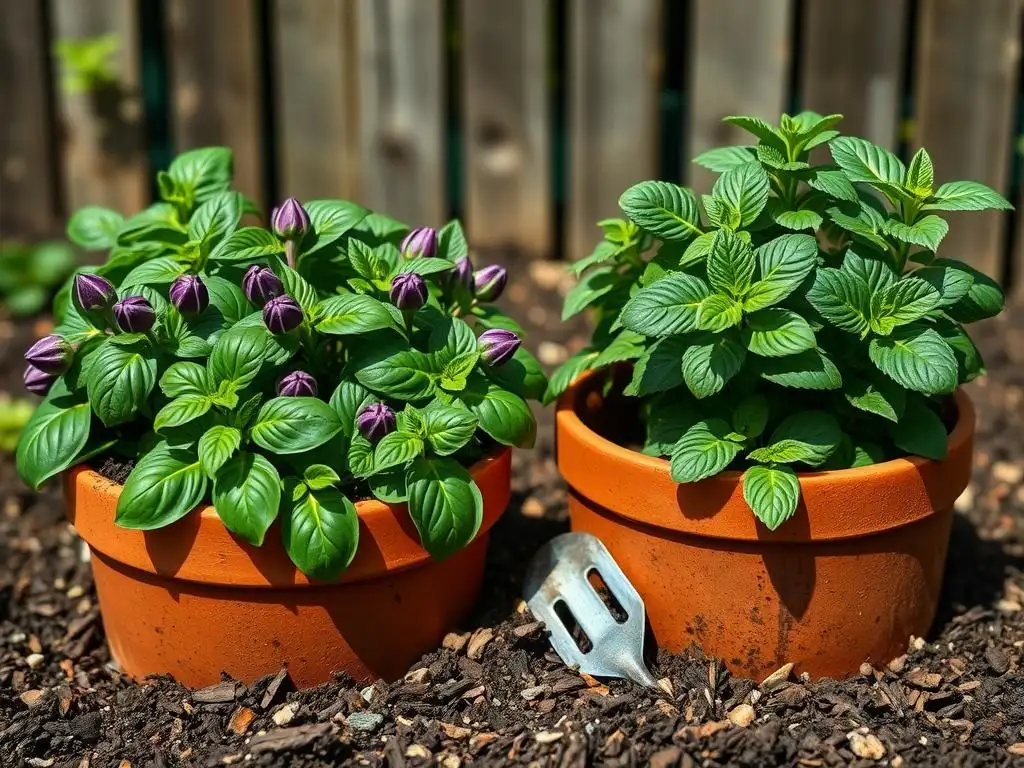
Maintaining the ideal soil conditions is crucial for the robust growth of basil and mint. These aromatic herbs thrive in well-draining, nutrient-rich soil that retains some moisture. Using the best potting mix for herbs significantly impacts their health and yield. A poorly draining mix can lead to root rot, a common problem for these plants, while overly dry soil stunts growth and reduces essential oil production, affecting the flavor and aroma of your herbs.
Watering Techniques for Healthy Basil and Mint Plants
Consistent moisture is key, but overwatering is detrimental. Aim for evenly moist soil, allowing the top inch or two to dry slightly between waterings. The frequency depends on factors like temperature, humidity, and pot size. Smaller pots dry out faster than larger ones. During hot, sunny days, you might need to water daily, while cooler, overcast days might require watering every other day or even less frequently. Observe the soil carefully; stick your finger about an inch into the soil.
If it feels dry, it's time to water. Avoid letting the soil completely dry out, especially during the active growing season. Underwatering can lead to wilting and reduced growth. Conversely, soggy soil suffocates roots and invites fungal diseases. Consider using a self-watering pot or adding a layer of mulch (like coconut coir) to help retain moisture and reduce evaporation. 💦
Fertilizing Your Herbs for Maximum Yield
While basil and mint are not heavy feeders, regular fertilization boosts their growth and flavor. Use a balanced, water-soluble fertilizer diluted to half strength every two to three weeks during the growing season (spring and summer). Avoid over-fertilizing, as this can burn the roots and negatively impact the flavor of the herbs. Organic fertilizers, such as compost tea or diluted fish emulsion, are excellent choices for promoting healthy growth while maintaining the organic integrity of your herb garden.
Compost, rich in essential nutrients, can be incorporated into your potting mix initially and top-dressed periodically to provide sustained nourishment. Observe your plants; if they appear pale or leggy, it might indicate a need for more nutrients. Remember that excessive nitrogen can lead to lush foliage but reduced essential oil production, compromising the flavor of your herbs. Therefore, a balanced approach is crucial.
Repotting Basil and Mint: When and How
Basil and mint are vigorous growers, and as they mature, they may outgrow their pots. Repotting provides them with more space for root development, ensuring continued vigorous growth and high yields. Signs that your herbs need repotting include roots emerging from the drainage holes, slowed growth, and a pot that feels root-bound when gently lifted. Repotting is best done in spring or early summer.
Choose a pot that is slightly larger than the previous one, ensuring good drainage. Gently remove the plant from its current pot, loosen any circling roots, and place it in the new pot with fresh, well-draining potting mix. Water thoroughly after repotting to settle the soil and help the plant establish itself in its new home.
Regularly checking for root-bound conditions is crucial for maintaining the optimal health and productivity of your basil and mint plants. This proactive approach ensures that your herbs continue to thrive and provide you with a bountiful harvest. 🌿
Frequently Asked Questions (FAQ) about Potting Mixes for Herbs
This section addresses common queries regarding the optimal potting mix for cultivating basil and mint at home, ensuring healthy growth and bountiful harvests. Choosing the right potting mix is crucial for the success of your herb garden, impacting everything from drainage to nutrient availability. Let's delve into some frequently asked questions.
Can I use garden soil for Basil and Mint?
While the temptation to use readily available garden soil might seem appealing, it's generally not recommended for growing basil and mint in containers. Garden soil, while rich in nutrients, often contains:
- Compacted particles: This can lead to poor drainage, resulting in waterlogged roots and root rot, a common killer of basil and mint. Waterlogged soil suffocates the roots, preventing them from accessing oxygen.
- Unwanted organisms: Garden soil may harbor weed seeds, fungal spores, and various pests that can infest your precious herbs. This can significantly compromise the health of your plants and necessitate more intensive pest control measures.
- Inconsistent texture: The texture of garden soil can vary greatly, making it difficult to maintain a consistent moisture level for your herbs. Basil and mint thrive in consistently moist, but well-drained soil.
Instead of garden soil, opt for a well-draining, airy potting mix specifically formulated for herbs or vegetables. These mixes typically consist of a blend of peat moss, perlite, vermiculite, and composted organic matter. This combination provides excellent aeration, drainage, and nutrient retention, creating the ideal environment for robust root development. The improved drainage minimizes the risk of root rot, a major concern when growing herbs indoors or in containers.
What are the signs of a poorly draining potting mix?
A poorly draining potting mix manifests in several telltale signs that signal the need for immediate action. Ignoring these signals can lead to serious problems for your basil and mint plants. Here are some key indicators:
- Water pooling on the soil surface: After watering, if water sits on top of the soil for an extended period, it indicates inadequate drainage. The water should be absorbed relatively quickly.
- Soggy soil: Constantly damp or soggy soil is a clear sign of poor drainage. Feel the soil; if it's excessively wet to the touch even several hours after watering, it's a problem.
- Yellowing or wilting leaves: Even with regular watering, if the leaves of your basil and mint appear yellow or are wilting, it could be due to root rot caused by poor drainage. The roots are essentially drowning.
- Stunted growth: If your herbs aren't growing as vigorously as expected, despite adequate sunlight and fertilization, poor drainage might be the culprit. The roots are not getting the oxygen they need.
- Fungal growth: The appearance of mold or fungus on the soil surface or around the base of the plants strongly suggests poor drainage and excessive moisture.
Addressing poor drainage requires repotting your herbs into a fresh, well-draining potting mix. Ensure your containers have adequate drainage holes to allow excess water to escape.
How often should I fertilize my herbs?
Fertilizing your basil and mint is essential for promoting vigorous growth and maximizing yields. However, over-fertilizing can be detrimental, potentially leading to nutrient burn and impacting the flavor of your herbs. A balanced approach is key.
The frequency of fertilization depends on several factors, including the type of potting mix used, the growth stage of your herbs, and the overall nutrient content of the mix. A good rule of thumb is to fertilize every 2-3 weeks during the active growing season (spring and summer). Reduce fertilization frequency in the fall and winter months when growth slows down.
Use a balanced, water-soluble fertilizer diluted to half strength. Always follow the instructions on the fertilizer package carefully. Over-fertilizing can lead to leaf burn and negatively impact the flavor of your herbs. It's better to under-fertilize than to over-fertilize.
Consider using organic fertilizers, such as compost tea or worm castings, for a more sustainable and environmentally friendly approach. These options provide slow-release nutrients that are gentler on your plants and the environment. Remember to monitor your plants closely for any signs of nutrient deficiency or excess. Adjust your fertilization schedule accordingly based on your observations and the specific needs of your basil and mint plants. Healthy, vibrant growth is the ultimate indicator of a well-nourished plant! 🌱
Frequently Asked Questions
What is the best potting mix for herbs like basil and mint?
A high-quality potting mix specifically designed for herbs is crucial. Look for a blend that is well-draining, light and airy, and rich in organic matter. Avoid using garden soil directly.
Why shouldn't I use garden soil for my herbs?
Garden soil is often too heavy and can become compacted, leading to poor drainage and suffocation of herb roots. It may also contain disease-causing organisms or unwanted weed seeds.
How can I improve the drainage of my potting mix?
Adding perlite or vermiculite to your potting mix will significantly improve drainage. These materials help to aerate the soil and prevent waterlogging.
What are the benefits of using an organic potting mix for herbs?
Organic mixes provide essential nutrients in a slow-release form, promoting healthy growth. They also foster a beneficial soil microbiome, improving overall plant health and resilience.
Where can I find the best potting mix for my herbs?
Many garden centers and online retailers offer high-quality potting mixes specifically formulated for herbs. Look for brands that emphasize organic ingredients and excellent drainage. Reading reviews can also be helpful in making your choice.
Final Reflection: Cultivating More Than Just Herbs
The quest for the perfect potting mix isn't just about healthy herbs; it's a metaphor for nurturing growth in all aspects of our lives. Finding the right balance of nutrients, drainage, and aeration in soil mirrors the delicate balance we need to cultivate within ourselves and our communities to flourish. The seemingly simple act of planting a basil or mint sprig becomes a powerful symbol of potential and the care required to unlock it.
The impact of understanding soil composition extends far beyond the garden. It's a reminder that the right environment is crucial for any endeavor to thrive. We see this reflected in the support systems we build around ourselves, the nurturing environments we create for our children, and even the way we approach our personal growth. The best fertilizer is your own shadow.
This quote, though seemingly paradoxical, highlights the importance of self-reflection and understanding our own limitations and strengths to achieve true growth, just as a plant needs the right conditions to reach its full potential.
Now, consider your own "potting mix." What elements are you nurturing? What aspects need more attention, more drainage, or perhaps a little more enriching compost? Take a moment to reflect on the parallels between cultivating healthy herbs and fostering your own personal growth. Embrace the process, experiment with different approaches, and watch yourself flourish. The journey towards a thriving life, much like the journey to perfect potting mix, is a continuous process of learning, adapting, and celebrating the beauty of growth.
Unleash Your Inner Gardener: Grow the Freshest Herbs Ever!
Thank you for exploring the secrets to a thriving herb garden! We hope you feel confident in creating the perfect potting mix for your herbs. Ready to put your new knowledge into practice?
- Craft your custom blend: Use our guide to create a batch of ideal soil – your herbs will thrive!
- Share your success: Show off your flourishing herbs on social media using #CultivateYourFood and inspire others to grow their own!
- Experiment with different soil amendments – perhaps add some compost or perlite next time for improved drainage and aeration.
Ready to cultivate your own aromatic herb garden? Consider adding some aged manure or worm castings to your next batch of potting mix for a nutrient boost.