
Mulching Techniques to Prevent Fungal Problems in Your Garden

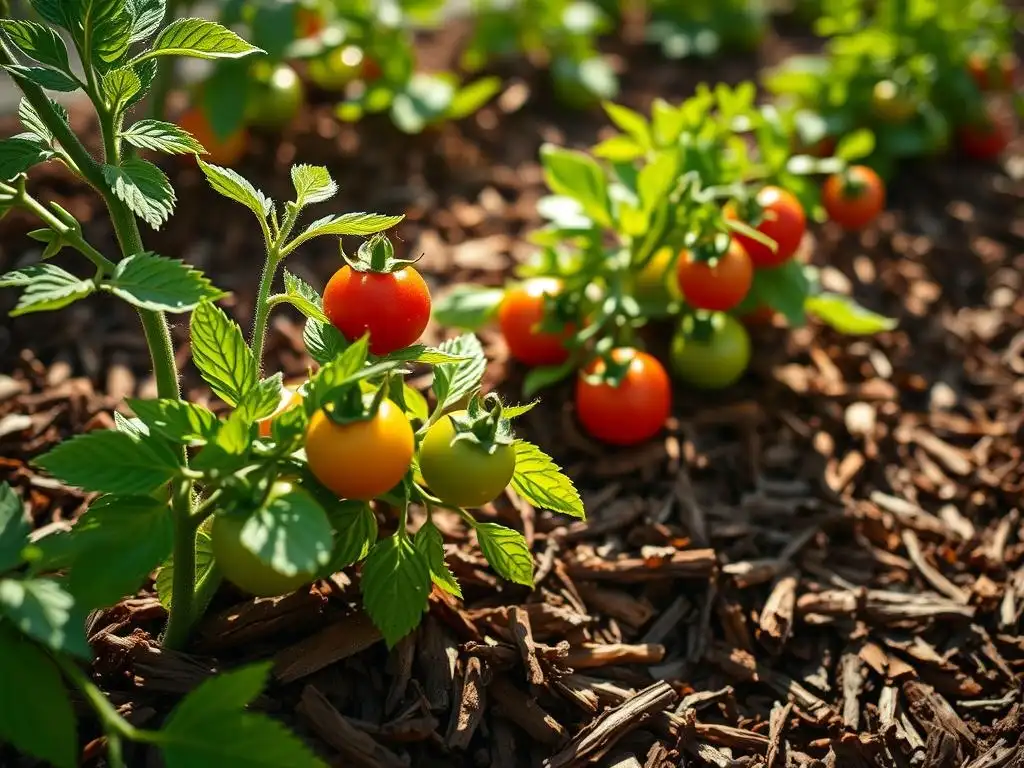
Ready to unlock the secrets to a thriving, disease-free garden? At CultivateYourFood, we empower you to grow your own fruits, vegetables, and herbs organically. Learn how simple techniques like proper mulching can dramatically impact your harvest, significantly reducing the risk of devastating fungal diseases. Discover the power of "Prevent garden fungal diseases mulch" and transform your gardening journey today. Let's get started!
- Understanding Fungal Diseases in Your Garden and the Role of Mulch
- Choosing the Right Mulch for Fungal Disease Prevention
- Applying Mulch Effectively to Prevent Fungal Diseases
- Additional Strategies to Complement Mulching for Fungal Disease Prevention
- Monitoring and Addressing Fungal Issues Despite Mulching
- Long-Term Mulching Strategies for Sustainable Fungal Disease Prevention in Your Garden
-
Frequently Asked Questions
- What is the main benefit of using mulch to prevent fungal diseases?
- What types of mulch are best for preventing fungal diseases?
- How much mulch should I use to effectively prevent fungal problems?
- Does using mulch completely eliminate the risk of fungal diseases?
- What should I do if I already have a fungal disease problem in my garden?
- Final Reflection: Cultivating a Healthier Garden, One Mulch Layer at a Time
- Unlock Lusher, Healthier Plants: Start Mulching Today!
Understanding Fungal Diseases in Your Garden and the Role of Mulch
Fungal diseases represent a significant threat to home gardens, capable of decimating crops and leaving gardeners frustrated. These diseases thrive in specific conditions, often related to moisture levels and soil composition. Understanding these conditions is crucial to effective prevention and management. This article will explore the vital role mulch plays in mitigating fungal problems, offering a sustainable and organic approach to protecting your fruits, vegetables, and herbs.
We'll delve into common fungal diseases, explain the mechanisms by which mulch helps prevent them, and finally, examine the various types of mulch best suited for this purpose. By implementing the right mulching techniques, you can significantly reduce the risk of fungal infestations and cultivate a thriving, healthy garden, all while adhering to organic and sustainable gardening practices. This guide is designed to help you effectively prevent garden fungal diseases using mulch, aligning with the principles of environmentally friendly cultivation.
Common Garden Fungal Diseases: Identification and Prevention
Many fungal diseases can attack home gardens. Recognizing them early is key to effective control. Some common culprits include:
- Powdery Mildew: This easily identifiable disease coats plant leaves with a white, powdery substance. It thrives in humid conditions with poor air circulation. Prevention involves ensuring good spacing between plants and avoiding overhead watering.
- Downy Mildew: Unlike powdery mildew, downy mildew presents as fuzzy, purplish-gray patches on the undersides of leaves. It also favors humid conditions and can be devastating to crops like grapes and cucurbits. Proper ventilation and disease-resistant varieties are crucial for prevention.
- Leaf Spot: Characterized by brown or black spots on leaves, leaf spot can be caused by various fungi. Good sanitation, removing infected leaves promptly, and ensuring good air circulation can help minimize its spread.
- Root Rot: This insidious disease attacks the roots, causing wilting and eventual plant death. Well-draining soil and avoiding overwatering are key preventative measures. Improving soil drainage with the correct type of mulch can be extremely beneficial.
- Botrytis Blight (Gray Mold): This fungus causes gray, fuzzy mold on flowers, fruits, and leaves, often in damp conditions. Proper air circulation and avoiding overhead watering are important preventative steps.
Preventing these diseases requires a multi-pronged approach. This includes choosing disease-resistant plant varieties, practicing crop rotation, and maintaining good garden hygiene. However, the strategic use of mulch plays a critical role in creating a less hospitable environment for fungal pathogens.
The Importance of Mulch in Preventing Fungal Growth
Mulch acts as a protective barrier against fungal diseases in several ways:
- Moisture Regulation: Mulch helps regulate soil moisture levels, preventing the waterlogged conditions that many fungi thrive in. It allows for better drainage and reduces splashing, which can spread fungal spores.
- Temperature Moderation: Mulch helps moderate soil temperature, preventing extreme fluctuations that can weaken plants and make them more susceptible to disease.
- Suppression of Spore Germination: Some mulch types create a less favorable environment for fungal spore germination, inhibiting the initial stages of infection.
- Improved Soil Structure: Mulch improves soil structure, promoting better aeration and drainage, further reducing the risk of fungal problems.
The benefits of mulch extend beyond disease prevention. It also suppresses weeds, conserves soil moisture, and enriches the soil over time, contributing to a healthier and more productive garden.
Types of Mulch Effective Against Garden Fungal Diseases
Several types of mulch are particularly effective at preventing fungal diseases:
| Mulch Type | Advantages | Disadvantages |
|---|---|---|
| Wood Chips/Shredded Bark | Excellent moisture retention, good insulation, improves soil structure | Can sometimes harbor fungal spores if not properly composted |
| Straw | Inexpensive, readily available, good for moisture retention | Can harbor weed seeds, may need replenishing frequently |
| Composted Manure | Rich in nutrients, improves soil structure, suppresses some fungal diseases | Potential for weed seeds, may need to be composted thoroughly |
| Pea Gravel | Excellent drainage, prevents splashing, doesn't decompose | Can become very hot in full sun, doesn't improve soil structure |
Choosing the right type of mulch depends on your specific needs and the types of plants you are growing. Always ensure the mulch is properly composted to minimize the risk of introducing unwanted pathogens. Remember, consistent application and proper garden hygiene are key to achieving the best results in preventing garden fungal diseases with mulch. By understanding the role of mulch and selecting the appropriate type, you can significantly enhance your garden's resilience against fungal diseases and enjoy a bountiful harvest.
Choosing the Right Mulch for Fungal Disease Prevention
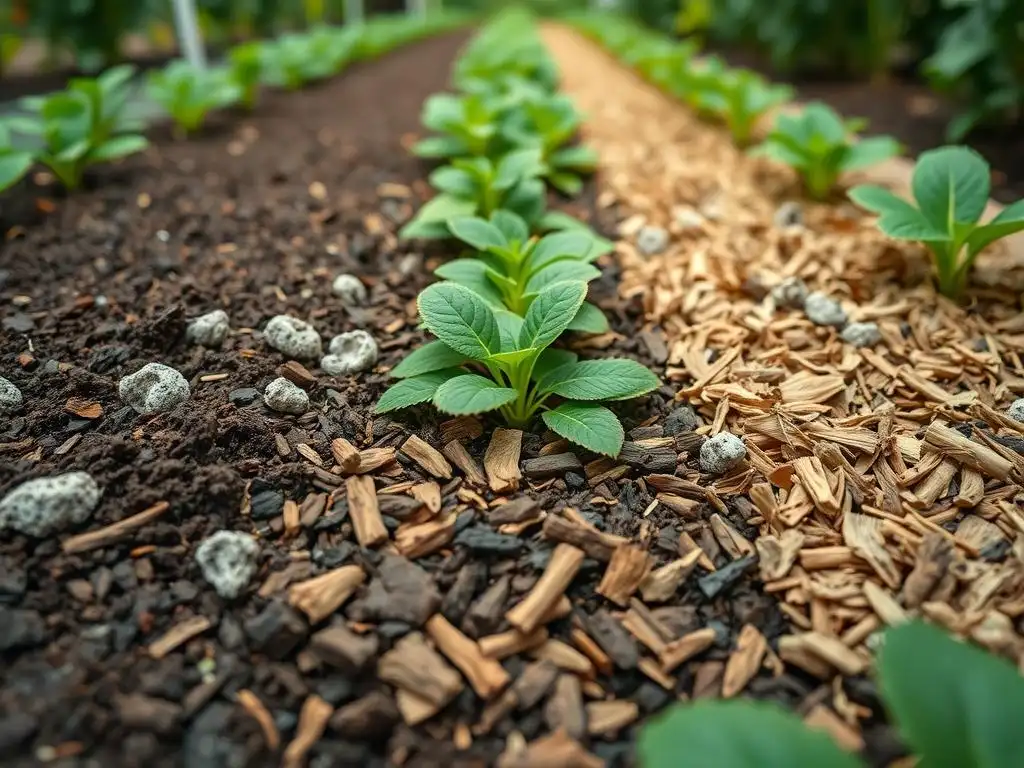
Selecting the appropriate mulch is crucial in your strategy to prevent garden fungal diseases. The wrong choice can inadvertently create a humid environment perfect for fungal spores to thrive. Understanding the properties of different mulches and their impact on soil moisture and temperature is key to successful fungal disease prevention. The goal is to create a balanced environment: one that retains sufficient moisture for plant health but avoids excessive dampness that encourages fungal growth.
We'll explore both organic and inorganic options, highlighting their advantages and disadvantages in the context of fungal control. Remember, consistent monitoring of your garden's moisture levels is vital, regardless of the mulch you choose. Regularly checking soil moisture using a moisture meter can help you fine-tune your watering schedule and prevent overly saturated conditions.
Organic Mulches: Benefits and Considerations for Fungal Control
Organic mulches, such as straw, shredded leaves, wood chips, and composted manure, offer several benefits for fungal disease prevention. Their porous nature allows for better air circulation within the soil, reducing humidity and making it less hospitable to fungi. They also improve soil drainage, preventing waterlogging, a major contributor to fungal problems.
However, using organic mulches requires careful consideration. Freshly cut grass clippings, for example, can compact easily, leading to poor drainage and increased humidity – exactly what we're trying to avoid. Similarly, improperly composted manure may contain pathogens that can exacerbate fungal issues. Therefore, opting for well-rotted, aged organic matter is paramount.
Here’s a table summarizing the pros and cons of some common organic mulches:
| Mulch Type | Pros | Cons | Considerations for Fungal Prevention |
|---|---|---|---|
| Straw | Excellent air circulation, readily available, relatively inexpensive | Can harbor weed seeds, may need frequent replenishment | Ensure it's free of mold or mildew before application. |
| Shredded Leaves | Good water retention, readily available, improves soil structure | Can compact if not properly shredded, may harbor disease if diseased leaves used | Use only healthy, composted leaves. |
| Wood Chips | Long-lasting, improves soil structure, suppresses weeds | Can tie up nitrogen initially, may alter soil pH | Choose untreated wood chips; avoid cedar or redwood, which can be toxic. |
| Composted Manure | Rich in nutrients, improves soil structure, excellent water retention | May contain weed seeds or pathogens if not properly composted | Use only well-rotted, aged compost. |
Choosing the right organic mulch involves weighing these factors against your specific garden conditions and the types of fungal diseases you're trying to prevent.
Inorganic Mulches: Effectiveness and Potential Drawbacks
Inorganic mulches, such as plastic sheeting, landscape fabric, and gravel, offer a different approach to fungal disease prevention. They create a barrier between the soil and the atmosphere, reducing moisture evaporation and preventing splashing of soil-borne pathogens. This can be particularly effective in areas prone to fungal diseases spread through water.
However, inorganic mulches have their drawbacks. They can suppress beneficial soil organisms, impacting soil health in the long run. They also prevent natural soil aeration, potentially leading to anaerobic conditions that can favor certain types of fungi. Moreover, plastic mulches can contribute to environmental pollution.
The use of inorganic mulches for fungal disease prevention should be considered carefully and is often best suited for specific situations, such as protecting particularly vulnerable plants or areas with consistently high humidity. Properly managing soil moisture around plants mulched with inorganic materials is crucial to avoid waterlogging.
Mulch Depth and its Impact on Fungal Growth
The depth of your mulch layer significantly influences its effectiveness in preventing fungal diseases. A layer that is too thin may not provide sufficient protection against splashing and temperature fluctuations. Conversely, a layer that is too thick can create an overly humid environment, promoting fungal growth.
The ideal mulch depth generally ranges from 2-4 inches. This allows for sufficient moisture retention and weed suppression without creating excessive humidity. However, this can vary depending on the type of mulch used, the climate, and the specific needs of the plants. Regularly monitoring soil moisture and adjusting the mulch depth as needed is essential for optimizing fungal disease prevention.
Remember, a slightly drier soil surface is generally preferable to a constantly damp one, especially when combating fungal diseases. Regularly tilling the soil under the mulch can also help to improve soil aeration and reduce the risk of fungal proliferation. This should be done carefully to avoid damaging plant roots.
Applying Mulch Effectively to Prevent Fungal Diseases
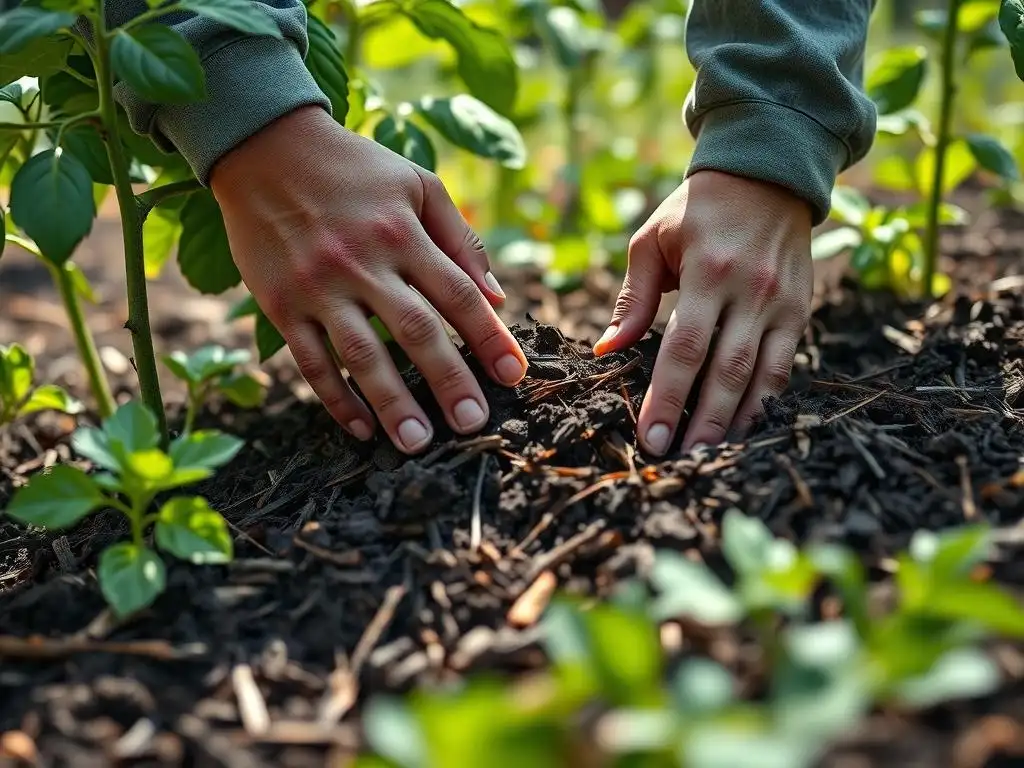
Mulching is a highly effective sustainable gardening practice that offers numerous benefits, including the prevention of garden fungal diseases. By creating a protective barrier between the soil and the plants, mulch significantly reduces the risk of fungal spores germinating and infecting your valuable crops. This section will delve into the specifics of applying mulch to maximize its disease-preventing potential. Remember, the key to preventing garden fungal diseases with mulch lies in proper preparation and consistent maintenance. Choosing the right type of mulch is also crucial, and we'll explore those considerations further in other sections.
Preparing the Garden Bed for Mulching
Before applying mulch, thorough preparation of the garden bed is essential for optimal fungal control. This involves several key steps designed to minimize existing fungal spores and create a healthy environment for your plants. First, remove any weeds or plant debris. These can harbor fungal pathogens, providing an ideal breeding ground for disease. Next, loosen the top layer of soil to improve drainage and aeration. Poor drainage creates moist conditions, which are perfect for fungal growth. Consider incorporating compost into the soil at this stage; compost improves soil structure and introduces beneficial microbes that can compete with harmful fungi. Finally, ensure the soil is relatively dry before applying the mulch. Applying mulch to wet soil can create a suffocating environment for your plants and actually promote fungal growth. Think of it as creating the perfect environment: well-drained, slightly dry soil, free from weed debris, ready for the protective mulch layer.
Proper Mulch Application Techniques for Optimal Fungal Control
The technique of mulch application directly impacts its effectiveness in preventing garden fungal diseases. Avoid piling mulch directly against the stems of plants. This can create damp conditions that encourage fungal growth at the base of the plant, leading to stem rot and other issues. Instead, maintain a small gap between the mulch and the plant stems to allow for air circulation. A depth of 2-4 inches of mulch is generally recommended.
This provides adequate protection without creating excessive moisture retention. Furthermore, use organic mulches such as straw, wood chips, or shredded leaves. These decompose slowly, releasing nutrients into the soil while maintaining a consistent protective layer. Avoid using fresh grass clippings, as they can compact easily and create a breeding ground for fungal diseases.
Applying mulch evenly across the garden bed ensures consistent protection against fungal spores. Uneven application leaves some areas vulnerable. Regularly inspect the mulch layer for any signs of compaction or excessive moisture. Addressing these issues promptly will help maintain the effectiveness of the mulch in preventing fungal diseases.
Maintaining Mulch Layers for Continuous Protection
Maintaining the mulch layer is crucial for long-term protection against garden fungal diseases. Over time, mulch decomposes, losing its effectiveness. Regularly replenish the mulch layer as it breaks down, usually every few months or as needed, depending on the type of mulch used and the weather conditions. Regularly check for the presence of weeds that may have penetrated the mulch layer. Weeds can harbor fungal pathogens, undermining the protective barrier.
Remove any weeds promptly to maintain the integrity of the mulch. Remember, consistent monitoring and maintenance of the mulch layer is key to effectively preventing garden fungal diseases year-round. Think of it as a continuous process, not a one-time fix, for successfully preventing garden fungal diseases with mulch. By following these steps, you can significantly reduce the risk of fungal infections and cultivate a thriving, healthy garden.
Additional Strategies to Complement Mulching for Fungal Disease Prevention
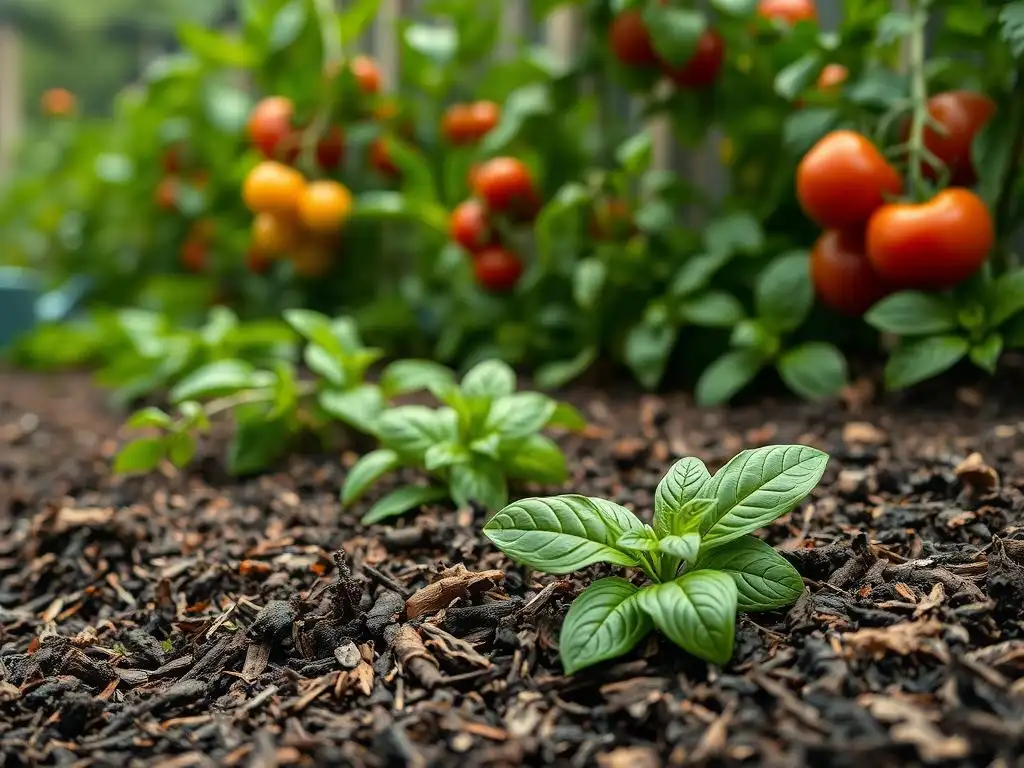
Mulching is a powerful tool in your arsenal against garden fungal diseases, but it's most effective when combined with other preventative measures. Think of it as a layered defense strategy – mulch provides a crucial first line of defense, but bolstering it with these additional techniques creates a significantly more resilient and healthy garden ecosystem. These complementary strategies work synergistically to minimize the risk of fungal infections and promote robust plant growth. By combining these methods, you'll significantly improve your chances of preventing garden fungal diseases.
Improving Soil Drainage to Reduce Fungal Spores
Fungal spores thrive in damp, poorly-drained soil. Excess moisture creates the perfect environment for germination and spread. Improving soil drainage is therefore crucial for preventing many fungal diseases. Poor drainage can be addressed in several ways:
- Amend heavy clay soils: Adding organic matter like compost, well-rotted manure, or peat moss improves soil structure, increasing aeration and drainage. Aim for a soil that crumbles easily when squeezed. A good rule of thumb is to incorporate several inches of organic matter into the top layer of your soil before planting.
- Create raised beds: Raised beds provide excellent drainage, especially in areas with naturally heavy clay or poorly draining soils. The elevated position allows water to drain away more efficiently.
- Install drainage systems: For particularly problematic areas, consider installing a simple drainage system. This might involve creating trenches lined with gravel or perforated pipes to divert excess water away from vulnerable plants.
- Avoid overwatering: Consistent overwatering, even in well-drained soil, can create a perpetually damp environment conducive to fungal growth. Water deeply but less frequently, allowing the soil to dry slightly between waterings. Observe your plants for signs of thirst (wilting leaves) before watering again. A moisture meter can be a helpful tool.
Implementing these drainage improvements will significantly reduce the amount of moisture available to fungal spores, minimizing the risk of infection. Remember to always monitor your soil's moisture levels and adjust your watering practices accordingly.
Practicing Crop Rotation to Minimize Fungal Build-up
Crop rotation is a fundamental principle of sustainable gardening that offers significant protection against fungal diseases. Many fungal pathogens survive in the soil for extended periods, infecting the same plant species year after year. Crop rotation disrupts this cycle, preventing the buildup of specific fungal pathogens.
For example, if you experienced a significant problem with tomato blight last year, avoid planting tomatoes in the same area this year. Instead, plant a non-susceptible crop like legumes (beans, peas), brassicas (cabbage, broccoli), or root vegetables (carrots, beets). Ideally, rotate crops from different plant families to minimize the chances of encountering the same fungal pathogens. A well-planned rotation schedule, usually a 3-4 year cycle, will help you prevent the recurrence of specific fungal diseases affecting your garden. Consider keeping a detailed garden journal to track your crop rotations and the health of your plants.
Using Biological Controls to Combat Fungal Infections
Biological controls offer a natural and sustainable approach to managing fungal diseases. These involve introducing beneficial organisms that compete with or prey upon harmful fungi. Several options exist, each with its own application and effectiveness:
- Trichoderma spp.: These fungi are potent antagonists against many plant pathogenic fungi. They compete for resources and produce enzymes that inhibit the growth of harmful fungi. Trichoderma-based products are commercially available and can be applied to the soil or directly to affected plants.
- Bacillus subtilis: This bacterium produces antibiotics that inhibit the growth of various plant pathogens, including some fungi. It's often used as a soil drench or foliar spray.
- Compost tea: Compost tea, a liquid extract from composted organic matter, contains beneficial microorganisms, including bacteria and fungi, that can help suppress plant diseases. It's a natural and effective way to improve soil health and boost the plant's immune system.
Remember that the efficacy of biological controls can vary depending on factors such as environmental conditions and the specific fungal pathogen. Combining biological controls with other preventative strategies, like mulching and proper drainage, will maximize their effectiveness and create a healthier garden ecosystem. Always follow the instructions on any commercially available biological control product. Careful observation and monitoring are key to evaluating their impact.
Monitoring and Addressing Fungal Issues Despite Mulching
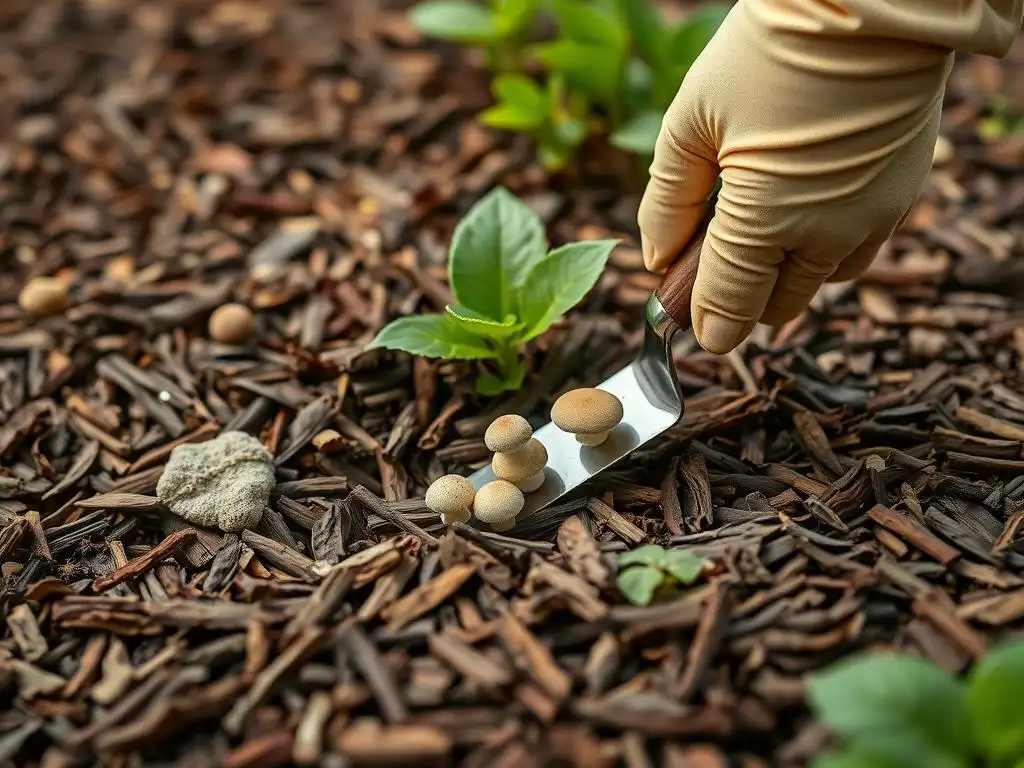
Even with diligent mulching, fungal diseases can still emerge in your garden. Proactive monitoring is crucial to prevent minor issues from escalating into major problems. Remember, mulch is a preventative measure, not a guaranteed cure-all for garden fungal diseases. Consistent observation allows for early intervention, minimizing the damage and preventing widespread infection. This section details how to effectively monitor your plants despite your mulch application and how to adjust your strategies accordingly to prevent garden fungal diseases.
Recognizing Signs of Fungal Infection Despite Mulch Application
Early detection is key to effectively managing fungal infections. While mulch helps regulate soil moisture and temperature, reducing fungal spore germination, it doesn't eliminate the risk entirely. Learn to recognize the subtle signs that might indicate a fungal problem is brewing, even under a protective layer of mulch.
Common symptoms often appear on leaves, stems, and fruits. These can include:
- Leaf Spots: Small, discolored spots that can enlarge and coalesce, sometimes exhibiting concentric rings. The color varies depending on the specific fungus; some are brown, others black, yellow, or even purple.
- Powdery Mildew: A white, powdery coating on leaves and stems, often appearing in patches. This is a very common fungal issue.
- Downy Mildew: A fuzzy, grayish-white growth on the underside of leaves, often accompanied by yellowing or browning on the upper surface.
- Blights: Rapidly spreading lesions that can kill leaves, stems, or entire plants. These can appear as water-soaked spots that quickly turn brown or black.
- Root Rot: Less visible initially, root rot manifests as wilting, yellowing, and stunted growth, even with adequate watering. Inspecting the roots (carefully removing some mulch to do so) will reveal brown, mushy, or decaying roots.
Regularly inspect your plants, paying close attention to the undersides of leaves and the base of stems. Remember to gently lift the mulch in several areas to check for signs of root rot or other issues at the soil level. Early detection significantly improves your chances of successful treatment. A magnifying glass can help in identifying tiny fungal structures.
Adjusting Mulching Strategies Based on Observed Fungal Growth
If you detect fungal growth despite mulching, adjusting your strategy might be necessary. This doesn't mean abandoning mulching altogether; rather, it means refining your approach to optimize its effectiveness against fungal diseases.
Consider these adjustments:
- Mulch Type: Some mulch types are more prone to retaining moisture than others. If you're using wood chips that are decomposing slowly and retaining too much moisture, consider switching to a more quickly-decomposing mulch such as straw. Proper air circulation is key.
- Mulch Depth: Excessive mulch depth can create a consistently damp environment, favoring fungal growth. Try reducing the mulch layer to allow for better aeration. A thinner layer might still provide sufficient benefits without creating overly humid conditions.
- Mulch Placement: Ensure proper spacing around plant stems to prevent excess moisture buildup. Avoid piling mulch directly against the stems.
- Mulch Material: Avoid using mulch that is already infected with fungi. Always source your mulch from reputable suppliers and inspect it for signs of disease before applying it to your garden beds.
- Watering Practices: Overwatering is a major contributor to fungal diseases. Adjust your watering schedule based on the needs of your plants and the weather conditions. Water deeply but less frequently, allowing the soil to dry slightly between waterings. Avoid overhead watering, which can spread fungal spores.
Implementing Supplemental Treatments for Persistent Fungal Problems
Despite adjustments to your mulching technique, persistent fungal problems may require supplemental treatments. Organic options are readily available and can effectively manage many fungal diseases.
Consider these supplemental approaches:
- Biocontrol Agents: These are naturally occurring microorganisms that suppress fungal growth. Examples include Bacillus subtilis and Trichoderma harzianum. These are often available in commercial formulations.
- Copper Fungicides: Copper-based fungicides can be effective against some fungal diseases but should be used sparingly and according to label instructions, as overuse can harm beneficial soil organisms.
- Baking Soda Spray: A simple homemade solution of baking soda and water can help control powdery mildew.
- Neem Oil: This natural oil has antifungal properties and can be effective against certain fungal diseases.
Remember, prevention is always better than cure. By combining proactive monitoring, strategic mulching, and appropriate supplemental treatments, you can effectively manage fungal diseases and maintain a healthy, thriving garden. The key is to understand your specific fungal problem and tailor your response accordingly. Careful observation and a proactive approach are essential to prevent garden fungal diseases and cultivate a successful garden.
Long-Term Mulching Strategies for Sustainable Fungal Disease Prevention in Your Garden
Effective mulching is a cornerstone of preventing garden fungal diseases, offering a long-term, sustainable solution to a common gardening challenge. The key lies in understanding the principles behind its effectiveness and implementing a consistent, adaptable strategy. This isn't a one-time fix; rather, it's a proactive approach that requires careful planning and ongoing maintenance. By consistently applying and managing mulch, you create a healthier soil environment less susceptible to fungal pathogens.
This approach significantly reduces the need for chemical interventions, aligning perfectly with organic and sustainable gardening practices. The benefits extend beyond disease prevention; long-term mulching improves soil structure, moisture retention, and overall plant health, leading to a more bountiful and resilient garden. This section will delve into the specifics of creating and maintaining a robust, mulch-based defense against fungal diseases.
Planning for Seasonal Mulch Changes and Maintenance
Maintaining effective mulch cover throughout the year is crucial for preventing fungal diseases. Different seasons demand different approaches. For instance, in spring, after clearing away winter debris, you might opt for a lighter mulch layer to allow for better soil warming and seedling emergence. This could involve using shredded leaves or straw. As the growing season progresses, you might add a thicker layer of aged compost or wood chips for enhanced moisture retention and weed suppression. This thicker layer helps regulate soil temperature, preventing extreme fluctuations that can stress plants and make them more vulnerable to fungal infections.
The summer months require careful monitoring. Ensure the mulch layer remains consistently moist but not waterlogged. Waterlogging creates the perfect environment for many fungal pathogens to thrive. Regularly check for signs of decomposition and replenish as needed. In autumn, consider adding a layer of coarser mulch, such as pine needles or chopped leaves, to protect plants from frost and provide insulation over the winter.
This layer also helps prevent fungal spores from overwintering in the soil. Finally, in winter, leaving a protective layer of mulch helps to moderate soil temperature and prevent soil erosion. This seasonal approach to mulch management ensures continuous protection against fungal diseases throughout the year. Think of it as a dynamic, adaptive shield for your garden.
Integrating Mulching into a Comprehensive Garden Disease Management Plan
Mulching, while highly effective, is just one component of a holistic approach to preventing garden fungal diseases. It's crucial to integrate it with other preventative measures for optimal results. This includes practices like crop rotation to disrupt fungal life cycles, selecting disease-resistant plant varieties, and ensuring proper spacing between plants to improve air circulation and reduce humidity – key factors in fungal development. Regular garden hygiene, such as removing infected plant debris promptly and avoiding overhead watering, also plays a significant role.
Consider this analogy: mulch acts as a strong first line of defense, creating a less hospitable environment for fungal pathogens. However, other preventative measures function as supporting fortifications, strengthening the overall resilience of your garden ecosystem. By combining mulching with these other methods, you build a robust, multi-layered defense against fungal diseases.
This comprehensive approach ensures a healthier, more productive garden, minimizing the risk of fungal outbreaks and maximizing your chances of a successful harvest. Remember, preventing disease is far more effective and sustainable than treating it. A proactive, integrated strategy, with mulching at its core, is the key to long-term success in organic gardening.
Frequently Asked Questions
What is the main benefit of using mulch to prevent fungal diseases?
Mulch helps prevent fungal diseases by creating a barrier between the soil and plant's foliage, reducing the moisture that fungi thrive on. This also helps to regulate soil temperature.
What types of mulch are best for preventing fungal diseases?
Well-draining mulches like straw, wood chips, or shredded bark are ideal. Avoid mulches that retain too much moisture, such as grass clippings or leaves, especially when freshly cut. Properly composted materials are also a good choice.
How much mulch should I use to effectively prevent fungal problems?
A layer of 2-4 inches of mulch is generally sufficient. Too little mulch won't offer enough protection, and too much can create overly moist conditions, potentially worsening the problem.
Does using mulch completely eliminate the risk of fungal diseases?
No, mulch is a preventative measure, not a guaranteed cure. Good air circulation, proper plant spacing, and disease-resistant varieties are also crucial in preventing fungal issues. Regular inspection of your plants is also vital.
What should I do if I already have a fungal disease problem in my garden?
If you already have a fungal disease, remove affected plant parts and dispose of them properly. Then, you can apply a fungicide according to package instructions, and adjust your mulching techniques to improve drainage and air circulation.
Final Reflection: Cultivating a Healthier Garden, One Mulch Layer at a Time
The fight against fungal diseases in our gardens is not merely an aesthetic concern; it's a crucial step in ensuring the long-term health and vitality of our plants and, ultimately, our food supply. The techniques explored in this article—from selecting the right mulch type to understanding proper application—are not just gardening tips; they are essential tools in building resilient and thriving ecosystems in our own backyards. Ignoring these preventative measures can lead to significant losses and unnecessary chemical interventions.
The impact of fungal diseases extends far beyond the individual garden. The widespread use of chemical fungicides, often a consequence of neglecting preventative measures like mulching, has far-reaching environmental consequences. The earth provides enough to satisfy every man's needs but not every man's greed.
- Mahatma Gandhi. This quote highlights the importance of sustainable gardening practices, and mulching is a powerful tool in achieving that sustainability. By understanding and implementing these techniques, we can contribute to a healthier planet, one garden at a time.
Now, consider your own garden. What steps can you take today to improve its resilience against fungal diseases? Perhaps it's time to reassess your mulching strategy, experiment with different materials, or simply dedicate more time to understanding the specific needs of your plants. Remember, a healthy garden is a reflection of our commitment to nurturing life, and the simple act of mulching can be a powerful step towards achieving that goal. Let's cultivate a future where vibrant, disease-resistant gardens flourish, not just for our own enjoyment, but for the benefit of the entire ecosystem.
Unlock Lusher, Healthier Plants: Start Mulching Today!
Thanks for learning about preventing fungal problems with mulching! You now have the knowledge to create a thriving, disease-resistant garden. Ready to put it into action?
- Develop your mulching strategy: Choose the best mulch for your garden and get started! This is the most impactful step you can take.
- Share your mulching experience: Tell us (and other readers) about your mulch choices and how they're working for you in the comments below! Let's build a thriving community.
- Explore natural pest control: Consider other natural approaches to keep your plants healthy and thriving, minimizing the need for harsh chemicals.
What unexpected benefits are you most excited to see from mulching this season?