
The Science Behind Allergies in the Garden: Understanding Reactions

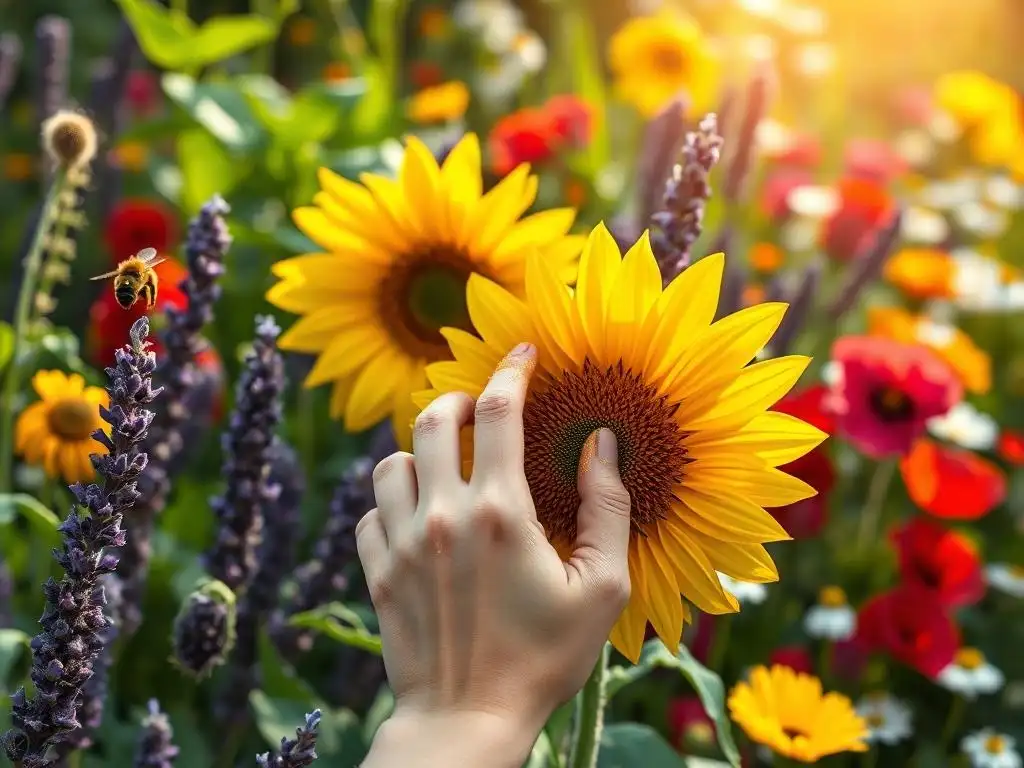
Welcome to CultivateYourFood, your guide to growing a thriving and healthy garden! Are you passionate about fresh, organic produce but concerned about potential allergies? Discover the fascinating science behind garden allergy prevention methods and learn how to cultivate your own safe and abundant harvest, minimizing risks and maximizing rewards. Dive into our "Gardening for Specific Needs" section to uncover practical strategies for a truly allergy-conscious garden. Let's grow together!
- Understanding Allergic Reactions in the Garden Environment
- Garden Allergy Prevention Methods: Minimizing Exposure
- Natural Allergy Relief Strategies in the Garden
- Creating a Safe and Enjoyable Garden for Allergy Sufferers
- Living with Allergies While Gardening: Tips and Strategies
- Frequently Asked Questions
- Final Reflection: Cultivating a Healthier Garden, Cultivating a Healthier You
- Unlock Your Allergy-Free Garden: Cultivate Confidence
Understanding Allergic Reactions in the Garden Environment
Gardening, a practice often associated with tranquility and healthy living, can ironically trigger allergic reactions in susceptible individuals. This article delves into the science behind garden allergies, exploring common culprits and offering insights into prevention methods. For allergy sufferers, cultivating a thriving garden while minimizing allergic responses requires understanding the interplay between plants, molds, insects, and the immune system. We'll examine the mechanisms behind these reactions, providing practical strategies to mitigate risks and enjoy the rewards of homegrown produce without compromising your health.
Successfully navigating garden allergies is about informed choices and proactive measures, allowing you to cultivate your food sustainably and safely. This guide will equip you with the knowledge to prevent and manage common garden-related allergies, transforming your gardening experience from a potential health hazard into a fulfilling and enjoyable pursuit. Let's explore the science behind these reactions and empower you to cultivate your food with confidence.
Common Garden Allergens: Pollen, Mold, and Insects
Many garden plants produce pollen, a fine powder containing the genetic material for plant reproduction. While essential for plant life, pollen is a major trigger for allergic rhinitis (hay fever) and other respiratory allergies. The amount of pollen released varies greatly depending on the plant species, weather conditions (windy days disperse pollen more effectively), and the plant's maturity. Some of the most common culprits include grasses, trees (like oak, birch, and maple), and weeds like ragweed.
Beyond pollen, mold spores, ubiquitous in damp soil and decaying organic matter, frequently exacerbate allergy symptoms. These microscopic fungi release spores that can be inhaled, leading to respiratory irritation and allergic reactions. Finally, insects, particularly those with stinging capabilities like bees, wasps, and hornets, pose a significant risk for allergic individuals. Insect stings can trigger localized reactions or, in severe cases, life-threatening anaphylaxis.
| Allergen Type | Specific Examples | Symptoms | Prevention Strategies |
|---|---|---|---|
| Pollen | Grass pollen, tree pollen, weed pollen | Runny nose, sneezing, itchy eyes, congestion | Choose low-pollen producing plants, plant windbreaks, water garden frequently |
| Mold Spores | Alternaria, Cladosporium | Coughing, wheezing, shortness of breath | Improve drainage, avoid overwatering, use compost carefully, consider air purifiers |
| Insect Stings | Bees, wasps, hornets | Swelling, pain, itching, potential anaphylaxis | Wear protective clothing, avoid brightly colored clothing, use insect repellent |
How Pollen Spreads and Affects Allergy Sufferers
Pollen's journey from the plant to the allergy sufferer is crucial in understanding allergic reactions. Wind-pollinated plants, such as grasses and many trees, release vast quantities of lightweight pollen that can be carried for miles by air currents. This widespread dispersal increases the likelihood of exposure for individuals sensitive to these pollens. In contrast, insect-pollinated plants produce heavier, stickier pollen that is less likely to travel long distances, making them generally less allergenic.
The concentration of pollen in the air, often measured as pollen counts, directly correlates with allergy symptom severity. High pollen counts indicate a greater risk of exposure and more intense symptoms for those with allergies. Understanding daily pollen forecasts can help individuals plan outdoor activities and take preventative measures, like wearing a mask during peak pollen times. Furthermore, the time of day also influences pollen levels, with counts often higher in the morning and early afternoon.
The Role of Mold Spores in Garden Allergies
Mold spores, microscopic fungal reproductive units, thrive in damp, humid environments, making gardens ideal breeding grounds, especially after rain or during periods of high humidity. Different types of mold produce varying levels of allergens, with some being more potent triggers than others. The presence of decaying organic matter, such as fallen leaves, dead plants, and improperly composted material, significantly increases mold spore production.
These spores, when inhaled, can trigger allergic reactions ranging from mild respiratory irritation to severe asthma attacks. Proper garden hygiene is crucial in minimizing mold spore exposure. This includes promptly removing decaying plant matter, ensuring adequate drainage to prevent waterlogging, and using compost carefully to avoid creating a breeding ground for mold.
Regularly cleaning gardening tools and equipment can also help prevent the spread of mold spores. Maintaining good air circulation within the garden can also help reduce mold growth and spore dispersal. Additionally, monitoring soil moisture levels and adjusting watering practices as needed can significantly impact mold spore production.
Insect Bites and Stings: Allergic Reactions and Prevention
Insect bites and stings are a common cause of allergic reactions in the garden. Many people experience mild reactions like localized swelling, itching, and redness. However, some individuals are severely allergic and can experience a life-threatening anaphylactic reaction. This severe reaction can manifest as difficulty breathing, swelling of the throat and tongue, dizziness, and a rapid drop in blood pressure. It requires immediate medical attention.
The most common culprits in the garden include bees, wasps, hornets, ants, mosquitoes, and certain types of flies. These insects often have venom or saliva that triggers an immune response in susceptible individuals. The severity of the reaction depends on several factors, including the type of insect, the amount of venom injected, and the individual's sensitivity. Some people may only react mildly to a bee sting, while others might experience a severe reaction from a single mosquito bite. This variation highlights the importance of understanding personal sensitivities and taking appropriate precautions.
Preventing insect bites and stings requires a multi-pronged approach. Wearing protective clothing, such as long sleeves, long pants, and gloves, can significantly reduce exposure. Light-colored clothing is generally preferred as it's less attractive to insects. Using insect repellents containing DEET or picaridin can also be effective, especially in areas with high insect populations. However, always follow the manufacturer's instructions carefully and avoid applying repellent to broken skin or near the eyes. For those with known severe allergies, carrying an epinephrine auto-injector (like an EpiPen) is crucial and life-saving.
Furthermore, maintaining a clean and tidy garden can help minimize insect populations. Removing stagnant water sources, such as old containers or birdbaths, eliminates breeding grounds for mosquitoes. Regularly weeding can reduce hiding places for insects, while composting organic waste properly helps manage populations naturally.
Being mindful of where you place your hands and feet while gardening can also help avoid accidental encounters with stinging or biting insects. Finally, understanding the behavior of common garden insects and their peak activity times can help you plan your gardening activities accordingly, minimizing your risk of stings or bites. Knowing which plants attract specific insects can also help with planning your garden layout for better allergy prevention.
Garden Allergy Prevention Methods: Minimizing Exposure
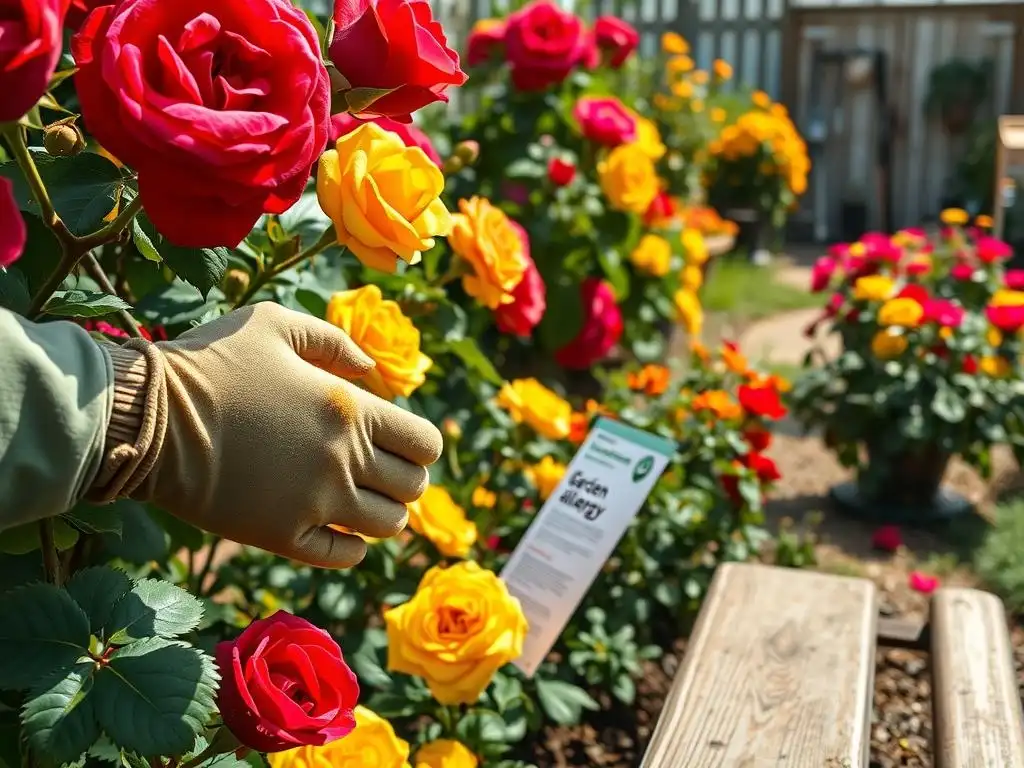
This section delves into practical strategies for minimizing exposure to common garden allergens, thereby reducing the risk of allergic reactions. Successfully implementing these methods requires a multi-faceted approach, combining plant selection, environmental control, and proactive maintenance. Remember, consulting with an allergist is crucial for personalized advice, especially if you have severe allergies. This information serves as a helpful guide, but professional medical advice should always take precedence.
Selecting Hypoallergenic Plants for Your Garden
Choosing the right plants is the cornerstone of garden allergy prevention. Many common garden plants are significant pollen producers, triggering reactions in susceptible individuals. Opting for low-pollen or hypoallergenic varieties significantly reduces your exposure. Here's a closer look at some options:
- Low-Pollen Flowers: Consider flowers that are wind-pollinated, such as many varieties of roses, petunias, and snapdragons. These plants produce heavier pollen that's less likely to become airborne. Conversely, avoid plants like ragweed, which is notorious for its highly allergenic, wind-blown pollen.
- Double-Flowered Varieties: Double-flowered varieties of many plants often produce less pollen than their single-flowered counterparts. This is because the extra petals often replace some of the pollen-producing stamens. Look for double blooms on your favorite flowers to reduce the pollen load.
- Female Plants: Some plants have separate male and female plants. The female plants don't produce pollen, making them ideal for allergy sufferers. Check plant descriptions or consult with a nursery professional to identify female varieties.
- Other Alternatives: Explore alternatives to traditional flowering plants. Consider fragrant herbs like lavender or rosemary, which are generally less allergenic and contribute to a beautiful garden. Vegetables are also a great option, offering a bountiful harvest with minimal allergy risks.
Managing Pollen Levels in Your Garden Space
Even with hypoallergenic plants, managing pollen levels is crucial for effective allergy prevention. Several techniques can minimize pollen dispersion and reduce your exposure:
- Strategic Planting: Consider the placement of your plants. Position high-pollen plants away from frequently used areas like patios and seating areas. Grouping plants together can also help to contain pollen distribution.
- Regular Watering: Watering plants regularly can help to weigh down pollen, preventing it from becoming airborne. Water plants in the early morning to allow the foliage to dry before nightfall, minimizing the growth of mold.
- Windbreaks: Strategically placed hedges or fences can act as natural windbreaks, reducing the spread of pollen across your garden. Consider planting taller shrubs and trees to create a barrier, especially on windy days.
- Regular Cleaning: Regularly cleaning garden tools and surfaces can prevent pollen buildup. Sweep or hose down patios and walkways frequently to remove accumulated pollen.
- Timing: Be mindful of pollen counts. Check local pollen forecasts and try to limit your time in the garden during peak pollen periods.
Controlling Mold Growth in Your Garden Soil and Plants
Mold is another significant allergen found in gardens. Managing moisture levels and practicing good sanitation are key to controlling mold growth:
- Proper Drainage: Ensure your garden has excellent drainage to prevent waterlogging. Waterlogged soil creates the perfect environment for mold spores to thrive. Use raised beds or amend heavy clay soils to improve drainage.
- Air Circulation: Good air circulation helps to prevent the buildup of moisture. Avoid overcrowding plants to allow for adequate airflow. Pruning and thinning can improve air circulation within the garden.
- Composting: Proper composting helps break down organic matter, reducing the likelihood of mold growth. Ensure your compost pile is well-aerated and turned regularly.
- Cleaning Up Debris: Remove fallen leaves, dead plants, and other debris promptly. These materials can retain moisture and support mold growth.
- Fungicides (Use with Caution): In cases of severe mold infestation, consider using organic fungicides. Always follow the instructions carefully and consult with a gardening expert before application. Remember that some fungicides can also trigger allergic reactions in sensitive individuals, so proceed with caution.
By implementing these garden allergy prevention methods, you can significantly reduce your exposure to allergens and enjoy the beauty and bounty of your garden without suffering from allergic reactions. Remember, consistent and proactive management is key to creating a safe and enjoyable outdoor space.
Preventing Insect Bites and Stings Through Safe Practices
Insect bites and stings are a common cause of allergic reactions in the garden. Many pollinators, while beneficial to plant life, can trigger allergic responses in susceptible individuals. Bees, wasps, hornets, and even some types of flies can cause significant discomfort, and in severe cases, life-threatening anaphylaxis. Therefore, proactive measures to minimize insect encounters are crucial for allergy sufferers.
One of the most effective garden allergy prevention methods is to understand insect behavior. Bees, for example, are generally docile unless provoked. Avoid wearing brightly colored clothing, strong perfumes, and sweet-smelling lotions, as these can attract them. Similarly, avoid swatting at insects, as this can increase the likelihood of being stung. Instead, calmly move away from the area.
Maintaining a clean and tidy garden also plays a significant role in reducing insect populations. Remove piles of debris, fallen leaves, and stagnant water, as these provide ideal breeding grounds for many insects. Regular mowing of the lawn and trimming of overgrown vegetation can also help to minimize insect habitats. This approach is not only beneficial for allergy prevention but also contributes to a healthier and more aesthetically pleasing garden overall.
Consider using natural insect repellents instead of harsh chemical sprays. Many essential oils, such as citronella, lemongrass, and peppermint, have proven effective in deterring insects while being relatively safe for humans and beneficial insects. These can be applied to clothing or used in diffusers strategically placed around the garden. Always test a small area of skin first to check for any adverse reactions. Remember to always research the safety of any essential oil before using it, particularly if you have sensitive skin or existing allergies.
Implementing these safe practices significantly reduces the risk of insect bites and stings, contributing to a more comfortable and enjoyable gardening experience for allergy sufferers. By focusing on prevention, you're proactively managing a significant source of potential allergic reactions in your garden. Remember, careful observation and proactive strategies are key to minimizing exposure and promoting a safer gardening environment.
Natural Allergy Relief Strategies in the Garden
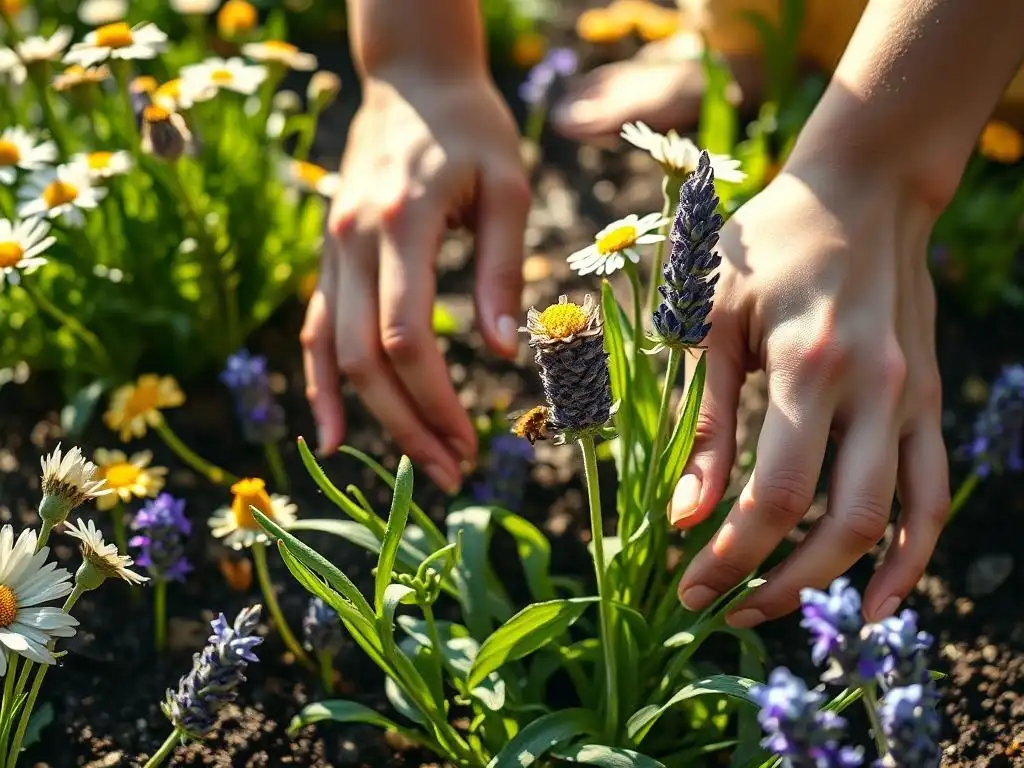
This section explores practical, sustainable methods for allergy prevention within your home garden, focusing on minimizing exposure to common allergens. We'll delve into specific techniques that reduce irritant levels, offering a healthier gardening experience for allergy sufferers. Implementing these strategies can significantly improve your quality of life while still enjoying the rewards of homegrown produce. Remember, consulting with a healthcare professional is crucial before making significant changes to your allergy management plan.
Utilizing Natural Repellents for Insects
Insect bites and stings can trigger allergic reactions in sensitive individuals. Minimizing insect populations through natural methods is key to allergy prevention. Instead of relying on harsh chemical pesticides, which can exacerbate allergies and harm beneficial insects, consider these organic alternatives:
- Neem oil: A potent natural insecticide derived from the neem tree, effective against various garden pests. Dilute it according to package instructions and apply as needed. It's biodegradable and less likely to trigger allergic reactions compared to synthetic pesticides.
- Diatomaceous earth: This finely ground fossilized algae acts as a desiccant, dehydrating and killing insects. It's safe for humans and pets when used correctly, and is a great option for controlling crawling insects. Sprinkle it around plants, avoiding inhalation.
- Insecticidal soap: This soap-based solution disrupts the cell membranes of soft-bodied insects, effectively controlling aphids, mites, and other pests. Opt for organic, biodegradable insecticidal soaps.
- Companion planting: Certain plants naturally repel insects. Marigolds, for instance, are known to deter nematodes and other pests. Strategically planting these alongside your susceptible crops can reduce insect populations organically.
Remember to always wear gloves and protective clothing when applying any natural repellent to minimize direct skin contact. Observe your reactions carefully after using any new product and discontinue use if you experience adverse effects. Regular monitoring and adjustment of your pest control strategy is crucial for effective and safe allergy management.
Creating a Pollen-Resistant Garden Design
Careful garden design plays a significant role in allergy prevention. By selecting appropriate plants and arranging your garden strategically, you can minimize exposure to airborne allergens.
- Pollen count: Research the pollen counts of plants in your area. Opt for low-pollen producing varieties of your favorite fruits, vegetables, and herbs. Many cultivars are specifically bred to produce less pollen.
- Plant selection: Choose plants that are wind-pollinated less often. Wind-pollinated plants release vast amounts of pollen into the air, whereas insect-pollinated plants generally produce less pollen, as it is transferred directly by insects.
- Flowering times: Stagger the flowering times of your plants to prevent a massive pollen release all at once. This will reduce the overall pollen load in the air at any given time.
- Location: Position pollen-producing plants away from frequently used areas like patios or walkways to minimize exposure. Consider planting them in areas with good air circulation to help disperse the pollen.
- Water features: Incorporating water features into your garden can help settle pollen particles, reducing airborne concentrations.
Managing Soil Moisture to Reduce Mold Spores
Mold spores, another common allergen, thrive in damp environments. Careful management of soil moisture is essential to minimize mold growth in your garden.
- Drainage: Ensure your garden beds have excellent drainage to prevent waterlogging. Well-drained soil is less hospitable to mold growth. Consider raised beds or amending heavy clay soils with organic matter to improve drainage.
- Watering techniques: Avoid overhead watering, which can create excessively damp conditions. Instead, use drip irrigation or soaker hoses to deliver water directly to the roots, minimizing leaf wetness.
- Mulching: Apply a layer of organic mulch, such as wood chips or straw, to help retain moisture in the soil while preventing water from splashing onto leaves.
- Air circulation: Good air circulation around plants helps to dry out leaves quickly, reducing the risk of mold growth. Avoid overcrowding plants to allow for proper airflow.
- Regular inspection: Regularly inspect your plants for signs of mold or mildew. If you notice any, remove affected plant material promptly to prevent the spread of spores.
By diligently implementing these natural allergy relief strategies, you can cultivate a thriving garden while minimizing exposure to common allergens, creating a healthier and more enjoyable gardening experience. Remember that consistency and observation are key to success in allergy prevention.
Implementing Holistic Pest Control Methods
Conventional pesticides, while effective at eliminating pests, often contain harsh chemicals that can exacerbate allergies and harm beneficial insects. Adopting holistic pest control strategies is crucial for allergy sufferers and for maintaining a healthy garden ecosystem. This approach focuses on preventing pest infestations through proactive measures and employing natural methods to manage any outbreaks. The goal is to create a balanced environment where pests are kept in check without resorting to harmful chemicals. This is particularly important for those with sensitivities to pollen or other airborne allergens, as pesticide application can spread these allergens further.
One effective strategy is companion planting. Certain plants naturally repel pests, creating a protective barrier around your vulnerable crops. For example, planting marigolds alongside tomatoes helps deter tomato hornworms. Similarly, basil is a known repellent for many common garden pests. Strategic placement of these companion plants can significantly reduce the need for any intervention. Careful planning and research into which plants work well together is key to maximizing this method's effectiveness. Remember to consider the specific pests prevalent in your region when selecting companion plants.
Another crucial aspect is maintaining a healthy soil environment. Healthy soil supports strong, resilient plants that are better equipped to withstand pest attacks. This involves practices like composting, which introduces beneficial microbes to the soil, improving its overall health and nutrient content. Regular soil testing can help identify nutrient deficiencies and guide appropriate amendments. By focusing on soil health, you create a foundation for strong plants that are less susceptible to pests, reducing the need for any form of pest control. A healthy soil ecosystem is far less likely to experience pest problems.
Regular monitoring of your plants is also essential. Early detection of pest infestations allows for timely intervention before the problem becomes severe. This could involve simple visual inspections, checking for signs of damage or the presence of pests themselves. Early detection allows for less intensive interventions, which minimizes the disruption to the garden and reduces the potential for allergic reactions. This proactive approach helps maintain a balance and reduces the need for more aggressive, potentially allergy-inducing methods.
Finally, consider beneficial insects. Ladybugs, lacewings, and praying mantises are all natural predators of many common garden pests. Attracting these beneficial insects to your garden can help control pest populations naturally. Providing habitat for these insects, such as planting flowering plants that provide nectar and pollen, can encourage their presence. By supporting the natural predators, you create a more balanced ecosystem, minimizing the need for any external interventions. This approach fosters a robust and self-regulating garden environment. This holistic approach minimizes the risk of allergic reactions while ensuring a thriving garden.
Creating a Safe and Enjoyable Garden for Allergy Sufferers
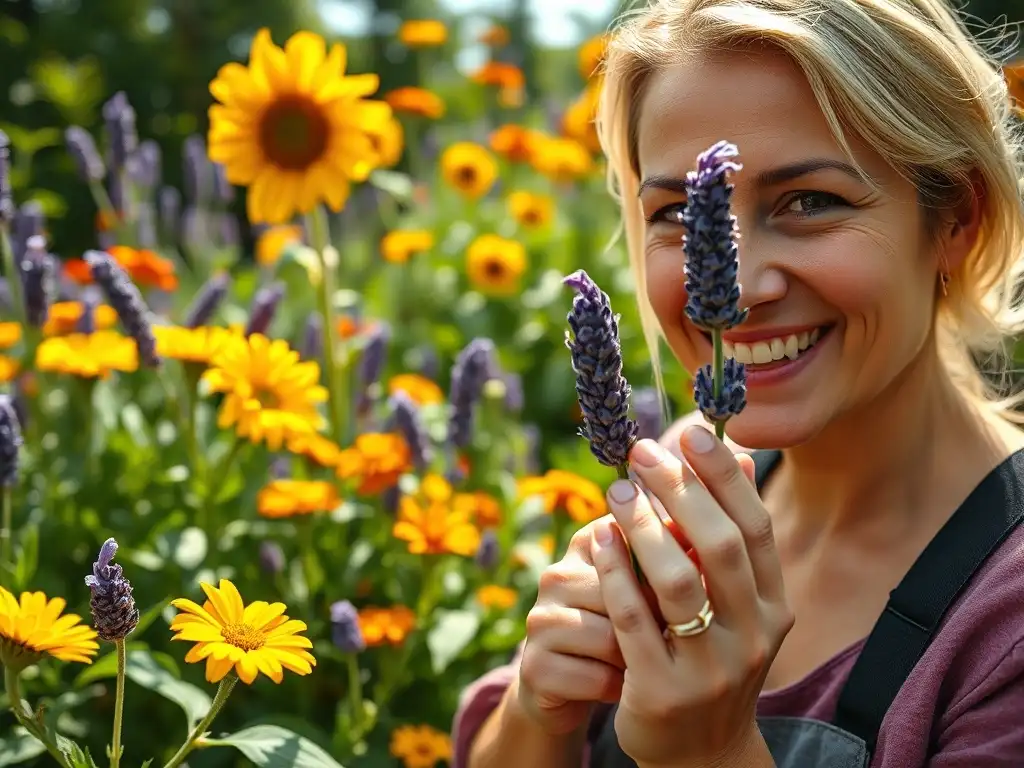
This section delves into practical strategies for minimizing allergy triggers in your home garden, focusing on proactive measures rather than solely reactive treatments. Successfully implementing these methods contributes significantly to preventing garden allergies and enjoying the fruits (and vegetables!) of your labor without discomfort. We'll explore specific techniques to cultivate a thriving garden while keeping allergy symptoms at bay. Remember, individual sensitivities vary, so personal observation and adjustment are key.
Choosing the Right Location for Your Garden
The placement of your garden significantly impacts allergen exposure. Positioning your garden strategically can drastically reduce contact with pollen and other irritants. Ideally, locate your garden away from prevailing winds to minimize the transport of pollen from neighboring plants or sources. Consider the direction of the wind in your area – often available from local weather reports or meteorological websites – and plant accordingly. Planting windbreaks, such as strategically placed shrubs or small trees, can act as natural barriers, further reducing pollen drift into your gardening space.
Furthermore, consider the proximity to sources of common allergens outside your control. If you're allergic to specific tree pollens, avoid planting your garden directly beneath or near these trees. Maintaining a distance minimizes direct exposure and reduces the concentration of allergens in your immediate vicinity. Similarly, be mindful of neighboring properties; a neighbor's heavily blooming plants could influence the allergen levels in your garden.
Garden Design for Airflow and Sunlight Management
Effective garden design plays a crucial role in allergy prevention. Good airflow is essential for dispersing pollen and other airborne allergens, preventing them from accumulating around you while you garden. This is especially important for individuals with respiratory allergies. Strategic planning can significantly improve air circulation.
- Spacing: Avoid overcrowding plants. Proper spacing allows for better air movement between plants, reducing the concentration of pollen and mold spores. Consult plant guides for recommended spacing for each species you intend to cultivate.
- Plant Selection: Choose low-pollen-producing plants. Many plant varieties produce significantly less pollen than others. Researching low-allergen plant options is crucial for reducing exposure. For example, some varieties of roses, sunflowers, and zinnias are known for producing less pollen than others.
- Sunlight: Adequate sunlight is beneficial for plant health and can indirectly influence allergy levels. Strong sunlight can help dry out damp areas, reducing the growth of mold and mildew, common allergy triggers. However, be mindful of the intensity of the sun, especially during peak hours, and consider using appropriate sun protection.
Example of Low-Pollen Plant Options
Consider opting for double-flowered varieties of plants. These often produce less pollen than their single-flowered counterparts. Additionally, certain plant families, such as those with wind-pollinated flowers (grasses), are particularly troublesome for many allergy sufferers. Avoid planting these altogether, if possible.
Tools and Equipment for Allergy-Safe Gardening
The right tools can make a significant difference in managing allergies while gardening. Choosing appropriate equipment can minimize exposure to irritants and reduce allergy symptoms.
| Tool Type | Allergy-Safe Considerations | Example |
|---|---|---|
| Gloves | Always wear gloves to prevent direct skin contact with plants and soil. | Nitrile gloves are a good hypoallergenic option. |
| Eye Protection | Wear protective eyewear to prevent pollen from entering your eyes. | Safety glasses or goggles are recommended. |
| Respiratory Protection | Consider using a dust mask or respirator, especially when dealing with dusty tasks. | N95 masks offer superior filtration. |
| Garden Hose | Use a garden hose with a nozzle to minimize dust and allergen dispersal. | A spray nozzle is preferable to a forceful jet. |
Remember to thoroughly wash your hands and exposed skin after gardening, and change your clothes to remove any lingering pollen or allergens. Regularly cleaning your gardening tools also helps to prevent the buildup of allergens. Consider storing tools in a designated area away from frequently used living spaces.
By carefully selecting your garden location, designing for optimal airflow and sunlight, and utilizing appropriate tools and equipment, you can significantly reduce your exposure to allergens and create a safe and enjoyable gardening experience. Remember to consult with healthcare professionals for personalized advice tailored to your specific allergies and sensitivities. This proactive approach contributes greatly to effective *garden allergy prevention methods*.
Personal Protective Equipment for Gardeners with Allergies
Protecting yourself from allergens while gardening is crucial for allergy sufferers. The right Personal Protective Equipment (PPE) can significantly reduce your exposure and allow you to enjoy your hobby without compromising your health. This isn't just about avoiding a sneezing fit; severe allergic reactions can be life-threatening, so taking precautions is paramount. The specific PPE you need will depend on your individual allergies and the plants you're working with.
For instance, individuals allergic to pollen might benefit from wearing a well-fitted N95 respirator mask. These masks filter out a significant portion of airborne pollen particles, reducing inhalation. However, it's vital to remember that even N95 masks aren't perfect, and they may not offer complete protection against all pollen types or sizes. Regular mask changes and proper fitting are essential for optimal performance. Consider choosing a mask with replaceable filters for cost-effectiveness and hygiene.
Beyond respiratory protection, eye protection is also critical. Pollen and other irritants can easily get into your eyes, causing itching, burning, and even more serious reactions. Safety glasses or goggles can provide a barrier against these irritants. Choose eyewear that fits comfortably and provides a good seal around your eyes to prevent allergens from entering. Consider styles that can be worn comfortably over prescription glasses if needed.
Gloves are another essential piece of PPE. They protect your skin from direct contact with plants, which can be a major source of allergens. Choose gloves made from a material that is both durable and breathable. Latex gloves are commonly used but can cause allergic reactions in some individuals, so consider alternatives like nitrile or vinyl gloves if you have latex sensitivities. Always wash your hands thoroughly after removing your gloves, even if you've worn them all day.
Finally, consider protective clothing. Long sleeves and pants made from a tightly woven fabric can help prevent skin contact with plants and reduce allergen exposure. Choosing light-colored clothing can make it easier to spot pollen or other irritants that might have landed on your clothes. After gardening, change your clothes immediately and wash them separately to prevent the spread of allergens throughout your home.
Regular cleaning of your gardening clothes is a crucial step in allergy prevention. Following these simple steps can make a world of difference in creating a more enjoyable and safer gardening experience for allergy sufferers. Remember to consult with your doctor or an allergist for personalized advice on allergy management and appropriate PPE for your specific needs.
Living with Allergies While Gardening: Tips and Strategies
Gardening is a rewarding hobby, connecting us with nature and providing fresh, healthy produce. However, for allergy sufferers, the garden can also present challenges. Pollen, molds, and insect stings are just some of the potential irritants lurking in a seemingly idyllic setting. Successfully navigating these challenges requires a proactive approach, combining careful planning with practical strategies to minimize exposure and manage reactions. This section focuses on actionable steps to make gardening enjoyable and safe for those with allergies.
Monitoring Allergy Symptoms While Gardening
Careful observation is the cornerstone of allergy management. Keeping a detailed allergy diary can be invaluable. Note the specific times you garden, the types of plants you're working with (including specific flowers, vegetables, and herbs), weather conditions (windy days increase pollen dispersal), and any symptoms experienced.
Record the severity of your symptoms using a scale (e.g., 1-10, with 10 being the most severe). Common symptoms to track include: sneezing, itchy eyes, runny nose, skin rashes, breathing difficulties, and headaches. This detailed record helps identify triggers and patterns, informing future gardening decisions.
For example, you might discover that your allergy symptoms are significantly worse after working with specific plants, on particularly windy days, or during specific times of the day. This data-driven approach allows for personalized allergy prevention methods tailored to your specific needs. Consider using a digital app to simplify data entry and analysis; many apps are specifically designed for allergy tracking.
Developing a Personal Allergy Management Plan
Based on your symptom diary, create a personalized allergy management plan. This plan should encompass preventative measures and strategies for managing reactions when they occur. Preventative measures might include:
- Choosing low-allergen plants: Opt for plants with low pollen counts, such as double-flowered varieties or those that are wind-pollinated rather than insect-pollinated. Research specific plants known for causing fewer allergic reactions.
- Gardening at optimal times: Pollen counts are typically higher in the morning and during dry, windy conditions. Consider gardening during less windy periods and later in the day, when pollen counts may be lower.
- Protective clothing: Wearing long sleeves, gloves, and a hat can significantly reduce skin contact with allergens. Consider a dust mask or respirator, particularly when working with plants known to trigger your allergies.
- Regular showering and clothing changes: After gardening, shower and change your clothes immediately to remove pollen and other allergens from your skin and hair.
- Eye protection: Consider wearing protective eyewear to prevent pollen from irritating your eyes.
Managing reactions should involve having readily available over-the-counter allergy medication, such as antihistamines or nasal sprays. Always follow the instructions on the packaging. Knowing your personal triggers and having a plan to address them allows for a more comfortable and enjoyable gardening experience. Remember to always check the ingredients of any pesticides or fertilizers you use, as some can trigger allergic reactions.
Seeking Professional Advice for Severe Allergies
For individuals with severe allergies, seeking professional guidance is crucial. An allergist can conduct tests to identify specific allergens and recommend personalized treatment plans. They might suggest immunotherapy (allergy shots), which can help desensitize you to specific allergens over time. This is particularly important if your allergies cause significant discomfort or pose a risk to your health.
Don't hesitate to seek medical attention if you experience severe allergic reactions, such as difficulty breathing, swelling of the face or throat, or dizziness. Early intervention is critical in managing severe allergic reactions and preventing potential emergencies. Remember, a proactive approach, combined with professional guidance when necessary, allows you to enjoy the benefits of gardening while minimizing allergy-related risks. Prioritizing your health and safety ensures a positive and sustainable gardening experience.
Frequently Asked Questions
Many garden allergies stem from pollen from plants like ragweed, grasses, and trees. Contact allergies can be triggered by plants like poison ivy or latex-containing plants. Reactions vary widely in severity.
How can I prevent allergic reactions while gardening?
Protective clothing like long sleeves, gloves, and eye protection can minimize contact with allergens. Pre-treating plants with an organic allergen-reducing spray (if available) may help. Thorough handwashing after gardening is crucial.
Are there specific plants I should avoid if I have allergies?
This depends on your specific allergies. If you're sensitive to pollen, avoid heavily pollenating plants during their peak season. Research plants known to cause contact dermatitis and avoid them if possible. Consult an allergist for personalized advice.
Can composting contribute to garden allergies?
Composting itself is unlikely to directly cause allergies, but handling moldy or decaying organic matter might trigger reactions in sensitive individuals. Always wear a mask when handling compost, especially if it's damp or smells strongly of mildew.
What should I do if I experience an allergic reaction while gardening?
Seek immediate medical attention if you experience severe symptoms such as difficulty breathing, swelling, or hives. For milder reactions, wash the affected area thoroughly and take any prescribed allergy medication. Identify the allergen if possible to avoid it in the future.
Final Reflection: Cultivating a Healthier Garden, Cultivating a Healthier You
Understanding the science behind garden allergies is not just about avoiding itchy eyes and sneezes; it's about reclaiming the joy of gardening and fostering a healthier relationship with the natural world. The information presented in this article highlights the crucial link between specific plants, pollen dispersal, and individual sensitivities, providing actionable steps towards preventing allergic reactions. This knowledge empowers us to create gardens that are both beautiful and safe for everyone.
The impact of allergies extends far beyond personal discomfort; it shapes our interactions with nature, influencing how we design our outdoor spaces and even impacting our access to the therapeutic benefits of gardening. The earth laughs in flowers.
This quote, while beautiful, rings hollow for those whose allergies prevent them from fully enjoying the beauty and bounty of the natural world. By understanding the science behind our reactions, we can begin to bridge this gap, fostering a more inclusive and accessible experience for all who wish to connect with nature.
Consider the plants you choose for your garden, the timing of your gardening activities, and the preventative measures you can take to minimize your exposure to allergens. This isn't just about avoiding discomfort; it's about actively shaping your environment to support your well-being. Take the knowledge gained here and use it to create a garden that not only thrives but also nurtures your health and happiness. Embrace the opportunity to cultivate a space that is both vibrant and safe, a testament to the power of understanding and proactive care.
Unlock Your Allergy-Free Garden: Cultivate Confidence
Thank you for exploring the science of garden allergies! We hope you feel empowered to understand and manage potential reactions. Ready to put your knowledge into practice?
- Design your dream allergy-safe garden: Begin planning your garden's layout, considering the plant choices and strategies discussed in the article. This is the first step toward a safe and beautiful harvest.
- Share your insights: Join the CultivateYourFood community and share your experiences and tips with other gardeners! Let's build a supportive and collaborative space together.
- Enhance your garden with calming scents: Explore incorporating herbs known for their antihistamine properties to create a more relaxing and enjoyable garden experience.
What's your next step toward a thriving, allergy-conscious garden? Let's discuss your plans in the comments below!