
Choosing PestResistant Varieties for Your Organic Garden

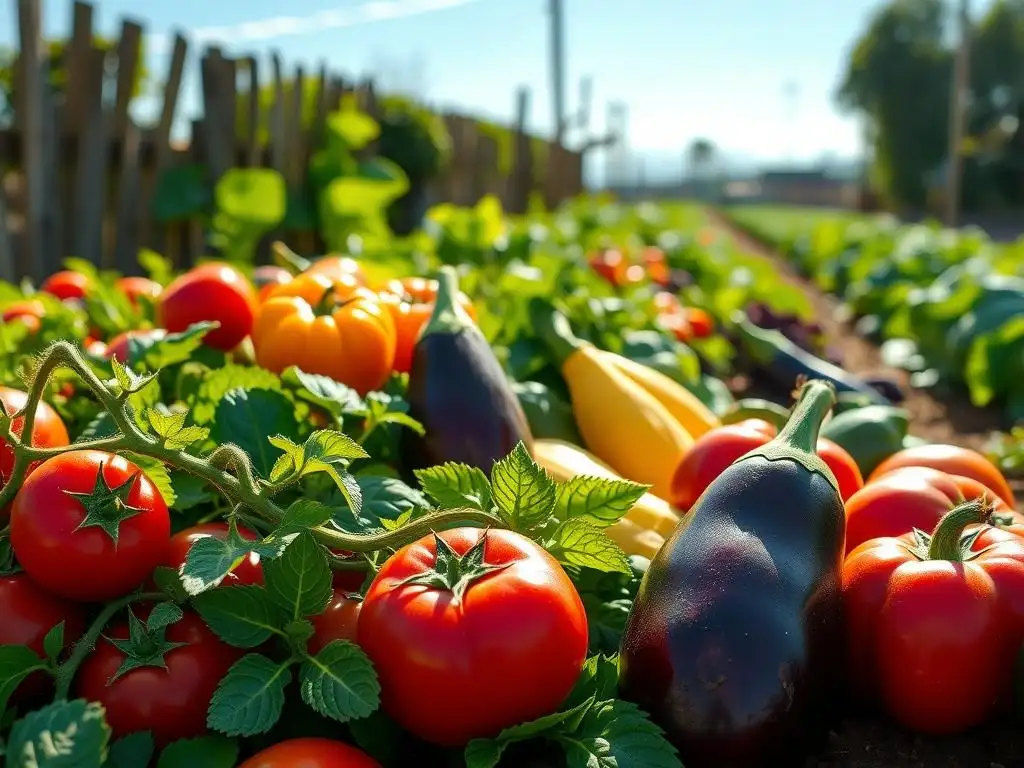
Ready to unlock the secrets to a thriving, pest-resistant organic garden? CultivateYourFood is your guide to growing delicious fruits, vegetables, and herbs at home, sustainably and organically. Discover how choosing the right plant varieties can dramatically reduce pest problems, leaving you with bountiful harvests and a healthier environment. Learn more about pestresistant organic vegetable varieties and begin your journey to a truly flourishing garden – your adventure starts now!
Understanding Pest Resistance in Plants
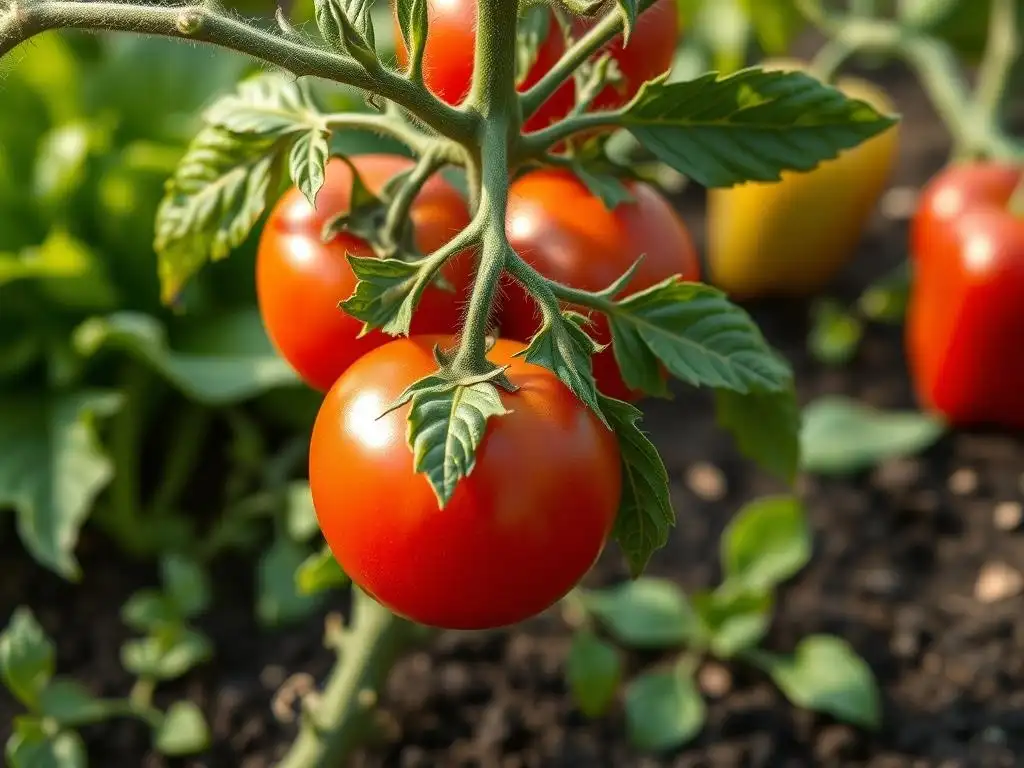
Cultivating a thriving organic garden often involves a delicate balancing act: nurturing healthy plants while simultaneously protecting them from pests. While employing various organic pest control methods is crucial, proactively choosing pest-resistant plant varieties significantly reduces the workload and reliance on external interventions. This article explores the benefits of selecting pest-resistant organic vegetable varieties and provides a guide to identifying suitable options for your garden, contributing to a more sustainable and productive growing experience.
We'll delve into the mechanisms of pest resistance, explore specific examples of resilient vegetables, and discuss the importance of integrated pest management (IPM) even with these resistant plants. Ultimately, choosing the right plants is a cornerstone of successful organic gardening, minimizing pest pressure and maximizing your harvest. This strategy aligns perfectly with the principles of sustainable agriculture, reducing the need for chemical pesticides and promoting biodiversity.
Mechanisms of Pest Resistance
Plants exhibit pest resistance through a variety of fascinating mechanisms. Some varieties possess physical defenses, such as thick leaves or hairy stems that make it difficult for pests to feed or lay eggs. Others produce biochemical compounds, including toxins or repellents, that deter or kill insects and other harmful organisms. These natural defenses have evolved over time, allowing certain plant species to better survive in environments with high pest pressure.
Understanding these mechanisms helps us appreciate the value of selecting inherently resistant varieties and avoid practices that may compromise these natural defenses. For example, over-fertilizing with nitrogen can sometimes make plants more susceptible to certain pests. The specific mechanisms vary greatly depending on the plant species and the target pest. Research into these mechanisms is ongoing, constantly revealing new insights into plant-pest interactions.
Top Pest-Resistant Organic Vegetable Varieties
Choosing the right pest-resistant varieties is crucial for a successful organic garden. Below is a list of some commonly grown vegetables known for their inherent resistance to various pests. Remember that "resistance" doesn't mean complete immunity; it simply signifies a reduced susceptibility to certain pests compared to non-resistant counterparts. Integrated pest management strategies should still be employed as a precautionary measure.
| Vegetable | Common Pests Reduced | Notes |
|---|---|---|
| Tomatoes | Tomato hornworms, aphids, some fungal diseases | Choose varieties like 'Stupice' or 'San Marzano' for improved resistance. |
| Cucumbers | Cucumber beetles, aphids | Look for varieties bred for resistance to specific pests. |
| Squash | Squash vine borers, squash bugs | Varieties like 'Black Beauty' zucchini often exhibit good resistance. |
| Potatoes | Colorado potato beetles, late blight | Consider disease-resistant varieties like 'Yukon Gold' or 'Red Pontiac'. |
| Beans | Bean beetles, aphids | Bush beans generally show better resistance than pole beans. |
| Lettuce | Aphids, slugs | Certain varieties exhibit better resistance to specific pests. |
| Peppers | Aphids, whiteflies | Consider varieties specifically bred for disease resistance. |
Integrating Pest-Resistant Varieties into Your IPM Strategy
Even with pest-resistant varieties, a comprehensive Integrated Pest Management (IPM) strategy is essential for maintaining a healthy and productive garden. IPM emphasizes using a combination of preventative measures and targeted interventions only when necessary. This approach minimizes the environmental impact while effectively managing pest populations. Examples of IPM practices include crop rotation, companion planting, handpicking pests, and using beneficial insects.
By combining the inherent resistance of your chosen plants with proactive IPM techniques, you can create a robust and sustainable pest management system, ensuring a bountiful harvest while respecting the principles of organic gardening. Remember that monitoring your plants regularly is key to early detection of any pest problems. Early intervention is often the most effective and least disruptive way to address pest issues.
Frequently Asked Questions
What are pest-resistant organic vegetable varieties?
Pest-resistant organic vegetable varieties are plant breeds developed to naturally withstand common garden pests, reducing or eliminating the need for pesticides. They are grown using organic methods, avoiding synthetic chemicals. This promotes a healthy ecosystem in your garden.
How do I find pest-resistant organic seeds or plants?
Look for seed packets or plant labels clearly indicating pest resistance or specifying resistance to particular pests. Many online retailers and local nurseries specializing in organic gardening stock these varieties. Check reputable sources for reliable information on varieties.
Are pest-resistant varieties completely pest-free?
No, even pest-resistant varieties can be susceptible to pest damage under certain conditions (e.g., extreme weather or high pest populations). However, their inherent resistance significantly reduces the likelihood and severity of infestations. Integrated pest management strategies can further minimize issues.
What are some examples of pest-resistant organic vegetables?
Many varieties exist! Examples include certain types of tomatoes, squash, cucumbers, and cabbages bred for resistance to common pests like aphids, whiteflies, and certain fungal diseases. Research specific varieties suitable for your region and climate.
Will pest-resistant varieties reduce my need for pest control completely?
While significantly reducing the need, it might not eliminate it entirely. Regular monitoring of your plants is crucial. You may still need to employ some organic pest control methods like companion planting or introducing beneficial insects, even with pest-resistant varieties.
Final Reflection: Cultivating Resilience in Our Gardens and Beyond
The quest for pest-resistant organic vegetable varieties is not merely a gardening pursuit; it's a crucial step towards building a more sustainable and resilient food system. The increasing challenges posed by climate change and the overuse of pesticides highlight the urgent need for innovative and environmentally friendly approaches to agriculture, and choosing the right seeds is the first vital step. This shift towards proactive pest management, rather than reactive chemical intervention, is essential for the health of our planet and our communities.
The impact of choosing pest-resistant varieties extends far beyond the individual garden. It represents a conscious decision to participate in a larger movement towards ecological balance and food sovereignty. We do not inherit the earth from our ancestors, we borrow it from our children.
This quote underscores the responsibility we have to cultivate healthy ecosystems, not just for our own benefit, but for generations to come. By embracing these varieties, we actively contribute to a future where food production is both productive and environmentally responsible.
Now, consider your own garden—or even your own choices as a consumer. What steps can you take to integrate these principles into your life? Will you explore the diverse range of pest-resistant organic varieties available, experimenting with new plants and techniques? Will you share your knowledge and experiences with others, inspiring them to join this vital movement? The future of our food system, and indeed our planet, depends on our collective commitment to sustainable practices. Let's cultivate a future where resilience is not just a buzzword, but a reality in every garden and on every table.
Unleash Your Pest-Resistant Garden!
Thank you for learning about choosing pest-resistant varieties for your organic garden! You're now equipped to grow healthier, more resilient plants. Let's put that knowledge into action.
- Start your seeds today! Explore seed catalogs, visit your local nursery, or even use seeds you've saved—select varieties known for their natural pest resistance. This is the first step towards a thriving, chemical-free garden.
- Share your favorite pest-resistant plant varieties with our community in the comments below. Let's create a valuable resource for everyone!
- Consider companion planting to further enhance your garden's natural pest control.
What pest-resistant gardening technique are you most excited to try this growing season?