
Differentiating Between Cabbage Worms and Loopers

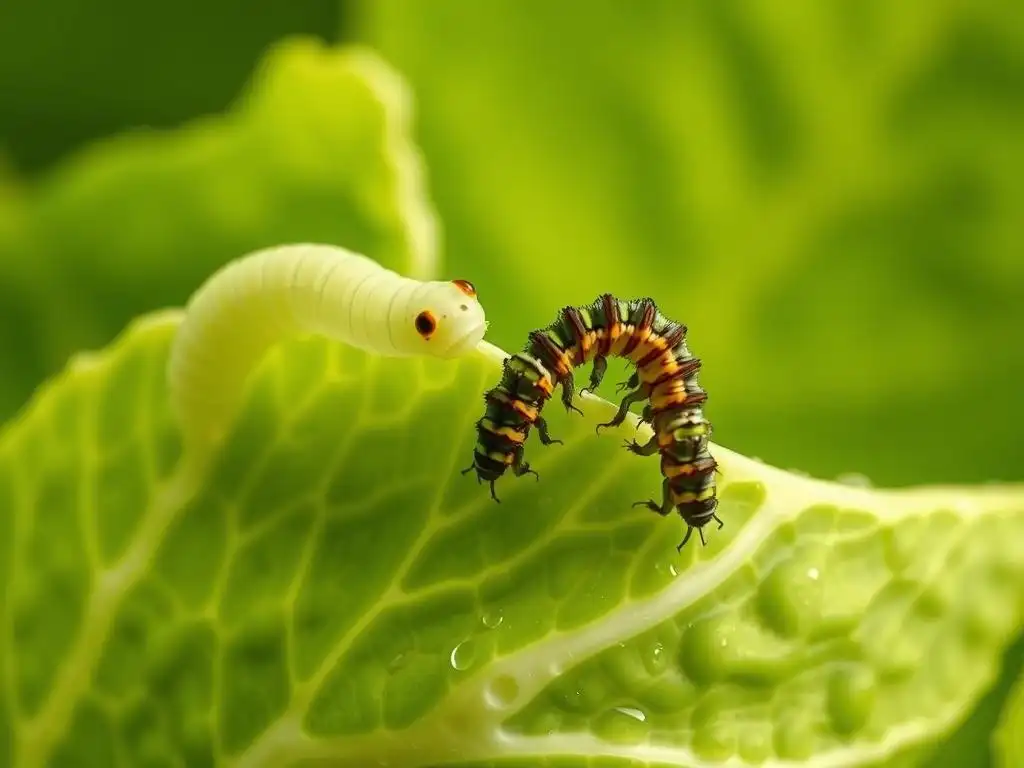
Welcome to CultivateYourFood, your guide to growing a thriving, sustainable garden! Are you battling tiny invaders in your precious cabbage patch? Learning to identify cabbage worm vs looper is crucial for effective pest control. Discover the subtle yet significant differences that will transform your pest management strategy and ensure a bountiful harvest. Let's dive into the fascinating world of organic gardening and unlock the secrets to a healthy, productive garden!
- Identifying Cabbage Worm vs Looper: Key Visual Differences
- Cabbage Worm vs Looper: Lifecycle and Behavior
- Effective Control Measures for Cabbage Worms and Loopers
- Prevention Strategies: Protecting Your Cabbage Crops
- Identifying Cabbage Worm and Looper Damage on Plants
-
Frequently Asked Questions
- What is the main difference between a cabbage worm and a looper?
- How can I tell the size difference between a cabbage worm and a looper?
- What are the most effective ways to control cabbage worms and loopers?
- Do cabbage worms and loopers eat the same plants?
- Where can I find more information about identifying and controlling these pests?
- Final Reflection: The Silent Struggle in the Cabbage Patch
- Unmask Your Garden's Pests: Identify & Conquer!
Identifying Cabbage Worm vs Looper: Key Visual Differences
Learning to differentiate between cabbage worms and loopers is crucial for effective pest control in your garden. Both insects can cause significant damage to brassica crops like cabbage, kale, and broccoli, but understanding their unique characteristics allows for targeted and more effective treatment. This guide will equip you with the knowledge to accurately identify these common garden pests, helping you protect your precious harvest using sustainable and organic methods.
We'll delve into their physical features, movement patterns, and size differences, providing you with clear visual cues to distinguish between these two destructive culprits. Accurate identification is the first step towards successful pest management, allowing you to implement the most appropriate and environmentally friendly control strategies. This article focuses on visual identification, offering a practical approach for even novice gardeners.
Distinguishing Cabbage Worms: Appearance and Characteristics
Cabbage worms, the larval stage of the white butterfly ( Pieris rapae), are relatively easy to identify. They typically exhibit a light green to yellowish-green coloration, blending seamlessly with the foliage of brassica plants. Their bodies are smooth and fleshy, lacking the prominent hairs or spines found on some other caterpillars. One key characteristic is their lack of prolegs (fleshy appendages) in the middle of their body; they possess only three pairs of true legs near the head and four pairs of prolegs at the rear.
This gives them a slightly "hunched" appearance when crawling. They are voracious eaters, creating large, irregular holes in leaves, often leaving behind only the leaf veins. Look closely for their characteristic pale green to yellowish-green body and their relatively smooth, hairless appearance. They are generally plump and cylindrical in shape.
Recognizing Loopers: Their Unique Movement and Physical Traits
Loopers, the larvae of geometer moths, are easily distinguished by their unique locomotion. Unlike cabbage worms, which crawl in a relatively straightforward manner, loopers move in a characteristic looping motion. This is because they lack prolegs in the middle of their abdomen. They inch along by arching their bodies into a loop, bringing their rear end closer to their head before extending again. This looping gait is a definitive identifier.
Their coloration can vary, ranging from light green to brown or even black, often with subtle markings or stripes. While some loopers can be smooth, others might have fine hairs or small tubercles on their bodies. Their overall body shape is generally more slender and elongated compared to the plump cabbage worm. Observe carefully their distinctive looping movement and note the absence of mid-abdominal prolegs.
Comparing Size and Coloration: Subtle Clues for Identification
While size can vary depending on the larval stage, loopers generally tend to be slightly longer and more slender than cabbage worms. However, this difference is not always definitive. Coloration provides a more reliable clue. Cabbage worms are consistently light green to yellowish-green, while loopers exhibit a wider range of colors, including green, brown, and black. Look for subtle markings and stripes on loopers that are absent in cabbage worms.
Consider both size and coloration together; a slender, darker-colored caterpillar with a looping gait is far more likely to be a looper than a plump, light green caterpillar. Remember that accurate identification is crucial for effective pest management. Even subtle differences can be key to choosing the right control method. 🐛 🦋
Cabbage Worm vs Looper: Lifecycle and Behavior
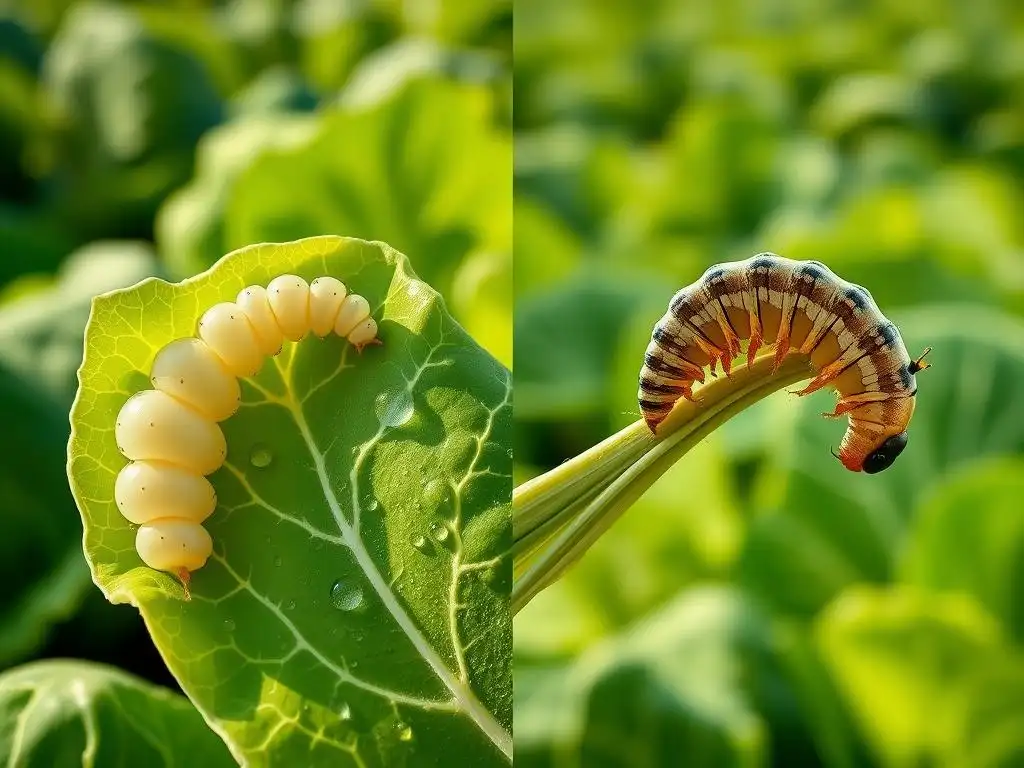
This section delves into the lifecycle and behavioral differences between cabbage worms (primarily Pieris rapae) and loopers (geometrid moths' larvae), crucial for accurate identification and effective pest management in your garden. Understanding their life cycle helps you predict their presence and implement preventative measures. Knowing their behavioral differences allows for targeted control strategies, minimizing harm to beneficial insects. Successfully identifying cabbage worm vs looper is a key step in organic gardening.
Cabbage Worm Lifecycle Stages: From Egg to Adult
The cabbage white butterfly ( Pieris rapae) lays tiny, yellow eggs, typically on the undersides of cabbage leaves and other brassicas. These eggs hatch within a week into small, greenish-yellow larvae—the cabbage worms. The larval stage involves several instars (growth stages), with the worms increasing in size and becoming more voracious eaters. They feed on leaves, creating characteristic holes and often leaving behind frass (insect droppings). The larval stage lasts approximately 2-3 weeks, depending on temperature and food availability. After reaching full size, the caterpillar pupates, forming a chrysalis usually attached to a leaf or nearby surface. The pupal stage lasts about 10-14 days, after which an adult butterfly emerges, completing the cycle. Monitoring for eggs, larvae and pupae allows for timely intervention. This lifecycle repeats itself multiple times during a growing season, leading to potential infestations if left unchecked. Regular inspection of your brassicas is essential for early detection.
Looper Lifecycle Stages: Understanding Their Development
Looper moths lay their eggs on various plants, including brassicas. These eggs are typically small and round, often laid in clusters. Upon hatching, the larvae, also known as inchworms or loopers, exhibit their characteristic looping movement. This unique locomotion is due to the absence of prolegs (false legs) in the middle of their bodies, causing them to arch their backs as they "inch" along.
Like cabbage worms, loopers go through several instar stages, growing larger and consuming more foliage. They are typically green, brown, or gray, often with stripes or markings. The larval stage duration varies depending on species and environmental conditions, but it generally lasts for several weeks. After reaching maturity, the looper pupates, usually in the soil or under leaf litter.
The pupal stage can last for weeks or even months, depending on the species and environmental factors. The adult moth emerges from the pupa, ready to lay eggs and start the cycle anew. Identifying the characteristic looping movement is a key feature in distinguishing loopers from cabbage worms.
Behavioral Differences: Feeding Habits and Movement Patterns
One of the most noticeable differences between cabbage worms and loopers lies in their feeding habits and movement. Cabbage worms are relatively straightforward eaters, creating irregular holes in leaves. They tend to feed openly on the leaf surface. Loopers, on the other hand, often feed on the edges of leaves or create more precise holes.
Some species might even bore into the plant tissue. Their feeding pattern can sometimes leave behind a characteristic "windowpane" effect on leaves. The most striking difference, however, is their movement. Cabbage worms crawl in a straightforward manner, while loopers exhibit their distinctive looping locomotion.
This difference in movement is a reliable visual cue for identification. Observing how the caterpillar moves across the leaf surface will often be the quickest way to tell the two apart. Accurate identification is crucial for implementing effective and targeted pest management strategies, ensuring the health of your plants. Remember, early detection is key to preventing significant damage to your crops.
Effective Control Measures for Cabbage Worms and Loopers
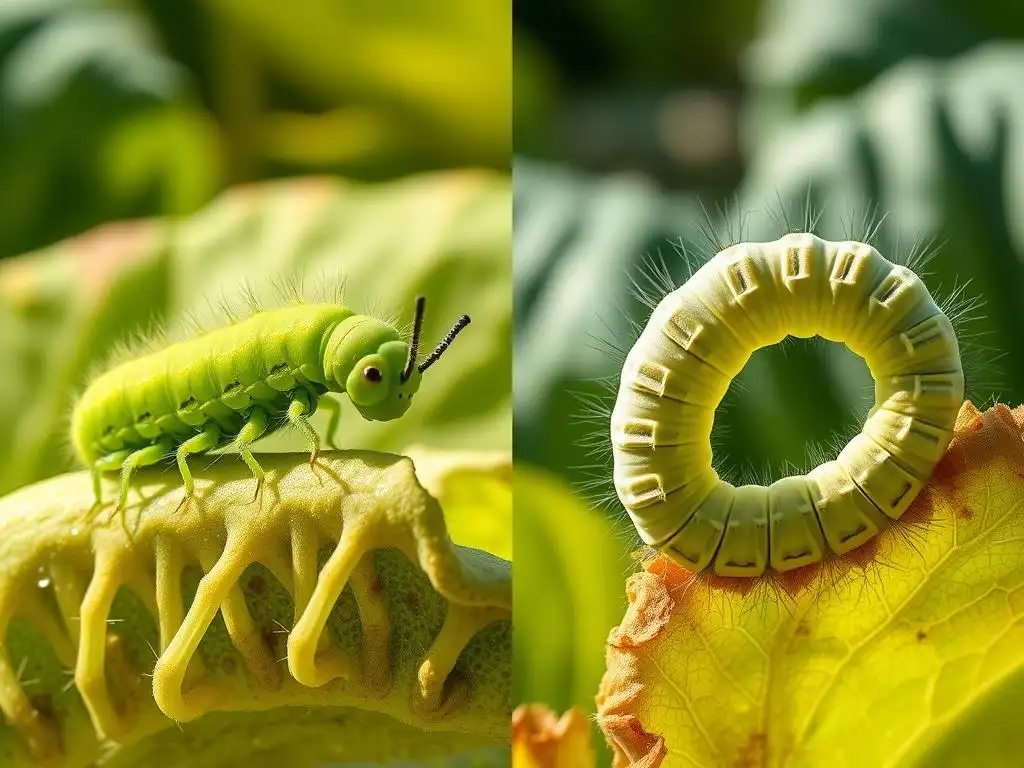
Successfully identifying cabbage worms vs loopers is only half the battle. Effective control is crucial to protecting your valuable crops. Both pests can decimate cabbage, broccoli, cauliflower, and other brassicas if left unchecked. However, the best control methods vary slightly depending on the specific pest. This section details effective and sustainable strategies to manage both cabbage worms and loopers, minimizing environmental impact while maximizing crop yield. Understanding the life cycle of each pest is key to timing your interventions for optimal impact. Remember, early detection is vital for effective pest management.
Organic Pest Control Methods for Cabbage Worms
Organic methods are highly effective against cabbage worms, particularly when implemented early. These methods prioritize the health of your garden and avoid harmful chemicals. Here are some proven strategies:
- Bacillus thuringiensis (Bt): This bacterium is a natural insecticide that is highly effective against cabbage worm larvae. Bt produces toxins that are lethal to caterpillars but are harmless to humans, pets, and beneficial insects. Apply Bt as a spray according to the product instructions, focusing on the undersides of leaves where larvae feed. Repeated applications may be necessary, especially during periods of high infestation.
- Handpicking: For small infestations, handpicking larvae is a simple and effective method. Simply inspect your plants regularly and remove any visible worms. Dispose of them in soapy water to prevent them from escaping. This is particularly effective for small gardens or when dealing with early infestations. It's a very environmentally friendly approach to "Identify cabbage worm vs looper" and deal with the problem.
- Row covers: Using row covers can prevent adult cabbage white butterflies from laying eggs on your plants. These covers act as a physical barrier, protecting your crops from infestation. Ensure proper ventilation to prevent overheating and ensure the covers are securely fastened to prevent pests from entering.
- Diatomaceous earth: This natural, powdered substance consists of fossilized diatoms. When applied to plants, the sharp edges of the diatoms cut into the soft bodies of the larvae, leading to dehydration and death. Apply diatomaceous earth as a dust, focusing on the areas where larvae are most active. Remember to reapply after rain.
Sustainable Strategies for Managing Loopers
Loopers, with their characteristic looping movement, require a slightly different approach. While many organic methods for cabbage worms are also effective against loopers, certain strategies are particularly useful:
- Kaolin clay: This fine, white clay acts as a barrier against loopers, preventing them from feeding on your plants. It coats the leaves, making it difficult for the larvae to grip and feed. Apply as a spray according to product instructions, ensuring thorough coverage of the plant foliage. Reapplication may be necessary after rain or heavy watering.
- Neem oil: Derived from the neem tree, this oil disrupts the life cycle of loopers, inhibiting feeding and preventing further reproduction. Apply neem oil as a spray, following the product instructions carefully. This is a versatile organic pesticide effective against a wide range of garden pests. Remember to always test a small area before widespread application.
- Predatory insects: Encouraging beneficial insects like ladybugs and lacewings in your garden can help control looper populations naturally. These insects prey on loopers and other garden pests, providing a sustainable and environmentally friendly control method. Providing habitat for these beneficial insects, such as planting flowering plants, is key to attracting them to your garden.
Integrated Pest Management (IPM) Approach for Both Pests
An integrated pest management (IPM) approach combines various methods for the most effective and sustainable control. This holistic strategy focuses on preventing pest problems before they escalate, using a combination of cultural, biological, and chemical controls (organic, when possible). For both cabbage worms and loopers, an IPM approach might involve:
| Method | Cabbage Worm Effectiveness | Looper Effectiveness | Notes |
|---|---|---|---|
| Monitoring | High | High | Regular inspection is crucial for early detection. |
| Handpicking | High | Medium | Effective for small infestations. |
| Bt | Very High | Medium-High | Target application to young larvae. |
| Row covers | High | High | Preventative measure; ensure proper ventilation. |
| Kaolin clay | Medium-High | High | Acts as a physical barrier and deterrent. |
| Neem oil | Medium-High | High | Disrupts the insect's life cycle. |
| Beneficial insects | Medium-High | Medium-High | Encourage beneficial insects through habitat creation. |
| Diatomaceous earth | Medium | Medium | Best used as a preventative measure or for early infestations. |
By combining these methods and adapting your approach based on the severity of the infestation and the specific pest, you can effectively manage cabbage worms and loopers while maintaining a healthy and sustainable garden. Remember to always follow the instructions on any pesticide labels carefully. 🐛
Prevention Strategies: Protecting Your Cabbage Crops
Protecting your cabbage crops from pests like cabbage worms and loopers begins long before you see any signs of infestation. A proactive approach, combining smart plant selection with healthy gardening practices, significantly reduces your reliance on chemical pesticides. This section focuses on preventative measures to minimize the risk of infestation and maintain a thriving, pest-resistant garden.
Effective pest management is not just about reacting to problems; it's about creating an environment where pests simply don't thrive. This translates to healthier plants and a more sustainable gardening experience. Remember, identifying cabbage worm vs looper early is crucial, but preventing their arrival is even better.
Choosing Resistant Cabbage Varieties: A Proactive Approach
One of the most effective ways to minimize cabbage worm and looper damage is to choose cabbage varieties known for their inherent resistance. These varieties possess genetic traits that make them less appealing to these pests. While no variety offers complete immunity, resistant options significantly reduce infestation levels. Look for cultivars described as "resistant to cabbage worms" or "tolerant to loopers" on seed packets or plant tags.
Some examples include Stonehead, known for its strong, dense heads that offer some protection, and certain hybrid varieties specifically bred for pest resistance. Researching and selecting these varieties is a crucial first step in your integrated pest management strategy. The time invested in selecting resistant varieties pays off handsomely in reduced pest damage and healthier plants. This proactive approach is a cornerstone of organic gardening and contributes to a more sustainable and less chemically dependent approach to pest control.
Maintaining a Healthy Garden Ecosystem: Natural Pest Control
A healthy garden ecosystem acts as a natural barrier against pests. This means creating a diverse environment that supports beneficial insects and other organisms that prey on or compete with cabbage worms and loopers. Introducing beneficial nematodes, tiny soil-dwelling worms that parasitize many insect larvae, can significantly reduce pest populations. Similarly, encouraging populations of ladybugs, lacewings, and parasitic wasps—all natural predators of cabbage worms and loopers—can help keep pest numbers in check.
This can be achieved by planting flowering plants that attract these beneficial insects, providing them with food and shelter. Adding compost to the soil improves soil health, leading to stronger, more resilient plants less susceptible to pest damage. A balanced ecosystem is the best defense against a wide range of garden pests, including cabbage worms and loopers. This approach aligns perfectly with sustainable and organic gardening principles, creating a healthier garden overall.
Proper Sanitation and Hygiene Practices: Minimizing Pest Infestations
Maintaining impeccable sanitation in your garden is crucial in preventing pest infestations. Removing any plant debris, fallen leaves, and weeds at the end of the growing season eliminates potential overwintering sites for pests and their eggs. Regularly inspecting your cabbage plants for early signs of infestation is also vital. Early detection allows for prompt intervention, preventing a widespread problem.
Proper hygiene also includes washing your hands and tools thoroughly after handling plants to avoid transferring pests or diseases. These practices, while seemingly simple, significantly reduce the chances of a major pest outbreak. By combining these practices with the selection of resistant varieties and the encouragement of a healthy ecosystem, you can significantly reduce the need for chemical intervention, contributing to a more sustainable and environmentally friendly gardening experience. Remember, proactive sanitation is a key element in identifying cabbage worm vs looper infestations before they become overwhelming.
Identifying Cabbage Worm and Looper Damage on Plants
This section focuses on visually identifying the damage caused by cabbage worms and loopers on your valuable plants. Accurate identification is crucial for effective pest management, allowing you to select the most appropriate control methods. Remember, early detection is key to preventing significant crop loss. Successfully identifying these pests will help you effectively manage your "Identify cabbage worm vs looper" challenge.
Recognizing Cabbage Worm Damage: Leaf Holes and Feeding Signs
Cabbage worms, the larval stage of the white butterfly ( Pieris rapae), are notorious for their voracious appetites. Their damage is characterized by irregular holes in leaves, often starting from the edges and progressing inwards. You'll frequently find frass (worm droppings) near the feeding areas. These droppings are small, dark pellets. Unlike loopers, cabbage worms don't leave behind the characteristic looping trails. Young cabbage worms may skeletonize leaves, meaning they eat the softer leaf tissue, leaving behind a lacy network of veins. More mature larvae can consume entire leaves, leaving only stems and larger veins.
Observing the feeding habits closely is essential for accurate identification. For instance, a large, irregular hole with a significant amount of frass nearby strongly suggests cabbage worm activity. Conversely, smaller, more precise holes might indicate other insects. It's important to note that the extent of damage depends on the infestation level and the plant's growth stage. A heavy infestation can decimate a cabbage plant in a short period. Regular inspection, even daily during peak seasons, is crucial for early detection and timely intervention.
Identifying Looper Damage: Characteristic Patterns on Leaves
Looper caterpillars, belonging to the Geometridae family, exhibit a distinct feeding pattern. Unlike the irregular holes caused by cabbage worms, loopers create characteristic patterns on leaves. Their name derives from their unique locomotion: they arch their bodies into a loop to move, leaving behind a distinctive trail of damage. This damage often appears as rows of small, evenly spaced holes along the leaf margins or in lines across the leaf surface.
The damage can vary depending on the looper species and the plant's age. Some loopers skeletonize leaves, creating a windowpane effect, while others may completely consume leaf tissue. You might observe small, dark droppings similar to those of cabbage worms, but the consistent pattern of damage is a key differentiator. Look for those distinctive looping trails on the leaves; this is a tell-tale sign of looper activity. The damage is often more linear and less chaotic than that caused by cabbage worms.
Differentiating Damage: Comparing Feeding Habits and Damage Patterns
The key to differentiating cabbage worm and looper damage lies in a careful comparison of their feeding habits and the resulting damage patterns. The following table summarizes the key differences:
| Feature | Cabbage Worm | Looper |
|---|---|---|
| Feeding Pattern | Irregular holes, often starting at edges | Linear rows of holes, often along margins |
| Leaf Damage | Irregular holes, skeletonizing, complete leaf consumption | Linear holes, skeletonizing, leaf consumption |
| Movement | Crawls normally | Loops its body to move |
| Frass | Present, often near feeding areas | Present, often along feeding trails |
| Overall Appearance | Chaotic damage | More organized, linear damage |
Remember, early detection and identification are critical for effective pest management. By carefully observing the type of damage and the feeding habits of the insect, you can accurately identify whether you are dealing with cabbage worms or loopers and implement appropriate control measures to protect your harvest. This detailed approach to "Identify cabbage worm vs looper" will help safeguard your crops. 🐛
Frequently Asked Questions
What is the main difference between a cabbage worm and a looper?
Cabbage worms are smooth green caterpillars with multiple legs, moving in a crawling motion. Loopers, on the other hand, are also green but inch along in a characteristic looping motion, having fewer prolegs. This difference in locomotion is key to identification.
How can I tell the size difference between a cabbage worm and a looper?
While size can vary depending on the stage of development, loopers tend to be slightly longer and thinner than cabbage worms at maturity. However, size alone isn't a reliable identifier.
What are the most effective ways to control cabbage worms and loopers?
Handpicking is effective for small infestations. For larger infestations, consider using organic pest control methods like Bacillus thuringiensis (Bt) or insecticidal soap. Avoid harsh chemicals that could harm beneficial insects.
Do cabbage worms and loopers eat the same plants?
Yes, both cabbage worms and loopers are known to feed on cruciferous plants like cabbage, broccoli, kale, and cauliflower. They can cause significant damage to your crops if left unchecked.
Where can I find more information about identifying and controlling these pests?
Visit reputable gardening websites and resources, like CultivateYourFood, for detailed information and images to aid in accurate identification and effective pest management strategies.
Final Reflection: The Silent Struggle in the Cabbage Patch
Understanding the subtle differences between cabbage worms and loopers is not just a matter of botanical curiosity; it's crucial for effective pest management in our gardens and farms. The seemingly insignificant distinction between these two common pests can dramatically impact the success of your harvest, highlighting the importance of accurate identification in protecting our food sources.
The ongoing battle against garden pests underscores the delicate balance between human intervention and the natural world. We often overlook the intricate lives of these small creatures, focusing solely on the damage they inflict. But by learning to differentiate between these seemingly similar insects, we gain a deeper appreciation for the complexity of the ecosystem and the importance of targeted solutions. Nature is a temple where every being is a living pillar.
– Victor Hugo. This quote reminds us that even the smallest creatures play a vital role, and understanding their differences allows us to interact with them more responsibly.
Now, consider your own garden, your own patch of cabbages. What steps will you take to ensure a healthy harvest? Will you arm yourself with the knowledge gained here to identify and address the specific threats facing your plants? Take the time to observe, to learn, and to act. The health of your garden, and the future of our food systems, depends on it.
Unmask Your Garden's Pests: Identify & Conquer!
Thanks for learning about the crucial differences between cabbage worms and loopers! This knowledge will help you protect your crops. Let's get started:
- Prioritize prevention: Begin using organic pest control methods. This is your best first step.
- Share your knowledge: Discuss your pest identification findings with other gardeners online or in your community. This benefits everyone!
- Track your results: Keep a detailed garden journal. Note when you see pests, the preventative measures you used, and the outcomes. This data will improve your gardening success over time.
Ready to stop those cabbage-munching pests? What's your top pest control strategy?