
Integrating Chickens for Garden Harmony: A Beginner's Guide

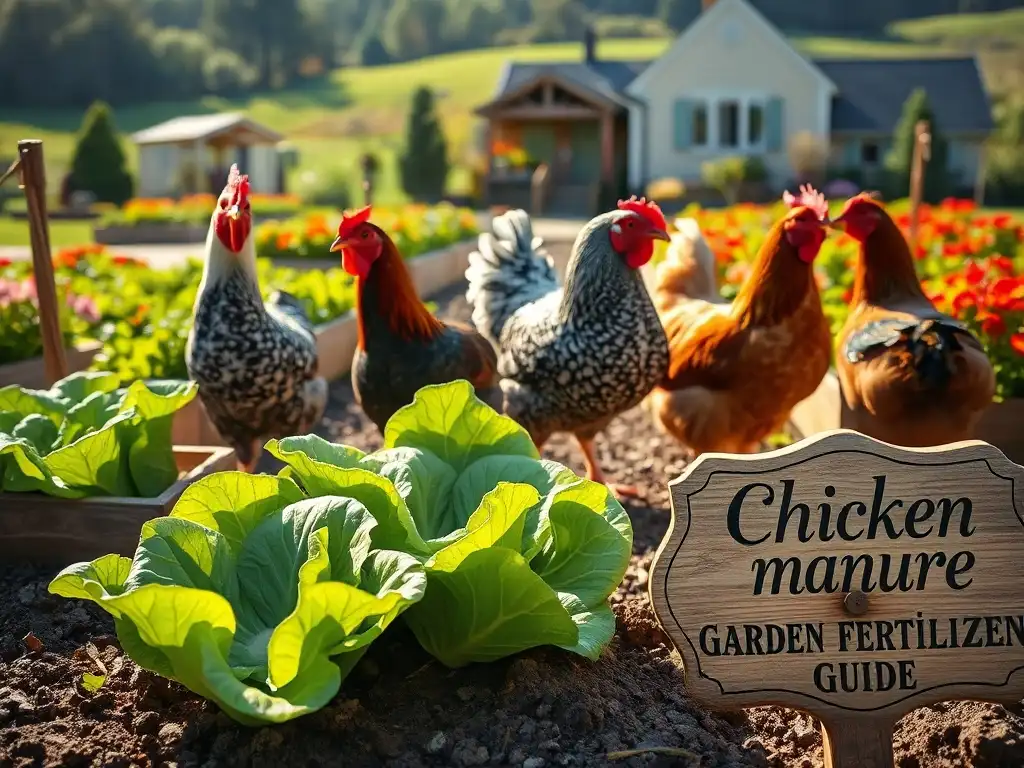
Ready to transform your backyard into a thriving, organic oasis? CultivateYourFood is your guide to growing your own fruits, vegetables, and herbs sustainably. Discover the secrets to bountiful harvests, starting with our comprehensive Chicken Manure Garden Fertilizer Guide, a crucial step in achieving garden harmony. Learn how integrating chickens can revolutionize your gardening practices and unlock the potential for a truly self-sufficient lifestyle – read on to uncover the simple yet powerful techniques!
- Planning Your Chicken Integration: A Step-by-Step Approach
-
Understanding Chicken Manure as Garden Fertilizer: A Comprehensive Guide
- The Benefits of Chicken Manure: Nutrient Rich Compost for Enhanced Growth
- Chicken Manure Composition: Understanding Nitrogen, Phosphorus, and Potassium Levels
- How to Collect and Compost Chicken Manure Safely and Effectively
- Composting Methods for Chicken Manure: Hot Composting vs. Cold Composting
- Avoiding Manure Burn: Safe Application Techniques for Chicken Manure Fertilizer
- Integrating Chickens into Your Existing Garden Ecosystem
- Harvesting and Utilizing Chicken Manure for Optimal Garden Health
- Troubleshooting Common Challenges: Addressing Potential Problems
- Resources and Further Reading: Continuing Your Chicken Keeping Journey
- Frequently Asked Questions
- Final Reflection: Cultivating a Symbiotic Garden with Chickens
- Ready to Cultivate Your Own Backyard Flock?
Planning Your Chicken Integration: A Step-by-Step Approach
Integrating chickens into your backyard garden can be a tremendously rewarding experience, offering fresh eggs, natural pest control, and—most importantly—fantastic fertilizer for your plants. This guide will walk you through the process of successfully incorporating chickens into your gardening routine, focusing on sustainable practices and maximizing the benefits for both your flock and your crops. We'll cover everything from assessing your space and selecting the right breed to building a suitable coop and understanding the crucial role chicken manure plays in enriching your soil.
This comprehensive approach will help you create a harmonious ecosystem where chickens and your garden thrive together, providing a bountiful harvest and a sustainable lifestyle. This guide is especially useful if you're looking for a detailed "Chicken manure garden fertilizer guide," as we'll explore the best methods for utilizing this natural resource to create a thriving garden.
Assessing Your Space: Yard Size and Zoning Regulations for Backyard Chickens
Before you even think about fluffy chicks, you need to understand the practicalities of raising chickens in your space. This involves two key considerations: the physical size of your yard and local zoning regulations.
First, measure your yard. How much space do you realistically have available for a chicken run? Remember, chickens need space to roam, forage, and dust bathe. A cramped environment leads to stressed birds, which in turn can negatively impact egg production and overall health.
A general rule of thumb is to allow at least 4-10 square feet of outdoor space per chicken, depending on the breed and your run's design (more space is always better!). Consider the layout – will you need to fence off a specific area? Will the run be connected directly to the coop, or will the chickens have free-range access to parts of your yard?
Second, check your local zoning laws. Many municipalities have regulations regarding backyard chickens, including limits on the number of birds allowed per property, coop size requirements, and distance from property lines. Failure to comply with these rules could result in fines or even the removal of your flock. Contact your local city or county government to obtain the relevant regulations before you start planning. Ignoring this step can lead to significant problems later on. Don't underestimate the importance of this step – it's crucial for avoiding legal issues and ensuring a smooth transition into chicken ownership.
Choosing the Right Chicken Breed for Your Garden Needs
Not all chicken breeds are created equal. Some are better layers, while others are more docile and suitable for families with children. When choosing a breed for your garden, consider the following factors:
- Egg-laying capabilities: If eggs are your primary goal, opt for breeds known for high egg production, such as Rhode Island Reds, Leghorns, or Australorps.
- Temperament: Choose a breed known for its docile nature, particularly if you have children or pets. Orpingtons and Wyandottes are generally considered friendly and gentle.
- Foraging habits: Certain breeds are more prone to foraging than others, which can be beneficial for pest control in your garden. Consider breeds known for their active foraging behavior.
- Hardiness: Select a breed that is well-suited to your climate and can withstand local weather conditions.
This careful selection process will ensure a harmonious relationship between your chickens and your garden, maximizing the benefits of both. Remember to research different breeds thoroughly before making your decision. Consider visiting local farms or breeders to observe different breeds firsthand.
Building or Buying a Suitable Coop: Design Considerations for Chicken Housing
Your chicken coop is their home, and a well-designed coop is essential for the health and well-being of your flock. Several key factors should be considered when building or buying a coop:
- Size: The coop should be large enough to comfortably house your chickens, providing ample space for roosting, nesting, and moving around without feeling cramped. A good rule of thumb is to allow at least 3-4 square feet of floor space per bird.
- Ventilation: Proper ventilation is crucial to prevent the buildup of ammonia and moisture, which can lead to respiratory problems and other health issues. Ensure adequate airflow without creating drafts.
- Security: Your coop needs to be secure from predators such as raccoons, foxes, and snakes. Use strong materials and secure latches to protect your chickens.
- Cleanliness: Easy-to-clean floors and nesting boxes are essential for maintaining a hygienic environment. Consider using materials that are easy to disinfect.
Remember, the coop is a crucial investment in your chicken-keeping journey, and a well-designed coop will contribute significantly to the health and productivity of your flock. Consider the long-term implications of your coop choice before committing. A well-constructed coop will significantly reduce future maintenance and health concerns for your chickens.
Essential Supplies: Gathering the Gear for Successful Chicken Keeping
Before you welcome your feathered friends, ensuring you have the right supplies is crucial for both their well-being and the success of your chicken manure garden fertilizer strategy. This isn't just about providing basic needs; it's about setting up a system that minimizes mess, maximizes efficiency, and protects your garden from potential hazards. A well-equipped chicken coop and run are fundamental to a harmonious integration.
One of the most important initial investments is a high-quality coop. Consider factors like size (allowing ample space for your flock to comfortably roost and move around), durability (to withstand weather and potential predators), and ease of cleaning (essential for maintaining hygiene and preventing disease). Don't skimp on features like proper ventilation to prevent ammonia buildup – a significant concern when aiming for effective chicken manure as a garden fertilizer. Poor ventilation can lead to respiratory problems in your chickens and render the manure less useful, even potentially harmful, to your plants.
Beyond the coop, a secure run is equally vital. This provides your chickens with a safe outdoor space to forage, exercise, and naturally fertilize your garden. The run should be predator-proof, using sturdy fencing buried deep enough to prevent digging, and ideally covered with netting to protect from aerial predators like hawks. The size of the run will depend on your flock size and the area you intend to integrate them with. Larger runs allow for rotational grazing, preventing over-grazing in one area and maximizing the distribution of beneficial chicken manure.
Consider also investing in feeders and waterers designed to minimize spillage and waste. Spilled feed can attract unwanted pests and rodents, while unclean water sources can lead to disease. Automatic waterers are a particularly useful investment, ensuring your chickens always have access to fresh water, especially during warmer months.
Finally, don't forget the essential tools for cleaning and maintenance. A sturdy shovel, a wheelbarrow (for efficient manure removal), and cleaning supplies are vital for keeping your coop and run sanitary, which is crucial for both chicken health and the quality of your chicken manure garden fertilizer. Regular cleaning prevents the buildup of harmful pathogens and ensures your chickens remain healthy and productive. Remember, healthy chickens produce the best manure for your garden! Investing in these tools upfront will save you time, effort, and potential problems down the line.
Understanding Chicken Manure as Garden Fertilizer: A Comprehensive Guide
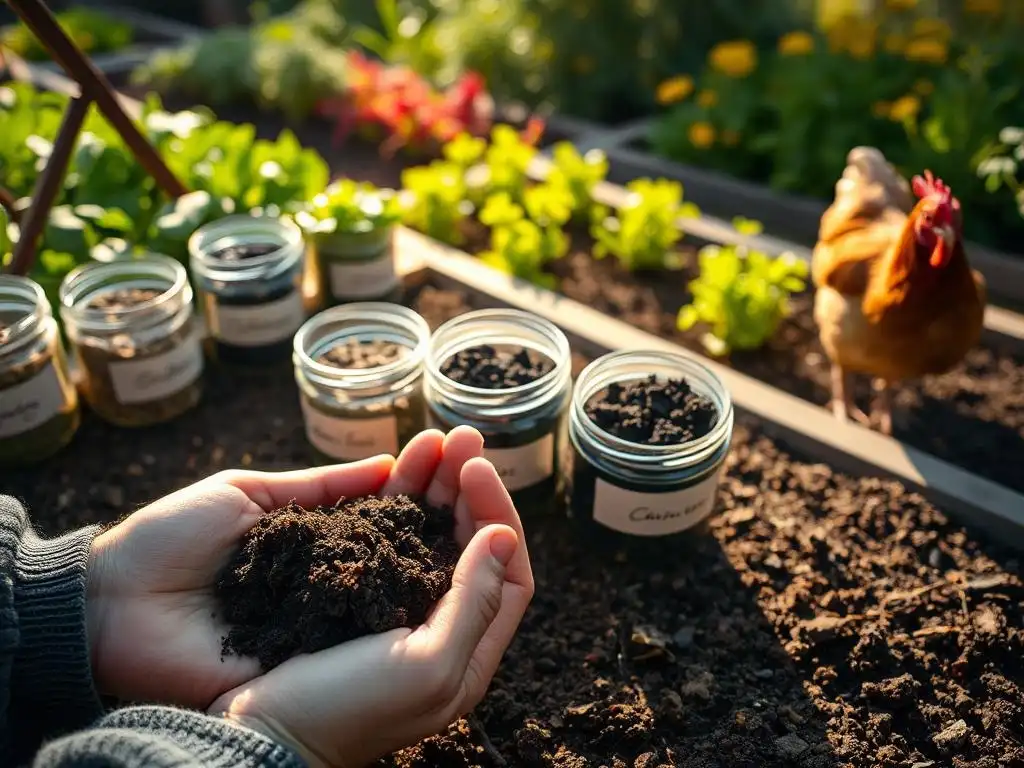
This section delves into the specifics of using chicken manure as a garden fertilizer, providing a detailed guide for beginners. Successfully integrating chickens into your gardening practices hinges on understanding how to properly utilize their waste product – chicken manure – as a valuable and sustainable fertilizer. This guide will equip you with the knowledge to safely and effectively leverage chicken manure for enhanced plant growth and a thriving garden. Remember, proper handling and composting are crucial for optimal results and to avoid harming your plants.
The Benefits of Chicken Manure: Nutrient Rich Compost for Enhanced Growth
Chicken manure is a powerhouse of nutrients, making it a superior choice compared to many commercial fertilizers. Its rich composition provides a natural boost to your garden's fertility, leading to healthier, more vibrant plants. The benefits are numerous:
- Nutrient-Rich: Chicken manure is exceptionally high in nitrogen (N), phosphorus (P), and potassium (K), the three primary macronutrients essential for plant growth. Nitrogen promotes leafy green growth, phosphorus supports root development and flowering, and potassium contributes to overall plant health and disease resistance. It also contains secondary macronutrients like sulfur, magnesium, and calcium, along with micronutrients vital for complete plant nutrition.
- Improved Soil Structure: Properly composted chicken manure improves soil structure, increasing aeration and water retention. This leads to healthier roots and better nutrient uptake by plants. The organic matter in the manure helps bind soil particles, preventing compaction and erosion.
- Enhanced Microbial Activity: The addition of chicken manure introduces beneficial microorganisms to the soil, enhancing its biological activity. These microbes break down organic matter, releasing nutrients and improving overall soil health. This creates a more fertile and vibrant environment for your plants to thrive in.
- Sustainable and Organic: Using chicken manure is a sustainable and environmentally friendly alternative to synthetic fertilizers. It reduces reliance on manufactured products, minimizing the environmental impact of your gardening practices. This aligns perfectly with the organic gardening principles that this website champions.
- Cost-Effective: Collecting and composting chicken manure is a cost-effective way to fertilize your garden, significantly reducing or eliminating the need for expensive commercial fertilizers. This makes it an economically sound choice for both beginner and experienced gardeners.
Chicken Manure Composition: Understanding Nitrogen, Phosphorus, and Potassium Levels
The exact nutrient composition of chicken manure varies depending on factors like the chicken's diet, age, and the method of composting. However, a general understanding of the NPK ratio is crucial for effective application. Fresh chicken manure typically has a much higher nitrogen concentration than aged or composted manure. This high nitrogen content can actually burn plants if applied directly.
| Nutrient | Fresh Manure (Approximate) | Composted Manure (Approximate) |
|---|---|---|
| Nitrogen (N) | 1.5 - 2.5% | 1 - 1.5% |
| Phosphorus (P) | 0.5 - 1.0% | 0.5 - 1.0% |
| Potassium (K) | 0.5 - 1.0% | 0.5 - 1.0% |
These are approximate values, and it's always best to perform a soil test before applying any fertilizer to determine your soil's specific needs. Over-fertilizing can be detrimental to plants, so careful application is key. The composting process significantly reduces the ammonia content and makes the nutrients more readily available to plants.
How to Collect and Compost Chicken Manure Safely and Effectively
Collecting and composting chicken manure is essential to avoid burning your plants and to maximize its benefits. Here's a step-by-step guide:
- Collection: Collect chicken manure regularly, ideally daily, to prevent ammonia buildup and odors. Use a shovel or a manure scoop to transfer the droppings into a designated composting bin or area. Avoid collecting manure that is directly contaminated with feces to minimize the risk of spreading pathogens.
- Composting: Composting reduces the concentration of harmful pathogens and allows the nutrients to break down into forms readily usable by plants. A proper compost pile should have a mix of "brown" materials (carbon-rich) like straw, dried leaves, or wood chips, and "green" materials (nitrogen-rich) like chicken manure and grass clippings. Maintain a proper carbon-to-nitrogen ratio (around 30:1) for efficient decomposition. Regularly turn the compost pile to aid in aeration and decomposition. The composting process typically takes several months, depending on conditions. The finished compost should be dark brown, crumbly, and have an earthy smell.
- Safe Application: Once composted, chicken manure can be applied directly to the garden soil or used as a top dressing. Always follow recommended application rates based on your soil test results to avoid over-fertilizing. Never apply fresh chicken manure directly to plants; it can burn their roots. Use gloves and a face mask when handling chicken manure to protect yourself from potential pathogens.
By following these guidelines, you can safely and effectively harness the power of chicken manure, transforming your garden into a thriving ecosystem. Remember, patience and careful observation are key to successful gardening with chicken manure. Happy gardening! 🐔🌿
Composting Methods for Chicken Manure: Hot Composting vs. Cold Composting
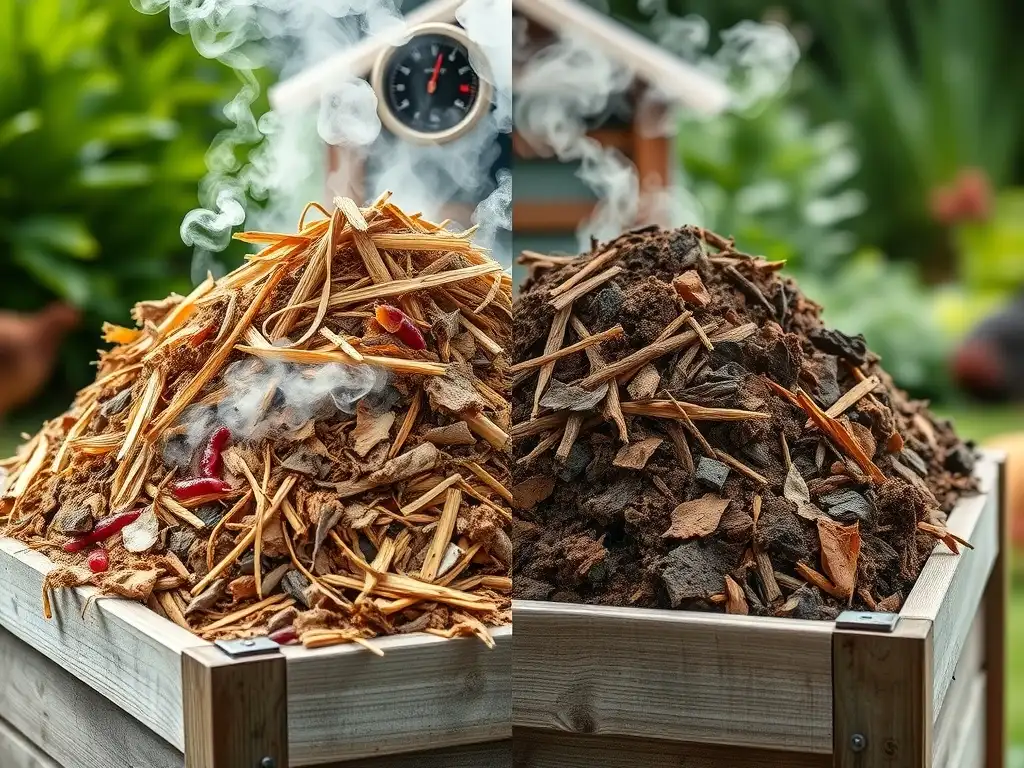
Chicken manure, while incredibly nutrient-rich, is potent and needs careful handling to avoid harming your plants. Composting is the key to safely utilizing this valuable resource. Two primary methods exist: hot composting and cold composting. Each offers distinct advantages and disadvantages.
Hot composting involves creating a large pile (at least one cubic meter) with a high carbon-to-nitrogen ratio. This rapid decomposition process generates significant heat, killing pathogens and weed seeds. To achieve this, you'll need a mix of "brown" materials (like dried leaves, straw, and shredded cardboard) and "green" materials (such as fresh chicken manure, grass clippings, and vegetable scraps). The pile needs to be regularly turned to maintain aeration and heat.
A good hot compost pile will reach temperatures exceeding 130°F (54°C), effectively pasteurizing the manure. This method is faster, producing usable compost within a few months. However, it requires more effort and space. Successfully managing a hot compost pile needs attention to moisture levels; too dry and it won't heat up, too wet and it can become anaerobic, producing unpleasant odors.
Cold composting, in contrast, is a slower, more passive process. It involves layering chicken manure with other organic materials in a smaller bin or pile. The decomposition happens at a much slower rate, and temperatures rarely exceed 110°F (43°C). This method is less labor-intensive and requires less space than hot composting. However, it takes longer—up to a year or more—to produce finished compost.
Cold composting is ideal for smaller gardens or those with limited time. While it doesn't fully pasteurize the manure, the extended decomposition period significantly reduces pathogens and weed seeds. It's important to ensure proper drainage in cold composting to prevent the pile from becoming waterlogged. Regular monitoring and occasional turning can accelerate the process.
Avoiding Manure Burn: Safe Application Techniques for Chicken Manure Fertilizer
Even composted chicken manure is strong, and applying it directly to plants can lead to "manure burn," damaging or killing them due to excessive salt concentration and ammonia. Several techniques minimize this risk, ensuring your plants thrive instead of suffering.
One crucial technique is dilution. Never apply fresh or even slightly composted chicken manure directly to your garden beds. Instead, dilute it significantly with water. A common practice is to create a liquid fertilizer by soaking composted manure in water for a few days, then diluting the resulting tea further before applying it to your plants. The ratio of manure to water will depend on the compost's age and concentration, but a good starting point is a 1:10 or even 1:20 ratio.
Another approach is composting further. The longer your chicken manure composts, the milder it becomes. A well-rotted compost will be dark, crumbly, and smell earthy, not pungent. This aged compost is much safer to apply directly to the soil, though even then, it's best to incorporate it gently rather than piling it directly around plant bases.
Topdressing is a valuable method for applying composted chicken manure. Spread a thin layer (about ½ inch) on top of the soil, away from plant stems. This allows the nutrients to slowly leach into the soil, minimizing the risk of burning. This method is particularly effective for established plants.
Side-dressing involves applying the manure along the sides of the plant rows, avoiding direct contact with the stems and leaves. This technique is ideal for vegetables and other plants that benefit from a slow release of nutrients throughout the growing season.
Remember, prevention is always better than cure. Start with small amounts of chicken manure, carefully observing your plants’ reaction. Gradually increase the amount as needed, always prioritizing plant health. Regular soil testing can help you determine your soil's nutrient levels and adjust your fertilizing strategy accordingly. Careful observation and gradual application are key to successfully using chicken manure as a safe and effective fertilizer for your garden. This careful approach will help you reap the rewards of this excellent, sustainable soil amendment, turning your chicken coop into a valuable asset to your garden ecosystem. 🐔🌱
Integrating Chickens into Your Existing Garden Ecosystem
This section delves into the practical aspects of integrating chickens into your established garden, focusing on minimizing disruption and maximizing benefits. A well-planned integration ensures your chickens thrive while your garden flourishes, creating a synergistic relationship. Successful integration hinges on careful planning and proactive management, transforming chicken manure from a potential garden hazard into a valuable resource. This guide emphasizes sustainable and organic practices, aligning with the CultivateYourFood ethos.
Creating Designated Grazing Areas: Protecting Your Vegetable Patches
Integrating chickens into an existing garden requires careful planning to prevent damage to your valuable vegetable patches. Creating designated grazing areas is crucial. These areas should be separate from your main vegetable garden beds and ideally consist of hardy, chicken-resistant plants or areas with less sensitive groundcover.
Consider using a rotational grazing system. Divide your designated chicken area into several smaller paddocks. Allow your chickens access to one paddock at a time, allowing the others to rest and recover vegetation. This rotational method prevents overgrazing and promotes healthy plant growth within the designated area. This approach, coupled with proper chicken manure management, is key to a successful and sustainable integration.
The size of the grazing area will depend on the number of chickens you have. As a general rule of thumb, aim for at least 10 square feet per chicken. This provides ample space for foraging and reduces the likelihood of overgrazing in any one area. Remember to regularly monitor the grazing area and adjust the size or rotation schedule as needed.
For example, a small backyard garden with 4 chickens might benefit from a 40 square foot designated grazing area, split into two 20 square foot paddocks, rotated every few days. This simple approach prevents overgrazing and keeps your chickens happy and productive. Supplementing their diet with commercial chicken feed ensures they receive all the necessary nutrients.
Utilizing Chicken Tractors for Efficient Manure Distribution & Pest Control
Chicken tractors offer a powerful tool for efficient manure distribution and pest control within your garden. These movable enclosures allow chickens to graze a small area, fertilizing it with their droppings before moving to a new location. This approach mimics natural grazing patterns, enriching the soil in a controlled and effective manner. The concentrated manure from the chicken tractor acts as a natural, highly effective fertilizer, providing a boost of nitrogen, phosphorus, and potassium to your soil.
Consider the size and design of your chicken tractor. It should be large enough to comfortably house your flock but small enough to be easily moved. The design should include a solid floor to prevent soil compaction and easy access for cleaning and maintenance. A simple frame with wire mesh sides is usually sufficient. Furthermore, you can use a chicken tractor to help with pest control, as chickens readily consume many common garden pests such as slugs, snails, and various insects. This integrated pest management strategy reduces the need for chemical pesticides, aligning perfectly with organic gardening principles.
To effectively utilize chicken tractors for manure distribution, move the tractor regularly, typically every few days, to avoid over-fertilizing one area. This prevents the burning of plants and ensures even distribution of nutrients throughout your garden. Remember to always monitor your plants’ health and adjust the frequency of tractor movement as needed. The goal is to create a self-sustaining ecosystem where chicken manure improves soil health and supports thriving plants. This natural approach avoids the need for chemical fertilizers, saving you money and improving your garden's overall health.
Protecting Your Garden from Chicken Damage: Fencing and Plant Selection Strategies
Protecting your garden from chicken damage requires a multi-pronged approach, combining effective fencing with careful plant selection. Chickens can scratch and peck at plants, potentially causing significant damage. Therefore, strong fencing is essential, especially around vulnerable vegetable patches.
Choose a fence material that is strong enough to withstand digging and pecking. Chicken wire is a common choice but may need reinforcement at the bottom to prevent digging. Consider burying the bottom of the fence a few inches below ground level to further deter digging. The height of the fence should be at least 4 feet to prevent chickens from jumping over. Regular inspection and maintenance of the fence are crucial to ensure its continued effectiveness.
In addition to fencing, careful plant selection can minimize damage. Choose plants that are naturally resistant to chicken damage. Some plants, such as herbs like rosemary and lavender, are generally less appealing to chickens and less likely to be damaged. Consider planting these plants around the perimeter of your garden to act as a natural deterrent.
Also, consider raised beds or containers to place your most vulnerable plants out of reach of chickens. This combination of preventative measures helps ensure a harmonious coexistence between your chickens and your garden. By implementing these strategies, you can effectively protect your garden while still enjoying the benefits of integrated chicken farming.
Managing Pests and Predators: Safeguarding Your Flock and Your Crops
Integrating chickens into your garden offers numerous benefits, but it's crucial to understand and mitigate potential risks to both your flock and your crops. Predators pose a significant threat to chickens, ranging from common neighborhood dogs and cats to more dangerous animals like foxes and raccoons, depending on your geographical location. Protecting your chickens requires a multi-pronged approach. Secure coop construction is paramount; strong, predator-proof fencing and locking mechanisms are essential.
Consider adding electric netting around the perimeter for an added layer of security. Regular coop inspections are also vital to identify and repair any weaknesses or potential entry points. Supplying your chickens with a safe and enclosed run during the day will further minimize their vulnerability.
Beyond predators, pests can also impact both your chickens and your garden. Chickens themselves can become infested with parasites like mites and lice, requiring regular checks and appropriate treatment. For your garden, the introduction of chickens might attract other pests, such as rodents attracted to spilled feed. Careful feed management, regular cleaning of the coop and run, and the use of appropriate pest control methods for both chickens and the garden itself are vital.
This might involve the use of natural pest control methods within your garden, such as companion planting or introducing beneficial insects. Remember, the goal is to create a balanced ecosystem where your chickens thrive without compromising the health of your garden. A well-maintained and clean environment is key to preventing pest infestations in both areas.
Effective pest management strategies should be integrated, combining preventative measures with proactive responses. For example, regularly inspecting your chickens for parasites and promptly treating any infestations is a proactive approach. Similarly, preventing rodent access to feed by storing it in sealed containers is a preventative measure.
This integrated approach minimizes the risk of significant problems, allowing you to reap the rewards of your integrated chicken and garden system without unnecessary stress or losses. Remember to research pest-specific solutions relevant to your region and the types of plants you are growing. The use of organic and sustainable pest control methods is strongly encouraged to maintain the overall health and integrity of your garden ecosystem.
Harvesting and Utilizing Chicken Manure for Optimal Garden Health
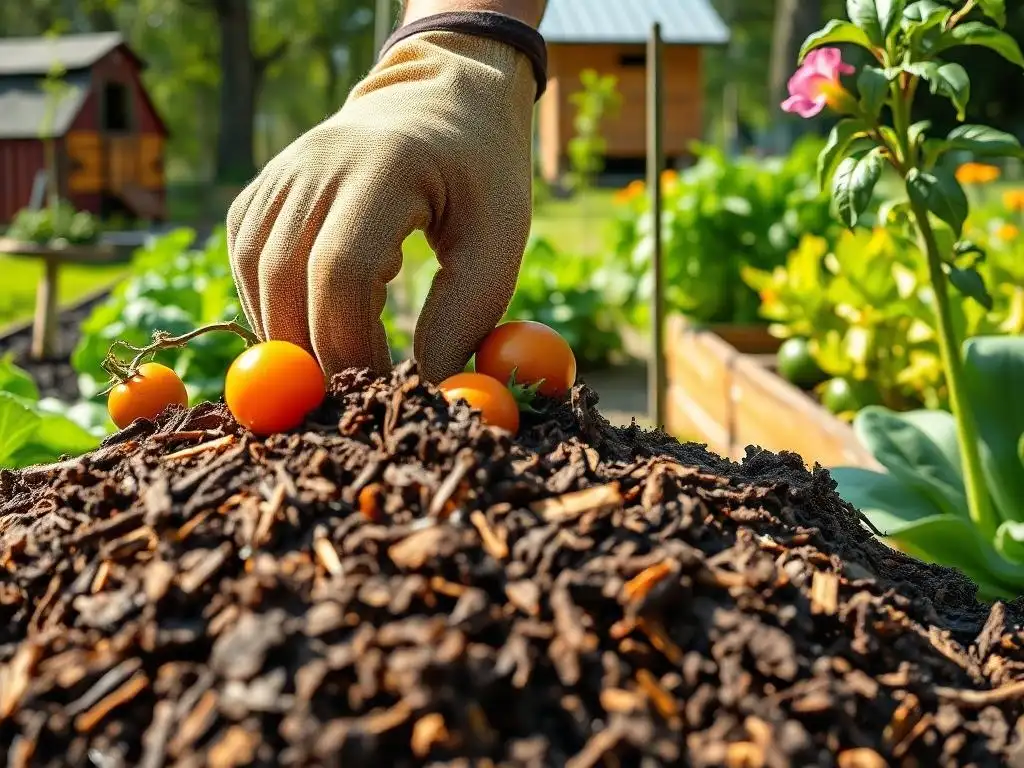
This section delves into the practical aspects of collecting and using chicken manure as a valuable fertilizer for your garden, a key component of any effective Chicken manure garden fertilizer guide. Proper handling and application are crucial for maximizing its benefits and avoiding potential pitfalls. Remember, fresh chicken manure is too strong for direct application to plants and requires composting or other processing before use.
Using Compost Tea: A Liquid Fertilizer from Chicken Manure
Compost tea, brewed from composted chicken manure, offers a readily available and highly effective liquid fertilizer. This method delivers nutrients directly to plant roots, promoting vigorous growth. Creating compost tea is relatively simple:
- Steep: Place a half-cup to a cup of well-composted chicken manure into a breathable bag (such as a burlap sack or nylon mesh bag) within a 5-gallon bucket filled with water.
- Aerate: Aerate the mixture for 24-72 hours using an aquarium pump or by gently stirring several times a day. Aeration introduces beneficial microorganisms which break down organic matter and make nutrients more available to plants.
- Dilute: Dilute the resulting tea with water at a ratio of 1:10 before applying to your plants. Avoid direct application to leaves to prevent fungal diseases.
Using compost tea avoids the risk of burning plants associated with fresh manure. The process enriches the soil with beneficial microbes, improving overall soil health and fertility. Regular applications, every 2-4 weeks during the growing season, can result in noticeably healthier and more productive plants. Remember to always use composted chicken manure for compost tea to avoid harming your plants.
Direct Application vs. Composted Manure: Choosing the Right Method
Choosing between direct application of composted manure and using compost tea depends on your specific needs and gardening style.
| Method | Advantages | Disadvantages | Best Use Cases |
|---|---|---|---|
| Composted Manure (Direct) | Slow-release nutrients, improves soil structure, adds organic matter. | Can be labor-intensive to apply, requires careful handling to avoid burning plants. | Long-term soil improvement, amending heavy clay soils, preparing garden beds. |
| Compost Tea | Easily applied, readily available nutrients, encourages beneficial soil microbes. | Requires aeration equipment or diligent stirring, less long-term soil improvement. | Quick nutrient boost, feeding plants during periods of rapid growth, foliar feeding. |
Direct application of well-composted chicken manure provides a longer-term nutrient release, improving soil structure and water retention. However, it requires careful application to avoid scorching plants, especially seedlings. Over-application can lead to nutrient burn and plant damage. Always ensure the manure is thoroughly composted—a dark, crumbly texture is a good indicator.
Monitoring Soil Health: Assessing Nutrient Levels and Adjusting Fertilizer Application
Regular soil testing is crucial for determining nutrient levels and adjusting your chicken manure application strategy. Soil testing kits are readily available and provide valuable insights into your soil's composition. These kits measure pH levels and essential nutrient levels like nitrogen, phosphorus, and potassium (NPK).
Understanding your soil’s needs is paramount for effective fertilization. For instance, if your soil tests reveal a deficiency in nitrogen, you may need to increase the application of chicken manure (or use a nitrogen-rich supplement) to support healthy plant growth. Conversely, if nitrogen levels are already high, you might reduce or temporarily cease applications to avoid over-fertilizing.
Consistent monitoring ensures that your plants receive the appropriate nutrients without the risk of nutrient imbalances which can negatively impact plant health and yield. Remember, a balanced approach, guided by regular soil testing, is key to maximizing the benefits of chicken manure as a garden fertilizer. This ensures the success of your gardening efforts, supporting your overall goal of achieving garden harmony through sustainable practices.
Long-Term Sustainability: Maintaining Soil Fertility with Chicken Manure
Chicken manure, when properly managed, is a fantastic tool for building and maintaining long-term soil fertility in your garden. Unlike synthetic fertilizers that offer a short-term boost followed by depletion, chicken manure provides a slow-release of essential nutrients. This gradual release minimizes the risk of nutrient burn, allowing your plants to access the nutrients they need throughout their growing cycle.
The organic matter in the manure also improves soil structure, increasing water retention and aeration – crucial factors for healthy root development and thriving plants. This leads to healthier, more resilient plants that are better equipped to withstand pests and diseases. A sustainable approach to gardening relies heavily on building healthy soil, and chicken manure plays a vital role in this process.
The benefits extend beyond immediate nutrient provision. The organic matter in composted chicken manure acts as a natural soil conditioner, improving its overall structure and tilth. This means better drainage, increased water retention, and enhanced aeration, creating an ideal environment for beneficial soil microorganisms. These microbes are essential for nutrient cycling and disease suppression, further reducing your reliance on external inputs and promoting a self-regulating ecosystem within your garden. Over time, consistent use of composted chicken manure contributes to a richer, more fertile soil that requires less supplemental fertilization, reducing your environmental impact and your gardening workload.
It's important to remember that consistency is key. While a single application can provide benefits, incorporating chicken manure into your soil management strategy over several seasons yields the most significant and lasting improvements in soil health. This gradual enrichment builds a resilient soil ecosystem that supports healthy plant growth year after year, minimizing the need for synthetic fertilizers and promoting a more sustainable and environmentally friendly gardening practice.
Think of it as an investment in the long-term health and productivity of your garden; the more you invest, the greater the returns. Proper composting and application techniques are crucial to maximize these long-term benefits, avoiding potential issues such as nutrient burn or attracting pests.
Troubleshooting Common Challenges: Addressing Potential Problems
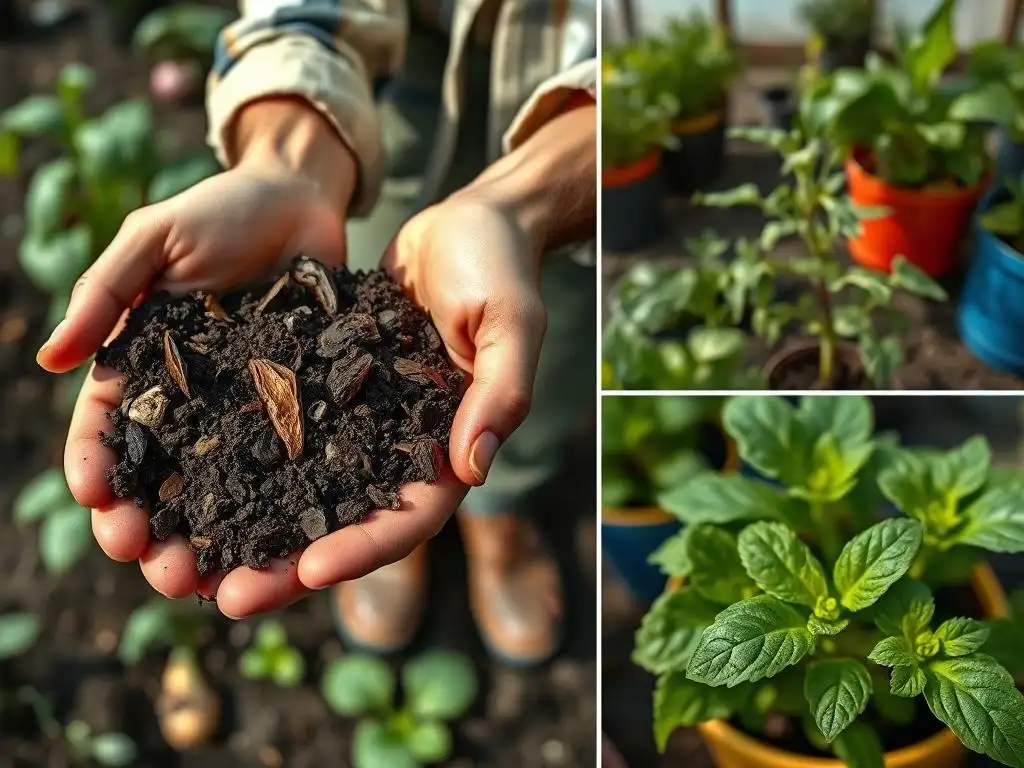
Integrating chickens into your garden offers numerous benefits, but like any farming endeavor, it presents potential challenges. Successfully navigating these hurdles is key to achieving a harmonious and productive system. This section focuses on proactively addressing common issues, ensuring your chickens contribute positively to your garden's health and yield. Understanding and mitigating these potential problems is crucial for a successful "Chicken manure garden fertilizer guide" strategy.
Dealing with Pests and Diseases in Your Chicken Coop
Maintaining a healthy chicken coop is paramount to preventing the spread of diseases and infestations that can impact both your flock and your garden. Regular cleaning and preventative measures are crucial. A clean coop minimizes the risk of parasites like mites and lice, which can stress your chickens and reduce egg production. Infested chickens can also be vectors for diseases that could spread to your garden.
Several preventative strategies can help:
- Regular Cleaning: Thoroughly clean the coop's floor, perches, and nesting boxes at least once a week. Remove all droppings and soiled bedding.
- Deep Cleaning: Conduct a deep clean every few months, completely removing all bedding and scrubbing all surfaces with a disinfectant suitable for poultry.
- Pest Control: Regularly inspect your chickens for parasites. If you find any, consult your veterinarian for appropriate treatment options.
- Biosecurity: Implement biosecurity measures to prevent the introduction of new diseases. This includes isolating new birds before introducing them to your existing flock and avoiding contact with other poultry flocks.
- Proper Ventilation: Good ventilation helps to prevent the buildup of ammonia and moisture, creating a less hospitable environment for pests and diseases.
Ignoring these preventative measures can lead to significant problems, impacting the quality of your chicken manure – a key component of your "Chicken manure garden fertilizer guide" – and potentially harming your garden's health. A sick flock produces less manure, and contaminated manure can introduce diseases to your plants.
Managing Overgrazing: Preventing Soil Compaction and Damage
While chickens can help aerate the soil and distribute manure, overgrazing can lead to soil compaction and damage. This is particularly true in smaller areas or with a large flock density. Overgrazing can destroy beneficial soil microbes, reduce water infiltration, and negatively impact plant growth. Careful management is crucial for long-term garden health and to ensure the success of your "Chicken manure garden fertilizer guide" approach.
To prevent overgrazing:
- Rotation: Rotate your chickens' access to different areas of your garden to allow for sufficient recovery time for the soil. This prevents localized damage and promotes even manure distribution.
- Controlled Access: Utilize movable chicken tractors or fencing to restrict your chickens' access to specific areas at any given time.
- Monitoring: Regularly inspect the areas where your chickens are grazing to assess the condition of the soil. Look for signs of compaction or bare patches.
- Supplemental Feeding: Providing supplemental feed reduces the amount of time your chickens spend foraging in your garden, lessening the risk of overgrazing.
- Appropriate Stocking Density: Ensure you don't have too many chickens for the size of your garden. Consult resources on appropriate stocking densities for poultry.
Addressing Odor Control: Minimizing Unpleasant Smells from Your Coop
The smell of ammonia from chicken manure is a common concern for backyard chicken keepers. Strong ammonia smells can be unpleasant for neighbors and can also indicate poor coop management. Effective odor control is essential for maintaining a pleasant environment and ensuring the quality of your chicken manure for your "Chicken manure garden fertilizer guide".
Here's how to minimize unpleasant odors:
- Regular Cleaning: As mentioned previously, regular cleaning is crucial for odor control. Ammonia is produced by the breakdown of uric acid in chicken droppings. Removing droppings frequently minimizes the production of ammonia.
- Proper Ventilation: Good ventilation is essential for removing ammonia gas from the coop. Ensure adequate airflow by providing sufficient openings and ensuring proper air circulation.
- Deep Litter Method: Consider using the deep litter method, which involves adding layers of absorbent materials like straw or wood shavings to the coop floor. These materials help absorb moisture and ammonia.
- Composting: Composting your chicken manure effectively reduces odor. Proper composting techniques ensure the breakdown of organic matter and minimize ammonia production.
- Odor Absorbers: Some commercial odor absorbers can be used to help minimize smells, but these are not a replacement for proper hygiene and ventilation. They should be used as a supplementary measure.
Addressing these challenges proactively ensures a positive and productive integration of chickens into your garden, maximizing the benefits of your "Chicken manure garden fertilizer guide" and creating a thriving ecosystem. Remember, a healthy flock contributes to a healthy garden. 🐔
Resources and Further Reading: Continuing Your Chicken Keeping Journey
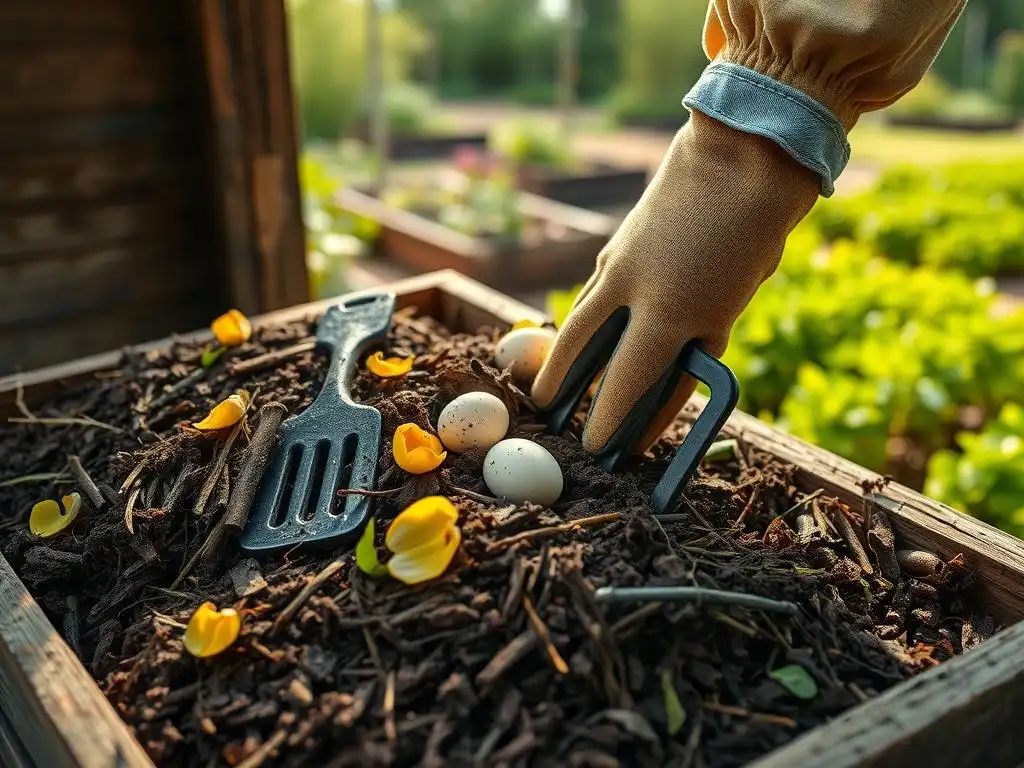
This section provides valuable resources to help you continue your journey into backyard chicken keeping and maximizing the benefits of chicken manure for your garden. Remember, responsible chicken ownership involves ongoing learning and adaptation. This guide is just the beginning! Understanding the nuances of chicken manure as a garden fertilizer requires consistent effort and observation.
Recommended Books and Websites on Backyard Chicken Keeping
Investing in quality resources will significantly enhance your chicken-keeping experience and your understanding of chicken manure's role in organic gardening. Many excellent books delve into the specifics of chicken breeds, coop construction, health management, and sustainable practices. These resources often offer detailed information on optimizing manure collection and composting methods for optimal garden fertility.
Here's a sample of the types of information you can find in these resources:
- Breed-Specific Information: Learn about the egg-laying capabilities, temperament, and manure production of different chicken breeds. Certain breeds are known for their larger manure output, while others might be more suitable for smaller spaces. Understanding these differences is crucial for planning your chicken integration strategy.
- Coop Construction and Management: Proper coop design directly influences manure management. Resources will guide you on creating a coop that facilitates easy cleaning and manure collection.
- Chicken Health and Disease Prevention: Maintaining healthy chickens is crucial for producing high-quality manure. Understanding disease prevention and management helps ensure your chickens remain productive and their manure remains safe for your garden.
- Sustainable Practices: Learn about environmentally friendly ways to manage chicken manure, reducing waste and maximizing its fertilizing potential. This includes composting techniques and safe application methods to avoid harming your plants.
Beyond books, numerous websites dedicated to backyard chicken keeping offer valuable insights, forums for discussions, and access to a community of experienced chicken owners. These online communities often share tips, tricks, and solutions to common challenges encountered in chicken keeping and manure management. They provide a dynamic platform for learning and problem-solving. Look for websites that emphasize sustainable and organic practices, as these align best with the principles of using chicken manure as a natural garden fertilizer.
Local Resources and Support Groups for Chicken Owners
Connecting with your local community of chicken keepers provides invaluable support and practical advice. Local resources can offer specific guidance tailored to your region's climate and regulations.
- Local Feed Stores: These stores often carry chicken feed, supplies, and may offer advice on local chicken breeds and manure management techniques. They are a great starting point for gathering information specific to your area.
- Agricultural Extension Offices: These offices, often affiliated with universities, provide expert advice on various agricultural topics, including poultry management and sustainable gardening practices. They can offer valuable resources and workshops on optimizing chicken manure for your garden.
- Community Gardens and Farming Groups: These groups often include experienced chicken keepers who can share their knowledge and experiences. Joining these groups can provide opportunities for mentorship, collaboration, and access to shared resources.
- Online Forums and Local Groups: Search online for local forums or Facebook groups dedicated to backyard chicken keeping. These communities are excellent for asking questions, sharing experiences, and getting advice from your neighbors.
Remember, responsible use of chicken manure as a garden fertilizer involves understanding its nutrient content, proper composting techniques, and safe application methods to avoid burning your plants. By utilizing these resources, you can ensure a successful and harmonious integration of chickens into your gardening practices. This will allow you to fully reap the benefits of this natural and sustainable fertilizer, contributing to a thriving and productive garden.
Frequently Asked Questions
How can I use chicken manure as fertilizer in my garden?
Chicken manure is a rich source of nutrients, but it needs to be composted first. Composting reduces harmful pathogens and ammonia, making it safe for your plants. Use it as a soil amendment after composting.
Is fresh chicken manure safe to use directly on plants?
No, fresh chicken manure is too strong and can burn your plants. It also contains harmful pathogens. Always compost chicken manure thoroughly before applying it to your garden.
What is the best way to compost chicken manure?
Mix chicken manure with other organic materials like straw, leaves, and wood chips in a compost pile. Maintain a good carbon-to-nitrogen ratio and keep the pile moist. Regular turning speeds up the decomposition process.
How much composted chicken manure should I use?
The amount depends on your soil's needs and the type of plants you're growing. Start with a small amount and observe your plants' growth. Over-fertilizing can be harmful. Consult resources specific to your plants for optimal application.
What are the benefits of using chicken manure as fertilizer compared to other options?
Chicken manure is a natural and sustainable fertilizer that improves soil structure and fertility. It provides a balanced nutrient profile beneficial for various plants, unlike some synthetic fertilizers. It also helps improve soil health over time.
Final Reflection: Cultivating a Symbiotic Garden with Chickens
Integrating chickens into your garden isn't just a trend; it's a powerful step towards creating a truly sustainable and productive ecosystem. The benefits, from nutrient-rich manure to natural pest control, are undeniable and increasingly vital in a world facing food security challenges and environmental concerns. This symbiotic relationship offers a tangible path towards a more self-sufficient and environmentally conscious lifestyle.
The journey of learning to work with nature, rather than against it, has been profoundly rewarding. Witnessing the cycle of life unfold – from the chickens' contribution to the soil's fertility to the bountiful harvest it yields – is a deeply satisfying experience. The glory of gardening: hands in the dirt, head in the sun, heart with nature. To nurture a garden is to feed not just the body, but the soul.
This quote perfectly encapsulates the holistic benefits of integrating chickens into your gardening practices, extending beyond mere practicality to a deeper connection with the natural world.
Now, it's your turn. Consider how you can incorporate these principles into your own garden, even on a small scale. Start small, learn from your experiences, and embrace the enriching journey of creating a thriving, self-sustaining garden. The rewards – both tangible and intangible – are well worth the effort. Let the chickens lead the way to a more harmonious and productive garden, and a more connected relationship with the natural world.
Ready to Cultivate Your Own Backyard Flock?
Thank you for learning about integrating chickens into your garden! You now have the knowledge to create a truly harmonious and productive ecosystem. Let's put that knowledge into action.
- Begin planning your chicken coop and run today! Sketch out a design, gather materials, and check local regulations. This is your first crucial step towards a thriving backyard flock.
- Share your gardening and chicken-keeping experiences with our community in the comments below – let's learn from each other! What aspects of this project are you most excited (or nervous) about?
- Research different chicken breeds suited to your climate and gardening goals. A little research now can save you considerable time and frustration in the long run!
What's the first step you'll take to enjoy the benefits of backyard chickens in your garden?