
Planting a Sensory Experience: Choosing the Right Plants for a Child's Garden

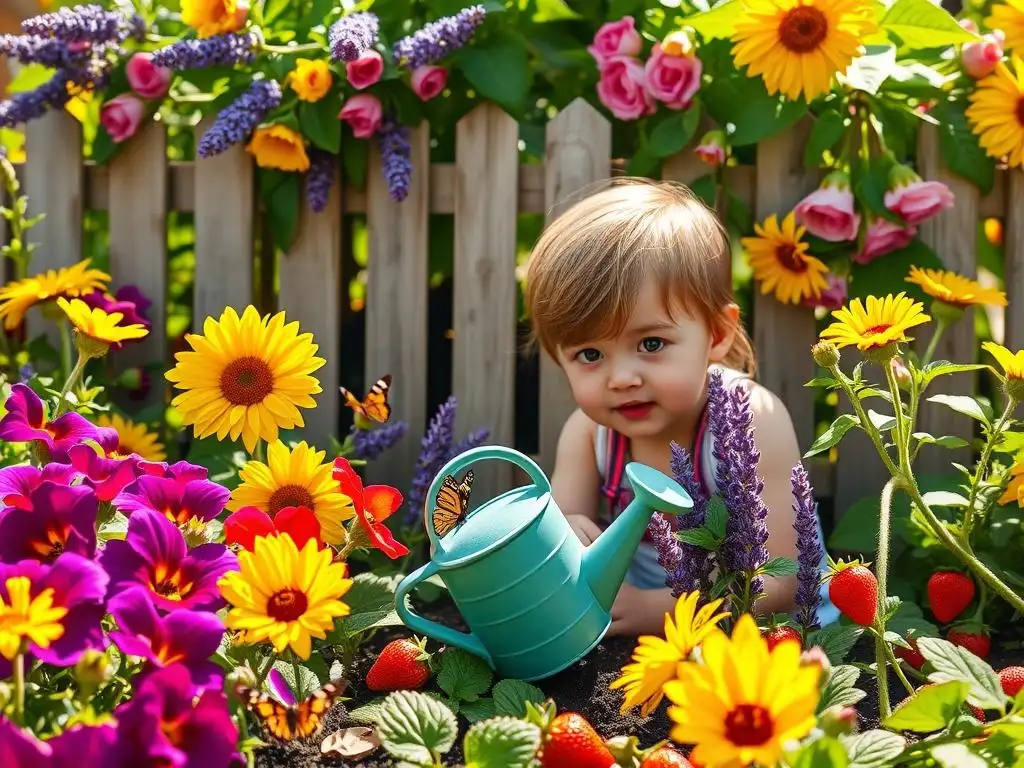
Welcome to CultivateYourFood, your guide to a greener, more fulfilling life through homegrown goodness! Ready to transform your backyard into a vibrant, thriving ecosystem? We believe everyone deserves to experience the joy of harvesting their own food, and that starts with the right plants. Discover our Kids' garden plant selection guide, designed to make gardening an exciting adventure for your little ones – a sensory journey filled with vibrant colors, intriguing textures, and delicious rewards. Let's cultivate a love for nature, one seed at a time!
-
Kids' Garden Plant Selection Guide: Engaging the Senses
- Choosing Plants for Sight: Vibrant Colors and Interesting Textures
- Engaging the Sense of Smell: Aromatic Herbs and Flowers
- Plants for Touch: Soft, Rough, and Interesting Textures
- Edible Plants for Taste: Safe and Delicious Options for Young Gardeners
- Sounds in the Garden: Attracting Wildlife and Creating Ambiance
- Designing a Sensory Garden for Children: Layout and Considerations
- Maintaining a Child's Sensory Garden: Care and Education
- Resources for Planting a Child's Sensory Garden
-
Frequently Asked Questions
- What types of plants are best for a child's garden?
- How can I make the garden engaging for children?
- What are some low-maintenance plant choices for busy families?
- Are there any safety considerations when planting a children's garden?
- How can I encourage children to participate in the garden's upkeep?
- Final Reflection: Cultivating Wonder in Little Hands
- Unleash Your Child's Green Thumb: Grow Their Sensory Garden Today!
Kids' Garden Plant Selection Guide: Engaging the Senses
Creating a thriving and engaging garden for children isn't just about growing plants; it's about cultivating a sensory experience that sparks curiosity and fosters a lifelong love of nature. This guide will help you select the perfect plants for a child's garden, focusing on plants that stimulate sight, smell, touch, and even taste (with careful consideration for safety, of course!).
We'll explore vibrant colors, intriguing textures, delightful aromas, and even edible options, all while keeping in mind the importance of choosing child-safe and sustainable plants. This guide emphasizes organic and sustainable gardening practices, ensuring a healthy and enriching experience for your young gardeners.
Learning about plant selection is a crucial step in empowering children to connect with the natural world and understand the processes of growth and harvest. We will cover a range of options suitable for various climates and gardening skill levels, making this a comprehensive resource for parents and educators alike.
Choosing Plants for Sight: Vibrant Colors and Interesting Textures
A child's garden should be a feast for the eyes! Bright colors and interesting textures capture attention and stimulate imagination. Think beyond simply "pretty flowers"—consider the overall visual impact and how the plants interact with each other.
Brightly Colored Flowers for a Child's Garden
Sunflowers 🌻, with their towering stalks and cheerful yellow faces, are a classic choice. Nasturtiums, boasting a range of colors from fiery orange to sunny yellow, also offer edible flowers! Zinnias come in a dazzling array of colors and are relatively easy to grow, making them perfect for young gardeners. Consider including red poppies for a bold splash of color, or the delicate and varied hues of cosmos. Remember to choose varieties known for their hardiness and ability to withstand some level of accidental damage.
Plants with Unique Leaf Shapes and Textures
Beyond flowers, leaves offer a wealth of visual interest. Coleus plants exhibit striking leaf patterns and colors, ranging from deep burgundy to vibrant lime green. Lamb's ear, with its soft, velvety leaves, provides a delightful textural contrast. Consider adding ferns for their delicate, feathery foliage, creating a sense of lushness and mystery. The varied textures and shapes will engage children's tactile senses as well.
Creating Visual Interest with Height and Variety
Varying plant heights adds depth and visual interest to the garden. Combine tall sunflowers with shorter zinnias and low-growing herbs. This creates layers and visual complexity, making the garden more dynamic and appealing. Remember to consider the mature size of each plant to ensure proper spacing and avoid overcrowding. A well-planned layout will showcase the beauty of each plant while providing a visually stimulating experience for children.
Engaging the Sense of Smell: Aromatic Herbs and Flowers
The sense of smell is powerfully evocative, and incorporating fragrant plants into a child's garden can enhance the overall experience. Choose plants with subtle, pleasant aromas that won't be overpowering.
Fragrant Herbs for a Child-Friendly Garden
Lavender 💜 is a classic choice, offering a calming and soothing scent. Mint is another excellent option, though it can be invasive, so consider planting it in a container. Chamomile has a sweet, apple-like fragrance and is known for its calming properties. Basil, with its slightly peppery aroma, adds a culinary dimension to the garden. Always supervise children when they are handling or smelling herbs to prevent accidental ingestion.
Sweet-Smelling Flowers to Attract Pollinators
Many flowers, in addition to their visual appeal, offer delightful fragrances that attract pollinators like bees and butterflies 🦋. These pollinators are crucial for a healthy garden ecosystem and provide a fascinating learning opportunity for children. Consider planting bee balm, known for its vibrant colors and sweet scent, or sweet alyssum, whose tiny white flowers release a honey-like fragrance. These flowers offer both visual and olfactory stimulation, creating a richer sensory experience.
Considerations for Allergies and Sensitivities
Before planting anything, it's crucial to consider any allergies or sensitivities within your family. Some common garden plants, like ragweed or certain types of daisies, can trigger allergic reactions. Always research the plants you choose and avoid those that could pose a risk to the children using the garden. A safe and inclusive garden is paramount to a positive experience.
Plants for Touch: Soft, Rough, and Interesting Textures
Choosing plants with diverse textures offers a rich tactile experience for children. The feeling of soft petals against their skin, the roughness of bark, or the intriguing prickles of some plants can stimulate curiosity and exploration. A variety of textures is key to creating a truly engaging sensory garden.
Soft and Fuzzy Plants for Little Hands
Soft plants are particularly appealing to young children. Think about incorporating plants like lamb's ear ( Stachys byzantina), with its velvety, silvery-grey leaves, which are irresistibly soft to the touch. Similarly, the fuzzy leaves of certain varieties of calendula offer a delightful tactile experience. These plants are not only visually appealing but also provide a sensory delight for children's exploration. Remember to teach children to gently touch the plants to avoid damaging them. Planting these near the edge of the garden makes them easily accessible for little hands.
Plants with Interesting Stems and Bark
Beyond leaves, the stems and bark of certain plants offer interesting textures. Consider including plants with unique stem structures, like those with knobbly or ribbed stems. Some plants, such as certain varieties of roses, offer a fascinating contrast between the smooth petals and the thorny stems, teaching children about plant defenses. Choosing plants with different bark textures, from smooth to rough, adds another layer of sensory exploration. For older children, this can spark conversations about the different ways plants protect themselves.
Textured Leaves for Exploration
The diversity in leaf textures is another avenue for sensory exploration. Children can compare the smooth, waxy leaves of succulents to the rough, slightly prickly leaves of certain herbs like rosemary. The varied shapes and textures of leaves also offer a fantastic opportunity for learning and observation. Encourage children to describe the feelings, comparing and contrasting different textures. This activity not only enhances their sensory perception but also develops their language and descriptive skills. Consider adding a chart or a journal to record their observations.
Edible Plants for Taste: Safe and Delicious Options for Young Gardeners
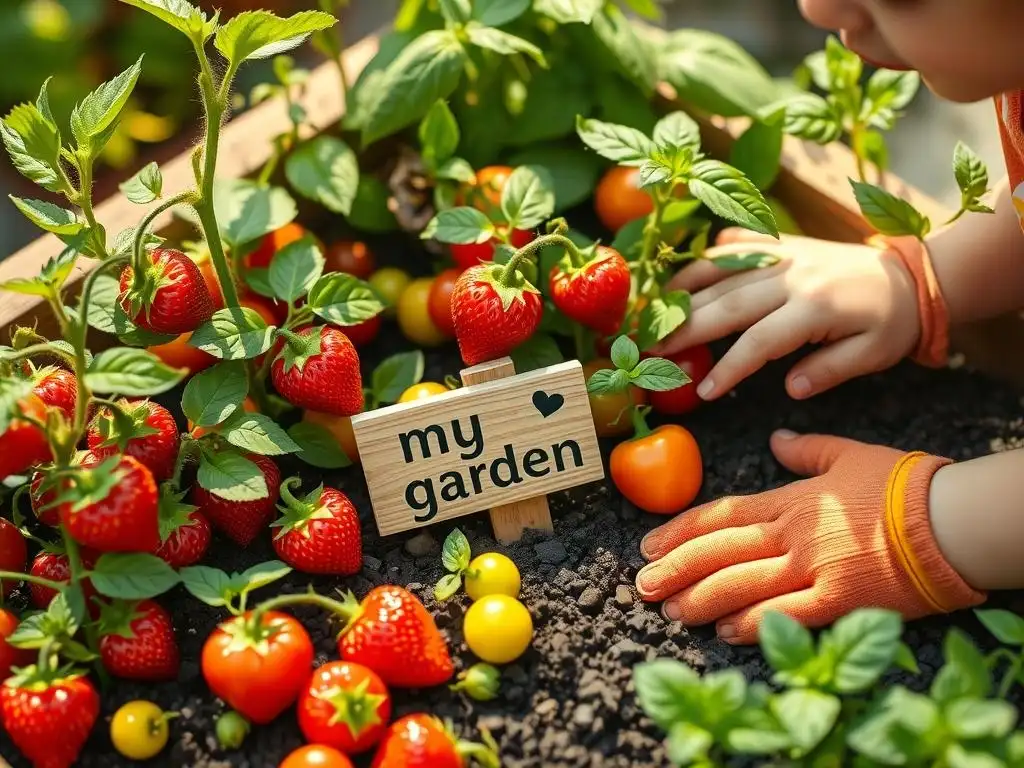
Involving children in growing their own food is a rewarding experience. Choosing edible plants that are safe, easy to grow, and appealing to young palates can make gardening even more enjoyable and educational. Remember to always emphasize proper handwashing after handling plants and before eating anything from the garden.
Easy-to-Grow Vegetables for Kids
Radishes are a fantastic choice for kids' gardens because they grow quickly, providing a sense of accomplishment in a short time. Cherry tomatoes are another excellent option, offering a sweet and juicy reward for their efforts. Small, easy-to-handle vegetables like lettuce, cucumbers, and bell peppers are also suitable options and can be planted in a sunny spot. Encourage children to participate in every stage of the growing process, from planting seeds to harvesting the ripe produce. The sense of pride in their own harvest is invaluable.
Sweet and Juicy Fruits for Little Hands
Strawberries, with their sweet taste and bright red color, are a favorite among children. They are relatively easy to grow and provide a delightful treat. Similarly, blueberries and raspberries, while requiring a bit more care, offer a delicious reward and a lesson in patience. These juicy fruits are not only visually appealing but also provide a delicious incentive for children to participate in gardening. Remember to choose varieties suitable for your climate.
Considerations for Food Allergies and Sensitivities
Before planting any edible plants, it's crucial to consider any allergies or sensitivities the children involved may have. Communicate with parents and caregivers to understand any potential dietary restrictions. Avoid planting anything that could trigger an allergic reaction. Always supervise children while they are in the garden, especially when they are handling or eating plants. Having a clear understanding of the plants grown and potential risks is essential to ensure a safe and enjoyable experience for everyone.
Sounds in the Garden: Attracting Wildlife and Creating Ambiance
A children's garden shouldn't just be a visual feast; it should also be a symphony of sounds! Integrating plants that attract wildlife adds another layer of engagement and learning for young gardeners. The buzzing of bees, the chirping of crickets, and the songs of birds create a vibrant and immersive experience, fostering a deeper connection with nature.
Think beyond just pretty flowers; consider the soundscape you want to create. A quiet, contemplative space might benefit from the gentle rustling of leaves, while a more lively area could incorporate plants that attract a variety of buzzing insects and birdsong. The sounds of nature can be incredibly soothing and calming for children, offering a welcome contrast to the often-noisy environments they encounter daily.
Remember, the goal is to create a multi-sensory experience that stimulates curiosity and encourages exploration. The sounds of a thriving garden can be just as captivating as its sights and smells.
Plants that Attract Birds and Butterflies
Choosing plants that attract birds and butterflies is a fantastic way to enhance the auditory experience of your children's garden. Brightly colored flowers, rich in nectar, are particularly effective. For butterflies, consider planting milkweed (essential for monarch butterflies), coneflowers (attracting many species), and zinnias (known for their vibrant colors and nectar-rich blooms).
These plants not only bring beauty but also the enchanting flutter of wings and the occasional delicate sip of nectar – sounds often overlooked but contributing to the overall sensory richness. For birds, berry-producing shrubs like blueberries or serviceberries provide sustenance and attract them with their lively chirping and singing. Sunflowers, with their towering height and abundant seeds, are another excellent choice, attracting finches and other seed-eating birds.
Remember to research the native species in your region to ensure you're selecting plants that will thrive and attract local wildlife. This approach ensures a naturally balanced ecosystem within your children's garden. The variety of bird songs, the delicate flapping of butterfly wings, and the busy buzzing of bees create a truly dynamic soundscape.
Plants with Rustling Leaves and Interesting Sounds
Beyond the sounds of wildlife, the plants themselves can contribute to the garden's auditory appeal. Consider incorporating plants with leaves that rustle in the breeze, creating a gentle whispering sound. Bamboo, with its tall stalks and swaying leaves, is a perfect example.
The gentle swooshing sound can be incredibly calming and soothing, especially on a windy day. Similarly, grasses like ornamental grasses create a soft rustling sound that adds to the overall ambiance. These plants offer a different kind of auditory experience, a quieter, more subtle melody compared to the vibrant sounds of birds and insects.
The rustling of leaves can also be a playful element, encouraging children to interact with the plants and listen to the various textures and sounds. Planting a variety of plants with different leaf textures and sizes will create a more diverse and engaging soundscape. The subtle sounds of rustling leaves can add a layer of tranquility and create a more relaxing and immersive experience for children exploring their garden.
Designing a Sensory Garden for Children: Layout and Considerations
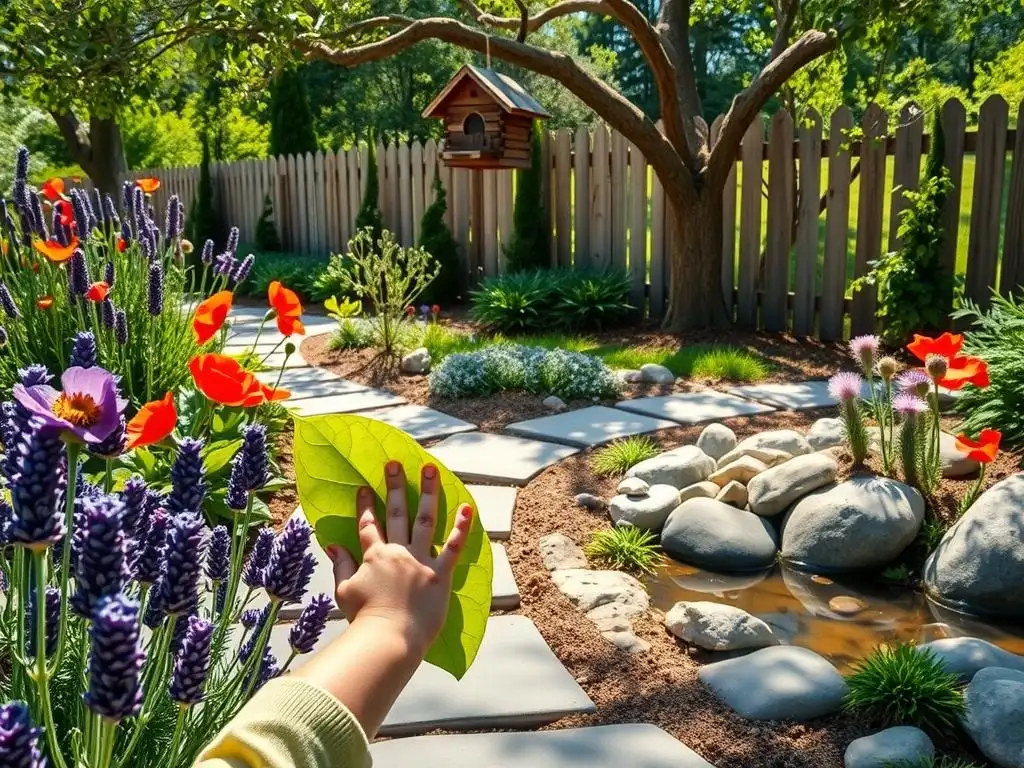
This section focuses on the practical aspects of designing a child-friendly garden that maximizes sensory engagement. A well-planned layout is crucial for a successful kids' garden plant selection and overall enjoyment. We'll explore key considerations to ensure your little ones have a fun and enriching gardening experience.
Creating Zones for Different Sensory Experiences
Designing distinct zones within your children's garden allows for a more curated sensory experience. Consider these zones for your "Kids' garden plant selection guide":
- The Touch Zone: This area should feature plants with varied textures. Think velvety lamb's ear, spiky prickly pear (ensure safety with supervision! ), smooth-leaved hostas, and fuzzy borage. Include some rough tree bark for tactile exploration. The goal is to offer a range of textural sensations to stimulate the sense of touch. Planting these in easily accessible raised beds or ground-level containers increases their usability for small children.
- The Smell Zone: Fragrant herbs and flowers are essential here. Sweet alyssum, lavender, lemon balm, and chamomile are excellent choices. Consider incorporating a small herb garden with rosemary, thyme, and mint, allowing children to smell the aromatic foliage. Remember that strong scents can be overwhelming for some children, so a balanced selection is key. Labeling each plant with its name and a brief description of its scent enhances the learning experience.
- The Sight Zone: This zone is all about visual stimulation. Brightly colored flowers like sunflowers, zinnias, and marigolds attract the eye. Consider adding plants with interesting foliage, such as variegated coleus or ferns. Varying heights and colors creates a visually appealing and engaging landscape. Including a small bird feeder or butterfly bush can add extra visual interest and encourage observation of wildlife.
- The Sound Zone: While plants don't make much noise on their own, you can enhance this aspect. Consider adding a small water feature, like a birdbath or a small fountain, to add the soothing sound of trickling water. Wind chimes, strategically placed, can add another layer of auditory stimulation. The rustling of leaves in the wind also provides a natural sound element. Remember to choose chimes that aren't too loud or jarring for young children.
Remember to consider the space available and the age of the children involved when designing your zones. Flexibility is key – you can always adapt the layout as your children grow and their interests change. This allows for a dynamic "Kids' garden plant selection guide" that evolves with the children.
Accessibility and Safety in a Child's Garden
Safety and accessibility are paramount when designing a garden for children. Several factors are crucial for a safe and enjoyable experience:
- Raised Beds: Raised beds are ideal for young children, as they provide easy access to plants without bending or kneeling. The height should be appropriate for the children's height. Ensure the materials used are non-toxic and safe for children.
- Non-Toxic Plants: Choose plants that are non-toxic to children and pets. Research plants thoroughly before planting them in a child's garden, avoiding anything known to be poisonous if ingested. Clearly label any potentially hazardous plants that may be present nearby, even outside the kids' garden area.
- Rounded Edges: Avoid sharp corners or edges on raised beds or garden tools. Rounded edges minimize the risk of injuries.
- Supervision: Always supervise children when they are in the garden, especially when they are handling plants or tools.
- Weed Control: Regular weeding is important to prevent children from accidentally ingesting harmful weeds. Consider using mulch to suppress weed growth. Consistent maintenance keeps the garden safe and attractive.
- Pest Control: Employ organic and child-safe pest control methods. Avoid using harsh chemicals that could harm children or pets. Natural pest deterrents, like companion planting, are excellent alternatives. A healthy ecosystem within the garden will naturally help with pest control.
Creating a safe environment is crucial for a positive gardening experience. This attention to safety complements your "Kids' garden plant selection guide" by creating a space where children can explore and learn without risk.
Sustainable and Organic Practices in a Kids' Garden
Incorporating sustainable and organic practices teaches children about environmental responsibility from a young age. This section provides guidance on creating an eco-friendly kids' garden:
- Composting: Start a compost bin to recycle kitchen scraps and garden waste. This teaches children about decomposition and the importance of nutrient cycling. Children can participate in the composting process, learning about the transformation of organic matter.
- Water Conservation: Use water-wise gardening techniques, such as drip irrigation or watering cans, to conserve water. Teach children about the importance of water conservation and how to water plants efficiently.
- Organic Pest Control: Avoid using harmful pesticides and herbicides. Instead, use natural pest control methods such as companion planting, introducing beneficial insects, or using organic pest control products. This safeguards children's health and protects the environment.
- Native Plants: Prioritize planting native plants, which require less water and maintenance and support local ecosystems. These plants are better adapted to the local climate and require less intervention, reducing the need for fertilizers and pesticides.
- Soil Health: Improve soil health by adding compost and other organic matter. Healthy soil promotes plant growth and reduces the need for chemical fertilizers. Children can help with this process by assisting in turning compost or adding mulch.
By emphasizing sustainable practices, you not only create a healthy garden but also instill valuable environmental lessons in your children. This commitment to sustainability adds a vital dimension to your "Kids' garden plant selection guide," fostering a love for nature and respect for the environment.
Maintaining a Child's Sensory Garden: Care and Education
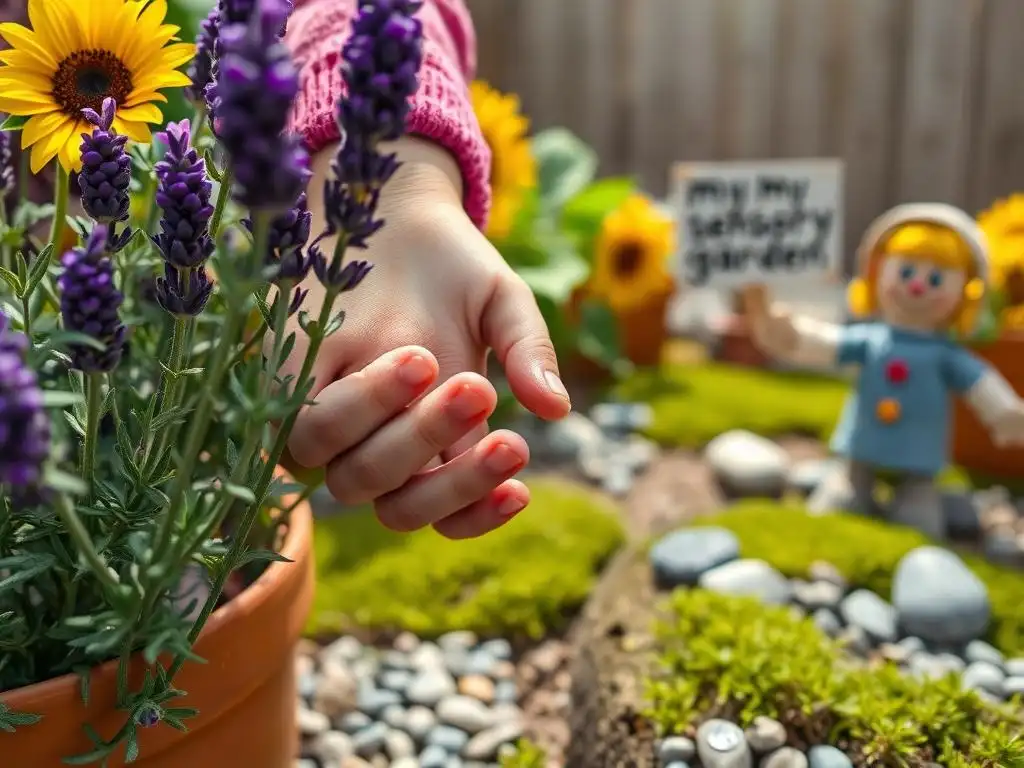
This section focuses on the practical aspects of maintaining a thriving and safe sensory garden for children. We'll explore simple, child-friendly techniques for watering, weeding, and pest control, emphasizing environmentally sound practices and educational opportunities. Remember, engaging children in these tasks fosters a sense of responsibility and deepens their connection with nature. A successful kids' garden plant selection guide isn't complete without a plan for ongoing care.
Simple Watering and Weeding Techniques for Kids
Young gardeners need age-appropriate tools and techniques to avoid frustration and ensure success. For watering, consider small watering cans with rose heads to prevent overwatering and soil erosion. Teach children to water deeply but infrequently, focusing on the base of the plants rather than overhead watering, which can lead to fungal diseases. Explain the importance of feeling the soil moisture – if it feels dry an inch or two below the surface, it's time to water. A fun way to illustrate this is to let them stick their finger into the soil! 💦
Weeding is another essential task. Provide children with small, child-safe trowels and hand rakes. Start by showing them the difference between weeds and the desired plants, emphasizing the importance of gentle weeding to avoid damaging plant roots. Make it a game by setting a timer and seeing how many weeds they can remove in a specific time. Composting the weeds afterwards is a great way to teach about recycling and nutrient cycling. This hands-on approach transforms a chore into a valuable learning experience, making your kids' garden plant selection guide truly effective.
Pest Control Methods Safe for Children and the Environment
Protecting plants from pests without using harmful chemicals is crucial in a children's garden. Prioritize preventative measures, such as companion planting (e.g., planting marigolds to deter aphids) and selecting pest-resistant plant varieties. This proactive approach is key to a successful kids' garden plant selection guide.
Should pests appear, introduce safe and effective control methods. Handpicking pests is a simple and engaging activity for children. Encourage observation – understanding the pest life cycle helps children become more effective pest managers. Introduce the concept of beneficial insects like ladybugs, which feed on aphids. Consider using insecticidal soap or neem oil as a last resort, always following label instructions carefully and emphasizing safety precautions. Remember to supervise children closely during any pest control activities. Prioritizing a safe environment is paramount when crafting a kids' garden plant selection guide.
Teaching Children About Plant Life Cycles and Sustainability
A sensory garden provides an exceptional opportunity to teach children about plant life cycles and sustainable practices. Start by planting seeds together and observing germination, growth, flowering, and fruiting. Keep a journal with drawings and observations to document the plant's progress. This hands-on learning experience complements any kids' garden plant selection guide.
Incorporate composting into your gardening routine. Explain how decomposing organic matter provides nutrients for the plants, reducing the need for chemical fertilizers. Children can help collect kitchen scraps and yard waste for the compost bin. Discuss the impact of water conservation and responsible resource management. Emphasize the importance of protecting pollinators like bees and butterflies, essential for a healthy garden ecosystem. By integrating these educational elements, you're not just creating a garden, but fostering a deeper understanding of nature's interconnectedness. This holistic approach elevates your kids' garden plant selection guide beyond a simple planting plan.
Resources for Planting a Child's Sensory Garden
This section provides essential resources to help you create a thriving and engaging sensory garden for your children. Choosing the right resources is crucial for a successful and enjoyable gardening experience. We'll cover where to source your plants and seeds, and also point you towards valuable learning materials to enhance your gardening journey with kids. Remember, selecting high-quality seeds and plants is key to a successful kids' garden. This ensures healthy growth and a rewarding experience for the young gardeners.
Where to Buy Seeds and Plants for a Kids' Garden
Finding the right seeds and plants for your child's garden is an exciting part of the process! You have several excellent options, each with its own advantages.
Consider these options when sourcing your plants:
- Local nurseries: These often carry a wide selection of kid-friendly plants, and the staff can provide personalized advice tailored to your local climate and growing conditions. They are a great resource for learning about plant care and local varieties. Many nurseries also offer workshops and educational programs for kids, further enhancing the learning experience.
- Online seed companies: These offer a vast selection, often including heirloom varieties and unusual plants that might not be available locally. The convenience of online shopping is a plus, but be sure to choose reputable companies with positive customer reviews and fast shipping to ensure the seeds arrive in good condition. Look for companies specializing in organic seeds to align with sustainable gardening practices.
- Community gardens: Some community gardens offer plants and seedlings for sale, often at affordable prices. This is a great way to support your local community and get involved in a wider gardening network. It also provides a chance for your children to see how plants are grown on a larger scale.
- Seed saving: Once your children have successfully grown plants, you can encourage them to save seeds from their favorite varieties for the following year. This is a fantastic way to teach about the life cycle of plants and build excitement for the next gardening season. It promotes sustainability and connects kids directly to the process of plant reproduction.
Remember to choose plants that are:
- Easy to grow: Opt for plants known for their resilience and ability to thrive even with less-than-perfect care. This minimizes frustration and maximizes the chances of success for your young gardeners.
- Non-toxic: Safety is paramount. Choose plants that are safe for children to touch and handle, avoiding anything poisonous or irritating. Research thoroughly before selecting any plants, especially those with berries or other potentially appealing but harmful parts.
- Visually appealing: Select plants with vibrant colors, interesting textures, and appealing scents to engage children's senses fully. Consider incorporating flowers with bright colors, herbs with strong aromas, and vegetables with interesting shapes and sizes.
Choosing the right plants is crucial for a successful kids' garden. This ensures that the experience is rewarding and enjoyable for everyone involved.
Books and Resources on Gardening with Children
Beyond seeds and plants, equipping yourself with knowledge is key. Numerous books and online resources can guide you through every step of creating and maintaining a children's garden. These resources provide valuable information and inspiration, making the gardening process more enriching and enjoyable.
Here are some types of resources to explore:
- Children's gardening books: These books are specifically designed to engage young minds with captivating stories and age-appropriate instructions. They often include fun activities, crafts, and experiments related to gardening. Look for books with colorful illustrations and simple language that resonates with children's interests.
- Gardening guides for families: These resources offer comprehensive advice on planning, planting, and maintaining a garden suitable for all ages. They often include tips on involving children in different gardening tasks, from seed starting to harvesting. Many provide practical advice on dealing with common challenges, such as pests and diseases.
- Online gardening communities and forums: Connecting with other parents and gardeners online can provide a wealth of information, support, and inspiration. Sharing experiences and seeking advice from experienced gardeners can be invaluable, especially when facing unexpected challenges. Online communities can provide a sense of belonging and a platform for exchanging knowledge and ideas.
Investing in these resources ensures a well-informed and enjoyable gardening experience for you and your children. Remember, learning together is a crucial aspect of creating a successful and meaningful sensory garden. The collective learning experience will enhance the bonding and create lasting memories.
Frequently Asked Questions
What types of plants are best for a child's garden?
Choose plants that offer a sensory experience: bright colors, interesting textures (fuzzy leaves, spiky plants), and appealing scents. Consider easy-to-grow options like sunflowers, strawberries, and herbs like mint or basil.
How can I make the garden engaging for children?
Incorporate interactive elements: a small water feature, a bird bath, or a bug hotel. Let children help with planting and watering, fostering a sense of ownership and responsibility. Choose plants with edible produce to add excitement.
What are some low-maintenance plant choices for busy families?
Opt for drought-tolerant varieties that require less frequent watering. Self-seeding flowers like poppies or calendula minimize your workload. Consider using raised beds for easier access and weeding.
Are there any safety considerations when planting a children's garden?
Avoid poisonous plants completely. Choose plants with non-irritating leaves to prevent allergic reactions. Supervise children while they are in the garden to prevent accidental ingestion or injury.
How can I encourage children to participate in the garden's upkeep?
Make it fun! Let them decorate plant markers with their names. Create a reward system for tasks completed. Celebrate successes, such as the first harvest, to reinforce positive experiences and build enthusiasm.
Final Reflection: Cultivating Wonder in Little Hands
The careful selection of plants for a child's garden is far more than just aesthetics; it's about nurturing a lifelong connection with nature. Creating a sensory-rich space where children can explore textures, scents, and colors fosters a deep appreciation for the natural world, a crucial element in a time of increasing environmental challenges. This understanding extends beyond the simple act of planting; it cultivates empathy, responsibility, and a sense of wonder that can shape a child's future.
The impact of early childhood experiences with nature is profound and lasting. It shapes not only a child's understanding of the environment but also their emotional and cognitive development. A child who spends time in nature is a child who learns to love the world.
This simple truth underscores the importance of creating gardens that engage all the senses, fostering a love for the natural world that can endure a lifetime. My own childhood memories of tending a small herb garden are filled with the fragrant scent of basil and the satisfying feel of cool, damp soil beneath my fingers – a sensory richness that continues to inspire me today.
Consider the plants you choose for your own little gardener. Will they be captivated by the vibrant hues of sunflowers, the fuzzy texture of lamb's ear, or the sweet fragrance of lavender? Take the time to select plants that will spark curiosity and encourage exploration. Let your child participate in the process, fostering a sense of ownership and responsibility. Remember, the garden you create is not just a space for plants to grow, but a space for a child's imagination to flourish, a testament to the enduring power of nature's embrace.
Unleash Your Child's Green Thumb: Grow Their Sensory Garden Today!
Thank you for exploring the joy of creating a sensory garden with your child! We hope you've discovered helpful tips for selecting plants that will create a truly enriching experience. Now it's time to put your knowledge into practice.
- Begin planting! Choose a couple of your favorite plants from the article and plant them, either directly in the ground or in pots. Witnessing their growth will be incredibly rewarding—this is the most important step.
- Share your garden's progress! Post pictures of your blossoming garden on social media using #CultivateKidsGarden to inspire other parents to create their own sensory havens.
- Enhance the sensory experience: Consider adding elements beyond plants, such as textured pathways or fragrant herbs, to fully engage your child's senses.
Ready to witness the wonder of nature unfold in your backyard? What unique sensory element will you add to make your child's garden truly special?