
Natural Solutions for Oedema in Plants: Preventing and Treating Water Issues

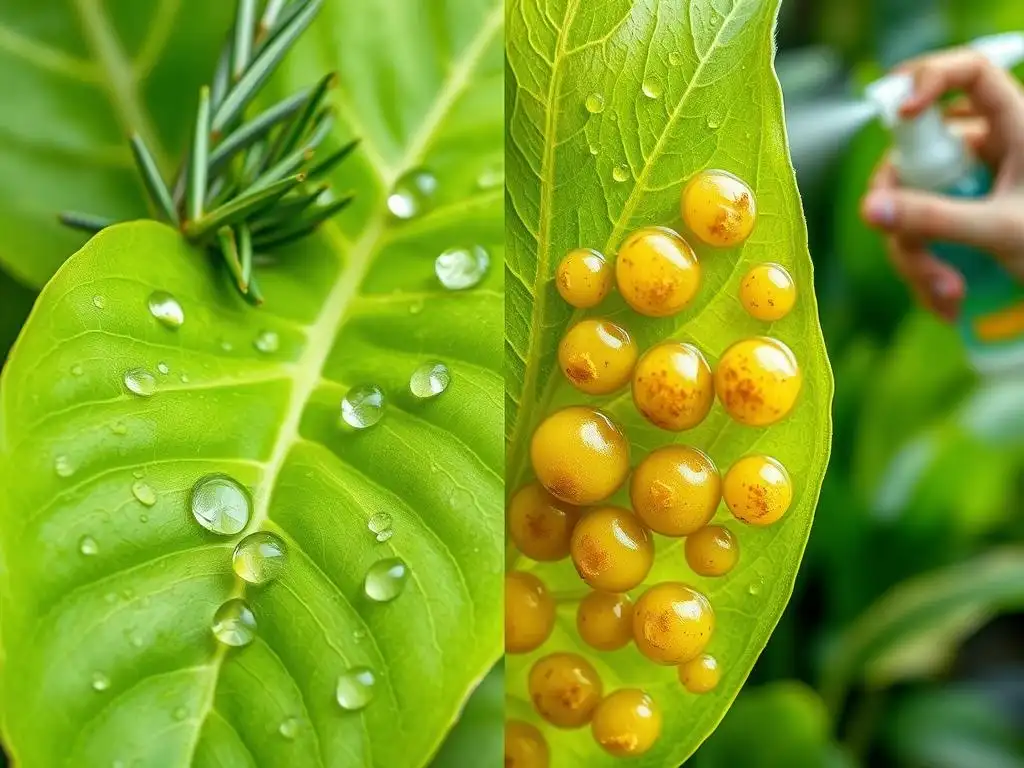
Welcome to CultivateYourFood, your guide to a thriving, sustainable garden! Are your precious plants suffering from swollen, distorted leaves? Discover natural remedies for plant oedema, a common water-related issue, and learn how to prevent it from impacting your harvest. We'll equip you with the knowledge to nurture healthy, vibrant fruits, vegetables, and herbs, organically and sustainably. Let's get growing!
- Understanding Plant Oedema: Causes and Symptoms
- Natural Remedies for Plant Oedema: Effective Treatments
- Preventing Oedema in Your Garden: Proactive Measures
- Advanced Techniques for Oedema Management
- Case Studies: Successful Oedema Treatment in Specific Plants
- Frequently Asked Questions
- Final Reflection: Nurturing Plant Health Naturally
- Unleash Your Plants' Full Potential: Nurture Thriving Growth!
Understanding Plant Oedema: Causes and Symptoms
Plant oedema, a physiological disorder often mistaken for a disease, affects a wide range of plants, including popular homegrown favorites like tomatoes, cucumbers, and basil. This condition, characterized by water-soaked lesions on leaves and stems, isn't caused by pathogens but rather by an imbalance in the plant's water uptake and transpiration. Understanding the underlying causes and recognizing the symptoms are crucial for implementing effective, natural remedies and preventing future occurrences.
This article will explore natural solutions for plant oedema, focusing on sustainable and organic approaches to address this common plant problem, helping you cultivate healthier and more productive plants. We'll delve into identifying the telltale signs of oedema, exploring the common culprits behind its development, and ultimately, offering practical strategies for prevention and treatment. Learning to manage oedema naturally is a vital aspect of successful organic gardening, promoting plant health and minimizing the need for chemical interventions.
Identifying Oedema in Your Plants: Visual Clues and Early Detection
Early detection is key to effectively managing plant oedema. The most noticeable symptom is the appearance of small, corky, or blister-like bumps on the undersides of leaves, sometimes extending to stems. These lesions initially appear water-soaked, often exhibiting a pale green or yellow hue before turning brown or corky as they mature.
The severity of oedema can vary; in mild cases, only a few leaves might be affected, while severe cases can result in extensive leaf damage and stunted growth. The affected areas might feel slightly spongy to the touch. Careful observation, particularly during periods of high humidity and frequent watering, is crucial for early identification.
Remember, accurate diagnosis is paramount before applying any remedy; other conditions can mimic oedema's symptoms, so a thorough examination is essential. Sometimes, gently lifting a leaf to examine the underside can reveal the characteristic lesions more clearly. Early detection allows for prompt intervention, minimizing the damage and promoting the plant's recovery.
Common Causes of Oedema in Tomatoes, Cucumbers, and Basil
Oedema frequently affects plants grown in environments with high humidity and frequent watering, especially those with poor soil drainage. The imbalance arises when a plant absorbs water faster than it can transpire (release water through its leaves). This leads to a build-up of water pressure within the plant's cells, causing the characteristic lesions. Tomatoes, cucumbers, and basil, popular choices for home gardens, are particularly susceptible. For example, tomatoes grown in poorly draining soil during periods of high humidity and frequent rainfall often develop oedema. Similarly, cucumbers grown in containers with inadequate drainage holes and overwatered can experience this condition. Basil, with its delicate leaves, is also prone to oedema under similar circumstances. The problem is often exacerbated by sudden changes in environmental conditions, such as a shift from dry to overly humid weather. Understanding these factors allows gardeners to proactively adjust their watering practices and soil conditions to prevent oedema.
The Role of Soil Conditions in Oedema Development: Drainage and Irrigation
The soil plays a crucial role in oedema development. Poorly draining soil prevents excess water from escaping, creating a waterlogged environment that promotes the condition. Conversely, well-draining soil allows excess water to percolate away, reducing the risk of oedema. Therefore, ensuring adequate soil drainage is a fundamental aspect of prevention.
This can involve amending heavy clay soils with organic matter like compost to improve aeration and drainage. Raised beds also provide excellent drainage. Irrigation practices also significantly influence oedema. Overwatering, regardless of soil type, can lead to waterlogged conditions and trigger oedema.
Consistent watering, avoiding both underwatering and overwatering, is crucial. Consider using drip irrigation or soaker hoses for more precise watering, ensuring that water reaches the roots without saturating the leaves and surrounding soil excessively. Monitoring soil moisture levels regularly, using a moisture meter or by feeling the soil, helps determine the appropriate watering frequency. Regular soil testing can also identify nutrient imbalances that might indirectly contribute to increased water uptake.
Natural Remedies for Plant Oedema: Effective Treatments
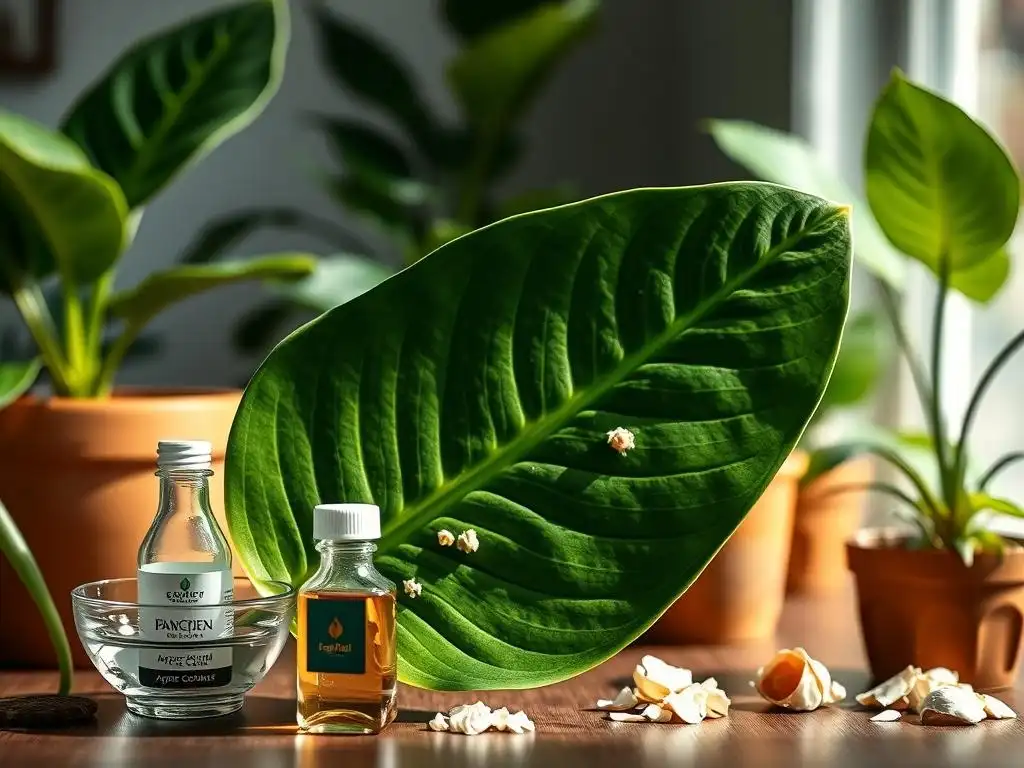
Plant oedema, that unsightly blistering on leaves, is a common plant ailment stemming from inconsistent watering and poor soil drainage. While not a disease in the traditional sense, it weakens the plant, making it more susceptible to actual diseases and pests. Fortunately, numerous natural remedies can effectively treat and prevent plant oedema, fostering healthier, more vibrant growth.
This section focuses on practical, organic solutions to address this prevalent issue, enhancing your plant's resilience and overall well-being. The key is to address the root causes – excess water and poor soil drainage – using sustainable methods. Effective management of plant oedema relies on a holistic approach, incorporating adjustments to watering techniques, soil improvements, and the use of beneficial soil amendments.
Adjusting Watering Practices: Preventing Future Oedema
Overwatering is the primary culprit behind plant oedema. The symptoms – corky, raised bumps on the undersides of leaves – are a direct result of cells absorbing more water than they can process, leading to rupturing and the characteristic blistering. Therefore, adjusting watering practices is crucial for both treatment and prevention. Instead of following a rigid schedule, monitor the soil moisture carefully.
Use your finger to check the top inch or two of soil; if it feels dry, water thoroughly until water drains from the drainage holes. Avoid letting the soil become completely saturated. The frequency of watering will depend on factors such as plant type, pot size, soil type, and environmental conditions (temperature, humidity, sunlight). Remember, it's better to underwater slightly than to overwater consistently.
This approach avoids the build-up of excess moisture that leads to oedema. Consider using a moisture meter for more precise monitoring, especially for beginners. Regularly checking the soil's moisture content is key to preventing future occurrences of plant oedema. Consistent monitoring, rather than a set schedule, is the most effective method.
For instance, a succulent, which stores water in its leaves, will require far less frequent watering than a leafy green vegetable like lettuce. Observing your plant's specific needs and adapting your watering accordingly is essential for long-term success. Furthermore, ensure your pots have adequate drainage holes to prevent waterlogging.
Improving Soil Drainage: Solutions for Waterlogged Soil
Poor soil drainage is a significant contributor to plant oedema. Waterlogged soil prevents proper aeration, hindering root health and leading to excess water uptake by the leaves. Improving soil drainage is therefore vital for preventing and treating the condition. Several natural remedies can address this issue. First, ensure your pots have sufficient drainage holes.
If using containers, choose ones with numerous, generously sized drainage holes. For in-ground planting, consider amending heavy clay soils to improve drainage. Adding organic matter like compost, peat moss, or coco coir significantly improves soil structure, allowing for better water percolation. These amendments increase porosity, enabling excess water to drain away more effectively, preventing waterlogging around the roots.
Another effective method is to raise the planting bed slightly above the surrounding ground level. This simple technique allows for better water runoff, reducing the chances of water accumulation around the plant's base. For potted plants, you can add a layer of gravel or broken pottery shards at the bottom of the pot before adding the potting mix. This creates a drainage layer, preventing water from becoming stagnant at the base. Regularly inspecting your soil's drainage is crucial; if water sits on top of the soil for extended periods, it’s a clear sign of poor drainage that needs addressing.
Using Organic Soil Amendments: Enhancing Soil Structure and Drainage
Organic soil amendments play a pivotal role in preventing and treating plant oedema by improving soil structure and drainage. Compost, for example, is a fantastic natural remedy. It not only improves drainage but also enriches the soil with essential nutrients. The addition of compost enhances the soil's ability to retain moisture without becoming waterlogged. This balanced moisture retention helps prevent both underwatering and overwatering, minimizing the risk of oedema. Furthermore, compost introduces beneficial microorganisms to the soil, improving overall soil health and the plant's ability to cope with stress.
Other beneficial amendments include perlite and vermiculite. These inorganic materials increase aeration and drainage without adding nutrients. They create spaces within the soil matrix, allowing for better air circulation and water flow. Integrating these amendments with compost, peat moss or coco coir creates a well-balanced soil mix that promotes healthy root development and minimizes the risk of plant oedema.
Remember to choose amendments that suit your specific soil type and plant needs. A well-structured soil is the foundation for healthy plant growth and a significant step in preventing various plant problems, including oedema. The right balance of organic matter and inorganic amendments is crucial for creating the optimal growing environment.
Natural Treatments for Existing Oedema: Improving Air Circulation and Reducing Humidity
Plant oedema, characterized by corky, water-soaked lesions on leaves, stems, and fruits, often stems from environmental conditions that hinder proper water uptake and transpiration. Addressing these environmental factors is crucial to treating existing oedema and preventing future occurrences. Improving air circulation and reducing humidity are key components of this natural treatment strategy.
One of the most effective ways to combat plant oedema is to improve air circulation around the plant. Stagnant air traps moisture, exacerbating the problem. For indoor plants, strategic placement is vital. Avoid placing plants too close together, allowing ample space for air to flow freely between them.
Consider using a fan on low speed to gently circulate the air, particularly in humid environments. Outdoor plants benefit from planting in areas with good air movement, avoiding dense planting or locations sheltered from breezes. Pruning overcrowded branches can significantly improve air circulation within the plant canopy itself, allowing for better transpiration and reducing humidity at the leaf level. This is particularly important for plants prone to oedema, such as tomatoes, cucumbers, and peppers.
Reducing humidity is another cornerstone of natural oedema treatment. High humidity creates an environment ripe for the development of water-soaked lesions. For indoor plants, employing a dehumidifier can effectively lower the humidity level in the surrounding air. Alternatively, ensure adequate ventilation by opening windows or using exhaust fans to remove excess moisture.
For outdoor plants, selecting a planting site with good drainage and avoiding overhead watering can significantly reduce humidity around the plant. Overhead watering can leave leaves wet for extended periods, creating a humid microclimate conducive to oedema development. Instead, opt for watering at the base of the plant to keep foliage dry.
Monitoring the humidity levels using a hygrometer can help you understand the environment your plants are in and make informed decisions about adjustments. Aim for a humidity level appropriate for your specific plant species. Remember, humidity levels are often higher in the evening and at night, so consider adjusting your ventilation strategies accordingly to prevent nighttime moisture buildup.
Preventing Oedema in Your Garden: Proactive Measures
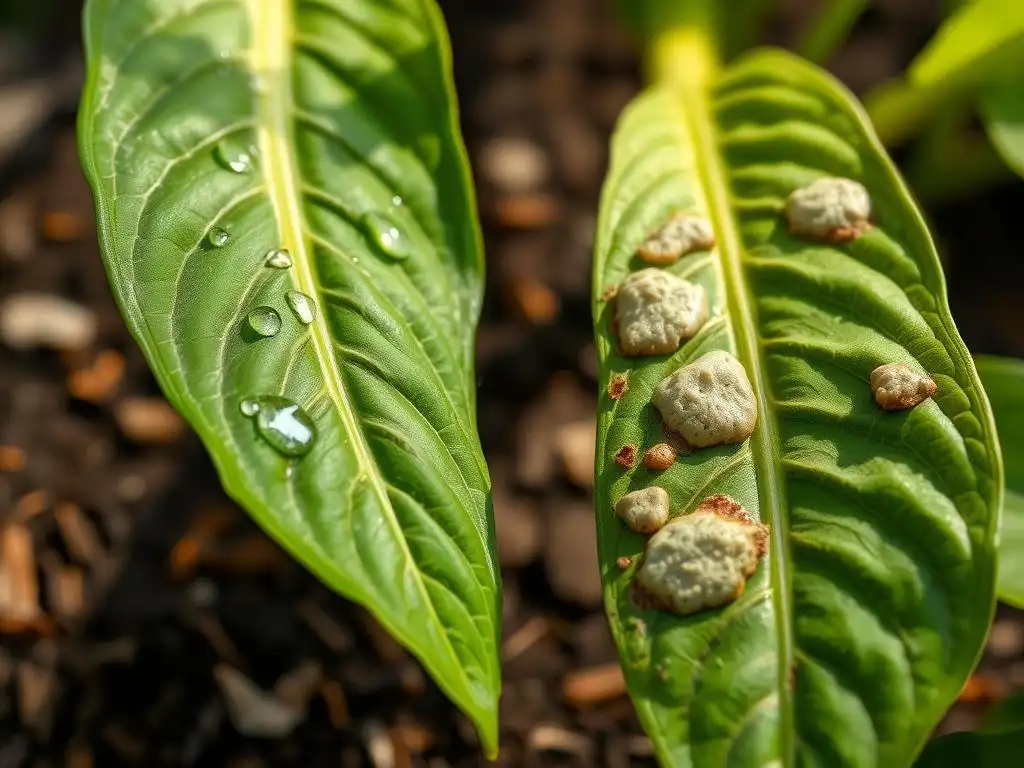
Preventing plant oedema, that unsightly blistering on leaves caused by excessive water uptake, is far easier than treating it. A proactive approach focusing on plant selection, optimal growing conditions, and consistent watering practices forms the cornerstone of successful oedema prevention. Understanding the root causes – essentially, imbalanced water absorption and transpiration – allows for targeted preventative measures. This section will explore key strategies for minimizing the risk of this common plant ailment and ensuring healthy, thriving plants.
Selecting Suitable Plants: Choosing Oedema-Resistant Varieties
Certain plant species are inherently more susceptible to oedema than others. This susceptibility is often linked to their natural physiology and water management capabilities. For instance, plants with thick, fleshy leaves, like succulents, are more prone to waterlogging and subsequent oedema development. Conversely, plants with thinner leaves and a higher transpiration rate often exhibit greater resilience. When planning your garden, prioritize selecting varieties known for their oedema resistance.
Researching specific plant varieties before purchase is crucial. Look for descriptions highlighting drought tolerance or adaptability to varied watering conditions. This preliminary research can significantly reduce your risk of encountering oedema issues down the line. Consider consulting with local nurseries or experienced gardeners for recommendations tailored to your specific climate and soil type. They can provide invaluable insights into which plants will thrive in your garden without succumbing to oedema.
For example, certain types of tomatoes are more resistant than others. Similarly, some lettuce varieties show greater tolerance to fluctuating moisture levels than others. This careful selection process forms the first line of defense against plant oedema. Remember, a healthy plant is less likely to be affected by this physiological disorder.
Optimizing Planting Conditions: Ensuring Proper Spacing and Sunlight
Proper spacing and adequate sunlight are crucial for preventing plant oedema. Overcrowded plants compete for resources, including water and nutrients. This competition can disrupt the delicate balance between water uptake and transpiration, increasing the likelihood of oedema. Ensure your plants have sufficient space to grow without hindering each other. Consult plant-specific guidelines for optimal spacing recommendations. Proper spacing also improves air circulation, reducing humidity around the leaves—a key factor in preventing waterlogged conditions.
Sunlight plays a vital role in plant transpiration. Adequate sunlight promotes healthy evaporation from the leaves, balancing water absorption from the roots. Plants grown in shaded areas or those receiving insufficient sunlight are more prone to developing oedema. Choose a location in your garden that provides ample sunlight for your chosen plants, ensuring they receive the appropriate amount of light for their specific needs. This balance between sunlight and spacing contributes significantly to healthy plant growth and minimizes the risk of oedema development.
Maintaining Consistent Watering Schedules: Avoiding Overwatering and Underwatering
Consistent watering is paramount in preventing plant oedema. Both overwatering and underwatering can disrupt the delicate water balance within the plant, creating conditions conducive to oedema. Overwatering forces the roots to absorb more water than the plant can transpire, leading to waterlogging and the characteristic blistering. Underwatering, on the other hand, can stress the plant, causing it to absorb water excessively when it is eventually watered, again leading to an imbalance.
The key is to develop a watering schedule that provides consistent moisture without saturating the soil. Avoid watering on a fixed schedule; instead, monitor the soil moisture levels regularly. Water deeply but infrequently, allowing the soil to dry slightly between waterings. The use of well-draining soil is also crucial; poorly draining soil retains excessive moisture, increasing the risk of oedema.
Adjust your watering schedule according to weather conditions, considering factors like rainfall, temperature, and sunlight intensity. Remember, prevention is key when it comes to plant oedema. Consistent monitoring and careful watering practices are essential for maintaining healthy, vibrant plants free from this common ailment. Regularly check your plants for any signs of water stress or overwatering, adjusting your approach as needed.
Monitoring Soil Moisture Levels: Techniques for Assessing Soil Conditions
Monitoring soil moisture is crucial in preventing plant oedema, a physiological disorder caused by excessive water uptake. Overwatering is a primary culprit, and consistent monitoring allows for proactive adjustments to your watering schedule, preventing the problem before it arises. Several techniques can help you accurately assess soil conditions:
One effective method is the finger test. Simply stick your finger about an inch into the soil. If it feels dry, it's time to water. If it's slightly moist, you can wait a bit longer. This simple technique provides a quick and reliable assessment of the topsoil's moisture content. Remember to check at different depths, as moisture levels can vary. For container plants, lifting the container can give you an indication of how heavy it is. A lighter pot suggests drier soil.
For a more precise measurement, consider using a soil moisture meter. These tools are readily available at most garden centers and online retailers. They come in various designs, from simple analog meters to digital devices with advanced features. These meters insert into the soil and provide a numerical reading of the soil's moisture content. This allows for a more objective assessment, especially useful for those new to gardening or dealing with a wider variety of plants with varying water requirements. Remember to calibrate your meter regularly for accurate readings.
Another technique involves observing the plant itself. Wilting leaves, especially during the day, can indicate underwatering. However, consistently turgid, overly plump leaves can be a sign of overwatering and a precursor to oedema. Understanding your plants' individual needs and learning to recognize subtle changes in their appearance is essential for preventing overwatering. Look for signs of leaf discoloration or unusual leaf growth patterns as well. These can be early indicators of an imbalance in the soil's moisture content.
Finally, don't overlook the importance of understanding your soil type. Sandy soils drain quickly, requiring more frequent watering, while clay soils retain moisture for longer periods. Knowing your soil type will help you adjust your watering schedule and avoid overwatering, a significant factor in the development of plant oedema. A soil test can provide valuable insights into your soil's composition and drainage capabilities. This information, coupled with the other monitoring techniques, will help you create a precise and tailored watering plan for your plants. This proactive approach ensures healthy growth and minimizes the risk of plant oedema.
Advanced Techniques for Oedema Management
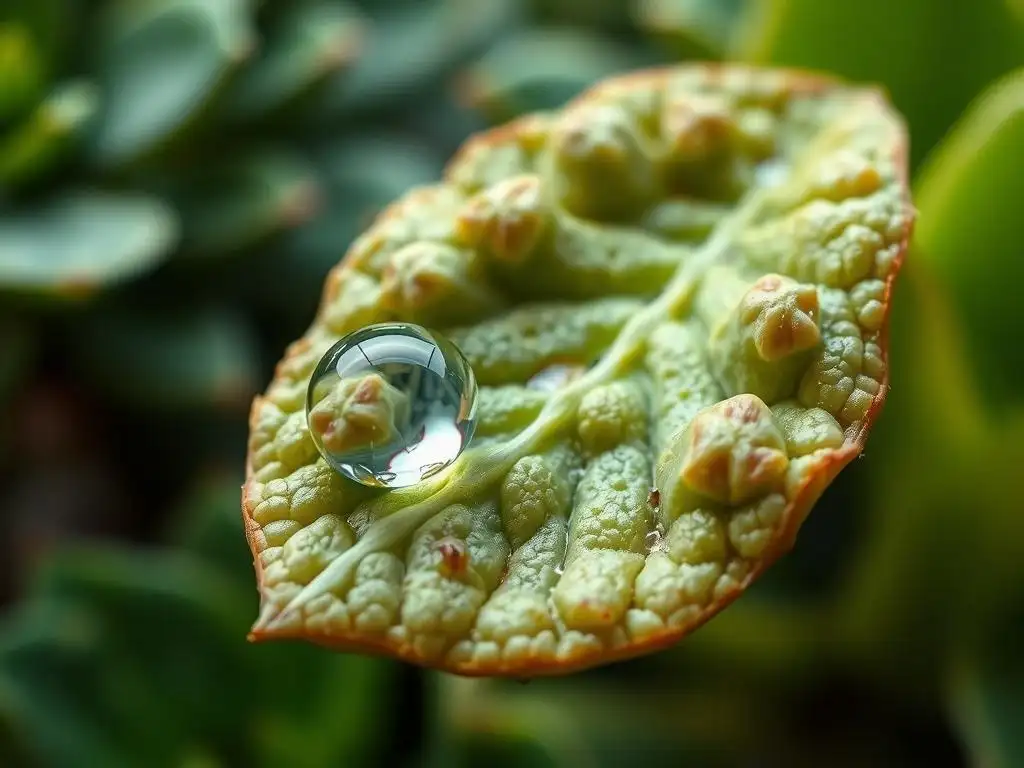
This section delves into more advanced, yet still entirely natural, methods for managing plant oedema, building upon the foundational principles of proper watering and soil drainage. These techniques focus on improving the overall health and resilience of your plants, making them less susceptible to this physiological disorder. Remember, prevention is key, and these methods contribute significantly to creating a thriving environment for your fruits, vegetables, and herbs. Effective management of plant oedema requires a holistic approach, addressing both immediate symptoms and underlying soil conditions.
Biochar Application: Improving Soil Aeration and Water Retention
Biochar, a charcoal-like material produced from the pyrolysis of biomass, offers a unique solution to the dual problem of poor aeration and inconsistent moisture often associated with plant oedema. Its porous structure allows for excellent water retention, preventing the sudden fluctuations in soil moisture that can trigger oedema. Simultaneously, the numerous pores create channels within the soil, improving aeration and reducing the risk of root asphyxiation.
The application of biochar is relatively straightforward. It can be incorporated into the soil during planting or top-dressed as a mulch. The optimal amount will depend on your soil type and the specific biochar used, but generally, a rate of 10-20% by volume is a good starting point. For instance, a 10-gallon pot could benefit from 1-2 gallons of biochar mixed into the potting mix. Regular monitoring of soil moisture levels is crucial to avoid overwatering, even with the improved water retention provided by biochar. Remember, even with enhanced drainage, overwatering can still be detrimental to plant health. The improved aeration, however, will help prevent the anaerobic conditions that exacerbate oedema. Studies have shown significant improvements in plant growth and reduced incidence of oedema in plants grown in biochar-amended soils. 1
Mycorrhizal Fungi Inoculation: Enhancing Root Health and Water Uptake
Mycorrhizal fungi form symbiotic relationships with plant roots, extending their reach and improving nutrient and water uptake. This is particularly beneficial in addressing plant oedema, as improved water absorption can help regulate the plant's internal water balance and reduce the likelihood of cellular swelling. By inoculating your soil with mycorrhizal fungi, you are essentially providing your plants with a more efficient and resilient root system.
Several commercially available mycorrhizal fungi inoculants are specifically formulated for use in home gardens. These products typically contain a mix of beneficial fungal species, ensuring broader compatibility with a range of plants. Application methods vary depending on the product, but generally involve mixing the inoculant with the soil during planting or applying it as a drench around the base of established plants.
The benefits of mycorrhizal fungi extend beyond oedema prevention; they enhance overall plant health, improving nutrient uptake and disease resistance. This holistic approach contributes to a more robust and resilient plant, better equipped to handle environmental stresses. The positive impact on water uptake is particularly relevant to reducing the risk of plant oedema, as it promotes a more balanced hydration status within the plant.
Utilizing Organic Mulch: Regulating Soil Temperature and Moisture
Organic mulches, such as wood chips, straw, or shredded leaves, play a crucial role in regulating soil temperature and moisture. Consistent soil moisture is paramount in preventing plant oedema. A thick layer of mulch (2-4 inches) helps to moderate temperature fluctuations, preventing rapid drying of the soil surface and reducing the risk of water stress. This consistent moisture supply helps maintain a stable internal water balance within the plant, minimizing the likelihood of cellular swelling and oedema development.
The type of mulch you choose will depend on your specific needs and preferences. Wood chips provide excellent water retention and suppress weeds, while straw offers good insulation and is readily biodegradable. Remember to keep the mulch away from the plant stems to prevent rot. Regular monitoring of soil moisture is still essential, even with the use of mulch.
The mulch itself should be kept moist, but not saturated. Overwatering, even with mulch present, can still lead to problems. Incorporating organic matter into the soil, in addition to mulching, further enhances soil structure and water retention, creating a more favorable environment for plant growth and oedema prevention. The combination of these natural methods provides a comprehensive strategy for managing plant oedema and fostering healthy plant development.
1 [Specific information pending: Cite a relevant study on biochar and plant oedema]
Integrating Beneficial Microbes: Promoting Soil Health and Plant Resilience
Introducing beneficial microbes into your soil is a powerful, natural strategy to combat plant oedema and bolster overall plant health. These microscopic organisms play a crucial role in nutrient cycling, water retention, and disease suppression, all of which contribute to a plant's ability to regulate its water uptake and avoid the swelling characteristic of oedema. A healthy soil microbiome acts as a buffer, helping plants manage fluctuating water conditions more effectively.
One of the most effective ways to introduce beneficial microbes is through composting. Home composting, using a variety of organic materials like fruit and vegetable scraps, yard waste, and even coffee grounds, creates a rich environment teeming with beneficial bacteria and fungi. These microorganisms break down organic matter, releasing essential nutrients and improving soil structure.
Improved soil structure, with its increased porosity, allows for better water drainage and aeration, reducing the risk of waterlogging that often precedes oedema. The improved water retention capacity also ensures that plants have access to moisture without experiencing the sudden surges that can trigger oedema.
Beyond composting, you can also utilize specific microbial inoculants. These products contain concentrated populations of beneficial bacteria or fungi, such as Bacillus subtilis or Trichoderma species, known for their ability to improve nutrient uptake and enhance plant resistance to stress. Applying these inoculants directly to the soil or to the plant's root system can significantly boost the microbial activity, leading to a healthier rhizosphere (the area around the plant's roots) and a more resilient plant.
The enhanced root health directly contributes to better water management, making the plant less susceptible to oedema. Remember to choose inoculants specifically formulated for your plant type and soil conditions for optimal results.
The application of compost tea, a liquid extract brewed from compost, is another effective technique. Compost tea is rich in beneficial microbes and humic acids that further enhance soil health. It can be applied directly to the soil or used as a foliar spray, nourishing the plants from both the roots and the leaves.
Regular application of compost tea can improve the overall health and vigor of your plants, making them more resistant to various stresses, including those that lead to oedema. The humic acids in compost tea also help improve the soil's water retention capabilities, providing a more consistent moisture supply for the plants. This consistent moisture supply is crucial in preventing the drastic fluctuations that can lead to oedema.
Always follow the instructions on the packaging when using compost tea or microbial inoculants, paying close attention to application rates and frequency. Proper application is crucial for maximizing their effectiveness.
Case Studies: Successful Oedema Treatment in Specific Plants
This section presents real-world examples of plant oedema management, showcasing effective natural remedies and preventative measures. Understanding how these techniques work in practice can significantly improve your success rate in treating and preventing this common plant ailment. We'll explore specific plant species and the unique challenges they present regarding oedema. Remember, early detection and prompt action are key to minimizing damage and promoting healthy plant growth.
Case Study 1: Tomato Oedema Treatment and Recovery
Tomato plants are particularly susceptible to oedema, often exhibiting corky blemishes on their leaves and stems. One gardener, experienced in organic cultivation, reported a severe oedema outbreak on her heirloom tomato plants. The initial symptoms included small, raised, corky areas on the underside of the leaves, primarily on the lower, older foliage. The plants were growing in containers with a well-draining potting mix, but the gardener had been overwatering during a particularly humid period.
The gardener implemented the following natural remedies:
- Reduced Watering: She immediately reduced the frequency of watering, allowing the soil to dry slightly between waterings. She monitored the soil moisture carefully using her finger, ensuring it was evenly moist but not waterlogged.
- Improved Air Circulation: She improved air circulation around the plants by spacing them further apart and pruning away any overly dense foliage. This helped reduce humidity levels around the leaves.
- Soil Amendment: She amended the potting mix with perlite to enhance drainage and aeration. Perlite is a volcanic glass that improves soil structure and prevents compaction.
- Nutrient Adjustment: She slightly reduced the frequency of fertilizer applications, focusing on providing balanced nutrition rather than excessive feeding. Over-fertilization can exacerbate oedema in some cases.
After two weeks of implementing these changes, the gardener observed a significant improvement. New growth appeared healthy, and the existing corky blemishes stopped spreading. While the existing lesions remained, they did not affect the plant's overall health or yield. The tomatoes continued to ripen successfully, producing a healthy crop. This case highlights the importance of adjusting watering practices and improving soil drainage to manage tomato oedema effectively. The success demonstrates that a holistic approach, combining several natural remedies, can be highly effective.
Case Study 2: Cucumber Oedema Prevention Strategies
Cucumbers, with their high water requirement, are also prone to oedema, especially in environments with fluctuating humidity and soil moisture levels. A commercial organic cucumber grower successfully implemented preventative measures to minimize oedema in their greenhouse operation. They focused on proactive strategies rather than reactive treatment.
Their key preventative strategies included:
- Consistent Watering: The grower implemented a drip irrigation system that provided consistent, controlled watering throughout the growing cycle. This prevented both overwatering and underwatering, maintaining optimal soil moisture levels.
- Optimized Humidity Control: They carefully monitored and controlled greenhouse humidity levels, using ventilation and dehumidification strategies to maintain a balanced environment. High humidity coupled with overwatering is a recipe for oedema.
- Soil Composition: The grower used a well-draining soil mix enriched with organic matter like compost. This ensured good aeration and water retention without creating waterlogged conditions.
- Nutrient Management: A balanced fertilization program, focusing on micronutrients, was implemented. This ensured healthy plant growth without excessive vegetative growth that can increase susceptibility to oedema.
The grower reported a significant reduction in oedema incidence compared to previous years, demonstrating the effectiveness of proactive preventative measures. This case highlights that focusing on environmental control and consistent soil management can significantly reduce the risk of oedema, particularly in high-value crops like cucumbers. The results underscore the importance of preventing oedema before it develops, minimizing the need for corrective actions later in the growing season. 🌱
Frequently Asked Questions
What is plant oedema?
Plant oedema is a physiological disorder where cells absorb more water than they can transpire, leading to blister-like swellings on leaves and stems. It's often caused by inconsistencies in watering and humidity.
What are the symptoms of plant oedema?
Look for blister-like bumps or corky growths on the underside of leaves, particularly younger ones. These bumps can be pale or darker than the surrounding leaf tissue. Affected leaves may also appear somewhat distorted.
How can I prevent plant oedema?
Consistent watering is key. Avoid overwatering and ensure good drainage. Improving air circulation around plants can also help prevent moisture buildup. Consider adjusting humidity levels if necessary.
Are there any natural remedies to treat existing plant oedema?
Unfortunately, once oedema develops, it's usually permanent. The focus should be on preventing future occurrences through improved watering practices and environmental controls. No true "cure" exists.
What role does soil play in plant oedema?
Poorly draining soil contributes to oedema. Ensure your plants are in well-draining soil amended with organic matter to improve aeration and water retention. Overly compacted soil should be avoided.
Final Reflection: Nurturing Plant Health Naturally
The fight against plant oedema is not just about aesthetics; it's about fostering resilience and promoting the overall health of our green companions. Understanding the underlying causes of this common plant ailment, as explored throughout this article, empowers us to move beyond superficial treatments and cultivate truly thriving plants. We've seen how simple, natural solutions can be incredibly effective in preventing and addressing waterlogged tissues, leading to healthier, more vibrant plants.
The journey towards understanding plant oedema has been a fascinating exploration of the delicate balance between water uptake and transpiration. It highlights the interconnectedness of all aspects of plant health, reminding us that a holistic approach is key. This journey has underscored the importance of observing our plants closely, understanding their individual needs, and responding with thoughtful care. The earth laughs in flowers.
– Ralph Waldo Emerson. This quote beautifully encapsulates the joy and reward of nurturing plants back to health, a process that is both deeply satisfying and profoundly connected to the natural world.
Now, consider your own plants. Are you paying attention to the subtle signs they might be sending? Are you providing the right balance of water, light, and air circulation? Take the knowledge gained from this article and apply it to your own gardening practices. Observe, adapt, and nurture. By embracing natural solutions and fostering a deeper understanding of your plants' needs, you can contribute to a healthier, more vibrant garden—and a more fulfilling connection with the natural world.
Unleash Your Plants' Full Potential: Nurture Thriving Growth!
Thank you for learning about natural solutions for plant edema! You've gained valuable knowledge to keep your plants healthy. Ready to put this knowledge into practice?
- Prioritize prevention: Begin by adjusting your watering schedule and improving soil drainage. This is the most effective way to prevent edema.
- Share your experience: Join our CultivateYourFood community and share your successes and challenges in managing plant edema. Let's learn from each other!
- Try natural remedies: Experiment with one of the natural treatments mentioned to address any existing edema and carefully observe the results. Sharing your findings will help others!
What natural remedies will you try first to combat edema in your plants?