
Natural Pest Control: How to Protect Your Garden from Common Invaders

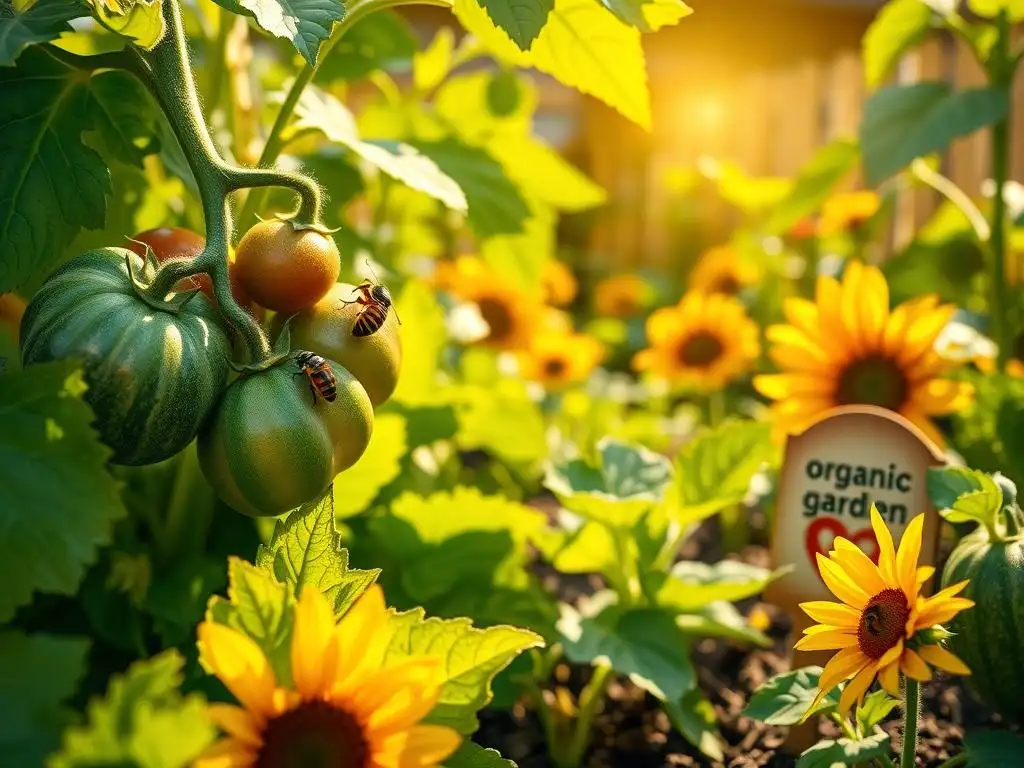
Ready to transform your backyard into a thriving, organic oasis? At CultivateYourFood, we empower you to grow your own delicious fruits, vegetables, and herbs using sustainable methods. But what happens when unwanted guests arrive? Discover the secrets to effective organic pest control home garden solutions in our latest article, and learn how to protect your precious plants without harmful chemicals. Let's cultivate a healthier, more bountiful harvest together!
- Understanding Organic Pest Control Home Garden Strategies
- Natural Pest Control Methods for Your Home Garden
- Advanced Organic Pest Control Techniques
- Maintaining a Healthy and Pest-Free Garden: Long-Term Strategies
- Frequently Asked Questions
- Final Reflection: Cultivating a Thriving, Pesticide-Free Garden
- Unleash Your Garden's Natural Defenses!
Understanding Organic Pest Control Home Garden Strategies
Protecting your homegrown fruits, vegetables, and herbs from pests is crucial for a successful and bountiful harvest. This article dives into the world of organic pest control, providing you with effective and sustainable methods to safeguard your garden without resorting to harmful chemicals. We'll explore how to identify common garden invaders, assess the damage they inflict, and most importantly, how to prevent infestations before they even begin.
By embracing these organic pest control strategies, you'll not only protect your plants but also contribute to a healthier environment for yourself, your family, and beneficial insects. This guide is specifically designed to help you implement effective organic pest control in your home garden, addressing the common challenges faced by home gardeners aiming for a sustainable and chemical-free approach.
We'll cover everything from identifying pests to implementing preventative measures, equipping you with the knowledge and confidence to cultivate a thriving, pest-resistant garden. This approach is essential for maintaining the integrity of your organic garden and ensuring the safety and quality of your homegrown produce.
Identifying Common Garden Pests: Insects, Diseases, and Weeds
Successfully combating garden pests begins with accurate identification. Knowing your enemy is half the battle! Common insect pests include aphids (tiny, soft-bodied insects that suck plant sap), spider mites (microscopic arachnids that create webbing), cabbage worms (green caterpillars that devour brassica leaves), and Colorado potato beetles (destructive beetles that target potatoes and tomatoes). These insects can cause significant damage if left unchecked.
Diseases, often caused by fungi, bacteria, or viruses, can also wreak havoc. Examples include powdery mildew (a white, powdery coating on leaves), blight (causing leaf spots and stem rot), and various fungal leaf spots. Early detection is key to managing these diseases effectively.
Finally, weeds compete with your plants for resources like water, nutrients, and sunlight, hindering their growth and overall health. Persistent weeds can harbor pests and diseases, further complicating matters. Identifying specific weeds allows for targeted removal, preventing their spread and minimizing competition.
| Pest Type | Example Pests | Symptoms |
|---|---|---|
| Insects | Aphids, Spider mites, Cabbage worms, Colorado Potato Beetles | Leaf damage, stunted growth, wilting, webbing |
| Diseases | Powdery mildew, Blight, Leaf spots | Spots, discoloration, wilting, powdery coating |
| Weeds | Dandelions, Crabgrass, Chickweed | Competition for resources, harboring pests |
Assessing Pest Damage: Recognizing the Signs of Infestation
Early detection of pest infestations is vital for successful organic pest control. Regular monitoring of your plants is crucial. Look for telltale signs such as:
- Visible insects: Directly observing insects on leaves, stems, or flowers.
- Leaf damage: Holes, discoloration, yellowing, or distorted leaves.
- Webbing: Fine threads spun by spider mites or other insects.
- Droppings: Small spots of excrement on leaves or the ground below.
- Wilting: Sudden or unusual wilting of plants, indicating potential root damage or disease.
- Unusual growth: Stunted growth, deformed leaves, or unusual plant architecture.
A detailed inspection, including checking both the top and underside of leaves, will help you identify the extent of the damage and the type of pest involved. Accurate assessment allows for targeted treatment and prevents the infestation from spreading. Keep detailed records of your observations to track pest activity over time. This information will be invaluable in developing an effective, long-term pest management strategy. For example, noting the specific location of infestations within your garden can help identify contributing factors and inform future planting strategies.
The Importance of Prevention in Organic Pest Management
Proactive measures are the cornerstone of successful organic pest control. A healthy and vigorous plant is far less susceptible to pest infestations. Prevention focuses on creating an environment where pests are less likely to thrive.
Key preventative strategies include:
- Crop rotation: Rotating crops annually helps to disrupt pest life cycles and reduce the buildup of pests and diseases in the soil.
- Companion planting: Planting certain plants together can deter pests. For example, marigolds are known to repel nematodes and other soil-borne pests.
- Maintaining soil health: Healthy soil rich in organic matter supports strong plant growth, making them more resilient to pests. Regular composting and mulching are essential.
- Proper watering and fertilization: Providing adequate water and nutrients ensures strong plant growth, increasing their resistance to pests. Avoid overwatering or over-fertilizing, as this can weaken plants.
- Regular weeding: Removing weeds promptly prevents them from competing with your plants for resources and harboring pests.
- Handpicking: Regularly inspecting plants and handpicking pests, especially early in the season, can prevent a large-scale infestation. This method is particularly effective for larger insects.
By prioritizing these preventative strategies, you significantly reduce the likelihood of significant pest problems and minimize the need for intervention. Remember, a healthy garden is the best defense against pests!
Natural Pest Control Methods for Your Home Garden
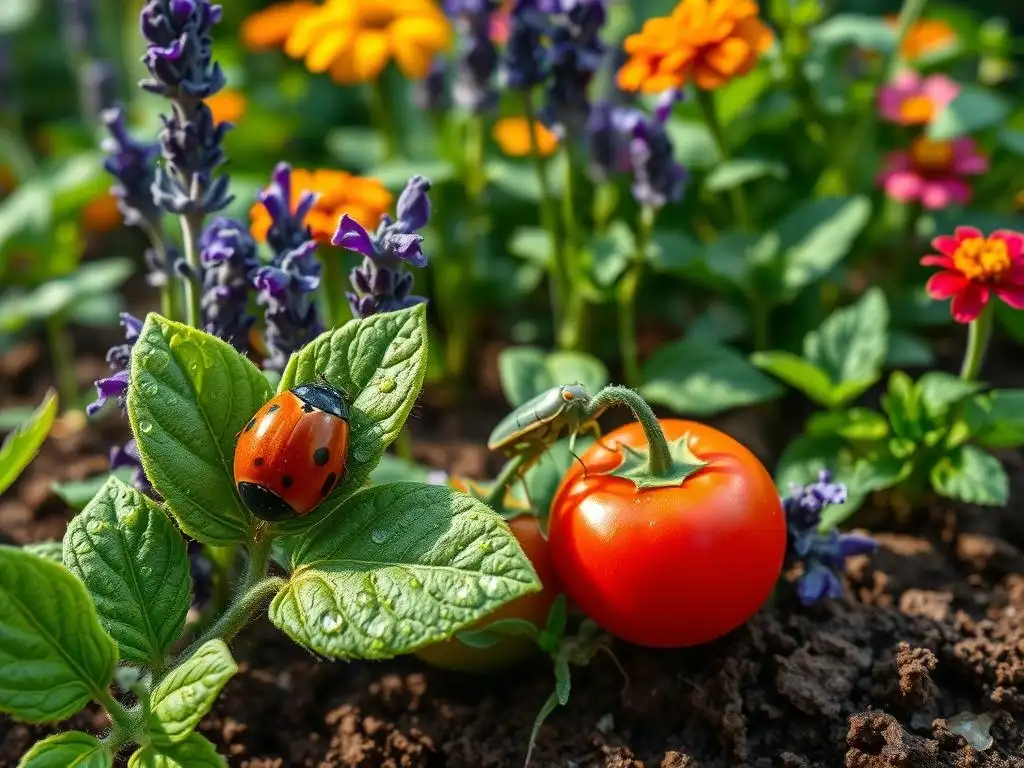
This section delves into effective, organic pest control strategies for your home garden, focusing on methods that minimize environmental impact while maximizing plant health and yield. We'll explore techniques that harness the power of nature to protect your precious fruits, vegetables, and herbs. Effective organic pest control in your home garden requires a multifaceted approach, combining preventative measures with targeted interventions. This section will equip you with the knowledge to implement these methods successfully, contributing to a thriving and sustainable garden ecosystem.
Beneficial Insects: Attracting Nature's Helpers
Introducing beneficial insects into your garden is a cornerstone of organic pest control. These natural predators help regulate pest populations, reducing the need for chemical interventions. By creating a welcoming habitat, you can attract these helpful allies and establish a balanced ecosystem. Remember, a healthy garden ecosystem is a resilient one, better able to withstand pest pressure.
Ladybugs for Aphid Control
Ladybugs, or ladybirds, are voracious aphid predators. A single ladybug can consume hundreds of aphids during its lifetime. To attract ladybugs, plant flowering plants like dill, fennel, and yarrow, which provide food and shelter. Avoid using broad-spectrum insecticides, as these can harm ladybugs along with the pests. Consider purchasing ladybug larvae or adults from reputable suppliers and releasing them strategically in your garden. Monitoring aphid populations is crucial; a significant infestation may require supplementing with other control methods.
Lacewings for Pest Larvae Control
Lacewings, both adult and larval stages, are highly effective at controlling various soft-bodied pests, including aphids, mealybugs, and spider mites. The larvae are particularly effective hunters, consuming a significant number of pest larvae. To attract lacewings, provide them with nectar-rich flowers and shelter such as leaf litter or brush piles. Maintaining a diverse range of plants in your garden provides a variety of food sources and habitats for beneficial insects like lacewings. Their presence indicates a healthy and balanced garden ecosystem.
Praying Mantises for a Wide Range of Pests
Praying mantises are fearsome predators known for their ability to control a wide range of pests, including caterpillars, grasshoppers, and even some larger insects. They are ambush predators, patiently waiting for their prey to come within striking distance. Providing tall grasses, shrubs, and other vertical structures offers excellent habitat for praying mantises. Avoid disturbing their natural habitat, and they will effectively contribute to pest control in your garden. Their presence is a testament to the biodiversity thriving in your organic garden.
Companion Planting: Utilizing Plant Synergies
Companion planting is a powerful technique that leverages the synergistic relationships between different plant species to deter pests and enhance growth. By carefully choosing plant pairings, you can create a mutually beneficial environment that naturally protects your crops. This method is a cornerstone of organic gardening practices, promoting both pest control and overall plant health.
Planting Marigolds to Repel Nematodes
Marigolds are well-known for their ability to repel nematodes, microscopic worms that can damage plant roots. Their strong scent disrupts the nematodes' life cycle, reducing their impact on your crops. Interplanting marigolds among susceptible plants, such as tomatoes and peppers, can significantly reduce nematode infestations. The vibrant colors of marigolds also add aesthetic appeal to your garden. Regular planting of marigolds is a proactive measure for long-term nematode control.
Basil and Tomatoes: A Beneficial Partnership
Basil and tomatoes are a classic example of companion planting. The strong scent of basil is believed to deter tomato hornworms and other pests that attack tomatoes. Conversely, the presence of tomatoes is thought to benefit basil growth. Planting basil near tomato plants offers a mutually beneficial relationship, enhancing both pest control and plant yield. This simple strategy exemplifies the power of thoughtful plant placement in organic gardening.
Using Strong-Smelling Herbs to Deter Pests
Many strong-smelling herbs, such as rosemary, mint, and lavender, can deter various pests. Their pungent aromas mask the scents that attract pests, making your garden less appealing to unwelcome visitors. Strategically planting these herbs around susceptible plants can provide a natural barrier against pests. The aromatic benefits of these herbs extend beyond pest control, adding fragrance and beauty to your garden. Experiment with different herb combinations to find the most effective strategy for your specific garden needs and pest pressures. Remember to rotate your herbs annually to prevent soil depletion and maintain their effectiveness.
Homemade Pest Sprays: Organic Recipes for Common Problems
Homemade pest sprays offer a safe and effective way to manage common garden pests without resorting to harsh chemicals. These sprays utilize readily available ingredients and are easily customizable to target specific pests. Remember to always test a small area of your plants before applying any spray to the entire plant to ensure there are no adverse reactions. Consistent application is key to success; you may need to reapply every few days, depending on the severity of the infestation and weather conditions. Furthermore, consider rotating your spray types to prevent pest resistance.
Neem Oil Spray Recipe for Aphids and Other Soft-Bodied Insects
Neem oil is derived from the neem tree and is a potent insecticide effective against a wide range of soft-bodied insects, including aphids, whiteflies, and mealybugs. Its effectiveness stems from its ability to disrupt the insect's life cycle, preventing them from feeding and reproducing. To make a neem oil spray, mix 1 tablespoon of neem oil with 1 teaspoon of liquid dish soap (a mild, unscented variety is best) and 1 quart of water. Shake well before each use to ensure the oil and water remain emulsified.
Apply as a foliar spray, ensuring thorough coverage of plant leaves. Avoid spraying during the hottest part of the day, as this can damage your plants. Always follow the instructions on your specific neem oil product.
Garlic Spray for Fungus and General Pest Deterrent
Garlic is a natural fungicide and a powerful pest deterrent. Its strong odor repels many insects, making it a useful addition to your organic pest control arsenal. To create a garlic spray, finely chop 4-5 cloves of garlic and steep them in 1 quart of water for at least 24 hours. Strain the mixture to remove the garlic pieces.
Add 1 teaspoon of liquid dish soap to the solution, shake well, and spray directly onto affected plants. This spray is particularly effective against powdery mildew and other fungal diseases, as well as deterring many common garden pests. Reapply every 3-5 days for optimal results.
Cayenne Pepper Spray for Aphid and Other Insect Control
Cayenne pepper spray is another effective organic option for controlling aphids and other insects. The capsaicin in cayenne peppers acts as an irritant, deterring insects from feeding on your plants. To make this spray, blend 1-2 fresh cayenne peppers (or 1-2 tablespoons of cayenne pepper flakes) with 1 quart of water. Let the mixture steep for at least 24 hours, then strain.
Add 1 teaspoon of liquid dish soap, shake well, and apply to plants as needed. Always wear gloves when handling cayenne peppers, as they can irritate the skin. Note that this spray may also deter beneficial insects, so use it judiciously.
Diatomaceous Earth: A Natural Insecticide
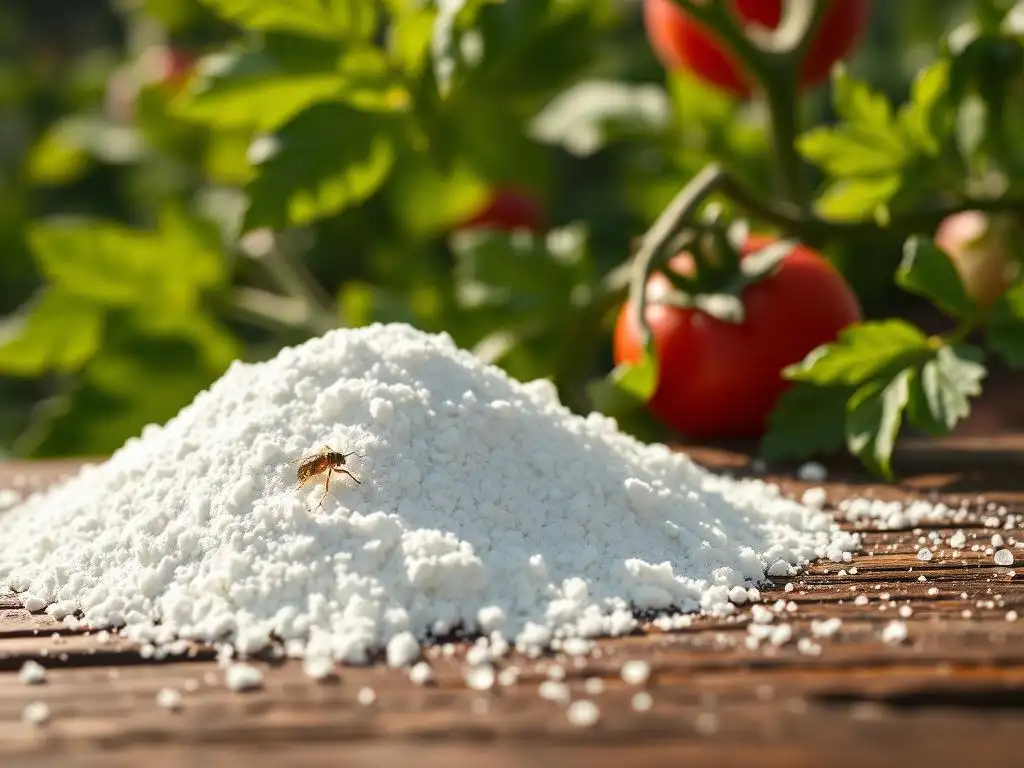
Diatomaceous earth (DE) is a naturally occurring sedimentary rock composed of fossilized diatoms. Its microscopic, sharp edges cut into the exoskeletons of insects, dehydrating and killing them. It's a non-toxic and effective method for controlling a variety of crawling insects, including slugs, snails, ants, and some beetles. Apply DE as a dust around the base of plants, focusing on areas where pests are likely to congregate.
Reapply after rain or watering, as DE is water-soluble. Remember to use food-grade DE, as other types may contain harmful chemicals. While generally safe, it's always advisable to wear a mask when applying DE to avoid inhaling the dust. DE is particularly effective in dry conditions.
Physical Barriers: Protecting Plants from Pests
Physical barriers offer a first line of defense in organic pest control for your home garden. These methods prevent pests from accessing your plants in the first place, minimizing the need for chemical interventions. Effective barriers are surprisingly simple and can be implemented with readily available materials. A well-designed barrier strategy can significantly reduce pest pressure, leading to healthier, more productive plants. This approach aligns perfectly with sustainable gardening practices, promoting biodiversity and minimizing environmental impact.
One common and highly effective method is the use of row covers. These lightweight fabrics, often made from spun-bonded polypropylene, are draped over plants or entire rows, creating a physical barrier against many insects and some birds. Row covers allow sunlight, water, and air to reach your plants while keeping pests out.
They are particularly useful for protecting young seedlings and vulnerable plants from chewing insects. Remember to remove row covers during pollination if you rely on insects for fertilization. Different weights of row covers offer varying levels of protection; choose the appropriate weight based on the size and type of pests you're trying to exclude.
Another effective physical barrier is the use of mesh netting. This is particularly useful for protecting fruits and vegetables from birds and larger insects. Mesh netting can be draped over plants or strung around raised beds. Make sure the mesh is fine enough to prevent the target pests from entering while still allowing sufficient airflow to prevent plant damage from humidity. The mesh should be secured properly to prevent pests from finding ways to get underneath or around it. Consider using stakes or clips to secure the netting effectively.
For individual plants, collars can provide valuable protection. These collars, typically made from cardboard, plastic, or metal, are placed around the base of the plant stem, preventing soil-dwelling pests like slugs and snails from reaching the vulnerable parts of the plant. The collars should be tall enough to prevent pests from crawling over them. Regularly inspect the collars and replace them if they become damaged or deteriorated. Consider using a material that is biodegradable for a truly sustainable approach.
Finally, proper garden hygiene acts as a crucial physical barrier. Removing weeds, fallen leaves, and other plant debris reduces harborage for pests and eliminates potential breeding grounds. Regularly cleaning your garden tools and containers also helps prevent the spread of pests and diseases. This proactive approach minimizes the chances of pest infestations before they even begin, reducing the need for more intensive pest control measures later on. A clean garden is a healthy garden, and a healthy garden is less susceptible to pest invasions.
Advanced Organic Pest Control Techniques
This section delves into more sophisticated organic pest control strategies for your home garden, building upon basic techniques. Successfully implementing these methods significantly reduces reliance on chemical pesticides, fostering a thriving and healthy ecosystem while protecting your valuable crops. Remember, consistent monitoring and proactive measures are key to effective organic pest control.
Crop Rotation: Breaking Pest Cycles
Crop rotation is a cornerstone of sustainable gardening and a powerful tool in organic pest control. By strategically rotating the types of plants you grow in a particular bed each year, you disrupt the life cycles of many common garden pests. Many insects and diseases are host-specific, meaning they thrive on particular plant families. Rotating crops prevents the build-up of these pests and their eggs in the soil.
For example, if you had a significant aphid infestation on your tomatoes (Solanaceae family) one year, planting legumes (like beans or peas) or brassicas (like broccoli or cabbage) in that same bed the following year will significantly reduce the likelihood of a repeat infestation. Aphids, specialized in feeding on Solanaceae plants, will find limited food sources, hindering their reproduction and survival.
Consider a three to four-year rotation plan, cycling through diverse plant families to maximize effectiveness. This approach not only manages pests but also improves soil health by preventing nutrient depletion and promoting beneficial soil organisms. Careful planning and record-keeping are crucial for successful crop rotation, ensuring you consistently break the pest cycle and maintain a healthy, productive garden.
Soil Health: Building a Pest-Resistant Ecosystem
A healthy, vibrant soil is the foundation of a pest-resistant garden. Organic matter, such as compost and aged manure, greatly enhances soil structure, providing essential nutrients and fostering a diverse community of beneficial microorganisms. These microorganisms compete with harmful pests for resources and even directly prey on some of them.
For instance, nematodes are microscopic worms that can attack many garden pests, including root-knot nematodes which damage plant roots. A soil rich in organic matter supports a robust population of beneficial nematodes, acting as a natural biological control. Similarly, a balanced soil pH helps ensure optimal nutrient uptake by your plants, making them stronger and more resilient to pest attacks. A healthy plant is less susceptible to pest damage than a stressed one.
Regular soil testing can help you understand your soil's needs and adjust your practices accordingly. Amendments like compost, cover crops (plants grown specifically to improve soil health), and the avoidance of chemical fertilizers are crucial steps in building a pest-resistant ecosystem within your soil. This proactive approach significantly reduces the need for external pest control measures.
Monitoring and Early Intervention: Preventing Major Infestations
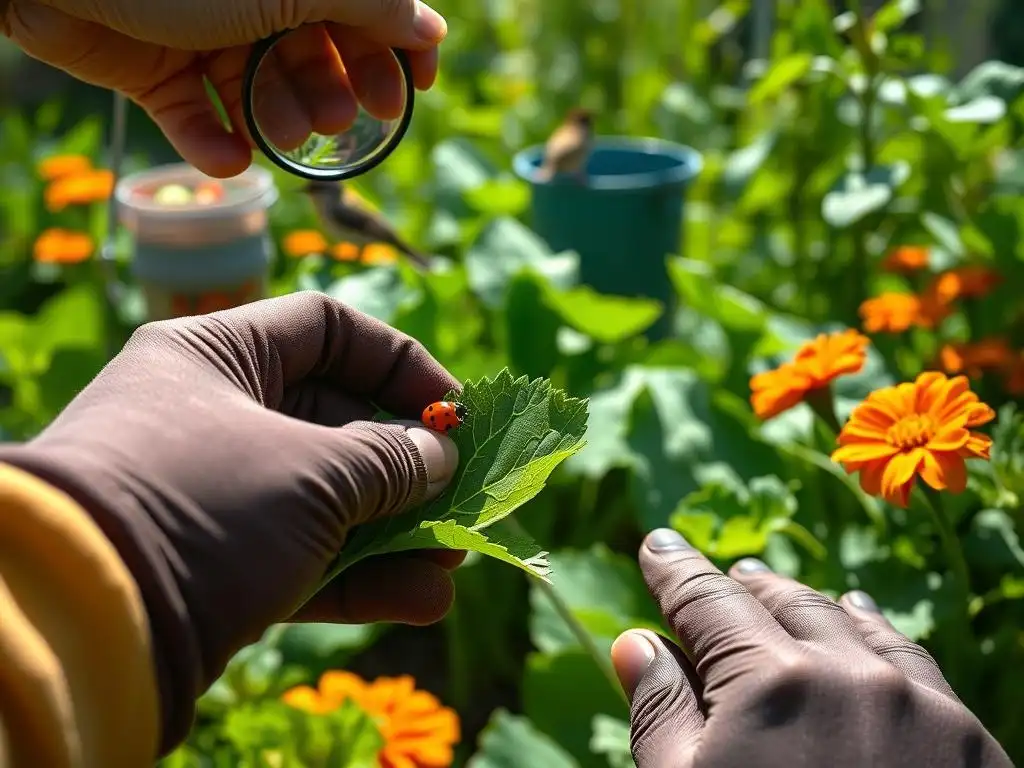
Regular monitoring of your plants is paramount for effective organic pest control. Early detection of pest infestations allows for prompt and targeted intervention, preventing minor problems from escalating into major ones. Spend time inspecting your plants regularly, checking both the upper and lower surfaces of leaves, stems, and the soil around the base of the plants.
Look for signs of damage, such as holes in leaves, wilting, discoloration, or the presence of insects, eggs, or webbing. A simple magnifying glass can help you identify smaller pests. Keep a detailed garden journal documenting your observations, including pest identification, the date of infestation, and the methods used for control. This information will assist you in planning for future seasons and recognizing potential problems early.
Early intervention often involves simple, non-toxic methods like handpicking pests, using insecticidal soap or neem oil, or introducing beneficial insects like ladybugs (which prey on aphids) or lacewings. These methods are far less disruptive to the garden ecosystem than broad-spectrum chemical pesticides and offer a more sustainable and environmentally friendly approach to organic pest control in your home garden. Remember, prevention is far better than cure when it comes to managing pests organically.
Maintaining a Healthy and Pest-Free Garden: Long-Term Strategies
This section focuses on proactive measures to minimize pest infestations in your home garden, emphasizing the core principles of organic pest control home garden strategies. Instead of reacting to problems, we'll explore how to create an environment where pests are less likely to thrive. A healthy garden is inherently more resilient to pest pressure.
Regular Garden Inspection: Early Detection is Key
Regular monitoring is the cornerstone of effective organic pest control. Early detection allows for swift intervention, often preventing minor infestations from escalating into major problems. Aim for at least a weekly inspection, paying close attention to the undersides of leaves, stems, and the soil around your plants. Look for signs of chewing, wilting, discoloration, unusual webbing, or the presence of insects themselves.
A simple visual check can reveal much. For instance, tiny holes in leaves might indicate flea beetles, while rolled-up leaves could signal leafroller activity. The presence of aphids is usually easily spotted—clusters of small, pear-shaped insects sucking sap from plant stems and leaves.
Keep a notebook or a digital record of your observations, noting the date, the affected plants, and the type of pest (or suspected pest) observed. This detailed record helps track pest activity over time, allowing you to identify patterns and adjust your pest management strategies accordingly. Remember, a picture is worth a thousand words; photographing infestations can be invaluable for later identification and tracking progress.
Sustainable Gardening Practices: Preventing Future Problems
Many pest problems stem from poor gardening practices. By adopting sustainable techniques, you can drastically reduce the likelihood of infestations. This includes:
- Crop Rotation: Rotating your crops annually helps break pest life cycles. Pests often specialize on specific plants, so changing the location of those plants year to year disrupts their ability to reproduce and thrive.
- Companion Planting: Certain plants repel pests. Marigolds, for example, are known to deter nematodes and some other soilborne pests. Basil can help repel aphids and whiteflies. Researching companion planting combinations specific to your region and crops can be extremely beneficial.
- Weed Control: Weeds act as reservoirs for pests, providing food and shelter. Regular weeding minimizes these havens, reducing overall pest pressure. Mulching helps suppress weed growth and retains soil moisture.
- Proper Watering: Avoid overwatering, as this creates conditions favorable to fungal diseases and attracts certain pests. Water deeply and less frequently, encouraging strong root development.
- Appropriate Spacing: Proper spacing between plants promotes good air circulation, reducing humidity and the risk of fungal diseases that can weaken plants and make them more susceptible to pests.
Compost and Soil Enrichment: Building a Strong Foundation for Plant Health
Healthy soil is the foundation of a healthy garden. Composting enriches the soil with essential nutrients and beneficial microorganisms that help plants resist pests and diseases. These microorganisms compete with harmful organisms, reducing their ability to establish themselves. A balanced soil with adequate organic matter provides plants with the strength to withstand pest attacks.
Using compost also improves soil structure, increasing drainage and aeration. Well-drained soil is less prone to fungal diseases, a common problem that weakens plants. Furthermore, compost acts as a natural fertilizer, reducing the need for synthetic fertilizers which can disrupt the soil ecosystem and make plants more vulnerable to pests. Remember to regularly test your soil pH to ensure it’s within the optimal range for your chosen plants. This ensures your plants absorb nutrients efficiently, further enhancing their natural resistance to pests. A balanced diet for your plants is a vital component of organic pest control home garden success.
Frequently Asked Questions
What is organic pest control?
Organic pest control focuses on preventative measures and the use of natural substances to manage pests in your garden, avoiding harmful synthetic pesticides. This includes methods like companion planting, beneficial insects, and homemade sprays.
How effective is organic pest control compared to chemical pesticides?
Organic pest control can be very effective, especially when implemented proactively. While it may not offer the immediate kill of chemical pesticides, it's a sustainable and environmentally friendly approach that protects beneficial insects and soil health.
What are some common natural pest control methods?
Popular methods include introducing beneficial insects like ladybugs, using homemade insecticidal soaps, employing companion planting techniques to deter pests, and practicing good garden hygiene to remove pest habitats.
Are there any drawbacks to using organic pest control?
Organic methods may require more consistent monitoring and timely intervention. The effectiveness can also depend on the severity of the infestation; in some cases, a combination of organic and other methods may be needed.
Where can I find more information on organic pest control for my home garden?
Resources include online articles (like this one!), books on organic gardening, local agricultural extension offices, and experienced gardeners. CultivateYourFood is also a great resource for learning more about sustainable gardening practices.
Final Reflection: Cultivating a Thriving, Pesticide-Free Garden
The future of gardening lies in embracing nature's own solutions. Our reliance on chemical pesticides has demonstrably harmed ecosystems and our own health, making the shift towards organic pest control not just a preference, but a necessity for a sustainable future. The methods explored in this article – from companion planting to beneficial insect attraction – represent a powerful, readily accessible alternative.
The journey towards a truly organic garden is a deeply rewarding one, fostering a connection with the natural world that extends far beyond simply growing food. It's about understanding the intricate web of life in your backyard and learning to work with it, rather than against it. As the renowned botanist, Luther Burbank, once said: The greatest of all arts is the art of living.
And for me, that art includes nurturing a garden that thrives in harmony with its environment, free from harmful chemicals.
Now, consider your own garden, your own space. What small changes can you make today to invite beneficial insects, to strategically plant your crops, to create a haven for biodiversity? Embrace the challenge, the learning, and the satisfaction of cultivating a garden that is not only bountiful but also environmentally responsible. The rewards – a healthier garden, a healthier planet, and a deeper connection with the natural world – are immeasurable.
Unleash Your Garden's Natural Defenses!
Thank you for learning about natural pest control! You now have the knowledge to create a thriving, pest-resistant garden. Ready to put your new skills to the test?
- Craft your personalized pest-control plan: Based on what you've learned, identify the biggest threats to your garden and choose a few natural methods to combat them. Consider companion planting, attracting beneficial insects, or even building DIY traps. Don't be afraid to think outside the box!
- Share your successes (and challenges!) with our community in the comments below. Let's inspire each other to create healthier, more resilient gardens.
- Explore further: Learn more about beneficial insects native to your area.
What natural pest control method are you most excited to try this week?