
The Best Plants for Raised Garden Beds: Choosing the Right Varieties

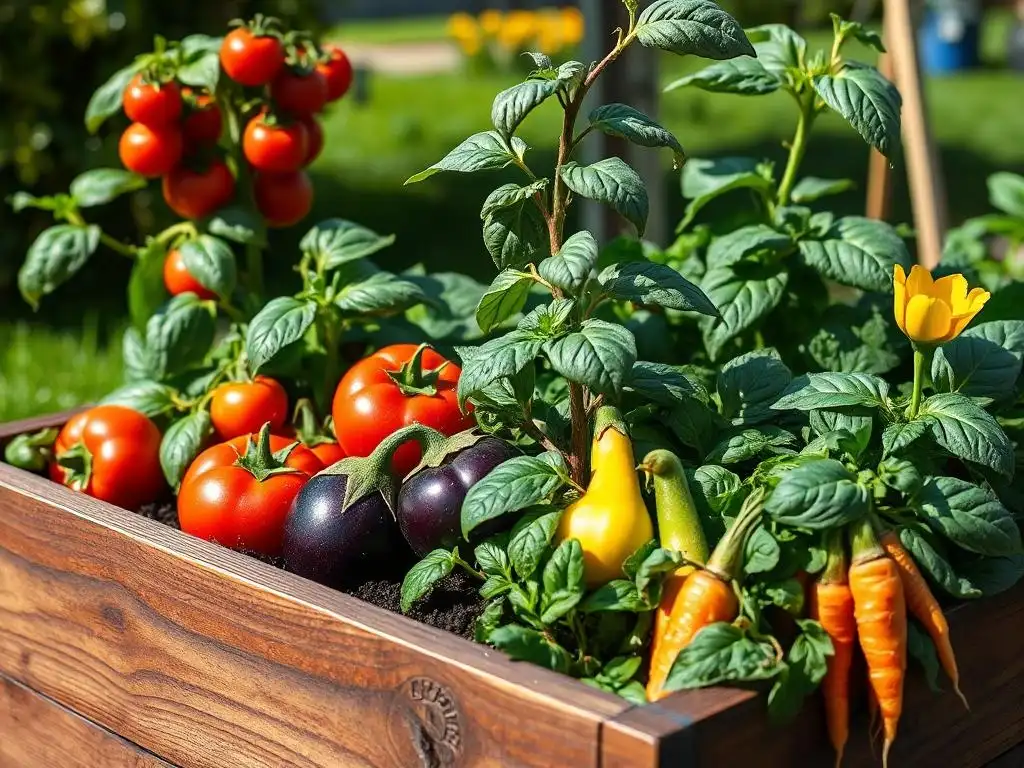
Welcome to CultivateYourFood, your guide to a thriving, sustainable garden! Ready to unlock the secrets to bountiful harvests? We're diving deep into the world of raised bed gardening, and our expert advice on Raised Bed Best Plant Choices will help you transform your backyard into a vibrant oasis of fruits, vegetables, and herbs. Discover the perfect plants to flourish in your raised beds and embark on a rewarding journey of organic home cultivation. Let's get growing!
- Understanding Your Raised Bed Garden: Soil & Sunlight Considerations for Optimal Plant Growth
- Top Vegetables for Raised Bed Gardening: High Yield & Easy Growth
- Fruiting Success in Raised Beds: Berries, Melons, and More
- Herbs for Raised Bed Gardens: Aromatic and Functional Additions
- Maximizing Your Raised Bed Harvest: Planning and Planting Strategies
- Choosing the Right Plants for Your Climate and Growing Season
- Resources for Successful Raised Bed Gardening
- Frequently Asked Questions
- Final Reflection: Cultivating Abundance: A Harvest of Knowledge and Growth
- Unleash Your Inner Gardener: Grow the Perfect Raised Bed!
Understanding Your Raised Bed Garden: Soil & Sunlight Considerations for Optimal Plant Growth
Cultivating a thriving raised bed garden hinges on careful plant selection. Choosing the right plants for your specific conditions is crucial for maximizing yields and minimizing frustration. This article will guide you through selecting the best plants for your raised bed, focusing on factors like soil composition, sunlight exposure, and the physical dimensions of your raised bed.
We'll explore which varieties flourish in these contained environments, helping you achieve a bountiful harvest using sustainable and organic practices. Understanding these key considerations—soil, sunlight, and space—will transform your raised bed from a potential problem into a productive and aesthetically pleasing addition to your home. This guide is specifically tailored to help you optimize your raised bed planting strategy, ensuring you get the most out of your "Raised bed best plant choices".
Assessing Your Raised Bed's Soil Composition for Best Results
The success of your raised bed garden heavily relies on the quality of your soil. Unlike in-ground gardening, you have complete control over the soil composition in a raised bed. This allows for customization based on your chosen plants' needs. Before selecting your plants, thoroughly assess your soil. Consider these factors:
- pH Level: Different plants thrive in different pH ranges. A soil testing kit can accurately determine your soil's pH. Amendments like lime (to raise pH) or sulfur (to lower pH) can be added to adjust the pH to the ideal range for your chosen plants. Knowing your pH is crucial for nutrient absorption and overall plant health. For example, tomatoes prefer slightly acidic soil (pH 6.0-6.8), while blueberries thrive in highly acidic conditions (pH 4.5-5.5).
- Nutrient Content: Poor soil will lead to poor plant growth. A soil test can also reveal nutrient deficiencies. Adding compost, aged manure, or other organic matter will enrich your soil, providing essential nutrients like nitrogen, phosphorus, and potassium. The addition of these organic amendments also improves soil structure, drainage, and water retention. Regular soil testing and amendment is a key part of sustainable gardening practices.
- Soil Texture: The texture of your soil (sandy, silty, or clay) affects drainage and water retention. Sandy soil drains quickly, requiring more frequent watering, while clay soil can retain too much water, potentially leading to root rot. Amendments can help improve soil texture. For instance, adding compost to sandy soil improves water retention, while adding sand to clay soil improves drainage. The ideal soil texture is often described as a "loam," a balanced mixture of sand, silt, and clay.
This careful analysis of your soil sets the stage for selecting plants that will thrive in your specific raised bed environment.
Sunlight Exposure: Matching Plants to Ideal Light Conditions in Raised Beds
Sunlight is another critical factor determining which plants will flourish in your raised bed. Most vegetables and herbs require at least six hours of direct sunlight daily. However, some plants tolerate partial shade. Before planting, observe your raised bed throughout the day to determine how much sunlight it receives. Consider these categories:
- Full Sun (6+ hours): Many vegetables, such as tomatoes, peppers, cucumbers, and zucchini, require full sun to produce optimally. Herbs like basil, oregano, and thyme also thrive in full sun.
- Partial Sun (4-6 hours): Lettuce, spinach, and some herbs, like parsley and mint, tolerate partial shade. They can still produce well with less direct sunlight.
- Shade (less than 4 hours): Few vegetables thrive in shade. However, some leafy greens and shade-tolerant herbs may perform adequately. Consider plants that do not need intense sunlight.
Accurate assessment of sunlight exposure enables you to choose plants that will thrive in your specific conditions, preventing unnecessary plant stress and maximizing your harvest. Remember to consider the seasonal changes in sunlight hours when making your plant choices.
Choosing the Right Size and Depth for Your Raised Bed Plants
The size and depth of your raised bed directly influence the types of plants you can successfully grow. Different plants have varying root systems and growth habits. Consider the following:
- Depth: Deep-rooted plants, such as tomatoes and peppers, require deeper raised beds (at least 12 inches deep) to accommodate their extensive root systems. Shallower beds (6-8 inches) may suffice for shallow-rooted plants like lettuce and radishes.
- Spacing: Proper spacing between plants is essential to prevent overcrowding and ensure adequate air circulation, minimizing the risk of disease. Check the plant tags or seed packets for recommended spacing guidelines. Overcrowding can lead to stunted growth and reduced yields.
- Plant Size: Consider the mature size of the plants you choose. Large plants like squash or pumpkins may require more space than smaller plants like herbs or lettuces. Avoid overcrowding your raised bed to maximize the potential of each plant.
Careful consideration of these factors ensures that your raised bed is appropriately sized and configured for the plants you intend to grow, maximizing yield and minimizing competition for resources. Proper planning will lead to a more productive and aesthetically pleasing garden.
Top Vegetables for Raised Bed Gardening: High Yield & Easy Growth
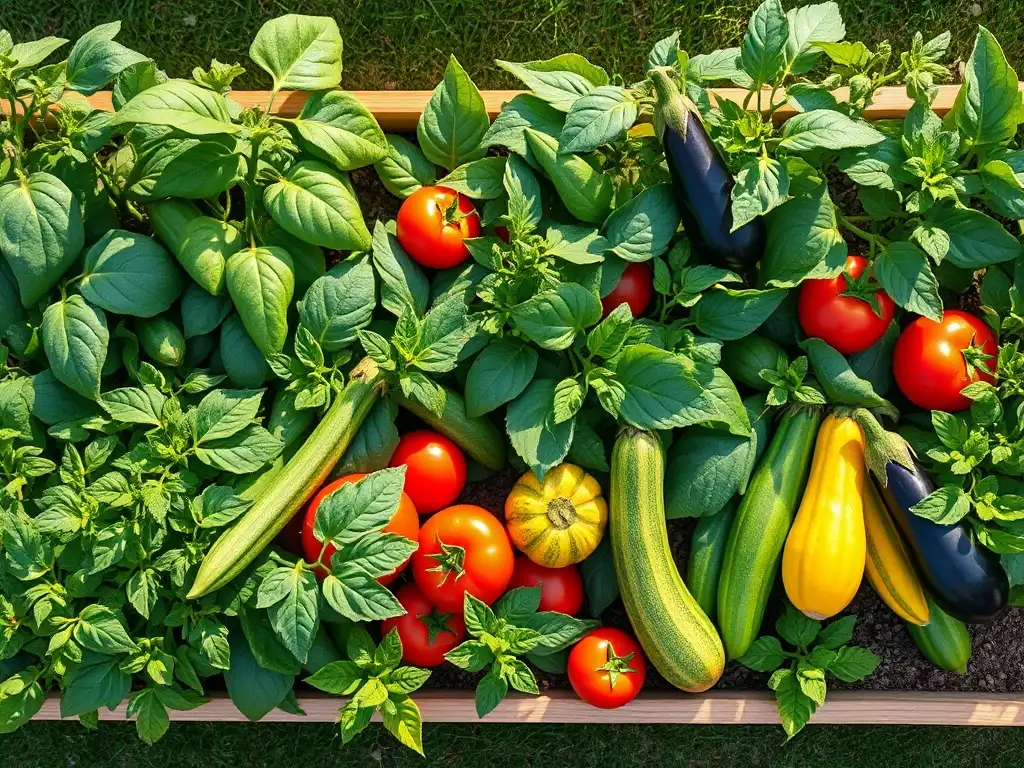
Raised bed gardening offers numerous advantages, particularly for maximizing yield and simplifying cultivation. Choosing the right plants is crucial for success. This section focuses on high-yield, easy-to-grow vegetables perfectly suited for the confined environment of a raised bed. We'll explore specific varieties and techniques to help you achieve abundant harvests. Remember, proper soil preparation and consistent watering are key regardless of your plant choices. Let's dive into some excellent options for your raised bed garden, keeping in mind the "raised bed best plant choices" you're aiming for.
Best Tomato Varieties for Raised Bed Gardens: Heirloom & Hybrid Options
Tomatoes are a staple in many gardens, and raised beds are ideal for their cultivation. Heirloom varieties, known for their unique flavors and often open-pollinated nature, thrive in raised beds. However, they sometimes require more care and attention. Hybrid tomatoes, on the other hand, often boast disease resistance and higher yields, making them excellent choices for beginner gardeners.
Consider these popular options:
- Heirloom: Brandywine (large, pink), Cherokee Purple (dark purple), Black Krim (dark red). These varieties often require more space and staking.
- Hybrid: Celebrity (reliable, prolific), Better Bush (compact, high yield), Roma (great for sauces). These are generally more disease-resistant and easier to manage in raised beds.
Remember to choose varieties appropriate for your growing season and climate. Check seed packets or plant tags for details on days to maturity and ideal growing conditions. Proper spacing is essential to maximize sunlight and airflow, crucial factors for healthy tomato growth in raised beds.
Growing Cherry Tomatoes in Raised Beds: A Step-by-Step Guide
Cherry tomatoes are particularly well-suited for raised beds due to their compact growth habit. Here's a step-by-step guide:
- Start Seeds Indoors: Start seeds 6-8 weeks before the last expected frost. Use seed-starting mix and provide plenty of light.
- Transplanting: Once seedlings have several true leaves, transplant them into your raised bed, spacing them 12-18 inches apart.
- Staking or Caging: Provide support using stakes or cages to prevent sprawling and improve air circulation, reducing the risk of fungal diseases.
- Watering and Fertilizing: Water regularly, especially during dry periods. Fertilize with a balanced, organic fertilizer every 2-3 weeks.
- Harvesting: Harvest when the tomatoes are fully ripe and brightly colored. Regular harvesting encourages continued production.
Maximizing Space: Vertical Gardening Techniques for Tomatoes in Raised Beds
Vertical gardening techniques can significantly increase the yield in a limited space. For tomatoes in raised beds, consider these methods:
- Trellising: Train tomato plants to grow vertically along a trellis. This maximizes space and improves air circulation.
- Hanging Baskets: Plant cherry tomato varieties in hanging baskets placed above the raised bed, utilizing vertical space effectively. This is a great way to add extra production without taking up valuable ground space in your raised bed.
Leafy Greens Thriving in Raised Beds: Lettuce, Spinach, and Kale
Leafy greens are a fantastic choice for raised bed gardening, offering quick harvests and high yields. Their shallow root systems are well-suited to the controlled environment of a raised bed. Moreover, they are less susceptible to soilborne diseases when planted in raised beds with well-drained soil.
Succession Planting: A Guide to Continuous Harvests of Leafy Greens
Succession planting is a key technique for maximizing your harvest of leafy greens. This involves planting new crops at regular intervals to ensure a continuous supply throughout the growing season. For example, you could plant a batch of lettuce every two weeks, ensuring a fresh supply throughout the summer. This strategy allows you to make the most of your raised bed space and enjoy a consistent supply of fresh, nutritious leafy greens. This continuous harvest approach is particularly effective for fast-growing plants like lettuce and spinach.
Proper planning and scheduling are essential for successful succession planting. Consider using a garden journal or planting calendar to keep track of your planting schedule. This will help you maintain a steady supply of fresh produce throughout the growing season. 🌱
High-Yielding Peppers in Raised Beds: Sweet Peppers & Spicy Chilis
Peppers, both sweet and spicy, thrive in the contained environment of a raised bed. Their relatively shallow root systems make them ideal for these structures, and the improved drainage and soil warmth offered by raised beds contribute significantly to higher yields and faster maturation. Choosing the right pepper variety is key to success. Sweet peppers like bell peppers ( Capsicum annuum) excel in raised beds, especially compact varieties designed for containers or small spaces. These compact varieties often produce a plentiful harvest despite their smaller size.
Consider varieties like ‘California Wonder’ known for its large, sweet fruits, or ‘Sweet Palermo’ with its blocky, thick-walled peppers, perfect for stuffing or roasting. For those who prefer a bit of heat, jalapeños and poblanos are excellent choices for raised bed gardening. These varieties are relatively easy to grow and produce an abundance of peppers throughout the growing season. Remember to choose varieties suited to your climate and the length of your growing season. Starting peppers indoors 6-8 weeks before the last frost date is highly recommended for earlier harvests and increased yields.
Proper spacing is crucial; overcrowding can lead to poor air circulation and increased susceptibility to diseases. Aim for spacing of at least 12-18 inches between plants, depending on the mature size of the variety. The rich, well-drained soil of a raised bed provides the perfect environment for pepper plants to flourish, resulting in a bountiful harvest of delicious peppers. Regular watering, especially during dry spells, is essential for optimal growth and fruit production.
Pest Control for Peppers: Organic Solutions & Preventative Measures
Pepper plants, while relatively resilient, are susceptible to various pests and diseases. Implementing a proactive pest control strategy is vital for maximizing your raised bed pepper harvest. Preventing pest infestations is the most effective approach. This involves selecting disease-resistant pepper varieties, ensuring good air circulation within the raised bed to prevent fungal diseases, and maintaining a healthy soil environment. Proper spacing between plants, as mentioned earlier, is crucial for airflow and minimizes the spread of diseases. Regularly inspect your pepper plants for any signs of pests or diseases.
Early detection allows for timely intervention, preventing widespread damage. Organic pest control methods are highly effective and environmentally friendly. Beneficial insects like ladybugs and lacewings are natural predators of many common pepper pests, such as aphids and spider mites. Encouraging their presence in your garden by planting flowers that attract them is a great preventative measure. Neem oil is a versatile organic insecticide effective against various pests. It’s crucial to follow the instructions carefully and to use it sparingly.
Another effective organic solution is insecticidal soap, which works by disrupting the cell membranes of soft-bodied insects. Remember to always check the label to ensure it’s safe for the specific plants you are treating. For fungal diseases, ensure the raised bed has proper drainage and avoid overhead watering, which can create a humid environment favorable for fungal growth. Rotating your crops yearly also helps reduce the risk of disease buildup in the soil. By implementing these preventative measures and utilizing organic pest control solutions, you can ensure a healthy and productive pepper harvest in your raised bed garden. This approach promotes sustainable gardening practices while protecting the environment and ensuring the deliciousness of your homegrown peppers.
Fruiting Success in Raised Beds: Berries, Melons, and More
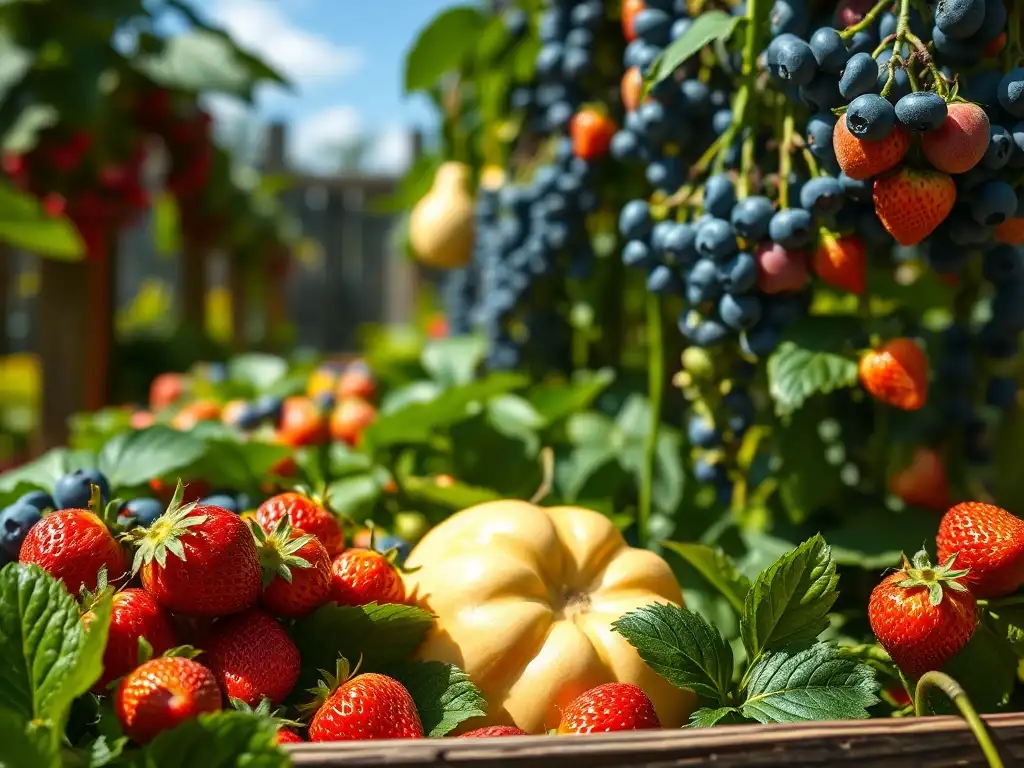
Raised bed gardening offers unique advantages for cultivating fruiting plants. The controlled environment allows for better soil drainage, improved soil warming, and easier access for weeding and harvesting. This section focuses on optimizing your raised bed for successful fruit production, specifically addressing berries and melons. Selecting the right varieties is crucial for maximizing yield and minimizing pest issues. Careful consideration of plant spacing and support structures is also key to achieving bountiful harvests. Let's explore some of the best choices for your raised bed garden.
Strawberry Varieties Ideal for Raised Bed Cultivation: June-Bearing & Everbearing
Strawberries thrive in raised beds due to the excellent drainage and soil warmth. However, choosing the right variety is essential for success. Two main types are ideal for raised bed gardening: June-bearing and everbearing.
June-bearing strawberries produce a large, concentrated crop once a year, typically in June (hence the name). This makes them excellent for those wanting a significant harvest at a specific time. Popular June-bearing varieties known for their adaptability and yield include 'Allstar' and 'Chandler'.
Everbearing strawberries, on the other hand, offer a more extended harvest season, producing fruit throughout the summer and sometimes into fall. While individual yields per fruiting period may be smaller than June-bearing varieties, the overall harvest spread over several months makes them a great choice for continuous fresh berries. 'Tribute' and 'Fort Laramie' are well-regarded everbearing options for raised beds.
Building a Raised Bed Strawberry Patch: Tips and Techniques
Creating a successful raised bed strawberry patch requires attention to detail. Here's a step-by-step guide:
- Soil Preparation: Use a well-draining soil mix rich in organic matter. Amend your soil with compost to improve fertility and water retention.
- Spacing: Plant strawberry crowns 12-18 inches apart, depending on the variety. Allow ample space for growth and air circulation to minimize disease.
- Mulching: Apply a layer of straw or other organic mulch around the plants to suppress weeds, conserve moisture, and keep the berries clean.
- Watering: Water deeply and regularly, especially during dry periods. Avoid overhead watering to prevent fungal diseases.
- Pest and Disease Control: Monitor for pests and diseases and take appropriate measures, such as using organic pest control methods.
Growing Melons and Cucumbers in Raised Beds: Space-Saving Strategies
Melons and cucumbers, with their sprawling vines, might seem challenging for raised beds, but with careful planning, they can thrive. The key is efficient space management. Raised beds offer the advantage of controlled soil conditions and better access for supporting the vines, which is crucial for these vining plants. Remember that proper spacing prevents overcrowding and promotes better air circulation, reducing the risk of fungal diseases.
Choosing compact or bush varieties is highly recommended for raised beds. These varieties are bred to be more manageable and require less space than their sprawling counterparts. Space-saving techniques include vertical growing methods, which we will discuss further below.
Supporting Vine Growth: Trellises and Other Support Systems for Raised Bed Melons
Providing adequate support for melons and cucumbers is paramount in raised beds. Untrained vines can easily overwhelm the limited space, leading to poor fruit development and increased susceptibility to diseases. Several support systems can be implemented:
- Trellises: A simple trellis made from wood or metal provides vertical support for the vines to climb. This keeps the fruits off the ground, preventing rot and making harvesting easier.
- Cages: Wire cages are another effective option, particularly for compact melon varieties. They offer a contained structure for vine growth.
- Oblique Support Systems: Consider angled supports to maximize space utilization in your raised bed. This method allows vines to grow upwards and outwards, efficiently using the available area.
Remember to regularly monitor your plants for pests and diseases. Early detection and appropriate organic pest control methods are crucial for a healthy and productive raised bed. By carefully selecting varieties and implementing effective space-saving strategies and support systems, you can enjoy bountiful harvests of melons and cucumbers from your raised bed garden. 🍉🥒
Herbs for Raised Bed Gardens: Aromatic and Functional Additions
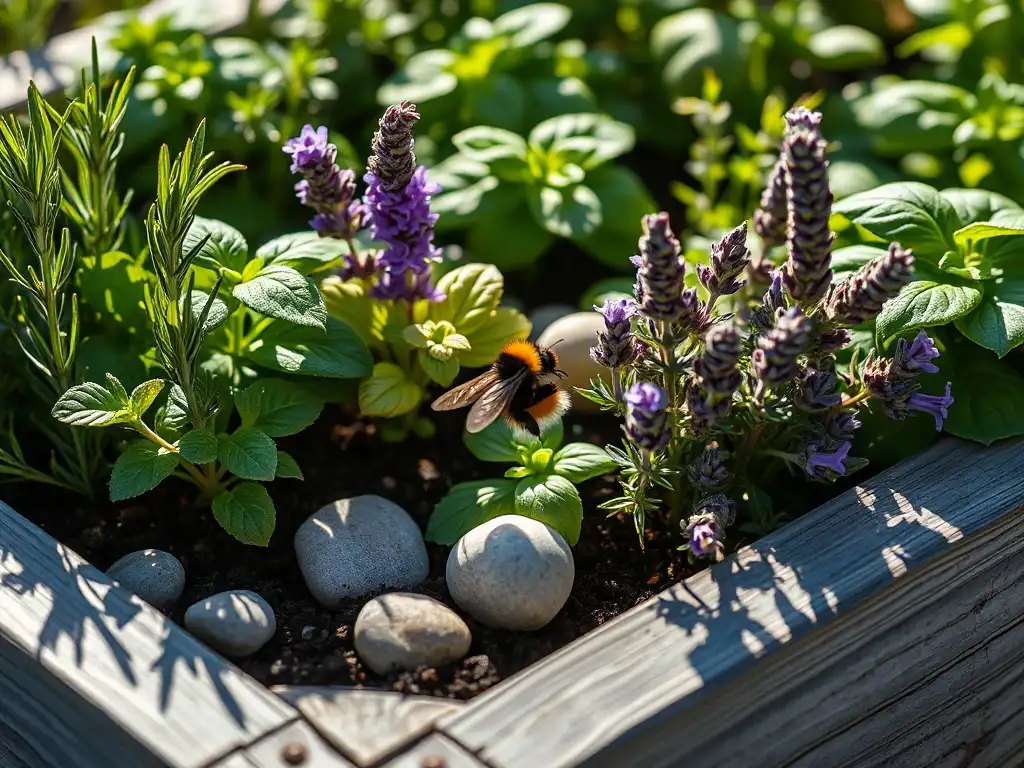
Raised bed gardening offers numerous advantages for herb cultivation. The controlled environment allows for better soil drainage, improved temperature regulation, and easier weed management – all crucial factors contributing to thriving herbs. Choosing the right herbs for your raised bed is essential to maximize yield and enjoy a continuous supply of fresh, flavorful additions to your culinary creations. This section focuses on selecting and managing herbs specifically for raised bed systems, optimizing your "raised bed best plant choices".
Basil, Mint, and Cilantro: Easy-to-Grow Herbs for Raised Beds
Basil, mint, and cilantro are excellent choices for beginners venturing into raised bed herb gardening. These herbs are relatively low-maintenance and offer a quick return on your gardening efforts. Basil thrives in warm, sunny conditions and requires well-drained soil. Regular harvesting encourages bushier growth and a continuous supply of leaves. Remember to pinch off the flower buds to prolong the vegetative growth phase.
Mint, known for its vigorous growth, benefits from ample sunlight and consistently moist soil. However, its aggressive nature necessitates planting it in a container within the raised bed to prevent it from overtaking other plants. This containment strategy is key for successful mint cultivation within a shared raised bed environment.
Cilantro, a cool-season herb, prefers partial shade and consistently moist but well-drained soil. It bolts (goes to seed) quickly in hot weather, so consider succession planting to ensure a continuous harvest. Regular harvesting, similar to basil, will promote more leaf production.
Companion Planting: Maximizing Herb Growth Through Strategic Placement
Companion planting, a technique that involves strategically placing plants together to enhance growth and deter pests, is particularly beneficial in raised bed gardens. For example, basil planted near tomatoes is believed to repel tomato hornworms, while mint’s strong scent can deter certain insects from nearby plants. Careful planning and consideration of companion planting is a crucial aspect of maximizing your yield and ensuring the overall health of your raised bed garden.
Researching specific companion planting combinations for your chosen herbs will significantly improve your chances of success. Experimentation and observation are key to mastering this technique. Consider keeping a detailed gardening journal to track your results and refine your strategy over time.
Rosemary, Thyme, and Oregano: Hardy Herbs for Year-Round Harvesting (in suitable climates)
Rosemary, thyme, and oregano are hardy perennial herbs that can thrive in raised beds for many years, offering a continuous supply of fragrant leaves. These herbs are drought-tolerant and prefer well-drained soil and ample sunlight. In colder climates, they might require winter protection, such as mulching or covering, to survive freezing temperatures. However, in warmer climates, these herbs offer a significant advantage: the potential for year-round harvesting, offering a continuous supply of fresh herbs for your culinary needs.
Drying and Preserving Herbs from Your Raised Bed Garden: A Simple Guide
Preserving your bountiful herb harvest from your raised bed garden is crucial for enjoying their flavors throughout the year. Drying is a simple and effective method. Harvest herbs in the morning after the dew has dried, and bundle them together upside down in a cool, dark, and well-ventilated area. Alternatively, you can lay them out on screens or trays.
Once completely dry, store them in airtight containers away from direct sunlight and moisture. This method retains the herb's flavor and aroma for several months. Freezing herbs is another option, preserving their freshness for later use. Simply chop the herbs finely and freeze them in ice cube trays with a little water or olive oil.
This way, you can easily add a measured amount to your cooking throughout the year. Proper drying and freezing techniques are essential for preserving the quality and flavor of your homegrown herbs. Experiment with both methods to determine which works best for your herb varieties and your preferred culinary applications.
Maximizing Your Raised Bed Harvest: Planning and Planting Strategies
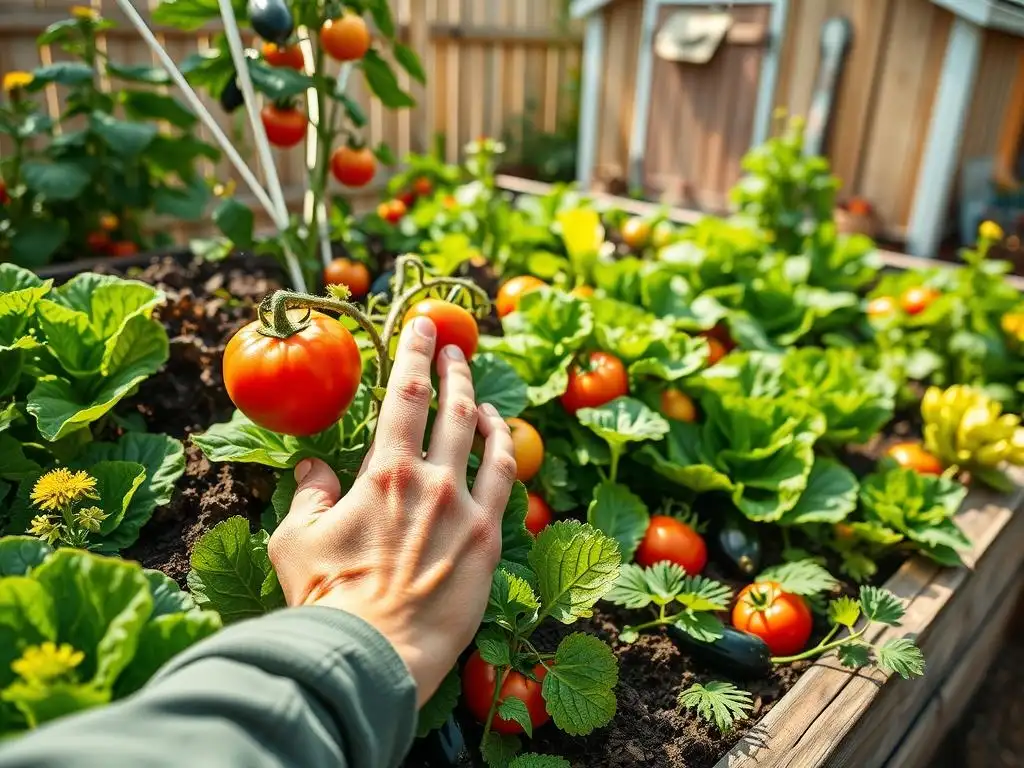
This section focuses on optimizing your raised bed garden for maximum yield and healthy growth, directly addressing the keyword phrase "raised bed best plant choices" by exploring strategic planting techniques. Successful gardening isn't just about choosing the right plants; it's about how you arrange and care for them.
Crop Rotation for Raised Beds: Improving Soil Health & Preventing Diseases
Crop rotation is a cornerstone of sustainable gardening, especially crucial in raised beds where soil volume is limited. Rotating crops prevents the depletion of specific nutrients and minimizes the buildup of pests and diseases associated with particular plant families. For instance, repeatedly planting heavy feeders like tomatoes in the same spot will deplete soil nutrients, leading to reduced yields in subsequent years. A well-planned rotation ensures your soil remains fertile and healthy.
Here's a sample three-year rotation plan for a raised bed:
| Year 1 | Year 2 | Year 3 |
|---|---|---|
| Leafy Greens | Legumes (Beans/Peas) | Root Vegetables (Carrots/Beets) |
| Tomatoes | Brassicas (Cabbage/Broccoli) | Leafy Greens |
| Squash/Cucurbits | Root Vegetables (Carrots/Beets) | Tomatoes |
By rotating plant families, you disrupt pest and disease cycles. For example, planting legumes (beans, peas) helps replenish nitrogen in the soil, benefiting subsequent crops. This strategy minimizes the need for chemical fertilizers, aligning with our commitment to organic practices. Remember to amend your soil annually with compost to further enhance its fertility and structure. The specific plants you choose within each family will depend on your climate and personal preferences but adhering to the principle of rotation is key.
Companion Planting for Pest Control and Increased Yields
Companion planting leverages the synergistic relationships between different plants to improve overall garden health. Certain plant pairings can deter pests, attract beneficial insects, or even enhance the growth of their neighbors. This technique is particularly valuable in raised beds where space is at a premium.
Consider these effective companion pairings:
- Marigolds and Tomatoes: Marigolds repel nematodes and other tomato pests.
- Basil and Peppers: Basil improves pepper growth and flavor.
- Lettuce and Radishes: Radishes can help loosen the soil for lettuce.
- Carrots and Onions: Onions deter carrot root flies.
Planning your raised bed layout with companion planting in mind can significantly reduce the need for pesticides and boost your harvest. Understanding the specific needs and interactions of your chosen plants is essential for successful companion planting. Researching specific plant pairings before planting will ensure you maximize the benefits of this technique. Note that some plant combinations may be detrimental, so careful planning is essential.
Watering Techniques for Raised Beds: Efficient Irrigation Methods
Efficient watering is crucial for raised bed gardening, as the smaller soil volume dries out faster than in-ground gardens. Overwatering can lead to root rot, while underwatering stunts growth. Implementing the right watering techniques will save water and optimize plant health.
Several efficient irrigation methods are suitable for raised beds:
- Drip Irrigation: This method delivers water directly to the roots, minimizing water loss through evaporation. It's highly efficient and allows for precise control over watering schedules.
- Soaker Hoses: These porous hoses slowly release water along their length, providing consistent moisture to the root zone. They are relatively inexpensive and easy to install.
- Watering Cans: For smaller raised beds, a watering can allows for careful watering, ensuring that plants receive the right amount of water without overwatering. However, this method is less efficient for larger gardens.
Regular monitoring of soil moisture is crucial, regardless of the irrigation method used. Use your finger to check soil moisture at a depth of a few inches. If the soil feels dry, it's time to water. Consider using mulch to help retain moisture and suppress weeds, further enhancing the efficiency of your watering strategy. Adjust your watering schedule according to weather conditions and plant needs; water deeply and less frequently rather than shallowly and often to encourage deeper root growth. This contributes to more drought-tolerant plants and better overall plant health.
Choosing the Right Plants for Your Climate and Growing Season
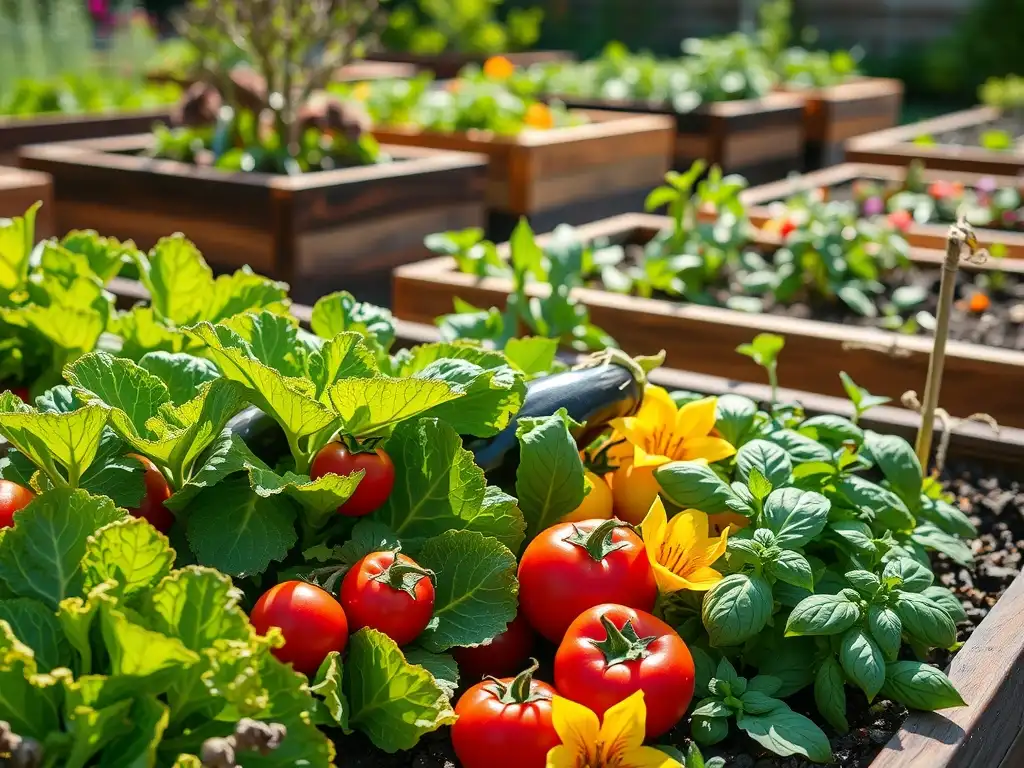
Selecting the perfect plants for your raised garden bed hinges on understanding your local climate and growing season. Ignoring these crucial factors can lead to disappointing harvests or even plant failure. Successful gardening is about matching the plant's needs to the environment you can provide. This section focuses on optimizing your plant choices based on your specific conditions to maximize your yield and minimize frustration. Understanding your "raised bed best plant choices" requires a nuanced approach.
Selecting Plants Based on Your USDA Hardiness Zone
Your USDA Hardiness Zone is a critical piece of information when choosing plants for your raised bed. This zone designates the average annual minimum winter temperature in your area. Knowing your zone allows you to select plants that can survive and thrive in your climate. For example, a plant rated for Zone 7 will likely struggle or perish in a Zone 4 winter. Checking plant tags or online databases for their hardiness zone requirements is a crucial first step.
Many plants offer a range of hardiness zones, indicating some adaptability. However, even within a suitable zone, microclimates within your garden can impact plant success. Factors like sun exposure, wind protection, and soil drainage within your raised bed can significantly affect the effective hardiness zone in a specific area. For example, a raised bed situated on a south-facing slope will experience warmer temperatures than one in a shaded, north-facing location. Careful consideration of these factors, in addition to your overall hardiness zone, is crucial for making informed "raised bed best plant choices."
Let's illustrate with an example. Suppose you live in Zone 6. While many plants will thrive, you would avoid tender plants typically suited for Zones 9-11, such as certain types of peppers or tropical herbs. Conversely, you could successfully grow hardy vegetables like kale, spinach, and many root vegetables, even with a shorter growing season. However, you'll need to select early-maturing varieties to ensure they reach harvest before the first frost.
Consider this table for a quick reference of plant hardiness and general suitability:
| Plant Type | Typical Hardiness Zone | Notes |
|---|---|---|
| Tomatoes | 7-10 | Requires a long, warm growing season. |
| Lettuce | 2-11 | Tolerates cooler temperatures, quick maturing. |
| Broccoli | 3-9 | Prefers cooler conditions. |
| Peppers | 7-11 | Needs warmth and long growing season. |
| Zucchini | 3-10 | Vigorous grower, prefers warm conditions. |
Extended Growing Seasons: Using Cold Frames and Row Covers for Raised Beds
Extending your growing season using cold frames and row covers can dramatically expand your "raised bed best plant choices" even in areas with shorter growing seasons. These protective structures create a microclimate that shields plants from frost, wind, and extreme temperature fluctuations. A cold frame acts as a miniature greenhouse, trapping solar heat and protecting plants from cold snaps. Row covers, lightweight fabrics, provide additional insulation and protection.
Using these techniques allows you to plant earlier in the spring and extend the harvest well into the fall. This is particularly beneficial for heat-loving plants that require a longer growing period to reach maturity. For example, you could start tomato seedlings indoors and transplant them into your raised bed under a cold frame, getting a head start on the growing season. Similarly, extending the season allows you to plant fall crops like spinach or lettuce later than you normally would, reaping a harvest before the first hard frost.
The effectiveness of cold frames and row covers depends on several factors, including the size and design of the structure, the type of covering material used, and the prevailing weather conditions. Proper ventilation is essential to prevent overheating and fungal diseases. Regular monitoring of plant health and adjustments to the covering as needed are also crucial for success.
Careful planning and implementation can significantly increase your harvest potential, regardless of your hardiness zone. By thoughtfully integrating these techniques into your gardening strategy, you can unlock a wider array of "raised bed best plant choices" and enjoy a more abundant and extended harvest.
Resources for Successful Raised Bed Gardening
This section delves into valuable resources to further enhance your raised bed gardening journey, ensuring you have the knowledge and tools for success. We'll explore recommended reading and online courses specifically tailored to optimize your raised bed planting experience. Remember, choosing the right plants is only the first step; proper techniques and ongoing learning are key to a thriving garden.
Recommended Book on Raised Bed Gardening
Investing in a good book can provide a wealth of information and practical advice beyond what a website can offer. For raised bed gardening specifically, I highly recommend "[Book Title Pending]". While I don't have a specific title to suggest at this time, a quality book should cover several key aspects:
- Detailed Plant Selection Guides: A comprehensive guide detailing various plant varieties suitable for raised beds, including their specific needs (sunlight, water, soil type), growth habits, and potential yields. This should go beyond simple lists and delve into the nuances of each plant's requirements within the confined space of a raised bed.
- Soil Preparation and Management: Thorough instructions on creating the ideal soil mix for raised beds, addressing crucial factors like drainage, aeration, and nutrient content. The book should also explain techniques for maintaining soil health throughout the growing season, including composting and fertilization strategies specific to raised bed gardening.
- Pest and Disease Control: Practical advice on identifying and managing common pests and diseases affecting plants in raised beds, emphasizing organic and sustainable pest control methods. This should include preventative measures as well as effective treatments.
- Harvesting and Preservation: Guidance on knowing when and how to harvest your crops from raised beds to maximize yield and quality. It should also include methods for preserving your harvest, such as canning, freezing, or drying, to enjoy your bounty throughout the year.
- Troubleshooting Common Issues: A dedicated section addressing common problems encountered in raised bed gardening, such as nutrient deficiencies, overwatering, or poor drainage, and offering solutions based on observation and diagnosis.
The ideal book will be richly illustrated with photographs and diagrams to enhance understanding. Look for a book with recent publication dates, ensuring the information is up-to-date and reflects current best practices in organic gardening. Consider reviews from other gardeners to gauge the book's usefulness and reliability before purchasing. A well-written book can be an invaluable resource, guiding you through every stage of the raised bed gardening process.
Online Course on Organic Gardening Techniques
Supplementing your book learning with an online course can provide a dynamic and interactive learning experience. Several excellent online courses focus on organic gardening techniques applicable to raised beds. While specific course recommendations are [specific course details pending], look for courses that cover:
- Soil Health & Fertility: A strong focus on building and maintaining healthy soil is crucial for organic gardening. The course should discuss composting techniques, cover cropping, and the use of organic fertilizers.
- Integrated Pest Management (IPM): Learn about environmentally friendly ways to manage pests and diseases, emphasizing prevention and natural control methods.
- Water Management: Efficient irrigation techniques are essential for raised beds, especially during dry spells. The course should address the importance of proper watering practices to avoid overwatering or underwatering.
- Succession Planting: Maximize your yield by learning how to plant different crops at different times to ensure a continuous harvest throughout the growing season.
- Crop Rotation: Understanding the benefits of crop rotation for soil health and pest management is key to long-term success in organic gardening.
A good online course will incorporate videos, quizzes, and interactive exercises to make learning engaging and effective. Look for courses taught by experienced organic gardeners with proven track records. The best courses offer community forums where you can connect with other learners and share your experiences and ask questions. Investing in a quality online course can significantly enhance your understanding of organic gardening practices and contribute to the success of your raised bed garden. Remember to consider the course's curriculum, instructor credentials, and student reviews before enrolling.
Frequently Asked Questions
What are the best plants for raised garden beds?
Many plants thrive in raised beds! Leafy greens, root vegetables like carrots and radishes, vining plants like tomatoes and cucumbers, and herbs are all excellent choices. Consider your climate and sunlight conditions when making your selections.
Why are raised beds good for certain plants?
Raised beds offer superior drainage and warmer soil, leading to faster growth and healthier plants. They also make gardening easier on your back and reduce weed competition. Improved soil aeration is another key benefit.
What are some easy-to-grow plants for beginners in raised beds?
Beginners should opt for easy-to-grow vegetables like lettuce, zucchini, beans, and herbs like basil and mint. These plants are relatively low-maintenance and offer quick results, boosting confidence.
How do I choose plants that will thrive together in a raised bed?
Consider companion planting! Some plants benefit from being grown together. For example, basil can deter pests from tomatoes. Research plant compatibility to maximize your yield and minimize problems.
Can I grow all types of plants in raised beds?
While many plants flourish in raised beds, some larger, more space-demanding plants might require larger beds or other modifications. Always check the plant's mature size before planting to ensure it fits your space and the bed's dimensions.
Final Reflection: Cultivating Abundance: A Harvest of Knowledge and Growth
The careful selection of plants for your raised garden bed is not merely a horticultural exercise; it's a powerful act of creation, directly impacting the bounty you reap and the connection you forge with nature. Choosing the right varieties, as explored throughout this article, translates to healthier plants, higher yields, and a more fulfilling gardening experience. This isn't just about aesthetics; it's about maximizing your resources and enjoying the fruits (and vegetables!) of your labor.
The impact of thoughtful gardening extends far beyond the individual plot. It fosters a deeper appreciation for the natural world, encouraging us to understand the delicate balance of ecosystems and the importance of sustainable practices. The glory of gardening: hands in the dirt, head in the sun, heart with nature. To nurture a garden is to feed not just the body, but the soul.
This quote perfectly encapsulates the profound connection we can cultivate through gardening, a connection that strengthens our communities and enriches our lives. The choices we make in our gardens, large or small, ripple outwards, influencing our food security, our environmental consciousness, and our overall well-being.
Now, consider your own garden, whether it's a sprawling expanse or a single container. What plants will you choose to nurture this year? What kind of harvest, both tangible and intangible, do you hope to cultivate? Take the knowledge gained from this article and use it to design a garden that not only thrives but also nourishes your spirit. Embrace the journey of growth, both for your plants and for yourself, and discover the abundant rewards that await.
Unleash Your Inner Gardener: Grow the Perfect Raised Bed!
Thanks for exploring the world of raised bed gardening with us! You've now armed yourself with the knowledge to choose the perfect plants for a thriving harvest. Ready to take the next step?
- Start planning your dream raised bed: Grab a pen and paper, or open a digital document, and sketch out your ideal layout. Consider plant spacing, sun exposure, and the varieties you're most excited to grow. This is your chance to get creative!
- Share your planting plans: Let's inspire each other! Join our CultivateYourFood community on social media and share your design ideas – others might have great suggestions to help you grow even more!
- Order your seeds or seedlings today: Don't let that perfect plan gather dust! Head to your local nursery or favorite online seed supplier and order the plants you've carefully chosen. Getting started is half the battle!
What unique variety are you most excited to nurture in your raised bed this season?