
Bioprinting for Plants: Creating Custom Plants at Home

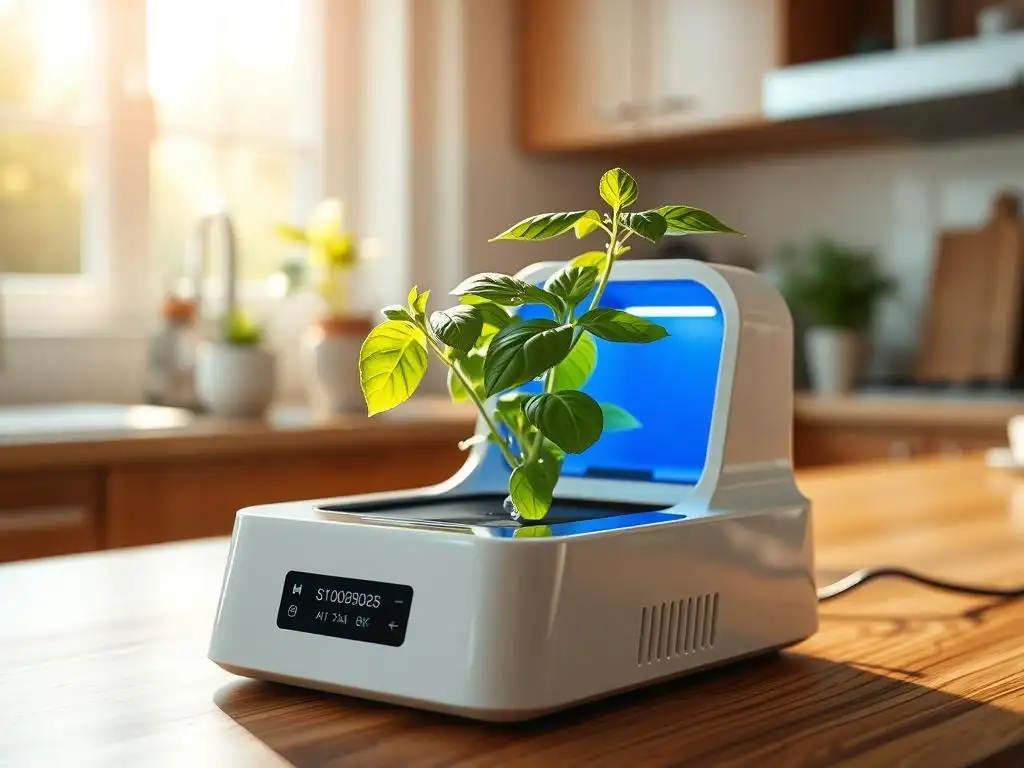
Welcome to CultivateYourFood, your guide to a greener, more fulfilling life through sustainable home gardening! Are you ready to revolutionize your approach to growing fruits, vegetables, and herbs? We're diving into the future of home gardening with our groundbreaking Home Bioprinting Plant Guide, revealing how you can create custom plants right in your own backyard. Discover the fascinating world of bioprinting and unlock the potential to cultivate a truly unique and thriving garden. Let's explore the possibilities together!
- Understanding Home Bioprinting Plant Technology
- Setting Up Your Home Bioprinting System
- Bioprinting Different Plant Species
- Troubleshooting and Maintenance
- The Future of Home Bioprinting Plants
- Resources for Home Bioprinting Enthusiasts
- Frequently Asked Questions
- Final Reflection: Cultivating a Greener Future, One Print at a Time
- Unleash Your Inner Plant Architect!
Understanding Home Bioprinting Plant Technology
Home gardening is evolving, moving beyond traditional methods and embracing innovative technologies. One such exciting advancement is plant bioprinting, a technique offering the potential to revolutionize how we cultivate fruits, vegetables, and herbs at home. This guide will explore the fascinating world of home bioprinting, explaining its principles, benefits, and potential applications for the sustainable and organic home gardener.
We'll delve into the science behind this cutting-edge technology, highlighting its advantages over conventional planting methods and addressing potential challenges. By the end, you'll have a comprehensive understanding of how bioprinting could shape the future of your home garden, and hopefully, be inspired to consider this exciting new approach to plant cultivation. This guide aims to serve as your complete "Home bioprinting plant guide", providing all the essential information to get you started.
What is Plant Bioprinting? A Beginner's Guide
Plant bioprinting, in its simplest form, is the process of using 3D printing technology to create plants. Instead of using ink or plastic, bioprinting utilizes a bioink – a mixture of plant cells, nutrients, and growth factors – to construct plant tissues and even entire plant structures layer by layer. Think of it as a highly specialized form of cloning, allowing for the precise creation of plants with specific characteristics.
This isn't about printing a fully grown tomato plant overnight; rather, it's about creating plant structures, such as seedlings or small plant parts, from which larger plants can grow. The process involves carefully cultivated plant cells suspended in a gel-like bioink, which is then precisely deposited by a 3D printer to build the desired three-dimensional structure. This offers unprecedented control over the plant's development, potentially leading to faster growth, increased yield, and the ability to cultivate plants with specific desirable traits – all from the comfort of your home.
This technology is still in its early stages, but the potential for home gardeners is immense. The ability to “print” plants with specific disease resistance or optimal growth characteristics could significantly impact home cultivation practices.
The Science Behind Bioprinting Plants: Cell Cultures and Bioinks
The success of plant bioprinting hinges on two crucial components: cell cultures and bioinks. Obtaining suitable plant cells involves carefully culturing cells from a parent plant in a sterile environment. These cells must be capable of rapid growth and differentiation – that is, they must be able to develop into different types of plant tissues (roots, stems, leaves). The process of cultivating these cells is intricate and requires specific nutrients and growth conditions.
The bioink itself is a complex formulation. It acts as a scaffold, providing structural support for the plant cells while also delivering essential nutrients and growth factors. The ideal bioink needs to be biocompatible – meaning it doesn't harm the plant cells – and have the right viscosity to allow for precise deposition by the 3D printer.
Scientists are constantly experimenting with different bioink formulations, using materials like alginate, cellulose, and other natural polymers to create a bioink suitable for different plant species. The composition of the bioink significantly impacts the success rate and the quality of the printed plant structures. Research is ongoing to optimize bioink formulations for improved cell viability and plant growth.
Advantages of Bioprinting Plants for Home Gardeners
Bioprinting plants offers several significant advantages for home gardeners seeking sustainable and organic practices. Firstly, it allows for precise control over plant development, potentially leading to faster growth and higher yields. By carefully selecting and manipulating the plant cells and bioink, gardeners could potentially cultivate plants with improved disease resistance, enhanced nutrient content, or even unique flavors.
Secondly, bioprinting can facilitate the cultivation of rare or endangered plant species, making them more accessible to home gardeners. Furthermore, the technology promotes sustainable practices by reducing the need for pesticides and herbicides, as bioprinted plants can be engineered for inherent pest resistance. Finally, bioprinting offers a high degree of customization, allowing home gardeners to create plants tailored to their specific needs and preferences.
While the technology is still emerging, the potential to create a more efficient, sustainable, and personalized home gardening experience is substantial. The possibilities are exciting, hinting at a future where homegrown produce is not only abundant but also perfectly tailored to individual tastes and needs. 🌱
Bioprinting vs. Traditional Plant Propagation Methods: A Comparison
Bioprinting offers a stark contrast to traditional plant propagation methods, presenting both advantages and disadvantages. Traditional methods, such as seed sowing, cuttings, layering, and grafting, are well-established and relatively low-tech. They rely on the plant's natural reproductive mechanisms and are generally inexpensive and accessible to home gardeners. However, these methods can be time-consuming, with germination and growth often taking weeks or even months. Success rates can also vary depending on factors like environmental conditions and the plant species. Furthermore, scaling up production using traditional methods can be challenging and labor-intensive.
Bioprinting, on the other hand, is a significantly more advanced technology. It allows for precise control over the placement and density of cells, enabling the creation of complex plant structures and potentially faster growth rates. This precision offers the possibility of creating customized plants with specific traits, such as disease resistance or enhanced nutritional value. The process is also potentially faster than traditional methods, although current technology is still in its early stages of development for home use.
However, bioprinting requires specialized equipment and materials, which can be expensive and may not be readily available to the average home gardener. The process itself also demands a certain level of technical expertise and sterile conditions to prevent contamination. Therefore, while bioprinting holds immense promise for the future of plant propagation, its practicality for widespread home use is still under development.
The table below summarizes the key differences:
| Feature | Traditional Propagation Methods | Bioprinting |
|---|---|---|
| Cost | Low | High |
| Time | Long (weeks to months) | Potentially shorter (depending on technology) |
| Complexity | Low | High |
| Precision | Low | High |
| Customization | Limited | High (potential for genetic modification) |
| Accessibility | High | Low (currently) |
| Scalability | Difficult | Potentially easier |
In essence, traditional methods remain a practical and accessible option for home gardeners, while bioprinting represents a cutting-edge technology with significant potential but significant limitations in terms of cost, accessibility, and required expertise for home application. The future may see a convergence of these methods, with bioprinting potentially supplementing or even replacing certain aspects of traditional plant propagation in the home garden setting, but for now, traditional methods remain the dominant force in home gardening.
Setting Up Your Home Bioprinting System
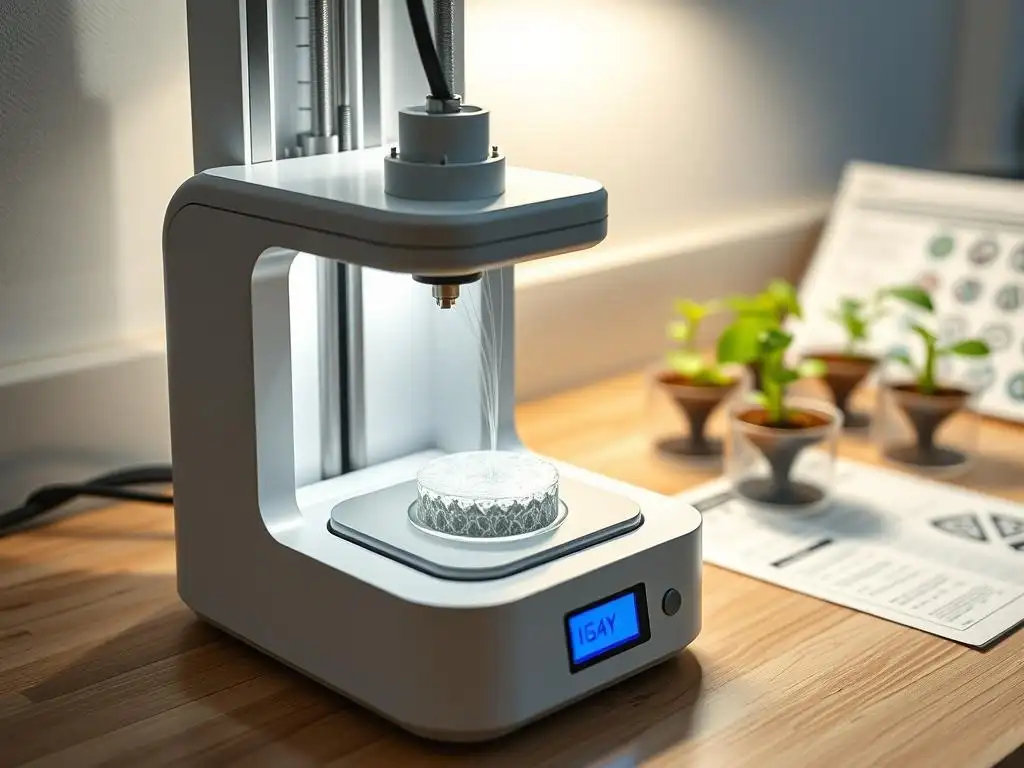
This section details the crucial steps involved in establishing a functional home bioprinting system for plant cultivation. While the technology is still nascent, advancements are making it increasingly accessible for home gardeners interested in exploring the possibilities of customized plant growth. This guide focuses on creating a safe and effective setup, prioritizing ethical sourcing and sterile practices. Remember, safety and precision are paramount throughout the entire process.
Essential Equipment for Home Plant Bioprinting
Setting up your home bioprinting system requires specific equipment. While the exact requirements may vary depending on the complexity of your bioprinting project, certain essentials remain consistent. The cost can be significant initially, but the potential for customized plant growth and long-term savings on plant purchases may justify the investment.
- Bioprinter: This is the core component. You'll need a bioprinter designed for plant cell deposition. Look for models with precise nozzle control and adjustable print parameters. The resolution and speed capabilities of the printer directly influence the quality and viability of the printed plant structures. Consider features like automated dispensing and temperature control for optimal bioink handling. Research different models and compare their specifications carefully before making a purchase.
- Microscope: A high-quality microscope is essential for observing plant cells, assessing bioink quality, and monitoring the growth of bioprinted structures. A stereo microscope, allowing for three-dimensional viewing, is highly beneficial for detailed examination of plant tissues.
- Incubator: A controlled-environment incubator is needed to maintain optimal temperature and humidity for plant cell growth. Precise temperature control is crucial for cell viability and successful plant development. The incubator should also maintain appropriate levels of CO2 and light, depending on the specific plant species being bioprinted. Consider models with features like automated monitoring and data logging.
- Autoclave or Sterilization Equipment: Maintaining a sterile environment is crucial to prevent contamination of plant cells and bioinks. An autoclave is ideal for sterilizing equipment and supplies, but alternative sterilization methods, such as UV irradiation, may also be used.
- Clean Room Supplies: This includes sterile gloves, lab coats, masks, and other personal protective equipment (PPE) to minimize the risk of contamination. Disposable supplies are preferred to ensure cleanliness and prevent cross-contamination. Proper disposal of used materials is also crucial.
- Precision Pipettes and other laboratory tools: For accurate handling of bioinks and plant cells.
| Equipment Item | Importance | Cost Range (USD) | Notes |
|---|---|---|---|
| Bioprinter | Core component; determines print quality | $5,000 - $50,000+ | Research models thoroughly; consider features and specifications. |
| Microscope | Cell observation and quality control | $500 - $10,000+ | Stereo microscope recommended for 3D viewing. |
| Incubator | Maintaining optimal growth conditions | $1,000 - $5,000+ | Temperature, humidity, CO2, and light control crucial. |
| Autoclave/Sterilizer | Preventing contamination | $1,000 - $5,000+ | Essential for maintaining sterility. |
| Clean Room Supplies | Minimizing contamination risk | $100 - $500+ | Disposable supplies are strongly recommended. |
| Precision Pipettes etc. | Accurate handling of bioinks and cells | $100 - $500+ | Essential for precise handling and measurements. |
Sourcing Bioinks and Plant Cells: Safe and Ethical Practices
Sourcing bioinks and plant cells ethically and sustainably is crucial. The bioink, the material that supports the plant cells during printing, should be biodegradable and ideally derived from sustainable sources. Plant cells should be obtained responsibly, avoiding practices that could harm plant populations or ecosystems.
Choosing the right bioink is critical. Hydrogel-based bioinks are commonly used, offering a supportive three-dimensional matrix for plant cell growth. However, the specific composition of the bioink can greatly impact the success of the bioprinting process. Experimentation is often required to determine the optimal bioink formulation for each plant species. Factors to consider include viscosity, cell viability, and biocompatibility.
Obtaining plant cells requires careful planning. Several methods exist, such as collecting cells from plant tissues through micropropagation techniques or purchasing commercially available plant cell lines. Prioritize ethical sourcing – avoid harvesting from endangered or protected plant species. Proper documentation of the source of plant cells is also important for traceability and accountability. Always adhere to any relevant regulations and permits concerning the collection and use of plant materials.
Sterile Environment Setup: Preventing Contamination
Maintaining a sterile environment is crucial to prevent contamination of plant cells and bioinks, leading to failed bioprinting attempts or the growth of unwanted microorganisms. Contamination can quickly compromise the entire process, rendering your efforts futile. Therefore, meticulous attention to detail is essential.
A clean room or a designated sterile workspace is necessary. This area should be regularly cleaned and disinfected using appropriate sterilization agents. The use of a laminar flow hood or biosafety cabinet is highly recommended to create a controlled environment with minimal airborne particles. All equipment and supplies used in the bioprinting process must be sterilized before use. This includes the bioprinter itself, pipettes, containers, and any other tools that come into contact with plant cells or bioinks.
Regular monitoring for contamination is crucial. Visual inspections of cultures should be performed regularly to detect any signs of microbial growth. Microscopic examination can further confirm the presence of any contaminants. Implementing robust quality control measures at each stage of the process helps to minimize the risk of contamination and ensure the success of the bioprinting process. Remember, a clean and organized workspace significantly improves the chances of successful bioprinting. Maintaining a sterile environment is a continuous process requiring diligence and attention to detail.
Step-by-Step Guide to Bioprinting Your First Plant
Bioprinting plants at home might sound futuristic, but with the right equipment and a methodical approach, it's becoming increasingly accessible. This step-by-step guide will walk you through the process of bioprinting your first plant, focusing on simplicity and achievable results for the home gardener. Remember, success depends on meticulous attention to detail at each stage. While the technology is advancing rapidly, consistent, clean practices are crucial for optimal results.
This guide assumes you've already assembled your home bioprinting system, including the bioprinter itself, the necessary bioinks (containing plant cells and supporting gels), and sterile working environment. If you haven’t yet set up your system, refer to the previous sections of this guide for detailed instructions. We'll be focusing on a simple herbaceous plant for our first attempt; more complex plants require more advanced techniques and experience.
1. Preparing the Bioink: Before starting, ensure your bioink is properly mixed and at the optimal temperature specified by the manufacturer. Improper mixing or temperature can significantly affect the printing process and the viability of the plant cells. Carefully follow the instructions provided with your bioink; inconsistencies here can lead to poor cell survival rates and ultimately, bioprinting failure. Think of this step as preparing the perfect cake batter – the right ingredients and the right preparation are essential for a successful outcome.
2. Designing Your Print: Most bioprinters utilize computer-aided design (CAD) software to create the desired plant structure. For your first attempt, start with a simple design – perhaps a small, flat layer of cells. More complex 3D structures require greater precision and experience. Think of this as sketching your plant before painting. A simple design minimizes potential errors and increases your chances of success. Consider the type of plant you're bioprinting; the design should be appropriate for its growth habit.
3. Sterile Environment Maintenance: Throughout the entire bioprinting process, maintaining a sterile environment is paramount. Any contamination can lead to the growth of unwanted microorganisms, compromising the health of your bioprinted plant. Regularly disinfect your workspace and equipment, using appropriate sterilizing agents as recommended by the manufacturer. This is not just a good practice; it's absolutely crucial for successful plant bioprinting.
4. The Bioprinting Process: Load the prepared bioink into your bioprinter according to the manufacturer's instructions. Then, initiate the printing process, carefully monitoring the bioprinter's operation. Observe the bioink deposition; you should see a smooth, even layer forming. Any irregularities should be investigated immediately to prevent problems later in the plant's development. This stage requires patience and close observation; even minor errors can have significant consequences.
5. Post-Printing Care: After bioprinting, the printed plant structure needs careful nurturing. Transfer the bioprinted material to a suitable growth medium, following the specific requirements of your chosen plant. Maintain optimal temperature, humidity, and light conditions to promote healthy growth. Regularly monitor the plant for signs of stress or contamination.
The care you provide after bioprinting is just as important as the bioprinting process itself. Patience and attentiveness are key to success. Consider keeping a detailed journal of your process, including any adjustments you make. This will help you refine your technique for future bioprinting endeavors. Remember, every bioprinting attempt is a learning opportunity.
Bioprinting Different Plant Species
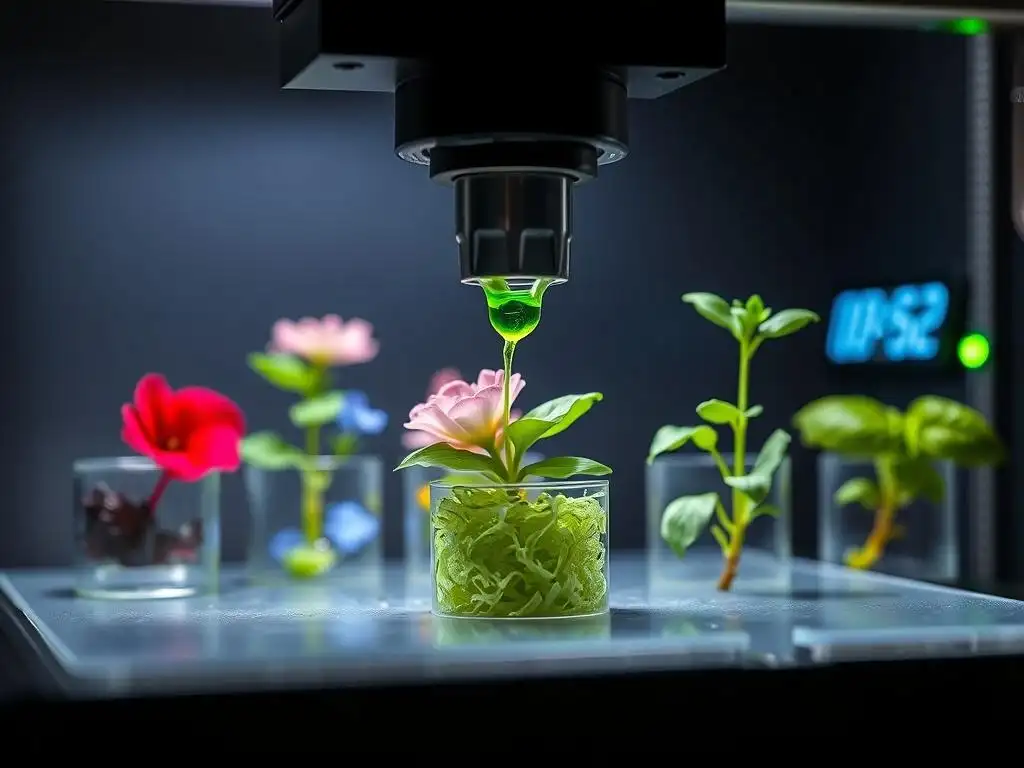
This section delves into the specifics of bioprinting various plant species, highlighting the unique challenges and successes associated with each. The potential of home bioprinting extends beyond simple leafy greens; the technology is rapidly advancing, opening doors to a wider array of plants for the home gardener. Successfully bioprinting a plant hinges on understanding its specific cellular structure and growth requirements. This understanding informs the bioink composition, the printing parameters, and ultimately, the success rate.
Bioprinting Herbs at Home: A Detailed Guide
Bioprinting herbs presents a relatively accessible entry point for home enthusiasts. Herbs often have simpler cellular structures compared to larger plants, making them easier to cultivate from bioprinted tissues. Basil, mint, and rosemary are particularly promising candidates due to their rapid growth and relatively straightforward propagation methods.
A successful bioprinting process for herbs typically involves:
- Bioink formulation: This requires a careful balance of plant cells, growth media (containing nutrients and growth hormones), and a gelling agent to maintain structural integrity during printing. The specific composition will vary based on the herb species. For example, basil bioink might require a higher concentration of auxins to promote shoot development.
- Printing parameters: Factors like nozzle size, printing speed, and layer height significantly impact the final structure and viability of the bioprinted tissue. Experimentation is key to optimize these parameters for each herb. Too high a printing speed can damage the delicate plant cells.
- Post-printing care: After bioprinting, the herb tissue needs careful nurturing in a controlled environment with optimal humidity and light. This phase is crucial for successful root and shoot development. Regular misting and controlled temperature are vital.
The following table summarizes the ideal conditions for bioprinting three common herbs:
| Herb | Bioink Composition Notes | Optimal Printing Speed (mm/s) | Post-Printing Care Notes |
|---|---|---|---|
| Basil | Higher auxin concentration for shoot development | 1-2 | High humidity, bright indirect light |
| Mint | Requires a more viscous bioink due to its fibrous nature | 0.5-1 | Well-draining soil, moderate humidity |
| Rosemary | Needs a bioink with enhanced water retention | 1-2 | Dry conditions, plenty of sunlight, well-draining soil |
This process, while requiring some technical knowledge, is becoming increasingly accessible with the development of user-friendly bioprinting kits. The ability to cultivate fresh herbs year-round, regardless of climate or season, represents a significant advantage.
Bioprinting Vegetables: Challenges and Successes
Bioprinting vegetables presents a more significant challenge than herbs due to the greater complexity of their cellular structures and growth requirements. While lettuce and other leafy greens have shown promising results, bioprinting larger vegetables like tomatoes or peppers remains a significant hurdle.
One major challenge lies in the scalability of the process. Creating a viable vegetable plant from bioprinted tissue requires a much larger volume of bioink and a more sophisticated printing process compared to herbs. Furthermore, the development of robust root systems capable of supporting the growth of mature vegetables is crucial.
Success in vegetable bioprinting hinges on:
- Advanced bioink technology: Bioinks need to be formulated to provide sufficient structural support for the developing vegetable plant, preventing collapse during the growth process. This often involves incorporating biocompatible scaffolding materials.
- Optimized nutrient delivery: The bioink must provide the necessary nutrients for the plant to grow to maturity. This may involve the incorporation of controlled-release nutrient systems within the bioink.
- Precise printing techniques: High-resolution printing is critical to ensure the accurate placement of cells and the creation of a functional vascular system.
Despite these challenges, significant progress is being made. Research into bioprinting vegetables is actively exploring novel bioink formulations and printing techniques to overcome these limitations. The potential for year-round, customized vegetable production at home is a strong motivator for this research.
Bioprinting Fruit Plants: Current Research and Future Prospects
Bioprinting fruit plants remains largely in the research phase. The complexity of fruit plant development, including the intricate interplay of various hormones and environmental factors, poses significant challenges. The long growth cycles and complex genetic mechanisms involved make it a far more ambitious undertaking compared to herbs or vegetables.
Current research focuses on:
- Understanding the cellular mechanisms of fruit development: A deep understanding of the cellular and molecular processes involved in fruit plant growth is fundamental to developing successful bioprinting protocols.
- Developing specialized bioinks: Bioinks need to be tailored to the specific needs of each fruit plant species. This requires a comprehensive understanding of the nutritional and hormonal requirements of each species.
- Exploring innovative printing techniques: New printing techniques are being investigated to address the challenges of creating complex three-dimensional structures necessary for fruit plant development.
While home bioprinting of fruit plants is currently not a feasible option, ongoing research promises exciting future possibilities. The potential to cultivate rare or exotic fruits at home, tailored to specific environmental conditions, is a compelling vision driving this field forward. The long-term prospects are promising, but significant advancements are still needed before this becomes a reality for the home gardener.
Bioprinting Rare or Endangered Plants: Ethical Considerations
Bioprinting offers a fascinating avenue for preserving rare and endangered plant species. The ability to create exact genetic copies, or even improved versions through genetic modification, could safeguard biodiversity and potentially even revive extinct species. However, this technology also presents significant ethical challenges that require careful consideration.
One primary concern revolves around the potential for unintended consequences. While bioprinting aims to replicate existing genetic material, the process isn't without imperfections. Slight variations could inadvertently introduce new traits, potentially altering the delicate balance of the species' ecosystem upon reintroduction. Furthermore, the process itself might inadvertently introduce foreign genetic material, leading to unforeseen mutations or compromising the species' genetic purity. Rigorous testing and monitoring are crucial, but the potential for unforeseen ecological disruption remains a major ethical hurdle.
Another important ethical consideration is access and control. The technology required for plant bioprinting is complex and expensive, potentially creating a scenario where only wealthy institutions or corporations can utilize it. This could exacerbate existing inequalities in access to genetic resources and further marginalize communities who traditionally rely on these plants for their livelihoods or cultural practices. Open-source initiatives and collaborative research are vital to ensure equitable access and prevent the monopolization of this technology.
Beyond the technological and economic aspects, the very act of bioprinting rare and endangered plants raises philosophical questions. Some may argue that interfering with the natural processes of evolution is inherently unethical, even if done with the intention of conservation. Others might contend that the potential benefits of preserving biodiversity outweigh such concerns. A thorough and transparent public discourse is crucial to navigate these complex ethical dilemmas, ensuring that the technology is used responsibly and ethically.
The development of strict guidelines and regulations, informed by both scientific expertise and ethical considerations, is paramount. This includes establishing clear protocols for data sharing, genetic material provenance, and environmental impact assessments before any bioprinted plants are reintroduced into their natural habitats. Ultimately, the ethical use of bioprinting for rare and endangered plants demands a balance between technological advancement and a deep respect for the natural world.
Troubleshooting and Maintenance
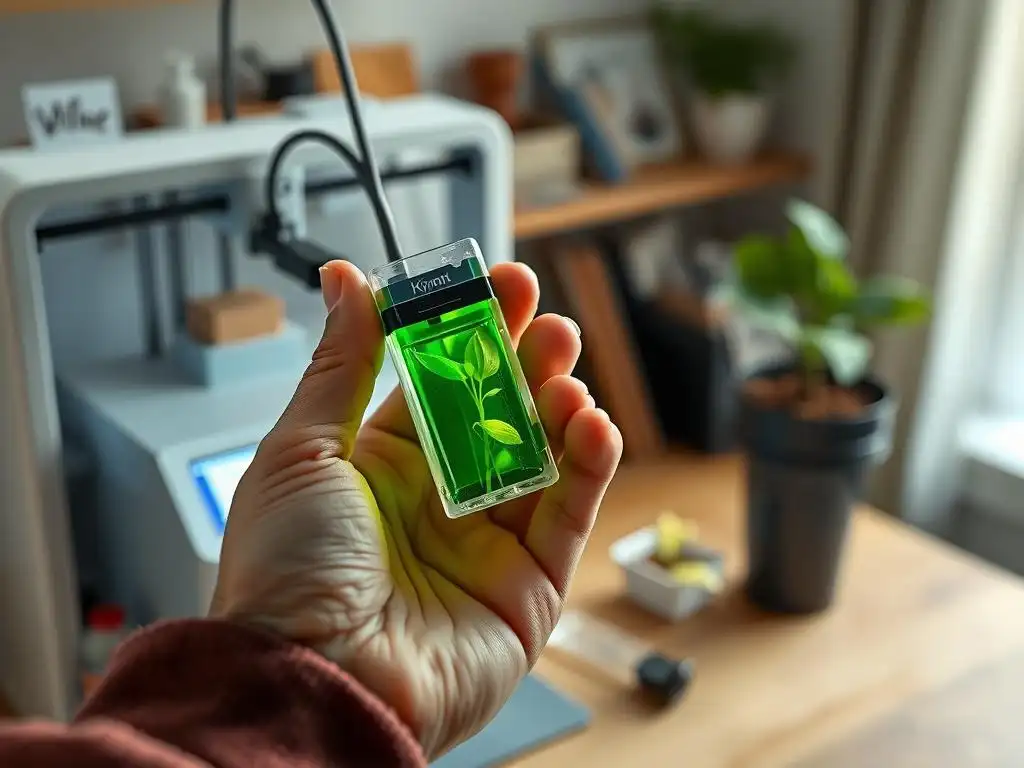
This section delves into the practical aspects of home plant bioprinting, addressing common problems and offering solutions to ensure successful cultivation. Mastering these troubleshooting techniques is crucial for maximizing your yield and minimizing waste in your home bioprinting endeavors. Remember, patience and meticulous attention to detail are key to success in this innovative gardening method.
Common Issues in Home Plant Bioprinting and Solutions
Several challenges can arise during the home bioprinting of plants. Understanding these issues and their solutions is critical for successful cultivation. Let's explore some common problems and their effective solutions:
- Clogged Print Heads: A frequent problem is clogging of the bioprinting nozzle. This often results from the bioink becoming too viscous or containing particulate matter. Solution: Regularly flush the print head with a suitable cleaning solution (specific recommendations vary based on the bioink used; consult your bioink manufacturer's instructions). Preventative maintenance, such as storing bioink properly and using filtered air, can also minimize clogging.
- Inconsistent Bioink Extrusion: Uneven extrusion of the bioink can lead to irregular plant structures and reduced growth. This can be caused by variations in bioink viscosity, air bubbles within the bioink, or problems with the print head pressure. Solution: Carefully monitor bioink viscosity and temperature. Ensure proper degassing of the bioink before printing to eliminate air bubbles. Calibrate your bioprinter regularly to maintain consistent pressure.
- Low Germination Rates: Even with successful bioprinting, low germination rates can be disappointing. This can stem from several factors, including suboptimal bioink composition, insufficient nutrients in the growth medium, or improper environmental conditions. Solution: Optimize your bioink formulation (see section below on optimizing bioink composition). Ensure your growth medium provides adequate nutrients and moisture. Maintain optimal temperature and humidity levels during germination.
- Contamination: Contamination by bacteria or fungi is a significant risk in home bioprinting. This can lead to plant disease and death. Solution: Maintain a sterile environment (discussed in the following section). Use sterile techniques throughout the entire bioprinting process.
| Problem | Cause | Solution |
|---|---|---|
| Clogged Print Head | Viscous bioink, particulate matter | Flush with cleaning solution, preventative maintenance |
| Inconsistent Extrusion | Viscosity variations, air bubbles | Monitor viscosity, degas bioink, calibrate printer |
| Low Germination Rates | Poor bioink, insufficient nutrients | Optimize bioink, ensure adequate nutrients and environmental conditions |
| Contamination | Unsanitary conditions | Maintain sterile environment, use sterile techniques |
Maintaining a Sterile Environment for Optimal Results
Maintaining a sterile environment is paramount to prevent contamination and ensure the successful growth of your bioprinted plants. Contamination can quickly ruin your efforts, leading to disease and loss of your plants. Here's how to create and maintain a sterile workspace:
A clean and organized workspace is essential. Before beginning any bioprinting procedure, thoroughly clean all surfaces with a suitable disinfectant, such as 70% isopropyl alcohol. Wear sterile gloves and a lab coat to minimize the introduction of contaminants. Consider using a laminar flow hood or a clean bench to further reduce the risk of airborne contamination. Regularly disinfect all equipment and tools used in the bioprinting process.
Remember to replace air filters in your bioprinter regularly. The importance of sterility cannot be overstated – it's a crucial factor in achieving high germination rates and healthy plant growth. Think of it as creating a mini-cleanroom for your plants. 🌱
Optimizing Bioink Composition for Specific Plants
The success of bioprinting hinges significantly on the composition of the bioink. Optimizing the bioink for each plant species is key to achieving high germination and growth rates. This requires careful consideration of several factors:
The bioink must contain the necessary nutrients for plant growth. These nutrients should be tailored to the specific requirements of the plant being bioprinted. For instance, a bioink for a nitrogen-demanding plant will require a higher concentration of nitrogen-containing compounds compared to a plant with lower nitrogen requirements. The bioink's viscosity also plays a crucial role.
It needs to be viscous enough to maintain its shape during printing but not so viscous as to clog the print head. Finally, the bioink's rheological properties—its flow behavior—must be carefully considered to ensure proper extrusion and deposition during the printing process. Experimentation and careful observation are vital to determining the optimal bioink composition for each plant species.
Detailed records of your bioink formulations and the resulting plant growth are invaluable for future bioprinting endeavors. Consider creating a detailed logbook to track your experiments and their outcomes. This meticulous approach will help you refine your bioprinting techniques and achieve consistent success.
Long-Term Care of Bioprinted Plants
Long-term care for bioprinted plants requires a nuanced understanding of their unique growth patterns and potential vulnerabilities. Unlike traditionally propagated plants, bioprinted specimens may exhibit variations in root development, nutrient uptake, and overall resilience. Careful monitoring and proactive adjustments to your gardening practices are essential for their success. Regular observation is key; look for signs of stress such as wilting, discoloration, or stunted growth. These could indicate issues with watering, lighting, nutrient deficiencies, or pest infestations.
One crucial aspect of long-term care is maintaining consistent environmental conditions. Bioprinted plants, depending on the specific bio-ink and printing process used, might be more sensitive to temperature fluctuations or humidity levels than conventionally grown plants. Precise temperature control, ideally within a specific range for your plant species, and consistent humidity levels are vital for optimal growth and health. Using a thermostat and a humidifier or dehumidifier, as needed, can significantly contribute to the longevity and vigor of your bioprinted creations.
Nutrient management is another critical factor. While the initial bio-ink might contain some nutrients, these will eventually be depleted. Therefore, a carefully planned fertilization schedule, tailored to the specific needs of your plant species, is necessary. Over-fertilization can be detrimental, potentially leading to nutrient burn and root damage. Under-fertilization, on the other hand, results in stunted growth and increased susceptibility to diseases. Consider using organic, slow-release fertilizers to provide a consistent supply of essential nutrients without the risk of over-fertilizing. Regular soil testing can help you determine the nutrient levels and adjust your fertilization accordingly.
Pest and disease management forms an integral part of long-term care. Bioprinted plants, just like any other plants, are susceptible to various pests and diseases. Regular inspection for signs of infestation or disease is crucial for early detection and timely intervention. Implementing proactive pest control measures, such as introducing beneficial insects or using organic pesticides, can help prevent infestations.
In case of disease, early intervention with appropriate organic treatments is crucial to prevent the spread and save your plant. Remember to always choose organic and environmentally friendly solutions to align with sustainable gardening practices. Keeping a detailed record of your observations and interventions will help you refine your care strategies over time and contribute to the successful long-term cultivation of your bioprinted plants. This record-keeping will also be invaluable if you encounter unexpected challenges, allowing you to identify patterns and implement corrective measures more effectively.
The Future of Home Bioprinting Plants
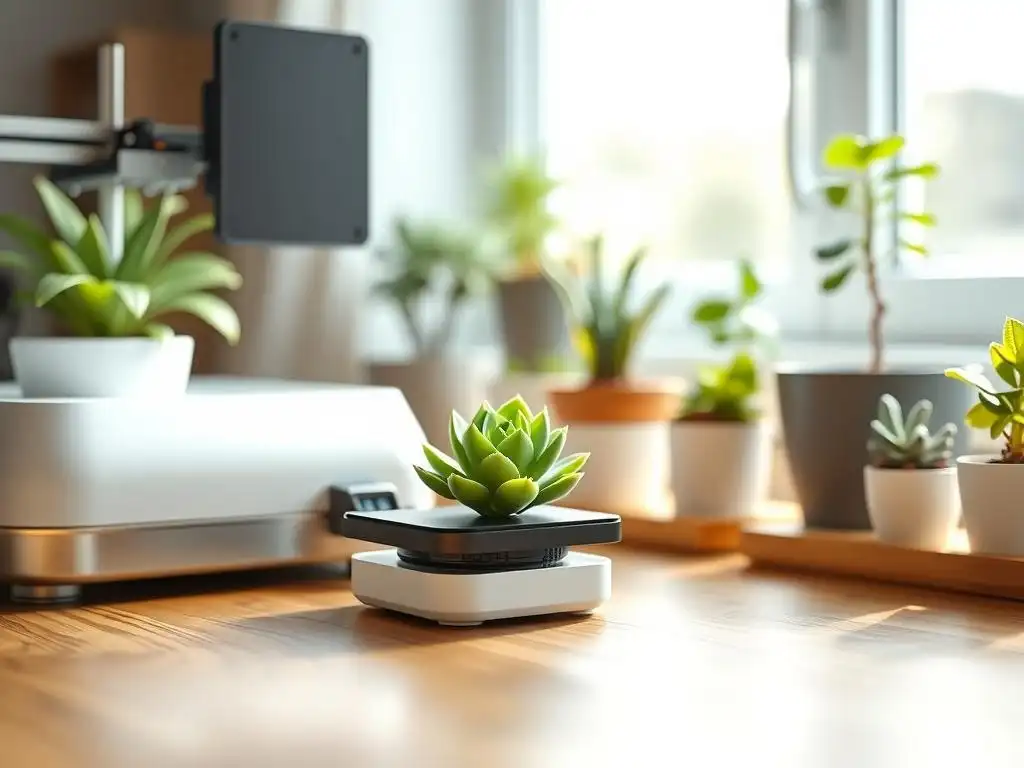
Home bioprinting, once a futuristic concept, is rapidly evolving into a tangible reality for home gardeners. This section delves into the exciting possibilities and challenges of bioprinting plants within the domestic sphere, offering a comprehensive guide to understanding its potential and limitations. The promise of customized plant growth, optimized for individual needs and environmental conditions, is within reach. This "Home bioprinting plant guide" will explore the advancements, applications, and sustainable implications of this groundbreaking technology.
Advancements in Bioprinting Technology for Home Use
Recent advancements in bioprinting technology have significantly reduced the size, cost, and complexity of these machines, bringing them closer to home use. Early bioprinters were large, expensive, and required specialized training to operate. However, new desktop models are emerging, boasting user-friendly interfaces and streamlined processes. These advancements focus on:
- Simplified Cartridge Systems: Instead of requiring complex preparation of bio-inks, these newer systems utilize pre-filled cartridges containing the necessary cells, nutrients, and growth factors. This eliminates the need for specialized laboratory equipment and expertise.
- Improved Bio-inks: Research is ongoing to develop more stable and versatile bio-inks that are compatible with a wider range of plant species. Current bio-inks often require specific environmental conditions and are sensitive to temperature fluctuations. Improved formulations will broaden the applicability of home bioprinting.
- Miniaturized Bioreactors: The integration of miniaturized bioreactors into the bioprinting process allows for precise control of environmental factors such as temperature, humidity, and light exposure during plant development. This ensures optimal growth conditions and minimizes the risk of failure.
- AI-Powered Optimization: The incorporation of artificial intelligence (AI) into the bioprinting process enables real-time monitoring and adjustment of printing parameters, resulting in higher success rates and customized plant development. AI algorithms can analyze data from various sensors and optimize the bioprinting process accordingly. This represents a significant leap towards truly personalized plant cultivation.
The table below summarizes the key advancements and their impact on home bioprinting accessibility:
| Advancement | Impact on Home Use |
|---|---|
| Simplified Cartridge Systems | Increased ease of use and reduced technical expertise needed |
| Improved Bio-inks | Expanded range of printable plant species |
| Miniaturized Bioreactors | Enhanced control over environmental conditions |
| AI-Powered Optimization | Improved success rates and customized plant development |
Potential Applications of Home Plant Bioprinting
The potential applications of home plant bioprinting are vast and extend beyond simple propagation. Imagine creating customized herbs with enhanced flavor profiles, vegetables resistant to specific pests, or flowers with unique colors and fragrances. Specific examples include:
- Personalized Herb Gardens: Bioprinting allows for the creation of customized herb blends with specific flavor profiles tailored to individual culinary preferences. Imagine a basil variety with a stronger anise note, or a mint with a sweeter, less pungent aroma.
- Pest-Resistant Vegetables: Bioprinting can be used to incorporate genes that confer resistance to common pests and diseases, reducing the need for pesticides and promoting sustainable gardening practices. This could significantly reduce crop losses and improve yield.
- Ornamental Plants with Unique Traits: Home bioprinting can enable the creation of ornamental plants with unique colors, patterns, and shapes, adding a new dimension to home landscaping and interior decoration. The possibilities are truly endless.
- Rapid Propagation of Rare or Endangered Plants: Bioprinting offers a potential solution for the rapid propagation of rare or endangered plant species, contributing to conservation efforts. This could be particularly useful for preserving genetic diversity.
The possibilities are limited only by our imagination and the ongoing advancements in bioprinting technology. Further research and development are needed to unlock the full potential of this exciting technology.
The Impact of Bioprinting on Sustainable Gardening Practices
Home plant bioprinting has the potential to significantly impact sustainable gardening practices. By reducing the need for pesticides, herbicides, and fertilizers, it promotes environmentally friendly cultivation methods. Furthermore, bioprinting can contribute to:
- Reduced Water Consumption: Bioprinting allows for precise control over the growth environment, potentially reducing water consumption through optimized irrigation techniques. Precision agriculture techniques are already showing significant potential in this area.
- Minimized Waste: The use of pre-filled cartridges and closed-system bioreactors minimizes waste compared to traditional propagation methods. This reduces the environmental impact associated with packaging and disposal of materials.
- Localized Food Production: Home bioprinting facilitates localized food production, reducing the environmental impact of transportation and distribution. This reduces the carbon footprint associated with bringing food from distant locations.
- Increased Food Security: By enabling the cultivation of a wider variety of plants in diverse environments, bioprinting contributes to increased food security, particularly in regions with limited access to resources.
However, it is crucial to carefully consider the potential environmental impact of the bioprinting process itself. The production and disposal of bio-inks and cartridges need to be sustainable to realize the full potential of this technology for environmentally conscious gardening. The long-term effects on soil health and biodiversity also require further investigation. The development of truly sustainable bioprinting practices is an ongoing process that requires collaboration between scientists, engineers, and gardeners.
Resources for Home Bioprinting Enthusiasts
This section provides essential resources to help you navigate the exciting world of home plant bioprinting. We'll explore online communities, reliable suppliers, and further reading materials to deepen your understanding and support your bioprinting endeavors. Remember, responsible and ethical bioprinting practices are paramount.
Online Communities and Forums for Plant Bioprinting
Finding a supportive community is crucial when venturing into a new technology like plant bioprinting. While the field is relatively nascent, several online spaces are emerging as hubs for enthusiasts and experts. These communities offer invaluable opportunities for troubleshooting, sharing experiences, and learning from others' successes and challenges. Participating in these forums can significantly accelerate your learning curve and provide access to practical advice you won't find in textbooks.
The key to finding the right community is to search for forums dedicated to biotechnology, plant tissue culture, or 3D bioprinting. Many general biotechnology forums may have threads or sections dedicated to plant bioprinting. You might also find smaller, more specialized groups on social media platforms focused on DIY biotechnology or home gardening with advanced techniques. Actively participate in discussions, share your progress (both successes and failures! ), and ask questions. Remember to always be respectful and follow the community guidelines.
Look for forums with active moderators who ensure a positive and informative environment. A vibrant community with regular posts and discussions is a strong indicator of a valuable resource. Don't hesitate to join multiple forums to broaden your network and access diverse perspectives. The collective knowledge within these communities is a treasure trove for aspiring home bioprinters.
Recommended Suppliers for Bioprinting Equipment and Supplies
Securing high-quality equipment and supplies is essential for successful home bioprinting. While the market for home bioprinters is still developing, several suppliers cater to both hobbyists and researchers. It's crucial to carefully research potential suppliers to ensure you're getting reliable, safe, and appropriate materials.
When choosing a supplier, consider factors like:
- Reputation and Reviews: Look for suppliers with a strong reputation and positive customer reviews. Check for independent reviews and testimonials to gauge the quality of their products and services.
- Product Quality and Certifications: Ensure the equipment and supplies meet the necessary safety and quality standards. Look for certifications and guarantees.
- Customer Support: A reliable supplier should provide excellent customer support, including technical assistance and troubleshooting help.
- Price and Value: Compare prices from different suppliers, but don't prioritize price over quality and reliability. Consider the long-term value of investing in durable and well-supported equipment.
- Availability of Consumables: Ensure the supplier offers a consistent supply of consumables, such as bioinks and other necessary materials.
Remember that the specific equipment and supplies you'll need will depend on the type of bioprinting you plan to undertake. Thorough research into your specific bioprinting goals is paramount before making any purchases. Always prioritize safety and follow all instructions carefully.
Further Reading on Plant Bioprinting and Biotechnology
To deepen your understanding of plant bioprinting and the broader field of biotechnology, exploring further reading materials is highly recommended. This will provide a solid foundation for your home bioprinting experiments and help you understand the scientific principles behind the technology.
Here are some areas to focus your research:
- Plant Tissue Culture: Understanding plant tissue culture techniques is fundamental to successful bioprinting. Many resources are available on plant propagation and in-vitro cultivation techniques.
- Bioprinting Fundamentals: Learn about the different types of bioprinting techniques, the principles of 3D printing, and the materials used in bioprinting.
- Bioink Formulation: Research the composition and properties of bioinks used in plant bioprinting. Understanding how bioinks are formulated is crucial for optimizing your bioprinting process.
- Biotechnology and Genetic Engineering: Familiarize yourself with the ethical considerations and potential applications of plant biotechnology and genetic engineering.
Explore scientific journals, academic textbooks, and reputable online resources. Look for articles and books written by experts in the field to ensure the information is accurate and up-to-date. The more you learn about the underlying science, the better equipped you will be to troubleshoot problems and optimize your home bioprinting experiments. Remember that continuous learning is a crucial part of the process. Embrace the challenges, and enjoy the journey of discovery!
Frequently Asked Questions
What is home bioprinting of plants?
Home bioprinting of plants is a cutting-edge technology that allows you to create customized plants from scratch using a 3D bioprinter. This involves layering plant cells and other biological materials to grow a complete plant. It's still in early stages of development but holds great promise.
Is home bioprinting plant technology available to consumers now?
Not yet widely. Consumer-level bioprinters for plants are currently under development. While research is progressing rapidly, it will likely be several years before affordable and easy-to-use home bioprinters become available.
What are the benefits of home bioprinting plants?
Home bioprinting offers the potential to create plants with specific traits, such as disease resistance or enhanced nutritional value. It could also allow for the creation of new plant varieties and conservation efforts for endangered species.
What materials are needed for home bioprinting plants?
The exact materials will depend on the specific bioprinter and plant type. However, you'll likely need plant cells, growth media, and bioinks, a specialized material that supports cell growth. Specialized equipment will also be necessary.
How much does a home bioprinting plant system cost?
Currently, the cost of a home bioprinting plant system is prohibitively expensive, as the technology is still in its early stages. As the technology matures and becomes more accessible, the price is expected to decrease significantly.
Final Reflection: Cultivating a Greener Future, One Print at a Time
The ability to bioprint plants at home is no longer a futuristic fantasy; it's a rapidly developing technology with the potential to revolutionize horticulture and our relationship with the natural world. This accessibility promises a future where customized plants, tailored to individual needs and environments, are readily available, transforming urban gardening and sustainable living.
The implications of home bioprinting extend far beyond the aesthetic appeal of unique plants. It represents a shift in our understanding of plant cultivation, moving away from passive consumption towards active participation in the creation of life. The future belongs to those who believe in the beauty of their dreams.
- Eleanor Roosevelt. This quote resonates deeply, as the dream of personalized plant creation is now within reach, empowering individuals to actively shape their own green spaces and contribute to a more sustainable future. The potential for community-based bioprinting initiatives, sharing knowledge and resources, further amplifies this empowering aspect.
Consider the possibilities: imagine designing drought-resistant plants for arid climates, creating vibrant vertical gardens in urban spaces, or cultivating rare and endangered species with ease. This technology isn't just about convenience; it's about fostering a deeper connection with nature, promoting biodiversity, and empowering you to become an active participant in shaping a greener, more sustainable world. Take the first step. Research the emerging technologies, explore the possibilities, and consider how you can contribute to this exciting new frontier in plant cultivation.
Unleash Your Inner Plant Architect!
Thank you for exploring the exciting world of plant bioprinting with us! You've gained valuable insights into this revolutionary technology and its potential to transform home gardening. Ready to take the next step?
- Design your dream plant: Grab a pen and paper, or your favorite design software, and sketch the perfect plant for your space and needs. Consider size, shape, color, and fragrance. Let your imagination soar!
- Share your vision: Post your sketches on our CultivateYourFood community forum and inspire others. We'd love to see your creations.
- Learn about bioprinting: Research the latest advancements and available tools to bring your plant designs to life, as the technology becomes more accessible.
What unique plant characteristics would you like to bioprint? Let's discuss!