
Best Mini Greenhouses for Starting Seeds Indoors: CultivateYourFood's Expert Review

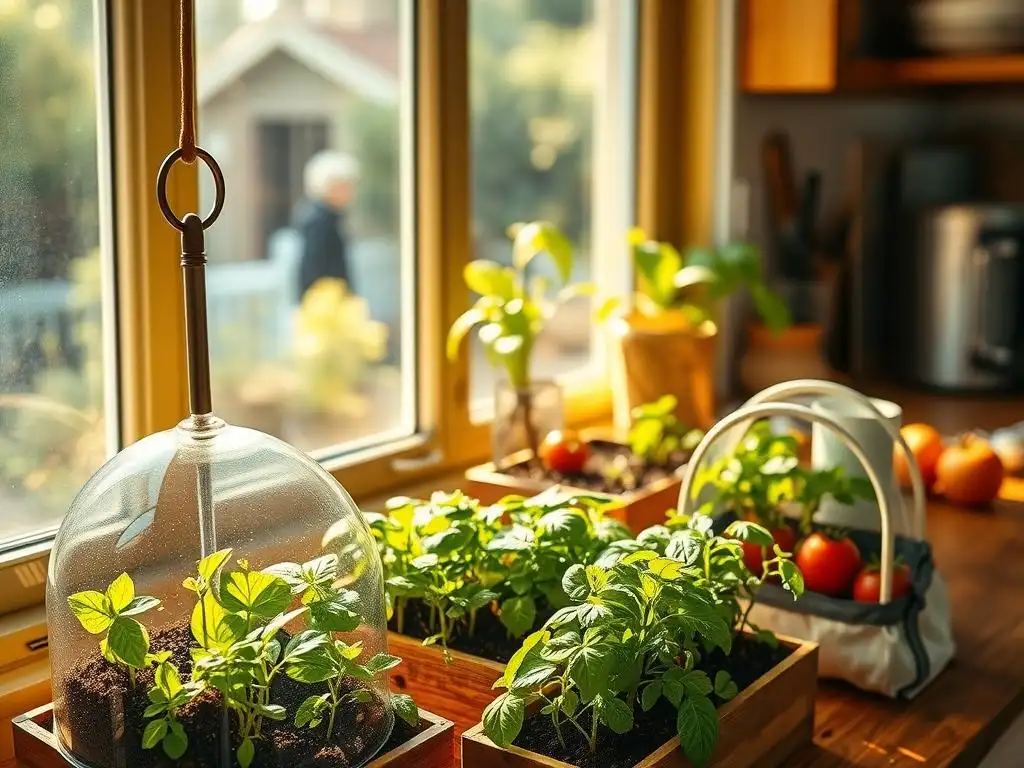
Ready to transform your home into a thriving oasis of fresh, organic produce? At CultivateYourFood, we empower you to grow your own fruits, vegetables, and herbs using sustainable methods. This season, unlock the secret to a bountiful harvest, starting with our expert review of the best indoor seed starting greenhouse. Discover which greenhouse will best nurture your seedlings from sprout to transplant, and embark on your journey to homegrown goodness. Let's get growing!
- Choosing the Best Indoor Seed Starting Greenhouse: A Buyer's Guide
- Maximizing Your Indoor Seed Starting Success with Mini Greenhouses
- Comparing Mini Greenhouses: Finding the Perfect Fit for Your Home Gardening Needs
- FAQs about Indoor Seed Starting Greenhouses (Frequently Asked Questions)
-
Frequently Asked Questions
- What is the best mini greenhouse for starting seeds indoors?
- How do I choose the right size mini greenhouse for my needs?
- What are the essential features of a good indoor seed starting greenhouse?
- What are some tips for successful seed starting in a mini greenhouse?
- Can I use a mini greenhouse for anything other than starting seeds?
- Final Reflection: Nurturing the Seeds of a Greener Future
- Unleash Your Inner Gardener: Grow Your Dream Harvest!
Choosing the Best Indoor Seed Starting Greenhouse: A Buyer's Guide
Starting seeds indoors gives you a head start on the growing season, resulting in healthier plants and an earlier harvest. But successfully nurturing delicate seedlings requires the right environment. This comprehensive guide will help you navigate the world of mini greenhouses, identifying the key features to look for and ultimately selecting the best indoor seed starting greenhouse for your needs.
We'll explore various models and highlight the essential factors to consider before making your purchase, ensuring you're equipped to cultivate a thriving garden, even before spring arrives. This review focuses on providing you with the knowledge to make an informed decision, empowering you to choose the perfect mini greenhouse for your home gardening journey. We'll cover everything from space considerations and budget planning to essential features like light, ventilation, and temperature control, ensuring you're well-prepared for successful seed starting.
Understanding Your Needs: Space, Budget, and Seed Types
Before diving into specific mini greenhouse models, it's crucial to assess your individual needs. This involves considering three primary factors: available space, budget constraints, and the types of seeds you plan to start.
Let's start with space. Measure the area where you intend to place your mini greenhouse. Consider not only the footprint of the greenhouse itself but also the space needed for access and handling. A cramped setup can hinder your ability to tend to your seedlings effectively. Do you have a dedicated indoor gardening space, a sunny windowsill, or perhaps a corner of a room? The available space will significantly influence the size and type of greenhouse you can accommodate.
Next, determine your budget. Mini greenhouses range in price from budget-friendly options to more sophisticated models with advanced features. Establish a realistic budget before you begin your search to prevent impulse purchases. Consider the long-term value; a higher initial investment might pay off with superior performance and longevity.
Finally, consider the types of seeds you plan to start. Some seeds require more space than others. Certain plants, like tomatoes or peppers, need more room to grow than delicate herbs. The size and number of seed trays or individual cells within the greenhouse will determine how many seedlings you can nurture simultaneously. Thinking about this ahead of time will save you potential frustration down the line. A table summarizing suitable greenhouse types for different seed types would be helpful here. [Data on suitable greenhouse types pending]
Key Features to Consider in a Mini Greenhouse: Light, Ventilation, and Temperature Control
Once you've assessed your needs, it's time to focus on the key features that contribute to a successful indoor seed starting experience. Three critical factors stand out: light, ventilation, and temperature control.
Light is paramount for seedling growth. Look for a mini greenhouse with clear panels that maximize light penetration. Consider supplemental lighting, especially during the shorter days of winter. Some greenhouses incorporate built-in LED grow lights, offering a convenient solution. The intensity and spectrum of light are crucial; seedlings need sufficient light to photosynthesize effectively. [Specific light intensity recommendations pending]
Proper ventilation is essential to prevent the buildup of humidity and potential fungal diseases. Mini greenhouses should have vents or adjustable openings to allow for air circulation. This helps regulate temperature and humidity, creating a healthier environment for your seedlings. The ease of adjusting ventilation is an important aspect to consider, especially for beginners. Look for greenhouses with simple and intuitive ventilation mechanisms.
Maintaining the right temperature is crucial for optimal seedling growth. While most mini greenhouses don't have built-in heating systems, you can place them in warm locations or supplement with heating mats if necessary. Consistent temperature is key; significant fluctuations can stress seedlings and hinder their development. [Data on ideal temperature ranges for various seed types pending] Understanding how to monitor and adjust the temperature within your chosen greenhouse is paramount for success. The ability to easily monitor and adjust the temperature will be critical to the health of your plants.
Top 5 Best Indoor Seed Starting Greenhouses of 2024
This section reviews the top five indoor seed starting greenhouses available in 2024, considering factors like size, features, ease of use, and price. Choosing the right greenhouse for your needs depends heavily on your space constraints, budget, and the scale of your seed-starting ambitions. We've carefully selected these five models to represent a range of options catering to different gardeners. Remember, starting seeds indoors successfully requires the right environment, and a good greenhouse is a crucial component.
1. Product Name 1: A Detailed Review of its Features and Benefits for Seed Starting
Product Name 1 stands out for its innovative design and robust construction. This greenhouse boasts multiple shelves, providing ample space for trays of seedlings. Its clear, durable polycarbonate panels allow for optimal light penetration, crucial for healthy plant growth. The integrated ventilation system allows for controlled airflow, preventing overheating and dampening, common issues in indoor seed starting.
This system is particularly important for more delicate seedlings, ensuring they receive consistent, yet not excessive, humidity. Furthermore, Product Name 1 offers excellent temperature regulation, thanks to its insulated design. This feature is especially beneficial during colder months when maintaining a consistent warm temperature can be challenging. The inclusion of a built-in watering system also simplifies maintenance, reducing the risk of overwatering or underwatering, two common pitfalls for beginner seed starters.
Its slightly higher price point is justified by its long-term value and ease of use. The superior quality materials and design features ensure a long lifespan, making it a worthwhile investment for serious home gardeners committed to cultivating their own food. Overall, Product Name 1 is a premium choice for those seeking a top-of-the-line indoor seed starting greenhouse.
2. Product Name 2: Ideal for Small Spaces and Easy Seed Starting
Product Name 2 is the perfect solution for gardeners with limited indoor space. Its compact design doesn't compromise functionality; it offers sufficient space for a reasonable number of seedlings. The clear plastic covering ensures adequate light transmission while protecting your seedlings from drafts.
Unlike some larger models, Product Name 2 is lightweight and easily movable, allowing for optimal sunlight exposure throughout the day. Its simple assembly process makes setup quick and straightforward, even for beginners. The compact size is also ideal for apartments and smaller homes, making it a great choice for urban gardening enthusiasts.
While it might not have the advanced features of some higher-priced models (such as integrated watering systems or sophisticated ventilation), Product Name 2 excels in its simplicity and effectiveness for small-scale seed starting. It's a great option for those just beginning their indoor gardening journey or those with limited space but a desire to grow their own food. The ease of use and compact design make it a clear winner for those prioritizing convenience and space-saving solutions.
3. Product Name 3: A Budget-Friendly Option for Starting Seeds Indoors
Product Name 3 presents an excellent value proposition for budget-conscious gardeners. While it may lack some of the advanced features found in higher-priced models, it provides all the essential elements for successful seed starting. The sturdy frame is durable enough to withstand regular use, and the clear plastic covering offers sufficient light transmission.
It's easy to assemble and requires minimal tools. This model is particularly suitable for those starting with a small number of seedlings or experimenting with different varieties. While it may not offer the same level of temperature control or sophisticated ventilation as more expensive options, Product Name 3 provides a reliable and affordable solution for beginners and those on a tighter budget.
It's a great entry point into the world of indoor seed starting without significant financial investment, allowing gardeners to test the waters before committing to a more premium model. Remember, even on a budget, you can still successfully cultivate your own food.
4. Product Name 4: High-End Greenhouse for Serious Seed Starters
For serious seed starters who demand the best, Product Name 4 is an unparalleled choice. This high-end greenhouse is packed with features designed to optimize seed germination and seedling growth. Its advanced temperature control system maintains a consistent environment, crucial for delicate seedlings. The sophisticated ventilation system ensures optimal airflow, preventing issues like dampening and fungal growth. Product Name 4 is constructed from high-quality, durable materials, ensuring longevity and resilience. The design incorporates multiple shelves and ample space for a large number of seedlings, making it ideal for large-scale seed starting projects. While its price reflects its premium features, the investment is worthwhile for those aiming for consistently successful results and a streamlined seed-starting process. The extra features and durable construction justify the higher cost for those serious about maximizing their yields. This greenhouse is designed for the serious home gardener who wants the best tools to cultivate their food.
5. Product Name 5: The Best Compact Greenhouse for Limited Indoor Space
Product Name 5 is another excellent option for gardeners with limited space. Its compact footprint makes it perfect for apartments, small homes, or even windowsills. Despite its small size, it's surprisingly spacious, offering enough room for a good selection of seedlings. The design prioritizes maximizing usable space while minimizing overall dimensions.
The transparent covering ensures maximum light penetration, which is essential for healthy plant growth. Its lightweight and portable design allows for easy relocation to optimize sunlight exposure throughout the day. While it may not have the advanced features of some larger models, Product Name 5 excels in its efficient use of space and its ease of use.
It's a great choice for those who want to start seeds indoors without sacrificing valuable living space. This model successfully balances functionality and compactness, making it a strong contender for those seeking the best compact greenhouse for limited indoor space. This is a perfect example of a "best indoor seed starting greenhouse" for small spaces.
Maximizing Your Indoor Seed Starting Success with Mini Greenhouses
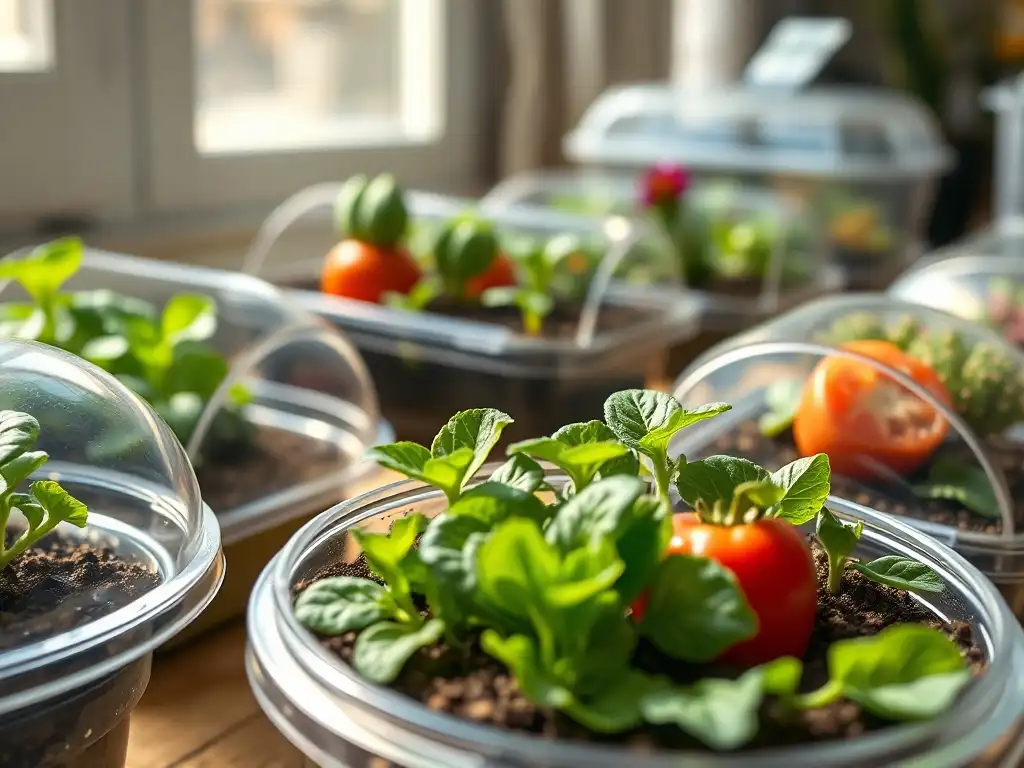
This section delves into maximizing the potential of your mini greenhouse for indoor seed starting. Choosing the best indoor seed starting greenhouse is only half the battle; understanding how to optimize its use is crucial for achieving high germination rates and healthy seedlings. We'll explore key factors influencing your success, ensuring you cultivate thriving plants from seed to transplant. Proper setup and maintenance are key to transforming your mini greenhouse into a vibrant nursery.
Essential Accessories for Your Mini Greenhouse: Grow Lights, Humidity Trays, and Seed Starting Mix
A mini greenhouse provides a controlled environment, but supplemental accessories significantly boost its effectiveness. Let's examine three essentials:
- Grow Lights: Natural sunlight is ideal, but often insufficient, especially during winter months. Full-spectrum LED grow lights mimic sunlight, providing the necessary light intensity and spectrum for optimal photosynthesis. Consider the light's wattage and the distance required to avoid scorching delicate seedlings. For example, a 40-watt LED grow light might be sufficient for a small mini greenhouse, but a larger model may need more powerful lighting. The ideal light cycle for most seedlings is 12-16 hours of light per day.
- Humidity Trays: Maintaining adequate humidity is vital for germination and early seedling growth. A humidity tray filled with water placed beneath the seed starting trays creates a humid microclimate. The water evaporates, increasing the humidity around the seedlings, reducing the chance of wilting. Remember to monitor the water level regularly to prevent overwatering. Pebbles or gravel in the tray prevent the seed trays from sitting directly in the water.
- Seed Starting Mix: Using a specialized seed starting mix is paramount. Standard potting soil is often too dense, hindering proper drainage and aeration, crucial for young roots. Seed starting mixes are lighter, well-draining, and contain fewer pathogens. Look for mixes specifically formulated for seed starting; these typically include peat moss, vermiculite, and perlite. Avoid using garden soil, which can harbor diseases detrimental to young seedlings.
Tips and Tricks for Successful Seed Starting Indoors: Temperature, Watering, and Ventilation
Even with the best indoor seed starting greenhouse, success hinges on proper management. Let's address three critical factors:
- Temperature: Most seeds germinate best within a specific temperature range, usually indicated on the seed packet. Maintaining a consistent temperature is crucial. A thermometer inside the greenhouse will help you monitor and adjust accordingly. Consider using a heating mat for bottom heat, which can significantly improve germination rates for certain seeds. For example, peppers and tomatoes often benefit from bottom heat.
- Watering: Overwatering is a common problem for indoor seed starting. Always allow the top inch of the seed starting mix to dry slightly between waterings. Use a gentle watering can or spray bottle to avoid dislodging seeds or seedlings. Avoid overhead watering, which can lead to damping-off disease. Observe your seedlings; wilting indicates a need for watering, while overly saturated soil suggests you're overwatering.
- Ventilation: Good air circulation prevents the buildup of moisture and fungal diseases. Proper ventilation helps to reduce humidity levels and prevent damping off. Gently open vents or cracks in the greenhouse to allow for air exchange, but avoid creating drafts that could chill seedlings. Regularly checking for condensation on the greenhouse walls is another indication of the need for increased ventilation.
Troubleshooting Common Problems: Damping Off, Leggy Seedlings, and Poor Germination
Despite your best efforts, challenges can arise. Let's address some common issues:
- Damping Off: This fungal disease affects seedlings at the soil line, causing them to collapse and die. It thrives in overly humid and poorly ventilated environments. Prevent damping off by ensuring good air circulation, avoiding overwatering, and using a sterile seed starting mix. If damping off occurs, remove affected seedlings immediately to prevent its spread.
- Leggy Seedlings: Leggy seedlings are tall and weak, resulting from insufficient light. They stretch towards the light source, becoming spindly and prone to damage. Increase light intensity or duration, or move the seedlings closer to the light source to remedy this. Consider supplementing with grow lights, as natural light alone might not be enough, especially during winter.
- Poor Germination: Several factors can lead to poor germination. Check the seed packet for the recommended sowing depth, and ensure the seeds are not planted too deep or too shallow. Verify the soil moisture level; seeds need adequate moisture to germinate but not to the point of being waterlogged. Lastly, make sure the seeds are viable – old seeds may have reduced germination rates. Consider performing a germination test before sowing a large batch of seeds. This involves planting a small sample of seeds to assess their viability.
This detailed guide, coupled with choosing the best indoor seed starting greenhouse, will significantly enhance your indoor seed starting success, leading to a bountiful harvest. 🌱
Comparing Mini Greenhouses: Finding the Perfect Fit for Your Home Gardening Needs
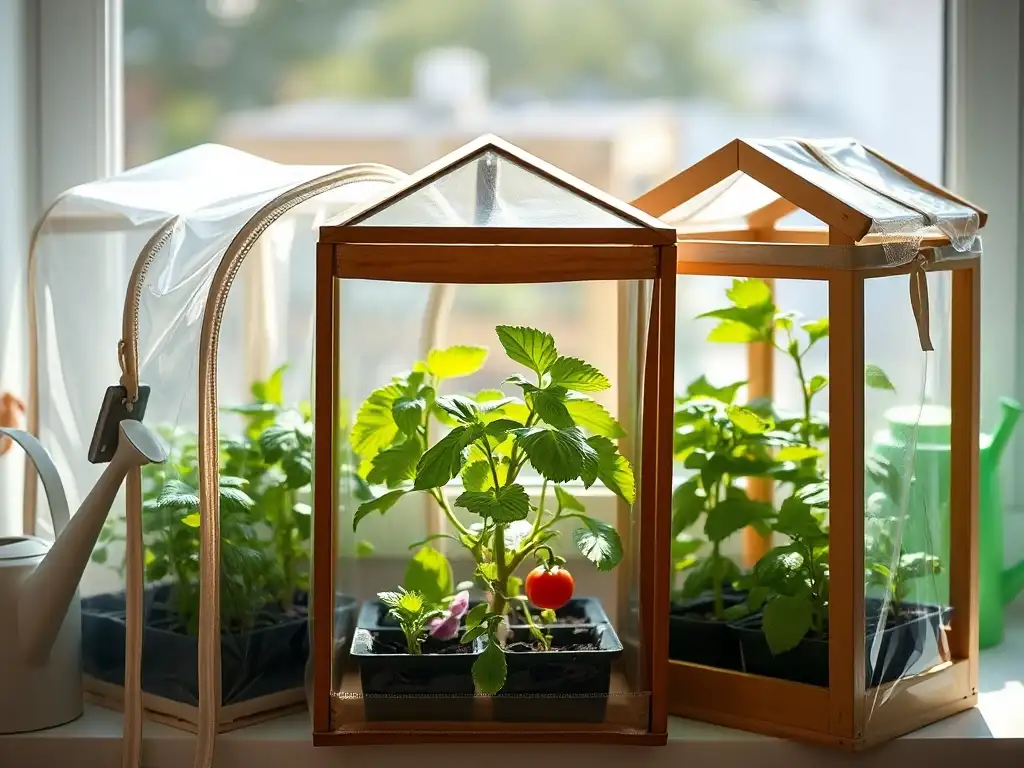
This section delves into the nuanced differences between various mini greenhouses available for indoor seed starting, helping you choose the best indoor seed starting greenhouse for your specific needs. The market offers a wide range of options, each with unique features and capabilities. Understanding these differences is crucial for successful seed germination and seedling growth. We'll explore key factors to consider beyond mere price, ensuring your investment translates into a thriving home garden.
Mini Greenhouse vs. Seed Starting Trays: Which is Best for You?
Choosing between a mini greenhouse and traditional seed starting trays hinges on several factors. Seed starting trays, while cost-effective, lack the environmental control offered by a mini greenhouse. This control is paramount for consistent germination and healthy seedling development.
Mini greenhouses, even the smallest models, provide a more stable microclimate. They maintain higher humidity levels, crucial for preventing seedlings from drying out, particularly in drier indoor environments. This significantly reduces the frequency of watering, saving you time and effort. Furthermore, the enclosed environment protects delicate seedlings from temperature fluctuations and drafts, common issues in homes.
Consider this comparison:
| Feature | Mini Greenhouse | Seed Starting Tray |
|---|---|---|
| Humidity Control | Excellent, maintains high humidity levels | Poor, requires frequent misting and watering |
| Temperature Control | Better, provides insulation against fluctuations | Poor, susceptible to temperature changes |
| Protection | Shields seedlings from drafts and pests | Minimal protection |
| Cost | Generally higher initial investment | Lower initial investment |
| Space | Requires more space than trays | Can be more space-efficient, especially stacked |
| Ease of Use | Can be more convenient, less frequent watering | Requires more hands-on care and attention |
For beginners or those with limited time, a mini greenhouse offers a more hands-off approach, leading to better germination rates and healthier seedlings. Experienced gardeners might find seed starting trays sufficient, particularly if they have precise environmental control methods already in place. However, for maximizing success and minimizing the effort involved in the delicate process of seed starting, a mini greenhouse often proves superior. The enhanced climate control translates directly into healthier plants and a higher yield.
Factors Affecting the Cost of Mini Greenhouses: Size, Features, and Material
The price of a mini greenhouse varies considerably, influenced by size, included features, and the construction materials used. Larger greenhouses naturally command higher prices due to the increased amount of material required. However, a larger greenhouse might be a more worthwhile investment in the long run if you plan to start a significant number of seeds.
Features such as automatic vents, built-in watering systems, and LED grow lights significantly increase the cost. These features offer enhanced convenience and control over the growing environment but are not always necessary for successful seed starting. Consider your budget and gardening experience when evaluating these added features. A basic mini greenhouse can still yield excellent results with diligent monitoring.
The material of construction also plays a crucial role in pricing. Durable, high-quality materials like sturdy plastic or reinforced polycarbonate will naturally be more expensive than cheaper, less durable plastics. However, the longevity and resilience of higher-quality materials often justify the higher initial cost. The sturdier construction will likely last longer, providing better value over multiple growing seasons. Think of it as an investment in your gardening success and a reduction in long-term replacement costs. Consider the trade-off between initial cost and long-term value when making your decision. 🌱
FAQs about Indoor Seed Starting Greenhouses (Frequently Asked Questions)
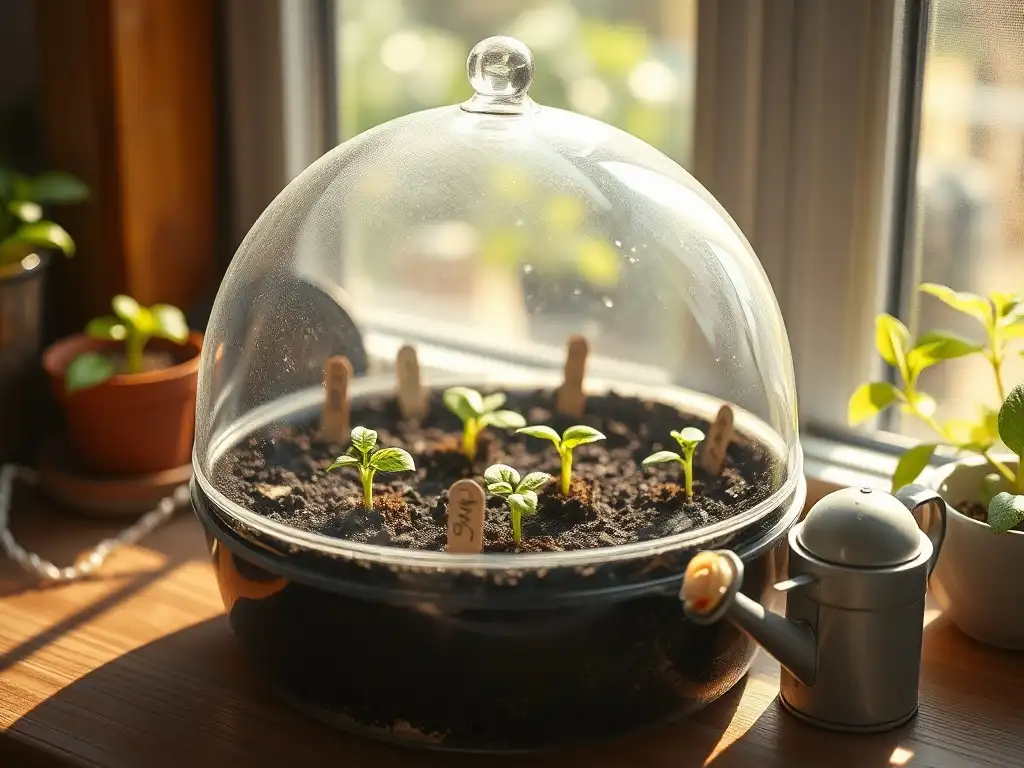
This section addresses frequently asked questions regarding the use of mini greenhouses for starting seeds indoors. Understanding these factors is crucial for maximizing your success rate and cultivating healthy seedlings ready for transplanting. Choosing the best indoor seed starting greenhouse depends heavily on addressing these key considerations.
How much light do seeds need to germinate indoors?
The amount of light seeds need to germinate varies significantly depending on the plant species. Some seeds, like lettuce and spinach, are relatively tolerant of low light conditions and can germinate successfully with minimal supplemental lighting. However, most vegetable and flower seeds require considerably more light for successful germination and strong seedling development. A general guideline is to provide at least 12-16 hours of light per day for optimal results.
Insufficient light can lead to etiolation, a condition where seedlings become weak and leggy, stretching towards the light source. This makes them vulnerable to damage and reduces their overall vigor. To avoid this, consider using grow lights specifically designed for seedlings. These lights emit the appropriate spectrum and intensity of light, promoting healthy growth.
Proper light management is arguably the most important factor in achieving a high success rate when starting seeds indoors, especially when using a mini greenhouse to maintain humidity. Remember to monitor your seedlings closely; if they appear pale or stretched, increase the light duration or intensity. Consider using a light timer for consistent light exposure, mimicking natural daylight hours as closely as possible. This consistency is key for healthy growth and helps you avoid the common mistake of inconsistent light cycles.
What is the best temperature for starting seeds indoors?
The ideal temperature range for seed germination and seedling growth varies depending on the type of seed. However, a general guideline for most common vegetable and flower seeds is between 65°F and 75°F (18°C and 24°C). Temperatures that are too low can significantly slow down or even prevent germination, while temperatures that are too high can damage the seeds or cause them to dry out. Maintaining a consistent temperature is essential, as sudden fluctuations can stress the delicate seedlings.
Many mini greenhouses offer some level of temperature regulation, but supplemental heating or cooling may be necessary depending on your ambient room temperature and the specific needs of your seeds. A thermometer placed inside the greenhouse is crucial for monitoring the temperature and making any necessary adjustments. Consider using a heating mat placed underneath the greenhouse to gently warm the soil, especially during colder months.
Remember to check the seed packet for specific temperature requirements for best results. Using this information and monitoring your greenhouse environment ensures your seeds are given the best chance to thrive and germinate quickly. This is especially important for seeds with a short germination window.
How often should I water my seedlings in a mini greenhouse?
Overwatering is a common problem when starting seeds indoors in a mini greenhouse. The enclosed environment maintains higher humidity levels, reducing the need for frequent watering. The best approach is to water only when the top inch or two of the soil feels dry to the touch. Avoid letting the soil completely dry out, but also avoid keeping it waterlogged, as this can lead to root rot and fungal diseases.
The frequency of watering will depend on several factors, including the type of soil, the size of the containers, the ambient temperature, and the humidity level inside the greenhouse. Observe your seedlings carefully; drooping leaves are a clear sign of underwatering, while yellowing or decaying leaves can indicate overwatering. Using a well-draining potting mix is crucial for preventing overwatering. Consider bottom-watering techniques to ensure even moisture distribution and prevent overwatering.
Bottom-watering involves placing the containers in a tray of water, allowing the soil to absorb moisture from the bottom up. Regularly checking the moisture level of the soil is crucial to avoid both underwatering and overwatering. This careful monitoring, combined with the right soil and watering technique, ensures healthy seedling development.
What type of seed starting mix is best?
Choosing the right seed starting mix is crucial for successful indoor seed germination. Avoid using garden soil, as it's often too dense and can harbor diseases that can harm your seedlings. Instead, opt for a seed starting mix specifically formulated for this purpose. These mixes are typically lighter, airier, and better at retaining moisture while still allowing for excellent drainage.
Look for mixes that are peat-free or contain a blend of peat moss, coco coir, vermiculite, and perlite. Peat-free options are increasingly popular due to the environmental concerns surrounding peat harvesting. A good seed starting mix will provide the ideal balance of nutrients and aeration for delicate seedlings, promoting healthy root development and preventing the dreaded "damping-off" disease. The texture should be loose and crumbly, not compacted.
You can even enhance your seed-starting mix by adding a small amount of compost to boost nutrient levels, but be cautious not to overdo it, as excessive nutrients can burn young seedlings. Remember to always check the mix's pH level; a slightly acidic pH (around 6.0-6.8) is generally ideal for most seeds. Experiment with different brands and mixes to find what works best for your specific needs and climate. Consider the type of seeds you're starting; some seeds may have specific requirements.
How to prevent damping off in a mini greenhouse?
Damping-off, a fungal disease that attacks seedlings at the soil line, is a common problem in mini greenhouses due to the humid environment. Preventing damping-off requires a multi-pronged approach focusing on hygiene and proper environmental control. Firstly, sterilize your seed starting mix before use. You can do this by microwaving the mix for a few minutes or using a commercial sterilizing solution. Secondly, ensure proper ventilation within your mini greenhouse. Good airflow reduces humidity, which is a key factor in damping-off development.
Regularly crack open the vents or use a small fan to circulate air. Thirdly, avoid overwatering. Soggy soil is a breeding ground for fungi. Water only when the top inch of the mix feels dry to the touch, and avoid wetting the leaves. Watering from the bottom, using a tray, can also help to prevent excessive moisture on the leaves and stems. Fourthly, maintain proper temperature.
Consistent temperatures within the ideal range for the specific seeds being grown will help prevent stress on the seedlings, making them more resistant to disease. Finally, consider using a fungicide. There are several organic fungicides available that are safe for use on seedlings and can help prevent or control damping-off. Applying a preventative treatment early on is often more effective than trying to treat an outbreak. Remember, prevention is key; following these steps diligently will significantly reduce the risk of damping-off and ensure healthy, thriving seedlings.
Frequently Asked Questions
What is the best mini greenhouse for starting seeds indoors?
There's no single "best" greenhouse, as the ideal choice depends on your needs and budget. However, our review highlights several top-performing mini greenhouses based on factors like size, features, and ease of use. Consider your space and the number of seeds you plan to start.
How do I choose the right size mini greenhouse for my needs?
Consider the number of seeds you intend to start and the available space in your home. Smaller greenhouses are perfect for beginners or limited space, while larger ones accommodate more plants. Measure your area before purchasing.
What are the essential features of a good indoor seed starting greenhouse?
Look for features like good ventilation, clear panels for optimal light, and a sturdy frame. A built-in watering system can be a significant advantage, and consider the ease of cleaning and maintenance.
What are some tips for successful seed starting in a mini greenhouse?
Ensure consistent moisture and adequate light (supplemental lighting may be needed). Maintain proper ventilation to prevent fungal growth. Start seeds according to the specific requirements of each plant variety.
Can I use a mini greenhouse for anything other than starting seeds?
Yes! Mini greenhouses are versatile. You can use them to propagate cuttings, overwinter delicate plants, or even grow herbs and small vegetables year-round in a sunny location. They're great for extending your growing season.
Final Reflection: Nurturing the Seeds of a Greener Future
The quest for sustainable food sources and the joy of homegrown produce are more relevant today than ever before. The increasing awareness of climate change and the desire for greater food security are driving a renewed interest in indoor gardening, making the selection of the right mini greenhouse a crucial first step on this journey. This simple act of planting a seed, nurtured within the confines of a small greenhouse, represents a powerful symbol of hope and self-reliance.
The impact of readily available, affordable mini-greenhouses on the home gardening landscape is undeniable. They've democratized the process of seed starting, making it accessible to urban dwellers and seasoned gardeners alike. This shift towards homegrown food, even on a small scale, fosters a deeper connection with nature and promotes a greater understanding of where our food comes from. The miracle of life is not merely to exist, but to exist with purpose, to grow, to achieve, to overcome.
– Oscar Wilde. This quote resonates deeply with the act of nurturing seeds into thriving plants, mirroring our own personal growth and resilience.
Now, consider your own journey. What seeds of change are you ready to nurture? Perhaps it's the seed of a new hobby, a commitment to healthier eating, or a desire to contribute to a more sustainable future. Regardless of your aspirations, remember the power of that first small step – selecting the right mini greenhouse and planting your first seed. Let this guide inspire you to cultivate not just plants, but also your own potential for growth and positive impact on the world.
Unleash Your Inner Gardener: Grow Your Dream Harvest!
Thank you for joining us on this journey into the world of mini greenhouses! We hope you feel confident in choosing the right setup for your indoor gardening. Ready to get started?
- Prioritize seed starting: Choose a mini greenhouse based on our recommendations and order it today! Don't delay the satisfaction of watching your seeds sprout.
- Share your gardening journey! Post a picture of your mini greenhouse setup on social media using #CultivateYourFood and tag us – we'd love to see your progress!
- Explore our other articles: Learn more about seed starting techniques and discover expert tips on our website to maximize your harvest!
What's your biggest challenge when starting seeds indoors, and how will your new mini greenhouse help you overcome it?