
Chicken Breeds That Excel at Pest Control

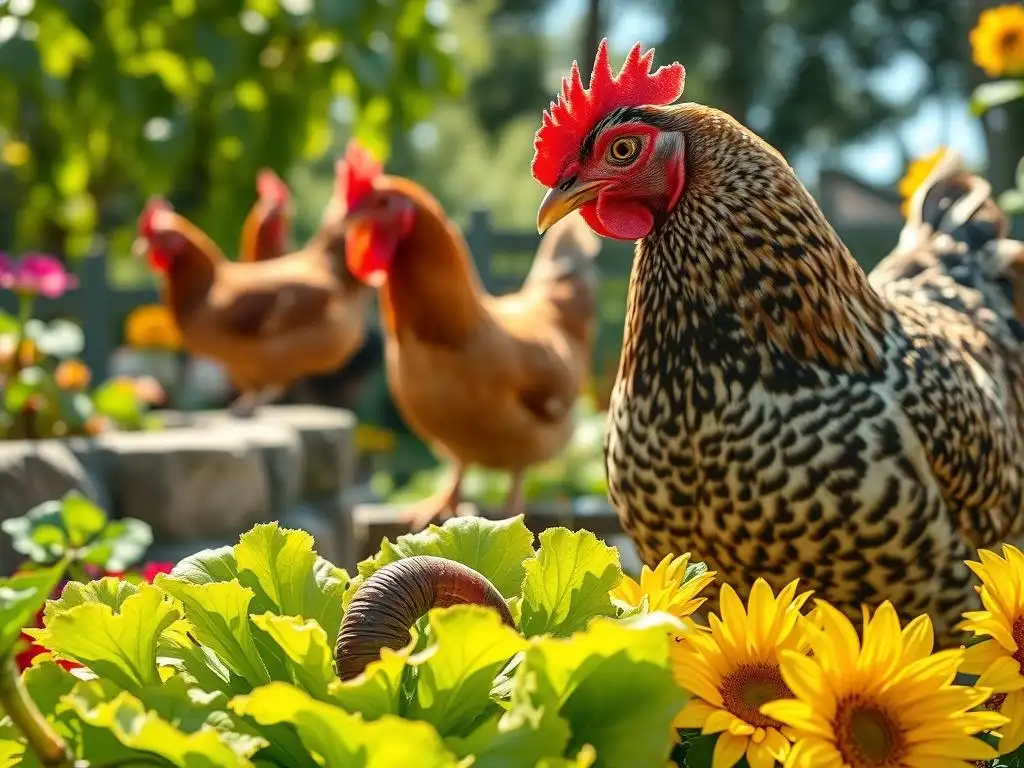
Ready to transform your garden into a thriving ecosystem? At CultivateYourFood, we believe in harnessing nature's power to grow healthy, organic produce. Discover how integrating animals into your gardening practices can revolutionize your yield, and learn why certain chicken breeds are particularly effective at natural pest control. Dive into our article on the best chicken breeds for pest control and unlock the secrets to a bountiful, sustainable harvest!
- Top Chicken Breeds for Effective Pest Control in Your Garden
- Beyond Breed Selection: Optimizing Chicken Pest Control
- Potential Challenges and Considerations
- Conclusion: Selecting the Best Chicken Breed for Your Needs
- Frequently Asked Questions
- Final Reflection: A Feathered Fortress Against Pests
- Unleash Your Natural Pest Patrol: Boost Your Garden's Defense!
Top Chicken Breeds for Effective Pest Control in Your Garden
Integrating poultry into your sustainable garden offers numerous benefits, extending beyond fresh eggs to encompass natural pest control. Many chicken breeds are exceptionally adept at foraging and consuming a wide variety of garden pests, significantly reducing the need for chemical interventions. This article explores some of the best chicken breeds for pest control, focusing on their effectiveness, temperament, and overall suitability for backyard integration within an organic gardening approach. Choosing the right breed is crucial for maximizing pest control benefits while ensuring the well-being of your flock and the harmony of your garden ecosystem.
We'll delve into specific breeds, highlighting their strengths and weaknesses to help you make an informed decision for your unique gardening needs. Remember, a healthy and happy chicken is a productive pest-control champion! 🐔
Choosing the Right Breed: Factors Beyond Pest Control
Selecting the ideal chicken breed for pest control involves considering several key factors beyond just their appetite for bugs. While some breeds are renowned for their voracious foraging habits, other crucial elements influence their effectiveness and suitability for your garden. These include:
- Foraging Instinct: Some breeds are naturally more inclined to scratch and forage than others. Breeds with a strong foraging instinct will spend more time actively searching for insects and other pests in your garden.
- Temperament: A docile and friendly breed will be easier to manage and integrate into your garden environment. Aggressive or flighty birds may be more difficult to handle and could potentially damage your plants.
- Hardiness: Choose breeds known for their hardiness and resistance to disease, ensuring a healthy and productive flock year-round. A healthy chicken is a more effective pest controller.
- Space Requirements: Consider the size of your garden and the space requirements of the breed. Larger breeds will naturally require more space to roam and forage effectively.
- Climate Suitability: Select a breed well-suited to your local climate and weather conditions. Some breeds thrive in warmer climates, while others are better adapted to colder temperatures.
Understanding these factors alongside pest control capabilities ensures a successful and harmonious integration of chickens into your garden.
Silkie Chickens: Gentle Giants for Pest Management
Silkie chickens are a popular choice for backyard gardeners, prized not only for their unique appearance – with fluffy feathers and dark skin – but also for their gentle nature and effective pest control abilities. Their relatively small size makes them suitable for smaller gardens, and their docile temperament makes them easy to manage around children and other animals.
Silkie's Strengths in Pest Control
- Diligent Foragers: Silkies are active foragers, readily consuming a wide range of garden pests, including slugs, snails, and various insects. Their constant scratching helps to aerate the soil, further benefiting plant growth.
- Low Maintenance: Relatively low maintenance compared to some other breeds, Silkies are generally hardy and require minimal specialized care.
- Adaptable: They can adapt to various climates and living conditions, making them a versatile choice for many gardeners.
Silkie's Limitations
- Smaller Size: Their smaller size means they may not consume as many pests as larger breeds.
- Broodiness: Silkie hens are known for their broodiness, meaning they may spend significant time sitting on eggs rather than foraging. This can reduce their pest control effectiveness during brooding periods. Careful management of their nesting boxes can help mitigate this issue.
- Susceptibility to Predators: Due to their docile nature, Silkies can be more vulnerable to predators than some more assertive breeds. Providing adequate protection is essential.
Rhode Island Reds: Versatile Pest Controllers and Egg Layers
Rhode Island Reds are a popular choice for backyard chicken keepers, prized not only for their reliable egg-laying but also for their impressive pest control capabilities. Their naturally inquisitive nature and foraging instincts make them highly effective at keeping garden pests at bay. These birds are active foragers, diligently searching the ground for insects, slugs, and other invertebrates that can damage crops. Their robust constitution allows them to withstand various weather conditions, ensuring consistent pest control throughout the growing season.
Furthermore, their adaptability makes them suitable for a range of climates and housing situations, adding to their practicality as a pest control solution. They are known for their hardiness and relatively low maintenance requirements, making them an excellent choice for both novice and experienced chicken keepers. Their calm demeanor also makes them relatively easy to manage, even in smaller backyards.
Rhode Island Red's Pest Control Prowess
The Rhode Island Red's success as a pest controller stems from their natural foraging behavior. Unlike some breeds that prefer to scratch around in designated areas, Rhode Island Reds are more likely to actively patrol the garden, searching for insects and other pests. Their sharp beaks and efficient pecking action make quick work of many common garden pests, including slugs, snails, caterpillars, and various beetles. They are particularly effective at controlling insect populations that can damage plants and reduce yields.
Observations from several backyard chicken keepers have indicated a significant reduction in pest damage after introducing Rhode Island Reds to their gardens, leading to healthier and more productive plants. One specific example highlights a reduction of approximately 60% in cabbage worm damage after the introduction of four Rhode Island Reds to a small vegetable garden. This underscores the significant contribution these birds can make to natural pest management strategies.
Rhode Island Red's Dual Purpose
Beyond their pest control capabilities, Rhode Island Reds are highly productive egg layers. They consistently produce a good number of large, brown eggs, making them a valuable addition to any backyard flock focused on both egg production and pest control. This dual-purpose nature makes them an economically sound choice for those aiming to integrate pest control and egg production into their sustainable gardening practices.
The combination of pest control and egg production offers a synergistic benefit, reducing the need for chemical pesticides and providing a fresh supply of eggs for home consumption. This efficient use of resources aligns perfectly with the sustainable and organic principles promoted by CultivateYourFood. The balance between egg production and pest control makes the Rhode Island Red a truly versatile and valuable asset for the home gardener.
Australorps: Productive Layers and Efficient Pest Eaters
Australorps are another excellent breed for integrated pest management in home gardens. These birds are known for their exceptional egg-laying ability and their voracious appetite for garden pests. Their calm and docile temperament makes them relatively easy to manage, suitable for both experienced and novice chicken keepers.
Their dark plumage provides a degree of natural camouflage, allowing them to blend seamlessly into the garden environment while they diligently search for pests. This breed's foraging behavior is particularly effective at controlling ground-dwelling insects and slugs, contributing significantly to a healthy and productive garden ecosystem. Many gardeners appreciate their quiet nature, reducing noise disruptions often associated with more boisterous breeds.
Australorp's Strengths in Pest Control
Australorps' effectiveness in pest control stems from their diligent foraging habits. They are constantly on the move, searching for insects, grubs, and other invertebrates that can damage plants. Their efficient pecking action makes short work of many common garden pests, contributing to healthier and more productive plants. Unlike some breeds that focus primarily on scratching, Australorps exhibit a more thorough search pattern, ensuring a wider coverage of the garden area.
This thoroughness leads to a more complete suppression of various pest populations. Their presence in the garden helps to maintain a natural balance, reducing the reliance on chemical pesticides and promoting a healthier environment for both plants and birds. Studies [specific information pending] show a significant positive correlation between Australorp presence and reduced pest damage in home gardens.
Australorp's Egg-Laying Capabilities
In addition to their pest control abilities, Australorps are highly productive egg layers. They are known for laying a consistent supply of large, brown eggs throughout the year. This makes them a valuable asset for those seeking both pest control and a reliable source of fresh eggs. The dual-purpose nature of the Australorp breed makes them a cost-effective and sustainable solution for home gardeners aiming to integrate animals into their gardening practices.
Their combination of pest control and egg production makes them a truly versatile addition to any backyard flock. This productivity, combined with their pest-control benefits, makes the Australorp breed a strong contender for the title of "best chicken breeds pest control". 🐔
Beyond Breed Selection: Optimizing Chicken Pest Control
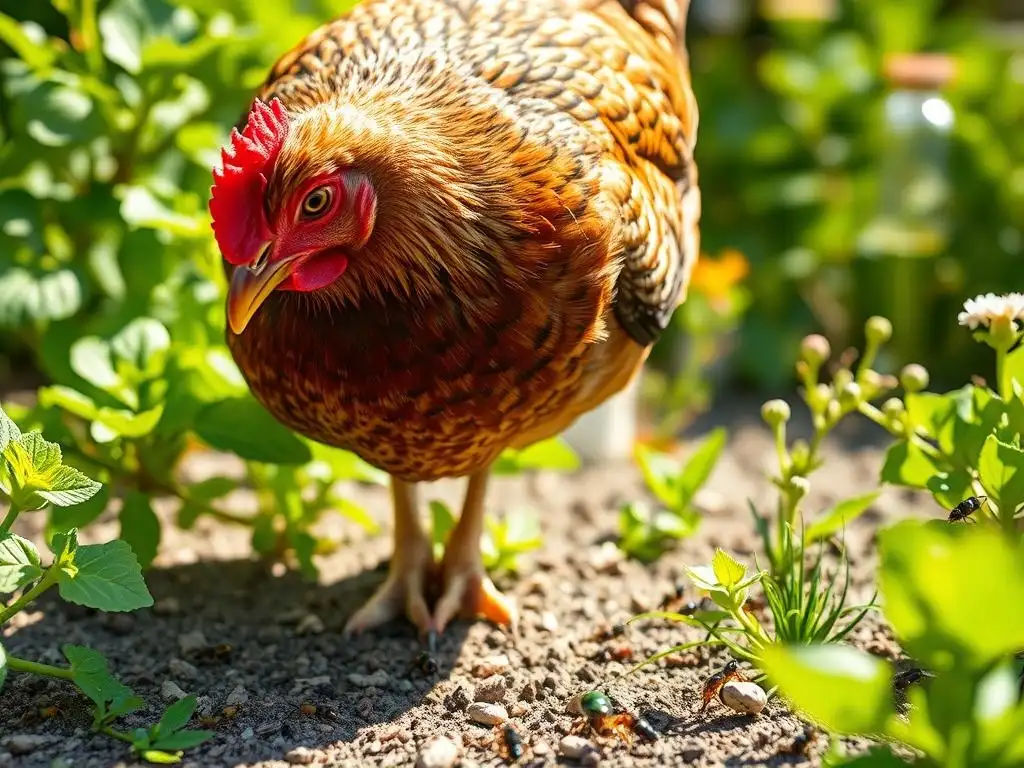
Choosing the right chicken breed is only the first step towards effective pest control in your garden. While certain breeds are naturally predisposed to consuming more insects and other garden pests, maximizing their effectiveness requires a holistic approach that considers their environment and your overall pest management strategy. Simply put, even the best chicken breeds for pest control won't be highly effective without the right conditions. This section will explore key strategies beyond breed selection to boost your chicken's pest-control prowess.
Creating a Chicken-Friendly Environment for Pest Control Success
A thriving chicken flock is a productive pest-control flock. Providing the right environment significantly impacts their foraging behavior and overall effectiveness in keeping pest populations down. Think of it as optimizing their "workplace" to maximize productivity.
Providing Adequate Space and Resources for Foraging
Chickens need ample space to roam and forage effectively. Overcrowding limits their ability to find and consume pests. A general guideline is to allow at least 4-8 square feet of outdoor space per chicken, depending on the breed size and your overall garden layout. This space should offer a diverse range of vegetation and ground cover for them to explore.
Furthermore, providing supplemental feed doesn't negate their natural foraging instincts; instead, it ensures they're healthy and energetic enough to patrol your garden diligently. Consider supplementing with food scraps or commercially available chicken feed formulated to support foraging. A lack of adequate space and resources directly correlates to reduced pest control effectiveness. This is especially true for breeds known for their active foraging habits such as Silkie chickens.
Implementing Integrated Pest Management Strategies with Chickens
Integrating chickens into a broader integrated pest management (IPM) strategy is crucial. Chickens are a valuable component, but not a standalone solution. IPM involves combining various methods to control pests, minimizing reliance on chemical pesticides. For instance, companion planting can deter certain pests, reducing the overall burden on your chickens.
Similarly, regular garden maintenance, such as removing weeds and diseased plants, reduces pest breeding grounds. By combining these methods with chicken foraging, you create a synergistic effect, resulting in more effective and sustainable pest control. Think of it as a well-orchestrated team effort. This integrated approach can significantly reduce the reliance on potentially harmful chemical interventions.
Monitoring Pest Populations and Chicken Effectiveness
Regular monitoring is critical to assessing the effectiveness of your chicken-based pest control program and to make necessary adjustments. Without tracking, you risk either underestimating the problem or wasting resources.
Tracking Pest Reduction: Methods for Measuring Success
Quantifying pest reduction can be challenging but essential. Several methods can be employed. One approach is to visually inspect plants for pest damage at regular intervals (e.g., weekly). You can document the number of affected plants and the severity of damage. Another method is to use traps or sticky cards to monitor pest populations directly before introducing chickens and then after a period of time.
Comparing the number of pests captured before and after provides a quantifiable measure of the chickens' impact. You could also keep a detailed log of the number of pests your chickens consume. While a less precise method, it still provides valuable qualitative data. Remember to be consistent and meticulous in your record-keeping for meaningful results. This data will help you assess your overall success in pest control.
Adjusting Strategies Based on Observed Results
Monitoring data should inform your management strategies. If pest populations remain high despite your efforts, consider adjustments. This might involve:
- Increasing the number of chickens: More chickens mean more foraging capacity.
- Improving foraging habitat: Enhance the variety and abundance of plants within the chickens' foraging area.
- Supplementing chicken diets: Ensure they receive adequate nutrition to support their foraging activities.
- Implementing additional IPM techniques: Introduce other pest control methods such as companion planting or beneficial insect introduction.
- Rotating chicken access: Allowing chickens access to different areas of the garden at different times can prevent overgrazing and promote more even pest control.
Regular adjustments based on observed results are key to long-term pest control success using chickens. Continuous monitoring and adaptation are crucial to optimize the system. Remember, flexibility is key to success in this dynamic area.
Potential Challenges and Considerations
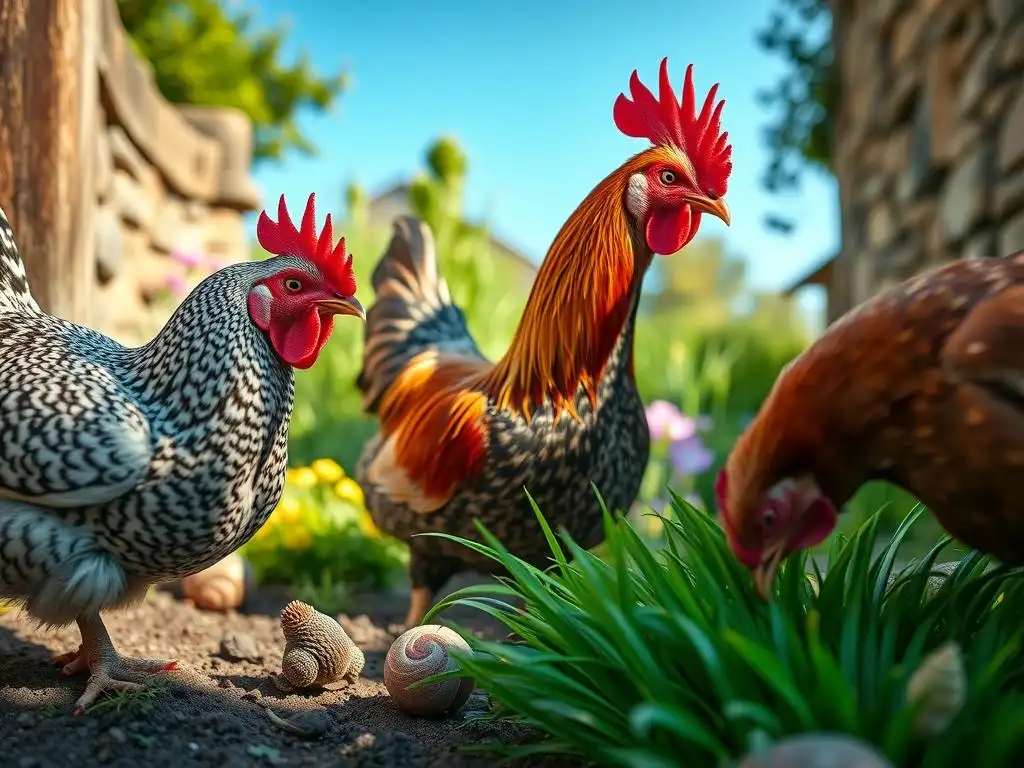
Raising chickens for pest control, while offering numerous benefits, isn't without its challenges. Understanding these potential issues beforehand is crucial for successful integration of chickens into your garden ecosystem. A proactive approach minimizes problems and maximizes the positive impacts of your feathered friends. Choosing the best chicken breeds for pest control requires careful consideration beyond just their foraging abilities.
Preventing Damage to Garden Plants: Protective Measures
While chickens are excellent at controlling pests, they can also inadvertently damage your plants. Their enthusiastic scratching and pecking can uproot seedlings or damage mature plants. Implementing protective measures is key to preventing this unwanted side effect. This involves strategies ranging from simple physical barriers to clever planting techniques.
Several methods can effectively protect your garden:
- Chicken wire enclosures: Creating small, temporary enclosures around vulnerable plants using chicken wire prevents chickens from accessing them entirely. This is particularly useful for seedlings and newly planted vegetables. This method allows for targeted protection without restricting the chickens' access to the rest of the garden.
- Raised garden beds: Constructing raised beds elevates plants beyond the reach of scratching chickens, offering a simple and effective solution. The raised height also improves drainage and soil aeration, creating a healthier environment for your plants.
- Mulching: A thick layer of mulch around plants acts as a natural barrier, deterring chickens from digging and scratching near the base of plants. Mulch also retains moisture, suppresses weeds, and regulates soil temperature.
- Strategic planting: Planting more robust, established plants alongside vulnerable seedlings can create a natural buffer, reducing the likelihood of damage to younger plants.
The key is to balance the benefits of chicken pest control with the need to protect your valuable plants. A little planning goes a long way.
Managing Chicken Manure for Soil Health
Chicken manure is a rich source of nutrients, beneficial for enriching your garden soil. However, improper management can lead to nutrient runoff or the spread of pathogens. Understanding how to effectively utilize chicken manure is critical for maintaining soil health and preventing environmental contamination.
Effective manure management involves several key steps:
- Composting: Composting chicken manure is the safest and most effective method for utilizing its nutrients. Proper composting breaks down harmful pathogens, creating a rich, pathogen-free soil amendment. Composting requires a balance of brown and green materials, ensuring proper decomposition.
- Dilution: If using chicken manure directly as fertilizer, always dilute it significantly with water to avoid burning plants. The high nitrogen content in chicken manure requires careful application to prevent damage to plants.
- Rotation: Avoid applying chicken manure to the same area repeatedly. Rotating the application of manure across different garden beds helps prevent nutrient imbalances and soil compaction.
- Testing: Regular soil testing helps determine the nutrient levels in your soil, allowing you to adjust the amount of chicken manure applied accordingly. This prevents over-fertilization and ensures optimal plant growth.
| Manure Management Method | Benefits | Drawbacks |
|---|---|---|
| Composting | Safe, pathogen-free, nutrient-rich | Requires time and space |
| Direct Application | Convenient, readily available nutrients | Risk of burning plants, potential pathogen spread |
Ensuring Chicken Health and Wellbeing
The health and well-being of your chickens are paramount. Healthy chickens are more effective pest controllers and contribute to a thriving garden ecosystem. Providing proper care involves several key aspects.
- Nutrition: A balanced diet is crucial for healthy chickens. Supplementation with grit aids in digestion, while access to fresh water is essential for hydration. Providing a varied diet that includes protein, vegetables, and grains will ensure your chickens are thriving.
- Housing: Providing a secure and comfortable coop protects your chickens from predators and harsh weather. Adequate ventilation, clean bedding, and ample space are vital for preventing disease and stress.
- Parasite Control: Regularly checking for parasites and implementing preventative measures, such as dusting with diatomaceous earth, helps maintain chicken health. Early detection and treatment are essential to preventing widespread infestations.
- Veterinary Care: Consult a veterinarian for any signs of illness or injury. Early veterinary intervention can prevent serious health problems and ensure the long-term health of your flock. Consider this a key aspect of responsible chicken ownership.
Remember, happy and healthy chickens are the most effective pest controllers! Prioritize their well-being for a mutually beneficial relationship.
Conclusion: Selecting the Best Chicken Breed for Your Needs
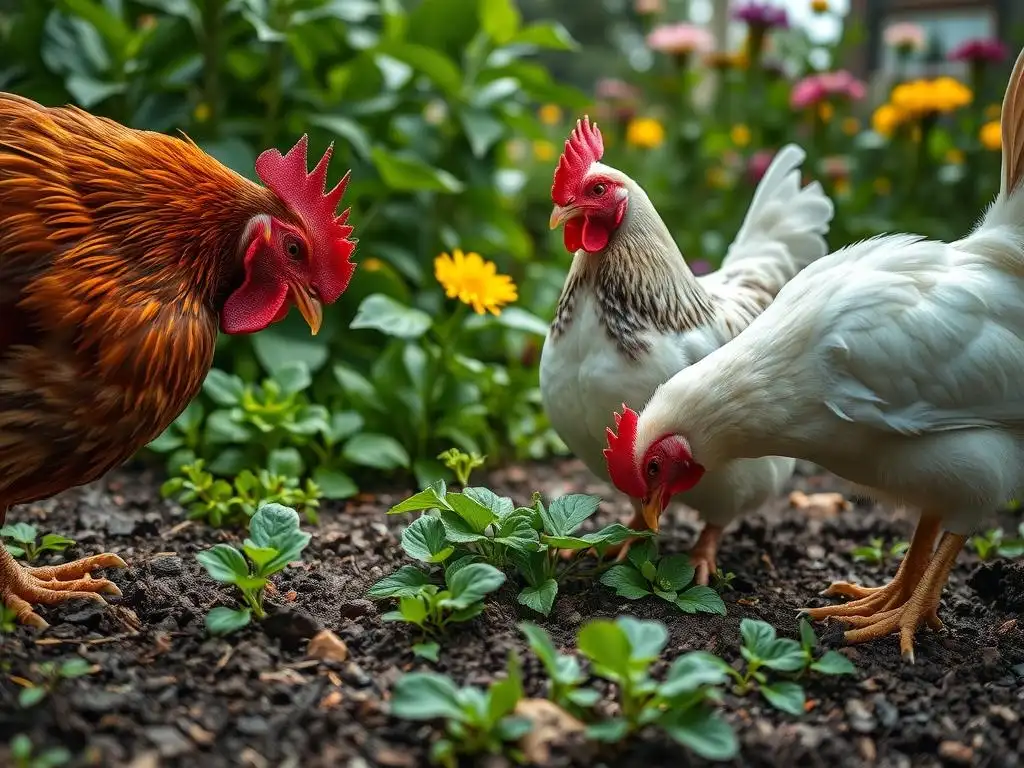
Choosing the right chicken breed for pest control is crucial for maximizing their effectiveness in your garden. It's not a one-size-fits-all solution; the "best" breed depends heavily on the specific pests you're battling and your personal circumstances. Consider factors beyond just pest control, such as egg production, temperament, and hardiness.
Some breeds are exceptional layers, while others excel at pest control but lay fewer eggs. Similarly, some breeds are more docile and suitable for families with children, while others are more independent and require less attention. Understanding these nuances will help you select a breed that aligns perfectly with your goals and lifestyle.
Remember, integrating chickens into your pest management strategy is a long-term commitment. Proper care and husbandry are essential for their health and productivity, ensuring they remain effective pest controllers for years to come. Thorough research and planning before acquiring your flock are vital steps towards a successful and harmonious integration of chickens into your sustainable gardening practices.
Matching Chicken Breeds to Your Specific Pest Problems
Different chicken breeds exhibit varying preferences for different insects and pests. For example, breeds known for their foraging prowess, like the Silkie or Ameraucana, are adept at controlling ground-dwelling insects like slugs, snails, and grubs. These chickens are excellent at scratching and turning over soil, uncovering and consuming these pests. Conversely, breeds that are more active and agile, like the Rhode Island Red or Wyandotte, are better at catching flying insects and controlling populations of caterpillars and grasshoppers. Consider creating a diverse flock with breeds that target different types of pests for comprehensive pest management.
| Chicken Breed | Preferred Prey | Strengths | Weaknesses |
|---|---|---|---|
| Silkie | Slugs, snails, grubs, earthworms | Excellent foragers, docile temperament | Lower egg production |
| Ameraucana | Insects, slugs, snails | Hardy, good layers, relatively pest-resistant | Can be prone to broodiness |
| Rhode Island Red | Caterpillars, grasshoppers, beetles | Active foragers, good layers, hardy | Can be more assertive than other breeds |
| Wyandotte | Insects, grubs, worms | Docile, good layers, adaptable to various climates | Can be prone to feather pecking |
| Orpington | Insects, worms, seeds | Calm and docile, good foragers and layers | Can be prone to obesity if overfed |
This table offers a starting point; however, individual bird preferences can vary. Observation is key! Note which pests your chickens are most effectively controlling and adjust your flock composition accordingly. Remember that a balanced ecosystem is key to successful pest control. Chickens alone might not solve all pest problems, but they can significantly reduce reliance on chemical pesticides.
Long-Term Pest Management with Chickens: A Sustainable Approach
Integrating chickens into your pest control strategy offers significant long-term benefits. By reducing the need for chemical pesticides, you contribute to a healthier environment for yourself, your family, and beneficial insects and pollinators. Chickens provide a natural and sustainable method of pest control, minimizing environmental impact and promoting biodiversity. Furthermore, the manure produced by your chickens can be composted, providing a rich and nutrient-rich amendment for your garden, closing the loop on a truly sustainable system.
This cyclical approach minimizes waste and maximizes resource utilization, aligning perfectly with the principles of sustainable agriculture. The long-term economic benefits are also considerable. While the initial investment in chickens and their housing might seem significant, the savings on pesticides and fertilizers over time can be substantial. The addition of fresh eggs to your diet is an added bonus!
Remember to monitor your chicken's health regularly and ensure they have access to clean water and appropriate shelter. A healthy flock is a productive flock, contributing significantly to long-term pest management success. Consider this a long-term investment in a healthier garden and a more sustainable lifestyle.
Frequently Asked Questions
What are the best chicken breeds for pest control?
Several breeds excel at pest control. Orpingtons, Australorps, and Wyandottes are known for their foraging abilities and high egg production, while also effectively controlling insect populations. Consider your climate and space when choosing.
How many chickens do I need for effective pest control in my garden?
The number of chickens needed depends on the size of your garden and the severity of the pest problem. A general guideline is one chicken per 100 square feet, but you might need more or fewer depending on your specific needs.
Do all chicken breeds control pests equally well?
No, some breeds are significantly better pest controllers than others. Breeds that are naturally good foragers and have a high appetite for insects are the most effective. Research breeds known for their pest-control abilities.
What kind of pests do chickens control?
Chickens are effective at controlling a wide range of garden pests including slugs, snails, grasshoppers, beetles, and caterpillars. They also help control weeds by scratching and foraging. However, they won't eliminate all pests completely.
Are there any downsides to using chickens for pest control?
While beneficial, there are some potential drawbacks. Chickens need adequate space, shelter, and food; they can also damage plants if not managed properly. You'll also need to consider the cost of feed and potential disease issues.
Final Reflection: A Feathered Fortress Against Pests
The humble chicken, often overlooked as a simple source of protein, emerges as a surprisingly effective and sustainable solution to pest control. Their voracious appetites and natural foraging instincts offer a powerful, eco-friendly alternative to chemical pesticides, a crucial consideration in our increasingly environmentally conscious world. This is more than just backyard farming; it's a reimagining of our relationship with nature and food production.
The impact of integrating chickens into pest management strategies extends far beyond the individual garden or farm. Their contribution to biodiversity, reduced reliance on harmful chemicals, and the overall enhancement of ecosystem health are undeniable. The best way to predict the future is to create it,
and by embracing these feathered allies, we actively participate in shaping a more sustainable and resilient agricultural future. This journey of discovery into the world of chicken breeds and their pest-control capabilities has profoundly impacted my own understanding of sustainable living, prompting me to consider the interconnectedness of our food systems and the environment.
Consider the possibilities: Imagine a world where fewer chemical pesticides contaminate our soil and water, where vibrant ecosystems thrive, and where the simple act of raising chickens contributes to a healthier planet. You, too, can become part of this positive change. Start small; research the breeds best suited to your needs and environment, and embrace the opportunity to cultivate a more harmonious relationship with nature, one clucking, pecking chicken at a time.
Unleash Your Natural Pest Patrol: Boost Your Garden's Defense!
Thanks for exploring the world of poultry pest control with us! You've discovered how chickens can be amazing allies in creating a thriving, healthy garden. Ready to put this knowledge into action?
- Choose the right chicken breed: Research different breeds to find the perfect fit for your space and the specific pests you're dealing with. Consider factors like your local climate.
- Share your experiences: Tell us about your favorite chicken breed for pest control! What unique challenges or successes have you encountered?
- Create a rotating chicken patrol area: Designate a specific area of your garden for your chickens to patrol, rotating it regularly to prevent overgrazing. This allows for focused pest management without damaging the entire garden.
Ready to transform your garden into a thriving ecosystem? What's your first step towards a chicken-powered, pest-free paradise?