
Rosemary and Thyme: A Guide to Sustainable Herb Gardening

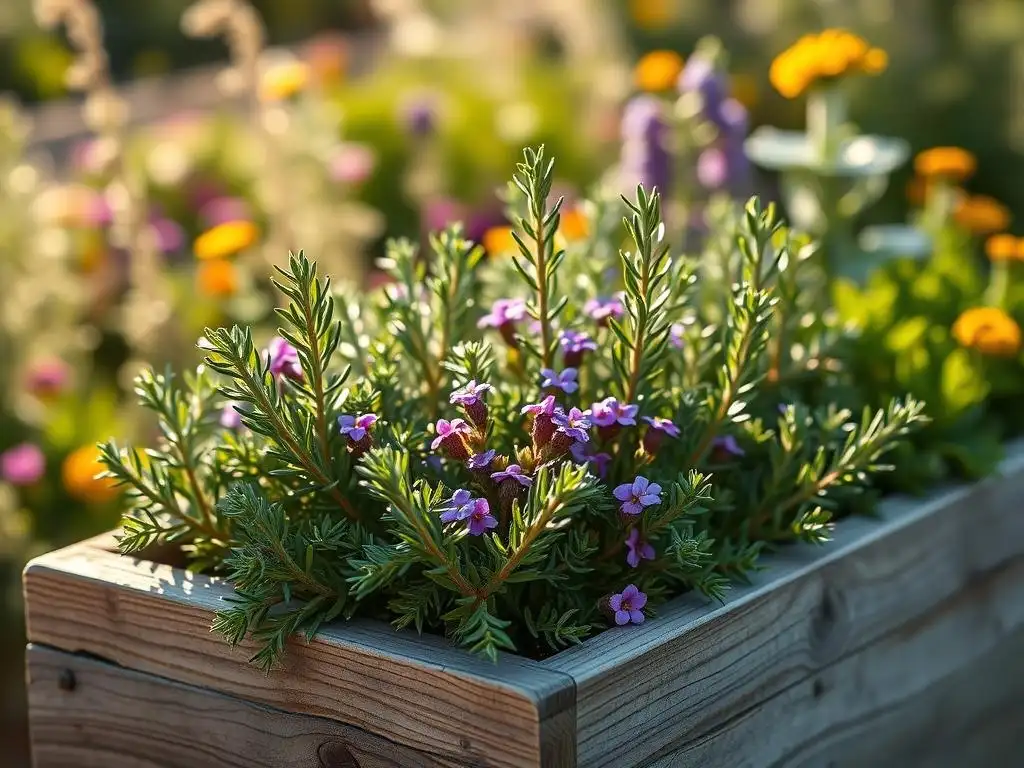
Welcome to CultivateYourFood, your guide to a greener, more flavorful life! Ready to transform your backyard into a thriving haven of organic goodness? Learn how to effortlessly grow rosemary and thyme sustainably, unlocking the secrets to bountiful harvests and enriching your culinary experiences. Discover simple, effective techniques for planting, harvesting, and pest control – all while embracing sustainable practices. Dive in and unlock the joy of homegrown herbs!
- Getting Started: Planning Your Sustainable Rosemary and Thyme Garden
- Planting Your Rosemary and Thyme: A Step-by-Step Guide
-
Sustainable Practices for Rosemary and Thyme Care
- Watering Your Rosemary and Thyme: Efficient Irrigation Techniques
- Fertilizing Rosemary and Thyme Organically: Natural Nutrients and Soil Enrichment
- Mulching for Rosemary and Thyme: Weed Suppression and Moisture Retention
- Pest and Disease Control for Rosemary and Thyme: Natural Solutions and Prevention
- Harvesting and Preserving Your Rosemary and Thyme Harvest
- Propagating Rosemary and Thyme: Expanding Your Herb Garden Sustainably
- Troubleshooting Common Rosemary and Thyme Growing Challenges
- Recipes and Uses for Homegrown Rosemary and Thyme
- Frequently Asked Questions
- Final Reflection: Cultivating a Greener Future, One Herb at a Time
- Unleash Your Inner Herb Gardener!
Getting Started: Planning Your Sustainable Rosemary and Thyme Garden
Rosemary and thyme, aromatic staples of Mediterranean cuisine, are surprisingly easy to cultivate at home using sustainable practices. This guide provides a comprehensive approach to growing these hardy herbs organically, focusing on environmentally friendly techniques that minimize impact while maximizing yield and flavor. We'll cover everything from selecting the perfect location and sourcing healthy plants to preparing nutrient-rich soil and implementing natural pest control methods.
Learning to grow rosemary and thyme sustainably not only provides you with fresh, flavorful herbs, but also contributes to a healthier environment and reduces your carbon footprint. This guide is perfect for both beginners and experienced gardeners looking to refine their sustainable gardening techniques and expand their knowledge of growing rosemary and thyme organically. Let's dive in and discover the joys of cultivating these versatile herbs in an environmentally conscious way!
Choosing the Right Location for Rosemary and Thyme: Sunlight and Soil Considerations
Rosemary and thyme thrive in sunny, well-drained locations. They need at least six to eight hours of direct sunlight per day to flourish. Insufficient sunlight can lead to leggy growth and reduced essential oil production, impacting the herbs' aroma and flavor. The ideal soil should be well-draining, slightly alkaline (pH 6.0-7.5), and relatively poor in nutrients. Heavy clay soils, prone to waterlogging, should be avoided, as they can lead to root rot. Consider amending heavy clay soils with compost and perlite to improve drainage.
Well-drained sandy loam is often ideal. Remember, proper drainage is crucial to prevent fungal diseases and ensure healthy root development. Consider the surrounding environment too; avoid planting near large trees or structures that might cast significant shade throughout the day. Careful site selection is the foundation for a successful and sustainable herb garden. 📈
Selecting Sustainable Rosemary and Thyme Plants: Sourcing and Varieties
Choosing sustainable plants is a critical step in creating a thriving, environmentally friendly herb garden. Opt for plants grown organically, avoiding those treated with synthetic pesticides or fertilizers. Look for healthy plants with vibrant green foliage, free from pests and diseases. Local nurseries or garden centers specializing in organic produce are excellent sources. Consider starting from seeds for a more hands-on approach, although this requires more time and patience.
When selecting varieties, research those known for their adaptability to your climate and soil conditions. Many rosemary and thyme cultivars exist, each with slightly different flavor profiles and growth habits. For example, 'Arp' rosemary is known for its compact growth habit, while 'English' thyme is prized for its robust flavor. Choosing the right variety for your needs and growing conditions will contribute to a more sustainable and successful harvest. 🌱
Preparing the Soil for Optimal Rosemary and Thyme Growth: Organic Amendments and Soil Health
Preparing the soil is crucial for successful and sustainable rosemary and thyme cultivation. Start by testing your soil's pH to ensure it's within the optimal range (6.0-7.5). If necessary, amend the soil with lime to raise the pH or with organic matter like compost to lower it. Incorporating compost significantly improves soil structure, drainage, and fertility. Compost provides essential nutrients and beneficial microorganisms that enhance soil health and suppress soilborne diseases.
Avoid using synthetic fertilizers, which can harm beneficial soil organisms and pollute the environment. Instead, focus on building healthy soil through regular composting and the addition of organic matter like aged manure or leaf mold. A well-prepared, nutrient-rich soil provides the foundation for vigorous growth and a bountiful harvest of flavorful, sustainably grown rosemary and thyme. Remember, healthy soil equals healthy plants! ♻️
Planting Your Rosemary and Thyme: A Step-by-Step Guide
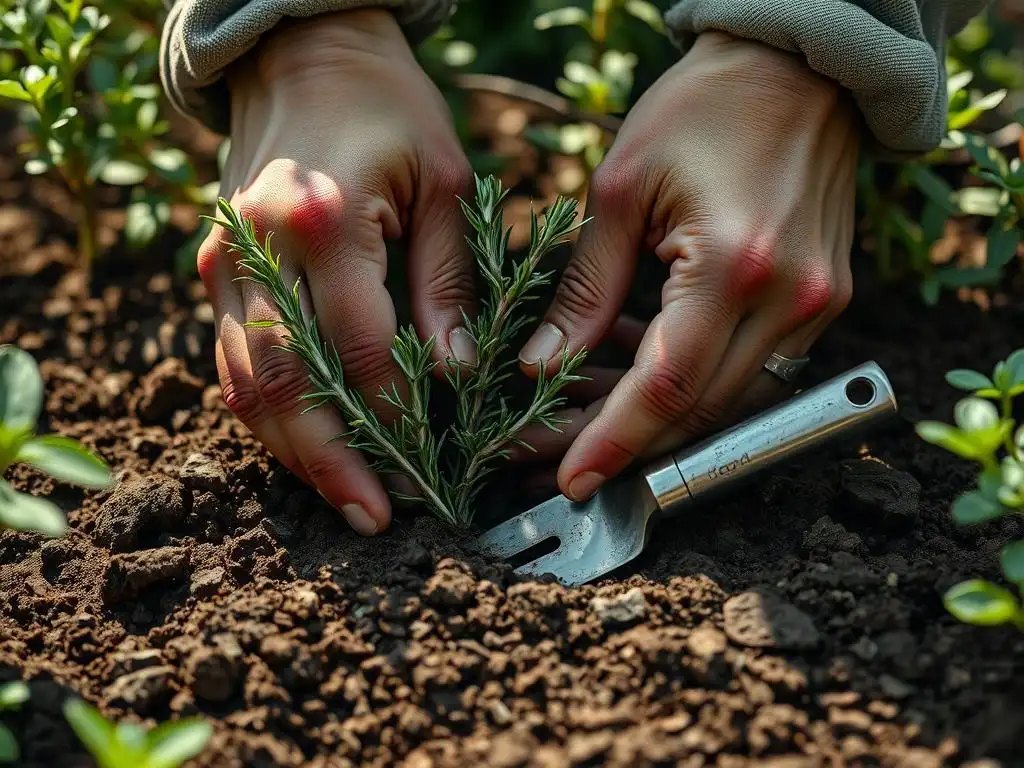
This section details the planting process for rosemary and thyme, focusing on techniques that ensure healthy growth while adhering to sustainable gardening principles. We’ll cover optimal planting methods, spacing considerations, and tips for success. Remember, successful herb gardening hinges on understanding the specific needs of each plant.
Planting Rosemary: Techniques for Success
Rosemary thrives in well-drained soil and plenty of sunshine. Avoid overly rich soil, as this can lead to leggy growth and reduced flavor. Here's a breakdown of successful rosemary planting:
- Choosing your rosemary: Select healthy rosemary plants from a reputable nursery. Look for vibrant green foliage and avoid plants with signs of disease or pests. Consider the variety; some are more compact than others, affecting your spacing choices.
- Soil preparation: Prepare the planting area by loosening the soil to a depth of at least 12 inches. Amend heavy clay soils with compost to improve drainage. A soil pH between 6.0 and 7.0 is ideal for rosemary. Adding organic matter like well-rotted manure enhances soil structure and fertility, supporting sustainable practices.
- Planting depth: Plant rosemary at the same depth it was growing in its container. Avoid planting too deeply, as this can suffocate the roots. Gently firm the soil around the base of the plant after planting.
- Watering: Water deeply after planting and regularly thereafter, ensuring the soil remains consistently moist but not waterlogged. Overwatering is a common mistake, leading to root rot. Consider using a drip irrigation system for efficient water management, minimizing water waste.
Planting Thyme: Tips for a Thriving Herb Garden
Thyme is a hardy herb that tolerates a wide range of conditions, but it prefers well-drained soil and full sun. Here are some tips for planting thyme successfully:
- Starting from seed or cuttings: Thyme can be grown from seed, but it's often easier to start with established plants or cuttings. Direct sowing is possible in spring or fall, but germination rates might be lower. Cuttings root easily, offering a faster route to a thriving herb garden.
- Soil requirements: Thyme prefers slightly alkaline soil with excellent drainage. Similar to rosemary, amending heavy clay soils with compost is beneficial. Avoid overly fertile soil, which might lead to lush growth but less intense flavor.
- Planting depth: Plant thyme at the same depth it was growing in its container or at the depth of the seed. Ensure good soil contact around the roots or seeds.
- Watering: Water regularly, especially during dry spells, but avoid overwatering. Thyme is relatively drought-tolerant once established. Mulching around the plants helps retain moisture and suppress weeds, promoting sustainable practices.
Spacing and Arrangement for Healthy Rosemary and Thyme Growth
Proper spacing is crucial for healthy growth and to prevent overcrowding, which can lead to disease and reduced yields. The spacing requirements will vary depending on the mature size of the chosen rosemary and thyme varieties.
| Herb | Spacing (inches) | Notes |
|---|---|---|
| Rosemary | 18-24 | Larger varieties may require more space. Consider pruning to maintain shape. |
| Thyme | 6-12 | Creeping thyme needs less space than upright varieties. |
Careful arrangement can maximize sunlight and air circulation, which are essential for preventing fungal diseases. Consider interplanting rosemary and thyme with other companion plants that benefit from similar growing conditions. This diverse planting strategy supports biodiversity and enhances the overall health of your herb garden. For example, planting marigolds nearby can deter certain pests. Remember that good air circulation is crucial for preventing fungal diseases common in humid climates. 🌱
Sustainable Practices for Rosemary and Thyme Care
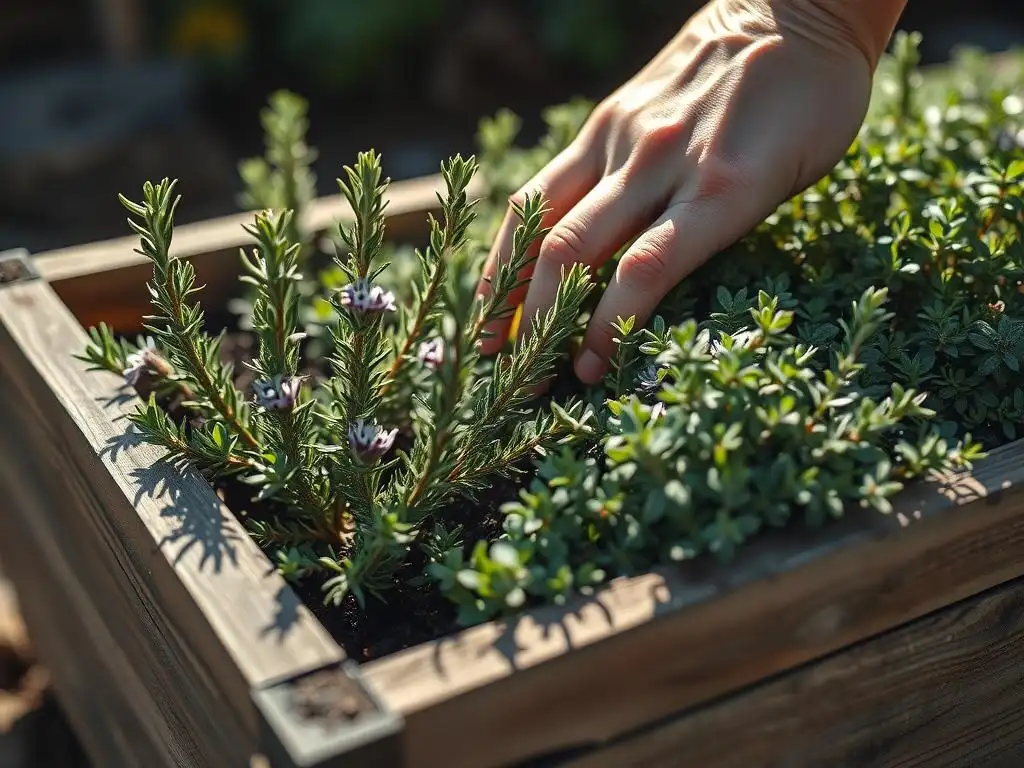
Growing rosemary and thyme sustainably means minimizing environmental impact while maximizing plant health and yield. This involves thoughtful choices regarding water, fertilizer, and soil management. Let's explore key practices to achieve a thriving, eco-friendly herb garden. This guide focuses on optimizing your rosemary and thyme growth using organic methods, directly addressing the search term "Grow rosemary thyme sustainably" and its semantic variations.
Watering Your Rosemary and Thyme: Efficient Irrigation Techniques
Rosemary and thyme are drought-tolerant plants, meaning they don't require frequent watering. Overwatering can lead to root rot, a common issue that hinders growth and can even kill the plants. Efficient irrigation focuses on delivering the right amount of water at the right time, minimizing waste.
Instead of frequent, shallow watering, aim for deep, infrequent watering. This encourages deep root growth, making the plants more resilient to drought. Check the soil moisture before watering – stick your finger about an inch into the soil. If it feels dry, it's time to water. Water deeply until the water drains out of the bottom of the pot or soaks into the ground around the base of the plant.
Consider using water-saving irrigation methods like drip irrigation or soaker hoses. These methods deliver water directly to the roots, reducing evaporation and runoff. Collecting rainwater in barrels is another excellent sustainable practice, providing a free and environmentally friendly water source for your herbs. Remember, the key is to avoid soggy soil, letting the soil dry slightly between waterings. This will help prevent fungal diseases and promote strong, healthy plants.
Fertilizing Rosemary and Thyme Organically: Natural Nutrients and Soil Enrichment
Rosemary and thyme are relatively low feeders, meaning they don't require heavy fertilization. Over-fertilizing can lead to leggy growth and reduce the essential oil content, impacting their flavor and aroma. Sustainable fertilization focuses on enriching the soil naturally, providing the plants with the necessary nutrients without harming the environment.
Compost is an excellent organic fertilizer for rosemary and thyme. It improves soil structure, drainage, and aeration, providing a slow-release of nutrients. Before planting, amend your soil with a generous amount of compost. You can also top-dress with compost annually in spring to replenish nutrients. Other organic options include aged manure (well-rotted to avoid burning the plants) and worm castings, which are rich in beneficial microorganisms.
Avoid using synthetic fertilizers, as they can disrupt the soil ecosystem and contribute to water pollution. Instead, focus on building healthy soil, which will naturally provide your rosemary and thyme with the nutrients they need. Regular soil testing can help determine if any specific nutrient deficiencies exist, allowing you to address them with targeted organic amendments.
Mulching for Rosemary and Thyme: Weed Suppression and Moisture Retention
Mulching is a crucial sustainable practice for rosemary and thyme cultivation. A layer of mulch helps suppress weeds, reducing the need for herbicides. It also helps retain soil moisture, reducing the frequency of watering and saving water. Furthermore, mulch helps regulate soil temperature, protecting the roots from extreme heat or cold.
Suitable mulches for rosemary and thyme include organic materials like straw, shredded leaves, wood chips, or pine needles. Apply a layer of mulch several inches thick around the base of the plants, taking care not to pile it directly against the stems. This will help maintain a consistent soil moisture level and prevent weeds from competing with your herbs for resources.
Regularly replenish the mulch layer as it decomposes to maintain its effectiveness. By implementing this simple technique, you'll contribute to a healthier, more sustainable herb garden that thrives with minimal intervention. This directly supports the goal of growing rosemary and thyme sustainably, ensuring a healthy and productive harvest.
Pest and Disease Control for Rosemary and Thyme: Natural Solutions and Prevention
Rosemary and thyme are remarkably resilient herbs, naturally resistant to many common garden pests and diseases. However, understanding potential threats and employing preventative measures is crucial for sustainable cultivation. A proactive approach minimizes the need for harsh chemicals, keeping your herbs healthy and your garden environment clean.
One of the most effective preventative measures is ensuring proper spacing between plants. Good air circulation helps prevent fungal diseases like leaf spot and root rot, which thrive in damp, crowded conditions. When planting rosemary and thyme, aim for a spacing of at least 12-18 inches, depending on the mature size of the variety. This allows for ample airflow and sunlight penetration, discouraging fungal growth.
Regular monitoring is key to early detection of any issues. Inspect your plants weekly for signs of pests or diseases. Look for discoloration of leaves, wilting, unusual spots, or the presence of insects. Early identification allows for swift intervention, preventing widespread damage.
For pest control, natural solutions are highly effective and environmentally friendly. Neem oil is a versatile insecticide that effectively controls aphids, spider mites, and other common herb pests. Dilute neem oil according to package instructions and apply it directly to affected plants, ensuring thorough coverage. Remember to always test a small area first to check for any adverse reactions.
Another effective natural remedy is insecticidal soap. This soap disrupts the cell membranes of soft-bodied insects, leading to their demise. Similar to neem oil, apply insecticidal soap directly to infested areas, following the manufacturer's instructions. Both neem oil and insecticidal soap are biodegradable and pose minimal risk to beneficial insects and pollinators, making them ideal for sustainable gardening practices.
For fungal diseases, improving drainage and air circulation is crucial. Avoid overhead watering, which can create a humid environment conducive to fungal growth. Instead, water at the base of the plants to keep the foliage dry. If fungal diseases do appear, removing affected leaves and stems promptly can help prevent the spread.
In severe cases, a diluted solution of baking soda and water can be applied as a natural fungicide, but ensure proper dilution to avoid damaging the plants. Remember to always prioritize prevention through good growing practices. By combining preventative measures with natural pest and disease control methods, you can cultivate healthy, thriving rosemary and thyme plants sustainably. This approach ensures a bountiful harvest while minimizing environmental impact and maintaining a healthy ecosystem in your herb garden.
Harvesting and Preserving Your Rosemary and Thyme Harvest
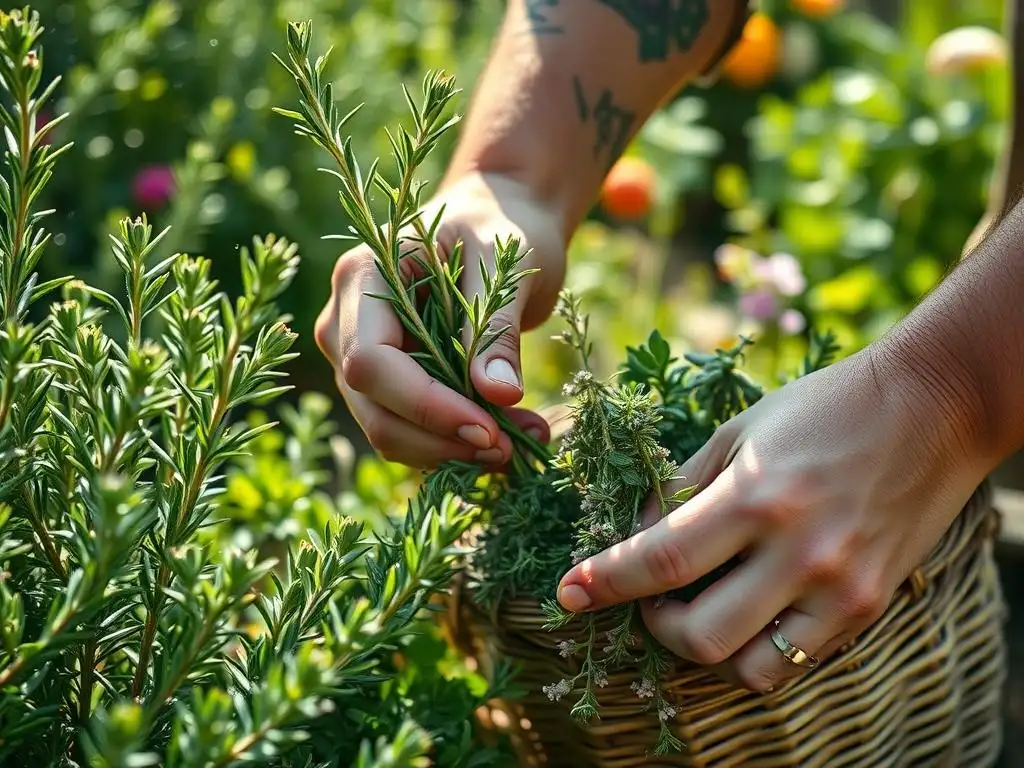
This section focuses on maximizing the yield and longevity of your rosemary and thyme harvest using sustainable methods. Proper harvesting techniques are crucial for maintaining the health of your plants and ensuring the best flavor and aroma in your herbs. We'll cover optimal harvesting times, techniques, and preservation methods to help you enjoy your homegrown herbs year-round. Learning to grow rosemary thyme sustainably includes knowing how to harvest and preserve your bounty.
Harvesting Rosemary: Timing and Techniques for Optimal Flavor
Rosemary thrives in warm, sunny conditions and its peak flavor is generally achieved during the summer months. However, you can harvest rosemary throughout the growing season, adjusting your techniques depending on your needs. For the most potent flavor, harvest rosemary just before flowering, typically in late spring or early summer. Avoid harvesting in the hottest part of the day, as this can stress the plant.
- Timing: The best time to harvest is in the morning after the dew has dried, when the essential oils are most concentrated. This leads to a more flavorful and aromatic herb. Regular harvesting, every few weeks, encourages bushier growth and prevents the plant from becoming leggy.
- Techniques: You can harvest rosemary by either snipping individual sprigs or taking larger cuttings. For individual sprigs, use sharp pruning shears or scissors to cut just above a node (the point where new growth emerges). For larger cuttings, you can prune back stems by about one-third to encourage new growth. Always cut cleanly to prevent damaging the plant. Remember, sustainable harvesting means taking only what you need and leaving enough for the plant to thrive.
- Sustainable Practices: To maintain the health of your rosemary plant, avoid taking more than one-third of its growth at any one time. Rotate your harvesting points to avoid depleting any one area of the plant. Consider using hand tools, reducing your carbon footprint compared to gas-powered trimmers.
Harvesting Thyme: Methods for Fresh and Dried Herbs
Thyme, another sun-loving herb, can be harvested multiple times throughout the growing season. Similar to rosemary, early morning harvesting ensures the highest concentration of essential oils, resulting in a richer flavor. However, unlike rosemary, thyme can be harvested more frequently without significantly impacting the plant’s health.
- Methods: For fresh thyme, simply snip individual sprigs or small branches as needed, using clean scissors or shears. For drying, harvest larger quantities of thyme by cutting stems about 6-8 inches long. Choose stems with abundant leaves, and avoid harvesting during wet weather, which can lead to mold.
- Fresh vs. Dried: Fresh thyme offers a brighter, more vibrant flavor, ideal for immediate use in dishes. Dried thyme, while slightly less potent, has a more concentrated flavor and offers a convenient way to store your harvest for later use. Drying techniques, discussed in the next section, play a crucial role in preserving the quality of your dried thyme.
- Sustainable Considerations: Like rosemary, sustainable thyme harvesting involves taking only what you need, and avoiding over-harvesting, which could stress the plant. Regular, light harvesting can actually promote bushier growth and a more abundant harvest in the long run.
Preserving Rosemary and Thyme: Drying, Freezing, and Infusing
Preserving your harvested rosemary and thyme extends their usability and allows you to enjoy the flavors of your homegrown herbs throughout the year. Several methods offer distinct advantages, ensuring you can savor the fruits of your labor long after the growing season ends.
- Drying: Air drying is a simple and sustainable method. Bundle small bunches of rosemary or thyme and hang them upside down in a cool, dark, and well-ventilated area for 2-3 weeks, or until the leaves are completely dry and crumble easily. Alternatively, you can lay the herbs on a screen or paper towel in a single layer and allow them to air dry. Once dry, store in airtight containers in a cool, dark place.
- Freezing: Freezing preserves the fresh flavor and vibrant color of your herbs. Finely chop the herbs and place them in ice cube trays filled with water or olive oil. Once frozen, transfer the cubes to freezer bags for long-term storage. This method is ideal for adding fresh herbs to soups, stews, and sauces.
- Infusing: Rosemary and thyme can also be infused into oils and vinegars. This method not only preserves the herbs but also creates flavorful additions to your cooking. Simply place fresh herbs in a clean bottle filled with oil or vinegar, allow it to sit for several weeks, and strain before use. This is a great way to reduce waste and create unique flavor profiles.
Remember, regardless of your chosen method, proper storage is crucial for maintaining the quality and flavor of your preserved herbs. Airtight containers kept in a cool, dark, and dry place are essential for preventing spoilage and maximizing the shelf life of your rosemary and thyme. By implementing these methods, you’ll be able to enjoy your sustainably grown herbs throughout the year, truly reaping the rewards of your organic herb garden.
Propagating Rosemary and Thyme: Expanding Your Herb Garden Sustainably
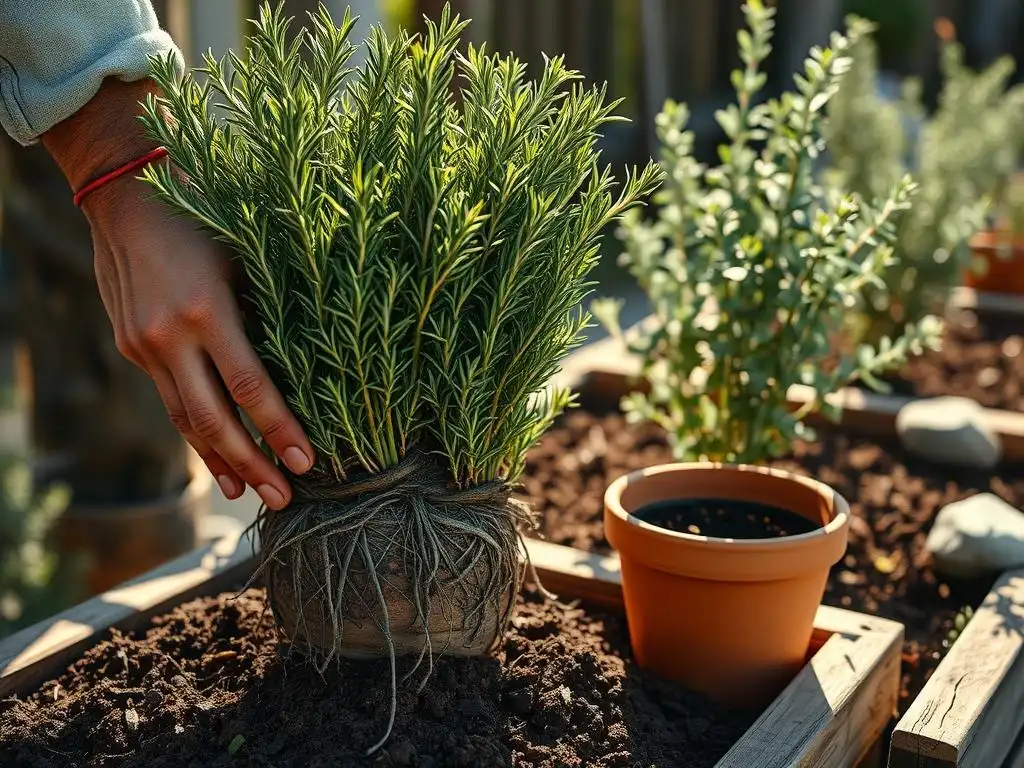
This section focuses on the sustainable propagation of rosemary and thyme, crucial steps in maintaining a thriving and environmentally conscious herb garden. We'll explore various methods, emphasizing techniques that minimize environmental impact and maximize your harvest. Growing rosemary and thyme sustainably not only benefits your garden but also contributes to a healthier planet.
Propagating Rosemary: Cuttings and Seed Starting
Rosemary, with its aromatic needles and versatility in the kitchen, is relatively easy to propagate. Two primary methods stand out: cuttings and seed starting. Let's delve into each, highlighting their sustainable aspects.
Cuttings: This method is highly effective and environmentally friendly, requiring minimal resources. Take 4-6 inch cuttings from healthy, non-flowering stems in spring or early summer. Remove lower leaves, dip the cut ends in rooting hormone (optional, but it boosts success rates), and plant them in a well-draining potting mix. Keep the soil consistently moist but not soggy.
Rooting typically takes 4-6 weeks. Using recycled containers for propagation further enhances the sustainability of this method. The success rate of this method is typically high, often exceeding 80% under optimal conditions. This minimizes the need for purchasing new plants, reducing the carbon footprint associated with transportation and packaging.
Seed Starting: While less common than cuttings, starting rosemary from seed offers a unique experience and contributes to genetic diversity within your garden. Sow seeds in spring, using a well-draining seed-starting mix. Maintain consistent moisture and warmth (around 70°F). Germination can be slow, sometimes taking several weeks.
However, once established, seedlings will grow into robust plants. This method requires more patience and attention to detail compared to cuttings, but the result is new, genetically diverse rosemary plants. It's vital to use organic seeds to maintain a sustainable approach. The germination rate for rosemary seeds is often lower than cuttings, typically around 50-70%, depending on seed quality and environmental conditions.
Propagating Thyme: Simple Methods for Growing More Thyme
Thyme, a resilient and flavorful herb, is even easier to propagate than rosemary. Several simple methods ensure a sustainable expansion of your thyme patch.
Division: This is the simplest and most sustainable way to propagate thyme. Established thyme plants readily divide. In spring or fall, gently lift the entire plant from the ground. Carefully separate the root ball into smaller sections, each with its own set of stems and roots.
Replant these divisions, ensuring adequate spacing for growth. This method minimizes waste and allows for quick establishment of new thyme plants. Division is highly efficient, with a near 100% success rate if done correctly, making it an ideal method for sustainable thyme propagation. It also allows for the easy sharing of thyme plants with friends and neighbours, encouraging community gardening and sustainability practices.
Cuttings: Similar to rosemary, thyme cuttings also root easily. Take 3-4 inch cuttings from healthy stems, remove lower leaves, and plant them in a well-draining mix. Keep the soil moist, and rooting should occur within a few weeks. This method is efficient and sustainable, mirroring the benefits described for rosemary cuttings. The success rate for thyme cuttings is generally high, comparable to rosemary, often exceeding 80%. This makes it a reliable and environmentally friendly way to expand your thyme collection.
Seed Starting: Though less frequently used, starting thyme from seed is possible. Sow seeds in spring, maintaining consistent moisture and warmth. Germination is generally faster than rosemary, often occurring within a couple of weeks. However, the success rate may vary depending on the seed quality and environmental factors. While a sustainable option, it might not be as efficient as division or cuttings. Using organic seeds is paramount to ensuring a fully sustainable approach. The germination rate for thyme seeds tends to be higher than rosemary, often reaching 70-80%, but still requires careful attention to environmental conditions.
Troubleshooting Common Rosemary and Thyme Growing Challenges
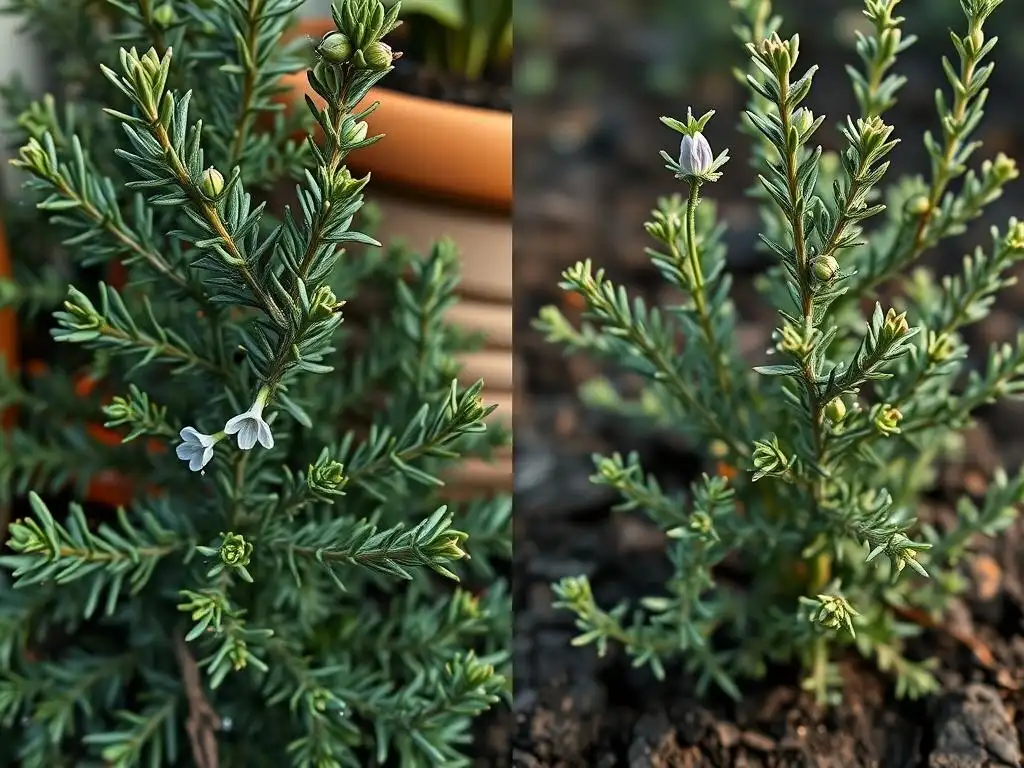
Growing rosemary and thyme sustainably requires understanding and addressing potential problems. While these hardy herbs are relatively low-maintenance, certain conditions can hinder their growth and yield. This section will guide you through common issues and their solutions, ensuring a thriving and productive herb garden. Let's delve into the specific challenges you might encounter with each herb.
Addressing Common Rosemary Problems: Yellowing Leaves, Root Rot, and More
Rosemary, with its aromatic needles, can be susceptible to several issues if not given the right care. One common problem is yellowing leaves. This often indicates improper watering. Overwatering leads to root rot, a serious condition that can quickly kill your rosemary plant. Conversely, underwatering can also cause yellowing, as the plant struggles to access sufficient moisture.
To diagnose the problem, carefully examine the roots. If they are mushy and brown, root rot is likely. If they are dry and brittle, underwatering is the culprit. Adjust your watering practices accordingly. For root rot, you might need to repot your rosemary in fresh, well-draining soil. Ensuring good drainage is key – use pots with drainage holes and avoid letting the rosemary sit in standing water.
Another common issue is poor growth. This can stem from nutrient deficiencies. Rosemary benefits from well-draining, slightly alkaline soil rich in organic matter. Consider adding compost or other organic amendments to improve soil quality and provide essential nutrients. Regular feeding with a balanced, organic fertilizer during the growing season can also stimulate growth and vibrancy.
Finally, pests can also affect rosemary. While rosemary is relatively pest-resistant, aphids and spider mites can sometimes infest the plant. Regular inspection is crucial. If you spot pests, you can try natural pest control methods such as insecticidal soap or neem oil.
Solving Common Thyme Issues: Pest Infestations, Disease Prevention, and Growth Problems
Thyme, while resilient, can also encounter its share of challenges. One significant concern is pest infestations. Thyme is particularly vulnerable to aphids, which can suck the sap from the leaves, causing stunted growth and yellowing. Again, regular inspection is paramount. Early detection allows for prompt action using natural remedies like insecticidal soap or neem oil. Consider introducing beneficial insects like ladybugs, which are natural predators of aphids. These can be a sustainable and effective solution for pest control.
Another potential problem is poor drainage. Thyme, like rosemary, dislikes overly wet soil. Ensure proper drainage by planting in well-draining soil and avoiding overwatering. Soggy soil can lead to fungal diseases and root rot, ultimately harming the plant. Raised beds or containers with drainage holes are ideal for thyme cultivation.
Finally, nutrient deficiencies can also affect thyme's growth. While thyme is relatively low-maintenance, providing it with adequate nutrients ensures optimal health and yield. Regular applications of compost or a balanced, organic fertilizer can improve soil fertility and provide the essential nutrients your thyme needs to thrive. Remember that healthy soil is the foundation for healthy plants. This holistic approach contributes to sustainable and successful thyme cultivation.
Remember that a proactive approach, combined with careful observation and timely intervention, is key to successfully growing rosemary and thyme sustainably. By addressing these common challenges effectively, you can enjoy a bountiful harvest of these aromatic herbs year after year.
Recipes and Uses for Homegrown Rosemary and Thyme
Growing your own rosemary and thyme offers the delightful reward of fresh, flavorful herbs readily available for culinary creations and other uses. This section explores the versatile applications of these aromatic plants, maximizing the benefits of your sustainable herb garden. Learning to utilize your harvest effectively enhances the overall experience of growing rosemary and thyme sustainably.
Culinary Uses of Rosemary: Flavoring Dishes and Infusions
Rosemary's strong, piney aroma and slightly bitter flavor make it a fantastic addition to numerous dishes. Its robust nature holds up well to high heat, making it ideal for roasting meats. A classic example is rosemary-roasted lamb, where the herb's intense flavor complements the richness of the meat. But rosemary's culinary applications extend far beyond lamb.
Consider these examples:
- Roasted Vegetables: Toss chopped rosemary with root vegetables like carrots, potatoes, and parsnips before roasting for a deeply flavorful side dish. The rosemary's earthy notes beautifully enhance the sweetness of the vegetables.
- Rosemary Infused Olive Oil: Infusing olive oil with fresh rosemary sprigs creates a fragrant and flavorful oil perfect for drizzling over salads, bread, or pasta. Simply combine the oil and rosemary in a jar, let it sit in a cool, dark place for a few weeks, and strain before use. This is a great way to preserve the harvest and extend its use throughout the year.
- Rosemary Bread: Adding rosemary to bread dough imparts a unique and savory flavor. You can incorporate it into the dough itself or sprinkle it on top before baking. The aroma alone is enough to make your kitchen smell wonderful!
- Rosemary Potatoes: Rosemary pairs exceptionally well with potatoes. Whether roasted, boiled, or mashed, adding fresh or dried rosemary elevates the simple potato into something more special.
The versatility of rosemary allows for creative experimentation. Don't be afraid to experiment with different combinations and discover your own signature rosemary dishes. Remember, using fresh, homegrown rosemary provides a superior flavor compared to dried varieties.
Culinary Uses of Thyme: Adding Flavor to Savory and Sweet Recipes
Thyme, with its subtle, earthy, and slightly lemony flavor, offers a different culinary profile compared to rosemary. While less assertive, its delicate notes add complexity and depth to a wide range of dishes. Its versatility extends beyond savory applications; thyme can even enhance sweet treats.
Here are some ways to incorporate thyme into your cooking:
- Chicken and Poultry: Thyme is a classic pairing with chicken, turkey, and other poultry. It's often used in stuffings, roasts, and soups, lending a warm, comforting flavor. The subtle notes of thyme complement the poultry beautifully without overpowering it.
- Soups and Stews: A few sprigs of thyme added to soups and stews during the simmering process infuse the broth with incredible depth of flavor. It's especially delicious in vegetable soups and hearty stews.
- Vegetable Dishes: Thyme's subtle flavor enhances the taste of many vegetables, particularly those with a slightly earthy or bitter profile, such as mushrooms, broccoli, and green beans.
- Lemon Thyme and Desserts: Certain thyme varieties, like lemon thyme, offer a citrusy twist. These can be used to add a unique, refreshing touch to desserts like lemon cakes or fruit tarts. The surprising combination adds a delightful complexity.
Experimenting with different thyme varieties will reveal even more culinary possibilities. The subtle nuances of different thyme types can significantly impact the flavor profile of your dishes. Growing multiple varieties allows for a broader range of culinary adventures.
Other Uses of Rosemary and Thyme: Beyond the Kitchen
The benefits of rosemary and thyme extend beyond the kitchen. These versatile herbs offer several other uses, promoting a more holistic approach to sustainable living.
- Natural Pest Control: Both rosemary and thyme possess insecticidal properties. Planting them strategically in your garden can deter certain pests. Their strong aromas can repel insects, reducing the need for chemical pesticides. This aligns perfectly with sustainable gardening practices.
- Potpourri and Sachets: The fragrant leaves of both herbs make excellent additions to potpourri and sachets. Their pleasant aroma can freshen up closets, drawers, or even cars. This is a great way to utilize any excess herbs from your harvest.
- Herbal Teas: Both rosemary and thyme can be used to make herbal teas. Rosemary tea is known for its potential health benefits, while thyme tea offers a soothing and flavorful beverage. This represents a sustainable use of the herbs, minimizing waste.
- Natural Air Freshener: Simply placing sprigs of rosemary or thyme in a bowl or vase can naturally freshen the air in your home. Their aromatic oils release a pleasant scent, eliminating the need for artificial air fresheners.
Utilizing the full potential of your homegrown rosemary and thyme exemplifies the sustainable and resourceful nature of your gardening efforts. From culinary delights to natural pest control, these herbs offer a wealth of benefits, enriching your life beyond simply adding flavor to your meals. Growing rosemary and thyme sustainably provides a fulfilling experience that extends far beyond the harvest itself.
Frequently Asked Questions
How can I grow rosemary and thyme sustainably?
To grow rosemary and thyme sustainably, focus on organic practices. This includes using compost instead of chemical fertilizers and natural pest control methods like companion planting or insecticidal soap. Water wisely, conserving water resources.
What is the best way to propagate rosemary and thyme?
Rosemary and thyme are easily propagated from cuttings. Simply take stem cuttings in spring or fall, dip them in rooting hormone (optional), and plant them in moist soil. Seed propagation is also possible but slower.
What kind of soil do rosemary and thyme prefer?
Both rosemary and thyme thrive in well-drained, sandy or gravelly soil. Amend heavy clay soils with sand or compost to improve drainage. They prefer slightly alkaline to neutral pH levels.
How much sunlight do rosemary and thyme need?
Rosemary and thyme need at least 6-8 hours of direct sunlight per day to flourish. Choose a sunny spot in your garden or use south-facing window boxes if growing indoors.
How do I prevent pests and diseases in my rosemary and thyme plants?
Regularly inspect your plants for signs of pests or diseases. Use natural pest control methods like neem oil or insecticidal soap if necessary. Good air circulation can also help prevent fungal diseases.
Final Reflection: Cultivating a Greener Future, One Herb at a Time
The simple act of growing rosemary and thyme, sustainably, is far more than a gardening hobby; it's a powerful statement about our connection to the earth and our commitment to a healthier future. In a world grappling with climate change and dwindling resources, embracing sustainable practices, even in our own backyards, becomes a vital act of stewardship. The principles outlined in this guide—from water conservation to soil health—are not just beneficial for your herbs; they are essential building blocks for a more resilient and environmentally conscious way of life.
The journey of nurturing these aromatic plants has profoundly impacted my own understanding of sustainability. It's not just about reducing our environmental footprint; it's about fostering a deeper appreciation for the natural world and the intricate web of life that sustains us. As the renowned environmentalist, Wangari Maathai, once said: Planting a tree is more than just planting a tree. It is a commitment to the future.
This sentiment resonates deeply with the act of cultivating herbs sustainably, extending beyond the individual plant to encompass a broader commitment to environmental responsibility.
Now, consider your own space, your own potential. Perhaps you'll start with a single rosemary sprig or a thyme cutting, but the impact extends far beyond the confines of your garden. Imagine the ripple effect: a renewed connection with nature, a deeper understanding of sustainable practices, and a contribution, however small, to a healthier planet. Start small, dream big, and let the fragrant bounty of your sustainable herb garden inspire you to cultivate a greener future, one herb at a time.
Unleash Your Inner Herb Gardener!
Thank you for exploring the world of sustainable herb gardening with us! We hope you've gained valuable insights into growing your own herbs. Now, it's time to put that knowledge into practice.
Here's how you can continue your journey:
- Start your herb garden today! Choose a sunny spot, prepare your soil, and plant your seeds or seedlings. Even a small pot on your windowsill can be a great start.
- Share your successes (and challenges!) with our community on social media using #CultivateYourHerbs. Let's inspire each other!
- Experiment with different herbs in your cooking – the possibilities are endless! Try infusing your dishes with rosemary or adding thyme to a refreshing lemonade.
Ready to transform your kitchen and your life with the joy of homegrown herbs? What's your first step towards a flourishing garden?