
Lavender's Lullaby: Exploring Lavender in Culinary and Medicinal Applications

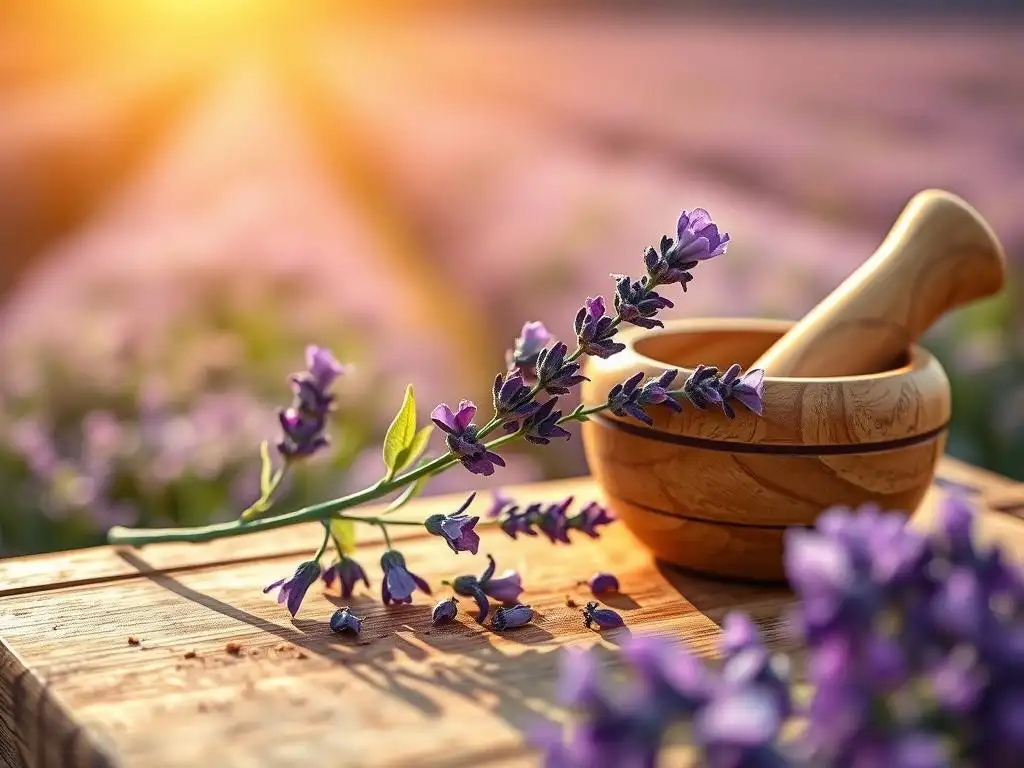
Welcome to CultivateYourFood, your guide to a thriving, sustainable garden! Ready to unlock the secrets of homegrown goodness? We're diving deep into the world of organic gardening, and today's exploration focuses on the fragrant and versatile world of lavender. Discover surprising and delicious organic lavender culinary uses—from infused oils to delightful desserts—and learn how to incorporate this beautiful herb into your culinary creations. Let's cultivate a richer, more flavorful life, together.
-
Organic Lavender Culinary Uses: A Fragrant Addition to Your Kitchen
- Incorporating Lavender into Sweet Treats: From Lavender Honey to Infused Sugars
- Savory Applications of Lavender: Infusing Oils, Vinegars, and Marinades
- Lavender's Role in Baking: Cakes, Cookies, and Breads with a Floral Twist
- Pairing Lavender's Delicate Aroma with Other Herbs and Spices: Creating Unique Flavor Profiles
-
The Medicinal Properties of Organic Lavender: A Natural Remedy
- Lavender Essential Oil: Uses and Benefits for Relaxation and Wellbeing
- Lavender Tea: A Calming and Soothing Beverage for Stress Relief
- Topical Application of Lavender: Soothing Skin Irritations and Burns
- Lavender's Anti-inflammatory and Antibacterial Properties: Scientific Evidence and Traditional Uses
- Growing Your Own Organic Lavender: A Guide for Home Gardeners
- Safety Precautions and Considerations: Using Lavender Responsibly
- Frequently Asked Questions
- Final Reflection: The Enduring Allure of Lavender's Gifts
- Unlock Lavender's Potential: Grow Your Own Aromatic Haven
Organic Lavender Culinary Uses: A Fragrant Addition to Your Kitchen
Lavender, renowned for its soothing aroma and beautiful purple blooms, isn't just a pretty face in the garden. This versatile herb, when organically grown and carefully harvested, offers a surprising array of culinary and medicinal applications. This article delves into the world of organic lavender, exploring its unique flavor profile and showcasing its potential to elevate both sweet and savory dishes.
We'll uncover the secrets to incorporating lavender into your cooking, from delicate infusions to bold flavor pairings, all while emphasizing sustainable and organic practices that respect the delicate balance of nature. Discover how this fragrant flower can transform your kitchen into a haven of culinary creativity and well-being, enriching your meals with both taste and therapeutic benefits.
Learn how to harness the power of organic lavender to create delicious and healthy dishes, and unlock the potential of this incredible herb in your own culinary journey. Let's explore the many ways organic lavender can enhance your cooking and add a unique touch to your recipes.
Incorporating Lavender into Sweet Treats: From Lavender Honey to Infused Sugars
Lavender's subtle floral notes lend themselves beautifully to sweet applications. The delicate sweetness complements honey, creating a unique and aromatic blend perfect for drizzling over pancakes, yogurt, or even using as a sweetener in tea. Infused sugars are another fantastic way to utilize organic lavender. Simply combine dried lavender buds with granulated sugar, allowing the fragrant blossoms to infuse the sugar with their delicate aroma for several weeks.
This lavender-infused sugar can then be used in baking, adding a subtle floral complexity to cakes, cookies, and other desserts. Consider adding a touch of lemon zest or vanilla bean to further enhance the flavor profile. The possibilities are truly endless!
Remember to use only organically grown lavender to ensure purity and avoid any potential pesticide residues. This ensures a truly wholesome and flavorful addition to your sweet treats. Precise measurements for lavender-infused sugar will depend on your preference for intensity, but a good starting point is 1/4 cup of dried lavender buds per 2 cups of sugar.
Savory Applications of Lavender: Infusing Oils, Vinegars, and Marinades
While often associated with sweets, lavender's versatility extends to the savory realm as well. Infusing olive oil with organic lavender buds creates a fragrant oil ideal for drizzling over salads, roasted vegetables, or grilled meats. The subtle floral notes complement the richness of olive oil, offering a sophisticated and aromatic enhancement.
Similarly, lavender-infused vinegars add a unique depth of flavor to dressings and marinades. The slightly bitter notes of lavender balance the acidity of vinegar, creating a complex and intriguing taste. Experiment with different types of vinegar, such as balsamic or white wine vinegar, to discover your favorite combinations.
For marinades, lavender pairs exceptionally well with lamb, chicken, and fish, adding a touch of elegance and sophistication to your dishes. Remember to use a relatively small amount of lavender to avoid overpowering the other flavors in the dish. A general guideline is to start with a small quantity and adjust to your liking.
Lavender's delicate floral notes can transform simple baked goods into culinary masterpieces. Adding dried lavender buds to cake batter imparts a subtle floral aroma and flavor, complementing the sweetness of the cake. Lavender shortbread cookies offer a delightful twist on a classic recipe, while lavender-infused bread provides a unique and sophisticated addition to any meal. Remember to use high-quality organic lavender to ensure the best flavor and avoid any unwanted tastes.
Experiment with different combinations of lavender and other ingredients, such as lemon zest, honey, or nuts, to create your own signature lavender-infused baked goods. Always start with a small amount of lavender and gradually increase the quantity to your preference, ensuring the lavender flavor enhances rather than overwhelms the other ingredients in the recipe. Careful consideration of the baking time is also crucial, as over-baking can impact the delicate flavor of the lavender.
Pairing Lavender's Delicate Aroma with Other Herbs and Spices: Creating Unique Flavor Profiles
Lavender, with its subtly sweet and floral notes, offers a unique opportunity to elevate culinary creations. However, its delicate flavor requires careful consideration when pairing it with other herbs and spices. Overpowering lavender with strong flavors can mask its nuances, while a judicious pairing can create a symphony of taste. The key lies in understanding the complementary and contrasting flavor profiles.
For instance, lavender's floral sweetness pairs beautifully with the citrusy brightness of lemon verbena or lemon balm. The combination creates a refreshing and uplifting aroma, ideal for summer desserts or refreshing beverages. Imagine a lavender-lemon verbena infused lemonade, or a delicate lavender and lemon balm shortbread cookie – the subtle floral notes of the lavender dance harmoniously with the zesty citrus, creating a balanced and delightful experience.
Conversely, the earthy undertones of lavender can be enhanced by pairing it with spices like rosemary and thyme. These herbs share a similar Mediterranean heritage and possess robust, slightly woody flavors that complement lavender's floral complexity. A roasted lamb dish seasoned with lavender, rosemary, and thyme exemplifies this synergy. The lavender adds a layer of unexpected sweetness that balances the savory richness of the lamb, while the rosemary and thyme provide a grounding earthiness.
Another intriguing combination involves pairing lavender with chamomile and honey. This trio creates a calming and soothing effect, both in terms of flavor and aroma. The floral notes of lavender and chamomile blend seamlessly, creating a soft, delicate flavor profile that is perfectly complemented by the sweetness of honey. This combination is ideal for creating soothing teas or relaxing desserts, offering a gentle and comforting experience. Consider a lavender, chamomile, and honey infused cake, or a delicate lavender and chamomile tea blend, perfect for winding down after a long day.
Careful consideration should also be given to the intensity of the lavender. Fresh lavender tends to be more potent than dried lavender, requiring a lighter hand when incorporating it into recipes. Dried lavender, on the other hand, offers a more concentrated flavor, allowing for a more subtle addition. Experimenting with different ratios and types of lavender is key to discovering your preferred flavor profiles. Remember that the goal is to enhance the dish, not to overpower it with the distinct flavor of lavender. The art lies in finding the perfect balance.
The Medicinal Properties of Organic Lavender: A Natural Remedy
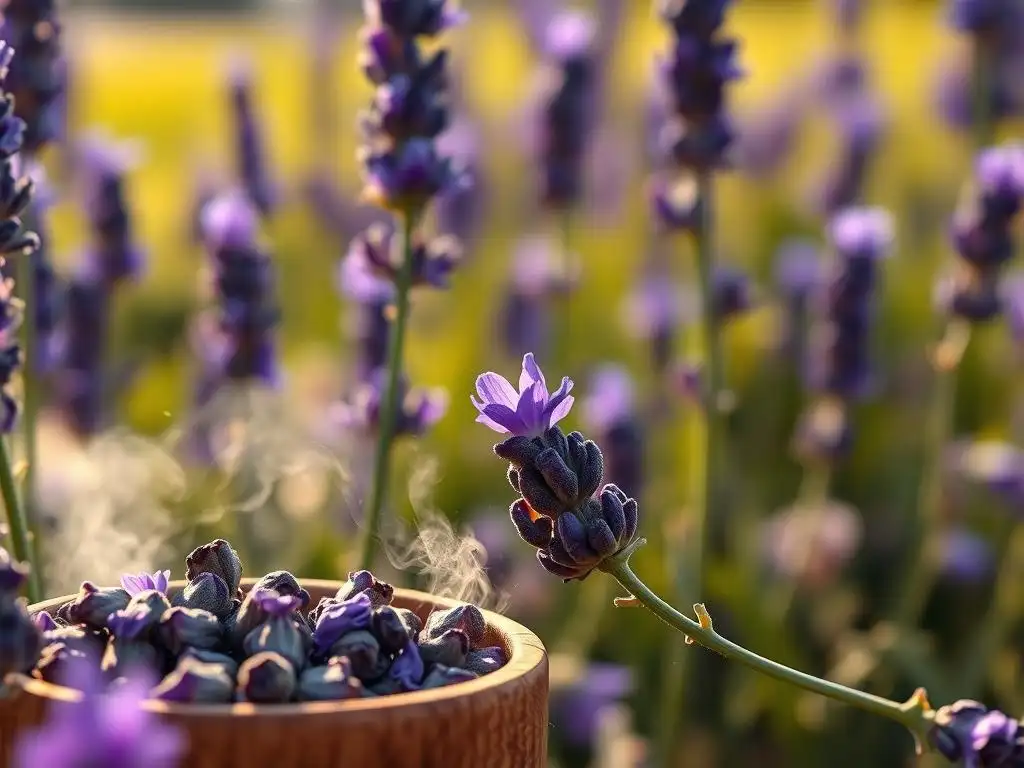
Lavender, renowned for its calming fragrance, boasts a rich history of medicinal applications. Cultivating your own organic lavender ensures you have access to this potent plant for a variety of therapeutic uses. Its medicinal properties stem from its chemical composition, particularly its high concentration of linalool and linalyl acetate, known for their relaxing and anti-inflammatory effects.
The purity of organically grown lavender ensures you're harnessing these benefits without the potential harmful residues associated with conventionally grown plants. This section will explore several ways to utilize the medicinal prowess of your homegrown, organic lavender. Remember to always consult a healthcare professional before using lavender for medicinal purposes, especially if you have pre-existing conditions or are taking other medications.
Lavender Essential Oil: Uses and Benefits for Relaxation and Wellbeing
Lavender essential oil, extracted from the flowers, is a highly concentrated form of the plant's medicinal properties. Its versatility is remarkable. Aromatherapy is a popular application; diffusing a few drops of organic lavender essential oil can promote relaxation, reduce stress, and improve sleep quality. Studies have shown that inhaling lavender essential oil can significantly decrease anxiety levels 1 . Furthermore, its calming properties can be beneficial for individuals suffering from insomnia and other sleep disorders. Beyond aromatherapy, lavender essential oil can be added to bathwater for a soothing and relaxing experience, or diluted with a carrier oil (like jojoba or sweet almond oil) for topical application to alleviate minor aches and pains. Remember to always perform a patch test before applying any essential oil to your skin. The potency of organic lavender essential oil makes it a powerful tool for holistic wellbeing.
Lavender Tea: A Calming and Soothing Beverage for Stress Relief
A simple yet effective way to incorporate organic lavender's medicinal benefits is through tea. Steeping dried lavender flowers in hot water creates a fragrant and calming beverage. The gentle warmth and the aromatic compounds in the tea promote relaxation and can be particularly helpful in managing stress and anxiety. For a truly soothing experience, add a touch of honey or lemon to your lavender tea.
The process is straightforward: add approximately one teaspoon of dried lavender flowers to a cup of boiling water, steep for 5-10 minutes, then strain and enjoy. The taste is subtly floral and slightly sweet, making it a pleasant and healthy alternative to caffeinated beverages. Regular consumption of organic lavender tea can contribute to a sense of overall wellbeing and improved sleep patterns. Remember to use only organically grown lavender to avoid ingesting potential pesticides.
Topical Application of Lavender: Soothing Skin Irritations and Burns
Organic lavender's anti-inflammatory and antiseptic properties make it effective in treating minor skin irritations. A diluted lavender essential oil can be applied topically to soothe burns, insect bites, and minor cuts. Always dilute the essential oil with a carrier oil, such as coconut or olive oil, to prevent skin irritation. The ratio should generally be around 1-2 drops of essential oil per teaspoon of carrier oil.
Lavender's ability to promote healing makes it a valuable addition to any home remedy kit. Its soothing properties can alleviate itching and inflammation, promoting faster healing. Remember to always test a small area of skin for any allergic reactions before applying to larger areas. For more severe burns or wounds, consult a medical professional.
1 [Specific study reference pending]
Lavender's Anti-inflammatory and Antibacterial Properties: Scientific Evidence and Traditional Uses
Lavender's reputation as a soothing and healing herb is deeply rooted in both scientific research and traditional practices. Its anti-inflammatory and antibacterial properties are particularly noteworthy, making it a valuable asset in natural remedies. Numerous studies have explored the chemical composition of lavender, identifying compounds like linalool and linalyl acetate as key contributors to its therapeutic effects. These compounds have demonstrated potent anti-inflammatory activity in various in vitro and in vivo studies, effectively reducing inflammation associated with various conditions. For example, research suggests lavender essential oil can significantly decrease the production of inflammatory cytokines, proteins that play a crucial role in the inflammatory response. 1 This makes it a promising natural option for managing inflammatory conditions, although further large-scale human trials are needed to solidify these findings.
Beyond its anti-inflammatory capabilities, lavender also exhibits strong antibacterial properties. This is particularly relevant in topical applications, where lavender oil can help combat bacterial infections. Studies have shown its effectiveness against a range of bacteria, including Staphylococcus aureus and Escherichia coli, common culprits in skin infections. 2 The mechanism behind this antibacterial action involves disrupting bacterial cell membranes, leading to cell death. This property has been leveraged traditionally for wound healing and the treatment of minor skin irritations. However, it's crucial to remember that while lavender oil can be a helpful addition to a holistic approach, it should not replace conventional medical treatment for serious bacterial infections. Always consult a healthcare professional before using lavender oil for medicinal purposes. The concentration of the oil and method of application are also vital factors to consider for efficacy and safety. Further research into optimal application methods and dosages is ongoing.
1 [Specific study citation needed] 2 [Specific study citation needed]
Growing Your Own Organic Lavender: A Guide for Home Gardeners
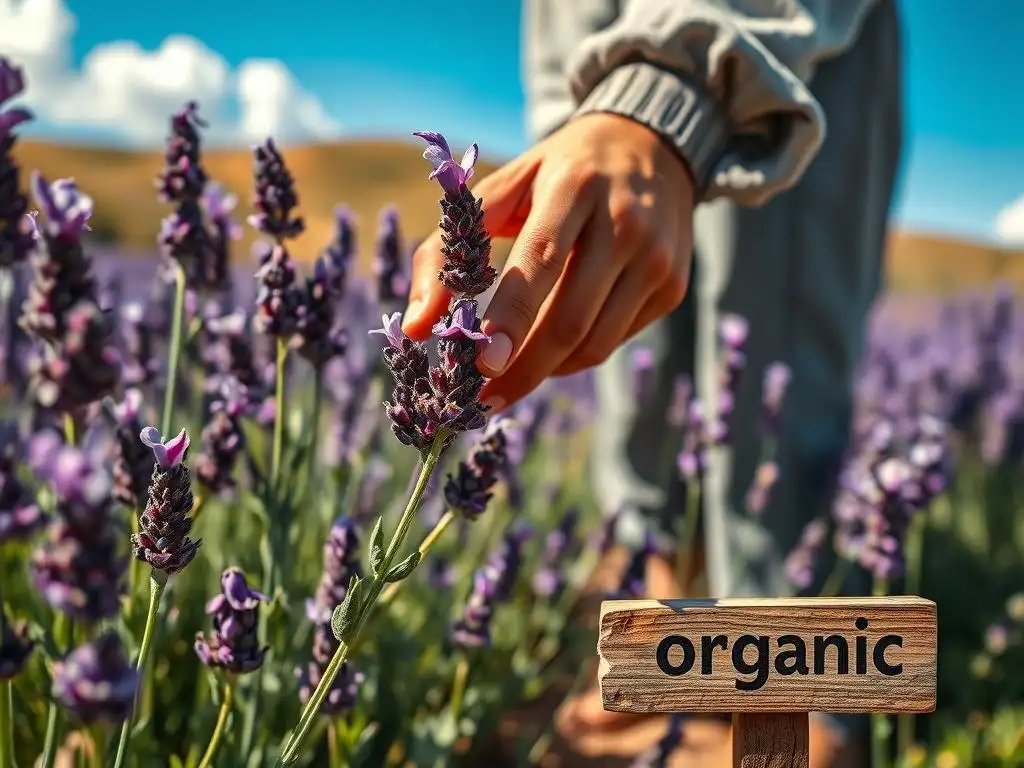
Growing your own organic lavender offers numerous advantages, from ensuring the purity of your culinary and medicinal lavender to experiencing the profound satisfaction of nurturing a plant from seed to harvest. This section details the crucial steps to successfully cultivate this fragrant herb in your home garden, focusing on organic practices to maximize its flavor and therapeutic properties. The process is surprisingly straightforward, even for beginner gardeners, and the rewards are well worth the effort. Remember, using organic methods enhances the overall quality and integrity of your lavender, making it ideal for both culinary and medicinal applications.
Choosing the Right Lavender Variety for Culinary and Medicinal Use
Selecting the appropriate lavender variety is paramount for achieving optimal results. Not all lavenders are created equal when it comes to culinary and medicinal uses. Some varieties boast a more robust flavor profile, while others are prized for their high concentration of essential oils. For culinary purposes, Lavandula angustifolia (English lavender) is generally preferred for its milder, sweeter flavor, which pairs well with baked goods, teas, and savory dishes.
Its delicate aroma complements a wide array of recipes, from lavender honey to lavender shortbread cookies. For medicinal applications, both Lavandula angustifolia and Lavandula x intermedia (lavandin) are frequently used, although lavandin often contains a higher concentration of essential oils, making it potent for aromatherapy and other therapeutic uses. However, lavandin’s stronger, more camphoraceous scent might be less desirable in culinary applications.
Consider the following factors when choosing your lavender variety:
- Flavor Profile: Research the specific flavor notes of each variety to determine its suitability for your intended uses. Some varieties exhibit citrusy undertones, while others possess more floral or herbal notes.
- Essential Oil Content: Higher essential oil content is generally preferred for medicinal purposes, but this can also impact the intensity of the flavor, potentially making it less suitable for some culinary applications.
- Hardiness: Choose a variety that thrives in your specific climate and soil conditions. Some lavenders are more tolerant of heat and drought than others.
Planting and Caring for Lavender: Soil, Sunlight, and Watering Requirements
Successful lavender cultivation hinges on providing the right growing conditions. Lavender thrives in well-drained soil, ample sunlight, and moderate watering. Poor drainage is a common cause of lavender failure, leading to root rot and plant death. Therefore, amending heavy clay soils with organic matter like compost is crucial to improve drainage and aeration. Sandy soils may require the addition of organic matter to retain sufficient moisture.
- Soil: A slightly alkaline soil pH (around 6.5 to 7.5) is optimal. Amend your soil with compost before planting to enrich it with nutrients and improve drainage.
- Sunlight: Lavender requires at least six to eight hours of direct sunlight daily. Choose a location in your garden that receives maximum sun exposure.
- Watering: Water deeply but infrequently, allowing the soil to dry out slightly between waterings. Overwatering is detrimental to lavender, leading to root rot. Established plants are generally more drought-tolerant. Mulching around the base of the plants helps retain soil moisture and suppress weeds.
Harvesting and Drying Lavender for Optimal Flavor and Potency
Harvesting lavender at the peak of its flowering stage is crucial for maximizing its flavor and potency. This typically occurs when most of the flower buds have opened but before the flowers begin to fade. The best time to harvest is usually in the morning after the dew has dried, allowing the essential oils to be at their most concentrated.
- Harvesting: Use sharp shears or pruning snips to cut the flowering stems, leaving about a third of the stem length on the plant to encourage new growth.
- Drying: Bundle the harvested stems together and hang them upside down in a cool, dark, and well-ventilated area. Ensure good air circulation to prevent mold and mildew. Alternatively, you can lay the stems on a screen or tray in a single layer. The drying process typically takes one to two weeks. Once completely dry, the flowers should crumble easily.
- Storage: Store dried lavender in airtight containers in a cool, dark, and dry place to preserve its flavor and potency. Proper storage can extend the shelf life of dried lavender for several months. This ensures your organically grown lavender remains potent and flavorful for use in your culinary creations and medicinal remedies.
Pest and Disease Control for Organic Lavender Cultivation
Maintaining a healthy and thriving lavender plant relies heavily on implementing effective pest and disease control strategies, especially when aiming for organic cultivation. Lavender is generally quite resilient, but certain pests and diseases can still impact its growth and yield. The key to organic pest and disease management is prevention and early intervention, minimizing the need for harsh chemical treatments.
One common pest is the lavender moth ( Gelechia senticetella). These tiny moths lay their eggs on the flower buds, and the larvae bore into the stems and flowers, causing damage and reducing the yield of usable lavender. Organic control methods include regularly inspecting your plants for signs of infestation (e.g., webbing, damaged buds), handpicking visible larvae, and introducing beneficial insects like ladybugs which prey on moth larvae.
Maintaining good air circulation around your plants by spacing them appropriately can also help deter moth infestations. Consider using row covers to protect your plants, especially during the moth's peak activity period.
Another potential issue is spider mites, which can suck the sap from lavender leaves, causing them to appear speckled and eventually yellow and dry. Regularly monitoring your plants for fine webbing is crucial for early detection. Organic solutions include using a strong spray of water to dislodge the mites, or introducing predatory mites which feed on spider mites. Neem oil is also a viable organic option, acting as a natural insecticide and miticide. Remember to always follow the instructions on the product label carefully.
Regarding diseases, lavender root rot is a significant threat, particularly in poorly drained soil. This fungal disease can lead to wilting, yellowing leaves, and ultimately the death of the plant. Preventing root rot involves ensuring well-drained soil, avoiding overwatering, and providing adequate spacing between plants to allow for good air circulation. If root rot is detected, removing the affected plant and sterilizing the soil is crucial to prevent the spread of the disease. Improving soil drainage with amendments like compost and perlite can also be beneficial.
Finally, powdery mildew can sometimes affect lavender, particularly in humid conditions. This fungal disease appears as a white powdery coating on the leaves. Organic control methods include improving air circulation, removing infected leaves, and applying a baking soda solution (mixed with water and a little dish soap) as a foliar spray. Again, monitoring your plants regularly for signs of disease is paramount for early intervention and successful organic management. Remember that consistent observation and proactive measures are key to successfully cultivating healthy, organic lavender. A healthy plant is much less susceptible to pest and disease problems.
Safety Precautions and Considerations: Using Lavender Responsibly
Lavender, with its calming fragrance and versatile uses, is a popular herb. However, like any potent plant, responsible use is crucial. Understanding potential risks and implementing safety measures ensures a positive experience while minimizing any adverse effects. This section focuses on the safe handling and application of organic lavender, emphasizing its culinary and medicinal applications.
Potential Allergic Reactions and Contraindications
While generally considered safe, lavender can trigger allergic reactions in susceptible individuals. These reactions can manifest as skin rashes, contact dermatitis (especially after topical application), or respiratory issues like sneezing and coughing. Individuals with known allergies to plants in the Lamiaceae family (mint family) should exercise extra caution and perhaps avoid lavender altogether. A small patch test on the skin before widespread use is always recommended, particularly for topical applications.
Additionally, some individuals may experience digestive upset following consumption of large quantities of lavender. This is usually mild but could manifest as nausea, vomiting, or diarrhea. Pregnant and breastfeeding women should consult with their healthcare providers before incorporating lavender into their diet or using it medicinally, as some studies suggest potential hormonal interactions.
It's important to remember that even organic lavender can contain trace amounts of pesticides or other substances, depending on cultivation practices. Choosing lavender from reputable, certified organic sources significantly minimizes this risk. Always check the product label for any relevant information regarding potential allergens or contaminants.
Dosage and Safe Usage Guidelines for Culinary and Medicinal Applications
The safe usage of organic lavender depends heavily on its intended application. In culinary settings, moderation is key. A little lavender goes a long way; its intense flavor can easily overpower a dish if used excessively. Start with small amounts and adjust to taste.
For example, in baked goods, a teaspoon of dried lavender flowers per cup of flour is often sufficient. In drinks, a few sprigs steeped in hot water can provide a subtle, aromatic infusion. For medicinal purposes, dosages vary widely depending on the specific preparation and the condition being treated. Essential oil applications require extreme caution, as highly concentrated lavender oil can be irritating to the skin and should never be ingested.
Always follow the instructions provided by a reputable manufacturer or qualified healthcare professional. Self-treating with lavender should be approached cautiously. For significant health concerns, always consult a doctor or other licensed healthcare provider before using lavender or any other herbal remedy. The information presented here is for educational purposes only and should not be considered medical advice.
Storing Lavender Properly to Maintain Freshness and Potency
Proper storage is vital for preserving the quality, flavor, and potency of organic lavender. Dried lavender flowers should be stored in airtight containers in a cool, dark, and dry place. This helps protect them from moisture, light, and air exposure, which can degrade their essential oils and reduce their aromatic and therapeutic properties. Using glass jars with tight-fitting lids is ideal. Avoid storing lavender near strong-smelling substances, as it can absorb other odors.
For fresh lavender, similar principles apply; store it in a cool, dark, and well-ventilated area, ideally in a refrigerator. Freezing fresh lavender is another option, extending its shelf life considerably. Remember to use appropriate containers, ensuring they are airtight to prevent freezer burn and maintain quality. By following these storage guidelines, you can maximize the lifespan and effectiveness of your organically grown lavender, ensuring its continued use in culinary and medicinal endeavors. 🌿
Frequently Asked Questions
What are some culinary uses for organic lavender?
Organic lavender buds and flowers can be used to infuse oils and vinegars, add a unique floral note to baked goods like cookies and cakes, and flavor syrups and teas. It's also delicious in savory dishes, adding a subtle floral touch to certain meats and vegetables.
Is all lavender suitable for cooking?
No, not all lavender is created equal. Only culinary lavender varieties should be used in food. Other types may be toxic or have an unpleasant taste. Always ensure your lavender is labeled as culinary grade.
How do I harvest lavender for culinary use?
Harvest lavender flowers in the morning after the dew has dried. Cut the stems just below the flower heads, and hang them upside down in a cool, dry, and well-ventilated area to dry completely before using.
What is the best way to store dried culinary lavender?
Store dried lavender in airtight containers in a cool, dark, and dry place. This helps preserve its flavor and aroma for longer periods. Avoid exposure to moisture or sunlight.
Are there any health benefits associated with consuming organic lavender?
While more research is needed, some studies suggest culinary lavender may offer mild calming effects and may help with sleep and digestion. However, always consult with a healthcare professional before using lavender for medicinal purposes.
Final Reflection: The Enduring Allure of Lavender's Gifts
The aromatic embrace of lavender, once relegated to sachets and potpourri, is experiencing a powerful resurgence, finding its rightful place in both our kitchens and medicine cabinets. Its versatility, coupled with growing awareness of natural remedies and sustainable practices, positions lavender as a key ingredient for a healthier and more flavorful future. This isn't simply a trend; it's a return to the wisdom of our ancestors, a rediscovery of nature's potent healing and culinary powers.
The journey through lavender's culinary and medicinal applications has been a deeply enriching one, highlighting the profound connection between nature and well-being. It's a connection that transcends mere practicality; it speaks to a deeper human need for authenticity and harmony. The subtle yet powerful fragrance, the calming properties, and the surprising versatility in the kitchen all contribute to its enduring appeal. As Hippocrates once observed, Let food be thy medicine and medicine be thy food.
Lavender embodies this ancient wisdom perfectly, offering a tangible pathway towards a more holistic approach to life.
Consider the possibilities: infuse your next culinary creation with the delicate floral notes of lavender honey, soothe your anxieties with a lavender-infused bath, or simply breathe in the calming aroma to find a moment of peace amidst the chaos of daily life. You hold the power to incorporate lavender's gifts into your own life, embracing its versatility and contributing to a world where natural remedies and sustainable practices are celebrated. Let the lullaby of lavender guide you towards a healthier, more fragrant, and ultimately, more fulfilling existence.
Unlock Lavender's Potential: Grow Your Own Aromatic Haven
Thanks for exploring the calming world of lavender with us! We hope you discovered its incredible versatility in culinary and medicinal applications. Ready to put your new knowledge to use?
- Start your own lavender garden: Imagine the fragrant delight! Even a small pot on your windowsill can bring the therapeutic benefits of lavender into your home. Choose varieties that thrive in your local climate and available space.
- Share your lavender experiences: Tell us about your favorite lavender recipes or remedies! Join the CultivateYourFood community and connect with fellow enthusiasts to exchange tips and insights.
- Experiment with a simple lavender recipe: Lavender's uses are endless, from soothing teas to delightful baked goods. Try a new lavender-infused recipe this week and share your results!
What's your first step toward enjoying more lavender in your life?