
AllergyFriendly Herbs: Adding Flavor without Triggering Symptoms

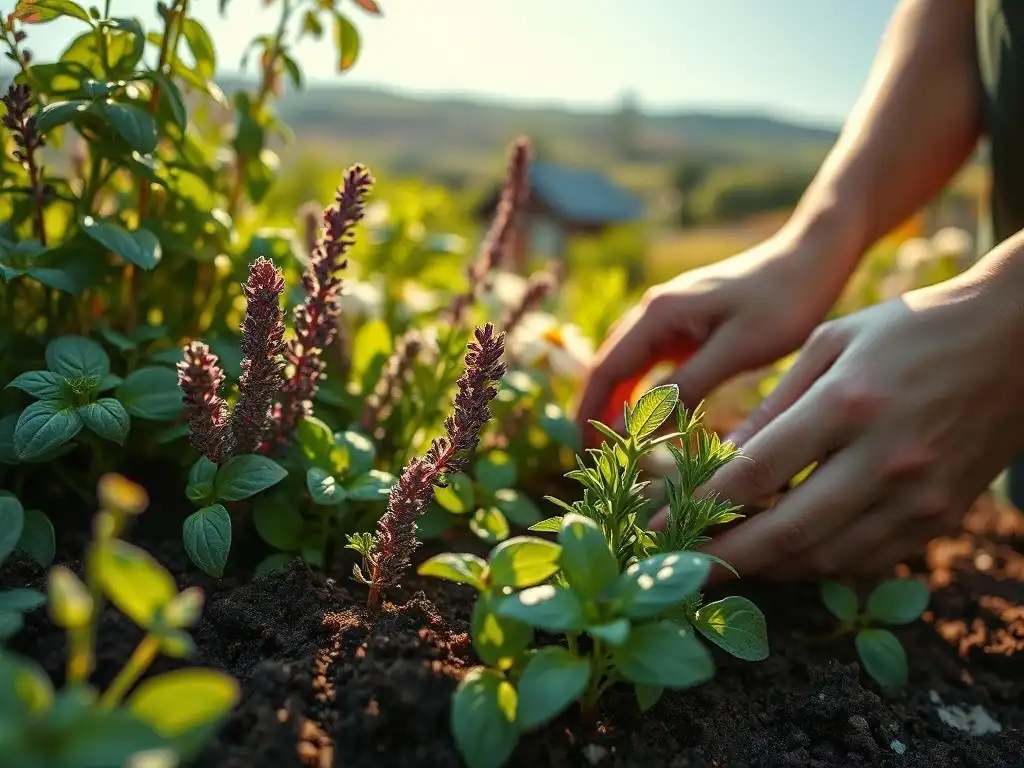
Welcome to CultivateYourFood, your guide to a thriving, sustainable garden! Are you dreaming of fresh, flavorful herbs without the allergy worries? Then you've come to the right place. Discover how to grow allergy-safe herbs organically, learning simple yet effective techniques to cultivate a bountiful harvest in your own backyard. Uncover the secrets to healthy, delicious herbs, and let's embark on this exciting journey together!
- Understanding Common Herb Allergies and Their Triggers
-
Grow Allergy-Safe Herbs Organically: A Step-by-Step Guide
- Selecting Allergy-Friendly Herb Varieties for Your Garden
- Preparing Your Soil for Organic Herb Cultivation: Nutrient-Rich and Allergen-Free
- Planting Allergy-Safe Herbs: Spacing, Depth, and Timing
- Organic Pest Control for Allergy-Friendly Herbs: Natural Methods
- Harvesting and Storing Your Allergy-Safe Herb Harvest
- Allergy-Friendly Herb Recipes and Culinary Uses
- Maintaining a Thriving and Allergy-Safe Herb Garden
- Expanding Your Allergy-Friendly Herb Garden: New Varieties to Explore
- Resources for Allergy-Sufferers Growing Herbs
- Frequently Asked Questions
- Final Reflection: Cultivating Health and Flavor, One Herb at a Time
- Unlock Flavor, Unleash Wellness: Your Allergy-Friendly Herb Journey
Understanding Common Herb Allergies and Their Triggers
Growing your own food offers numerous benefits, from enhanced flavor and freshness to the satisfaction of nurturing plants from seed to harvest. For individuals with allergies, however, home gardening requires careful consideration. This article focuses on cultivating allergy-safe herbs organically, allowing you to enjoy the culinary delights of fresh herbs without triggering unwanted reactions. We'll explore common herb allergies, identify allergenic herbs to avoid, discuss cross-contamination prevention, and detail the recognition and management of allergic symptoms.
Learning to grow allergysafe herbs organically empowers you to take control of your diet and health, creating a safe and bountiful herb garden tailored to your specific needs. This guide provides practical advice and actionable steps for allergy sufferers eager to cultivate a thriving, allergy-friendly herb garden using sustainable and organic methods. We'll equip you with the knowledge to choose the right herbs, prevent cross-contamination, and manage any potential allergic reactions effectively.
Identifying Allergenic Herbs: A Gardener's Guide to Safe Choices
Many people believe that herb allergies are rare, but some herbs can trigger allergic reactions in susceptible individuals. It's crucial to understand which herbs are most commonly implicated. While reactions vary, some of the most frequently reported allergenic herbs include: celery, parsley, mugwort, and members of the Asteraceae family (including ragweed, chamomile, and chrysanthemum). These plants share similar proteins that can cross-react, meaning an allergy to one might trigger a reaction to another. 1
It's important to note that the severity of allergic reactions can range from mild skin irritation to severe anaphylaxis. Therefore, careful selection of herbs is paramount. A good starting point for allergy sufferers is to focus on herbs known for their low allergenicity. These include:
- Basil: A versatile and flavorful herb with a low risk of allergic reactions.
- Rosemary: A fragrant and robust herb, generally well-tolerated.
- Thyme: Another hardy herb with a low potential for causing allergic reactions.
- Mint (various types): Peppermint, spearmint, and other mints are usually well-tolerated.
- Lemon Balm: A citrusy herb that’s generally safe for allergy sufferers.
Always research the specific herbs you plan to grow, checking for any reported allergic reactions before planting them near other herbs or in areas where cross-contamination could occur. Always consult with an allergist or healthcare professional before introducing new herbs into your diet, especially if you have a known allergy or sensitivity.
Cross-Contamination Risks in Herb Gardening: Prevention Strategies
Even if you choose low-allergenicity herbs, cross-contamination can still occur in your garden. Pollen from allergenic plants can drift onto other herbs, and tools used on allergenic plants can transfer allergens. Careful planning and preventative measures are essential.
Here are some key strategies to minimize cross-contamination:
- Spatial separation: Plant allergy-safe herbs far away from potentially allergenic plants, ideally in separate garden beds or containers. Consider using windbreaks to reduce pollen drift.
- Dedicated tools: Use separate tools and gloves for each group of plants (allergen-safe herbs vs. potentially allergenic plants). Thoroughly clean tools between uses.
- Handwashing: Always wash your hands thoroughly after handling any plants, especially before touching your face or eating.
- Careful harvesting: Harvest allergy-safe herbs carefully, avoiding contact with potentially allergenic plants.
- Air circulation: Ensure good air circulation in your garden to reduce pollen concentration.
Implementing these preventative measures significantly reduces the risk of cross-contamination and makes your herb garden safer for allergy sufferers. Remember, even small amounts of allergens can trigger a reaction, so thoroughness is key.
Symptoms of Herb Allergies: Recognizing and Responding
Allergic reactions to herbs can manifest in various ways, ranging from mild to severe. Recognizing the symptoms is crucial for prompt and appropriate action. Common symptoms include:
- Skin reactions: Itching, rash, hives, swelling (angioedema), eczema flare-ups.
- Respiratory symptoms: Runny nose, sneezing, coughing, wheezing, shortness of breath.
- Gastrointestinal symptoms: Nausea, vomiting, diarrhea, abdominal cramps.
- Systemic symptoms (severe): Anaphylaxis (a life-threatening reaction characterized by difficulty breathing, swelling of the throat, dizziness, and loss of consciousness).
If you experience any of these symptoms after handling or consuming herbs, seek immediate medical attention, especially if symptoms are severe or rapidly worsening. Having an epinephrine auto-injector (EpiPen) readily available is crucial for those with a history of severe allergic reactions. Early intervention is essential in managing allergic reactions and preventing serious complications. Always carry your allergy action plan, and be sure your family and friends know how to recognize and respond to a severe allergic reaction.
1 Further research is needed to specify the exact protein structures and cross-reactivity details for various herbs.
Grow Allergy-Safe Herbs Organically: A Step-by-Step Guide
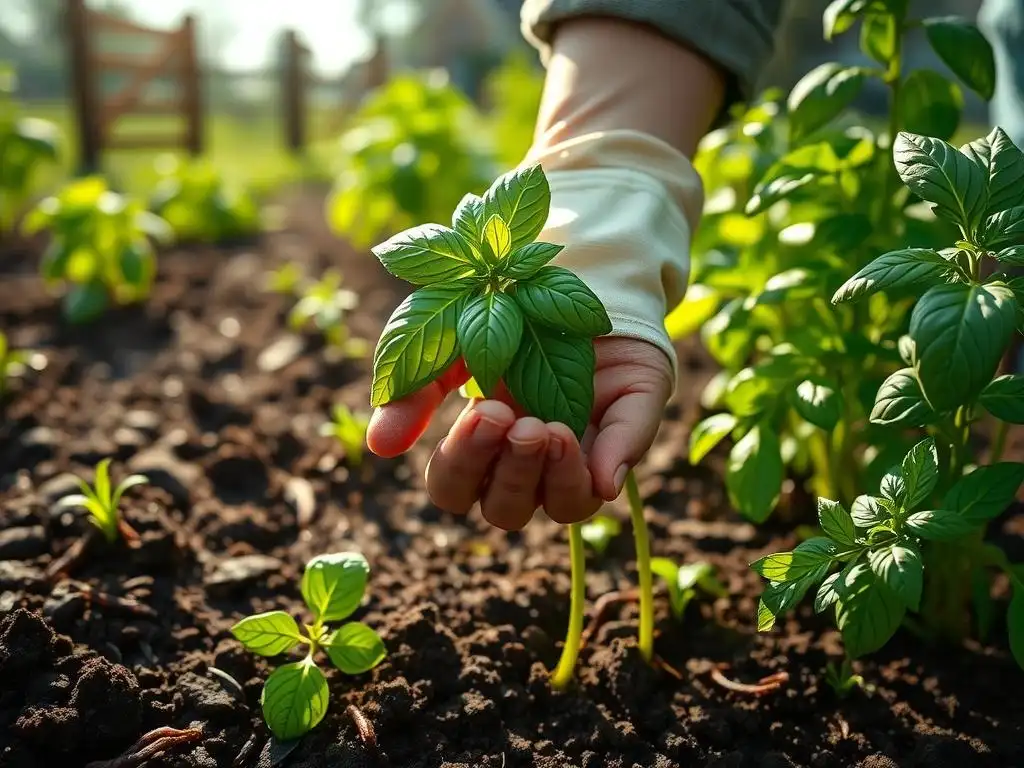
This section provides a comprehensive guide on cultivating allergy-safe herbs organically, minimizing the risk of allergic reactions while maximizing the flavor and nutritional benefits of your homegrown produce. Growing your own herbs offers control over the entire process, from seed to table, ensuring purity and freshness. This is particularly important for individuals with allergies. We will explore selecting appropriate varieties, preparing the soil, and the planting process, all within the framework of organic gardening practices. Let's get started on your journey to a flavorful and allergy-friendly herb garden!
Selecting Allergy-Friendly Herb Varieties for Your Garden
Choosing the right herb varieties is paramount when gardening for allergy sufferers. Not all herbs are created equal in terms of allergenic potential. Some individuals may experience cross-reactivity with certain plants, so careful selection is crucial. Here are some generally well-tolerated options, although individual reactions can vary:
- Low Allergenicity Herbs:
- Rosemary: A fragrant evergreen shrub with a strong, piney aroma. Generally considered safe for most allergy sufferers.
- Thyme: This versatile herb comes in many varieties and is known for its slightly lemony flavor. Low allergenicity is typically reported.
- Oregano: A robust herb with a pungent, earthy flavor often used in Mediterranean cuisine. Generally well-tolerated.
- Basil: A popular culinary herb with a sweet, slightly peppery taste. While generally safe, some individuals with pollen allergies might experience mild reactions. Consider carefully monitoring your response if you have pollen sensitivities.
- Parsley: A common herb with a fresh, slightly grassy flavor. Generally considered low-risk.
- Herbs Requiring Careful Consideration:
- Mint Family (including peppermint, spearmint, etc.): While generally safe, some individuals with ragweed allergies may experience cross-reactivity. Start with small quantities and monitor your response.
- Cilantro/Coriander: Some individuals report mild skin irritation. Always wash thoroughly after handling.
Remember to always conduct a small patch test before widespread planting, especially if you have a history of allergies. Begin by consuming a small amount of the fresh herb and monitor for any adverse reactions. This cautious approach is crucial for managing potential allergies. 🌱
Preparing Your Soil for Organic Herb Cultivation: Nutrient-Rich and Allergen-Free
Preparing the soil is a crucial step in growing healthy, allergy-safe herbs organically. The soil should be nutrient-rich to support vigorous growth, and importantly, free from contaminants that could trigger allergic responses. Here's how to prepare your soil:
- Soil Testing: Begin by testing your soil's pH and nutrient levels. A balanced pH (around 6.0-7.0) is ideal for most herbs. Amend the soil as necessary with organic compost or other natural soil amendments to achieve optimal conditions.
- Composting: Using your own compost is a fantastic way to ensure a clean and nutrient-rich soil. Avoid adding any allergenic materials such as certain weeds or plants that trigger reactions in you. Focus on kitchen scraps, yard waste, and other organic materials safe for your sensitivities.
- Weed Control: Thoroughly remove weeds from the planting area. Weeds can compete with your herbs for nutrients and potentially introduce allergens. Organic methods of weed control, such as mulching, are preferred.
- Soil Sterilization (Optional): For individuals with severe allergies, consider solarizing the soil. This involves covering the soil with clear plastic during the hottest part of the summer to kill weed seeds, pathogens, and some soil-borne allergens. This method is environmentally friendly and avoids harsh chemicals.
By following these steps, you can create a healthy and allergen-free environment for your allergy-safe herbs to thrive. Remember, a healthy soil translates to healthy herbs! 🌿
Planting Allergy-Safe Herbs: Spacing, Depth, and Timing
Successful herb cultivation depends on proper planting techniques. Spacing, planting depth, and timing are critical for optimal growth and yield.
- Spacing: Provide adequate spacing between plants to allow for air circulation and prevent overcrowding. Overcrowding can lead to disease and reduced yields. Refer to the specific planting instructions for each herb variety. Generally, smaller herbs like thyme require less space than larger herbs such as rosemary.
- Planting Depth: Plant seeds or seedlings at the appropriate depth. Too shallow, and they might not establish properly; too deep, and they might not germinate. Follow the instructions provided with your seeds or seedlings.
- Timing: The best time to plant depends on your climate and the specific herb. Many herbs can be started indoors from seeds several weeks before the last expected frost. Hardy herbs can be directly sown outdoors after the last frost has passed. Consult a gardening calendar or online resources for specific planting times in your region.
- Organic Practices: Always use organic seeds and avoid the use of chemical fertilizers or pesticides. These can contaminate your herbs and potentially trigger allergic reactions. Focus on natural pest control methods to protect your plants.
By following these guidelines, you will cultivate a thriving and allergy-friendly herb garden, ensuring a safe and delicious harvest. Remember to always prioritize your health and well-being when gardening. Happy growing! 🧑🌾
Organic Pest Control for Allergy-Friendly Herbs: Natural Methods
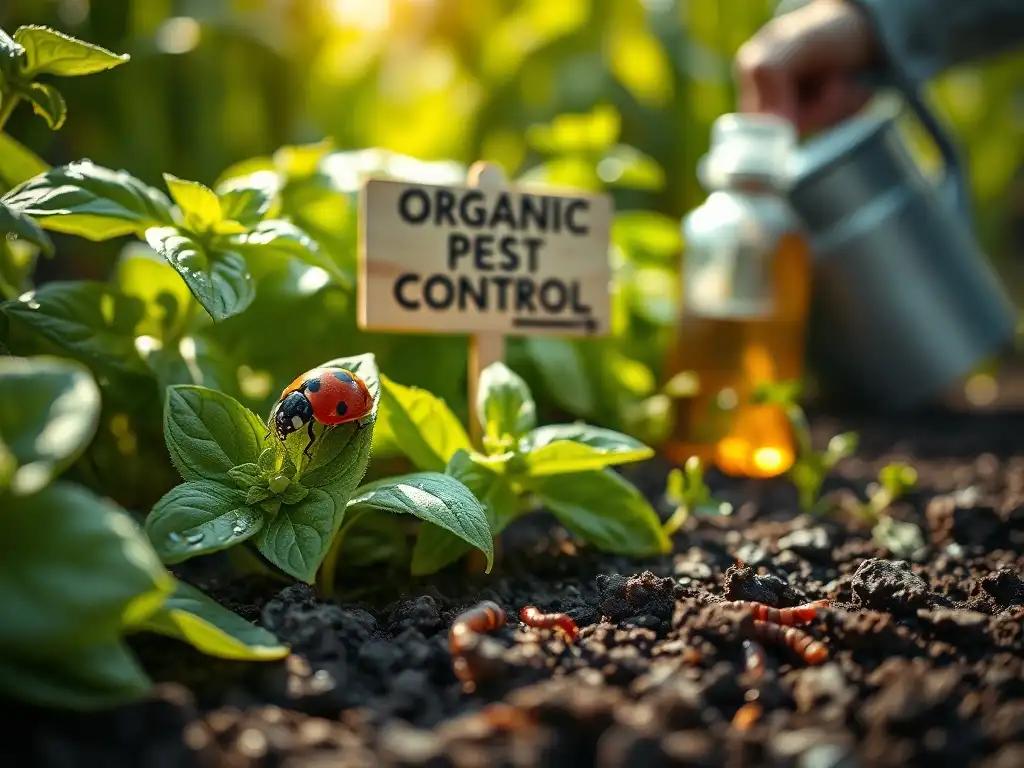
Growing allergy-safe herbs organically necessitates a commitment to pest control methods that avoid harsh chemicals. These chemicals can not only trigger allergic reactions in sensitive individuals but also contaminate the herbs, rendering them unsuitable for consumption. Fortunately, numerous natural and effective pest control strategies exist. One of the most fundamental is preventative care. This involves selecting strong, healthy herb seedlings and providing them with optimal growing conditions – well-draining soil, adequate sunlight, and appropriate watering. A healthy plant is far less susceptible to pest infestations.
Another crucial aspect is companion planting. Certain plants naturally repel pests. For instance, planting basil alongside tomatoes is known to deter tomato hornworms. Similarly, marigolds planted amongst your herbs can deter nematodes and other soil-borne pests. This strategy minimizes the need for intervention while promoting biodiversity in your garden.
When pests do appear, consider using natural deterrents. A strong spray of water can dislodge aphids and other soft-bodied insects. Neem oil, a natural insecticide derived from the neem tree, is highly effective against a wide range of pests without harming beneficial insects or pollinators. Diatomaceous earth, a fossilized algae, acts as a natural insecticide by cutting into the exoskeletons of insects.
Remember to always follow the instructions on any natural pest control product carefully. Regular monitoring of your herbs is key; early detection of pest problems allows for prompt and effective action before the infestation becomes severe. This proactive approach ensures a healthy harvest of your allergy-safe herbs.
Harvesting and Storing Your Allergy-Safe Herb Harvest
Timing is critical when harvesting your allergy-safe herbs. The best time to harvest most herbs is just before they flower, when their essential oil content is at its peak, resulting in the most potent flavor. However, some herbs, like rosemary and thyme, can be harvested throughout the growing season. Always use clean, sharp scissors or shears to prevent damaging the plants. Harvesting in the morning, after the dew has dried, is ideal, as the essential oils are most concentrated at this time.
Proper storage is equally important to maintain the quality and prevent spoilage. Fresh herbs can be stored in the refrigerator in airtight containers or wrapped in damp paper towels. They can also be frozen for longer-term storage. To freeze herbs, finely chop them and place them in ice cube trays with a little water or olive oil before freezing. Once frozen, transfer the cubes to a freezer bag for long-term storage.
Another option is to dry your herbs. This involves hanging them upside down in a dark, well-ventilated area for several weeks, or using a food dehydrator. Dried herbs should be stored in airtight containers in a cool, dark, and dry place. Proper harvesting and storage techniques will help you enjoy the delicious flavor and health benefits of your organically grown allergy-safe herbs for as long as possible. 🌿
Allergy-Friendly Herb Recipes and Culinary Uses
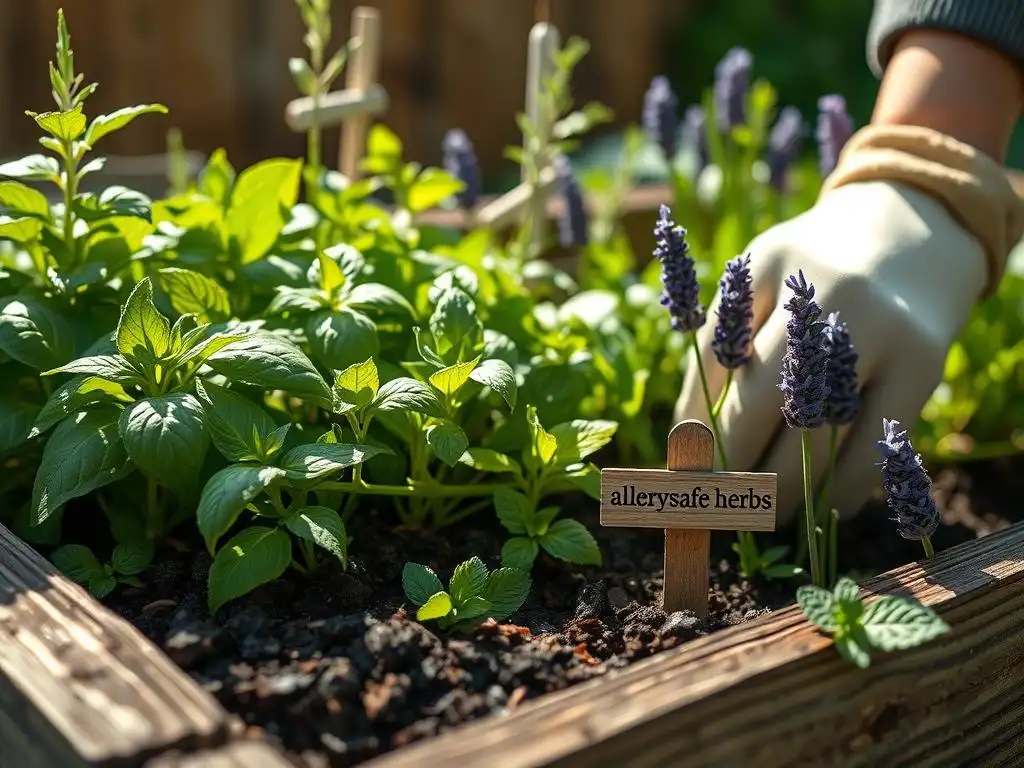
Incorporating Allergy-Safe Herbs into Your Cooking: Flavor Profiles and Substitutions
Growing your own allergy-safe herbs organically offers a fantastic way to control what goes into your food and avoid potential cross-contamination. But knowing which herbs are safe and how to best utilize them in cooking is key. Many common herbs are naturally allergy-friendly, providing a diverse range of flavors to enhance your dishes.
Let's explore some popular choices and their culinary applications:
- Basil: This fragrant herb is a staple in many cuisines and is generally considered safe for most allergies. Its slightly peppery, sweet aroma pairs beautifully with tomatoes, pesto, and pasta dishes. Consider growing Genovese basil for its classic flavor or experiment with Thai basil for a more anise-like note.
- Rosemary: This woody herb boasts a strong, piney flavor and is excellent for roasted meats, potatoes, and bread. Rosemary is a robust plant, relatively easy to grow organically, and poses little risk for common food allergies.
- Thyme: With its subtly lemony and earthy taste, thyme is a versatile herb perfect for soups, stews, and poultry. Consider growing lemon thyme for a brighter citrusy flavor profile. Thyme is another excellent choice for those seeking allergy-safe organic herbs.
- Oregano: This pungent herb is known for its robust, slightly bitter flavor, making it ideal for Italian and Mediterranean dishes. Oregano is generally hypoallergenic and easy to cultivate organically.
Substituting Allergens: When substituting herbs for allergen-containing ingredients, consider the flavor profile you're aiming for. For instance, oregano can add a depth of flavor similar to some spices that might trigger allergies. Always check ingredient labels carefully, even for herbs, as some commercially packaged herbs may contain allergens as cross-contaminants.
Simple Allergy-Friendly Herb Recipes: Salads, Teas, and More
Here are a few simple recipes showcasing the versatility of allergy-safe herbs grown organically:
1. Simple Herb Salad:
- 2 cups mixed greens (ensure they are organically grown and free from potential cross-contamination)
- 1/4 cup chopped basil
- 1/4 cup chopped oregano
- 1 tablespoon olive oil
- 1 tablespoon lemon juice
- Salt and pepper to taste
Combine the greens, herbs, olive oil, and lemon juice in a bowl. Season with salt and pepper. Enjoy this refreshing and flavorful salad as a light lunch or side dish.
2. Soothing Herb Tea:
- 1 teaspoon dried thyme
- 1 teaspoon dried rosemary
- 1 cup boiling water
Steep the herbs in boiling water for 10-15 minutes. Strain and enjoy. This calming tea is perfect for relaxation and can be customized with other allergy-safe herbs like chamomile (ensure it's grown organically and checked for potential cross-contamination).
3. Herb-Infused Olive Oil:
- 1 cup extra virgin olive oil
- 1/2 cup mixed fresh herbs (basil, rosemary, thyme – organically grown)
Combine the herbs and olive oil in a clean glass jar. Let it sit in a cool, dark place for at least 2 weeks, shaking occasionally. Strain the oil and use it to dress salads, sauté vegetables, or drizzle over bread. This adds a delightful herbal touch to your culinary creations.
Preserving Allergy-Safe Herbs for Year-Round Use: Drying, Freezing, and Infusions
Preserving your organically grown, allergy-safe herbs ensures you can enjoy their flavor throughout the year. Here are several effective methods:
1. Drying: Bundling herbs together and hanging them upside down in a dark, dry place is a classic method. Once completely dried (usually 1-2 weeks), crumble the leaves and store them in airtight containers away from light and moisture. This preserves their flavor and aroma for several months.
2. Freezing: Freezing herbs helps retain their color and nutrients. Chop the herbs finely and place them in ice cube trays with a small amount of olive oil or water. Once frozen, transfer the cubes to freezer bags for long-term storage.
3. Infusions: Create flavorful oils and vinegars by infusing your herbs. Simply submerge fresh herbs in olive oil or vinegar, letting them steep for several weeks. Strain and store in airtight containers. This method adds a unique aromatic dimension to your cooking.
Remember: Always ensure that your preservation containers are clean and free from any potential cross-contaminants to maintain the allergy-safe nature of your herbs. Proper labeling is also crucial for easy identification and inventory management. Growing your own allergysafe herbs organically provides a delicious and safe way to enjoy fresh flavors year-round.
Maintaining a Thriving and Allergy-Safe Herb Garden
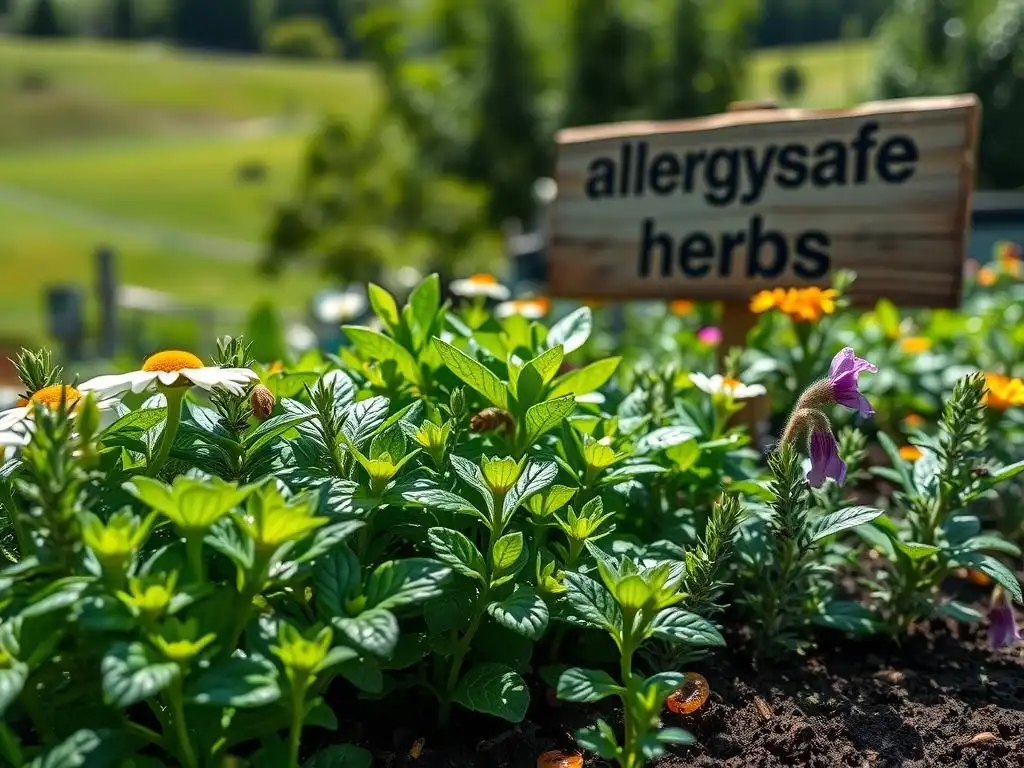
This section focuses on the practical aspects of cultivating a flourishing herb garden while ensuring it remains a safe haven for allergy sufferers. We'll explore strategies for weed and pest control, watering and fertilizing techniques, and protecting your herbs from environmental stressors, all while adhering to organic and sustainable practices. Remember, the goal is to Grow allergysafe herbs organically, minimizing the risk of allergic reactions and maximizing the yield of your flavorful, allergy-friendly harvest.
Ongoing Weed and Pest Management for Allergy-Safe Herbs
Maintaining a weed-free and pest-free herb garden is crucial, especially when dealing with allergies. Aggressive weeds can compete with your herbs for nutrients and water, while pests can damage plants and potentially trigger allergic reactions through contact or ingestion. Organic pest control methods are paramount in an allergy-safe garden.
Here's a breakdown of effective strategies:
- Mulching: Applying a layer of organic mulch (such as straw or shredded leaves) around your herbs helps suppress weed growth, retains soil moisture, and regulates soil temperature. This creates a less hospitable environment for pests.
- Hand-weeding: Regularly hand-weeding is essential, especially in the early stages of growth. This prevents weeds from establishing themselves and outcompeting your herbs. Always wear gloves to avoid direct skin contact with potential allergens present in weeds.
- Beneficial Insects: Encourage the presence of beneficial insects, like ladybugs and lacewings, which naturally prey on common herb pests such as aphids and spider mites. Planting flowers that attract these insects can help create a balanced ecosystem.
- Natural Pest Control: Use natural pest control methods like insecticidal soap or neem oil. These are generally safer than chemical pesticides and less likely to trigger allergic reactions. Always follow the product instructions carefully and test a small area before widespread application.
- Crop Rotation: Rotate your herbs yearly to prevent the buildup of pests and diseases in the soil. This helps break the life cycle of many common herb pests.
Watering and Fertilizing Your Allergy-Friendly Herb Garden
Proper watering and fertilization are vital for healthy herb growth and abundant harvests. Overwatering can lead to root rot and fungal diseases, while underwatering can stress plants and make them more susceptible to pests. Similarly, the type of fertilizer you use impacts both plant health and the potential for allergic reactions.
- Watering Techniques: Water deeply and less frequently, encouraging deep root growth. Avoid overhead watering, which can spread diseases and attract pests. Use a drip irrigation system or soaker hoses for efficient and targeted watering.
- Organic Fertilizers: Opt for organic fertilizers, such as compost, worm castings, or seaweed extract. These provide essential nutrients without the harsh chemicals found in synthetic fertilizers, reducing the risk of allergic reactions. Avoid fertilizers containing harsh chemicals or potentially allergenic ingredients.
- Soil Testing: Regularly test your soil's pH and nutrient levels to ensure it's providing your herbs with the necessary elements for optimal growth. Adjust your fertilization strategy accordingly based on the results. This proactive approach helps maintain soil health and reduces the need for excessive fertilization.
Protecting Your Allergy-Safe Herbs from Environmental Factors
Environmental factors like extreme temperatures, strong winds, and excessive sunlight can significantly impact the health and yield of your herb garden. Protecting your herbs from these stressors is essential for maintaining a thriving and allergy-safe environment.
- Sun Protection: Some herbs thrive in full sun, while others prefer partial shade. Choose the right location for each herb based on its sunlight requirements. Consider using shade cloth during particularly hot periods to protect delicate herbs from scorching.
- Windbreaks: Strong winds can damage herbs, especially younger plants. Use windbreaks, such as hedges or strategically placed taller plants, to protect your herb garden from harsh winds.
- Frost Protection: Protect your herbs from frost during cold snaps by covering them with frost cloth or relocating them indoors. This is particularly crucial for tender herbs that are susceptible to damage from freezing temperatures.
- Rain Protection: Excessive rain can lead to fungal diseases and waterlogged soil. Consider using raised beds or providing adequate drainage to prevent waterlogging. A simple structure to provide shelter during heavy rainfall can also help.
Remember, a healthy and thriving allergy-safe herb garden requires consistent attention and care. By following these organic practices, you can enjoy a bountiful harvest of delicious and allergy-friendly herbs throughout the growing season. Happy gardening! 🌱
Expanding Your Allergy-Friendly Herb Garden: New Varieties to Explore
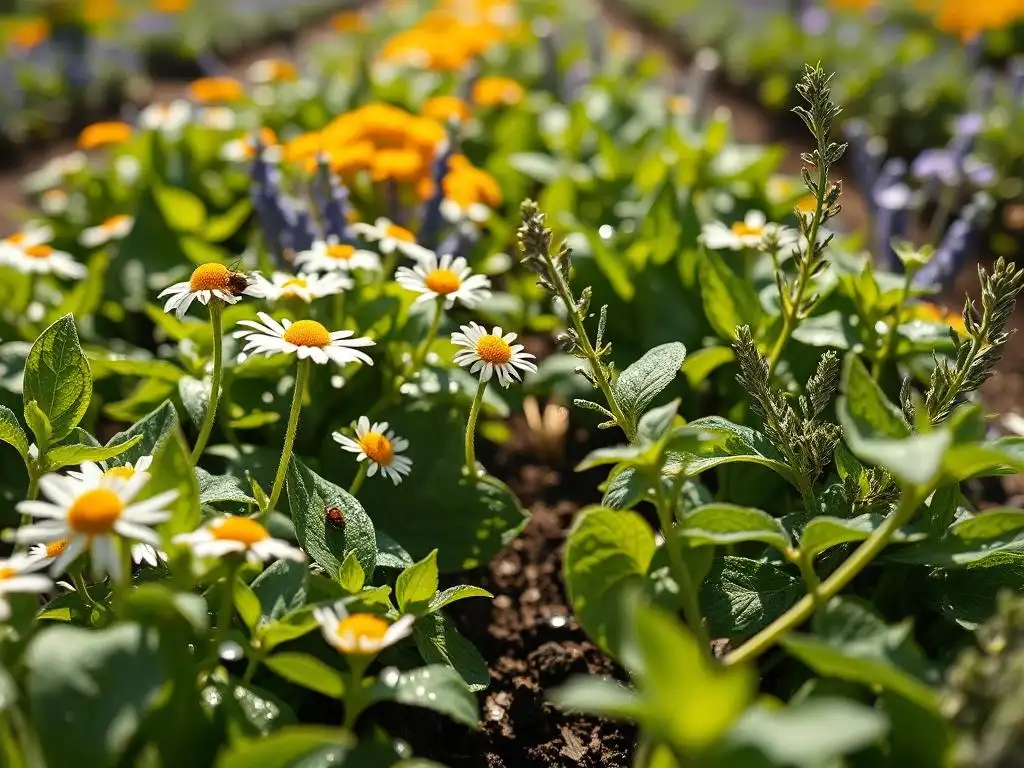
This section focuses on broadening your selection of allergy-safe herbs beyond the common basil and mint. Successfully growing allergysafe herbs organically requires exploration and experimentation. Diversifying your herb garden not only provides culinary variety but also enhances the resilience of your garden ecosystem. Let's delve into some less-conventional options.
Exploring less common allergy-safe herbs to diversify your garden
Many herbs are naturally hypoallergenic, offering a wealth of flavors and aromas for those with sensitivities. Beyond the usual suspects, consider these options for your allergy-friendly garden:
- Lemon Verbena: This fragrant herb boasts a bright, lemony flavor, perfect for teas, desserts, and savory dishes. It's generally considered safe for most allergy sufferers. Its strong scent also acts as a natural insect repellent, contributing to a healthier, more sustainable garden.
- Rosemary: A hardy perennial, rosemary offers a pungent, piney aroma and flavor. It's known for its versatility in cooking and is generally well-tolerated by those with common allergies. Growing rosemary organically helps ensure it remains free from pesticide residues.
- Thyme: Various thyme varieties, from lemon thyme to English thyme, provide diverse flavor profiles. Thyme is another robust herb that thrives in well-drained soil and is largely allergy-safe.
- Sage: Sage, with its earthy and slightly peppery flavor, adds depth to many dishes. It’s a relatively low-maintenance herb that's often safe for those with allergies.
Remember to always confirm the safety of any herb with your doctor or allergist, particularly if you have severe allergies. Even herbs generally considered safe can cause reactions in some individuals.
Researching new allergy-friendly herbs: resources and best practices
Before introducing new herbs into your allergy-friendly garden, thorough research is crucial. This includes understanding the plant's specific needs and ensuring its allergy-safe status.
Here are some key resources and best practices:
- Consult reputable botanical databases: These databases provide detailed information on plant properties, including potential allergens.
- Check with allergy organizations: Organizations dedicated to allergy research and awareness often publish lists of common allergens and safe alternatives.
- Start small: When introducing a new herb, begin with a small quantity to assess any potential reactions before planting extensively.
- Maintain meticulous records: Keep a detailed record of the herbs you grow, their growth patterns, and any observed reactions. This information is invaluable for future planning and for sharing with others.
The process of researching and selecting new herbs for your garden is an ongoing one. Staying informed about potential allergens and new research is key to maintaining a safe and productive allergy-friendly garden.
Experimenting with different cultivation methods for optimal growth
Growing allergysafe herbs organically requires paying attention to cultivation methods. Different herbs have different needs, and experimenting to find what works best in your environment is vital.
Consider these variables:
| Cultivation Method | Advantages | Disadvantages | Notes |
|---|---|---|---|
| Direct Sowing | Simple, cost-effective | Less control over germination, spacing | Ideal for hardy herbs like thyme and rosemary. |
| Starting from Seedlings | More control over germination, spacing, growth | More expensive, requires more space initially | Best for delicate herbs or those with a longer growing season. |
| Container Gardening | Flexibility, portability | Requires more frequent watering | Ideal for herbs that require specific soil conditions or limited root space. |
| Companion Planting | Pest control, improved growth | Requires careful planning | Research beneficial companion plants for your chosen herbs. |
Careful observation and record-keeping are essential to optimize your growing techniques. Note the success rates of different methods, the growth rates of your herbs, and any pest or disease issues encountered. This iterative process will help you refine your techniques and achieve optimal growth of your allergy-friendly herbs. Remember, the goal is to cultivate a thriving, sustainable, and allergy-safe herb garden that provides you with a plentiful harvest. 🌱
Resources for Allergy-Sufferers Growing Herbs
This section focuses on practical resources to help allergy sufferers successfully grow allergysafe herbs organically. Finding reliable sources for seeds and plants, and connecting with a supportive community, are crucial steps in this journey.
Finding reliable sources for allergy-safe herb seeds and plants
Sourcing seeds and plants is paramount when growing herbs for allergy sufferers. Contamination is a major concern, so selecting suppliers with rigorous quality control measures is vital. Look for companies that explicitly state their commitment to allergy-safe practices. This might involve:
- Certification: Seek out suppliers with certifications like organic certification (USDA Organic, etc.) which often include stricter standards for preventing cross-contamination. These certifications help assure you the plants haven't been exposed to allergens during growth or processing.
- Seed saving practices: If you're saving seeds from your own plants, ensure meticulous isolation to prevent cross-pollination with potentially allergenic plants. Maintain a significant distance between different herb varieties, ideally several hundred feet, to minimize the risk.
- Detailed labeling: Pay close attention to labels. Look for clear and detailed information about the plant's origin, cultivation methods, and any potential allergens. Avoid products with vague or insufficient labeling.
- Direct-from-farm options: Purchasing directly from small, organic farms can often offer greater transparency and control over the growing process. You can directly inquire about their allergy-safe practices.
- Online retailers specializing in organic and allergy-friendly products: Several online retailers specialize in selling organic and allergy-friendly seeds and plants. Thoroughly research their practices and customer reviews before making a purchase.
Remember, even with careful sourcing, always exercise caution. Wash your hands thoroughly after handling plants, and consider wearing gloves, especially if you have severe allergies.
Connecting with other allergy-suffering gardeners for support and advice
Growing herbs while managing allergies can be challenging. Connecting with a supportive community can significantly improve your experience and success rate. Several avenues exist for finding like-minded individuals:
- Online forums and communities: Numerous online forums and social media groups cater to gardeners with allergies. These platforms offer a space to share experiences, ask questions, and receive advice from others navigating similar challenges. Search for groups focused on organic gardening, allergy-friendly gardening, or specific allergy types.
- Local gardening clubs and organizations: Many local gardening clubs and organizations welcome individuals with diverse interests and needs. Attend meetings and connect with members who might have experience growing herbs while managing allergies.
- Allergy support groups: While not exclusively focused on gardening, allergy support groups can be valuable resources. Sharing your gardening experiences might connect you with others who have similar interests and knowledge. You can learn valuable tips for managing your allergy symptoms while enjoying your garden.
- Master Gardener programs: Contact your local county extension office to see if there are Master Gardener programs in your area. These programs often offer workshops and advice on various gardening topics, including organic growing techniques and managing pests and diseases. You can ask about their expertise regarding allergy-safe practices.
Building a network of support is invaluable. Sharing experiences and learning from others can significantly enhance your ability to grow allergysafe herbs organically, contributing to a healthier and more fulfilling gardening journey. Remember to always prioritize your safety and well-being.
Frequently Asked Questions
What herbs are generally considered allergy-safe?
Many herbs are low in common allergens. Good options include basil, rosemary, thyme, and oregano. Always check individual sensitivities, though.
How can I grow allergy-safe herbs organically?
Organic growing methods avoid pesticides and herbicides, reducing exposure to potential irritants. Use compost for soil enrichment and natural pest control techniques.
Are there any herbs I should avoid if I have allergies?
Some herbs like mugwort and celery can trigger reactions in sensitive individuals. Always research potential cross-reactivity with your specific allergies before planting.
What are the benefits of growing my own allergy-safe herbs?
Growing your own ensures complete control over cultivation methods, minimizing exposure to potential allergens present in commercially grown herbs. You'll know exactly what's in your food.
How can I ensure my organically grown herbs remain free from allergens?
Maintain strict hygiene practices during planting, harvesting, and processing. Keep your herb garden separate from plants that might cross-contaminate.
Final Reflection: Cultivating Health and Flavor, One Herb at a Time
The growing awareness of food allergies necessitates a shift in our approach to food production and consumption, and homegrown, allergy-safe herbs offer a powerful solution. This is not merely about avoiding reactions; it's about reclaiming control over our food sources and fostering a healthier, more inclusive culinary experience. The ability to cultivate your own allergy-friendly herbs organically empowers individuals and families to enjoy the vibrant flavors of nature without the fear of triggering debilitating symptoms.
The journey of growing your own herbs is more than just a practical solution; it's a deeply personal connection to the land and to the food we consume. It’s about understanding the origins of our sustenance and actively participating in its creation. This mindful approach resonates deeply with the growing movement towards sustainable and ethical food systems. The best way to find yourself is to lose yourself in the service of others.
– Mahatma Gandhi. While not directly about herbs, this quote speaks to the broader impact of growing your own food – a service to oneself and one's family, fostering a sense of self-sufficiency and well-being.
Now, I invite you to consider the possibilities. Imagine the fragrant basil growing in your window box, the soothing chamomile blooming in your garden, all free from the allergens that have previously limited your culinary adventures. Take the first step. Research the herbs that suit your needs and climate, gather your seeds or seedlings, and begin your journey towards a more flavorful and allergy-safe life. The rewards – both in taste and in peace of mind – are immeasurable.
Unlock Flavor, Unleash Wellness: Your Allergy-Friendly Herb Journey
Thank you for exploring the world of allergy-friendly herbs with us! We hope you've discovered delicious and safe ways to enhance your meals. Now it's time to put your knowledge into practice.
- Start experimenting! Choose a new herb from the article and incorporate it into your next meal. See how easily you can add depth and complexity to your favorite dishes.
- Share your culinary creations! Snap a picture of your allergy-friendly dish and post it on social media using #AllergyFriendlyFlavors.
- Continue exploring! Research other herbs that might suit your dietary needs and preferences. What exciting new flavor combinations can you create?
Ready to transform your cooking and discover a world of flavorful possibilities? What delicious allergy-friendly herb dish will you make first?