
CultivateYourFood: How to Plan for a YearRound Harvest with Kids

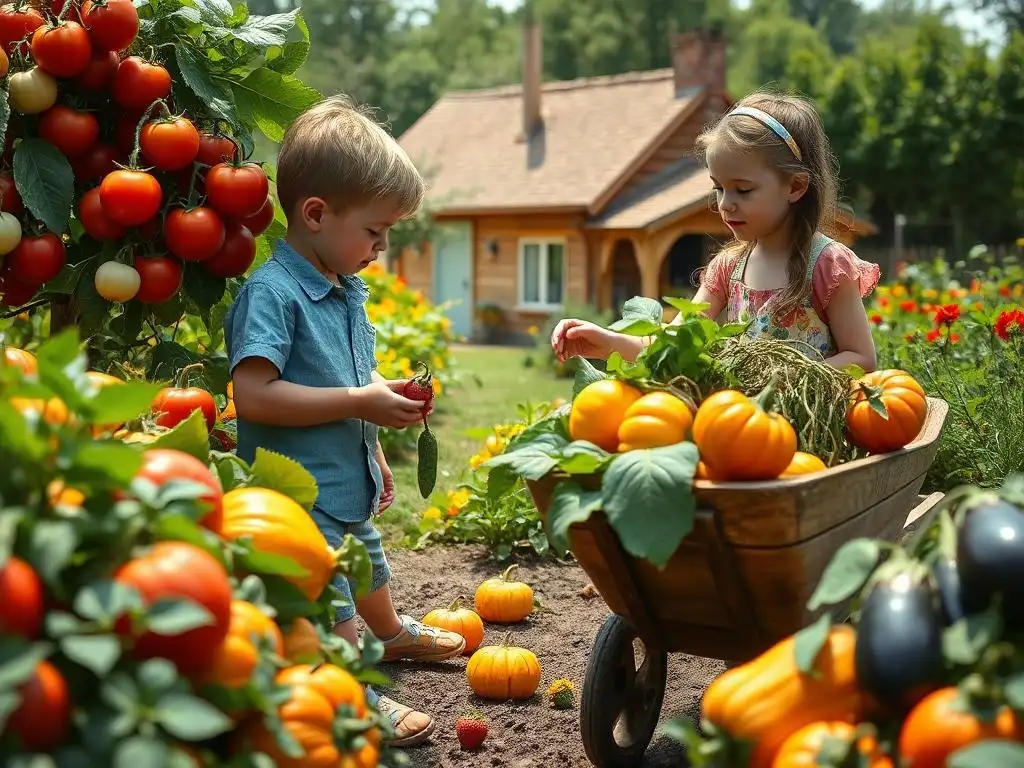
Welcome to CultivateYourFood, your guide to a thriving, sustainable garden! Are you dreaming of fresh, organic produce all year round, and involving your children in the process? Discover how to achieve a year-round harvest gardening experience that's both rewarding and educational for the whole family. Learn the secrets to successful planting, harvesting, and pest control – transforming your backyard into a vibrant, productive oasis. Let's cultivate a future together, one harvest at a time!
- Planning Your Year-Round Garden with Children: A Family Affair
- Selecting Crops for a Continuous Harvest: A Kid-Friendly Approach
- Year-Round Gardening Techniques for Kids: A Step-by-Step Guide
- Maintaining Your Year-Round Garden: Family Fun and Learning
- Troubleshooting Common Year-Round Gardening Challenges
- Resources for Year-Round Gardening with Kids
-
Frequently Asked Questions
- What is year-round harvesting, and is it really possible?
- How can I get my kids involved in year-round gardening?
- What are some easy-to-grow crops for year-round harvesting suitable for kids?
- How do I protect my plants from harsh weather conditions during year-round gardening?
- What are some sustainable and organic pest control methods suitable for kids' involvement?
- Final Reflection: The Seeds of a Sustainable Future, Planted with Little Hands
- Unleash Your Family's Green Thumb: Grow Together!
Planning Your Year-Round Garden with Children: A Family Affair
Cultivating a year-round harvest is a rewarding endeavor, offering fresh, healthy produce throughout the year. But involving children in this process transforms it from a chore into a fun, educational family experience. This guide will help you plan and maintain a thriving garden that provides a continuous supply of fruits, vegetables, and herbs while simultaneously teaching your kids valuable life skills and fostering a love for nature.
We'll explore how to assess your space and climate, choose appropriate crops, and most importantly, how to engage children of all ages in every step of the gardening journey, making it a truly enriching family affair. From understanding frost dates to delegating age-appropriate responsibilities, we'll cover everything you need to know to build a successful and fun year-round garden with your kids. This approach not only ensures a continuous harvest but also cultivates a deeper appreciation for where our food comes from, promoting healthy eating habits and environmental awareness in the next generation.
Let's get started on this exciting journey towards a year-round harvest! 🥕👨👩👧👦
Assessing Your Space and Climate for Year-Round Gardening
Successfully cultivating a year-round harvest requires careful consideration of your available space and the local climate. Understanding these factors is crucial for selecting appropriate crops and implementing effective gardening strategies. This section will delve into the specifics of evaluating your gardening environment and choosing plants that thrive in your unique conditions. Remember, even a small space can yield a surprising amount of produce with careful planning!
Understanding Your Microclimate and Frost Dates
Knowing your specific microclimate is paramount. Even within a small area, variations in sunlight, wind exposure, and soil drainage can significantly impact plant growth. Observe your garden throughout the day—note areas that receive full sun, partial shade, and complete shade. This information is crucial for choosing suitable plants. Equally important are your local frost dates.
These indicate the last expected frost in spring and the first expected frost in autumn. This information dictates the planting and harvesting times for many crops, helping you plan for a continuous yield. Accurate frost date information can usually be found through your local agricultural extension office or online weather resources. Consider using a frost protection method such as row covers or cloches to extend your growing season.
Choosing Sun-Loving and Shade-Tolerant Crops for Succession Planting
Succession planting, the practice of planting new crops as others are harvested, is key to a year-round harvest. To maximize your yield, select a mix of sun-loving and shade-tolerant crops. For example, leafy greens like lettuce and spinach often thrive in partial shade, while tomatoes and peppers require at least six hours of direct sunlight daily.
Careful planning, using a garden planner or a simple calendar, will allow you to stagger plantings and ensure a consistent supply of produce. Research the sunlight requirements of each plant you choose and plan accordingly, considering the different microclimates within your garden. Remember to include a variety of crops to ensure a diverse and interesting harvest.
Engaging Kids in the Garden Planning Process: Age-Appropriate Tasks
Involving children in the garden planning process is not only fun but also educational. It fosters a sense of ownership and responsibility, teaching them about the cycle of life and the importance of sustainable practices. However, the tasks assigned should be age-appropriate to ensure their engagement and prevent frustration.
Involving Young Children in Simple Gardening Tasks
Even the youngest children can participate in simple gardening tasks. For toddlers and preschoolers, consider activities like watering plants with small watering cans (under supervision! ), helping to loosen soil with small tools, or planting large seeds like sunflowers. Make it a game! Let them choose their favorite seeds or help them decorate small plant markers. Remember to emphasize the importance of gentle handling of plants and tools. Keep it fun and short, and celebrate their successes! 🎉
Delegating Age-Appropriate Responsibilities to Older Children
Older children can take on more responsibility. School-aged children can help with weeding, harvesting, and even simple composting. They can learn about plant care, pest control (using natural methods! ), and the importance of crop rotation. Involving them in decision-making, like choosing which vegetables to plant, empowers them and increases their interest in the garden.
Create a chart or a calendar to track tasks and responsibilities, turning gardening into a collaborative family project. Consider creating a small section of the garden dedicated to their own plants, fostering individual ownership and pride. This is a fantastic way to teach responsibility and the rewards of hard work. 🌱
Selecting Crops for a Continuous Harvest: A Kid-Friendly Approach
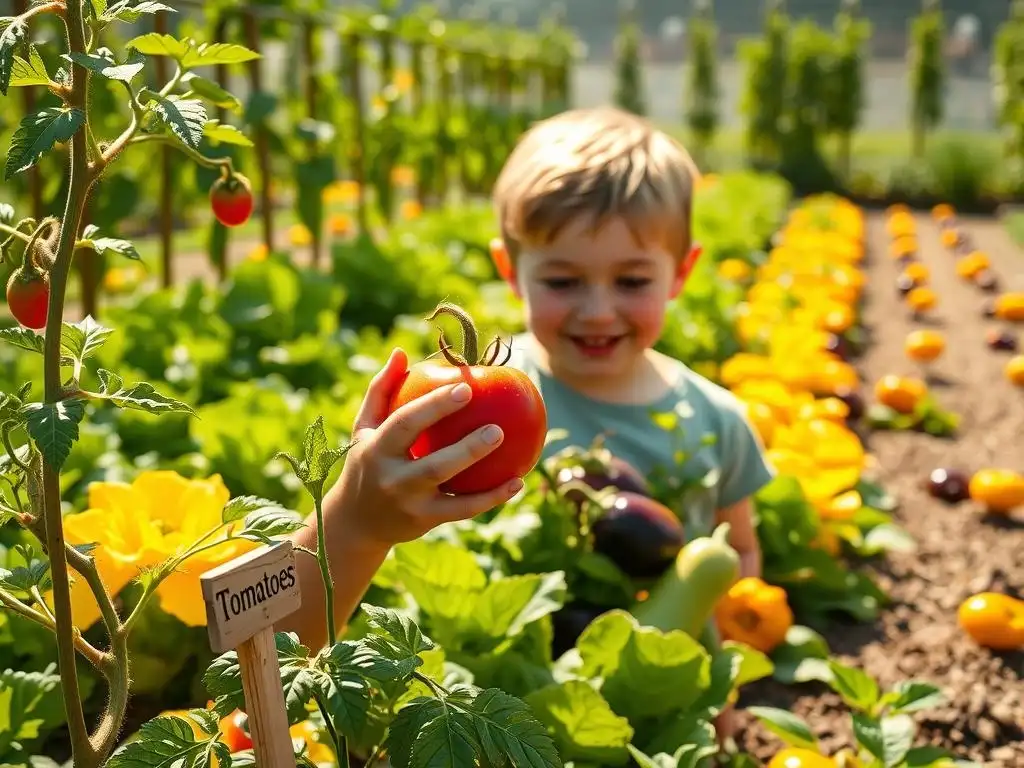
This section focuses on choosing plants that will provide a year-round harvest, keeping in mind the engagement and participation of children. A successful year-round harvest gardening project with kids requires careful planning and selection of appropriate crops. We'll explore easy-to-grow options, focusing on varieties that offer quick results to maintain children's enthusiasm and those that can withstand varying weather conditions. This ensures a continuous supply of fresh produce throughout the year, fostering a sense of accomplishment and connection with nature in young gardeners.
Choosing Easy-to-Grow Vegetables for Year-Round Production
Getting kids involved in gardening means selecting vegetables that are relatively low-maintenance and offer quick rewards. This fosters their interest and encourages continued participation. Patience is key, but quick wins are essential for maintaining enthusiasm, especially with younger children.
Fast-Growing Vegetables for Quick Results and Early Success
Fast-growing vegetables provide instant gratification, perfect for keeping children engaged. Radishes, for example, are ready for harvest in as little as 3-4 weeks from planting. Lettuce varieties like loose-leaf lettuces also mature quickly and can be harvested continuously by picking outer leaves, leaving the inner leaves to continue growing. Similarly, bush beans are a great choice, producing a bounty within a couple of months. These quick wins build confidence and excitement, motivating young gardeners to continue their efforts. Consider starting seeds indoors a few weeks before the last expected frost to get a head start on the growing season.
Cold-Hardy Vegetables for Extending the Growing Season
Extending the harvest into cooler months is crucial for a year-round supply. Certain vegetables thrive in cooler temperatures and even tolerate light frosts. Kale, spinach, and chard are excellent choices, providing nutritious greens throughout autumn and even into early winter in many climates. These cold-hardy vegetables can be planted in succession throughout the growing season for a staggered harvest. Consider using cold frames or row covers to protect these plants from harsh weather, extending their productive life well into the colder months. This teaches children about adapting gardening practices to different seasons.
Fruit and Herb Selection for Year-Round Abundance
Incorporating fruits and herbs into your year-round harvest plan adds diversity and flavor. Careful selection is key to ensure a continuous supply throughout the year, even in areas with shorter growing seasons. Remember that even small spaces can be optimized for a variety of plants.
Dwarf Fruit Trees and Berries for Small Spaces
Dwarf fruit trees and berry bushes are ideal for small gardens or even containers, making them perfect for involving children in a year-round harvest. Dwarf apple, pear, and cherry trees offer a range of fruit throughout the year depending on the variety. Similarly, many berry bushes, such as raspberries and blueberries, produce fruit over an extended period. The visual appeal of growing fruit, and the ultimate reward of harvesting and eating it, is a potent motivator for young gardeners. Consider choosing varieties that are suited to your specific climate and growing conditions.
Hardy Herbs that Thrive in Different Seasons
Herbs are another excellent addition to a year-round harvest garden, offering culinary versatility and ease of care. Many herbs are surprisingly hardy and can tolerate a wide range of temperatures. Chives, parsley, and mint are relatively easy to grow and can provide a continuous supply of fresh herbs throughout much of the year.
Rosemary and thyme are also relatively cold-hardy, providing flavor even during colder months. Growing herbs in containers allows for easy relocation to protected areas during harsh weather, making them perfect for children to manage. The simple act of snipping fresh herbs for cooking adds a sense of accomplishment and connects children directly to the food they eat.
Year-Round Gardening Techniques for Kids: A Step-by-Step Guide
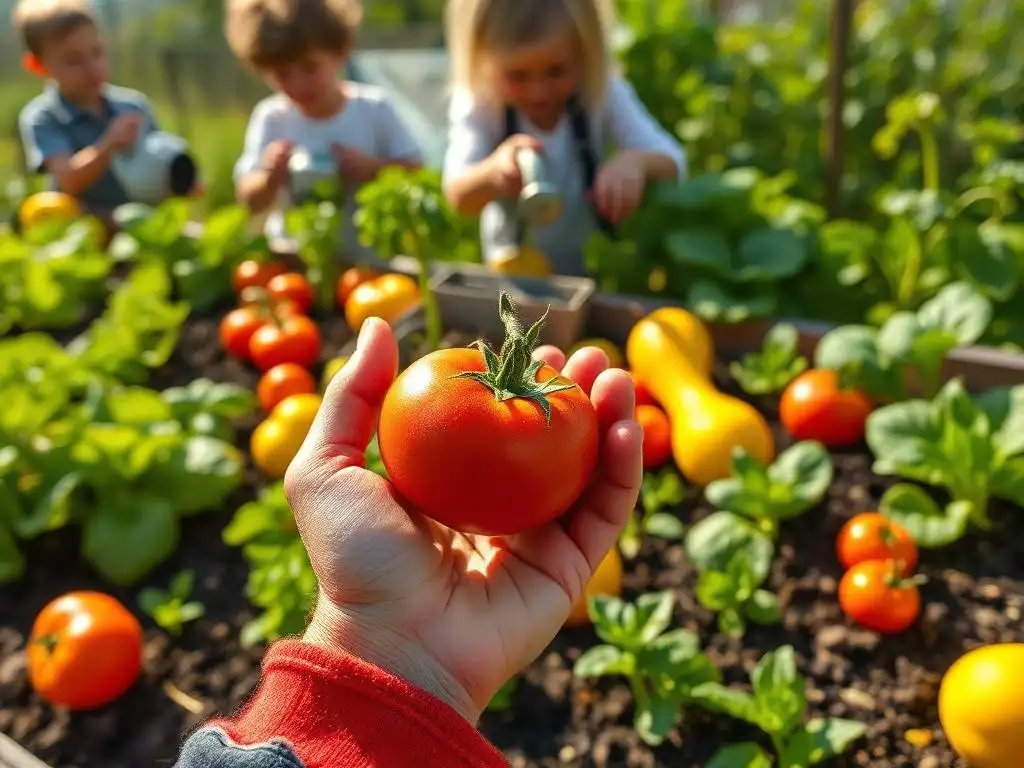
This section details practical year-round gardening techniques designed to engage children while fostering a deeper understanding of sustainable food production. We'll explore simple, manageable steps to achieve a year-round harvest, even with limited space. The focus is on making gardening fun and educational for kids of all ages, promoting a love for nature and healthy eating habits. Remember, patience and positive reinforcement are key to success!
Starting Seeds Indoors with Children: A Fun and Educational Activity
Starting seeds indoors is a fantastic way to extend your growing season and get kids involved early in the process. It allows for careful monitoring of germination and growth, providing valuable learning experiences. The process can be adapted to suit different age groups, with younger children assisting with simpler tasks and older children taking on more responsibility.
Creating a Simple Indoor Seed Starting Station
Setting up a dedicated seed-starting station is crucial for organization and success. This doesn't require expensive equipment; repurposed containers work perfectly! Here's what you need:
- Containers: Egg cartons, yogurt cups, or small pots with drainage holes.
- Seed Starting Mix: A soilless mix is ideal, ensuring proper drainage and aeration. Avoid using garden soil, as it may contain diseases or pests.
- Water Spray Bottle: Gentle watering is essential to avoid washing away seeds or overwatering.
- Labels: Clearly label each container with the plant type and planting date.
- Grow Lights (optional): Especially useful during winter months, grow lights supplement natural light, promoting healthy seedling development.
Monitoring Seed Germination and Growth with Kids
Once seeds are planted, regular monitoring is key. This is where kids can play a significant role:
- Daily Observation: Encourage children to check the containers daily, noting changes in moisture levels and the emergence of seedlings. This fosters observation skills and patience.
- Watering: Teach children the importance of gentle watering, ensuring the soil is consistently moist but not soggy. Overwatering can lead to damping off, a common problem for seedlings.
- Light Adjustment: If using grow lights, ensure they are positioned correctly to provide adequate light without overheating the seedlings. Rotate containers regularly to ensure even growth.
- Thinning (for denser plantings): Once seedlings have multiple true leaves, carefully thin out weaker plants, giving stronger ones more space to grow. This teaches children about plant competition and resource management. Older children can assist with this more delicate task.
Remember to document the progress! A simple chart tracking germination dates, growth rates, and any observations makes the process more engaging and provides valuable data for future gardening endeavors.
Transplanting Seedlings Outdoors: A Teamwork Effort
Once seedlings have developed several true leaves (typically 4-6), they're ready for transplanting outdoors. This is an excellent opportunity for collaborative gardening with your children.
Preparing the Garden Bed Together
Before transplanting, prepare the garden bed:
- Soil Preparation: Loosen the soil with a garden fork or trowel. This improves drainage and aeration, essential for healthy root development. Kids can help with the less strenuous parts of this process.
- Weed Removal: Remove any weeds or debris from the garden bed. This prevents competition for resources and reduces the risk of pests and diseases. Children can participate in this task, learning about weed identification and removal.
- Amendments (optional): Improve soil fertility by adding compost or other organic amendments. This enhances soil structure and provides essential nutrients for healthy plant growth. Older children can assist with measuring and mixing amendments.
Carefully Transplanting Seedlings with Children's Help
Transplanting seedlings requires care to avoid damaging the roots. Involve the kids in this crucial step:
- Gentle Handling: Teach children to handle seedlings gently, supporting the base of the plant to avoid damaging the fragile stems and roots.
- Digging Holes: Children can help dig small holes, ensuring they are deep enough to accommodate the root systems of the seedlings.
- Planting: Carefully place the seedlings in the holes, ensuring the root systems are covered with soil.
- Watering: Gently water the newly transplanted seedlings to help them settle into their new environment.
Remember to space the seedlings appropriately, according to the mature size of the plants. This will ensure adequate sunlight and air circulation for healthy growth. A well-planned and executed transplanting process is a crucial step towards a successful year-round harvest, and involving kids makes the experience even more rewarding. The entire process, from seed to harvest, teaches valuable life lessons about patience, responsibility, and the wonder of nature.
Implementing Succession Planting: Extending the Harvest
Succession planting is a crucial technique for achieving a year-round harvest, and it's a fantastic educational opportunity for children. It involves planting new crops at regular intervals to replace those that have finished producing. This ensures a continuous supply of fresh produce throughout the growing season. For example, instead of planting all your lettuce seeds at once, plant a small batch every two weeks.
This staggered approach means you'll have fresh lettuce for a much longer period. Kids can actively participate in this process, learning about plant growth cycles and the importance of timing. They can even create a simple planting schedule using a calendar, marking down planting and harvesting dates for each crop.
This hands-on approach fosters a deeper understanding of the process and encourages their involvement in the garden's success. We can even use colorful stickers or drawings to make the calendar more engaging for children. The satisfaction of harvesting fresh produce from their own planned succession planting will be incredibly rewarding!
Planning for Continuous Planting Cycles
Planning continuous planting cycles requires careful consideration of each crop's growth time and the climate. A detailed planting calendar is essential. For instance, fast-growing crops like radishes and lettuce can be planted frequently, while slower-growing crops like tomatoes and peppers need more advanced planning. Children can assist in this process by tracking the days to maturity for different plants, using seed packets or online resources. This teaches them valuable research and planning skills.
We can even use a whiteboard to visually represent the planting schedule, allowing kids to physically move markers as plants are sown and harvested. This visual representation helps them to grasp the concept of time and planning in relation to plant growth. Remember to factor in the local climate and frost dates to ensure the success of each planting cycle. For example, in areas with shorter growing seasons, selecting fast-maturing varieties is crucial for maximizing yield.
Teaching Kids about Crop Rotation
Crop rotation is another vital aspect of sustainable gardening. It involves planting different types of crops in the same area each year to prevent soil depletion and reduce pest and disease problems. For instance, legumes like beans and peas add nitrogen to the soil, benefiting subsequent crops.
Children can easily understand this concept by creating a simple diagram showing the rotation of different plant families. Using colorful markers and drawings makes this a fun and engaging educational activity. For example, they can draw a square representing a garden bed and label each section with the type of crop planted in that area for each year in the rotation.
This hands-on approach helps them visualize the importance of crop rotation in maintaining soil health and preventing pest infestations. A successful crop rotation plan leads to healthier plants and a more abundant harvest, teaching kids the importance of long-term planning and soil stewardship.
Pest Control and Disease Prevention: Kid-Safe Methods
Protecting your garden from pests and diseases is crucial for a successful year-round harvest, and there are many kid-friendly methods to achieve this. It’s essential to avoid harmful chemicals, opting instead for organic and safe alternatives. This fosters a responsible approach to environmental stewardship from a young age. Focusing on prevention is key. Regularly inspecting plants for signs of pests or diseases is a simple task children can perform. They can learn to identify common garden pests and diseases through visual aids and field guides specifically designed for children, making learning fun and engaging.
Introducing Natural Pest Control Techniques
Natural pest control methods are both effective and safe for children. These include companion planting (planting certain plants together to deter pests), hand-picking pests, and using beneficial insects. For example, marigolds planted amongst tomatoes can help repel certain pests. Children can actively participate in hand-picking pests, learning about the life cycle of common garden pests and the importance of early intervention.
This provides a hands-on, active role in garden maintenance and pest management. This also strengthens their observation skills and understanding of the ecosystem within the garden. Using natural pest control solutions demonstrates a commitment to environmental responsibility and a deep respect for the natural world.
Teaching Kids about Beneficial Insects
Beneficial insects, such as ladybugs and lacewings, are natural predators of many common garden pests. Learning to identify and encourage these insects in the garden is a fantastic educational opportunity. Children can create habitats for beneficial insects, such as ladybug houses or insect hotels, fostering their understanding of biodiversity and the importance of a balanced ecosystem.
This hands-on approach teaches children about the interconnectedness of nature and the importance of protecting beneficial insects for a healthy garden. This also provides a valuable lesson in ecology and the role of different organisms within a complex ecosystem. By creating a welcoming environment for beneficial insects, we can reduce the need for chemical interventions, fostering a healthy and productive garden.
Maintaining Your Year-Round Garden: Family Fun and Learning
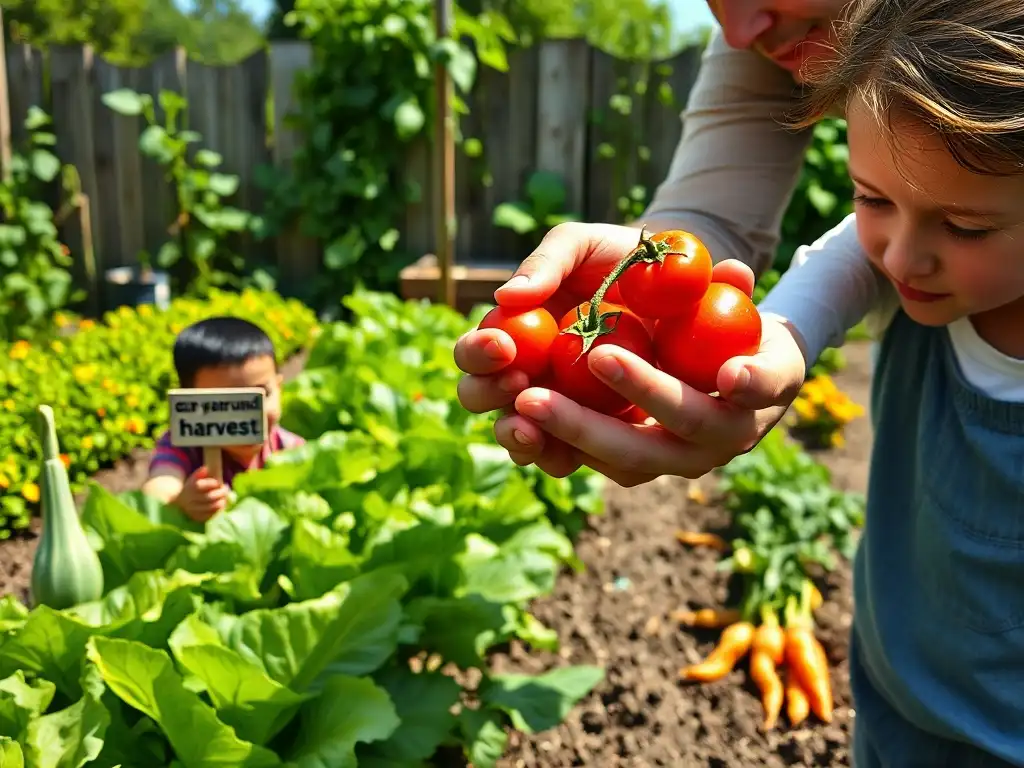
Maintaining a year-round harvest garden with kids isn't just about producing food; it's about creating shared experiences and fostering a love for nature and sustainable living. This section focuses on the ongoing care of your garden, transforming chores into engaging family activities that teach valuable life skills. Remember, consistent effort throughout the year is key to a successful year-round harvest, and involving children makes the process more enjoyable and rewarding. This approach helps build a strong foundation for future gardening endeavors and promotes a deeper understanding of where food comes from.
Maintaining a thriving garden requires consistent watering and weeding. These tasks, often seen as chores, can be transformed into fun family activities by assigning age-appropriate responsibilities and making them engaging. Involving kids from a young age promotes a sense of ownership and responsibility, while teaching them the importance of caring for plants.
Developing a Consistent Watering Schedule
Creating a consistent watering schedule is crucial for optimal plant growth. A visual aid, like a simple chart with daily watering reminders, can help kids understand the routine. Younger children can be responsible for checking the soil moisture using their fingers, while older children can assist with operating watering cans or drip irrigation systems.
Remember to emphasize the importance of watering deeply but infrequently, encouraging healthy root development. For example, instead of a quick sprinkle every day, a deeper watering every other day might be more beneficial, depending on your climate and soil type. This teaches kids about water conservation and the importance of efficient resource management.
Making Weeding a Fun Activity
Weeding can be a tedious task, but turning it into a game can make it more appealing to children. Organize a "weed-pulling contest," rewarding the child who removes the most weeds. You can also use this opportunity to teach kids about different types of weeds and their impact on plant growth. Explain how weeds compete with vegetables and herbs for water and nutrients.
Make it a learning experience, not just a chore. Consider using small, child-sized tools for a more comfortable and manageable experience. Turning weeding into a game makes it a positive experience, associating gardening with fun rather than drudgery.
Harvesting Together: Celebrating the Fruits of Your Labor
Harvesting is the most rewarding part of gardening, and sharing this experience with kids creates lasting memories. It's a chance to celebrate the fruits (and vegetables!) of your collective efforts, instilling a sense of accomplishment and pride. This section details how to make harvesting a fun and educational experience for the whole family, emphasizing the importance of proper techniques and safe practices.
Teaching Kids About Harvesting Techniques
Teaching children the correct harvesting techniques is essential for ensuring a healthy and abundant harvest. Show them how to carefully pick ripe fruits and vegetables without damaging the plants. For example, explain how to gently twist ripe tomatoes off the vine instead of pulling them forcefully. Demonstrate the difference between ripe and unripe produce and how to identify signs of readiness, such as color, texture, and firmness. This hands-on learning teaches them about the plant's life cycle and the importance of respecting the growing process. This also fosters a deeper appreciation for the food they're harvesting.
Preserving the Harvest: Involving Kids in Canning and Freezing
Preserving the harvest extends the enjoyment of your year-round garden. Involving kids in the process of canning and freezing teaches them valuable food preservation skills and reduces food waste. Younger children can help with washing and preparing produce, while older children can assist with the more complex tasks of canning or freezing. This is a great opportunity to teach about food safety and hygiene, emphasizing the importance of cleanliness in food preservation.
Remember to always supervise children closely during these activities, ensuring they follow safety guidelines. This shared experience creates lasting memories and strengthens the family bond while equipping them with valuable life skills. Preserving the harvest ensures that the fruits of your labor are enjoyed throughout the year, reinforcing the value of your year-round gardening efforts.
Troubleshooting Common Year-Round Gardening Challenges
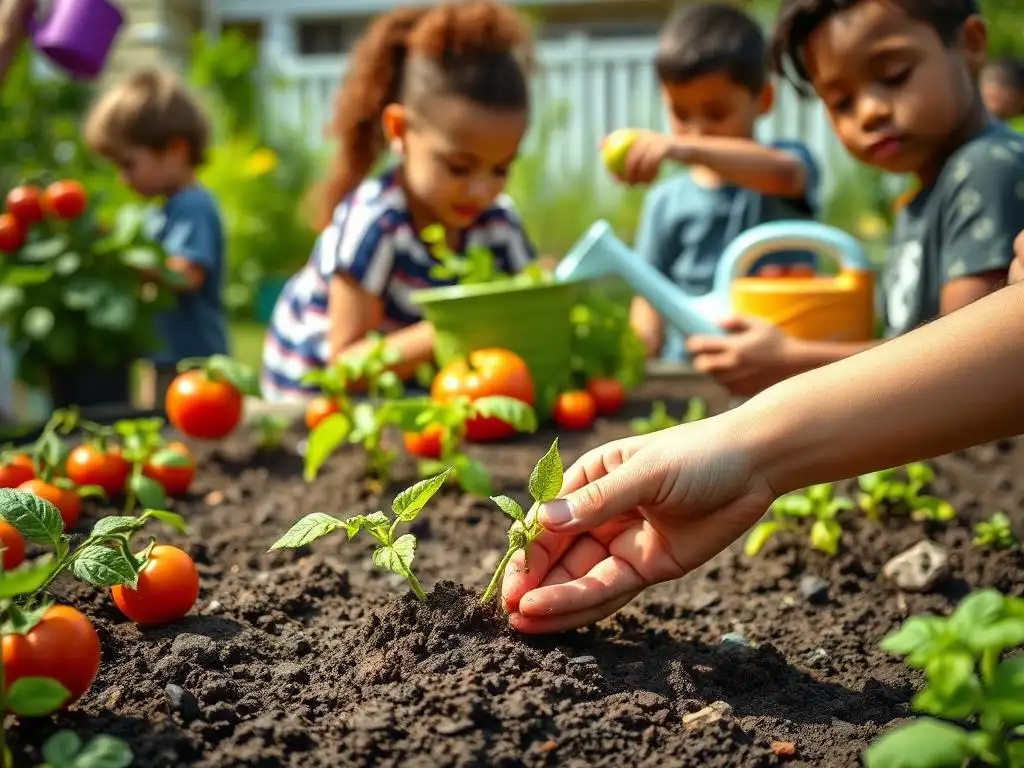
Successfully achieving a year-round harvest, especially with children involved, requires careful planning and proactive problem-solving. Unexpected challenges are inevitable, but understanding how to address them can significantly improve your yield and the overall learning experience for your young gardeners. This section focuses on common issues and provides practical solutions to keep your garden thriving throughout the year.
Dealing with Unexpected Frosts and Cold Snaps
Unexpected frosts and cold snaps can devastate a garden, especially tender seedlings and fruiting plants. Protecting your plants requires a multi-pronged approach. For example, a sudden drop in temperature forecast can be mitigated with simple strategies:
- Row Covers: Lightweight row covers made of spun-bonded polyester provide excellent frost protection. These are easy for kids to help with, teaching them about plant care and environmental awareness. They create a microclimate, trapping warmth and preventing frost damage. Remember to remove them during the day when temperatures rise to avoid overheating the plants.
- Cold Frames: A cold frame acts as a miniature greenhouse, offering more robust protection than row covers. This is a great project to do with children, as building a simple cold frame from recycled materials can be a fun and educational experience. It teaches resourcefulness and the importance of sustainable practices.
- Watering: Well-hydrated plants are better equipped to withstand cold stress. Ensure your plants receive adequate watering before a predicted frost, as the water retains heat and helps insulate the roots. However, avoid overwatering, which can lead to root rot.
- Mulching: A layer of mulch around plants insulates the soil and helps maintain a more consistent temperature. This is a simple task children can easily participate in, learning about soil health and plant protection. Straw, shredded leaves, or wood chips are excellent options.
- Relocation: In cases of severe frost, consider relocating vulnerable plants indoors or to a warmer, sheltered area temporarily. This might involve moving potted plants or carefully transplanting smaller plants to containers.
Addressing Common Pests and Diseases
Pests and diseases are a constant threat to any garden, but a year-round harvest demands extra vigilance. Early detection and proactive measures are crucial. Here's how to tackle these challenges sustainably:
| Pest/Disease | Symptoms | Sustainable Solutions | Prevention |
|---|---|---|---|
| Aphids | Small insects clustering on leaves; leaf curling | Introduce ladybugs (natural predators), use insecticidal soap, or neem oil. | Regularly inspect plants; maintain good air circulation |
| Spider Mites | Fine webbing on leaves; stippled leaves | Use a strong spray of water; introduce predatory mites. | Maintain high humidity; avoid overcrowding plants |
| Powdery Mildew | White powdery coating on leaves | Improve air circulation; use a baking soda solution. | Plant disease-resistant varieties; avoid overhead watering |
| Tomato Blight | Brown spots on leaves and fruit | Remove affected leaves and stems promptly; rotate crops yearly. | Ensure good drainage; use disease-resistant varieties |
Remember to involve your kids in regular garden inspections. This hands-on experience helps them learn to identify problems early and appreciate the importance of preventative measures. Teaching them about beneficial insects and natural pest control methods fosters a deeper understanding of ecological balance. Using organic methods minimizes environmental impact and protects the health of your family.
Adapting to Changing Weather Conditions
A year-round harvest requires flexibility and adaptability to changing weather patterns. Monitoring weather forecasts and adjusting your gardening practices accordingly is essential.
- Microclimates: Utilize microclimates within your garden. South-facing walls retain heat, while sheltered areas offer protection from wind. Observing these nuances and strategically placing your plants can significantly impact their resilience. This is a great opportunity to teach kids about environmental factors and their influence on plant growth.
- Succession Planting: Stagger planting times to ensure a continuous supply of produce. By planting different crops at different times, you can maximize your harvest and mitigate the impact of unexpected weather events. This strategy is also helpful in teaching children about the plant life cycles and the importance of planning.
- Plant Selection: Choose varieties suited to your local climate and the specific microclimates within your garden. Selecting hardy, disease-resistant varieties reduces the risk of crop failure due to adverse weather. Researching and choosing appropriate plants together with your kids can be a valuable learning experience.
- Water Management: Irrigate efficiently, using drip irrigation or soaker hoses to conserve water and avoid water stress during dry spells. Conversely, ensure adequate drainage during periods of heavy rainfall. This is a practical lesson in water conservation and responsible resource management.
By actively monitoring weather conditions and adapting your gardening strategies, you can significantly increase your chances of a successful year-round harvest, while simultaneously providing your children with valuable hands-on learning experiences. Remember, flexibility and observation are key to navigating the unpredictable nature of weather.
Resources for Year-Round Gardening with Kids
This section provides valuable resources to support your family's year-round gardening journey. Finding the right resources can significantly enhance your experience and help you overcome challenges. From informative books and websites to local community support, there's a wealth of knowledge and assistance available to make your family gardening project a resounding success. Remember, learning together is a crucial part of the year-round harvest gardening experience!
Recommended Books and Websites for Family Gardening
Engaging children in gardening requires a multifaceted approach. Luckily, numerous resources cater specifically to family gardening, offering age-appropriate information and activities. These resources can guide you through every step, from selecting the right seeds to harvesting your delicious produce.
Here's a selection of recommended books and websites:
-
Books: Look for titles that focus on children's gardening, such as those featuring simple instructions and colorful illustrations. Many libraries offer a wide selection, allowing you to explore various approaches before committing to a purchase. Consider books focusing on specific techniques like composting or pest control, presented in a child-friendly manner. Titles that incorporate hands-on projects or experiments can be especially engaging.
-
Websites: Numerous websites offer valuable information and resources tailored to family gardening. Many websites feature articles, videos, and interactive tools that can make learning fun for kids. Look for websites that provide age-appropriate activities, such as creating a family garden journal or designing a bug hotel. Reliable websites often feature expert advice and practical tips for successful gardening.
Consider these key features when selecting resources:
| Feature | Description | Importance |
|---|---|---|
| Age Appropriateness | Content and activities suitable for children's age and understanding. | Ensures engagement and avoids frustration. |
| Interactive Elements | Games, quizzes, videos, or hands-on activities to maintain children's interest. | Increases engagement and learning retention. |
| Practical Guidance | Clear, step-by-step instructions for gardening tasks, from planting to harvesting. | Provides practical support and reduces the likelihood of failure. |
| Visual Appeal | Colorful illustrations, photographs, and engaging layouts. | Makes the learning experience more appealing and accessible to children. |
| Community Features | Forums, blogs, or social media groups where families can share experiences and tips. | Facilitates connection and support among families sharing similar goals. |
Remember to always check the credibility of the source before incorporating its advice into your family's gardening practices.
Local Gardening Clubs and Community Resources
Connecting with your local gardening community offers invaluable support and resources for your year-round harvest. These connections can provide practical assistance, shared knowledge, and a sense of community. The benefits extend beyond just gardening advice; they create opportunities for social interaction and learning.
Here are some key community resources to explore:
- Local Gardening Clubs: Many towns and cities have gardening clubs that welcome families. These clubs often host workshops, offer advice, and provide opportunities for children to participate in gardening activities. Look for clubs that emphasize sustainable and organic practices, aligning with your family's values. Participation can also foster friendships and a shared passion for gardening.
- Community Gardens: Community gardens offer shared space for families to grow their own produce. They provide opportunities for children to learn about teamwork and collaboration while working alongside other families. These gardens often provide mentorship and guidance from experienced gardeners.
- Master Gardeners: Master Gardener programs, often associated with universities or local governments, offer valuable expertise and advice. They can provide guidance on specific challenges and offer workshops on various gardening techniques. Their extensive knowledge is a valuable asset for families embarking on year-round gardening.
- Local Libraries and Schools: Check with your local library or school for gardening programs or workshops. They may offer resources like seed libraries or workshops on composting and other sustainable gardening practices. These resources are often free or low-cost, making them accessible to many families.
Connecting with your local community can significantly enhance your family's year-round gardening experience, providing practical support, shared knowledge, and a sense of belonging. Don't underestimate the power of community in achieving a successful year-round harvest!
Frequently Asked Questions
What is year-round harvesting, and is it really possible?
Year-round harvesting means continuously producing food throughout the year, regardless of the season. It's achievable with careful planning, succession planting, and the use of protective structures like greenhouses or cold frames.
How can I get my kids involved in year-round gardening?
Engage them in age-appropriate tasks like planting seeds, watering, and harvesting. Make it fun with themed gardening projects and educational activities. Celebrate successes together!
What are some easy-to-grow crops for year-round harvesting suitable for kids?
Leafy greens like lettuce and spinach are quick-growing and easy to manage. Radishes and carrots are also good choices, offering fast results and satisfying harvests.
How do I protect my plants from harsh weather conditions during year-round gardening?
Use cold frames or greenhouses to extend the growing season. Mulching helps regulate soil temperature and moisture. Consider microclimates in your garden to find the most protected spots.
What are some sustainable and organic pest control methods suitable for kids' involvement?
Introduce beneficial insects like ladybugs. Use natural deterrents like companion planting and neem oil. Regular inspection and prompt removal of pests are key.
Final Reflection: The Seeds of a Sustainable Future, Planted with Little Hands
The ability to cultivate your own food, even on a small scale, is not just a skill; it's a powerful act of self-sufficiency and connection with nature that's increasingly relevant in a world facing climate change and food insecurity. Imagine a future where families, empowered by knowledge and a shared passion for growing their own sustenance, are better equipped to navigate the challenges ahead. This is the future we can cultivate, one seed at a time.
The journey of growing food with children is more than just planting seeds and harvesting crops; it's a profound learning experience that fosters a deep appreciation for the natural world and the interconnectedness of life. It's about witnessing the miracle of growth firsthand, learning patience, responsibility, and the simple joy of nurturing something from its beginning to its fruition. As the renowned gardener, Masanobu Fukuoka, wisely stated: The natural way is the best way. It is the way of least effort and maximum effectiveness.
This philosophy, applied to gardening with children, creates a powerful synergy – a sustainable practice that also nurtures the next generation of mindful stewards of our planet.
Now, consider your own backyard, balcony, or even a window box. What small step can you take today to begin your own year-round harvest journey? Perhaps it's starting a small herb garden, researching cold-hardy vegetables, or simply engaging your children in the process of choosing seeds and planning your family's garden.
Remember, the most important ingredient isn't expensive equipment or vast land; it's the shared experience, the hands-on learning, and the unwavering belief in the power of nature to nourish both body and soul. Let's cultivate a future where growing food with children is not just a hobby, but a vital part of a sustainable and fulfilling life.
Unleash Your Family's Green Thumb: Grow Together!
Thanks for joining us on this journey to a year-round harvest! We hope you've gained valuable insights into planning and growing food with your children. Now it's time to put those ideas into action. Let's get growing!
- Start your family garden plan today! Sketch out your garden layout, considering sunlight, available space, and your children's favorite vegetables. Even a small space can yield a surprisingly abundant harvest.
- Share your gardening experiences! Tell us what you're most excited to grow – and any challenges you're encountering. We love hearing from our community!
- Explore our website's extensive resources on kid-friendly gardening techniques and delicious recipes. Discover new and creative ways to enjoy the fruits (and vegetables!) of your labor.
What's the first vegetable your family will plant together this season? Let us know in the comments!