
Natural Allergy Relief: How Your Garden Can Help Soothe Symptoms


Ready to transform your backyard into a haven of health and deliciousness? At CultivateYourFood, we believe everyone can enjoy the rewards of homegrown goodness. Discover the power of your own garden with our guide on Natural allergy relief garden remedies. Learn how simple, sustainable practices can not only nourish your body but also alleviate allergy symptoms naturally. Intrigued? Let's dive into the vibrant world of homegrown healing!
- Understanding Allergy Symptoms and Their Triggers
- Building a Natural Allergy Relief Garden
- Natural Allergy Relief Garden Remedies: Herbal Solutions from Your Garden
- Maintaining Your Allergy-Relief Garden
- Beyond the Garden: Additional Natural Allergy Relief Strategies
-
Frequently Asked Questions
- What are some common garden plants that can help with allergy symptoms?
- How do these plants help alleviate allergy symptoms?
- Can I just eat these plants to get allergy relief?
- Are there any precautions I should take when using garden plants for allergies?
- Where can I learn more about growing these allergy-soothing plants?
- Final Reflection: Cultivating Wellness, One Bloom at a Time
- Breathe Easy: Grow Your Way to Allergy Relief!
Understanding Allergy Symptoms and Their Triggers
Seasonal allergies, also known as hay fever, are a common affliction impacting millions worldwide. These allergic reactions are triggered by airborne allergens, primarily pollen from plants, grasses, and trees. Symptoms can range from mild, such as sneezing and a runny nose, to severe, including difficulty breathing and eye irritation.
This article explores how cultivating a strategic garden, using natural and sustainable practices, can significantly alleviate these symptoms and provide natural allergy relief. We'll delve into identifying common allergy triggers in your specific region, recognizing pollen sources in your local environment, and understanding the connection between specific plants and your allergy symptoms. By understanding these connections, you can create a garden that not only nourishes you but also helps soothe your allergy symptoms, offering a holistic approach to natural allergy relief garden remedies.
This empowers you to take control of your allergies and enjoy the benefits of gardening without suffering the usual seasonal discomforts. We will focus on practical strategies and actionable steps, transforming your garden into a haven of natural allergy relief.
Identifying Common Spring Allergy Triggers in Your Region
Spring is often the peak season for allergy sufferers. Different regions experience varying dominant pollen sources. For example, the eastern United States often sees high levels of tree pollen (oak, birch, maple), while the western US might experience more grass pollen (rye, Bermuda, Timothy).
To effectively manage your allergies through gardening, it's crucial to identify the specific pollen types prevalent in your area. This information is usually available through local allergists, meteorological services, or online pollen count trackers. Once you know your primary allergy triggers, you can make informed decisions about which plants to include (or exclude) from your garden.
For instance, if you're highly allergic to birch pollen, you'd want to avoid planting birch trees or other closely related species. Detailed knowledge of your regional pollen profile is the cornerstone of creating an allergy-friendly garden. This proactive approach is key to achieving natural allergy relief garden remedies tailored to your specific needs.
Recognizing Pollen Sources in Your Local Environment
Knowing which plants produce the pollen causing your symptoms is the next crucial step. This involves careful observation and, potentially, some research. Many resources are available to help you identify local plant species. Field guides, online plant databases, and even local botanical gardens can assist in this process.
Pay attention to the flowering times of plants in your neighborhood; you may notice a correlation between specific blooms and the onset or worsening of your allergy symptoms. For example, if your symptoms worsen when the oak trees are in full bloom, it's a strong indicator that oak pollen is a major trigger for you. This observational approach, combined with information about your region's dominant pollen types, allows for a targeted approach to managing your allergy-friendly garden. Accurate identification of pollen sources is paramount in developing effective natural allergy relief garden remedies.
Connecting Allergy Symptoms to Specific Plants
Once you've identified the prevalent pollen types and their corresponding plants in your region, you can start to create a plan for your allergy-friendly garden. This involves carefully selecting plants that produce minimal or no pollen, or plants that produce heavier pollen that is less likely to become airborne. Consider incorporating plants that are naturally low-pollen producers, such as many varieties of roses, azaleas, and some types of flowering herbs. Furthermore, you might consider planting windbreaks or strategically placing non-allergenic plants to reduce exposure to airborne pollen from neighboring properties.
Remember, the goal isn't to eliminate all plants, but rather to create a balance that minimizes your exposure to your specific allergy triggers. This mindful approach forms the basis of effective natural allergy relief garden remedies, offering a path towards enjoying your garden without compromising your well-being. This careful selection and placement of plants is crucial for success.
Building a Natural Allergy Relief Garden
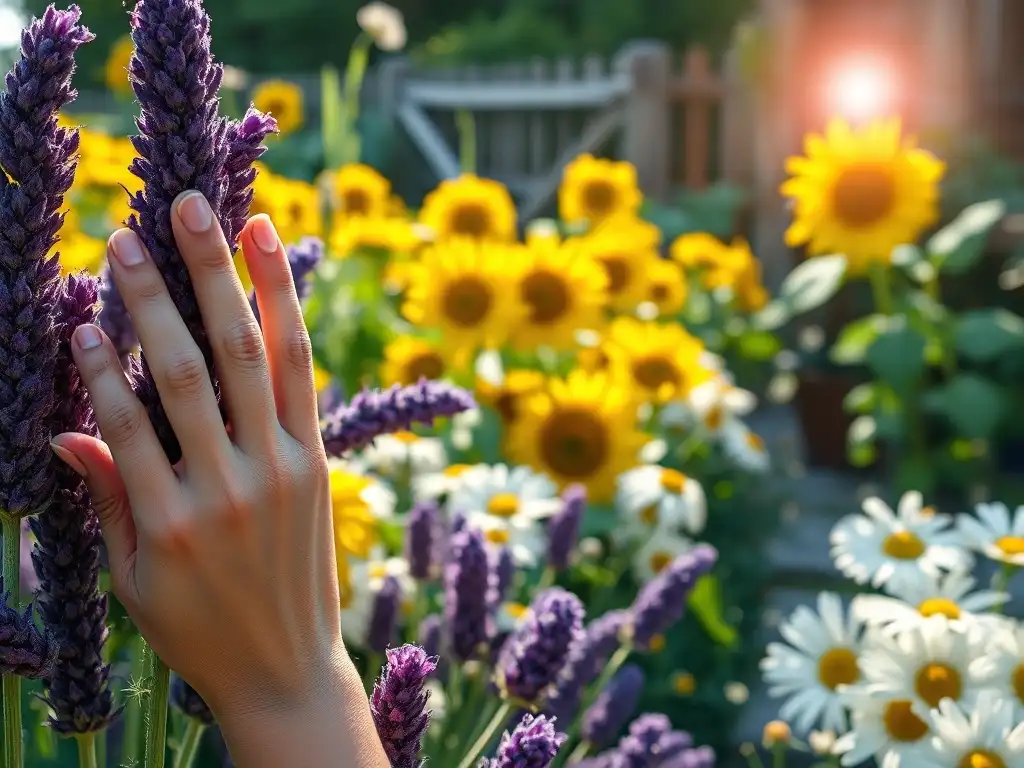
This section delves into the practical aspects of designing a garden that actively combats allergy symptoms. Creating a haven of relief requires careful planning and selection of plants, understanding the nuances of pollen production, and incorporating elements that improve overall air quality. The goal is not to eliminate all pollen – that's impossible – but to minimize exposure to potent allergens while maximizing the benefits of a thriving, allergy-friendly garden. Remember, even within a "natural allergy relief garden," individual reactions can vary, so careful observation of your own responses is crucial.
Choosing Allergy-Fighting Plants for Your Garden
When selecting plants for your allergy-relief garden, prioritize those with low pollen counts or those that produce heavier pollen that doesn't readily become airborne. This significantly reduces the likelihood of triggering allergic reactions. Researching specific plant varieties is key. For example, while some varieties of roses produce copious amounts of light, easily airborne pollen, others have been bred to produce less or heavier pollen, making them more suitable for allergy sufferers. Similarly, certain types of sunflowers are known for being less allergenic than others.
Consider the wind patterns in your garden. Place high-pollen plants (if you must include them) in areas where prevailing winds carry their pollen away from your living spaces. This strategic positioning minimizes your exposure. It's also important to consider the flowering periods of your chosen plants; spreading out bloom times reduces the concentration of allergens at any given point.
Here's a table summarizing some good and bad choices:
| Plant Type | Allergy Potential | Notes |
|---|---|---|
| Roses (some varieties) | Low | Choose varieties specifically bred for low pollen production. |
| Sunflowers (some varieties) | Low to Moderate | Opt for double-flowered varieties which often produce less pollen. |
| Lavender | Low | Known for its calming scent and low pollen count. |
| Marigolds | Low | Bright, cheerful, and generally hypoallergenic. |
| Ragweed | High | Avoid completely; a major allergen. |
| Grasses | High | Minimize exposure; consider alternatives like low-growing groundcovers. |
Remember to always check the specific variety of plant you are purchasing to ensure it's a low-pollen option.
Selecting Low-Pollen or Hypoallergenic Plant Varieties
The term "hypoallergenic" isn't always a guarantee of complete allergy freedom; it simply suggests a reduced likelihood of triggering a reaction. Many plants marketed as hypoallergenic still produce some pollen, but the pollen is heavier, stickier, or less easily airborne, making it less likely to cause problems. Always conduct thorough research on specific plant varieties before planting them, especially if you have severe allergies.
Consider these tips for selecting low-pollen varieties:
- Double flowers: These often produce less pollen than single-flowered varieties.
- Female plants: Some plants have separate male and female plants. Female plants don't produce pollen.
- Check with nurseries: Nurseries can provide information on the pollen production of different plants and varieties.
This careful selection process minimizes your exposure to airborne allergens, thus reducing the severity of your allergy symptoms. Always consult with an allergy specialist for personalized advice.
Incorporating Air-Purifying Plants for Improved Air Quality
Beyond reducing pollen exposure, improving overall air quality within your garden and surrounding area can contribute to natural allergy relief. Certain plants are known for their air-purifying qualities, which can help filter out pollutants and other airborne irritants that might exacerbate allergy symptoms.
While these plants won't directly eliminate pollen, they can contribute to a healthier environment by removing other airborne particles. Consider adding these to your garden:
- Spider plants: Effective at removing formaldehyde and other toxins.
- Snake plants: Excellent at purifying the air, especially at night.
- Peace lilies: Known for their ability to remove spores and other airborne particles.
Remember that the effectiveness of air-purifying plants is dependent on several factors, including the size of the plant, the size of the space, and the concentration of pollutants. They are a supportive measure, not a complete solution. A combination of low-pollen plants and air purifiers offers a multifaceted approach to natural allergy relief. The synergistic effect of these combined strategies can significantly improve the quality of life for allergy sufferers.
Designing Your Garden for Optimal Airflow and Sunlight
Designing your garden to maximize airflow and sunlight is crucial for mitigating allergy symptoms. Pollen, a major allergen, tends to accumulate in stagnant air. Good airflow helps disperse pollen, reducing its concentration around your breathing zone. Sunlight, on the other hand, plays a vital role in the growth of many allergy-fighting plants, ensuring they produce the compounds that offer relief.
Consider the layout of your garden carefully. Avoid dense plantings that restrict airflow. Instead, space plants appropriately, allowing for easy movement of air between them. This is particularly important for plants known to produce high amounts of pollen, even if those plants are not the allergens you suffer from. Their pollen can act as a carrier for other allergens, increasing the overall pollen load in your garden. For instance, while you might not be allergic to oak trees, the pollen on their branches can carry other allergens that affect you.
Optimal sunlight exposure is also critical. Most allergy-fighting plants thrive in full sun, meaning at least six hours of direct sunlight per day. This sunlight fuels the production of essential oils and other beneficial compounds within the plants. When planning your garden, choose a location that receives ample sunlight throughout the day.
Observe the sun's path across your yard to determine the sunniest spots. You might even consider using a sun tracking app to help you accurately assess sunlight hours in different areas of your garden. Remember that even slight variations in sunlight exposure can significantly impact the effectiveness of your allergy-relief garden.
Furthermore, consider the orientation of your garden. A north-facing garden might receive less direct sunlight, potentially impacting plant growth and the production of beneficial compounds. A south-facing garden, in contrast, often receives more sunlight, though this can vary depending on your geographical location and the time of year.
Understanding your garden's microclimate is key to designing a thriving and effective allergy relief space. Planting taller plants strategically to create natural windbreaks can also help to direct airflow and reduce the accumulation of pollen in sensitive areas. This approach is particularly useful in areas prone to strong winds that can spread pollen widely.
Natural Allergy Relief Garden Remedies: Herbal Solutions from Your Garden
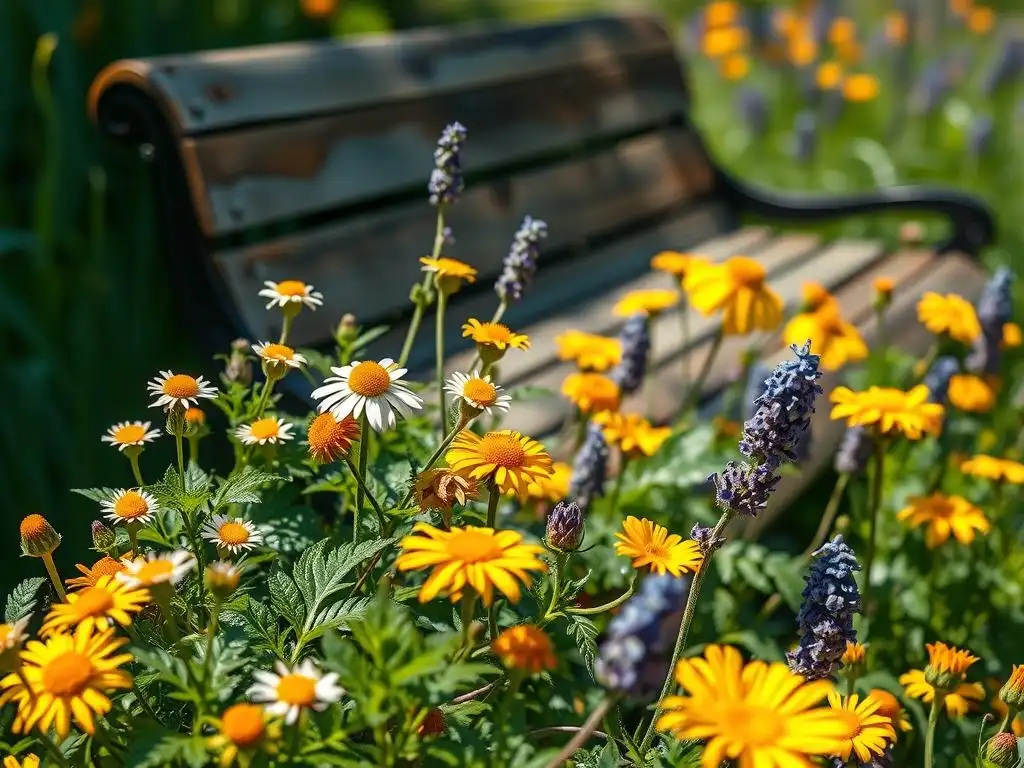
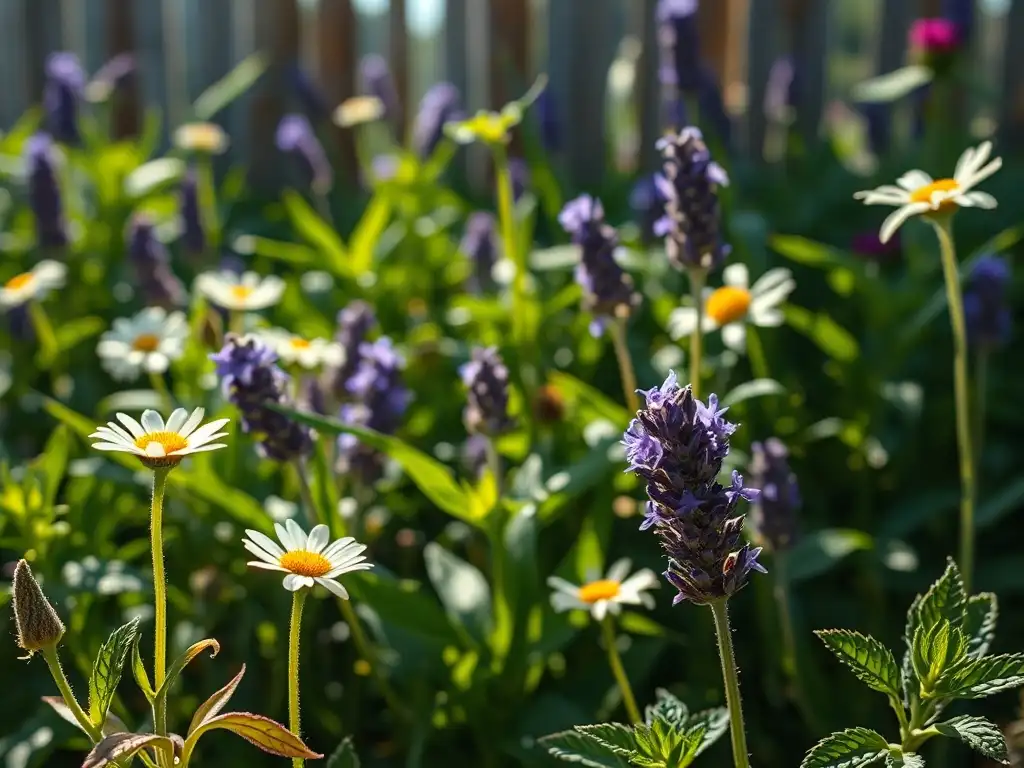
This section explores the power of your home garden in providing natural allergy relief. Many common garden herbs possess anti-inflammatory and antihistamine properties that can help soothe allergy symptoms. By cultivating these plants, you can create your own personalized, sustainable allergy remedies, reducing reliance on potentially harsh chemical treatments. This approach offers a proactive and holistic strategy for managing allergy discomfort, aligning perfectly with the principles of natural allergy relief garden remedies.
Growing and Using Anti-Inflammatory Herbs for Allergy Relief
Several herbs are particularly effective in combating allergy symptoms due to their anti-inflammatory and antihistamine properties. Optimal growing conditions vary depending on the herb, but generally, well-drained soil and ample sunlight are crucial. Here's a look at some key players:
- Chamomile: Known for its calming properties, chamomile tea is a popular remedy for allergy-related anxiety and sleep disturbances. It thrives in sunny locations with well-drained soil. Harvest the flowers just before they fully open for maximum potency. Remember to dry them thoroughly in a cool, dark, and well-ventilated area before storage.
- Stinging Nettle: While its name suggests otherwise, stinging nettle is a powerful anti-inflammatory herb rich in vitamins and minerals. It prefers moist, fertile soil and partial shade. Harvest the leaves before flowering, carefully avoiding the stinging hairs (wear gloves!). You can use it in teas, tinctures, or even as a culinary addition to soups and stews.
- Echinacea: This native North American herb boosts the immune system, which can be beneficial in managing allergy symptoms. Echinacea prefers full sun and well-drained soil. Harvest the flowers when they are fully open for optimal medicinal properties. The roots can also be harvested in the fall of the second year of growth.
- Calendula: Calendula's anti-inflammatory and antiseptic properties make it suitable for soothing irritated skin and mucous membranes often affected by allergies. It thrives in sunny areas with well-drained soil. Harvest the flowers regularly to encourage continuous blooming and collect them when fully open.
The table below summarizes the ideal growing conditions for these herbs:
| Herb | Sunlight | Soil Type | Harvesting Time |
|---|---|---|---|
| Chamomile | Full Sun | Well-drained | Before full bloom |
| Stinging Nettle | Partial Shade | Moist, Fertile | Before flowering |
| Echinacea | Full Sun | Well-drained | When flowers are open |
| Calendula | Full Sun | Well-drained | When flowers are open |
Remember to always research the specific needs of each herb before planting to ensure optimal growth and yield. Proper soil preparation and consistent watering are key to success. Consider companion planting to further enhance growth and pest control.
Harvesting and Preparing Herbal Teas for Allergy Relief
Harvesting your herbs at the peak of their potency is crucial for maximizing their therapeutic benefits. For most herbs mentioned above, this is typically when the flowers are fully open or just before they are. Gentle handling is key to preserving the delicate compounds within the plant material.
Once harvested, herbs need to be properly dried to prevent mold and mildew. A cool, dark, and well-ventilated area is ideal. You can use a dehydrator, but air drying works well too. Spread the herbs thinly on a screen or tray, ensuring good airflow. Proper drying is essential for long-term storage and maintaining the herb's potency.
To prepare a soothing herbal tea, use approximately 1-2 teaspoons of dried herb per cup of boiling water. Steep for 10-15 minutes, then strain and enjoy. You can combine different herbs to create a synergistic blend tailored to your specific needs. For example, a blend of chamomile and lemon balm can provide both calming and anti-inflammatory effects. Always start with a small amount and monitor your body's reaction before increasing the dosage.
Creating Homemade Allergy Salves and Balms Using Garden Herbs
Herbal salves and balms offer a targeted approach to allergy relief, especially for skin irritations and inflammation. These topical remedies can be easily made at home using herbs from your garden. The process involves infusing the herbs in a carrier oil, then combining it with beeswax to create a solid balm.
To make a simple calendula salve:
- Gently heat a carrier oil (e.g., olive oil, coconut oil) in a double boiler.
- Add dried calendula flowers to the warmed oil.
- Simmer gently for several hours, allowing the oil to infuse with the beneficial compounds of the calendula.
- Strain the oil to remove the plant material.
- Combine the infused oil with beeswax (typically a 1:1 ratio of oil to beeswax).
- Pour the mixture into small containers and allow it to cool and solidify.
This salve can be applied topically to soothe itchy skin, rashes, or other allergy-related skin irritations. You can experiment with other herbs, such as comfrey or plantain, to create customized balms based on your specific needs and preferences. Always perform a patch test before applying any homemade remedy to a large area of skin to check for potential allergic reactions to the ingredients. Remember that while these remedies can provide relief, they are not a substitute for professional medical advice. Consult with a healthcare provider for any serious allergy concerns.
Maintaining Your Allergy-Relief Garden
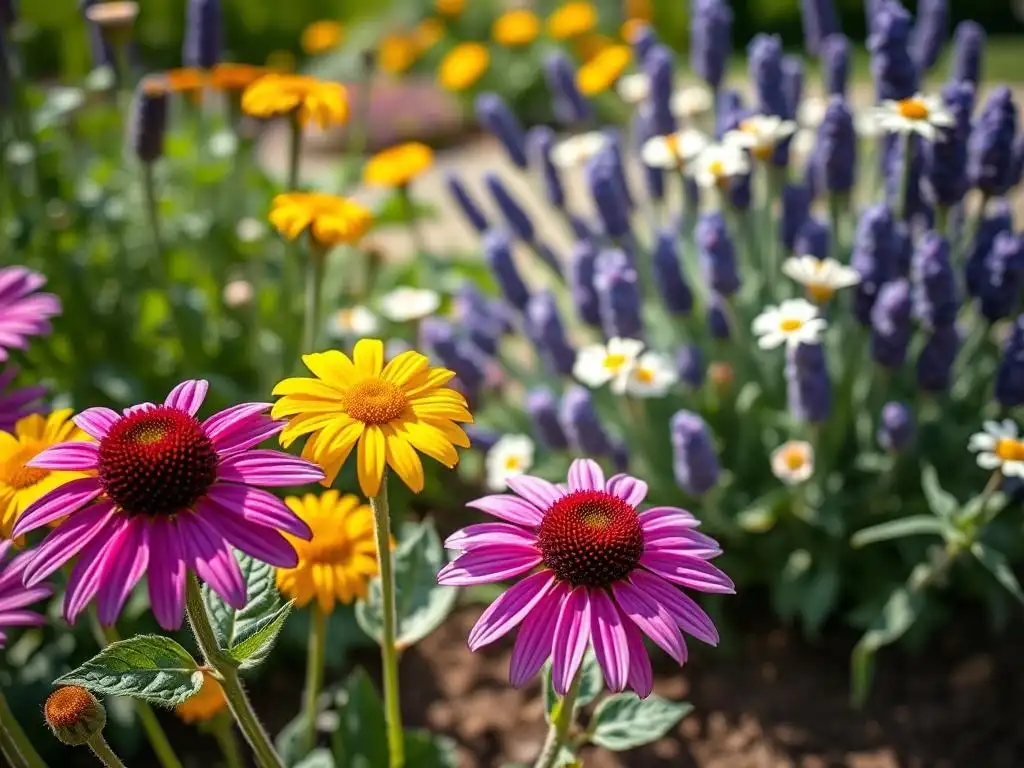
Maintaining a thriving allergy-relief garden requires a mindful approach, prioritizing natural methods that minimize exposure to allergens while maximizing plant health. This section focuses on sustainable practices that enhance both your well-being and the environment. Remember, a healthy garden is a happy garden – and a happy garden offers the best natural allergy relief. We'll explore key strategies to keep your garden flourishing and your allergies at bay.
Sustainable Pest Control Strategies for Your Allergy Garden
Dealing with pests without resorting to harsh chemicals is crucial for maintaining a truly natural allergy-relief garden. Synthetic pesticides can exacerbate allergy symptoms and harm beneficial insects. Instead, embrace integrated pest management (IPM) strategies. This involves a combination of preventative measures and targeted interventions.
Preventative measures include choosing pest-resistant plant varieties, practicing crop rotation to disrupt pest life cycles, and maintaining good garden hygiene by removing weeds and debris where pests might hide. Regularly inspect your plants for signs of infestation, catching problems early before they escalate.
For targeted interventions, consider these organic options:
- Beneficial insects: Introducing ladybugs, lacewings, or praying mantises can help control aphids, mealybugs, and other common garden pests.
- Neem oil: This natural insecticide is effective against a wide range of pests and is relatively safe for humans and pollinators. Always follow label instructions carefully.
- Diatomaceous earth: This powder-like substance is made from fossilized diatoms and acts as a physical barrier, dehydrating and killing soft-bodied insects.
- Homemade traps: Simple traps, such as sticky traps or pheromone traps, can effectively target specific pests.
Remember, early detection and prompt action are key to preventing major infestations. Regular monitoring allows for early intervention using these gentle, effective methods, ensuring a healthy and productive allergy-relief garden. This approach is vital for achieving true natural allergy relief garden remedies.
Organic Fertilizers and Soil Health for Robust Plant Growth
Healthy soil is the foundation of a thriving allergy-relief garden. Organic fertilizers provide essential nutrients for robust plant growth, enhancing their resilience to pests and diseases. Strong, healthy plants are less susceptible to stress, potentially reducing pollen production in some cases.
Avoid synthetic fertilizers, which can disrupt soil ecosystems and potentially contribute to allergy symptoms. Instead, opt for natural options such as:
- Compost: Composting kitchen scraps and yard waste creates a rich, nutrient-rich soil amendment. This is a cornerstone of sustainable gardening and provides a fantastic source of natural nutrients.
- Worm castings: These are the excrement of earthworms, incredibly rich in nutrients and beneficial microorganisms. They improve soil structure and aeration, crucial for healthy root systems.
- Manure: Well-rotted animal manure (avoid fresh manure) adds organic matter and nutrients to the soil. Ensure it's composted to eliminate harmful pathogens.
Regular soil testing can help determine nutrient deficiencies and guide your fertilization strategy. By focusing on soil health, you're not only nurturing your plants but also contributing to a healthier environment and a more effective allergy-relief garden. This holistic approach is a key component of natural allergy relief garden remedies.
Watering Techniques to Minimize Pollen Spread
Proper watering techniques can indirectly influence allergy symptoms by affecting pollen dispersal. Overwatering can lead to fungal diseases, potentially increasing the release of spores that can trigger allergic reactions. Conversely, underwatering can stress plants, potentially increasing pollen production in some species.
Aim for consistent moisture without oversaturation. Consider these techniques:
- Drip irrigation: This method delivers water directly to the roots, minimizing water loss and preventing the spread of pollen through splashing.
- Soaker hoses: Similar to drip irrigation, soaker hoses provide consistent moisture to the root zone without excessive surface wetting.
- Watering in the morning: This allows plants to dry before evening, reducing the humidity that can favor fungal growth.
- Mulching: Applying a layer of mulch around plants helps retain soil moisture, reducing the frequency of watering and minimizing soil erosion which can spread pollen.
By optimizing your watering practices, you contribute to a healthier garden ecosystem, minimizing the potential for allergen exposure and promoting the growth of robust, healthy plants, contributing significantly to natural allergy relief garden remedies. Careful watering is a subtle but powerful element in managing your allergy-relief garden effectively.
Beyond the Garden: Additional Natural Allergy Relief Strategies
This section explores complementary strategies to enhance the allergy relief provided by your carefully cultivated garden. While your homegrown produce contributes significantly to reducing allergen exposure and boosting your immune system, incorporating these additional approaches can further optimize your well-being. Remember, a holistic approach often yields the best results when managing allergies. These methods work synergistically with the benefits of your allergy-conscious garden.
Dietary Changes to Support Allergy Relief
Dietary changes can significantly impact allergy symptoms. Focusing on anti-inflammatory foods can help reduce inflammation throughout the body, a key factor in allergic reactions. This isn't about eliminating entire food groups, but rather making informed choices to support your body's natural healing processes.
Consider incorporating these changes into your diet:
- Increase consumption of fruits and vegetables: Your garden provides a fantastic starting point! Focus on vibrant, colorful produce rich in antioxidants and vitamins. Think deep-purple berries, leafy greens like spinach and kale, and bright orange carrots and bell peppers. These are packed with nutrients that support immune function.
- Reduce processed foods, sugar, and saturated fats: These contribute to inflammation and can worsen allergy symptoms. Opt for whole, unprocessed foods whenever possible. Your garden's bounty can help you achieve this naturally and deliciously.
- Incorporate foods rich in Omega-3 fatty acids: Fatty fish like salmon, flaxseeds, and chia seeds are excellent sources of Omega-3s, known for their anti-inflammatory properties. These can help regulate the immune response and reduce allergy symptoms.
- Consider probiotics: These beneficial bacteria support gut health, which plays a crucial role in immune function. Adding yogurt with live cultures or fermented foods like sauerkraut to your diet can be beneficial. Many people find a noticeable improvement in allergy symptoms with regular probiotic intake.
Lifestyle Adjustments for Better Allergy Management
Beyond diet, lifestyle changes can significantly impact your allergy management. Simple adjustments can make a noticeable difference in your overall well-being and reduce the severity of allergy symptoms. These strategies work in tandem with your garden's contribution to natural allergy relief.
Here are some key lifestyle adjustments to consider:
- Regular Exercise: Physical activity enhances immune function and reduces inflammation. Aim for at least 30 minutes of moderate-intensity exercise most days of the week.
- Adequate Sleep: Sufficient sleep is crucial for immune system regulation. Aim for 7-9 hours of quality sleep per night.
- Stress Management: Chronic stress can worsen allergy symptoms. Incorporate stress-reducing techniques such as yoga, meditation, or deep breathing exercises into your daily routine.
- Air Purification: Maintaining clean indoor air can reduce exposure to allergens. Use air purifiers with HEPA filters, especially during allergy seasons. Regular cleaning and dusting are also essential.
When to Seek Professional Medical Advice for Allergies
While natural remedies and lifestyle changes can significantly alleviate allergy symptoms, it’s crucial to understand when professional medical advice is necessary. Your garden and these additional strategies are powerful tools, but they aren't a replacement for professional medical care.
Seek professional medical attention if:
- You experience severe allergic reactions, such as anaphylaxis (difficulty breathing, swelling of the face or throat, dizziness). This requires immediate medical intervention.
- Your allergy symptoms are significantly impacting your quality of life or daily activities.
- Over-the-counter allergy medications are ineffective in managing your symptoms.
- You suspect a new allergy has developed. A doctor can perform allergy testing to determine the specific allergen.
- Your symptoms worsen despite implementing natural remedies and lifestyle changes.
Remember, proactive management is key to effective allergy relief. Combining the benefits of your "Natural allergy relief garden remedies" with these additional strategies can significantly improve your quality of life and help you thrive, even during allergy season. 🌱
Frequently Asked Questions
What are some common garden plants that can help with allergy symptoms?
Many plants offer natural allergy relief. Chamomile, nettle, and butterbur are known for their anti-inflammatory and antihistamine properties, potentially easing allergy symptoms. Always consult a doctor before using herbal remedies.
How do these plants help alleviate allergy symptoms?
These plants contain compounds that can reduce inflammation and inhibit histamine release, thus lessening allergy symptoms like sneezing, itching, and congestion. The effects vary depending on the individual and the plant used.
Can I just eat these plants to get allergy relief?
While consuming these plants can be beneficial, topical applications such as teas or compresses may also be effective. Consult a healthcare professional for personalized advice on the best method and dosage for your needs.
Are there any precautions I should take when using garden plants for allergies?
Yes, allergic reactions to even natural remedies are possible. Start with a small amount to test for sensitivity and always consult a doctor before using any herbal remedies, especially if you have pre-existing health conditions or are taking other medications.
Where can I learn more about growing these allergy-soothing plants?
CultivateYourFood.com provides comprehensive guides on planting, growing, and harvesting these and other plants. We offer sustainable and organic practices to ensure the best quality and health benefits for your homegrown remedies.
Final Reflection: Cultivating Wellness, One Bloom at a Time
The fight against seasonal allergies is far from over, but the arsenal of natural remedies continues to grow, and your own backyard can be a powerful weapon in this fight. The information presented in this article highlights the surprising potential of strategically designed gardens to alleviate allergy symptoms, offering a holistic and sustainable approach to a pervasive problem. This isn't just about pretty flowers; it's about reclaiming control over your health and well-being.
The impact of allergies extends far beyond sniffles and sneezes; they significantly affect our quality of life, impacting productivity, mood, and overall enjoyment of the seasons. The earth laughs in flowers.
This quote, while seemingly simple, speaks volumes about the restorative power of nature. By understanding which plants attract pollinators and which ones are less allergenic, we can actively shape our environment to promote both beauty and well-being. This shift in perspective – from passive sufferer to active participant in our own healing – is profoundly empowering.
Now, consider your own space. What changes can you make to create a haven of relief? Perhaps it's planting a few strategically chosen herbs or flowers, or simply researching the local flora to identify potential irritants. Take the knowledge you've gained here and transform your outdoor space into a personal sanctuary, a place where you can breathe freely and truly appreciate the beauty of nature without the burden of allergies. Start small, experiment, and discover the unique healing power your garden holds.
Breathe Easy: Grow Your Way to Allergy Relief!
Thanks for exploring the natural allergy relief your garden can offer! We hope you gained valuable insights into how cultivating specific plants can ease your symptoms. Now, let's put that knowledge into action!
- Start small: Begin with one or two allergy-fighting herbs or flowers—lavender and chamomile are excellent choices. If you don't have a garden, consider planting them in pots.
- Share your experience: Tell us (and other readers!) about your favorite allergy-relieving plants and your success in growing them. We'd love to hear your tips!
- Explore further: Learn more about herbal remedies by researching other allergy-combating plants that thrive in your climate.
Ready to transform your garden—and your health? What's the first allergy-fighting plant you'll add to your outdoor space?