
Natural Solutions for Fruit Tree Diseases: Specific Solutions for Fruit Trees

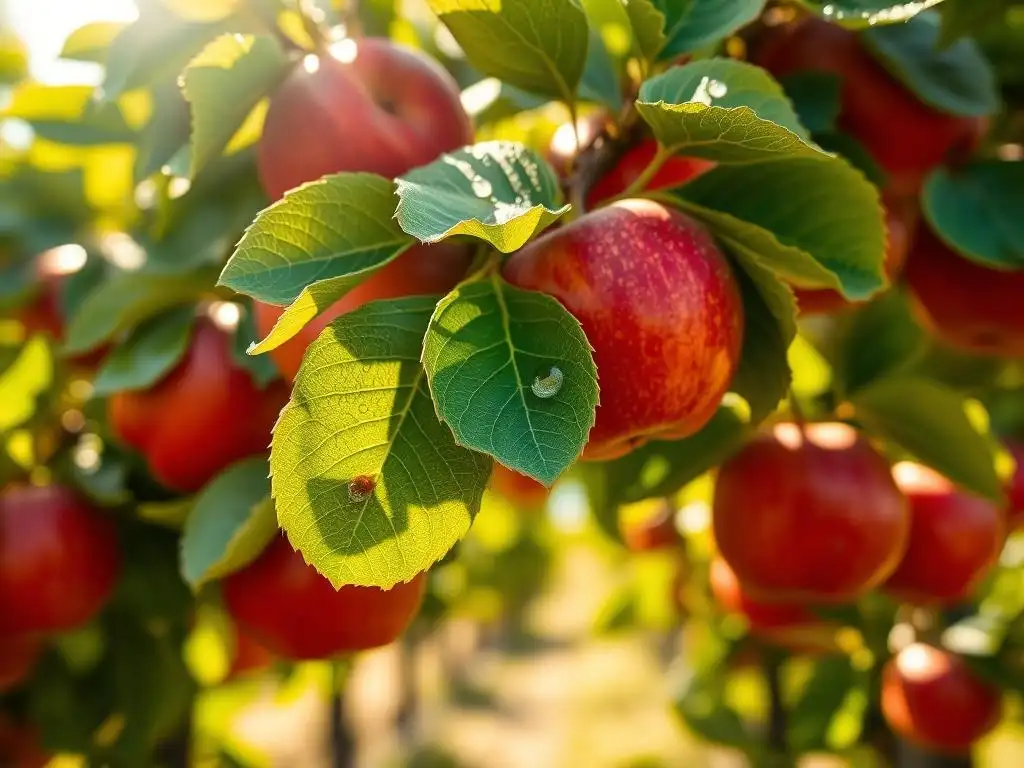
Ready to unlock the secrets to a thriving, organic garden bursting with delicious fruits? At CultivateYourFood, we empower you to grow your own food sustainably. But what happens when disease threatens your precious harvest? Discover natural and effective solutions for organic fruit tree disease control in our latest article – learn how to protect your trees and enjoy abundant, healthy yields. Let's cultivate a healthier future, one fruit tree at a time!
- Understanding Common Fruit Tree Diseases and Organic Control
- Natural Remedies for Common Fruit Tree Diseases
- Preventing Fruit Tree Diseases with Organic Practices
- Advanced Organic Fruit Tree Disease Management
- Case Studies: Successful Organic Fruit Tree Disease Control
- Resources for Organic Fruit Tree Disease Control
-
Frequently Asked Questions
- What are some common diseases affecting organic fruit trees?
- How can I prevent fruit tree diseases organically?
- What are some natural solutions for controlling fruit tree diseases?
- Are there any specific organic treatments for fire blight?
- Where can I find more information on organic fruit tree care?
- Final Reflection: Cultivating Healthier Orchards, Naturally
- Unleash Your Orchard's Potential: Grow Healthier Fruit Trees!
Understanding Common Fruit Tree Diseases and Organic Control
Cultivating healthy fruit trees requires vigilance against a range of diseases that can significantly impact yield and overall tree health. This article focuses on organic fruit tree disease control, providing practical, sustainable solutions to protect your orchard without resorting to harmful chemical pesticides. We'll explore common diseases, their early symptoms, and effective natural remedies to ensure a bountiful and healthy harvest.
The principles of organic fruit tree disease control emphasize preventative measures, careful observation, and the use of natural substances to combat infections, minimizing environmental impact and promoting long-term soil health. Understanding these methods is crucial for maintaining thriving fruit trees and enjoying the rewards of homegrown, organically-grown produce. This guide will equip you with the knowledge to effectively manage common fruit tree ailments, contributing to a sustainable and productive home orchard.
Identifying Common Fruit Tree Diseases: A Visual Guide
Accurate identification is the first step in successful organic fruit tree disease control. Many diseases manifest with distinct visual symptoms. For example, apple scab presents as olive-green or brown spots on leaves and fruit, often leading to cracking and premature fruit drop. Powdery mildew, easily recognizable by its characteristic white, powdery coating on leaves and stems, can affect a wide range of fruit trees.
Fire blight, a bacterial disease, causes wilting and browning of blossoms, leaves, and twigs, often resembling a scorched appearance. Leaf spot diseases, characterized by various shaped spots (circular, angular, etc.) on leaves, can weaken trees and reduce fruit production. Careful visual inspection, paying close attention to leaf shape, color changes, and the presence of lesions or unusual growths, is critical.
Keeping a detailed record of observations, including photographs, can be invaluable for tracking disease progression and tailoring your organic fruit tree disease control strategies. A visual guide, perhaps supplemented with a detailed field guide, would be extremely beneficial for accurate identification. Remember, early detection is key to effective treatment.
Recognizing Early Signs of Infection: Preventative Measures for Organic Fruit Tree Disease Control
Proactive measures are paramount in organic fruit tree disease control. Early detection is crucial, often allowing for simpler and more effective interventions. Regularly inspect your trees for any signs of abnormality—unusual leaf spots, wilting branches, or changes in fruit development. Consider the weather patterns, as prolonged periods of rain or humidity can create ideal conditions for fungal diseases. Implementing preventative strategies, such as ensuring proper air circulation around trees through careful pruning, helps reduce the risk of fungal infections.
Maintaining soil health through composting and mulching improves tree vigor and resilience to disease. Choosing disease-resistant varieties when planting new trees is a crucial preventative step. Furthermore, proper sanitation, including removing fallen leaves and infected fruit promptly, reduces the overwintering of pathogens. A proactive approach, combining regular monitoring with preventative practices, minimizes the need for more aggressive interventions later on.
The Importance of Organic Fruit Tree Disease Control: Protecting Your Harvest
Organic fruit tree disease control isn't just about producing chemical-free fruit; it's about building a sustainable ecosystem within your orchard. By avoiding synthetic pesticides, you protect beneficial insects, pollinators, and soil microorganisms that are vital for a healthy environment. This approach promotes biodiversity and reduces the risk of developing pesticide-resistant strains of diseases. Furthermore, organic methods often enhance the overall quality and flavor of your fruit, as the trees are healthier and better nourished.
Protecting your harvest through organic methods means you can enjoy delicious, healthy fruit knowing that you’ve cultivated it in an environmentally responsible manner. The long-term benefits of organic fruit tree disease control extend beyond a single harvest, contributing to the overall health and sustainability of your orchard and the surrounding ecosystem. The commitment to organic practices reflects a holistic approach to gardening, prioritizing both yield and environmental stewardship.
Natural Remedies for Common Fruit Tree Diseases
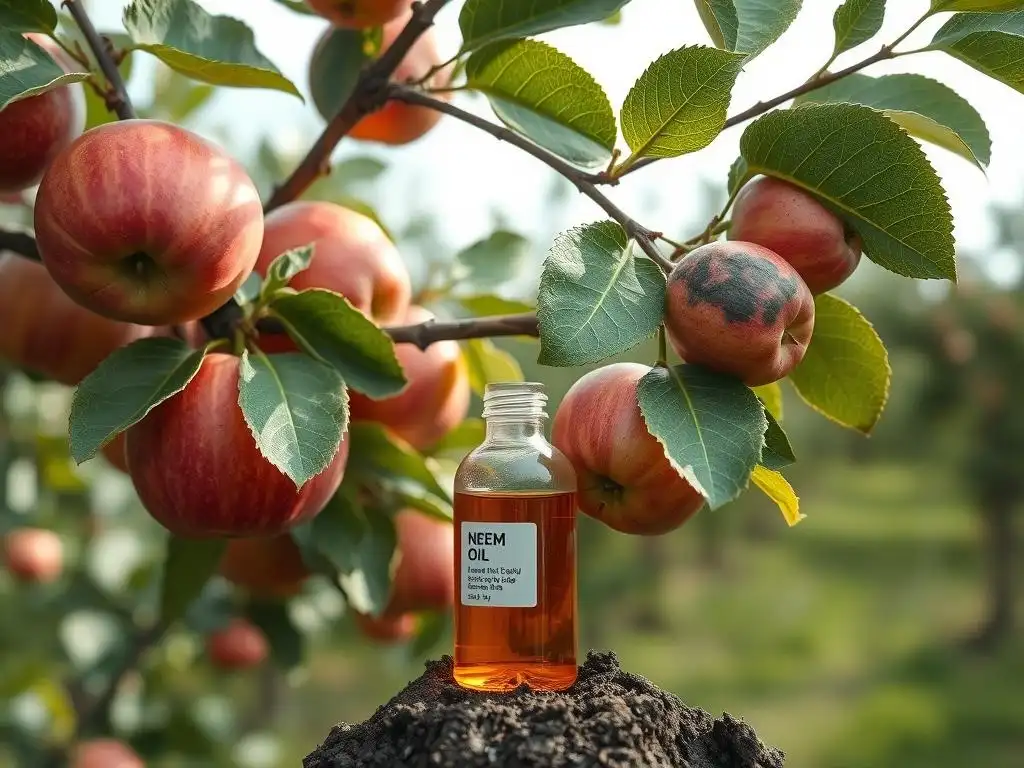
This section delves into specific, effective, and organic fruit tree disease control methods, offering practical solutions for common ailments affecting popular fruit trees. We'll explore natural alternatives to chemical pesticides, promoting healthy, thriving trees and delicious, pesticide-free fruit. Remember, early detection is crucial for successful organic fruit tree disease control. The severity of the disease and the overall health of the tree will influence the efficacy of the treatment.
Organic Solutions for Apple Scab
Apple scab, caused by the fungus Venturia inaequalis, is a prevalent disease manifesting as olive-green to black scabby lesions on leaves, fruit, and twigs. Severe infections can lead to premature leaf drop, reduced fruit quality, and even tree death. Fortunately, several organic approaches can effectively manage this disease.
Successful organic fruit tree disease control for apple scab relies on a multi-pronged approach:
- Sanitation: Remove and destroy fallen leaves and infected fruit in autumn. This reduces the fungal inoculum for the next season. Proper disposal is key – don't compost infected material. Burning is often the most effective method.
- Cultural Practices: Ensure adequate air circulation around the tree by thinning branches and maintaining proper spacing between trees. Good air circulation prevents fungal spores from easily establishing themselves.
- Resistant Varieties: Choosing apple cultivars known for their scab resistance is a proactive and highly effective strategy for long-term organic fruit tree disease control. Research varieties suitable for your climate and taste preferences.
- Organic Sprays: Several organic fungicides can effectively control apple scab. These include:
- Neem oil: A natural insecticide and fungicide that disrupts the fungal life cycle. Apply regularly throughout the growing season, especially during periods of high humidity and rainfall.
- Potassium bicarbonate: A contact fungicide that inhibits fungal spore germination. It's effective as a preventative measure and for early infection stages.
- Copper-based fungicides: While technically inorganic, some copper-based fungicides are allowed in organic farming and can be effective, but use sparingly to avoid soil buildup.
| Treatment | Application Method | Frequency | Effectiveness | Notes |
|---|---|---|---|---|
| Neem Oil | Spray | Weekly, as needed | Moderate to High | Requires thorough coverage of foliage |
| Potassium Bicarbonate | Spray | Every 7-10 days | Moderate | Best used preventatively or in early stages |
| Copper Fungicide | Spray | As per label | Moderate to High | Use sparingly; can build up in soil |
Remember to always follow label instructions carefully when using any organic fungicide.
Controlling Peach Leaf Curl Naturally
Peach leaf curl, caused by the fungus Taphrina deformans, causes leaves to become thickened, distorted, and reddish-purple before turning brown and dropping prematurely. This significantly weakens the tree and reduces fruit production. Effective organic fruit tree disease control requires a combination of strategies:
- Dormant Spraying: A crucial step in preventing peach leaf curl is applying a dormant spray before bud break in late winter or early spring. Organic options include:
- Lime sulfur: A traditional, effective dormant spray that controls overwintering fungal spores. Apply when the tree is completely dormant to avoid damaging new growth. (Note: Lime sulfur is an inorganic material, but may be used in some organic practices)
- Fixed copper: Another option for a dormant spray, which is less effective than lime sulfur.
- Sanitation: Raking and removing fallen leaves in autumn helps reduce the fungal inoculum.
- Pruning: Removing infected branches encourages air circulation and prevents the spread of the disease.
The success of organic fruit tree disease control for peach leaf curl hinges on timely and thorough dormant spraying. Neglecting this step significantly increases the likelihood of a severe infection. Proper application is paramount; ensure complete coverage of the branches and twigs.
Natural Treatments for Cherry Leaf Spot
Cherry leaf spot, caused by the fungus Blumeriella jaapii, causes small purple spots on cherry leaves that later enlarge and turn brown. Severe infections result in premature leaf drop, weakening the tree and affecting fruit production. Effective organic fruit tree disease control involves:
- Raking and Disposal: Removing and destroying fallen leaves in autumn is essential to reduce the overwintering fungal inoculum. Composting is not recommended; burning is preferable.
- Pruning: Proper pruning improves air circulation, reducing humidity and creating a less favorable environment for the fungus.
- Organic Fungicides: Organic fungicides can help manage cherry leaf spot, particularly during periods of high humidity and rainfall. These include:
- Bacillus subtilis: A beneficial bacterium that competes with the fungus for resources, helping to suppress its growth. Apply as a foliar spray.
- Chitosan: A natural biopesticide derived from chitin, which can enhance plant defenses and inhibit fungal growth.
Implementing these organic methods helps ensure healthy cherry trees and a bountiful harvest. Regular monitoring and timely intervention are critical for successful organic fruit tree disease control. Remember to always carefully read and follow the instructions on any organic product you use.
Combating Fire Blight in Fruit Trees Organically
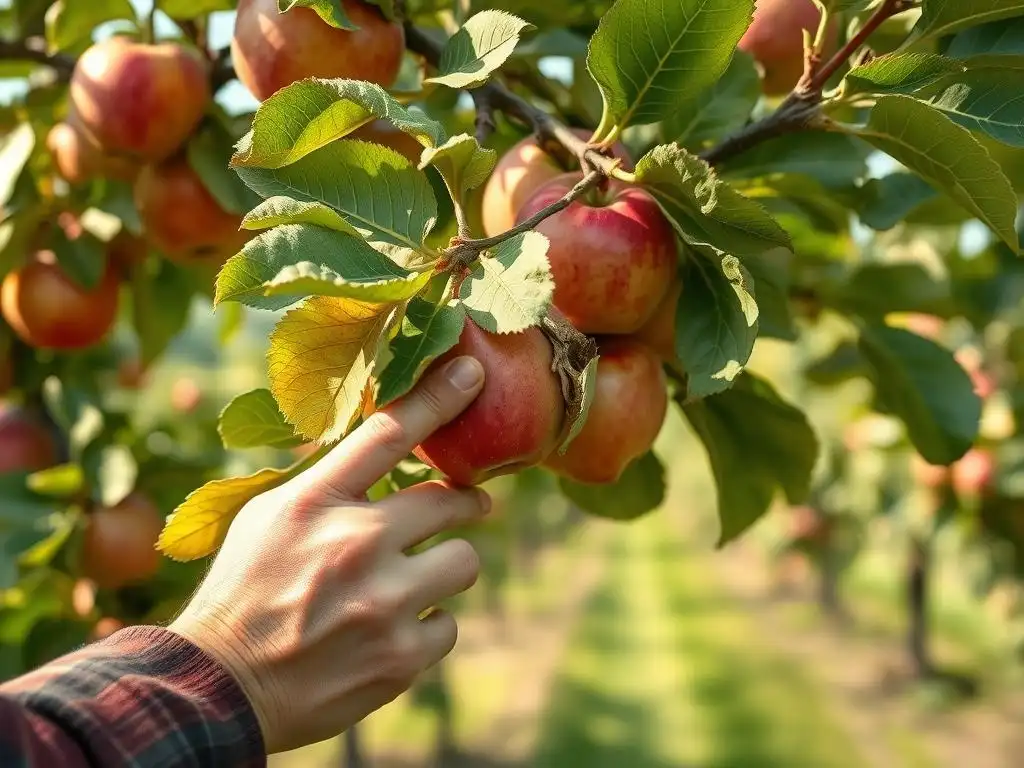
Fire blight, caused by the bacterium Erwinia amylovora, is a devastating disease affecting many fruit trees, including apples, pears, and crabapples. Organic control focuses on prevention and early intervention, as eradicating a full-blown infection is often difficult. The hallmark symptom is a browning and wilting of blossoms, leaves, and twigs, often starting at the tips and progressing downwards, resembling a scorched appearance – hence the name "fire blight". This rapid spread is what makes early detection crucial for effective organic fruit tree disease control.
One of the most effective preventative measures is selecting blight-resistant varieties of fruit trees. Nurseries often provide information on the susceptibility of different cultivars. Proper pruning techniques also play a vital role. Sanitize pruning tools between cuts using a solution of 1 part bleach to 9 parts water to prevent the spread of the bacteria. Prune during dry weather to minimize the risk of infection. Remove and destroy (preferably burn) any infected branches well below the affected area, ensuring you properly dispose of the infected material to prevent further spread.
Beyond preventative measures, some organic treatments can help manage fire blight. Copper-based fungicides, while not strictly organic in the strictest sense, are often allowed in certified organic production and can offer some protection. However, copper can build up in the soil over time, so it's important to use it judiciously and follow label instructions carefully. Another approach involves strengthening the tree’s natural defenses. Maintaining healthy soil through proper composting and mulching boosts the tree's resilience to disease.
Regular soil testing can help identify nutrient deficiencies that weaken the tree and make it more susceptible to fire blight. Adequate watering, especially during periods of stress, also supports the tree’s immune system. Finally, monitoring your trees regularly for early signs of fire blight is key to successful organic fruit tree disease control. Early detection and prompt action significantly improve the chances of containing the infection.
Effective Organic Solutions for Powdery Mildew on Fruit Trees
Powdery mildew, a common fungal disease, creates a characteristic white, powdery coating on leaves, fruit, and shoots of various fruit trees, including apples, pears, and cherries. This coating disrupts photosynthesis, leading to stunted growth, reduced fruit production, and potentially fruit damage. Organic fruit tree disease control for powdery mildew relies on a multi-pronged approach focusing on prevention, cultural practices, and natural treatments.
Improving air circulation is a crucial step in preventing powdery mildew. Proper spacing between trees allows for better airflow, reducing the humidity that favors fungal growth. Pruning to open up the canopy also enhances air circulation. Avoid overhead watering, as wet leaves create an ideal environment for powdery mildew spores to germinate. Instead, water at the base of the tree to keep the foliage dry. Maintaining a clean orchard floor by removing fallen leaves and debris helps reduce the overwintering of the fungus. This sanitation is a cornerstone of organic fruit tree disease control strategies.
Several natural remedies can help combat established powdery mildew infections. Baking soda sprays are a popular choice. A mixture of baking soda, water, and a small amount of liquid soap (to help the solution adhere to the leaves) can be sprayed on affected plants. However, repeated applications may be necessary. Another effective organic treatment is neem oil, a natural insecticide and fungicide derived from the neem tree.
Neem oil disrupts the fungal life cycle, suppressing the growth of powdery mildew. Always follow the instructions on the product label for proper dilution and application. Finally, strengthening the tree's overall health through proper fertilization and soil management is crucial. A healthy tree is better equipped to withstand powdery mildew infections. Regular monitoring and prompt application of organic treatments will help keep powdery mildew under control and contribute to healthy fruit production.
Preventing Fruit Tree Diseases with Organic Practices
Organic fruit tree disease control relies heavily on preventative measures. Treating diseases after they appear is often less effective and can be more damaging to the tree's long-term health. By focusing on proactive strategies, you significantly reduce the likelihood of encountering serious problems. This section outlines key organic practices to bolster your fruit trees' natural defenses against common diseases. These methods promote resilient trees capable of withstanding many common threats, minimizing the need for harsh chemical interventions. Effective organic fruit tree disease control starts long before you see any symptoms.
Soil Health and Organic Fruit Tree Disease Control
Healthy soil is the foundation of healthy fruit trees. A robust root system, nurtured by rich, well-drained soil, is crucial for disease resistance. Poor soil conditions weaken trees, making them more susceptible to a range of pathogens. Think of it like this: a malnourished person is far more vulnerable to illness than a healthy one. The same principle applies to fruit trees.
Several key aspects contribute to optimal soil health for organic fruit tree disease control:
- Regular Soil Testing: Knowing your soil's pH and nutrient levels is paramount. Testing allows for targeted amendment application, ensuring your trees receive the precise nutrients they need. This avoids nutrient deficiencies that weaken trees and invite disease.
- Organic Soil Amendments: Instead of chemical fertilizers, incorporate organic matter like compost, well-rotted manure, and leaf mold. These materials improve soil structure, aeration, and water retention, creating a thriving environment for beneficial microorganisms. This microbial activity directly combats many soilborne pathogens.
- Mulching: Applying a layer of mulch around the base of your trees (avoiding direct contact with the trunk) helps retain soil moisture, suppress weeds (which can harbor diseases), and regulate soil temperature. This creates a more stable and less stressful environment for the tree's root system. Examples of good mulch include wood chips, straw, and shredded leaves.
- Crop Rotation: If you're growing multiple fruit trees or other plants in the same area, rotating crops can help break disease cycles. Certain pathogens thrive on specific host plants; rotating prevents the buildup of these pathogens in the soil.
Proper Pruning Techniques for Disease Prevention
Pruning is more than just shaping your fruit trees; it's a critical aspect of organic fruit tree disease control. Proper pruning techniques enhance air circulation and sunlight penetration within the tree canopy. This reduces humidity, a key factor in the development of many fungal diseases. Think of it as opening up the tree to "breathe" more easily.
Here's how to prune effectively for disease prevention:
- Remove Diseased Branches: Promptly remove any branches showing signs of disease, such as cankers, lesions, or unusual discoloration. Dispose of these branches properly—don't compost them, as this could spread the disease. Burning is often the safest method, if local regulations allow.
- Thinning the Canopy: Overcrowded canopies trap moisture and inhibit airflow, creating ideal conditions for fungal diseases. Thinning allows for better air circulation and sunlight penetration, significantly reducing disease risk.
- Sterilize Pruning Tools: Always sterilize your pruning shears between cuts, particularly when removing diseased branches. This prevents the accidental spread of pathogens from one branch to another. A simple solution of bleach and water is effective for sterilization.
- Proper Cuts: Make clean cuts to avoid tearing the bark, which can provide entry points for diseases. Use sharp, clean pruning shears for smooth, precise cuts that heal quickly.
The Role of Compost in Boosting Fruit Tree Immunity
Compost is far more than just soil amendment; it's a cornerstone of organic fruit tree disease control. Its rich organic matter improves soil structure and provides a slow-release source of nutrients. More importantly, compost fosters a diverse community of beneficial microorganisms in the soil. These microbes compete with disease-causing pathogens, suppressing their growth and bolstering the tree's overall health and resilience. This is a holistic approach to disease management, strengthening the tree's natural defenses from the ground up.
Consider these points regarding compost and fruit tree health:
- Compost Tea: Compost tea, an extract of composted material, can be applied as a foliar spray to provide trees with a boost of beneficial microbes and nutrients. This strengthens their immune systems and increases resistance to disease. The application method and frequency vary depending on the tree type and existing conditions.
- Types of Compost: While many compost varieties are beneficial, using compost rich in diverse organic materials offers the most comprehensive range of beneficial microbes and nutrients. Avoid using compost derived from diseased plants to prevent potential re-introduction of pathogens.
- Application Timing: Applying compost around the base of your trees in spring and fall provides a sustained release of nutrients and beneficial microbes throughout the growing season. This helps ensure consistent support for the tree's immune system.
By diligently implementing these organic practices, you can significantly reduce the need for chemical interventions in managing fruit tree diseases. Remember, a healthy tree is a disease-resistant tree. 🍎
Choosing Disease-Resistant Fruit Tree Varieties
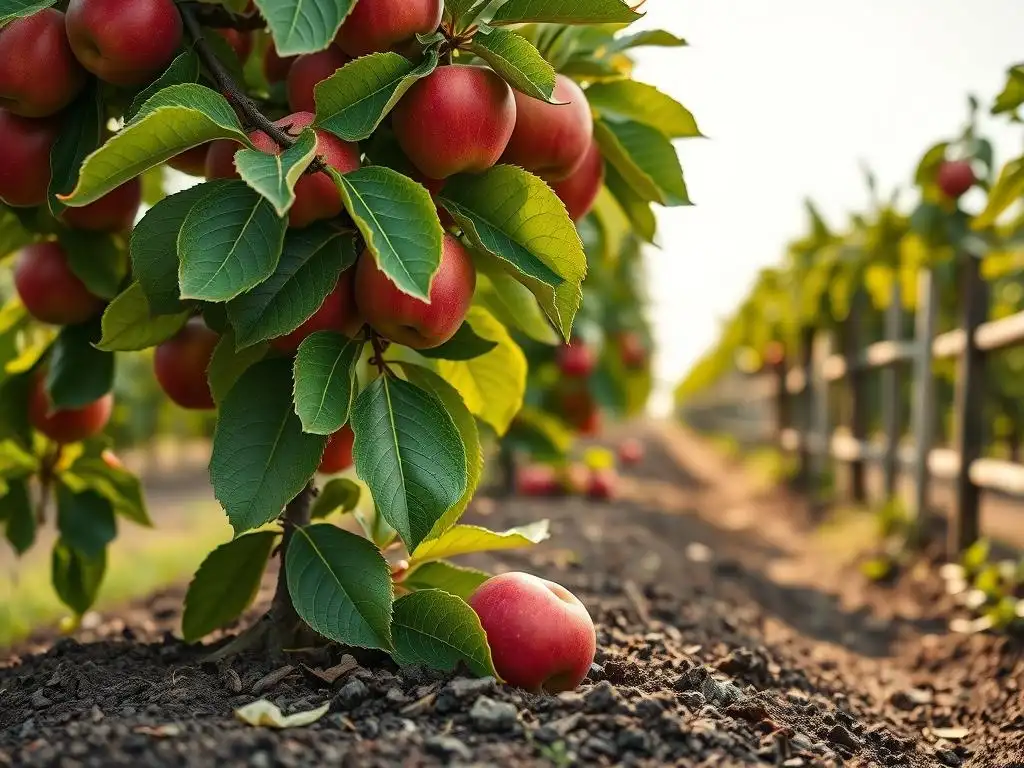
Selecting disease-resistant fruit tree varieties is a cornerstone of organic fruit tree disease control. This proactive approach significantly reduces the need for chemical interventions, aligning perfectly with sustainable gardening practices. When choosing your trees, research varieties known for their inherent resistance to common diseases prevalent in your region. For example, certain apple varieties exhibit greater resistance to apple scab, a fungal disease that can severely impact fruit quality and yield.
Similarly, some cherry cultivars are more resistant to brown rot, a devastating disease affecting blossoms and fruits. Local nurseries and agricultural extension offices are invaluable resources; they can provide tailored advice based on your specific geographic location and climate. Don't hesitate to inquire about the disease resistance profiles of different varieties before making a purchase. Investing time in this research phase pays off handsomely in the long run by minimizing future disease management challenges and maximizing your harvest.
Consider consulting regional fruit growing guides or online databases that catalog disease-resistant cultivars. Remember, prevention is always better than cure, and choosing robust varieties is a powerful preventative measure in organic fruit tree disease control. This approach minimizes the need for interventions later, allowing you to focus on other aspects of tree care.
Importance of Sanitation in Organic Fruit Tree Disease Control
Sanitation plays a crucial role in organic fruit tree disease control. Maintaining a clean orchard environment significantly reduces the overwintering sites and inoculum sources for many pathogens. This involves several key practices. Firstly, regularly remove and destroy fallen leaves, fruits, and branches. These decaying organic materials often harbor disease-causing organisms, providing ideal breeding grounds for the next season's infections. Proper disposal—composting at high temperatures or bagging for removal—is essential to prevent the spread of pathogens.
Secondly, pruning is vital. Remove dead, damaged, or diseased branches promptly and sterilize your pruning tools between cuts using a solution of rubbing alcohol or a commercial disinfectant. This prevents the accidental transfer of pathogens from one branch to another. Thirdly, keep the area around your fruit trees free of weeds and debris. Weeds can act as alternative hosts for pathogens, facilitating their spread to your fruit trees.
Maintaining a clean, well-ventilated orchard improves air circulation, reducing the humidity that favors fungal diseases. Finally, regular monitoring for signs of disease is essential. Early detection allows for prompt intervention, preventing widespread infection and minimizing the need for more drastic measures. By diligently practicing sanitation, you create a less hospitable environment for diseases, strengthening your fruit trees' natural defenses and significantly reducing the need for chemical controls in your organic fruit tree disease control strategy. This holistic approach ensures a healthier orchard and a more abundant harvest.
Advanced Organic Fruit Tree Disease Management
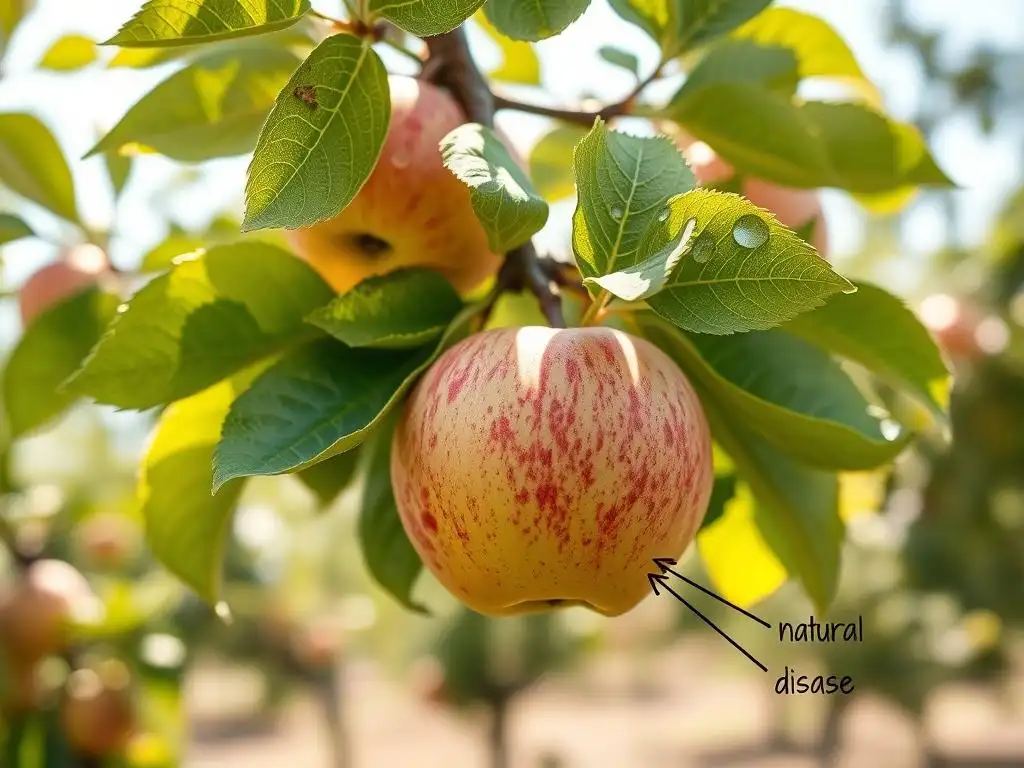
This section delves into sophisticated organic approaches to managing fruit tree diseases, moving beyond basic preventative measures. Effective organic fruit tree disease control requires a multi-faceted strategy, combining preventative practices with targeted interventions when problems arise. We'll explore advanced techniques that leverage the power of nature to bolster your trees' resilience and combat disease. The focus here is on organic fruit tree disease control using methods that minimize environmental impact while maximizing effectiveness.
Using Beneficial Microorganisms for Organic Fruit Tree Disease Control
Beneficial microorganisms, such as mycorrhizal fungi and certain bacteria, play a crucial role in plant health and disease resistance. These microscopic allies enhance nutrient uptake, improve soil structure, and directly inhibit the growth of pathogenic fungi and bacteria. Integrating beneficial microbes into your orchard's ecosystem is a cornerstone of advanced organic fruit tree disease control.
Mycorrhizal fungi form symbiotic relationships with tree roots, extending their reach into the soil and increasing access to water and nutrients. This enhanced nutrition translates to stronger, healthier trees better equipped to withstand disease. Several commercially available mycorrhizal inoculants are specifically formulated for fruit trees. Application typically involves mixing the inoculant with soil around the tree's root zone.
Certain bacteria, like Bacillus subtilis, produce antibiotics that suppress the growth of harmful pathogens. These bacteria can be applied as a soil drench or foliar spray. Research suggests that regular application of these beneficial bacteria can significantly reduce the incidence of common fruit tree diseases. Remember to always choose products specifically designed for use in agriculture and follow label instructions carefully.
Natural Sprays and their Application
Natural sprays offer a targeted approach to organic fruit tree disease control, addressing specific symptoms as they arise. These sprays utilize plant extracts, essential oils, and other natural ingredients to combat fungal and bacterial diseases, as well as insect pests. The efficacy of these sprays depends on timely application and proper coverage.
Effective application requires careful consideration of several factors. Spraying should ideally be done in the early morning or late evening to minimize evaporation and avoid scorching the leaves. Ensure thorough coverage of all affected areas, including the undersides of leaves. Regular application, often every 7-10 days during periods of high disease pressure, is generally necessary.
Here's a table outlining some common natural sprays and their applications:
| Natural Spray | Target Disease/Pest | Application Method | Frequency |
|---|---|---|---|
| Neem Oil | Aphids, mites, scale | Foliar spray | Every 7-10 days |
| Horticultural Oil | Aphids, mites, scale | Foliar spray | Every 7-10 days |
| Copper Fungicide (limited use) | Bacterial & fungal diseases | Foliar spray | As needed, follow label instructions carefully. |
| Baking Soda Solution | Powdery mildew | Foliar spray | Every 7-10 days |
| Potassium Bicarbonate | Powdery mildew, leaf spots | Foliar spray | Every 7-10 days |
Remember to always test a small area before applying any spray to the entire tree to check for any adverse reactions. Consistent monitoring is essential for early disease detection and timely intervention.
Homemade Organic Fungicides and Insecticides
Creating your own organic fungicides and insecticides empowers you to take control of disease management with readily available ingredients. These homemade solutions offer cost-effective and environmentally friendly alternatives to commercially produced options. However, it's crucial to understand that their efficacy might be less consistent than commercially produced products.
One popular homemade fungicide utilizes baking soda. A simple solution of baking soda and water can effectively control powdery mildew. Remember that excessive use can harm the plant; therefore, start with a low concentration and monitor the results. Another effective solution is a mixture of milk and water, which has shown promising results in controlling some fungal diseases. Again, careful monitoring is key.
For insect control, neem oil is a widely used and effective natural insecticide. You can purchase cold-pressed neem oil and dilute it according to the package instructions before spraying onto the affected areas. This provides a safe and effective method for controlling various common fruit tree pests. Careful observation and prompt action are vital for success with homemade solutions. Remember to always prioritize proper safety precautions when handling any homemade solutions.
Monitoring and Early Intervention Strategies for Organic Fruit Tree Disease Management
Regular monitoring is the cornerstone of effective organic fruit tree disease control. Early detection significantly increases the chances of successful treatment and minimizes the spread of disease throughout your orchard. This proactive approach is far more effective than reactive measures taken after a significant infestation has occurred. Think of it as preventative healthcare for your trees.
Effective monitoring involves regular visual inspections of your fruit trees, ideally weekly, but at least bi-weekly during the growing season. Pay close attention to leaves, branches, fruit, and the soil around the base of the tree. Look for any signs of unusual discoloration, wilting, lesions, spots, or unusual growths. Take note of any changes in leaf shape or size, as well as the presence of insects or other pests, which can often be indicators of underlying disease. A magnifying glass can be incredibly helpful in identifying early signs of infection, such as tiny fungal spores or insect eggs.
Document your findings. Keeping a detailed record of your observations, including dates, specific symptoms observed, and the affected areas of the tree, is crucial. This record will help you track the progress of any diseases, identify patterns, and evaluate the effectiveness of your chosen treatment methods. Photographs can also be invaluable for documenting the progression of disease. Consider creating a simple spreadsheet or using a dedicated gardening journal to maintain accurate records. This historical data becomes increasingly valuable over time, allowing you to anticipate potential problems and refine your preventative strategies in subsequent years.
Beyond visual inspection, consider using simple, non-invasive tools to enhance your monitoring. For example, a soil probe can help assess soil health and identify potential nutrient deficiencies that might weaken your trees and make them more susceptible to disease. Similarly, a simple hand lens can help you identify tiny insects or mites that might be vectors for disease.
Remember, early intervention is key. The sooner you identify and address a disease, the less damage it will inflict on your fruit trees. A small infection treated promptly is far easier to manage than a widespread infestation that requires more drastic measures. This proactive approach is fundamental to successful organic fruit tree disease management, reducing the need for more aggressive interventions later on. Early detection minimizes the risk of significant crop loss and ensures the long-term health and productivity of your orchard.
Case Studies: Successful Organic Fruit Tree Disease Control
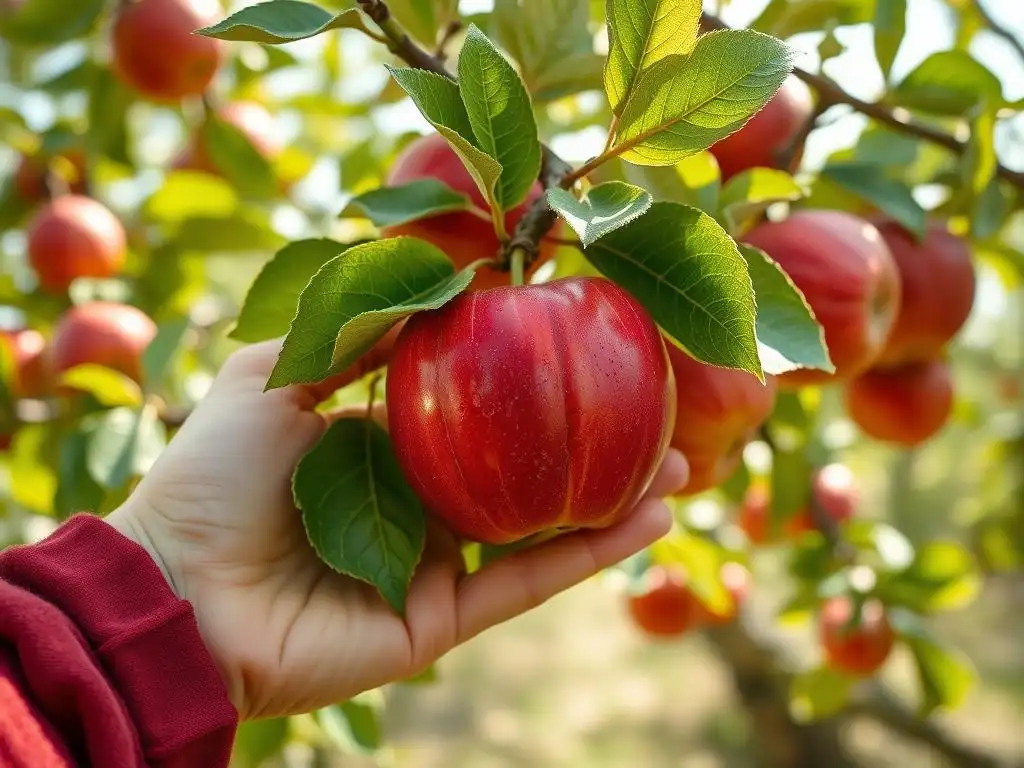
This section presents real-world examples demonstrating the effectiveness of organic fruit tree disease control methods. We'll explore specific cases, highlighting the challenges faced, the organic solutions implemented, and the positive outcomes achieved. Remember, early detection and consistent application of these methods are crucial for successful organic fruit tree disease control.
Case Study 1: Apple Scab Control using Neem Oil and Compost Tea
An apple orchard in Vermont experienced a severe outbreak of apple scab ( Venturia inaequalis) in the spring. Conventional treatments were rejected due to the orchard owner's commitment to organic practices. Instead, a multi-pronged approach was adopted:
- Sanitation: Fallen leaves, which harbor the fungus, were meticulously collected and composted. This reduced the inoculum for the next season.
- Neem Oil Spray: Weekly applications of neem oil, a natural insecticide and fungicide, were implemented throughout the growing season, targeting both the fungal spores and any accompanying insect vectors. The application was carefully timed, focusing on periods of high humidity and rainfall, when scab is most likely to spread.
- Compost Tea Application: A rich compost tea, brimming with beneficial microbes, was applied monthly to the soil around the trees. This boosted the overall health and resilience of the trees, making them less susceptible to disease.
The results were remarkable. While the initial infestation was significant, the spread of apple scab was successfully contained. By the end of the growing season, the incidence of scab was reduced by approximately 85%, with minimal fruit loss. This case highlights the effectiveness of a combined approach, integrating sanitation, neem oil, and compost tea for organic fruit tree disease control. The orchard owner noted a significant improvement in overall tree health and a substantial increase in the quality of the harvested apples.
Case Study 2: Citrus Greening Disease Management using Beneficial Insects and Soil Amendment
A homeowner in Florida faced a challenging situation with their citrus trees, specifically dealing with Huanglongbing (HLB), also known as citrus greening disease. This devastating disease is caused by a bacterium spread by the Asian citrus psyllid. Chemical control is often ineffective and environmentally damaging. This homeowner adopted a holistic approach:
- Beneficial Insect Introduction: The homeowner released several species of beneficial insects known to prey on the Asian citrus psyllid, including ladybugs and lacewings. This biological control method significantly reduced the psyllid population, thus limiting the spread of the disease.
- Soil Health Improvement: The soil around the citrus trees was amended with compost and other organic matter to improve its drainage and nutrient content. Healthy soil supports healthy trees, making them more resilient to disease. Specifically, they used a blend of compost, aged manure, and bone meal to enhance nutrient availability and soil microbiology.
- Pruning and Sanitation: Regular pruning removed infected branches, minimizing the spread of the disease within the tree. This sanitation practice, combined with the other methods, played a crucial role in preventing further infection.
While a complete eradication of HLB is generally difficult, this organic approach resulted in a significant slowing of the disease's progression. The homeowner observed a reduction in the severity of symptoms, including reduced fruit drop and improved fruit quality. This case study underscores the importance of a multifaceted approach, integrating biological control, soil health improvement, and careful sanitation for managing even the most challenging organic fruit tree disease control scenarios. This demonstrates that even with a difficult disease like citrus greening, organic methods can mitigate the damage and prolong the life of the trees.
Resources for Organic Fruit Tree Disease Control
This section focuses on where to find reliable and up-to-date information for organic fruit tree disease control. Finding accurate information is crucial for successful treatment and preventing further spread of disease. Incorrect information can lead to wasted time and effort, potentially harming your trees further. Therefore, choosing your sources wisely is paramount.
Reputable Sources for Further Information
Locating trustworthy information about organic fruit tree disease control requires careful consideration. Avoid relying solely on anecdotal evidence or unverified online forums. Instead, prioritize resources that offer research-based information and practical guidance from experts in horticulture and organic farming.
Several avenues provide reliable information:
- University Extension Services: These services, typically affiliated with land-grant universities, offer research-based information tailored to specific geographic regions. They often have specialists who can answer your questions and provide region-specific advice on organic fruit tree disease management. Their publications and websites are usually excellent starting points. Look for keywords like "[your state/region] fruit tree diseases" to find relevant resources.
- Organic Farming Organizations: Organizations dedicated to promoting organic agriculture often publish guides and resources on pest and disease control. These organizations typically emphasize environmentally friendly and sustainable practices, aligning perfectly with organic fruit tree disease control. They often host workshops and events where you can learn directly from experts.
- Peer-Reviewed Scientific Journals: While potentially more technical, peer-reviewed journals offer the most rigorous scientific evidence on disease management. Articles published in these journals undergo a thorough review process, ensuring accuracy and validity. Searching databases like PubMed or Google Scholar using keywords like "organic disease control," "fruit tree pathogens," and specific disease names (e.g., "apple scab organic control") can yield valuable results. However, be prepared for more technical language.
- Experienced Organic Orchardists: Networking with experienced organic orchardists in your area can provide invaluable practical knowledge. They can share their firsthand experiences, successful strategies, and challenges faced in managing fruit tree diseases organically. Local farmers' markets or agricultural societies are excellent places to connect with such individuals.
Evaluating Information Sources for Reliability
Not all information online is created equal. Critically evaluating information sources is a vital skill for successful organic fruit tree disease control. Consider these factors when assessing a source's reliability:
- Author Credentials: Check the author's background and expertise. Are they researchers, experienced orchardists, or university extension specialists?
- Source Bias: Is the source affiliated with a company selling pesticides or other products? This could introduce bias into the information provided.
- Date of Publication: Outdated information may not reflect current best practices or research findings. Look for recently updated resources.
- Evidence-Based Claims: Does the information cite research studies or other credible sources to support its claims? Anecdotal evidence alone is not sufficient.
- Clarity and Accuracy: Is the information presented clearly, accurately, and free of contradictions?
By employing a discerning approach to information gathering and prioritizing credible sources, you can confidently implement effective organic fruit tree disease control strategies, fostering healthy and productive trees. Remember, prevention is key, and proactive measures are often more effective than reactive treatments. Combining preventative cultural practices with timely and appropriate organic treatments will contribute significantly to the long-term health and productivity of your orchard. 🍎🌳
Frequently Asked Questions
What are some common diseases affecting organic fruit trees?
Several diseases can impact organic fruit trees. Common examples include fire blight, powdery mildew, and apple scab. These affect various fruit tree types and can significantly reduce yields.
How can I prevent fruit tree diseases organically?
Preventative measures are crucial. This includes proper sanitation, selecting disease-resistant varieties, ensuring adequate air circulation, and maintaining soil health through composting.
What are some natural solutions for controlling fruit tree diseases?
Numerous natural solutions exist, such as using kaolin clay for protection, applying neem oil to control insects and diseases, and utilizing compost tea to boost plant health and resilience.
Are there any specific organic treatments for fire blight?
Unfortunately, there's no cure for fire blight once it's established. However, pruning infected branches promptly and applying copper-based sprays (check regulations in your area) can help manage its spread.
Where can I find more information on organic fruit tree care?
Explore resources like the CultivateYourFood website for in-depth information on organic fruit tree disease control, sustainable practices, and overall fruit tree health. We provide comprehensive guides and support for home growers.
Final Reflection: Cultivating Healthier Orchards, Naturally
The quest for organic fruit tree disease control is not merely a trend; it's a vital step towards a sustainable and healthier future for our food systems. Ignoring the impact of chemical pesticides on our environment and our own well-being is no longer an option. The methods discussed in this article offer a pathway towards a more harmonious relationship between humans and nature, yielding bountiful harvests without compromising the health of our planet.
The shift towards organic practices is more than just a change in farming techniques; it's a reflection of a growing awareness of our interconnectedness with the natural world. We are increasingly recognizing the importance of biodiversity and the delicate balance within ecosystems. The earth provides enough to satisfy every man's needs but not every man's greed.
- Mahatma Gandhi. This quote underscores the responsibility we bear in cultivating our orchards in a way that respects the environment and ensures its long-term health, benefiting not only ourselves but future generations.
You now possess the knowledge to cultivate healthier, more resilient fruit trees using natural methods. Consider the impact of your choices – from the types of soil amendments you use to the preventative measures you take. Embrace the challenge of organic fruit tree disease control, not as a burden, but as an opportunity to connect with nature, learn from its wisdom, and contribute to a more sustainable future. Start small, experiment, and observe the remarkable results that await you. Your orchard, and the planet, will thank you for it.
Unleash Your Orchard's Potential: Grow Healthier Fruit Trees!
Thank you for learning about natural solutions for common fruit tree diseases! You're now equipped to nurture healthier, more productive trees. Ready to put this knowledge into action?
- Tackle your most problematic tree first: Identify the tree with the most serious disease and begin the recommended natural treatment immediately. This focused approach will yield the quickest results and build your confidence.
- Share your experience: Tell us about your progress in the comments below – what are you tackling first? We value hearing your stories and learning from each other's successes and challenges.
- Consider preventative care: Research additional preventative strategies to keep your trees healthy throughout the growing season.
What's the first step you'll take to give your fruit trees the best possible care this season?