
Boosting Immunity with Herbs: Natural Ways to Stay Healthy

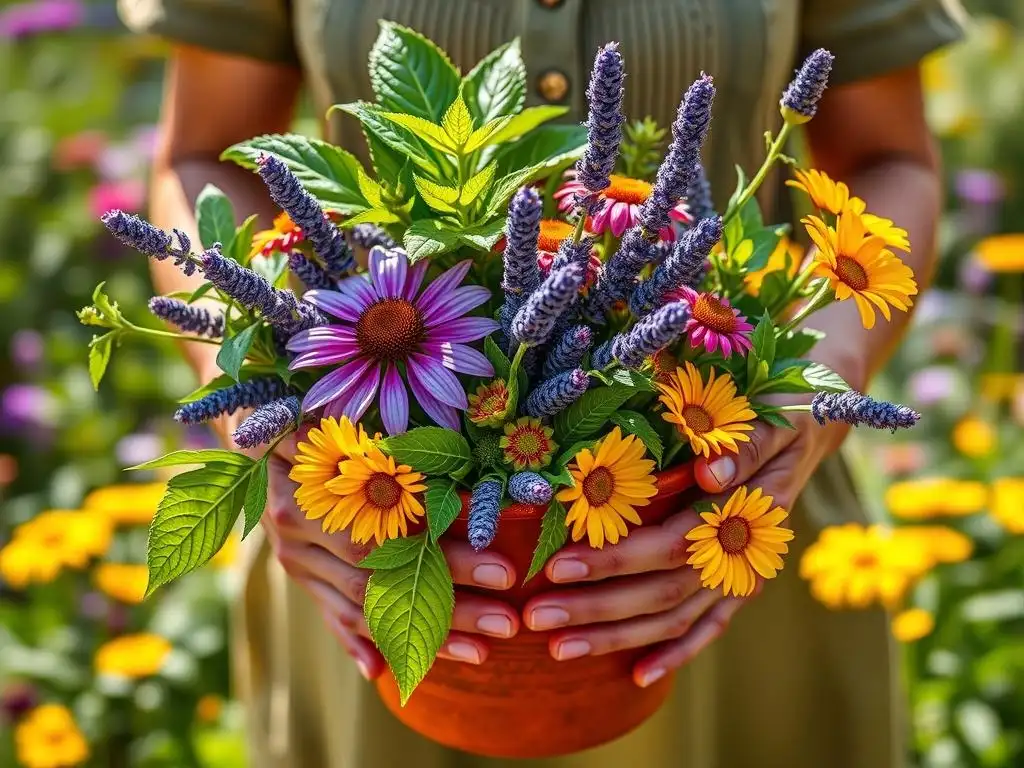
Welcome to CultivateYourFood, your guide to a healthier and more sustainable life through homegrown goodness! Are you ready to unlock the power of nature's pharmacy? Discover how easy it is to grow immunity-boosting herbs right in your own backyard, transforming your garden into a vibrant source of natural wellness. Learn the secrets to cultivating these potent plants and harness their incredible benefits – your journey to a stronger, healthier you starts here.
- Grow Immunity Boosting Herbs: A Guide to Cultivating Your Home Apothecary
- Harnessing the Power of Herbs for Immune Support
- Incorporating Immunity-Boosting Herbs into Your Diet
- Beyond the Garden: Sustainable Practices for Healthy Herbs
- Understanding the Science Behind Herbal Immunity Boosters
- Frequently Asked Questions
- Final Reflection: Cultivating Resilience, One Herb at a Time
- Unleash Your Inner Wellness: Start Your Herbal Immunity Journey Today!
Grow Immunity Boosting Herbs: A Guide to Cultivating Your Home Apothecary
Growing your own immunity-boosting herbs is a rewarding and sustainable way to enhance your well-being. This guide delves into the world of cultivating potent plants right in your backyard, offering a natural approach to bolstering your immune system. We'll explore the selection of the most effective herbs, practical planting techniques for optimal growth, and essential care practices to ensure a thriving and healthy herb garden, providing you with a readily available supply of nature's immune-supporting power.
From the initial seed to the final harvest, we'll equip you with the knowledge to create your own personal home apothecary, brimming with vibrant, immunity-boosting herbs. This holistic approach to health emphasizes the connection between sustainable gardening practices and a stronger, more resilient you. Let's explore how you can easily grow immunity boosting herbs and reap the benefits!
Selecting the Right Immunity-Boosting Herbs for Your Garden
Choosing the right herbs for your garden is the first step towards building your personal immunity-boosting arsenal. Several herbs are renowned for their immune-supporting properties. Consider your climate and growing conditions when making your selections. Here's a curated list of top contenders:
- Echinacea: Known for its antiviral and antibacterial properties, Echinacea is a popular choice for boosting the immune system. It thrives in full sun and well-drained soil.
- Elderberry: Rich in antioxidants, elderberries are believed to help shorten the duration and severity of colds and flu. Choose a variety suitable for your climate, as they have varying cold hardiness.
- Ginger: A versatile herb with anti-inflammatory and immune-boosting properties. Ginger requires warm temperatures and well-drained soil to flourish.
- Garlic: A powerful antimicrobial agent, garlic is a staple in many cuisines and is easily grown in most climates. Plant cloves directly into the ground for optimal growth.
- Lemon Balm: This fragrant herb possesses antiviral and anti-inflammatory properties, making it an excellent addition to your immunity-boosting garden. It prefers partial shade and moist soil.
- Rosemary: Known for its antioxidant and anti-inflammatory properties, Rosemary adds a flavorful punch to dishes while supporting your immune system. It thrives in sunny, well-drained areas.
- Thyme: This versatile herb is packed with antioxidants and has antimicrobial properties. Thyme is relatively low-maintenance and adapts well to various growing conditions.
This selection provides a diverse range of flavors and benefits, allowing you to experiment and find your favorite immunity-boosting herbs. Remember to check the specific needs of each herb before planting to ensure optimal growth. Consider creating a diverse garden to maximize your harvest and its nutritional benefits.
Planting and Growing Techniques for Maximum Yield
Successful herb cultivation hinges on appropriate planting techniques. Here’s a breakdown of best practices to maximize your yield:
- Starting from Seed: Many immunity-boosting herbs can be started from seed indoors several weeks before the last frost. Use seed starting mix and provide ample sunlight.
- Transplanting Seedlings: Once seedlings have developed a few sets of true leaves, transplant them outdoors into well-prepared soil. Space plants according to their mature size.
- Direct Sowing: Some herbs, like garlic, can be sown directly into the ground. Follow package instructions for optimal spacing and depth.
- Soil Preparation: Ensure your soil is well-draining and rich in organic matter. Amend heavy clay soils with compost to improve drainage and aeration.
- Sunlight Requirements: Most herbs thrive in full sun (at least 6-8 hours per day), but some, like lemon balm, prefer partial shade. Choose a location that meets the specific sunlight needs of your chosen herbs.
Following these planting techniques will give your immunity-boosting herbs the best possible start, leading to a bountiful harvest. Remember to rotate your crops annually to prevent soil depletion and pest buildup.
Essential Care: Watering, Fertilizing, and Pest Control for Healthy Herbs
Consistent care is crucial for healthy herb growth. Here's a guide to essential maintenance practices:
- Watering: Water regularly, especially during dry spells. Aim for consistently moist soil but avoid overwatering, which can lead to root rot. Water deeply and less frequently rather than shallowly and often.
- Fertilizing: Use a balanced, organic fertilizer to provide your herbs with the nutrients they need. Avoid over-fertilizing, which can negatively impact flavor and growth. Compost tea is a great organic option.
- Pest Control: Monitor your herbs regularly for pests and diseases. Employ integrated pest management techniques, such as handpicking pests, introducing beneficial insects, or using organic pest control methods. Avoid harsh chemical pesticides which can harm beneficial insects and contaminate your harvest.
By diligently following these care instructions, you'll ensure your immunity-boosting herb garden thrives, providing you with a continuous supply of potent, homegrown remedies. Remember that consistent observation and timely intervention are key to maintaining a healthy and productive herb garden. Enjoy the process of nurturing your plants and reaping the health benefits they provide!
Harvesting and Preserving Your Immunity-Boosting Herbs
Harvesting your immunity-boosting herbs at the optimal time is crucial for maximizing their potency and preserving their beneficial compounds. The best time to harvest most herbs is generally in the morning after the dew has dried, as this is when their essential oil content is highest. However, this varies depending on the specific herb.
For example, lavender, known for its calming and potentially immune-supporting properties, should be harvested when its flowers are fully open and the scent is strongest, usually in mid-summer. Similarly, chamomile, another herb with potential immune benefits, is best harvested when its flowers are fully bloomed. Paying close attention to the visual cues of each plant is key.
Different parts of the plant may be harvested depending on the herb and its intended use. Leaves are commonly used for teas and tinctures, while flowers are often preferred for infusions and other preparations. Roots, like those of echinacea (a well-known immune booster), are typically harvested in the fall after the plant has completed its growing season.
Always use clean, sharp tools to avoid bruising the plant material, which can reduce its quality and shelf life. Remember to harvest sustainably, leaving enough of the plant behind to ensure it can continue to thrive and produce more herbs in the future.
Preservation methods are vital to maintaining the quality and potency of your harvested herbs. Air drying is a popular method, requiring you to bundle small bunches of herbs and hang them upside down in a cool, dark, and well-ventilated area. This allows for gradual drying, minimizing the loss of essential oils. Alternatively, you can spread the herbs thinly on a screen or tray.
Proper air drying typically takes 1-3 weeks, depending on the herb and humidity levels. Once dry, you can crumble the herbs and store them in airtight containers in a cool, dark, and dry place. This method is suitable for many herbs like rosemary, thyme, and oregano, all of which possess antioxidant and potentially immune-supporting properties.
For herbs that are particularly sensitive to air drying, such as basil, freezing can be a better preservation method. Blanch the basil briefly in boiling water, then immediately plunge it into ice water to stop the cooking process. After thoroughly drying, you can freeze the basil in ice cube trays or freezer bags for later use. Freezing retains the vibrant color and flavor of the herb better than air drying in this case.
Experiment with different preservation techniques to determine which works best for each herb and your personal preferences. Proper preservation helps ensure you can enjoy the benefits of your homegrown immunity-boosting herbs throughout the year. Remember to label your containers clearly with the name of the herb and the date of harvesting.
Harnessing the Power of Herbs for Immune Support
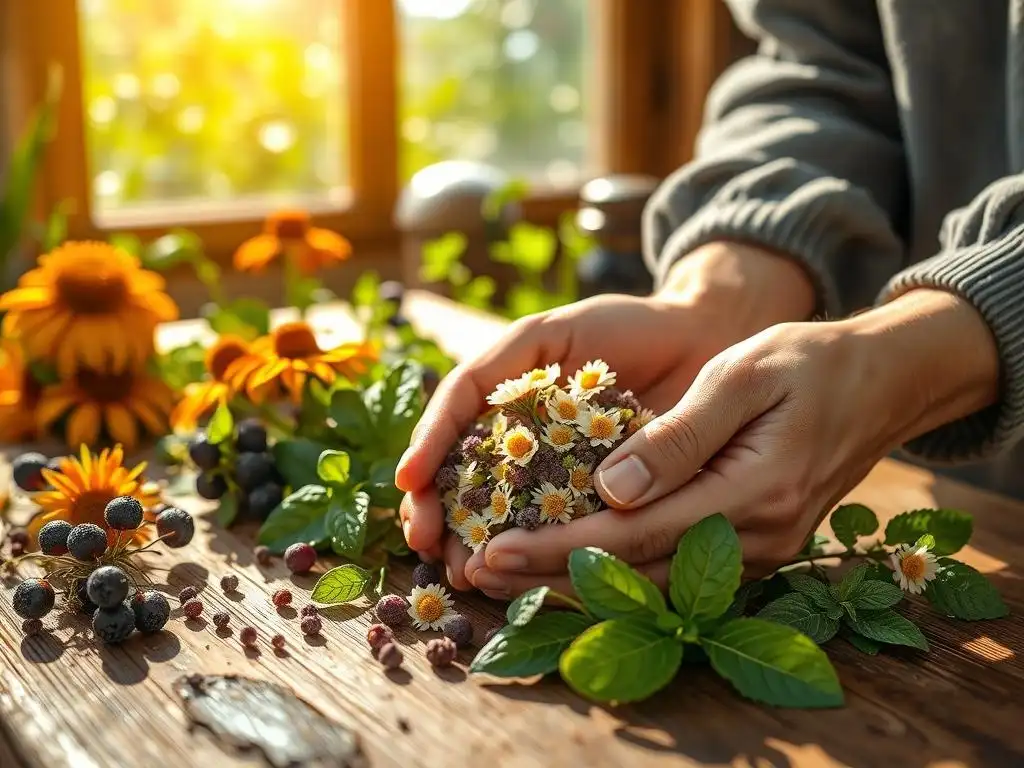
Growing your own immunity-boosting herbs offers a powerful way to enhance your well-being and proactively support your health. This section delves into the specific benefits of several easily cultivated herbs, highlighting their unique contributions to a robust immune system. By incorporating these plants into your diet and daily routine, you can naturally bolster your body's defenses against illness.
The benefits extend beyond simply consuming these herbs; the act of cultivating them fosters a deeper connection with nature and provides a sense of accomplishment, contributing to overall mental and emotional well-being, which also plays a crucial role in immune health. Remember to always consult with a healthcare professional before making significant changes to your diet, especially if you have pre-existing health conditions.
Echinacea: A Natural Immune System Booster
Echinacea, a vibrant purple coneflower, is renowned for its immune-boosting properties. Numerous studies suggest that echinacea can help stimulate the immune system, potentially reducing the duration and severity of common colds and upper respiratory infections. The active compounds within echinacea, including polysaccharides and alkylamides, are believed to be responsible for these effects. They work by stimulating the activity of immune cells, such as macrophages and lymphocytes, which are crucial in fighting off pathogens.
Growing echinacea is relatively straightforward. It thrives in full sun and well-drained soil. Planting seeds directly outdoors in spring or starting seedlings indoors a few weeks before the last frost is recommended. Regular watering, especially during dry spells, is important for healthy growth.
Harvesting the roots and aerial parts (flowers and leaves) can be done at different stages, depending on your desired use. The roots are generally harvested in the fall after the plant has completed its flowering cycle, while the above-ground parts can be harvested throughout the growing season. Proper drying techniques are crucial to preserving the herb's potency.
Elderberry: Rich in Antioxidants and Vitamins
Elderberry, a dark purple berry packed with antioxidants and vitamins, is another powerful herb for immune support. Its high concentration of anthocyanins, potent antioxidants, helps combat oxidative stress, which can weaken the immune system. Elderberry is also a good source of vitamin C, which plays a vital role in immune function. Studies have shown that elderberry extract may reduce the severity and duration of influenza symptoms.
When growing elderberries, consider the space requirements. Elderberry bushes can grow quite large, so adequate spacing is essential. They prefer full sun to partial shade and well-drained soil. Propagation can be done through seeds or cuttings. Harvesting the berries occurs in late summer or early autumn, when they are fully ripe and dark purple. The berries can be used fresh, frozen, or processed into jams, juices, or syrups. Always ensure to thoroughly cook elderberries before consumption, as raw elderberries can be toxic.
Ginger: Anti-inflammatory and Immune-Supporting Properties
Ginger, a common spice with a pungent aroma, possesses potent anti-inflammatory and immune-supporting properties. Its active compound, gingerol, is responsible for its anti-inflammatory effects, helping to reduce inflammation throughout the body. Chronic inflammation is linked to various health problems, including weakened immunity. Ginger also contains antioxidants that help protect cells from damage. Adding ginger to your diet can be a simple way to boost your immune system.
Growing ginger is best achieved by planting rhizomes (ginger roots) in well-drained soil in a warm, sunny location. It thrives in warm climates and requires consistent moisture. Harvesting can be done after several months, once the leaves start to yellow and die back. The rhizomes can be dug up, cleaned, and used fresh or preserved for later use.
Remember to save some of the healthiest rhizomes for planting the following season. Ginger can be easily incorporated into various dishes, adding a unique flavor and health benefits to your meals. From stir-fries to teas, the culinary uses of ginger are vast and versatile. 🌱
Garlic: A Powerful Ally Against Infections
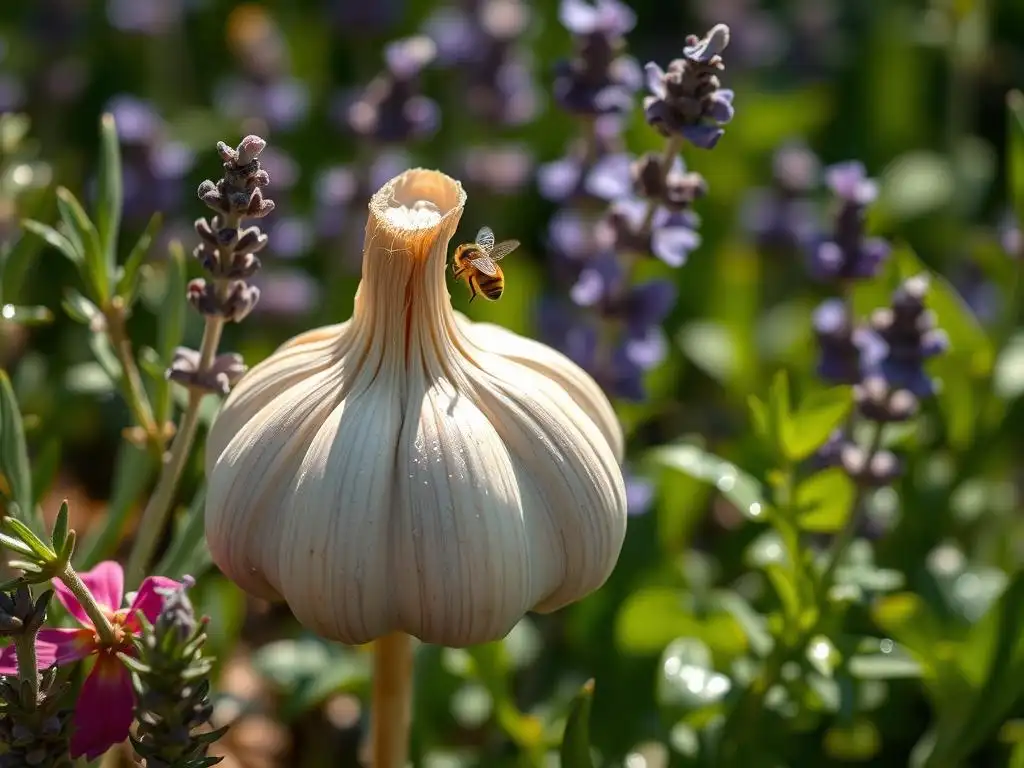
Garlic, Allium sativum, is far more than just a culinary staple; it's a potent medicinal herb with a long history of use in traditional medicine. Its immune-boosting properties are largely attributed to allicin, a compound formed when garlic is crushed or chopped. Allicin has demonstrated significant antimicrobial and antiviral activity in numerous studies. It works by inhibiting the growth of various pathogens, including bacteria, fungi, and viruses, thereby strengthening the body's natural defenses against infection.
The benefits extend beyond simply fighting off existing infections. Regular consumption of garlic has been linked to a reduced risk of developing common illnesses. Studies have shown that individuals who incorporate garlic regularly into their diet experience fewer instances of colds and flu. This is likely due to its ability to stimulate the immune system, enhancing its ability to respond effectively to threats.
Furthermore, some research suggests that garlic may even play a role in preventing the development of chronic diseases by modulating inflammation, a key factor in many health conditions. Remember to consume garlic regularly, as its effects are cumulative; a single clove won't work miracles, but consistent intake can significantly improve overall immune function. Adding it to your meals, using it in sauces, or even taking a garlic supplement (after consulting your doctor) are all excellent options for incorporating this powerful herb into your daily routine.
Lemon Balm: Calming and Immune-Boosting Benefits
Lemon balm, Melissa officinalis, is a fragrant herb known for its calming and immune-supporting properties. Its delightful lemon scent is just one of its many appealing qualities; it offers a range of benefits for overall well-being, particularly in bolstering the immune system. Lemon balm contains various compounds, including rosmarinic acid and caffeic acid, which possess potent antioxidant and anti-inflammatory effects. These properties help protect the body against damage from free radicals and reduce inflammation, both crucial factors in maintaining a strong immune response.
Unlike some stronger herbs, lemon balm offers a gentler approach to immune support. It doesn't aggressively stimulate the immune system but rather helps to balance and regulate it. This makes it particularly beneficial for individuals who experience stress-related immune dysfunction or those with autoimmune conditions. Studies have shown that lemon balm can help reduce stress hormones, which can negatively impact immune function.
Furthermore, its calming properties can promote better sleep, which is essential for immune recovery and regeneration. You can easily incorporate lemon balm into your routine by brewing a calming tea, adding its fresh leaves to salads, or using it in culinary preparations. Its mild flavor complements various dishes, making it a versatile and delicious addition to your healthy lifestyle.
Astragalus: Adaptogen for Enhanced Immune Response
Astragalus, Astragalus membranaceus, is a powerful adaptogen, meaning it helps the body adapt to stress and maintain balance. This is particularly relevant for immune support, as stress significantly impacts immune function. Astragalus has been used in Traditional Chinese Medicine for centuries to strengthen the body's resistance to illness and enhance overall vitality. It contains various polysaccharides and other bioactive compounds that stimulate the production of immune cells, such as lymphocytes and macrophages, which are crucial for fighting off infections.
One of the key benefits of astragalus is its ability to modulate the immune response. It doesn't simply boost the immune system indiscriminately; instead, it helps to regulate its activity, ensuring a balanced and effective response. This is particularly important for individuals with autoimmune disorders, where an overactive immune system can cause harm. Studies have shown that astragalus can help improve the activity of natural killer (NK) cells, which play a vital role in eliminating virus-infected cells and cancer cells.
It also enhances the production of antibodies, further strengthening the body's ability to fight off infection. While astragalus offers significant immune-boosting benefits, it is always advisable to consult with a healthcare professional before using it, especially if you are taking other medications or have pre-existing health conditions. Proper dosage and usage are crucial for maximizing its benefits and avoiding potential side effects.
Incorporating Immunity-Boosting Herbs into Your Diet
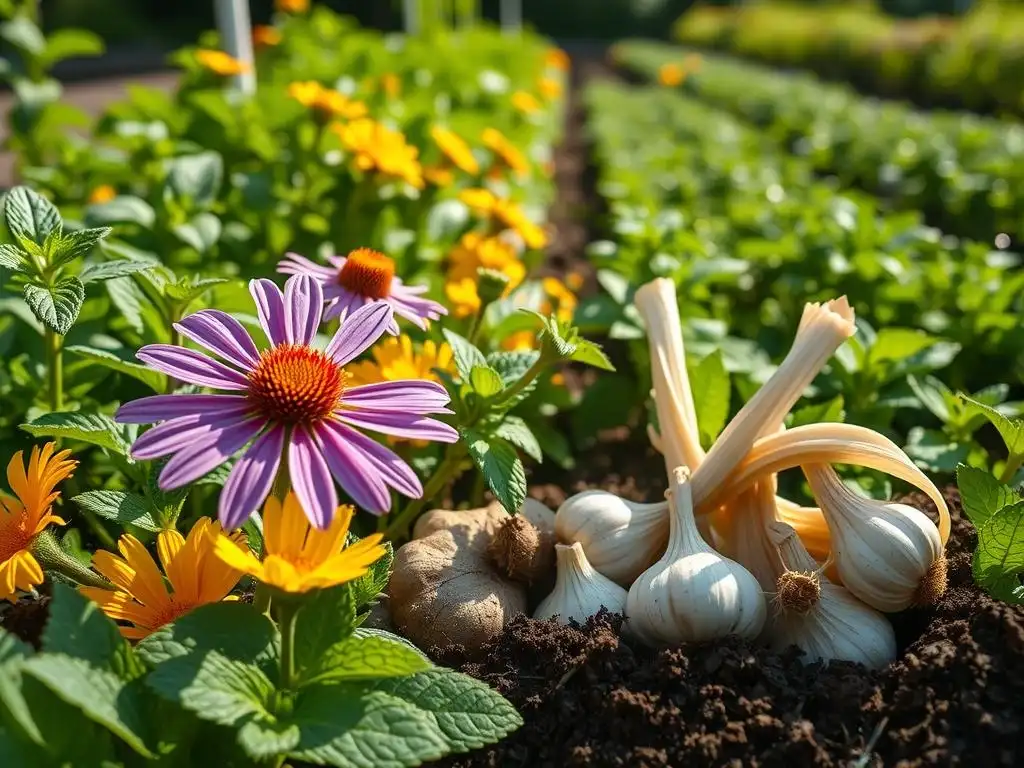
Growing immunity-boosting herbs isn't just about cultivating vibrant plants; it's about nurturing your well-being. These aromatic wonders offer a potent blend of vitamins, minerals, and antioxidants that support your body's natural defenses. By strategically incorporating these herbs into your daily diet, you can significantly enhance your immune system's resilience. This section explores practical ways to seamlessly integrate these powerful plants into your culinary routine, maximizing their health benefits. Remember, consistency is key when it comes to reaping the rewards of herbal supplementation.
Delicious Recipes Featuring Immunity-Boosting Herbs
Let's explore some mouthwatering recipes that highlight the versatility and deliciousness of immunity-boosting herbs. These recipes are designed to be easy to prepare, even for beginner cooks, and showcase the unique flavors each herb brings to the table.
- Lemon-Herb Chicken with Rosemary and Thyme: This classic dish is packed with flavor and immune-supporting power. The rosemary and thyme provide potent antioxidant and anti-inflammatory benefits. Simply roast chicken pieces with lemon slices, fresh rosemary sprigs, and thyme leaves. Season with salt, pepper, and a drizzle of olive oil. Baking time is approximately 45 minutes at 375°F (190°C).
- Ginger-Garlic Stir-fry with Echinacea: This vibrant stir-fry is a powerhouse of immune-boosting goodness. The ginger and garlic provide anti-inflammatory and antiviral properties, while the echinacea adds a boost to your body's defenses. Sauté your favorite vegetables (broccoli, carrots, peppers) with minced ginger and garlic. Add a pinch of dried echinacea powder towards the end of cooking. Serve over brown rice or quinoa for a complete meal.
- Mint and Parsley Salad with a Lemon Vinaigrette: This refreshing salad is perfect for a light lunch or side dish. The mint and parsley are rich in vitamins and antioxidants, while the lemon vinaigrette adds a zesty kick. Combine fresh mint leaves, chopped parsley, cucumber, and cherry tomatoes. Whisk together olive oil, lemon juice, salt, and pepper for the vinaigrette. This simple salad can be prepared in under 15 minutes.
Remember to adjust seasoning and ingredients to your preference. Experiment with different herb combinations to discover your favorite flavor profiles! Growing your own herbs allows for ultimate freshness and control over the quality of your ingredients.
Simple Ways to Add Herbs to Your Daily Meals
Integrating immunity-boosting herbs into your daily meals doesn't require complex recipes. Even small additions can make a big difference. Here are some simple ways to incorporate these herbs into your daily diet:
- Add fresh herbs to your morning smoothie: A handful of mint, parsley, or basil can add a refreshing twist to your morning smoothie, while boosting its nutritional value. Experiment with different combinations to find your favorites.
- Garnish your meals with fresh herbs: Sprinkle chopped herbs like chives, parsley, or cilantro over soups, salads, and main courses for an extra burst of flavor and nutrients.
- Incorporate herbs into your cooking: Add fresh or dried herbs to your favorite sauces, stews, and stir-fries. Experiment with different herbs to find your favorites. For example, oregano and basil pair perfectly with tomato-based dishes, while rosemary and thyme complement roasted meats.
- Make herbal tea: Brew a cup of herbal tea using fresh or dried herbs like chamomile, peppermint, or ginger. These teas can be soothing and have immune-boosting properties.
By implementing these simple strategies, you can easily increase your daily intake of these powerful plants and enhance your overall health.
Tips for Using Fresh vs. Dried Herbs
Choosing between fresh and dried herbs often depends on availability and personal preference. Both offer unique benefits:
- Fresh Herbs: Offer the most vibrant flavor and aroma. They are best used towards the end of cooking to preserve their delicate flavor. However, fresh herbs have a shorter shelf life.
- Dried Herbs: Offer a longer shelf life and are convenient to store. They are typically more potent than fresh herbs, so use a smaller quantity. Add dried herbs earlier in the cooking process to allow their flavors to fully develop.
| Herb Type | Flavor Intensity | Shelf Life | Best Use |
|---|---|---|---|
| Fresh Herbs | More intense | Shorter (days) | Towards end of cooking |
| Dried Herbs | Less intense | Longer (months) | Beginning of cooking |
Remember to store your herbs properly to maintain their quality. Fresh herbs should be stored in a refrigerator in a damp paper towel. Dried herbs should be stored in airtight containers in a cool, dark place. Proper storage significantly extends the usability of your precious herbs, maximizing your culinary and health benefits. Experimenting with both fresh and dried herbs will allow you to fully appreciate their unique qualities and find the best way to integrate them into your cooking.
Creating Herbal Teas for Immune Support
Herbal teas offer a simple and delicious way to incorporate immunity-boosting herbs into your daily routine. The process is remarkably straightforward, requiring only fresh or dried herbs and hot water. However, the nuances of brewing can significantly impact the final product's flavor and potency. For optimal results, consider the following factors:
First, the quality of your herbs is paramount. Using organically grown herbs ensures you're consuming a product free from harmful pesticides and herbicides, maximizing the potential health benefits. Fresh herbs generally offer a more vibrant flavor and higher concentration of active compounds compared to dried herbs, but dried herbs offer convenience and longer shelf life. If using dried herbs, ensure they are stored in an airtight container in a cool, dark place to preserve their potency.
Next, the brewing method influences the extraction of beneficial compounds. Generally, a longer steeping time (around 10-15 minutes for most herbs) yields a stronger, more flavorful tea. Experiment with different steeping times to find your preferred strength. For delicate herbs like chamomile, a shorter steeping time might be preferable to avoid bitterness. Conversely, robust herbs like ginger can withstand longer steeping times.
Furthermore, consider combining different herbs to create synergistic blends. For example, a blend of peppermint, lemon balm, and echinacea can create a soothing and immune-boosting tea. Research the individual properties of different herbs to create a personalized blend tailored to your specific needs. Remember to start with small quantities of each herb, as the flavors can be intense. You can always adjust the proportions to your liking.
Finally, presentation matters! A beautifully presented herbal tea can elevate the experience. Consider using a teapot with an infuser to allow for easy removal of herbs after steeping. Garnish your tea with a lemon wedge or a sprig of fresh mint for an added touch of elegance and flavor. Enjoy your immunity-boosting brew! Remember to consult with a healthcare professional before using herbal remedies, especially if you have pre-existing health conditions or are taking other medications. 🍵
Beyond the Garden: Sustainable Practices for Healthy Herbs
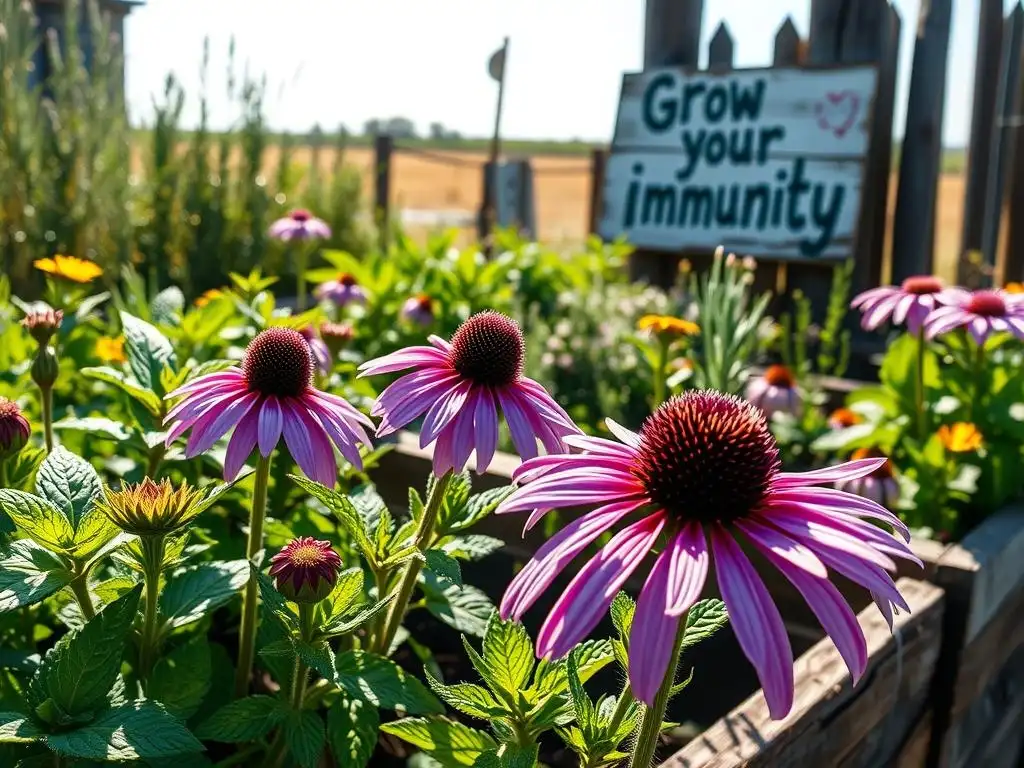
This section focuses on extending the benefits of growing immunity-boosting herbs beyond the simple act of cultivation. We'll explore how sustainable practices directly impact the nutritional value and overall health of your herbs, ultimately boosting your immune system more effectively. The quality of your herbs is directly linked to the methods you employ throughout the growing process. Let's delve into the specifics.
Organic Gardening for Immunity-Boosting Herbs
Growing immunity-boosting herbs organically is paramount to maximizing their health benefits. Organic gardening avoids synthetic pesticides, herbicides, and fertilizers, ensuring your herbs are free from harmful chemicals that can compromise their nutritional value and potentially harm your health. Think of it this way: if your herbs are grown with chemicals, you're essentially ingesting those chemicals along with their beneficial compounds.
Organic practices prioritize soil health, which is crucial for nutrient-rich herbs. Healthy soil teeming with beneficial microorganisms produces plants with a higher concentration of vitamins, minerals, and antioxidants – all vital components for a strong immune system. For example, organically grown basil will have a more potent concentration of antioxidants like eugenol and rosmarinic acid compared to its conventionally grown counterpart.
This translates to a more effective immune-boosting effect when consumed. Choosing certified organic seeds or starting your own from organic sources is the first step towards a truly healthy harvest. The benefits extend beyond just stronger immunity; you're also contributing to environmental sustainability by reducing the impact of harmful agricultural chemicals.
This commitment to organic practices isn't just about avoiding harmful substances; it's about nurturing the very foundation of your herb garden. It's about creating a thriving ecosystem in your soil that supports the robust growth of powerful, immunity-boosting herbs.
Composting and Soil Health for Optimal Growth
Composting is a cornerstone of sustainable gardening and a key element in cultivating robust, immunity-boosting herbs. By composting kitchen scraps and yard waste, you create a rich, nutrient-dense soil amendment that significantly enhances the health and vitality of your plants. This organic matter provides essential nutrients, improves soil structure, and promotes beneficial microbial activity.
The benefits are multifaceted: improved water retention, better aeration, and a more balanced pH level – all contributing to optimal herb growth. A healthy soil ecosystem fosters the development of strong root systems, leading to more vigorous plants that produce a higher yield of potent, immune-supporting herbs. Consider the difference between herbs grown in nutrient-poor soil versus those thriving in compost-enriched soil. The latter will be more vibrant, larger, and packed with the essential vitamins and antioxidants that strengthen your immune system.
Regular soil testing can help you monitor nutrient levels and adjust your composting strategy accordingly. Remember, healthy soil equals healthy herbs, and healthy herbs equal a stronger immune system! 🌱
Natural Pest Control Methods for a Healthy Harvest
Protecting your immunity-boosting herbs from pests without resorting to harmful chemicals is crucial for maintaining their purity and maximizing their health benefits. Natural pest control methods are not only safer for you and the environment but also more effective in the long run, as they promote a balanced ecosystem in your garden.
Several techniques can be employed: companion planting (using certain plants to repel pests), introducing beneficial insects (like ladybugs that prey on aphids), using insecticidal soaps, and employing physical barriers like netting. For instance, planting marigolds alongside your herbs can deter many common garden pests. These methods promote biodiversity and prevent the development of pesticide-resistant pests, unlike chemical pesticides.
Furthermore, natural pest control ensures that your herbs remain free from harmful residues, maintaining their integrity and preserving their immune-boosting properties. By adopting these sustainable practices, you're not only protecting your herbs but also ensuring that you're reaping the full benefits of their natural healing powers. A healthy, pest-free herb garden is a key component of your overall wellness strategy.
Understanding the Science Behind Herbal Immunity Boosters
Growing immunity-boosting herbs isn't just a trendy practice; it's rooted in scientific understanding. Many herbs contain bioactive compounds that directly or indirectly support the body's natural defenses. This section explores the mechanisms by which these plants contribute to a stronger immune system, focusing on the key roles played by antioxidants and the complex interactions within the immune response. Understanding this science helps you make informed choices about which herbs to cultivate and how best to utilize them for optimal health benefits.
The Role of Antioxidants in Immune Function
Antioxidants are vital players in immune function. They combat oxidative stress, a process where unstable molecules called free radicals damage cells, including immune cells. This damage can impair the immune system's ability to fight off infections and diseases. Many immunity-boosting herbs are packed with antioxidants like vitamins C and E, polyphenols, and carotenoids. For example, rosemary is rich in rosmarinic acid, a potent antioxidant with anti-inflammatory properties.
Similarly, chamomile boasts apigenin, another antioxidant linked to immune modulation. The concentration of these antioxidants can vary based on growing conditions, soil quality, and harvesting techniques – emphasizing the importance of sustainable and organic practices when growing your own herbs. Regular consumption of antioxidant-rich herbs can help neutralize free radicals, protecting immune cells and bolstering their effectiveness. Think of antioxidants as the bodyguards of your immune cells, protecting them from harm and keeping them fighting fit.
How Herbs Interact with the Immune System
The interaction between herbs and the immune system is complex and multifaceted. Herbs don't simply act as standalone antioxidant sources; they often influence various aspects of the immune response. Some herbs, like echinacea, are known to stimulate the activity of immune cells, such as macrophages and lymphocytes.
These cells are crucial for recognizing and eliminating pathogens. Other herbs, such as ginger and turmeric, possess anti-inflammatory properties that can help regulate the immune response, preventing overreactions that can lead to autoimmune disorders. The specific mechanisms vary depending on the herb and its bioactive compounds.
For instance, the gingerol in ginger has been shown to modulate cytokine production, key signaling molecules in the immune system. This intricate interplay highlights the importance of understanding the individual properties of each herb and its potential impact on different immune pathways. It's not a simple on/off switch; it's a nuanced dance between plant compounds and the body's intricate defense mechanisms.
Important Considerations and Potential Interactions (with other medications)
While many herbs offer immune-boosting benefits, it's crucial to approach their use responsibly. Some herbs can interact with medications, potentially altering their effectiveness or causing adverse effects. For example, St. John's Wort, while known for its mood-boosting properties, can interact with a wide range of medications, including antidepressants and birth control pills.
Similarly, certain herbs might exacerbate existing health conditions or trigger allergic reactions in susceptible individuals. Always consult a healthcare professional before incorporating new herbs, especially if you are taking prescription medications or have pre-existing health concerns. This is particularly important for pregnant or breastfeeding individuals.
Remember, while growing your own immunity-boosting herbs offers numerous potential benefits, a holistic approach that combines herbal remedies with a balanced diet, regular exercise, and sufficient sleep is the most effective way to nurture a strong and resilient immune system. It's about building a robust defense system, not just relying on a single solution. Always prioritize safety and informed decision-making when utilizing herbal remedies to enhance your immune health.
Frequently Asked Questions
What are some immunity-boosting herbs I can grow at home?
You can easily grow powerful immunity boosters like echinacea, elderberry, lemon balm, and ginger. These herbs are relatively easy to cultivate, even for beginners. Remember to research their specific needs.
How do I start growing these herbs?
Begin by selecting high-quality seeds or seedlings. Prepare well-draining soil and ensure adequate sunlight. Consistent watering and appropriate spacing are crucial for healthy growth.
When is the best time to harvest immunity-boosting herbs?
The optimal harvest time varies depending on the herb. Generally, harvest leaves before flowering for maximum potency. For roots, wait until the plant is mature, typically in the late fall.
What are the best ways to use homegrown immunity-boosting herbs?
You can use them fresh in salads, teas, or soups. Drying or freezing are excellent preservation methods. Always consult reputable sources for safe preparation and dosage information.
Are there any pests or diseases I should be aware of when growing these herbs?
Yes, common garden pests and diseases can affect herbs. Regular inspection and proactive measures, such as companion planting and organic pest control, are recommended. Consult resources on CultivateYourFood for specific pest and disease management strategies.
Final Reflection: Cultivating Resilience, One Herb at a Time
The pursuit of robust immunity is no longer a niche interest; it's a fundamental aspect of modern well-being. In a world grappling with evolving health challenges, the simple act of growing and utilizing immunity-boosting herbs represents a powerful shift towards proactive health management. This proactive approach, coupled with a deeper understanding of nature's pharmacy, empowers us to take control of our well-being in a meaningful way.
The exploration of herbal remedies for immune support has profoundly impacted my own life, shifting my perspective from passive reliance on pharmaceuticals to a more holistic and engaged approach to health. The earth provides all we need; we just have to learn how to use it.
This simple truth underscores the potential held within the humble herb garden, a potential that extends far beyond individual health to encompass a deeper connection with nature and a more sustainable lifestyle. The knowledge shared in this article is not just about boosting immunity; it's about fostering a relationship with the natural world that nurtures both our bodies and our spirits.
Now, consider your own journey towards better health. Will you embark on the rewarding experience of growing your own immunity-boosting herbs? Imagine the satisfaction of nurturing these plants, watching them thrive, and ultimately harvesting their potent benefits. This isn't just about stronger immunity; it's about cultivating resilience, both within yourself and within your connection to the natural world. Start small, begin with one herb, and watch as your commitment to holistic wellness blossoms.
Unleash Your Inner Wellness: Start Your Herbal Immunity Journey Today!
Thank you for exploring the power of herbs to boost immunity! We hope you found inspiration for naturally supporting your well-being. Now, let's put that knowledge into practice.
- Start with one new herb this week: Choose an herb from the article that appeals to you and add it to your diet or routine. Begin slowly—a cup of herbal tea, a pinch of dried herbs in your cooking—and gradually increase your intake.
- Share your herbal discoveries: Tell your friends and family about your favorite immunity-boosting herbs. Sharing knowledge can significantly improve the health of those around you.
- Explore our recipe collection: For more inspiration, visit our website to explore our extensive collection of herbal recipes and wellness guides. Discover new ways to incorporate these natural remedies into your life!
What's the first step you'll take today to boost your natural immunity?