
Garden Security Systems: Protecting Your Crops from Pests and Thieves

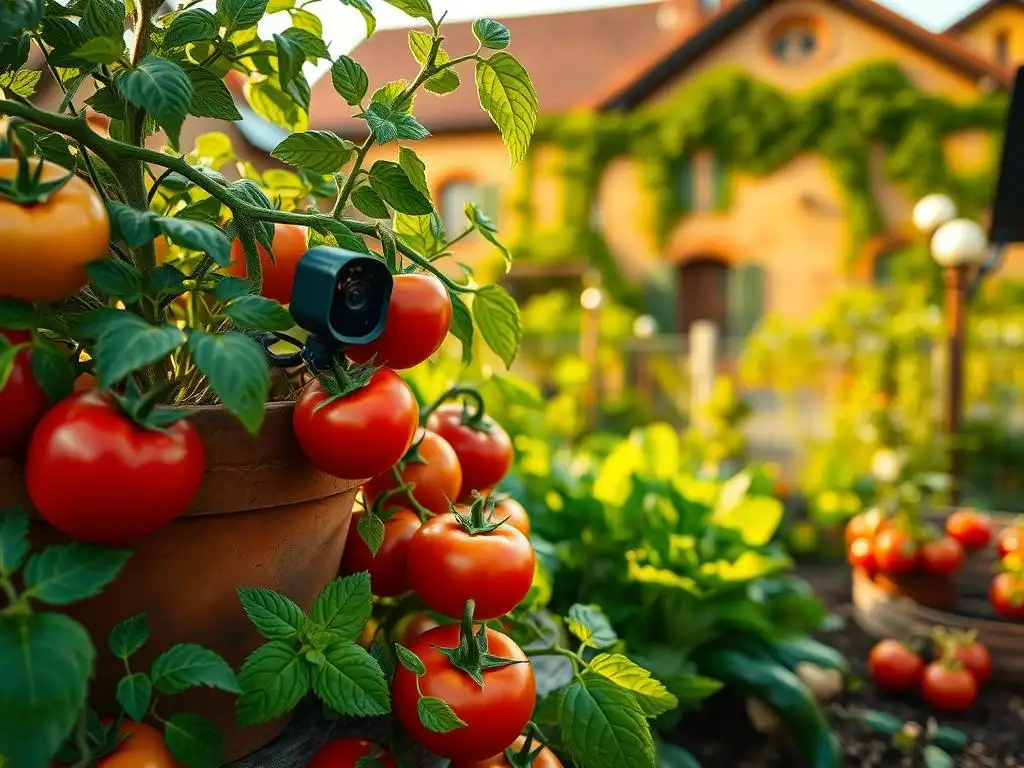
Welcome to CultivateYourFood, your guide to a thriving, sustainable home garden! Are you ready to take control of your food source and enjoy the freshest produce imaginable? We'll equip you with the knowledge and techniques to cultivate fruits, vegetables, and herbs organically. But what about unwelcome visitors? Learn how to build effective DIY garden pest security systems and protect your precious crops in our latest article, part of our "The Future of Home Gardening" series. Discover innovative solutions and safeguard your harvest – let's get started!
- The Growing Threat to Home Gardens: Pests and Theft
- DIY Garden Pest Security Systems: A Comprehensive Guide
-
Building Your DIY Garden Security System: Step-by-Step Guide
- Planning and Designing Your System: Garden Layout and System Placement Strategies
- Gathering Materials: A Comprehensive Shopping List
- Constructing Motion-Activated Sprinkler Systems: A Detailed Tutorial
- Installing Ultrasonic Pest Repellents: A Practical Guide
- Setting up Security Cameras for Garden Monitoring: Camera Recommendations and Setup Instructions
- Integrating Smart Home Technology for Enhanced Security: Compatible Smart Home Device Examples
- Advanced Garden Security Techniques
- Maintaining and Upgrading Your Garden Security System
- The Future of DIY Garden Security Systems
- Frequently Asked Questions
- Final Reflection: Cultivating Security, Harvesting Peace of Mind
- Secure Your Harvest: Take Control of Your Garden's Future
The Growing Threat to Home Gardens: Pests and Theft
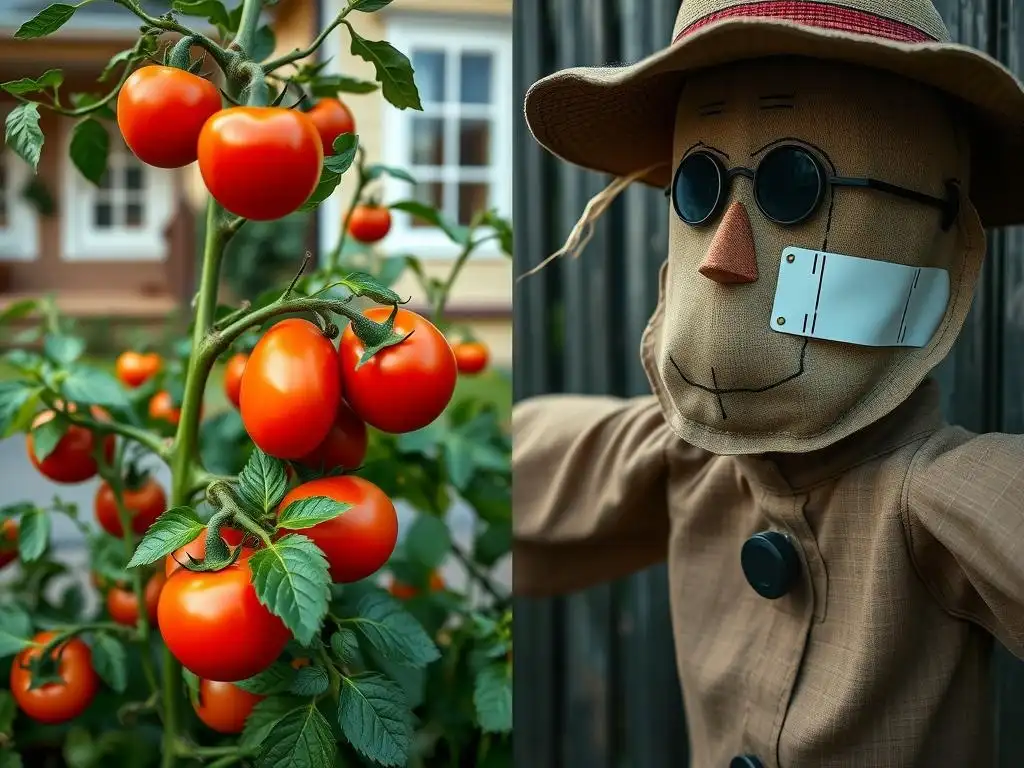
Homegrown fruits, vegetables, and herbs represent more than just fresh, healthy food; they embody a connection to nature, a sense of accomplishment, and often, a significant investment of time and resources. However, the idyllic image of a bountiful home garden is increasingly threatened by two significant challenges: persistent pest infestations and, surprisingly, garden theft. This article explores the escalating problem of protecting your precious crops from both unwanted insects and human intruders, focusing on practical and effective DIY garden pest security systems that leverage technology and sustainable practices.
We will delve into the alarming statistics surrounding these issues, the significant financial losses they represent, and the often-overlooked emotional impact of losing a hard-earned harvest. By understanding the scope of the problem and exploring innovative solutions, we can empower home gardeners to safeguard their gardens and enjoy the fruits (and vegetables!) of their labor.
Increasing Instances of Garden Vandalism and Pest Infestations
Reports of garden vandalism and escalating pest problems are on the rise. While precise nationwide statistics are [specific information pending], anecdotal evidence from gardening forums, community groups, and local news reports points to a concerning trend. Many gardeners report increased incidents of theft, ranging from the pilfering of ripe tomatoes to the wholesale destruction of entire vegetable patches.
Simultaneously, climate change and the increasing prevalence of invasive species contribute to more frequent and severe pest infestations. This dual threat – human and insect – necessitates a multi-pronged approach to garden security. The traditional methods of netting and companion planting, while helpful, often prove insufficient against determined thieves or unusually aggressive pests.
This is where innovative, DIY garden security systems come into play. We'll explore various options, from simple motion-activated sensors to more sophisticated camera systems that can deter both pests and people. The key is to create a layered defense system that combines both preventative measures and effective deterrents.
The Economic Impact of Crop Loss on Home Gardeners
The financial impact of losing a homegrown harvest can be surprisingly substantial. While the monetary value of individual plants might seem small, the cumulative cost of lost yields adds up quickly. Consider the expenses involved in seeds, soil amendments, tools, and the time invested in planting, weeding, watering, and pest control.
For example, a single zucchini plant, producing an estimated 10-15 zucchinis per season, could represent a loss of [estimated monetary value based on local market prices] if stolen or destroyed by pests. Multiplied across numerous plants and various crops, the overall financial impact can be significant, especially for individuals who rely on their gardens to supplement their food supply or reduce grocery bills.
Investing in preventative measures, therefore, is a sound financial decision in the long run, preventing significant economic losses. A well-designed DIY garden pest security system represents a small investment compared to the potential value of a successful harvest.
The Emotional Toll of Lost Harvests
Beyond the financial implications, the emotional toll of losing a hard-earned harvest is often overlooked. Gardening is a deeply rewarding activity that fosters a connection with nature and provides a sense of accomplishment. The time, effort, and care invested in nurturing plants from seed to harvest create a strong emotional bond. The loss of these plants, whether due to theft or pest infestation, can be deeply disheartening and even traumatic for some gardeners.
The feeling of violation associated with theft, coupled with the frustration of seeing months of work undone by pests, can lead to feelings of discouragement and even abandonment of gardening altogether. Investing in a robust DIY garden pest security system is not just about protecting crops; it's about protecting the emotional investment and the joy that home gardening brings. By safeguarding your garden, you protect your peace of mind and your connection to the land.
DIY Garden Pest Security Systems: A Comprehensive Guide
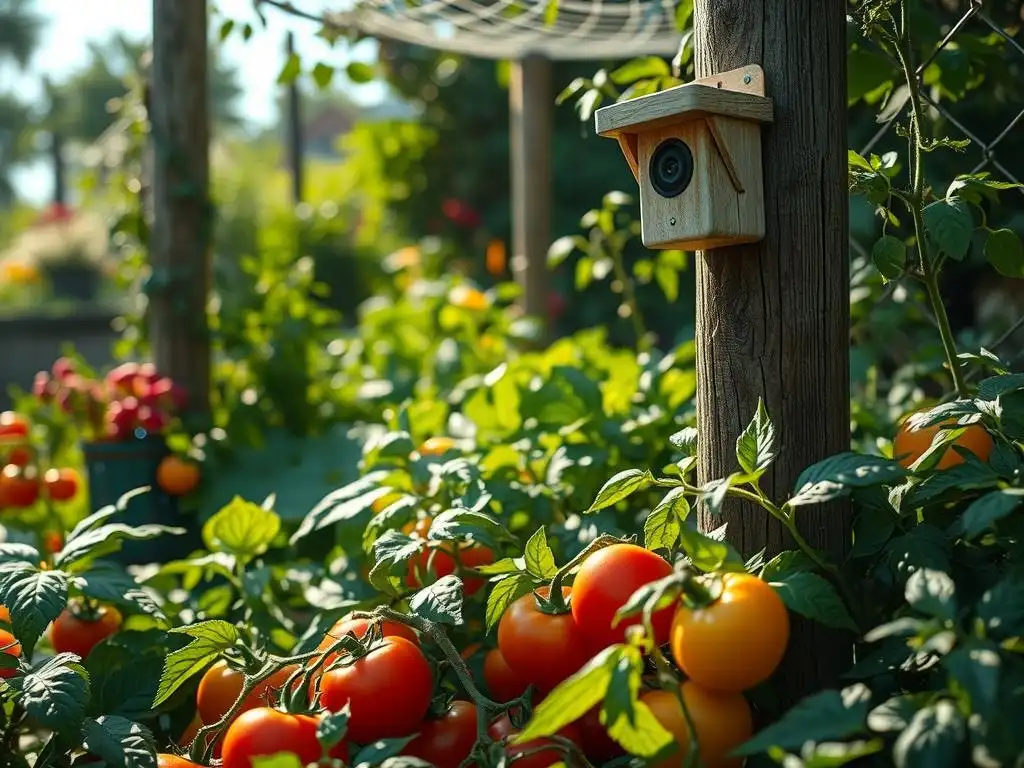
This section delves into the practical aspects of designing and implementing DIY garden pest security systems, focusing on cost-effective and sustainable solutions. We'll explore how to assess your garden's vulnerabilities, select appropriate security measures based on your needs and budget, and implement simple yet effective DIY pest control strategies. Remember, a multi-layered approach often yields the best results in protecting your precious crops.
Assessing Your Garden's Vulnerability: Identifying Potential Entry Points
Before investing in any security system, a thorough assessment of your garden's vulnerabilities is crucial. This involves identifying potential entry points for both pests and thieves. Think like a pest—where are the easiest routes into your garden? And like a thief—what are the least visible or easily accessible areas?
Consider these factors:
- Perimeter fencing: Is your garden fully enclosed by a fence? If so, what is its height and material? A weak or low fence is an easy target. Consider reinforcing existing fences or installing new ones if needed. Chicken wire, for example, can deter smaller animals while a taller, sturdier fence is better for larger animals or potential human intruders.
- Gate security: Are your gates secure and locked? Weak latches or unlocked gates are open invitations to unwanted visitors. Upgrade to stronger latches and consider adding a padlock for extra security.
- Ground access: Are there any gaps or holes in your garden's perimeter? Burrowing animals can easily exploit these weaknesses. Regularly inspect and repair any damage to the soil or fencing.
- Plant placement: Are your plants densely packed, leaving little space for movement? Dense planting can make it harder for pests to access individual plants, acting as a natural deterrent.
- Plant health: Healthy plants are more resilient to pests and diseases. Regular monitoring and proper care can significantly reduce vulnerability. This includes providing sufficient water and nutrients and addressing any signs of disease promptly.
Creating a detailed map of your garden, highlighting these potential entry points, is a valuable first step in planning your DIY security system. This allows for a targeted and effective approach to pest and theft prevention. Remember, even small vulnerabilities can compromise the entire system.
Choosing the Right Security System for Your Needs and Budget
The ideal DIY garden security system depends on several factors, including the types of pests and threats you face, the size of your garden, and your budget. Some options are better suited for deterring small animals, while others offer protection against larger animals or even human theft.
Here's a breakdown of some options:
| Security Measure | Cost | Effectiveness Against | Notes |
|---|---|---|---|
| Motion-activated sprinklers | Moderate | Pests, Small Animals | Requires electricity or battery power. Can be surprisingly effective. |
| Ultrasonic pest repellents | Low | Pests | Effectiveness varies; may not deter all pests. |
| Scarecrow/decoy animals | Low | Pests, Small Animals | Primarily a visual deterrent; effectiveness limited. |
| Enhanced fencing | Moderate-High | Pests, Animals, Humans | Material choice impacts cost and effectiveness. |
| Security cameras | Moderate-High | Pests, Animals, Humans | Can provide visual evidence and deter thieves. Requires power and storage. |
| DIY traps | Low | Specific Pests | Effective for targeted pest control (e.g., slug traps, bottle traps for flies). |
Remember to consider the environmental impact of your chosen methods. Avoid using harmful chemicals or traps that might harm beneficial insects or wildlife. A sustainable approach is key to maintaining a healthy and productive garden.
Simple and Affordable DIY Pest Control Solutions
Many effective pest control solutions are surprisingly simple and inexpensive. These methods often leverage natural deterrents and minimal technology to protect your crops.
- Companion planting: Strategic planting of certain species can repel pests. For example, marigolds are known to deter nematodes and other soil pests. Researching companion planting techniques can greatly enhance your garden's natural defenses.
- Homemade pest sprays: Simple sprays made from ingredients like garlic, chili peppers, or neem oil can effectively deter many common garden pests. These are environmentally friendly and cost-effective alternatives to commercial pesticides.
- Physical barriers: Row covers or netting can protect plants from insects and birds. These barriers are particularly useful for young seedlings or vulnerable crops.
- Regular garden maintenance: Keeping your garden clean and free of weeds reduces hiding places for pests. Regularly inspect plants for signs of pest infestation and take prompt action.
Implementing these simple DIY solutions, combined with a well-planned security system, offers a comprehensive and sustainable approach to protecting your garden from pests and potential theft. Remember, proactive measures are key to a bountiful and secure harvest. Continuous monitoring and adaptation are crucial to ensuring the long-term effectiveness of your chosen security strategies.
Building Your DIY Garden Security System: Step-by-Step Guide
This section provides a practical, step-by-step guide to building your own DIY garden pest and theft security system. We'll cover planning, material acquisition, and the construction of a motion-activated sprinkler system – a highly effective and surprisingly simple deterrent. Remember, a multi-layered approach to garden security is best, combining technological solutions with traditional methods like companion planting and physical barriers.
Planning and Designing Your System: Garden Layout and System Placement Strategies
Effective DIY garden pest security systems begin with careful planning. Before purchasing any materials, map out your garden and identify vulnerable areas. Consider these factors:
- High-value crops: Where are your most prized plants located? These need the most protection.
- Access points: Identify potential entry points for pests and thieves – gaps in fences, low-hanging branches, etc. Place sensors strategically near these points.
- Water sources: A motion-activated sprinkler system requires a reliable water source, preferably with good water pressure. Plan your system's location accordingly.
- Power sources: Some systems may require batteries or solar power. Consider the availability of power and sunlight in your garden.
- Sensor placement: Sensors should be spaced appropriately to cover the entire area effectively. Overlapping coverage is beneficial. Don't forget to consider blind spots!
Consider using a grid system to map your garden, noting the location of each plant and potential sensor placement. This detailed plan will streamline the construction process and ensure optimal system performance. For example, if you have a row of particularly delicious tomatoes, strategically placing a sensor at the end of that row could provide effective protection. Remember, even a simple sketch can make a world of difference in the efficiency of your DIY project.
Gathering Materials: A Comprehensive Shopping List
Building a basic motion-activated sprinkler system requires readily available materials. Here's a comprehensive shopping list:
| Material | Quantity | Notes |
|---|---|---|
| Motion sensor (PIR sensor) | 1-3 (or more) | Choose a sensor with a wide detection angle and adjustable sensitivity. |
| Sprinkler heads | 1-3 (or more) | Select sprinkler heads with good range and adjustable spray patterns. |
| PVC pipes (various sizes) | As needed | For connecting the sprinkler heads and water source. |
| PVC fittings (elbows, tees) | As needed | To create the desired pipe configuration. |
| Water timer (optional) | 1 | For automated watering, conserving water and energy. |
| Electrical wire | As needed | To connect the sensor to the sprinkler system (if not battery-powered). |
| Batteries (if battery-powered) | As needed | Ensure compatibility with your chosen sensor. |
| Waterproof sealant | As needed | To ensure watertight connections in the PVC piping. |
| Garden hose | As needed | To connect the system to your water source. |
This list represents a basic system. You may need additional materials depending on your garden's size and complexity. Remember to check your local hardware store for availability and pricing. Consider purchasing extra materials to account for potential errors during construction. A little extra planning can save time and frustration in the long run!
Constructing Motion-Activated Sprinkler Systems: A Detailed Tutorial
Constructing a motion-activated sprinkler system involves several steps. This tutorial provides a basic framework; adapt it to your specific needs and garden layout.
- Install the motion sensor: Securely mount the PIR sensor in a strategic location, ensuring it has a clear view of the area you want to protect. Follow the manufacturer's instructions for proper installation. Consider using zip ties or other fasteners to ensure stability.
- Connect the sensor to the sprinkler: This step depends on your chosen sensor and sprinkler. Some systems use a simple on/off switch triggered by the sensor; others may require more complex wiring. Consult the manufacturer's instructions for your specific components. Always prioritize safety and ensure proper grounding if working with electricity.
- Assemble the PVC piping: Use PVC pipes and fittings to create a network of pipes that distribute water to the sprinkler heads. Ensure all connections are secure and watertight, using waterproof sealant as needed. Remember to account for the slope of your garden to ensure proper water drainage.
- Connect the sprinkler heads: Attach the sprinkler heads to the PVC piping, ensuring they have the appropriate spray patterns and coverage. Test the system thoroughly to ensure even water distribution. Adjust the spray patterns as needed to cover all vulnerable areas effectively.
- Connect to the water source: Connect the PVC piping to your garden hose or other water source. If using a water timer, connect it to the system to automate watering. Test the entire system rigorously before leaving it unattended. Check for leaks and ensure the sensor is triggering the sprinklers correctly. This process might involve some trial and error, so patience is key!
Remember to always prioritize safety when working with water and electricity. If you are unsure about any step, consult a qualified professional. Building a DIY garden pest security system is a rewarding project that can significantly enhance the safety and security of your garden. With careful planning and execution, you can create a system that effectively protects your precious crops from both pests and thieves, ensuring a bountiful harvest. 🌱
Installing Ultrasonic Pest Repellents: A Practical Guide
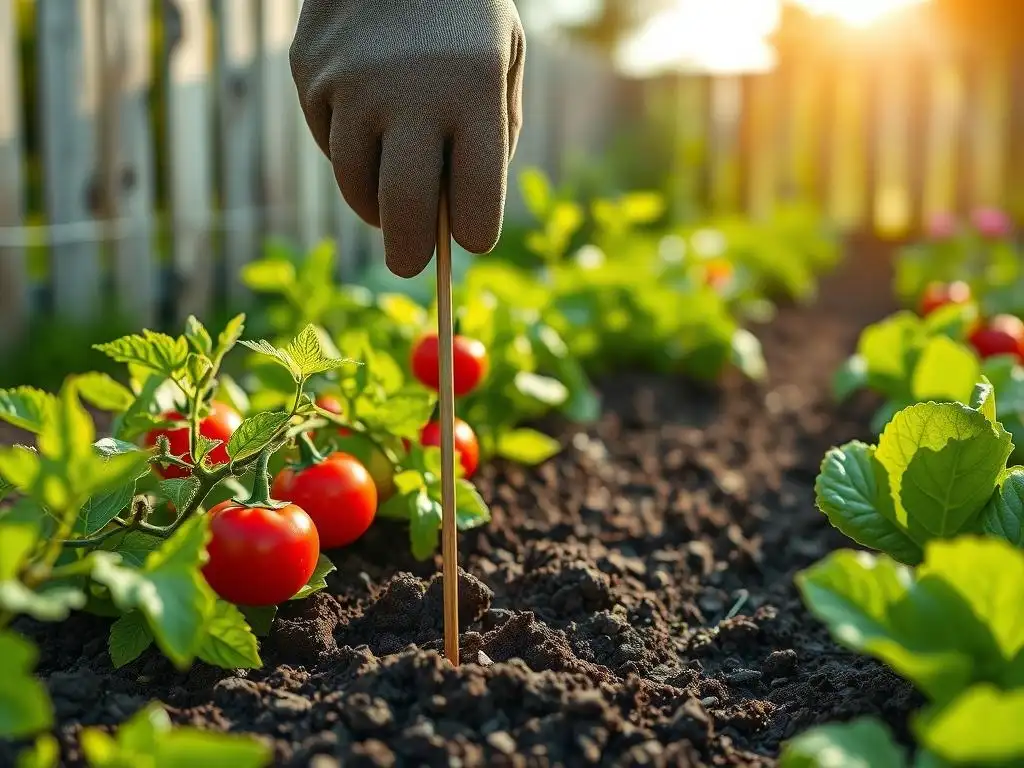
Ultrasonic pest repellents offer a humane and effective way to deter many common garden pests without harming beneficial insects or using harmful chemicals. These devices emit high-frequency sounds inaudible to humans but unpleasant to rodents, insects, and other pests, encouraging them to seek alternative locations. Successful installation hinges on proper placement and understanding the limitations of these devices.
Firstly, consider the range of your chosen repellent. Most devices advertise a specific coverage area, typically measured in square feet or meters. Ensure you place the repellent strategically to cover the vulnerable areas of your garden effectively. For instance, if you're protecting a raised bed of tomatoes, place the device centrally, aiming to cover the entire bed. Multiple repellents may be necessary for larger gardens.
Secondly, placement is crucial for optimal performance. Avoid placing the devices directly on the ground, as this can impede sound wave transmission. Instead, mount them on posts or fences at a height specified by the manufacturer's instructions, usually several feet above the ground. Obstacles like dense foliage can also obstruct the ultrasonic waves, so choose locations with clear lines of sight. Remember to check the device's battery life regularly and replace batteries promptly to maintain consistent repellency.
Finally, understand the limitations. Ultrasonic repellents are not a foolproof solution. Their effectiveness varies depending on the type of pest, the environment, and the device's quality. While effective against many common garden pests, they may not deter all species. It's best to consider them as part of an integrated pest management strategy, combining them with other methods like companion planting and manual pest removal for comprehensive protection. Regular monitoring of your garden remains essential.
Setting up Security Cameras for Garden Monitoring: Camera Recommendations and Setup Instructions
Security cameras offer a powerful deterrent against both pests and theft, allowing for real-time monitoring and recording of suspicious activity. Choosing the right camera and installing it correctly is paramount for effective garden security. Several camera types are suitable for this purpose, each with its own strengths and weaknesses.
Consider wireless battery-powered cameras for ease of installation and flexibility. These cameras eliminate the need for complicated wiring and can be positioned strategically throughout your garden. However, battery life can be a concern, requiring regular checks and replacements. Alternatively, wired cameras offer a more reliable and consistent power source, but require careful planning of cabling. They generally provide higher-quality video and more advanced features.
When choosing a camera, look for features like night vision, motion detection, and weather resistance. Night vision is crucial for monitoring your garden after dark, while motion detection alerts you to activity in real-time. Weather resistance ensures your camera can withstand the elements, including rain, snow, and extreme temperatures. High-resolution video is essential for capturing clear footage, allowing for accurate identification of potential threats.
Finally, setup involves careful positioning of the camera to provide optimal coverage of your garden. Consider using a combination of cameras for comprehensive monitoring, placing them at strategic points to cover all vulnerable areas. Remember to secure the camera firmly to prevent theft or damage. Familiarize yourself with the camera's software and settings to enable features like motion detection and recording. Regularly review the footage to monitor activity and identify any potential issues.
Integrating Smart Home Technology for Enhanced Security: Compatible Smart Home Device Examples
Smart home technology offers a sophisticated and integrated approach to garden security, combining various devices to create a comprehensive system. This can include smart security cameras, smart lighting, and smart sensors, all controlled through a central hub or app. This integration allows for remote monitoring, automated responses to threats, and improved overall security.
For instance, smart security cameras can be integrated with smart home hubs to provide real-time alerts on your smartphone or tablet whenever motion is detected. You can then remotely view the footage to assess the situation and take appropriate action. Smart lighting can be programmed to automatically turn on when motion is detected, acting as a deterrent and providing visibility. This can be especially useful at night or during periods of low light.
Furthermore, smart sensors can be used to monitor various aspects of your garden's environment. Soil moisture sensors can alert you to watering needs, preventing drought stress that can leave plants vulnerable to pests. Temperature and humidity sensors can help you optimize growing conditions, preventing problems before they arise.
Integrating these sensors with your smart home system allows for automated irrigation and climate control, contributing to a healthier and more secure garden. Consider compatibility with various smart home ecosystems such as Google Home or Amazon Alexa for seamless integration and voice control. The possibilities are extensive and allow for customization based on individual needs and preferences.
Advanced Garden Security Techniques
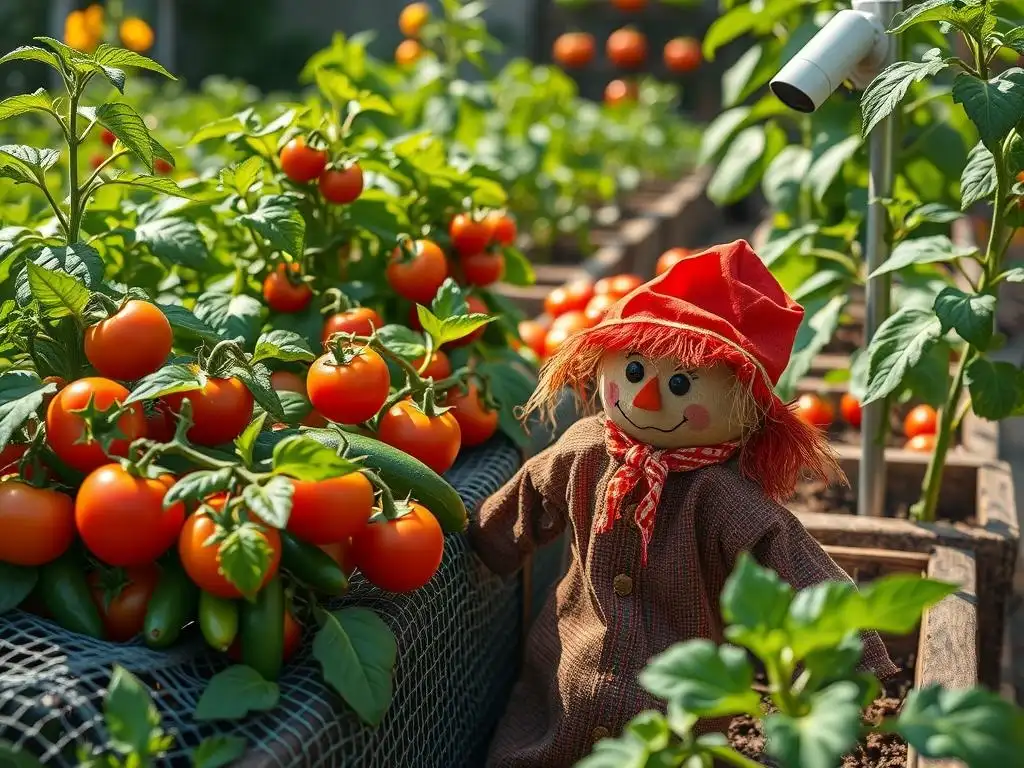
This section delves into sophisticated methods for safeguarding your homegrown produce, focusing on DIY garden pest security systems that leverage natural elements and integrated pest management (IPM) for a sustainable and effective approach. We'll explore both deterrents and physical barriers, enhancing your garden's security without resorting to harmful chemicals.
Using Natural Repellents and Barriers to Deter Pests: Examples of Natural Pest Deterrents
Natural pest deterrents offer a safe and eco-friendly alternative to chemical pesticides. These methods work by disrupting pest behavior or making your garden less attractive to them. Effective DIY garden pest security systems often incorporate several of these strategies simultaneously for optimal results.
Here are some examples:
- Companion Planting: Strategically placing certain plants together can repel pests. For example, planting marigolds alongside tomatoes helps deter tomato hornworms. Basil near vegetables like peppers and eggplant can also be beneficial. The strong scents emitted by these companion plants disrupt the pests' olfactory senses, making it harder for them to locate their target plants.
- Essential Oils: Diluted essential oils, like peppermint, eucalyptus, or neem oil, can be sprayed around plants to deter various insects. Remember to always dilute them properly to avoid harming beneficial insects or your plants. The effectiveness varies depending on the pest and the oil used. For instance, peppermint oil is particularly effective against ants and some types of aphids.
- Diatomaceous Earth: This naturally occurring sedimentary rock, when finely powdered, acts as a physical barrier. Its sharp edges cut into the exoskeletons of insects, dehydrating and killing them. It's safe for humans and pets, but be mindful of inhalation. Sprinkle it around the base of plants and vulnerable areas.
- Homemade Sprays: Many DIY pest repellent sprays can be made using readily available ingredients. A simple solution of water, soap, and chili pepper flakes can effectively deter many common garden pests. The capsaicin in chili peppers irritates pests without harming beneficial insects. Experimentation is key to finding the most effective combination for your specific needs.
The effectiveness of natural repellents can be boosted by combining several methods. For example, using companion planting alongside a diluted essential oil spray can provide a multi-layered defense. Regular observation and adjustment are crucial to ensure the chosen methods remain effective.
Implementing Integrated Pest Management (IPM) Strategies
Integrated Pest Management (IPM) is a holistic approach to pest control that emphasizes prevention and minimizes the use of pesticides. It involves a combination of techniques, including monitoring, cultural controls, biological controls, and only using chemical pesticides as a last resort. This approach is crucial for building a robust DIY garden pest security system that protects both your plants and the environment.
Implementing IPM involves several key steps:
- Monitoring: Regularly inspect your plants for signs of pests and diseases. Early detection allows for timely intervention, preventing infestations from becoming widespread. This involves carefully examining leaves, stems, and fruits for any unusual markings or activity.
- Cultural Controls: These involve practices that make your garden less hospitable to pests. This includes proper plant spacing, providing adequate watering and fertilization, and removing weeds, which can harbor pests. Maintaining a healthy garden is the first line of defense against many pests.
- Biological Controls: Introducing natural predators, like ladybugs, lacewings, or praying mantises, can effectively control pest populations. These beneficial insects prey on common garden pests, reducing the need for chemical intervention. Consider purchasing beneficial insects from reputable suppliers.
- Chemical Controls (Last Resort): Only use chemical pesticides as a last resort, after all other methods have been exhausted. If you must use pesticides, choose the least toxic option and follow the instructions carefully. Always prioritize the safety of yourself, your family, and beneficial insects.
By combining these strategies, IPM provides a long-term solution for pest management, minimizing environmental impact and promoting a healthy garden ecosystem. It's a key component of a truly effective DIY garden pest security system.
Creating a Secure Perimeter Around Your Garden: Examples of Physical Barriers
Physical barriers create a physical deterrent to both pests and potential thieves. These barriers can range from simple netting to more elaborate fencing systems. A well-designed perimeter significantly improves the overall security of your garden and acts as a crucial component of a comprehensive DIY garden pest security system.
Here are some examples:
- Netting: Insect netting, bird netting, or deer netting, depending on the specific threats, can protect your plants from various pests and animals. Choose netting with appropriate mesh size for the pests you are targeting. Ensure the netting is securely fastened to prevent animals from accessing your plants.
- Fencing: A simple fence, even a low one, can deter some animals and increase the perceived security of your garden, acting as a visual deterrent to potential thieves. The height and material of the fence should be chosen based on the specific threats in your area.
- Raised Beds: Raised beds can create a physical barrier against ground-dwelling pests, like slugs and snails. The raised structure can also make it more difficult for larger animals to reach your plants. The sides of the beds can also be treated with pest-deterrent materials.
- Motion-Activated Sprinklers: While not strictly a physical barrier, these devices can startle and deter animals, potentially including thieves, from entering your garden. They offer an added layer of security beyond simple physical barriers. These systems are more advanced than basic physical barriers, but offer a higher level of protection.
The choice of perimeter security will depend on your specific needs and the types of threats you face. A combination of methods often provides the best protection. Regular maintenance and inspection of your perimeter security are crucial to ensure its continued effectiveness. Remember that even the most secure perimeter can be breached, so combining physical barriers with other pest control methods is essential for a truly effective DIY garden pest security system.
Utilizing Animal Deterrents: Examples of Deterrents for Specific Animals
Employing animal deterrents is a crucial aspect of a comprehensive DIY garden pest security system. Understanding the specific animals plaguing your garden is key to selecting the most effective deterrent. A blanket approach rarely works; instead, a targeted strategy is far more successful. For instance, a method effective against rabbits might be completely ineffective against deer.
One common problem is rabbits, known for their voracious appetites for young seedlings and tender vegetables. Effective deterrents for rabbits include physical barriers like chicken wire fencing buried several inches deep to prevent digging, and motion-activated sprinklers that startle them away. Commercial rabbit repellents, often containing scents disliked by rabbits, can also be used, but their effectiveness varies and often requires repeated application. Remember to rotate repellent types to prevent habituation.
Deer, significantly larger than rabbits, require a more robust approach. Tall fences, at least eight feet high, are often necessary, as deer are excellent jumpers. Strong-smelling plants that deer find unpleasant, such as lavender, rosemary, and marigolds, can be planted strategically around the garden perimeter as a natural deterrent. However, these are often more effective in deterring browsing than preventing determined deer from entering the garden. Ultrasonic devices emitting high-frequency sounds that are irritating to deer are also available, but their effectiveness can depend heavily on the specific device and the terrain.
Squirrels are notorious for their thievery of nuts, fruits, and even vegetables. Physical barriers, such as protective cages around individual plants or trees, are effective. Baits containing hot pepper flakes can deter them, as can motion-activated sprinklers. However, squirrels are intelligent and adaptable, so a multi-pronged approach often yields the best results. Consider combining physical barriers with repellent sprays and strategically placed bird feeders to distract them.
Dealing with birds involves a different strategy altogether. Netting can protect fruits and berries, but it's crucial to ensure that the netting is appropriately spaced to prevent birds from becoming entangled. Shiny, reflective objects hung in the garden can scare them away, as can scarecrows (though their effectiveness diminishes over time). For persistent bird problems, consider using commercially available bird repellents or consulting with local agricultural experts for region-specific solutions. Remember that some birds are beneficial to the garden ecosystem, so avoid harming them unnecessarily. Focus on protecting specific crops rather than attempting to deter all birds.
Finally, insects, while not strictly animals, are a significant pest problem. For these, a range of deterrents exists, from natural predators like ladybugs (which prey on aphids) to insecticidal soaps and organic pest control methods. Careful monitoring and early intervention are crucial in managing insect infestations before they get out of control.
Implementing a robust composting strategy can also improve soil health, leading to healthier plants that are less susceptible to pest damage. A layered approach, incorporating both preventative and reactive measures, is essential for effective insect control within a DIY garden pest security system. This might include companion planting, crop rotation, and the use of beneficial nematodes.
Maintaining and Upgrading Your Garden Security System
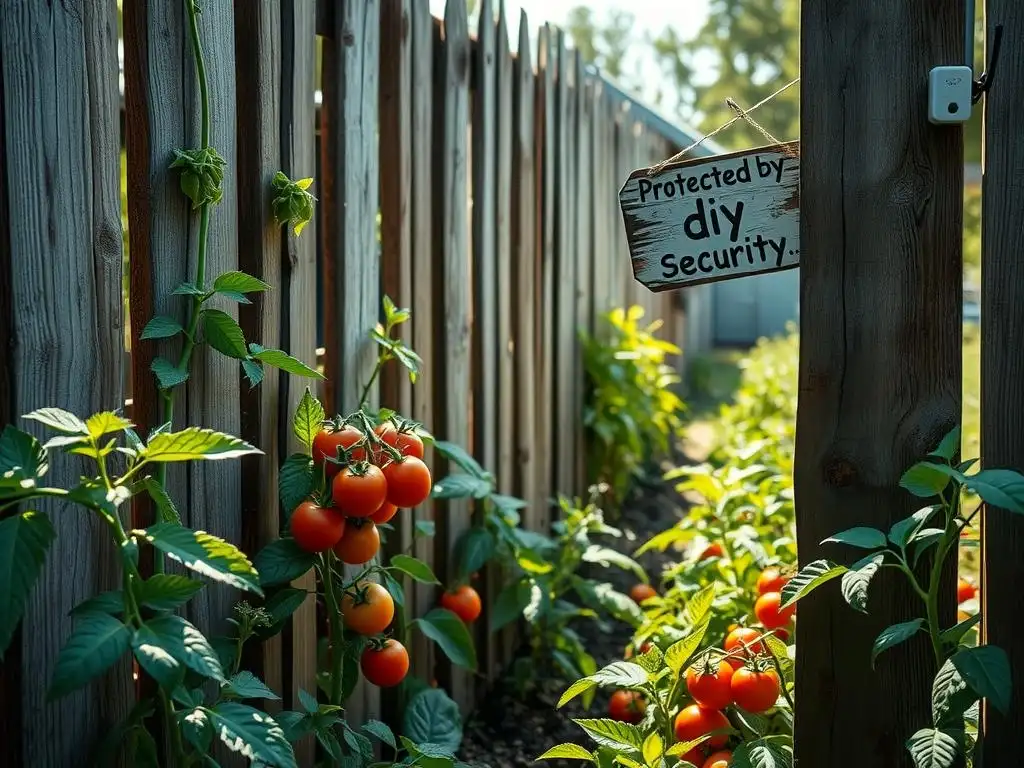
Protecting your precious homegrown fruits, vegetables, and herbs requires ongoing vigilance. A DIY garden pest security system, while effective, needs regular attention to ensure its continued functionality and effectiveness against evolving threats. Neglecting maintenance can compromise the system's ability to deter pests and thieves, rendering your investment ineffective. This section focuses on maintaining and upgrading your DIY security system for optimal performance over time.
Regular Maintenance and System Checks: Checklist for Regular Maintenance
Regular maintenance is key to the longevity and effectiveness of any DIY garden pest security system. A proactive approach can prevent minor issues from escalating into major problems. Here's a checklist for regular maintenance, tailored to common DIY systems:
- Motion-activated Sprinkler System:
- Weekly Check: Inspect sprinkler heads for clogs or damage. Ensure proper water pressure and spray pattern. Check battery levels in the motion sensor.
- Monthly Check: Clean sprinkler heads thoroughly. Test the sensor's sensitivity and range. Replace batteries as needed.
- Seasonal Check (Spring/Autumn): Winterize the system if necessary (drain lines to prevent freezing). Check for any wear and tear and replace any damaged components.
- Ultrasonic Pest Repeller:
- Weekly Check: Ensure the device is functioning correctly by listening for the ultrasonic sound (though inaudible to humans, a faint hum might be perceptible). Check the battery level.
- Monthly Check: Clean the device's exterior to remove dust and debris that might impede sound emission.
- Seasonal Check (Spring/Autumn): Adjust the frequency range depending on the seasonal pests you expect to encounter. Consult your device's manual for optimal settings.
- Security Cameras:
- Weekly Check: Review recorded footage to ensure the cameras are capturing the desired areas and functioning correctly. Check the storage capacity and ensure sufficient space.
- Monthly Check: Clean camera lenses to maintain image clarity. Check network connectivity and adjust settings as needed for optimal performance.
- Seasonal Check (Spring/Autumn): Protect cameras from harsh weather conditions (e.g., using weatherproof covers).
| Maintenance Task | Frequency | Description |
|---|---|---|
| Inspect sprinkler heads | Weekly | Check for clogs, damage, and proper spray pattern. |
| Check motion sensor battery | Weekly | Ensure sufficient power for reliable operation. |
| Clean sprinkler heads | Monthly | Thorough cleaning to prevent clogging and maintain optimal performance. |
| Test sensor sensitivity | Monthly | Verify the sensor's detection range and accuracy. |
| Review camera footage | Weekly | Monitor the system's effectiveness and identify potential issues. |
| Clean camera lenses | Monthly | Maintain image clarity and prevent blurry recordings. |
| Check network connectivity | Monthly | Ensure seamless data transfer and access to recordings. |
| Seasonal system checks | Spring/Autumn | Adapt the system to seasonal changes and weather conditions; preventative maintenance. |
This checklist provides a framework. Adapt it based on the specific components of your DIY garden pest security system. Regular maintenance is crucial for preventing costly repairs and maximizing the system's lifespan and effectiveness. Remember to always consult your device manuals for specific maintenance instructions.
Troubleshooting Common Issues: Solutions to Common Problems with DIY Systems
Even with diligent maintenance, problems can arise. This section addresses common issues and their solutions:
- Motion-activated Sprinkler Malfunction: If the sprinkler doesn't activate, check the battery, sensor alignment, and water pressure. Clogged sprinkler heads are another common cause. A malfunctioning sensor might require replacement.
- Ultrasonic Repeller Ineffectiveness: The repeller might be ineffective due to interference from other devices, inadequate coverage area, or pest adaptation. Try adjusting the frequency or repositioning the device. Consider supplementing with other pest control methods.
- Security Camera Issues: Poor image quality can stem from dirty lenses, poor lighting, or network connectivity problems. Check the camera's settings, clean the lens, and ensure a strong Wi-Fi signal. Storage issues might require upgrading the storage capacity or cloud storage.
Addressing these common issues promptly prevents escalation and protects your garden investment. Remember to consult the manufacturer's instructions for troubleshooting specific device problems. Keeping detailed records of maintenance and repairs is also highly beneficial for future reference.
Adapting Your System to Changing Needs: Suggestions for System Upgrades and Modifications
Your garden's security needs may evolve over time. This section details potential upgrades and modifications to adapt your system:
- Expanding Coverage: As your garden grows, you might need to add more motion sensors, sprinklers, or cameras to cover the expanded area. This could involve purchasing additional components and strategically placing them for optimal coverage.
- Enhanced Detection: Consider upgrading to more advanced motion sensors with improved sensitivity and accuracy. Cameras with night vision capabilities enhance security during nighttime hours. Adding a smart home integration can provide remote monitoring and control.
- Pest-Specific Adaptations: If you encounter new pests, research effective deterrents and integrate them into your existing system. This might involve adding specific types of repellents or adjusting the settings of existing devices.
- Integration with other systems: Consider integrating your security system with smart home devices like smart lighting or alarm systems. This could enhance overall security and convenience.
Regularly assessing your garden's security needs and adapting your system accordingly ensures ongoing protection against both pests and theft. Remember that a well-maintained and upgraded system provides the best defense for your homegrown harvest. This proactive approach minimizes losses and maximizes the enjoyment of your homegrown produce.
The Future of DIY Garden Security Systems
The demand for effective and affordable DIY garden pest security systems is rapidly increasing, driven by escalating pest pressures and the rising popularity of home gardening. Future systems will likely integrate several innovative technologies, moving beyond simple motion-activated sprinklers and towards more sophisticated, proactive, and sustainable solutions. This shift will focus on precision targeting, minimizing environmental impact, and maximizing user-friendliness, all while remaining accessible for the average home gardener. The emphasis will be on creating systems that are not only effective at deterring pests and thieves, but also seamlessly blend with the aesthetic of the garden.
Emerging Technologies in Garden Protection: Examples of Future Innovations
Several exciting technological advancements hold immense promise for revolutionizing DIY garden security. Consider these examples of future innovations in garden protection:
- Ultrasonic Pest Repellents with AI-powered Frequency Adjustment: Current ultrasonic devices often prove ineffective due to pest adaptation. Future models will utilize AI to analyze pest behavior in real-time, dynamically adjusting the frequency emitted to maintain optimal deterrence. This adaptive approach ensures continued effectiveness against evolving pest populations. Data collected could even contribute to a larger database, improving the overall effectiveness of the technology over time.
- Smart Sprinkler Systems with Enhanced Precision: While motion-activated sprinklers are currently available, future iterations will incorporate more sophisticated sensor networks and AI-powered algorithms to precisely target pest activity, minimizing water waste and collateral damage to beneficial insects and plants. Imagine a system that identifies a specific pest location and delivers a targeted burst of water only to that area.
- Biometric Security Systems for Access Control: Protecting your harvest from theft is another major concern. Future DIY garden security systems may incorporate biometric access control, using fingerprint or facial recognition technology to grant access only to authorized individuals. This could be particularly useful for securing valuable or rare plants.
- Integrated Pest Monitoring and Control Systems: Combining various sensors (e.g., infrared, acoustic, and visual) with AI-powered image recognition could create a comprehensive system that identifies, tracks, and manages pest populations proactively. The system could automatically trigger appropriate control measures, such as releasing beneficial insects or applying targeted pesticide sprays (only when absolutely necessary and using environmentally friendly options).
The Role of Artificial Intelligence in Pest Control
AI is poised to play a transformative role in DIY garden pest security systems. AI-powered algorithms can analyze vast amounts of data from various sensors and cameras to identify pest infestations early, predict outbreaks, and optimize control strategies. This predictive capability allows for proactive interventions, minimizing the damage caused by pests. For example, an AI system could analyze images from a camera to identify specific pests, determine the severity of the infestation, and recommend the most effective and environmentally friendly control method.
Furthermore, AI can personalize pest management strategies based on individual garden conditions, climate data, and plant types. This tailored approach ensures maximum effectiveness while minimizing the use of potentially harmful pesticides. The continuous learning capabilities of AI mean the system will improve its accuracy and effectiveness over time, becoming a valuable asset for the home gardener.
Sustainable and Eco-Friendly Security Solutions
The future of DIY garden security systems is inextricably linked to sustainability. The focus will shift towards environmentally friendly solutions that minimize the use of harmful chemicals and conserve resources. This includes:
- Increased use of natural pest repellents: Integrating sensors with automated systems for dispensing natural pest repellents, like neem oil or essential oils, will be more prevalent. These systems would be triggered only when necessary, based on real-time pest monitoring data.
- Promotion of beneficial insects: Smart systems could even facilitate the attraction and release of beneficial insects, providing a biological control method. This could involve automated systems for attracting and releasing ladybugs or other beneficial predators.
- Water conservation techniques: AI-powered sprinkler systems will optimize water usage, ensuring efficient and targeted irrigation, minimizing water waste.
- Renewable energy sources: Powering these systems using solar panels or other renewable energy sources will further enhance their environmental friendliness and reduce carbon footprint. This will make them more sustainable and align with the ethos of home gardening.
The development of DIY garden pest security systems is a dynamic field. Continuous innovation promises to deliver increasingly sophisticated, effective, and environmentally responsible solutions for home gardeners in the years to come. The integration of emerging technologies with sustainable practices will ultimately lead to healthier gardens and a more environmentally conscious approach to pest control.
Frequently Asked Questions
What is a DIY garden pest security system?
A DIY garden pest security system involves creating homemade deterrents and protective measures to keep pests away from your plants. This can range from simple barriers to more complex, automated systems. Think homemade traps and repellents.
How effective are DIY pest security systems?
Effectiveness varies depending on the type of pest, the design of the system, and the specific plants being protected. They are often most effective when used in conjunction with other organic pest control methods. Results are usually best with integrated pest management strategies.
Are DIY systems better than store-bought solutions?
DIY systems offer cost savings and the satisfaction of creating your own solutions. However, store-bought systems may offer more advanced features and greater reliability. The best choice depends on your budget, technical skills, and the severity of your pest problem.
What materials are typically used in DIY garden security systems?
Common materials include recycled materials, natural deterrents (like garlic or chili peppers), simple barriers (like netting or chicken wire), and sensors for more advanced systems (requiring some technical knowledge). Upcycled items are often used creatively.
Can I build a DIY system to protect against thieves as well as pests?
While many DIY systems focus on pests, you can incorporate elements to deter theft. These might include motion-activated lights, clearly visible cameras (even dummy ones), and strong fencing. Focus on creating a visible deterrent to discourage theft.
Final Reflection: Cultivating Security, Harvesting Peace of Mind
The threat to our gardens, whether from persistent pests or opportunistic thieves, is a very real and increasingly pressing concern in today's world. The rise of urban farming and the growing appreciation for locally sourced food have only amplified the need for effective, yet accessible, security solutions. We're not just protecting plants; we're safeguarding the fruits of our labor, our connection to nature, and a vital piece of our food security.
The impact of garden security extends far beyond the simple protection of crops. It speaks to a deeper human need for control and stewardship over our environment. It's about nurturing something precious and witnessing its growth, only to be frustrated by unseen forces. This resonates deeply with the human spirit, as eloquently expressed by Wendell Berry: The land is what gives us our identity. It is what we are made of.
Protecting our gardens is, therefore, an act of self-preservation, a way of safeguarding our connection to the land and the bounty it provides.
Now, consider your own garden, your own patch of earth. What measures are you taking to protect it? What systems, simple or complex, can you implement to ensure its safety and prosperity?
Don't let the fear of loss deter you from the joy of cultivation. Take inspiration from the DIY solutions explored in this article, adapt them to your specific needs, and create a haven where your plants can thrive, unburdened by the anxieties of pests and theft. Let's work together to cultivate not just bountiful harvests, but also a sense of security and peace of mind in our gardens.
Secure Your Harvest: Take Control of Your Garden's Future
Thank you for learning about protecting your valuable garden! We hope you feel confident in safeguarding your hard work and enjoying a plentiful harvest. Ready to proceed?
- Develop a customized security plan: Consider the specific threats to your garden—such as pests, animals, or theft—and create a tailored solution using the techniques described in this article. This might involve simple deterrents or more sophisticated security measures.
- Share your gardening expertise: What effective strategies do you use to keep pests and thieves away? Share your tips and insights in the comments below—let's build a supportive community of gardeners!
- Explore budget-friendly security options online: Research the tools and techniques mentioned to find solutions that match your budget and garden's specific needs.
What creative security measures will you implement this season to ensure a successful harvest?