
Poor Drainage? Solutions for Improving Water Flow in Your Garden

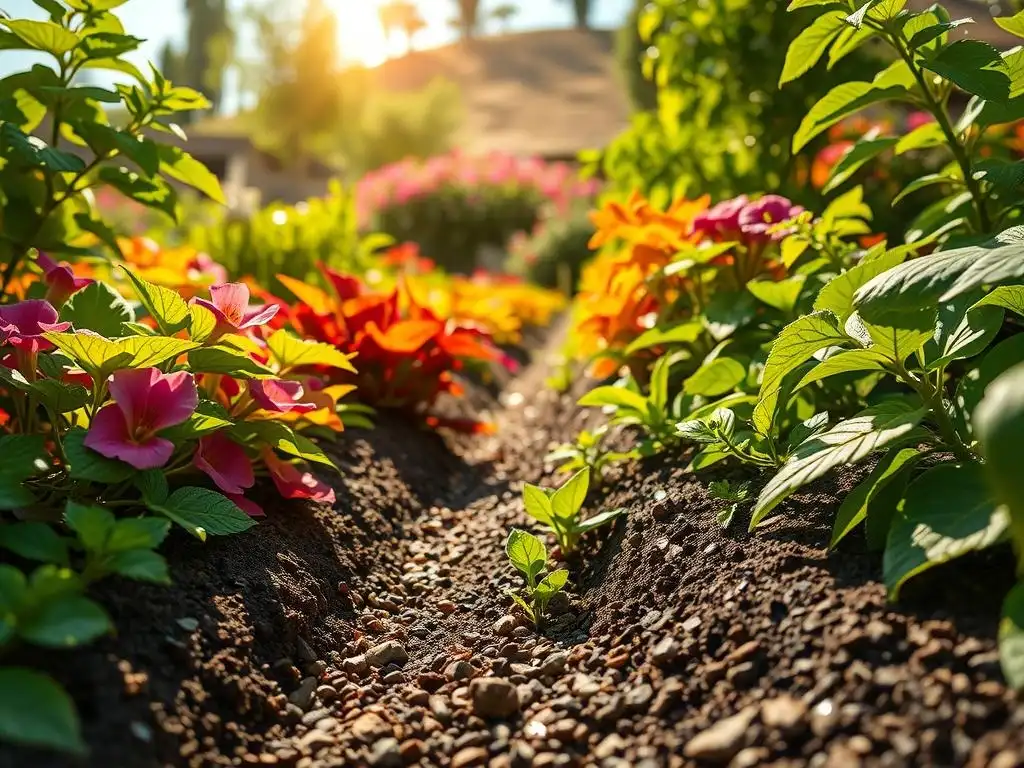
Ready to transform your garden from a soggy swamp to a thriving oasis? At CultivateYourFood, we're passionate about helping you grow your own food organically. But what happens when Mother Nature throws you a curveball? This article on "Improve garden drainage naturally" tackles a common gardening challenge: poor drainage. Discover simple, sustainable solutions to improve water flow and unlock the full potential of your fruits, vegetables, and herbs. Let's get started!
- Understanding Poor Drainage in Your Vegetable Garden
- Natural Solutions to Improve Garden Drainage
- Advanced Techniques for Addressing Severe Drainage Issues
- Maintaining Good Drainage in Your Vegetable Garden
-
Frequently Asked Questions
- How can I improve garden drainage naturally without using chemicals?
- What are the signs of poor drainage in my garden?
- My soil is very clay-heavy. How can I improve its drainage?
- Are there any plants that tolerate poorly-drained soil?
- How can I determine if my garden has good drainage before planting?
- Final Reflection: Cultivating Healthy Soil, One Drain at a Time
- Unleash Your Garden's Potential: Better Drainage, Better Growth!
Understanding Poor Drainage in Your Vegetable Garden
Poor drainage in your vegetable garden is a common problem that can significantly impact the health and yield of your plants. This issue, often overlooked, can lead to a cascade of negative effects, from stunted growth and nutrient deficiencies to the devastating spread of root rot and other diseases. Improving garden drainage naturally is crucial for cultivating a thriving and productive vegetable patch, and this article will guide you through identifying the problem, diagnosing its cause, and implementing effective, sustainable solutions.
We'll explore techniques that enhance water flow without resorting to harmful chemicals, ensuring a healthy and environmentally friendly growing environment for your fruits, vegetables, and herbs. This guide is essential for achieving optimal growth and maximizing your harvest while adhering to organic and sustainable gardening practices. Learning to effectively address poor drainage will transform your garden from a waterlogged struggle into a flourishing ecosystem.
Identifying Signs of Poor Drainage: Soggy Soil, Yellowing Leaves, and Root Rot
One of the first steps to improving garden drainage naturally is recognizing the telltale signs of poor water flow. These indicators often manifest in several ways, providing clear signals that your garden needs attention. The most obvious is persistently soggy soil, even days after watering or rainfall.
This constant saturation deprives plant roots of the oxygen they need to thrive, leading to a range of problems. You might observe yellowing leaves, a classic symptom of root suffocation and nutrient deficiency. Furthermore, poor drainage creates the ideal environment for root rot, a fungal disease that can quickly decimate your plants.
Root rot manifests as wilting, even when the soil is wet, and a foul odor emanating from the roots. Regularly inspecting your soil and plants for these symptoms is essential for early detection and timely intervention. Don't wait until your plants are severely affected; address the problem promptly to prevent further damage and maximize your harvest.
The Impact of Poor Drainage on Plant Health and Growth: Nutrient Deficiency and Disease
The consequences of neglecting poor drainage extend far beyond simply soggy soil. Poor drainage directly impacts plant health and growth in several crucial ways. Firstly, waterlogged soil restricts oxygen flow to the roots, leading to nutrient deficiencies. Even if you're providing ample fertilizer, plants cannot absorb nutrients effectively when their roots are deprived of oxygen.
This results in stunted growth, reduced yields, and weakened plants that are more susceptible to pests and diseases. Secondly, the consistently wet conditions create a breeding ground for various fungal and bacterial diseases, particularly root rot, as mentioned earlier. Root rot can quickly spread throughout the garden, devastating entire crops.
Additionally, poor drainage can lead to soil compaction, further hindering root growth and water penetration. Addressing poor drainage is therefore not merely an aesthetic improvement; it's a critical step in ensuring the long-term health and productivity of your vegetable garden. A healthy drainage system is the cornerstone of successful organic gardening.
Diagnosing the Cause of Poor Drainage: Soil Composition, Compaction, and Landscape Features
Before implementing solutions, it’s crucial to understand why your garden suffers from poor drainage. Several factors contribute to this problem. The soil composition itself plays a significant role. Clay soils, for instance, are notoriously prone to waterlogging due to their fine texture and low permeability.
Sandy soils, while well-draining in their natural state, can become compacted over time, reducing their drainage capacity. Compaction, whether due to heavy foot traffic or improper tilling, significantly reduces the spaces between soil particles, restricting water infiltration. Finally, landscape features such as slopes, the presence of hardpans (layers of compacted soil), and even the location of your garden relative to surrounding structures can all influence drainage.
A low-lying area, for example, is more likely to accumulate water. A thorough assessment of these factors is essential for choosing the most effective and long-term drainage solutions tailored to your specific garden. Understanding the root cause allows for targeted interventions that address the issue at its source, leading to lasting improvements in your garden's drainage.
Natural Solutions to Improve Garden Drainage
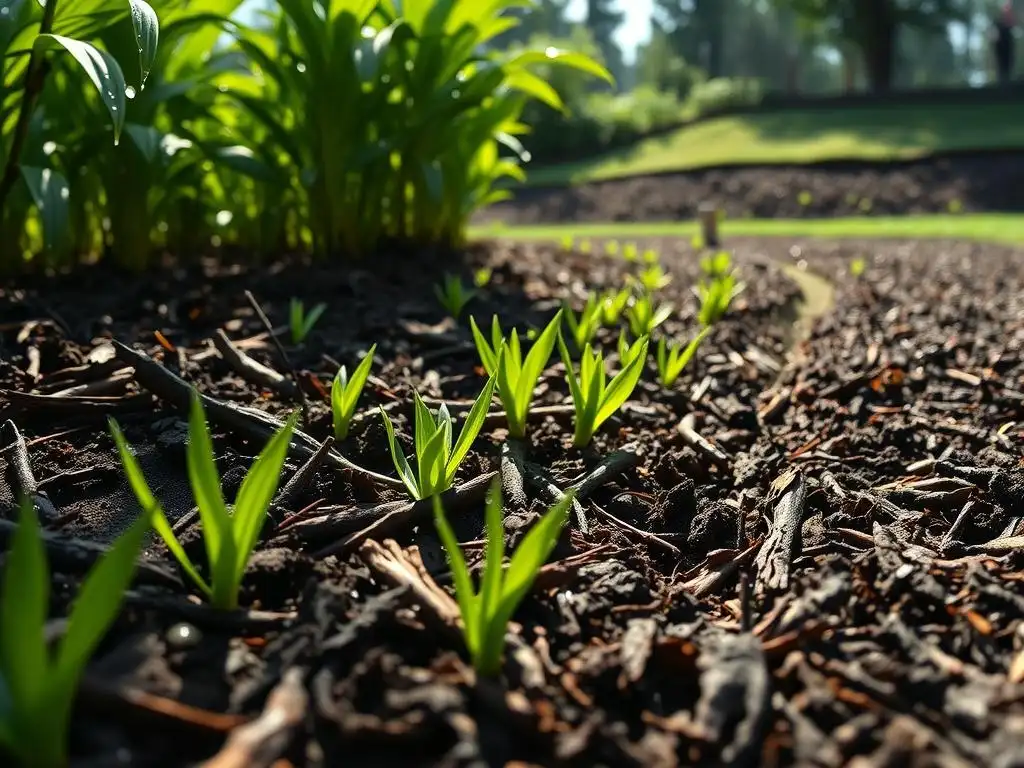
This section explores effective, eco-friendly methods to improve garden drainage, focusing on techniques that enhance water flow naturally. Addressing poor drainage is crucial for healthy plant growth, preventing root rot, and maximizing yields in your home vegetable garden. We'll examine several natural solutions to help you cultivate a thriving garden, even in challenging soil conditions. Remember, improving garden drainage naturally is key to sustainable gardening practices.
Improving Soil Structure for Better Water Drainage: Adding Organic Matter like Compost
Poor drainage often stems from compacted soil lacking adequate pore space for water infiltration. Adding organic matter, such as compost, is a cornerstone of improving soil structure and water flow. Compost acts like a sponge, increasing the soil's water retention capacity while simultaneously improving drainage. The organic matter creates channels within the soil, allowing water to penetrate more easily and reducing runoff.
This process isn't just about adding compost; it's about integrating it effectively. Simply spreading compost on the surface isn't always sufficient. For optimal results, till or incorporate the compost into the top 6-12 inches of soil. This ensures thorough mixing and prevents the formation of a water-resistant layer on the surface.
Consider the type of compost you use. Mature, well-rotted compost is ideal, as it’s less likely to attract pests or harbor weed seeds. Aim for a ratio of approximately 2-4 inches of compost per square foot of garden bed, adjusting based on your soil's existing condition. Heavily compacted clay soils may require more compost than lighter, sandier soils. Regular additions of compost over time will further enhance drainage and overall soil health.
Creating Raised Garden Beds for Enhanced Drainage and Soil Aeration
Raised garden beds offer a straightforward solution for improving drainage, particularly in areas with heavy clay soil or poor water infiltration. By elevating the planting area, you create a well-drained environment that promotes healthy root development. The sides of the bed prevent water from pooling and allow for better aeration of the soil.
The height of the raised bed influences drainage effectiveness. Beds at least 12 inches high are generally recommended, allowing for sufficient depth for roots and a significant improvement in drainage. You can build raised beds using readily available materials like untreated lumber, recycled pallets (ensure they are free of harmful chemicals), or even stacked stones.
When constructing raised beds, consider incorporating a drainage layer at the bottom. This can consist of a few inches of gravel or broken pottery shards. This layer helps to prevent waterlogging and encourages water to drain away from the roots. Remember to line the bottom of your raised bed with a landscape fabric to prevent the soil from mixing with the drainage layer. This helps maintain the integrity of the drainage system over time. Raised beds provide a fantastic opportunity to improve garden drainage naturally and easily.
Utilizing Gravel and Drainage Layers in Raised Beds and In-Ground Gardens
Even in in-ground gardens, strategic placement of gravel can significantly improve drainage. While not a replacement for addressing underlying soil compaction, gravel layers can help direct water flow and prevent waterlogging in specific areas.
For in-ground gardens, consider creating a trench around the base of the plant before planting. Fill the trench with gravel, creating a subsurface drainage pathway for excess water. This method is particularly beneficial for plants sensitive to waterlogged conditions. This technique is less effective in areas with extremely poor drainage, where more comprehensive soil improvement strategies are necessary.
In raised beds, a layer of gravel at the base, as mentioned previously, can enhance drainage further. The combination of raised beds and a gravel layer offers a powerful approach to improving water flow and preventing root rot. Remember to use clean, inert gravel to avoid introducing unwanted chemicals or contaminants into your garden soil. Careful planning and implementation of these techniques will significantly contribute to your success in improving garden drainage naturally.
Strategic Planting: Choosing Drought-Tolerant Vegetables and Herbs
Improving garden drainage naturally often involves not just altering the soil but also selecting plants that thrive even with less-than-ideal moisture levels. Strategic planting of drought-tolerant varieties significantly reduces the burden on your drainage system and minimizes the risk of root rot and other water-related plant diseases. This approach complements other drainage solutions and contributes to a more resilient and sustainable garden.
Many vegetables and herbs are surprisingly resilient to drier conditions. Instead of fighting nature, work with it by choosing species adapted to less frequent watering. For example, certain types of beans, like bush beans, are generally more tolerant of dry spells than pole beans. Similarly, some squash varieties, especially those with smaller fruit, require less consistent watering than their larger counterparts. Careful selection can drastically reduce the frequency of irrigation, reducing the overall water demand of your garden, and lessening the pressure on your drainage system.
Consider incorporating herbs known for their drought tolerance. Rosemary, thyme, oregano, and lavender are excellent choices, requiring minimal watering once established. These herbs not only add flavor to your cooking but also contribute to a beautiful and fragrant garden that is less dependent on consistent watering. Their shallow root systems often mean they are less affected by poorly draining soil, unlike deeper-rooted plants that might struggle in waterlogged conditions. Interplanting these herbs among your vegetables can help improve overall soil health and reduce the need for supplemental watering.
When planning your garden layout, remember to group plants with similar water requirements together. This allows for more efficient watering and minimizes the risk of overwatering some plants while others remain dry. By carefully considering the water needs of each plant, you can create a balanced and thriving garden that requires less intervention, even in areas with naturally poor drainage.
This mindful approach helps you improve garden drainage naturally, reducing stress on your plants and your water bill. Remember to consult seed packets or plant labels for specific water requirements for the varieties you choose. This ensures that you're making informed decisions tailored to your specific garden conditions and the plants you select.
Advanced Techniques for Addressing Severe Drainage Issues
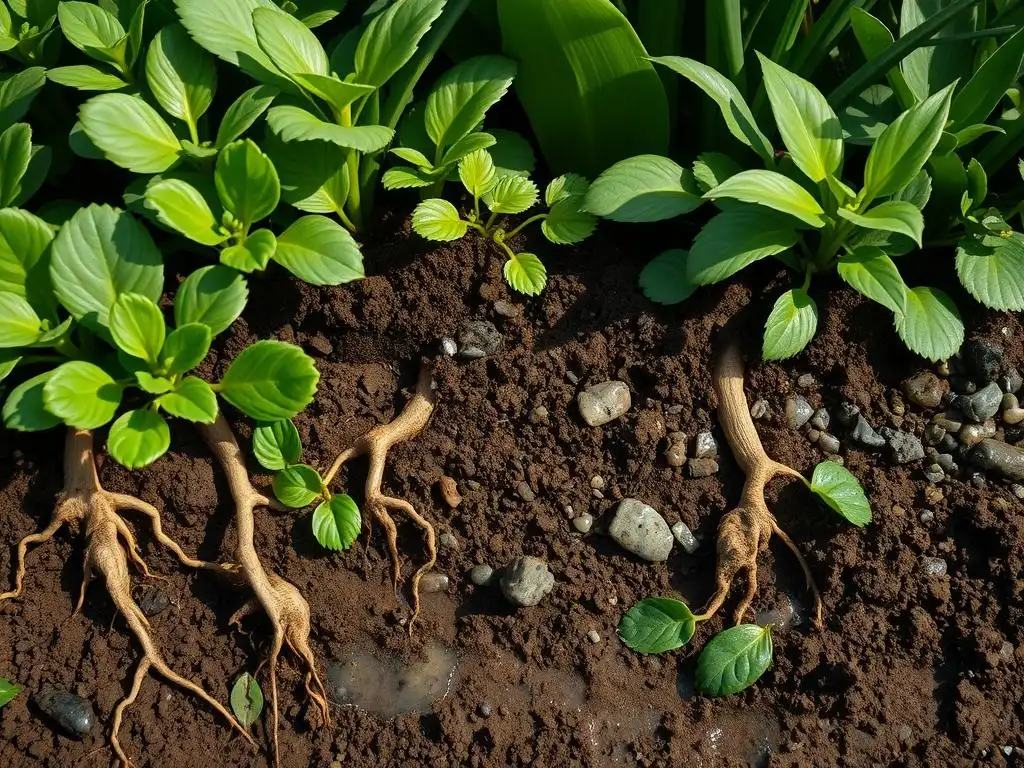
This section delves into more involved solutions for gardens suffering from severely poor drainage. These methods require more time and effort than simpler solutions, but they offer long-term, effective improvements for water flow, crucial for healthy plant growth and preventing root rot. Improving garden drainage naturally often involves a combination of approaches, and these advanced techniques are particularly useful when dealing with consistently waterlogged soil.
Installing a French Drain System for Efficient Water Removal
A French drain is a highly effective system for addressing persistent drainage problems. It involves digging a trench, lining it with gravel, and placing a perforated pipe at the bottom. This pipe collects excess water and channels it away from your garden. The gravel acts as a filter, preventing soil from clogging the pipe. The success of a French drain hinges on proper grading and slope to ensure consistent water flow. Consider these factors:
- Trench Depth and Width: Typically, the trench should be 12-18 inches deep and 6-12 inches wide. The exact dimensions depend on the severity of the drainage issue and the soil type.
- Pipe Selection: Use perforated pipes specifically designed for drainage systems. The perforations should be sized appropriately for the soil type to prevent clogging.
- Gravel Type: Choose clean, washed gravel that is large enough to allow for good water flow but not so large that it hinders the pipe's function. A mix of gravel sizes can be beneficial.
- Outlet Location: The outlet of the French drain must be directed to a suitable location where the water can drain away from your garden without causing problems elsewhere, such as a storm drain or a lower-lying area.
Remember, installing a French drain is a more involved project requiring some digging expertise. If you're not comfortable with this level of DIY, consider hiring a professional landscaper. Proper installation is essential for the system's long-term effectiveness. Improperly installed French drains can actually worsen drainage problems. Careful planning and execution are key to successfully improving garden drainage naturally with this method.
Constructing a Swale or Ditch to Redirect Surface Water Away from Your Garden
Swales and ditches are effective, low-tech solutions for managing surface runoff. A swale is a shallow, gently sloping channel that intercepts surface water and directs it away from problem areas. A ditch is a deeper, more defined channel, often used for larger-scale water management. These methods are particularly useful in areas with heavy rainfall or sloping terrain. Here's what to consider:
- Placement and Grading: Careful planning is crucial. The swale or ditch needs to be strategically placed to intercept surface water before it reaches your garden. The grade must be gentle enough to prevent erosion but steep enough to ensure effective water flow.
- Soil Type and Erosion Control: The soil type will influence the design and construction. In areas prone to erosion, consider adding vegetation or other erosion control measures to stabilize the swale or ditch.
- Maintenance: Regular maintenance is required to prevent clogging with debris and weeds. Periodic cleaning and weed removal will ensure the long-term effectiveness of the system. This is crucial for improving garden drainage naturally and maintaining its efficiency.
Constructing a swale or ditch is a relatively simple method, and it’s an excellent way to improve garden drainage naturally, especially for areas with a slight slope.
Utilizing Perforated Pipes for Subsurface Drainage
Similar to a French drain, but often simpler, perforated pipes can be installed directly into the soil to improve subsurface drainage. This method is less labor-intensive than a full French drain system, as it doesn't require a deep trench. Instead, you dig smaller holes and insert the perforated pipes, backfilling with gravel. This is a more localized approach, useful for addressing specific problem areas in the garden.
- Pipe Placement: Strategically place the pipes in areas with consistently poor drainage. This might involve digging several shallow trenches or individual holes.
- Gravel Backfill: As with French drains, using clean, washed gravel is essential to prevent clogging.
- Soil Type Consideration: This method works best in soils that are relatively easy to penetrate and not excessively rocky or clay-like. Clay soils may require additional measures to improve drainage.
This method offers a balance between effectiveness and ease of installation, making it a valuable tool for improving garden drainage naturally in many situations. Remember that the long-term success relies on proper pipe placement and gravel selection, minimizing the risk of clogging over time. Regular inspection and potential maintenance might be required depending on your soil type and rainfall patterns.
Maintaining Good Drainage in Your Vegetable Garden
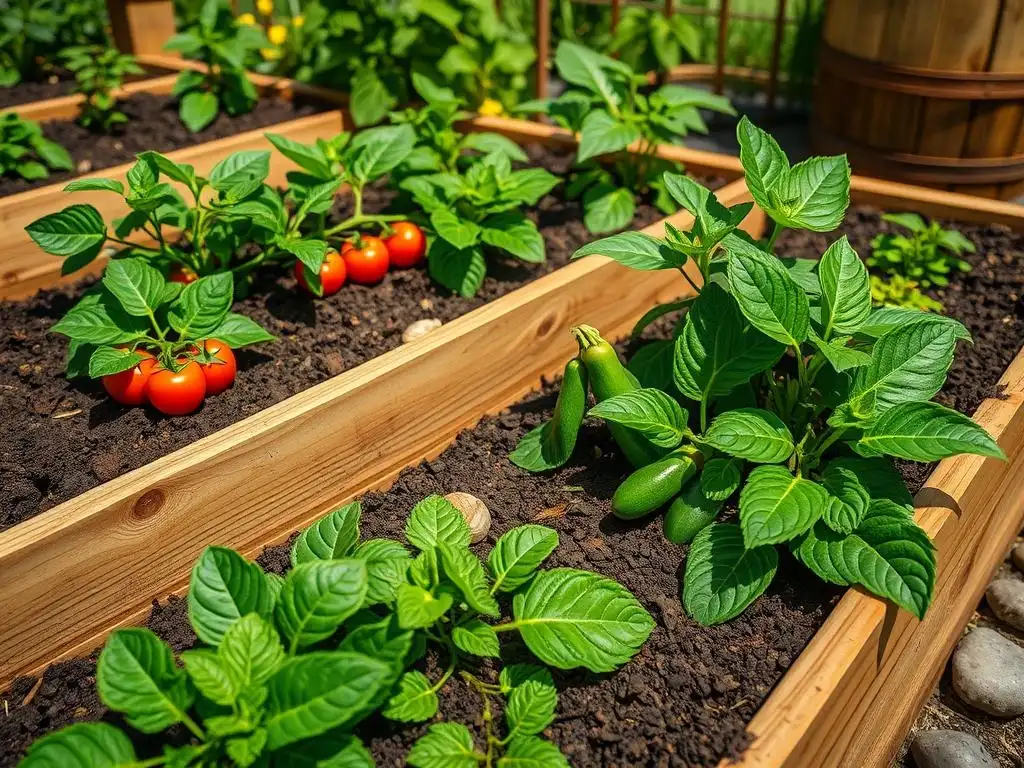
This section focuses on proactive strategies to improve garden drainage naturally, ensuring your vegetable garden thrives even in challenging soil conditions. We'll explore methods to maintain optimal water flow, preventing waterlogging and promoting healthy root development. Remember, consistent monitoring and preventative measures are key to achieving long-term success in improving your garden's drainage.
Regular Soil Testing to Monitor Soil Health and Drainage
Regular soil testing is crucial for understanding your soil's structure and its drainage capacity. This is the cornerstone of any successful strategy to improve garden drainage naturally. Testing reveals vital information about your soil's composition – including its texture (sandy, silty, or clay-like), pH level, and organic matter content. These factors directly influence drainage. Clay soils, for instance, tend to retain water more than sandy soils, potentially leading to waterlogged conditions detrimental to plant health.
Knowing your soil type allows you to tailor drainage solutions. For example, if your soil test reveals high clay content, you can implement strategies focused on improving soil structure, such as adding organic matter. Conversely, sandy soils, while well-draining, might require amendments to improve water retention. Regular testing (ideally annually, or more frequently if you notice drainage problems) provides a baseline for evaluating the effectiveness of your drainage improvement efforts. The results will guide you in choosing the most effective natural methods to enhance water flow. Don't underestimate the power of data-driven gardening! 📈
Mulching to Improve Water Retention and Prevent Soil Compaction
Mulching isn't just about moisture retention; it's a powerful tool to improve garden drainage naturally by preventing soil compaction. A thick layer of organic mulch (such as shredded leaves, straw, or wood chips) acts as a buffer between the soil surface and the elements. This prevents heavy rainfall from directly impacting the soil, reducing the risk of compaction. Compacted soil has reduced pore space, hindering water infiltration and leading to poor drainage. Mulch also helps to break down over time, adding valuable organic matter that improves soil structure and aeration, further enhancing drainage.
The type of mulch you choose matters. Heavier mulches, like wood chips, can offer more substantial protection against compaction, while lighter mulches like straw are excellent for improving water retention. The ideal mulch layer thickness is generally 2-4 inches, ensuring sufficient protection without hindering plant growth. Regularly replenishing the mulch layer, especially after heavy rains or periods of intense sun, helps maintain its effectiveness in preventing soil compaction and improving water permeability. Think of it as a natural shield for your soil, protecting it from the elements and promoting healthy drainage. 🛡️
Preventing Soil Compaction: Avoiding Heavy Foot Traffic in the Garden
Minimizing foot traffic in your garden is paramount for maintaining good soil structure and improving garden drainage naturally. Walking directly on the soil compresses the soil particles, reducing the spaces between them. This compaction restricts water infiltration, leading to poor drainage and hindering root development. Your plants need those air pockets! 🌱
Consider creating pathways using stepping stones, boards, or even gravel to avoid walking directly on the soil. This simple strategy can significantly reduce soil compaction and improve water flow. For larger gardens, consider using raised beds or containers to further elevate the planting area and minimize foot traffic.
By carefully managing your movement within the garden, you can significantly improve soil health and prevent the need for more intensive drainage solutions. Remember, a little forethought can go a long way in preserving the health and productivity of your vegetable garden. Plan your garden layout strategically to minimize the need to traverse planting areas.
Sustainable Practices for Long-Term Soil Health and Drainage Improvement: Crop Rotation and Cover Cropping
Improving garden drainage naturally isn't just about fixing immediate problems; it's about building a healthy soil structure that promotes excellent water flow for years to come. This is where sustainable practices like crop rotation and cover cropping become invaluable tools in your arsenal for improving garden drainage naturally. These methods work synergistically to enhance soil structure, increase organic matter, and prevent compaction – all crucial factors for optimal drainage.
Crop rotation involves planting different types of crops in the same area each year. This breaks the cycle of pests and diseases associated with specific plants, and, crucially for drainage, it helps prevent the depletion of specific nutrients. Different plant families have varying root structures; some have deep taproots that break up compacted soil, improving aeration and water infiltration.
For example, rotating between heavy feeders like tomatoes (shallow roots) and deep-rooted legumes like beans or alfalfa can significantly improve soil structure over time. This strategic planting helps prevent the build-up of soil-borne pathogens and improves the overall health of the soil, indirectly improving drainage. Think of it like giving your soil a yearly “spa day,” allowing it to recover and replenish.
Cover cropping takes this a step further. Cover crops are plants specifically grown to improve soil health, not for harvest. They act like a living mulch, protecting the soil from erosion, suppressing weeds, and adding organic matter as they decompose. Different cover crops offer different benefits for drainage.
For instance, plants with deep taproots, such as rye or daikon radish, can effectively break up compacted soil layers, creating channels for better water penetration. Legumes, like clover or vetch, fix nitrogen in the soil, improving overall soil fertility and, consequently, promoting healthier root systems in your vegetable crops. The decomposition of cover crop biomass adds organic matter, which improves soil structure, creating a more porous and well-drained environment. Furthermore, the living roots of cover crops help to hold the soil together, reducing erosion and minimizing the risk of compaction, which is a major cause of poor drainage.
Remember to select cover crops appropriate for your climate and soil type to maximize their effectiveness. Properly implementing these strategies is key to improving garden drainage naturally and sustainably. The long-term benefits far outweigh the initial effort.
Frequently Asked Questions
How can I improve garden drainage naturally without using chemicals?
Several natural methods exist! Improving soil structure with compost and organic matter is key. Consider also creating raised beds or swales to redirect water.
What are the signs of poor drainage in my garden?
Look for puddles after rain, yellowing leaves, and soggy soil. Plants may also exhibit stunted growth or root rot. These are all indicators of poor drainage.
My soil is very clay-heavy. How can I improve its drainage?
Clay soil is notoriously difficult. Amend it generously with organic matter, such as compost, well-rotted manure, or leaf mold. This will improve soil structure and water permeability.
Are there any plants that tolerate poorly-drained soil?
Yes! Many plants thrive in moist conditions. Consider water-loving plants like hostas, ferns, and certain types of irises. Research plants suitable for your specific climate.
How can I determine if my garden has good drainage before planting?
Dig a hole about a foot deep and fill it with water. If the water drains completely within a few hours, your drainage is likely adequate. If it takes much longer, you have poor drainage.
Final Reflection: Cultivating Healthy Soil, One Drain at a Time
Improving garden drainage isn't just about avoiding soggy roots; it's about nurturing the very lifeblood of your garden. A well-drained garden thrives, offering vibrant blooms and bountiful harvests, while poor drainage leads to frustration and plant loss. This simple act of improving water flow has profound implications for the health and sustainability of our green spaces.
The journey towards better garden drainage is a testament to the interconnectedness of nature. We've explored various natural solutions, from amending soil composition to strategically placing plants, all highlighting the delicate balance within our ecosystems. This process has reminded me of the profound wisdom in working with nature, rather than against it. The glory of gardening: hands in the dirt, head in the sun, heart with nature. To nurture a garden is to feed not just the body, but the soul.
This quote perfectly encapsulates the rewarding experience of creating a thriving garden, one that's resilient and sustainable.
Now, I invite you to consider your own garden. What steps can you take today to improve its drainage? Perhaps it's as simple as adding compost to lighten heavy clay soil, or as ambitious as redesigning your garden beds. No matter the scale, the act of nurturing your garden, of improving its water flow, is an act of nurturing yourself and contributing to a healthier environment. Embrace the challenge, and watch your garden flourish.
Unleash Your Garden's Potential: Better Drainage, Better Growth!
Thanks for learning about improving drainage in your garden! We hope you feel empowered to tackle those soggy areas and create a thriving plant paradise. Ready to put your knowledge into action?
- Tackle your worst drainage problem first: Identify the area needing the most attention and start there. Even a small improvement will make a big difference!
- Share your drainage solutions with fellow gardeners! What creative methods have you used? Let's build a supportive community and learn from each other's experiences.
- Experiment with different solutions and document your results. What worked best? What surprised you about the process?
Ready to transform your garden from soggy to spectacular? What's the first step you'll take to improve your garden's drainage?