
DIY Insecticidal Soap: A Simple Recipe for Pest Control

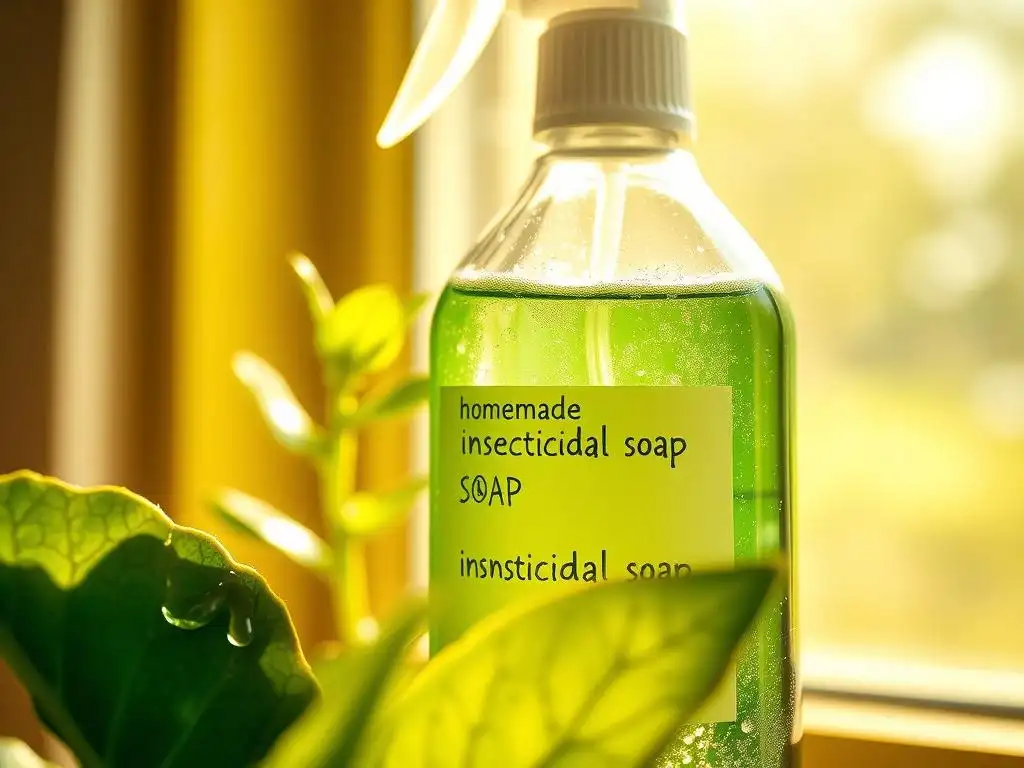
Ready to ditch harmful chemicals and embrace nature's power in your garden? CultivateYourFood is your guide to thriving, sustainable homegrown harvests. Discover the secrets to healthy plants, from seed to table, with our expert advice on everything from planting to pest control. Learn how to easily create your own effective Homemade Insecticidal Soap recipe, a simple yet powerful solution for keeping pests at bay – and get ready to reap the rewards of a truly organic garden. Let's get growing!
- Understanding the Power of Homemade Insecticidal Soap
- Gathering Your Ingredients for a Homemade Insecticidal Soap Recipe
- Step-by-Step Guide: Making Your Own Insecticidal Soap
- Applying Your Homemade Insecticidal Soap: Tips and Techniques
- Maintaining Effectiveness and Storage of Your Homemade Insecticide
- Troubleshooting Common Issues and FAQ's Related to Homemade Insecticidal Soap
- Frequently Asked Questions
- Final Reflection: The Power of Simple Solutions in a Complex World
- Ready to Reclaim Your Garden?
Understanding the Power of Homemade Insecticidal Soap
Creating a thriving garden often involves battling unwanted pests. While commercial pesticides offer a quick solution, many gardeners are seeking safer, more sustainable alternatives. This article delves into the effectiveness and ease of making your own insecticidal soap, a powerful tool in your organic pest control arsenal. We'll explore the science behind its effectiveness, highlight the advantages it offers over store-bought options, and detail which garden insects are most susceptible to its effects.
Learning to make your own homemade insecticidal soap is a crucial step towards achieving a healthy and productive garden, minimizing environmental impact, and protecting beneficial insects. This simple, yet highly effective, recipe empowers you to take control of pest management in your own backyard, aligning perfectly with sustainable and organic gardening practices. Let's dive into the details of this powerful, yet gentle, pest control solution.
What is Insecticidal Soap and How Does it Work?
Insecticidal soap is a natural pesticide made from a mixture of water and a mild soap, such as potassium salts of fatty acids. Its effectiveness stems from its ability to disrupt the cell membranes of soft-bodied insects, leading to dehydration and death. Unlike many chemical pesticides, insecticidal soap works by contact, meaning insects must directly come into contact with the solution to be affected.
This targeted action minimizes harm to beneficial insects and pollinators, making it a much more environmentally friendly choice. The soap's mechanism is relatively simple: it dissolves the protective waxy layer on the insect's exoskeleton, causing cellular disruption and ultimately leading to its demise. The process is quick and effective for many common garden pests.
The exact mechanism can vary slightly depending on the soap used, but the fundamental principle remains consistent: disruption of the insect's cellular structure. Many recipes call for the addition of horticultural oil, which enhances the soap's effectiveness and helps it adhere better to the insect's body.
Benefits of Using Homemade Insecticidal Soap over Commercial Products
Choosing a homemade insecticidal soap over commercial alternatives offers several significant advantages:
- Safety: Homemade insecticidal soap is significantly less toxic to humans, pets, and beneficial insects like bees and ladybugs compared to many commercial pesticides. It's biodegradable and poses minimal risk to the environment.
- Cost-effectiveness: The ingredients are readily available and inexpensive, making it a budget-friendly solution for long-term pest control. This is especially beneficial for larger gardens requiring frequent applications.
- Ease of preparation: The recipe is simple and requires minimal time and effort, making it accessible to gardeners of all skill levels. The ingredients are easily sourced from most supermarkets or online retailers.
- Sustainability: Using a homemade insecticidal soap aligns with sustainable gardening practices, reducing reliance on chemically-produced pesticides and their associated environmental impacts. It promotes a healthy ecosystem within your garden.
- Control: You have complete control over the ingredients, ensuring that no harmful chemicals or additives are present. This is particularly important for those with sensitivities or allergies.
Target Pests: Which Garden Insects Respond to Insecticidal Soap?
Insecticidal soap is particularly effective against a range of soft-bodied insects, including:
- Aphids: These tiny sap-sucking insects are a common garden pest, and insecticidal soap is a highly effective control method.
- Spider mites: These microscopic pests can cause significant damage to plants. Insecticidal soap can help control their populations.
- Mealybugs: These insects are covered in a white, waxy coating, making them difficult to control with other methods. Insecticidal soap is a valuable tool against them.
- Whiteflies: These small, white insects can infest many plants, causing yellowing leaves and stunted growth. Insecticidal soap can help manage whitefly infestations.
- Thrips: These tiny, slender insects can cause damage to flowers and leaves. Insecticidal soap can be part of an integrated pest management strategy.
However, it's important to note that insecticidal soap is less effective against hard-shelled insects like beetles and caterpillars. For these pests, other organic control methods may be necessary. Always thoroughly test a small area of your plants before applying the soap to the entire plant to ensure there are no adverse reactions.
Gathering Your Ingredients for a Homemade Insecticidal Soap Recipe
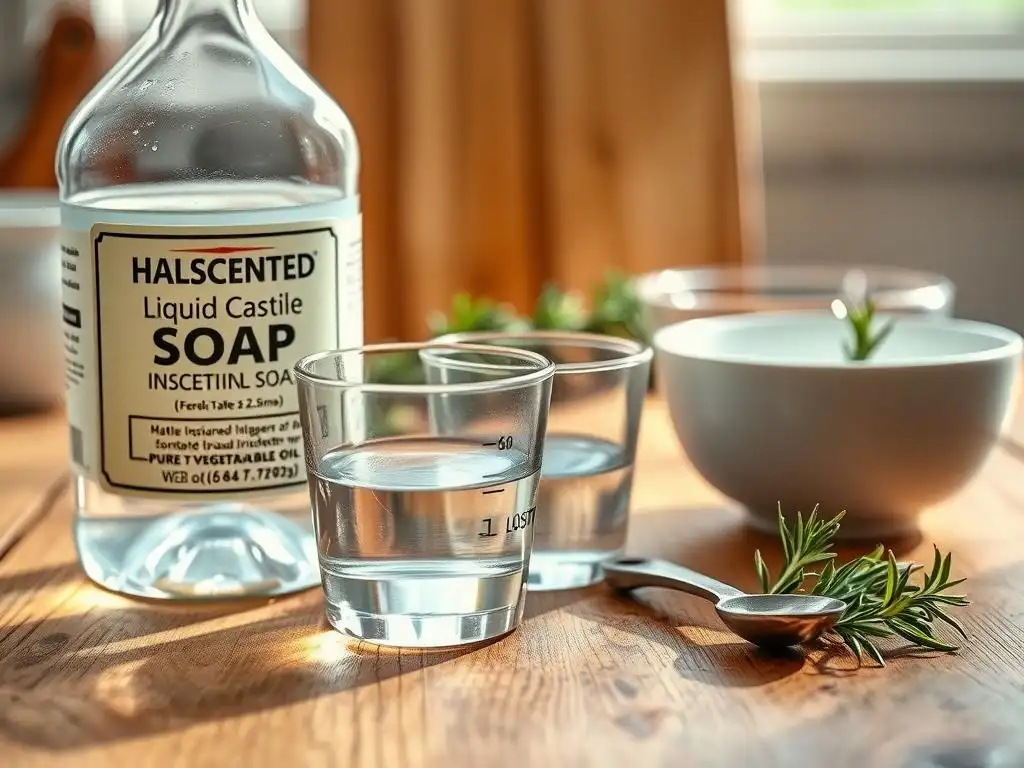
This section details the essential components needed for creating a highly effective, homemade insecticidal soap. Remember, the success of your insecticidal soap hinges on using high-quality, preferably organic, ingredients. Let's delve into the specifics.
Essential Ingredients: Soap, Water, and Oil
The foundation of any effective homemade insecticidal soap recipe lies in three core ingredients: soap, water, and oil. These seemingly simple elements combine to create a potent solution that disrupts the pests' protective waxy coating, leading to dehydration and ultimately, their demise.
The quantities of each ingredient can be adjusted depending on the scale of your needs. A basic recipe might use 1 tablespoon of soap, 1 liter of water, and 1 teaspoon of oil. However, you might need to adjust this ratio depending on the specific pest and the severity of the infestation. Always start with a smaller batch to test its effectiveness before making larger quantities. Remember to always test a small area of your plants first to ensure the soap doesn't harm the foliage. 🌿
The quality of your ingredients directly impacts the potency and effectiveness of your insecticidal soap. Using high-quality, organic ingredients ensures you're not introducing harmful chemicals to your garden or compromising the health of your plants.
Choosing the Right Soap: Castile Soap vs. Dish Soap
The type of soap you choose is crucial. While both Castile soap and dish soap can be used, they offer distinct advantages and disadvantages.
| Soap Type | Advantages | Disadvantages |
|---|---|---|
| Castile Soap | Gentle, readily biodegradable, less likely to harm plants | Can be more expensive than dish soap |
| Dish Soap | Readily available, inexpensive | Can contain harsh chemicals, may harm plants if not diluted properly |
Castile soap, made from plant oils like olive oil, is generally preferred for its gentle nature and biodegradability. It's less likely to damage your plants, even with repeated applications. However, it can be slightly more expensive than dish soap.
Dish soap, while readily available and inexpensive, can contain harsh chemicals that might harm your plants if not diluted correctly. Always opt for a plain, unscented dish soap without added dyes or fragrances. If using dish soap, thorough dilution is paramount. Too strong a concentration can burn your plants' leaves.
Sourcing Ingredients: Organic Options for Optimal Effectiveness
For optimal effectiveness and to maintain the integrity of your organic gardening practices, prioritize sourcing organic ingredients. This is especially important for the soap and oil.
- Organic Soap: Look for certified organic Castile soap or plain, unscented dish soap that's explicitly labeled as free from harsh chemicals and artificial additives. The absence of these chemicals ensures your insecticidal soap is safe for your plants and beneficial insects.
- Organic Oil: Opt for organic oils like neem oil, jojoba oil, or even vegetable oil. Neem oil, in particular, possesses insecticidal properties in itself, enhancing the overall effectiveness of your homemade insecticidal soap. Avoid using mineral oil, as it can harm beneficial insects and the environment.
- Water: Use clean, preferably rainwater, to avoid introducing chlorine or other chemicals that might interfere with the soap's effectiveness or harm your plants. Tap water is acceptable, but let it sit for a while to allow chlorine to dissipate.
By carefully selecting your ingredients, you ensure the creation of a safe, effective, and environmentally friendly homemade insecticidal soap, perfectly aligned with your sustainable gardening practices. Remember, a little preparation goes a long way in achieving a thriving, pest-free garden! 🌱
Step-by-Step Guide: Making Your Own Insecticidal Soap
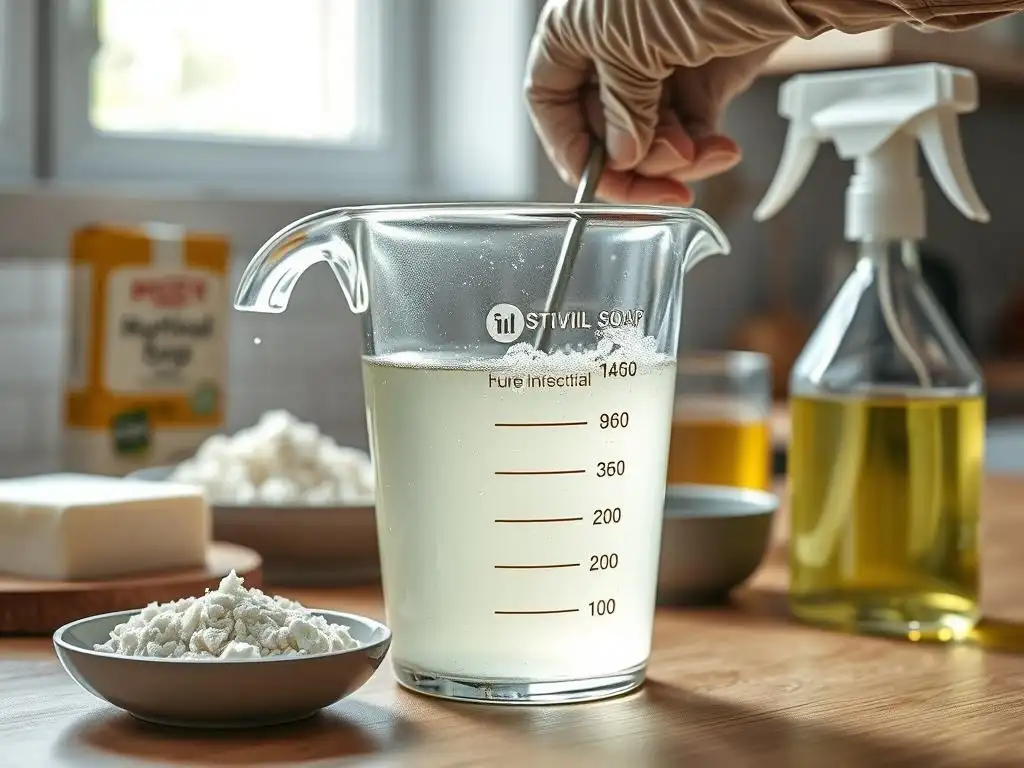
This section provides a detailed, step-by-step guide on creating a homemade insecticidal soap, a safe and effective solution for managing common garden pests. This homemade insecticidal soap recipe is perfect for organic gardening and avoids harsh chemicals. Remember to always prioritize safety and test a small area before widespread application. This recipe is designed to be easily scalable, allowing you to adjust the quantities based on your needs.
Step 1: Measuring and Mixing the Ingredients
Creating your own insecticidal soap is surprisingly simple. The core ingredients are readily available and cost-effective. The basic recipe calls for a combination of mild soap and water. The type of soap is crucial; avoid harsh detergents, as these can damage your plants. Instead, opt for a gentle, unscented liquid soap like Castile soap or a pure, vegetable-based dish soap.
We'll start with a basic recipe:
- 1 tablespoon of liquid castile soap: This provides the insecticidal properties. You can substitute with a pure, vegetable-based dish soap, but ensure it's free from additives and fragrances.
- 1 quart of warm water: Warm water helps dissolve the soap more effectively. Using hot water can be detrimental to the soap's efficacy.
Instructions:
- In a clean container, add the warm water.
- Slowly add the liquid castile soap, stirring gently to avoid creating excessive foam. Thorough mixing ensures a consistent solution.
- Mix until the soap is completely dissolved. You should have a clear, slightly soapy solution. Clumps of undissolved soap may clog spray nozzles.
Step 2: Diluting the Solution for Safe and Effective Application
The concentration of the insecticidal soap is critical. Too strong a solution can damage your plants, while too weak a solution may be ineffective against pests. Therefore, dilution is essential before application.
For most garden applications, a dilution ratio of 1 part insecticidal soap solution to 10 parts water is recommended. This means for every 1 cup of the soap solution prepared in Step 1, you should mix it with 10 cups of water. This creates a safer, yet still effective, solution.
Example: If you made a quart (4 cups) of the concentrated soap solution, you would add it to 40 cups (10 quarts) of water. This is a good quantity for treating a medium-sized garden. Adjust the quantities based on the size of your garden and the extent of the infestation. Always err on the side of caution and dilute more rather than less.
Remember to label your diluted solution clearly, indicating the date of preparation and dilution ratio.
Step 3: Testing the Solution on a Small Area Before Widespread Use
Before applying the homemade insecticidal soap liberally, it's crucial to conduct a test on a small, inconspicuous area of your plants. This precautionary measure helps you assess the solution's impact on your plants and identify potential adverse reactions.
Testing Procedure:
- Select a small section of your plants that is representative of the larger area. This should be a section that won't be easily noticeable if damage occurs.
- Apply the diluted insecticidal soap to this test area, following the same application method you plan to use on the whole plant.
- Observe the treated area for 24-48 hours. Look for any signs of leaf damage, discoloration, or wilting. These indicate that the solution may be too strong and requires further dilution.
If no adverse effects are observed after 48 hours, you can proceed with treating the rest of your plants. If damage is noted, further dilute the solution and repeat the test. This iterative process will help you achieve the optimal balance between efficacy and plant safety. Remember that consistent observation is key to achieving successful pest control using this homemade insecticidal soap recipe.
Applying Your Homemade Insecticidal Soap: Tips and Techniques
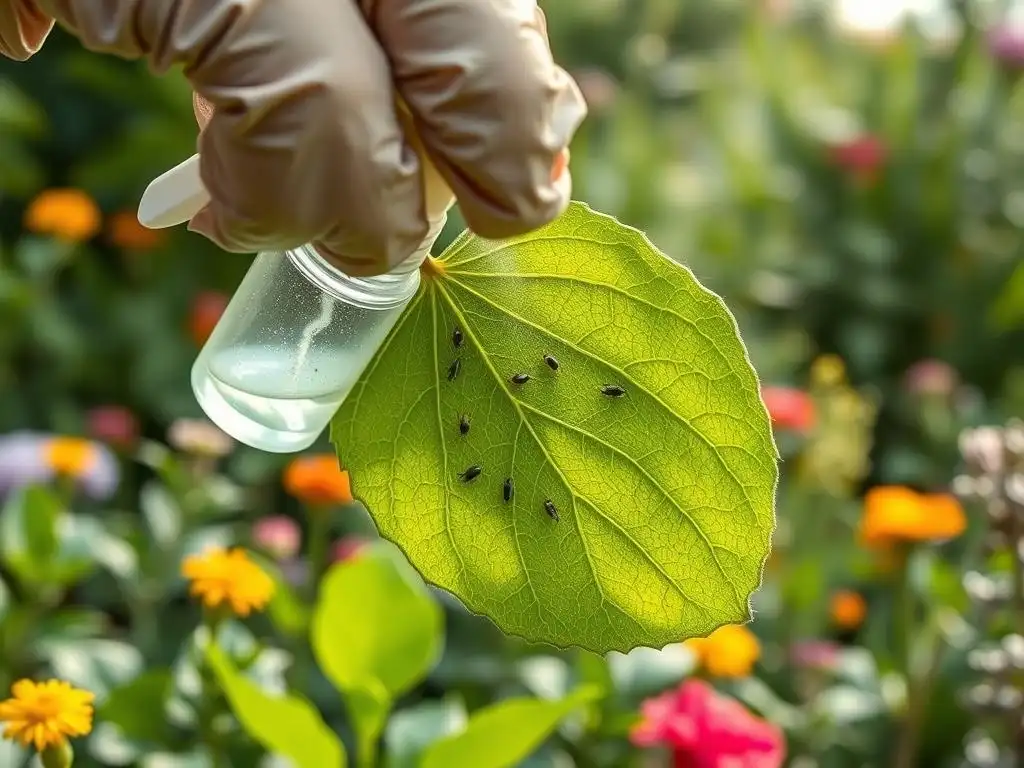
This section details the best practices for applying your homemade insecticidal soap, maximizing its effectiveness while minimizing any negative impacts on your plants or yourself. Remember, consistent application is key to successful pest management. A proactive approach, rather than reacting only to a full-blown infestation, will yield the best results in protecting your precious fruits, vegetables, and herbs.
Best Times for Application: Morning or Evening?
The timing of your insecticidal soap application significantly impacts its effectiveness and minimizes potential harm to beneficial insects. Applying during the coolest parts of the day – early morning or late evening – is generally recommended. Why? Because the intense midday sun can cause the soap solution to dry too quickly, reducing its contact time with the pests and potentially scorching your plant leaves. Furthermore, applying in the cooler hours reduces the risk of harming beneficial insects like bees, which are most active during the warmer parts of the day.
Applying in the morning allows the soap to work effectively throughout the day before the sun's heat intensifies. Evening applications allow the solution to remain active overnight, targeting nocturnal pests. Avoid applying during periods of high wind, as this can lead to uneven distribution and reduced efficacy. Remember to always check the weather forecast before spraying to ensure optimal conditions for application. The goal is to give the soap sufficient time to do its job without being compromised by environmental factors.
Effective Application Methods: Spray Bottle, Hand Application
The method of application depends largely on the scale of the infestation and the type of plant affected. For smaller plants or localized infestations, hand application using a sponge or soft cloth dipped in the insecticidal soap solution can be highly effective. This method allows for precise targeting of the pests, minimizing contact with the rest of the plant. This is particularly useful for delicate herbs or seedlings where over-spraying might damage the plant itself.
For larger plants or widespread infestations, a spray bottle is the most efficient tool. Choose a spray bottle with an adjustable nozzle, allowing you to tailor the spray to a fine mist. This ensures even coverage without overwhelming the plant with excessive liquid. Always test your spray on a small, inconspicuous area of the plant first to ensure it doesn't cause any adverse reactions.
A consistent, thorough application is crucial for a successful outcome. Remember to thoroughly coat the leaves, stems, and any other areas where pests are present. For particularly stubborn infestations, consider a repeat application after a few days. Note that the frequency of application will depend on the severity of the infestation and the type of pest.
Safety Precautions: Protecting Yourself and Your Plants
While homemade insecticidal soap is generally considered safe for humans and the environment, taking appropriate safety precautions is essential. Always wear protective clothing, including gloves, long sleeves, and eye protection, during application. This is especially important if you're dealing with a large area or a significant infestation. Avoid inhaling the spray and wash your hands thoroughly after application.
Before applying the insecticidal soap to your entire garden, it's advisable to conduct a small-scale test on a few plants to check for any adverse reactions. Some plants may be more sensitive than others to the soap solution, and this precaution can prevent unintended damage. Observe the plants for a few days after the test application to ensure no leaf burn or other negative effects occur.
Furthermore, avoid spraying during periods of high wind or when rain is expected, as this will affect the effectiveness and might wash away the solution prematurely. Remember that while this recipe is generally safe, individual plant sensitivities might vary. Always prioritize the health of your plants and your own safety.
Maintaining Effectiveness and Storage of Your Homemade Insecticide
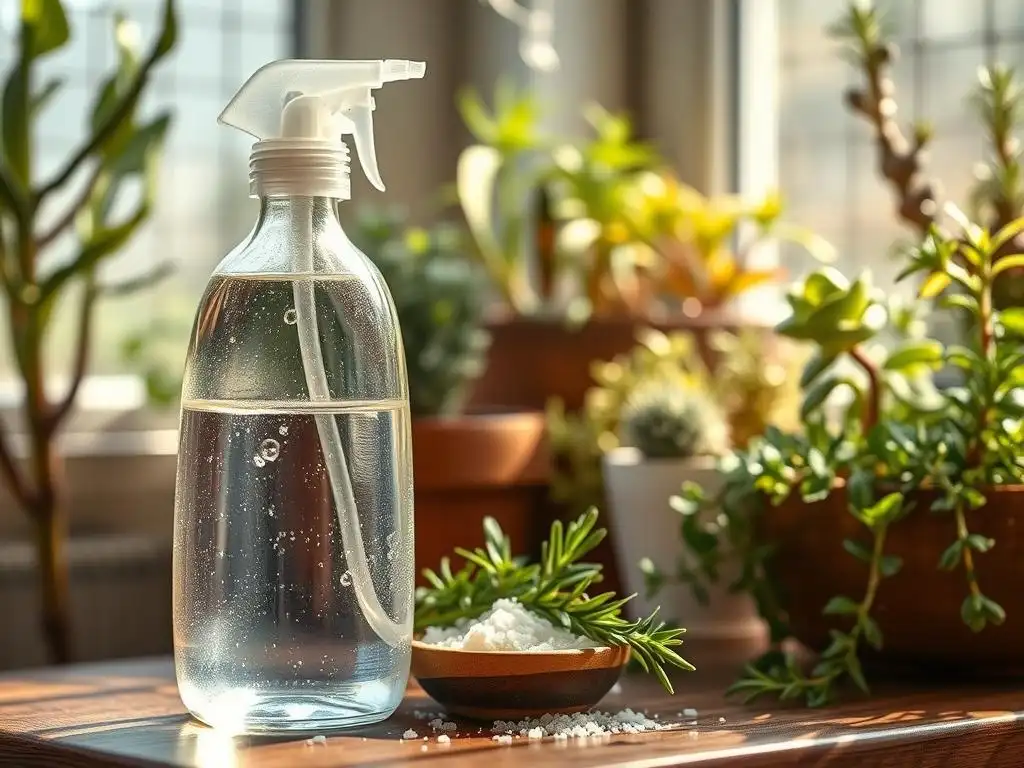
Creating your own insecticidal soap is a fantastic way to manage garden pests sustainably. However, understanding how to maintain its effectiveness and store it properly is crucial for maximizing its benefits and minimizing waste. This section details how to extend the life of your homemade insecticidal soap and ensure it remains potent against those pesky garden invaders.
How Long Does Homemade Insecticidal Soap Last?
The shelf life of your homemade insecticidal soap depends largely on storage conditions. Ideally, a properly stored batch should remain effective for approximately 2-3 weeks. However, you might notice a decrease in effectiveness after this time. Several factors contribute to this:
- Decomposition of Ingredients: The natural ingredients in your soap, particularly the oils, can begin to break down over time, affecting their insecticidal properties. This process is accelerated by exposure to heat and light.
- Microbial Growth: Even with careful preparation, there's a possibility of microbial growth, potentially reducing the soap's effectiveness and introducing unpleasant odors. This is more likely if the soap is not stored properly.
- Evaporation of Water: The water content in the soap can evaporate, leading to a thicker, less effective solution. This is especially common in hot, dry climates.
It's important to regularly inspect your insecticidal soap for any signs of spoilage, such as mold growth, unusual odors, or a change in consistency. If you notice any of these, it's best to discard the solution and prepare a fresh batch. Remember, using spoiled insecticidal soap can be ineffective and might even harm your beneficial insects.
Proper Storage Techniques to Preserve Effectiveness
Proper storage is paramount to extending the lifespan of your homemade insecticidal soap. Following these techniques will help keep your solution effective for its maximum duration:
- Airtight Container: Store your insecticidal soap in a clean, airtight container, such as a glass jar or plastic bottle with a tight-fitting lid. This prevents evaporation and helps minimize microbial growth.
- Cool, Dark Place: Keep the container in a cool, dark, and dry location, away from direct sunlight and extreme temperatures. A pantry or cupboard is ideal. Avoid storing it in direct sunlight, as UV rays can degrade the ingredients.
- Labeling and Dating: Always label your container with the date of preparation. This helps you track its age and ensure you use it before it loses its effectiveness. Include a clear label indicating that it is insecticidal soap.
| Storage Condition | Impact on Shelf Life |
|---|---|
| Airtight container | Extends shelf life significantly |
| Cool, dark location | Prevents degradation from heat and light |
| Direct sunlight exposure | Significantly shortens shelf life |
| Unsealed container | Rapid evaporation and spoilage |
Replenishing Your Supply: Making a New Batch
Making a new batch of insecticidal soap is a straightforward process. The simplicity of the recipe makes it easy to replenish your supply as needed. Remember that preparing fresh batches regularly ensures that you're always using a potent and effective solution for pest control. This not only maximizes its effectiveness against garden pests but also ensures you’re consistently using a safe and sustainable product for your plants.
Regularly making fresh batches is a small investment of time that yields significant benefits in the long run, keeping your garden thriving and free from harmful infestations. Consider creating a larger batch and storing it in smaller, airtight containers for convenient use throughout the growing season. 🌱
This section addresses frequently encountered problems when using homemade insecticidal soap and offers solutions to ensure effective pest control in your garden. Remember, consistency and proper application are key to success. A poorly made or improperly applied insecticidal soap may not yield the desired results. Let's delve into some common issues and their solutions.
Dealing with Ineffective Spray: Potential Causes and Solutions
An ineffective insecticidal soap spray can stem from several factors. Let's examine the most common culprits and how to address them:
- Incorrect soap concentration: Using too little soap renders the spray ineffective, while using too much can damage your plants. The ideal concentration is crucial. Sticking precisely to the recipe's proportions is paramount for optimal results. Too much soap can lead to leaf burn, characterized by brown, scorched-looking areas on foliage. Too little soap simply won't kill the pests.
- Improper mixing technique: Ensure thorough mixing of the ingredients. Lumps of undissolved soap can clog spray nozzles and lead to uneven application. Use warm water to facilitate complete dissolution and a smooth, consistent spray. A good stir with a whisk or spoon is recommended before each use.
- Incorrect application timing: Applying insecticidal soap during the hottest part of the day can lead to leaf burn due to the increased evaporation rate. Early morning or late evening applications are generally preferred, when temperatures are cooler and the sun's intensity is lower. Avoid spraying when rain is imminent.
- Pest resistance: Some pest populations might develop resistance to insecticidal soap over time. This is less common with homemade insecticidal soap than with commercial products, but it's still a possibility. In such cases, consider rotating with other organic pest control methods, such as neem oil or diatomaceous earth.
- Type of soap: Not all soaps are created equal. Using a harsh detergent instead of a pure, mild soap can damage your plants. Always use a gentle, unscented liquid soap like pure castile soap. Avoid soaps containing additives, perfumes, or harsh chemicals.
Understanding Soap Residue and its Impact on Plants
While generally considered safe, insecticidal soap can leave a residue on plant leaves. This residue is usually harmless, but excessive build-up can potentially interfere with plant respiration and photosynthesis. This is especially true if you are using a soap with additives or using it excessively. Here's what you need to know:
- Minimizing residue: Use the recommended concentration and apply only when necessary. Avoid over-spraying. A fine mist is sufficient to coat the pests effectively without leaving an excessive residue.
- Washing off residue: In cases of heavy residue build-up, gently wash the plants with plain water after a few days. This helps remove the excess soap and allows for better plant function.
- Monitoring for adverse effects: Regularly inspect your plants after applying insecticidal soap. Look for signs of leaf damage, such as yellowing, wilting, or browning. If you observe any adverse effects, reduce the frequency of application or dilute the solution further. Consider using a different method of pest control if problems persist.
Aphids are a common garden pest frequently targeted with insecticidal soap. Here are some specific questions and answers regarding its use against these tiny insects:
- Effectiveness against aphids: Insecticidal soap is generally effective against aphids, particularly when applied directly to the insects. However, it's important to remember that it's a contact insecticide, meaning it must directly touch the aphids to kill them. Thorough coverage is key.
- Frequency of application: For aphids, multiple applications may be necessary, usually every 2-3 days, until the infestation is under control. This is because aphids reproduce rapidly, and new generations need to be targeted. Monitor your plants closely to assess the effectiveness of the treatment and adjust the application schedule as needed.
- Combining with other methods: For severe aphid infestations, combining insecticidal soap with other organic control methods, such as introducing ladybugs (natural aphid predators) or using sticky traps, can enhance effectiveness. This integrated pest management approach is often more effective than relying on a single method.
- Preventing aphid re-infestation: After successfully controlling an aphid infestation, maintain good garden hygiene to prevent future infestations. This includes removing weeds, pruning overcrowded plants to improve air circulation, and regularly monitoring your plants for early signs of infestation. 🧼 Early detection is crucial for preventing large-scale outbreaks.
Frequently Asked Questions
What ingredients are needed for a homemade insecticidal soap?
A basic recipe typically uses potassium hydroxide soap, water, and sometimes vegetable oil or neem oil. The exact ratios vary depending on the recipe and pest.
How does insecticidal soap work to control pests?
Insecticidal soap disrupts the cell membranes of insects, leading to dehydration and death. It's most effective on soft-bodied insects like aphids and spider mites.
Is homemade insecticidal soap safe for beneficial insects and pets?
While generally considered safer than chemical pesticides, it can still harm beneficial insects if not used carefully. Keep pets away from treated plants until the soap is dry.
How do I apply homemade insecticidal soap to my plants?
Apply the soap solution as a fine spray, thoroughly coating the leaves and stems where pests are present. Reapply as needed, following the recipe's instructions.
How long does homemade insecticidal soap last?
Homemade insecticidal soap is best used freshly made. Stored solutions may lose their effectiveness over time. Refrigerate leftover solution for a slightly longer shelf life.
Final Reflection: The Power of Simple Solutions in a Complex World
The resurgence of interest in DIY pest control solutions like homemade insecticidal soap speaks volumes about our growing awareness of the environmental impact of commercially produced pesticides. It's a testament to our collective desire for safer, more sustainable practices, a shift away from potentially harmful chemicals towards gentler, nature-based alternatives.
The journey towards understanding the power of simple, effective solutions like insecticidal soap has been profoundly enlightening. It highlights the interconnectedness of our actions and their impact on the environment, reminding us that even small changes can make a significant difference. Nature provides everything we need; we just need to learn how to use it.
This quote underscores the wisdom of harnessing nature's resources for our benefit, rather than relying solely on artificial solutions. The widespread adoption of homemade pest control methods represents a tangible step towards a more harmonious relationship with our surroundings.
Consider the impact you can have. By choosing to make your own insecticidal soap, you're not just protecting your plants; you're actively participating in a movement towards a healthier planet. You're reclaiming control over your environment and contributing to a more sustainable future. Try the recipe today, and experience the satisfaction of knowing you're making a difference, one plant – and one pest – at a time.
Ready to Reclaim Your Garden?
Thank you for learning how to make insecticidal soap! We hope you feel confident tackling garden pests naturally. Ready to try it?
- Make your own insecticidal soap today! Start with the recipe provided and experiment with different essential oils to find what works best in your garden.
- Share your successes (and challenges!) with our community in the comments below. Let's learn from each other.
- Consider expanding your natural pest control. Research other DIY methods and sustainable practices to create a thriving, pest-resistant garden.
What's the first pest you'll target with your homemade insecticidal soap?