
Raised Garden Beds: How to Avoid Common Mistakes and Improve Your Harvest

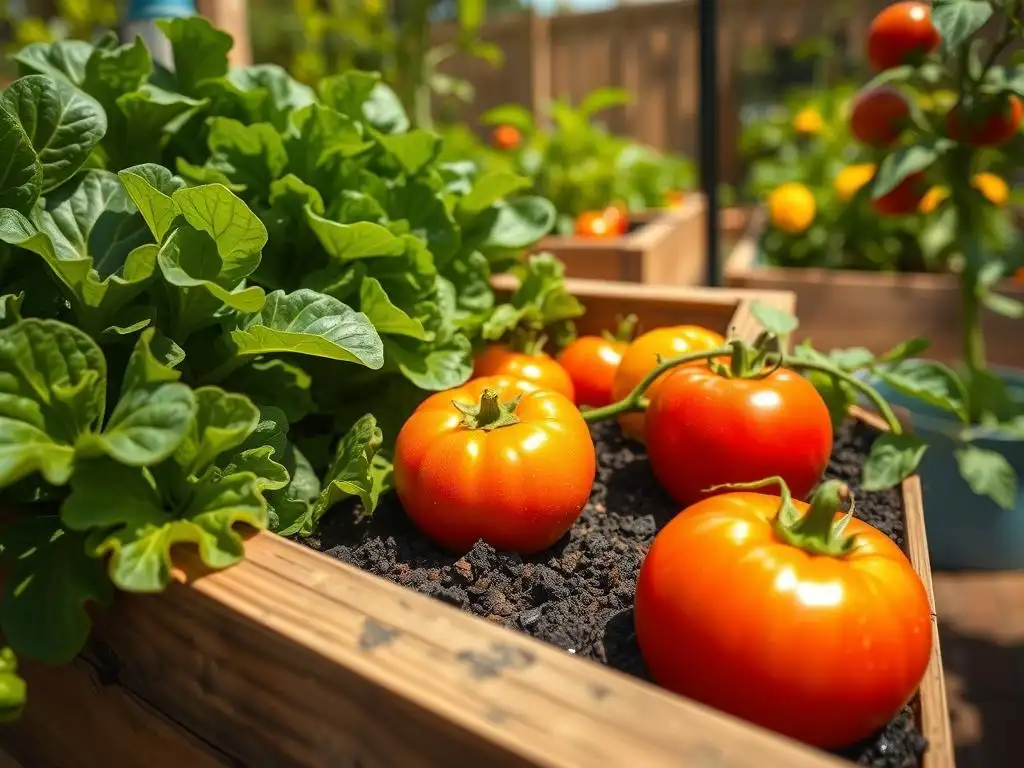
Ready to unlock the secrets to a bountiful homegrown harvest? At CultivateYourFood, we're passionate about helping you cultivate fruits, vegetables, and herbs organically. But even the most enthusiastic gardeners can stumble. This is why we've compiled essential advice on avoiding raised bed gardening mistakes, ensuring your gardening journey is rewarding and fruitful from start to finish. Discover how to sidestep common pitfalls and transform your garden into a thriving oasis of delicious, homegrown goodness. Let's get started!
- Understanding Common Raised Bed Gardening Mistakes
- Building Your Raised Garden Bed: Avoiding Construction Errors
- Maintaining Your Raised Garden Bed for a Bountiful Harvest
- Harvesting and Maximizing Your Raised Bed Garden's Potential
- Troubleshooting Common Raised Bed Gardening Problems
- Conclusion: A Successful Raised Bed Garden Through Avoidance of Common Mistakes
- Frequently Asked Questions
- Final Reflection: Harvesting the Fruits of Knowledge: Avoiding Raised Bed Gardening Mistakes
- Unleash Your Inner Gardener: Grow a Bountiful Harvest!
Understanding Common Raised Bed Gardening Mistakes
Raised bed gardening offers numerous advantages, from improved soil drainage and easier accessibility to enhanced pest control and increased yields. However, even experienced gardeners can fall prey to common mistakes that significantly impact the success of their raised bed projects. This comprehensive guide will delve into the most frequent errors encountered in raised bed gardening, providing practical solutions to help you avoid these pitfalls and cultivate a thriving, bountiful harvest. We'll explore crucial aspects like site selection, bed dimensions, material choices, and more, empowering you to build and maintain optimal raised beds for years of successful gardening.
Successfully avoiding these common mistakes will translate to healthier plants, higher yields, and a more enjoyable gardening experience—ultimately helping you cultivate your food more effectively and sustainably. Let's get started! 🎉
Poor Site Selection for Raised Garden Beds: Sun Exposure and Drainage Issues
Choosing the right location for your raised beds is paramount to their success. Neglecting crucial factors like sunlight and drainage can lead to stunted plant growth, reduced yields, and even plant death. Let's examine these critical aspects in detail.
Choosing the Right Location for Optimal Sunlight
Most vegetables and herbs require at least six to eight hours of direct sunlight daily. Before constructing your raised beds, carefully observe the sunlight patterns in your yard throughout the day. Consider using a sun tracking app or simply noting the sun's position at different times. Areas shaded by trees or buildings should be avoided, as they will receive insufficient sunlight.
Aim for a location that receives the maximum amount of direct sunlight possible, particularly during the peak hours of the day. Remember, insufficient sunlight can lead to weak, leggy plants that are more susceptible to diseases and pests. ☀️
Assessing Soil Drainage and Preventing Waterlogging
Poor drainage is another significant issue that can negatively impact the health of your plants. Waterlogged soil suffocates roots, leading to root rot and other fungal diseases. Before building your raised beds, test the existing soil drainage. Dig a hole about a foot deep and fill it with water. If the water drains slowly (more than 6-8 hours), the soil has poor drainage.
In such cases, you’ll need to improve the drainage by amending the soil with organic matter like compost or adding gravel to the bottom of the raised bed to improve drainage. Alternatively, consider raising the bed higher to improve drainage further. Proper drainage is crucial for healthy root development and overall plant vigor. 💧
Incorrect Raised Bed Dimensions and Design for Efficient Gardening
The dimensions and design of your raised beds have a significant impact on their usability and effectiveness. Choosing the wrong size or shape can make gardening more difficult and less productive.
Optimizing Raised Bed Size for Accessibility and Plant Growth
The ideal size for a raised bed depends on several factors, including the available space, the types of plants you plan to grow, and your physical capabilities. Beds that are too large can be difficult to reach the center, hindering weeding and harvesting. Beds that are too small can restrict plant growth. A good rule of thumb is to keep the width manageable (around 3-4 feet) so you can reach the center easily from either side.
The length can be adjusted to fit your space. Consider your own physical limitations when designing the height, ensuring that you can comfortably reach into the bed without excessive bending or stretching. Proper sizing enhances accessibility and plant growth. 📏
Choosing the Right Materials
The material you choose for your raised beds will significantly impact their longevity and the overall health of your plants. While various materials are available, consider factors like durability, cost, and potential leaching of harmful chemicals into the soil. Options include untreated wood (cedar or redwood are preferable for their natural rot resistance), recycled plastic lumber, or even stone.
Avoid using treated lumber unless it is specifically certified for use in contact with soil and plants, as the chemicals used in treatment can leach into the soil, harming your plants. Selecting the right material is a critical aspect of building durable and safe raised beds. 🧱
Building Your Raised Garden Bed: Avoiding Construction Errors
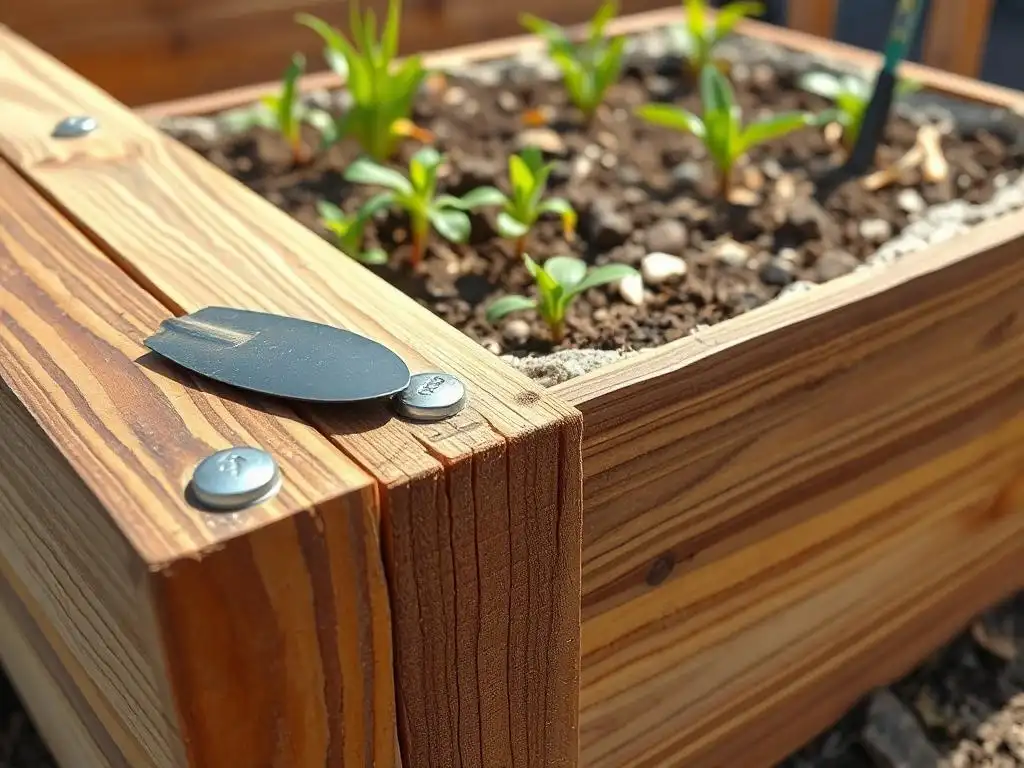
This section focuses on the crucial initial steps of building your raised garden bed to ensure a successful and bountiful harvest. Poor construction can lead to structural failure, soil erosion, and ultimately, a disappointing yield. Let's explore how to avoid these common pitfalls.
Selecting the Best Materials for Your Raised Bed Project
Choosing the right materials is paramount for a durable and long-lasting raised bed. The material you select directly impacts the bed's lifespan, maintenance requirements, and even the health of your plants. Let's examine some popular options, weighing their pros and cons.
Durability and Longevity: Comparing Cedar, Redwood, and Treated Lumber
Three popular choices for raised bed construction are cedar, redwood, and pressure-treated lumber. Each offers different levels of durability and longevity, impacting your long-term investment.
| Material | Durability | Longevity (Years) | Cost | Maintenance | Environmental Impact |
|---|---|---|---|---|---|
| Cedar | High | 15-20+ | High | Low | Relatively Low |
| Redwood | High | 20-30+ | High | Low | Relatively Low |
| Treated Lumber | Moderate to High | 10-15 | Moderate | Moderate | Potentially High |
Cedar and redwood are naturally rot-resistant, requiring minimal maintenance. Pressure-treated lumber, while more affordable, may contain chemicals that could leach into the soil, potentially harming your plants. Careful consideration of the environmental impact is crucial when choosing your material. Always opt for lumber treated with copper azole preservatives if you choose treated lumber, as these are less harmful to the environment and your plants than older formulations. Choosing untreated, naturally rot-resistant wood is always the most environmentally friendly option.
Cost-Effective Options: Reclaimed Wood and Recycled Materials
For a budget-friendly and sustainable approach, consider reclaimed wood or recycled materials. Reclaimed wood offers a unique aesthetic and reduces environmental impact by repurposing existing lumber. However, it's crucial to inspect it thoroughly for rot or insect infestation before use. Recycled materials such as plastic lumber or even repurposed pallets (ensure they are chemical-free!) can also be viable options, offering cost savings and sustainability. Remember to always prioritize materials that won't leach harmful chemicals into your soil.
Constructing a Sturdy and Long-lasting Raised Bed Frame
Once you've chosen your materials, proper construction techniques are essential to avoid premature failure. A poorly built frame will lead to sagging, warping, and ultimately, collapse.
Step-by-Step Guide to Building a Raised Bed
Building a raised bed is a straightforward process if approached methodically. Here’s a basic outline:
- Measure and Cut: Carefully measure and cut your lumber to the desired dimensions of your raised bed. Accurate measurements are crucial for a square and stable structure.
- Assemble the Frame: Use appropriate fasteners (galvanized screws are recommended) to join the lumber pieces, creating a rectangular frame. Ensure all corners are square and securely fastened.
- Reinforce the Corners: Consider adding extra support to the corners using metal brackets or corner braces for increased stability. This is especially important for larger raised beds.
- Line the Bed (Optional): Lining your raised bed with landscape fabric or a similar material can prevent soil from leaking out and reduce weed growth.
- Fill with Soil: Fill your raised bed with a high-quality organic soil mix suitable for the plants you intend to grow.
Remember to always use appropriate safety measures when working with tools and lumber.
Preventing Frame Collapse: Proper Corner Joining Techniques
The corners are the most vulnerable points in a raised bed frame. Weak or improperly constructed corners are the primary cause of frame failure. Several techniques can ensure strong and lasting corners:
- Butt Joints with Brackets: While simple, butt joints require substantial reinforcement with metal corner brackets to prevent separation.
- Mitered Joints: Mitered joints offer a cleaner aesthetic but require precise cuts and robust fastening to avoid weakness.
- Lap Joints: Lap joints provide superior strength, especially for larger or taller raised beds, by overlapping the lumber pieces.
Choosing the right joining technique and using appropriate fasteners are key to avoiding "Avoid raised bed gardening mistakes" and ensuring your raised bed stands the test of time. Remember to always pre-drill pilot holes before driving screws to prevent splitting the wood. Proper planning and attention to detail in the construction phase will lead to a long-lasting and productive raised garden bed.
Choosing the Right Soil Mix for Optimal Plant Growth
Selecting the appropriate soil mix is paramount for thriving raised bed gardening. Unlike in-ground gardening, raised beds offer less natural soil volume, making soil quality even more critical. Poor soil choices can lead to stunted growth, nutrient deficiencies, and increased susceptibility to diseases. A well-balanced soil blend provides the ideal environment for root development, nutrient uptake, and overall plant health.
The right mix promotes aeration, drainage, and water retention—all essential factors for successful cultivation. Ignoring this crucial aspect can significantly impact your harvest, leading to disappointing yields and potentially frustrating gardening experiences. Therefore, careful consideration must be given to the components of your soil mixture to ensure optimal plant growth. Remember, investing time and effort in creating a superior soil blend is an investment in the success of your raised bed garden.
Creating a Well-Draining Soil Blend: Compost, Peat Moss, and Perlite Combinations
Achieving excellent drainage in your raised bed soil is crucial to prevent root rot and other water-related issues. A common and effective approach involves blending compost, peat moss, and perlite. Compost provides essential nutrients and improves soil structure. Peat moss enhances water retention while still allowing for good drainage, acting as a sponge to hold moisture without becoming waterlogged.
Perlite, a volcanic glass, adds significant aeration, preventing soil compaction and ensuring adequate oxygen flow to the roots. A typical successful blend might consist of a 1:1:1 ratio of compost, peat moss, and perlite. However, this ratio can be adjusted based on your specific soil conditions and the plants you intend to grow. For example, sandy soils might benefit from a higher proportion of peat moss to increase water retention, while clay-heavy soils would benefit from more perlite to improve drainage.
Experimentation and observation are key to finding the perfect blend for your needs. Remember to always prioritize good drainage to avoid common raised bed gardening mistakes. Improper drainage can lead to various issues such as fungal diseases and stunted plant growth.
Avoiding Soil Compaction: Importance of Aeration and Organic Matter
Soil compaction is a significant problem in raised beds, especially if heavy clay soil is used or if the soil is not properly amended. Compacted soil restricts root growth, limits water and nutrient penetration, and hinders oxygen exchange. This leads to weaker plants, reduced yields, and increased susceptibility to pests and diseases. To avoid compaction, incorporating ample organic matter is vital.
Organic matter, such as compost, well-rotted manure, and leaf mold, improves soil structure, creating air pockets and enhancing drainage. Regularly tilling or turning the soil (carefully, to avoid damaging roots) can also help to break up compacted areas. Adding materials like perlite or vermiculite further enhances aeration. Think of it like this: well-aerated soil is like a fluffy sponge, allowing for easy water and nutrient absorption while providing ample space for roots to grow and thrive.
Compacted soil, on the other hand, is more like a dense brick, suffocating roots and preventing healthy growth. Prioritizing aeration and organic matter from the start will prevent many common raised bed gardening mistakes and contribute to a successful and bountiful harvest. Furthermore, consider mulching the surface of your raised beds to help maintain soil structure and prevent compaction over time.
Maintaining Your Raised Garden Bed for a Bountiful Harvest
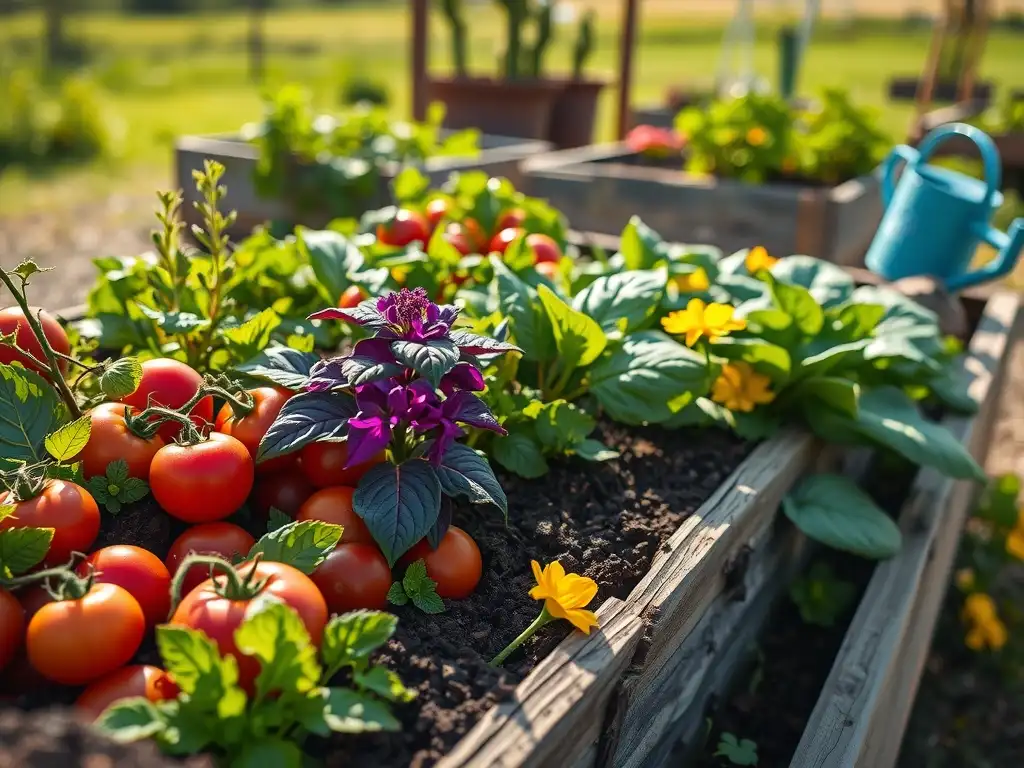
This section focuses on crucial maintenance practices to maximize your raised bed garden's yield and avoid common pitfalls. Proper maintenance is key to avoiding raised bed gardening mistakes and ensuring a successful harvest, regardless of your experience level. We'll explore effective weed control strategies and optimal watering techniques to cultivate a thriving garden.
Effective Weed Control in Raised Garden Beds
Weed control is paramount in raised bed gardening. Uncontrolled weeds compete with your plants for vital resources like water, nutrients, and sunlight, significantly impacting your harvest. A proactive approach, combining pre-emptive measures with ongoing organic weed control, is the most effective strategy. Ignoring weeds can quickly lead to a significant reduction in yields and invite pests. Let's explore some techniques to keep your raised bed weed-free.
Pre-emptive Measures
Prevention is always better than cure. Several pre-emptive steps can significantly reduce weed pressure:
- Careful Site Preparation: Before constructing your raised bed, thoroughly remove existing weeds and their roots. This includes tilling or turning the soil to a sufficient depth to eliminate any persistent weed seeds.
- High-Quality Soil Mix: Using a high-quality soil mix rich in organic matter helps to suppress weed growth. A well-balanced soil mixture creates a healthy environment for your plants, making them more competitive against weeds.
- Barrier Methods: Consider using landscape fabric or cardboard as a weed barrier beneath your soil. This prevents weeds from germinating from below and reduces the amount of weeding needed later. Ensure that any barrier material is biodegradable or easily removed at the end of the growing season.
Organic Weed Control Methods: Mulching and Hand-Weeding
Once your raised bed is established, consistent weed control is essential. Organic methods are preferred to protect beneficial insects and the environment.
- Mulching: Applying a thick layer of mulch (straw, wood chips, shredded leaves) suppresses weed growth by blocking sunlight. Mulch also helps retain soil moisture, reducing the frequency of watering. Aim for a mulch layer of at least 2-3 inches thick.
- Hand-Weeding: Regular hand-weeding is crucial, especially in the early stages of plant growth. Remove weeds before they go to seed to prevent further spread. Consistent, diligent hand-weeding keeps weed populations low and minimizes competition with your plants. This simple, time-tested method remains one of the most effective ways to avoid raised bed gardening mistakes related to weed infestation.
Watering Techniques for Healthy Plant Growth
Consistent and appropriate watering is vital for healthy plant growth in raised beds. Raised beds tend to dry out faster than in-ground gardens due to their smaller volume of soil. Understanding your plants' water needs and employing efficient watering techniques is crucial for a successful harvest. Improper watering is a common mistake that can significantly impact plant health and yield.
Drip Irrigation Systems for Efficient Water Delivery
Drip irrigation is an excellent method for delivering water directly to the roots of your plants. This method minimizes water waste, reduces evaporation, and prevents fungal diseases that can thrive in consistently wet foliage. A well-designed drip irrigation system ensures that each plant receives the appropriate amount of water, leading to healthier and more productive plants. This avoids the common mistake of uneven watering, leading to uneven plant growth.
Preventing Overwatering and Underwatering
Both overwatering and underwatering can severely damage your plants. Overwatering leads to root rot and other fungal diseases, while underwatering stresses plants and reduces yields. Here's how to strike the right balance:
| Watering Issue | Symptoms | Solution |
|---|---|---|
| Overwatering | Yellowing leaves, wilting, soggy soil | Allow soil to dry slightly between waterings, improve drainage |
| Underwatering | Wilting, dry soil, leaf curl | Water deeply and more frequently, add mulch |
Regularly check your soil moisture by digging a few inches down. If the soil feels dry, it's time to water. Remember, the best way to avoid raised bed gardening mistakes related to watering is through consistent monitoring and adjustment based on your specific climate and plant needs. Pay close attention to weather patterns and adjust your watering schedule accordingly. Learning to interpret your plants' signals is essential.
Pest and Disease Management in Raised Bed Gardens
Raised bed gardening, while offering many advantages, isn't immune to pest and disease problems. The contained environment can, ironically, sometimes exacerbate issues if not properly managed. Understanding preventative measures and implementing effective control strategies is crucial for a healthy and productive garden. Ignoring pest and disease issues can lead to significant crop loss, impacting both the yield and quality of your harvest.
Early detection is key; regular inspections of your plants are vital to identify problems before they spread. Look for signs of chewing, discoloration, wilting, or unusual growths. A proactive approach, focusing on prevention and early intervention, is far more effective and sustainable than reactive measures. This approach aligns perfectly with the sustainable and organic practices championed by CultivateYourFood.
Natural Pest Control Methods: Beneficial Insects and Companion Planting
One of the most effective ways to avoid relying on harsh chemicals in your raised bed garden is to encourage beneficial insects. Ladybugs, lacewings, and praying mantises are voracious predators of common garden pests like aphids and caterpillars. Providing habitat for these beneficial insects, such as by planting flowering plants that attract them, is a crucial step. For example, dill and fennel attract beneficial insects while also providing culinary delights!
Companion planting is another powerful tool. Certain plants, when planted together, can repel pests or attract beneficial insects. For instance, basil planted near tomatoes can deter tomato hornworms, while marigolds can repel nematodes.
Careful planning and strategic planting arrangements can significantly reduce pest pressure naturally. This method not only avoids harmful pesticides but also promotes biodiversity in your garden ecosystem, fostering a healthier and more resilient environment. Remember to research which companion plants work best for the specific crops you're growing to maximize effectiveness.
Organic Disease Prevention: Crop Rotation and Soil Health
Maintaining healthy soil is paramount in preventing diseases in your raised beds. Disease-causing pathogens often persist in the soil, infecting successive crops of the same type. Crop rotation is a fundamental technique in organic gardening to break these disease cycles. By rotating your crops annually, you prevent the buildup of specific pathogens associated with particular plant families.
For example, if you planted tomatoes one year, avoid planting other nightshades (like peppers or eggplants) in the same bed the following year. Instead, choose plants from a different family, such as legumes or brassicas. This practice helps to starve out disease organisms and improve overall soil health.
Furthermore, ensuring your soil has good drainage and aeration prevents the development of fungal diseases that thrive in damp conditions. Adding organic matter such as compost improves soil structure, promoting drainage and providing essential nutrients for healthy plant growth, thereby bolstering their natural resistance to diseases. Healthy plants are inherently more resilient to disease, making soil health a cornerstone of organic disease prevention in raised bed gardening.
Harvesting and Maximizing Your Raised Bed Garden's Potential
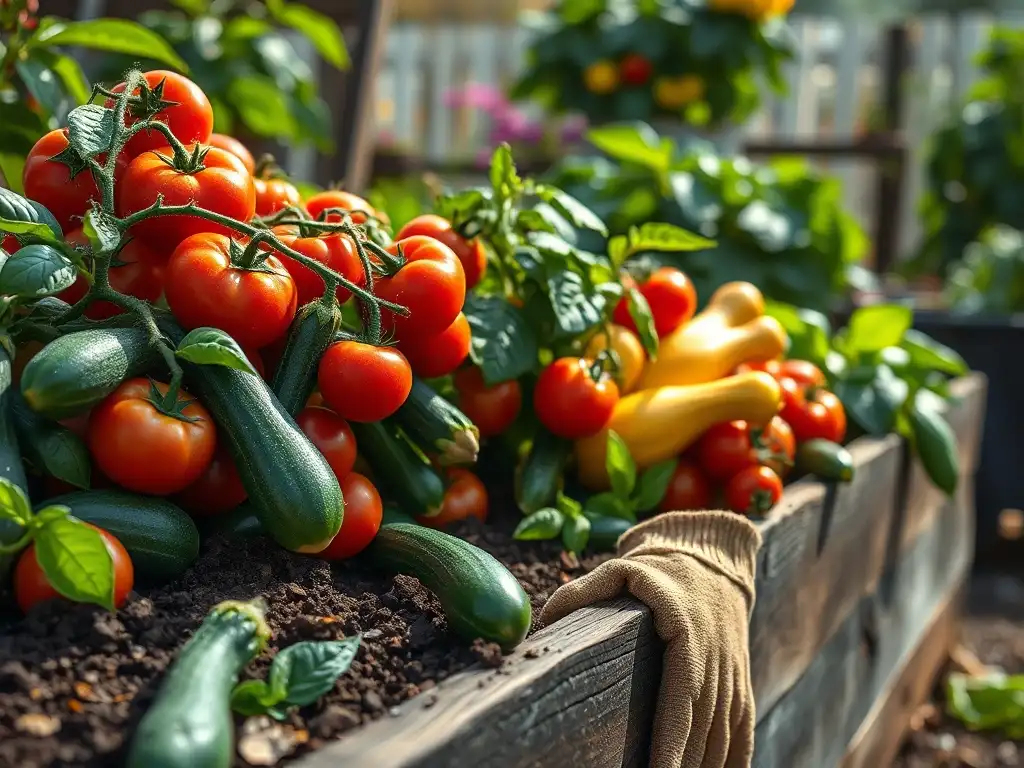
This section focuses on optimizing your harvest from raised garden beds, a key aspect of avoiding common mistakes and ensuring a bountiful yield. Proper harvesting techniques and strategic planning are crucial for maximizing your return on investment (both time and effort) in your raised bed garden. Let's explore how to achieve this.
Optimizing Harvest Timing for Maximum Yield
Timing is everything when it comes to harvesting. Harvesting too early results in smaller, less flavorful produce, while harvesting too late can lead to overripe, damaged, or even spoiled vegetables and herbs. Understanding the ideal harvest window for each plant is paramount to avoiding raised bed gardening mistakes and achieving maximum yield. This requires careful observation and attention to detail.
Recognizing Signs of Ripeness in Various Vegetables and Herbs
Different plants exhibit different signs of ripeness. For example, tomatoes are typically ready when they've reached their full color and give slightly to gentle pressure. Cucumbers are ready when they're firm and have reached their mature size. Herbs like basil are best harvested when the leaves are young and tender, before they become woody. Observing these subtle cues is crucial to getting the most out of your harvest. Here's a quick guide:
| Vegetable/Herb | Sign of Ripeness |
|---|---|
| Tomatoes | Deep red color, slight give when gently squeezed |
| Cucumbers | Firm, mature size, vibrant color |
| Basil | Young, tender leaves |
| Lettuce | Firm leaves, mature size |
| Peppers | Vibrant color, firm skin |
| Carrots | Firm, full size, orange color (for most varieties) |
Careful observation of these indicators can significantly improve your yield and the overall quality of your harvest. Remember, there's no substitute for experience! The more you harvest, the better you'll become at identifying the optimal time.
Proper Harvesting Techniques to Avoid Damaging Plants
Gentle harvesting techniques are essential to prevent damaging the plants and impacting future yields. Avoid pulling or yanking plants from the soil. Instead, use sharp shears or knives to cut stems cleanly. This minimizes stress on the plant and reduces the risk of disease. For root vegetables like carrots, use a garden fork to gently loosen the soil before carefully lifting them out. Remember, a healthy plant will continue producing for a longer period.
Extending Your Growing Season with Raised Beds
Raised beds offer several advantages for extending the growing season, helping you avoid the common mistakes associated with shorter growing periods. Their superior drainage and soil warming capabilities allow for earlier planting in spring and later harvests in fall.
Using Cold Frames and Row Covers to Protect Plants
Cold frames and row covers provide additional protection against frost and cold temperatures, extending the growing season significantly. These simple structures create a microclimate that protects delicate seedlings and mature plants from harsh weather conditions. By using these protective measures, you can extend the time your plants are actively producing. The added benefit is that it allows for a more sustained harvest.
Planning Successive Planting for Continuous Harvest
Successive planting is a key strategy to ensure a continuous harvest throughout the growing season. By planting different crops at staggered intervals, you can have a steady supply of fresh produce for months. For example, you could plant early-season lettuce, followed by a heat-tolerant variety later in the summer, ensuring a continuous supply of fresh greens.
Careful planning and understanding the growth cycles of your chosen plants are critical to successful successive planting. This method directly counters the common mistake of having a glut of one crop followed by a barren period. Planning your planting calendar meticulously is therefore paramount to avoid raised bed gardening mistakes and enjoy a continuous harvest.
Troubleshooting Common Raised Bed Gardening Problems
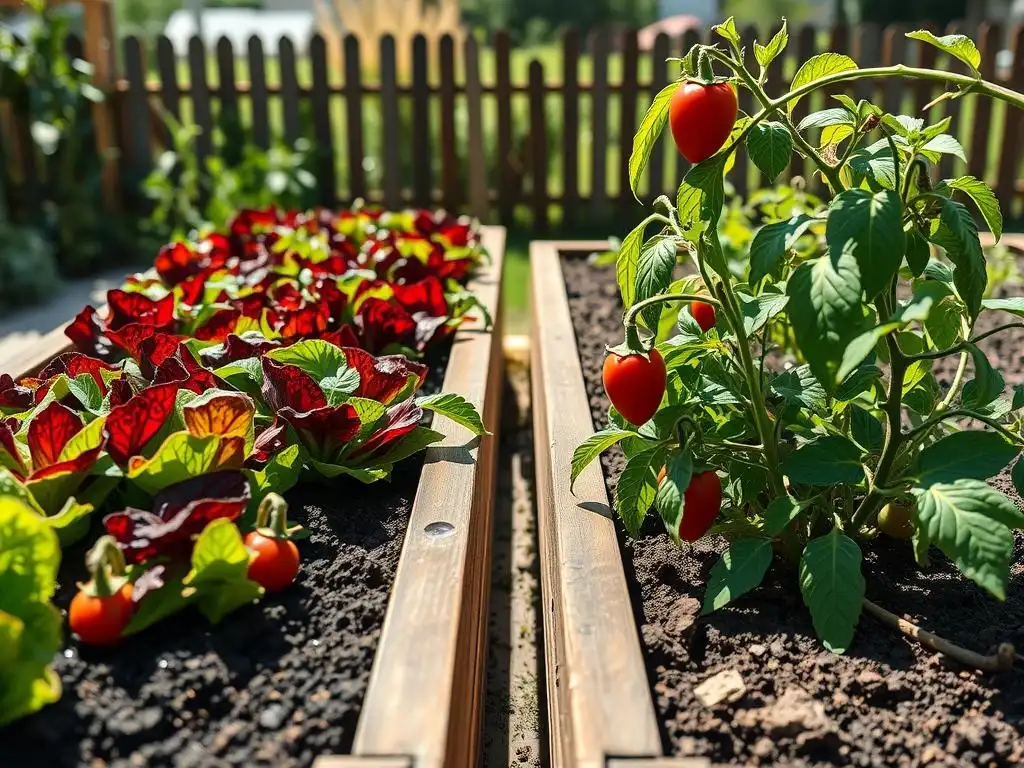
This section focuses on identifying and resolving prevalent issues that can hinder the success of your raised bed garden. By proactively addressing these problems, you'll significantly improve your chances of a bountiful and healthy harvest, avoiding many common pitfalls associated with "avoid raised bed gardening mistakes". Let's delve into some key areas requiring attention.
Dealing with Drainage Issues in Your Raised Garden Bed
Poor drainage is a frequent problem in raised bed gardening, leading to root rot and stunted plant growth. Waterlogged soil deprives roots of oxygen, creating an environment where harmful pathogens thrive. This is a crucial aspect of avoiding raised bed gardening mistakes.
Identifying and Fixing Poor Drainage Problems
The first step is identifying if drainage is indeed the culprit. Observe your raised bed after watering or rainfall. If water sits on the surface for an extended period, or if the soil remains consistently soggy, poor drainage is likely the issue.
Here's how to diagnose and fix the problem:
- Check the base: Ensure your raised bed has adequate drainage holes in the bottom. If not, drill several holes to allow for proper water escape. The size and number of holes depend on the bed's dimensions and material; larger beds require more holes.
- Assess the soil: Heavy clay soils drain poorly. Amending the soil with organic matter like compost significantly improves drainage. A good mix would be ⅓ compost, ⅓ topsoil, and ⅓ peat moss or coco coir. This improves soil structure and aeration.
- Consider the bed's construction: If you've built your raised bed using materials that don't allow for water permeability, like solid concrete or plastic sheeting without holes, you'll need to redesign it to incorporate drainage solutions. Using permeable materials like wood or untreated stone is generally recommended.
- Grade the bed: Slightly slope the bottom of the raised bed away from the center to encourage water runoff. This is particularly helpful for larger raised beds.
Remember, proper drainage is paramount for healthy plant growth. Addressing drainage issues early prevents many problems down the line and is key to successfully avoiding raised bed gardening mistakes. Regular monitoring is crucial; you may need to adjust drainage as the soil settles or the weather changes.
Addressing Nutrient Deficiencies in Your Raised Bed Soil
Nutrient deficiencies can significantly impact plant health and yield, leading to yellowing leaves, stunted growth, and reduced fruit production. These deficiencies are a common stumbling block for beginner gardeners and represent a significant part of what to avoid in raised bed gardening.
Soil Testing and Amendment Strategies
Regular soil testing is crucial for identifying nutrient deficiencies. A simple soil test kit can provide valuable insights into your soil's composition, revealing whether essential nutrients like nitrogen (N), phosphorus (P), and potassium (K) are present in sufficient amounts.
After testing, you can implement the following strategies:
- Organic amendments: Compost, aged manure, and other organic materials provide a slow-release source of nutrients, improving soil structure and fertility. These are environmentally friendly and promote healthy soil biology.
- Targeted fertilizers: If specific nutrient deficiencies are identified through testing, you can use targeted fertilizers to supplement the soil. For instance, if nitrogen is low, you might use a nitrogen-rich fertilizer. Follow the instructions carefully and avoid over-fertilizing, which can damage plants.
- Crop rotation: Rotating different plant families in your raised beds helps to maintain soil fertility. Different plants have different nutrient needs, and rotation prevents the depletion of specific nutrients.
- Cover cropping: Planting cover crops like legumes (peas, beans) can improve soil fertility by fixing nitrogen from the air into the soil. This is a natural and sustainable way to enhance nutrient levels.
By actively monitoring nutrient levels and implementing appropriate amendment strategies, you can ensure your raised bed garden thrives and avoid many common mistakes. Remember, prevention is better than cure when it comes to nutrient deficiencies. Regular soil testing is a small investment with significant returns in a healthy and productive garden. This will help you efficiently avoid raised bed gardening mistakes.
Solving Common Pest and Disease Problems in Raised Bed Gardens
Raised bed gardening, while offering many advantages, isn't immune to pest and disease issues. Successfully avoiding problems often hinges on proactive measures, but knowing how to react when problems do arise is crucial for a healthy and productive garden. Many common issues stem from poor soil preparation, inadequate watering practices, or overcrowding of plants. For example, poorly draining soil can lead to fungal diseases like root rot, while overcrowding creates ideal conditions for pests to thrive and spread diseases rapidly.
Regularly inspecting your plants, even daily during critical growth stages, is key to early detection. The earlier you identify a problem, the easier and more effective the solution will be. Ignoring small infestations or minor signs of disease can quickly lead to significant crop losses. Remember, prevention is always better than cure, but a well-informed response is essential for successful raised bed gardening.
Organic Solutions for Common Garden Pests and Diseases
When dealing with pests and diseases in your raised bed garden, opting for organic solutions is often the best approach, aligning with sustainable and organic gardening principles. These methods minimize harm to beneficial insects and the environment while protecting your harvest. One effective strategy is companion planting. Certain plants naturally repel pests; for instance, marigolds are known to deter nematodes and other soil-borne pests. Basil can help repel aphids and whiteflies. Strategically placing these plants within your raised beds can offer significant natural pest control.
Another organic approach involves introducing beneficial insects. Ladybugs, lacewings, and praying mantises are voracious predators of many common garden pests. Attracting these beneficial insects to your garden can significantly reduce pest populations naturally. You can also use organic pest control sprays, such as neem oil or insecticidal soap. These are effective against various insects, and unlike harsh chemical pesticides, they pose minimal risk to beneficial insects and pollinators.
Always remember to follow the instructions carefully and apply them as directed. Finally, maintaining a healthy soil ecosystem is vital. Healthy soil supports strong, resilient plants better equipped to withstand pest and disease attacks. Regular composting and the addition of organic matter enhance soil health, building a strong defense against many issues. Remember that consistent monitoring and early intervention are key to successfully managing pests and diseases organically.
Conclusion: A Successful Raised Bed Garden Through Avoidance of Common Mistakes
Successfully cultivating a thriving raised bed garden hinges on proactive planning and diligent execution. By avoiding common pitfalls, you significantly increase your chances of a bountiful harvest. Remember, raised bed gardening, while offering many advantages, demands attention to detail. Neglecting crucial aspects can lead to disappointing yields and wasted effort. This section recaps the key strategies discussed and points you towards further resources for continued learning.
Recap of Key Strategies for Avoiding Raised Bed Gardening Mistakes
Let's summarize the crucial steps to avoid common raised bed gardening mistakes. These strategies, when implemented effectively, contribute significantly to a successful gardening experience:
- Proper Site Selection: Choosing a location with ample sunlight (at least 6-8 hours daily) is paramount. Consider factors like wind exposure and proximity to water sources. Ignoring these factors can severely impact plant growth. For example, a location exposed to strong winds can dry out the soil excessively, requiring more frequent watering.
- Optimal Bed Construction: Building sturdy, well-draining raised beds is essential. Avoid using untreated wood that might leach harmful chemicals into the soil. The correct dimensions and depth are crucial for root development and water retention. A poorly constructed bed can lead to waterlogging or insufficient support for plants. Consider using materials like cedar, redwood, or recycled plastic lumber for longevity and durability.
- Soil Selection and Preparation: Using high-quality, nutrient-rich soil is non-negotiable. Poor soil quality leads to stunted growth and susceptibility to diseases. Amend your soil with compost and other organic matter to improve its structure and fertility. Testing your soil's pH is also crucial to ensure it's suitable for your chosen plants. A soil test kit can be a valuable tool in this process.
- Effective Watering Techniques: Overwatering or underwatering can both be detrimental. Establish a consistent watering schedule based on your climate and plant needs. Consider using drip irrigation or soaker hoses for efficient water delivery, minimizing water waste and ensuring even moisture distribution.
- Pest and Disease Management: Implement preventative measures to minimize pest and disease problems. This includes crop rotation, companion planting, and the use of organic pest control methods. Ignoring pest and disease management can lead to significant crop losses. Regular inspection of your plants is crucial for early detection and intervention.
- Appropriate Plant Spacing: Adequate spacing between plants allows for proper air circulation and prevents overcrowding, reducing the risk of disease and maximizing sunlight exposure for each plant. Insufficient spacing can lead to competition for resources and stunted growth. Research the specific spacing requirements for each plant variety you choose.
Resources for Further Learning on Raised Bed Gardening
To delve deeper into the intricacies of raised bed gardening and further refine your techniques, consider exploring additional resources. Many excellent books and online articles offer comprehensive guides on various aspects of raised bed cultivation. Additionally, local gardening clubs and workshops can provide valuable hands-on learning experiences and connect you with experienced gardeners in your area. Remember, continuous learning is key to achieving optimal results in gardening.
Consistent effort and a willingness to adapt to changing conditions will contribute to your success. The journey of cultivating your own food is a rewarding one, filled with learning and growth. Enjoy the process!
Frequently Asked Questions
What are some common mistakes to avoid when building raised garden beds?
Improper drainage is a major issue. Ensure your bed has adequate drainage holes to prevent root rot. Using the wrong materials, like untreated lumber that will rot quickly, is another common mistake. Choose durable and rot-resistant materials.
How deep should my raised garden beds be?
The ideal depth depends on the plants, but generally, 12-18 inches is sufficient for most vegetables and herbs. Shallower beds may require more frequent watering. Deeper beds can be beneficial for root vegetables.
What is the best soil mix for raised garden beds?
Avoid using only garden soil; it can compact easily. A good mix includes compost, topsoil, and perlite or vermiculite for drainage and aeration. Amend the soil with organic matter for improved fertility.
How can I prevent pests and diseases in my raised garden beds?
Practicing crop rotation helps prevent pest and disease buildup. Using companion planting, natural pest control methods, and ensuring good air circulation will also help keep your plants healthy.
How often should I water my raised garden beds?
Watering frequency depends on the weather and plants. Water deeply and less frequently rather than shallowly and often to encourage deeper root growth. Check soil moisture before watering; don't overwater.
Final Reflection: Harvesting the Fruits of Knowledge: Avoiding Raised Bed Gardening Mistakes
The art of raised bed gardening, while seemingly simple, holds a wealth of knowledge crucial for a bountiful harvest. Ignoring fundamental principles can lead to disappointment, but understanding and applying the right techniques transforms the process into a rewarding journey of growth—both for the plants and the gardener. This isn't just about avoiding wilted lettuce; it's about cultivating a deeper connection with nature and the food we consume.
The impact of successful raised bed gardening extends beyond the individual plot. It fosters a sense of self-sufficiency and connection to the land, a feeling increasingly valuable in our modern world. This resonates deeply with the growing movement towards sustainable living and local food systems. The glory of gardening: hands in the dirt, head in the sun, heart with nature. To nurture a garden is to feed not just the body, but the soul.
This quote perfectly encapsulates the transformative power of tending a garden, a power amplified when we avoid common pitfalls and achieve a thriving harvest.
Now, consider your own gardening aspirations. What lessons from this article will you implement in your next planting season? Will you meticulously plan your bed dimensions, ensuring optimal sunlight and drainage? Will you choose the right soil mix, tailored to your specific plants' needs? The journey to a successful raised bed garden begins with knowledge, but it blossoms with action. Embrace the challenge, learn from your mistakes, and savor the sweet taste of success—both literally and figuratively.
Unleash Your Inner Gardener: Grow a Bountiful Harvest!
Thank you for joining us on this journey to mastering raised garden beds! You've gained the knowledge to avoid common mistakes and cultivate a thriving garden. Ready to put your new skills to the test?
- Design and build your dream raised bed: Begin by sketching your ideal garden layout, considering size, materials, and location based on sunlight exposure. Don't be afraid to get creative!
- Share your garden plans with our community: Post a photo or sketch of your design in the comments below—let's inspire each other!
- Experiment with companion planting—try a new combination, perhaps using some of the suggestions from the article.
What new gardening technique will you try first to boost your harvest this season?