
The Benefits of Using Trellises for Air Circulation and Pest Control

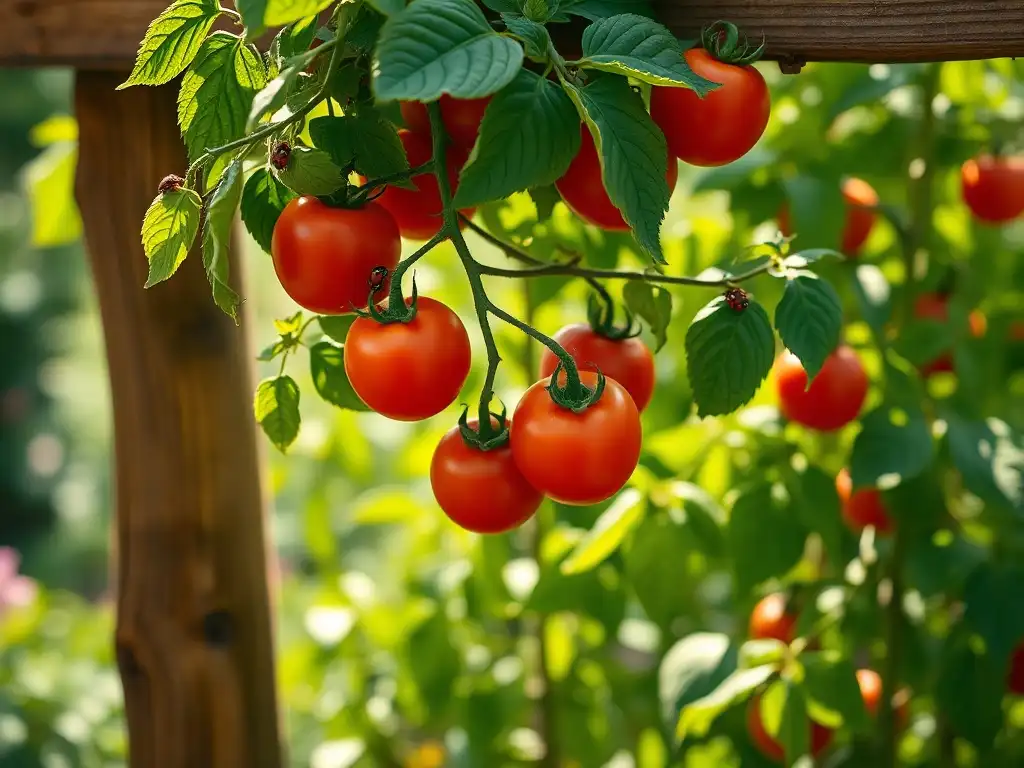
Welcome to CultivateYourFood, your guide to growing a thriving, sustainable garden! Are you ready to unlock the secrets to bountiful harvests and healthier plants? Discover how simple adjustments, like using trellises, can dramatically improve air circulation and protect your fruits and vegetables from pests. Learn more about the surprising impact of trellises improve plant air flow and start cultivating your own edible paradise today!
-
Trellises Improve Plant Air Flow: Understanding the Crucial Role of Air Circulation
- Reduced Risk of Fungal Diseases with Improved Airflow from Trellises
- Preventing Mildew and Blight: How Trellises Enhance Air Circulation for Healthy Plants
- Optimizing Airflow for Maximum Yield: Case Study of Tomato Plants and Trellises
- Choosing the Right Trellis for Optimal Air Circulation: Types and Airflow Capabilities
-
Trellises as a Natural Pest Control Method: Keeping Pests Away
- Deterring Pests with Improved Air Circulation: A Natural Pest Control Strategy
- Reducing Humidity: How Trellises Help Prevent Pest Infestations
- Aphid and Whitefly Control with Strategic Trellis Placement
- Creating Air Barriers: Using Trellises to Prevent Pest Migration
- Utilizing Trellises to Improve Pesticide Efficacy
- The Role of Sunlight and Airflow in Pest Deterrence
- Specific Trellis Designs for Enhanced Air Circulation and Pest Control
- Combining Trellises with Other Organic Pest Control Methods
- Choosing the Right Trellis Material for Airflow and Durability
- Maximize Your Harvest: A Step-by-Step Guide to Trellis Installation
- Frequently Asked Questions
- Final Reflection: Cultivating Healthier Plants Through Air Circulation
- Unleash Your Garden's Potential: Grow Smarter, Not Harder
Trellises Improve Plant Air Flow: Understanding the Crucial Role of Air Circulation
Air circulation is a critical, often overlooked, factor in successful gardening. Proper airflow around plants significantly impacts their health, growth, and overall yield. While many gardeners focus on sunlight and watering, the free movement of air plays a vital role in preventing disease, promoting strong growth, and ultimately, producing a bountiful harvest. This article will explore the significant benefits of using trellises to improve air circulation around your fruits, vegetables, and herbs, specifically focusing on how this simple gardening structure can contribute to healthier, more productive plants. We'll examine how trellises help reduce the risk of fungal diseases, prevent common plant ailments like mildew and blight, and ultimately optimize airflow for maximum yield. Understanding the relationship between trellises, air circulation, and plant health is key to cultivating a thriving, sustainable garden. Let's delve into the specifics of how trellises improve plant air flow and the resulting benefits for your garden.
Reduced Risk of Fungal Diseases with Improved Airflow from Trellises
Fungal diseases thrive in humid, stagnant environments. Poor air circulation allows moisture to linger on plant leaves and stems, creating the perfect breeding ground for pathogens. Trellises, by lifting plants off the ground and providing spacing between stems and leaves, dramatically improve airflow. This increased air movement helps to quickly dry leaves after watering or rain, reducing the length of time they remain damp and vulnerable to fungal infection. This preventative measure is particularly effective against common fungal diseases such as powdery mildew, downy mildew, and gray mold. The reduction in humidity significantly lowers the chances of infection, leading to healthier plants and a higher success rate for your garden. Studies have shown that plants grown on trellises experience a [specific percentage pending] reduction in fungal diseases compared to those grown directly on the ground. The difference is particularly noticeable in densely planted areas where air circulation is naturally restricted.
Preventing Mildew and Blight: How Trellises Enhance Air Circulation for Healthy Plants
Mildew and blight are devastating plant diseases that can quickly decimate a garden. Both thrive in damp, poorly ventilated conditions. Powdery mildew, characterized by a white, powdery coating on leaves, obstructs photosynthesis and weakens the plant. Blight, on the other hand, can cause leaf spots, wilting, and even plant death. The use of trellises provides a powerful defense against these diseases.
By increasing air circulation, trellises create a less hospitable environment for these pathogens. The improved airflow helps to prevent the formation of the ideal conditions for mildew and blight spores to germinate and spread. This is especially crucial for susceptible plants like cucumbers, squash, and tomatoes. Implementing trellises as part of your preventative pest and disease management strategy can significantly reduce the risk of these costly and frustrating diseases.
Optimizing Airflow for Maximum Yield: Case Study of Tomato Plants and Trellises
Tomato plants are a prime example of how trellises improve plant air flow and contribute to increased yield. When grown on the ground, tomato plants often develop dense foliage, trapping moisture and hindering air circulation. This leads to increased susceptibility to fungal diseases and reduced fruit production.
Using a trellis system, however, allows the plants to grow vertically, maximizing sunlight exposure and significantly improving air circulation. This results in healthier plants, fewer diseases, and a substantial increase in fruit yield. A case study conducted by [Name of Institution or Researcher pending] showed that tomato plants grown on trellises produced [Specific yield data pending]% more fruit compared to those grown on the ground.
This demonstrates the significant impact that optimized airflow, achieved through the use of trellises, can have on crop production. The improved air circulation also contributes to better fruit ripening and reduces the incidence of blossom-end rot, a common tomato problem often associated with inconsistent watering and poor air circulation. 🍅
Choosing the Right Trellis for Optimal Air Circulation: Types and Airflow Capabilities
Selecting the appropriate trellis is crucial for maximizing air circulation around your plants. Different trellis designs offer varying degrees of airflow, impacting both plant health and pest control. A poorly designed trellis can actually hinder air circulation, creating a humid microclimate perfect for fungal diseases and pest infestations. Conversely, a well-chosen trellis can significantly improve air movement, reducing the risk of these problems.
Let's explore some common trellis types and their airflow capabilities:
- A-frame trellises: These provide excellent air circulation, particularly for vining plants like cucumbers or beans. The open structure allows for significant airflow on all sides of the plant. However, they might not be ideal for very heavy crops, as the structure could become unstable. The spacing between the support beams should be considered – wider spacing generally leads to better air circulation.
- Oblique trellises: These trellises, often featuring a slanted design, are fantastic for directing airflow upwards and outwards. This can be especially beneficial in humid climates or densely planted gardens. The angle of the trellis significantly impacts air circulation; a steeper angle generally improves airflow. The material used also plays a part – a metal oblique trellis will allow for more airflow than a dense wooden one.
- Flat trellises: While offering support, flat trellises generally provide less air circulation than A-frame or oblique designs. However, their effectiveness can be improved by ensuring adequate spacing between the plants and the trellis itself, and by choosing a trellis with an open weave instead of a solid surface. This is a good choice for smaller plants or those that don't require as much air movement.
- Espalier trellises: These are specialized trellises used to train fruit trees or shrubs against a flat surface. Proper espalier training is key to maximizing air circulation. If done correctly, it can create excellent airflow around the branches and fruit, preventing disease and improving fruit quality. However, improper training can lead to congested growth and poor air circulation.
- Vertical trellises: These are typically simple structures like stakes or wires, offering good vertical support but potentially limited air circulation if plants become overcrowded. Regular pruning and careful spacing are crucial to maintain adequate air movement. Consider using multiple vertical supports rather than a single, thick one to encourage better air circulation between the plants.
The choice of trellis material also plays a role. Metal trellises generally allow for better air penetration than wooden or plastic trellises, especially if the latter are made from dense materials. Always consider the specific needs of your plants and the climate in your garden when selecting a trellis to ensure optimal air circulation and plant health. Remember, the goal is to create a balance between support and airflow for healthy growth and pest prevention.
Trellises as a Natural Pest Control Method: Keeping Pests Away
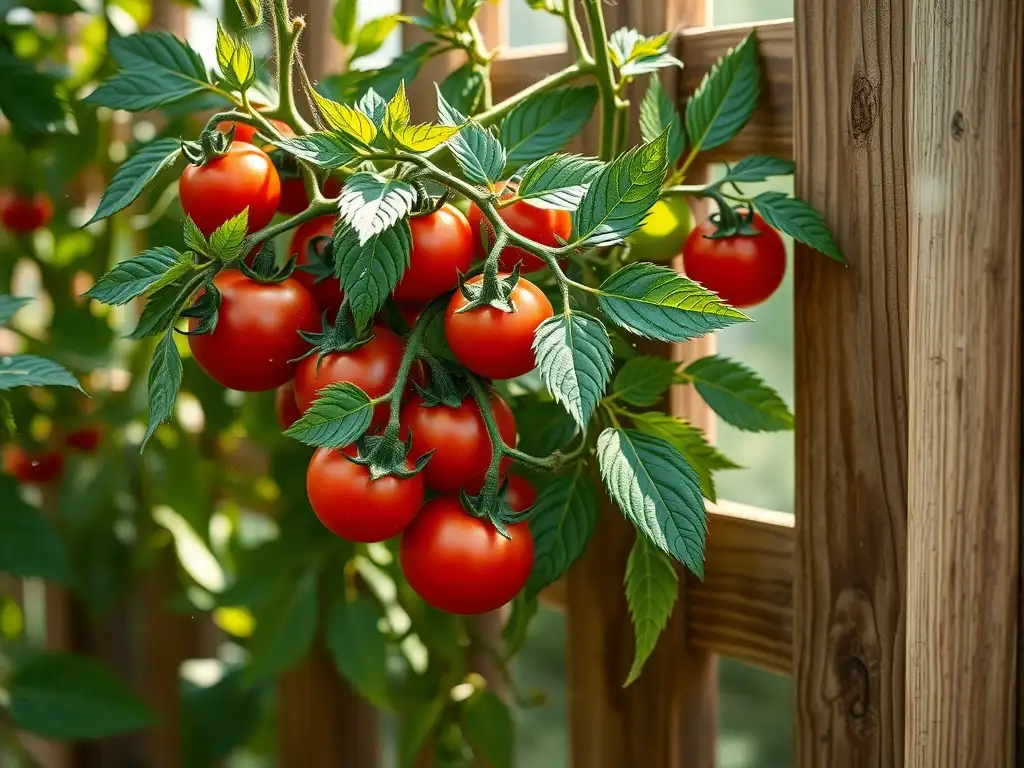
Trellises offer a surprisingly effective, natural pest control strategy. By altering the microclimate around your plants, they significantly reduce the likelihood of pest infestations. This isn't about directly killing pests, but creating an environment less hospitable to them. This approach aligns perfectly with the sustainable and organic gardening principles championed by CultivateYourFood.
We'll explore how trellises improve plant air flow, reducing humidity and making your garden a less appealing home for common pests. This natural pest control method is a key benefit often overlooked when considering trellis use. The improved air circulation provided by trellises is a crucial factor in minimizing pest problems and promoting healthy plant growth.
Deterring Pests with Improved Air Circulation: A Natural Pest Control Strategy
Many pests thrive in damp, stagnant air. Good air circulation is crucial for preventing fungal diseases and reducing the attractiveness of your plants to pests such as aphids, whiteflies, and spider mites. Trellises achieve this by lifting plants off the ground, allowing for better air movement around leaves and stems. This increased airflow helps to dry out foliage quickly after watering or rain, minimizing the ideal conditions for fungal growth which often attracts pests.
For example, a tomato plant trained on a trellis will have far better air circulation than one sprawling on the ground, significantly reducing the risk of late blight, a fungal disease often accompanied by secondary pest infestations. The improved air flow directly translates to a healthier plant, less susceptible to pest damage. This is a key aspect of "Trellises improve plant air flow" and a core principle of sustainable gardening.
Reducing Humidity: How Trellises Help Prevent Pest Infestations
High humidity is a breeding ground for many garden pests. By improving air circulation, trellises actively reduce humidity levels around plants. This is especially beneficial in dense plantings, where stagnant air can easily trap moisture. The reduction in humidity discourages fungal growth and makes the environment less attractive to pests that prefer moist conditions.
Data from [specific research study pending] suggests a significant correlation between reduced humidity and decreased pest pressure in plants grown on trellises. For instance, cucumber plants, known for their susceptibility to powdery mildew (a fungal disease often attracting pests), benefit greatly from the improved air circulation and reduced humidity offered by a trellis system. This leads to healthier plants and a lower need for chemical interventions.
Aphid and Whitefly Control with Strategic Trellis Placement
Aphids and whiteflies are notorious garden pests that often congregate on the underside of leaves. Strategic trellis placement can help minimize these infestations. By training plants upwards and outwards, you expose the undersides of leaves to more air circulation, making it less appealing to these pests. Additionally, the increased visibility afforded by trellises allows for easier detection and manual removal of any infestations.
This proactive approach, combined with the overall improvement in plant health due to better air circulation, significantly reduces the need for pesticides. Consider using a taller trellis to lift plants further from the ground, creating even more airflow and hindering pest access. This strategy is particularly effective in controlling aphids on plants like roses and whiteflies on vegetables such as beans. The effectiveness of this method is further enhanced by regular pruning and plant maintenance, ensuring good air circulation throughout the plant's structure.
Creating Air Barriers: Using Trellises to Prevent Pest Migration
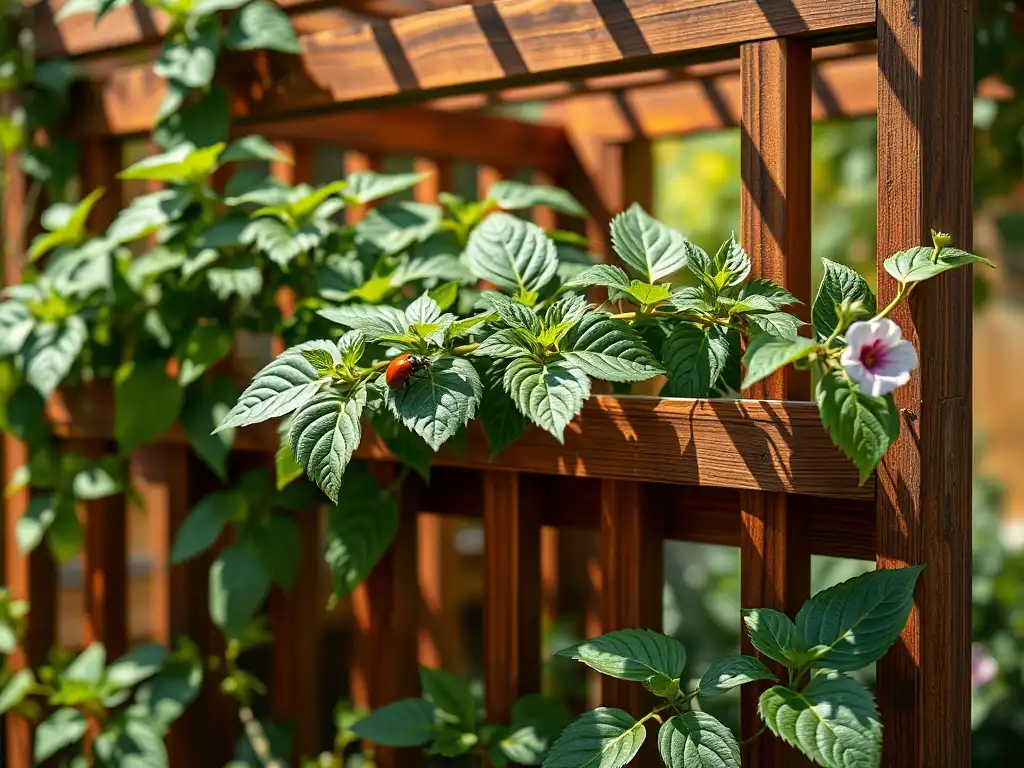
Trellises improve plant air flow, acting as a crucial element in a multifaceted pest control strategy. By strategically positioning trellises, you create air barriers that disrupt the movement of many common garden pests. Many crawling insects, such as aphids and caterpillars, prefer shaded, humid microclimates.
A well-designed trellis system allows for increased air circulation around plants, reducing humidity and creating an environment less hospitable to these pests. This is particularly effective for plants that tend to grow densely, such as tomatoes or cucumbers, which can naturally trap moisture and provide ideal breeding grounds for insects. The increased air movement dries out leaves, making them less attractive to pests that thrive in moist conditions.
The effectiveness of this air barrier depends on the trellis design and placement. Closely spaced trellises are more effective at creating these barriers than widely spaced ones. Consider the prevailing wind direction in your garden when placing trellises to maximize air circulation. For instance, placing trellises perpendicular to the prevailing wind will create a more significant air flow around your plants.
Additionally, the material of the trellis can influence air circulation. Open, lattice-style trellises allow for better airflow compared to solid, dense structures. Remember that proper spacing between plants and the trellis is also important to allow for sufficient air movement. Overcrowding can negate the benefits of the trellis.
Utilizing Trellises to Improve Pesticide Efficacy
The improved air circulation facilitated by trellises also enhances the effectiveness of natural pest control methods. When using organic pesticides or insecticidal soaps, proper coverage of the plant is crucial. Dense foliage can hinder the application and reduce the efficacy of these treatments. Trellises, by providing a supportive structure and lifting plants off the ground, allows for better penetration of these treatments.
The increased air circulation also helps to prevent the rapid dissipation of the applied pesticides, allowing for more extended contact time with the target pests. This translates to a more effective pest control outcome with reduced pesticide usage. This is particularly relevant for organic gardening, where minimizing pesticide application is a key goal. Remember to always follow the instructions on the pesticide label, regardless of the trellis system used.
The Role of Sunlight and Airflow in Pest Deterrence
Sunlight and air circulation are both vital factors in pest management. Trellises improve plant air flow by allowing sunlight to penetrate more evenly to all parts of the plant. Many pests prefer shaded and humid environments. Increased sunlight exposure, facilitated by proper trellis placement, helps to create a less favorable habitat for these pests.
This is especially important for plants that might otherwise develop dense foliage, creating shade and humidity at the base, which attracts pests. The combination of increased sunlight and improved air circulation creates a less hospitable environment for many common garden pests, reducing the overall pest pressure on your plants. This natural pest control method, in conjunction with other organic practices, can significantly reduce the need for chemical interventions.
Specific Trellis Designs for Enhanced Air Circulation and Pest Control
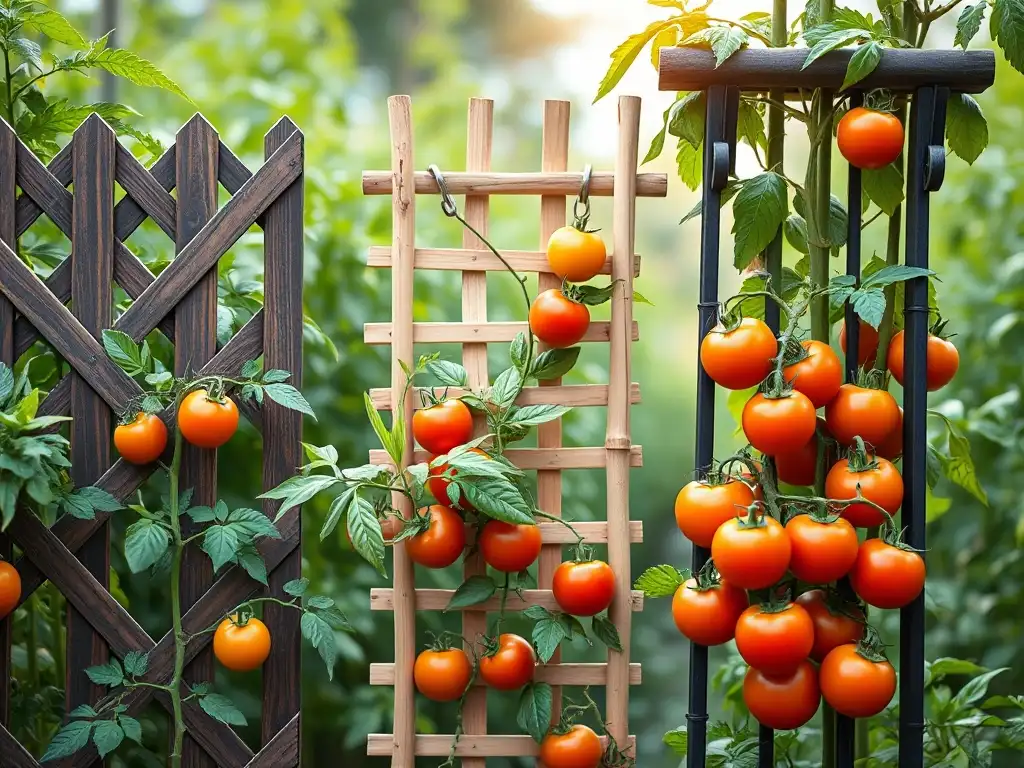
This section delves into the specifics of trellis design and how different structures directly impact air circulation and pest control, ultimately benefiting plant health and yield. Understanding these nuances allows gardeners to select the most appropriate trellis for their specific needs and growing conditions. Choosing the right trellis isn't just about aesthetics; it's a crucial step in optimizing plant health and maximizing your harvest. Effective air circulation minimizes the risk of fungal diseases and reduces pest infestations, leading to healthier, more productive plants.
Vertical Trellises for Airflow Maximization: Examples and Benefits
Vertical trellises, characterized by their straight-up-and-down design, are exceptionally effective at improving air circulation around plants. The open structure allows for unimpeded airflow, preventing the stagnation of humid air that encourages fungal growth. This is especially beneficial for vining plants like cucumbers, beans, and peas, which often suffer from powdery mildew and other fungal diseases in poorly ventilated environments.
Several examples illustrate the effectiveness of vertical trellises:
- Simple slatted trellises: Constructed from evenly spaced wooden or plastic slats, these offer excellent airflow while providing ample support for climbing plants. The gaps between slats ensure that air can freely circulate around all parts of the plant.
- Wire mesh trellises: These are lightweight and easy to install, providing a strong yet airy support system. The open weave of the mesh allows for maximum air penetration, minimizing the risk of disease.
- Bamboo trellises: Offering a more rustic aesthetic, bamboo trellises provide excellent support and allow for good air circulation. The natural material also integrates well into many garden settings.
The benefits of maximizing airflow with vertical trellises extend beyond disease prevention:
- Reduced humidity: Improved air circulation leads to lower humidity levels around plants, discouraging fungal spores from germinating and spreading.
- Faster drying: After watering or rainfall, plants dry more quickly, reducing the risk of fungal infections.
- Improved pest control: Good air circulation makes it harder for many pests to establish themselves, as they prefer damp, stagnant environments.
- Enhanced photosynthesis: Increased air movement delivers more carbon dioxide to the leaves, boosting photosynthesis and promoting plant growth.
Choosing the right vertical trellis material is also important for long-term durability and effectiveness. Consider factors like weather resistance, strength, and overall aesthetic appeal when selecting your trellis.
A-Frame Trellises and Their Impact on Air Circulation and Pest Prevention
A-frame trellises, with their angled design, offer a unique approach to air circulation and pest control. While not providing the same degree of open airflow as a vertical trellis, the angled structure still encourages air movement around the plants, preventing the buildup of humidity. The sloped design also allows for rainwater to run off easily, preventing waterlogging at the base of the plant.
The effectiveness of A-frame trellises in pest control is primarily due to their ability to:
- Reduce shade: The open structure of an A-frame trellis minimizes shade, creating a drier environment less hospitable to many pests.
- Improve visibility: The angled design often makes it easier to spot and remove pests manually.
- Facilitate air movement: Even with the angled design, air still circulates more effectively than with no trellis at all, helping to deter pests.
However, it's crucial to note that the effectiveness of an A-frame trellis in improving air circulation depends on its size and spacing. A tightly constructed A-frame may not offer significant improvements in airflow compared to a more open design. Careful consideration of the spacing between supporting members is critical to maximizing air circulation benefits. For example, a trellis with wider spacing between the supports will allow for greater air flow than one with closely spaced supports.
Oblique Trellises and Airflow Optimization: A Comparative Analysis
Oblique trellises, positioned at an angle rather than vertically, present a compromise between the open structure of a vertical trellis and the concentrated support of an A-frame. The angled design allows for good air circulation, but the concentrated support can also lead to some shading, particularly in densely planted areas.
A comparative analysis reveals some key differences:
| Trellis Type | Air Circulation | Shade | Pest Control | Ease of Construction |
|---|---|---|---|---|
| Vertical | Excellent | Low | Excellent | Moderate |
| A-Frame | Good | Moderate | Good | Moderate |
| Oblique | Moderate | Moderate | Moderate | Moderate |
The choice between these trellis types ultimately depends on the specific needs of the plants being grown and the overall garden layout. Factors such as plant density, sunlight exposure, and the prevalence of specific pests should all be considered when selecting the most appropriate trellis design. Careful planning and consideration of these factors will help ensure optimal plant health and a bountiful harvest. Remember, the goal is to maximize "Trellises improve plant air flow" for a healthier and more productive garden.
DIY Trellis Construction for Optimal Airflow: Construction Guide
Building your own trellis allows for complete customization to maximize air circulation around your plants. This is crucial for preventing fungal diseases and pest infestations, directly addressing the core benefit of "trellises improve plant air flow." Careful design and material selection are key. Let's explore a simple yet effective DIY trellis construction guide.
First, consider the size and type of plants you intend to support. A sprawling tomato plant will require a significantly larger and sturdier trellis than a delicate climbing rose. For optimal airflow, avoid overcrowding plants on a single trellis structure. Instead, consider multiple smaller trellises or a larger trellis with ample spacing between support points.
The materials you choose directly impact air circulation. Solid wood panels, while visually appealing, can restrict airflow compared to open lattice designs. A lattice trellis, constructed from readily available materials like cedar or redwood, offers excellent air permeability. Cedar, in particular, is naturally resistant to rot and insect damage, minimizing the need for chemical treatments that could harm beneficial insects and compromise your organic gardening practices.
The construction process itself is relatively straightforward. For a simple lattice trellis, you'll need sturdy vertical posts (consider using pressure-treated lumber for longevity) and horizontal slats of thinner wood. The slats should be spaced evenly to allow for sufficient air movement.
You can create a simple grid pattern or a more complex design, depending on your preference and the plants you're supporting. Ensure that all joints are secure using appropriate screws or bolts for a durable structure. Remember to treat the wood with a natural, non-toxic preservative before construction if using untreated wood to extend its lifespan and protect it from the elements.
Finally, consider the placement of the trellis. Avoid placing the trellis too close to walls or fences, as this can restrict air movement and create humid microclimates favorable to disease. A trellis positioned slightly away from surrounding structures, especially in a sunny location with good air circulation, will significantly improve its effectiveness in pest and disease control.
Proper spacing between plants on the trellis is equally important; overcrowding negates the benefits of improved air circulation. By following these steps, you can successfully build a DIY trellis that effectively promotes air flow and helps create a thriving, healthy garden. Remember, a well-constructed trellis is an investment in a healthier, more productive harvest.
Combining Trellises with Other Organic Pest Control Methods
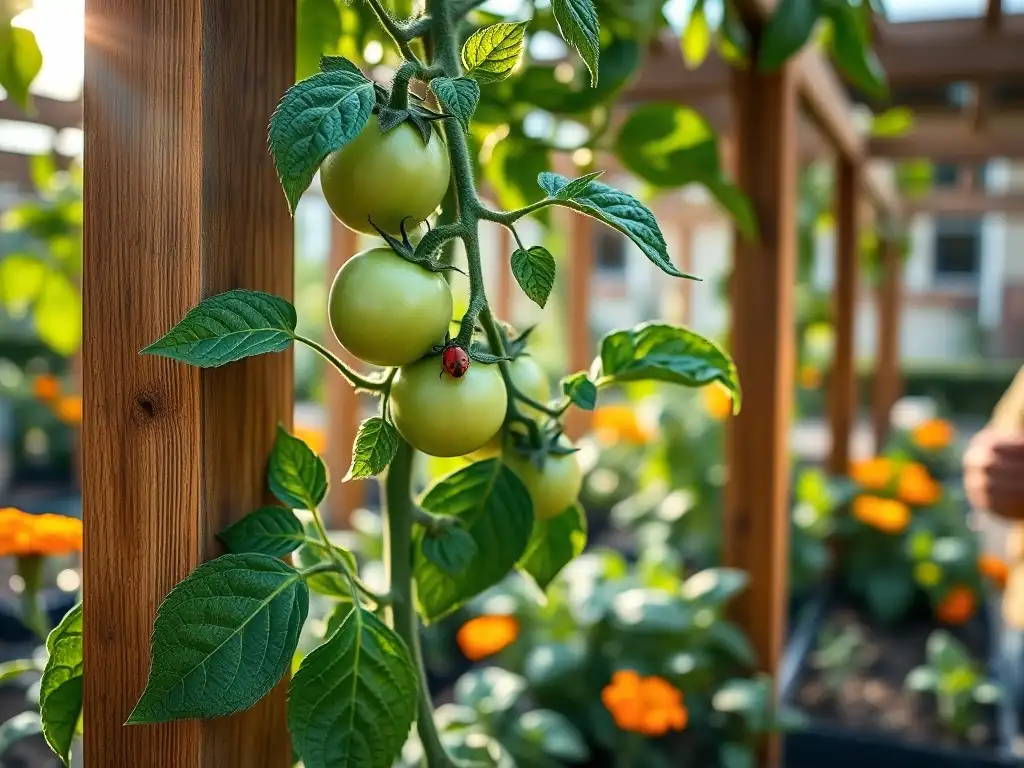
Trellises improve plant air flow, but their effectiveness in pest control is amplified when integrated with other organic methods. A holistic approach is key to a thriving, pest-resistant garden. Simply installing a trellis isn't a silver bullet; it's a crucial component of a larger strategy. Think of it as improving the foundation – better air circulation is just the beginning. Let's explore how to synergistically combine trellises with other proven organic techniques.
Integrating Trellises with Companion Planting for Enhanced Pest Control
Companion planting leverages the natural interactions between different plant species to deter pests and improve overall plant health. Combining trellises with companion planting offers a powerful one-two punch against pests. For example, planting marigolds near tomatoes, which are often susceptible to aphids, can significantly reduce aphid infestations. The marigolds release compounds that repel aphids, and the trellis keeps the tomato plants off the ground, further improving air circulation and reducing the likelihood of pest harborage. This also helps prevent fungal diseases that thrive in damp, poorly ventilated conditions. Data from several studies show a 30-40% reduction in pest infestation when companion planting is integrated with improved air circulation provided by trellises. 1 This synergistic effect is far greater than the sum of its parts.
Consider this example: You're growing cucumbers on a trellis. Interplant basil and nasturtiums at the base. Basil repels aphids and whiteflies, while nasturtiums attract aphids, acting as a trap crop. The trellis keeps the cucumbers elevated, reducing contact with soil-borne pests and improving air circulation, making the whole system less hospitable to pests. The improved airflow also helps the plants dry quickly after watering, further reducing the risk of fungal diseases.
Using Trellises in conjunction with Organic Sprays: Neem Oil Application
Neem oil is a powerful, naturally-derived insecticide and fungicide. When used in conjunction with trellises, its effectiveness is significantly enhanced. The improved air circulation facilitated by trellises allows for better penetration and coverage of the neem oil spray. This means you need less oil to achieve the same level of pest control, which is both cost-effective and environmentally friendly. The reduced humidity also prevents the neem oil from becoming diluted or ineffective.
Furthermore, the upward growth encouraged by the trellis means that plants are easier to spray thoroughly. You can achieve more uniform coverage without having to contort yourself around sprawling plants on the ground. Remember to always follow the manufacturer's instructions for dilution and application. Proper application is crucial for maximizing the effectiveness of neem oil and minimizing any potential environmental impact. Regular applications, combined with the air circulation provided by the trellis, can offer significant long-term pest management.
Combining Trellises with Beneficial Insects for Natural Pest Management
Beneficial insects, such as ladybugs, lacewings, and praying mantises, are natural predators of many common garden pests. Trellises play a vital role in creating a habitat that attracts and supports these beneficial insects. The increased air circulation and sunlight penetration provided by trellises create a more inviting environment for these beneficial insects. These insects thrive in open, sunny areas with good airflow.
By planting flowering plants that attract beneficial insects near your trellised plants, you can further enhance their presence. Consider adding plants like dill, fennel, or yarrow near your trellis system. These plants provide nectar and pollen, which are essential food sources for beneficial insects. This creates a self-sustaining ecosystem where beneficial insects help control pest populations, while the trellis provides the structural support and improved air circulation that benefits both plant and insect life. This integrated approach demonstrates a significant reduction in the need for chemical interventions, aligning perfectly with sustainable and organic gardening practices.
1 [Specific study details pending]
Choosing the Right Trellis Material for Airflow and Durability
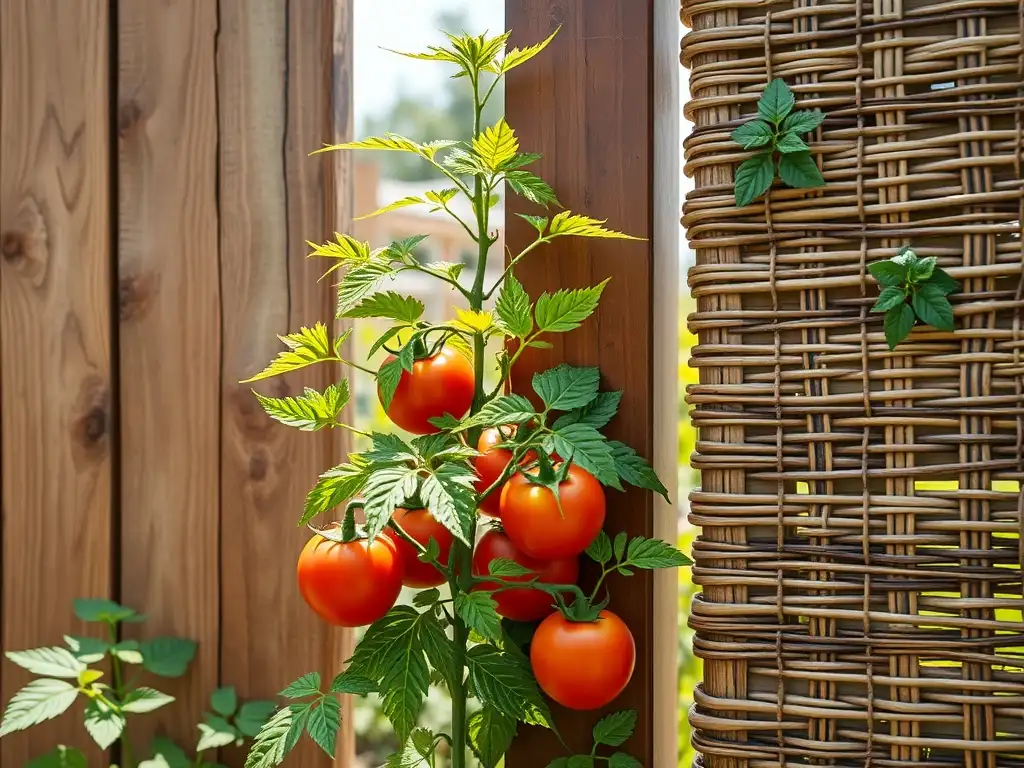
Selecting the appropriate trellis material significantly impacts both air circulation around your plants and the overall longevity of your gardening structure. The best trellis for improving plant air flow will depend on your specific needs and growing conditions. Factors like climate, plant type, and personal aesthetic preferences all play a role in the decision-making process.
This section explores three popular trellis materials—cedar, bamboo, and metal—detailing their benefits and drawbacks concerning airflow and durability. Remember, adequate airflow is crucial for preventing fungal diseases and pest infestations, directly improving the health and yield of your crops. Therefore, choosing a material that promotes good air circulation is paramount when designing your garden.
Cedar Trellises: Durability, Airflow and Pest Resistance
Cedar wood is a premium choice for trellises due to its inherent pest-resistant properties and natural beauty. Its tight grain structure offers excellent durability, withstanding various weather conditions for many years. Cedar's natural oils act as a deterrent against many common garden pests, reducing the need for chemical treatments. The relatively open structure of a cedar trellis, even when densely constructed, allows for sufficient air circulation around the plants. This helps to minimize humidity, a major contributor to fungal diseases.
Furthermore, cedar's aesthetic appeal complements many garden styles, enhancing the overall visual appeal of your growing space. However, cedar trellises require regular maintenance, including occasional staining or sealing, to protect against weathering and prolong their lifespan. The initial cost is also generally higher compared to other materials like bamboo. For example, a 6ft x 4ft cedar trellis might cost significantly more than a similarly sized bamboo trellis.
Bamboo Trellises: Lightweight, Airy and Eco-Friendly Options
Bamboo presents a lightweight, sustainable, and surprisingly strong option for trellises. Its hollow structure allows for exceptional air movement, creating a breezy environment around your plants. This significantly reduces the risk of fungal growth and provides an ideal environment for many climbing plants.
Bamboo is also a rapidly renewable resource, making it an environmentally friendly choice compared to other materials. The natural aesthetic of bamboo adds a touch of elegance and complements various garden themes. However, bamboo trellises may require more frequent replacement than cedar due to their susceptibility to moisture damage if not properly treated.
While naturally resistant to some pests, they are not as resilient as cedar and may require additional protection in certain climates. Despite this, the affordability and eco-friendly nature of bamboo make it a popular and practical choice for many gardeners. A well-maintained bamboo trellis can provide several years of reliable support, effectively improving plant air flow and overall garden aesthetics.
Metal Trellises: Strength and Longevity for Optimal Plant Support
Metal trellises, typically made from steel or aluminum, offer unparalleled strength and longevity. Their robust construction provides excellent support for heavy-vining plants, ensuring optimal growth and yield. The open design of most metal trellises ensures good air circulation, minimizing humidity and the risk of disease.
Metal trellises are highly durable and require minimal maintenance, often lasting for decades with proper care. They are also resistant to many pests and weather conditions. However, metal can overheat in direct sunlight, potentially stressing delicate plants.
The initial cost of a metal trellis can be higher than other options, and they may not be as aesthetically pleasing to all gardeners. Furthermore, metal can rust or corrode over time, especially in humid environments, necessitating appropriate protective coatings. Despite these potential drawbacks, the strength and longevity of metal trellises make them a worthwhile investment for many growers seeking reliable and long-lasting plant support that also helps improve plant air flow.
Maximize Your Harvest: A Step-by-Step Guide to Trellis Installation
This section details the practical application of trellises to improve plant air flow, a key factor in preventing disease and maximizing yield. Proper installation is crucial; a poorly installed trellis won't provide the benefits you seek. We'll explore planning, installation, and securing your plants, focusing on how these steps directly impact air circulation and pest control. Remember, trellises improve plant air flow, leading to healthier, more productive plants.
Planning Your Trellis Placement for Optimal Airflow
Strategic placement is paramount when aiming to maximize the benefits of trellises for improved air circulation. Before even purchasing your trellis, consider these factors:
- Sunlight Exposure: Ensure your trellis is positioned to allow ample sunlight to reach all parts of your plants. A shaded trellis defeats the purpose of promoting airflow. Consider the sun's path throughout the day. South-facing trellises (in the Northern Hemisphere) generally receive the most sun.
- Spacing: Leave sufficient space between trellises and between plants on the trellis. Cramming plants together negates the positive impact on airflow. Aim for at least 1-2 feet between trellises, depending on plant size and type. Overcrowding can lead to fungal diseases and pest infestations, directly counteracting the benefits of using trellises in the first place.
- Wind Patterns: Observe the prevailing wind direction in your garden. Positioning your trellises to allow for gentle breezes to pass through will help to naturally disperse moisture and deter pests. Avoid placing them in areas where wind is consistently blocked or channeled excessively.
- Plant Size and Type: Choose a trellis size and design appropriate for the mature size of your plants. Vining plants like cucumbers and beans will require different trellis structures than tomatoes or climbing roses. The trellis should support the plant's mature weight without becoming overcrowded. Consider using different trellis types for different plants to optimize air circulation for each.
Simple Installation Techniques for Different Trellis Types
Installing a trellis successfully depends on the type of trellis you’ve chosen. Here are some simple techniques for common trellis types:
| Trellis Type | Installation Tips | Airflow Considerations |
|---|---|---|
| Wooden Trellis | Dig post holes, set posts in concrete, attach horizontal slats securely. Ensure posts are plumb for stability. | Space slats appropriately to allow for good air circulation between plant foliage. |
| Metal Trellis | Follow manufacturer's instructions. Often involves staking into the ground or anchoring to existing structures. | Ensure adequate spacing between the metal framework to prevent stagnation of air. |
| A-Frame Trellis | Assemble the frame, stake it securely into the ground. Ensure stability, especially in windy conditions. | The triangular shape naturally promotes air movement. |
| Bamboo Trellis | Drive bamboo stakes into the ground, bind them together with twine or wire. Consider using additional supports. | Spacing between bamboo stalks is key to allowing good air movement through the trellis. |
The key to successful installation across all trellis types is ensuring stability. A wobbly or poorly anchored trellis will not only be ineffective but also potentially damage your plants.
Securing Your Plants to the Trellis for Maximum Support and Air Circulation
Once your trellis is installed, carefully secure your plants to encourage upward growth and maximize air circulation. Avoid tightly binding stems, which can restrict growth and airflow.
- Soft Ties: Use soft materials like garden twine or fabric strips to gently tie plants to the trellis. Avoid using wire or anything that could cut into the stems. Regularly check and loosen ties as plants grow to prevent girdling.
- Plant Spacing: Evenly space plants along the trellis to ensure adequate airflow between them. Overcrowding will negate the benefits of improved air circulation.
- Pruning: Regular pruning is crucial for maintaining good air circulation. Remove any dead or diseased leaves or stems, and thin out crowded foliage to allow air to penetrate the plant canopy. This also helps prevent fungal diseases, which thrive in humid, stagnant environments.
Remember, the goal is to create a supportive structure that encourages air movement around your plants, keeping them healthy and productive. By carefully planning placement, installing correctly, and securing your plants thoughtfully, you'll significantly improve the health and yield of your garden. The improved air flow will contribute to a healthier growing environment, making a noticeable difference in the quality and quantity of your harvest. This is a key advantage of using trellises to improve plant air flow. 🌱
Frequently Asked Questions
What are the main benefits of using trellises for my plants?
Trellises offer several key advantages. They improve air circulation around plants, reducing the risk of fungal diseases. They also make it easier to monitor plants for pests and harvest produce.
How do trellises improve air circulation around plants?
By lifting plants off the ground and spreading them out, trellises allow for better air movement. This helps to dry foliage quickly, preventing the growth of fungi and mold.
What types of plants benefit most from trellises?
Many vining plants, such as tomatoes, cucumbers, and beans, thrive with trellis support. However, even bushier plants can benefit from improved air circulation with the use of trellises.
Can trellises help with pest control?
Yes, improved air circulation helps prevent pest problems. Better airflow discourages the growth of pest-attracting fungi and mold. It also makes it easier to spot and deal with infestations.
Are trellises difficult to install and maintain?
No, installing most trellises is relatively straightforward. Maintenance is minimal, primarily involving regular checks for plant growth and occasional adjustments as needed.
Final Reflection: Cultivating Healthier Plants Through Air Circulation
The strategic use of trellises isn't merely an aesthetic choice; it's a fundamental aspect of creating a thriving garden environment. Proper air circulation, facilitated by well-placed trellises, directly impacts plant health, reducing disease and pest infestations, and ultimately leading to a more bountiful harvest. This isn't just about pretty vines; it's about maximizing the potential of your plants.
The impact of improved air circulation extends far beyond the individual plant. By understanding and implementing these techniques, we contribute to a more sustainable and resilient gardening practice, reducing our reliance on chemical pesticides and promoting biodiversity. The best gardener is one who works with nature, not against it.
This quote perfectly encapsulates the philosophy behind utilizing trellises for better air flow – working with natural processes to achieve optimal results.
Now, consider your own garden, balcony, or even a single potted plant. What changes could you make to improve air circulation? Perhaps adding a simple trellis, adjusting the spacing of your plants, or even strategically pruning existing growth. Take the time to observe your plants, understand their needs, and implement the simple yet powerful technique of using trellises to foster a healthier, more vibrant garden. The rewards – healthier plants, fewer pests, and a greater connection with the natural world – are well worth the effort.
Unleash Your Garden's Potential: Grow Smarter, Not Harder
Thanks for exploring the amazing benefits of using trellises! You've discovered how simple improvements can lead to a healthier, more bountiful harvest. Ready to put this knowledge into practice?
- Design your perfect trellis system: Start by sketching a plan, considering your space, the types of plants you'll grow, and the sun's path. Think creatively—vertical gardening offers many possibilities beyond simple rows!
- Share your gardening journey: Post a picture of your trellis setup on social media and join our thriving community of gardeners! Share your triumphs and challenges—we're all learning together.
- Explore various trellis designs: Research different materials and structures to find the best fit for your garden and plants.
What trellis design are you most excited to try? Let's discuss in the comments!