
The Benefits of Using Fresh vs Dried Herbs in Tea

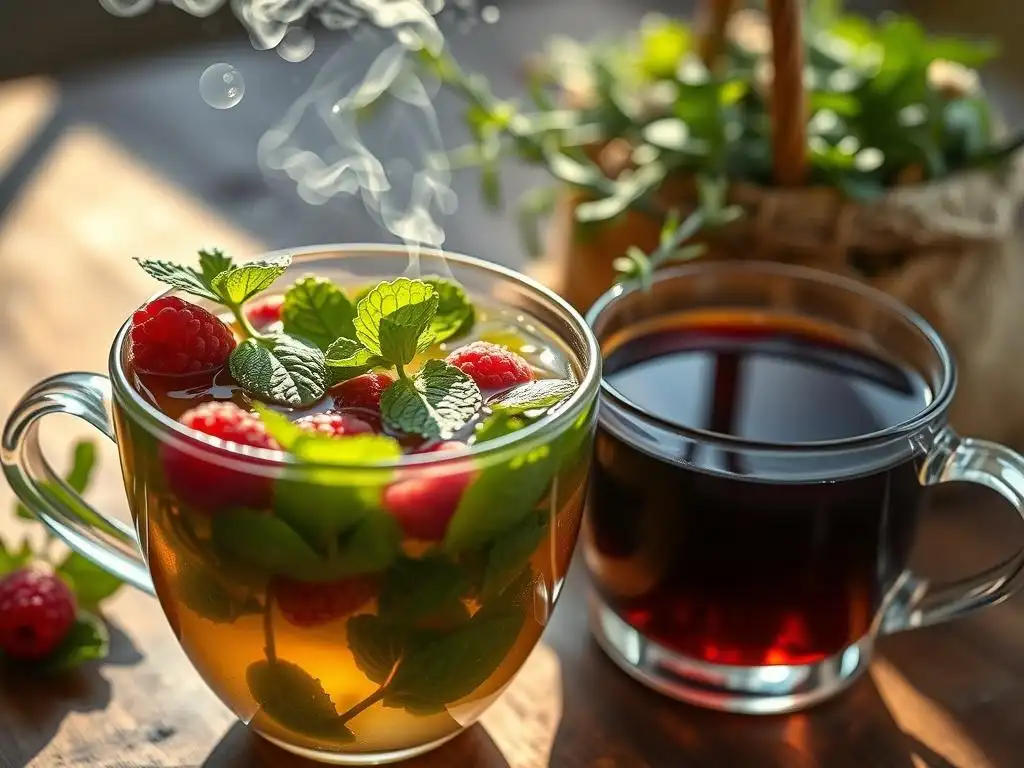
Ready to transform your kitchen into a fragrant oasis? At CultivateYourFood, we empower you to grow your own delicious and healthy produce using sustainable methods. Discover the incredible world of homegrown herbs and unlock their amazing potential – starting with the surprising benefits of using fresh herbs in your tea. Learn why choosing fresh over dried makes all the difference and delve into the fascinating world of Fresh Herbs Tea Benefits – your journey to healthier, tastier tea begins now!
- Fresh Herbs Tea Benefits: A Comparative Look
- Dried Herbs in Tea: Understanding the Trade-offs
- Choosing Between Fresh and Dried Herbs for Herbal Teas
- Harvesting and Preparing Fresh Herbs for Tea
- Storing and Using Dried Herbs for Tea
-
Frequently Asked Questions
- What are the key benefits of using fresh herbs in tea compared to dried herbs?
- How do the nutritional values of fresh herbs differ from dried herbs?
- Are there any specific herbs particularly well-suited for fresh tea infusions?
- How do I store fresh herbs to ensure optimal quality for tea making?
- Can I combine different fresh herbs to create my own unique tea blends?
- Final Reflection: The Enduring Allure of Fresh Herbs in Tea
- Unleash the Flavor: Brew Your Best Herbal Tea Yet!
Fresh Herbs Tea Benefits: A Comparative Look
Embarking on a journey into the world of herbal teas opens a gateway to a universe of flavors, aromas, and potential health benefits. This article delves into the captivating comparison between using fresh versus dried herbs in your tea creations, focusing specifically on the advantages offered by fresh herbs. We will explore the superior taste and aroma, the nutrient retention differences, and the impact of the drying process on the overall potency of your herbal infusions.
Understanding these nuances empowers you to make informed choices, leading to more flavorful and potentially more beneficial tea experiences, aligning perfectly with the sustainable and organic practices championed by CultivateYourFood. This exploration will help you understand why incorporating fresh herbs into your tea routine is often the preferred choice for both flavor and health. Let's explore the enriching world of fresh herb teas and uncover their remarkable benefits.
Superior Flavor and Aroma of Fresh Herb Teas
The most immediate and noticeable difference between teas made with fresh versus dried herbs lies in their flavor and aroma profiles. Fresh herbs possess a vibrancy and complexity that is often lost during the drying process. Think of the difference between biting into a crisp, juicy basil leaf versus chewing on a dried, brittle one.
The same principle applies to herbal teas. Fresh herbs retain their essential oils, which are responsible for their unique fragrance and taste, much more effectively than dried counterparts. This results in a richer, more nuanced flavor that is far more satisfying and enjoyable.
For instance, a tea made with freshly picked mint will have a significantly brighter, more refreshing taste compared to one made with dried mint, which might taste somewhat muted and slightly bitter. The aromatic compounds, volatile and delicate, are better preserved in their fresh state, creating a more potent and pleasurable sensory experience. The difference is truly striking and often elevates the entire tea-drinking experience.
Nutrient Retention in Fresh and Dried Herbs
Beyond the sensory experience, the nutritional content of herbs also plays a significant role in deciding whether to use fresh or dried varieties in your tea. While drying herbs is a practical method of preservation, it inevitably leads to some nutrient loss. The drying process, whether through air drying or other methods, can degrade certain vitamins and delicate compounds, such as Vitamin C, which is particularly sensitive to heat and oxidation.
Although some nutrients, like minerals, might be retained relatively well, the overall nutritional profile of fresh herbs is generally superior. Studies have shown that the concentration of certain antioxidants and other beneficial phytochemicals is often higher in fresh herbs compared to their dried counterparts.
This means that a tea made with fresh herbs might offer a higher concentration of these beneficial compounds, potentially enhancing the overall health benefits of your beverage. Therefore, for optimal nutrient intake, prioritizing fresh herbs for your teas is highly recommended.
Impact of Drying on Herbal Tea Potency
The drying process, while preserving herbs for later use, can significantly impact the potency of their medicinal properties. Many of the active compounds responsible for the therapeutic effects of herbs are volatile and sensitive to heat and light. The drying process, especially if done using high temperatures, can degrade these valuable compounds, reducing the overall efficacy of the dried herbs in tea. For example, the concentration of certain flavonoids, known for their antioxidant properties, can be reduced during drying.
Furthermore, the process of drying can alter the chemical structure of some compounds, potentially affecting their bioavailability and the way our bodies absorb and utilize them. Consequently, while dried herbs offer convenience, their potency in tea is often less potent compared to their fresh counterparts. For those seeking the maximum therapeutic benefit from herbal teas, fresh herbs remain the superior choice.
Dried Herbs in Tea: Understanding the Trade-offs
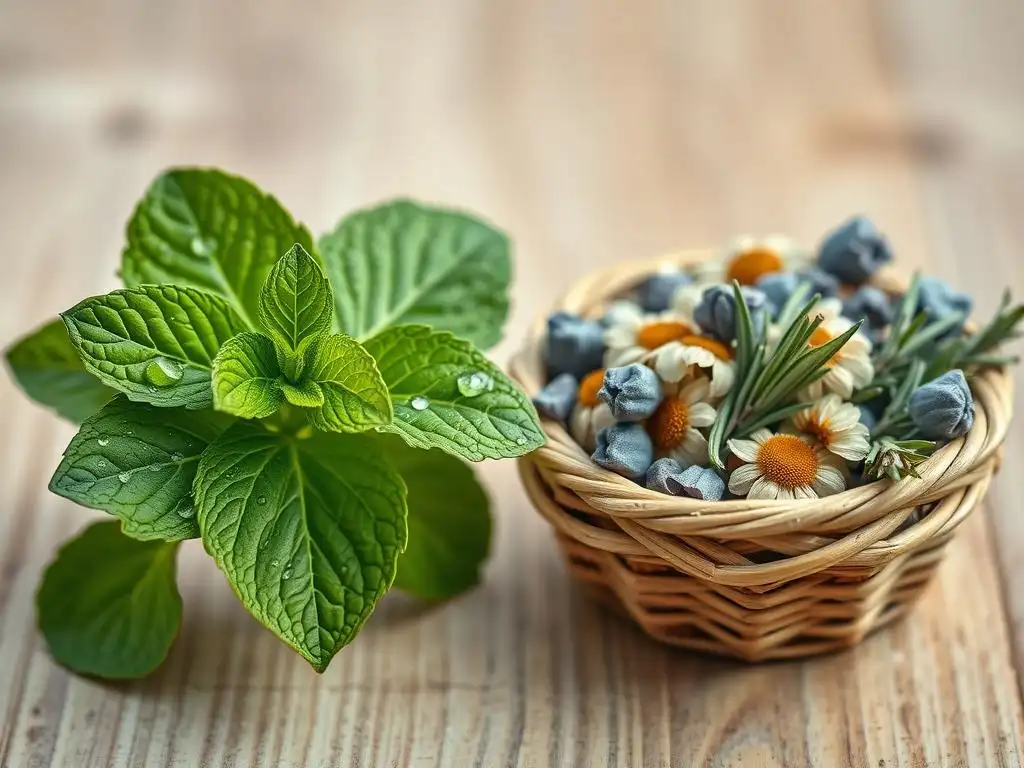
Dried herbs offer a convenient and readily available option for tea preparation, but understanding their advantages and disadvantages is crucial for maximizing the benefits of your herbal infusions. This section delves into the key aspects of using dried herbs in tea, focusing on convenience, cost, and maintaining quality.
Convenience and Shelf Life of Dried Herbs
One of the primary advantages of dried herbs is their extended shelf life. Unlike fresh herbs, which quickly wilt and lose their flavor and potency, dried herbs can be stored for months, even years, when properly preserved in airtight containers in a cool, dark, and dry place. This significantly increases convenience, allowing you to enjoy your favorite herbal teas year-round regardless of the growing season.
For example, you can easily brew a comforting chamomile tea in winter using herbs harvested and dried during the previous summer. This extended shelf life reduces the need for frequent trips to the market or garden, making dried herbs a practical choice for busy individuals. Proper drying techniques, such as air drying or using a dehydrator, are key to preserving the aromatic compounds and beneficial properties of the herbs, extending their usability and maintaining their flavor profile.
The convenience factor extends beyond storage. Dried herbs are often pre-packaged and readily available in grocery stores and online retailers, eliminating the need for harvesting, cleaning, and drying. This pre-processing simplifies the tea-making process, making it accessible to even novice herbalists. This ready availability contributes significantly to the popularity of dried herbs in commercial tea blends, where consistency and ease of use are paramount.
Cost-Effectiveness of Dried Herbs for Tea
The cost-effectiveness of dried herbs often presents a compelling argument for their use, particularly for those who do not have access to a garden or who live in regions with short growing seasons. While the initial cost of purchasing dried herbs might seem higher than buying fresh herbs by weight, the extended shelf life and reduced waste translate into significant long-term savings.
Fresh herbs, with their shorter lifespan, often lead to unnecessary spoilage and financial loss if not used promptly. In contrast, a small quantity of dried herbs can last for an extended period, providing numerous cups of tea at a relatively low cost per serving.
This economic advantage is particularly relevant when considering the use of rarer or more expensive herbs, where the cost of fresh produce can be prohibitive. Consider, for instance, the price difference between buying a small bunch of fresh saffron versus a small quantity of dried saffron threads—the dried form offers substantially better value for money in the long run.
Maintaining Quality in Dried Herbs for Optimal Brewing
Maintaining the quality of dried herbs is crucial for ensuring a flavorful and aromatic tea. Improper storage can lead to degradation of the active compounds and a loss of flavor. To preserve the quality of your dried herbs, store them in airtight containers away from light, moisture, and strong odors. Glass jars or airtight food-safe plastic containers are ideal.
Furthermore, the quality of the dried herbs starts with the quality of the fresh herbs. Harvesting at the peak of their flavor and aroma and using proper drying techniques are essential steps in ensuring optimal quality. Avoid using herbs that show signs of mold, discoloration, or unusual odors. These indicators suggest degradation and may impact the taste and potential health benefits of the resulting tea.
Regularly checking your dried herb supply and discarding any herbs that have deteriorated will help maintain the quality of your tea and prevent potential health risks associated with spoiled herbs. Proper storage and careful selection are key factors to ensure the consistent quality and enjoyable experience of using dried herbs in your tea preparations. This approach directly contributes to a more satisfying and effective "fresh herbs tea benefits" experience, even with dried ingredients.
Choosing Between Fresh and Dried Herbs for Herbal Teas
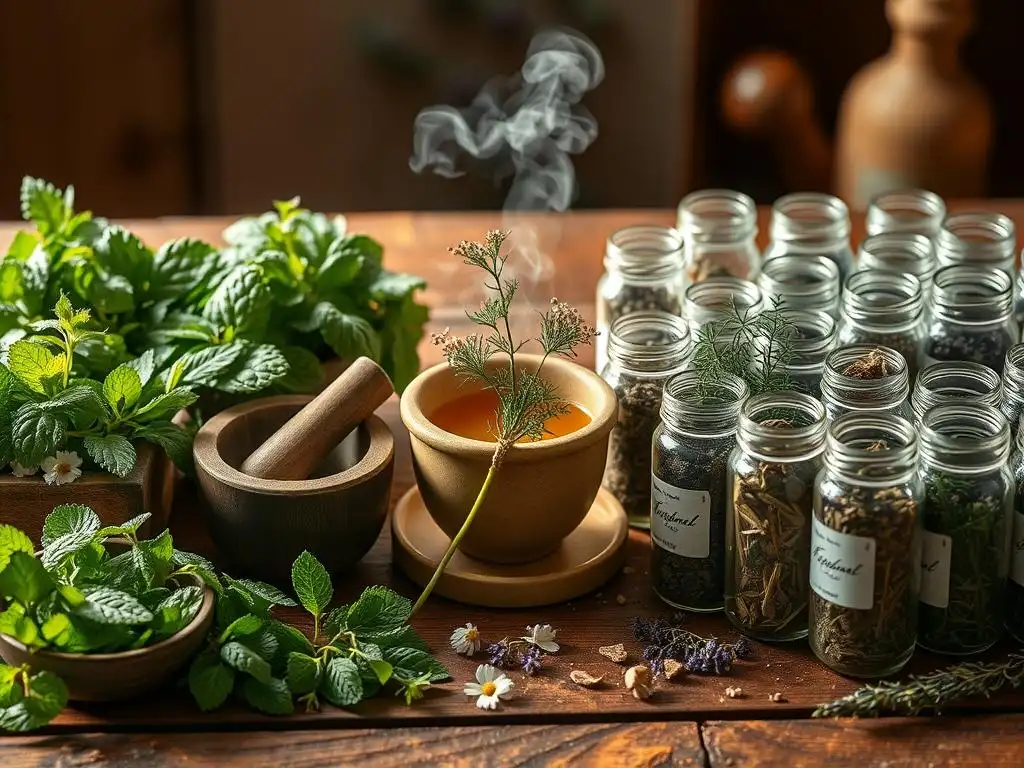
Selecting between fresh and dried herbs for your tea significantly impacts the final flavor and aroma. Understanding the nuances of each choice is crucial for crafting the perfect cup. Fresh herbs, bursting with vibrant chlorophyll, deliver a more intense, immediate flavor profile. Their delicate aromas are often more pronounced, offering a brighter, fresher taste experience.
Think of the difference between biting into a freshly picked mint leaf versus chewing on a dried one – the intensity is undeniable. This makes fresh herbs ideal for teas where you want a strong, immediate herbal punch. However, their availability is seasonal, and they require more immediate preparation and use.
Dried herbs, on the other hand, offer convenience and longevity. They can be stored for extended periods, providing year-round access to a variety of flavors. The drying process concentrates the flavors, resulting in a more potent, albeit sometimes more bitter, taste. The aromas, while still present, might be less pronounced than their fresh counterparts. Dried herbs are perfect for teas where a subtle, lingering flavor is desired or when fresh herbs are unavailable.
Using dried herbs allows for consistent flavor profiles throughout the year, regardless of seasonal fluctuations. The choice ultimately depends on your priorities: immediate intensity and freshness, or convenience and year-round availability. Consider the specific herb and the desired taste profile when making your decision. For example, the delicate floral notes of lavender might be better appreciated in a dried form, while the invigorating punch of lemon balm shines brightest when fresh.
Factors to Consider When Selecting Herbs for Tea
Several factors influence the selection of fresh versus dried herbs for your tea. Availability is paramount – fresh herbs are inherently seasonal, while dried herbs provide year-round access. This directly impacts your recipe planning. Consider also the desired flavor intensity.
Fresh herbs generally provide a brighter, more vibrant flavor, while dried herbs offer a more concentrated, sometimes bolder, taste. The aroma is another key factor; fresh herbs possess a more pronounced, immediate aroma, whereas dried herbs offer a subtler, more nuanced fragrance. Finally, storage and shelf life must be considered. Fresh herbs require immediate consumption or careful refrigeration, while dried herbs offer a significantly longer shelf life, making them a practical choice for long-term storage and consistent flavor profiles.
| Factor | Fresh Herbs | Dried Herbs |
|---|---|---|
| Availability | Seasonal, limited availability | Year-round availability |
| Flavor | Brighter, more vibrant, immediate intensity | More concentrated, sometimes bolder, lingering |
| Aroma | More pronounced, immediate | Subtler, more nuanced |
| Storage | Requires refrigeration, short shelf life | Longer shelf life, room temperature storage |
| Cost | Often more expensive | Generally less expensive |
Recipe Adaptation: Fresh vs. Dried Herb Measurements
A crucial aspect of using fresh versus dried herbs in tea is adjusting the quantity. Dried herbs are significantly more concentrated than fresh herbs due to the water loss during the drying process. As a general rule, you'll need approximately one-third the amount of dried herbs compared to fresh herbs to achieve a similar flavor intensity. For example, if a recipe calls for 1 tablespoon of fresh peppermint, you would use approximately 1 teaspoon of dried peppermint.
However, this is a general guideline, and the exact ratio can vary depending on the herb, its drying method, and your personal preference. Always start with the smaller amount of dried herbs and adjust to your taste. Experimentation is key to finding the perfect balance. Remember to carefully observe the color and aroma of your tea to gauge the flavor intensity.
A dull color or weak aroma might indicate a need for more herbs, while an overly strong color or aroma might suggest reducing the quantity. Careful observation and adjustment are vital for achieving consistent and delicious results. Consider keeping a detailed record of your experiments to refine your ratios over time.
Experimenting with Herb Combinations for Unique Blends
The beauty of herbal tea lies in the endless possibilities for unique blends. Experimenting with different combinations of fresh and dried herbs can create fascinating flavor profiles. Consider combining the bright, citrusy notes of fresh lemon verbena with the earthy sweetness of dried chamomile for a calming and uplifting blend. Or, try pairing the refreshing coolness of fresh mint with the spicy warmth of dried ginger for a stimulating and invigorating tea. The possibilities are truly limitless.
Remember to consider the complementary nature of flavors when creating your blends. For instance, the floral notes of lavender pair well with the fruity sweetness of hibiscus, while the peppery sharpness of rosemary complements the earthy tones of thyme. Don't be afraid to experiment and discover your own signature blends! Keep notes on successful combinations to recreate your favorite teas.
This process of experimentation and refinement is a rewarding journey, leading to the discovery of unique and delightful herbal tea blends tailored to your personal taste. The key is to have fun, explore different combinations, and savor the process of creating your own personalized herbal tea creations. Enjoy the journey of discovering your perfect cup! 🍵
Harvesting and Preparing Fresh Herbs for Tea
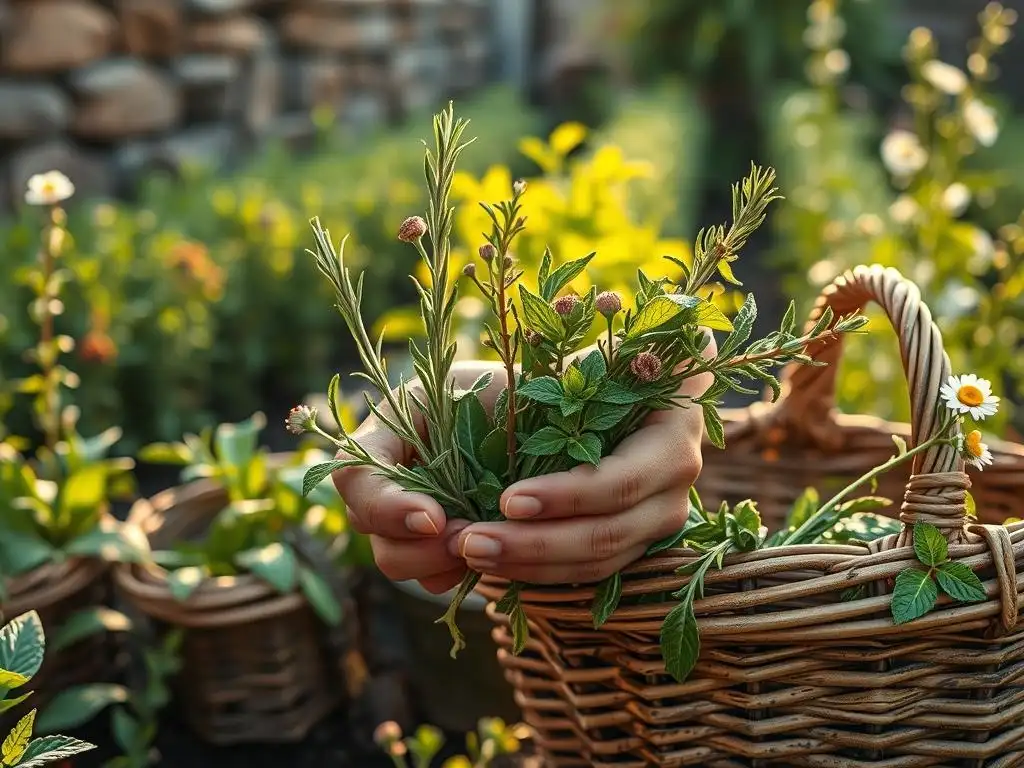
This section focuses on maximizing the flavor and aroma of your homegrown herbs when using them in tea, a key aspect of enjoying the fresh herbs tea benefits. Harvesting at the right time and employing proper cleaning and storage techniques are crucial steps in this process. Let's explore these essential practices.
Optimal Harvesting Times for Maximum Flavor and Aroma
The timing of your herb harvest significantly impacts the intensity of flavor and aroma in your tea. Generally, the best time to harvest most herbs is in the morning, after the dew has dried but before the heat of the day causes essential oils to evaporate. This is when the plants' essential oil concentration is at its peak, leading to a more flavorful and aromatic tea.
However, this isn't a hard and fast rule for every herb. Some herbs, like mint, are more forgiving and can be harvested throughout the day. Others, such as lavender, may benefit from harvesting just before the flowers fully open for the best aroma.
Here's a quick guide to optimal harvesting times for some popular tea herbs:
| Herb | Optimal Harvesting Time | Considerations |
|---|---|---|
| Peppermint | Morning, after dew has dried | Harvest regularly to encourage new growth. |
| Chamomile | Just before flowers fully open | Collect flower heads; avoid stems. |
| Lemon Balm | Morning, before midday | Harvest leaves selectively, leaving some behind. |
| Rosemary | Morning or late afternoon | Harvest young, tender shoots for a milder flavor. |
| Lavender | Just before flowers fully open | Harvest flower spikes; avoid overly woody stems. |
Remember to always use clean, sharp scissors or pruners to avoid damaging the plants. Clean cuts promote healthy regrowth and prevent disease. Using your freshly harvested herbs immediately for tea provides the most intense flavor and aroma.
Proper Cleaning and Storage Techniques for Fresh Herbs
Once harvested, proper cleaning and storage are vital to maintain the quality of your herbs and prevent spoilage, extending the fresh herbs tea benefits.
Thoroughly wash your herbs under cool, running water to remove any dirt, insects, or debris. Gently swish the herbs around in a bowl of water, ensuring all parts are rinsed. For delicate herbs, consider using a salad spinner to dry them more gently.
After washing, gently pat the herbs dry with a clean kitchen towel or allow them to air dry on a clean, absorbent surface. Avoid leaving them wet for extended periods, as this can lead to bacterial growth and spoilage.
Storage methods greatly influence how long your herbs retain their freshness and optimal flavor for tea:
- Refrigeration: Store washed and dried herbs in airtight containers or resealable bags in the refrigerator. They should ideally be used within 2-3 days for optimal flavor.
- Freezing: For longer storage, you can freeze herbs. Blanch them briefly in boiling water before freezing to help preserve their color and flavor. Freezing extends the usable life to several months.
- Drying (for later use): If you're not using the herbs immediately, air drying is a great option for long-term storage. This involves hanging small bunches upside down in a cool, dark, and well-ventilated area. Once completely dry, store in airtight containers in a cool, dark place.
Preparing Fresh Herbs for Tea
Using fresh herbs in tea is simple and rewarding. The quantity of herbs you use will depend on your preference and the strength of flavor you desire. A good starting point is to use about 1-2 tablespoons of fresh herbs per cup of water.
Here's a step-by-step guide for preparing fresh herb tea:
- Boil the water: Use filtered or spring water for the best taste. Bring the water to a rolling boil.
- Add the herbs: Add your chosen fresh herbs to a teapot or heat-resistant mug.
- Steep: Pour the boiling water over the herbs and let steep for 3-5 minutes, or longer depending on your preference and the type of herb.
- Strain: Strain the tea through a fine-mesh strainer or tea infuser to remove the herbs.
- Serve: Enjoy your freshly brewed herbal tea immediately. Adding a touch of honey or lemon is optional.
Remember to experiment with different herb combinations to create unique and flavorful blends. Embrace the process, and savor the numerous fresh herbs tea benefits from your homegrown ingredients! Enjoy the delightful aromas and flavors of your homemade herbal tea! 🌿
Storing and Using Dried Herbs for Tea
This section delves into the practical aspects of using dried herbs for tea, focusing on proper storage and preparation techniques to maximize flavor and retain beneficial compounds. Understanding these processes is crucial for anyone seeking to enjoy the consistent quality and convenience of dried herb teas. The benefits of using dried herbs, such as extended shelf life and year-round availability, are undeniable, but only if handled correctly.
Methods for Drying Herbs to Preserve Their Properties
Drying herbs effectively is the first step in ensuring a high-quality tea. Improper drying can lead to nutrient loss, discoloration, and a less appealing flavor profile. Several methods exist, each with its own advantages and disadvantages.
- Air Drying: This traditional method involves hanging bunches of herbs upside down in a cool, dark, and well-ventilated area. It's gentle and often preserves the essential oils best, but it's time-consuming and susceptible to mold if humidity is high. Air drying is ideal for delicate herbs like lavender and chamomile.
- Dehydrator Drying: A food dehydrator provides a controlled environment with consistent temperature and airflow, significantly speeding up the drying process. This method minimizes the risk of mold and ensures even drying, resulting in a superior product. However, a dehydrator represents an upfront investment.
- Microwave Drying: This rapid method is suitable for small quantities of herbs, but it can easily scorch the leaves if not carefully monitored. Microwave drying often results in a less flavorful product compared to air or dehydrator drying, and it can damage delicate herbs.
The choice of drying method depends on the quantity of herbs, the available resources, and the desired quality. For optimal results, aim for a slow, even drying process that preserves the herb's color, aroma, and beneficial properties. Properly dried herbs should be brittle and easily crumble.
Best Practices for Storing Dried Herbs to Maintain Freshness
Once dried, proper storage is paramount to maintaining the quality and potency of your herbs. Air, light, and moisture are the biggest enemies of dried herbs. They can cause degradation, leading to a loss of flavor and aroma, and potentially even mold growth.
To prevent this, store your dried herbs in airtight containers in a cool, dark, and dry place. Glass jars with tight-fitting lids are ideal. You can also use vacuum-sealed bags for even better protection. Avoid storing herbs near strong-smelling substances, as they can absorb and retain unwanted odors.
| Storage Method | Advantages | Disadvantages |
|---|---|---|
| Airtight Glass Jars | Protects from light, air, and moisture | Requires more space than other methods |
| Vacuum-Sealed Bags | Excellent protection, space-saving | Requires a vacuum sealer |
| Freezer Bags (Airtight) | Protects from light, air and moisture | Can be prone to freezer burn if not tightly sealed |
Remember to label your containers with the name of the herb and the date of drying for easy identification and to track freshness. Properly stored dried herbs can retain their quality for up to a year, sometimes longer, depending on the herb and storage conditions. Regularly check your herbs for any signs of mold or spoilage; discard any that show signs of deterioration.
Preparing Dried Herbs for Tea
Using dried herbs for tea is straightforward but requires a slightly different approach than using fresh herbs. Because dried herbs are more concentrated, you typically need to use less than you would with fresh herbs. A good starting point is to use about 1/3 to 1/2 the amount of dried herbs as you would fresh herbs.
Before brewing, gently crush or crumble the dried herbs to release their aromatic oils and flavor compounds. This step enhances the infusion process and leads to a more flavorful and aromatic tea. Avoid grinding the herbs into a fine powder, as this can make the tea bitter.
Experimentation is key! Start with a smaller amount of dried herbs and adjust to your preference. The ideal steeping time also varies depending on the herb and your taste. Generally, steeping for 5-10 minutes is a good starting point. Over-steeping can result in a bitter brew. Enjoy the convenience and lasting flavor of your homemade dried herb teas!
Frequently Asked Questions
What are the key benefits of using fresh herbs in tea compared to dried herbs?
Fresh herbs offer a superior flavor and higher concentration of nutrients compared to dried herbs, which lose some potency during the drying process. They also provide a more vibrant and intense aromatic experience.
How do the nutritional values of fresh herbs differ from dried herbs?
Fresh herbs retain more vitamins, minerals, and antioxidants than dried herbs. The drying process can significantly reduce the nutrient content.
Are there any specific herbs particularly well-suited for fresh tea infusions?
Many herbs work wonderfully fresh! Consider mint, basil, lemon balm, chamomile, and rosemary for their refreshing and flavorful qualities in tea.
How do I store fresh herbs to ensure optimal quality for tea making?
Store fresh herbs in a refrigerator in a sealed container lined with a damp paper towel to maintain freshness. Use them within a few days for the best flavor and nutritional value.
Can I combine different fresh herbs to create my own unique tea blends?
Absolutely! Experimenting with different herb combinations is a great way to discover your favorite tea blends. Consider the flavor profiles and potential health benefits of each herb when combining them.
Final Reflection: The Enduring Allure of Fresh Herbs in Tea
The vibrant, nuanced flavors of fresh herbs in tea offer a sensory experience far surpassing their dried counterparts, a fact increasingly relevant in our modern world's growing emphasis on holistic wellness and mindful consumption. The simple act of brewing a cup with freshly picked herbs connects us to nature's bounty in a way that pre-packaged teas simply cannot replicate. This connection, we've seen, extends beyond mere taste, impacting our overall health and well-being.
The shift towards appreciating the subtle differences between fresh and dried herbs reflects a broader cultural movement towards authenticity and a deeper connection with our food sources. We are increasingly aware of the impact of our choices on our bodies and the environment. The earth laughs in flowers.
This quote, while seemingly simple, encapsulates the joy and vitality that fresh herbs bring to the tea-drinking experience, a vitality that is often lost in the drying process. This renewed focus on freshness is not merely a trend; it's a return to a more mindful and sustainable way of life.
Consider, then, the next time you brew a cup of tea, the power of choice you hold. Will you settle for the convenience of dried herbs, or will you embrace the vibrant energy and unparalleled flavor of fresh herbs, connecting with nature and yourself in the process? Choose freshness, choose intention, choose a deeper, more fulfilling experience. The journey towards a healthier, more mindful life begins with the simple act of selecting the right ingredients – and savoring every sip.
Unleash the Flavor: Brew Your Best Herbal Tea Yet!
Thanks for exploring the wonderful world of fresh versus dried herbs in tea! We hope you feel empowered to make informed choices about your herbal infusions. Ready to enhance your tea ritual?
- Experiment with fresh herbs: Grab some fresh mint, basil, or chamomile from your local market or garden and brew your own unique blend. Notice the difference in taste and aroma!
- Share your creations: Post a picture of your homemade herbal tea on social media and tag us #CultivateYourTea – let's build a community of tea lovers!
- Dry your own herbs: Preserve summer flavors and aromas by drying excess herbs for later use. It's a rewarding and surprisingly simple process.
What's your favorite herb to brew, and what's the biggest difference you've noticed between using fresh and dried herbs in your tea?