
Top 5 Mistakes Beginners Make When Canning and How to Avoid Them

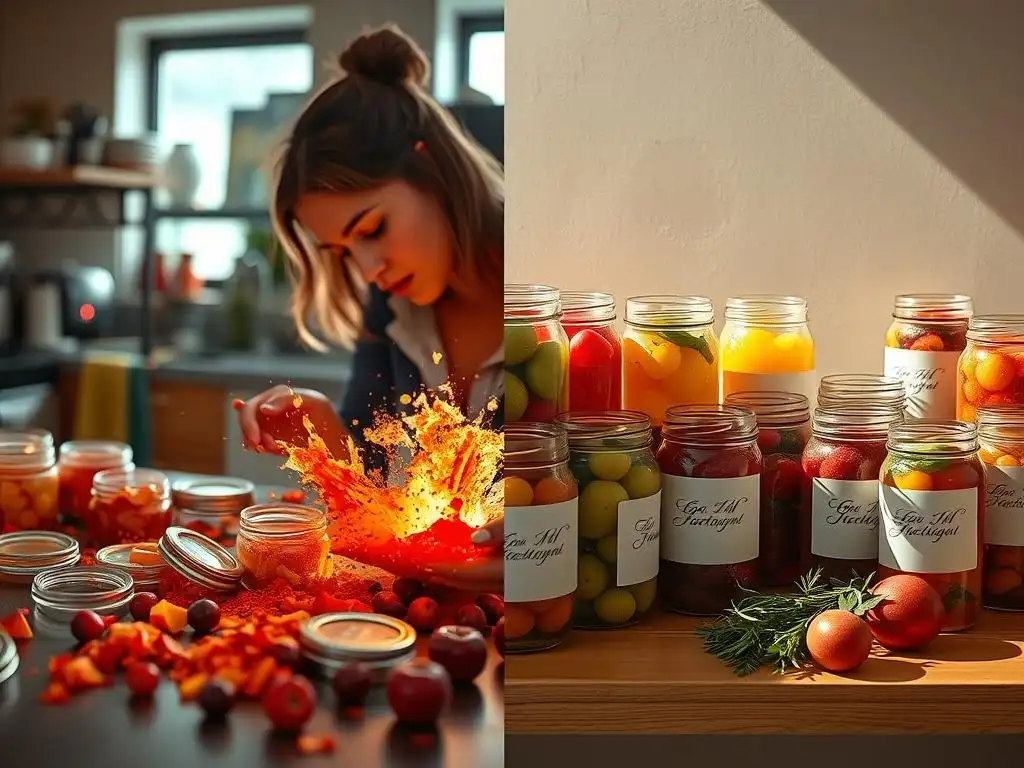
Welcome to CultivateYourFood, your guide to growing a thriving and sustainable garden! Ready to transform your backyard into a bountiful oasis of fruits, vegetables, and herbs? This season, master the art of preserving your harvest with confidence. But first, let's address the elephant in the pantry: avoid canning mistakes beginners often make. Discover the top 5 pitfalls and learn how to sidestep them, ensuring your homegrown goodness stays safe and delicious for months to come. Dive in and unlock the secrets to successful preserving!
- Understanding Common Canning Mistakes for Beginners
- Mastering Safe and Successful Canning: Tips and Resources for Beginners
- CultivateYourFood's Commitment to Sustainable and Organic Canning
-
Frequently Asked Questions
- What is the most common mistake beginners make when canning?
- How can I ensure my canned goods are safe to eat?
- What should I do if my canned food shows signs of spoilage?
- Are there specific types of food that are more challenging for beginners to can?
- Where can I find reliable information on safe canning practices?
- Final Reflection: Mastering the Art of Safe and Delicious Canning
- Unlock Your Canning Confidence: Preserve the Harvest, Naturally!
Understanding Common Canning Mistakes for Beginners
Canning your homegrown fruits, vegetables, and herbs is a rewarding way to preserve your harvest and enjoy the flavors of summer all year round. However, for beginners, the process can seem daunting, and mistakes can lead to spoilage, foodborne illness, or simply disappointing results. This article will guide you through the five most common canning mistakes beginners make, offering practical advice and solutions to help you avoid them and successfully preserve your bounty using sustainable and organic practices.
Mastering these techniques will ensure safe and delicious canned goods, allowing you to fully enjoy the fruits (and vegetables!) of your labor. Let's dive into the top five pitfalls to avoid when embarking on your home canning journey, helping you confidently achieve "Avoid canning mistakes beginners" success!
Avoiding Spoilage: The Number One Canning Mistake Beginners Make
Spoilage is the biggest concern when canning. Improper techniques can create an environment where harmful bacteria thrive, leading to dangerous foodborne illnesses. Understanding the causes and prevention of spoilage is paramount for successful and safe home canning.
Identifying Spoilage Indicators in Home Canned Goods
Spoilage manifests in several ways. Look for bulging lids – a clear sign of dangerous gas buildup from bacterial growth. Also, check for mold, discoloration, unusual smells (sour, putrid, or off), and changes in texture. If any of these are present, discard the jar immediately. Do not taste or consume it. Food safety is non-negotiable.
Proper Sterilization Techniques for Jars and Lids: Using a Presto Canner
Sterilizing your jars and lids is crucial in preventing spoilage. A Presto canner, or similar pressure canner, is essential for achieving the high temperatures needed to kill harmful bacteria. Thoroughly clean all jars and lids with hot, soapy water, then sterilize them in boiling water for at least 10 minutes before filling. Failure to properly sterilize can lead to contamination and spoilage, undermining all your efforts.
The Importance of Accurate Processing Times: Following Ball Complete Book of Home Preserving Guidelines
Following precise processing times, as outlined in reputable sources like the Ball Complete Book of Home Preserving, is crucial. Under-processing fails to eliminate harmful bacteria, while over-processing can negatively impact the quality and texture of your canned goods. Use a reliable timer and ensure your canner reaches and maintains the correct pressure for the specified duration. This step is vital for safety and quality.
Improper Headspace: A Frequent Canning Error for New Canners
Headspace, the distance between the food and the top of the jar, is critical for successful canning. Incorrect headspace can lead to improper sealing, resulting in spoilage.
Understanding Headspace Requirements for Different Foods
Different foods require different headspace measurements. Consult your chosen canning recipe for the appropriate headspace. Generally, low-acid foods require more headspace than high-acid foods. Using the incorrect headspace can compromise the seal and lead to spoilage. Accurate measurement is key.
Using a Headspace Tool for Consistent Results
Using a headspace tool ensures consistent headspace in every jar, reducing the risk of errors. These tools provide a precise measurement, leading to more reliable seals and better overall results. Investing in a headspace tool is a worthwhile investment for consistent and successful canning.
The Impact of Incorrect Headspace on Jar Sealing and Food Safety
Incorrect headspace directly affects the ability of the jar to seal properly. Insufficient headspace can prevent the formation of a vacuum seal, leaving the contents vulnerable to spoilage and contamination. Conversely, excessive headspace can lead to improper processing and compromise food safety. Maintaining the correct headspace is vital for both the quality and safety of your canned goods. Always double-check your measurements! 🥂
Inadequate Jar Sealing: A Key Issue in Home Canning
Inadequate jar sealing is a common problem for beginner canners, often leading to spoilage and foodborne illness. The success of your canning process hinges on creating an airtight seal that prevents bacteria and other microorganisms from entering the jars. Failing to achieve this seal can result in the loss of your hard-earned harvest and, more importantly, potential health risks. Several factors contribute to improper sealing, and understanding these is crucial for success.
One of the most frequent culprits is improper lid preparation. Lids must be clean and free of any dents or damage, as even a small imperfection can prevent a proper seal. Another common mistake is not processing the jars for the correct amount of time and at the correct temperature.
Under-processing won't create enough vacuum to seal the jars properly. Finally, using old or damaged jars can also cause sealing problems. Cracks or chips in the glass can compromise the seal, allowing air and bacteria to enter.
Recognizing Properly Sealed Jars: The "Ping" Test Explained
Once your jars have cooled completely after processing, it's essential to verify that each jar has sealed correctly. The most reliable method is the "ping" test. Gently press the center of each lid. If you hear a distinct "ping" sound, that indicates a successful seal. The lid should not flex or move at all.
A lack of a "ping" sound, or any movement of the lid, signifies that the jar did not seal properly. These jars should be refrigerated and consumed promptly, as they are no longer safe for long-term storage. It's crucial to remember that a sealed jar doesn't guarantee safety, but it is a strong indicator that the canning process was successful and the food should be safe for consumption. The "ping" test is a simple, but critical, step to ensure the safety and longevity of your canned goods.
Troubleshooting Unsealed Jars: Identifying and Fixing Common Problems
If you find that several jars haven't sealed, don't despair. It's an opportunity to learn and improve your technique. First, analyze the jars that didn't seal. Were the lids damaged or old? Did you follow the processing time and temperature guidelines precisely? Were the jars clean and free of debris?
Addressing these issues is key to preventing future sealing failures. Sometimes, even with perfect technique, a few jars might still fail to seal. This is normal, and doesn't necessarily indicate a major problem. If a significant portion of your batch fails to seal, however, you should review your entire process, from jar preparation to processing time. If you suspect a problem with your equipment, consider replacing your canner, jars, or lids. Remember, consistent success in canning requires attention to detail and practice.
Selecting High-Quality Canning Jars and Lids: Ball vs. Kerr Comparison
Choosing the right canning jars and lids is paramount. Two of the most popular brands are Ball and Kerr. While both offer high-quality products, there are subtle differences. Ball jars are widely recognized and readily available, often preferred for their classic design and consistent performance. Kerr jars are known for their durability and sometimes feature slightly different lid designs.
Ultimately, the choice between Ball and Kerr comes down to personal preference. However, it's crucial to avoid using jars that are damaged, chipped, or have previously been used for non-canning purposes. Always use new lids and bands every time you can. Reusing lids significantly increases the risk of improper sealing. Investing in high-quality jars and lids from reputable brands is an investment in the safety and preservation of your canned goods.
Ignoring Proper Food Preparation: A Critical Canning Mistake
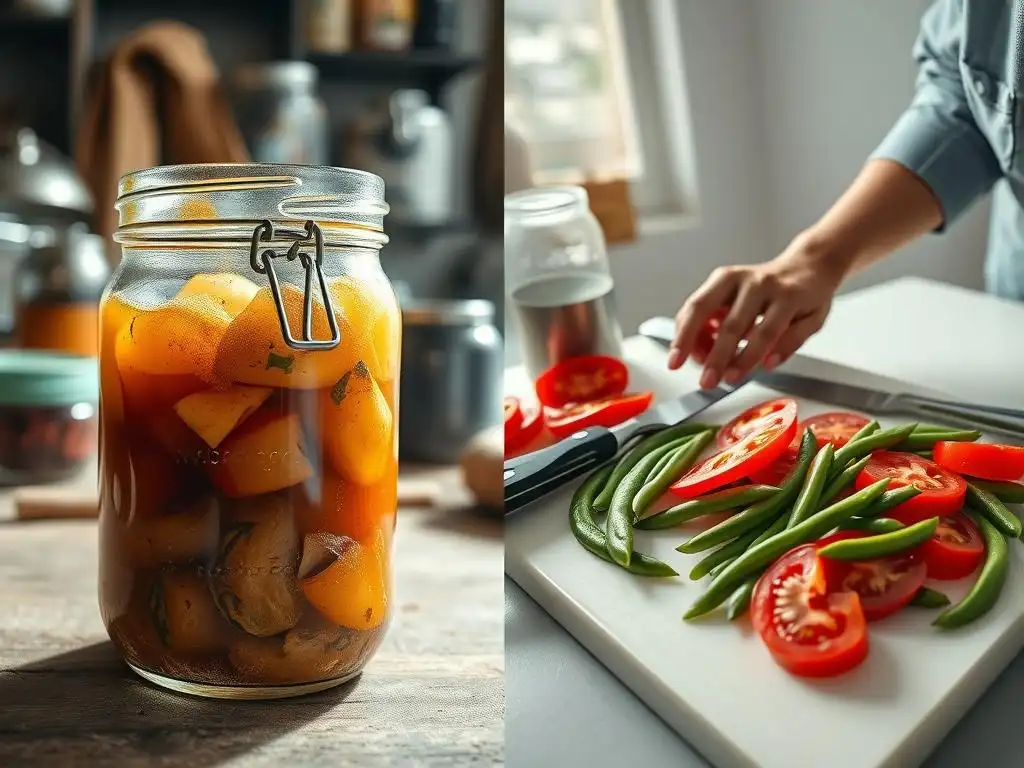
Proper food preparation is just as critical as the canning process itself. Neglecting this step is a major mistake that can compromise the safety and quality of your canned goods. Improper food preparation can lead to spoilage, off-flavors, and potentially dangerous bacterial growth. This is because raw ingredients can harbor harmful bacteria that canning may not eliminate. Therefore, taking the time to prepare your food correctly is essential for a safe and successful canning experience. This includes proper cleaning, blanching (for some vegetables), and ensuring the food is free from any signs of spoilage or damage.
Safe Food Handling Practices Before Canning: Preventing Bacterial Contamination
Before canning, maintain a clean and sanitary environment. Wash your hands thoroughly and sanitize all surfaces and equipment that will come into contact with your food. Use clean knives, cutting boards, and bowls. Avoid cross-contamination by separating raw foods from cooked foods. Inspect your produce carefully, discarding any items that show signs of spoilage, bruising, or damage. Promptly process your produce after harvesting or purchasing to minimize the risk of bacterial growth. Remember, even a small amount of contamination can ruin an entire batch of canned goods and pose a serious health risk.
Acidification Techniques for Low-Acid Foods: Using Lemon Juice or Citric Acid
Many vegetables and meats are low-acid foods and require proper acidification before canning to prevent the growth of Clostridium botulinum, a bacterium that produces a deadly toxin. Acidification lowers the pH level, creating an environment unfavorable for this bacterium. Lemon juice and citric acid are common choices for acidification.
Follow tested recipes and ensure the correct amount of acid is added to achieve the necessary pH level. Using a pH meter can help you accurately measure the pH of your food mixture, providing an extra layer of safety. Improper acidification can lead to botulism, a severe and potentially fatal illness.
Utilizing a Food Mill for Consistent Food Preparation
A food mill is a valuable tool for achieving consistent texture in your canned goods. It helps to remove skins, seeds, and other unwanted components, resulting in a smoother, more appealing final product. This is particularly useful when canning tomatoes, fruits, or other foods with varying textures.
Using a food mill ensures a uniform consistency, which enhances the quality and appearance of your canned goods. It also makes for easier processing and prevents uneven cooking or texture variations within the jars. While not strictly necessary for all canning projects, a food mill can significantly improve the overall quality and consistency of your final product.
Neglecting Safe Canning Practices: Risks and Solutions
Safe canning practices are paramount to avoid foodborne illnesses like botulism, a severe and potentially fatal form of food poisoning. Neglecting these practices can lead to spoiled food, and in the worst-case scenario, serious health consequences. Many beginners underestimate the importance of precise temperature control and processing times. Improperly canned food can create an environment where harmful bacteria, yeasts, and molds can thrive. These microorganisms produce toxins that can cause nausea, vomiting, diarrhea, and even paralysis in the case of Clostridium botulinum, the bacteria responsible for botulism.
The solution lies in meticulously following tested and proven canning recipes. These recipes specify the exact processing times and temperatures required to safely preserve different types of food. Using a reliable canning guide or reputable online resource is essential. Furthermore, investing in a good quality pressure canner (for low-acid foods) or water bath canner (for high-acid foods) is crucial.
Regularly checking your equipment for proper function is also a key aspect of safe canning. Don't rush the process; thoroughness is key to successful and safe canning. Consider taking a canning course or workshop to gain hands-on experience and learn from experienced canners. This practical approach helps you develop confidence and mastery over the techniques.
Understanding Pressure Canning vs. Water Bath Canning: Choosing the Right Method
Choosing the correct canning method is crucial for safety and preservation. Water bath canning is suitable for high-acid foods like jams, jellies, pickles, and tomatoes. The boiling water provides sufficient heat to kill harmful microorganisms. Pressure canning, however, is absolutely necessary for low-acid foods such as vegetables (green beans, peas, carrots), meats, and soups. These foods require the higher temperatures achieved under pressure to eliminate the spores of Clostridium botulinum.
Failing to use the appropriate method can result in spoiled food and potential health risks. Water bath canning low-acid foods can lead to the growth of dangerous bacteria, while pressure canning high-acid foods is unnecessary and might affect the quality of the product. Understanding the pH levels of different foods is key to making the right choice.
A pH meter can be a valuable tool for precise measurement, although many experienced canners rely on tested recipes and established guidelines. Always consult a reliable canning resource to determine the correct method for your chosen ingredients. Remember, safety should always be the top priority.
Using a Presto Pressure Canner for Low-Acid Foods
The Presto Pressure Canner is a popular choice for home canning, particularly for low-acid foods. Its reliable pressure regulation system ensures that the correct temperature is maintained throughout the canning process. However, even with a quality canner like the Presto, it's essential to follow the manufacturer's instructions meticulously. This includes understanding the venting process, achieving the correct pressure, and maintaining consistent pressure throughout the recommended processing time. Failure to achieve and maintain the correct pressure can compromise the safety of the canned goods.
Incorrect use of a Presto Pressure Canner can lead to under-processed food, increasing the risk of bacterial growth. Always ensure the canner is properly sealed and that the pressure gauge is functioning correctly. Regular maintenance and cleaning are also vital to ensure the canner's longevity and safe operation.
Before each use, inspect the gasket and vent pipe for any damage or wear. A faulty gasket can lead to pressure loss, compromising the canning process. Paying close attention to the pressure gauge readings during the process is crucial, ensuring the pressure remains within the recommended range for the specific food being canned.
Essential Safety Precautions for Home Canning: Avoiding Burns and Injuries
Home canning, while rewarding, involves handling hot liquids and pressurized equipment. Several safety precautions are crucial to prevent burns and injuries. Always use heat-resistant gloves when handling hot jars and lids. Be cautious when removing jars from the canner, as they will be extremely hot. Use jar lifter tongs designed for canning to avoid burns. Allow jars to cool completely before handling them to prevent accidental burns from residual heat. Furthermore, ensure adequate ventilation in the area where you are canning to avoid inhaling excessive steam.
Proper handling of the pressure canner is paramount. Never attempt to force open the lid while the canner is still under pressure. Allow the pressure to release naturally according to the manufacturer's instructions. Be aware of the potential for scalding from escaping steam. Keep children and pets away from the canning area while the process is underway. Maintaining a clean and organized workspace helps prevent accidents. Having a first-aid kit readily available is a wise precaution, in case of minor injuries. Remember, careful preparation and attention to detail are key to a safe and successful canning experience.
Mastering Safe and Successful Canning: Tips and Resources for Beginners
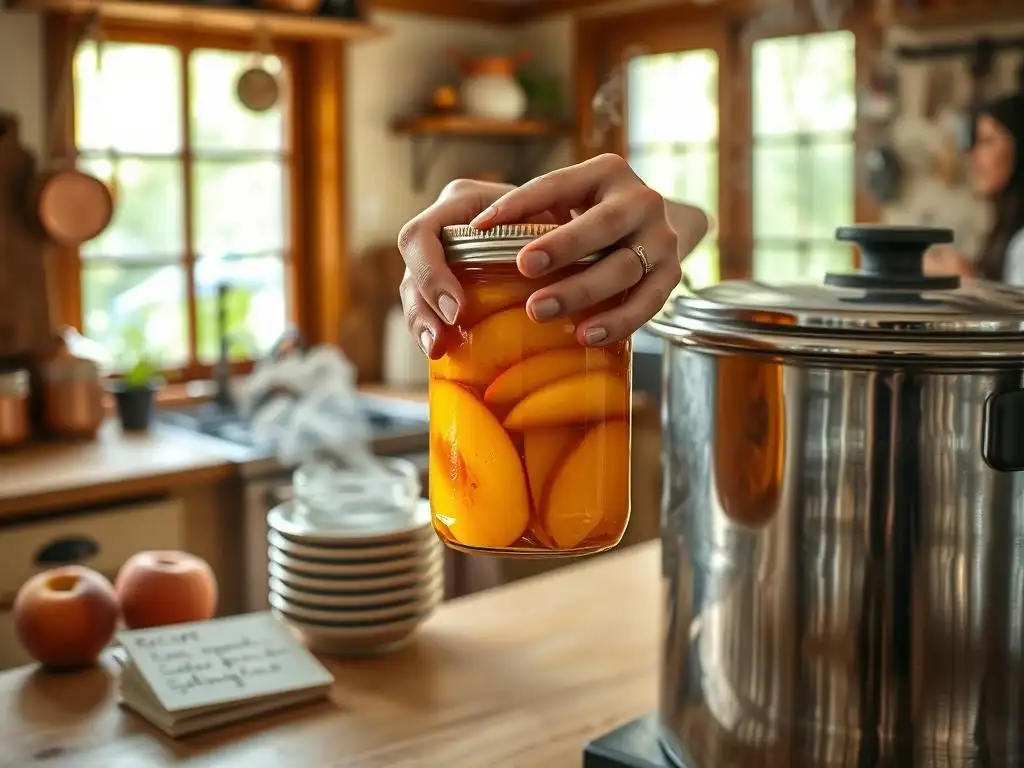
This section focuses on equipping novice canners with the knowledge and tools necessary to avoid common pitfalls and achieve consistent success in preserving their homegrown harvest. Successfully avoiding canning mistakes for beginners hinges on a combination of proper technique, reliable equipment, and a thorough understanding of food safety principles. Let's delve into the specifics.
Recommended Equipment for First-Time Canners: A Buyer's Guide
Starting your canning journey requires careful consideration of the equipment you'll need. Investing in high-quality tools is crucial for safety and consistent results. Avoid cheap alternatives, as they can compromise the integrity of your canned goods and potentially lead to spoilage or even illness. Prioritize durability and ease of use.
Choosing the Right Pressure Canner: Presto vs. All American
The choice between a Presto and an All American pressure canner often arises for beginners. Both are reputable brands, but they have key differences. Presto canners are generally more affordable and easier to find, making them a popular entry-level option. However, All American canners are known for their robust construction and longer lifespan, often favored by experienced canners for their superior durability and precise pressure regulation. Consider your budget and long-term canning goals when making your decision. A crucial aspect to consider when avoiding canning mistakes for beginners is understanding the pressure gauge and ensuring it's properly calibrated.
Essential Canning Supplies: Jars, Lids, Rings, and Accessories from Amazon
Beyond the pressure canner, several other supplies are essential for successful canning. High-quality canning jars are paramount. Mason jars are a classic choice, known for their durability and reliable seals. Always purchase new lids and rings each canning season; reusing old lids can compromise the seal, leading to spoilage. Consider purchasing a jar lifter to avoid burns when handling hot jars. A large stockpot for water bath canning is also essential for processing high-acid foods. Many beginners find purchasing a complete canning kit from Amazon a convenient option, providing a comprehensive set of supplies at a competitive price.
Investing in a Quality Canning Kit: Ball Complete Canning Kit Review
Investing in a complete canning kit can simplify the process for beginners. The Ball Complete Canning Kit, for example, often includes jars, lids, rings, a funnel, and other helpful tools. This eliminates the need to purchase individual items, saving time and potentially money. However, always check reviews before purchasing any kit to ensure the quality of the included items. Remember, avoiding canning mistakes for beginners begins with having the right tools and understanding how to use them. A well-reviewed kit can significantly increase your chances of success.
Advanced Canning Techniques for Beginners: Expanding Your Skills
Once you've mastered the basics, you can explore more advanced canning techniques to diversify your preserved foods and refine your skills. This involves experimenting with different methods and recipes, always prioritizing safety and proper food preservation techniques. Remember, consistent attention to detail is crucial to avoid canning mistakes for beginners.
Exploring Different Canning Methods: From Jams to Pickles
Canning encompasses a wide range of methods, each suited to different types of food. Water bath canning is ideal for high-acid foods like jams, jellies, and pickles. Pressure canning is necessary for low-acid foods such as vegetables and meats to destroy harmful bacteria. Understanding the differences between these methods is vital for safe and successful preservation. Experimenting with different recipes and methods will allow you to expand your canning repertoire and create a diverse range of preserved foods.
Mastering Water Bath Canning for High-Acid Foods
Water bath canning is a relatively straightforward method for preserving high-acid foods. It involves submerging filled jars in boiling water for a specific time to create a vacuum seal. Accurate timing and proper jar preparation are crucial to ensure a successful seal and prevent spoilage. Improper water bath canning is a common source of canning mistakes for beginners. Always refer to established, tested recipes and follow instructions meticulously.
Experimenting with Different Recipes: Ball Complete Book of Home Preserving Recommendations
The Ball Complete Book of Home Preserving is a valuable resource for beginners and experienced canners alike. It offers a wide variety of tested recipes, covering everything from jams and jellies to pickles and vegetables. Using established recipes ensures that you're following safe and reliable methods, minimizing the risk of spoilage and maximizing the chances of success. Remember, even with experience, consistently referencing reliable sources is crucial when avoiding canning mistakes for beginners and beyond. Always prioritize safety and follow instructions carefully.
Resources for Successful Home Canning: Books, Websites, and Communities
Embarking on your home canning journey requires reliable information and support. Fortunately, numerous resources are available to guide beginners through each step, from selecting the right produce to ensuring safe preservation techniques. These resources range from comprehensive books offering detailed instructions and recipes to online communities providing a supportive environment for sharing experiences and troubleshooting problems.
Mastering the art of canning involves understanding the science behind food preservation, and these resources provide the knowledge and confidence needed to avoid common mistakes and achieve consistent success. Careful selection and utilization of these resources will contribute significantly to your canning success and overall enjoyment of the process. Don't underestimate the value of learning from experienced canners; their insights are invaluable.
Top Online Canning Resources: National Center for Home Food Preservation and PickYourOwn.org
The internet offers a wealth of information for aspiring canners. Two standout resources are the National Center for Home Food Preservation and PickYourOwn.org. The National Center provides research-based, evidence-backed information on all aspects of home food preservation, including canning, freezing, and drying. Their website features detailed guides on safe canning procedures, recipes, and troubleshooting common issues. This resource is particularly crucial for beginners as it emphasizes safety and accuracy in preserving food.
It’s a goldmine for reliable information, debunking myths and providing clear, concise instructions. In contrast, PickYourOwn.org, while not solely focused on canning, offers a valuable community aspect. It connects home canners with local farmers markets and orchards, providing access to fresh, high-quality produce ideal for preserving. This connection to the source of your ingredients adds another layer to the home canning experience, fostering a deeper appreciation for the process from field to jar.
Recommended Canning Books for Beginners: Ball Complete Book of Home Preserving and The Joy of Pickling
While online resources are readily available, the classic canning book remains an invaluable asset. Two books stand out for beginners: Ball Complete Book of Home Preserving and The Joy of Pickling. The Ball Complete Book is a comprehensive guide, covering various preserving methods beyond just canning.
It provides detailed instructions, numerous recipes, and a wealth of practical tips and troubleshooting advice. Its reputation precedes it, and for good reason: it's a trusted resource for generations of home canners. The Joy of Pickling, on the other hand, focuses specifically on pickling, a popular and rewarding aspect of home canning.
It delves into the nuances of different pickling techniques, offering a variety of recipes and guidance on selecting the right ingredients and equipment. Having both a comprehensive guide and a specialized book can provide a well-rounded understanding of home canning and equip beginners with the knowledge to confidently tackle various preserving projects. Investing in these books is a worthwhile investment in your canning journey.
Joining Online Canning Communities: Reddit's r/canning and Facebook Group "Canning 101"
Learning from others is a crucial element in mastering any skill, and canning is no exception. Connecting with online communities offers a unique opportunity to learn from experienced canners, ask questions, and share your own experiences. Two excellent online communities are Reddit's r/canning and the Facebook group "Canning 101." Reddit's r/canning provides a platform for discussions, advice, and troubleshooting.
Users share their successes and failures, offering valuable insights and support to newcomers. The diverse range of experience within the community ensures that questions, no matter how basic or complex, are likely to receive thoughtful and helpful responses. The Facebook group "Canning 101," similarly offers a supportive environment for beginners.
The structured format of a Facebook group allows for easier organization of information and resources, and the direct interaction fosters a sense of community. Both platforms offer invaluable opportunities to connect with like-minded individuals, share tips, and learn from collective experience, making the learning curve smoother and more enjoyable. Engaging with these communities is highly recommended for anyone starting their home canning journey.
CultivateYourFood's Commitment to Sustainable and Organic Canning
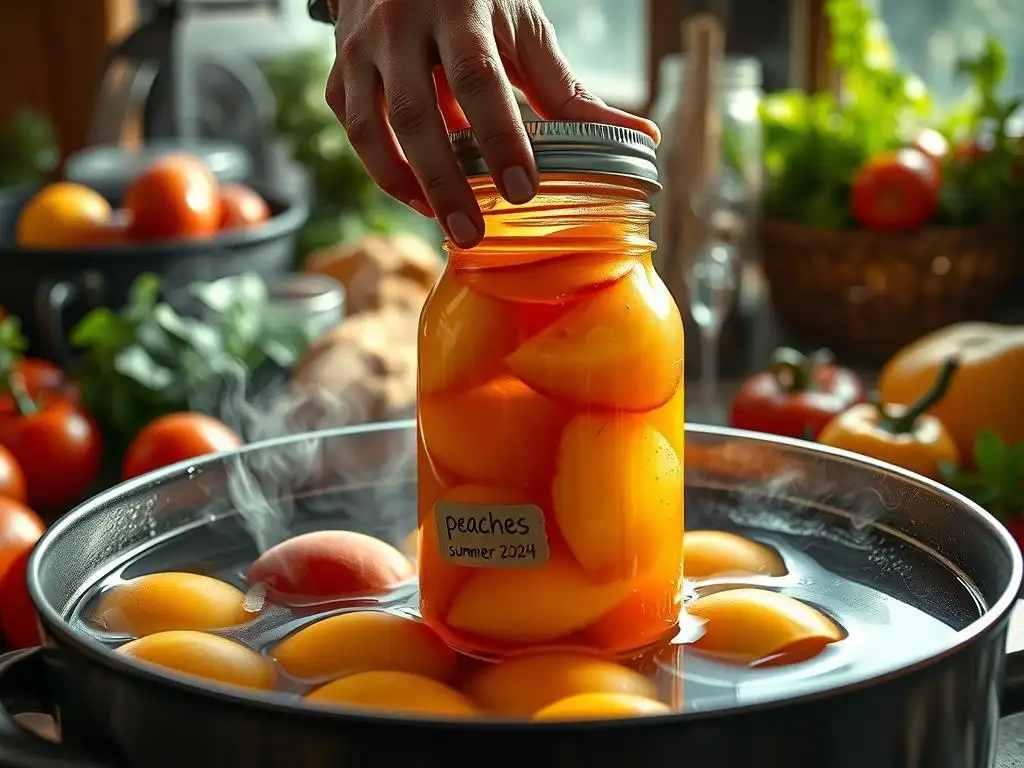
At CultivateYourFood, we believe that preserving your harvest should be as sustainable and organic as the growing process itself. This means minimizing environmental impact and prioritizing healthy, natural ingredients throughout the canning process. Avoid canning mistakes beginners often make by focusing on these core principles, and you'll not only enjoy delicious, home-canned goods but also contribute to a healthier planet. We're committed to providing you with the knowledge and resources to achieve this.
Our goal is to empower you to create high-quality preserves while reducing your carbon footprint and avoiding harmful chemicals. We'll guide you through each step, from selecting the best organic produce to implementing waste-reducing strategies. This commitment extends beyond just the canning process; it's a holistic approach to food preservation that aligns with our overall philosophy of sustainable gardening and organic living.
Using Organic Ingredients in Your Canning Projects
Choosing organic ingredients is crucial for creating truly healthy and delicious canned goods. Organic produce is grown without synthetic pesticides, herbicides, or fertilizers, resulting in a final product free from potentially harmful residues. This is particularly important when preserving fruits and vegetables you intend to consume regularly.
For example, using organic tomatoes for your sauce ensures a cleaner, richer flavor profile, free from the lingering taste of chemical treatments. Similarly, organic berries will yield a brighter, more vibrant jam, reflecting the natural sweetness of the fruit. While organic ingredients may be slightly more expensive upfront, the superior quality and health benefits far outweigh the cost.
Consider the long-term value of investing in your health and the health of your family. Remember to always check labels carefully to ensure your ingredients are certified organic and meet your standards for quality and sustainability. The difference in taste and overall experience is noticeable – avoid canning mistakes beginners make by starting with the best ingredients.
Sustainable Canning Practices: Reducing Waste and Environmental Impact
Sustainable canning goes beyond just using organic ingredients; it encompasses minimizing waste and reducing your environmental footprint throughout the entire process. This includes careful consideration of packaging materials, energy consumption, and water usage. For instance, using reusable jars significantly reduces waste compared to single-use containers. Many beginners avoid this aspect, leading to unnecessary waste. Cleaning and sterilizing jars requires water, so optimizing this process is important.
Consider using a dishwasher for efficient cleaning, reducing both water and energy consumption compared to hand washing. Furthermore, composting any food scraps generated during the canning process helps reduce landfill waste and creates nutrient-rich soil for your garden. Careful planning and resource management are key to minimizing your impact. By prioritizing reusable materials and efficient processes, you can significantly reduce your environmental footprint, creating delicious preserves with a clear conscience. Avoid canning mistakes beginners often make by adopting these eco-conscious practices.
Preserving Your Homegrown Harvest: From Garden to Jar
One of the greatest joys of home canning is preserving the bounty of your own garden. This allows you to enjoy the peak flavors of your homegrown fruits and vegetables year-round. The process of preserving your harvest begins long before you even touch a jar.
Careful selection and preparation of your produce is essential. For example, harvesting tomatoes at their ripest point guarantees the best flavor and texture in your canned products. Similarly, proper washing and cleaning of all produce removes any dirt or debris that could compromise the quality of your preserves.
By closely monitoring your plants and harvesting at the optimal time, you maximize the quality and yield of your harvest, resulting in superior canned goods. Avoid canning mistakes beginners frequently make by paying close attention to the condition of your produce before processing. This careful approach ensures that your homegrown harvest translates into delicious and long-lasting canned goods that capture the essence of your garden.
Frequently Asked Questions
What is the most common mistake beginners make when canning?
The most common mistake is failing to properly sterilize jars and lids, leading to spoilage and potential botulism. Always follow the recommended sterilization process meticulously.
How can I ensure my canned goods are safe to eat?
Accurate processing time and temperature are crucial. Use a reliable, accurate thermometer and follow the specific guidelines for your recipe and altitude. Improper processing can lead to under-processed food.
What should I do if my canned food shows signs of spoilage?
If you see bulging lids, leakage, mold, or unusual smells or discoloration, discard the contents immediately. Do not taste or consume it.
Are there specific types of food that are more challenging for beginners to can?
Low-acid foods like vegetables require more careful attention to processing time and temperature to prevent botulism. Start with high-acid foods like jams and pickles to gain experience.
Where can I find reliable information on safe canning practices?
Consult reputable sources like the National Center for Home Food Preservation or your local agricultural extension office. Avoid unreliable online sources or outdated information.
Final Reflection: Mastering the Art of Safe and Delicious Canning
The principles of safe food preservation remain as crucial today as they were generations ago. A single mistake in canning can have severe consequences, highlighting the importance of understanding the process thoroughly before embarking on this rewarding, yet demanding, culinary journey. The seemingly simple act of preserving food is actually a precise science demanding attention to detail and a commitment to safety.
Canning, for me, represents a powerful connection to the past, a tangible link to traditions passed down through families. It's a skill that fosters self-sufficiency and allows us to savor the bounty of the harvest long after the growing season has ended. Yet, the ease of modern life sometimes overshadows the importance of these fundamental skills. The best way to predict the future is to create it,
and by mastering the art of safe canning, we create a future where we can enjoy the fruits of our labor, literally and figuratively.
So, as you embark on your own canning adventures, remember the lessons learned. Don't be intimidated by the process; embrace the challenge. Take the time to meticulously follow instructions, prioritize safety above all else, and savor the immense satisfaction of creating delicious, home-preserved foods. The journey of learning to can may present some initial hurdles, but the rewards – both in taste and in the sense of accomplishment – are immeasurable. Now, go forth and can!
Unlock Your Canning Confidence: Preserve the Harvest, Naturally!
Thank you for taking the time to learn about avoiding common canning mistakes! You're now one step closer to confidently preserving your homegrown fruits and vegetables. Let's put that knowledge into action:
- Start your first canning project this weekend! A simple recipe, such as making pickles or jam, is a great place to begin. Remember to prioritize safety throughout the process.
- Share your canning journey with our community! Post pictures of your successes (and even your learning experiences!) on our social media pages. Let's inspire each other!
- Consider expanding your home food preservation skills by experimenting with different methods, such as dehydrating or freezing.
What delicious recipe will you try first, and what are you most excited to preserve?