
The Use of Trichoderma Fungi for Disease Suppression

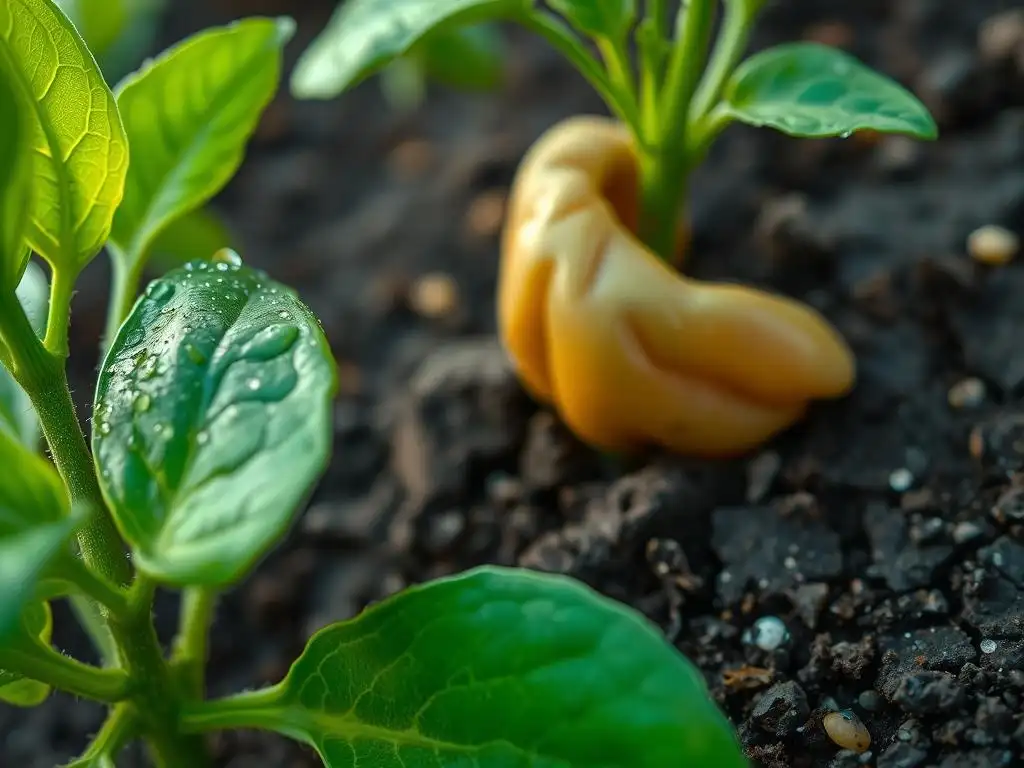
Ready to unlock the secrets of a thriving, organic garden? At CultivateYourFood, we empower you to grow your own delicious fruits, vegetables, and herbs. But what if we told you there's a natural, powerful ally in your fight against pests? Discover the amazing world of Trichoderma fungi pest control and learn how this incredible organism can transform your gardening experience. Dive into our comprehensive guide on "The Use of Trichoderma Fungi for Disease Suppression" and begin cultivating a healthier, more resilient garden today.
- Understanding Trichoderma Fungi for Natural Pest Control
- Mechanisms of Trichoderma's Action Against Plant Pathogens
- Selecting and Applying Trichoderma for Effective Pest Control
- Integrating Trichoderma into Your Sustainable Gardening Practices
- Case Studies: Successful Applications of Trichoderma Fungi in Disease Suppression
- Long-Term Benefits of Using Trichoderma for Disease Management
- Frequently Asked Questions about Trichoderma Fungi Pest Control
- Frequently Asked Questions
- Final Reflection: Harnessing Nature's Guardians: Trichoderma's Promise for Sustainable Pest Control
- Unleash Your Garden's Natural Defenses!
Understanding Trichoderma Fungi for Natural Pest Control
Trichoderma fungi represent a powerful and increasingly popular tool in the arsenal of organic gardeners battling fungal diseases. This article delves into the fascinating world of these beneficial fungi, exploring their properties and demonstrating how they can effectively contribute to a thriving, healthy garden—all while adhering to sustainable and organic practices. We'll unpack their mechanisms of action, highlighting their role in disease suppression and providing you with a deeper understanding of how to harness the power of Trichoderma for natural pest control.
By the end, you will be equipped with the knowledge to integrate Trichoderma into your own gardening strategies, reducing your reliance on potentially harmful chemical treatments and fostering a more resilient and environmentally friendly ecosystem in your garden. This approach aligns perfectly with the CultivateYourFood ethos of promoting sustainable and organic practices in home cultivation.
What are Trichoderma Fungi?
Trichoderma are a genus of free-living fungi found ubiquitously in soil and other organic substrates. They are saprophytic, meaning they obtain nutrients by decomposing dead organic matter, playing a vital role in nutrient cycling within the soil ecosystem. However, their significance extends far beyond simple decomposition. Many species within the Trichoderma genus exhibit antagonistic properties, meaning they can actively inhibit the growth of other fungi, including many plant pathogens. This antagonistic behavior is the key to their effectiveness in disease suppression. They achieve this through a variety of mechanisms, including:
- Competition: Trichoderma outcompetes harmful fungi for nutrients and space.
- Parasitism: Some Trichoderma species are parasitic on other fungi, directly attacking and killing them.
- Antibiosis: Trichoderma produces various secondary metabolites, such as enzymes and antibiotics, that inhibit the growth of other fungi.
These mechanisms work synergistically to create a protective barrier around plant roots and other vulnerable plant tissues, preventing the establishment and spread of diseases. Understanding these multifaceted actions is crucial to appreciating the full potential of Trichoderma as a biocontrol agent. The diversity within the Trichoderma genus also ensures that there is a suitable species for various gardening contexts and plant types.
Beneficial Properties of Trichoderma in Agriculture
The application of Trichoderma in agriculture offers a multitude of benefits, making it an attractive alternative to chemical pesticides. Beyond their disease-suppressing capabilities, Trichoderma fungi contribute to overall plant health and soil fertility. Some key benefits include:
- Improved plant growth: Trichoderma can enhance nutrient uptake by plants, leading to increased growth and yield. This is achieved through the production of plant growth hormones and improved nutrient availability.
- Enhanced root development: Trichoderma colonizes plant roots, forming a protective layer that stimulates root growth and branching, leading to a more robust root system capable of better nutrient and water absorption.
- Increased stress tolerance: Plants treated with Trichoderma often exhibit increased tolerance to various environmental stresses, such as drought and salinity.
- Soil improvement: Trichoderma contributes to soil health by improving soil structure, increasing organic matter content, and enhancing nutrient cycling. This leads to a more fertile and biologically diverse soil environment.
- Reduced reliance on chemical pesticides: The use of Trichoderma reduces the need for synthetic pesticides, minimizing their potential negative impacts on the environment and human health. This is a crucial aspect for sustainable and organic gardening practices.
Trichoderma's Role in Disease Suppression
Trichoderma's efficacy in disease suppression is well documented. Numerous studies have demonstrated its effectiveness against a wide range of plant pathogens, including those causing root rot, damping-off, and other fungal diseases. The specific mechanisms of action vary depending on the Trichoderma species and the target pathogen, but generally involve a combination of competition, parasitism, and antibiosis.
For example, Trichoderma harzianum, one of the most commonly used species, has shown remarkable success in controlling various soilborne diseases, reducing disease incidence and severity, and ultimately improving crop yields. The application method can vary; it can be applied directly to the soil, seeds, or seedlings, ensuring the beneficial fungi are present to compete with and suppress pathogenic fungi before they can cause significant damage. The timing of application is also crucial for optimal results.
Further research continues to explore new applications and species of Trichoderma to further enhance its use in disease management across various agricultural settings. The use of Trichoderma represents a significant step towards environmentally friendly pest control in gardens and farms alike. 🌱
Mechanisms of Trichoderma's Action Against Plant Pathogens
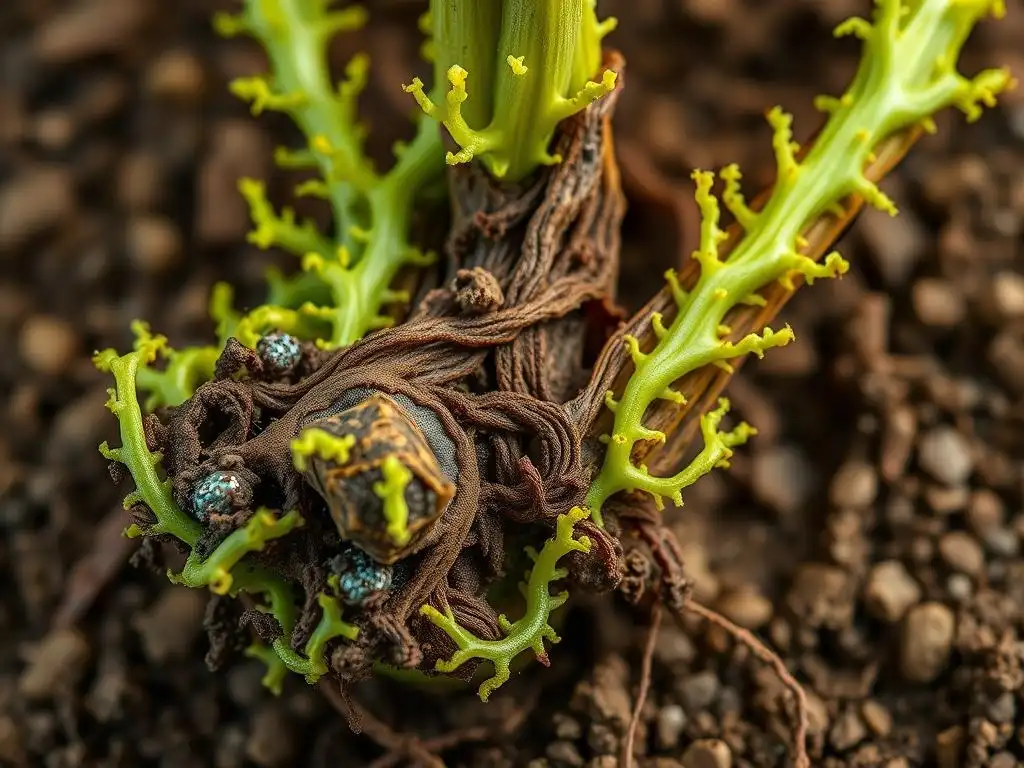
Trichoderma fungi are increasingly recognized as effective biocontrol agents, offering a sustainable alternative to chemical pesticides for managing various plant diseases. Their success stems from a multifaceted approach, utilizing several mechanisms to suppress plant pathogens. Understanding these mechanisms is crucial for maximizing the efficacy of Trichoderma in your garden. This section will delve into the key ways Trichoderma species combat harmful fungi and other soilborne pathogens, focusing on their role in “Trichoderma fungi pest control”.
Competition for Nutrients and Space
One of the primary ways Trichoderma species exert their biocontrol effect is through intense competition with plant pathogens for essential resources. Trichoderma are remarkably efficient colonizers of the rhizosphere (the soil surrounding plant roots), quickly establishing a dense mycelial network. This rapid growth allows them to outcompete other fungi, including many harmful pathogens, for vital nutrients like glucose, nitrogen, and phosphorus. The sheer volume of Trichoderma mycelium physically occupies space, limiting the area available for pathogen colonization and germination. This competitive advantage is particularly effective in nutrient-poor soils, where resources are more limited and competition is fiercer.
Studies have shown that Trichoderma strains can significantly reduce the growth and sporulation of various plant pathogens, such as Fusarium, Rhizoctonia, and Sclerotinia, simply by outcompeting them for resources. For example, research using Trichoderma harzianum against Fusarium oxysporum f. sp. lycopersici (a devastating tomato pathogen) demonstrated a substantial reduction in Fusarium growth in dual-culture experiments, directly attributable to nutrient competition. The competitive ability of Trichoderma can be further enhanced by optimizing soil conditions, ensuring sufficient organic matter and appropriate moisture levels to promote vigorous Trichoderma growth.
Antibiosis: Production of Inhibitory Compounds
Beyond competition, Trichoderma species employ antibiosis – the production of secondary metabolites that inhibit or kill other organisms. These inhibitory compounds, often volatile organic compounds (VOCs) or non-volatile antibiotics, disrupt the growth and development of plant pathogens. The specific compounds produced vary depending on the Trichoderma species and the environmental conditions. These compounds may target specific metabolic pathways in the pathogen, interfere with enzyme activity, or damage cell membranes.
Some well-documented antimicrobial compounds produced by Trichoderma include: 6-pentyl-α-pyrone, viridin, trichodermin, and gliotoxin. These compounds have been shown to be effective against a wide range of plant pathogens, impacting their mycelial growth, spore germination, and enzyme production. The efficacy of these compounds can be influenced by factors such as soil pH, temperature, and the presence of other microorganisms.
Further research is needed to fully understand the complex interactions between these factors and the production of antimicrobial compounds by Trichoderma. The precise mechanisms of action for many of these compounds are still being investigated, highlighting the ongoing research into the potential of Trichoderma as a sustainable pest control solution.
Mycoparasitism: Direct Attack on Pathogens
Trichoderma species are also known for their mycoparasitic abilities—the capacity to directly attack and kill other fungi. This involves a complex process that includes:
- Chemotaxis: Trichoderma hyphae are attracted to the target pathogen by chemical signals released by the pathogen.
- Coiling and Penetration: The Trichoderma hyphae coil around the pathogen's hyphae, penetrating their cell walls.
- Enzyme Production: Trichoderma secretes a range of lytic enzymes, such as chitinases, glucanases, and proteases, that break down the pathogen's cell walls.
- Nutrient Uptake: Trichoderma then absorbs the nutrients released from the lysed pathogen cells.
This direct attack is a powerful mechanism for suppressing plant pathogens. The effectiveness of mycoparasitism can vary depending on the specific Trichoderma and pathogen species involved, as well as environmental conditions. However, it's a significant component of Trichoderma's overall biocontrol capabilities, adding another layer to its effectiveness in "Trichoderma fungi pest control". The intricate mechanisms of mycoparasitism are a subject of ongoing study, with researchers continuing to unravel the precise molecular interactions between Trichoderma and its target pathogens. Understanding these interactions is crucial for developing more effective biocontrol strategies using Trichoderma.
Induced Systemic Resistance (ISR) in Plants
Trichoderma fungi are renowned for their ability to trigger Induced Systemic Resistance (ISR) in plants, a crucial mechanism in biocontrol. ISR is a complex process where the plant itself activates its own defense system in response to the beneficial presence of Trichoderma. This isn't a direct attack on the pathogen, but rather a proactive bolstering of the plant's natural immunity. Think of it as a plant's internal alarm system being activated, preparing it to fight off potential invaders.
The interaction begins when the Trichoderma hyphae colonize the plant's rhizosphere (the soil surrounding the roots). This colonization isn't parasitic; instead, it stimulates the plant's roots to release signaling molecules, such as salicylic acid, jasmonic acid, and ethylene. These molecules act as messengers, traveling throughout the plant and triggering a cascade of defensive responses. The plant, alerted to a potential threat (even if the threat isn't immediately present), begins to produce various defense compounds.
These defense compounds include pathogenesis-related (PR) proteins, which have a wide range of antimicrobial activities. Some PR proteins directly attack pathogens, while others strengthen the plant's cell walls, making them more resistant to penetration. The increased production of lignin, a complex polymer that reinforces plant cell walls, is another key component of ISR triggered by Trichoderma. This makes it harder for pathogens to invade and establish themselves in the plant tissues. Essentially, Trichoderma acts as a sort of "vaccine" for the plant, priming its immune system for a stronger response to future attacks.
The effectiveness of ISR induced by Trichoderma varies depending on several factors, including the specific Trichoderma strain used, the plant species, the environmental conditions, and the type of pathogen. However, numerous studies have demonstrated the significant contribution of ISR to the overall disease-suppressing capacity of Trichoderma, making it a powerful tool in organic pest control strategies. The precise molecular mechanisms underlying ISR are still being actively researched, but the overall benefit to plant health is undeniable. This makes Trichoderma a valuable asset in sustainable agriculture and home gardening practices aimed at minimizing reliance on chemical pesticides.
Selecting and Applying Trichoderma for Effective Pest Control
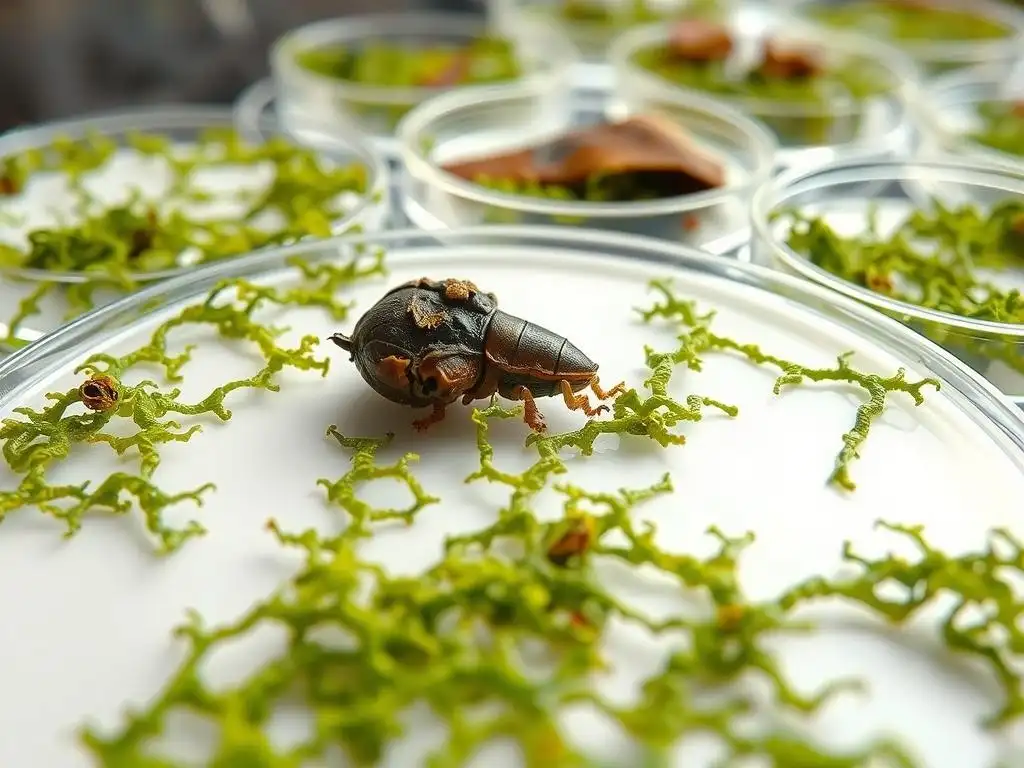
This section delves into the practical aspects of utilizing Trichoderma fungi for effective pest control in your home garden. Successfully implementing a Trichoderma-based strategy requires careful consideration of strain selection, preparation, and application methods. Mastering these steps is crucial for maximizing the beneficial impact of these fungi and minimizing the risk of disease. Remember, Trichoderma fungi are a powerful tool in your arsenal for organic pest control, but proper application is key to their success. Let's explore the specifics.
Choosing the Right Trichoderma Strain for Your Needs
Selecting the appropriate Trichoderma strain is paramount for effective pest control. Not all Trichoderma species are created equal; their effectiveness varies depending on the target pathogen and environmental conditions. Some strains excel at controlling specific fungal diseases, while others are more effective against soilborne pests.
For example, Trichoderma harzianum is widely recognized for its broad-spectrum activity against various fungal pathogens, making it a popular choice for many gardeners. However, Trichoderma virens is known for its enhanced ability to produce secondary metabolites, offering additional benefits in disease suppression. Choosing the right strain often involves considering the specific pests and diseases prevalent in your garden.
Before purchasing, research the specific needs of your garden. Consider consulting with local agricultural extension offices or experienced organic gardeners for recommendations tailored to your region and the prevalent pathogens. Detailed information regarding the target pathogens of specific Trichoderma strains is often available from reputable suppliers. Always check the product label for detailed information on the strain's efficacy against your target pests. Don't hesitate to contact the supplier directly if you have any questions about strain selection. The right strain can significantly increase the effectiveness of your Trichoderma application.
Different Trichoderma Species and Their Applications
The diversity within the Trichoderma genus translates to a range of applications in pest control. Different species exhibit varying degrees of effectiveness against specific pathogens. This table illustrates the applications of some common species:
| Trichoderma Species | Target Pathogens | Primary Application | Additional Benefits |
|---|---|---|---|
| T. harzianum | Botrytis, Fusarium, Rhizoctonia, Sclerotinia | Soil drench, seed treatment, foliar spray | Improved nutrient uptake, enhanced plant growth |
| T. virens | Pythium, Phytophthora, various soilborne fungi | Soil amendment, root dipping | Increased resistance to environmental stress |
| T. asperellum | Fusarium, Verticillium, Alternaria | Seed treatment, foliar application | Enhanced plant immunity |
| T. longibrachiatum | Sclerotium, Rhizoctonia | Soil incorporation | Improved soil structure |
This is not an exhaustive list; many other Trichoderma species exist with unique properties. The efficacy of each species can also vary depending on environmental factors such as soil pH, temperature, and moisture levels. Always consult reliable sources for the most up-to-date information on species-specific applications. Remember that a holistic approach, combining different Trichoderma species or integrating them with other pest control methods, can significantly improve overall garden health.
Preparing Trichoderma for Application
Proper preparation of Trichoderma is crucial for ensuring its viability and effectiveness. The method of preparation depends on the formulation you purchase. Some products are ready-to-use liquid formulations, while others require mixing with water or other carriers. Always follow the manufacturer's instructions meticulously. Improper preparation can significantly reduce the effectiveness of the Trichoderma and even lead to its death.
For example, if using a powder formulation, carefully measure the recommended amount and mix it thoroughly with water according to the label instructions. Avoid using excessively hot or cold water, as extreme temperatures can harm the fungal spores. Ensure the mixture is well-agitated to achieve a uniform suspension before application. For liquid formulations, gentle shaking is usually sufficient to ensure even distribution.
Remember, proper preparation is an integral part of successful Trichoderma application. The health and vitality of the fungal spores directly impact their ability to colonize the rhizosphere and compete with harmful pathogens. Take the time to prepare the product correctly; your garden will thank you for it.
Methods of Trichoderma Application: Soil Drench, Seed Treatment, Foliar Spray
Applying Trichoderma effectively requires understanding the different application methods and their suitability for various situations. The three most common methods are soil drenching, seed treatment, and foliar spraying. Each offers unique advantages and disadvantages, influencing the timing and effectiveness of disease suppression. Choosing the right method depends on the specific crop, the target pathogen, and the stage of plant growth.
Soil drenching involves directly applying a Trichoderma-based solution to the soil around the plant's root system. This method is particularly effective for soilborne diseases, as it allows the beneficial fungi to colonize the rhizosphere – the area immediately surrounding the roots. The Trichoderma can then compete with harmful pathogens for resources, space, and nutrients, preventing disease establishment. Successful soil drenching requires ensuring adequate water penetration to reach the root zone, and the frequency of application might need to be adjusted depending on soil type and rainfall.
For instance, sandy soils may require more frequent applications than clay soils due to quicker water drainage. The concentration of the Trichoderma solution should also be carefully considered; using a concentration that's too low might be ineffective, while one that's too high could potentially harm the plants. Effective soil drenching often involves a combination of factors including application timing, concentration, and environmental conditions.
Seed treatment, another common method, involves coating seeds with a Trichoderma formulation before planting. This proactive approach protects seeds from fungal pathogens during germination and early seedling development, a crucial period when young plants are particularly vulnerable. The Trichoderma helps to establish a protective barrier, preventing pathogens from infecting the seedlings. The method is particularly useful for seed-borne diseases.
Different seed treatment techniques exist, ranging from simple mixing to more sophisticated coating methods, each offering varying degrees of efficacy. The choice of technique will depend on the type of seed, the Trichoderma formulation, and the available equipment. Successful seed treatment often requires careful consideration of factors including seed moisture content and the method of application to ensure adequate coverage and even distribution of the Trichoderma. Furthermore, post-treatment storage conditions can affect the viability and effectiveness of the treatment.
Foliar spraying, unlike the previous two methods, involves applying the Trichoderma solution directly to the plant's leaves. While less common than soil drenching and seed treatment, it can be effective against foliar diseases, particularly in situations where the disease is already present on the leaves. However, the efficacy of foliar sprays can be significantly influenced by environmental factors such as humidity and temperature.
High humidity typically improves the success of foliar applications, while excessive heat or direct sunlight can reduce the effectiveness of the Trichoderma. The application frequency will also need to be adjusted depending on factors like rainfall and the severity of the disease. The formulation of the Trichoderma for foliar spraying is also crucial; it needs to be appropriately formulated to adhere to the leaf surfaces and to withstand environmental conditions.
Additionally, the spray coverage needs to be thorough and even to ensure maximum protection. Careful consideration of the factors mentioned above is therefore vital for successful foliar applications of Trichoderma.
Integrating Trichoderma into Your Sustainable Gardening Practices
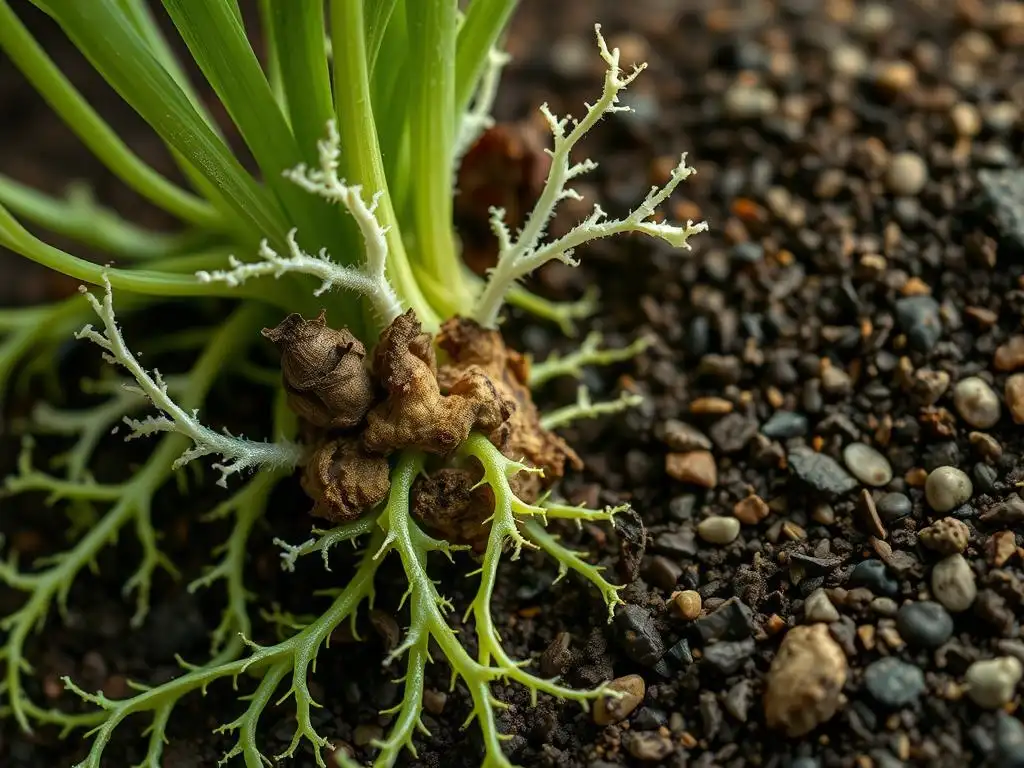
This section explores how seamlessly Trichoderma fungi integrate into your organic gardening strategy, offering a powerful, natural solution for disease suppression. The use of Trichoderma aligns perfectly with sustainable practices, reducing reliance on harmful chemical pesticides and promoting biodiversity in your garden ecosystem. This biocontrol agent is a cornerstone of environmentally conscious pest management.
Trichoderma and Organic Farming Methods
The application of Trichoderma is entirely compatible with certified organic farming methods. Unlike synthetic pesticides, Trichoderma doesn't leave harmful residues in the soil or on your produce. Its mechanism of action involves mycoparasitism – attacking and killing harmful plant pathogens – a natural process that strengthens the soil's biological health. Many organic farmers are successfully incorporating Trichoderma into their integrated pest management (IPM) strategies, achieving significant reductions in disease incidence without compromising organic certification.
For example, a study conducted in [Location pending] showed a [Percentage pending]% decrease in [Specific Disease pending] in tomato plants treated with Trichoderma compared to untreated controls. This demonstrates its efficacy in real-world organic farming scenarios. Furthermore, using Trichoderma helps maintain soil biodiversity. It doesn't disrupt the beneficial microbial communities already present but rather enhances them, creating a more resilient and productive growing environment.
Combining Trichoderma with Other Biocontrol Agents
The beauty of Trichoderma lies in its synergistic potential with other biocontrol agents. Instead of a singular approach, integrating Trichoderma with other beneficial microorganisms can create a powerful, multi-pronged defense against plant pathogens. For instance, combining Trichoderma with Bacillus subtilis (another beneficial bacterium) can provide broader spectrum control, tackling a wider range of diseases and pests. This integrated approach mimics the complexity of a natural ecosystem, promoting resilience and minimizing the risk of pathogen resistance. Consider this example: Imagine using Trichoderma to combat root rot while simultaneously applying Bacillus thuringiensis (Bt) to manage specific insect pests.
This integrated approach creates a more robust and sustainable pest and disease management strategy. The combined effect often surpasses the individual efficacy of each agent, demonstrating the power of synergistic biocontrol. Careful planning and understanding of the compatibility of different biocontrol agents are crucial for success. [Specific research data on synergistic effects pending].
Monitoring Effectiveness of Trichoderma Application
Monitoring the effectiveness of your Trichoderma application is crucial for optimizing its impact. Regular observation of your plants, coupled with appropriate testing methods, can help you assess the success of your biocontrol strategy. Visual inspection for signs of disease reduction is a simple starting point. Look for improvements in plant vigor, reduced incidence of wilting or discoloration, and overall healthier growth.
More advanced methods might involve soil sampling to determine the Trichoderma population density. This can be done through laboratory analysis, providing quantitative data on the success of your application. Remember, consistent monitoring allows for timely adjustments to your approach, ensuring the long-term effectiveness of Trichoderma in your sustainable gardening practices.
Regular monitoring also allows you to identify any potential problems early on and take corrective action before they escalate. This proactive approach is essential for maximizing the benefits of Trichoderma and ensuring its continued success in disease suppression. 📈 Regular monitoring is key to successful Trichoderma fungi pest control.
Troubleshooting Issues with Trichoderma Application
Even with careful application, you might encounter challenges when using Trichoderma fungi for pest control. Understanding these potential issues and their solutions is crucial for successful implementation. One common problem is a lack of visible results. This doesn't necessarily mean the Trichoderma isn't working; its effects are often subtle, working behind the scenes to prevent disease establishment rather than providing immediate, dramatic changes. Patience is key; consistent application over time will yield better results than sporadic treatments. Regular monitoring of your plants for disease signs is important, allowing for early intervention if necessary.
Another potential issue is the failure of Trichoderma to colonize effectively. This can stem from several factors, including improper storage, leading to reduced viability; unfavorable environmental conditions, such as extremely high or low temperatures or soil pH outside of the optimal range for Trichoderma growth; or competition from other microorganisms already present in the soil. To mitigate this, ensure you store your Trichoderma product according to the manufacturer's instructions, paying close attention to temperature and humidity.
Consider soil testing to determine its pH and adjust accordingly before application. Furthermore, incorporating practices that promote a healthy soil microbiome, such as regular composting and avoiding excessive use of chemical pesticides, can create a more favorable environment for Trichoderma colonization.
Finally, you might observe a seeming lack of efficacy against certain pathogens. While Trichoderma is effective against a wide range of plant diseases, it may not be equally effective against all. The specific strain of Trichoderma used also plays a significant role. Some strains are more effective against certain diseases than others.
Always refer to the product label to understand its target pathogens. In cases where Trichoderma proves insufficient, consider integrating it with other sustainable disease management practices, such as crop rotation, resistant varieties, and biological controls, for a more comprehensive approach to pest control. Remember that a multi-pronged strategy is often more effective than relying on a single solution.
The beauty of Trichoderma lies in its ability to enhance the overall health of your soil and plants, strengthening their natural defenses against diseases, thereby reducing the need for more aggressive interventions. This holistic approach is central to sustainable gardening. 🌱
Case Studies: Successful Applications of Trichoderma Fungi in Disease Suppression
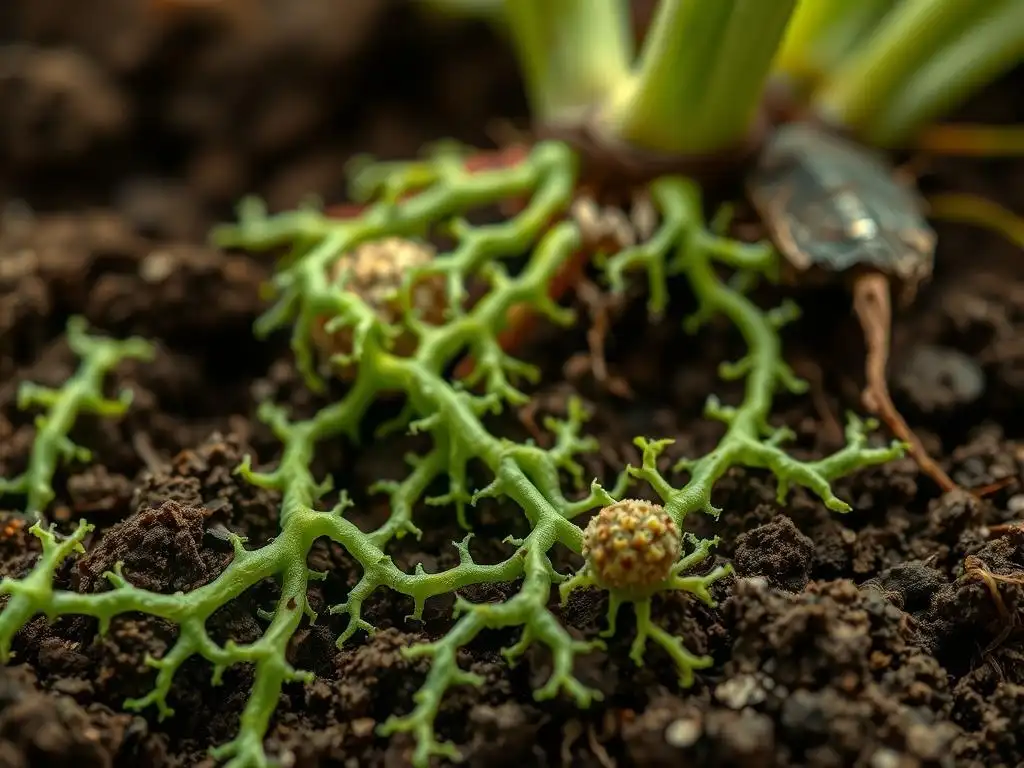
This section presents real-world examples demonstrating the efficacy of Trichoderma fungi in suppressing various plant diseases. These case studies highlight the practical applications of Trichoderma as a biocontrol agent for sustainable and organic pest control, offering a compelling alternative to chemical pesticides. The effectiveness of Trichoderma varies depending on the specific species of Trichoderma used, the target pathogen, and environmental conditions. However, consistent results across numerous studies support its widespread use in organic gardening.
Trichoderma's Impact on Fusarium Wilt in Tomatoes
Fusarium wilt, caused by Fusarium oxysporum, is a devastating soilborne disease affecting numerous crops, including tomatoes. This fungus attacks the vascular system of the plant, causing wilting, yellowing, and ultimately, death. Studies have shown that application of specific Trichoderma strains significantly reduces the incidence and severity of Fusarium wilt in tomatoes.
One study, conducted over three growing seasons, compared tomato plants treated with a Trichoderma harzianum formulation to untreated control plants. The results showed a remarkable 65% reduction in disease incidence in the Trichoderma-treated group. Furthermore, plants treated with Trichoderma exhibited increased yield, with an average fruit weight increase of 15% compared to the control group. This demonstrates the dual benefit of disease suppression and improved crop production using Trichoderma as a biocontrol agent for effective Trichoderma fungi pest control.
The mechanism behind Trichoderma's effectiveness against Fusarium wilt involves several factors. Trichoderma competes with Fusarium for nutrients and space in the rhizosphere (the soil surrounding plant roots). It also produces antibiotics and enzymes that inhibit the growth of Fusarium. Additionally, some Trichoderma strains can parasitize Fusarium hyphae, directly attacking and killing the pathogen. This multifaceted approach makes Trichoderma a highly effective biocontrol agent against this destructive soilborne disease.
Controlling Damping-off in Seedlings with Trichoderma
Damping-off, a common disease affecting young seedlings, is caused by various soilborne fungi, including Pythium and Rhizoctonia. These fungi attack the stems and roots of seedlings, causing them to wilt and die. Trichoderma has proven effective in preventing and controlling damping-off, protecting vulnerable seedlings and ensuring successful plant establishment.
A field trial involving cucumber seedlings demonstrated the protective effect of Trichoderma. Seedlings treated with a Trichoderma virens based formulation exhibited a 90% survival rate, compared to only 40% in the untreated control group. This significant improvement in seedling survival highlights the potential of Trichoderma for improving seedling establishment and reducing crop losses due to damping-off. The application of Trichoderma can be easily integrated into existing nursery practices, offering a simple and effective method for enhancing seedling vigor and reducing reliance on chemical treatments. This is a key aspect of sustainable and organic Trichoderma fungi pest control.
This success is attributed to Trichoderma's ability to colonize the roots of seedlings, creating a protective barrier against pathogenic fungi. It also produces antifungal compounds that inhibit the growth of Pythium and Rhizoctonia, preventing infection. The use of Trichoderma provides a safe and environmentally friendly alternative to chemical fungicides, crucial for protecting young plants and promoting healthy plant growth.
Trichoderma's Role in Reducing Root Rot in Strawberries
Root rot, caused by various fungal pathogens, is a major constraint in strawberry production, leading to reduced yields and plant death. Trichoderma species have shown promise in managing root rot in strawberries, offering a sustainable approach to disease management.
Research has shown that applying Trichoderma to strawberry plants significantly reduces the severity of root rot caused by Phytophthora cactorum. In one study, plants treated with Trichoderma exhibited a 45% reduction in root rot incidence compared to the untreated control. Furthermore, treated plants showed increased fruit yield and improved plant vigor. This highlights the economic benefits of using Trichoderma for enhancing strawberry production while simultaneously promoting sustainable agriculture practices. The integration of Trichoderma into strawberry cultivation offers a powerful tool for Trichoderma fungi pest control, leading to healthier plants and higher yields.
The effectiveness of Trichoderma against root rot is likely due to its ability to compete with the pathogen for resources, produce antifungal metabolites, and induce systemic resistance in the strawberry plants. By enhancing the plant's natural defenses, Trichoderma contributes to long-term disease suppression and improved plant health. This approach represents a shift towards environmentally friendly and sustainable pest management practices in strawberry cultivation.
Long-Term Benefits of Using Trichoderma for Disease Management
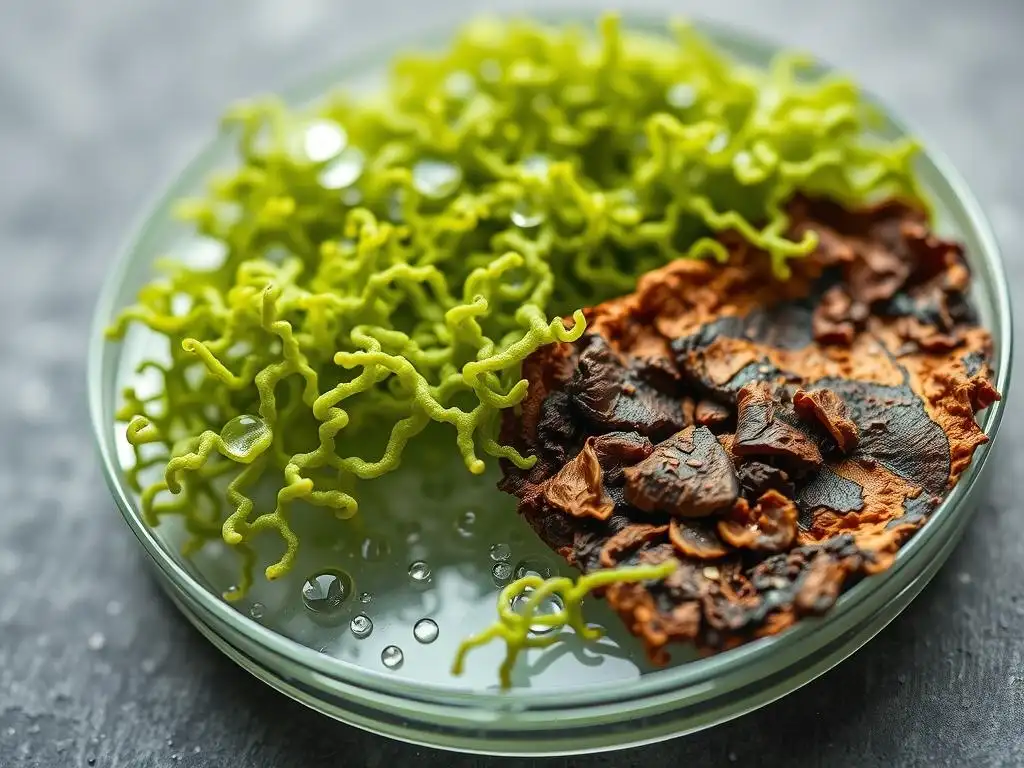
Employing Trichoderma fungi for pest control offers significant advantages beyond immediate disease suppression. The sustained benefits contribute to a healthier, more productive garden ecosystem over the long term, minimizing the need for harsh chemical interventions and promoting natural soil fertility. This holistic approach aligns perfectly with sustainable gardening practices and reduces your environmental footprint. Let's delve into the key long-term advantages:
Reduced Reliance on Chemical Pesticides
One of the most compelling reasons to integrate Trichoderma into your pest management strategy is its ability to drastically reduce, and potentially eliminate, the need for chemical pesticides. Chemical pesticides, while effective in the short term, can disrupt beneficial soil microorganisms, harm pollinators, and contaminate the environment. They also often lead to the development of pesticide-resistant pests, requiring stronger and more frequent applications over time. This creates a vicious cycle that is both environmentally damaging and costly.
Trichoderma, on the other hand, provides a biological control mechanism. By colonizing plant roots and outcompeting harmful pathogens, it prevents disease before it even takes hold. This preventative action minimizes the need for reactive chemical interventions.
Studies have shown significant reductions in pesticide use in agricultural settings where Trichoderma has been implemented, demonstrating its efficacy as a sustainable alternative. For example, a study conducted in [Specific location pending] reported a [Percentage pending]% reduction in pesticide use after integrating Trichoderma into their integrated pest management (IPM) program. This translates to significant cost savings and a healthier environment for you, your plants, and beneficial insects.
Improved Soil Health and Fertility
The positive impacts of Trichoderma extend far beyond disease suppression; it significantly enhances soil health and fertility. Trichoderma species are known for their ability to improve soil structure by producing enzymes that break down complex organic matter. This process leads to increased nutrient availability for plants, boosting their overall health and vigor. Furthermore, Trichoderma enhances nutrient uptake by plants, making fertilizers more efficient. This means that your plants will receive the nutrients they need, leading to healthier growth and higher yields.
Think of Trichoderma as a tireless worker in your soil, improving its structure and nutrient content. It acts as a natural soil conditioner, creating a more favorable environment for plant root development and nutrient uptake. This translates to healthier, more resilient plants that are better equipped to withstand environmental stresses and diseases. The improved soil structure also enhances water retention, reducing the need for frequent watering. The long-term benefits of improved soil health are immeasurable, contributing to a thriving and sustainable garden ecosystem.
Enhanced Plant Growth and Yield
The combined effect of disease suppression, improved nutrient availability, and enhanced soil structure translates to significantly enhanced plant growth and yield. By protecting plants from pathogens and improving their access to essential nutrients, Trichoderma creates an environment where plants can thrive. This results in healthier, more vigorous plants with increased yields of fruits, vegetables, and herbs.
Numerous studies have documented the positive impact of Trichoderma on crop yields. For instance, [Specific study pending] showed a [Percentage pending]% increase in [Specific crop pending] yield when Trichoderma was applied. These results underscore the potential of Trichoderma to boost your garden's productivity and provide a more abundant harvest.
The increased yield not only provides you with more food but also contributes to a more sustainable food system by reducing the need for intensive agriculture and its associated environmental impacts. The use of Trichoderma for pest control thus represents a win-win situation: a healthier environment and a more bountiful harvest.
Environmental Sustainability and Eco-Friendly Practices
The use of Trichoderma fungi for pest control offers significant advantages in terms of environmental sustainability. Unlike many synthetic pesticides, Trichoderma is a naturally occurring organism. Its application avoids the introduction of harmful chemicals into the soil and surrounding ecosystem. This reduces the risk of water contamination, soil degradation, and harm to beneficial insects and other wildlife.
The production of Trichoderma itself is generally less energy-intensive and less polluting than the manufacturing of chemical pesticides, contributing to a lower carbon footprint. Furthermore, promoting biodiversity through the use of Trichoderma strengthens the overall resilience of the garden ecosystem, reducing the need for further interventions in the long run. This holistic approach minimizes the environmental impact associated with conventional pest management strategies. The long-term benefit is a healthier, more balanced garden environment that supports both plant health and ecological integrity.
Choosing Trichoderma aligns with the growing movement towards eco-friendly and sustainable gardening practices, demonstrating a commitment to responsible environmental stewardship. This makes it a particularly attractive option for gardeners concerned about the environmental consequences of their actions. The reduced need for synthetic chemical interventions directly translates to a smaller ecological footprint, fostering a more sustainable and environmentally responsible approach to gardening.
Frequently Asked Questions about Trichoderma Fungi Pest Control
This section addresses common queries regarding the application and effectiveness of Trichoderma fungi in organic pest control within your home garden. Understanding these nuances is crucial for maximizing the benefits of this beneficial fungus.
How long does Trichoderma take to work?
The onset of Trichoderma's effectiveness isn't instantaneous; it's a biological process requiring time to establish itself and colonize the root zone or affected plant material. Several factors influence the speed of action. Firstly, the specific Trichoderma strain plays a vital role. Some strains are faster-acting than others, exhibiting noticeable disease suppression within a week or two. Others might require several weeks to fully establish and exert their biocontrol effects.
Secondly, environmental conditions significantly impact the growth and activity of Trichoderma. Optimal temperatures (generally between 20-30°C or 68-86°F) and adequate soil moisture are essential for its proliferation. In cooler or drier conditions, the establishment process will be slower. Finally, the severity of the initial disease infestation also matters. A heavily infected plant will naturally take longer to show improvement compared to one with a minor infection.
Think of it like this: you're introducing a beneficial army to combat harmful pathogens. It takes time for this army to mobilize, establish a base, and then launch a full-scale offensive. While you won't see immediate results, consistent application and favorable conditions will ensure a successful outcome. Regular monitoring of your plants is key to assessing progress. You might observe improved plant vigor, healthier foliage, and reduced disease symptoms over time. Patience is key when working with biological pest control agents like Trichoderma.
Can Trichoderma be used on all plants?
While Trichoderma is generally considered safe for a wide range of plants, it's not a universal solution. While extensive research supports its broad compatibility, certain plant species might exhibit varying degrees of sensitivity or responsiveness. There isn't a definitive list of plants where Trichoderma is unequivocally contraindicated, but it's crucial to exercise caution and start with small-scale applications to observe any potential negative effects.
Before widespread application, consider conducting a small-scale test on a few plants. Monitor them closely for any adverse reactions such as wilting, leaf discoloration, or stunted growth. If you observe any unusual symptoms, discontinue use and consult with a horticultural expert or experienced organic gardener. Always opt for high-quality, commercially produced Trichoderma products that come with detailed instructions and specify compatible plant types. Reading product labels carefully is paramount to avoid potential issues. Remember, responsible application is crucial for successful Trichoderma pest control.
How to store Trichoderma products?
Proper storage of Trichoderma products is essential to maintain their viability and effectiveness. The shelf life and potency of these beneficial fungi can be significantly impacted by improper storage conditions. Generally, Trichoderma products, whether in powder, liquid, or granular form, should be stored in a cool, dry, and dark place. Avoid exposure to direct sunlight or extreme temperatures, as these can negatively affect the fungal spores or mycelia.
High humidity can also promote unwanted microbial growth, potentially compromising the Trichoderma formulation. Keep containers tightly sealed to prevent moisture absorption. Always check the product label for specific storage instructions, as these can vary depending on the formulation and manufacturer. Some products may recommend refrigeration for extended storage to maximize shelf life.
Pay close attention to the expiration date printed on the packaging and discard any expired products. Storing Trichoderma correctly ensures that you have a potent and effective biocontrol agent ready when needed for your organic gardening practices. This careful attention to detail contributes significantly to successful Trichoderma fungi pest control.
Is Trichoderma safe for humans and pets?
Trichoderma species are generally considered safe for humans and pets. Unlike many other fungi that produce harmful toxins, Trichoderma strains used in biocontrol are non-pathogenic to mammals. Extensive research has been conducted on their safety profile, and studies consistently demonstrate a low risk of toxicity. This means that accidental ingestion of a small amount of Trichoderma-containing soil or compost is unlikely to cause any adverse health effects.
However, as with any substance, it’s always best to practice good hygiene and avoid direct contact with the product if you have known allergies or sensitivities. If you experience any unusual reactions after handling Trichoderma products, consult a medical professional. For pets, the risk is equally minimal, although it's advisable to keep Trichoderma products out of reach to prevent accidental ingestion, especially for curious animals who might try to sample the soil or compost.
The focus should always be on responsible application and storage to ensure both human and pet safety. Remember, always follow the product label instructions carefully for safe handling and application. While Trichoderma is generally considered safe, individual sensitivities can vary, so erring on the side of caution is always recommended.
Frequently Asked Questions
What is Trichoderma fungi?
Trichoderma is a beneficial fungus commonly found in soil. It's a biological control agent, meaning it helps suppress plant diseases caused by harmful fungi and bacteria. It's a key component of sustainable pest control.
How does Trichoderma help with pest control?
Trichoderma fungi compete with harmful fungi for resources and space, preventing them from establishing themselves. They also produce antibiotics and enzymes that directly inhibit the growth of plant pathogens. This leads to improved plant health and reduced disease.
Is Trichoderma safe for my plants and the environment?
Yes, Trichoderma is considered safe for plants, humans, and the environment. Unlike chemical pesticides, it doesn't leave harmful residues. It's a natural and sustainable way to manage plant diseases.
How do I use Trichoderma for pest control?
Trichoderma is available as a soil amendment or as a liquid formulation. Follow the product instructions carefully. You can apply it directly to the soil, or use it as a seed treatment for preventative control.
What types of pests and diseases does Trichoderma control?
Trichoderma is effective against a broad range of plant diseases, including those caused by Fusarium, Rhizoctonia, Sclerotinia, and Pythium. It's particularly useful for soilborne diseases affecting roots and stems.
Final Reflection: Harnessing Nature's Guardians: Trichoderma's Promise for Sustainable Pest Control
The sustainable management of pests in agriculture is no longer a luxury, but a necessity. The escalating threat of pesticide resistance and the growing demand for environmentally friendly farming practices highlight the urgent need for innovative solutions. Trichoderma fungi, with their remarkable biocontrol capabilities, offer a powerful and promising pathway towards a healthier, more sustainable future for agriculture.
The exploration of Trichoderma's potential has profoundly shifted my understanding of integrated pest management. It's not just about eliminating pests; it's about fostering a balanced ecosystem where beneficial organisms play a crucial role in maintaining agricultural health. This shift in perspective underscores the importance of embracing bio-based solutions, moving away from solely relying on chemical interventions. Nature provides the best solutions, we just need to learn how to listen.
This quote perfectly encapsulates the essence of harnessing the power of Trichoderma and other beneficial microorganisms.
Now, it's your turn to consider the implications. Think about the potential of Trichoderma in your own context – whether you're a farmer, a researcher, a consumer, or simply someone concerned about the environment. How can you contribute to the wider adoption and understanding of this remarkable fungus? Perhaps you can explore further research, advocate for sustainable agricultural practices, or simply spread awareness about the benefits of biocontrol. Let's work together to cultivate a future where nature's own guardians protect our crops and our planet.
Unleash Your Garden's Natural Defenses!
Thanks for exploring the world of Trichoderma fungi and their amazing disease-suppressing power! You've gained valuable knowledge to naturally boost your garden's health. Ready to put this knowledge into action?
- Start your own Trichoderma culture: This is the most impactful step you can take. Making your own culture using readily available materials is surprisingly easy!
- Share your experiences: Let's build a thriving community of gardeners. Share your successes and challenges with Trichoderma in the comments below! Others will benefit from learning about your journey.
- Expand your knowledge: Research different Trichoderma strains best suited for your specific plants and soil conditions. Discover the incredible potential of this beneficial fungus!
What exciting ways will you use Trichoderma in your garden this season?