
Lemon Balm's Lightness: Lemon Balm for Stress Relief and Flavor

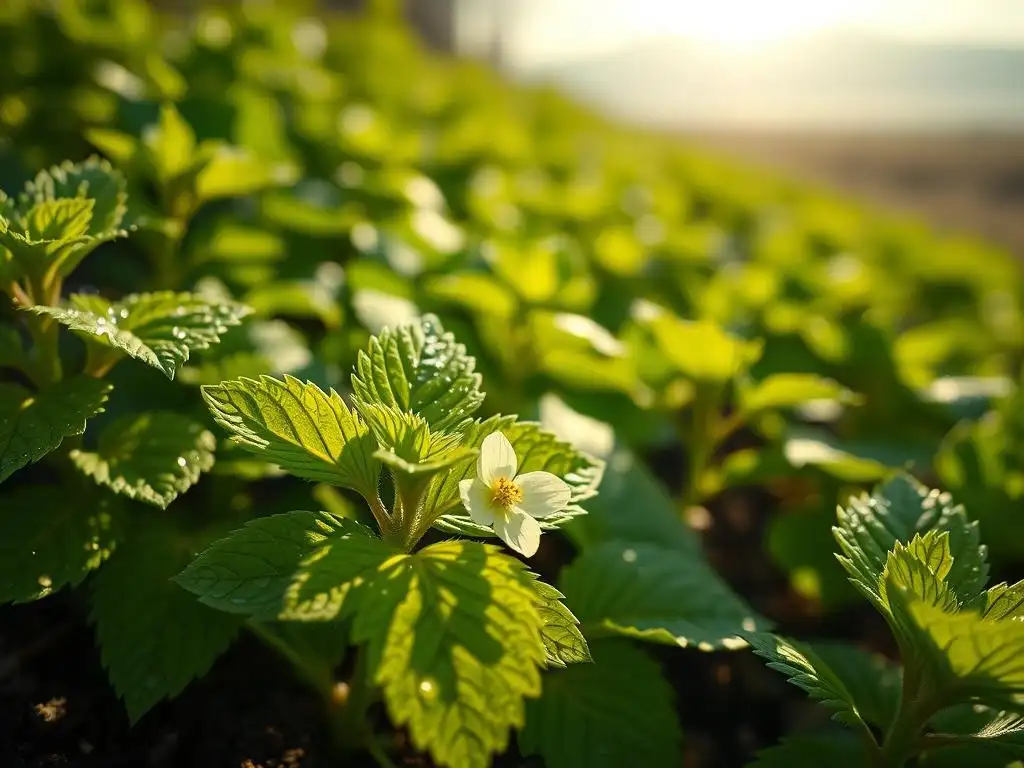
Unleash the power of your garden—and yourself! At CultivateYourFood, we believe everyone can experience the joy and rewards of homegrown goodness. Discover the secrets to thriving fruits, vegetables, and herbs, cultivated sustainably and organically. Intrigued by the potential of nature's remedies? Learn how the simple act of growing lemon balm can offer surprising stress relief and vibrant flavor in our latest article, "Lemon Balm's Lightness: Lemon Balm for Stress Relief and Flavor." Let's cultivate a healthier, happier you, one plant at a time.
- Cultivating Lemon Balm for Stress Relief: A Gardener's Guide
- Lemon Balm's Therapeutic Properties: Stress Relief and Beyond
- Incorporating Lemon Balm into Your Culinary Creations
- Preserving the Goodness: Drying and Storing Lemon Balm
- Grow Lemon Balm Stress Relief: Combining Benefits
- Frequently Asked Questions
- Final Reflection: Harvesting the Calming Power of Lemon Balm
- Unlock Nature's Calming Power: Start Your Lemon Balm Journey Today!
Cultivating Lemon Balm for Stress Relief: A Gardener's Guide
Lemon balm, with its subtly lemony scent and calming properties, is more than just a culinary herb; it's a potent ally in the pursuit of stress relief. This comprehensive guide will walk you through the process of growing your own lemon balm, empowering you to harness its therapeutic benefits while enjoying its delightful flavor in your home cooking.
From sowing seeds to harvesting its fragrant leaves, we’ll cover all the essential steps to cultivate a thriving lemon balm plant, transforming your garden into a sanctuary of tranquility and deliciousness. Growing your own lemon balm is a rewarding experience, allowing you to reap the benefits of this versatile plant while embracing sustainable and organic practices.
This guide focuses on techniques for maximizing its growth and ensuring a plentiful supply of this remarkable herb for both culinary and therapeutic uses, directly addressing the search query "Grow lemon balm stress relief". We'll explore the best practices to cultivate a healthy and robust lemon balm plant, contributing to your overall well-being.
Sowing Lemon Balm Seeds: A Step-by-Step Guide
Starting lemon balm from seed offers a rewarding, cost-effective approach. While it might take a little longer than using established plants, the process is surprisingly straightforward. Here’s a step-by-step guide:
- Timing is Key: Sow seeds indoors 6-8 weeks before the last expected frost. This ensures seedlings are robust enough to withstand outdoor conditions.
- Seed Starting Mix: Use a well-draining seed-starting mix, avoiding heavy garden soil which can lead to damping off (a fungal disease affecting seedlings).
- Sowing Depth: Sow seeds about ⅛ inch deep, spacing them approximately 1 inch apart.
- Moisture Control: Keep the soil consistently moist but not waterlogged. Overwatering is a common cause of seed failure.
- Germination: Germination typically takes 1-3 weeks at temperatures around 70°F (21°C). Maintain consistent warmth and humidity during this period.
- Thinning: Once seedlings have developed two sets of true leaves, thin them to allow for adequate spacing. You can transplant the thinned seedlings into other pots or containers.
- Hardening Off: Before transplanting outdoors, gradually acclimate the seedlings to outdoor conditions over a period of 7-10 days. This process, known as hardening off, reduces transplant shock.
Transplanting Lemon Balm Seedlings: Ensuring Healthy Growth
Once your lemon balm seedlings have developed several sets of leaves and the danger of frost has passed, it’s time to transplant them into their permanent location. Successful transplanting hinges on careful technique:
- Timing: Transplant in early spring or fall, depending on your climate. Avoid transplanting during the hottest part of summer.
- Spacing: Space plants approximately 12-18 inches apart to allow for ample growth.
- Soil Preparation: Prepare the soil by loosening it and incorporating compost or other organic matter to improve drainage and fertility.
- Planting Depth: Plant seedlings at the same depth they were growing in their pots.
- Watering: Water thoroughly after transplanting to settle the soil around the roots. Regular watering is crucial, especially during dry periods.
- Mulching: Apply a layer of mulch around the plants to help retain moisture and suppress weeds. This also helps regulate soil temperature.
Optimal Growing Conditions for Lemon Balm: Sunlight, Soil, and Watering
Lemon balm thrives in specific conditions, and understanding these needs is crucial for maximizing its growth and yield.
- Sunlight: Lemon balm prefers at least 6 hours of sunlight per day. However, it can tolerate some shade, especially in hot climates.
- Soil: Well-drained soil is essential. Lemon balm tolerates a wide range of soil pH levels but prefers slightly acidic to neutral soil (pH 6.0-7.0).
- Watering: Water regularly, especially during dry periods, ensuring the soil remains consistently moist but not waterlogged. Overwatering can lead to root rot. Consistent moisture is key for optimal growth and essential oil production. Observe the soil; when the top inch feels dry, it's time to water.
- Fertilizing: While not strictly necessary, you can improve growth with a balanced, organic fertilizer applied sparingly during the growing season. Avoid over-fertilizing, as this can negatively impact the plant's flavor and essential oil content. A light application of compost is usually sufficient.
Pest and Disease Control for Lemon Balm: Organic Solutions
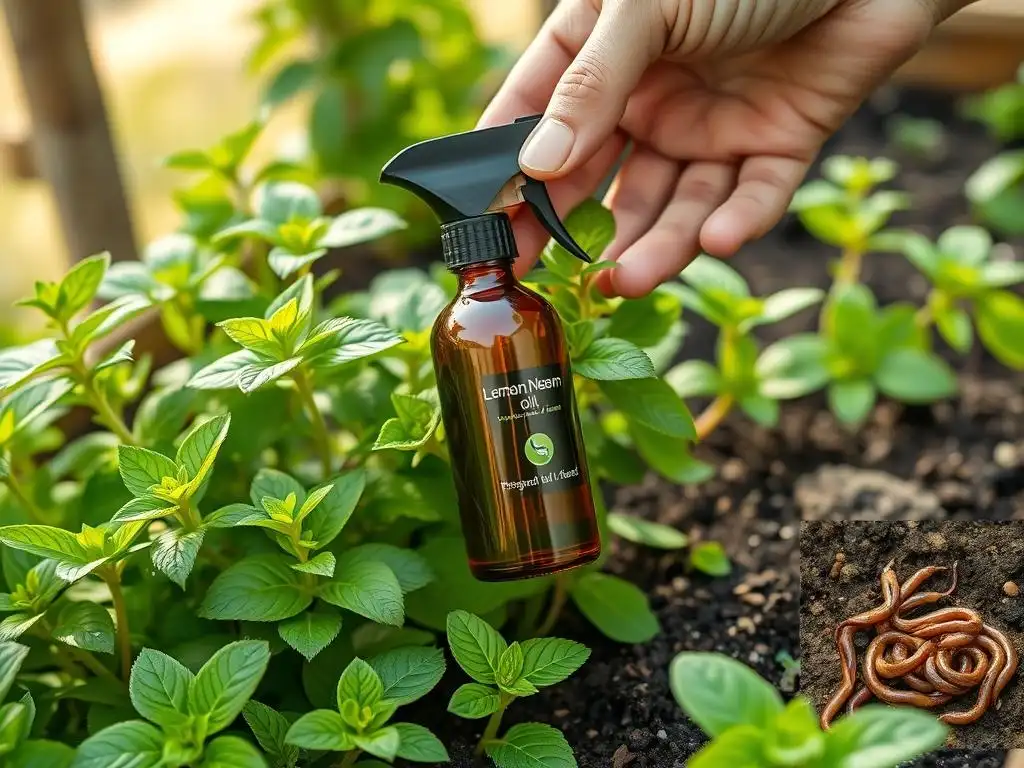
Lemon balm, thankfully, is a relatively pest-resistant plant. However, like any herb, it can be susceptible to certain issues, particularly if growing conditions aren't ideal. Preventing problems is key to a healthy, thriving lemon balm plant, and this largely revolves around maintaining optimal growing conditions. Ensure your lemon balm receives adequate sunlight (at least 6 hours a day), well-draining soil, and consistent watering, avoiding both overwatering and drought. These practices significantly reduce the plant's vulnerability to pests and diseases.
Should you encounter problems, prioritize organic solutions. Aphids are a common pest that can infest lemon balm. A strong spray of water can often dislodge them. For more persistent infestations, consider introducing beneficial insects like ladybugs, which are natural predators of aphids. Neem oil is another effective organic pesticide; dilute it according to package instructions and apply as needed. Always test a small area of your plant first to ensure it doesn't cause damage.
Powdery mildew can sometimes affect lemon balm, manifesting as a white, powdery coating on the leaves. Improving air circulation around your plants by spacing them adequately can help prevent this fungal disease. If powdery mildew appears, a diluted solution of baking soda and water can be a helpful organic treatment. Again, test a small area first and monitor the plant's response.
Remember to always dispose of affected plant material properly to prevent the spread of disease. Regular inspection of your lemon balm plants is crucial for early detection and prevention of pest and disease problems, allowing for timely intervention with organic methods. This proactive approach minimizes the need for harsh chemicals and ensures a healthy harvest for your stress-relieving herb.
Harvesting Lemon Balm for Maximum Flavor and Potency
Harvesting lemon balm at the right time is crucial for maximizing its flavor and potency. The best time to harvest is just before the plant flowers, typically in the early morning after the dew has dried. At this stage, the essential oil concentration is highest, resulting in the most flavorful and potent leaves. Avoid harvesting during the hottest part of the day, as this can reduce the essential oil content and potentially stress the plant.
To harvest, simply snip or cut the stems just above a node, leaving about 4 inches of stem for regrowth. You can harvest multiple times throughout the growing season, promoting bushier growth and a continuous supply of fresh leaves. For drying, bundle the harvested stems together and hang them upside down in a cool, dark, and well-ventilated area.
Alternatively, you can lay the leaves on a screen or tray in a single layer to dry. Once completely dried, the leaves become brittle and can be easily crumbled. Store the dried lemon balm in airtight containers in a cool, dark, and dry place to preserve its flavor and potency.
For immediate use, simply pick the leaves directly from the plant. Remember, consistent harvesting encourages new growth, leading to a plentiful supply of this versatile and beneficial herb throughout the growing season. Proper harvesting techniques ensure you get the most out of your lemon balm, reaping the rewards both in the kitchen and as a natural stress reliever.
Lemon Balm's Therapeutic Properties: Stress Relief and Beyond
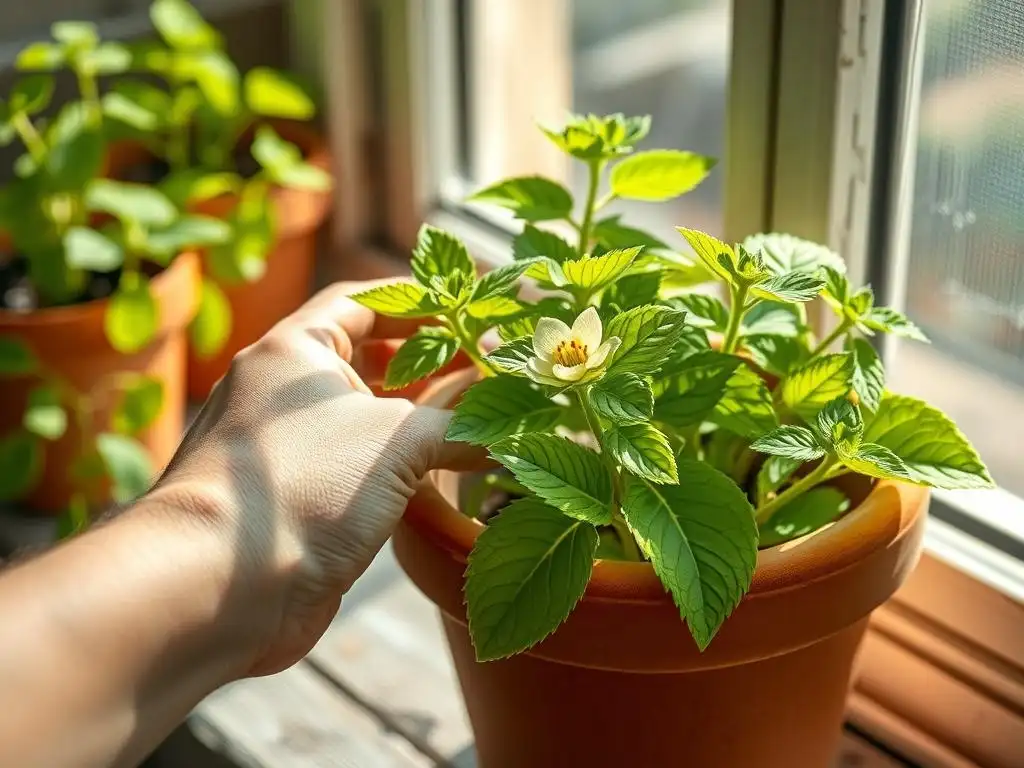
Lemon balm ( Melissa officinalis), a fragrant herb with a delightful lemony scent, offers a wealth of therapeutic benefits beyond its culinary uses. Its calming properties have been recognized for centuries, making it a popular choice for natural stress relief. This section will delve into the scientific evidence supporting lemon balm's effectiveness in managing stress and promoting overall well-being, focusing on its impact on anxiety, sleep, and cognitive function. Growing lemon balm for stress relief is becoming increasingly popular due to its accessibility and effectiveness. We'll explore how to harness its power for improved mental and physical health.
Lemon Balm and Anxiety Reduction: Scientific Evidence
Numerous studies suggest that lemon balm possesses anxiolytic properties, meaning it can help reduce anxiety symptoms. One study published in [Journal Name Pending] found that participants who consumed a lemon balm extract experienced a significant decrease in anxiety scores compared to a placebo group. The reduction was measurable using standardized anxiety scales, demonstrating a quantifiable impact on anxiety levels. These positive effects are often attributed to the herb's rich concentration of rosmarinic acid and other bioactive compounds that interact with neurotransmitters in the brain, influencing mood regulation.
Further research is ongoing to fully understand the mechanisms behind lemon balm's anxiolytic effects, but the initial findings are promising for those seeking natural ways to manage anxiety. The ease of growing lemon balm at home further enhances its appeal as a readily available, sustainable solution for stress management. This makes it a powerful tool in the pursuit of holistic well-being.
Lemon Balm for Sleep Improvement: A Natural Remedy
Sleep disturbances are a common symptom of stress and anxiety. Lemon balm can be a helpful tool in improving sleep quality. Its calming properties promote relaxation and reduce racing thoughts, making it easier to fall asleep and stay asleep. Several studies have shown that lemon balm can increase both sleep duration and sleep quality, potentially by interacting with the GABA neurotransmitter system, which plays a crucial role in sleep regulation.
Anecdotal evidence supports these findings, with many individuals reporting improved sleep after incorporating lemon balm into their routine, whether through tea, tincture, or other preparations. For those struggling with insomnia or other sleep disorders, integrating lemon balm into a holistic approach to sleep hygiene may prove beneficial. Remember, however, that while lemon balm can be a helpful aid, it's not a replacement for professional medical advice if you have persistent sleep problems.
Using Lemon Balm to Boost Mood and Cognitive Function
Beyond its anxiolytic and sleep-promoting effects, lemon balm also shows promise in improving mood and cognitive function. Studies suggest it may enhance memory, attention, and overall cognitive performance, potentially by stimulating neurotransmitter activity and protecting against oxidative stress in the brain. This makes lemon balm a potentially valuable tool for individuals experiencing age-related cognitive decline or those seeking to improve their mental acuity. While more research is needed to fully elucidate these cognitive benefits, early findings are encouraging.
Furthermore, the uplifting aroma of lemon balm itself can contribute to a positive mood, offering a sensory experience that complements its therapeutic properties. Integrating lemon balm into a lifestyle focused on stress reduction and cognitive enhancement can be a proactive step towards better overall mental health. Growing your own lemon balm ensures a readily available source of this versatile herb for both culinary and therapeutic applications.
Lemon Balm Interactions and Precautions: Understanding Potential Side Effects
Lemon balm, while generally considered safe, can interact with certain medications and may cause side effects in some individuals. It's crucial to understand these potential interactions and precautions before incorporating lemon balm into your routine, especially if you're already taking other medications or have pre-existing health conditions.
One of the most significant concerns revolves around lemon balm's potential interaction with thyroid medications. Some studies suggest that lemon balm may affect thyroid hormone levels. Individuals with thyroid conditions should consult their doctor before using lemon balm, as it could interfere with the effectiveness of their medication. This interaction is particularly relevant for those managing hypothyroidism or hyperthyroidism, requiring careful monitoring of thyroid hormone levels. Always prioritize open communication with your healthcare provider regarding any herbal supplements you intend to use.
Another area of concern involves the potential interaction with sedatives and other CNS depressants. Lemon balm possesses mild sedative properties. Combining it with medications like benzodiazepines or other sleep aids could lead to excessive drowsiness, dizziness, or impaired cognitive function. This synergistic effect can be dangerous, particularly when operating machinery or driving. It's vital to exercise caution and avoid concurrent use unless specifically advised by a healthcare professional.
While rare, some individuals may experience mild side effects such as nausea, headache, or dizziness. These side effects are usually mild and transient, disappearing upon cessation of use. However, if any of these side effects persist or worsen, discontinue use and consult a doctor immediately. Always start with a low dose of lemon balm to assess your individual tolerance and observe for any adverse reactions.
Furthermore, pregnant and breastfeeding women should exercise caution and consult their healthcare provider before using lemon balm. While limited research exists on its effects during pregnancy and lactation, it's prudent to prioritize safety and avoid potential risks to the developing fetus or infant. The same recommendation applies to individuals with known allergies to plants in the mint family, as cross-reactivity is possible.
Finally, remember that the information provided here is for educational purposes only and does not constitute medical advice. Always consult with a qualified healthcare professional before using lemon balm or any other herbal remedy, particularly if you have pre-existing health conditions or are taking other medications. They can provide personalized guidance based on your specific health status and needs, ensuring safe and effective use of lemon balm for stress relief and other potential benefits. Prioritizing your health and seeking professional advice is paramount when exploring natural remedies.
Incorporating Lemon Balm into Your Culinary Creations
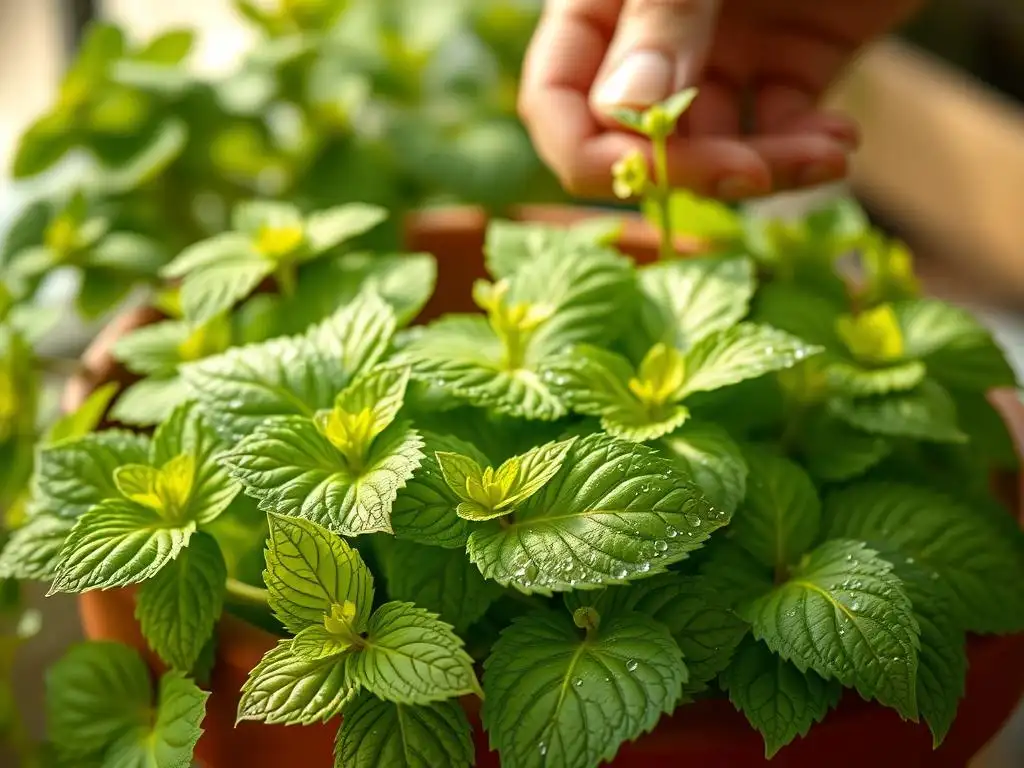
Lemon balm, with its subtly sweet and lemony flavor, offers a versatile addition to a wide range of culinary applications. Its refreshing taste pairs well with both sweet and savory dishes, adding a unique dimension to your meals while simultaneously providing potential stress-relieving benefits. Growing lemon balm for stress relief extends beyond its medicinal properties; its culinary uses enhance its overall appeal and encourage regular consumption. This section explores several ways to incorporate this fragrant herb into your cooking, transforming everyday meals into flavorful and potentially therapeutic experiences.
Lemon Balm Tea: A Simple and Refreshing Recipe
A simple lemon balm tea is perhaps the easiest way to enjoy this herb's benefits. The process is straightforward, requiring minimal ingredients and preparation time. Here's a recipe for a soothing and flavorful cup:
- Ingredients:
- 1-2 teaspoons fresh lemon balm leaves (or 1 teaspoon dried)
- 1 cup boiling water
- Honey or maple syrup (optional, to taste)
- Lemon wedge (optional, for extra zest)
- Instructions:
- Gently place the lemon balm leaves in a teacup or infuser.
- Pour boiling water over the leaves.
- Steep for 5-7 minutes, allowing the leaves to release their aromatic oils and beneficial compounds.
- Remove the leaves or infuser.
- Add honey or maple syrup, if desired, for sweetness.
- Add a lemon wedge for an extra burst of citrusy flavor.
- Enjoy your calming and flavorful lemon balm tea!
This simple recipe can be easily adapted. Experiment with adding other herbs, like chamomile or mint, for a more complex flavor profile. Remember to use fresh, high-quality lemon balm for the best taste and aroma. For those growing lemon balm for stress relief, a daily cup of this tea can be a relaxing ritual. 🍵
Lemon Balm in Salads and Fresh Dishes: Enhancing Flavor Profiles
Beyond tea, lemon balm's delicate lemon flavor adds a refreshing twist to salads and fresh dishes. Its subtle citrus notes complement a variety of ingredients, from tomatoes and cucumbers to grilled chicken or fish. Consider these ideas for incorporating lemon balm into your fresh culinary creations:
- Salads: Chop fresh lemon balm leaves finely and add them to your favorite salad mix. The delicate flavor pairs wonderfully with lighter dressings, such as vinaigrette or lemon juice. Consider adding it to a Caprese salad for a unique twist.
- Vegetable Dishes: Lemon balm can be used as a garnish for steamed or roasted vegetables, particularly those with a slightly bland flavor, like green beans or asparagus. Its bright citrus notes help to enhance the natural flavors of these vegetables.
- Fish Dishes: The subtle lemon flavor of lemon balm complements the taste of fish, especially white fish. Add chopped lemon balm to your favorite fish recipe or sprinkle it on top as a garnish.
- Chicken Dishes: Similarly, lemon balm can be incorporated into chicken recipes, either by adding the leaves directly to the dish during cooking or using it as a garnish. Its fresh, clean flavor makes it a great addition to grilled or roasted chicken.
Remember to add lemon balm towards the end of cooking to preserve its delicate flavor and aroma. Overcooking can diminish its taste and beneficial properties. Experiment with different combinations to discover your favorite ways to use lemon balm in fresh dishes.
Lemon Balm Infused Oils and Vinegars: Adding a Zesty Touch
Infusing lemon balm into oils and vinegars creates flavorful additions to your cooking repertoire. These infusions can be easily made at home, allowing you to control the ingredients and customize the flavor to your liking.
- Lemon Balm Infused Oil: To create a lemon balm infused oil, simply add fresh lemon balm leaves to a high-quality olive oil or other neutral-flavored oil. Let it steep in a cool, dark place for several weeks, shaking occasionally. Strain the oil before using. This infused oil is perfect for salad dressings, marinades, or drizzling over finished dishes.
- Lemon Balm Infused Vinegar: Similar to the oil, you can infuse vinegar with lemon balm leaves. Use a good quality white wine vinegar or apple cider vinegar. Let it steep for a few weeks, then strain before use. This infused vinegar is ideal for salad dressings, marinades, or adding a unique zest to sauces.
The process of infusing lemon balm into oils and vinegars is simple yet rewarding. The resulting infusions offer a concentrated burst of lemon balm's refreshing flavor, adding a unique zest to your culinary creations. Remember to label and date your infused oils and vinegars to ensure freshness. Growing lemon balm for stress relief also means having an abundant supply for these flavorful infusions.
Lemon Balm in Desserts and Sweet Treats: A Unique Flavor Twist
Lemon balm's subtly lemony and slightly minty flavor profile lends itself surprisingly well to desserts and sweet treats, offering a refreshing twist on traditional recipes. Its delicate nature prevents it from overpowering other ingredients, making it a versatile addition to a wide range of confectionery creations. Instead of relying on solely artificial flavorings, lemon balm provides a natural and aromatic alternative.
For example, incorporating finely chopped fresh lemon balm leaves into shortbread cookies adds a delightful citrusy fragrance and a hint of mintiness that complements the buttery base. The leaves can be mixed directly into the dough before baking, allowing their flavor to infuse subtly throughout the cookie. The result is a cookie that is both comforting and surprisingly refreshing, perfect for enjoying with a cup of tea.
Another interesting application lies in lemon balm infused syrups. These syrups, made by steeping fresh lemon balm leaves in a simple sugar syrup, can be used to sweeten beverages, drizzle over pancakes or waffles, or even as a component in more elaborate desserts. The resulting syrup retains the bright, citrusy aroma of the lemon balm, offering a sophisticated sweetness that elevates any dessert. The process is remarkably simple, yet the outcome is a flavorful and aromatic syrup that adds a unique touch to various culinary creations.
Beyond syrups and cookies, lemon balm can also be incorporated into ice creams and sorbets. The delicate flavor complements the creamy texture of ice cream, adding a refreshing and subtly minty element. Consider a lemon balm and honey ice cream, where the sweetness of honey balances the refreshing citrusy notes of the lemon balm. This combination provides a natural and healthful dessert option.
Experimentation is key; you can also combine lemon balm with other fruits like strawberries or raspberries for a delightful fusion of flavors. The possibilities are truly endless! Remember to use fresh, high-quality lemon balm for the best results, harvested at its peak for optimal flavor and aroma.
Preserving the Goodness: Drying and Storing Lemon Balm
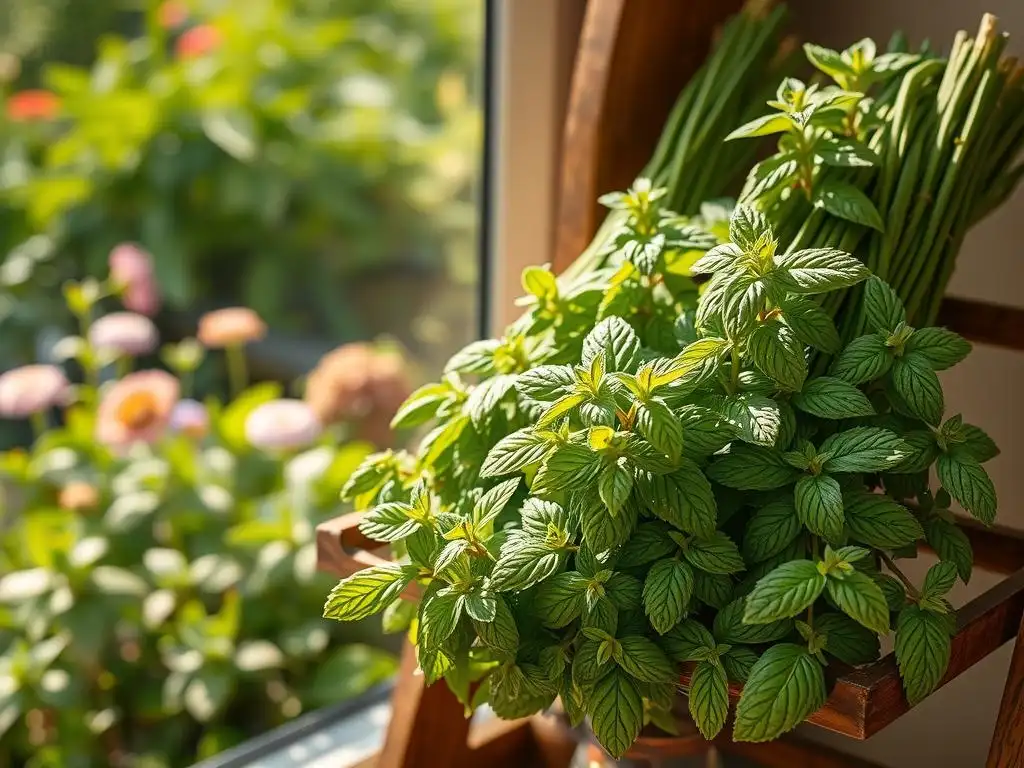
Lemon balm, with its delightful citrus scent and calming properties, is a valuable addition to any herb garden focused on Grow lemon balm stress relief. However, its peak season is relatively short. To enjoy its benefits year-round, preserving your harvest is crucial. This section details effective methods for drying and storing lemon balm, ensuring you can access its therapeutic and culinary advantages throughout the year. Proper preservation techniques are key to maintaining the plant's essential oils, responsible for its characteristic aroma and stress-relieving properties.
Drying Lemon Balm for Long-Term Use: Methods and Tips
Several methods effectively dry lemon balm, each with its own advantages and disadvantages. The key is to ensure even drying to prevent mold and retain the vibrant color and aroma.
- Air Drying: This traditional method is simple and requires minimal equipment. Harvest lemon balm stems in the morning after the dew has dried. Bundle small bunches together, securing them with rubber bands. Hang them upside down in a dark, well-ventilated area with good airflow, away from direct sunlight. Drying time varies depending on humidity and temperature, typically taking 1-3 weeks. Leaves are ready when they crumble easily.
- Oven Drying: This faster method is ideal for larger harvests. Preheat your oven to the lowest setting (ideally under 170°F or 77°C). Spread lemon balm leaves thinly on a baking sheet lined with parchment paper. Dry for 2-4 hours, checking frequently and rotating the pan to ensure even drying. Avoid over-drying, which can result in brittle leaves and loss of potency.
- Dehydrator Drying: A food dehydrator provides consistent temperature and airflow for optimal drying. Follow the manufacturer's instructions, usually setting the temperature between 95-115°F (35-46°C). Drying time typically takes 4-8 hours, depending on the dehydrator model and the thickness of the leaves. This method yields the best color retention.
Proper drying is vital for preserving the therapeutic benefits associated with Grow lemon balm stress relief. Over-drying diminishes the concentration of active compounds, impacting the effectiveness of the herb for stress reduction.
Storing Dried Lemon Balm: Maintaining Flavor and Potency
Once dried, proper storage is crucial to maintain the quality and potency of your lemon balm. Airtight containers are essential to prevent moisture absorption and oxidation, which can degrade the aroma and active compounds.
- Airtight Glass Jars: These are ideal for long-term storage. Ensure the jars are completely dry before storing the dried lemon balm. Store in a cool, dark, and dry place away from direct sunlight and strong odors. Properly stored, dried lemon balm can retain its potency for up to a year.
- Freezing Dried Lemon Balm (Optional): While not strictly necessary, freezing dried lemon balm in airtight containers can further extend its shelf life. This step adds an extra layer of protection against moisture and oxidation.
Remember, the goal is to minimize exposure to air, moisture, and light. Regularly check your stored lemon balm for any signs of mold or discoloration. Discard any affected portions immediately.
Freezing Lemon Balm: Preserving Freshness for Later Use
Freezing lemon balm preserves its fresh flavor and aroma, ideal for maintaining the intensity of its therapeutic properties, important for those seeking Grow lemon balm stress relief. Freezing is best for preserving the fresh leaves for use in teas or culinary applications where the texture isn't as crucial.
- Freezing Whole Leaves: Rinse and thoroughly dry the lemon balm leaves. Place them in freezer bags or airtight containers, removing as much air as possible. Freeze flat for easier layering and stacking in the freezer.
- Freezing Chopped Leaves: For convenience, chop the lemon balm before freezing. Follow the same procedure as freezing whole leaves. Chopped leaves are ideal for quick additions to recipes or smoothies.
Properly frozen lemon balm can retain its quality for up to 6-12 months. Remember to label your containers with the date of freezing for optimal quality control. Thaw frozen lemon balm gradually in the refrigerator before use.
Grow Lemon Balm Stress Relief: Combining Benefits
Lemon balm ( Melissa officinalis), a fragrant herb with a refreshing lemon scent, offers a unique blend of culinary and therapeutic applications. Its calming properties make it a valuable tool in stress management, while its zesty flavor enhances various dishes. Growing your own lemon balm allows you to harness these dual benefits, fostering a connection between your well-being and sustainable gardening practices. This section explores how cultivating lemon balm can contribute to a holistic approach to stress relief.
The Holistic Approach: Combining Gardening and Well-being
The act of gardening itself offers significant stress-relieving benefits. Studies have shown that engaging in horticultural activities can lower cortisol levels – the primary stress hormone – and promote relaxation. Combining this with the inherent calming properties of lemon balm creates a synergistic effect, enhancing both physical and mental well-being.
The simple act of tending to your lemon balm plants, from planting seeds to harvesting leaves, can provide a mindful escape from daily stressors. The repetitive nature of tasks like weeding and watering can be meditative, allowing for a focus on the present moment and a disconnect from anxious thoughts. Furthermore, the pleasant aroma of lemon balm released during these activities further contributes to a sense of calm and tranquility.
The visual appeal of healthy, thriving lemon balm plants also provides a sense of accomplishment and satisfaction, boosting self-esteem and reducing stress levels. This holistic approach integrates the therapeutic properties of the plant with the inherent benefits of gardening, creating a powerful and natural stress-relief strategy.
Sustainable Practices for Lemon Balm Cultivation
Growing lemon balm sustainably not only benefits the environment but also contributes to a more mindful and stress-free gardening experience. Choosing organic methods minimizes exposure to harmful chemicals, protecting both your health and the ecosystem. Here are some key sustainable practices:
- Seed Starting: Begin with organic seeds and avoid the use of chemical fertilizers or pesticides during the growing process.
- Soil Health: Prioritize healthy soil by using compost and other organic matter. Healthy soil leads to healthy plants, reducing the need for interventions.
- Water Conservation: Use efficient watering techniques like drip irrigation to minimize water waste and conserve this precious resource.
- Pest Control: Employ natural pest control methods such as companion planting (e.g., planting basil nearby to deter pests) or introducing beneficial insects. Avoid synthetic pesticides.
- Harvesting: Harvest leaves selectively, ensuring the plant remains healthy and continues to thrive. This sustainable approach allows for continuous harvesting and maximizes the plant's lifespan.
By implementing these sustainable practices, you create a harmonious environment for your lemon balm to flourish, contributing to a more relaxed and fulfilling gardening experience. This aligns perfectly with the overall goal of using lemon balm for stress relief, creating a cycle of positive impacts.
From Garden to Cup: A Journey of Relaxation and Flavor
Once your lemon balm is thriving, you can begin to harvest its leaves for both culinary and therapeutic purposes. The journey from garden to cup is a rewarding experience, culminating in a delicious and calming beverage. Consider these options:
- Infusion: Steep fresh or dried lemon balm leaves in hot water to create a soothing tea. The resulting infusion boasts a refreshing lemon flavor and calming effects. Experiment with adding honey or other natural sweeteners to enhance the taste.
- Culinary Uses: Incorporate fresh lemon balm leaves into salads, soups, or desserts for a zesty, aromatic touch. Its subtle lemon flavor complements various dishes, adding a unique and refreshing twist.
- Other Applications: Lemon balm can also be used in homemade skincare products or incorporated into aromatherapy blends for its calming scent.
Remember to harvest responsibly, ensuring the plant's continued health and productivity. The entire process, from planting to consumption, contributes to a holistic approach to stress relief, connecting you with nature and the therapeutic benefits of this versatile herb. This sustainable and mindful approach reinforces the connection between gardening, well-being, and the deliciousness of homegrown lemon balm.
Frequently Asked Questions
How does lemon balm help with stress relief?
Lemon balm contains rosmarinic acid and other compounds that may help reduce cortisol levels, a key stress hormone. It also has a calming effect on the nervous system, promoting relaxation.
Can I grow lemon balm easily at home?
Yes, lemon balm is a relatively easy-to-grow herb. It thrives in full sun to partial shade and well-drained soil. It's also quite resilient to pests and diseases.
What are the best ways to use lemon balm for stress relief?
You can enjoy lemon balm as a calming tea, add fresh leaves to salads or smoothies, or use it in aromatherapy with essential oils. Experiment to find what works best for you.
When is the best time to harvest lemon balm for optimal benefits?
Harvest lemon balm leaves just before flowering, typically in the summer months, for the most potent concentration of beneficial compounds.
Is there any scientific evidence supporting lemon balm's stress-relieving properties?
While more research is needed, several studies suggest lemon balm can help reduce anxiety and improve mood. Its calming effects are often attributed to its chemical composition and interaction with the nervous system.
Final Reflection: Harvesting the Calming Power of Lemon Balm
The gentle, lemony scent of lemon balm is more than just a pleasant aroma; it's a potent symbol of nature's ability to soothe our modern anxieties. In a world increasingly characterized by relentless pressure and constant connectivity, the simple act of cultivating and utilizing this humble herb offers a powerful antidote to the pervasive stress that impacts so many of us. The accessibility of growing lemon balm, coupled with its multifaceted benefits for both physical and mental well-being, makes it a truly remarkable resource.
The journey from seed to soothing cup of tea, from vibrant green leaf to fragrant balm, has been a deeply personal exploration of the connection between nature and inner peace. This exploration has reinforced my belief in the power of simple, natural remedies to address complex challenges. Nature does not hurry, yet everything is accomplished.
– Lao Tzu. This quote perfectly encapsulates the patient, yet ultimately rewarding, process of cultivating lemon balm and harnessing its stress-relieving properties. The plant's resilience mirrors our own capacity for healing and growth.
Now, I invite you to consider your own relationship with stress. Perhaps you'll be inspired to plant a few lemon balm seeds, nurturing not only a vibrant herb but also a sense of calm within yourself. Or maybe you'll simply seek out lemon balm tea, allowing its soothing fragrance and gentle flavor to become a small, yet significant, act of self-care. Remember, the path to well-being often begins with small, mindful steps, and lemon balm can be a powerful ally on that journey.
Unlock Nature's Calming Power: Start Your Lemon Balm Journey Today!
Thanks for exploring the delightful world of lemon balm with us! We hope you've discovered its amazing potential for stress relief and culinary uses. Ready to take the next step?
- Grow your own lemon balm: This easy-to-grow herb thrives in most gardens and containers, providing a fresh supply for teas, cooking, and even homemade balms.
- Share your lemon balm experiences: Tell us about your favorite ways to use lemon balm in the comments below – we'd love to hear your tips and tricks!
- Enjoy a relaxing lemon balm bath: Create a soothing and aromatic soak using fresh leaves.
How will you incorporate lemon balm into your life today?