
Growing Enough Food for a Family with Specific Dietary Restrictions

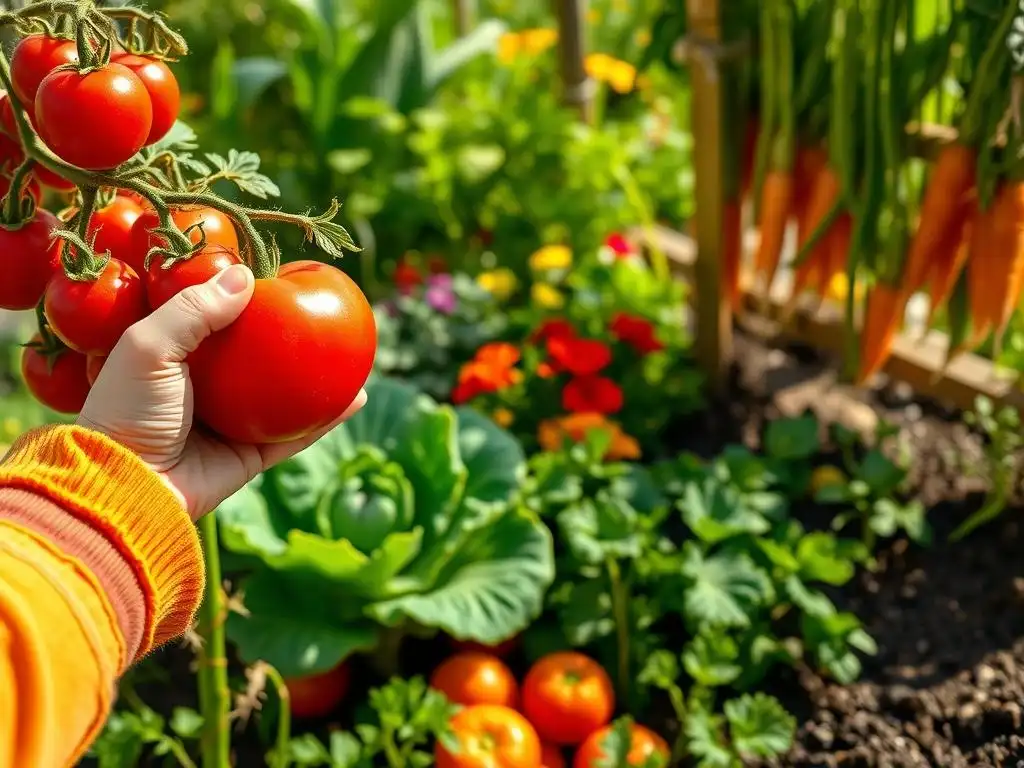
Welcome to CultivateYourFood, your guide to a bountiful and sustainable harvest! Are you dreaming of fresh, organic produce grown right in your backyard, tailored to your family's needs? Then you've come to the right place. Discover the secrets to organic family food gardening and learn how to cultivate a thriving garden, even with specific dietary restrictions. Let's embark on this journey together and unlock the potential of your own homegrown paradise – the details await!
- Planning Your Organic Garden for Gluten-Free Living
- Selecting and Planting Organic Seeds and Seedlings
- Organic Gardening Practices for Gluten-Free Diets
- Harvesting and Preserving Your Organic Family Food
- Expanding Your Organic Food Production
- Maintaining Your Organic Garden Throughout the Year
- Recipes and Meal Planning with Your Homegrown Organic Produce
-
Frequently Asked Questions
- How much space do I need for an organic family food garden?
- What organic pest control methods are best for family gardening?
- Can I grow enough food for my family with specific dietary restrictions organically?
- What are the best organic vegetables to grow for a family?
- How can I ensure my organic family garden is sustainable?
- Final Reflection: Cultivating Abundance, Nurturing Family
- Unlock Your Family's Food Freedom
Planning Your Organic Garden for Gluten-Free Living
Growing your own food offers incredible benefits: fresher produce, reduced food miles, and the satisfaction of nurturing your family's meals from seed to table. This is especially rewarding for families with specific dietary needs, such as those following a gluten-free diet. This article will guide you through planning an organic family food garden that successfully provides enough gluten-free fruits, vegetables, and herbs to nourish your loved ones.
We'll explore assessing your family's needs, selecting suitable plants, and preparing your soil for optimal growth using sustainable, organic practices. Successfully navigating "organic family food gardening" requires careful planning and understanding of your family's unique requirements, making homegrown, gluten-free food a delicious reality. Let's cultivate a thriving garden that supports a healthy and happy family!
Assessing Your Family's Gluten-Free Needs and Preferences
Before you even think about digging, understanding your family's gluten-free dietary needs is paramount. This involves more than just avoiding wheat, barley, and rye. Consider:
- Severity of Gluten Intolerance: Is it Celiac Disease, a gluten sensitivity, or a preference? The severity will influence the quantity of gluten-free foods you need to grow.
- Individual Preferences: Does your family prefer certain vegetables or herbs? Do you have any dislikes? Incorporating favorites ensures everyone enjoys the harvest.
- Seasonal Availability: Some gluten-free produce thrives in specific seasons. Plan your garden accordingly, perhaps utilizing techniques like succession planting to extend the harvest.
- Nutritional Needs: Ensure your chosen plants provide a balanced intake of vitamins and minerals, especially crucial on a restricted diet. Consider diversifying your crops to achieve this.
Creating a detailed list of your family's preferences and needs will be invaluable in selecting the right plants for your garden. Remember to account for the quantity needed to meet your family's consumption for the year, factoring in preserving techniques like freezing or canning for out-of-season enjoyment.
Choosing the Right Gluten-Free Vegetables and Herbs
Naturally, all fruits, vegetables, and herbs are inherently gluten-free. However, cross-contamination can occur during processing or storage. To ensure your harvest remains pure, focus on growing your own from certified organic seeds. Here are some excellent choices for a gluten-free garden:
| Vegetable Category | Recommended Gluten-Free Options | Notes |
|---|---|---|
| Leafy Greens | Spinach, Kale, Lettuce, Swiss Chard | High in nutrients and versatile in cooking. |
| Root Vegetables | Carrots, Beets, Potatoes, Sweet Potatoes, Parsnips | Provide essential vitamins and can be stored for extended periods. |
| Cruciferous Vegetables | Broccoli, Cauliflower, Cabbage, Brussels Sprouts, Kale | Excellent sources of fiber and antioxidants. |
| Other Vegetables | Tomatoes, Peppers (all types), Cucumbers, Zucchini, Squash | Offer diverse flavors and textures. |
| Herbs | Basil, Oregano, Rosemary, Thyme, Mint, Parsley, Cilantro | Enhance the flavor of your gluten-free meals and add nutritional value. |
Remember to consider the space requirements and growing seasons of your chosen plants. A well-planned layout maximizes yield and minimizes competition for resources.
Soil Preparation for Organic Gardening: Essential Nutrients and pH Levels
Healthy soil is the foundation of a successful organic garden. Before planting, conduct a soil test to determine its pH level and nutrient content. Ideally, your soil should be slightly acidic to neutral (pH 6.0-7.0) for most vegetables and herbs. Amend the soil as needed with organic matter such as compost, aged manure, or leaf mold to improve drainage, aeration, and nutrient availability.
Organic gardening prioritizes soil health, so avoid using chemical fertilizers or pesticides. Instead, utilize natural methods like cover cropping, crop rotation, and companion planting to maintain soil fertility and pest control. Remember that consistent soil testing and amendment are key to long-term soil health and bountiful harvests. A thriving soil ecosystem will ensure your gluten-free garden flourishes, providing a nutritious and delicious harvest for your family year after year. 🎉
Creating a Detailed Organic Garden Plan: Layout and Space Optimization
Creating a comprehensive organic garden plan is crucial for successful gluten-free family food gardening. This involves more than just deciding what to plant; it requires careful consideration of space optimization and efficient layout to maximize yield within your available area. Begin by accurately measuring your garden space. Consider not only the overall dimensions but also the orientation relative to the sun. South-facing plots generally receive the most sunlight, which is beneficial for many crops. However, in hotter climates, some afternoon shade might be advantageous.
Next, sketch a detailed plan on paper or using garden planning software. This visual representation will help you visualize the placement of different plants and pathways. Think about companion planting – strategically placing certain plants together to deter pests or improve growth. For example, basil is known to repel aphids, which can be beneficial if you're growing susceptible crops like lettuce or broccoli. Remember to account for the mature size of each plant; overcrowding can lead to reduced yields and increased susceptibility to disease.
Space optimization is key, especially when dealing with a limited area. Consider using vertical gardening techniques like trellises or raised beds to maximize space utilization. Vining plants like cucumbers or beans can climb vertically, freeing up valuable ground space for other crops. Raised beds are also excellent for improved drainage and soil management, particularly important for organic gardening. They allow for better control over soil composition and prevent compaction. Furthermore, the elevated position can improve access and reduce bending, making gardening more comfortable.
When planning your layout, remember to consider accessibility. Ensure that pathways are wide enough to allow for easy movement and harvesting. Keep in mind that you'll be spending considerable time in your garden, so comfortable access is paramount. Prioritize the placement of frequently accessed plants for easy reach.
Finally, incorporate a system for composting and water management into your plan. Composting reduces waste and provides nutrient-rich soil amendment, vital for organic practices. Efficient watering strategies, such as drip irrigation or soaker hoses, conserve water and prevent soil erosion. A well-planned garden is the cornerstone of successful organic family food gardening, ensuring a bountiful harvest of gluten-free produce.
Selecting and Planting Organic Seeds and Seedlings
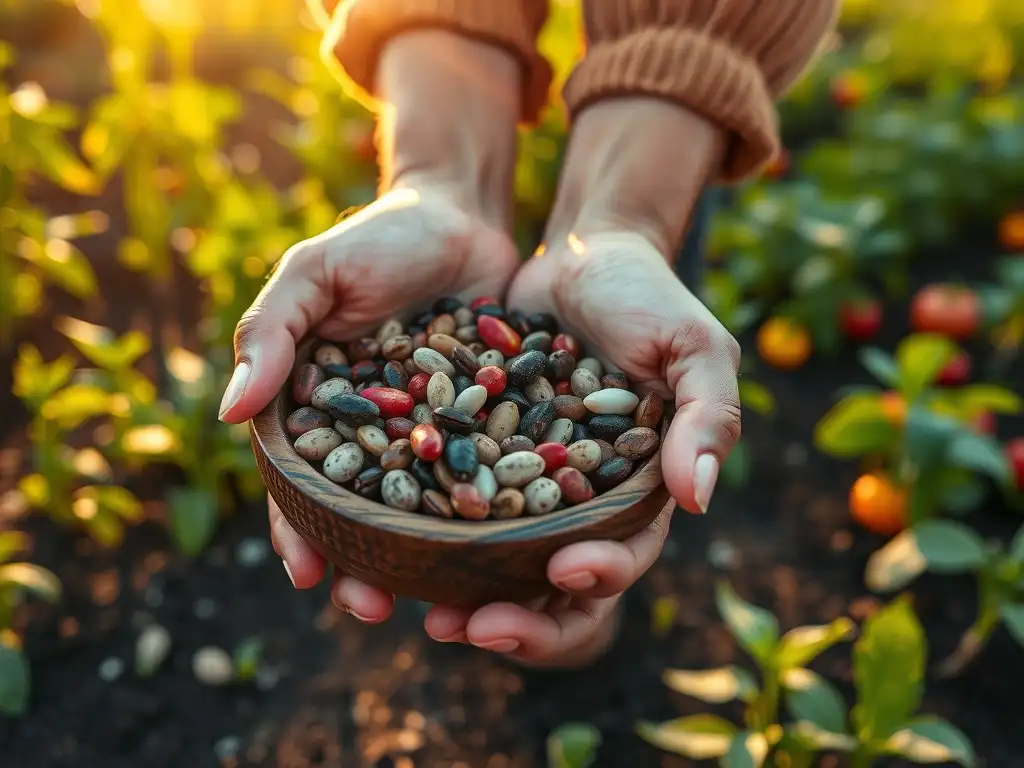
This section focuses on the crucial first steps in establishing your organic family food garden: selecting and planting high-quality seeds and seedlings. Success in "organic family food gardening" hinges on this foundational stage. Careful consideration of seed sourcing, planting timing, and starting techniques directly impacts your yield and the overall health of your plants.
Sourcing High-Quality Organic Seeds and Seedlings
Choosing organically grown seeds and seedlings is paramount for maintaining the integrity of your organic garden. Avoid seeds treated with chemical pesticides or fungicides. Look for reputable suppliers certified by organizations that adhere to strict organic standards. These certifications ensure the seeds haven't been exposed to harmful chemicals throughout their production.
Several factors contribute to high-quality organic seeds:
- Seed viability: High germination rates are essential. Look for seed packets that clearly state the germination percentage. A higher percentage indicates better chances of successful sprouting.
- Source reputation: Research seed companies known for their commitment to organic practices and quality control. Read reviews and check for certifications.
- Variety selection: Choose varieties suited to your climate and growing conditions. Consider disease resistance and maturity times. Some varieties are better suited for specific dietary needs, such as heirloom tomatoes for those with sensitivities to certain chemicals.
- Seed saving: Once you've found varieties that thrive in your garden, consider saving seeds from your healthiest plants to reduce costs and maintain genetic diversity in subsequent seasons. This practice is a cornerstone of sustainable "organic family food gardening".
Remember, investing in high-quality organic seeds is an investment in the health of your family and the long-term success of your garden. Don't skimp on this crucial step! Poor quality seeds can lead to disappointing yields and wasted effort.
Choosing the Best Planting Times for Your Climate and Crops
Timing is everything in gardening. Understanding your local climate's frost dates is crucial for determining when to plant your seeds and seedlings. Late frosts can decimate even the hardiest plants. Conversely, planting too early can result in stunted growth or even plant death.
Consult a local gardening guide or extension office to determine the average last frost date and first expected frost date in your area. This information will help you plan your planting schedule according to the specific needs of each crop. For example:
| Crop | Planting Time (Approximate) | Notes |
|---|---|---|
| Tomatoes | After last frost (warm soil) | Needs warm soil for germination |
| Lettuce | Earlier in spring (cooler soil) | Tolerates cooler temperatures |
| Beans | After last frost (warm soil) | Sensitive to frost |
| Peppers | After last frost (warm soil) | Similar to tomatoes, needs warm conditions |
Knowing the optimal planting times for your chosen crops is a key element of effective "organic family food gardening". Careful planning ensures your plants have the best possible chance to thrive. Remember to check the seed packet for specific planting instructions as well.
Organic Seed Starting Techniques for Maximum Germination
Starting seeds indoors before transplanting outdoors can give your plants a head start, leading to a larger harvest. However, success requires the right techniques. Organic seed starting prioritizes natural methods, avoiding chemical fertilizers and pesticides.
Here are some key organic seed starting techniques:
- Use organic seed-starting mix: Avoid using garden soil directly, as it can harbor diseases and pests. Opt for a sterile, organic seed-starting mix designed for optimal germination.
- Proper moisture levels: Keep the soil consistently moist but not soggy. Overwatering can lead to damping-off, a fungal disease that kills seedlings.
- Adequate light: Seedlings need sufficient light to grow strong and healthy. Use grow lights or place seedlings in a sunny location.
- Temperature control: Maintain a consistent temperature suitable for the specific seeds you are starting. Many seeds germinate best at warmer temperatures.
- Hardening off: Before transplanting seedlings outdoors, gradually acclimate them to the outdoor environment by exposing them to increasing amounts of sunlight and wind over several days. This process, known as hardening off, reduces transplant shock and improves survival rates. This is a crucial step for successful "organic family food gardening".
By following these organic seed starting techniques, you'll significantly increase your chances of healthy, vigorous seedlings ready to thrive in your garden. This careful attention to detail will contribute significantly to your overall harvest and the success of your "organic family food gardening" efforts.
Transplanting Seedlings: A Step-by-Step Guide for Success
Transplanting seedlings is a crucial step in organic family food gardening, allowing you to nurture young plants in a controlled environment before moving them to their permanent garden beds. Success hinges on careful timing, gentle handling, and proper preparation. This process minimizes transplant shock and maximizes the chances of a bountiful harvest. Let's explore the key steps involved.
First, timing is everything. Ideally, transplant your seedlings when they've developed several sets of true leaves (not cotyledons, the initial seed leaves) and are robust enough to handle the transition. Avoid transplanting during the hottest part of the day, opting instead for cooler mornings or evenings to reduce stress on the delicate plants. Furthermore, consider the weather forecast; avoid transplanting on days with predicted extreme temperatures or heavy rainfall. Proper timing significantly reduces the risk of transplant shock, a critical factor in seedling survival.
Next, gentle handling is paramount. When removing seedlings from their containers, avoid damaging their roots. Gently loosen the root ball by running a small trowel or your fingers around the inside of the container. If the roots are tightly bound (root-bound), carefully tease them apart to encourage outward growth. Rough handling can severely injure the roots, hindering the plant's ability to absorb water and nutrients, significantly impacting its growth and yield. Remember, these are the foundations of your future harvest!
Third, prepare the planting site meticulously. Ensure the soil is well-drained and loose enough to accommodate the seedlings' roots. Amend the soil with compost or other organic matter to improve its structure and nutrient content. This enriches the soil and provides a healthy environment for your plants to thrive in. Prior to transplanting, thoroughly water the planting area to ensure the soil is moist but not waterlogged. This provides an ideal environment for the roots to readily establish themselves.
Finally, planting itself should be a precise operation. Dig a hole slightly larger than the root ball. Carefully place the seedling in the hole, ensuring the top of the root ball is level with the surrounding soil. Gently fill in the hole, firming the soil around the base of the plant. Water gently after planting to help settle the soil and encourage root contact.
Avoid overwatering, which can lead to root rot, a common problem for newly transplanted seedlings. Following these steps increases the chances of successful transplanting and a thriving organic garden. Consistent monitoring and care are still essential for a healthy and productive harvest. Remember, patience and attention to detail are key to successful organic family food gardening!
Organic Gardening Practices for Gluten-Free Diets
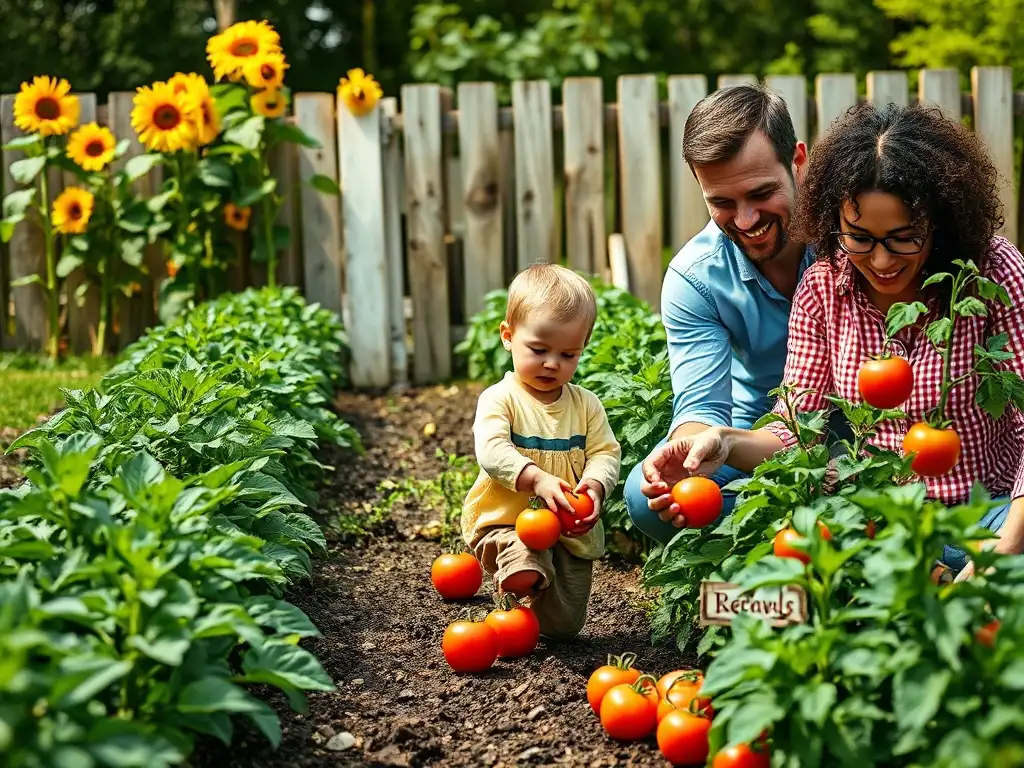
This section focuses on adapting organic gardening techniques to specifically support a gluten-free diet, ensuring the produce you grow is both healthy and safe for consumption. The key here is to maintain a completely contaminant-free growing environment, avoiding cross-contamination with gluten-containing crops or products. This is crucial for individuals with celiac disease or severe gluten intolerance.
Avoiding Pesticides and Herbicides: Safe Organic Pest Control Methods
Maintaining a pesticide-free environment is paramount for organic gardening, and even more so when catering to specific dietary needs. Conventional pesticides can leave residues on your produce, potentially causing health issues beyond gluten intolerance. Instead, embrace natural pest control methods.
These methods are not only safe for consumption but also contribute to a healthier ecosystem in your garden. Here are some effective strategies:
- Beneficial Insects: Introducing ladybugs, lacewings, and praying mantises can significantly reduce aphid and other pest populations. These predators naturally control pests, minimizing the need for chemical intervention.
- Companion Planting: Strategically planting certain plants together can deter pests. For instance, basil repels many insects, while marigolds can help control nematodes. Research companion planting combinations suitable for your chosen gluten-free crops.
- Natural Sprays: Use simple, homemade sprays like neem oil diluted in water, or a solution of water and insecticidal soap. These are effective against many common garden pests and are significantly less harmful than synthetic pesticides. Always test a small area first to ensure no negative impact on your plants.
- Physical Removal: Regularly inspect your plants for pests and remove them manually. This is particularly effective for slugs, snails, and caterpillars.
- Crop Rotation: Rotating your crops annually helps to disrupt pest life cycles and reduce the buildup of pests and diseases in the soil. This preventative measure is crucial for long-term garden health.
Remember to always thoroughly wash your produce before consumption, regardless of your pest control methods, to remove any lingering dirt or debris. This is a standard practice for all organic gardening, but especially critical when dealing with dietary restrictions.
Implementing Organic Fertilization Strategies for Healthy Growth
Nutrient-rich soil is vital for growing abundant and healthy gluten-free produce. Organic fertilization methods not only enhance plant growth but also contribute to soil health in the long run.
Avoid synthetic fertilizers, which can contain harmful chemicals and disrupt the soil's delicate ecosystem. Instead, opt for these organic alternatives:
- Composting: Composting kitchen scraps and yard waste provides a rich source of nutrients. A well-maintained compost bin will supply your garden with nutrient-rich organic matter, improving soil structure and fertility.
- Manure: Well-rotted animal manure, like cow or chicken manure, is an excellent source of organic nutrients. Ensure it is properly composted to avoid introducing harmful pathogens or weed seeds.
- Cover Crops: Planting cover crops like clover or rye between growing seasons helps to improve soil structure, suppress weeds, and add nutrients to the soil. These crops are then tilled back into the soil, adding organic matter.
- Worm Castings: Worm castings, also known as vermicompost, are a highly effective organic fertilizer rich in nutrients and beneficial microorganisms. They improve soil aeration and water retention.
The key is to regularly test your soil's pH and nutrient levels to determine the specific needs of your plants and adjust your fertilization strategy accordingly. A soil test kit can provide valuable insights into soil health and guide your fertilization choices. Remember that consistent soil testing and amendment are key to successful organic gardening.
Water Management for Optimal Yield in Your Organic Garden
Efficient water management is crucial for healthy plant growth, especially in organic gardening where you're avoiding synthetic chemicals that might otherwise aid in water retention. Overwatering can lead to root rot, while underwatering can stunt growth.
Here's how to optimize water usage in your gluten-free organic garden:
- Drip Irrigation: Drip irrigation systems deliver water directly to the roots of your plants, minimizing water waste and evaporation. This method is particularly efficient for conserving water and ensuring consistent moisture.
- Mulching: Applying a layer of mulch, such as straw or wood chips, around your plants helps to retain soil moisture, suppress weeds, and regulate soil temperature. This reduces the frequency of watering and minimizes water loss.
- Water Deeply but Less Frequently: Instead of frequent shallow watering, water deeply and less often to encourage deep root growth. This makes the plants more drought-tolerant and improves their overall health.
- Monitor Soil Moisture: Regularly check the soil moisture levels before watering. Stick your finger a couple of inches into the soil; if it feels dry, it's time to water. Avoid overwatering, which can lead to fungal diseases.
Efficient water management is essential for sustainable organic gardening, reducing water consumption while ensuring optimal growth of your gluten-free crops. Consider the specific water needs of your chosen plants and adapt your watering schedule accordingly. Observing your plants and adjusting your practices as needed will yield the best results.
Protecting Your Crops from Common Diseases and Pests
Organic family food gardening, especially when catering to specific dietary needs like gluten-free diets, requires extra vigilance in protecting your crops. Disease and pest infestations can decimate your harvest, leaving you with insufficient produce for your family. Fortunately, many effective organic pest and disease control methods exist, minimizing the need for harmful chemicals.
One crucial aspect is preventative care. Rotating your crops annually helps break pest and disease cycles. For example, if you planted tomatoes in a particular bed this year, avoid planting nightshades (like peppers or eggplants) in the same spot next year. This simple practice significantly reduces the likelihood of soilborne diseases affecting subsequent crops.
Furthermore, maintaining good soil health is paramount. Healthy soil, rich in organic matter and beneficial microbes, fosters strong, resilient plants better equipped to withstand attacks. Composting is a cornerstone of this approach; it provides a natural source of nutrients and improves soil structure, encouraging healthy root development.
Regular inspection of your plants is vital. Early detection of diseases or pests allows for quicker intervention, preventing widespread damage. Look for signs like discoloration on leaves, unusual spots or growths, wilting, or the presence of insects. A magnifying glass can be helpful for identifying smaller pests. Early intervention can often involve simple solutions such as removing affected leaves or plants, preventing the spread of disease or infestation.
Organic pest control methods are diverse and effective. Introducing beneficial insects like ladybugs, which prey on aphids, is a natural and sustainable approach. Creating habitats that attract these beneficial insects, such as planting flowering plants, can further enhance their presence in your garden. Another effective strategy is using physical barriers. Row covers can protect seedlings from pests like slugs and caterpillars.
Neem oil, a natural insecticide derived from the neem tree, is another effective organic option for controlling a range of pests. Always follow the instructions carefully and apply as needed. Remember that consistent monitoring and timely intervention are key to successful organic pest management in your organic family food garden. This holistic approach ensures a bountiful harvest while maintaining the integrity of your gluten-free, organic food supply. Careful planning and consistent vigilance are the cornerstones of success in organic family food gardening.
Harvesting and Preserving Your Organic Family Food
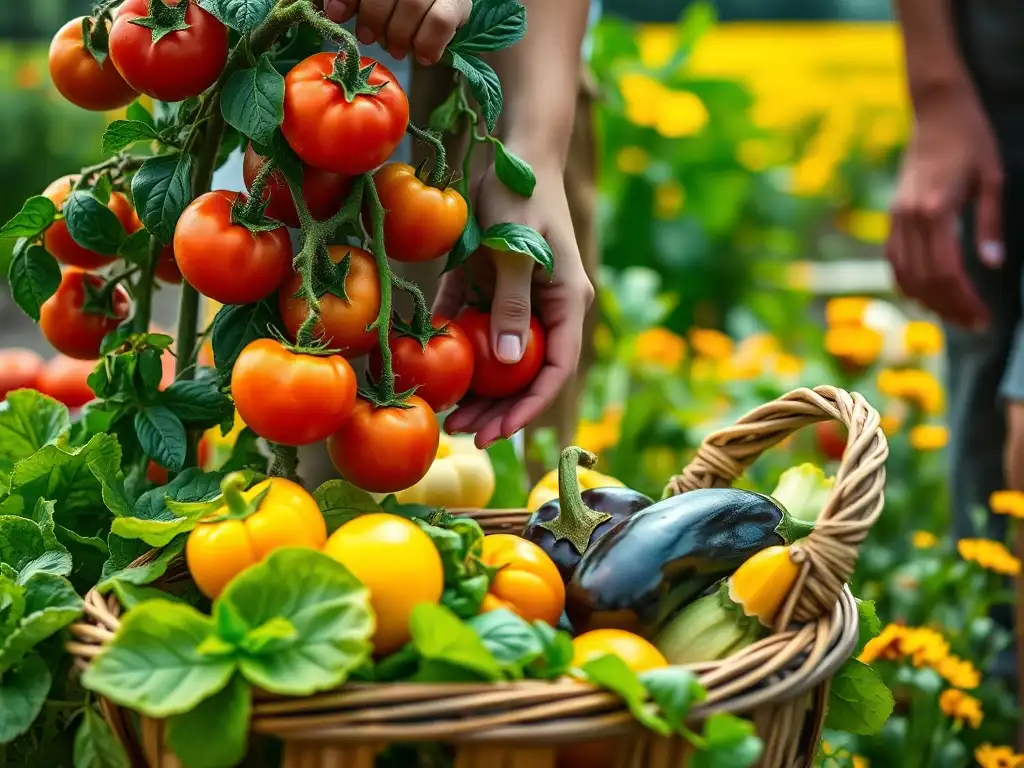
This section focuses on maximizing the yield and longevity of your organic family food garden. Proper harvesting and preservation techniques are crucial for ensuring you have enough nutritious food throughout the year, especially when catering to specific dietary needs. Remember, the goal of organic family food gardening is not just about growing food, but about preserving its quality and maximizing its nutritional value.
Knowing When to Harvest for Peak Flavor and Nutrition
Harvesting at the optimal time is paramount for both flavor and nutritional content. Overripe or underripe produce loses valuable nutrients and compromises taste. Here's a guide to harvesting some common garden staples:
- Tomatoes: Harvest when they are fully colored and slightly soft to the touch. Avoid green tomatoes unless you plan to ripen them indoors.
- Leafy Greens: Harvest young leaves regularly for continuous growth. For mature plants, harvest the entire plant before it bolts (goes to seed).
- Beans: Harvest snap beans while they are young and tender, before the pods become tough. Dry beans should be harvested when the pods are dry and brown.
- Peppers: Harvest peppers when they reach their mature color, which varies depending on the variety.
- Root Vegetables: Harvest root vegetables like carrots and potatoes when they reach their desired size, typically in late summer or fall.
Knowing your specific dietary needs will influence your harvesting strategy. For instance, if you have allergies to certain nightshades, you'll want to meticulously harvest tomatoes and peppers before they become overripe, preventing cross-contamination during the preserving process. Careful observation and planning are key to success in organic family food gardening.
Organic Food Preservation Techniques: Canning, Freezing, and Drying
Preserving your harvest extends its shelf life and allows you to enjoy the fruits (and vegetables!) of your labor throughout the year. Here are some proven methods for organic food preservation:
- Canning: This method involves sealing food in airtight jars after heating to kill harmful bacteria. Pressure canning is essential for low-acid foods like vegetables. Remember to follow safe canning practices to avoid botulism. Canning is a great way to preserve tomatoes, jams, and pickles, maximizing the yield from your organic family food gardening efforts.
- Freezing: Freezing is a simple and effective way to preserve many fruits and vegetables. Blanching (briefly boiling) vegetables before freezing helps retain their color, texture, and nutrients. Freezing is ideal for berries, peas, and green beans. Proper labeling and airtight containers are crucial for long-term storage.
- Drying: Drying removes moisture from food, inhibiting microbial growth. This method works well for herbs, beans, and some fruits. You can dry food naturally using air or sun, or use a food dehydrator for faster results. Dried foods are shelf-stable for a long time, offering a convenient way to enjoy your organic family food gardening harvest year-round.
Choosing the right preservation method depends on the type of food and your available resources. Consider the effort involved, storage space, and your family's preferences when making your selection.
Storing Your Harvest: Maintaining Freshness and Quality
Even with preservation, proper storage is essential for maintaining the quality of your harvest.
| Food Type | Storage Method | Expected Shelf Life |
|---|---|---|
| Fresh Herbs | Refrigerate in a damp paper towel | 1-2 weeks |
| Root Vegetables | Cool, dark, and dry place | Several months |
| Leafy Greens | Refrigerate in a plastic bag | 1 week |
| Tomatoes | Room temperature, avoid refrigeration | 1-2 weeks |
| Canned Goods | Cool, dark, and dry place | 1-2 years (or longer) |
| Frozen Goods | Freezer | Several months to a year |
| Dried Goods | Cool, dark, and dry place in airtight containers | Several months to a year |
Proper storage helps to prevent spoilage and maintain the nutritional value of your organically grown produce. Remember, rotating your stock and using older items first helps to minimize waste and maximize the enjoyment of your organic family food gardening efforts. Careful attention to detail at this stage ensures you reap the rewards of your hard work for as long as possible. 🥕🍅🍆
Expanding Your Organic Food Production
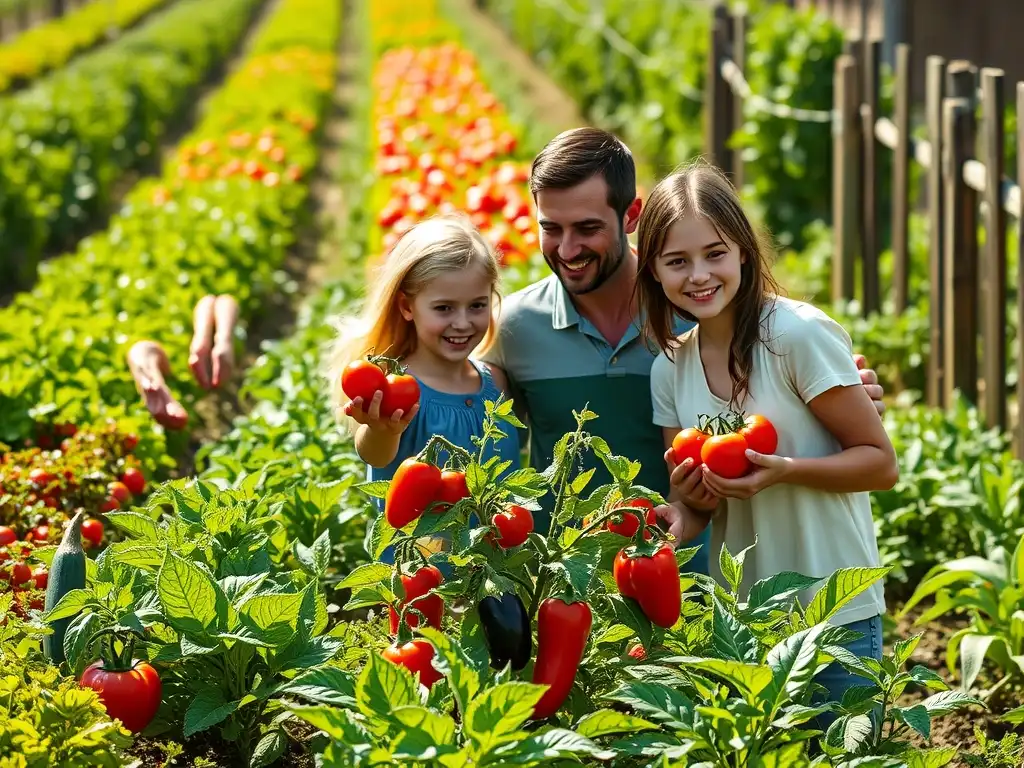
This section delves into strategies for increasing the yield and diversity of your organic family food garden, focusing on efficient space utilization and maximizing nutrient cycling. Successfully practicing organic family food gardening requires a holistic approach, considering not just vegetables but also fruits and herbs, alongside robust soil management techniques. Remember, the goal is sustainable and abundant harvests, minimizing environmental impact.
Growing Organic Fruits and Herbs to Complement Your Vegetables
Integrating fruits and herbs into your vegetable garden offers multiple benefits. Fruits, like strawberries, raspberries, or even dwarf fruit trees (depending on your space), can provide delicious additions to your diet and utilize vertical or otherwise underutilized space. Herbs, meanwhile, not only offer culinary versatility but also contribute to pest control and soil health. Many herbs, such as basil, mint, and rosemary, repel certain insects.
Consider these planting strategies:
- Companion Planting: Plant herbs amongst your vegetables. For example, basil thrives near tomatoes, repelling tomato hornworms, while marigolds deter nematodes.
- Vertical Gardening: Utilize trellises or hanging baskets for strawberries, climbing beans, and other vining plants to maximize space.
- Succession Planting: Plant fast-growing herbs like cilantro and dill throughout the growing season to ensure a continuous supply.
| Herb | Companion Plants | Pest Repellent Properties |
|---|---|---|
| Basil | Tomatoes, peppers, eggplant | Repels tomato hornworms, aphids |
| Mint | Cabbage, broccoli | Repels cabbage moths, aphids, flea beetles |
| Rosemary | Cabbage, beans | Repels cabbage moths, whiteflies |
| Marigolds | Most vegetables | Repels nematodes, some insects |
| Chamomile | Many vegetables | Attracts beneficial insects, improves soil health |
Remember to choose fruit and herb varieties suited to your climate and available sunlight. Researching suitable organic cultivars for your region is crucial for success. Proper organic fertilization and pest control are also essential to maximize yields.
Incorporating Composting and Worm Castings for Soil Enrichment
Healthy soil is the cornerstone of successful organic family food gardening. Composting and worm castings play vital roles in building fertile soil rich in organic matter. Composting transforms kitchen scraps and yard waste into nutrient-rich humus, improving soil structure, water retention, and nutrient availability. Worm castings, the excrement of composting worms (like Eisenia fetida), are a supercharged fertilizer, teeming with beneficial microorganisms and readily available nutrients.
Here's how to maximize their impact:
- Compost Tea: Brew compost tea to provide a liquid fertilizer rich in beneficial microbes. This is especially useful as a foliar spray or soil drench.
- Worm Composting Bins: Establish a worm composting bin to continuously produce worm castings. These bins are relatively easy to maintain and provide a steady supply of high-quality fertilizer.
- Layering Compost: Incorporate compost into your garden beds before planting, and top-dress throughout the growing season to maintain soil fertility.
The benefits of using compost and worm castings are numerous:
- Improved Soil Structure: Enhanced drainage and aeration.
- Increased Nutrient Availability: Provides essential macro and micronutrients for plant growth.
- Suppression of Soilborne Diseases: Beneficial microorganisms compete with pathogens.
- Enhanced Water Retention: Reduces the need for frequent watering.
Regular soil testing can help you determine the precise nutrient needs of your garden and adjust your composting and worm casting application accordingly.
Rotating Crops for Soil Health and Pest Management
Crop rotation is a fundamental principle of sustainable agriculture and is vital for organic family food gardening. Rotating crops helps prevent the buildup of pests and diseases, improves soil fertility, and reduces the need for chemical pesticides.
The basic principle involves planting different types of plants in the same location each year. This disrupts the life cycles of many pests and diseases specific to certain plant families. For example, tomatoes, peppers, and eggplants (all in the nightshade family) should not be planted in the same location year after year.
Here's a sample crop rotation plan for a three-year cycle:
Year 1: Leafy greens (lettuce, spinach) Year 2: Legumes (beans, peas) – nitrogen-fixing plants improve soil fertility. Year 3: Root vegetables (carrots, beets) or brassicas (cabbage, broccoli)
Consider these factors when planning your crop rotation:
- Plant Families: Group plants by their botanical families to effectively break pest and disease cycles.
- Nutrient Needs: Balance heavy feeders with lighter feeders to maintain soil fertility.
- Soil Type: Choose plants that thrive in your specific soil conditions.
Implementing a well-planned crop rotation strategy is crucial for long-term soil health and productivity, reducing your reliance on external inputs and maintaining a thriving organic garden. Careful planning, combined with consistent composting and other organic practices, will greatly enhance your chances of successfully growing enough organic food to meet your family's dietary needs.
Utilizing Vertical Gardening Techniques to Maximize Space
Vertical gardening is a game-changer for maximizing food production in limited spaces, a crucial aspect of successful organic family food gardening. This technique allows you to grow significantly more produce within the same footprint, making it ideal for smaller yards or even balconies. Think of it as adding another dimension to your garden. Instead of sprawling outwards, your plants climb upwards, utilizing vertical structures to their advantage.
One of the most effective ways to implement vertical gardening is through the use of trellises. These structures, ranging from simple DIY designs using bamboo stakes and twine to more elaborate store-bought options, provide support for climbing plants like tomatoes, cucumbers, beans, and peas. By training these plants to climb, you prevent them from sprawling on the ground, reducing the risk of disease and maximizing sunlight exposure for each plant.
This increased sunlight translates directly to healthier plants and a higher yield. Furthermore, proper trellising keeps the fruit and vegetables cleaner, reducing the risk of soilborne diseases and pests. Consider the variety of your plants when choosing a trellis; some varieties might require more robust support than others.
Another popular method is using hanging baskets. These are particularly useful for herbs, strawberries, and other smaller plants. Hanging baskets make efficient use of otherwise unused vertical space, such as under eaves or on fences. They also offer excellent air circulation, preventing fungal diseases that often plague plants in dense, humid environments. When choosing hanging baskets, pay attention to the size and weight capacity, especially once the plants mature and bear fruit. Regular watering is crucial for hanging baskets, as they dry out more quickly than in-ground plants. Consider self-watering options for added convenience.
Furthermore, consider vertical gardening structures like living walls. These are more ambitious projects, but they offer unparalleled density and aesthetic appeal. Living walls, which can be constructed using a variety of materials and techniques, allow you to cultivate a wide array of plants in a compact space. However, they require more planning and maintenance than simpler vertical gardening methods, including specialized irrigation systems. The initial investment may be higher, but the long-term benefits in terms of yield and space efficiency can be substantial. Careful planning of plant selection is essential to ensure the wall thrives.
Finally, don't overlook the simple yet effective technique of using stacked planters. These can be as simple as repurposed containers of varying heights, creating a tiered system that maximizes vertical space. This method is particularly useful for growing herbs or smaller vegetables that don’t require extensive root systems. Stacked planters can improve drainage and airflow, mitigating the risk of root rot and fungal diseases, both common issues in organic gardening. Consider using different sized containers to accommodate the various needs of your selected plants. Remember to choose containers that are appropriately sized for the plants' mature size.
Maintaining Your Organic Garden Throughout the Year
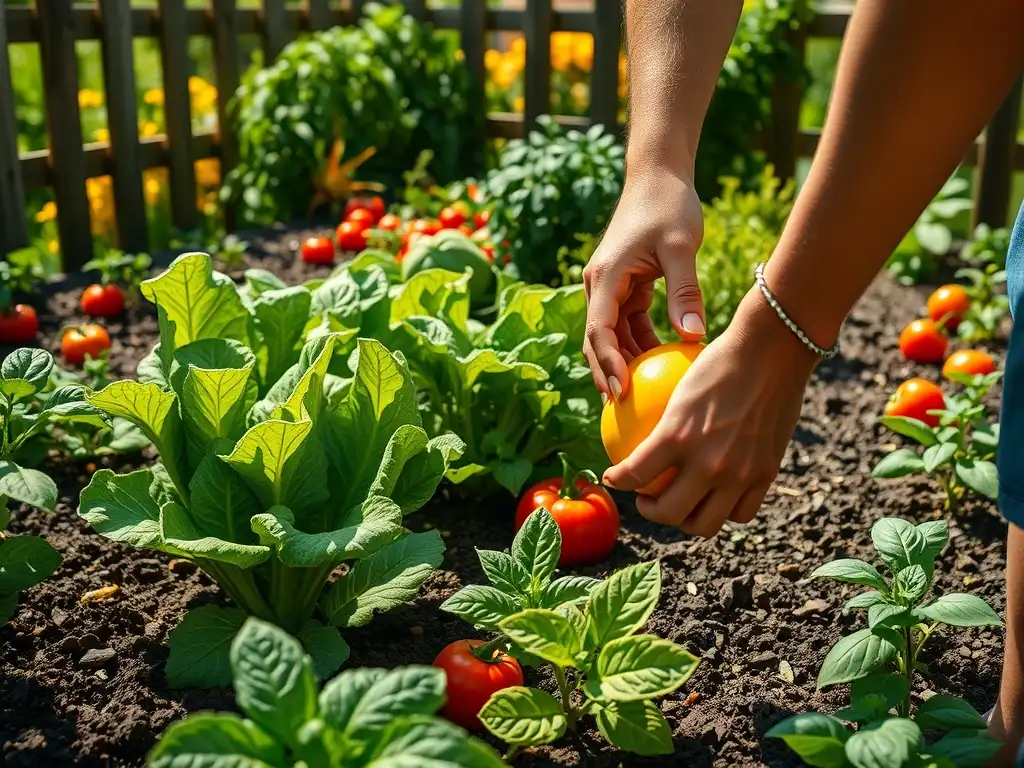
This section focuses on the crucial year-round maintenance needed to ensure a thriving and productive organic family food garden. Consistent effort, even during periods of dormancy, is key to maximizing yields and minimizing pest and disease issues. Successful organic family food gardening is a continuous cycle, not just a seasonal endeavor.
Preparing Your Organic Garden for Winter Months
Winter presents unique challenges to the organic gardener. Protecting your soil and plants from harsh conditions is paramount for a successful spring planting. Here's how to prepare your organic garden for the winter months:
- Soil Enrichment: Before the first frost, incorporate a generous layer of compost (at least 3-4 inches) into your garden beds. This improves soil structure, adds vital nutrients, and provides insulation against freezing temperatures. Consider adding a cover crop like winter rye or clover to further protect the soil and prevent erosion. These crops also fix nitrogen, enriching the soil for the next growing season.
- Plant Protection: Depending on your climate and the specific plants, various protection methods may be necessary. For frost-sensitive plants, consider using row covers or cold frames. Mulching around the base of plants provides insulation and helps retain moisture. For perennial plants, pruning can help them withstand winter winds and snow.
- Cleaning and Storage: Remove any diseased or dead plant material from your garden to prevent the spread of pests and diseases. Clean and store your gardening tools properly to extend their lifespan. This is also a good time to repair or replace any damaged equipment.
- Pest and Disease Management: Winter is a crucial time for preventative pest and disease management. Remove any remaining weeds and debris that could harbor pests. Consider using natural deterrents like neem oil or diatomaceous earth to prevent infestations in the spring. A thorough cleaning of your greenhouse or other growing structures will eliminate overwintering pests.
Planning for the Next Growing Season: Seed Saving and Ordering
Careful planning is essential for a successful organic family food gardening year. Seed saving and ordering are critical components of this planning.
- Seed Saving: For many organic gardeners, saving seeds from their most successful plants is a rewarding practice. It ensures the continuation of desirable traits and reduces reliance on commercial seed sources. Proper seed saving techniques, including drying and storage, are crucial for germination success. Remember to label your seeds clearly with the variety and the year they were harvested.
- Ordering Seeds: For varieties not saved or for new additions to your garden, ordering seeds early is essential, especially for less common or heirloom varieties. Many seed companies offer catalogs and online ordering, allowing you to plan your garden well in advance. Consider seed starting indoors to get a head start on the growing season. This method allows for earlier harvests and extends your growing season.
- Variety Selection: Choose varieties suitable for your climate and the specific needs of your family. Consider disease resistance, maturity date, and yield when making your selections. Researching different varieties will ensure you're choosing the best options for your organic family food gardening.
Addressing Common Challenges in Organic Family Gardening
Organic family food gardening presents unique challenges compared to conventional methods. Understanding and proactively addressing these challenges is vital for success.
- Pest and Disease Control: Pest and disease pressure can be significant in organic gardening. Implementing preventative measures, such as crop rotation, companion planting, and biological control methods, is crucial. Regular monitoring of your plants is also essential for early detection and intervention. Remember that many pests can be controlled organically using natural methods.
- Weed Management: Weeds compete with your crops for resources, reducing yields and potentially spreading diseases. Regular weeding, mulching, and cover cropping are effective strategies for weed control. Hand weeding is often the most effective method in an organic garden.
- Nutrient Management: Organic gardening relies on natural methods for soil fertility. Composting, cover cropping, and the use of organic fertilizers are essential for providing adequate nutrients to your plants. Regular soil testing can help you determine the nutrient needs of your garden. Soil health is paramount in organic family food gardening.
- Water Management: Consistent watering is crucial for the health of your plants. Efficient irrigation methods, such as drip irrigation, can help conserve water and reduce weed growth. Consider your local climate and rainfall patterns when planning your watering schedule.
The successful practice of organic family food gardening requires dedication, planning, and a deep understanding of your local environment and the specific needs of your family. By following these guidelines and adapting them to your circumstances, you can cultivate a bountiful and healthy harvest year after year. 🌱
Resources for Continued Learning and Support in Organic Gardening
Embarking on the journey of organic family food gardening is a rewarding but ongoing learning process. To ensure your success and continually improve your techniques, accessing reliable resources is crucial. Many avenues exist to support your growth as an organic gardener, fostering a thriving and productive garden year after year.
One excellent resource is your local agricultural extension office. These offices, often affiliated with universities or state departments of agriculture, provide invaluable, research-based information tailored to your specific region's climate and growing conditions. They can offer advice on everything from selecting the right organic seeds and plants for your area to managing common pests and diseases using sustainable methods. Many offer workshops, classes, and even one-on-one consultations, providing personalized guidance to address your particular challenges and questions. Don't underestimate the power of this readily accessible, expert support.
Beyond local resources, a wealth of online communities and forums cater to organic gardeners. These platforms offer a space to connect with like-minded individuals, share experiences, and seek advice. You can find answers to specific questions, learn from others' successes and failures, and gain valuable insights into various organic gardening techniques. The collective knowledge within these communities is immense, providing a supportive network and a constant stream of new information. Remember to be discerning, however, and prioritize information from reliable sources within these communities.
Books and periodicals dedicated to organic gardening also serve as a fantastic resource. Numerous publications offer detailed guides on various aspects of organic gardening, providing in-depth information on soil management, pest control, crop rotation, and much more. These resources often provide a more structured and comprehensive approach to learning than online forums, serving as excellent references throughout your gardening journey. Look for books and magazines from reputable publishers with a proven track record in organic agriculture.
Finally, consider attending local workshops and seminars on organic gardening. These events offer hands-on learning opportunities, allowing you to interact with experienced gardeners and gain practical skills. Workshops can cover specific topics, such as composting, seed starting, or pest management, providing focused instruction and practical application.
Many local nurseries and community gardens also host such events, providing another excellent avenue for continued learning and networking within your community. Actively engaging in these opportunities will significantly enhance your organic gardening skills and knowledge. Remember that continuous learning is key to successful organic family food gardening, ensuring a bountiful harvest year after year.
Recipes and Meal Planning with Your Homegrown Organic Produce
Planning your meals around your harvest is key to maximizing the benefits of your organic family food gardening. This ensures you're using your produce at its peak freshness and minimizing waste. Careful planning also helps you adapt to seasonal variations in your garden's output. For example, you might have an abundance of tomatoes in the summer and root vegetables in the fall, requiring different meal planning strategies. This section focuses on adapting your meal plans to accommodate specific dietary needs, using the example of a gluten-free diet.
Sample Gluten-Free Meal Plans Incorporating Seasonal Produce
Creating a successful gluten-free meal plan requires careful consideration of both nutritional balance and the availability of your homegrown organic produce. Here are two sample weekly meal plans, highlighting seasonal variations:
Summer Week:
| Day | Breakfast | Lunch | Dinner |
|---|---|---|---|
| Monday | Gluten-free oatmeal with berries | Salad with homegrown tomatoes and cucumbers | Grilled chicken with zucchini and squash |
| Tuesday | Scrambled eggs with spinach | Leftover chicken and vegetables | Homegrown tomato and basil pasta (gluten-free) |
| Wednesday | Gluten-free pancakes with summer fruit | Quinoa salad with herbs | Baked salmon with roasted peppers and eggplant |
| Thursday | Smoothie with homegrown fruits and spinach | Leftover salmon and vegetables | Gluten-free pizza with homegrown vegetables |
| Friday | Yogurt with berries and granola (gluten-free) | Salad with homegrown lettuce and beans | Chicken stir-fry with homegrown broccoli |
| Saturday | Gluten-free waffles with fruit | Sandwiches on gluten-free bread with homegrown veggies | Roast chicken with potatoes and carrots |
| Sunday | Brunch: Gluten-free frittata with vegetables | Leftover roast chicken and vegetables | Homegrown corn on the cob |
Autumn Week:
| Day | Breakfast | Lunch | Dinner |
|---|---|---|---|
| Monday | Gluten-free oatmeal with apples | Soup with homegrown root vegetables | Shepherd's pie (gluten-free topping) |
| Tuesday | Scrambled eggs with mushrooms | Leftover shepherd's pie | Roast butternut squash with herbs |
| Wednesday | Gluten-free muffins with pumpkin puree | Salad with roasted root vegetables | Chicken and vegetable curry (gluten-free) |
| Thursday | Smoothie with homegrown apples and pears | Leftover curry | Gluten-free lentil stew with carrots |
| Friday | Yogurt with applesauce and granola (gluten-free) | Sandwiches on gluten-free bread with homegrown veggies | Pork chops with roasted Brussels sprouts |
| Saturday | Gluten-free pancakes with applesauce | Soup with homegrown squash | Beef stew (gluten-free) |
| Sunday | Brunch: Gluten-free quiche with squash | Leftover beef stew | Homegrown pumpkin pie (gluten-free crust) |
Remember to adjust these plans based on your specific garden's yield and family preferences. The key is flexibility and creativity!
Gluten-Free Recipe Ideas Using Homegrown Produce
Here are a few simple gluten-free recipes that highlight the versatility of homegrown organic produce:
- Summer Squash Fritters: Grate summer squash, combine with gluten-free flour blend, egg, and herbs. Fry in olive oil until golden brown. These are a delicious way to use up an abundance of zucchini or yellow squash.
- Roasted Root Vegetable Medley: Toss carrots, potatoes, parsnips, and sweet potatoes with olive oil, herbs, and spices. Roast in the oven until tender. This is a simple side dish that's perfect for fall.
- Tomato and Basil Pasta (Gluten-Free): Use your homegrown tomatoes and basil to make a fresh and flavorful pasta sauce. Pair it with your favorite gluten-free pasta.
- Simple Homegrown Vegetable Soup: A hearty and nutritious soup can be made using a variety of homegrown vegetables, depending on the season. This is an excellent way to preserve your harvest for later use.
Tips for Reducing Food Waste in a Gluten-Free Kitchen
Reducing food waste is crucial, especially when working with fresh, seasonal produce. Here are some tips specifically tailored to gluten-free cooking:
- Proper Storage: Store your produce correctly to extend its shelf life. Proper storage techniques can significantly reduce waste.
- Meal Planning: Plan your meals carefully to ensure you use all your produce before it spoils. This is vital for minimizing waste and maximizing your harvest.
- Freezing and Preserving: Freeze or preserve excess produce to enjoy it later in the year. Freezing and preserving are invaluable techniques for reducing food waste.
- Creative Uses for Leftovers: Get creative with your leftovers! Use leftover vegetables in soups, stews, or fritters. Leftovers can be repurposed to create new and delicious dishes.
- Composting: Compost any food scraps that can't be used. Composting is an environmentally friendly way to manage food waste and enrich your soil. This helps to create a closed-loop system in your organic family food gardening.
Frequently Asked Questions
How much space do I need for an organic family food garden?
The space needed depends on your family size and dietary needs. A small plot can yield a surprising amount, but plan carefully to maximize space with vertical gardening or companion planting. Consider starting small and expanding as needed.
What organic pest control methods are best for family gardening?
Natural predators, like ladybugs for aphids, are excellent. Diatomaceous earth is a safe and effective insecticide. Crop rotation and companion planting also deter pests naturally. Avoid harsh chemicals.
Can I grow enough food for my family with specific dietary restrictions organically?
Yes, absolutely! Focus on high-yield varieties suited to your needs. Consider growing a diverse range of plants to meet specific nutritional requirements and plan your garden layout efficiently.
What are the best organic vegetables to grow for a family?
Easy-to-grow options include leafy greens (lettuce, spinach), root vegetables (carrots, potatoes), and easy-to-can vegetables (tomatoes, beans). Choose varieties suited to your climate and space.
How can I ensure my organic family garden is sustainable?
Practice composting to enrich your soil naturally. Conserve water with efficient watering techniques like drip irrigation. Choose appropriate planting times and rotate your crops to maintain soil health.
Final Reflection: Cultivating Abundance, Nurturing Family
The quest for organic, family-friendly food is more than a trend; it's a fundamental shift towards reclaiming our connection with nature and prioritizing health. This journey, as detailed in this article, highlights the challenges and rewards of growing enough organic produce to meet the specific dietary needs of a family. The path is not always easy, but the fruits (and vegetables!) of our labor are undeniably sweet.
The impact of this endeavor extends far beyond the dinner table. It's about fostering a deeper appreciation for the land, understanding the intricate dance of nature, and building resilience in the face of an increasingly uncertain food system. The miracle of the harvest is not just the abundance of food, but the abundance of life it represents.
This quote encapsulates the profound shift in perspective that comes with actively participating in the food cycle, a shift that resonates deeply with me and countless others embracing sustainable living.
Now, I invite you to consider your own relationship with food. What steps can you take, no matter how small, to incorporate more organic produce into your family's diet? Perhaps it's starting a small herb garden, joining a community garden, or simply being more mindful of where your food comes from. Embrace the journey, celebrate the small victories, and remember that every seed planted, every plant nurtured, is a step towards a healthier, more sustainable future for your family and the planet.
Unlock Your Family's Food Freedom
Thank you for exploring the possibilities of growing your own food, especially when considering specific dietary needs! We hope you've gained valuable insights and feel empowered to take charge of your family's nutrition. Now, let's put that knowledge into practice.
- Start Small, Reap Big Rewards: Begin with a single, easy-to-grow vegetable that complements your family's dietary needs. Even a small, successful harvest can be incredibly rewarding!
- Share Your Success: Tell us about your favorite plant or any gardening tips you've discovered – let's build a supportive community together!
- Explore Diverse Seed Options: Discover nutritious varieties that cater to your family's unique dietary requirements.
What's one simple step you can take today to bring fresher, healthier food to your table?