
Harvesting with Children: Making the Most of Garden Bounty

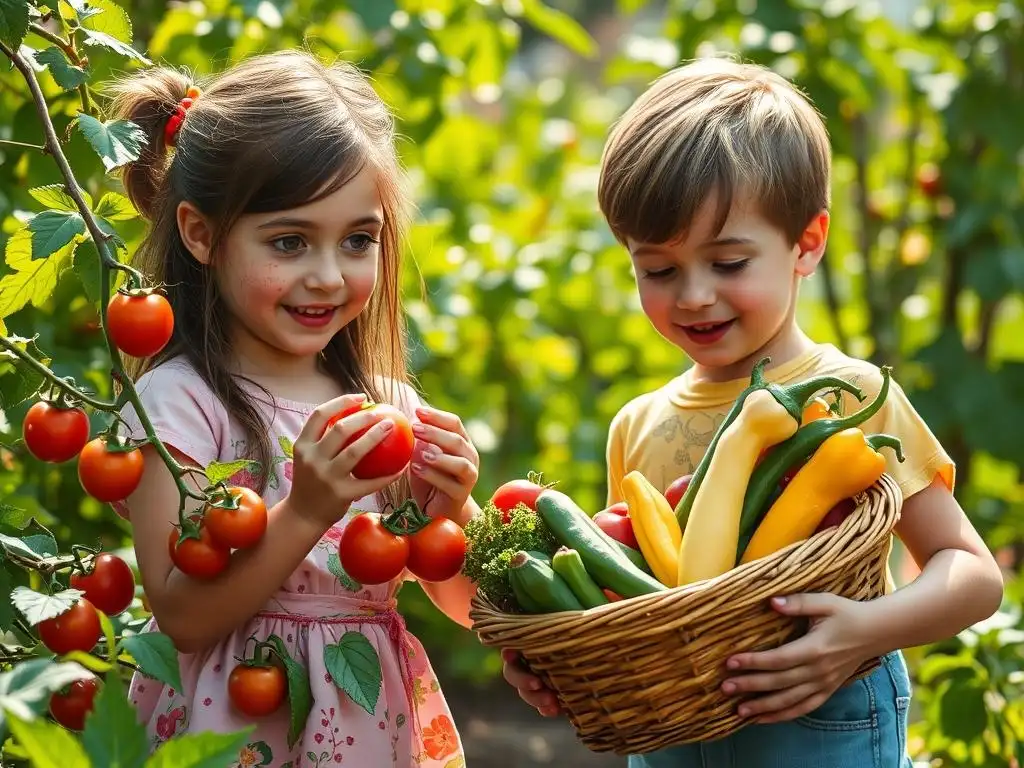
Welcome to CultivateYourFood, your guide to a thriving, sustainable home garden! Ready to experience the pure joy of harvesting your own fruits, vegetables, and herbs? We'll show you how, and especially how to make it a fun family affair. Discover our expert Kids gardening harvesting tips and unlock the secrets to a bountiful harvest alongside your little ones. Let's get growing!
- Engaging Children in the Harvest: Fun Activities for Kids Gardening
- Kids Gardening Harvesting Tips: Safe and Effective Techniques
- Preserving the Harvest: Fun Projects for Kids
- Dealing with Pests and Problems During Harvest: Educating Young Gardeners
- Celebrating the Harvest: Rewards and Recognition for Young Gardeners
- Extending the Season: Preserving the Harvest for Winter Enjoyment
-
Frequently Asked Questions
- What are the best age-appropriate harvesting tasks for young children?
- How can I make harvesting fun and engaging for kids?
- What safety precautions should I take when harvesting with children?
- How can I prevent children from damaging plants while harvesting?
- What are some ways to involve kids in the post-harvest process?
- Final Reflection: The Enduring Harvest of Shared Gardening
- Unleash Your Family's Inner Gardeners!
Engaging Children in the Harvest: Fun Activities for Kids Gardening
Harvest time is more than just gathering the fruits (and vegetables!) of your labor; it's a fantastic opportunity to bond with your children and instill a lifelong appreciation for nature and healthy eating. This article explores how to make harvesting a fun and educational experience for kids, transforming a simple task into a memorable family adventure.
We'll cover age-appropriate activities, educational opportunities, and engaging games to ensure your little ones are not only involved but also enthusiastic participants in the process. From understanding the lifecycle of plants to appreciating the rewards of sustainable gardening, harvesting with children offers a unique blend of practical skills and valuable life lessons. Let's delve into how you can make the most of this rewarding experience and create lasting memories in your garden.
Age-Appropriate Harvesting Tasks for Young Gardeners
Involving children in harvesting should be tailored to their age and abilities. Younger children might find it challenging to handle delicate fruits or vegetables, but there are plenty of tasks they can enjoy and successfully complete. Here's a breakdown of age-appropriate activities:
- Toddlers (1-3 years old): Supervision is key! Toddlers can help with simple tasks like:
- Picking readily available low-hanging fruits like strawberries (with assistance).
- Gently pulling weeds (under close supervision).
- Watering plants with a small watering can.
- Helping to carry harvested items in small baskets.
- Preschoolers (3-5 years old): Preschoolers can take on slightly more responsibility:
- Picking larger, less delicate vegetables like zucchini or beans.
- Helping to collect fallen fruits and vegetables.
- Using child-safe tools, like small trowels, to assist with planting or weeding.
- Sorting harvested items by size or type.
- School-aged children (6-12 years old): Older children can contribute significantly:
- Harvesting a wider variety of crops, including tomatoes, peppers, and herbs.
- Learning proper harvesting techniques to avoid damaging plants.
- Assisting with more complex tasks like composting or preparing the garden for the next season.
- Taking on responsibility for specific areas or plants in the garden.
Remember to always prioritize safety. Provide age-appropriate tools and supervise children closely, especially when using sharp tools or handling potentially harmful plants. Positive reinforcement and encouragement are crucial to foster a love for gardening. 🎉
Turning Harvesting into a Learning Experience: Botany Basics for Kids
Harvesting presents a wonderful opportunity to educate children about the lifecycle of plants and the importance of sustainable gardening practices. Here are some ways to integrate learning into the harvesting process:
- Plant identification: Help children identify the different plants in your garden and discuss their unique characteristics.
- Harvesting techniques: Explain the proper way to harvest different fruits and vegetables, emphasizing the importance of not damaging the plants.
- Plant parts: Discuss the different parts of a plant (roots, stems, leaves, flowers, fruits) and their functions.
- Seed saving: Teach children how to collect seeds from harvested plants and prepare them for planting in the next season. This is a great way to introduce the concept of plant propagation.
- Composting: Explain the importance of composting and involve children in the process of adding food scraps and garden waste to the compost pile. This teaches them about recycling and nutrient cycling.
By turning harvesting into a learning experience, you're not only teaching children valuable gardening skills, but also fostering a deeper understanding and appreciation for the natural world. 🌱
Making it Fun: Games and Activities During the Harvest
To make harvesting an enjoyable experience for children, incorporate fun games and activities:
- Harvest Scavenger Hunt: Create a list of items to find in the garden, making it a game to see who can find them all first.
- Vegetable Bingo: Create bingo cards with pictures of different vegetables and have children mark them off as they find them in the garden.
- Harvest Olympics: Organize fun competitions like a "fastest picker" contest or a "most creative vegetable arrangement" competition.
- Storytelling: Use the harvest as inspiration for storytelling. Let children create stories about the vegetables and their journey from seed to plate.
- Cooking together: Involve children in preparing a meal using the freshly harvested produce. This connects the gardening experience to the enjoyment of healthy food.
Remember to celebrate the harvest with a festive meal or a special treat! This will reinforce the positive association with gardening and encourage continued participation. 🥕🍅🌶️
Kids Gardening Harvesting Tips: Safe and Effective Techniques
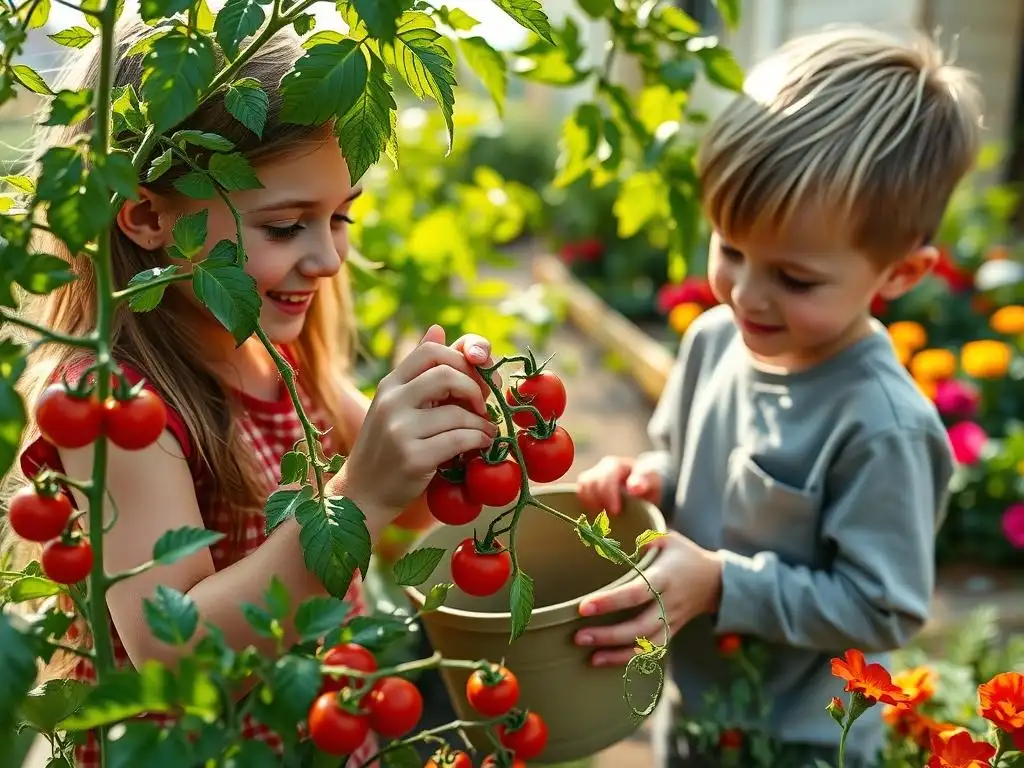
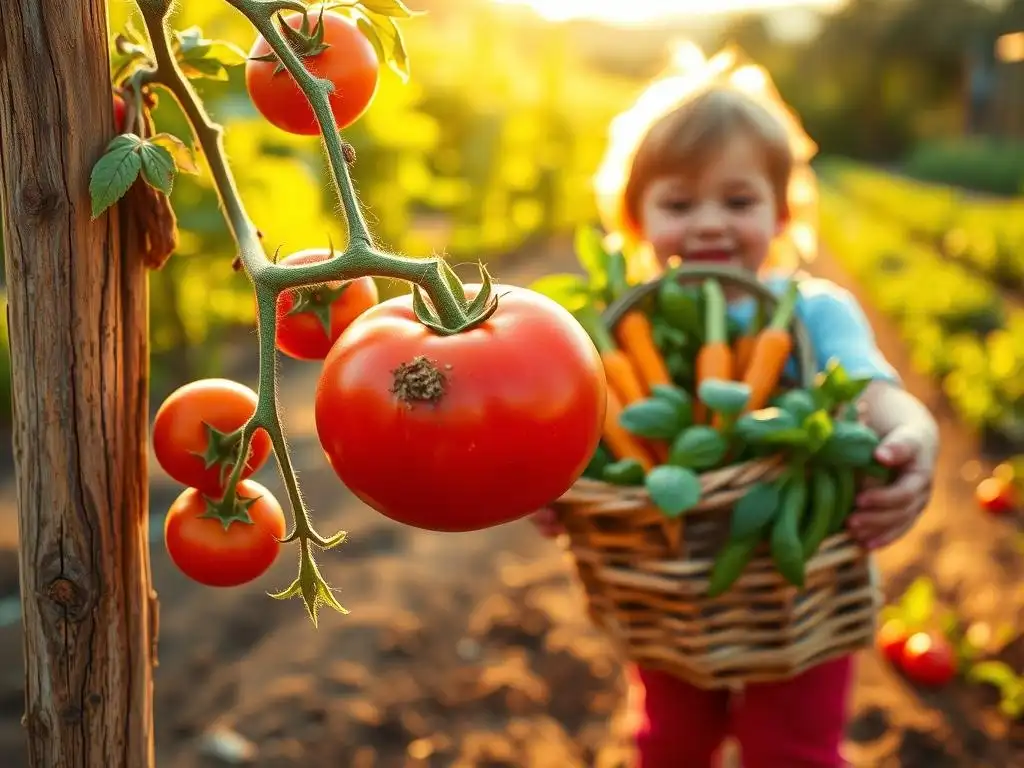
This section focuses on practical techniques for harvesting fruits, vegetables, and herbs with children, emphasizing safety and effectiveness while nurturing a love for gardening. We'll explore age-appropriate tools, gentle harvesting methods, and how to teach children to identify ripe produce. Remember, making the experience fun and engaging is key to fostering a lifelong appreciation for sustainable food production. These Kids gardening harvesting tips will help you maximize your harvest while minimizing any potential risks.
Harvesting Tools for Little Hands: Choosing the Right Equipment
Selecting the right tools is crucial for a successful and safe harvesting experience with children. Avoid sharp tools like large knives or pruning shears for younger children. Instead, opt for child-friendly alternatives that are both effective and safe.
Here's a suggested list:
- Small, blunt-ended scissors: Perfect for snipping herbs and smaller vegetables like lettuce. Look for scissors with rounded tips to prevent accidental injuries.
- Child-sized trowels: These are ideal for gently lifting small root vegetables like radishes or carrots. Ensure the trowel is lightweight and easy for small hands to manage.
- Small hand rakes: Useful for gathering fallen leaves or clearing debris around plants.
- Soft-bristled brushes: These can be used to gently clean dirt from harvested produce.
- Small baskets or buckets: Choose containers that are lightweight and easy for children to carry. Brightly colored containers can add to the fun!
It's important to supervise children closely while they use any tools, even child-safe ones. Explain the proper way to handle each tool and emphasize the importance of safety. Remember, Kids gardening harvesting tips should always prioritize safety!
Gentle Harvesting Methods: Protecting Plants and Produce
Teaching children gentle harvesting techniques is vital for ensuring the health and longevity of your garden. Rough handling can damage plants, reducing yields in future harvests. Here are some key points:
- Harvesting vegetables: Show children how to gently pull or cut vegetables at the base of the stem, avoiding pulling on the leaves or stems unnecessarily. For example, when harvesting carrots, show them how to use a small trowel to loosen the soil around the root before carefully lifting it out.
- Picking fruits: Explain the importance of supporting the fruit's weight while picking to prevent bruising. For example, when harvesting tomatoes, show children how to gently twist the fruit off the vine rather than pulling it.
- Cutting herbs: Demonstrate how to use scissors to cut herbs just above a leaf node to promote bushier growth. Avoid pulling the entire plant out of the ground.
Remember to praise children for their careful handling of the plants. This positive reinforcement will help them develop good harvesting habits. These Kids gardening harvesting tips will help ensure a bountiful harvest year after year.
Identifying Ripe Produce: Teaching Children to Recognize Readiness
Knowing when produce is ready for harvest is crucial. Teaching children to identify ripe produce not only improves their gardening skills but also enhances their appreciation for the natural processes involved in food production.
Here are some simple ways to teach children to recognize ripeness:
- Visual cues: Show children the color changes in fruits and vegetables as they ripen. For example, a ripe tomato will change from green to a deep red, while a ripe strawberry will be bright red and plump.
- Touch and feel: Explain how the texture of produce changes as it ripens. A ripe melon will be slightly soft when gently squeezed, while a ripe peach will give slightly to gentle pressure.
- Smell: Many fruits and vegetables emit a pleasant aroma when ripe. Encourage children to gently smell the produce to help them identify ripeness.
Creating a chart with pictures and descriptions of ripe produce can be a helpful visual aid. This hands-on learning experience will make harvesting more engaging and educational for children. These Kids gardening harvesting tips, focused on identifying ripeness, are essential for a successful harvest. Remember to make it fun! 🎉
Preserving the Harvest: Fun Projects for Kids
This section focuses on extending the enjoyment of your garden bounty by involving children in the preservation process. Preserving the harvest teaches valuable life skills, promotes appreciation for food, and provides engaging activities for kids. It's a fantastic way to make the most of your hard work and create lasting memories. The key is to choose methods that are age-appropriate and safe, making the experience fun and educational. We'll explore simple, kid-friendly techniques for preserving fruits, vegetables, and herbs.
Simple Canning and Freezing Techniques for Children
Canning and freezing are excellent ways to preserve garden produce for later use. However, these methods require adult supervision due to the use of heat and potentially sharp tools. For younger children, focus on the simpler aspects, like washing and preparing the produce before the actual canning or freezing process. Older children (with proper supervision, of course!) can assist with more complex tasks.
For example, when freezing berries, children can help wash and sort the berries, removing any damaged ones. They can also carefully place the berries in freezer bags, ensuring even distribution to prevent clumping. Similarly, with canning, children can help wash jars and lids, ensuring they're clean and ready for use. They can also assist with labeling the jars once they're filled and sealed. Remember to emphasize safety precautions throughout the process, such as using oven mitts when handling hot jars and being careful with sharp knives.
Here's a simple table summarizing age-appropriate tasks for canning and freezing:
| Age Group | Canning Tasks | Freezing Tasks |
|---|---|---|
| 3-5 years | Washing fruits and vegetables | Helping sort and place berries in bags |
| 6-8 years | Assisting with jar preparation (under supervision) | Portioning fruits and vegetables into containers |
| 9-12 years | Measuring ingredients (under supervision) | Sealing and labeling freezer bags/containers |
| 13+ years | More involved tasks (with close supervision) | Complete process with adult guidance |
Remember to always prioritize safety and supervise children closely during these activities. This careful approach transforms these preservation techniques into valuable learning opportunities.
Creative Recipes Using Fresh Produce: Engaging Kids in the Kitchen
Turning the harvest into delicious meals is a fantastic way to engage children and encourage them to eat their fruits and vegetables! Involving kids in the cooking process fosters a sense of accomplishment and encourages healthier eating habits. Start with simple recipes that are easy to follow and allow children to participate actively.
For instance, a simple fruit salad is perfect for younger children. They can help wash and chop the fruit (with adult supervision, of course! ), and even decorate the final dish with sprigs of mint or edible flowers. Older children can tackle slightly more complex recipes, such as making homemade salsa or fruit pies. The key is to break down the recipe into manageable steps, making each task age-appropriate and fun.
Here are a few kid-friendly recipe ideas:
- Rainbow Veggie Skewers: A colorful and fun snack that allows kids to choose their favorite vegetables.
- Fruit Pizza: A delicious and visually appealing dessert using a large sugar cookie as the base.
- Simple Tomato Soup: Using homegrown tomatoes adds a special touch, and kids can help with stirring and seasoning.
Remember to emphasize the importance of hygiene in the kitchen, encouraging handwashing before and after handling food. These culinary adventures make the gardening experience even more rewarding. The joy of creating something delicious from their own homegrown ingredients is invaluable.
Drying Herbs and Flowers: A Sensory Experience for Young Gardeners
Drying herbs and flowers offers a unique sensory experience for young gardeners. The process is relatively simple and safe, making it ideal for children of all ages. Drying herbs preserves their flavor and aroma, allowing you to use them in cooking throughout the year. Dried flowers can be used for crafts, potpourri, or to decorate the home.
For younger children, the process of collecting and arranging the herbs and flowers can be a fun activity in itself. They can help gather the herbs and flowers, carefully cleaning and sorting them. Older children can assist with the drying process, using different methods such as air drying or using a dehydrator. Air drying is a simple method that involves bundling the herbs together and hanging them upside down in a well-ventilated area. A dehydrator provides a quicker and more controlled drying process.
The fragrant aroma of drying herbs and the vibrant colors of drying flowers create a sensory experience that engages children and enhances their appreciation for nature. This activity not only preserves the harvest but also fosters creativity and a deeper connection with the natural world. The colorful dried flowers can then be used to create unique crafts, further extending the fun and educational aspects of the gardening experience. This is a great way to keep the “kids gardening harvesting tips” relevant and engaging throughout the year.
Dealing with Pests and Problems During Harvest: Educating Young Gardeners
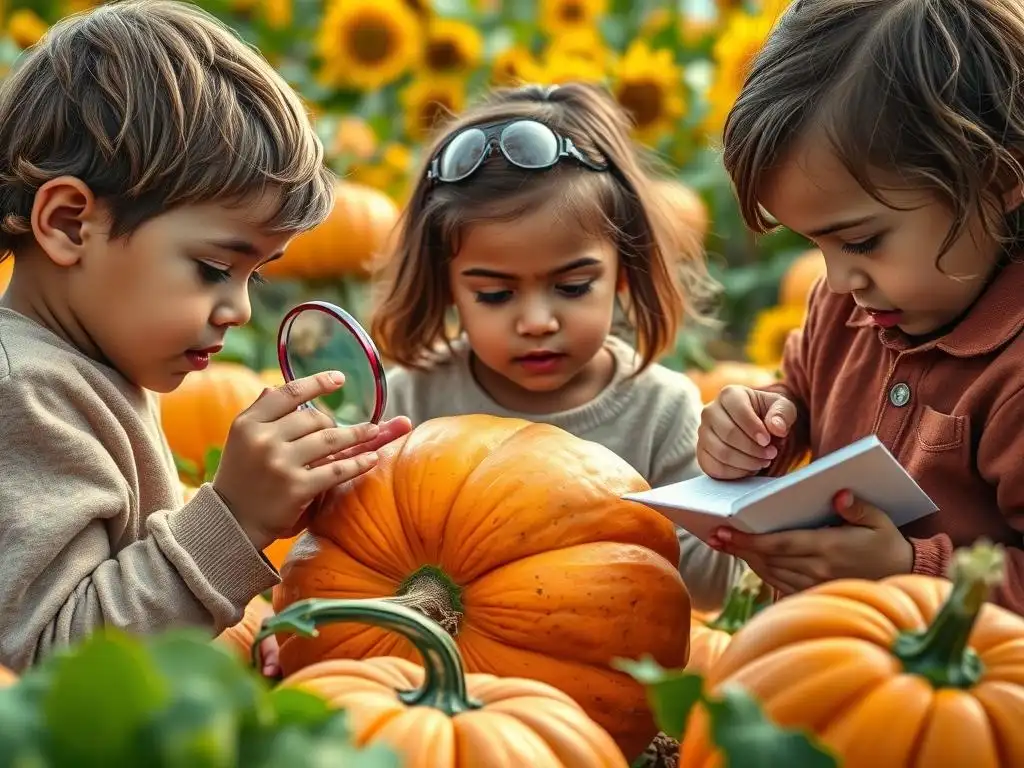
Harvest time is exciting, but it's also a time when kids might encounter garden pests and damaged produce. Turning this into a learning opportunity is key to fostering a love for gardening that extends beyond the immediate gratification of picking ripe tomatoes. Instead of viewing pests as enemies, we can present them as fascinating parts of the garden ecosystem, teaching children valuable observation and problem-solving skills. This section focuses on integrating pest management and damage control into the harvesting experience, making it both educational and fun for young gardeners.
Identifying Common Garden Pests: Teaching Children to Spot Problems
Learning to identify common garden pests is the first step in effective pest management. Kids can become junior entomologists, using magnifying glasses to examine insects and other critters. Start with easily identifiable pests. For instance, aphids are small, soft-bodied insects often found clustered on the undersides of leaves. They suck plant sap, causing stunted growth and leaf curl.
Show children how to gently inspect plants for these tiny creatures. Caterpillars, on the other hand, are much larger and easier to spot, leaving behind tell-tale holes in leaves. Encourage children to keep a "pest journal," drawing pictures and noting the location of the pests they find. This hands-on activity transforms pest identification from a chore into an engaging science project. Here's a simple table to help kids learn to identify common garden pests:
| Pest | Description | Damage Caused | What to Look For |
|---|---|---|---|
| Aphids | Small, soft-bodied insects; often green or black | Stunting, leaf curl, yellowing | Clusters on undersides of leaves |
| Caterpillars | Larval stage of moths and butterflies | Holes in leaves, damaged stems and fruit | Chewed leaves, droppings (frass) |
| Slugs/Snails | Soft-bodied mollusks | Holes in leaves, slimy trails | Trails of slime, damage often at night |
| Spider Mites | Tiny mites, barely visible to the naked eye | Stippling (tiny dots) on leaves, webbing | Fine webbing on leaves, stippling visible with magnification |
Remember to emphasize that not all insects are harmful; many are beneficial pollinators or predators of harmful pests. This understanding promotes a holistic view of the garden ecosystem. Learning to differentiate between beneficial and harmful insects is a crucial skill for young gardeners.
Pest Control Solutions for Kids' Gardens: Safe and Effective Methods
When dealing with pests in a children's garden, safety is paramount. Avoid harsh chemical pesticides; instead, opt for eco-friendly and kid-safe methods. These methods are not only safer but also teach children responsible environmental stewardship.
- Handpicking: For smaller infestations, handpicking pests is an effective and educational method. Children can carefully remove aphids, caterpillars, or slugs, dropping them into a bucket of soapy water. This provides a tangible experience and allows for direct interaction with the garden ecosystem.
- Natural Predators: Encourage the presence of beneficial insects like ladybugs, lacewings, and praying mantises. These insects naturally prey on many common garden pests, providing a sustainable pest control solution. Providing habitat for these beneficial insects, such as planting flowering plants, is key.
- Barrier Methods: Simple barriers can effectively protect plants. Row covers can prevent pests from accessing plants, and collars around the base of plants can deter slugs and snails. This teaches children about preventative pest control strategies.
- Companion Planting: Certain plants repel pests. Planting marigolds near susceptible plants can deter many common garden pests. This introduces children to the concept of symbiotic relationships in the garden.
These methods are not only effective but also teach kids valuable skills in observation, problem-solving, and environmentally responsible gardening. The focus should always be on preventing extensive damage rather than eradicating every single pest. A healthy ecosystem can handle a certain level of pest pressure without significant harm.
Dealing with Damaged Produce: Composting and Recycling
Even with careful pest management, some produce may become damaged. Instead of discarding this produce, teach children the importance of composting and recycling. Damaged fruits and vegetables can be added to a compost bin, where they will decompose and enrich the soil for future planting.
This process not only reduces waste but also teaches children about the circularity of nature and the importance of sustainable gardening practices. They can actively participate in turning kitchen scraps and damaged produce into valuable compost, furthering their understanding of the garden’s lifecycle. Composting also presents an opportunity to discuss decomposition and the role of microorganisms in soil health.
This hands-on experience fosters appreciation for the interconnectedness of the gardening process and the environment. The resulting nutrient-rich compost can then be used to feed the garden, completing the cycle and reinforcing the principles of sustainable gardening practices. This cyclical process also reinforces the idea of "waste" as a resource, a key concept in sustainable living.
Celebrating the Harvest: Rewards and Recognition for Young Gardeners
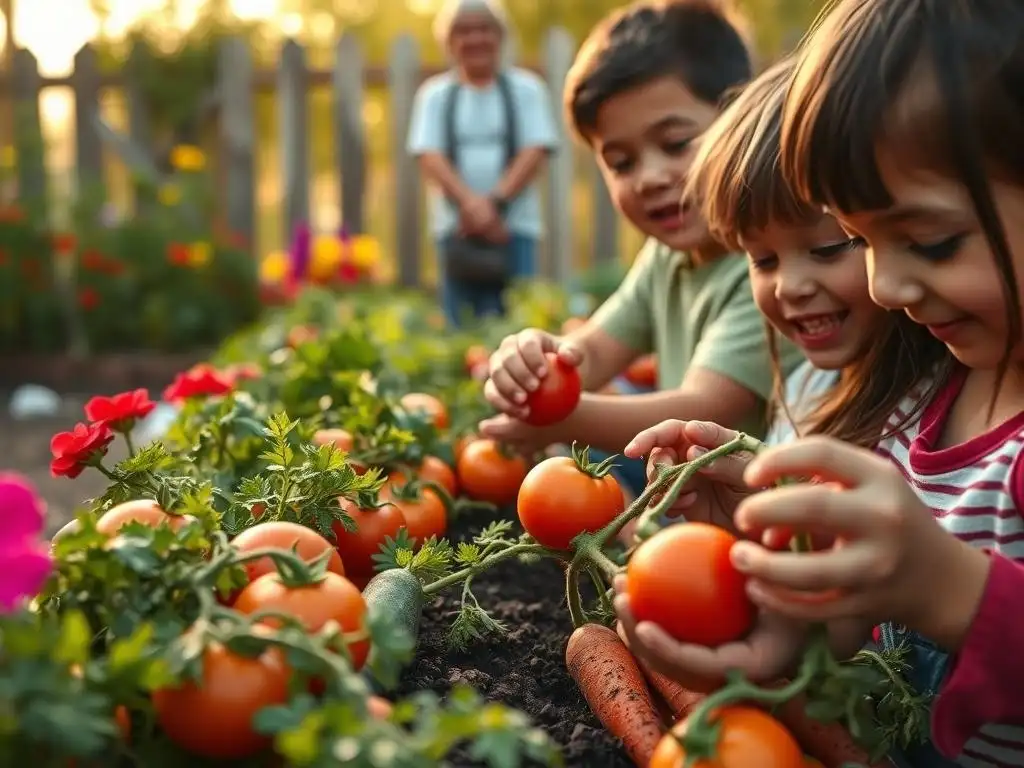
Children thrive on positive reinforcement. Harvest time presents a perfect opportunity to celebrate their hard work and dedication to the garden. Simply harvesting isn't enough; we need to make it a memorable experience that fosters a love for gardening and a sense of accomplishment. This section explores creative ways to reward and recognize young gardeners' contributions, ensuring they feel valued and motivated to continue their gardening journey.
Creating a Harvest Festival: A Celebration of Garden Success
Transforming the harvest into a vibrant festival is a fantastic way to celebrate the fruits (and vegetables!) of their labor. Think beyond a simple "good job"—create an event! This could involve setting up a colorful picnic blanket amidst the garden, adorned with the freshly harvested produce.
Prepare a feast featuring dishes made with the children's bounty. Think tomato sandwiches, cucumber salad, or even homemade zucchini bread. The key is to involve the children in the preparation, enhancing their sense of ownership and pride. Adding games and activities related to the harvest, like a "guess the weight" contest for the largest pumpkin or a vegetable-themed scavenger hunt, further elevates the experience.
Consider awarding small prizes, like gardening gloves or a new set of seed packets, for specific achievements. Even a simple certificate of achievement, handmade and personalized, can be a cherished keepsake. The aim is to create lasting positive memories associated with gardening, thereby encouraging their continued involvement.
Extending the joy of harvesting beyond the family circle is a powerful lesson in community and responsibility. Involving children in sharing their garden's bounty teaches them the value of generosity and the importance of contributing to a larger community. This could involve donating excess produce to a local food bank or community center. Alternatively, consider organizing a neighborhood "harvest swap," where families exchange homegrown goods.
This interaction not only reinforces the sense of community but also exposes children to a wider variety of fruits, vegetables, and herbs. The act of giving back instills a sense of pride and accomplishment that goes beyond personal gain, fostering a deeper appreciation for the interconnectedness of the community and the environment. Remember to involve the children in the decision-making process; let them choose where to donate or what to share, thereby empowering them and increasing their engagement.
Documenting the Harvest: Keeping a Garden Journal with Kids
Maintaining a garden journal alongside the harvesting process is a fantastic way to create lasting memories and track progress. This isn't just about recording the quantity of produce harvested; it's about fostering observation skills and encouraging children to document their gardening journey. A simple notebook can be transformed into a vibrant chronicle, filled with drawings, descriptions of the plants, and notes on the weather conditions.
Children can record the date of planting, the first appearance of flowers, the first harvest, and the overall yield. They can also include drawings of their favorite plants, sketches of insects they observed, and even small samples of dried flowers or leaves, creating a tangible representation of their gardening experience. This process transforms the garden journal into a unique keepsake, a treasured record of their achievements and a source of inspiration for future gardening endeavors.
Consider incorporating photos of the children working in the garden or enjoying the fruits of their labor to make it even more engaging. This hands-on approach to record-keeping will not only enhance their understanding of the gardening process but also cultivate a lifelong appreciation for nature and its cycles. This activity strengthens the "Kids gardening harvesting tips" learning experience.
Extending the Season: Preserving the Harvest for Winter Enjoyment
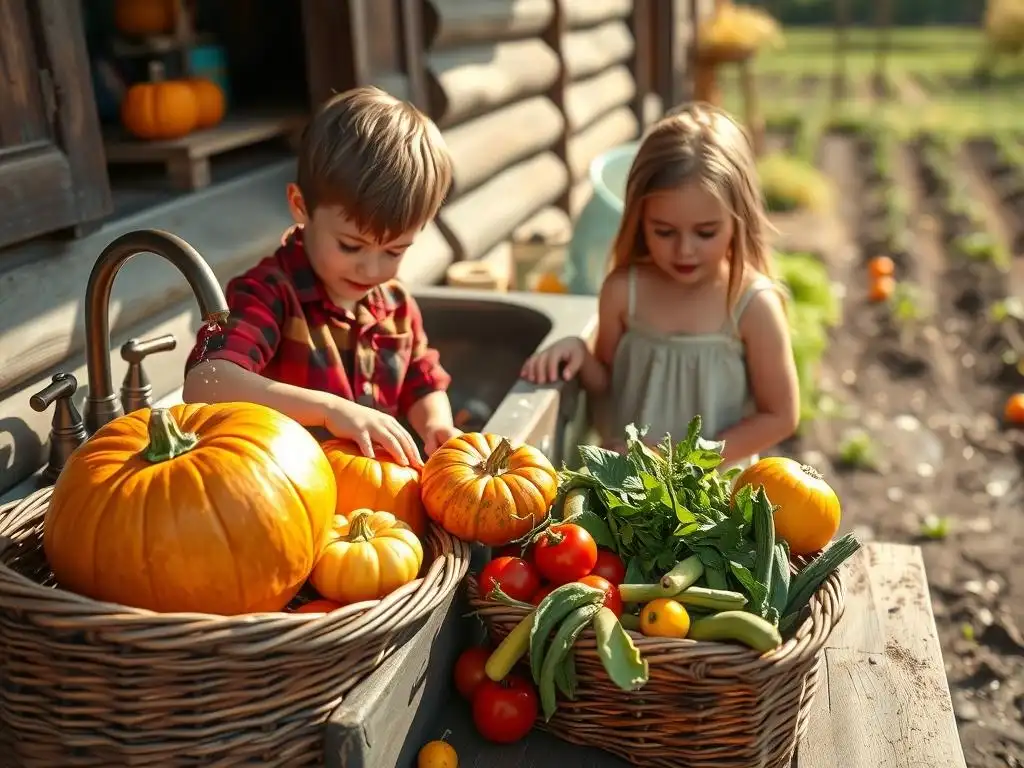
Harvesting with children is a rewarding experience, but the abundance of fresh produce can be overwhelming. Learning to preserve the harvest extends the joy of homegrown goodness far beyond the growing season. This section focuses on simple, kid-friendly preservation methods that make the most of your garden bounty and teach valuable life skills. Think of it as an extension of your kids' gardening projects – a delicious continuation of their hard work!
Storage Techniques for Fruits and Vegetables
Proper storage is the simplest form of preservation, extending the shelf life of many fruits and vegetables. Children can easily participate in this process, learning about the importance of careful handling and appropriate storage conditions.
For example, root vegetables like carrots and potatoes thrive in a cool, dark, and dry place. A root cellar is ideal, but a cool pantry or even a basement corner will suffice. Teach children to gently brush off soil and to avoid bruising the vegetables during handling. This careful approach helps prevent spoilage and extends their usability.
On the other hand, delicate fruits like berries require more attention. Gently washing and sorting the berries is a great activity for little hands. Then, store them in shallow containers lined with paper towels in the refrigerator to absorb excess moisture. This prevents mold and keeps them fresher for longer. This simple act of careful preparation significantly impacts the longevity of the harvest. It's a hands-on lesson in responsible food handling.
Here's a table summarizing some basic storage techniques:
| Produce Type | Storage Method | Expected Shelf Life | Notes |
|---|---|---|---|
| Root Vegetables | Cool, dark, dry place | Several weeks | Avoid washing before storing |
| Leafy Greens | Refrigerate in airtight containers | 1-2 weeks | Wash just before use |
| Berries | Refrigerate in shallow containers | 3-5 days | Line with paper towels to absorb moisture |
| Tomatoes | Room temperature, stem side down | 1-2 weeks | Avoid refrigerating, unless fully ripe |
Remember to regularly check stored produce for signs of spoilage and discard anything that shows signs of rot. This teaches children about food waste reduction and the importance of responsible consumption.
Making Jams and Jellies with Kids: A Sweet Treat from the Garden
Transforming an abundance of berries into delicious jams and jellies is a fun and educational experience for the whole family. This process introduces children to the principles of food preservation and the magic of transforming fresh ingredients into long-lasting treats.
While adult supervision is crucial for handling hot liquids and using the stove, children can actively participate in many stages: washing and preparing the fruit, measuring ingredients, and even stirring the mixture (with careful guidance). The simple act of creating something delicious from their garden produce instills a sense of pride and accomplishment. The resulting jars of homemade jam or jelly become cherished keepsakes, representing the fruits of their labor – quite literally!
Remember to follow a tested recipe carefully, ensuring proper sterilization of jars to prevent spoilage. The satisfaction of seeing their homemade preserves lining the pantry shelves is an invaluable reward. This activity fosters a deeper appreciation for the entire process, from planting the seeds to enjoying the final product. It's a wonderful way to bond as a family while learning valuable skills.
Freezing Produce for Later Use: A Simple Guide for Families
Freezing is another effective method for preserving garden bounty, extending its usability for months. This method is relatively simple and involves minimal specialized equipment, making it accessible to families with children.
Blanching vegetables before freezing is crucial for maintaining their color, texture, and nutritional value. This involves briefly submerging them in boiling water, then immediately plunging them into ice water to stop the cooking process. While adults should handle the boiling water, children can help with washing, sorting, and packing the vegetables into freezer bags. Labeling the bags with the contents and date is another important step, teaching children about organization and food management.
Fruits, on the other hand, often don't require blanching. Simply wash, slice (if necessary), and pack them into freezer bags or containers. Again, proper labeling is essential for easy identification later. The entire process is a collaborative effort, transforming a chore into a fun family activity.
The ability to enjoy fresh-tasting produce well into the winter months is a testament to their collective effort. It’s a practical application of their gardening experience, extending the rewards far beyond the summer season. This also offers a great opportunity to teach about food waste reduction – freezing prevents produce from going to waste.
Frequently Asked Questions
What are the best age-appropriate harvesting tasks for young children?
Young children (ages 3-5) can help with simple tasks like picking easy-to-reach strawberries or pulling ready-to-harvest radishes. Older children (ages 6-10) can handle more involved tasks like harvesting beans or carefully picking tomatoes.
How can I make harvesting fun and engaging for kids?
Turn harvesting into a game! Set challenges, like finding the biggest tomato or the most colorful pepper. Offer small rewards for participation, like a small snack made with the harvested produce.
What safety precautions should I take when harvesting with children?
Always supervise children closely during harvesting. Teach them to be gentle with plants and to avoid touching any potentially harmful plants or insects. Use appropriate tools for their age and size.
How can I prevent children from damaging plants while harvesting?
Show children how to properly harvest each plant, demonstrating the correct method for each type of vegetable or fruit. Explain why it's important to be gentle and not pull or yank on the plants.
What are some ways to involve kids in the post-harvest process?
Kids can help wash and sort the harvest, preparing vegetables for cooking or preserving. They can also help with composting leftover plant material, connecting them to the full gardening cycle.
The joy of harvesting homegrown vegetables with children isn't just about the bounty; it's about cultivating a lifelong connection with nature and healthy eating. This simple act, often overlooked in our fast-paced world, offers invaluable lessons in patience, responsibility, and the profound satisfaction of nurturing something from seed to table. It's a powerful antidote to the disconnect many children experience with their food sources.
The impact of shared gardening extends far beyond the immediate harvest. It fosters a deeper appreciation for the natural world, teaching children about ecosystems, biodiversity, and the importance of sustainable practices. The glory of gardening: hands in the dirt, head in the sun, heart with nature. To nurture a garden is to feed not just the body, but the soul.
This quote perfectly encapsulates the transformative power of involving children in the gardening process, creating memories and fostering a love for the land that will hopefully last a lifetime.
Now, consider your own garden, or even a single potted herb. What seeds of knowledge and connection can you plant today? Will you share the experience of harvesting with a child, fostering a love for nature and healthy eating in the next generation? The harvest you reap will be far greater than just delicious vegetables; it will be a legacy of mindful living and a deeper connection to the earth.
Unleash Your Family's Inner Gardeners!
Thank you for exploring the joys of gardening with your children! We hope you discovered valuable ways to create fun, lasting memories while enjoying the fruits (and vegetables!) of your labor. Now it's time to put your knowledge into practice.
- Plan your next garden: Consider what your family enjoyed most this year and what grew particularly well. Create a planting plan together – a family project in itself!
- Share your experiences! Tell us about your favorite family moments in the garden on our social media pages or leave a comment below.
- Preserve your harvest: Try a new preserving method with your children, such as making homemade jam or sun-dried tomatoes.
How will you make harvesting a family tradition this year?