
Organic Pest Control: Monitoring Your Garden for Pest Activity

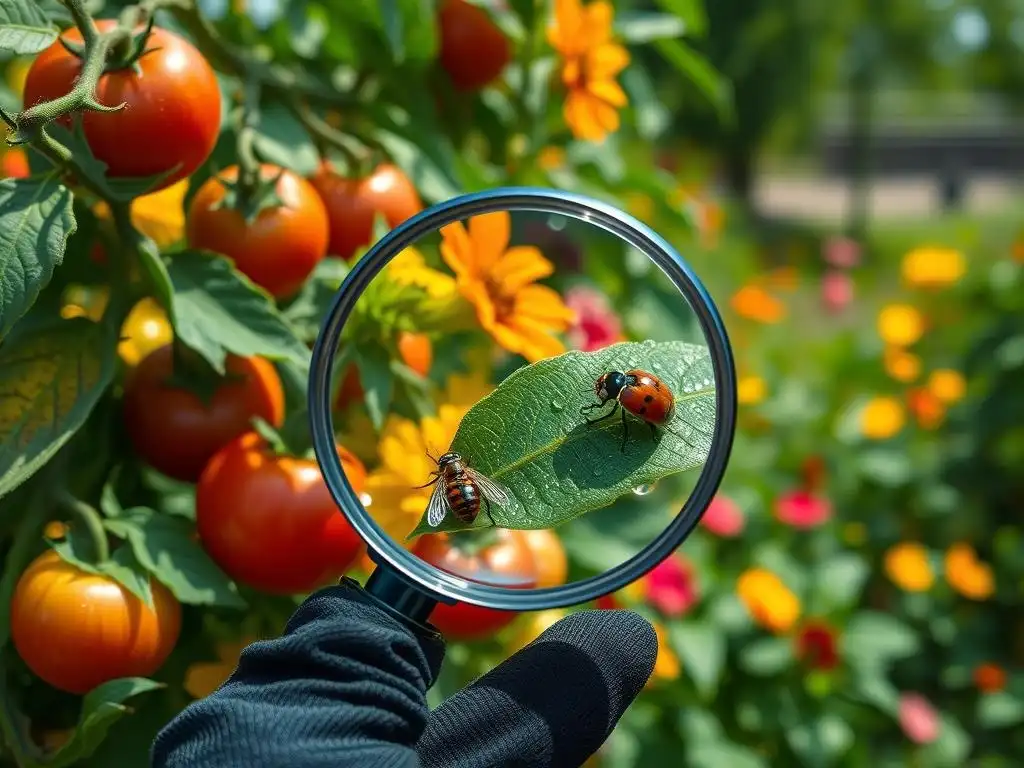
Welcome to CultivateYourFood, your guide to nurturing a thriving, organic garden! Ready to unlock the secrets to a bountiful harvest? We'll arm you with the knowledge and techniques you need to cultivate fruits, vegetables, and herbs at home. But first, let's tackle a crucial aspect of organic gardening: effective pest monitoring. Learn how to identify and address potential threats before they wreak havoc on your precious plants in our article on Organic Garden Pest Monitoring. Discover the simple yet powerful strategies that await within!
- Understanding Organic Garden Pest Monitoring Techniques
- Common Garden Pests and Their Signs
- Effective Organic Pest Monitoring Strategies
- Responding to Pest Activity: Organic Solutions
- Maintaining a Healthy Garden Ecosystem: Prevention is Key
-
Frequently Asked Questions
- What is the best way to monitor my organic garden for pests?
- How often should I monitor my organic garden for pests?
- What are some signs of pest activity in an organic garden?
- What are some organic methods for pest control after I've detected pests?
- Are there any tools or resources to help with organic garden pest monitoring?
- Final Reflection: Cultivating a Thriving Ecosystem Through Observation
- Unleash Your Inner Gardener: Protect Your Harvest Now!
Understanding Organic Garden Pest Monitoring Techniques
Organic gardening prioritizes ecological balance, minimizing the use of synthetic pesticides. A crucial element of this approach is proactive pest monitoring. This article delves into effective organic garden pest monitoring strategies, empowering you to identify and address pest issues before they escalate into significant problems, safeguarding your harvest and maintaining the health of your ecosystem. We'll explore various techniques, emphasizing early detection and prevention as cornerstones of successful organic pest control.
By understanding the subtle signs of pest activity, you can implement timely interventions that protect your plants without resorting to harmful chemicals. This proactive approach is key to achieving thriving, healthy, and productive organic gardens, ensuring a bountiful harvest while respecting the environment. Effective organic garden pest monitoring is not just about reacting to problems; it's about preventing them.
The Importance of Early Pest Detection in Organic Gardening
Early detection is paramount in organic pest control. The earlier you identify a pest infestation, the easier and less disruptive it is to manage. A small infestation can often be addressed with simple, non-toxic methods like handpicking or introducing beneficial insects. However, neglecting early signs can lead to a larger infestation, requiring more intensive (and potentially less environmentally friendly) interventions. Consider this: a single aphid might seem insignificant, but left unchecked, it can rapidly multiply, causing significant damage to your plants and potentially spreading disease. Early detection allows you to:
- Minimize crop damage: Preventing widespread damage preserves the yield and quality of your harvest.
- Reduce the need for stronger interventions: Small infestations are much easier to control with gentle methods.
- Maintain ecological balance: Proactive monitoring helps prevent the need for broad-spectrum pesticides, preserving beneficial insects and other organisms in your garden.
- Save time and resources: Addressing problems early is more efficient than dealing with a large-scale infestation.
Regular monitoring, even when you see no visible signs of pests, is crucial for protecting your garden's health and productivity. Think of it as a preventative health check for your plants!
Visual Inspection: A Comprehensive Guide to Identifying Common Pests
Visual inspection is the cornerstone of effective organic garden pest monitoring. This involves regularly and carefully examining your plants for signs of pest activity. This includes:
- Leaves: Look for holes, discoloration, webbing, or unusual growths. Check both the upper and lower surfaces of leaves.
- Stems and branches: Inspect for wilting, discoloration, or unusual growths. Look for signs of boring insects.
- Flowers and fruits: Examine for damage, discoloration, or the presence of pests.
- Soil: Check for unusual activity, such as tunnels or mounds.
Remember to pay close attention to detail. A seemingly insignificant spot or hole could be an early indication of a larger problem. It's helpful to keep a garden journal to record your observations, including dates, locations, and types of damage. This will help you track pest activity over time and make informed decisions about pest control. Armed with a magnifying glass and a keen eye, you'll be surprised at what you can discover! Don't forget to also check the undersides of leaves, where many pests like to hide.
Utilizing Traps for Early Warning Signs of Infestations
Traps offer another valuable tool for early pest detection. Various types of traps can be used, depending on the target pest. These include:
- Sticky traps: These are effective for monitoring flying insects like aphids and whiteflies. Place them strategically throughout your garden.
- Pheromone traps: These traps use synthetic pheromones to attract specific insect species, providing an early warning of their presence. They are particularly useful for monitoring larger pests.
- Pitfall traps: These are small containers buried in the soil, used to capture crawling insects.
The use of traps, in conjunction with visual inspection, provides a comprehensive monitoring system. Regularly checking your traps will provide you with valuable information about the types and numbers of pests present in your garden, allowing you to implement appropriate control measures before significant damage occurs. Remember to check traps regularly and replace them as needed. The data obtained from traps, coupled with visual observations, will create a clearer picture of your garden's health and allow for a more strategic and effective approach to organic pest control. 📈
Monitoring Soil Health for Pest Indicators
Healthy soil is the foundation of a thriving garden, and its condition can offer valuable clues about potential pest problems. Monitoring soil health is a crucial aspect of proactive organic garden pest monitoring. By observing key indicators, you can identify issues before they escalate into significant infestations. One of the most important indicators is soil structure. Compacted soil with poor drainage creates an environment favorable for certain pests, such as root-knot nematodes, which thrive in waterlogged conditions. Conversely, loose, well-aerated soil generally discourages many soilborne pests.
Regular soil testing is another critical component. A comprehensive soil test will reveal your soil's pH level, nutrient content, and the presence of beneficial microorganisms. An imbalanced pH can weaken plants, making them more susceptible to pests. Similarly, nutrient deficiencies can stress plants, leading to increased vulnerability. A healthy soil microbiome, on the other hand, is crucial.
Beneficial bacteria and fungi compete with harmful pests for resources, helping to naturally suppress pest populations. The presence of sufficient organic matter is also a significant indicator. Organic matter improves soil structure, drainage, and nutrient retention, creating a less hospitable environment for many pests. Conversely, a lack of organic matter can indicate a soil that is more vulnerable.
Beyond chemical analysis, visual observation is key. Look for signs of unusual activity, such as unusually large numbers of earthworms (which can sometimes indicate an overabundance of organic matter and potentially attract certain pests), or the presence of insect larvae or pupae. Changes in soil color or texture can also be indicative of problems. For example, unusually dark or compacted soil might suggest poor drainage and the potential for root rot or other soilborne diseases which can attract secondary pests.
Regularly turning over a small section of soil to observe its texture and composition can provide valuable insights. By paying close attention to these details, you can effectively utilize soil health monitoring as a powerful tool in your organic garden pest control strategy. Remember, a proactive approach is key to successful organic gardening. Early detection through soil monitoring allows for timely intervention, preventing minor problems from becoming major headaches.
Common Garden Pests and Their Signs
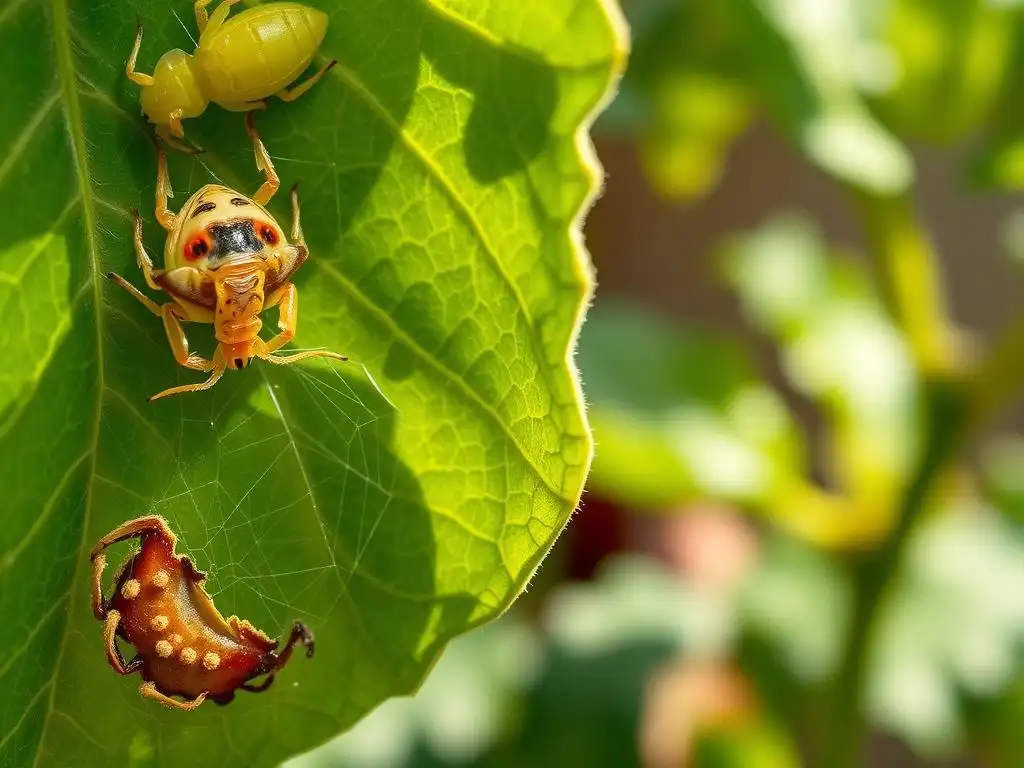
Effective organic garden pest monitoring relies heavily on early identification. Knowing what to look for is the first step in preventing significant crop damage. This section details common garden pests and the telltale signs of their presence, empowering you to implement timely and effective organic pest control measures. Early detection is crucial for minimizing the need for intervention and maximizing the health of your organic garden. Remember, proactive monitoring is key to successful organic gardening, allowing for preventative strategies before infestations become widespread. This proactive approach to organic garden pest monitoring ensures a thriving and healthy harvest.
Identifying Aphids and Their Damage to Plants
Aphids, tiny pear-shaped insects, are prolific garden pests. They cluster on the undersides of leaves, stems, and buds, sucking sap from the plant. This sap-sucking activity leads to several easily observable signs:
- Curled or distorted leaves: Aphids' feeding weakens plant tissues, causing leaves to curl, crinkle, or become distorted.
- Sticky residue (honeydew): Aphids excrete a sugary substance called honeydew, which coats leaves and attracts ants and sooty mold. This sticky residue is a clear indicator of aphid infestation.
- Yellowing or wilting leaves: Severe aphid infestations can lead to yellowing, wilting, and stunted plant growth.
- Presence of ants: Ants often "farm" aphids, protecting them in exchange for the honeydew they produce. Seeing ants clustered around plants can be a strong indirect sign of an aphid problem.
A close inspection of your plants, particularly the undersides of leaves, is necessary for early detection. A magnifying glass can be helpful in identifying these small pests. Regular monitoring, especially during periods of warm, dry weather when aphids thrive, is essential for successful organic garden pest monitoring. Remember, early intervention using organic methods like insecticidal soap or neem oil can significantly reduce aphid populations before widespread damage occurs.
Recognizing Leaf Miners and Their Characteristic Trails
Leaf miners are the larvae of various insects that feed within the leaf tissue itself. Their presence is readily identifiable by the characteristic serpentine trails or blotches they create as they tunnel through the leaves. These trails are typically visible from the top or underside of the leaf and appear as whitish or brownish lines or blotches.
- Serpentine trails: These winding trails are classic signs of leaf miner activity. The trails often widen as the larva grows.
- Blotch mines: These are irregular patches where the larva feeds, creating a blotchy discoloration of the leaf.
- Leaf discoloration: The affected leaf areas may turn brown or yellow, depending on the type of leaf miner and the extent of the damage. Severely infested leaves may become brittle and fall off prematurely.
Organic control measures for leaf miners often focus on preventing infestation through good garden hygiene, removing infested leaves, and encouraging beneficial insects that prey on leaf miner larvae. Regular and thorough inspection of leaves is vital for early detection, allowing for prompt action before significant damage occurs. This dedicated organic garden pest monitoring prevents widespread infestation and maintains plant health.
Spotting Spider Mites: Tiny Pests with Big Impacts
Spider mites are another common garden pest, though their small size often leads to late detection. These tiny arachnids are barely visible to the naked eye, but their presence leaves distinct signs.
- Fine webbing: Spider mites spin fine webbing, especially on the undersides of leaves, which is a clear indication of their presence. This webbing can be easier to spot than the mites themselves.
- Stippling: Spider mites pierce plant cells, creating tiny, yellow or white spots (stippling) on the leaves. These spots, often initially subtle, gradually become more numerous and widespread.
- Leaf discoloration: Heavy infestations can cause leaves to turn yellow, brown, or bronze and eventually drop off.
- Fine dust-like particles: Close examination might reveal tiny, moving specks.
Regular inspection with a magnifying glass is crucial for early detection. Organic control methods for spider mites include insecticidal soap, neem oil, and introducing predatory mites. Effective organic garden pest monitoring is vital to prevent these seemingly insignificant pests from causing significant damage to your plants. Early detection and timely intervention are essential for maintaining a healthy, productive organic garden.
Detecting Caterpillars and Their Feeding Habits
Caterpillars, the larval stage of moths and butterflies, are voracious eaters and can quickly decimate a garden if left unchecked. Effective organic garden pest monitoring for caterpillars requires a keen eye and understanding of their feeding habits. One of the most obvious signs of a caterpillar infestation is leaf damage. This damage can range from small, irregular holes to completely skeletonized leaves, depending on the species and the severity of the infestation. You might find frass, which is caterpillar droppings, near the damaged leaves.
It typically appears as small, dark pellets. Look carefully at the undersides of leaves, as many caterpillars prefer to feed in sheltered locations. Some caterpillars are quite noticeable due to their size and bright colors, while others are masters of camouflage, blending seamlessly with the foliage. Regularly inspecting your plants, especially young and tender leaves, is crucial.
Consider using a magnifying glass to spot smaller caterpillars or eggs. Different caterpillar species feed on specific plants; for instance, cabbage white butterflies lay their eggs on brassicas, leading to significant damage to cabbages, broccoli, and cauliflower. Monitoring these high-risk plants more frequently can help prevent significant infestations. Early detection is key to effective organic control; a small number of caterpillars are much easier to manage than a large-scale infestation.
Identifying Slugs and Snails: Signs of Their Presence
Slugs and snails, notorious for their slimy trails and appetite for tender plants, are common garden pests. Organic garden pest monitoring for these creatures involves looking for characteristic signs of their presence. The most obvious sign is the shiny, silvery trail they leave behind as they move. These trails are particularly visible on dry surfaces or in the early morning dew. You'll often find these trails leading to and from areas where they feed.
They typically leave behind irregular holes in leaves, often with a characteristic ragged edge, unlike the cleaner holes made by some insects. Examine the undersides of leaves, as slugs and snails often feed there, hidden from view. They also favor young, succulent growth, so carefully inspect seedlings and newly planted vegetables. You might also find damaged flowers and fruits, with characteristic slime trails nearby.
In addition to visual inspection, you can also look for the slugs and snails themselves, especially in damp, shady areas, under rocks, logs, or other debris where they hide during the day. They are most active at night and during humid conditions. Keeping your garden relatively dry can help deter them, and providing barriers such as copper tape can also help prevent them from reaching your plants. Remember that even a few slugs and snails can cause significant damage if left unchecked, so regular monitoring is crucial for preventing major problems.
Effective Organic Pest Monitoring Strategies

Effective organic garden pest monitoring is crucial for successful pest management. It allows for early detection of infestations, minimizing damage and reducing the need for extensive interventions. Ignoring early signs can lead to significant crop loss and necessitate stronger, potentially less desirable, control methods. A proactive approach, centered around regular observation and the strategic use of monitoring tools, forms the bedrock of successful organic pest control. This section will detail several key strategies to help you effectively monitor your garden for pest activity.
Implementing a Regular Monitoring Schedule
Establishing a consistent monitoring schedule is paramount. The frequency of your inspections should be tailored to the specific plants in your garden and the prevailing environmental conditions. For example, during periods of rapid growth (spring and summer), daily or every-other-day checks might be necessary, especially for vulnerable seedlings. During cooler months, less frequent inspections might suffice. However, even during dormancy, occasional checks are recommended to identify any overwintering pests.
Consider these points when creating your schedule:
- Timing: Early morning or late evening are often the best times for spotting pests as they are more active during cooler temperatures.
- Thoroughness: Inspect every plant, including the undersides of leaves, stems, and the soil around the base. Pay close attention to areas where pests tend to congregate, such as buds, flowers, and fruits.
- Documentation: Keep a detailed record of your observations. Note the date, the type of pest observed (if identified), the number of pests, and the affected plants. This data will be invaluable in tracking pest populations and the effectiveness of your control measures. A simple notebook or spreadsheet can suffice for this.
Example Monitoring Schedule:
| Day of Week | Time of Day | Focus | Notes |
|---|---|---|---|
| Monday | 7:00 AM | All leafy greens | Check for aphids and slugs |
| Wednesday | 6:00 PM | Tomato plants | Inspect for tomato hornworms and whiteflies |
| Friday | 8:00 AM | All plants | General inspection for signs of damage or pests |
| Sunday | 10:00 AM | Soil and base of plants | Check for soil-dwelling pests like cutworms |
This structured approach transforms simple observation into a powerful tool for preventative organic garden pest monitoring. Early detection is your first line of defense.
Utilizing Sticky Traps for Pest Identification and Population Monitoring
Sticky traps offer a simple yet effective way to monitor flying insects like aphids, whiteflies, and thrips. These traps are typically yellow or blue, colors that attract many insects. The sticky surface traps the insects, allowing you to identify the species and assess their population density.
The effectiveness of sticky traps is enhanced by strategic placement. Place them amongst your plants, but not directly on them, to avoid accidental capture of beneficial insects. Regularly inspect and replace traps to maintain their effectiveness. A decline in the number of insects caught might indicate that your control measures are working, while a sudden increase could signal a developing problem.
Remember: Sticky traps are primarily a monitoring tool. While they can capture some pests, they are not a standalone control method for large infestations. They provide valuable data for informed decision-making regarding the need for other organic pest control strategies.
Employing Pheromone Traps to Attract and Trap Specific Pests
Pheromone traps utilize synthetic pheromones—chemicals that mimic the mating scents of specific pests—to lure and trap male insects. This is particularly effective for monitoring populations of moths and beetles, many of which cause significant damage to crops. The traps typically consist of a lure containing the pheromone and a sticky or killing agent to capture the attracted insects.
The use of pheromone traps requires some prior knowledge of the pests affecting your garden. Identify the likely culprits based on visible damage and then select the appropriate pheromone lure. These traps are highly specific, targeting only the intended pest, thus minimizing the risk of harming beneficial insects.
Regularly checking the traps will provide valuable data on the presence and population levels of the target pest, allowing for timely intervention if necessary. Unlike sticky traps, pheromone traps offer targeted monitoring, improving accuracy and efficiency in organic garden pest monitoring. They provide a more precise picture of specific pest populations, enabling proactive and targeted management strategies.
Monitoring Beneficial Insects: Natural Pest Control Allies
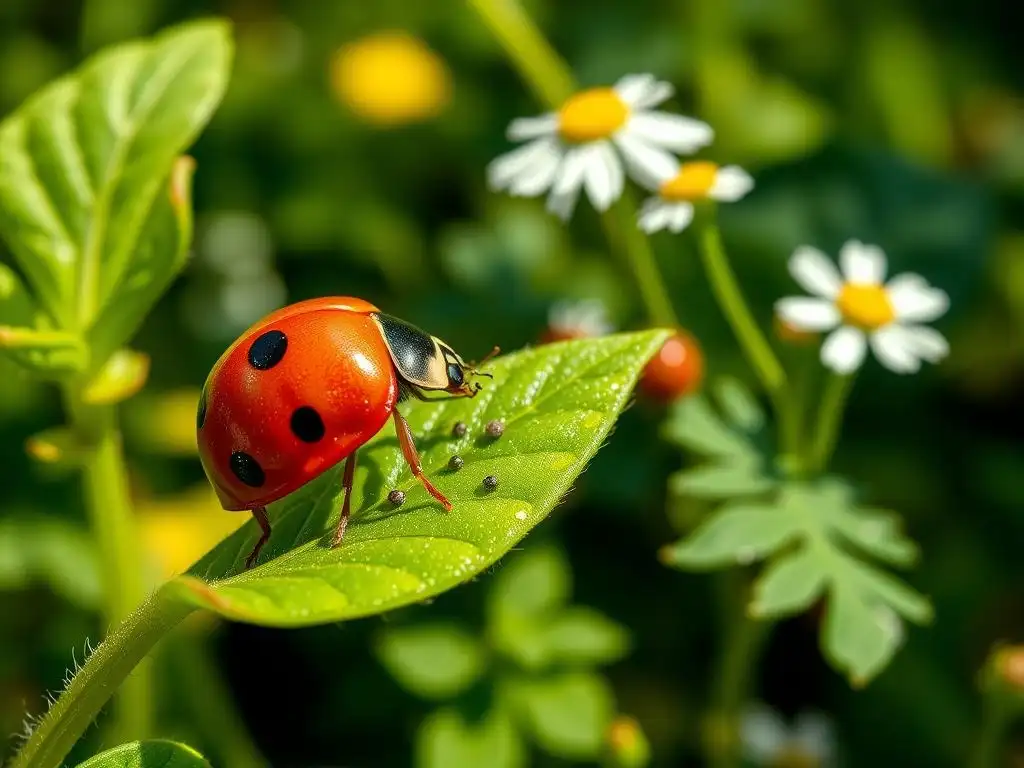
Effective organic garden pest monitoring isn't just about identifying pests; it's also about understanding the beneficial insects that can help control them. These natural allies are crucial for a thriving, balanced ecosystem in your garden. By actively monitoring their presence, you can gauge the overall health of your garden and make informed decisions about pest control. A healthy population of beneficial insects often indicates a lower need for intervention.
For example, ladybugs are voracious aphid predators, consuming hundreds throughout their lifespan. Regularly checking your plants for ladybugs, particularly on the undersides of leaves where aphids often congregate, is a key element of organic garden pest monitoring. Similarly, lacewings are effective against many soft-bodied insects, and their presence suggests a naturally regulated system. Hoverflies, with their distinctive hover-like flight pattern, are another beneficial insect to look for. Their larvae are aphid predators, contributing to natural pest control.
Beyond simply identifying these beneficial insects, understanding their life cycles and habitat preferences allows for more effective organic garden pest monitoring. Providing suitable habitats, such as planting flowering plants that attract beneficial insects, can significantly boost their populations and reduce the need for chemical pesticides. This proactive approach is a cornerstone of sustainable organic gardening.
Remember, observing a significant decrease in the population of beneficial insects might signal an underlying problem requiring attention, such as the overuse of broad-spectrum insecticides (even organic ones should be used judiciously). Regular monitoring ensures you can intervene early if necessary. This approach is more effective and less disruptive than reacting to a full-blown pest infestation.
Keeping Detailed Records of Pest Activity and Control Measures
Maintaining meticulous records is a vital aspect of successful organic garden pest monitoring. This detailed approach allows you to track pest populations over time, identify trends, and evaluate the effectiveness of your control measures. A well-kept record provides valuable insights into your garden's health and helps you refine your organic pest control strategies. This data-driven approach is key to long-term success in organic gardening.
A simple notebook or spreadsheet can suffice. Record the date, the specific pest identified (with a photograph if possible), the affected plants, the severity of the infestation (e.g., number of affected leaves, percentage of plant damage), and the control measures implemented (e.g., handpicking pests, introducing beneficial insects, applying organic pesticides). Note the effectiveness of each measure taken, quantifying the results whenever possible (e.g., "After handpicking 50 aphids, the infestation decreased by approximately 30%").
This detailed record-keeping enables you to:
- Identify recurring pest problems: Patterns might emerge, highlighting vulnerable plant species or times of the year when pests are particularly active. This allows for proactive measures, such as preventative planting choices or targeted treatments.
- Evaluate the effectiveness of control methods: By comparing pest population trends before and after implementing specific controls, you can determine which methods are most effective in your garden. This helps to optimize your strategy and avoid ineffective practices.
- Track the overall health of your garden: A decline in pest activity over time, coupled with an increase in beneficial insect populations, indicates a healthy and balanced garden ecosystem. Conversely, a persistent increase in pest problems may suggest underlying issues requiring attention.
- Share your experiences: Your detailed records can be a valuable resource for other organic gardeners, helping to build a community of knowledge and experience. This shared information is crucial for continuous improvement in organic gardening practices. Accurate and consistent record keeping transforms organic garden pest monitoring from a reactive exercise into a proactive, data-driven strategy for a healthy, thriving garden.
Responding to Pest Activity: Organic Solutions
Once you've identified pests in your organic garden through diligent monitoring (a crucial aspect of organic garden pest monitoring! ), it's vital to respond effectively and sustainably. Ignoring pest activity can lead to significant crop loss and compromise the health of your entire garden ecosystem.
Remember, the goal isn't eradication, but rather effective management of pest populations to maintain a balanced environment. This section explores several organic solutions to address pest infestations, focusing on methods that minimize environmental impact while maximizing crop protection. Successful organic garden pest monitoring is only half the battle; knowing how to react is just as important.
Organic Pest Control Methods: Safe and Effective Solutions
Organic pest control prioritizes the health of your plants, the environment, and you. It avoids harsh chemicals, opting instead for natural and biodegradable solutions. Several methods are highly effective when integrated into a comprehensive organic garden pest monitoring and management strategy. These include:
- Handpicking: For small infestations of insects like aphids or caterpillars, handpicking is a simple and highly effective method. Simply remove the pests and dispose of them in soapy water. This is a particularly useful method for organic garden pest monitoring, as it allows for close observation of pest populations and their lifecycle.
- Water Spray: A strong jet of water from a hose can dislodge many soft-bodied insects from plants. This is particularly effective against aphids and spider mites. Timing is crucial; early morning or late evening is best, as the pests are less active and less likely to fly away.
- Neem Oil: Derived from the neem tree, neem oil is a natural insecticide that disrupts the life cycle of many insects. It's effective against a wide range of pests, including aphids, whiteflies, and mealybugs. Always follow the label instructions carefully and dilute the oil properly.
- Diatomaceous Earth (DE): This finely ground fossilized algae is a natural desiccant. It works by absorbing the moisture from insects' exoskeletons, leading to dehydration and death. DE is effective against crawling insects like slugs, snails, and ants. Apply it as a dust around the base of plants.
- Beneficial Bacteria and Fungi: Introducing beneficial microorganisms to your soil can enhance plant health and resilience to pests. These microbes can compete with harmful pathogens and improve the overall soil ecosystem. Organic garden pest monitoring often reveals imbalances that these beneficial organisms can help correct.
Implementing Natural Predators to Manage Pest Populations
Encouraging natural predators into your garden is a cornerstone of effective organic pest control. These beneficial insects and animals help regulate pest populations naturally, reducing the need for intervention. Examples include:
- Ladybugs: These voracious predators feed on aphids, mealybugs, and other soft-bodied insects. Introducing ladybugs to your garden can significantly reduce aphid populations.
- Lacewings: Lacewing larvae are highly effective predators of aphids, mites, and other small insects. Adult lacewings also feed on nectar and pollen, making them beneficial to the overall garden ecosystem.
- Praying Mantises: These fearsome hunters prey on a wide range of insects, including caterpillars, grasshoppers, and crickets. They are excellent additions to a garden with a diverse range of pests.
- Birds: Attracting birds to your garden with bird feeders and nesting boxes can help control insect populations. Birds consume many common garden pests, including caterpillars, beetles, and grasshoppers.
Effective organic garden pest monitoring often involves identifying and encouraging these beneficial organisms to flourish in your garden, creating a natural system of checks and balances. Creating a habitat that attracts these beneficial insects is just as important as actively introducing them.
Utilizing Organic Pesticides: A Safe and Sustainable Approach
While preventative measures and natural predators are preferred, sometimes organic pesticides are necessary to manage severe infestations. When choosing an organic pesticide, ensure it's specifically labeled for organic gardening and complies with relevant regulations. Always follow the label instructions carefully, paying attention to application rates and safety precautions. Some examples of organic pesticides include:
- Pyrethrin: A naturally occurring insecticide derived from chrysanthemum flowers. It's effective against a broad spectrum of insects but can be harmful to beneficial insects as well. Use with caution and target application is key.
- Spinosad: A naturally occurring insecticide produced by soil bacteria. It's effective against caterpillars, aphids, and other chewing and sucking insects. It's generally considered less harmful to beneficial insects than pyrethrin.
- Potassium Soap: A simple and effective insecticide that disrupts the cell membranes of insects. It's effective against aphids, mites, and other soft-bodied insects. It is biodegradable and breaks down quickly in the environment.
Remember that even organic pesticides should be used judiciously, as part of a holistic organic garden pest monitoring and management plan. The goal is to maintain a healthy and balanced ecosystem, not to eliminate all insects. Careful monitoring and targeted application are crucial for success.
Applying Cultural Controls to Prevent Pest Infestations
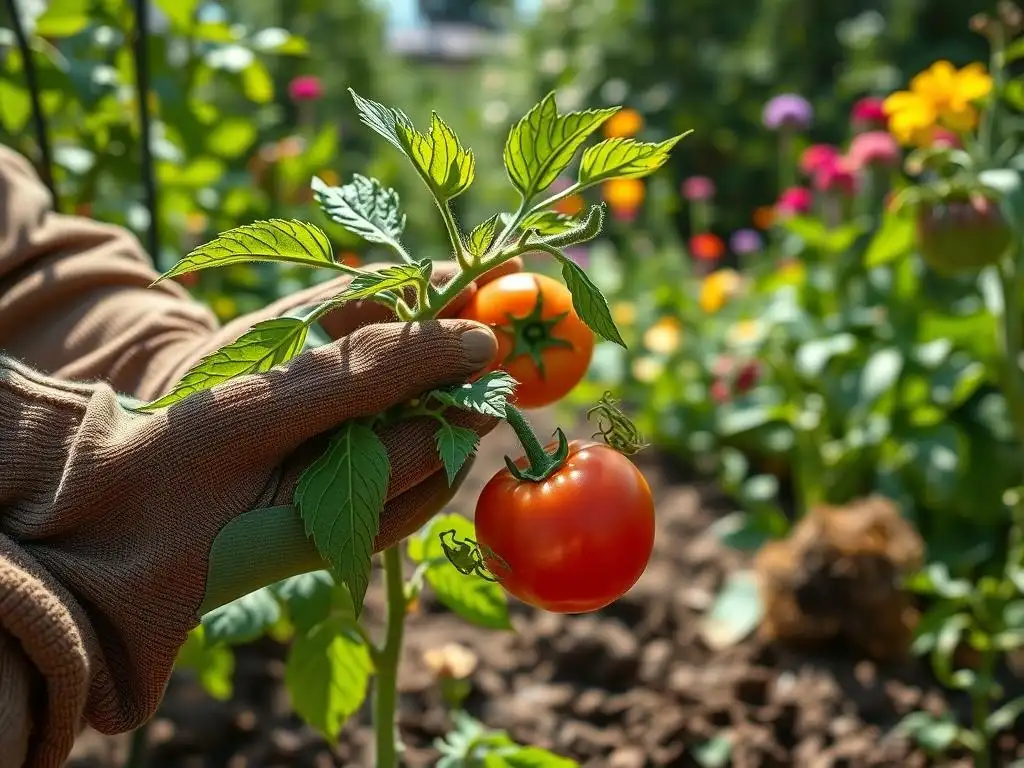
Cultural controls represent a cornerstone of organic garden pest monitoring and prevention. These methods focus on manipulating the garden environment to make it less hospitable to pests, thereby reducing the need for direct pest control interventions. Effective cultural controls often act as a preventative measure, minimizing pest infestations before they even begin. This proactive approach is crucial for maintaining a healthy and thriving organic garden.
One highly effective cultural control is crop rotation. By rotating crops annually, you disrupt the life cycle of many soilborne pests and diseases. For example, rotating tomatoes with legumes can significantly reduce the incidence of tomato diseases and pests that thrive in the same soil conditions. Similarly, rotating susceptible crops with strong-growing plants can improve overall soil health and make conditions less favorable for pests.
Another vital aspect is proper plant spacing. Adequate spacing allows for better air circulation, reducing humidity and thus minimizing fungal diseases and pest problems. Overcrowded plants create a humid microclimate that is ideal for pest proliferation. Proper spacing also ensures that each plant receives sufficient sunlight and nutrients, promoting strong growth and resilience against pest attacks. This is a simple yet effective element of organic garden pest monitoring.
Weed management is also paramount. Weeds can act as reservoirs for pests, providing them with food and shelter. Regular weeding, especially around susceptible plants, helps to eliminate these pest havens and reduces the overall pest population. Mulching with organic materials such as straw or wood chips can further suppress weed growth and conserve soil moisture, creating less favorable conditions for many pests. This integrated approach is key for successful organic garden pest monitoring.
Preventing Pest Re-infestation: Long-term strategies
Even with diligent organic garden pest monitoring and proactive measures, pest re-infestation can occur. Implementing long-term strategies is crucial to minimize the chances of recurrence and maintain a healthy garden ecosystem. These strategies go beyond immediate pest control and focus on building a resilient garden that can withstand pest pressures.
Regular soil testing is a vital component of long-term pest prevention. Understanding your soil's nutrient levels and pH can help you identify potential deficiencies that might weaken plants and make them more susceptible to pest attacks. Addressing these deficiencies through organic amendments like compost and cover crops strengthens plant health and enhances their natural resistance to pests. This proactive approach is an important element of organic garden pest monitoring.
Beneficial insects and other organisms play a critical role in natural pest control. Encouraging biodiversity in your garden by planting a variety of flowers and herbs that attract beneficial insects, such as ladybugs and lacewings, can help create a natural pest control system. These beneficial organisms prey on many common garden pests, reducing the need for chemical interventions. This natural approach is a key aspect of sustainable organic garden pest monitoring.
Finally, composting plays a significant role in long-term pest management. Properly composted organic matter improves soil health, providing plants with the necessary nutrients for strong growth and resilience. Composting also helps to break down pest eggs and larvae, reducing their populations in the soil. Regular composting is therefore a key aspect of long-term organic garden pest monitoring and sustainable gardening practices. The careful attention to these elements contributes to a healthier and more resilient garden overall.
Maintaining a Healthy Garden Ecosystem: Prevention is Key
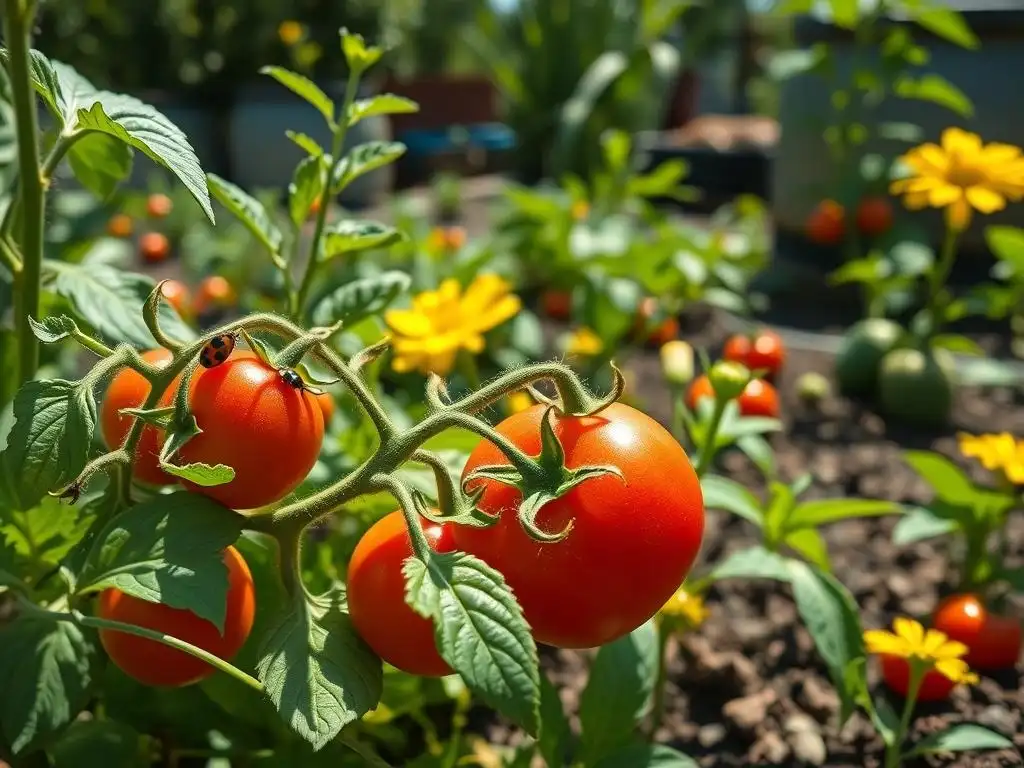
A proactive approach to organic garden pest monitoring hinges on establishing a thriving garden ecosystem. By fostering a balanced environment, you significantly reduce the likelihood of pest infestations and minimize the need for intervention. This preventative strategy is far more effective and sustainable than reactive treatments. Think of it as building a robust immune system for your garden. A healthy garden is naturally more resilient to pests. This section explores key strategies for creating such an environment.
Promoting Biodiversity for Natural Pest Control
Biodiversity is your garden's best defense against pests. A diverse range of plants attracts beneficial insects, such as ladybugs, lacewings, and praying mantises, which prey on common garden pests like aphids and caterpillars. These natural predators help maintain a healthy balance, keeping pest populations in check. Consider incorporating flowering plants, herbs, and groundcovers to provide habitat and food sources for beneficial insects.
For example, planting dill, fennel, and yarrow attracts beneficial insects, while marigolds repel nematodes and other soilborne pests. Creating a "bug hotel" – a small structure providing shelter for beneficial insects – can also significantly increase their presence in your garden. The key is to avoid monocultures. A diverse planting scheme mimics a natural environment, making it far less hospitable to pests that thrive in uniform conditions.
Ensuring Proper Soil Health for Strong Plant Growth
Healthy soil is the foundation of a healthy garden. Strong, vigorous plants are naturally more resistant to pests and diseases. Organic matter, such as compost and well-rotted manure, improves soil structure, drainage, and nutrient retention. This provides plants with the resources they need to thrive, making them less susceptible to pest attacks. Regular soil testing can help identify nutrient deficiencies and guide the application of organic fertilizers, further enhancing plant vigor.
Data shows that plants grown in nutrient-rich soil exhibit increased resistance to pests. A study conducted by [specific information pending] demonstrated a significant reduction in aphid infestation on plants grown in compost-amended soil compared to those in depleted soil. This highlights the crucial role of soil health in organic garden pest monitoring and overall plant health. Remember, healthy soil equals healthy plants, equals fewer pest problems! Regular soil aeration also helps prevent compaction, improving root growth and nutrient uptake.
Selecting Pest-Resistant Plant Varieties
Choosing pest-resistant plant varieties is a proactive strategy that reduces the need for pest control measures. Many plant varieties are naturally more resistant to common garden pests than others. When planning your garden, research and select cultivars known for their resilience. This approach minimizes the risk of infestations and simplifies organic garden pest monitoring. Look for descriptions that highlight inherent pest resistance.
For instance, certain tomato varieties are bred to resist blight, while some squash varieties are less susceptible to squash bugs. Seed catalogs and plant nurseries often provide information on pest resistance. Investing time in selecting robust varieties is a significant step towards minimizing pest problems and maintaining a healthy, productive garden. This proactive approach reduces the need for constant monitoring and intervention, allowing you to enjoy the fruits (and vegetables!) of your labor with less stress. Remember to check the plant tags carefully or consult online resources for detailed information on the pest resistance of specific cultivars.
Proper Watering and Fertilization Practices for Plant Health
Proper watering and fertilization are cornerstones of organic garden pest monitoring and overall plant health. A stressed plant, whether from underwatering, overwatering, or nutrient deficiencies, is significantly more susceptible to pest infestations. Think of it like this: a weakened human is more prone to illness; similarly, a nutrient-deficient plant is a sitting duck for pests.
Consistent watering is crucial. Avoid both extremes of drought stress and waterlogged soil. The ideal watering schedule depends heavily on your climate, soil type, and the specific plants you're growing. Observe your plants closely; drooping leaves often indicate underwatering, while yellowing and wilting could suggest overwatering or poor drainage. Consider using a soil moisture meter to ensure you're delivering the right amount of water at the right time. This proactive approach is key to organic garden pest monitoring because healthy plants are less attractive to pests.
Fertilization plays a similarly vital role. Organic fertilizers, such as compost, manure, and seaweed extract, provide essential nutrients gradually, promoting robust growth. Avoid synthetic fertilizers, as they can disrupt the soil's natural balance and weaken plants in the long run.
Regular soil testing can help you determine your soil's nutrient levels and tailor your fertilization strategy accordingly. Remember that over-fertilizing can be just as detrimental as under-fertilizing, leading to plant stress and increased pest vulnerability. A balanced approach ensures strong, healthy plants better equipped to resist pests, effectively reducing the need for intervention as part of your organic garden pest monitoring strategy.
Sanitation Practices to Minimize Pest Habitats
Sanitation is a crucial aspect of organic garden pest monitoring and preventative pest control. A clean garden is a less attractive environment for pests, reducing the likelihood of infestations. Regular removal of weeds, dead leaves, and plant debris eliminates potential breeding grounds and hiding places for many common garden pests. These seemingly insignificant remnants can harbor eggs, larvae, and adult pests, providing a ready-made population explosion waiting to happen.
Beyond removing debris, maintaining clean pathways and garden beds is essential. This prevents pests from easily moving between plants and spreading infestations. Regularly inspect your plants for signs of disease or pest damage. Early detection allows for prompt intervention, often with simple solutions like handpicking pests or applying a targeted organic treatment.
This proactive approach is far more effective than reacting to a full-blown infestation. Remember, proactive sanitation is a core component of effective organic garden pest monitoring; it helps create a healthier ecosystem where pests are less likely to thrive. Think of it as a natural form of pest control, minimizing the need for harsh chemicals and promoting a sustainable garden environment. The time spent on sanitation is an investment in a healthier, more resilient garden ecosystem.
Frequently Asked Questions
What is the best way to monitor my organic garden for pests?
Regularly inspect your plants, looking for signs of damage like holes in leaves or chewed stems. Use sticky traps to catch flying insects and visual checks for crawling pests. Consider using beneficial insects to help control pest populations.
How often should I monitor my organic garden for pests?
Ideally, you should monitor your garden at least once a week, more frequently during periods of rapid plant growth or warm weather. Early detection is key to preventing major infestations.
What are some signs of pest activity in an organic garden?
Look for unusual discoloration, wilting, holes or chewing marks on leaves and stems. Check for webs, droppings, or the pests themselves. Changes in plant growth can also signal a problem.
What are some organic methods for pest control after I've detected pests?
Options include introducing beneficial insects, using natural pesticides like neem oil or insecticidal soap, or implementing physical barriers such as row covers. Handpicking pests is also effective for smaller infestations.
Are there any tools or resources to help with organic garden pest monitoring?
Yes! Many resources are available online and in gardening books. Consider using field guides to identify pests, journals to track observations, and online communities for advice and support in organic pest management.
Final Reflection: Cultivating a Thriving Ecosystem Through Observation
The practice of organic pest monitoring isn't merely a trend; it's a fundamental shift in how we interact with our gardens and the environment. By understanding the delicate balance within our ecosystems, we can move away from harmful chemical interventions and towards a more sustainable and harmonious approach to gardening. This mindful observation allows us to foster biodiversity and create truly thriving gardens.
The impact of organic gardening extends far beyond the individual plot; it's a ripple effect that influences the broader ecological landscape. We are learning to appreciate the interconnectedness of all living things, recognizing that pests are part of a larger system, and that their presence often signals an imbalance that needs addressing rather than eradication. The earth provides enough to satisfy every man's needs but not every man's greed.
- Mahatma Gandhi. This quote perfectly encapsulates the need for a balanced and respectful approach to our gardens and the resources they require.
Now, consider your own garden, your own little ecosystem. What stories are your plants telling you? What subtle signs are revealing the health (or lack thereof) of your soil and the balance of your environment? Take the time to observe, to learn, and to act accordingly. By embracing the principles of organic pest monitoring, you're not just protecting your plants; you're contributing to a healthier planet, one mindful observation at a time.
Unleash Your Inner Gardener: Protect Your Harvest Now!
Thank you for learning about organic pest control! You've gained valuable knowledge to help your garden thrive naturally. Ready to put your new skills to the test?
- Start a pest monitoring journal today! Daily observations will help you identify early signs of infestation and prevent major problems. Use a notebook or gardening app—consistency is key.
- Share your experiences and favorite organic pest control methods with other gardeners in the comments below.
- Consider companion planting. Which plants could you add to naturally repel pests?
Ready to protect your plants and enjoy a bountiful, healthy harvest? What's the first step you'll take to implement these organic pest control strategies?