
The Right Time to Fertilize: Understanding Plant Growth Cycles

Welcome to CultivateYourFood, your guide to growing a thriving, organic garden! Are you ready to unlock the secrets to a bountiful harvest? We'll help you nurture your plants from seed to table, using sustainable methods. But first, discover the critical element that can make or break your yield: knowing the best time to fertilize plants. Dive into our "Troubleshooting" section and learn how understanding plant growth cycles unlocks the key to vibrant, healthy growth. Let's cultivate your success together!
- Understanding Plant Growth Stages for Optimal Fertilization
- Best Time to Fertilize: A Seasonal Guide
- Recognizing Signs of Nutrient Deficiency
- Choosing the Right Fertilizer for Your Plants
- Optimizing Fertilizer Application Techniques
- Troubleshooting Common Fertilization Issues
- Sustainable Fertilization Practices for Healthy Plants
- Frequently Asked Questions
- Final Reflection: Nurturing Growth, Harvesting Abundance
- Unleash Your Garden's Potential: Time to Thrive!
Understanding Plant Growth Stages for Optimal Fertilization
Knowing the best time to fertilize plants is crucial for maximizing yields and ensuring healthy growth. This isn't a one-size-fits-all answer; the ideal fertilization schedule depends heavily on understanding the natural growth cycles of your fruits, vegetables, and herbs. By aligning your fertilization practices with these cycles, you'll provide your plants with the precise nutrients they need at each critical stage of development, leading to bountiful harvests and vibrant, thriving plants.
This article will guide you through the key growth stages, outlining the specific nutrient requirements and the best times to apply fertilizer for optimal results using sustainable and organic practices. Mastering this timing is key to achieving the best possible results in your home garden, and will contribute significantly to your success in growing healthy and productive plants. Let's delve into the details to help you determine the best time to fertilize plants for your specific needs.
The Vegetative Growth Stage: Building a Strong Foundation
The vegetative growth stage is the initial phase of a plant's life cycle, characterized by rapid leaf and stem development. During this period, the plant focuses its energy on building a robust foundation for future growth. Think of it as laying the groundwork for a strong and healthy plant. Think of it like building a strong house – you need a solid foundation before you can add the upper floors! 🌱
This stage typically requires a fertilizer rich in nitrogen (N), which is essential for chlorophyll production and overall leaf growth. Nitrogen is the building block for lush green foliage. A balanced fertilizer with a higher nitrogen ratio (e.g., 10-5-5 or 15-5-10) is ideal during this phase. However, avoid over-fertilizing, as this can lead to excessive leaf growth at the expense of flowering and fruiting.
Observe your plants closely – if they exhibit vibrant green leaves and strong stem growth, you're on the right track. If growth seems stunted, a light application of nitrogen-rich fertilizer might be beneficial. Remember that organic options, such as compost tea or well-rotted manure, provide a slow-release source of nitrogen and other essential nutrients, promoting healthy and sustainable growth.
The Flowering Stage: Nutrient Needs for Blooms and Fruit Set
Once your plants have established a strong vegetative structure, they transition into the flowering stage. This is a period of significant change, as the plant redirects its energy towards the production of flowers and, ultimately, fruits or seeds. This stage demands a shift in nutrient requirements. 🌸
While nitrogen remains important, the focus now shifts to phosphorus (P) and potassium (K). Phosphorus is crucial for root development, flower formation, and fruit set. Potassium plays a vital role in overall plant health, disease resistance, and fruit quality.
A balanced fertilizer with a higher phosphorus and potassium ratio (e.g., 5-10-10 or 5-15-15) is generally recommended during the flowering stage. Again, organic options such as bone meal (rich in phosphorus) and wood ashes (rich in potassium) can be excellent supplements. Careful monitoring is key; if flowers are sparse or fruits are small and underdeveloped, consider supplementing with a phosphorus and potassium-rich fertilizer.
The Fruiting/Seed Production Stage: Sustaining Energy for Harvest
The fruiting or seed production stage is the culmination of the plant's life cycle. At this point, the plant dedicates its resources to developing mature fruits or seeds. Maintaining adequate nutrient levels is critical for maximizing yield and quality. 🍎
While the need for phosphorus and potassium remains, a balanced fertilizer might be sufficient. The exact requirements vary significantly depending on the plant species. Consider using a fertilizer with a balanced NPK ratio (e.g., 10-10-10) or even a slightly higher potassium level to support fruit ripening and seed development. Avoid heavy fertilization at this stage, as it could compromise the taste and quality of the harvest.
Focus on providing consistent moisture and monitoring for any signs of nutrient deficiencies. Remember, consistent care and attention throughout all stages are key to a successful harvest. Proper fertilization, aligned with the plant's growth cycle, is a crucial component of this process.
The Dormancy Stage: Rest and Recuperation - Minimal Fertilization Needs
The dormancy stage is a crucial period in a plant's life cycle, characterized by a significant slowdown or complete cessation of growth. This period, often occurring during winter for temperate plants, is essential for the plant to conserve energy and prepare for the next growing season. During dormancy, metabolic activity is drastically reduced. Think of it as the plant's equivalent of hibernation – a time for rest and recuperation. The plant's energy is focused inward, repairing cellular damage accumulated during the previous growing season and preparing for the burst of activity that will follow.
Because growth is minimal to nonexistent, the need for fertilization is drastically reduced. In fact, excessive fertilization during dormancy can be harmful. The plant is unable to efficiently absorb and utilize the nutrients, which can lead to nutrient buildup in the soil, potentially harming beneficial soil microbes and potentially causing root burn.
This excess can also leach into groundwater, contributing to environmental pollution. Therefore, during dormancy, it's best to withhold fertilization altogether or, at most, provide a very light application of a slow-release organic fertilizer. This minimal input will ensure that the soil remains slightly enriched, providing a gentle boost of nutrients when the plant begins to actively grow again.
The specific timing of dormancy varies greatly depending on the plant species and climate. For example, deciduous trees typically enter dormancy in late autumn, while some evergreen shrubs may maintain a degree of activity throughout the winter. Observing the plant's visual cues is key. Leaf drop, reduced or absent flowering, and a general slowing of growth are all indicators of the dormancy period.
Careful monitoring of your plants will help you determine the appropriate time to cease fertilization and allow them to fully rest. This careful observation is a key element of organic gardening and ensures that your plants receive the precise care they need throughout their life cycle. Ignoring this crucial stage can lead to weakened plants that are more susceptible to pests and diseases in the following season.
Best Time to Fertilize: A Seasonal Guide
Understanding the best time to fertilize plants is crucial for maximizing yields and ensuring healthy growth. The ideal fertilization schedule isn't a one-size-fits-all solution; it's heavily influenced by the plant's growth cycle and the specific needs of the species. Ignoring this seasonal variation can lead to wasted fertilizer, nutrient imbalances, and even plant damage. This section will break down the optimal fertilization strategies for different seasons, helping you achieve vibrant, productive plants. Knowing the best time to fertilize plants is key to successful gardening.
Spring Fertilization: Boosting Early Growth
Spring marks the awakening of your garden, a period of intense growth as plants emerge from dormancy. This is a critical time for providing a boost of essential nutrients. Think of it as giving your plants the energy they need for a strong start to the growing season. The best time to fertilize plants in spring is after the last frost, allowing the soil to warm up sufficiently. This usually falls between late March and early May, depending on your geographic location.
Focusing on nitrogen-rich fertilizers during spring is key. Nitrogen is the building block of chlorophyll, the pigment responsible for photosynthesis. Adequate nitrogen ensures vigorous leaf growth and strong stems, creating a healthy foundation for fruit and flower production later in the season. You can use a balanced fertilizer (e.g., 10-10-10) or one with a higher nitrogen content (e.g., 20-10-10).
Remember to apply fertilizer according to the package instructions. Avoid over-fertilizing, as this can burn plant roots and lead to nutrient imbalances. For optimal results, incorporate slow-release fertilizers to provide a consistent supply of nutrients throughout the spring months. Consider using organic options like compost tea or aged manure for a sustainable and environmentally friendly approach.
Summer Fertilization: Supporting Fruit and Flower Development
Summer is the peak growing season, a time of abundant blooms and fruiting. Plants require a balanced supply of nutrients to sustain their energy-intensive processes. While nitrogen remains important, this is the time to focus on phosphorus and potassium to support flowering and fruit development. Phosphorus promotes root growth and flower formation, while potassium strengthens cell walls and enhances disease resistance.
The best time to fertilize plants in the summer is typically every 4-6 weeks, depending on the plant's needs and the type of fertilizer used. Observe your plants carefully. Signs of nutrient deficiency, such as yellowing leaves or stunted growth, indicate the need for additional fertilization. You might need to adjust your fertilization schedule based on specific observations of your plants. A balanced fertilizer (e.g., 10-10-10) or one with slightly higher phosphorus and potassium content (e.g., 10-20-20) is generally appropriate. Again, always follow the manufacturer’s instructions carefully.
Maintaining consistent soil moisture is crucial during summer. Water deeply and regularly to prevent stress, which can hinder nutrient uptake. Regular mulching helps retain soil moisture and suppress weeds, creating a more favorable environment for plant growth.
Fall Fertilization: Preparing for Winter Dormancy
As summer transitions into autumn, plants begin to prepare for winter dormancy. Fall fertilization focuses on building plant hardiness and resilience to withstand the cold months. The goal is not to stimulate new growth but to enhance the plant's overall health and vitality going into the winter. While you may still need to water your plants, the best time to fertilize plants in fall is different than in other seasons.
Phosphorus and potassium are still important during this phase, but the nitrogen content should be reduced significantly. High nitrogen levels late in the season can encourage late-season growth, making plants more vulnerable to frost damage. A fertilizer with a lower nitrogen content (e.g., 5-10-10) or a potassium-rich fertilizer is suitable for fall application. This allows for root development and winter hardiness.
In addition to fertilization, consider adding a layer of mulch around your plants to protect their roots from freezing temperatures. Clean up any fallen leaves or debris to prevent disease and pest problems. Proper fall care ensures your plants emerge healthy and strong in the following spring. By following these seasonal fertilization guidelines, you significantly increase the chances of success in your gardening endeavors.
Winter Fertilization: Minimal Needs for Overwintering Plants
Winter presents a unique challenge for gardeners. Many plants enter a period of dormancy, significantly slowing or halting their growth. During this phase, their nutrient requirements plummet. Over-fertilizing during winter can be detrimental, potentially leading to root burn and increased susceptibility to disease. Plants aren't actively absorbing nutrients at the same rate, and excess fertilizer salts can accumulate in the soil, harming the plant's root system when the growing season resumes. The best time to fertilize plants in winter is, in most cases, not at all.
Instead of fertilizing, focus on protecting your plants from harsh winter conditions. This includes providing adequate insulation, mulching around the base of plants to protect roots from freezing temperatures, and ensuring proper drainage to prevent waterlogging. For plants that are still actively growing, such as certain indoor herbs or houseplants, a very diluted application of a balanced fertilizer might be considered, but only if there are clear signs of nutrient deficiency, such as yellowing leaves or stunted growth. Even then, it's crucial to apply a significantly smaller amount than you would during the active growing season.
Always err on the side of caution and under-fertilize during the winter months. Observe your plants carefully – their needs will dictate any minimal fertilization required. Remember, prevention of damage is key; less is more during this period.
Proper winter care will ensure your plants are healthy and ready to thrive when spring arrives. Think of winter as a period of rest and rejuvenation for your plants, not a time for aggressive nutrient supplementation. 🌱
Recognizing Signs of Nutrient Deficiency
Understanding when to fertilize your plants is crucial for healthy growth, but equally important is recognizing when your plants are already suffering from nutrient deficiencies. Knowing the signs allows for timely intervention, preventing significant yield loss and ensuring the overall success of your home garden. Finding the best time to fertilize plants is often tied to recognizing these early warning signals. Let's explore some common symptoms.
Yellowing Leaves (Chlorosis): Identifying Nitrogen, Iron, or Magnesium Deficiencies
Chlorosis, the yellowing of leaves, is a common symptom indicating a nutrient deficiency. However, the pattern of yellowing can help pinpoint the specific nutrient lacking. The best time to fertilize plants showing chlorosis is immediately, but the type of fertilizer depends on the diagnosis.
Several nutrients cause chlorosis, primarily nitrogen (N), iron (Fe), and magnesium (Mg). Let's differentiate them:
- Nitrogen Deficiency: This usually manifests as a general yellowing of older, lower leaves first. The veins might remain green initially, but eventually, the entire leaf turns yellow and may eventually die. Nitrogen is a mobile nutrient, meaning the plant can redistribute it from older leaves to newer growth when deficient. This explains the older leaves being affected first.
- Iron Deficiency: Iron chlorosis often presents as yellowing between the leaf veins, leaving the veins themselves green. This interveinal chlorosis is characteristic of iron deficiency and is particularly common in alkaline soils. Young leaves are typically affected first because iron is less mobile within the plant than nitrogen.
- Magnesium Deficiency: Magnesium deficiency typically shows up as yellowing between the veins of older leaves, similar to iron deficiency. However, unlike iron deficiency, the yellowing often progresses from the leaf margins inward, creating a distinct pattern. The leaf edges may also appear reddish-brown. Furthermore, magnesium deficiency can sometimes cause leaf curling or twisting.
| Nutrient | Primary Symptoms | Leaf Age Affected | Other Symptoms |
|---|---|---|---|
| Nitrogen (N) | General yellowing, starting from older leaves | Older | Stunted growth, weak stems |
| Iron (Fe) | Interveinal chlorosis (yellowing between veins) | Younger | Reduced chlorophyll production |
| Magnesium (Mg) | Yellowing between veins of older leaves, margin to center | Older | Leaf curling, reddish-brown edges |
Using a soil test kit can help confirm the nutrient deficiency. Remember to follow the instructions carefully for accurate results. Supplementing with the appropriate fertilizer is crucial once the deficiency is identified.
Stunted Growth: Potential Indicators of Phosphorus or Potassium Deficiency
Stunted growth, where plants fail to reach their expected size or develop slowly, can signal a deficiency in phosphorus (P) or potassium (K). These are essential nutrients for root development, flowering, and fruit production. The best time to fertilize plants exhibiting stunted growth is early in the growing season, if possible, to give the plant time to recover.
- Phosphorus Deficiency: Phosphorus deficiency can manifest in several ways, including stunted growth, dark green or purplish-colored leaves (especially older ones), and delayed flowering and fruiting. The plants may also have poor root development.
- Potassium Deficiency: Potassium deficiency often results in stunted growth, but also exhibits other distinctive symptoms like leaf scorching (brown or yellowing leaf margins and tips), and weak stems that are more prone to lodging (falling over).
Distinguishing between phosphorus and potassium deficiency solely based on stunted growth can be challenging. Other symptoms, such as leaf discoloration and stem weakness, are more diagnostic. A soil test is always recommended to confirm the suspected deficiency.
Brown Leaf Tips or Edges: Possible Potassium or Magnesium Deficiency
Brown leaf tips or edges, also known as leaf scorch, can indicate a deficiency in potassium or magnesium. The best time to fertilize plants exhibiting this symptom is before the damage becomes extensive, allowing the plant to recover and potentially prevent further leaf loss.
- Potassium Deficiency (Leaf Scorch): As mentioned earlier, potassium deficiency often shows up as leaf scorch, with brown or yellowing margins and tips, progressing inwards. This is accompanied by stunted growth and weak stems.
- Magnesium Deficiency (Leaf Scorch): Magnesium deficiency can also lead to leaf scorch, but the pattern may be slightly different. The yellowing may start between the veins, spreading towards the edges, often accompanied by leaf curling and reddish-brown discoloration.
The appearance of leaf scorch warrants immediate attention. While both potassium and magnesium deficiencies can cause this symptom, careful observation of the overall plant health and the pattern of discoloration will provide clues. A soil test will confirm the diagnosis and guide your fertilization strategy. Remember, preventing deficiencies through regular soil testing and appropriate fertilization is far better than trying to remedy them after significant damage has occurred.
Purpling Leaves: Phosphorus Deficiency
Phosphorus is a crucial nutrient for plant growth, playing a vital role in root development, flowering, and fruit production. A deficiency, therefore, can significantly impact the overall health and yield of your plants. One of the most noticeable signs of phosphorus deficiency is the development of purplish coloration on the leaves. This isn't a uniform purple hue across the entire plant, but rather appears as blotches or streaks, often concentrated on the older, lower leaves first.
The purpling stems from an accumulation of anthocyanins, pigments produced by the plant in response to stress, including nutrient deficiencies. The plant, struggling to access sufficient phosphorus, resorts to this coping mechanism. The intensity of the purple coloration can vary depending on the severity of the deficiency and the plant species; some plants show a more reddish hue. It's important to note that while purpling leaves are a strong indicator, they aren't exclusive to phosphorus deficiency.
Other factors, such as cold temperatures or specific soil conditions, can also cause similar discoloration. Therefore, careful observation of other symptoms is essential for accurate diagnosis. Always consider the overall health of the plant, checking for stunted growth, reduced flowering, or poor fruit development, which are further indicators of phosphorus deficiency.
This purpling isn't just an aesthetic issue; it signals a serious problem. A phosphorus-deficient plant will struggle to produce energy efficiently, impacting photosynthesis and overall growth. Root development, crucial for nutrient uptake, will be hindered, creating a vicious cycle where the plant becomes even less capable of absorbing the phosphorus it needs. This can lead to reduced yields, smaller fruits or vegetables, and even plant death if left unaddressed.
For instance, a tomato plant showing purpling leaves and stunted growth is likely suffering from a significant phosphorus deficiency, resulting in fewer and smaller tomatoes. Similarly, a pepper plant exhibiting this symptom will produce fewer peppers, and those produced may be smaller and less flavorful than usual. Addressing the deficiency promptly is essential to mitigate these negative impacts.
Soil testing can help confirm a phosphorus deficiency and guide you in selecting the appropriate fertilizer to restore your plant's health. Remember, early detection and treatment are key to preventing significant yield losses and ensuring a healthy harvest. Don't let purpling leaves be the only sign you notice; pay attention to the overall vigor and productivity of your plants.
Choosing the Right Fertilizer for Your Plants
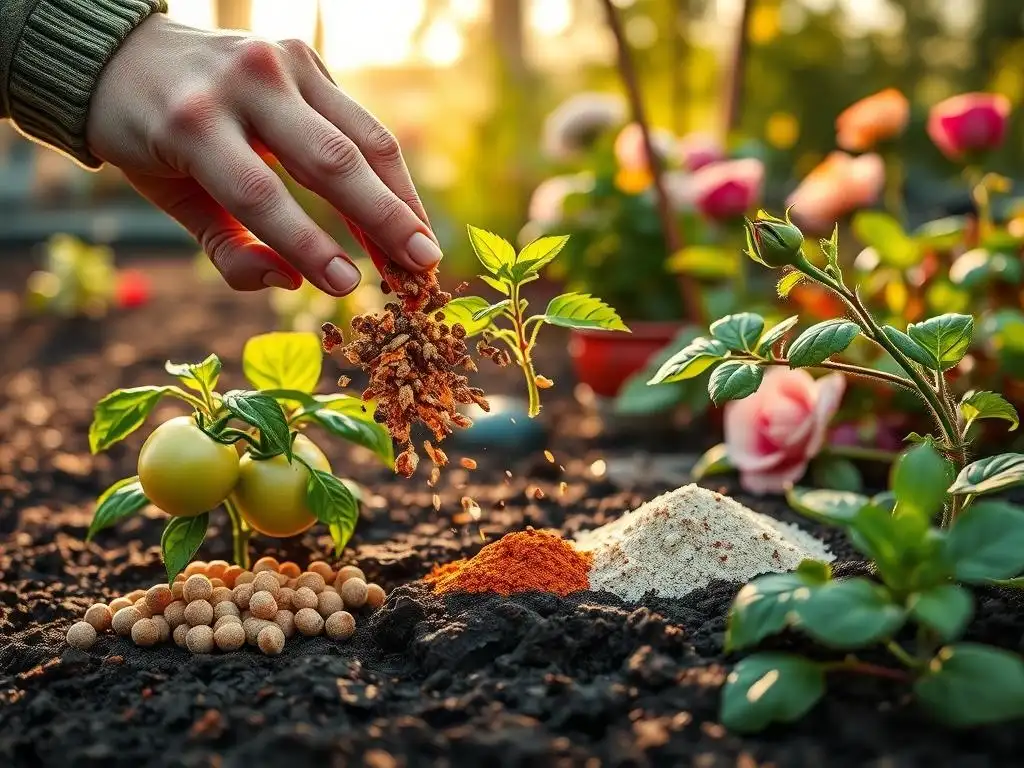
Understanding when to fertilize is only half the battle; choosing the best fertilizer for your plants is equally crucial for optimal growth and yield. The best time to fertilize plants is often dictated by the type of fertilizer used and the specific needs of your plant. Let's explore the key factors in selecting the appropriate fertilizer.
Organic vs. Synthetic Fertilizers: Sustainable Choices for Your Garden
The choice between organic and synthetic fertilizers significantly impacts your garden's sustainability and overall health. Organic fertilizers, derived from natural sources like compost, manure, and bone meal, release nutrients gradually, improving soil structure and microbial activity. This slow release minimizes nutrient runoff, a major concern with synthetic fertilizers. They contribute to long-term soil fertility, supporting a thriving ecosystem in your garden. However, organic fertilizers may have lower nutrient concentrations, requiring more frequent application.
Synthetic fertilizers, conversely, provide a readily available and concentrated source of nutrients (NPK – Nitrogen, Phosphorus, Potassium). They offer a quick boost for plants experiencing nutrient deficiencies, particularly during periods of rapid growth. However, overuse can lead to nutrient imbalances, soil degradation, and environmental pollution due to runoff. Synthetic fertilizers also lack the soil-enhancing benefits of organic alternatives.
Choosing between organic and synthetic depends on your gardening philosophy and priorities. For a truly sustainable approach, prioritizing organic fertilizers is recommended. A balanced approach, combining both types strategically, can also be effective, leveraging the benefits of both. For instance, you could use a synthetic fertilizer to address an immediate deficiency, followed by a longer-term organic approach to maintain soil health.
Selecting Fertilizer Based on Plant Needs: Understanding NPK Ratios
Fertilizers are often labeled with an NPK ratio, representing the percentage of Nitrogen (N), Phosphorus (P), and Potassium (K) they contain. For example, a 10-10-10 fertilizer contains 10% Nitrogen, 10% Phosphorus, and 10% Potassium. Understanding these ratios is vital for selecting the right fertilizer for different plants and growth stages.
- Nitrogen (N): Promotes leafy green growth. Plants needing vigorous vegetative growth, like leafy greens and grasses, benefit from higher Nitrogen levels.
- Phosphorus (P): Essential for root development, flowering, and fruiting. Plants requiring strong root systems and abundant blooms or fruits need higher Phosphorus.
- Potassium (K): Improves overall plant health, disease resistance, and stress tolerance. Potassium is crucial for overall plant vigor and resilience.
Understanding your plant's needs is key. For instance, flowering plants often require a higher P ratio during their blooming phase, while fruiting plants may need a balance of P and K during fruit development. Always consult plant-specific guides to determine the ideal NPK ratio for your chosen plants. Improper NPK ratios can lead to stunted growth, poor yields, and increased susceptibility to diseases.
Slow-Release vs. Fast-Release Fertilizers: Matching Release Rates to Plant Growth Cycles
The rate at which a fertilizer releases its nutrients significantly impacts plant growth and soil health. Fast-release fertilizers provide an immediate nutrient boost but can lead to nutrient loss through runoff and potential imbalances. They are best suited for situations requiring a rapid response, such as addressing a severe deficiency or promoting rapid growth in a specific stage.
Slow-release fertilizers, on the other hand, gradually release nutrients over a longer period, minimizing waste and promoting consistent growth. This sustained release better mimics natural nutrient cycling, promoting healthier soil and reducing the risk of nutrient burn. They are ideal for long-term soil health and consistent plant nutrition. Examples include organic fertilizers and coated synthetic fertilizers.
The best time to fertilize plants also depends on the release rate. Fast-release fertilizers might be applied more frequently, perhaps every few weeks during peak growing seasons, while slow-release fertilizers can be applied less frequently. Consider your plant's specific growth cycle and nutrient needs when deciding between slow and fast-release options. For sustainable gardening, prioritizing slow-release fertilizers is generally recommended to avoid the negative impacts of fast-release options.
Optimizing Fertilizer Application Techniques
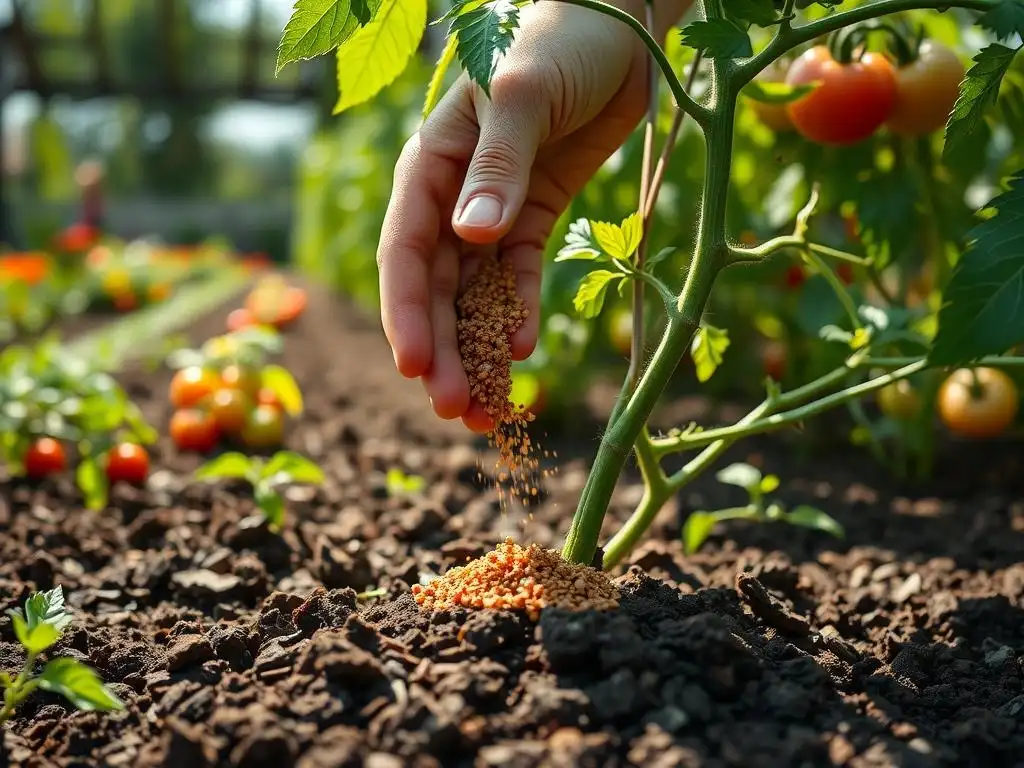
This section focuses on the best time to fertilize plants by detailing effective application methods to maximize nutrient uptake while minimizing the risk of damage. Understanding how to properly apply fertilizer is crucial for healthy plant growth and achieving optimal yields. Improper fertilization can lead to nutrient deficiencies or, conversely, fertilizer burn, which can severely damage or even kill your plants. Therefore, mastering application techniques is paramount for successful gardening.
Proper Application Methods to Avoid Burning Plants
Applying fertilizer correctly is key to avoiding plant damage. Never apply fertilizer directly to the plant's leaves or stem; this can cause burning. Instead, always apply fertilizer to the soil, ideally a few inches away from the plant's base. This allows the nutrients to gradually reach the roots through watering or rainfall. Different fertilizer types require different application methods:
- Granular Fertilizers: These are typically spread evenly over the soil surface and then watered in. The amount applied should strictly adhere to the product's instructions. Over-application is a common cause of fertilizer burn.
- Liquid Fertilizers: These are diluted with water and applied directly to the soil. Always follow the manufacturer's instructions for dilution rates to avoid burning plants. Using a watering can with a rose head helps distribute the liquid evenly.
- Slow-Release Fertilizers: These release nutrients gradually over time, reducing the risk of burning. They often require less frequent applications than granular or liquid fertilizers. However, even with slow-release fertilizers, it’s essential to follow the instructions on the packaging to prevent nutrient overload.
Remember, the best time to fertilize plants is also about the method. Applying fertilizer on a windy day can lead to uneven distribution and potential waste. Ideally, apply fertilizer on a calm day, after watering the soil slightly. This helps the nutrients dissolve and penetrate the soil effectively.
Frequency of Fertilization: Avoiding Over-fertilization
Over-fertilizing is as detrimental as under-fertilizing. Excessive nutrients can disrupt the delicate balance within the soil, leading to a range of problems, including root burn, nutrient imbalances, and even the death of your plants. The frequency of fertilization depends on several factors, including the type of plant, the type of fertilizer used, and the soil's nutrient content. There is no single best time to fertilize plants applicable to all situations.
The following table provides a general guideline:
| Plant Type | Fertilization Frequency | Notes |
|---|---|---|
| Heavy Feeders (e.g., tomatoes, peppers) | Every 2-3 weeks | Adjust based on growth rate and soil tests. |
| Moderate Feeders (e.g., leafy greens) | Every 4-6 weeks | May need less frequent feeding, especially in nutrient-rich soil. |
| Light Feeders (e.g., herbs) | Every 6-8 weeks or less | Often benefit from compost tea or other organic amendments. |
Always err on the side of caution. It's better to under-fertilize than to over-fertilize. Regular monitoring of your plants is key to determining their nutrient needs. Signs of over-fertilization include leaf burn (brown or yellow leaf tips), stunted growth, and wilting.
Monitoring Soil Health: Testing for Nutrient Levels
Regular soil testing is crucial for determining the existing nutrient levels in your soil and identifying any deficiencies. This allows you to tailor your fertilization schedule and prevent both under- and over-fertilization. Soil testing kits are readily available, providing a simple and effective way to analyze your soil's composition. These kits typically test for pH levels and the presence of essential macronutrients (nitrogen, phosphorus, and potassium) and micronutrients.
Knowing your soil's pH is important because it influences nutrient availability. Different nutrients are more readily available at different pH levels. A soil test will help you adjust your soil pH if necessary, optimizing nutrient uptake by your plants. Knowing the best time to fertilize plants also means understanding the soil's current state.
For example, if your soil test reveals a high level of a particular nutrient, you may need to reduce or eliminate fertilization for that nutrient to avoid over-fertilization. Conversely, if your soil test reveals a deficiency, you can adjust your fertilization strategy to address the specific nutrient shortfall. This precise approach ensures that your plants receive the optimal amount of nutrients at the right time, leading to healthier, more productive plants. 🌱
Troubleshooting Common Fertilization Issues
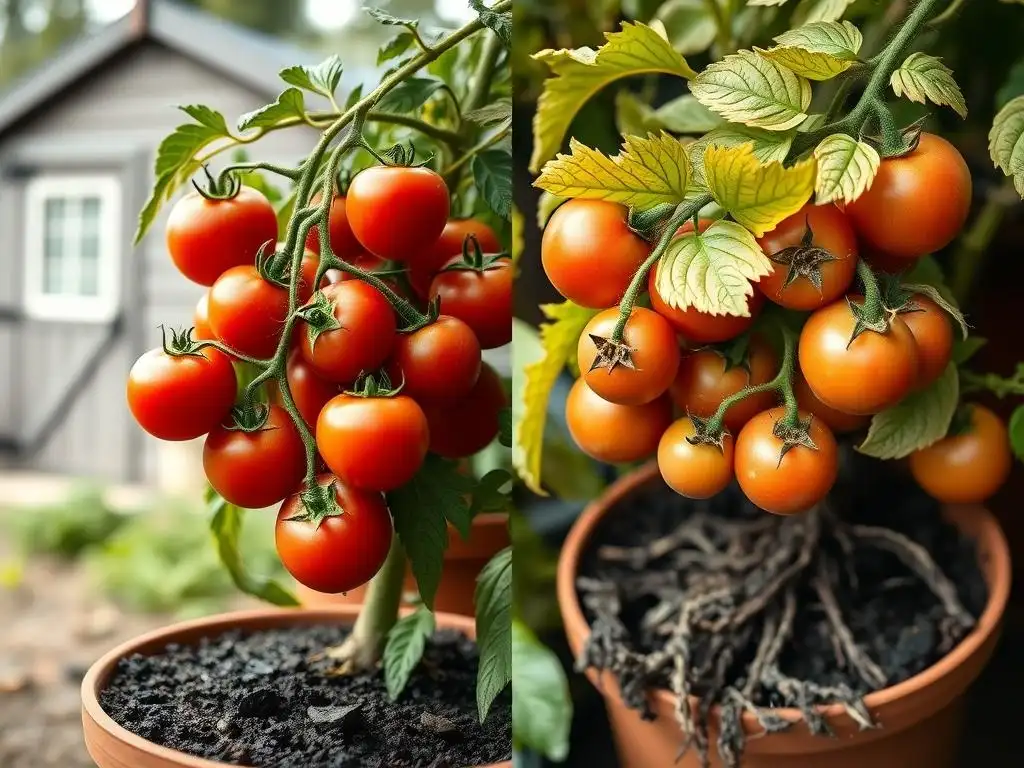
This section delves into the practical aspects of addressing common problems encountered when fertilizing your homegrown fruits, vegetables, and herbs. Knowing when and how to fertilize is crucial for healthy plant growth, but even with the best intentions, issues can arise. Let's explore how to identify and resolve some of the most frequent challenges. Finding the best time to fertilize plants is only part of the equation; understanding how to respond to imbalances is equally important for optimal yields.
Over-Fertilization Symptoms and Solutions
Over-fertilizing, while seemingly counterintuitive to achieving healthy growth, is a surprisingly common mistake. Providing plants with excessive nutrients can lead to a range of detrimental effects, often manifesting as visible symptoms. The best time to fertilize plants is crucial, but how much you fertilize is equally vital.
Excessive fertilizer salts can burn plant roots, causing wilting and browning of leaf tips and edges. You might also observe stunted growth despite seemingly ample nutrient supply. Leaves may display a scorched or crispy appearance, a clear indication of salt damage. Furthermore, over-fertilized plants can become susceptible to diseases due to weakened root systems.
Symptoms of Over-Fertilization:
- Wilting, even with adequate watering.
- Browning or burning of leaf tips and edges.
- Stunted growth despite fertilization.
- Crispy or scorched leaf appearance.
- Increased susceptibility to pests and diseases.
Solutions for Over-Fertilization:
- Flush the soil: Thoroughly water the plant to leach excess salts from the root zone. Use several gallons of water per plant, allowing it to drain completely.
- Reduce fertilizer application: In future fertilizations, drastically reduce the amount of fertilizer used. It's better to under-fertilize than over-fertilize. Always follow the instructions on your fertilizer packaging carefully.
- Improve drainage: If your soil retains too much water, consider amending it with materials like perlite or vermiculite to improve drainage and aeration. This prevents fertilizer salts from accumulating.
- Monitor closely: Observe the plant carefully for improvement after implementing these solutions. If symptoms persist, consider consulting a gardening expert for further advice.
Under-Fertilization Symptoms and Solutions
Conversely, insufficient fertilization can also hinder plant growth and yield. Understanding the signs of nutrient deficiency is crucial for timely intervention. The best time to fertilize plants is directly related to their growth cycle, but even with precise timing, inadequate nutrient levels can manifest.
Under-fertilized plants often exhibit slow growth, small leaves, and pale or yellowing foliage (chlorosis). These plants may also produce fewer flowers and fruits than expected. The specific deficiency symptoms can vary depending on the missing nutrient; for example, nitrogen deficiency often leads to pale green or yellow leaves, while phosphorus deficiency can result in stunted root growth and dark green leaves.
Symptoms of Under-Fertilization:
- Slow or stunted growth.
- Small leaves.
- Pale or yellowing leaves (chlorosis).
- Reduced flowering and fruiting.
- Weak stems.
Solutions for Under-Fertilization:
- Apply a balanced fertilizer: Choose a fertilizer with a balanced NPK ratio (Nitrogen, Phosphorus, Potassium) suitable for the specific plant type. Follow the package directions carefully, adjusting the quantity based on the plant's size and growth stage.
- Soil testing: Consider a soil test to determine the precise nutrient deficiencies. This will allow for targeted fertilization rather than a generalized approach.
- Organic amendments: Incorporate organic matter such as compost or aged manure to improve soil fertility and provide a slow-release source of nutrients.
- Regular fertilization: Establish a regular fertilization schedule appropriate for your plants and climate. Consider using a slow-release fertilizer for consistent nutrient supply.
Dealing with Nutrient Lockout: Adjusting Soil pH
Nutrient lockout occurs when the soil pH prevents plants from accessing essential nutrients, even if those nutrients are present. This is a crucial factor to consider when determining the best time to fertilize plants – the soil conditions must be optimal. The availability of various nutrients is strongly influenced by soil pH.
For instance, iron, manganese, and zinc are less available in alkaline soils (high pH), while phosphorus availability can be reduced in both highly acidic and highly alkaline soils. Understanding your soil's pH is paramount to effective fertilization.
How to Adjust Soil pH:
- Soil testing: Use a soil testing kit to determine your soil's pH level.
- Lowering pH (Alkaline Soil): Incorporate organic matter like peat moss or elemental sulfur to lower the pH.
- Raising pH (Acidic Soil): Add agricultural lime to increase the pH.
- Patience: Adjusting soil pH takes time. Repeat soil testing after several weeks or months to monitor progress.
Remember, providing your plants with the right nutrients at the right time is key to successful cultivation. By understanding the symptoms of over-fertilization, under-fertilization, and nutrient lockout, you can effectively troubleshoot and ensure the healthy growth of your plants. 🌱
Sustainable Fertilization Practices for Healthy Plants
This section focuses on environmentally friendly approaches to fertilizing your homegrown fruits, vegetables, and herbs, ensuring optimal growth while minimizing environmental impact. Finding the best time to fertilize plants is crucial, but equally important is how you fertilize. Sustainable practices not only benefit your plants but also contribute to a healthier planet. We'll explore several key methods that contribute to vibrant growth without relying on harsh chemical fertilizers.
Composting and Soil Amendment: Natural Nutrient Enrichment
Composting is a cornerstone of sustainable gardening, offering a readily available and cost-effective source of nutrients for your plants. By enriching your soil with compost, you're essentially providing a slow-release fertilizer that mimics natural processes. The best time to incorporate compost is before planting or as a top-dressing after planting. This ensures a steady supply of essential nutrients throughout the growing season. The composition of your compost will influence its effectiveness, with a well-balanced mix providing a broader range of nutrients.
A well-managed compost pile should contain a balance of "greens" (nitrogen-rich materials like grass clippings and vegetable scraps) and "browns" (carbon-rich materials like dried leaves and twigs). The decomposition process generates heat, accelerating the breakdown of organic matter and creating a nutrient-rich humus. Regular turning of the compost pile ensures proper aeration and helps maintain the optimal temperature for decomposition. Avoid adding diseased plants or meat products to your compost, as these can introduce harmful pathogens.
Beyond compost, other soil amendments can significantly boost soil fertility. Examples include aged manure (ensure it's well-rotted to avoid burning plants), worm castings (exceptionally rich in nutrients and beneficial microbes), and rock dust (providing essential minerals). Integrating these amendments into your soil improves its structure, water retention, and overall nutrient profile, leading to healthier and more vigorous plants. The best time to amend your soil is usually in the fall or early spring, before planting begins. This allows the amendments to break down and integrate into the soil before your plants require the nutrients.
Crop Rotation: Improving Soil Fertility Naturally
Crop rotation is another powerful sustainable technique that improves soil fertility without the need for chemical fertilizers. By rotating different plant families in your garden each year, you break the cycle of nutrient depletion and pest buildup associated with planting the same crops in the same location repeatedly. Different plant species have varying nutrient needs and can positively affect soil health in different ways.
For example, legumes (beans, peas, etc.) are known for their ability to fix nitrogen in the soil, enriching it for subsequent crops. Planting legumes in a rotation helps reduce the need for nitrogen-based fertilizers. Similarly, some plants, like brassicas (cabbage, broccoli, etc.
), are known for their ability to improve soil structure and break up compacted soil. Careful planning of your crop rotation ensures a balanced nutrient cycling and a healthier soil ecosystem over time. Consider creating a crop rotation plan that takes into account the nutrient requirements of different plant families and their impact on soil health. This thoughtful approach will minimize the need for supplemental fertilizers and contribute to long-term soil improvement.
Water-Wise Fertilization: Conserving Resources
Efficient irrigation is crucial for optimal plant growth, and it's intrinsically linked to fertilization practices. Overwatering can lead to nutrient leaching, rendering your fertilizer efforts less effective and wasting precious water resources. Conversely, underwatering can stress your plants and hinder their ability to absorb nutrients.
Finding the right balance is key. Use drip irrigation or soaker hoses to deliver water directly to the roots, minimizing evaporation and runoff. Mulching helps retain soil moisture, reducing the frequency of watering and fertilizer application. Furthermore, selecting drought-tolerant plant varieties can significantly reduce water consumption and the associated need for frequent fertilization.
Consider using water-soluble fertilizers, which are more readily absorbed by plants and less prone to leaching, especially during periods of high rainfall. The best time to fertilize, therefore, is often tied to watering schedules – applying fertilizer just before or after watering allows for efficient nutrient uptake. Regular monitoring of soil moisture levels is crucial to avoid both overwatering and underwatering, ensuring your plants receive the right amount of water and nutrients at the optimal times. This approach minimizes waste and promotes sustainable gardening practices.
Frequently Asked Questions
What is the best time to fertilize my plants?
The best time to fertilize depends on the specific plant and its growth cycle. Generally, spring and early summer are ideal for most plants, but always check the plant's specific needs. Look for signs of nutrient deficiency before fertilizing.
How often should I fertilize my plants?
Fertilizing frequency varies greatly depending on the plant type, soil conditions, and the type of fertilizer used. Over-fertilizing can harm plants, so start with a moderate schedule and adjust as needed. Consult resources specific to your plants.
What type of fertilizer is best for my home garden?
The best fertilizer depends on your plants' needs and your soil's composition. Organic fertilizers, like compost, are generally preferred for sustainable gardening, while synthetic options offer faster results. Soil testing can help determine nutrient deficiencies.
What are the signs of nutrient deficiency in plants?
Signs of nutrient deficiencies include yellowing leaves, stunted growth, and poor flowering or fruiting. These symptoms can vary depending on the missing nutrient, so observing your plants carefully is crucial. Research specific symptoms for your plants.
Can I over-fertilize my plants? What are the consequences?
Yes, over-fertilizing is a common problem. It can lead to burnt roots, leaf scorch, and even plant death. Always follow the fertilizer instructions carefully and err on the side of caution.
Final Reflection: Nurturing Growth, Harvesting Abundance
Understanding the optimal time to fertilize plants is not merely a horticultural technique; it's a fundamental key to unlocking the full potential of nature's bounty. The seemingly simple act of feeding plants at the right moment significantly impacts their health, yield, and overall resilience. This knowledge, once mastered, transforms gardening from a passive endeavor into an active partnership with the natural world.
The impact of correctly timed fertilization extends far beyond the individual plant; it speaks to a deeper understanding of ecological balance and sustainable practices. We are learning to listen more closely to the rhythms of nature, recognizing the intricate dance between growth and dormancy. This mindful approach resonates with a growing global awareness of environmental stewardship. The earth laughs in flowers.
– Ralph Waldo Emerson. This quote beautifully captures the joy and abundance that result from understanding and respecting the natural cycles of plant life, and our role in supporting them.
Now, consider your own garden, whether it's a sprawling backyard oasis or a single potted herb on your windowsill. What lessons from this exploration of plant growth cycles can you apply to your own nurturing practices? Observe your plants closely, learn to recognize their individual needs, and respond with timely and appropriate care. Embrace the opportunity to cultivate not only thriving plants, but also a deeper connection with the natural world and a greater appreciation for the delicate balance of life.
Unleash Your Garden's Potential: Time to Thrive!
Thank you for learning about plant growth cycles and fertilization! You now have the knowledge to cultivate healthier, happier plants. Ready to put your new understanding into practice?
- Create a Personalized Fertilization Plan: Develop a plan tailored to your plants' specific needs, considering factors like species, growth stage, and soil conditions.
- Share Your Gardening Journey: Connect with fellow gardeners on our forums and discuss your fertilization experiences. Learn from others and let's grow together!
- Explore Our Resources: Discover more helpful guides on plant nutrition on our website.
What adjustments will you make to your fertilization routine based on what you've learned?