
The Secret to Harvesting Cilantro: Preventing Bolting and Enhancing Taste

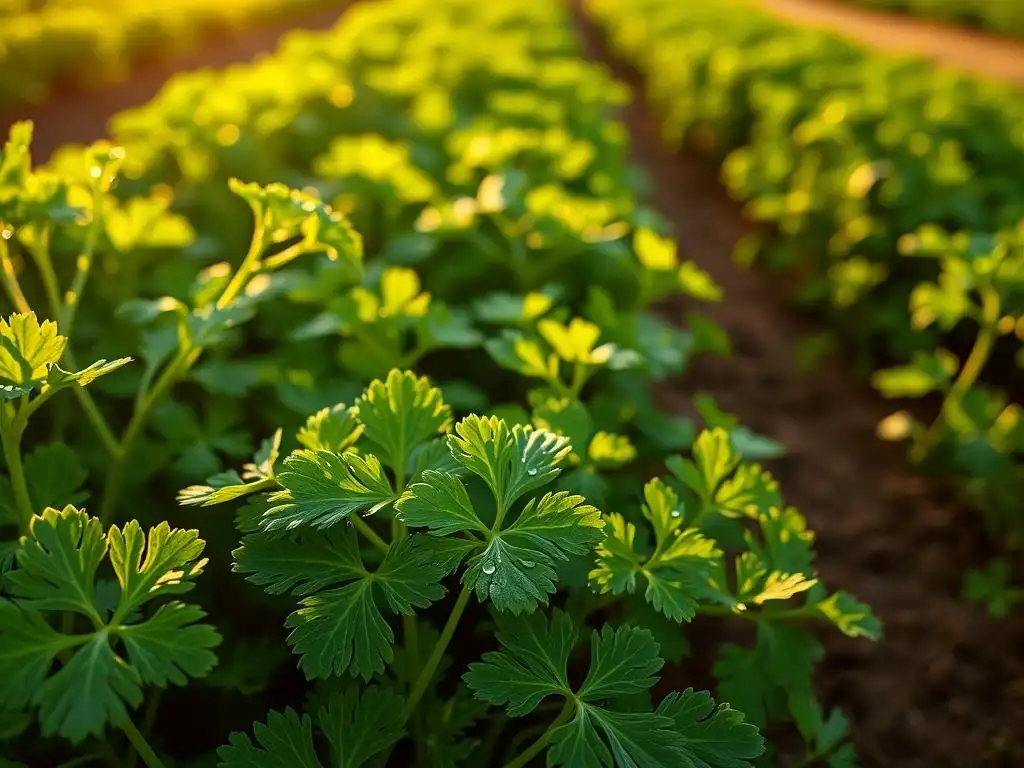
Welcome to CultivateYourFood, your guide to a thriving, sustainable garden! Are you tired of your cilantro bolting before you can even harvest it? We understand the frustration. Discover the secrets to preventing cilantro bolting and unlocking its full, vibrant flavor. Learn how to cultivate lush herbs, along with bountiful fruits and vegetables, using organic and sustainable practices. Let's embark on this journey together, transforming your home into an oasis of fresh, delicious produce!
- Understanding Cilantro Bolting: Why Your Cilantro Goes to Seed
-
Preventing Cilantro Bolting: Tips and Techniques for a Bountiful Harvest
- Choosing the Right Cilantro Variety: Heat-Tolerant Options for Longer Harvests
- Optimal Planting Conditions for Cilantro: Soil, Sunlight, and Watering
- Protecting Cilantro from Extreme Temperatures: Shade Cloths and Strategic Planting
- Effective Watering Strategies to Prevent Bolting
- Using Succession Planting to Extend the Cilantro Harvest Season
- Harvesting Cilantro for Optimal Flavor and Yield
- Enhancing Cilantro Taste: Beyond Preventing Bolting
- Troubleshooting Common Cilantro Problems
- Frequently Asked Questions
- Final Reflection: The Enduring Bounty of Cilantro
- Unlock Your Cilantro's Full Potential!
Understanding Cilantro Bolting: Why Your Cilantro Goes to Seed
Cilantro, with its bright, citrusy flavor, is a beloved herb in many cuisines. However, gardeners often face a frustrating challenge: bolting. This premature flowering and seeding drastically alters the plant's flavor profile, transforming its delicate leaves into a bitter, undesirable taste.
Understanding the science behind bolting and learning how to prevent it is crucial for enjoying a continuous supply of flavorful cilantro throughout the growing season. This article delves into the causes of cilantro bolting, provides clear identification methods, and offers practical strategies to prevent this common problem, ultimately enhancing both the yield and taste of your homegrown cilantro. We'll explore the environmental factors that trigger bolting, empowering you to cultivate a thriving and delicious cilantro patch.
This guide focuses on sustainable and organic practices, ensuring you can enjoy the freshest, most flavorful cilantro without compromising your commitment to environmentally friendly gardening. Let's unlock the secret to harvesting consistently delicious cilantro!
What is Cilantro Bolting? The Science Behind Premature Flowering
Cilantro bolting is a natural process where the plant diverts its energy from leaf production to flower and seed production. This is triggered by environmental cues, primarily related to temperature and day length. From a scientific perspective, the plant perceives these cues as signals indicating the end of its optimal growing period, initiating its reproductive cycle. The change in the plant's physiology results in a significant shift in its chemical composition, leading to the characteristic bitter taste that many gardeners find undesirable.
This process isn't necessarily a failure of gardening technique; it's a natural response to specific environmental conditions. However, understanding these conditions allows us to implement strategies to delay or even prevent bolting, ensuring a longer harvest period of flavorful leaves. The key is to understand and manage the plant's response to its environment.
Identifying the Signs of Bolting in Cilantro Plants
Recognizing the signs of bolting early is critical for taking preventative measures or, at the very least, harvesting the remaining usable leaves before the bitterness intensifies. Early signs include a noticeable change in leaf growth; the leaves may become smaller, tougher, and less vibrant green. The most definitive sign, however, is the appearance of a central flowering stem, also known as a bolting stalk. This stem will eventually produce flowers and seeds.
The plant's energy is now focused on reproduction, significantly reducing leaf production and dramatically altering the taste. Regular monitoring of your cilantro plants, paying close attention to leaf size, color, and the presence of a central stem, is essential for early detection and timely intervention. Careful observation is key to maintaining a consistent supply of delicious cilantro.
Environmental Factors Triggering Cilantro Bolting: Heat, Light, and Stress
Several environmental factors can trigger cilantro bolting. Understanding these factors is key to mitigating the problem.
- Heat: Cilantro thrives in cool temperatures. Prolonged exposure to high temperatures (above 80°F or 27°C) is a major contributor to bolting. The plant interprets the heat as a signal that its optimal growing conditions are ending.
- Light: Long days with extended periods of sunlight can also accelerate bolting. Similar to heat, long days signal the plant that it's time to reproduce.
- Stress: Water stress, nutrient deficiencies, and overcrowding are other significant stressors that can induce bolting. A plant under stress will prioritize reproduction over vegetative growth as a survival mechanism. Providing consistent watering, balanced fertilization, and adequate spacing between plants will help minimize stress and delay bolting.
By carefully managing these environmental factors, you can significantly increase your chances of enjoying a prolonged harvest of flavorful cilantro. Remember, a healthy, unstressed plant is less likely to bolt prematurely.
Preventing Cilantro Bolting: Tips and Techniques for a Bountiful Harvest
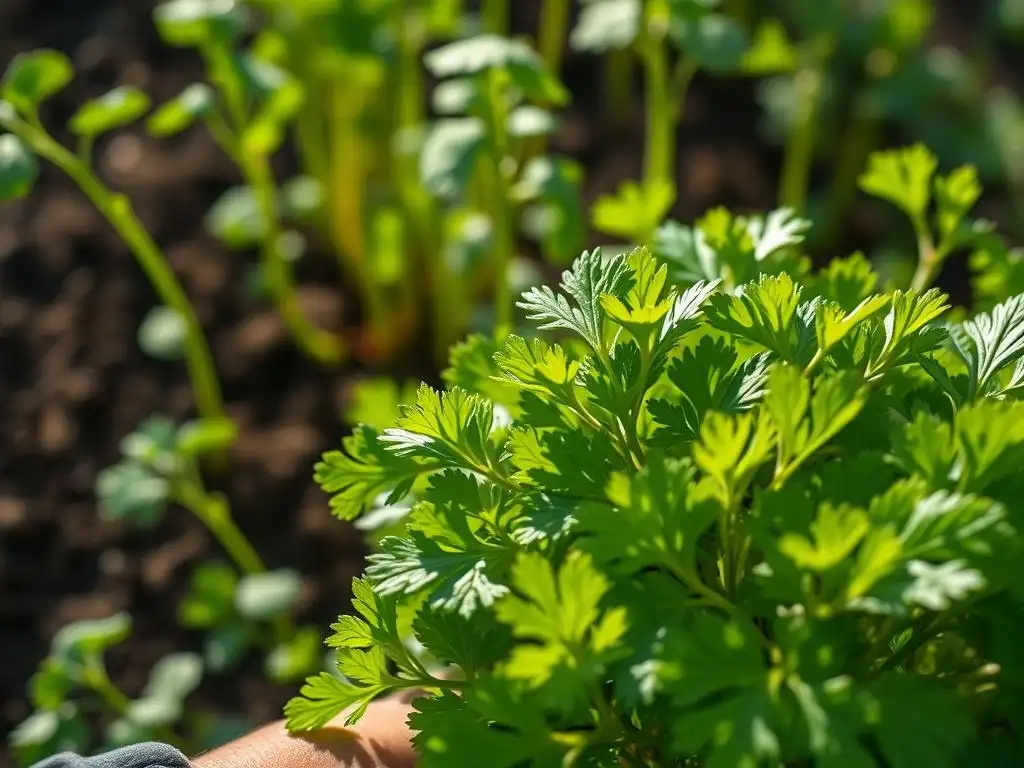
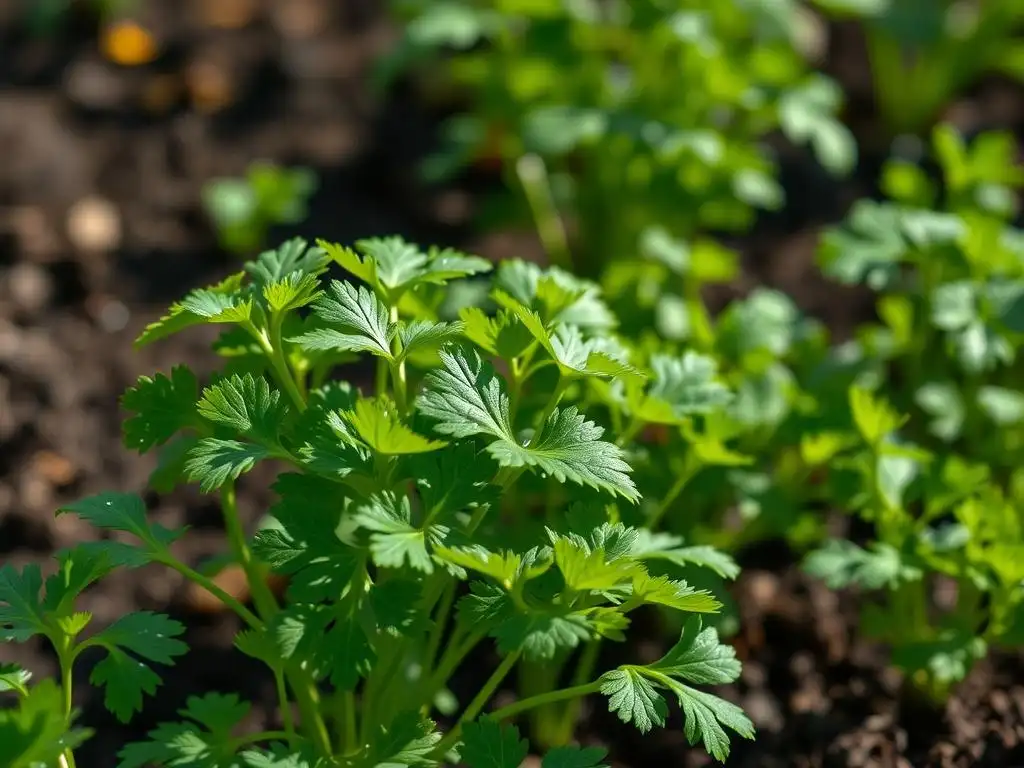
Cilantro, with its bright, citrusy flavor, is a beloved herb in many cuisines. However, this delicate plant is prone to bolting – prematurely flowering and producing seeds – which drastically reduces its leaf yield and diminishes its taste. Preventing bolting is key to enjoying a continuous harvest of flavorful cilantro.
This section will explore practical strategies to maximize your cilantro harvest and maintain its vibrant taste throughout the growing season. Understanding the factors that trigger bolting, and implementing preventative measures, will significantly improve your success with this popular herb. Mastering these techniques will allow you to enjoy fresh, flavorful cilantro for longer, boosting your overall herb gardening experience.
Choosing the Right Cilantro Variety: Heat-Tolerant Options for Longer Harvests
The selection of your cilantro variety plays a crucial role in preventing bolting. Some varieties are inherently more heat-tolerant than others, delaying the onset of flowering, even in warmer climates. Look for slow-bolting varieties specifically bred for extended harvests. These varieties often boast descriptions highlighting their resistance to bolting under warmer conditions. For example, 'Slow Bolt' cilantro is a popular choice known for its extended harvest period.
Researching and selecting a variety suited to your local climate and growing conditions is the first step towards preventing premature bolting. Consider your region's average temperatures and choose a variety that thrives under those conditions. Consulting seed catalogs and local nurseries will provide valuable insights into which varieties are best suited for your area. Remember, investing in the right variety can significantly impact your overall cilantro yield and prevent early bolting before it starts.
Optimal Planting Conditions for Cilantro: Soil, Sunlight, and Watering
Beyond choosing the right variety, providing ideal growing conditions is paramount in preventing cilantro bolting. Cilantro thrives in cool, slightly acidic soil (pH 6.0-6.8) that is rich in organic matter. Well-draining soil is crucial; soggy conditions can stress the plant and trigger bolting. Regular watering, maintaining consistently moist soil (but not waterlogged), is also essential. Avoid letting the soil dry out completely, especially during hot weather.
Sunlight is another critical factor. Cilantro prefers partial shade, especially during the hottest parts of the day. Six to eight hours of sunlight is ideal, but intense afternoon sun can stress the plant, accelerating bolting. Strategic planting, such as using shade cloth during peak sun hours or planting cilantro in a location that receives morning sun and afternoon shade, can significantly improve its performance. Consistent moisture and appropriate sunlight exposure are vital for healthy cilantro growth and prevent bolting. Regular monitoring of soil moisture and adjusting watering accordingly is essential for maintaining optimal growing conditions.
Protecting Cilantro from Extreme Temperatures: Shade Cloths and Strategic Planting
Extreme temperatures, both hot and cold, are major contributors to cilantro bolting. Protecting your plants from excessive heat is crucial. Using shade cloth during the hottest parts of the day can significantly reduce stress and delay bolting. Strategic planting is also important. Consider planting cilantro in a location that offers afternoon shade, perhaps under the canopy of taller plants.
In cooler climates, frost protection may be necessary to prevent cold stress which can also induce bolting. Protecting your cilantro from extreme temperatures is a vital step in ensuring a longer harvest and maintaining the herb's vibrant flavor. Investing in shade cloth and carefully selecting a planting location are key strategies for mitigating temperature-related stress and preventing bolting. Remember, consistent monitoring of temperature and implementing appropriate protective measures is key to a successful cilantro harvest.
Effective Watering Strategies to Prevent Bolting
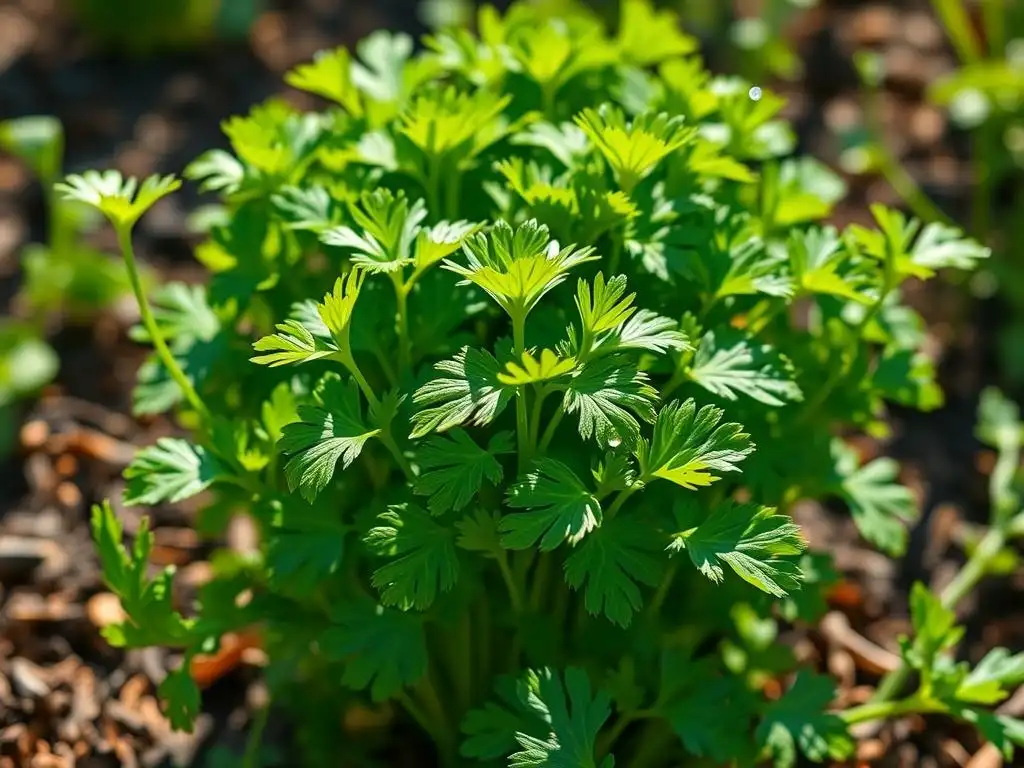
Consistent moisture is crucial for preventing cilantro bolting. Insufficient water stresses the plant, triggering a survival mechanism—bolting—where it focuses energy on seed production rather than leaf growth. However, overwatering can also be detrimental, leading to root rot and other issues that indirectly contribute to bolting. The key is to maintain evenly moist soil, but not soggy.
A good rule of thumb is to water deeply but infrequently. Instead of frequent, shallow watering, aim for thorough soaking that reaches the roots. Check the soil moisture before watering; stick your finger a couple of inches into the soil. If it feels dry, it's time to water. Mulching around the cilantro plants helps retain soil moisture, reducing the frequency of watering and minimizing water stress.
Organic mulches, like straw or shredded leaves, are ideal as they also improve soil health. Observe your plants; wilting leaves are a clear sign of underwatering, while yellowing leaves at the base might indicate overwatering. Adjust your watering schedule accordingly, considering factors such as weather conditions, soil type, and plant maturity. Remember, consistent, even moisture is the key to preventing bolting and promoting healthy cilantro growth. Regularly monitoring soil moisture levels is essential for optimal plant health and a longer harvest season.
Using Succession Planting to Extend the Cilantro Harvest Season
Succession planting is a gardening technique that involves planting new crops at regular intervals to ensure a continuous harvest. This strategy is particularly effective for cilantro, as it helps avoid having all the plants bolt at the same time. By staggering plantings, you'll have cilantro ready for harvest at different stages throughout the growing season. For example, you could plant a batch of cilantro every two to three weeks, depending on your climate and growth rate. This ensures a consistent supply of fresh cilantro leaves, preventing the need to rely solely on one planting that may bolt prematurely.
This method significantly extends the harvesting period, maximizing your yield and minimizing the impact of bolting. Consider planting different cilantro varieties with varying bolting tendencies. Some varieties are known to be more resistant to bolting than others. Researching and choosing these varieties can further enhance your success with succession planting.
Careful planning and execution are essential for a successful succession planting strategy. Keep track of your planting dates, and monitor the growth of each batch to ensure consistent harvesting. This proactive approach not only helps prevent bolting but also ensures a continuous supply of fresh, flavorful cilantro throughout the growing season. Proper spacing between plantings is also crucial to avoid overcrowding and competition for resources.
Harvesting Cilantro for Optimal Flavor and Yield
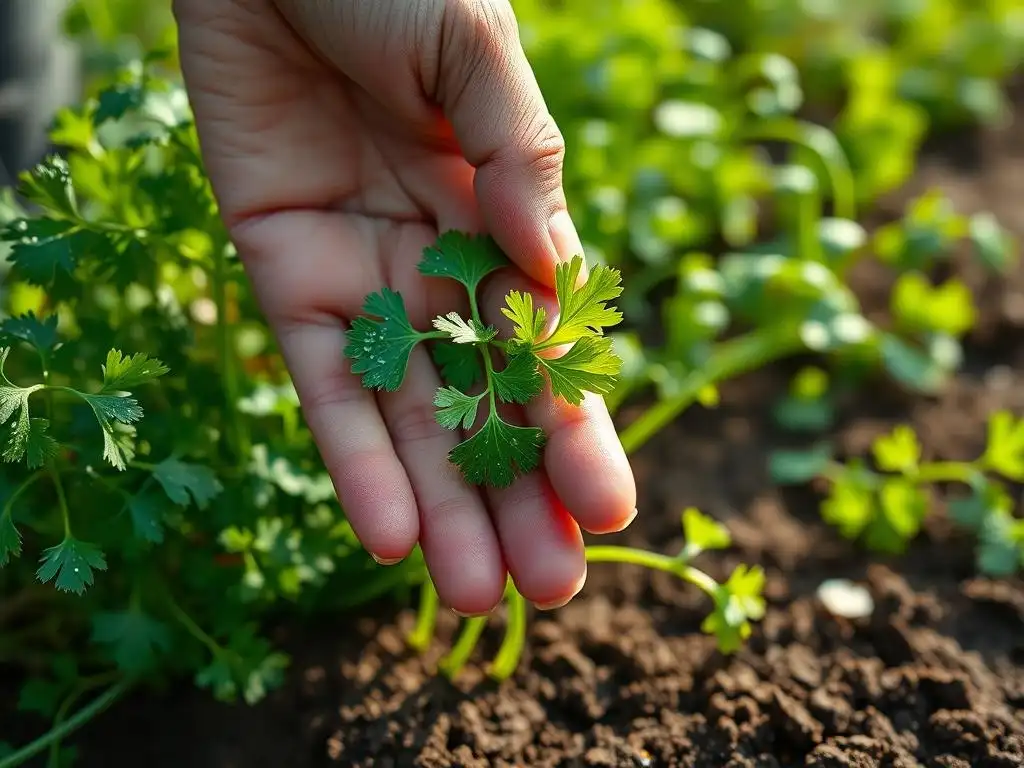
Cilantro, with its bright, citrusy flavor, is a beloved herb in many cuisines. However, its tendency to bolt—meaning it prematurely flowers and becomes bitter—can be frustrating for home gardeners. Understanding the ideal harvesting techniques is crucial to preventing bolting and maximizing both the yield and the delicious taste of your cilantro crop. This section delves into the specifics of harvesting cilantro to ensure you enjoy abundant, flavorful harvests throughout the growing season. Mastering these techniques is key to preventing cilantro bolting taste issues and enjoying a plentiful supply of this versatile herb.
The Best Time to Harvest Cilantro for Maximum Flavor
The timing of your cilantro harvest significantly impacts its flavor and prevents bolting. The best time to harvest is when the plants are young and still in their vegetative stage, before they begin to flower. This typically occurs when the plants are about 4-6 inches tall and have several sets of leaves.
Harvesting at this stage ensures the leaves are tender, flavorful, and less prone to bitterness. Delaying harvesting until the plant is larger or showing signs of bolting will result in a tougher, less flavorful, and more bitter harvest. Think of it like this: the younger the plant, the more delicate and flavorful the leaves.
Aim for consistent, smaller harvests rather than one large harvest, which can stress the plant and encourage bolting. Regular harvesting, even removing just a few leaves at a time, helps to promote bushier growth and a longer harvest season. This approach is far more effective in preventing cilantro bolting taste issues than letting the plant grow unchecked.
Different Harvesting Methods: Cutting vs. Pulling
Two primary methods exist for harvesting cilantro: cutting and pulling. Each has its advantages and disadvantages, and the best method depends on your plant's maturity and your gardening goals.
- Cutting: This method involves using sharp scissors or a knife to snip off the outer leaves, leaving the central stem and younger leaves intact. Cutting encourages bushier growth, leading to a more prolonged harvest season. This is generally the preferred method for maintaining healthy plants and preventing bolting, especially for younger plants. It's less stressful on the plant than pulling, allowing it to continue producing new leaves.
- Pulling: This involves pulling the entire plant from the ground. This method is best suited for older plants that are already showing signs of bolting or have finished their productive cycle. Pulling is a more aggressive approach and is not recommended for young plants, as it can damage the root system and reduce the likelihood of future growth. However, it can be efficient for clearing space in your garden bed.
| Method | Advantages | Disadvantages | Best for |
|---|---|---|---|
| Cutting | Encourages bushier growth, less stressful | Less efficient for large harvests | Maintaining young plants, preventing bolting |
| Pulling | Efficient for clearing space, entire plant | Stressful to plant, ends the plant's life cycle | Older plants, clearing garden space |
Proper Harvesting Techniques to Encourage New Growth
Beyond choosing between cutting and pulling, several techniques can enhance your cilantro harvest and prevent bolting.
- Harvest in the morning: Harvesting in the morning after the dew has dried allows the plant to recover quickly and reduces the risk of disease. The essential oils are also more concentrated at this time, leading to a more flavorful harvest.
- Use sharp tools: Sharp scissors or knives create clean cuts, minimizing damage to the plant and reducing the risk of disease. Dull tools can bruise the plant, making it more susceptible to pests and diseases.
- Avoid over-harvesting: Avoid taking more than one-third of the plant's foliage at any one time. This helps to prevent stress and encourages continued growth. Regular, smaller harvests are far more sustainable than infrequent, large harvests.
- Water and fertilize regularly: Adequate watering and fertilization provide the nutrients the plant needs to thrive and produce abundant leaves. Well-nourished plants are less likely to bolt prematurely, contributing to a longer harvest season and preventing cilantro bolting taste. Consider using an organic fertilizer to maintain the integrity of your sustainable gardening practices.
By following these guidelines and consistently applying proper harvesting techniques, you can significantly improve the flavor and yield of your cilantro crop, while effectively preventing bolting and ensuring a plentiful supply of this flavorful herb throughout the growing season. This ensures that your efforts in preventing cilantro bolting taste are successful and you can enjoy the fruits (or rather, leaves!) of your labor.
Storing Harvested Cilantro to Maintain Freshness and Flavor
Proper storage is crucial for preserving the vibrant green color and peppery flavor of your freshly harvested cilantro. Neglecting this step can quickly lead to wilting, browning, and a loss of that characteristic cilantro zing. Several methods exist, each with its own advantages and disadvantages, depending on how long you plan to keep your cilantro and the resources you have available.
One of the simplest methods is to wrap the cilantro loosely in a paper towel and then place it in a plastic bag. The paper towel absorbs excess moisture, preventing the cilantro from becoming soggy and prematurely decaying. This method is ideal for short-term storage, typically lasting a few days in the refrigerator. Remember, don't seal the bag tightly; some air circulation is essential to prevent mold growth. The key is to strike a balance between keeping the cilantro moist enough and preventing it from becoming too damp.
For longer-term storage (up to a week), consider using an airtight container. However, even with an airtight container, it's advisable to line the bottom with a paper towel to absorb any excess moisture. This helps maintain the cilantro’s crispness and prevents the development of undesirable dampness that fosters bacterial growth and decay. This method provides improved freshness compared to a simple plastic bag, but careful attention to moisture levels remains paramount.
Freezing cilantro is an excellent option for extending its shelf life significantly. To freeze cilantro effectively, rinse it thoroughly and pat it dry. Then, chop it finely before placing it in freezer-safe bags or containers. Freezing it in small, portioned amounts makes it easy to use later. While freezing does preserve the cilantro, it may slightly alter its texture and flavor. It's best for recipes where texture is less crucial, like sauces or soups.
Finally, for those seeking to preserve the intense flavor of cilantro over an extended period, drying is a viable option. Air drying or using a food dehydrator are common methods. However, drying can impact the overall taste and texture, resulting in a more concentrated, slightly less fresh flavor. Consider this method if you need to store cilantro for several months, understanding that the taste profile will subtly change.
Remember to store dried cilantro in an airtight container in a cool, dark, and dry place to maintain its quality for as long as possible. Properly dried cilantro can last for several months, providing a convenient way to access the herb year-round. The choice of storage method will depend greatly on your intended use and how long you need to preserve the cilantro's freshness and flavor.
Enhancing Cilantro Taste: Beyond Preventing Bolting
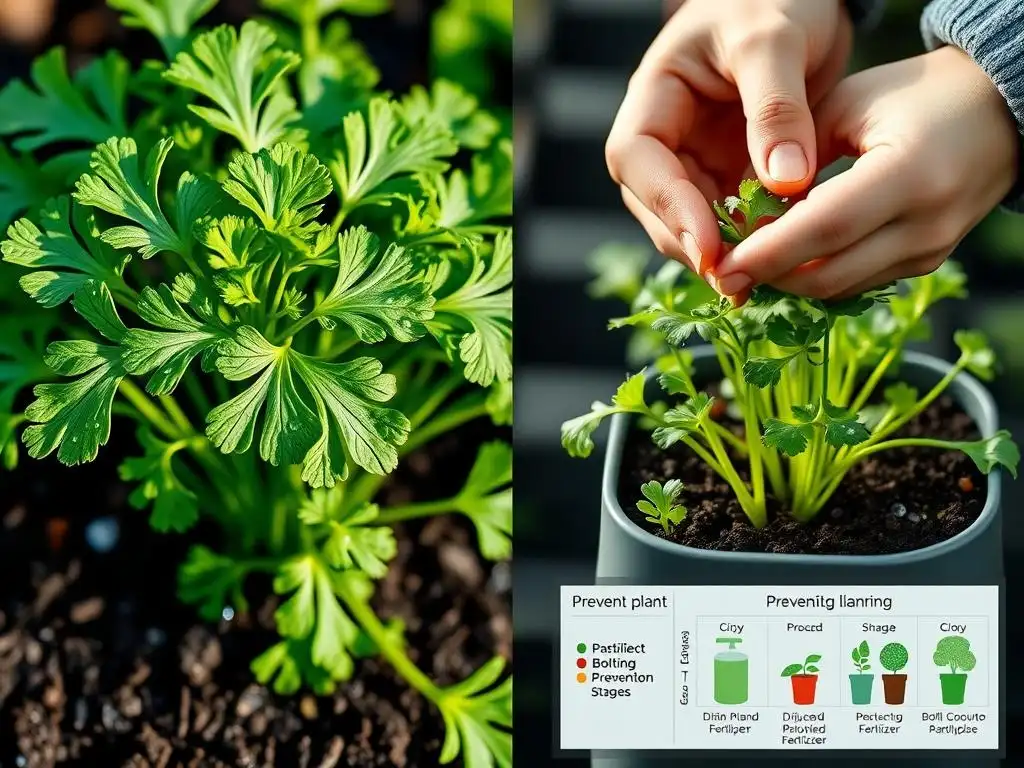
This section focuses on maximizing the flavor of your cilantro harvest, even after successfully preventing bolting. While preventing bolting is crucial for a prolonged harvest, understanding the impact of soil fertility and nutrient management is key to truly exceptional cilantro. Remember, a plant's flavor profile is deeply intertwined with its nutritional status. Let's explore how to cultivate intensely flavorful cilantro.
Soil Fertility and its Impact on Cilantro Flavor
The taste of your cilantro is directly influenced by the health and richness of your soil. Poor soil leads to weak plants with a muted, sometimes even bitter, flavor. Conversely, nutrient-rich soil fosters robust growth and a vibrant, intense cilantro flavor. Think of it like this: a plant lacking essential nutrients can't fully express its inherent flavor potential.
This is particularly true for cilantro, which is a relatively fast-growing herb with a high nutrient demand. The key elements impacting cilantro flavor are nitrogen, phosphorus, and potassium (NPK). Nitrogen contributes to lush green growth, while phosphorus supports root development and flowering (though we want to prevent flowering in cilantro to avoid bolting). Potassium enhances overall plant health and contributes to flavor intensity.
A deficiency in any of these can lead to reduced flavor and a less desirable taste. Furthermore, the soil's pH plays a role; cilantro thrives in slightly acidic to neutral conditions (pH 6.0-7.0). Testing your soil's pH and nutrient levels is a crucial first step in maximizing cilantro flavor. This allows for targeted nutrient amendments to perfectly suit your cilantro's needs.
Nutrient-Rich Soil Preparation for Flavorful Cilantro
Preparing the soil properly before planting is paramount for optimal cilantro flavor. Start with a thorough soil test to determine its existing nutrient levels and pH. Amendments should be made based on those results. For example, if your soil test reveals a low nitrogen level, you'll need to incorporate organic nitrogen sources.
This could include well-rotted compost, aged manure, or cover crops like clover that have been tilled into the soil. Similarly, if phosphorus or potassium is deficient, add bone meal (phosphorus) or greensand (potassium). Aim for a balanced approach. Don't just focus on one nutrient; ensure a comprehensive nutrient profile that supports strong growth and intense flavor.
The addition of organic matter, like compost, is always beneficial. Compost improves soil structure, drainage, and water retention, all of which contribute to healthier plants and better flavor. Remember, healthy soil equals healthy plants, which in turn means flavorful cilantro. A soil rich in organic matter also helps to retain moisture, which is especially important for cilantro during hot, dry periods.
Using Organic Fertilizers and Amendments to Boost Cilantro Taste
While chemical fertilizers can provide a quick boost of nutrients, organic fertilizers offer a more sustainable and environmentally friendly approach that also benefits the flavor of your cilantro. Organic fertilizers release nutrients gradually, providing a consistent supply throughout the growing season, leading to more even growth and better flavor development. Examples of organic fertilizers include:
- Compost Tea: A liquid fertilizer rich in beneficial microbes and nutrients.
- Worm Castings: Excellent source of micronutrients and humus.
- Seaweed Extract: Provides a wide range of nutrients and stimulates plant growth.
- Fish Emulsion: A nitrogen-rich liquid fertilizer.
These fertilizers should be used according to the manufacturer's instructions. Over-fertilizing can be detrimental, potentially leading to overly vigorous vegetative growth at the expense of flavor. Remember that the goal is to achieve a balance, providing enough nutrients to support healthy growth without overwhelming the plant.
Regular side-dressing with compost or a diluted liquid fertilizer throughout the growing season will help to maintain optimal nutrient levels and ensure consistently flavorful cilantro. Observe your plants; if they show signs of nutrient deficiency (e.g., yellowing leaves, stunted growth), adjust your fertilizing strategy accordingly. By focusing on soil health and using organic fertilizers, you'll be well on your way to harvesting cilantro with an exceptional, vibrant taste.
Pest and Disease Management for Healthier, Tastier Cilantro
Cilantro, like many other herbs, is susceptible to various pests and diseases that can significantly impact its flavor and overall health. A healthy plant will always produce the most flavorful leaves. Proactive pest and disease management is crucial for preventing bolting and maximizing the taste of your cilantro harvest. Regular inspection is your first line of defense. Look for signs of infestation such as holes in the leaves, wilting, or unusual discoloration. Early detection allows for quicker intervention, minimizing damage.
One common pest is the aphid. These tiny insects suck the sap from cilantro leaves, causing stunted growth and yellowing. A strong spray of water can often dislodge aphids, while introducing beneficial insects like ladybugs can provide natural control. For more severe infestations, insecticidal soap is a relatively safe and effective organic solution. Always follow the instructions on the product label carefully.
Another potential threat is leaf miners. These insects burrow into the leaves, creating unsightly trails and weakening the plant. While complete eradication can be challenging, regularly removing and destroying affected leaves helps limit their spread. Maintaining good soil health and plant vigor makes your cilantro more resilient to leaf miner infestations.
Fungal diseases, such as leaf spot, can also affect cilantro. These diseases manifest as brown or black spots on the leaves, eventually leading to leaf drop. Good air circulation is key to preventing fungal diseases. Avoid overhead watering which promotes fungal growth, and ensure your plants have enough space between them for proper ventilation. In cases of severe infection, consider using a copper-based fungicide, but always prioritize organic and sustainable solutions whenever possible.
Remember that a healthy plant is a tasty plant. By implementing a robust pest and disease management plan, you can significantly improve the quality and flavor of your cilantro harvest. This includes regular monitoring, prompt treatment of infestations or diseases, and fostering a healthy growing environment. Preventative measures, like proper spacing and watering techniques, are just as important as reactive treatments. A proactive approach is the best way to ensure your cilantro thrives and provides you with an abundance of flavorful leaves. 🌿
Troubleshooting Common Cilantro Problems
Cilantro, with its vibrant, citrusy flavor, is a beloved herb. However, its delicate nature makes it susceptible to several issues that can impact both yield and taste. Understanding these challenges and implementing preventative measures is crucial for a successful cilantro harvest. This section will focus on addressing common problems that hinder optimal cilantro growth and flavor, helping you prevent cilantro bolting and enhance taste.
Dealing with Pests and Diseases Affecting Cilantro Growth
Pests and diseases can significantly compromise cilantro's health and flavor. Aphids, for instance, are common culprits, sucking sap from the leaves and causing stunted growth. Their presence is often signaled by curled, yellowing leaves and the appearance of sticky honeydew. Regular inspection is key to early detection.
Organic pest control methods are highly recommended for maintaining the integrity of your organic garden. Introducing beneficial insects like ladybugs, which prey on aphids, is a natural and effective solution. Alternatively, a strong spray of water can dislodge aphids, while insecticidal soap can provide targeted control.
Fungal diseases like leaf spot can also affect cilantro. This manifests as small, brown spots on the leaves, which can eventually coalesce and cause significant damage. Good air circulation, achieved by spacing plants appropriately, helps prevent fungal growth. Rotating your crops annually prevents disease buildup in the soil.
If infection occurs, removing affected leaves and improving air circulation are crucial steps. In severe cases, consider using a copper-based fungicide, always adhering to label instructions for safe and effective application. Remember to prioritize preventative measures, as a healthy plant is less susceptible to pests and diseases, thus preventing cilantro bolting and preserving its taste.
Addressing Nutrient Deficiencies Affecting Cilantro Flavor and Growth
Nutrient deficiencies can directly impact cilantro's flavor and growth. A lack of nitrogen, for instance, results in pale, stunted growth and a less intense flavor. Phosphorus deficiency can lead to poor root development and reduced yield. Potassium deficiency manifests as yellowing and browning of leaf margins.
To prevent these deficiencies and ensure optimal cilantro growth, soil testing is highly recommended before planting. This helps determine the soil's nutrient levels and guides appropriate fertilization. Organic fertilizers, like composted manure or fish emulsion, provide a slow-release of nutrients, promoting healthy growth without harming beneficial soil organisms. Regular soil testing and targeted fertilization ensure a balanced nutrient supply, preventing cilantro bolting and maintaining its vibrant flavor. The right balance of nutrients is vital for producing flavorful, healthy cilantro. Consider using a balanced organic fertilizer that contains nitrogen, phosphorus, and potassium in the appropriate ratios.
Recovering from Bolting: Tips for a Second Harvest Attempt
Bolting, the premature flowering of cilantro, is a common challenge. It's triggered by heat stress and long days. Once bolting occurs, the leaves become bitter and tough, significantly reducing their culinary value. While a complete recovery isn't possible, steps can be taken to mitigate the impact and potentially obtain a second harvest.
The first step is to harvest the existing leaves immediately, before they become excessively bitter. These leaves can still be used in cooking, although the flavor might be somewhat compromised. To prevent further bolting, consider providing shade during the hottest parts of the day. Water consistently to maintain soil moisture and reduce stress.
Successive sowings of cilantro at intervals of a few weeks can ensure a continuous supply of young, tender leaves throughout the growing season. With careful planning and attention to environmental factors, you can significantly reduce the chances of bolting and maintain a consistent supply of flavorful cilantro. This approach of preventative measures and strategic replanting will help prevent cilantro bolting and keep the taste at its best.
Frequently Asked Questions
What is cilantro bolting?
Cilantro bolting is when the plant prematurely goes to seed, producing flowers and seeds instead of focusing on leaf growth. This drastically changes the flavor profile, making it bitter and less desirable.
Why does cilantro bolt?
Cilantro bolts in response to heat stress and long days of sunlight. Improper watering can also contribute to early bolting.
How can I prevent cilantro bolting?
Choose a shade location for planting. Maintain consistent soil moisture, avoiding both drought and waterlogging. Consider planting in succession to ensure a continuous supply.
Does bolting affect the taste of cilantro significantly?
Yes, bolting significantly alters the taste. The leaves become bitter and soapy, losing their characteristic fresh, citrusy flavor. The seeds, however, can still be harvested and used for cooking.
What should I do with bolted cilantro?
Harvest the seeds for use in cooking. You can also try to trim the flower stalks to encourage more leaf growth, although this is not always effective. Consider planting a new batch in a more suitable location.
Final Reflection: The Enduring Bounty of Cilantro
The vibrant green leaves of cilantro, so crucial to countless cuisines, are threatened by the often-unpredictable process of bolting. Understanding and preventing this, as explored in this article, is not merely a gardening tip; it's a key to unlocking consistent flavor and abundance in our kitchens. This knowledge empowers us to cultivate a deeper connection with our food, moving beyond simple consumption to active participation in its growth and enjoyment.
The impact of bolting extends beyond the individual gardener; it speaks to a larger conversation about food security and sustainable practices. We often take for granted the readily available produce in our supermarkets, overlooking the challenges faced by farmers in maintaining consistent yields and quality. The best things in life are often the simplest,
a proverb often overlooked when we face the frustrating reality of bolting cilantro. This article aims to simplify that process, making the joy of fresh cilantro accessible to everyone, regardless of experience. This accessibility, in turn, fosters a greater appreciation for the delicate balance of nature and the importance of mindful cultivation.
Now, consider your own garden, or even your local grocery store. What steps can you take to ensure that the vibrant flavor of cilantro remains a constant presence in your life? Perhaps you'll experiment with different planting techniques, or simply become more aware of the environmental factors that influence this delicate herb. Let this article be a springboard for your own exploration, a reminder that even the smallest act of cultivation can yield profound rewards – both in taste and in understanding. Embrace the challenge, nurture your cilantro, and savor the delicious results.
Unlock Your Cilantro's Full Potential!
Thank you for learning how to maximize your cilantro harvest! We hope you feel confident in preventing premature flowering and enjoying the freshest, most flavorful cilantro possible. Ready to put your new knowledge into practice?
- Start a continuous cilantro harvest: Plan successive plantings to ensure a constant supply of young, tender leaves throughout the growing season. This is the most effective way to use what you've learned!
- Experiment with different varieties: Discover which cilantro varieties thrive best in your garden's unique conditions. Record your results – you might discover a new favorite!
- Share your cilantro successes (and challenges!) with other gardeners in the comments below. Let's learn from each other!
What's your favorite way to use fresh cilantro, and what will you do to improve your harvest next season?