
How to Encourage Natural Pest Control Through Observation

Welcome to CultivateYourFood, your guide to a thriving, sustainable garden! Ready to ditch the harmful chemicals and embrace nature's solutions? Discover how simple garden observation can be the key to effective natural pest control. Learn the secrets to identifying threats early and fostering a balanced ecosystem that protects your fruits, vegetables, and herbs. Let's cultivate a healthier, more vibrant garden together – explore our expert advice on "Natural Pest Control Garden Observation" and unlock the power of observation.
- Understanding Your Garden Ecosystem: The Basis of Natural Pest Control
- Implementing Observation Techniques for Natural Pest Control
-
Interpreting Observations and Implementing Natural Solutions
- Recognizing Signs of Beneficial Insect Activity: A Healthy Ecosystem
- Identifying Pest Pressure Levels: Determining the Need for Intervention
- Choosing Appropriate Natural Pest Control Methods Based on Observations
- Managing Aphid Infestations with Ladybugs
- Managing Spider Mite Infestations with Predatory Mites
- Preventing Pest Problems Through Proactive Observation
- Advanced Observation Techniques for Natural Pest Control in Your Garden
-
Frequently Asked Questions
- What is the importance of garden observation in natural pest control?
- How often should I observe my garden for pests?
- What should I look for when observing my garden for pests?
- What are some natural pest control methods I can use after observing pests?
- How does “CultivateYourFood” help with natural pest control?
- Final Reflection: Cultivating a Thriving Ecosystem Through Observation
- Unleash Your Inner Gardener: Nurture a Thriving Ecosystem
Understanding Your Garden Ecosystem: The Basis of Natural Pest Control
Cultivating a thriving and healthy garden often hinges on understanding the delicate balance within its ecosystem. Natural pest control, a cornerstone of sustainable gardening, relies heavily on fostering this balance rather than resorting to harsh chemical interventions. This article focuses on the crucial role of observation in achieving effective natural pest control, empowering you to identify beneficial insects, recognize common garden pests, and understand the complex interactions between them and your plants.
By learning to observe your garden meticulously, you’ll be better equipped to prevent pest infestations and promote a naturally resilient environment, reducing your reliance on harmful pesticides and contributing to a healthier planet. This approach, often referred to as “integrated pest management” (IPM), is increasingly popular amongst environmentally conscious gardeners and represents a more holistic and sustainable way to manage pest problems.
We will explore how seemingly simple observation can transform your gardening practices and lead to a more productive and vibrant garden. Let's delve into the fascinating world of garden ecology and discover how to harness its power for natural pest control.
Identifying Beneficial Insects: Your Garden's Allies
Many insects, often overlooked, play a vital role in keeping pest populations under control. These beneficial insects are your garden's natural allies, acting as predators, parasitoids, or even pollinators that contribute to overall plant health. Learning to identify them is the first step towards effective natural pest control through observation.
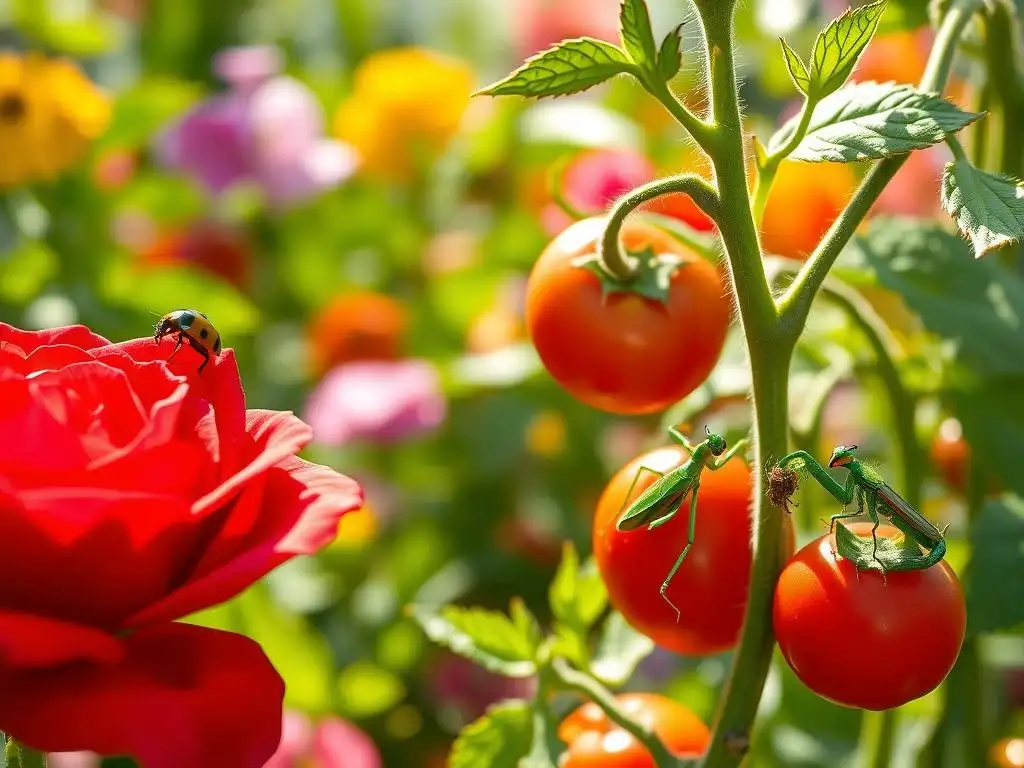
For example, ladybugs are voracious aphid predators, consuming hundreds throughout their lifecycle. Lacewings, with their delicate wings, are similarly effective aphid controllers, while praying mantises are ambush predators targeting a wide range of insects, including many common garden pests. Hoverflies, often mistaken for wasps or bees due to their similar appearance, are also beneficial, as their larvae feed on aphids.
Accurate identification requires careful observation. Consider using a magnifying glass to examine the insect's body shape, size, color, and markings. Referencing field guides or online resources can be invaluable in confirming your identification. Maintaining a detailed garden journal, noting the presence and abundance of various insects, can provide a valuable long-term record of your garden's ecosystem. This record will help you track changes in insect populations over time, allowing you to anticipate potential pest outbreaks and take preventative measures. Remember, even seemingly insignificant insects can play a crucial role in maintaining the delicate balance of your garden ecosystem.
Recognizing Common Garden Pests: Knowing the Enemy
Understanding the specific pests that threaten your garden is crucial for implementing targeted, natural control measures. Observation is key to identifying these unwanted visitors and assessing the extent of their damage. Common garden pests vary depending on your geographical location and the specific plants you cultivate, but some frequently encountered examples include aphids, spider mites, whiteflies, slugs, and caterpillars.
Aphids, for example, are small, soft-bodied insects that suck sap from plants, causing stunted growth and leaf curling. Spider mites, on the other hand, are tiny arachnids that create fine webbing on leaves and cause stippling or discoloration. Whiteflies are small, winged insects that cluster on the undersides of leaves, also sucking plant sap. Slugs and snails leave characteristic slime trails and chew holes in leaves and stems, while caterpillars can defoliate plants rapidly.
Careful observation will allow you to identify the specific pest, assess the level of infestation, and determine the most appropriate response. Remember to note the specific plants affected and the location of the infestation within your garden. This detailed information will greatly aid in developing a targeted and effective natural pest control strategy.
Observing Pest-Plant Interactions: Understanding the Dynamics
The relationship between pests and plants is complex and dynamic. Observing these interactions provides invaluable insights into the overall health of your garden and helps you identify potential problems early on. For instance, wilting plants might indicate root damage caused by slugs or other soil-dwelling pests. Unusual discoloration or leaf distortion might signal the presence of sucking insects like aphids or whiteflies. The presence of webbing suggests spider mites, while holes in leaves indicate chewing insects like caterpillars.
Regularly inspecting your plants, paying close attention to their overall appearance and growth, allows you to detect early signs of infestation. This early detection is crucial as it allows for prompt intervention, often preventing a minor problem from escalating into a major infestation. Note the location of pest damage on the plant; is it concentrated in one area or widespread? This observation will help you understand the pest's behavior and movement patterns.
Moreover, consider the environmental factors that might be contributing to the pest problem. Is there a lack of sufficient moisture, leading to stressed plants more susceptible to infestation? Is there an abundance of weeds providing shelter for pests? By carefully observing the interactions between pests and plants, you gain a deeper understanding of the dynamics at play and can make informed decisions about natural pest control strategies.
Implementing Observation Techniques for Natural Pest Control
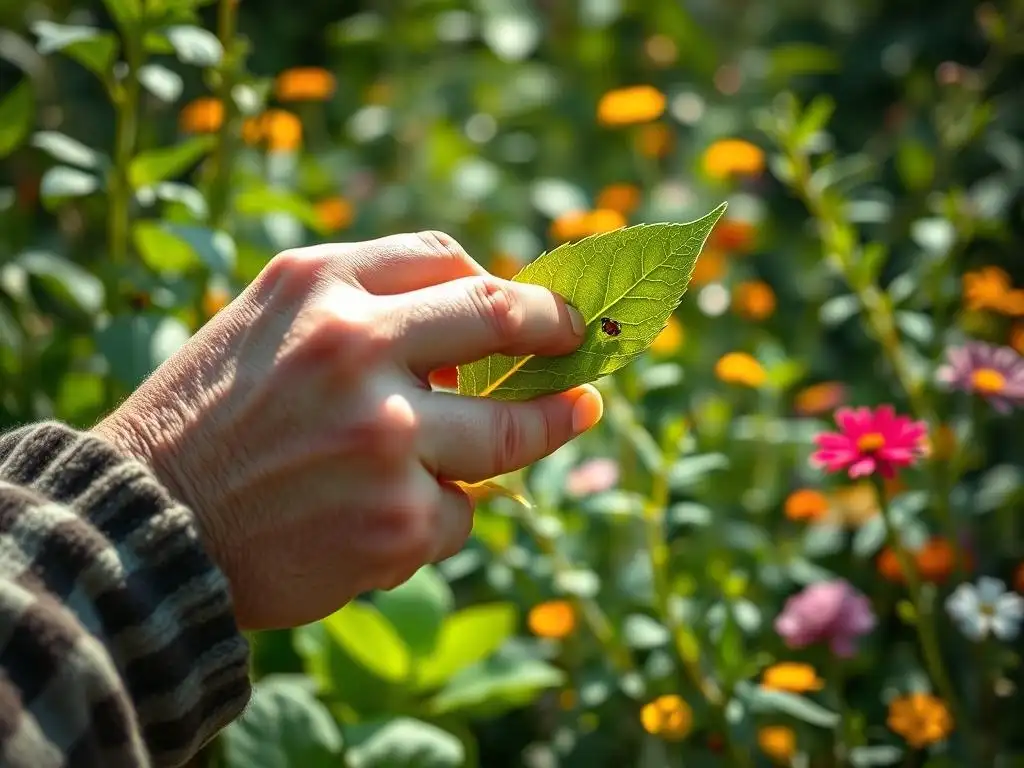
This section delves into the practical application of observation for effective natural pest control in your garden. By diligently monitoring your plants and recording your findings, you can proactively address pest problems before they escalate, minimizing the need for harmful chemical interventions. This proactive approach is key to successful natural pest control garden observation. Remember, early detection is your best defense.
Regular Garden Inspections: A Routine for Success
Establishing a consistent inspection routine is paramount for successful natural pest control. Aim for at least twice a week, ideally once mid-week and once on the weekend, allowing for variations in weather conditions. During these inspections, walk systematically through your entire garden, paying attention to both the overall health of the plants and individual leaves and stems. Don't just focus on obvious signs of damage; also look for subtle changes, such as wilting, discoloration, or unusual growth patterns.
A helpful strategy is to divide your garden into smaller, manageable sections. This makes the process less overwhelming and ensures that you thoroughly examine each plant. For example, you might dedicate 15-20 minutes to each section, adjusting the time based on the size and complexity of the planting area. Consistency is key; even on busy days, a quick walk-through will often reveal early signs of trouble. Consider using a checklist to ensure you don't miss any crucial areas.
Detailed Plant Examination: Spotting Early Signs of Infestation
Once you've completed a general inspection, it's time for a more detailed examination of individual plants. This involves carefully examining the leaves, stems, buds, and fruits for any signs of pest activity. Look for:
- Chewed leaves: Irregular holes, missing sections, or skeletonized leaves indicate chewing insects.
- Sticky residue (honeydew): This sweet substance is excreted by sap-sucking insects like aphids and whiteflies.
- Webbing: Spider mites and other pests create webs to protect themselves and their eggs.
- Discolored spots: These can be signs of fungal diseases or pest damage.
- Unusual growth: Galls (abnormal growths) on stems or leaves often indicate insect infestation.
- Presence of the pests themselves: Carefully examine the undersides of leaves, as many pests hide there. A magnifying glass can be helpful for spotting tiny insects.
Remember, early detection is crucial. A few pests are much easier to manage than a full-blown infestation. Regular, thorough examination allows you to intervene early and prevent widespread damage. Consider using a notebook and pen to record specific details about each plant's condition. For example, note the number of affected leaves and the type of damage observed. This information will prove invaluable in tracking pest activity and evaluating the effectiveness of your control measures.
Note-Taking and Record Keeping: Tracking Pest Activity and Plant Health
Maintaining detailed records of your observations is essential for long-term success in natural pest control. A simple notebook or a dedicated gardening journal can be used to track various aspects of your garden's health, including:
| Date | Plant Type | Location in Garden | Pest Observed | Severity (1-5) | Actions Taken | Results |
|---|---|---|---|---|---|---|
| 2024-07-26 | Tomato | South Bed | Aphids | 2 | Hand-picked aphids | Population reduced |
| 2024-07-28 | Cucumber | West Bed | Spider Mites | 1 | Introduced ladybugs | No further infestation |
| 2024-07-31 | Lettuce | North Bed | Slugs | 3 | Applied diatomaceous earth | Significant improvement |
This detailed record-keeping allows you to:
- Identify recurring pest problems: This helps you anticipate future challenges and take preventative measures.
- Track the effectiveness of different control methods: This allows you to refine your approach over time.
- Monitor the overall health of your plants: This helps you identify patterns and prevent larger issues.
- Share your observations: If you encounter problems, your detailed records can be helpful when seeking advice from other gardeners or experts.
By consistently observing your garden and meticulously recording your findings, you'll become a more effective and proactive gardener, capable of implementing successful natural pest control strategies. Remember, patience and persistence are key to mastering the art of natural pest control garden observation. 🌱
Using Photography to Document Pest Problems and Beneficial Insect Presence
Photographing your garden regularly is an invaluable tool for implementing effective natural pest control strategies based on observation. High-quality images allow for precise identification of both problematic pests and beneficial insects, enabling targeted interventions. This detailed record-keeping surpasses simple notes, offering visual evidence of population fluctuations, the spread of infestations, and the effectiveness of any implemented strategies.
For instance, a series of photos showing an increasing number of aphids on your rose bushes over a week can highlight the urgency of attracting ladybugs or lacewings. Conversely, documenting the gradual increase in the ladybug population following the introduction of flowering plants attractive to them provides concrete evidence of the success of your natural pest control methods. The photographic record allows you to analyze trends and adjust your approach accordingly. You can compare images from different years to understand seasonal variations in pest pressure and the efficacy of your long-term strategies.
Consider using a macro lens for detailed close-ups of insects, enabling precise identification. Include a scale in your photos (e.g., a ruler or coin) for accurate size assessment, which is crucial for identifying specific species. Maintain a detailed log alongside your photos, noting the date, time, location within your garden, and any relevant observations about the insects' behavior or the surrounding environment. This meticulous documentation provides a comprehensive dataset for analyzing pest dynamics and informing future pest management decisions.
Remember to store your images securely and organize them systematically for easy retrieval and analysis. This systematic approach transforms simple observation into a powerful tool for sustainable and effective natural pest control in your garden. The visual data provided by photography adds a layer of precision and detail far exceeding written notes alone, offering a powerful record of your garden's ecosystem.
Interpreting Observations and Implementing Natural Solutions
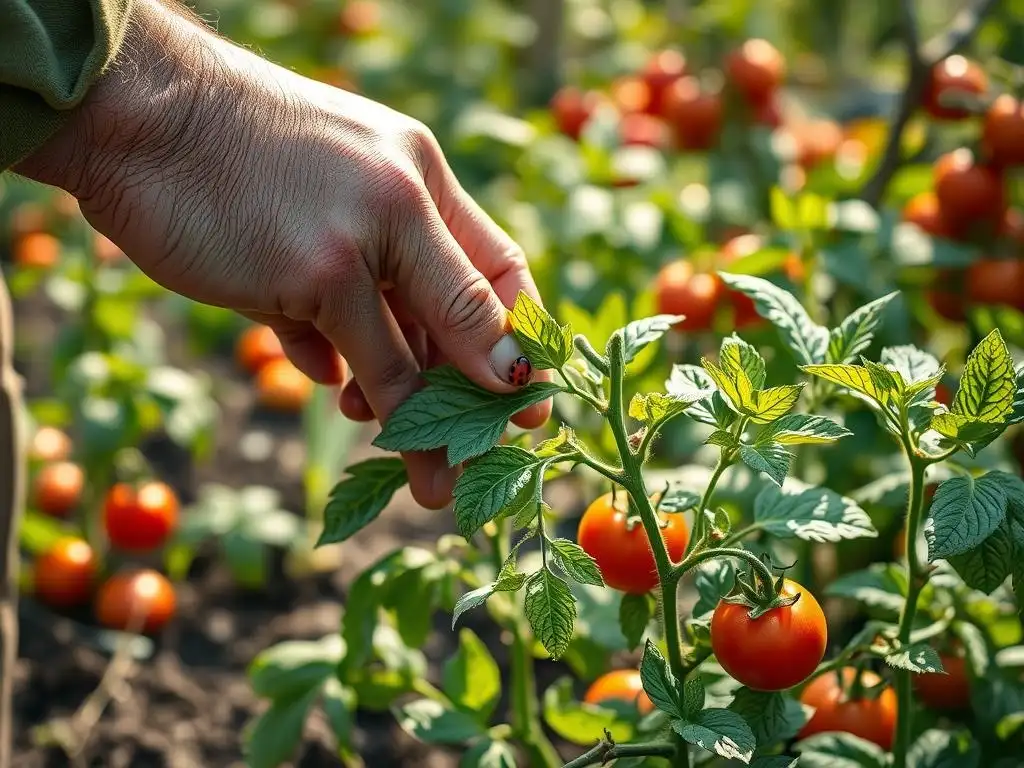
This section delves into the practical application of garden observations to implement effective natural pest control strategies. Understanding what you see in your garden is the cornerstone of successful, sustainable pest management. By carefully observing your plants and the creatures inhabiting them, you can accurately assess the situation and choose the right course of action, minimizing the need for harmful chemical interventions. This approach is crucial for maintaining a thriving and balanced ecosystem in your "Natural pest control garden observation."
Recognizing Signs of Beneficial Insect Activity: A Healthy Ecosystem
A vibrant garden teeming with life is a sign of a healthy ecosystem, naturally resistant to many pests. Recognizing the activity of beneficial insects is paramount. These natural allies play a crucial role in keeping pest populations in check.
Identifying beneficial insects requires keen observation. Look for:
- Ladybugs: These voracious eaters consume aphids, mealybugs, and other soft-bodied insects. Their presence indicates a healthy balance. You'll spot them actively feeding on pests, often leaving behind empty exoskeletons.
- Lacewings: Both adult lacewings and their larvae are effective predators, feeding on aphids, mites, and small caterpillars. Look for their delicate, lacy wings and the distinctive, alligator-like larvae.
- Praying Mantises: These ambush predators are highly effective at controlling a wide range of pests, including grasshoppers, crickets, and caterpillars. Their presence is a strong indicator of a balanced environment.
- Ground Beetles: These nocturnal hunters feed on slugs, snails, and other soil-dwelling pests. Their presence in your garden is beneficial for overall soil health and pest control.
- Hoverflies: While the adults feed on nectar, their larvae are voracious aphid predators. Observe their characteristic hovering flight pattern near aphid infestations.
The presence of multiple species of beneficial insects is a positive sign. A diverse population indicates a robust and resilient ecosystem. Encouraging their presence through habitat creation (providing shelter and food sources) is a cornerstone of natural pest control. For example, planting flowering plants that attract beneficial insects will enhance their numbers and effectiveness.
Identifying Pest Pressure Levels: Determining the Need for Intervention
Careful observation allows you to assess the severity of a pest infestation. This helps you determine whether intervention is necessary and, if so, what kind of intervention is most appropriate. Don't rush to action; often, nature will regulate itself.
Consider these factors when assessing pest pressure:
| Pest Pressure Level | Description | Intervention Needed? | Example |
|---|---|---|---|
| Low | A few scattered pests; minimal damage to plants. | Usually No | A few aphids on a single plant leaf. |
| Moderate | Increased pest numbers; noticeable but not widespread damage to plants. | Possibly | Moderate aphid infestation across several plants. |
| High | Large populations of pests; significant damage to plants; potential yield loss. | Yes | Widespread infestation impacting plant health & yield. |
Observe the extent of damage. Is it localized to a few plants, or is it widespread? Are plants showing signs of stress or significant damage (wilting, leaf loss, etc.)? This information helps to determine the urgency and scale of your response. Remember, a minor infestation might not require any intervention at all; nature often finds a balance on its own.
Choosing Appropriate Natural Pest Control Methods Based on Observations
Once you've assessed the pest pressure level, you can choose the most appropriate natural pest control method. Your observations will guide this decision.
For low pest pressure, simply monitoring the situation might suffice. Beneficial insects will likely keep the pest population in check. However, for moderate or high pest pressure, you might consider:
- Handpicking: Manually removing pests is effective for small infestations. This is particularly useful for slugs, snails, and caterpillars.
- Water sprays: A strong jet of water can dislodge many pests from plants. This is a non-toxic method suitable for many soft-bodied insects.
- Neem oil: This natural insecticide is effective against a wide range of pests. However, it should be used judiciously and according to instructions.
- Beneficial insect introductions: Introducing additional beneficial insects can help to control pest populations. This is a particularly effective long-term solution.
- Companion planting: Strategically planting certain plants together can deter pests or attract beneficial insects. Research companion planting techniques for your specific garden and pests.
The key is to use the least intrusive method first. Start with observation, then move to less invasive techniques before resorting to stronger interventions. Remember that a healthy, balanced ecosystem is your best defense against pests. By carefully observing your garden and understanding the interplay between pests, beneficial insects, and the environment, you can cultivate a thriving garden using sustainable and effective natural pest control methods. 🌱
Managing Aphid Infestations with Ladybugs
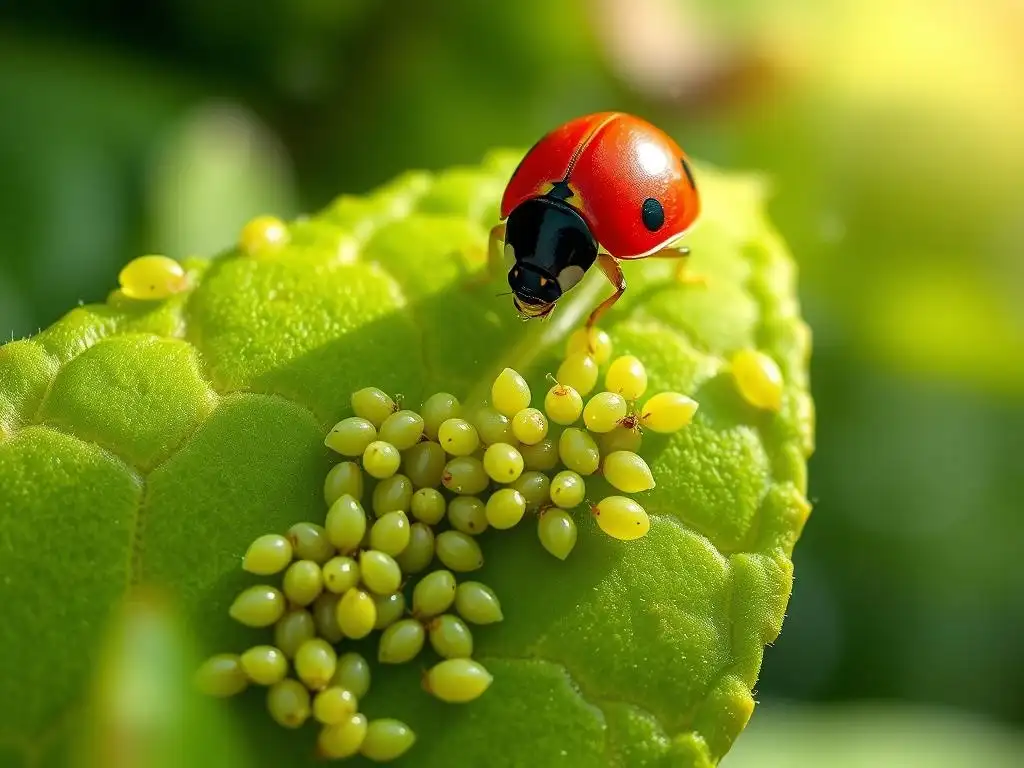
Aphids, those tiny sap-sucking insects, are a common garden pest. Their presence can be devastating to plants, causing stunted growth and leaf curling. However, instead of resorting to harsh chemical pesticides, a powerful and effective natural solution exists: ladybugs. Ladybugs, or ladybirds, are voracious aphid predators. A single ladybug can consume hundreds of aphids throughout its lifecycle. Their larvae are also effective aphid hunters, making them a highly efficient form of natural pest control.
To encourage ladybug populations in your garden, provide them with habitat and food sources. Plant flowering plants that attract ladybugs, such as dill, fennel, yarrow, and cosmos. These plants provide nectar and pollen, essential for ladybug survival and reproduction. Avoid using broad-spectrum insecticides, as these can harm ladybugs along with the aphids. If you have a small aphid infestation, simply introducing a few ladybugs directly to the affected plants can be highly effective. However, for larger infestations, a more holistic approach, focused on creating a ladybug-friendly environment, is generally more sustainable. Remember that patience is key; the ladybug population will need time to establish itself and effectively control the aphids. Consistent observation is vital to track the effectiveness of this natural pest control method and adjust your strategy as needed. Regularly inspect your plants for aphid activity and ladybug presence, making note of the population dynamics to refine your approach.
Managing Spider Mite Infestations with Predatory Mites
Spider mites, another common garden pest, are microscopic arachnids that suck the sap from plants, causing stippling, yellowing, and webbing on leaves. While seemingly insignificant, a large infestation can severely weaken plants and impact their overall health. Fortunately, predatory mites offer an effective natural control method for these pesky arachnids. These tiny beneficial mites actively hunt and feed on spider mites, significantly reducing their populations. Different types of predatory mites target various spider mite species, so identifying the specific spider mite in your garden is crucial for selecting the most effective predator.
Successfully integrating predatory mites into your natural pest control strategy requires understanding their needs. Predatory mites thrive in high humidity environments. Regularly misting your plants, particularly during dry periods, can significantly increase their effectiveness. Avoid using chemical pesticides, which can harm predatory mites along with the spider mites.
Introducing predatory mites requires careful planning. It is best to purchase these beneficial mites from reputable suppliers. They are typically available in small sachets or vials and should be applied according to the supplier's instructions. The application method may vary depending on the type of predatory mite used.
Remember that the predatory mites need a food source (spider mites) to survive. Therefore, introducing them when the spider mite population is already established is crucial for their success. Continuous monitoring of both spider mite and predatory mite populations is essential for assessing the effectiveness of this biological control method. Regular observation allows for timely adjustments to ensure optimal control and the prevention of future outbreaks.
Preventing Pest Problems Through Proactive Observation

Regular and diligent observation is the cornerstone of effective natural pest control. By proactively monitoring your garden, you can identify potential problems before they escalate into major infestations, minimizing the need for harsh chemical interventions. This approach aligns perfectly with sustainable and organic gardening practices, allowing you to cultivate a thriving ecosystem that naturally resists pests.
This section will explore how careful observation can prevent pest problems and promote a healthy garden environment. The key is to become a keen observer, learning to recognize subtle signs of distress in your plants and the presence of beneficial insects. This proactive approach is far more effective – and less stressful – than reacting to a full-blown infestation.
Early Detection of Pests: Preventing Major Infestations
Early detection is crucial in preventing minor pest problems from becoming major headaches. Regular inspection, ideally daily or every other day, allows you to catch infestations at their earliest stages. Focus on the undersides of leaves, stems, and buds – common hiding places for many pests. Look for:
- Visible pests: Aphids, spider mites, caterpillars, and other insects are often visible to the naked eye.
- Damage indicators: Chewed leaves, holes in foliage, wilting, discoloration, or unusual webbing are all signs of pest activity.
- Frass (insect droppings): Small black or brown specks on leaves or the ground can indicate the presence of caterpillars or other chewing insects.
A magnifying glass can be incredibly helpful in identifying smaller pests or detecting early signs of damage. Keep a detailed garden journal, noting the date, location, type of pest (if identified), and the extent of damage. This record will be invaluable in tracking pest populations and adjusting your gardening strategies accordingly. Remember, early intervention is key! A small infestation is much easier to manage than a large one. Early detection allows you to implement targeted interventions before widespread damage occurs, saving your plants and your sanity. 🐞
Monitoring Plant Health: Identifying Stress Factors Attracting Pests
Healthy plants are naturally more resilient to pests. Stress weakens plants, making them more susceptible to infestation. Monitoring plant health is therefore a crucial component of natural pest control. Observe your plants closely for signs of stress, such as:
- Wilting: Insufficient watering, poor drainage, or root damage can cause wilting, attracting pests seeking weakened plants.
- Nutrient deficiencies: Yellowing leaves, stunted growth, or discoloration can indicate nutrient deficiencies, making plants more vulnerable.
- Disease: Fungal or bacterial diseases can weaken plants and attract pests.
- Environmental stress: Extreme heat, cold, or drought can stress plants, making them more susceptible to pests.
Addressing these stress factors proactively strengthens your plants' natural defenses. Ensure adequate watering, proper fertilization (using organic methods), and good soil drainage. Provide shade during extreme heat and protect plants from frost. By tending to the overall health of your plants, you create a less hospitable environment for pests. A vigorous, healthy plant is much better equipped to withstand and repel insect attacks. Think of it as preventative medicine for your garden. 💪
Adjusting Gardening Practices Based on Observations: Proactive Pest Management
Your observations should directly inform your gardening practices. For example:
| Observation | Action |
|---|---|
| High aphid population on roses | Introduce ladybugs or lacewings (natural predators of aphids) |
| Caterpillars damaging lettuce | Handpick caterpillars or use row covers to protect plants |
| Yellowing leaves on tomatoes | Check for nutrient deficiencies and amend soil with organic compost |
| Wilting plants | Improve drainage, adjust watering schedule, check for root damage or disease |
This proactive approach to pest management is far more effective than reacting to problems after they've become severe. By carefully observing your garden and adjusting your practices accordingly, you can create a thriving ecosystem where plants flourish and pests are kept under control naturally. This is the essence of "Natural pest control garden observation" – a holistic, sustainable, and effective method for protecting your crops.
The more you observe, the better you will understand the dynamics of your garden and the needs of your plants. This knowledge will empower you to cultivate a healthy and productive garden year after year. 🌱
The Role of Soil Health in Natural Pest Control: Observation and Improvement
Healthy soil is the cornerstone of a thriving garden ecosystem, and its condition plays a significant role in natural pest control. Observing your soil's health is crucial for preventing pest problems before they arise. Strong, healthy plants, born from nutrient-rich soil, are far more resilient to pest infestations than weakened plants struggling in poor soil conditions. Think of it like this: a robust, well-fed individual is better equipped to fight off illness than someone malnourished.
One of the most important observations you can make is the soil's texture. Is it loose and crumbly, allowing for good aeration and water drainage? Or is it compacted and clay-like, hindering root development and making plants more susceptible to disease and pests? Compacted soil can lead to root stress, making plants more vulnerable to attacks from insects and other pests. Improving soil structure can be achieved through techniques like adding compost, cover cropping, and avoiding excessive tilling. These practices enhance soil aeration and drainage, promoting healthy root growth.
Another key observation is soil color. Dark, rich soil generally indicates high levels of organic matter, which is essential for providing nutrients and supporting beneficial microbes. Pale or light-colored soil, on the other hand, might suggest a lack of organic matter and potentially nutrient deficiencies. This can weaken plants, making them prime targets for pests.
Regular soil testing can help determine specific nutrient levels and guide appropriate amendments. Consider using a soil test kit to check the pH levels as well; many beneficial microorganisms thrive in a specific pH range. Correcting nutrient imbalances and maintaining an optimal pH level strengthens plant health and reduces pest vulnerability.
Beyond texture and color, observing the presence of beneficial organisms in your soil is critical. Earthworms, for instance, are excellent indicators of soil health, improving soil structure and aeration as they tunnel through the earth. Their presence suggests a balanced ecosystem, less prone to pest problems. Conversely, a noticeable absence of earthworms or other beneficial organisms might indicate soil degradation and potential pest issues.
Encouraging their presence through the addition of organic matter and avoiding the use of harmful pesticides is a crucial aspect of proactive natural pest control. Regular observation and careful soil management are vital steps in creating a healthy garden ecosystem that naturally resists pests. Remember, a healthy soil is the foundation of a healthy garden, and a healthy garden is less prone to pest issues.
Advanced Observation Techniques for Natural Pest Control in Your Garden
This section delves into more advanced observation methods that can significantly enhance your natural pest control strategies. Moving beyond casual observation, these techniques allow for early pest detection and a deeper understanding of your garden ecosystem, enabling proactive and effective interventions. Mastering these techniques is crucial for successful implementation of natural pest control, minimizing the need for harmful chemical interventions. Remember, the key to "natural pest control garden observation" is meticulous attention to detail and consistent monitoring.
Utilizing Magnifying Glasses for Detailed Inspections
A simple magnifying glass can be a game-changer in your pest control efforts. Many pests, particularly in their larval stages, are incredibly small and easily overlooked by the naked eye. A magnifying glass allows for detailed examination of plant leaves, stems, and soil, revealing tiny insects, eggs, or signs of feeding damage that might otherwise go unnoticed. This early detection is crucial for preventing infestations before they become major problems.
For instance, you might notice minute holes in a leaf, initially dismissing them as insignificant. However, a magnifying glass could reveal the presence of tiny aphids or leaf miner larvae, allowing you to take targeted action early on. Similarly, examining soil samples with a magnifying glass can help identify beneficial nematodes or harmful soil-dwelling insects, providing valuable insights into the overall health of your soil.
Consider investing in a high-quality magnifying glass with adjustable magnification, allowing you to observe pests and their damage with increasing clarity. This simple tool can significantly improve the accuracy of your observations and enhance your ability to implement effective natural pest control measures. Remember to clean your magnifying glass regularly to ensure clear visibility and accurate identification.
Employing Monitoring Traps for Early Pest Detection
Monitoring traps are proactive tools that provide early warning signs of pest activity. These traps, which come in various designs, attract specific pests, allowing you to monitor their populations and intervene before significant damage occurs. Different types of traps are effective for different pests. Sticky traps, for example, are excellent for capturing flying insects like whiteflies or aphids. Pheromone traps lure specific insects using their mating pheromones, providing valuable data on pest presence and population levels.
Effective use of monitoring traps involves strategic placement throughout your garden. Consider factors like plant type, microclimate, and known pest pathways when positioning the traps. Regularly checking the traps (e.g., weekly) is essential to track pest activity. The data collected from these traps provides valuable information to guide your natural pest control strategies.
For example, a sudden increase in the number of captured pests might signal the need to introduce beneficial insects or adjust your gardening practices. Document your findings meticulously, noting the date, type of trap, number of pests captured, and any other relevant observations. This data will help you build a comprehensive understanding of pest dynamics in your garden over time. This data-driven approach is key to sustainable and effective "natural pest control garden observation".
Understanding Weather Patterns and their Influence on Pests
Weather patterns significantly impact pest populations and their activity levels. Understanding these influences is crucial for successful natural pest control. For example, prolonged periods of rain can create favorable conditions for fungal diseases and certain pest species, while hot, dry weather might increase the activity of other pests.
Monitoring weather forecasts and keeping detailed records of rainfall, temperature, and humidity levels can help you anticipate potential pest outbreaks. This proactive approach allows you to adjust your gardening practices accordingly. For instance, if a period of heavy rain is predicted, you might take preventative measures to protect your plants from fungal diseases. Similarly, unusually high temperatures might indicate the need to monitor for increased pest activity and implement appropriate control measures.
By combining weather data with your garden observations, you can develop a more comprehensive understanding of the factors influencing pest populations in your garden. This holistic approach is essential for effective and sustainable natural pest control. Detailed records, including weather data and pest observations, will become invaluable resources over time, allowing you to identify patterns and develop more effective strategies for managing pests naturally in subsequent growing seasons. This comprehensive approach to “natural pest control garden observation” will ultimately lead to a healthier and more productive garden.
The Importance of Long-Term Observation: Building a Resilient Garden Ecosystem
Long-term observation is crucial for effective natural pest control. It's not just about spotting a pest problem today; it's about understanding the dynamics of your garden ecosystem over time. This allows you to anticipate potential issues and build a resilient environment where pests are naturally suppressed. Think of your garden as a complex web of interactions—plants, insects, beneficial organisms, and even the soil itself are all interconnected. By observing these interactions over weeks, months, and even years, you gain invaluable insights into the health and balance of your garden.
For instance, consistently observing the populations of ladybugs and lacewings in your garden will tell you far more than a single snapshot. You'll start to notice patterns: Are their numbers higher in certain seasons? Do they seem to be more prevalent in areas with specific plant species?
This kind of data helps you understand the factors that influence their presence and how you can optimize your garden to support these beneficial insects. A sudden drop in their numbers, for example, might signal a problem that needs addressing, perhaps a new pesticide application by a neighbor or a disruption in their food source.
Furthermore, long-term observation allows you to track the impact of your gardening practices. Did introducing a specific cover crop influence the pest population? Did changing your watering schedule impact the abundance of beneficial nematodes? This feedback loop allows for continuous improvement in your approach to natural pest control. You'll learn which strategies work best in your specific environment and adapt your techniques accordingly.
This iterative process is essential for achieving a truly sustainable and resilient garden ecosystem. The goal isn't to eliminate all pests—that's often impossible and undesirable—but to maintain a balance where pest populations are kept in check by natural predators and other beneficial organisms. This balance is best understood and maintained through consistent, long-term observation. Without it, you're essentially flying blind, reacting to problems instead of proactively preventing them. Long-term observation transforms your garden from a reactive to a proactive system.
Frequently Asked Questions
What is the importance of garden observation in natural pest control?
Regular garden observation is crucial because it allows for early detection of pest infestations before they cause significant damage. This enables you to implement timely and effective natural control methods, preventing widespread problems.
How often should I observe my garden for pests?
Aim for daily or at least every other day inspections, especially during the growing season. Focus on the undersides of leaves and inspect plants closely for any signs of damage or insect activity.
What should I look for when observing my garden for pests?
Look for signs of chewing, holes in leaves, unusual wilting, sticky residue, insect droppings, and the presence of insects themselves. Pay close attention to common garden pests in your area.
What are some natural pest control methods I can use after observing pests?
Depending on the pest, you can use methods like introducing beneficial insects, using homemade insecticidal sprays, implementing companion planting, or adjusting watering and fertilization practices.
How does “CultivateYourFood” help with natural pest control?
"CultivateYourFood" provides informative articles and guides on identifying pests, understanding their life cycles, and implementing effective natural pest control strategies based on observation and sustainable practices.
Final Reflection: Cultivating a Thriving Ecosystem Through Observation
Understanding the intricate dance of life in our gardens is not merely a hobby; it's a crucial step towards creating truly sustainable and resilient ecosystems. The methods detailed in this article—meticulous observation, identification of beneficial insects, and the strategic manipulation of garden conditions—are more vital than ever in a world facing increasing environmental challenges. Ignoring the natural world's inherent pest control mechanisms is a missed opportunity to build healthier, more productive, and environmentally friendly gardens.
The shift towards natural pest control represents a profound change in our relationship with the natural world. We are moving away from a mindset of dominance and control towards one of collaboration and understanding. This journey of observation, of learning to recognize the subtle cues of a thriving ecosystem, is deeply rewarding. The more we learn about the natural world, the more we realize how much we have yet to learn.
This quote encapsulates the ongoing process of discovery that awaits every gardener who embraces natural pest control. It's a journey of continuous learning, adaptation, and a growing appreciation for the delicate balance of nature.
Now, I invite you to step outside and observe your own garden with fresh eyes. Consider the tiny creatures that inhabit it, the intricate relationships they share, and the role you can play in fostering a healthy environment. Don't just react to pest problems; proactively cultivate a garden that is naturally resistant to them. By embracing the principles of natural pest control through observation, you're not just growing plants; you're cultivating a vibrant, resilient ecosystem that benefits both your garden and the planet.
Unleash Your Inner Gardener: Nurture a Thriving Ecosystem
Thanks for exploring the wonders of natural pest control! You've gained valuable knowledge to create a healthier, more vibrant garden. Ready to put your new skills to the test?
- Start observing your garden today! Spend some time—even just fifteen minutes—in your garden with a notebook, identifying beneficial insects and potential pests. This is the crucial first step towards a thriving, pest-resistant ecosystem.
- Share your observations with our community! Post a picture of a beneficial insect you've found, or ask a question about an unusual pest in the comments below. Let's learn from each other.
- Experiment with an untreated section of your garden and compare its health to treated areas. The results may surprise you!
What natural pest control method are you most excited to try in your garden?