
Nature Scavenger Hunt: A Fun Way to Explore the Garden with Kids

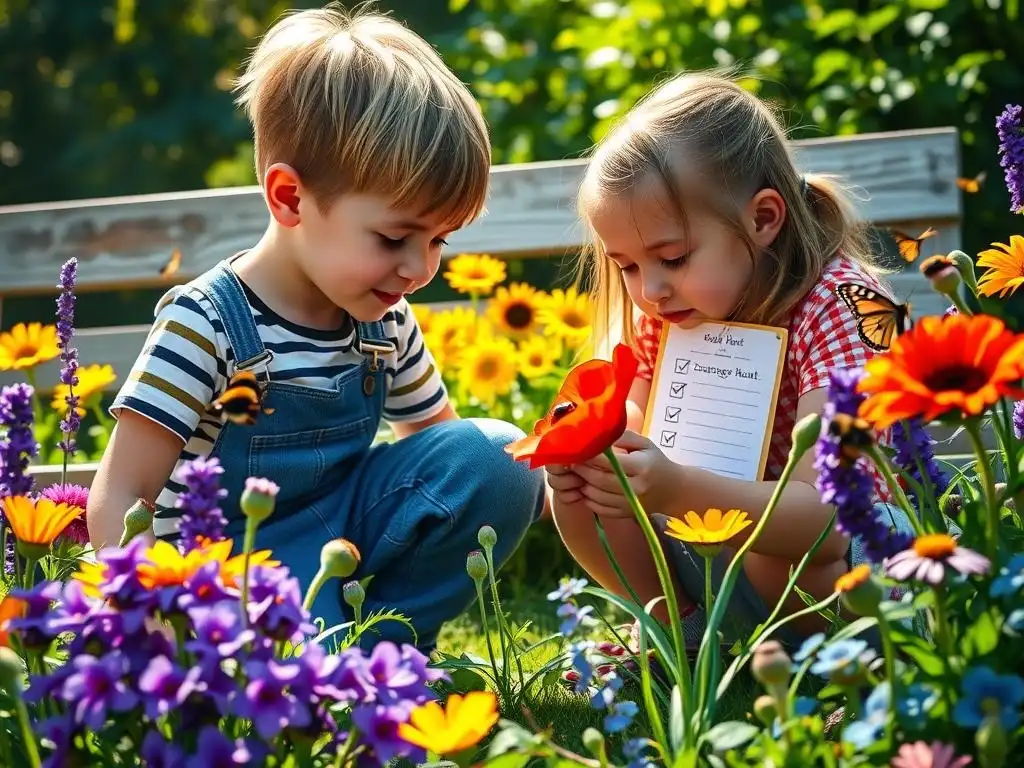
Ready to transform your backyard into a thriving, family-friendly oasis? At CultivateYourFood, we believe everyone can experience the joy of growing their own food. Discover how to cultivate a deeper connection with nature, and even turn gardening into an adventure! This week, we're unveiling a fun and educational kids gardening scavenger hunt designed to inspire the next generation of green thumbs. Dive in and uncover the secrets to a rewarding gardening experience for the whole family – the adventure begins now!
- Planning Your Kids' Gardening Scavenger Hunt
- Designing Engaging Scavenger Hunt Clues for Kids
- Executing the Kids' Garden Scavenger Hunt
- Extending the Fun: Post-Scavenger Hunt Activities
- Tips for a Successful Kids' Gardening Scavenger Hunt
-
Frequently Asked Questions
- What is a nature scavenger hunt, and how does it relate to gardening?
- How can I adapt a scavenger hunt for different age groups?
- What are some examples of items to include on a kids' gardening scavenger hunt list?
- What are the benefits of a gardening scavenger hunt for children?
- How can I make the scavenger hunt educational?
- Final Reflection: Cultivating Curiosity, One Scavenger Hunt at a Time
- Unleash Your Inner Explorer: Start Your Garden Adventure Today!
Planning Your Kids' Gardening Scavenger Hunt
Gardening with children can be a rewarding experience, fostering a love for nature and healthy eating habits from a young age. But sometimes, getting kids engaged requires a little creativity. This article outlines how to create a fun and educational nature scavenger hunt in your garden, transforming a simple gardening task into an exciting adventure that will keep children entertained while learning about plants and the environment.
We'll explore how to choose the perfect location and time, select age-appropriate items, and design a scavenger hunt list that's both challenging and rewarding, all while promoting sustainable and organic gardening practices. This guide is designed to help you create a memorable "kids gardening scavenger hunt" experience that your children will cherish.
Choosing the Right Location and Time
The success of your kids' gardening scavenger hunt hinges on choosing the right location and time. Consider these factors:
- Safety First: Select a safe area within your garden, free from hazards like sharp tools, pesticides, or potentially poisonous plants. A fenced-off section is ideal.
- Accessibility: Choose an area easily accessible for children of all ages and abilities. Avoid steep slopes or uneven terrain.
- Variety of Plants: The area should offer a diverse range of plants – flowers, vegetables, herbs – to make the hunt more interesting.
- Shade and Weather: Consider the time of day and weather conditions. Avoid midday sun on hot days and opt for a time when children are most energetic and alert. A shady spot might be preferable during peak sun hours.
- Time Commitment: Plan for a hunt duration suitable for your children's attention spans. A shorter, more focused hunt might be better for younger children, while older kids can handle a longer, more complex adventure.
Remember to supervise children closely throughout the hunt, even in a safe area. This ensures their safety and allows you to guide them and answer their questions, enriching their learning experience.
Age-Appropriate Scavenger Hunt Items
Tailoring the scavenger hunt items to your children's ages is crucial for engagement and success. Here's a breakdown of suggestions:
- Toddlers (2-3 years): Focus on simple, easily identifiable items like large leaves, red flowers, smooth stones, or specific textures (e.g., "something fuzzy," "something bumpy"). Keep the list short and the items large and easy to find. Use pictures alongside words for better understanding.
- Preschoolers (4-5 years): Introduce slightly more challenging items, such as different types of leaves (e.g., "a big leaf," "a small leaf"), particular colors of flowers, or specific garden tools (e.g., a watering can). Incorporate simple counting tasks, such as "three red flowers."
- School-aged Children (6-12 years): Increase the complexity by including items like specific types of insects (with adult supervision and identification beforehand), different types of seeds, or small fruits. Consider adding riddles or clues to make the hunt more engaging. You could even incorporate a small nature journal for recording findings.
Creating a Kid-Friendly Scavenger Hunt List
Designing an engaging scavenger hunt list is key to a successful adventure. Here are some tips:
- Use Pictures: Include pictures alongside the words, especially for younger children. This makes the list more visually appealing and easier to understand.
- Keep it Concise: Avoid overwhelming children with a long list. Start with a shorter list and add more items if they finish quickly.
- Make it Fun: Use creative language and descriptions. Instead of simply saying "a red flower," try "a flower as red as a firetruck!"
- Reward System: Plan a small reward at the end of the hunt, such as a healthy snack made with garden produce or a small gardening-themed prize. This positive reinforcement will encourage future participation.
- Educational Opportunities: Use the scavenger hunt as an opportunity to teach children about different plants, insects, and sustainable gardening practices. For example, you could include items like "a worm" and then discuss its role in healthy soil.
Remember to adapt the scavenger hunt to your specific garden and your children's interests. The most important aspect is to have fun and create lasting memories while nurturing a love for nature and gardening! 🎉
Designing Engaging Scavenger Hunt Clues for Kids
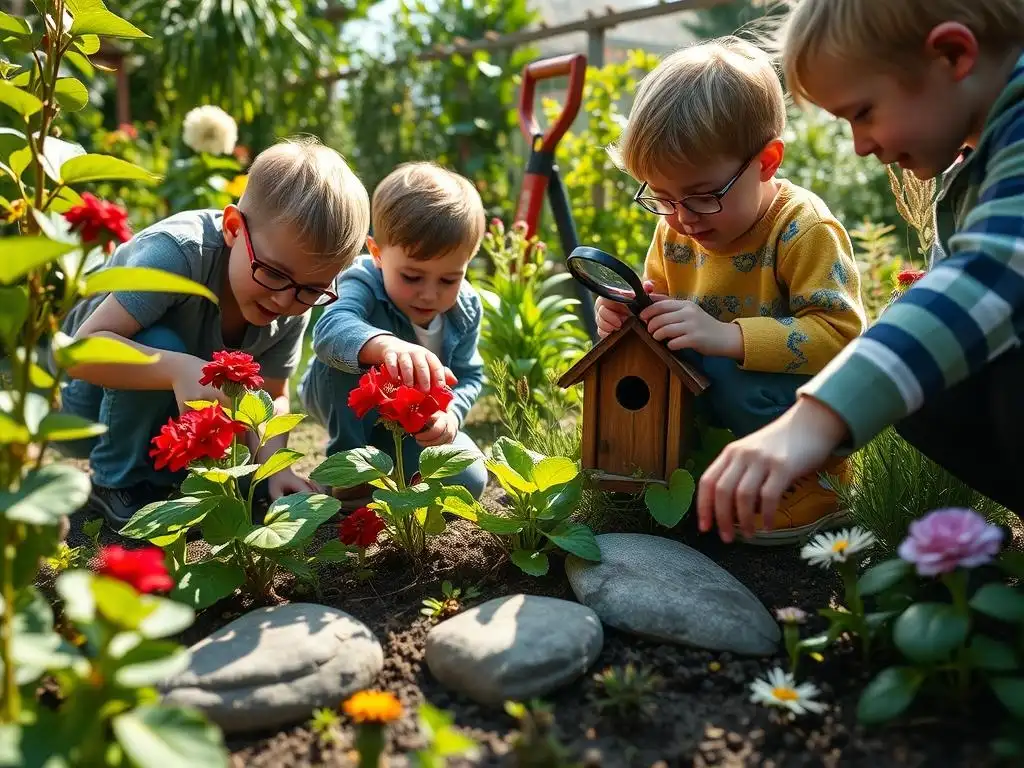
Creating a captivating kids gardening scavenger hunt requires careful consideration of clue design. The clues should be age-appropriate, stimulating, and subtly educational, encouraging observation and exploration of the garden environment. A successful scavenger hunt balances fun with learning, fostering a love for nature and gardening in young minds. Remember, the goal is to make the hunt exciting and rewarding, not frustrating. The difficulty should scale appropriately with the age and experience of the children participating. Let's explore how to craft clues that achieve this delicate balance.
Easy Clues for Younger Children
For younger children (preschool to early elementary), clues should be simple, visual, and straightforward. Avoid riddles or complex language. Focus on easily identifiable objects and use clear, concise instructions. Consider using pictures alongside text to aid comprehension.
Here are some examples of easy clues:
- "Find something green and leafy." (This could lead to a lettuce plant, a spinach leaf, or even a blade of grass.)
- "I'm round and red, and grow on a vine. What am I?" (A tomato) Include a picture of a tomato for added clarity.
- "Look for something that smells sweet and has pretty petals." (A flower)
- "Find something that helps the plants grow big and strong." (A watering can or a compost pile)
Remember to place these clues in easily accessible locations to avoid frustration. Make the hunt a collaborative experience, encouraging teamwork and problem-solving skills. The use of simple visuals, like drawings or photographs of the objects, can significantly improve comprehension and engagement for this age group. Positive reinforcement and encouragement are key to maintaining their enthusiasm throughout the hunt.
More Challenging Clues for Older Kids
Older children (late elementary and middle school) can handle more complex clues that incorporate riddles, puzzles, or even simple codes. These clues can be more descriptive, requiring closer observation and deduction skills.
Here are a few examples of more challenging clues:
- "I have a rough exterior and a tasty interior. I grow underground and am often roasted. What am I?" (A potato)
- "My leaves are prickly, and my fruit is juicy. I'm a member of the citrus family. What am I?" (A lemon or lime, depending on what you have growing)
- "Count the number of leaves on the largest sunflower. That number is the key to finding the next clue, hidden near the [object described by the number]." (e.g., the third rose bush) This incorporates math skills and observation.
- A simple cipher: Use a Caesar cipher or a substitution cipher to encode a message leading to the next clue's location. This introduces basic cryptography concepts in a fun and engaging way.
The increased complexity of these clues encourages critical thinking and problem-solving skills. The satisfaction of solving a more challenging puzzle adds to the overall enjoyment of the scavenger hunt. Remember to adjust the difficulty based on the children's specific abilities and interests. The clues should be challenging enough to be engaging but not so difficult as to be discouraging.
Incorporating Learning about Plants and Nature
A kids gardening scavenger hunt is a fantastic opportunity to subtly integrate educational elements. The clues themselves can be designed to teach children about different plants, their characteristics, and their roles in the ecosystem. You can also incorporate facts about insects, soil, or composting into the clues or as part of a post-hunt discussion.
Here are some ways to blend learning with fun:
- "Find a plant with compound leaves (leaves divided into leaflets)." This introduces botanical terminology in a hands-on way.
- "Locate a plant that attracts pollinators like bees." This promotes awareness of the importance of pollinators.
- "Find an example of beneficial insects in the garden (e.g., ladybugs)." This teaches about beneficial insects and pest control.
- "Identify three different types of leaves – one smooth, one rough, and one with serrated edges." This sharpens observation skills and expands botanical knowledge.
By incorporating these learning elements, the scavenger hunt becomes a valuable educational tool, enhancing children's understanding of the natural world while fostering a deeper appreciation for gardening and sustainable practices. The post-hunt discussion can further solidify learning by allowing children to share their discoveries and ask questions. This interactive learning experience makes the scavenger hunt both fun and educational, leaving a lasting positive impact on the children's understanding and appreciation of nature.
Executing the Kids' Garden Scavenger Hunt
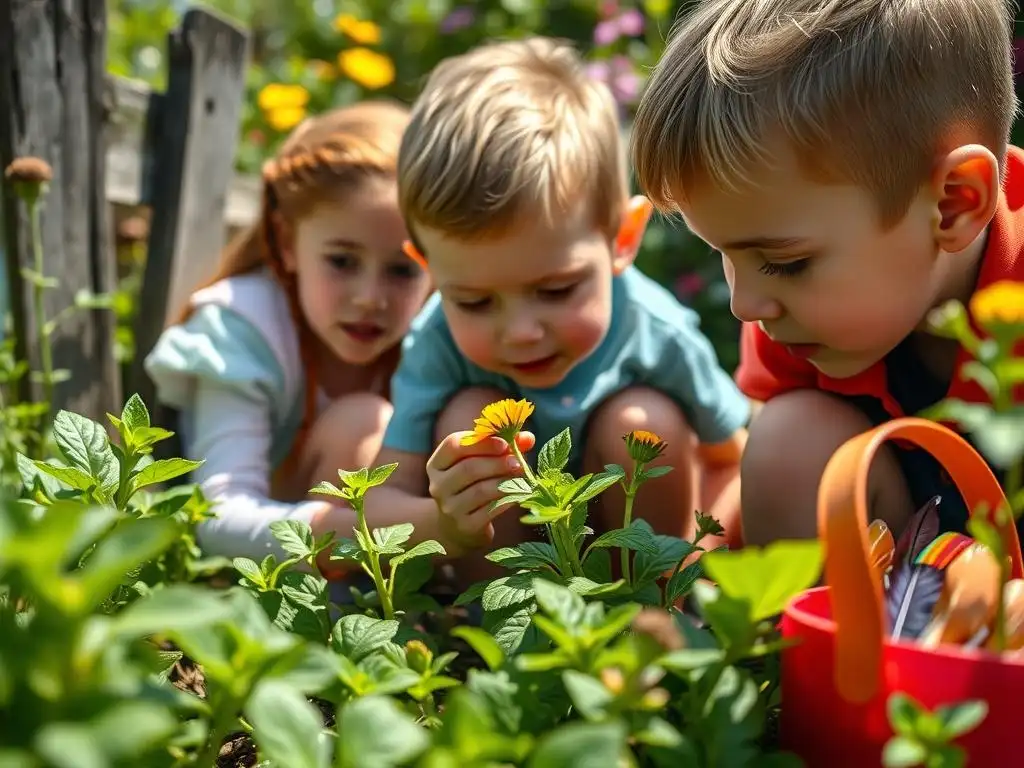
This section details the practical execution of a fun and educational garden scavenger hunt designed to engage children in the wonders of nature and cultivate their interest in gardening. Remember, the key is to make it enjoyable and age-appropriate! Adapting the difficulty and length of the hunt to your child's age and attention span is crucial for a successful experience. We'll cover setting the stage, guiding the hunt, and rewarding their efforts.
Setting the Stage
Before the hunt begins, preparation is key. A well-planned scavenger hunt will ensure a smooth and exciting experience for the kids. First, choose a suitable location within your garden. It should be a space that's safe, relatively clear of hazards, and offers a variety of things to find. Consider the age of your children when selecting the area; a smaller, more contained space might be better for younger children, while older children can handle a larger area with more challenges.
Next, create your scavenger hunt list. This list should include items readily available in your garden, ranging in difficulty depending on the age of the participants. For younger children (3-5 years old), focus on simple, easily identifiable items like:
- A red flower 🌺
- A smooth, round stone
- A green leaf 🍃
- Something that smells good (like a fragrant herb)
- Something prickly (like a thistle – supervise closely!)
For older children (6-10 years old), you can increase the challenge with items like:
- A specific type of vegetable (e.g., "a ripe tomato" 🍅)
- A type of weed (with a picture for identification)
- An insect (observe from a distance; emphasize gentle observation) 🐞
- A feather 🪶
- Five different colored leaves
Remember to tailor the list to the specific plants and features present in your garden. You can even incorporate learning elements by including items that relate to specific gardening tasks, such as:
| Item | Learning Opportunity |
|---|---|
| A bee on a flower | Pollination |
| A worm in the soil | Soil health and decomposition |
| A ladybug on a plant | Beneficial insects and pest control |
| A ripe fruit | The life cycle of a plant |
Finally, consider using visual aids. For younger children, adding pictures to the list will make it easier for them to understand and participate. You can even laminate the list to make it more durable.
Guiding the Hunt
Once the list is ready and the stage is set, it’s time to start the hunt! Begin by explaining the rules to the children. Emphasize the importance of respecting the garden and its inhabitants. Encourage them to observe carefully and handle plants and creatures gently. Remember, this is a learning experience as much as it is a game.
You can guide the hunt in different ways:
- Free-for-all: Let the children explore independently, using the list as their guide. This fosters independence and problem-solving skills.
- Guided hunt: Lead the children through the garden, providing hints and clues as needed. This is particularly helpful for younger children.
- Teamwork: Divide the children into teams and have them work together to complete the list. This promotes collaboration and communication.
Remember to keep the atmosphere fun and encouraging. Celebrate their discoveries and offer praise for their efforts. Don't be afraid to deviate from the list if the children stumble upon something interesting along the way – that's part of the magic of exploring nature!
Rewards and Prizes
The culmination of a successful scavenger hunt should be a rewarding experience. While the thrill of the hunt itself is often reward enough, adding a small prize or reward can further enhance the children's enjoyment and motivate future participation in gardening activities.
Here are some ideas for rewards:
- A small gardening-themed gift (e.g., a child-sized gardening tool, seeds to plant, a nature journal).
- A healthy snack made with garden-fresh ingredients (e.g., fruit salad, vegetable sticks with hummus).
- A special activity related to gardening (e.g., planting a new plant together, making homemade bird feeders).
- A certificate of achievement for completing the scavenger hunt.
The most important aspect is to make the reward meaningful and connected to the experience. This reinforces the positive association between gardening and fun, encouraging children to engage with nature and cultivate their own green thumbs. Consider personalizing the reward to reflect the child's interests or achievements during the hunt. For example, if a child showed exceptional observation skills, a magnifying glass could be a fitting reward. This personalized touch makes the experience even more special and memorable.
Extending the Fun: Post-Scavenger Hunt Activities
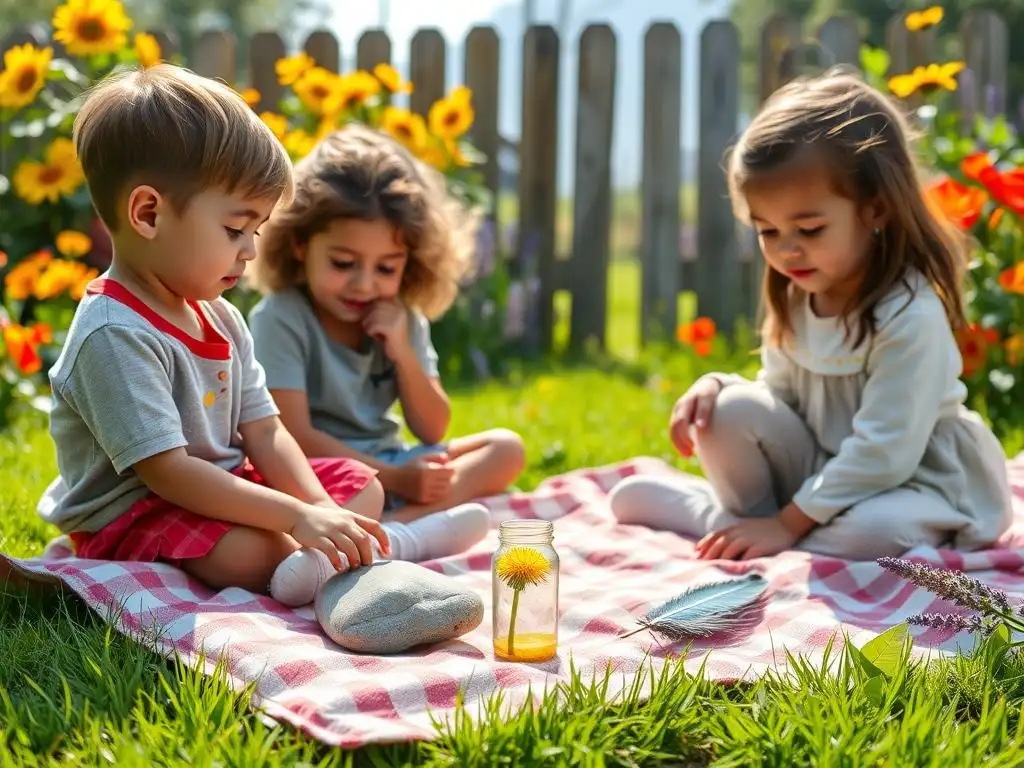
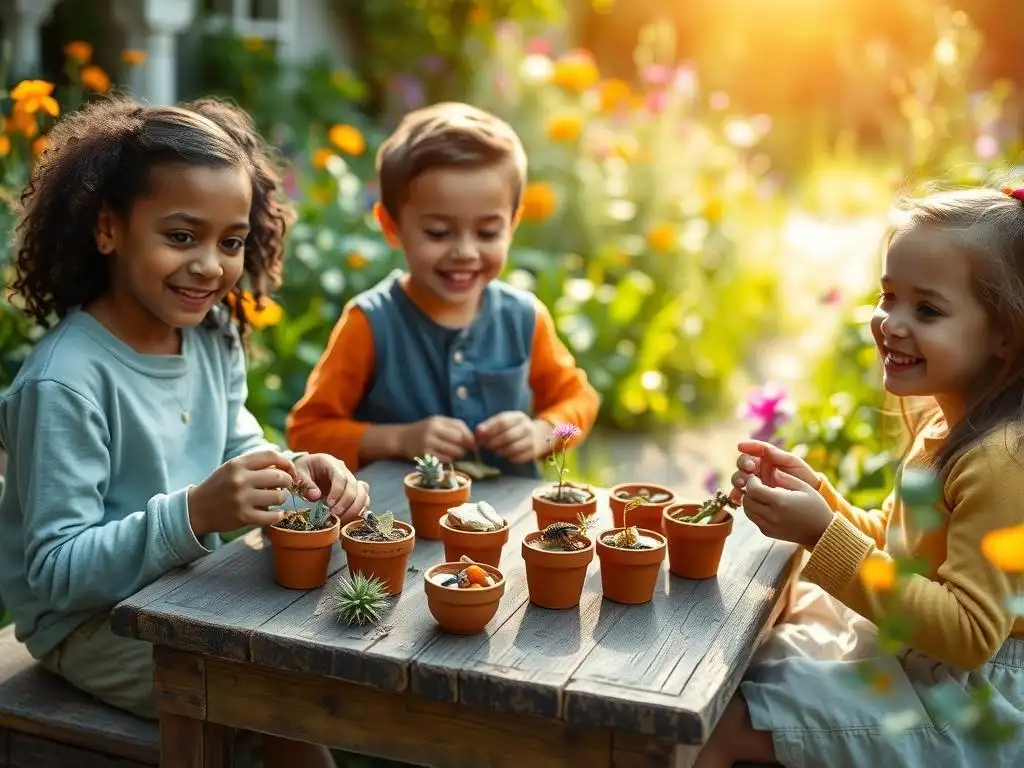
After the excitement of the scavenger hunt subsides, the learning and fun can continue! Here are some engaging activities to extend the experience and deepen your children's connection with nature and gardening. These post-hunt activities reinforce the lessons learned during the scavenger hunt and encourage further exploration and creativity. Remember, the goal is to foster a love for nature and gardening in a fun and engaging way. This is a key component of successful kids gardening scavenger hunts.
Nature Journaling and Drawing
Nature journaling is a fantastic way to consolidate the scavenger hunt experience. Encourage your children to record their findings in a special notebook. This isn't just about writing down what they found; it's about observation and detail. They can:
- Draw the items: Detailed sketches of the leaves, flowers, insects, or rocks they discovered. Even young children can create simple drawings. The focus is on observation, not artistic perfection.
- Describe textures and colors: Help them use descriptive words to capture the feel and appearance of each item. Was the leaf smooth or rough? What shades of green did they observe?
- Note interesting details: Did they see any insects on a leaf? Were there any interesting patterns in the bark of a tree? These small details add richness to their journal entries.
- Write short stories: Inspire them to create short stories based on their findings. Perhaps a ladybug is the hero of their tale, or a particularly interesting rock has a secret to tell.
This activity promotes fine motor skills, observation skills, and creative writing abilities, all while enhancing their appreciation for the natural world. It transforms a simple scavenger hunt into a meaningful learning experience. Think of it as a personalized kids gardening journal, documenting their unique discoveries.
Planting Seeds and Herbs
The scavenger hunt is a perfect prelude to planting seeds or herbs. Use the items found during the hunt to inspire the planting process. For example:
- Seed collection: If they found seed pods during the hunt, you can plant those seeds! This teaches them about the life cycle of plants and the importance of seed dispersal. It's a hands-on lesson in botany that directly connects to their scavenger hunt experience.
- Herb selection: If they found a specific herb during the hunt (like mint or chamomile), you can plant that same herb together. This allows them to directly connect the plant they observed to the growing process. This could become a long-term project, where they track the herb's growth and perhaps even use it in cooking later on!
- Theme-based planting: If the scavenger hunt focused on specific colors (e.g., finding something red, something yellow), you can plant flowers or vegetables of those same colors. This adds a fun, thematic connection to the planting process, making it more engaging.
This activity seamlessly integrates the scavenger hunt with practical gardening skills, turning the hunt into a springboard for a longer-term project.
Creating Nature Crafts
Finally, turn the collected treasures into beautiful nature crafts! This provides a creative outlet and extends the fun beyond simply observing and recording. Here are a few ideas:
- Leaf rubbings: Place leaves under a piece of paper and rub the side of a crayon over the paper to create leaf imprints. This is a simple yet rewarding craft, perfect for younger children.
- Rock painting: Turn ordinary rocks into miniature works of art. They can paint them with vibrant colors, add details, and even turn them into garden markers.
- Nature collages: Create a collage using the leaves, flowers, twigs, and other items collected during the scavenger hunt. This allows for creative expression and encourages them to think about composition and design.
- Seed necklaces: (If appropriate and safe seeds are collected) String collected seeds together to make a nature necklace – a unique souvenir of their garden adventure.
These crafts enhance fine motor skills and creative thinking, while transforming natural materials into memorable keepsakes. They represent a tangible outcome of their scavenger hunt adventure, something they can cherish and display. This adds another layer of engagement and lasting value to the kids gardening scavenger hunt experience.
Tips for a Successful Kids' Gardening Scavenger Hunt
This section provides practical advice to ensure your kids' gardening scavenger hunt is a resounding success, fostering a love for nature and gardening from a young age. Remember, the goal is fun and learning, not strict adherence to a rigid plan.
Safety Precautions
Safety should always be the top priority when engaging children in outdoor activities, especially around plants and tools. Before embarking on your scavenger hunt, discuss these crucial safety points with your kids:
- Handwashing: Emphasize the importance of washing hands thoroughly with soap and water before and after handling plants, soil, or any garden tools. This prevents the spread of germs and potential contaminants. Make it fun by singing a "handwashing song" together! 🧼
- Sun Protection: Depending on the weather, ensure your little gardeners have appropriate sun protection. Hats, sunglasses, and sunscreen with a high SPF are essential to prevent sunburn and heatstroke. Remember to reapply sunscreen every couple of hours, especially if they're sweating. ☀️
- Insect Repellent: Use a child-friendly insect repellent to protect against bites and stings. Check the ingredients for any potential allergies before application. Natural repellents, like citronella candles strategically placed around the garden, can also be helpful. 🦟
- Tool Safety: If using small garden tools (like trowels or hand rakes) for the scavenger hunt, provide clear instructions on their proper use. Supervise children closely while they are using tools to prevent accidents. Consider using child-sized, lightweight tools for better control and safety. 🛠️
- Plant Awareness: Teach children to identify potentially harmful plants in your garden. Explain that they should not touch or taste any unfamiliar plants without adult supervision. A pre-hunt walkthrough identifying safe and unsafe plants is highly recommended. 🌿
Adapting to Different Weather Conditions
The success of your kids' gardening scavenger hunt hinges on adapting to the prevailing weather conditions. Here's how to handle various scenarios:
- Sunny Days: Schedule the hunt for the cooler parts of the day, such as early morning or late afternoon, to avoid the hottest sun. Provide plenty of water breaks and encourage frequent rests in shaded areas.
- Rainy Days: A light rain shouldn't stop the fun! Provide waterproof outerwear and wellies to keep everyone dry and comfortable. Embrace the mud and the joy of splashing in puddles! 🌧️ However, postpone the hunt if there's heavy rain or thunderstorms.
- Windy Days: Secure any loose items in the garden that could be blown away or become hazards. Consider using weighted markers or containers for scavenger hunt clues to prevent them from scattering.
- Cold Days: Dress children in layers to adjust to fluctuating temperatures. Ensure they have warm hats, gloves, and scarves. Short, frequent breaks in a warm place are crucial to maintain body temperature.
Educational Opportunities
Transform your kids' gardening scavenger hunt into a valuable learning experience by incorporating these educational elements:
- Plant Identification: Include clues that require children to identify specific plants in the garden. This could involve matching leaves, flowers, or fruits to pictures or descriptions. This activity promotes observation skills and botanical knowledge. 🌱
- Insect Observation: Encourage children to observe and identify different insects in the garden. Provide magnifying glasses for a closer look. This activity fosters an understanding of the garden ecosystem and the roles of various insects. 🐞
- Soil Exploration: Include clues that involve examining the soil. Children can compare the texture of different soil types or search for worms and other soil organisms. This activity helps them understand the importance of healthy soil for plant growth. 🪱
- Composting Awareness: If you have a compost bin, include a clue that requires children to identify different compostable materials. This activity teaches about waste reduction and the benefits of composting. ♻️
Remember to tailor the complexity of the clues to the age and abilities of the children participating. The aim is to make it fun and engaging, fostering a lifelong appreciation for gardening and nature. By incorporating these tips, your kids' gardening scavenger hunt will be a memorable and educational experience for everyone involved!
Frequently Asked Questions
What is a nature scavenger hunt, and how does it relate to gardening?
A nature scavenger hunt is a fun game where children search for specific items in nature. In a garden setting, it's a great way to engage kids with plants, insects, and the environment, fostering an appreciation for gardening. It turns a chore into an adventure!
How can I adapt a scavenger hunt for different age groups?
Adjust the difficulty of the items on your list. Younger children might search for simple things like "a red leaf" or "a smooth stone," while older kids could identify specific plants or insects. Tailor the clues to their reading abilities as well.
What are some examples of items to include on a kids' gardening scavenger hunt list?
Include items like "a smooth green leaf," "a flowering plant," "an insect," "a red berry (if safe)," or "something that feels rough." You can also include riddles or puzzles to make it more challenging.
What are the benefits of a gardening scavenger hunt for children?
It's a fantastic way to connect kids with nature, teach them about plants and insects, and encourage outdoor play. It boosts their observation skills, fosters curiosity, and can even spark an interest in gardening itself.
How can I make the scavenger hunt educational?
Include items that require identification of plants or insects. You can use a field guide or pictures to help children learn their names. After the hunt, discuss the items found, highlighting their unique characteristics and importance within the ecosystem.
Final Reflection: Cultivating Curiosity, One Scavenger Hunt at a Time
Connecting with nature is more crucial than ever in our increasingly digital world, and a simple scavenger hunt can be the key to unlocking a child's lifelong love for the outdoors. The joy of discovery, the thrill of the hunt, and the quiet satisfaction of finding a hidden ladybug – these are experiences that foster a deep appreciation for the natural world, shaping young minds and inspiring future stewards of the environment.
The impact of early childhood experiences with nature is profound, shaping not only our understanding of the environment but also our emotional well-being. Nature is not a place to visit. It is home.
This quote resonates deeply, reminding us that fostering a connection with nature isn't just about ticking off items on a list; it's about cultivating a sense of belonging, a feeling of wonder, and a respect for the intricate web of life that surrounds us. The simple act of a scavenger hunt can plant the seeds of this connection, nurturing a lifelong appreciation for the beauty and importance of the natural world.
Now, consider your own relationship with nature. Do you remember a childhood experience that sparked your love for the outdoors? Perhaps it was a similar scavenger hunt, a walk in the woods, or simply the joy of discovering a hidden flower. Take a moment to reflect on that memory, and then consider how you can share that same sense of wonder and discovery with the children in your life. Organize a scavenger hunt, take a nature walk, or simply spend some time observing the natural world together. Let's cultivate a generation of nature lovers, one adventure at a time.
Unleash Your Inner Explorer: Start Your Garden Adventure Today!
Thanks for joining us on this journey of discovery! We hope you've gained some fun and practical ideas for exploring the wonders of nature with your children. Now it's time to put those ideas into action.
- Lead your own nature scavenger hunt! Download our printable scavenger hunt list [link to PDF] and transform your garden—or a nearby park—into a thrilling adventure.
- Share your discoveries! Use #CultivateYourFoodKids on social media to show us the amazing things you find. We'd love to see your photos!
- Challenge a friend to join you and double the fun!
Ready to transform your backyard into a vibrant learning space? What unique treasures will you uncover on your next nature adventure?