
Spider Mite Life Cycle: How They Multiply Quickly

Welcome to CultivateYourFood, your guide to a thriving, sustainable garden! Ready to unlock the secrets to bountiful harvests? We're diving deep into the fascinating, and sometimes frustrating, world of pest control. This time, we’re tackling the Spider Mite life cycle stages – understanding their rapid multiplication is the first step to protecting your precious fruits, vegetables, and herbs. Discover how to identify and combat these tiny invaders, and learn how to keep your garden flourishing organically. Let's get started!
- Understanding the Spider Mite Life Cycle Stages
-
Frequently Asked Questions
- What are the different stages in a spider mite life cycle?
- How long does it take for a spider mite to complete its life cycle?
- At what stage are spider mites most damaging to plants?
- How can I identify the different spider mite life cycle stages?
- What is the best way to prevent spider mite infestations?
- Final Reflection: The Unseen Enemy's Astonishing Growth
- Unleash Your Inner Plant Protector: Stop Spider Mites Now!
Understanding the Spider Mite Life Cycle Stages
Spider mites are tiny arachnids that can quickly infest gardens, causing significant damage to plants. Understanding their life cycle is crucial for effective pest control. This article delves into the various stages of spider mite development, explaining how these pests multiply rapidly and devastate crops.
We will explore each stage in detail, providing you with the knowledge necessary to identify infestations early and implement appropriate, sustainable solutions to protect your precious fruits, vegetables, and herbs. Ignoring these minuscule creatures can lead to significant losses, so let's arm ourselves with the information needed to combat them effectively. This guide will cover everything from egg-laying to the adult stage, emphasizing organic and sustainable control methods aligned with the CultivateYourFood philosophy.
Egg Stage: The Beginning of the Infestation
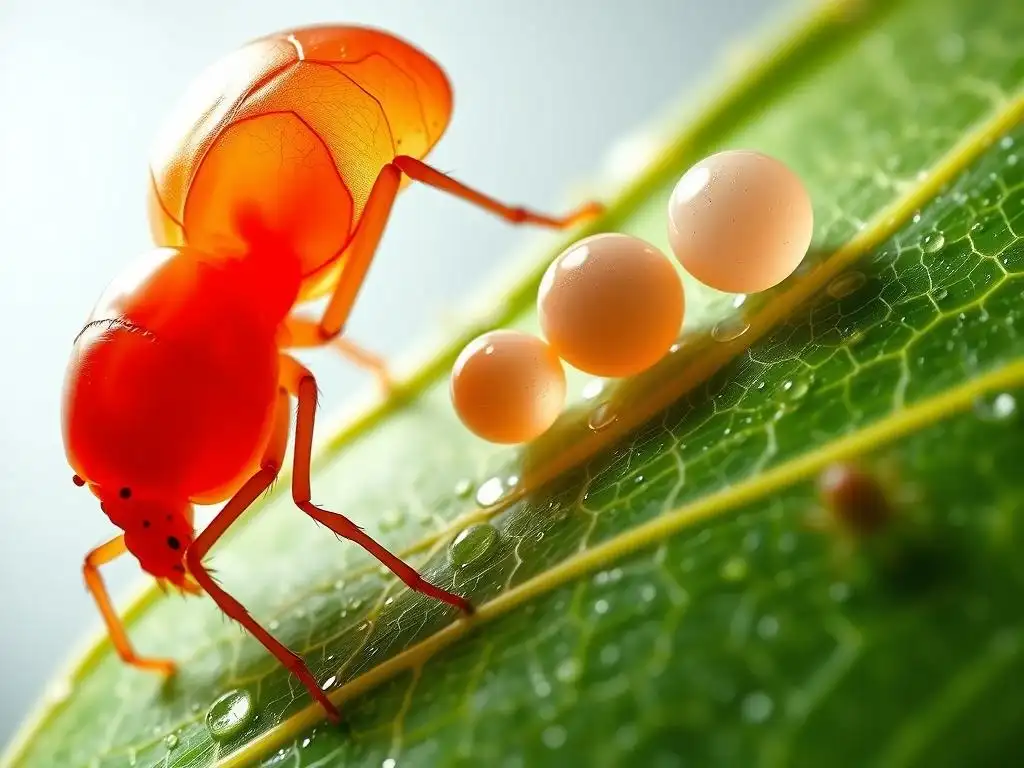
The spider mite life cycle begins with the egg. Female spider mites lay tiny, spherical eggs, typically on the undersides of leaves where they are protected from the elements and predators. These eggs are incredibly small, often requiring magnification to see clearly. A single female can lay dozens, even hundreds, of eggs during her lifetime, laying them in clusters or individually depending on the species.
The incubation period varies depending on temperature and humidity; warmer temperatures generally lead to faster development. The number of eggs laid is directly related to the availability of food (plant sap) and environmental conditions. A healthy, thriving plant will often support a larger population of spider mites than a stressed or unhealthy one. Monitoring your plants for egg clusters is a crucial early detection method.
Larval Stage: The First Mobile Stage
Once hatched, the spider mite enters the larval stage. This is the first mobile stage of the life cycle. Larvae are smaller than adults and have only six legs, unlike the eight legs of adult mites. They are also generally less pigmented than adult mites, often appearing translucent or pale.
At this stage, they begin feeding on plant sap, initiating the damage that will become increasingly visible as the infestation grows. The larval stage is relatively short, lasting only a few days, after which they molt into the next stage. Early detection of larvae, while challenging due to their size, is crucial for preventing a rapid population explosion.
Nymph Stage: Growing Towards Adulthood
Following the larval stage, the spider mite enters the nymph stage. This stage is characterized by the development of eight legs, similar to the adult form. However, nymphs are still smaller than adults and are sexually immature. This stage involves two molts, transitioning through a protonymph and a deutonymph stage before reaching adulthood. During this period, the spider mites continue to feed on plant sap, causing further damage to the plant. The duration of the nymph stage, like the other stages, is influenced by temperature and humidity. Warmer temperatures accelerate development, leading to faster reproduction cycles.
Adult Stage: Reproduction and Continued Damage
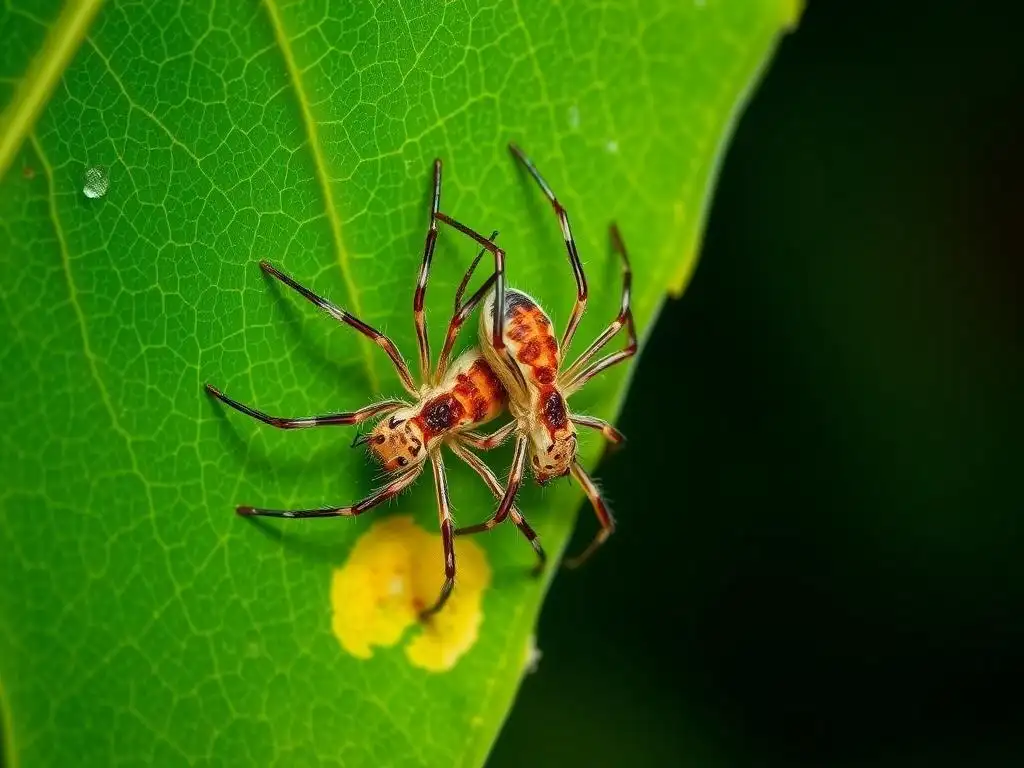
Finally, the spider mite reaches the adult stage. Adult female spider mites are responsible for laying eggs, continuing the cycle. Adult males are smaller than females and their primary role is mating.
Adult spider mites continue to feed on plant sap, causing significant damage to the plant's leaves and stems. This feeding activity can lead to stippling (small, white or yellow spots), leaf discoloration, webbing, and ultimately, plant death if the infestation is left unchecked. The adult stage is the longest stage in the life cycle, and the mites' reproductive capacity during this stage is what contributes most significantly to the rapid spread of infestations.
Rapid Multiplication: Understanding the Exponential Growth
The spider mite life cycle is remarkably short, allowing for exponential population growth under favorable conditions. The entire cycle, from egg to adult, can be completed in as little as 7-10 days under ideal temperatures and humidity. This rapid lifecycle, coupled with the high reproductive capacity of adult females, explains why infestations can escalate so quickly.
A single female can produce hundreds of offspring in her lifetime, leading to a dramatic increase in population in a very short period. This rapid multiplication underscores the importance of early detection and prompt intervention to prevent severe damage to your plants. Regular monitoring and the implementation of preventative measures are key to keeping spider mite populations under control.
Frequently Asked Questions
What are the different stages in a spider mite life cycle?
Spider mites go through four life cycle stages: egg, larva, nymph, and adult. Each stage is crucial for understanding their rapid reproduction.
How long does it take for a spider mite to complete its life cycle?
The time it takes varies depending on temperature and humidity, but it can be as short as 7-10 days under ideal conditions. This rapid cycle allows for massive population growth quickly.
At what stage are spider mites most damaging to plants?
All active stages (larva, nymph, and adult) feed on plant sap, causing damage. However, adult females lay the most eggs, contributing most significantly to infestation growth.
How can I identify the different spider mite life cycle stages?
Using a hand lens or microscope will help. Eggs are tiny and spherical. Larvae have six legs, while nymphs and adults have eight. Color and size will also vary between stages.
What is the best way to prevent spider mite infestations?
Regularly inspect your plants for early signs. Maintain good plant hygiene, including proper watering and spacing. Consider using beneficial insects for natural pest control.
Final Reflection: The Unseen Enemy's Astonishing Growth
Understanding the spider mite life cycle is not merely an academic exercise; it's a crucial step in effectively combating these devastating pests. Their rapid reproductive rate poses a significant threat to agriculture and horticulture worldwide, impacting food security and the beauty of our gardens alike. The sheer speed at which their populations explode underscores the importance of early detection and proactive management strategies.
The pervasive nature of spider mites, their ability to adapt and thrive in diverse environments, has profoundly impacted my own understanding of ecological balance. Their silent invasion highlights the interconnectedness of all living things and the delicate equilibrium that can be easily disrupted. Nature is a web of life, and every thread plays a vital role.
This quote perfectly encapsulates the impact of even the smallest creatures, like spider mites, on the larger ecosystem. Their presence serves as a constant reminder of the importance of observation and responsible stewardship of our natural world.
Now, consider your own garden, your houseplants, or even the crops you consume. Think about the unseen battles waged daily against these microscopic adversaries. Take the knowledge gained here – the understanding of their life cycle – and use it to empower yourself. Learn to identify the early signs of infestation, implement preventative measures, and choose sustainable control methods. By understanding our enemy, we can better protect the things we cherish.
Unleash Your Inner Plant Protector: Stop Spider Mites Now!
Thanks for learning about spider mites! You now understand these tiny garden pests and can take action to protect your plants.
Here's what you can do next:
- Implement a proactive pest-control strategy: Regularly inspect your plants for early signs of infestation. Early detection is key to preventing a serious spider mite problem.
- Share this information with your fellow gardeners. A community of informed gardeners is better equipped to prevent pest infestations.
- Try a natural approach: Experiment with natural pest control methods like neem oil or insecticidal soap. You might be surprised at how effective they are.
Ready to transform your garden into a spider-mite-free zone? What's your first step?