
The Benefits of Cold Frame Gardening for Early Spring Harvests

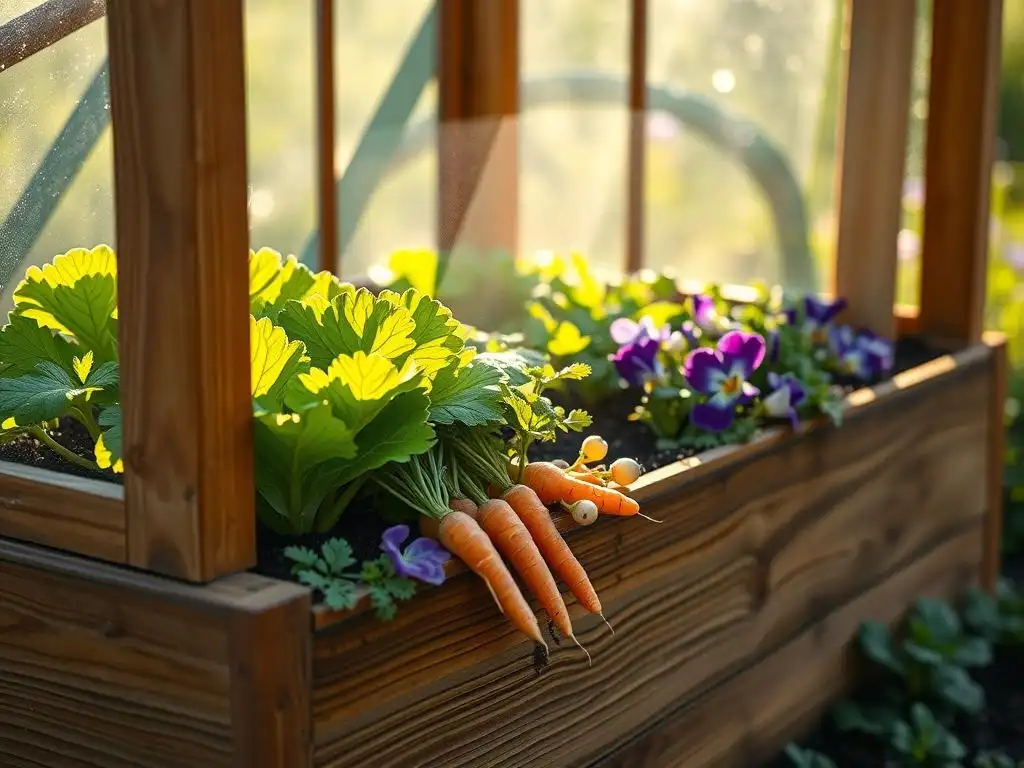
Ready to beat the clock and enjoy a bountiful harvest months ahead of schedule? At CultivateYourFood, we believe everyone can grow their own delicious, organic produce. Discover the secrets to an early spring harvest with our comprehensive guide on cold frame gardening, unlocking the power of sustainable practices to cultivate your own fruits, vegetables, and herbs. Let's get growing!
- Understanding the Power of Cold Frames for Early Spring Vegetables
- Accelerating Your Spring Harvest with Cold Frame Techniques
- Maximizing Your Early Spring Harvest with Cold Frames
- Cold Frame Gardening: Specific Plant Recommendations for Early Spring
- Investing in Your Cold Frame: Choosing the Right Products
- Case Studies: Successful Early Spring Harvests Using Cold Frames
-
Frequently Asked Questions
- What is a cold frame, and how does it help with an early spring harvest?
- When is the best time to use a cold frame for early spring harvests?
- What types of plants are best suited for cold frame cultivation in early spring?
- How do I protect plants in a cold frame from extreme cold or frost?
- Can I use a cold frame for anything other than early spring harvests?
- Final Reflection: Cultivating Abundance: The Enduring Power of the Cold Frame
- Unlock Your Early Spring Harvest: Get Growing!
Understanding the Power of Cold Frames for Early Spring Vegetables
Early spring harvests are the holy grail for many home gardeners. The thrill of biting into a sun-warmed, homegrown tomato weeks before your neighbors even think about planting is unparalleled. But the capricious nature of spring weather often presents a significant hurdle.
Frost, unpredictable temperatures, and chilly nights can easily decimate delicate seedlings, delaying your harvest and potentially ruining your entire crop. This is where the humble cold frame emerges as a powerful ally. This article will explore the significant benefits of using cold frames to extend your growing season and enjoy a bountiful harvest of fruits, vegetables, and herbs well ahead of schedule, specifically focusing on optimizing your cold frame for an early spring harvest.
We'll delve into the mechanics of cold frames, compare them to greenhouses, and guide you through choosing the perfect cold frame to suit your needs and space, maximizing your chances of a successful early spring harvest. By understanding the principles and techniques outlined here, you can significantly increase your chances of success with cold frame gardening and enjoy the rewards of fresh, homegrown produce earlier than ever before.
What is a Cold Frame and How Does it Work?
A cold frame is essentially a miniature greenhouse, a simple structure typically made of a transparent cover (glass or plastic) over a low, enclosed frame. This design allows sunlight to penetrate and warm the soil and plants inside, while providing protection from harsh weather conditions like frost, wind, and excessive rain. The key to a cold frame's effectiveness lies in its ability to trap solar heat during the day and gradually release it at night, creating a microclimate warmer than the surrounding environment.
This temperature regulation is crucial for protecting delicate seedlings and extending the growing season, allowing you to start seeds earlier in the spring and even continue harvesting into the late fall. Furthermore, cold frames can significantly improve soil temperature, accelerating germination and promoting faster growth.
This means you can enjoy an earlier harvest compared to directly sowing seeds outdoors, which is particularly advantageous for cold-sensitive crops like lettuce, spinach, and many herbs. Proper ventilation is key to prevent overheating, and this is usually achieved through vents or adjustable lids.
Cold Frame vs. Greenhouse: A Comparison for Early Spring Planting
While both cold frames and greenhouses offer protection from the elements, they differ significantly in their design, functionality, and suitability for early spring planting. Greenhouses are typically larger, more complex structures requiring more significant investment and often more maintenance. They can maintain a much warmer, more controlled environment, making them ideal for starting seeds very early in the spring and for growing plants that require consistently warm temperatures.
Cold frames, on the other hand, are smaller, simpler, and more affordable. They rely more on passive solar heating and are less capable of maintaining consistently high temperatures. For early spring planting, this difference is crucial.
While greenhouses can start seeds weeks, if not months, earlier, cold frames are perfectly adequate for hardening off seedlings started indoors and for extending the growing season for more cold-tolerant crops. The choice between a cold frame and a greenhouse depends largely on your budget, the space you have available, and the types of plants you intend to grow. For an early spring harvest focusing on quick-growing, relatively cold-hardy vegetables and herbs, a cold frame often proves to be the more practical and cost-effective option.
Choosing the Right Cold Frame: Size, Material, and Features
Selecting the appropriate cold frame is paramount for a successful early spring harvest. Consider these crucial factors:
- Size: The size of your cold frame should align with your gardening needs and available space. Smaller cold frames are ideal for smaller gardens or for starting a limited number of plants. Larger cold frames allow for greater planting capacity and can even accommodate taller plants.
- Material: Cold frames are typically constructed from wood, metal, or plastic. Wood offers durability and aesthetic appeal but requires more maintenance. Metal frames are lightweight and durable but can rust over time. Plastic cold frames are generally the most affordable and lightweight but may not be as durable.
- Features: Consider features such as adjustable vents for ventilation, a removable lid for easy access, and a sturdy base for stability. Some cold frames even include built-in heating elements for even more control over the internal temperature. Consider your budget and needs when assessing these features. Remember that proper ventilation is essential to prevent overheating and disease. A good quality cold frame will offer flexibility in adjusting airflow to suit changing weather conditions. The ideal cold frame will be easy to use, maintain, and provide optimum protection for your plants.
Accelerating Your Spring Harvest with Cold Frame Techniques
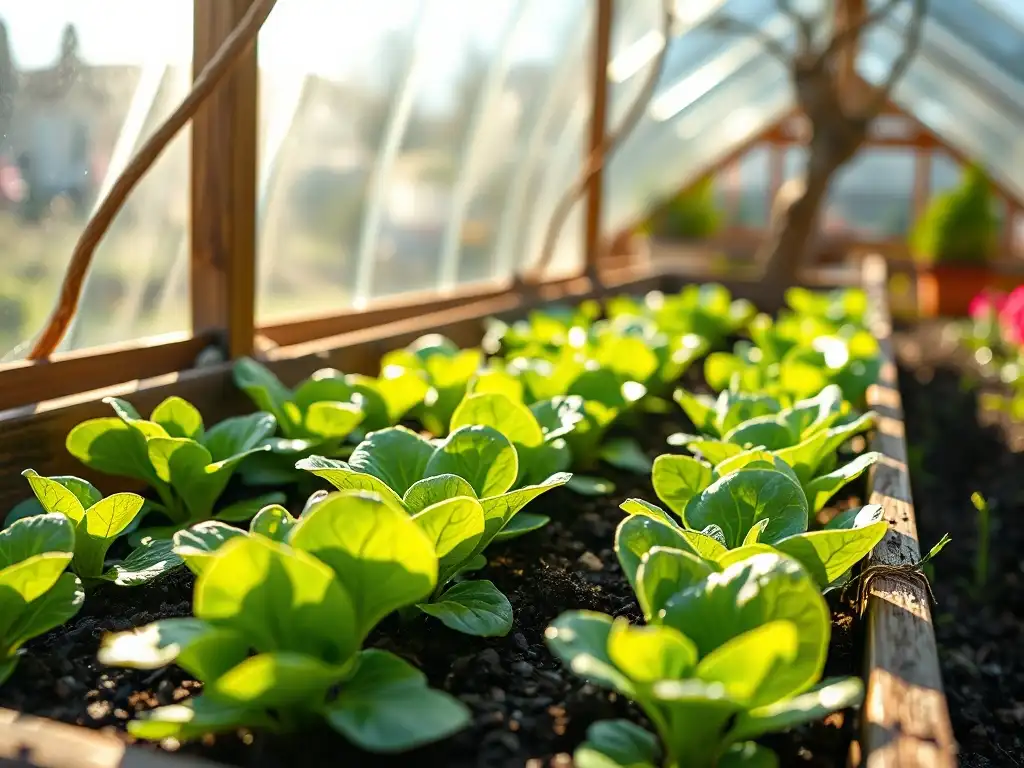
Cold frames offer a significant advantage for gardeners eager to enjoy an early spring harvest. By providing a sheltered environment, they protect delicate seedlings from the unpredictable weather of early spring, allowing you to start planting weeks, even months, ahead of the typical outdoor planting season. This translates to fresh, homegrown produce on your table significantly earlier than your neighbors who rely solely on outdoor planting. This section will explore the key techniques for maximizing the benefits of cold frames for an early spring harvest, focusing on the "Cold frame early spring harvest" benefits.
Starting Seeds Early: A Step-by-Step Guide Using Cold Frames
Starting seeds indoors is a common practice, but using a cold frame elevates this process. The cold frame provides a more natural transition for seedlings, gradually acclimating them to outdoor conditions before direct planting. This reduces transplant shock and increases the likelihood of successful establishment. Here's a step-by-step guide:
- Seed Starting Mix: Use a high-quality seed-starting mix, not garden soil. Garden soil is often too dense and can retain too much moisture, leading to damping-off disease.
- Sowing Seeds: Sow seeds according to the instructions on the seed packet, ensuring proper spacing. Gently firm the soil around the seeds.
- Watering: Water gently from below using a tray or by carefully pouring water onto the soil to avoid disturbing the seeds. Overwatering is a common mistake; allow the soil to dry slightly between waterings.
- Light and Temperature: Position the cold frame to receive adequate sunlight, ideally 6-8 hours per day. Monitor temperatures inside the cold frame, ensuring they remain within the optimal range for the specific plants you are growing. Ventilation is key; open the lid on warmer days to prevent overheating.
- Hardening Off: Before transplanting into the garden, gradually acclimate the seedlings to outdoor conditions. This process, known as hardening off, reduces transplant shock. Start by opening the cold frame lid for short periods during the day, gradually increasing the duration over several days.
Protecting Tender Seedlings from Frost: Hardening Off and Transplanting Strategies
Even with a cold frame, late frosts can still damage or kill tender seedlings. Effective frost protection is crucial for a successful early spring harvest. Proper hardening-off techniques and strategic transplanting are key elements.
- Monitoring Weather Forecasts: Closely monitor weather forecasts for frost warnings. On nights with predicted frost, cover your cold frame with additional insulation, such as blankets or row covers. You can also use frost protection fabric specifically designed for cold frames.
- Hardening-Off Techniques: The hardening-off process, as described above, is critical in preparing seedlings for the fluctuating temperatures of early spring. This gradual exposure strengthens the seedlings and makes them more resilient to cold temperatures and potential frost. A slow, gentle transition is far more effective than a sudden shock.
- Transplanting: When the risk of frost has passed, carefully transplant your seedlings into the garden. Choose a location that provides adequate sunlight and well-drained soil. Water thoroughly after transplanting.
Consider these factors when transplanting: soil temperature, plant spacing, and overall garden layout for optimal sun exposure and air circulation. Remember, even after transplanting, monitoring weather conditions remains essential, and you may still need to provide some additional protection during unexpectedly cold snaps.
Extending the Growing Season: From Early Spring Vegetables to Late Fall Crops
The benefits of a cold frame extend beyond just an early spring harvest. By using a cold frame strategically, you can significantly extend your growing season into late fall. This means a longer period of enjoying homegrown produce and a greater yield overall.
- Succession Planting: Plant cold-hardy crops like lettuce, spinach, and kale in the cold frame in early spring. As these crops mature, replace them with other varieties, creating a cycle of succession planting that maximizes the use of your cold frame throughout the season.
- Late-Season Crops: In late summer and early fall, utilize the cold frame to protect tender crops from the first autumn frosts, extending their productive life. This allows you to harvest tomatoes, peppers, and other heat-loving plants well into the fall.
- Overwintering Plants: Some hardy plants can even be overwintered in a cold frame, allowing you to start the next growing season with established plants. This technique requires careful monitoring of temperature and moisture levels throughout the winter months. However, it significantly reduces the workload involved in starting plants from seed each spring. This makes it a valuable tool for seasoned and beginner gardeners alike. The key to success here is selecting the right plants and providing appropriate protection from harsh winter conditions. 🌱
Maximizing Your Early Spring Harvest with Cold Frames
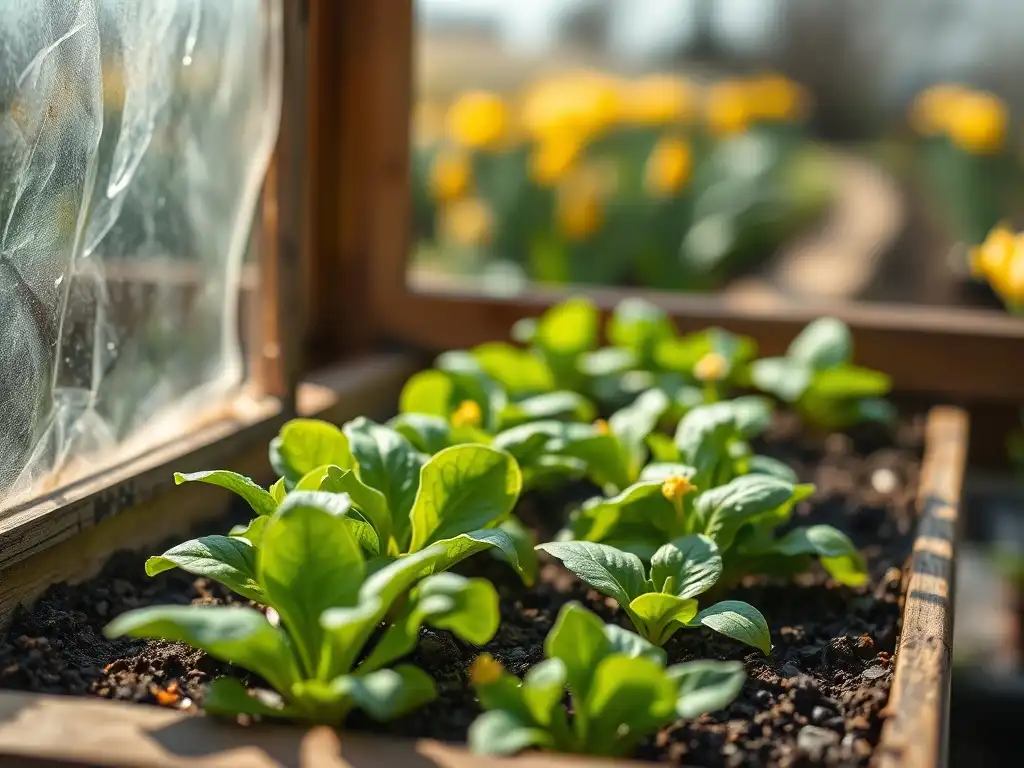
Cold frames offer a significant advantage for gardeners eager to enjoy an early spring harvest. By extending the growing season, they provide a protected environment where delicate seedlings can thrive even before the last frost has passed. This translates to weeks, sometimes even months, of earlier access to fresh, homegrown produce. This section will delve into the specifics of maximizing your early spring harvest using a cold frame, focusing on optimizing conditions and mitigating potential challenges.
The key to success lies in understanding and managing light, temperature, moisture, and pest control within the confines of your cold frame. Strategic planning and diligent maintenance are essential for achieving a bountiful early spring harvest using this technique. Mastering these techniques will allow you to reap the rewards of a longer growing season and enjoy fresh vegetables and herbs long before your neighbors.
Optimizing Light and Temperature in Your Cold Frame: Essential Considerations
Optimizing light and temperature within your cold frame is crucial for successful early spring harvests. Sunlight is essential for photosynthesis, but excessive heat can damage delicate seedlings. Conversely, insufficient warmth can stunt growth. Therefore, a delicate balance must be struck.
The orientation of your cold frame plays a vital role. Position it to receive maximum sunlight throughout the day, ideally facing south (in the Northern Hemisphere) or north (in the Southern Hemisphere). This maximizes the amount of light reaching your plants. However, be mindful of extreme temperatures. On exceptionally sunny days, you might need to provide shade to prevent overheating. This can be achieved by using shade cloth or simply covering the frame with a lightweight fabric during the hottest parts of the day.
Temperature regulation is equally important. Monitoring the temperature inside the cold frame is essential, especially during fluctuating spring weather. A simple thermometer placed inside will provide valuable data. On colder nights, additional insulation might be necessary.
Using a layer of horticultural fleece or even bubble wrap can significantly improve insulation, preventing frost damage to your precious seedlings. During warmer periods, adequate ventilation is crucial to prevent overheating and to maintain healthy air circulation. This can be achieved by opening vents or slightly lifting the lid of the cold frame. The ideal temperature range for most seedlings is between 50-70°F (10-21°C).
Watering and Ventilation Techniques for Success
Consistent and appropriate watering is critical for healthy plant growth within a cold frame. Overwatering can lead to root rot and fungal diseases, while underwatering will stunt growth. The frequency of watering depends on several factors, including the type of plants, the weather conditions, and the materials used to construct your cold frame. Remember that cold frames tend to retain moisture better than open gardens.
A good rule of thumb is to check the soil moisture regularly. If the top inch of soil feels dry, it's time to water. Water gently and thoroughly, ensuring that the water reaches the roots without causing runoff. Avoid overhead watering, as this can promote fungal diseases.
Consider using a watering can with a rose head or a soaker hose for gentle and effective watering. You may need to water less frequently on cloudy days or after rainfall. Always monitor your plants for signs of wilting, yellowing leaves, or other signs of stress, which could indicate either overwatering or underwatering.
Ventilation is equally important to maintain a healthy environment within the cold frame. Good air circulation helps to prevent the buildup of moisture, which can lead to fungal diseases. On warmer days, open the vents or slightly lift the lid of the cold frame to allow for air circulation.
However, be cautious about opening vents on cold nights, as this can lead to a rapid drop in temperature. Proper ventilation will maintain optimal temperature and humidity levels, promoting healthy plant growth. A balance between adequate ventilation and temperature control is crucial for maximizing your cold frame's potential for an early spring harvest.
Pest and Disease Control in Cold Frames: Organic Solutions
While cold frames offer protection from some pests and diseases, they don't eliminate the risk entirely. Early detection and preventative measures are crucial for maintaining healthy plants. Organic methods of pest and disease control are particularly suitable for cold frame gardening, aligning with the sustainable practices promoted on CultivateYourFood.
Regular inspection of your plants is the first line of defense. Look for signs of pests such as aphids, slugs, or caterpillars. Early detection allows for prompt intervention, preventing widespread infestations. Organic solutions are readily available and effective. Neem oil is a potent natural insecticide that can effectively control many common pests.
Diatomaceous earth is another effective option, acting as a physical barrier against crawling insects. For fungal diseases, ensure good air circulation to prevent moisture buildup, a major contributing factor. You can also use a copper-based fungicide, a natural and effective option for controlling fungal growth. Remember to always follow the instructions on any organic pest or disease control product you choose. By proactively addressing potential problems, you can ensure a healthy and productive early spring harvest from your cold frame.
Cold Frame Gardening: Specific Plant Recommendations for Early Spring
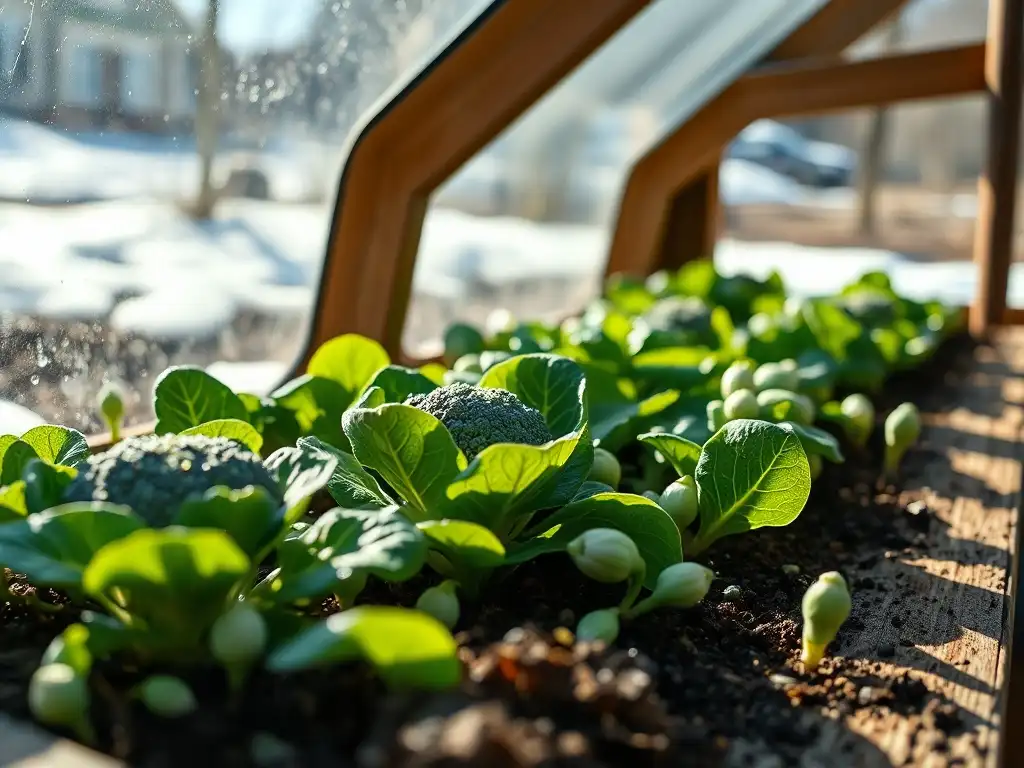
Cold frames offer a significant advantage for gardeners eager to enjoy an early spring harvest. By providing protection from frost and fluctuating temperatures, they allow you to start seeds earlier and extend the growing season considerably. But choosing the right plants is crucial for success. This section details specific plant recommendations optimized for cold frame environments during early spring, focusing on vegetables, herbs, and even flowers. Mastering the art of cold frame early spring harvest selection will significantly boost your yields and enjoyment.
Best Vegetables for Cold Frame Gardening in Early Spring: A Comprehensive List
Early spring cold frame gardening offers a unique opportunity to get a head start on the growing season. However, not all vegetables thrive in the cool conditions of early spring. Selecting cold-hardy varieties is paramount. Here's a list of vegetables particularly well-suited for cold frame cultivation in early spring:
- Leafy Greens: Lettuce (especially loose-leaf varieties), spinach, kale, and arugula are excellent choices. These plants tolerate cooler temperatures and require less intense sunlight than many other vegetables. Consider planting successive sowings every two weeks to ensure a continuous harvest.
- Root Vegetables: Radishes and carrots are relatively quick-growing and can be successfully grown in cold frames. Choose fast-maturing varieties for optimal results.
- Brassicas: Cold-hardy brassicas like early maturing varieties of broccoli, cabbage, and cauliflower can be started in cold frames and then transplanted outdoors later.
- Other options: Consider scallions, peas, and even some early varieties of beans, but monitor their growth carefully as they may require supplemental warmth on particularly chilly nights.
| Vegetable | Planting Time (Approximate) | Harvest Time (Approximate) | Cold Hardiness | Notes |
|---|---|---|---|---|
| Lettuce | 4-6 weeks before last frost | 6-8 weeks after planting | Excellent | Successive sowing recommended |
| Spinach | 4-6 weeks before last frost | 6-8 weeks after planting | Excellent | Prefers cooler temperatures |
| Radishes | 2-4 weeks before last frost | 4-6 weeks after planting | Good | Fast-maturing variety recommended |
| Kale | 4-6 weeks before last frost | 8-10 weeks after planting | Excellent | Tolerates frost well |
| Early Broccoli | 6-8 weeks before last frost | 10-12 weeks after planting | Good | Needs hardening off before transplanting |
Remember to choose varieties specifically labeled as “early season” or “cold-hardy.” This ensures optimal performance within the constraints of early spring conditions. Careful monitoring of temperature and soil moisture is crucial for success. 🌱
Herbs to Grow in a Cold Frame for Early Spring Flavors
Fresh herbs from your own garden in early spring? Absolutely! Cold frames are ideal for jump-starting the growth of many herbs. The controlled environment protects delicate seedlings from harsh weather, allowing you to enjoy fresh flavors weeks before outdoor planting is feasible.
Several herbs are particularly well-suited for cold frame cultivation in early spring:
- Parsley: This hardy herb tolerates cool temperatures and slow growth. Sow seeds directly into the cold frame.
- Chives: Chives are incredibly cold-hardy and will often overwinter in mild climates. They’ll readily sprout in a cold frame.
- Mint: While mint can be invasive, controlling its growth within the confines of a cold frame is manageable.
- Thyme: Hardy thyme can easily be started in a cold frame.
- Rosemary: While rosemary prefers warmer temperatures, starting it early in a cold frame gives it a head start for the season. However, it will require more attention to temperature regulation.
Careful selection of herbs will allow you to start harvesting fresh herbs significantly earlier than you would otherwise be able to. Remember to provide adequate ventilation to prevent fungal diseases, a common issue in humid cold frame environments.
Cold Frame Gardening for Flowers: Early Blooms for Your Garden
Don't limit your cold frame to vegetables and herbs! Many flowers benefit from the protection a cold frame provides, allowing you to enjoy vibrant blooms earlier in the season. This early start can be particularly valuable for bedding plants, extending the flowering season and adding beauty to your garden.
Consider these flower options for your cold frame:
- Pansies: These cheerful flowers are incredibly cold-hardy and will thrive in a cold frame.
- Violas: Similar to pansies, violas are very cold-tolerant.
- Calendula: These bright, daisy-like flowers are relatively easy to grow from seed in a cold frame.
- Snapdragons: While needing more warmth as they mature, starting snapdragons in a cold frame gives them a head start.
Starting seeds indoors and then transplanting them into a cold frame is a great technique to extend the flowering season. Careful attention to watering and ventilation will ensure your plants thrive. Remember to harden off your seedlings before transplanting them outdoors once the risk of frost has passed. 💐
Investing in Your Cold Frame: Choosing the Right Products
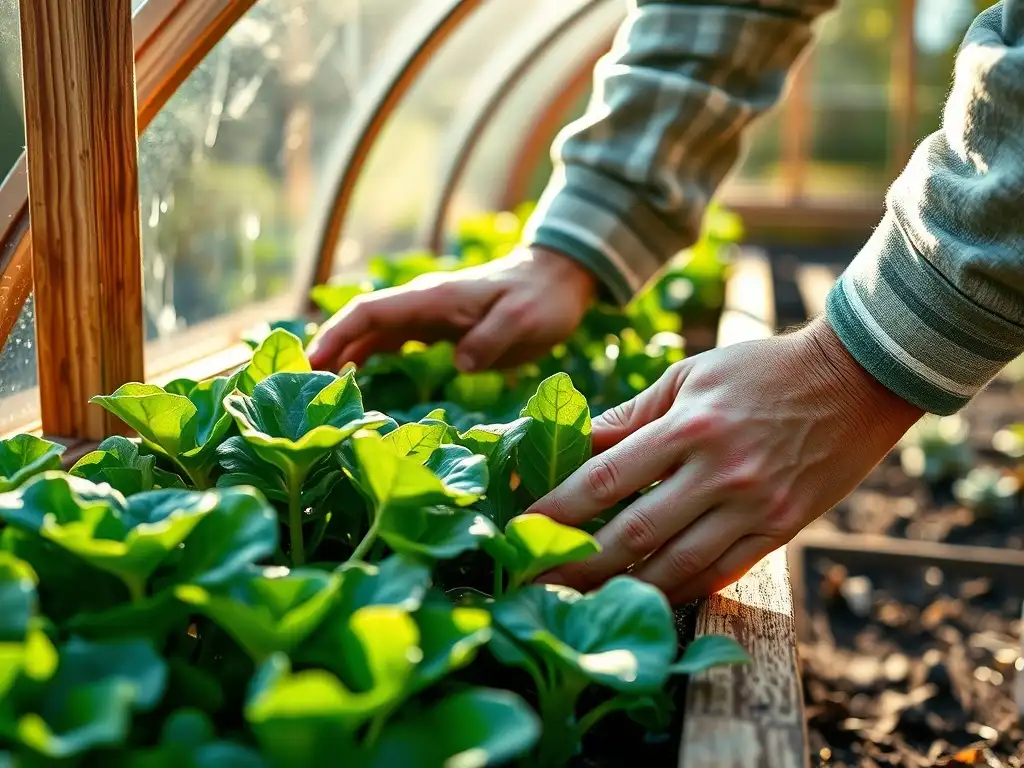
This section delves into the practical aspects of acquiring a cold frame, focusing on selecting the right product to maximize your early spring harvest. Choosing the right cold frame is crucial for success; a poorly-constructed or unsuitable frame can hinder growth and negate the benefits of this gardening technique. Consider these key factors before making a purchase to ensure you're investing wisely in your cold frame early spring harvest.
Top Cold Frame Brands and Models: A Review and Comparison
Selecting a cold frame involves navigating a market with diverse options. While many brands offer similar products, certain features and build quality can significantly impact performance and longevity. Below, we highlight some leading brands and models, comparing their strengths and weaknesses to assist you in making an informed decision. Note that this is not an exhaustive list, and new models are frequently introduced. Always check for updated reviews and customer feedback before committing to a purchase.
| Brand | Model | Material | Features | Price Range (USD) | Pros | Cons |
|---|---|---|---|---|---|---|
| [Brand Name A] | [Model Name A] | Wood/Glass | Automatic ventilation, adjustable shelving | $100 - $300 | Durable, aesthetically pleasing, good ventilation control | Can be heavier, more expensive, requires more maintenance |
| [Brand Name B] | [Model Name B] | Polycarbonate/Metal | Simple design, easy assembly, affordable | $50 - $150 | Lightweight, easy to assemble, budget-friendly | May not be as durable, ventilation might be less refined |
| [Brand Name C] | [Model Name C] | Acrylic/Aluminum | Excellent insulation, strong construction, large size | $200 - $500 | Excellent insulation, robust build, suitable for larger harvests | Higher initial cost |
Remember to consider factors like the size of your garden, the types of plants you intend to grow, and your budget when making your selection. Reading detailed reviews from other gardeners can provide invaluable insights into the real-world performance of different cold frame models. Don't hesitate to compare specifications and features across several brands before making your final decision. A well-chosen cold frame is a significant investment in your cold frame early spring harvest.
Essential Cold Frame Accessories: Boosting Productivity and Efficiency
While the cold frame itself is the foundation, certain accessories can significantly enhance its functionality and the overall success of your early spring harvest. Investing in these supplementary items can elevate your gardening experience and yield impressive results.
Investing in the right accessories can transform your cold frame into a highly efficient mini-greenhouse. Consider these essential additions:
- Automatic Vent Openers: These devices regulate temperature and humidity automatically, eliminating the need for constant manual adjustments. This is especially beneficial for busy gardeners or those living in areas with fluctuating weather patterns.
- Heating Mats: For particularly early harvests or colder climates, heating mats can provide supplemental warmth, accelerating seed germination and plant growth. Using these in conjunction with your cold frame extends your growing season dramatically.
- Moisture Meters: Accurately monitoring soil moisture levels prevents overwatering or underwatering, crucial for healthy plant development. Overwatering can lead to root rot, while underwatering stunts growth.
- Grow Lights: Supplemental lighting, particularly during shorter days in early spring, can significantly boost plant growth and productivity. This is especially beneficial for light-dependent crops.
These accessories, while adding to the initial cost, represent a smart investment for optimizing your cold frame early spring harvest. They contribute to a more controlled environment, resulting in healthier plants and higher yields. Consider your specific needs and budget when choosing which accessories to prioritize.
Where to Buy Cold Frames: Online Retailers and Local Suppliers
Acquiring your cold frame involves deciding where to make your purchase. Both online retailers and local suppliers offer distinct advantages and disadvantages. The best option depends on your preferences, access to local stores, and the urgency of your purchase.
Finding the perfect cold frame for your early spring harvest necessitates careful consideration of your purchasing options. Online retailers offer a vast selection and often competitive pricing, but you sacrifice the ability to physically inspect the product before purchase. Local suppliers, such as garden centers and nurseries, allow for hands-on examination and personalized advice but might have a more limited selection.
Consider these factors:
- Online Retailers: Offer convenience, wide selection, often competitive prices, but may involve shipping costs and potential delays. You rely on product descriptions and customer reviews.
- Local Suppliers: Allow for physical inspection, offer personalized advice, may have limited selection, potentially higher prices, immediate availability.
Ultimately, the choice depends on your priorities and local resources. Research both online and local options to compare prices, selection, and customer service before making your final decision. A well-informed choice ensures you obtain the best cold frame for your early spring harvest, setting the stage for a successful growing season.
Case Studies: Successful Early Spring Harvests Using Cold Frames
This section showcases real-world examples of how cold frames contribute to achieving bountiful early spring harvests. We'll explore both home gardening and commercial farming scenarios, highlighting the practical applications and benefits of this simple yet effective gardening technique. The successful implementation of cold frames for an early spring harvest demonstrates the significant advantages they offer over traditional planting methods, especially in extending the growing season and achieving earlier yields. This ultimately translates to fresher produce and increased profitability for both home gardeners and commercial growers alike.
Home Gardener's Success Story with Early Spring Lettuce
Mary, a passionate home gardener from rural Vermont, utilized a cold frame to achieve an early spring harvest of lettuce, beating her neighbors by several weeks. She started her lettuce seeds indoors in late winter, transplanting them into her cold frame in early March. By carefully managing the temperature and humidity within the cold frame, using a simple thermometer and humidity gauge, she successfully protected her seedlings from the unpredictable spring frosts common in her region.
Mary's cold frame, a simple DIY structure made from recycled window panes and lumber, allowed her to extend her growing season by approximately six weeks. Her early spring harvest of crisp, tender lettuce provided her family with fresh salads long before lettuce was available from local farmers' markets. She credits the cold frame's ability to trap solar heat during the day and retain warmth overnight as key factors in her success.
The consistent, slightly warmer temperatures within the frame compared to the outside environment were crucial for the rapid growth and development of her lettuce plants. She also noted the reduced need for watering, as the cold frame helped to maintain soil moisture.
I was amazed at the difference! My lettuce was ready weeks before anyone else's. The cold frame was incredibly easy to build and maintain, and the results were well worth the effort,
Mary shared enthusiastically.
Commercial Farm's Use of Cold Frames for Increased Yields
Green Valley Farms, a small organic farm in California, significantly increased their early spring harvest yields by strategically incorporating cold frames into their production system. They employed a more sophisticated approach, utilizing larger, professionally constructed cold frames made of polycarbonate panels. These frames allow for optimal light penetration while offering superior insulation compared to simpler designs.
Green Valley Farms focused on extending their growing season for high-value crops like spinach, kale, and herbs. By planting seedlings in the cold frames several weeks earlier than traditional field planting, they were able to bring their produce to market significantly earlier, capitalizing on the higher prices commanded by early-season crops. Their meticulous record-keeping revealed a 25% increase in early spring yields compared to previous years when they relied solely on field planting. This increase was attributed to the cold frames' protection from frost, consistent temperature regulation, and enhanced moisture retention.
The farm's data also showed a notable reduction in pest and disease issues within the cold frames. The controlled environment limited exposure to common early spring pests, minimizing the need for pesticide application, aligning with their organic farming practices. This further enhanced the quality and marketability of their produce.
| Crop | Planting Date (Cold Frame) | Harvest Date (Cold Frame) | Yield Increase (%) |
|---|---|---|---|
| Spinach | March 1st | April 15th | 30% |
| Kale | March 15th | May 1st | 20% |
| Basil | April 1st | May 15th | 25% |
The success of both Mary and Green Valley Farms exemplifies the versatility and effectiveness of cold frames in achieving early spring harvests. Whether for the home gardener seeking fresh, early produce or the commercial farmer aiming for increased yields and earlier market access, cold frames offer a practical and sustainable solution for maximizing the early spring growing season. The implementation of cold frames for a successful early spring harvest presents a compelling case for their widespread adoption in various gardening contexts.
Frequently Asked Questions
What is a cold frame, and how does it help with an early spring harvest?
A cold frame is a low-cost, simple structure used to protect plants from frost and cold temperatures. It allows you to start seeds earlier and get an earlier harvest than you would in an unprotected garden bed. This is achieved by trapping solar heat and providing a warmer microclimate.
When is the best time to use a cold frame for early spring harvests?
The ideal time to start using a cold frame is late winter or early spring, depending on your climate. Begin sowing seeds several weeks before the last expected frost. This allows the seedlings to develop before being transplanted into the garden.
What types of plants are best suited for cold frame cultivation in early spring?
Hardy vegetables and herbs like lettuce, spinach, kale, radishes, and onions are excellent choices. You can also start tender seedlings in a cold frame to get a head start, then transplant them outdoors later in the spring.
How do I protect plants in a cold frame from extreme cold or frost?
On particularly cold nights, you can add extra insulation such as blankets or straw bales on top of the cold frame. You can also use row covers directly on the plants for extra protection against frost.
Can I use a cold frame for anything other than early spring harvests?
Yes! Cold frames are versatile. In the fall, they can extend the growing season by protecting plants from early frosts. They can also be used for seed starting throughout the year or for overwintering certain plants.
Final Reflection: Cultivating Abundance: The Enduring Power of the Cold Frame
The simple act of extending the growing season, as facilitated by the cold frame, is not merely a gardening technique; it's a powerful statement about our relationship with nature and our commitment to sustainable food systems. In a world increasingly concerned with climate change and food security, the ability to coax forth early spring harvests becomes not just a hobby, but a vital skill, a testament to resourcefulness and a step towards greater self-sufficiency.
The cold frame, in its humble design, represents a profound connection between human ingenuity and the natural world. It's a reminder that even small actions can yield significant results. The glory of gardening: hands in the dirt, head in the sun, heart with nature. To nurture a garden is to feed not just the body, but the soul.
This quote perfectly encapsulates the deeper meaning behind cold frame gardening – it's about more than just the vegetables; it's about fostering a mindful relationship with the earth and the cyclical rhythms of life.
Now, consider the possibilities. Imagine the satisfaction of harvesting your own fresh greens while winter's grip still lingers, the vibrant colors and flavors that only early spring produce can offer. This isn't just about early harvests; it's about cultivating a deeper appreciation for the bounty of nature and the power we hold to shape our own food security. Take the time to explore the potential of the cold frame. Build one, experiment, and discover the joy of extending the growing season – you might be surprised by the abundance you cultivate, both in your garden and in your spirit.
Unlock Your Early Spring Harvest: Get Growing!
Thanks for exploring the world of cold frame gardening! You've learned how to get a head start on the growing season and enjoy fresh produce much earlier. Ready to put your knowledge to work?
- Build your own cold frame: This is the most crucial step to enjoying a bountiful early harvest. Gather materials—even repurposed ones!—and follow the simple instructions in our online resources.
- Share your progress: Post pictures of your thriving plants on social media using #CultivateYourFood and inspire others to grow their own!
- Explore diverse cold-hardy crops: Discover new varieties to extend your harvest well into spring.
What delicious early spring vegetable will you grow first?