
Organic Pest Control: The Dos and Don'ts for a Healthy Garden

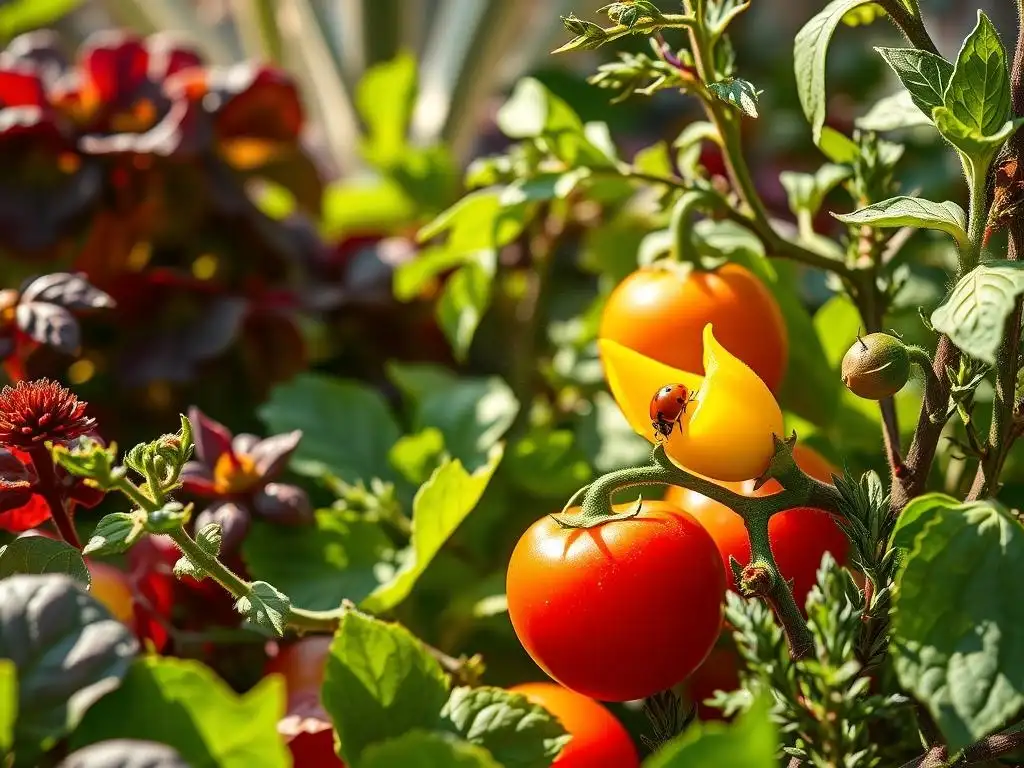
Welcome to CultivateYourFood, your guide to a thriving, sustainable home garden! Are you ready to ditch harmful chemicals and embrace nature's solutions? We'll show you how. Discover the secrets to effective organic pest control in your home garden—from understanding the dos and don'ts to creating a truly healthy and flourishing ecosystem. Dive into our comprehensive guide on "Organic Pest Control: The Dos and Don'ts for a Healthy Garden" and unlock the key to a bountiful harvest, naturally.
- Understanding Organic Pest Control in Your Home Garden
- Effective Organic Pest Control Strategies for Your Home Garden
- Preventing Pest Problems in Your Organic Garden
- Common Mistakes to Avoid in Organic Pest Control
- Maintaining a Healthy and Pest-Free Organic Home Garden: Long-Term Strategies
- Frequently Asked Questions
- Final Reflection: Cultivating a Healthier Future, One Garden at a Time
- Ready to Cultivate a Thriving, Pest-Free Garden?
Understanding Organic Pest Control in Your Home Garden
Cultivating a thriving home garden brimming with fruits, vegetables, and herbs is a rewarding experience. However, the journey isn't always smooth sailing. Pests, those unwelcome garden guests, can significantly impact your harvest, potentially ruining months of hard work. This article delves into the world of organic pest control, providing you with the knowledge and strategies to protect your plants without resorting to harmful chemicals. We'll explore effective, sustainable methods for identifying, preventing, and managing common garden pests, ensuring a healthy and productive garden that aligns with organic principles. This guide focuses on practical, actionable steps for maintaining a vibrant and pest-resistant home garden using the best organic pest control techniques, making your "organic pest control home garden" a reality. We'll cover everything from identifying common pests and their damage to choosing the right organic control methods tailored to your specific needs. Let's begin our journey towards a flourishing, pest-free garden!
Identifying Common Garden Pests and Their Damage
Understanding your enemy is the first step in any successful battle. Identifying common garden pests and the specific damage they inflict is crucial for effective organic pest control. Many pests leave behind tell-tale signs of their presence. For example:
- Aphids: These tiny, soft-bodied insects suck sap from plants, causing stunted growth, leaf curling, and sticky honeydew (a sweet substance that attracts ants). They often cluster on the undersides of leaves.
- Caterpillars: These voracious eaters can quickly defoliate plants, leaving behind chewed leaves and droppings. Different species target different plants.
- Slugs and Snails: These leave silvery trails and characteristic holes in leaves and stems, often feeding at night.
- Spider Mites: These minuscule pests cause stippling (small, light-colored spots) on leaves, eventually leading to yellowing and leaf drop. They are difficult to see with the naked eye.
- Whiteflies: These small, white insects congregate on the undersides of leaves, causing yellowing and leaf distortion. They often fly up in a cloud when disturbed.
Knowing the specific pest allows for targeted organic control methods. For instance, a strong spray of water can dislodge aphids, while handpicking caterpillars is an effective solution for small infestations. A detailed understanding of pest identification is the cornerstone of successful organic pest management in your home garden.
Recognizing the Signs of Pest Infestation
Early detection is key to preventing a minor pest problem from escalating into a major crisis. Regular inspection of your plants is crucial. Look for:
- Visible pests: This is the most straightforward sign. Check both the tops and undersides of leaves, stems, and buds for insects, slugs, snails, or other visible pests.
- Damaged leaves: Look for holes, discoloration, leaf curling, or wilting. The type of damage can often indicate the type of pest.
- Droppings: Caterpillars leave behind frass (droppings), while other insects might leave behind sticky honeydew.
- Wilting plants: Sudden wilting, especially in localized areas, can indicate root damage caused by pests like grubs or nematodes.
- Unusual growth: Stunted growth or misshapen leaves can be a sign of pest infestation.
A proactive approach to monitoring your garden will help you catch infestations early, allowing you to implement effective organic pest control strategies before significant damage occurs. Remember, even small infestations can quickly multiply. Regular monitoring is essential for maintaining a healthy and productive garden.
Choosing the Right Organic Pest Control Methods for Your Needs
Once you've identified the pest and the extent of the infestation, you can choose the appropriate organic control method. There are a variety of options available, each with its own advantages and disadvantages:
| Method | Description | Effectiveness | Ease of Use | Environmental Impact |
|---|---|---|---|---|
| Handpicking | Manually removing pests from plants. | Varies | High | Minimal |
| Water Spray | Using a strong spray of water to dislodge pests. | Varies | High | Minimal |
| Neem Oil | A natural insecticide derived from the neem tree. | Moderate | Moderate | Low |
| Insecticidal Soap | A soap solution that kills soft-bodied insects. | Moderate | High | Low |
| Diatomaceous Earth | A powder made from fossilized algae that damages insect exoskeletons. | Moderate | Moderate | Low |
| Beneficial Insects | Introducing insects that prey on or parasitize garden pests (e.g., ladybugs). | High | Moderate | Minimal |
| Companion Planting | Planting certain plants together to deter pests. | Varies | High | Minimal |
| Crop Rotation | Rotating crops annually to disrupt pest life cycles. | High | Moderate | Minimal |
The best method will depend on the specific pest, the severity of the infestation, and your personal preferences. Remember to always follow the instructions on any organic pest control product you use. A combination of methods is often the most effective approach. By carefully considering your options, you can create a truly healthy and sustainable garden.
Effective Organic Pest Control Strategies for Your Home Garden
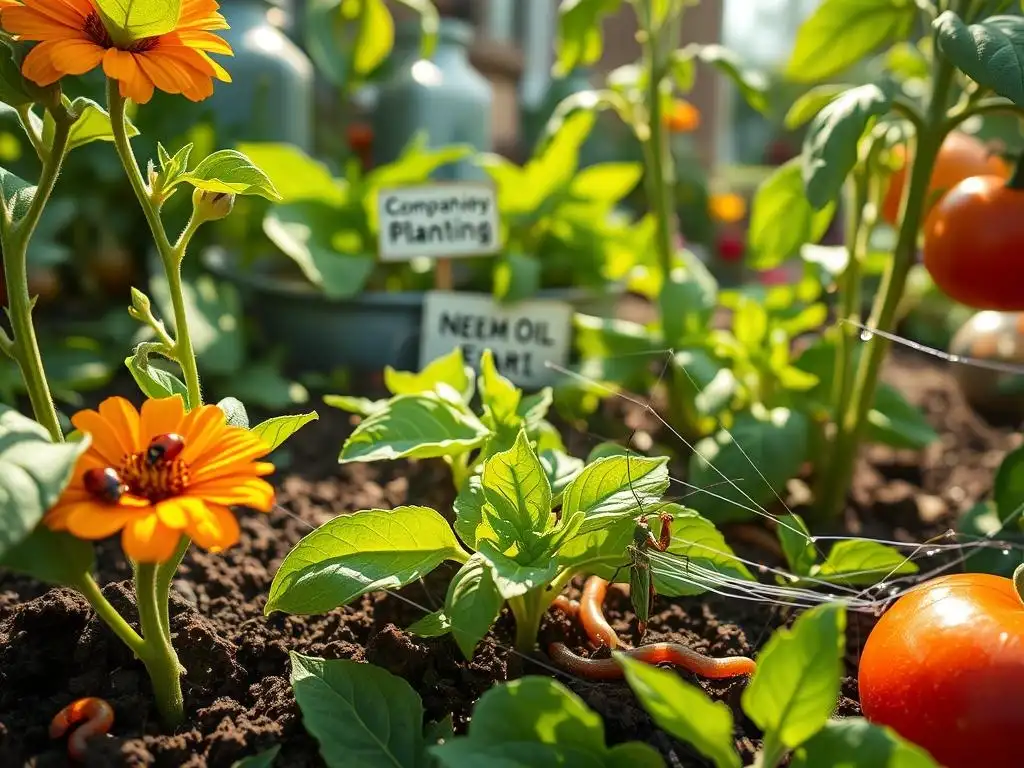
This section delves into effective organic pest control methods suitable for your home garden, focusing on techniques that minimize environmental impact while maximizing plant health. We'll explore how to leverage natural predators, utilize readily available materials, and employ plant-based insecticides to achieve a thriving, pest-free garden using organic pest control home garden methods. Remember, a healthy ecosystem is the best defense against pests.
Beneficial Insects: Nature's Pest Control Solution
Harnessing the power of beneficial insects is a cornerstone of effective organic pest control. These tiny allies can significantly reduce pest populations, minimizing the need for harsh chemicals. Instead of fighting pests directly, you're building a balanced ecosystem where natural predators keep pest numbers in check. This is a key component of successful organic pest control home garden strategies.
Several beneficial insects are readily attracted to diverse, healthy gardens. For instance, ladybugs are voracious aphid eaters, consuming hundreds during their lifecycle. Lacewings are another excellent choice, their larvae feeding on aphids, mealybugs, and other soft-bodied insects. Praying mantises are effective generalist predators, tackling a wide range of pests.
To attract these helpful insects, consider planting flowering plants that provide nectar and pollen sources. These serve as food and habitat for beneficial insects, encouraging them to stay and reproduce in your garden. Examples include dill, fennel, yarrow, and sunflowers. Avoid using broad-spectrum insecticides, as these will harm beneficial insects along with the pests. A healthy, diverse garden is more likely to attract beneficial insects naturally and will require less intervention from the gardener. This is a crucial aspect of implementing organic pest control in your home garden.
Think of it like this: Instead of fighting a war against pests, you're building a supportive ecosystem where beneficial insects are the natural army fighting on your behalf.
Using Diatomaceous Earth for Pest Control
Diatomaceous earth (DE) is a naturally occurring sedimentary rock composed of fossilized diatoms. Its microscopic, sharp edges make it an effective physical pest control agent. When insects crawl through DE, their exoskeletons are pierced, leading to dehydration and death. It's a non-toxic, environmentally friendly option for controlling a range of crawling insects like slugs, snails, ants, and some caterpillars.
However, it's crucial to use food-grade diatomaceous earth for applications around edible plants. Avoid inhaling DE, as it can irritate the lungs. Apply it as a dust around the base of plants or directly on affected areas, particularly in dry conditions. DE's effectiveness is reduced when wet, so reapplication after rain or watering may be necessary. This is a simple yet effective method for organic pest control in your home garden.
Here's a simple table summarizing the pros and cons:
| Feature | Pros | Cons |
|---|---|---|
| Effectiveness | Effective against many crawling insects | Less effective in wet conditions |
| Safety | Non-toxic (food-grade) | Can irritate lungs if inhaled |
| Cost | Relatively inexpensive | Requires reapplication after rain or watering |
| Environmental Impact | Environmentally friendly | Minimal impact, but still requires application |
Remember to always follow the instructions on the product label and prioritize safety when using any pest control method. This careful approach is vital for successful organic pest control home garden practices.
Neem Oil: A Natural Insecticide for Your Garden
Neem oil, extracted from the neem tree ( Azadirachta indica), is a versatile and effective organic insecticide. It works by disrupting the insect life cycle, affecting feeding, reproduction, and molting. Neem oil is effective against a wide range of pests, including aphids, whiteflies, mites, and certain caterpillars. It's also considered relatively safe for beneficial insects and pollinators when applied correctly and at the recommended dilution.
However, neem oil is not a "kill-on-contact" insecticide. It takes time to work, often requiring several applications to see significant results. It's crucial to follow the instructions on the product label regarding dilution and application. Over-application can harm plants, so start with a lower concentration and increase if needed. Always test on a small area first to check for any adverse effects on your specific plants. This ensures effective and safe organic pest control for your home garden.
The effectiveness of neem oil can vary depending on factors such as temperature, humidity, and the pest species. It's most effective as a preventative measure or when pests are in their early stages. Consider combining neem oil applications with other organic pest control methods for a more comprehensive approach. This integrated strategy is often more effective than relying on a single method. This holistic approach is vital for sustainable organic pest control home garden management.
Organic Sprays and Solutions: Safe and Effective Pest Control
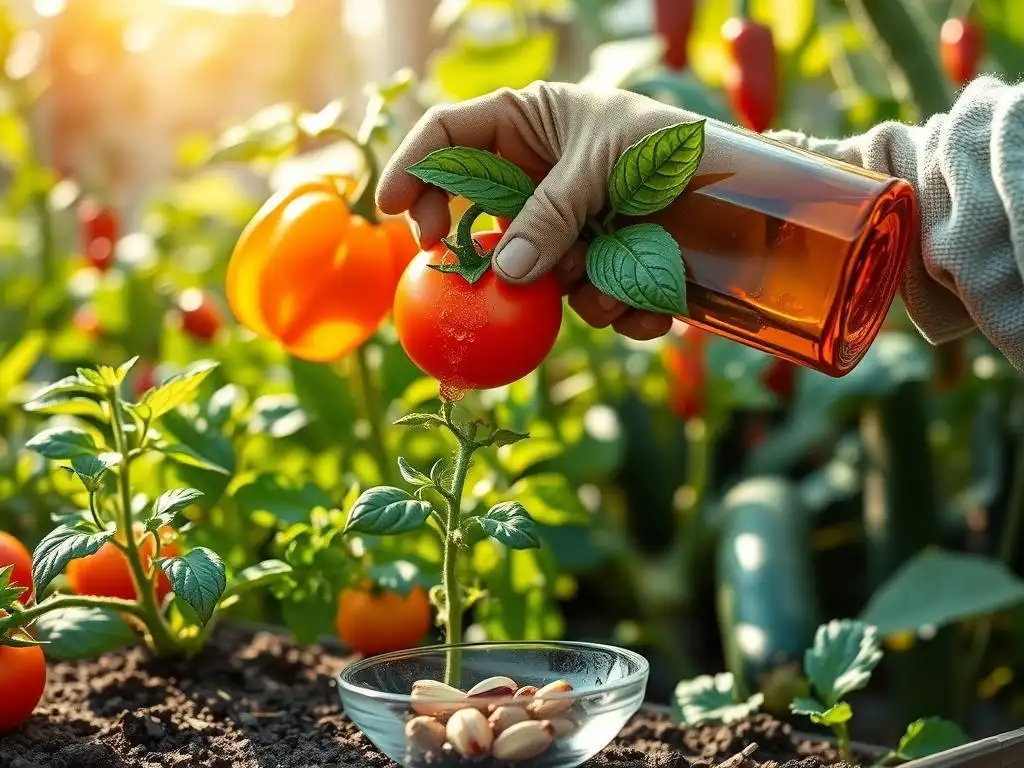
Organic pest control for your home garden doesn't have to mean resorting to harsh chemicals. A variety of safe and effective organic sprays and solutions can be easily made at home, using readily available ingredients. These solutions offer a gentler approach to pest management while protecting beneficial insects and pollinators. Remember to always test a small area first before applying any spray to your entire garden to check for any adverse reactions on your plants.
One popular and effective organic spray is neem oil. Neem oil is derived from the neem tree and acts as a natural insecticide, fungicide, and miticide. It disrupts the life cycle of many common garden pests, including aphids, whiteflies, and spider mites. The application method is crucial; it's best to mix neem oil with water and a few drops of liquid soap (to help it adhere to plant surfaces) and apply it in the evening when the sun isn't directly hitting the plants, to avoid scorching. Always follow the instructions on the neem oil product label carefully.
Another effective option is insecticidal soap. This soap solution works by disrupting the cell membranes of soft-bodied insects, leading to their death. It's particularly effective against aphids, mealybugs, and whiteflies. You can purchase pre-made insecticidal soap, or you can make your own using a mild dish soap and water. However, be cautious as some soaps can damage plants, so always test a small area first. Remember to reapply after rain, as it washes off easily.
Beyond neem oil and insecticidal soap, consider solutions like diluted castile soap or even a simple solution of water and baking soda for milder pest infestations. These are often effective against fungal diseases as well, offering a multi-pronged approach to organic garden care. Regular monitoring of your plants is key; early detection of infestations allows for quicker and more effective treatment with these gentler methods. Remember, consistency is key; repeated applications may be necessary for complete pest control. The beauty of these organic solutions is their safety for your family, pets, and the environment.
Companion Planting: Deter Pests Naturally
Companion planting leverages the natural interactions between different plants to deter pests and improve overall garden health. This sustainable approach to organic pest control relies on the synergistic relationships between certain plant species. By strategically planting specific combinations, you can create a more resilient and pest-resistant garden ecosystem. This method is often more preventative than reactive, reducing the need for other pest control measures.
For example, planting marigolds near susceptible vegetables like tomatoes and peppers can help repel nematodes and other soil-borne pests. The strong scent of marigolds disrupts the pests' ability to locate their host plants. Similarly, basil is known to repel many insects, including tomato hornworms and aphids, and it thrives when planted near tomatoes. This mutually beneficial relationship improves the yield and health of both plants.
Other effective companion plant pairings include:
| Pest Repelling Plant | Plant it near... | Pest Repelled |
|---|---|---|
| Garlic | Roses, carrots, and many leafy greens | Aphids, spider mites, and certain caterpillars |
| Chamomile | Many vegetables | Aphids and other soft-bodied insects |
| Mint | Cabbage family plants | Cabbage moths and other cabbage pests |
Careful planning and strategic placement are crucial for successful companion planting. Consider the mature size of each plant to ensure adequate spacing. Research the specific needs of each species to ensure they thrive in your garden's environment.
While companion planting is highly effective, it might not completely eliminate all pests, but it significantly reduces their population and minimizes the need for more intensive intervention methods. Remember that organic pest control is a holistic approach, and companion planting is a powerful tool in your arsenal. It promotes biodiversity and strengthens the resilience of your entire garden ecosystem, creating a healthier and more productive space for both plants and beneficial insects.
Preventing Pest Problems in Your Organic Garden
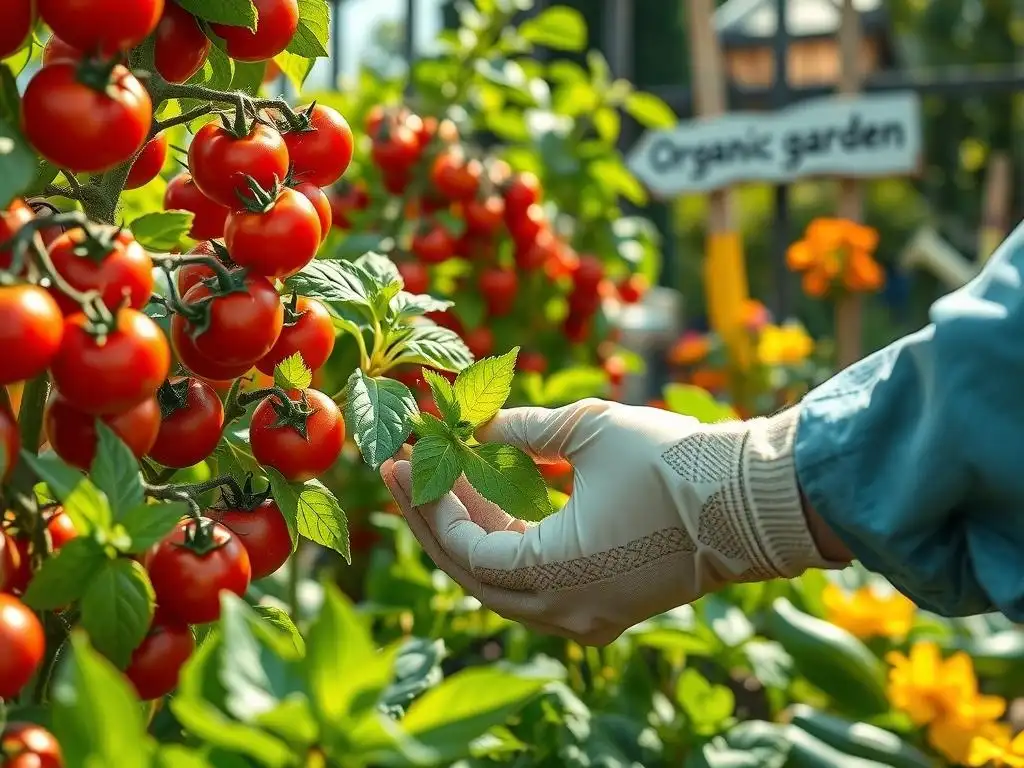
Effective organic pest control begins with prevention. A proactive approach significantly reduces the need for intervention later in the growing season. By focusing on creating a healthy and resilient garden environment, you can minimize the attractiveness of your plants to pests and encourage beneficial insects to thrive. This holistic approach is crucial for achieving sustainable and effective organic pest control home garden management. Remember, a healthy garden is a pest-resistant garden.
Maintaining a Healthy Soil Ecosystem
A vibrant soil ecosystem is the cornerstone of a thriving and pest-resistant garden. Healthy soil teems with beneficial microorganisms, such as bacteria and fungi, that help plants absorb nutrients and resist diseases. These microbes also compete with harmful organisms, reducing pest pressure naturally. Improving soil health involves several key practices:
- Composting: Regularly adding compost enriches the soil with organic matter, improving its structure, water retention, and nutrient content. Compost also introduces beneficial microbes into the soil. Aim for at least 2-3 inches of compost per year.
- Cover Cropping: Planting cover crops, like clover or rye, between growing seasons helps prevent soil erosion, suppress weeds (which can harbor pests), and fix nitrogen in the soil, improving its fertility. This contributes to a stronger, healthier plant that is less susceptible to pests.
- Crop Rotation: Rotating your crops annually helps break pest and disease cycles. Different plants have different nutrient needs and attract different pests. By rotating, you prevent the buildup of pests associated with specific plants. For example, planting legumes one year can improve soil nitrogen and reduce the need for fertilizers, which can attract some pests.
- Avoid Over-fertilizing: While plants need nutrients, excessive fertilization can make them more susceptible to pest infestations. Over-fertilized plants often have softer, more succulent growth that is attractive to many insects. Focus on building healthy soil to provide adequate nutrients naturally.
Proper Watering Techniques to Prevent Pest Infestations
Improper watering practices can create conditions that favor pest infestations. Overwatering leads to soggy soil, which promotes fungal diseases and attracts pests that thrive in damp environments. Conversely, underwatering stresses plants, making them more vulnerable to attacks.
- Watering at the base of plants: Avoid overhead watering, which can spread fungal diseases and make the foliage more susceptible to pests. Instead, water deeply and less frequently at the base of the plants, allowing the soil to dry slightly between waterings.
- Monitor soil moisture: Use your finger to check soil moisture before watering. Insert your finger about an inch into the soil; if it feels dry, it's time to water. This prevents overwatering and ensures the plants receive the appropriate amount of moisture.
- Mulching: Applying a layer of mulch around plants helps retain soil moisture, reducing the frequency of watering and minimizing stress on the plants. Mulch also suppresses weeds, creating less competition for resources and reducing the risk of pest infestations.
Choosing Pest-Resistant Plant Varieties
Selecting pest-resistant plant varieties is a powerful preventative measure. Many plant varieties have been developed with inherent resistance to common pests. This reduces the need for pesticides and promotes a healthier garden.
- Research plant varieties: Before planting, research varieties known for their pest resistance. Look for descriptions that indicate resistance to specific pests common in your region. Local nurseries and gardening centers can be valuable resources in this process.
- Consider heirloom varieties: Heirloom varieties, passed down through generations, often possess natural pest resistance developed through adaptation to local conditions. These varieties can be a great choice for organic gardening.
- Diversity is key: Planting a variety of different plant species can help reduce the likelihood of a widespread pest infestation. A diverse garden creates a more complex ecosystem, making it more difficult for any single pest to establish a large population. This diversity also attracts beneficial insects that can help control pest populations.
Regular Garden Inspections and Early Intervention
Regular monitoring of your garden is the cornerstone of effective organic pest control. Early detection significantly increases your chances of successfully managing infestations before they escalate into major problems. Think of it as preventative medicine for your plants. A proactive approach minimizes the need for harsh interventions later on. Aim for at least weekly inspections, more frequently during periods of rapid plant growth or particularly wet weather, when pest activity tends to surge.
During your inspections, carefully examine all parts of your plants: leaves (both upper and lower surfaces), stems, buds, flowers, and fruits. Look for signs of damage, such as chewed leaves, holes, wilting, discoloration, or unusual webbing. Pay close attention to the undersides of leaves, where many pests like to hide. Also, inspect the soil around your plants for signs of insect activity or damage to roots. A magnifying glass can be incredibly helpful in identifying small pests or their eggs.
Don't just focus on visible pests. Look for signs of their presence, such as frass (insect droppings), egg masses, or trails. These indicators can alert you to a problem even before you see the pests themselves.
Keep detailed notes of your observations, including the date, the affected plants, the type of damage, and any pests you identify. This record will be invaluable in tracking pest activity and tailoring your pest management strategies over time. This careful observation allows for early intervention, preventing small problems from becoming large-scale infestations that require more intensive (and potentially less organic) solutions.
Early intervention often involves simply removing affected leaves or plants, hand-picking pests, or using a strong jet of water to dislodge them. These simple measures are often sufficient to control minor infestations, keeping your organic garden healthy and thriving. Remember, a healthy plant is far more resistant to pests than a stressed or neglected one.
Common Mistakes to Avoid in Organic Pest Control
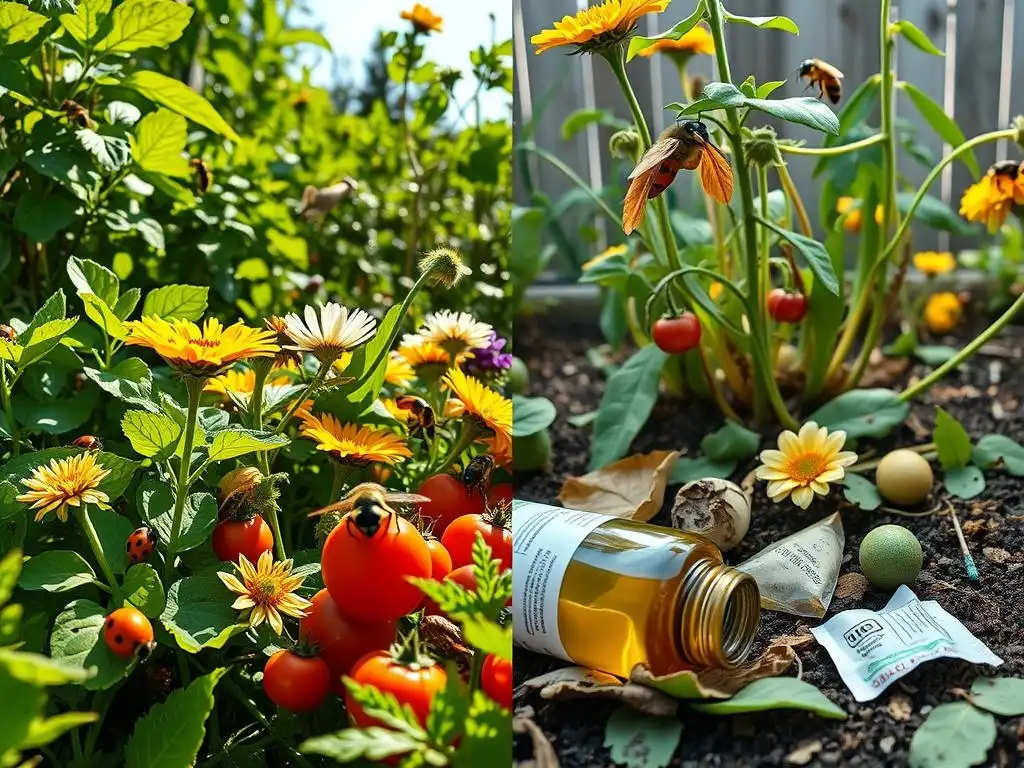
Organic pest control, while beneficial for the environment and your health, requires careful planning and execution. Many home gardeners, eager to embrace sustainable practices, fall prey to common mistakes that can undermine their efforts and even harm their plants. Avoiding these pitfalls is crucial for achieving a thriving, pest-free garden using organic methods. This section outlines some key errors to watch out for when implementing organic pest control in your home garden.
Overusing Organic Pesticides: The Risks and Repercussions
While organic pesticides are generally considered safer than their synthetic counterparts, overuse can still disrupt the delicate balance of your garden ecosystem. Many organic pesticides, such as neem oil or insecticidal soap, target beneficial insects alongside pests. Repeated or excessive applications can decimate populations of pollinators like bees and ladybugs, which are vital for plant health and overall garden biodiversity. This can lead to a resurgence of pests in the long run, as natural predators are eliminated, creating a dependency on the pesticide itself.
For example, using insecticidal soap daily on your rose bushes to combat aphids might also kill the beneficial lacewings that naturally prey on aphids. This can result in a larger aphid infestation later on, requiring even more applications of the soap. A more effective strategy involves integrating multiple organic pest control methods, including physical removal of pests, companion planting, and targeted application of pesticides only when absolutely necessary.
The overuse of any pesticide, even organic ones, can also lead to pesticide resistance in pest populations. Pests can develop tolerance to specific active ingredients, rendering the treatment ineffective over time. This necessitates stronger or more frequent applications, further disrupting the ecosystem and potentially harming your plants. Careful monitoring and a strategic, integrated approach are crucial to avoid this.
Neglecting Preventative Measures: A Recipe for Pest Problems
Proactive measures are often overlooked in favor of reactive treatments. However, preventing pest infestations is significantly more effective and less resource-intensive than dealing with a full-blown problem. A healthy, robust plant is less susceptible to pest attacks. Therefore, focusing on soil health, proper watering techniques, and appropriate plant spacing are fundamental preventative steps.
Consider this: neglecting regular weeding can create ideal habitats for pests, providing shelter and food sources. Similarly, overwatering can weaken plants, making them more vulnerable to disease and pest infestation. Ignoring these seemingly minor details can significantly increase the likelihood of pest problems later in the growing season. A strong foundation of healthy garden practices minimizes the need for extensive pest control interventions. Think of it as preventative healthcare for your plants – a small investment with big returns.
The following table summarizes key preventative measures for successful organic pest control:
| Preventative Measure | Description | Benefits |
|---|---|---|
| Healthy Soil | Rich, well-drained soil provides essential nutrients for strong plant growth. | Increased plant resilience to pests and diseases. |
| Proper Watering | Consistent watering, avoiding both overwatering and underwatering. | Prevents stress on plants, reducing their vulnerability to pests. |
| Appropriate Plant Spacing | Adequate spacing allows for good air circulation, reducing the risk of disease. | Minimizes humidity and the spread of pests between plants. |
| Regular Weeding | Removing weeds eliminates competition for resources and potential pest habitats. | Prevents weeds from attracting pests and harboring diseases. |
| Crop Rotation | Rotating crops annually helps to break pest cycles and prevent soil depletion. | Reduces pest buildup and improves soil health. |
| Companion Planting | Planting certain plants together can deter pests or attract beneficial insects. | Natural pest control and increased biodiversity. |
Misidentifying Pests: Leading to Ineffective Treatments
Incorrectly identifying the pest responsible for damage can lead to ineffective or even harmful treatments. Many pests exhibit similar symptoms, making visual identification challenging. Misdiagnosis can result in applying the wrong type of organic pesticide, wasting resources and potentially harming beneficial insects or even the plants themselves.
For instance, leaf curling can be caused by aphids, spider mites, or even nutrient deficiencies. Applying an insecticidal soap designed for aphids might be ineffective against spider mites, requiring a different approach, such as using neem oil or horticultural oil. Accurate identification is paramount for effective organic pest control in the home garden. Consulting reliable resources, such as field guides or experienced gardeners, can help ensure accurate identification and prevent wasted efforts.
Learning to distinguish between common garden pests and their damage is a crucial skill for successful organic pest control. Taking the time to correctly identify the pest is the first step towards choosing the most effective and environmentally friendly solution. Don't rush the process; careful observation is key!
Ignoring Natural Predators: Disrupting the Ecological Balance
Ignoring the beneficial insects and other creatures already present in your home garden is a common mistake in organic pest control. These natural predators are often the most effective and sustainable way to manage pest populations. By indiscriminately applying pesticides, even organic ones, you risk eliminating these helpful allies, disrupting the delicate ecological balance and potentially leading to even larger pest problems down the line.
Ladybugs, lacewings, praying mantises, and parasitic wasps are just a few examples of beneficial insects that prey on common garden pests like aphids, caterpillars, and whiteflies. These natural predators are far more efficient at targeting specific pests than broad-spectrum pesticides, and they don't leave behind harmful residues.
For instance, a healthy population of ladybugs can significantly reduce aphid infestations without the need for any intervention. However, if you introduce a broad-spectrum insecticide, even one labeled as "organic," you risk killing the ladybugs along with the aphids, leaving your garden vulnerable to a resurgence of the pests and potentially even more severe infestations. This highlights the importance of careful observation and identification of both pests and beneficial insects before taking any action.
Learning to distinguish between helpful and harmful insects is a crucial skill for successful organic gardening. Resources such as field guides and online databases can be invaluable in this process. By understanding the natural ecosystem of your garden, you can promote a thriving environment where beneficial insects flourish and effectively control pest populations naturally.
This approach not only protects the environment but also leads to a healthier and more productive garden in the long run. Remember, a balanced ecosystem is the cornerstone of effective and sustainable organic pest control.
Maintaining a Healthy and Pest-Free Organic Home Garden: Long-Term Strategies
Organic pest control in your home garden isn't just about reacting to infestations; it's about proactively creating an environment where pests are less likely to thrive. This involves a holistic approach that prioritizes the overall health of your plants and soil. Focusing solely on eliminating pests, without addressing the underlying causes of infestations, often leads to a frustrating cycle of treatment and re-infestation. A truly successful organic pest control strategy is built on prevention and long-term sustainability.
Developing a Sustainable Pest Management Plan
A robust pest management plan is the cornerstone of a healthy organic garden. This isn't a one-size-fits-all solution; it requires observation, planning, and adaptation specific to your garden's unique conditions and the types of plants you're growing. Consider these key elements:
- Soil Health: Healthy soil is the foundation of healthy plants. Regular soil testing can help identify nutrient deficiencies that weaken plants and make them more susceptible to pests. Amend your soil with compost and other organic matter to improve its structure and fertility. This improves the plants' natural resistance to pests. Think of it as building a strong immune system for your plants! 💪
- Crop Rotation: Rotating your crops yearly helps break pest cycles. Different plants attract different pests, so changing the location of your crops prevents the buildup of pest populations in the soil. A well-planned rotation strategy is crucial for long-term organic pest control.
- Companion Planting: Strategically planting certain species together can deter pests. For instance, marigolds are known to repel many common garden pests. Researching companion planting combinations specific to your garden's needs can significantly reduce pest pressure. This natural approach is a cornerstone of organic gardening's effectiveness.
- Beneficial Insects: Encourage beneficial insects like ladybugs and lacewings, which prey on many common garden pests. Providing habitats like flowering plants that attract these beneficial insects can significantly reduce the need for other pest control measures. These natural predators are your allies in the fight against pests! 🐞
- Regular Inspection: Regularly inspect your plants for signs of pests or diseases. Early detection allows for swift and effective intervention, preventing minor problems from escalating into major infestations. Early detection is key for minimizing damage and reducing the need for stronger interventions.
Monitoring and Adapting Your Approach
Organic pest control requires constant vigilance and adaptation. What works one year might not work the next, due to changes in weather patterns, pest populations, or even your gardening practices. Regular monitoring is crucial for understanding the effectiveness of your current strategies.
- Record Keeping: Maintaining a detailed garden journal documenting pest sightings, treatments, and their effectiveness is invaluable. This allows you to track trends and adapt your approach as needed. This detailed data will inform your future pest management decisions.
- Flexibility: Be prepared to adjust your pest management plan as needed. If a particular method isn't working, don't be afraid to try something else. Organic pest control is an iterative process; learning from successes and failures is essential for long-term success.
- Observation: Carefully observe your garden's ecosystem. Understanding the interactions between plants, pests, and beneficial insects will help you make informed decisions about pest control. This keen observation is a hallmark of successful organic gardening.
The Importance of Patience and Persistence in Organic Gardening
Organic pest control is not a quick fix; it demands patience and persistence. Results may not be immediate, and you may experience setbacks along the way. However, the long-term rewards of a healthy, thriving garden free from harmful pesticides are well worth the effort. Remember that building a resilient ecosystem takes time and consistent effort.
- Realistic Expectations: Don't expect to eliminate all pests completely. The goal of organic pest control is to maintain a balance between pests and beneficial organisms, minimizing damage to your plants while avoiding harmful chemicals. A completely pest-free garden is unrealistic; the goal is management, not eradication.
- Long-Term Vision: Focus on building a healthy soil ecosystem that supports strong, pest-resistant plants. This long-term perspective is crucial for sustainable organic gardening practices. Think of it as an investment in the future health of your garden.
- Celebrate Successes: Acknowledge and celebrate your successes, no matter how small. This positive reinforcement will keep you motivated throughout the process. Even small victories contribute to your overall success in organic pest control.
Frequently Asked Questions
What is organic pest control?
Organic pest control focuses on preventative measures and the use of natural methods to manage pests in your garden, avoiding synthetic pesticides. This includes techniques like companion planting and beneficial insect introduction.
How effective is organic pest control compared to chemical pesticides?
Effectiveness varies depending on the pest and the specific organic method used. While it may require more consistent effort, organic control is generally safer for the environment and human health, and often offers long-term solutions by promoting a healthy ecosystem.
What are some common organic pest control methods?
Popular methods include introducing beneficial insects like ladybugs, using natural sprays like neem oil or insecticidal soap, and employing physical barriers like row covers. Companion planting can also deter pests naturally.
Are organic pest control methods safe for pets and children?
Generally, yes, as they avoid the harmful chemicals found in synthetic pesticides. However, always read product labels carefully and follow instructions, and keep children and pets away from treated areas until dry.
Where can I find organic pest control products?
Many garden centers and online retailers carry organic pest control products. You can also find many DIY solutions using readily available ingredients like water, soap, and neem oil, often found at your local supermarket or pharmacy.
Final Reflection: Cultivating a Healthier Future, One Garden at a Time
The shift towards organic pest control isn't just a trend; it's a vital step towards safeguarding the health of our planet and ourselves. The methods discussed – from beneficial insect introduction to natural repellent sprays – represent a powerful alternative to harmful chemical pesticides, offering a sustainable path to a thriving home garden. This is more crucial than ever in a world facing increasing environmental challenges.
The journey towards embracing organic practices has profoundly impacted my own gardening experience, transforming it from a simple hobby into a mindful connection with nature. The satisfaction of nurturing plants without resorting to toxic chemicals is immeasurable. The glory of gardening: hands in the dirt, head in the sun, heart with nature. To nurture a garden is to feed not just the body, but the soul.
This quote perfectly encapsulates the holistic benefits of organic gardening, extending beyond the bountiful harvest to a deeper appreciation for the interconnectedness of life.
Now, it's your turn. Consider the impact of your gardening choices – big or small. Will you choose to nurture your plants with nature's gentle hand, or continue down a path of potentially harmful chemicals? The choice is yours, and the rewards – a healthier garden, a healthier planet, and a healthier you – are well worth the effort. Let's cultivate a future where our gardens flourish sustainably, benefiting both ourselves and the environment.
Ready to Cultivate a Thriving, Pest-Free Garden?
Thank you for learning about organic pest control! We hope you found our advice helpful and gained valuable insights into creating a healthier, more vibrant garden. Now it's time to put your new knowledge into practice.
Here's how you can get started:
- Try at least one organic pest control method from this week's article. Even a small change can make a significant difference! Begin with the method you find easiest to implement.
- Share your experience – Let's build a community! Tell us in the comments which method you chose and how it's working for you. Your feedback is invaluable to others.
- Explore more organic gardening techniques on our site to further enhance your garden's health and resilience. We have a wealth of resources available.
Ready to see the positive impact of organic pest control on your garden? What's the first step you'll take to create a healthier growing environment?