
Dealing with Sooty Mold: Causes and Control

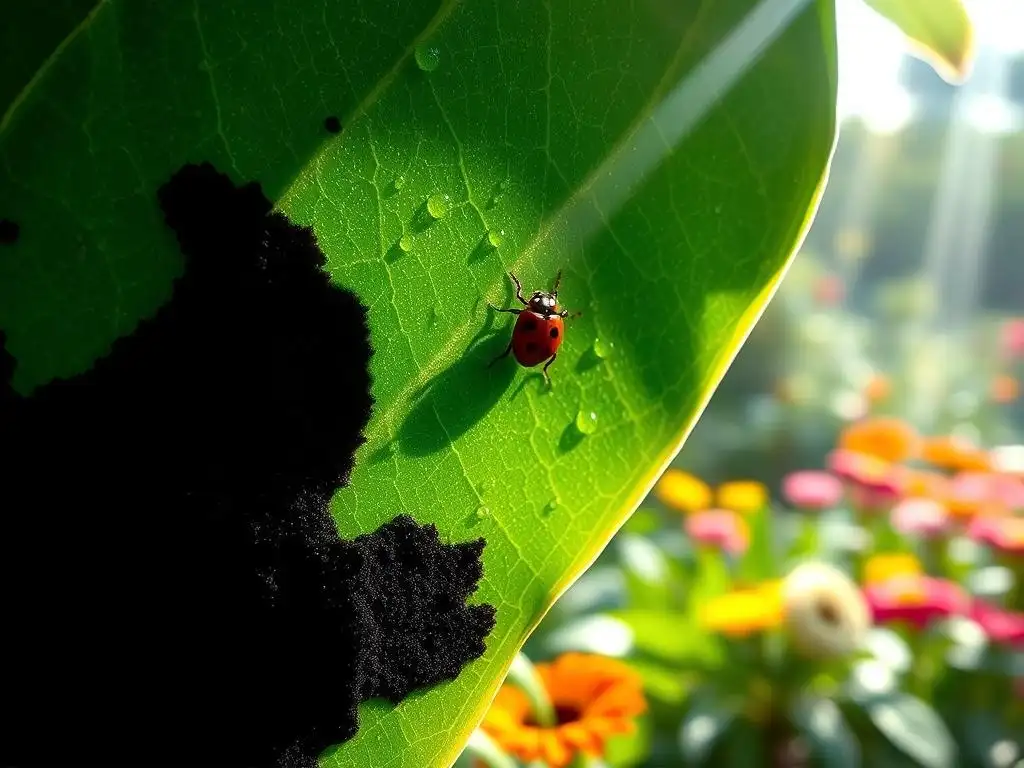
Welcome to CultivateYourFood, your guide to a thriving, sustainable garden! Are you battling a mysterious black coating on your plants? Learn how to identify and conquer sooty mold – a common garden problem that can significantly impact your harvest. Discover effective, organic gardening solutions for sooty mold control and keep your fruits, vegetables, and herbs flourishing. Let's get started on your journey to a healthier, more bountiful garden!
- Understanding Sooty Mold in Organic Gardening
- Organic Sooty Mold Control Strategies
- Preventing Sooty Mold in Your Organic Garden
- Organic Gardening Sooty Mold Control: Long-Term Solutions
- Frequently Asked Questions
- Final Reflection: The Resilient Garden: Sooty Mold and the Path to Organic Harmony
- Conquer Sooty Mold & Reclaim Your Garden's Glory!
Understanding Sooty Mold in Organic Gardening
Sooty mold, a common fungal disease affecting a wide variety of plants, is a significant concern for organic gardeners striving for healthy, thriving crops. This unsightly black coating on leaves and stems isn't directly harmful to plants in the way many fungal pathogens are – it doesn't penetrate plant tissue and cause direct damage. However, its presence is a strong indicator of an underlying pest infestation and can severely impact plant photosynthesis, leading to reduced yields and overall plant health.
This article will guide you through identifying sooty mold, understanding its causes, and implementing effective organic control methods, helping you maintain a vibrant and productive organic garden free from this nuisance fungus. We'll focus specifically on organic solutions, ensuring your gardening practices remain environmentally friendly and sustainable.
Successfully managing sooty mold requires a two-pronged approach: tackling the underlying insect problem and then addressing the mold itself. Let's delve into the specifics.
Identifying Sooty Mold: Appearance and Symptoms on Plants
Sooty mold manifests as a dark, black, sooty film on plant surfaces. It typically appears on leaves, stems, and sometimes even fruit. Unlike other fungal diseases with distinct spots or lesions, sooty mold creates a more uniform, powdery or velvety coating. The appearance can vary slightly depending on the plant species and the severity of the infestation. Sometimes it can be easily wiped off, while in other cases, it adheres more firmly.
Crucially, sooty mold itself is not the primary problem; the real issue lies in what causes it. The mold feeds on the sticky honeydew secreted by sap-sucking insects like aphids, whiteflies, and scale insects. Therefore, identifying sooty mold should immediately trigger a closer inspection of your plants for these pests. Look closely for small insects clustering on leaves, stems, or undersides of leaves.
Examine leaves for signs of stippling (tiny holes) or yellowing caused by insect feeding. Early detection is vital for effective and timely control. Don't confuse sooty mold with other fungal diseases; the lack of distinct lesions and the presence of honeydew are key distinguishing factors. A magnifying glass can be extremely helpful in identifying the small insects responsible for the honeydew.
What Causes Sooty Mold? The Role of Honeydew-Producing Insects
The primary cause of sooty mold is the presence of honeydew-producing insects. These insects feed on plant sap, extracting sugars and excreting the excess as a sticky substance called honeydew. This honeydew provides the perfect nutrient-rich environment for the sooty mold fungus to thrive. Several insects are common culprits:
- Aphids: Small, pear-shaped insects that often cluster on the undersides of leaves.
- Whiteflies: Tiny, white, flying insects that can be easily disturbed.
- Scale insects: These insects are often immobile and appear as small bumps on stems and leaves.
- Mealybugs: These insects are covered in a white, waxy coating.
The type of insect present will influence the distribution and severity of the sooty mold. For instance, aphids often cause localized infestations, while whiteflies can lead to a more widespread coating. Understanding which insect is responsible is crucial for targeting your control measures effectively. Regular plant inspections, especially during periods of high insect activity (spring and summer), are essential for early detection and prevention. Early intervention is key to preventing a widespread infestation and significant damage to your plants. The following sections will detail organic methods for controlling both the insects and the sooty mold itself.
Common Honeydew-Producing Insects Affecting Fruit, Vegetables, and Herbs
Sooty mold isn't a primary plant disease; it's a secondary symptom resulting from the presence of honeydew-producing insects. These insects feed on plant sap, excreting a sticky, sugary substance called honeydew. This honeydew provides the perfect breeding ground for the sooty mold fungus.
Understanding the common culprits is crucial for effective organic gardening sooty mold control. Different plants are susceptible to different insects, so identifying the specific pest is key to targeted treatment. Ignoring the underlying insect problem will only lead to recurring sooty mold outbreaks, even after cleaning the leaves.
A holistic approach that tackles both the insect infestation and the mold itself is the most effective long-term strategy for organic gardeners. This often involves a combination of preventative measures and targeted treatments, which we will delve into later in this article. Remember, a healthy plant is less susceptible to insect infestations, so maintaining robust plant health is paramount for preventing sooty mold.
Aphids and Their Contribution to Sooty Mold Development
Aphids are tiny, soft-bodied insects that cluster on the undersides of leaves, stems, and buds. They suck sap from the plant, leaving behind copious amounts of honeydew. This honeydew creates a glistening, sticky coating on the plant's surface, making it an ideal substrate for sooty mold to colonize. Different aphid species target different plants; for example, rose aphids infest roses, while green peach aphids are known to affect a wide range of vegetables.
The sheer number of aphids in a colony can quickly lead to a significant sooty mold problem. Identifying aphid infestations early is critical for effective organic gardening sooty mold control. Regular inspection of plants, especially their undersides, is essential for early detection. Early intervention, using organic methods like insecticidal soap or neem oil, can often prevent a major infestation and subsequent sooty mold development.
Whiteflies and Their Impact on Sooty Mold Formation
Whiteflies, tiny white insects, are another significant contributor to sooty mold development. These insects also feed on plant sap, producing honeydew that coats the leaves. The honeydew excreted by whiteflies is particularly sticky and attracts sooty mold readily. Whiteflies often congregate on the undersides of leaves, making them difficult to spot initially.
Their impact can be severe, leading to significant leaf discoloration and reduced plant vigor, in addition to the unsightly sooty mold. Organic control methods for whiteflies include introducing beneficial insects like ladybugs, using sticky traps to capture adults, and employing horticultural oils to disrupt their life cycle. Successful management of whiteflies is essential for effective organic gardening sooty mold control, preventing the recurring cycle of honeydew production and mold growth.
Scale Insects: A Major Contributor to Sooty Mold Infestations
Scale insects are small, armored insects that attach themselves firmly to plant stems and leaves. They are often mistaken for bumps or growths on the plant. Like aphids and whiteflies, they feed on plant sap and produce significant amounts of honeydew. This honeydew provides the perfect environment for sooty mold to thrive.
Different types of scale insects infest various plants, and their life cycles vary. Control measures for scale insects often involve physical removal (scraping them off), using horticultural oils, or introducing natural predators. The persistent nature of scale infestations means that organic gardening sooty mold control requires consistent monitoring and timely intervention to prevent large-scale infestations and subsequent sooty mold problems. A combination of methods is often necessary for effective control, highlighting the importance of a multi-faceted approach to organic pest management.
Organic Sooty Mold Control Strategies
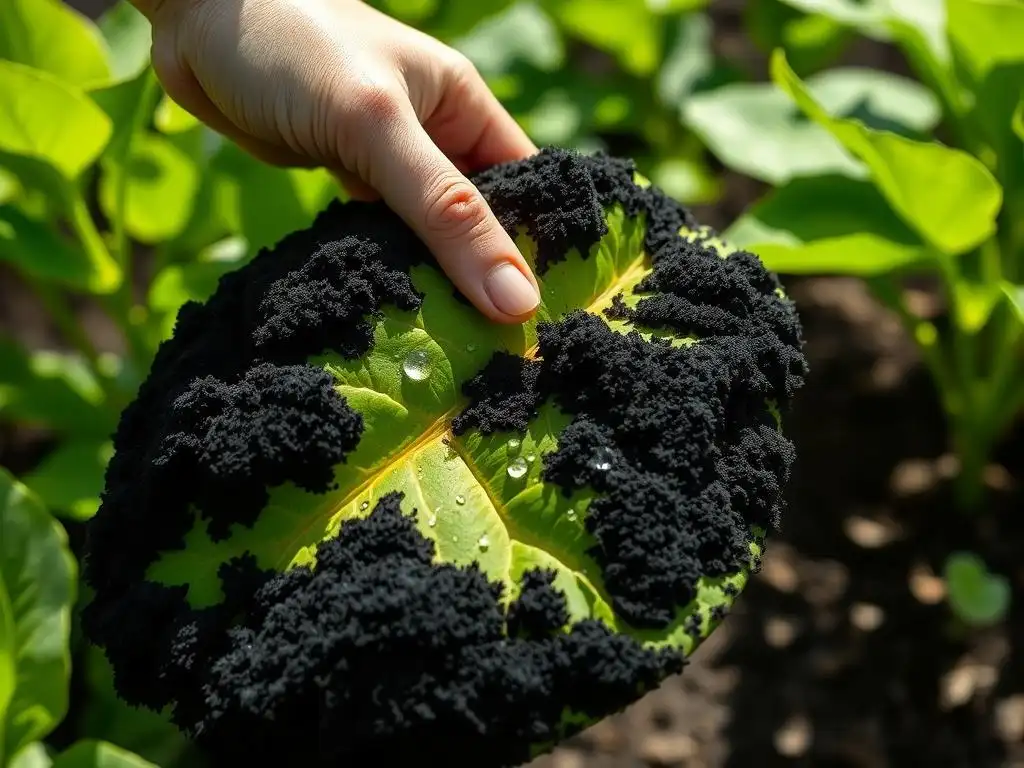
Sooty mold, a common fungal disease in gardens, isn't a direct threat to plant health, but it's a clear indicator of a more significant problem: honeydew-producing insects. Successfully managing sooty mold requires a two-pronged approach: tackling the underlying insect infestation and then cleaning up the mold itself. This section focuses on organic gardening sooty mold control, prioritizing sustainable and environmentally friendly methods to restore the health and beauty of your plants.
Effective organic gardening sooty mold control hinges on understanding the source of the problem and employing preventative measures alongside treatment. Remember, prevention is always the best cure, and proactive measures can drastically reduce the likelihood of sooty mold appearing in your garden.
Assessing the Severity of Sooty Mold Infestation
Before implementing any control measures, accurately assessing the severity of the sooty mold infestation is crucial. This involves a visual inspection of your plants, paying close attention to the extent of the black, sooty growth. A light dusting might only require simple cleanup, while a heavy infestation necessitates a more comprehensive approach.
Consider these factors when assessing the severity:
- Extent of Coverage: Does the sooty mold cover a small portion of leaves, or is it widespread across multiple plants?
- Thickness of the Mold: Is the mold a thin layer, easily wiped away, or is it thick and caked onto the leaves and stems?
- Number of Affected Plants: Is the sooty mold limited to one or two plants, or is it affecting a significant portion of your garden?
- Plant Health: Is the underlying plant showing signs of stress or damage beyond the sooty mold? This could indicate a more serious pest problem.
Using a simple scoring system can help:
| Severity Level | Description | Action Required |
|---|---|---|
| Mild | Light dusting on a few leaves | Gentle cleaning with water |
| Moderate | Moderate coverage on several leaves/plants | Cleaning + natural pest control measures |
| Severe | Extensive coverage, thick mold, plant stress | Comprehensive treatment, potentially pruning |
This careful assessment guides your choice of organic gardening sooty mold control strategies, ensuring you apply the appropriate level of intervention.
Effective Natural Pest Control for Honeydew-Producing Insects
The key to organic gardening sooty mold control lies in eliminating the honeydew-producing insects that cause the problem in the first place. These insects, often aphids, whiteflies, or scale insects, excrete honeydew, a sticky substance that provides the perfect breeding ground for the sooty mold fungus. Therefore, effective control targets these insects directly.
Neem Oil: A Natural Solution for Sooty Mold Prevention
Neem oil, derived from the neem tree, is a potent yet environmentally friendly insecticide. It works by disrupting the insect's life cycle, preventing reproduction and ultimately reducing the honeydew production. Apply neem oil according to the product instructions, ensuring thorough coverage of the affected plants. Remember to test a small area first to check for any adverse reactions on your plants. Consistent application is crucial for effective control. Regular use of neem oil acts as a preventative measure, minimizing the chance of future sooty mold outbreaks.
Insecticidal Soap: Targeting Honeydew-Producing Pests
Insecticidal soap is another effective organic option. This soap solution disrupts the cell membranes of insects, causing them to dehydrate and die. It's generally safe for beneficial insects and pollinators when used correctly, making it a suitable choice for organic gardening. Always follow the product instructions carefully, applying the soap in the evening or on cloudy days to avoid harming beneficial insects or damaging your plants. Multiple applications may be necessary for complete control. Remember to test a small area first for any adverse reactions.
Beneficial Insects: Introducing Natural Predators
Introducing beneficial insects into your garden is a long-term, sustainable approach to pest control. Ladybugs, lacewings, and parasitic wasps are natural predators of many honeydew-producing insects. These beneficial insects help maintain a natural balance in your garden ecosystem, reducing the reliance on chemical interventions. Consider purchasing and releasing these beneficial insects strategically throughout your garden. Providing habitat for these beneficial insects (like planting flowering plants that attract them) helps to maintain their presence and effectiveness. This method requires patience but offers long-term, environmentally friendly organic gardening sooty mold control.
Cleaning Plants Affected by Sooty Mold
Sooty mold, while unsightly, doesn't directly harm plants like many other fungal diseases. However, its presence indicates an underlying insect infestation, usually aphids, whiteflies, or scale insects. These insects secrete a sticky honeydew substance that provides the perfect breeding ground for the sooty mold fungus. Therefore, cleaning the plant is only part of the solution; addressing the insect problem is crucial for long-term control of sooty mold. Effective organic sooty mold control requires a two-pronged approach: cleaning the visible mold and eradicating the insects producing the honeydew.
Cleaning plants affected by sooty mold should be done gently to avoid damaging delicate leaves or stems. Avoid harsh chemicals, as they can harm beneficial insects and disrupt the delicate ecosystem of your garden. Focus on removing the visible sooty mold layer, rather than trying to sterilize the entire plant. Remember, the insects are the root cause, and targeting them directly is the most effective long-term organic gardening sooty mold control strategy.
Gentle Removal of Sooty Mold from Plant Surfaces
The removal process depends on the plant's size and the severity of the infestation. For smaller plants, a gentle wiping with a soft cloth dampened with water is often sufficient. For larger plants or more extensive infestations, a mild solution of water and a gentle soap like Dr. Bronner's castile soap can be used. Always test a small, inconspicuous area first to ensure the soap doesn't harm the plant.
Avoid scrubbing vigorously, as this can damage the plant's leaves and stems. Rinse thoroughly with clean water after cleaning to remove any soap residue. Remember, the goal is not to completely sterilize the plant, but to remove the visible sooty mold and allow the plant to recover. In some cases, a pressure sprayer with clean water can effectively wash away loose sooty mold from larger plants.
Preventing Sooty Mold Recurrence through Hygiene Practices
Preventing sooty mold recurrence is largely about controlling the insect populations that produce the honeydew. This includes regular inspection of plants for signs of infestation, such as the presence of insects themselves or the sticky honeydew they secrete. Pruning overcrowded plants improves air circulation, reducing humidity and creating a less hospitable environment for insects.
Maintaining a clean garden environment by removing fallen leaves and other plant debris eliminates potential breeding grounds for insects. Consider introducing beneficial insects like ladybugs or lacewings, which prey on aphids and other common sooty mold culprits. These natural predators can significantly reduce insect populations, preventing the production of honeydew and thus preventing sooty mold from returning.
Regularly monitoring your plants and promptly addressing any insect infestations is a crucial element of organic gardening sooty mold control and maintaining a healthy, thriving garden. This proactive approach, combined with careful cleaning, will keep your plants healthy and free from unsightly sooty mold.
Preventing Sooty Mold in Your Organic Garden
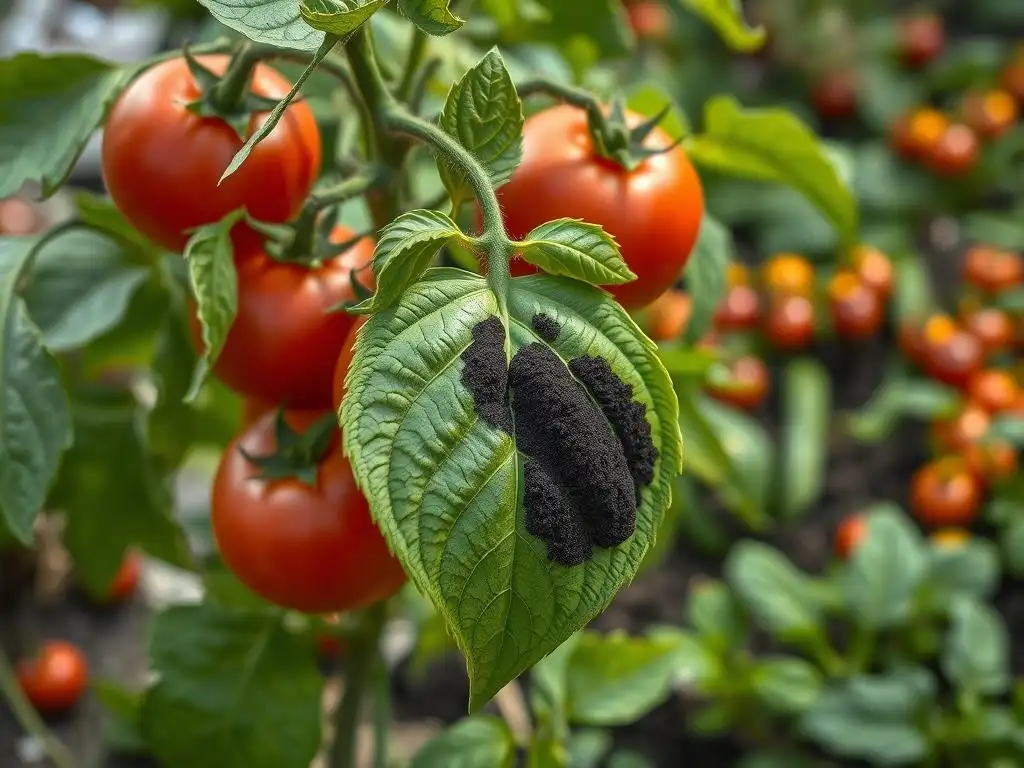
Sooty mold, while not directly harming plants, is a clear indicator of a larger problem: insect infestations. Preventing sooty mold boils down to preventing the honeydew-producing insects that cause it in the first place. A proactive approach to organic gardening sooty mold control focuses on creating an environment where these pests thrive less. This involves a multi-pronged strategy encompassing plant health, pest monitoring, and strategic plant selection. Let's delve into the specifics.
Maintaining Plant Health to Prevent Insect Infestations
Healthy plants are naturally more resistant to pest infestations. Strong, vigorous growth allows them to better withstand the stress of insect feeding. Think of it like this: a robust plant is less likely to be targeted by pests than a weakened one. Several practices contribute to robust plant health:
- Proper Watering: Consistent, deep watering, especially during dry periods, strengthens the plant's root system, making it more resilient. Avoid overhead watering, which can spread fungal spores and create a humid environment favorable to pest development.
- Balanced Fertilization: Using organic fertilizers provides essential nutrients without harming beneficial insects or the environment. A balanced nutrient profile ensures strong growth and overall plant vigor. Avoid over-fertilizing, which can make plants more susceptible to pests. Consider using compost tea as a natural, readily available fertilizer.
- Adequate Sunlight and Air Circulation: Ensure your plants receive sufficient sunlight and have good air circulation to prevent fungal diseases and reduce the humidity that attracts pests. Proper spacing between plants is crucial for airflow. Pruning overcrowded branches also improves air circulation.
Regular Monitoring and Early Detection of Pests
Early detection is key to effective organic gardening sooty mold control. Regular monitoring allows you to identify and address pest problems before they escalate, preventing significant honeydew production and subsequent sooty mold growth. Here's a practical approach:
- Visual Inspection: Regularly inspect your plants, paying close attention to the undersides of leaves, where many insects hide. Look for signs of insect activity, such as honeydew, webbing, or the insects themselves. A magnifying glass can be helpful for identifying smaller pests.
- Sticky Traps: Place yellow sticky traps strategically amongst your plants. These traps effectively attract and capture many flying insects, providing an early warning system for potential infestations.
- Beneficial Insects: Encourage the presence of beneficial insects like ladybugs and lacewings, which prey on many common garden pests. Providing habitat for these beneficial insects, such as planting flowering plants that attract them, is a crucial aspect of integrated pest management.
Choosing Resistant Plant Varieties
Selecting plant varieties known for their resistance to common pests is a proactive way to reduce the likelihood of sooty mold. This reduces the need for intervention and minimizes the risk of disrupting the delicate ecosystem of your garden.
- Research: Before planting, research the pest resistance of different cultivars. Many seed catalogs and plant databases provide information on the susceptibility of various plants to specific insects.
- Variety Rotation: Rotating the types of plants you grow each year helps to break the pest cycle and reduces the likelihood of building up large populations of specific pests.
- Diversity: A diverse garden with a variety of plants is less likely to suffer from widespread pest infestations. This biodiversity promotes a healthy ecosystem and makes it harder for any single pest to become dominant. This natural pest control is a cornerstone of organic gardening.
Remember, a holistic approach combining these preventative measures provides the most effective and sustainable organic gardening sooty mold control. By focusing on plant health, early detection, and choosing resistant varieties, you can significantly reduce the chances of encountering this unsightly fungal growth and maintain a thriving, healthy garden. 🌱
Promoting Biodiversity in Your Garden Ecosystem
A thriving garden ecosystem is your best defense against sooty mold. Sooty mold thrives when sap-sucking insects like aphids, whiteflies, and scale insects are abundant. These insects excrete honeydew, the sugary substance that fuels sooty mold growth. By increasing the biodiversity of your garden, you create a more balanced ecosystem where natural predators of these pests can flourish. This natural pest control significantly reduces the honeydew production, thus minimizing the risk of sooty mold outbreaks.
For example, introducing ladybugs, lacewings, and parasitic wasps into your garden can dramatically reduce aphid populations. These beneficial insects are natural predators that feed on aphids and other sap-suckers, effectively breaking the cycle that leads to sooty mold. Consider planting flowers that attract these beneficial insects, such as dill, fennel, and yarrow. These flowering plants provide a food source and habitat for these natural predators, encouraging their presence in your garden. Remember, a healthy, diverse ecosystem is less susceptible to pest infestations, which directly translates to less honeydew and subsequently, less sooty mold.
The strategic placement of plants also plays a crucial role. Interplanting herbs like rosemary, mint, and basil amongst your vegetables can repel certain pests naturally, reducing the need for chemical interventions. The strong scents emitted by these herbs disorient or repel many insects, indirectly contributing to the control of sooty mold.
This holistic approach to gardening not only contributes to preventing sooty mold but also fosters a healthier, more resilient garden overall. This approach to organic gardening sooty mold control is incredibly effective in the long run. It's a proactive measure rather than a reactive one, building a garden that is naturally resistant to pest outbreaks.
Organic Gardening Sooty Mold Control: Long-Term Solutions
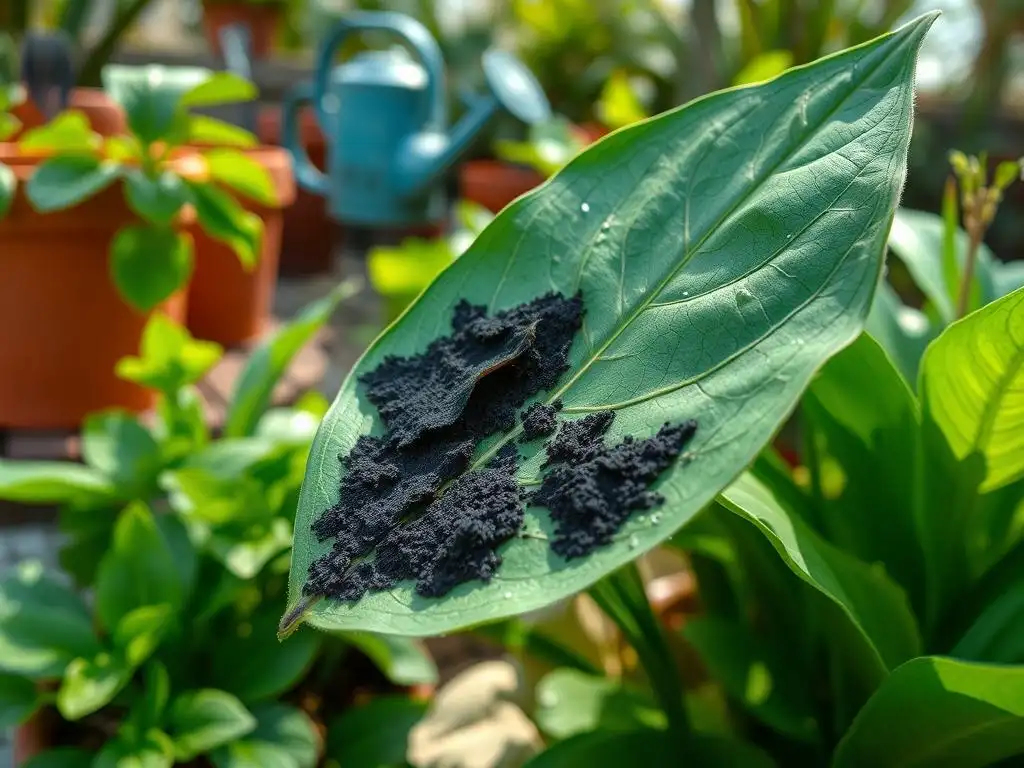
Sooty mold, that unsightly black film on your plants, isn't a direct plant pathogen, but a symptom of a larger problem: sap-sucking insects. Successfully managing sooty mold requires a holistic, preventative approach rather than solely focusing on eradicating the mold itself. This section focuses on long-term, organic strategies for controlling sooty mold, ultimately promoting healthier plants and a thriving garden ecosystem. Effective organic gardening sooty mold control hinges on understanding and addressing the root cause.
Integrated Pest Management (IPM) for Sustainable Control
Integrated Pest Management (IPM) is the cornerstone of effective organic gardening sooty mold control. It emphasizes preventing pest infestations before they occur, monitoring for early signs of problems, and using the least-toxic methods possible to manage any issues that do arise. This approach avoids harsh chemicals, protecting beneficial insects and the environment.
Instead of reaching for chemical pesticides, consider these IPM strategies:
- Regular Inspection: Frequent and thorough inspections of your plants are crucial. Look for signs of sap-sucking insects like aphids, whiteflies, and scale insects—the primary culprits behind sooty mold. Early detection allows for prompt intervention with less drastic measures.
- Beneficial Insects: Encourage the presence of beneficial insects like ladybugs, lacewings, and praying mantises. These natural predators feed on many common garden pests, reducing the population of sap-suckers and minimizing sooty mold development. You can attract them by planting flowering plants that provide nectar and pollen.
- Physical Removal: For small infestations, manually removing insects with a strong spray of water or by wiping them off with a cloth can be effective. This simple method minimizes environmental impact and avoids the use of harmful chemicals.
- Natural Pesticides: If necessary, consider using natural pesticides like insecticidal soap or neem oil. These are less toxic than synthetic pesticides and can effectively control insect populations. Always follow product instructions carefully and consider the impact on beneficial insects.
Composting and Soil Health: Strengthening Plant Immunity
Healthy soil is the foundation of healthy plants, and healthy plants are less susceptible to pest infestations. Improving soil health through composting is a vital aspect of organic gardening sooty mold control. Rich, well-drained soil provides plants with the nutrients they need to thrive, making them more resilient to stress and less attractive to pests.
- Compost Benefits: Compost adds organic matter, improving soil structure, water retention, and nutrient availability. This enriched soil fosters strong root systems, enabling plants to better withstand insect attacks and recover more quickly.
- Nutrient-Rich Soil: Plants with sufficient nutrients are generally more vigorous and less vulnerable to pests. Regular soil testing can help determine nutrient deficiencies and guide appropriate composting and fertilization practices.
- Microbial Balance: Compost introduces beneficial microorganisms to the soil, which compete with harmful pathogens and enhance overall soil health. This balanced microbial community contributes to a healthier plant ecosystem, making it less prone to pest problems and subsequent sooty mold.
The Importance of Proper Watering and Fertilization
Improper watering and fertilization practices can weaken plants, making them more susceptible to pest infestations and the resulting sooty mold. A balanced approach is key to promoting plant vigor and resilience.
- Consistent Watering: Consistent watering is crucial, avoiding both underwatering and overwatering. Underwatering stresses plants, making them more vulnerable. Overwatering can lead to root rot, further weakening the plant's defenses.
- Balanced Fertilization: Use organic fertilizers that provide a balanced supply of essential nutrients. Avoid over-fertilizing, as this can also stress plants and make them more susceptible to pests. Organic fertilizers release nutrients gradually, supporting healthy, sustained growth.
- Observation is Key: Regularly observe your plants for signs of stress, such as wilting, yellowing leaves, or stunted growth. These are indicators of potential problems with watering or fertilization, and addressing them promptly can prevent pest infestations.
By implementing these long-term organic gardening sooty mold control strategies, you can create a thriving garden ecosystem, minimizing the need for harsh chemicals and promoting sustainable practices. Remember, prevention is key, and a healthy garden is the best defense against sooty mold and other garden challenges. 🌱
Frequently Asked Questions
What is sooty mold?
Sooty mold is a fungal growth that appears as a black, sooty film on plant leaves. It's not directly harmful to the plant itself, but it's a symptom of an underlying pest infestation, usually sap-sucking insects like aphids or scale. Controlling the insects is key to eliminating sooty mold.
How does sooty mold affect my plants?
Sooty mold primarily affects the plant's appearance, making it unsightly. It can reduce photosynthesis by blocking sunlight, but usually doesn't directly cause plant death unless the infestation is severe and prolonged. Focus on treating the root cause.
What are some organic ways to control sooty mold?
The best organic approach is to control the insects causing the problem. This can be done using neem oil, insecticidal soap, or by encouraging beneficial insects like ladybugs. Thoroughly cleaning the affected leaves also helps.
Can I prevent sooty mold in my organic garden?
Yes! Regularly inspect your plants for pests. Maintain good garden hygiene, removing fallen leaves and debris. Strong, healthy plants are less susceptible to pest infestations.
What if the sooty mold persists after treatment?
If the sooty mold persists despite treatment, you might need to re-evaluate your pest control strategy. Consider consulting a local gardening expert or using a stronger, yet still organic, solution. Persistence is key to successful control.
Final Reflection: The Resilient Garden: Sooty Mold and the Path to Organic Harmony
The battle against sooty mold isn't just about aesthetics; it's a crucial step in maintaining the overall health and vitality of your organic garden. A seemingly minor fungal issue, sooty mold reveals a deeper story about the interconnectedness of your plants and the delicate balance within your ecosystem. Ignoring it can lead to significant problems down the line, impacting yield and the overall beauty of your garden.
The pervasive nature of sooty mold underscores the importance of proactive, holistic gardening practices. It's a stark reminder that organic gardening isn't just about avoiding chemicals; it's about understanding the intricate relationships between plants, insects, and the environment. This understanding allows us to address problems at their root, fostering a resilient and thriving garden. The glory of gardening: hands in the dirt, head in the sun, heart with nature. To nurture a garden is to feed not just the body, but the soul.
This quote perfectly encapsulates the holistic approach needed to combat sooty mold and cultivate a truly flourishing garden.
Now, consider your own garden. What steps can you take today to prevent sooty mold from taking hold? Are you regularly inspecting your plants for signs of infestation? Are you proactively managing pests and diseases? By embracing a proactive and preventative approach, you're not just fighting sooty mold; you're cultivating a garden that is strong, resilient, and beautiful, a testament to your dedication to organic principles and the harmony of nature.
Conquer Sooty Mold & Reclaim Your Garden's Glory!
Thanks for learning about sooty mold! We hope you feel confident identifying and tackling this common garden problem. Ready to put your knowledge into action?
- Prioritize prevention: Begin by carefully inspecting your plants for pests like aphids and scale insects, the primary cause of sooty mold. This proactive approach will save you trouble later.
- Share your experience: Let's build a supportive community. Share your successes and challenges in controlling sooty mold in the comments below – your insights could help others!
- Try a natural solution: Experiment with a diluted solution of water and dish soap as a preventative measure.
Ready to banish sooty mold from your garden and enjoy healthier, happier plants? What natural solution will you try first?