
Fragrant Herbs that Repel Pests: Natural Pest Control with Aromatics

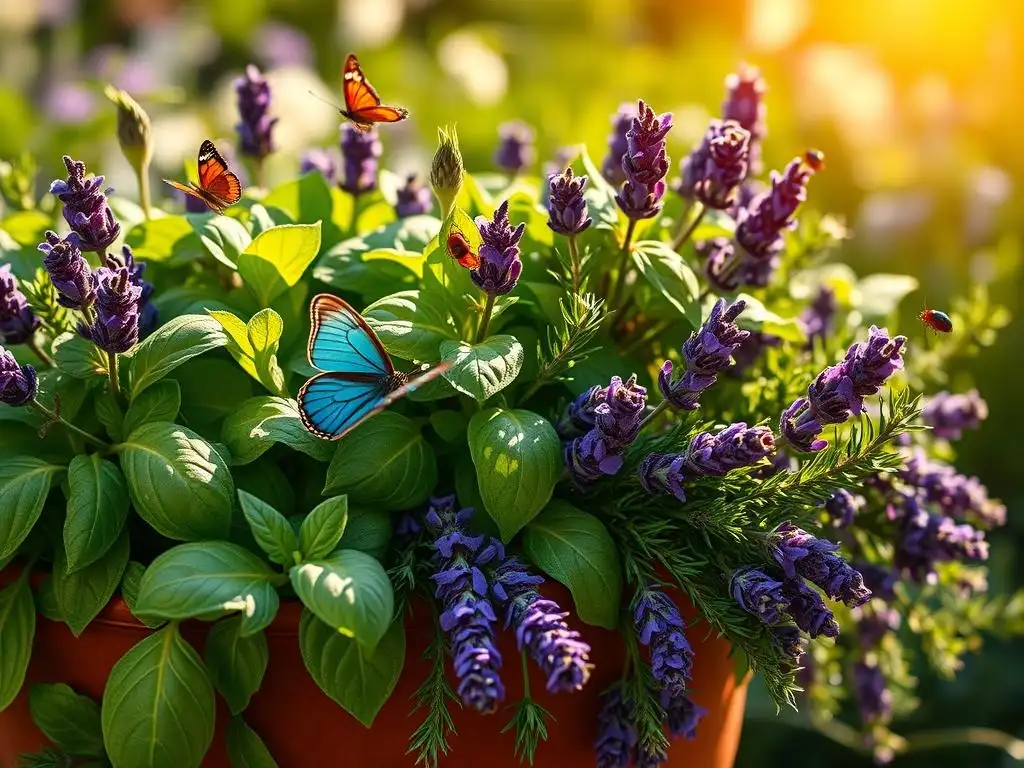
Ready to transform your garden into a thriving, pest-free haven? At CultivateYourFood, we empower you to grow your own fruits, vegetables, and herbs using sustainable methods. Discover the secrets to a bountiful harvest, starting with our insightful guide on repelling pests with fragrant herbs naturally. Learn how simple aromatic plants can protect your precious crops and create a vibrant, healthy garden—naturally! Let's cultivate a greener future, together.
- Understanding the Power of Aromatic Herbs to Repel Pests Naturally
- Choosing the Right Fragrant Herbs for Pest Control
- Planting and Maintaining Your Pest-Repelling Herb Garden
- Harvesting and Utilizing Your Pest-Repelling Herbs
- Beyond Pest Control: Additional Benefits of Fragrant Herbs
- Troubleshooting Common Issues
- Resources for Further Learning on Natural Pest Control
- Frequently Asked Questions
- Final Reflection: The Enduring Power of Nature's Pest Control
- Unleash the Power of Aromatic Pest Repellents!
Understanding the Power of Aromatic Herbs to Repel Pests Naturally
Cultivating a thriving garden often involves a delicate balancing act: nurturing healthy plants while simultaneously protecting them from unwelcome pests. Synthetic pesticides, while effective, can harm beneficial insects, contaminate the soil, and ultimately compromise the organic integrity of your harvest. Fortunately, nature provides a powerful and sustainable alternative: fragrant herbs.
This article delves into the world of aromatic plants, exploring their remarkable ability to repel pests naturally and effectively, transforming your garden into a fragrant haven while keeping unwanted visitors at bay. We'll uncover the science behind their pest-repelling properties and provide practical guidance on incorporating these beneficial herbs into your gardening routine, ultimately helping you achieve a bountiful and pest-free harvest using only organic methods. Learning to repel pests fragrant herbs naturally is a key component of sustainable gardening, allowing you to grow healthy and delicious produce without resorting to harmful chemicals.
How Fragrant Herbs Deter Common Garden Pests
Many common garden pests are deterred by the strong scents emitted by certain herbs. These aromatic compounds act as natural repellents, disrupting the pests' feeding and breeding cycles. Let's explore some specific examples:
- Basil: Its pungent aroma effectively repels aphids, whiteflies, mosquitoes, and even tomato hornworms. Planting basil amongst your tomatoes or other vulnerable plants creates a natural barrier.
- Rosemary: This woody herb releases a strong scent that keeps away cabbage moths, carrot flies, and bean beetles. Its robust nature makes it a great addition to the edges of your garden beds.
- Mint (various types): Peppermint, spearmint, and other mint varieties are known for their potent scent, which deters ants, cabbage white butterflies, and even rodents. However, be mindful that mint can spread aggressively, so it's best contained in pots or designated areas.
- Lavender: Its calming fragrance for humans is repulsive to moths, fleas, and flies. Lavender plants are a beautiful and effective addition to any garden, offering both aesthetic appeal and pest control.
- Thyme: This versatile herb repels cabbage worms, tomato hornworms, and spider mites. Its low-growing habit makes it ideal for planting between rows of vegetables.
The effectiveness of these herbs varies depending on the specific pest, the concentration of the aromatic compounds, and environmental factors. However, using a diverse range of fragrant herbs significantly increases your chances of natural pest control success. Planting a combination of these herbs strategically throughout your garden creates a multi-layered defense against a wide variety of pests.
The Science Behind Scent-Based Pest Repellency
The pest-repelling properties of fragrant herbs are rooted in the volatile organic compounds (VOCs) they release. These compounds, often terpenoids and phenols, interact with the olfactory systems of pests, triggering a variety of negative responses. These responses can include:
- Repulsion: The strong scent masks the attractive odors of plants, making them less appealing to pests.
- Disruption of feeding: VOCs can interfere with the pests' ability to locate and feed on plants.
- Disruption of reproduction: Some VOCs can disrupt the mating and egg-laying behavior of pests.
- Toxicity: In some cases, the VOCs can have a toxic effect on pests, directly affecting their survival.
The precise mechanisms vary depending on the specific herb and pest involved. However, the overall effect is a reduction in pest populations and damage to your plants. Further research continues to unravel the complex interactions between plant VOCs and pest behavior, offering promising avenues for developing even more effective and sustainable pest management strategies. By understanding the science behind this natural pest control, we can harness the power of fragrant herbs to cultivate healthy and thriving gardens.
Choosing the Right Fragrant Herbs for Pest Control
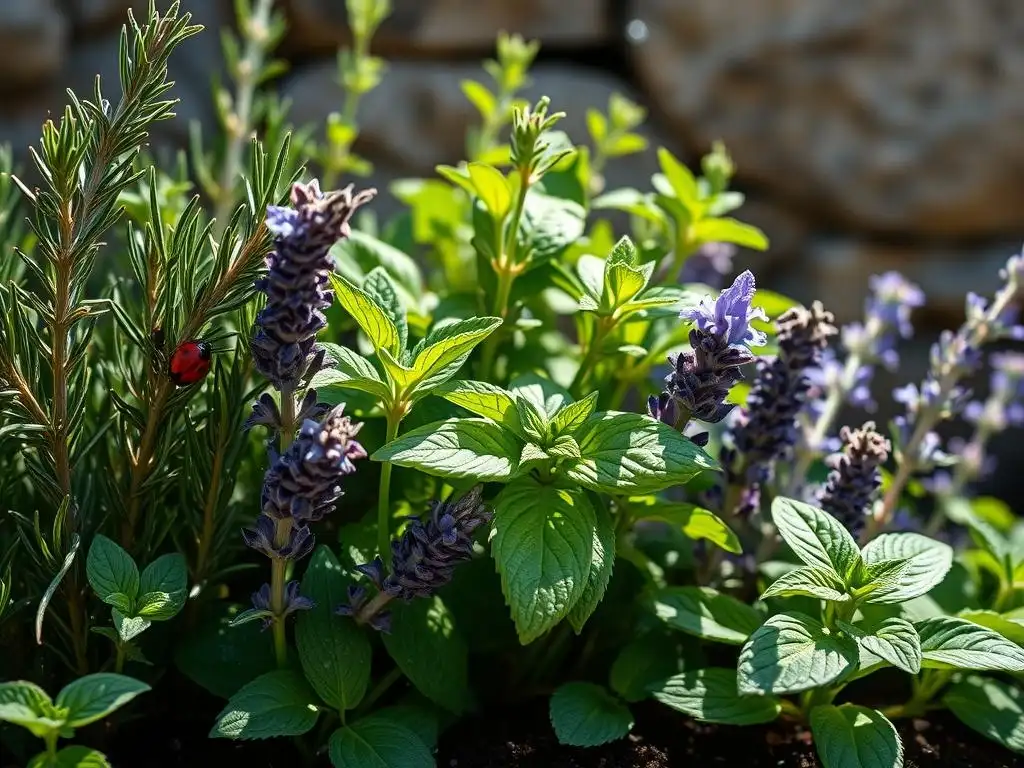
Selecting the right fragrant herbs for pest control is crucial for maximizing their effectiveness and creating a thriving, pest-resistant garden. The power of these plants lies not just in their delightful aromas, but in the potent essential oils they produce, which many insects find repellent. Understanding the specific pest problems you face and matching them with the appropriate herbs is key to success.
Consider your climate and the specific needs of your garden when making your selections. For example, herbs that thrive in full sun might not be suitable for a shady area, impacting their growth and, consequently, their pest-repelling capabilities. Careful planning ensures a robust and fragrant defense against unwanted garden visitors.
Top 5 Herbs for Repelling Common Garden Insects
Many common garden insects are deterred by the strong scents of certain herbs. Here are five top performers, known for their effectiveness against a wide range of pests:
- Rosemary: Known for its intense, piney aroma, rosemary effectively repels cabbage moths, carrot root flies, and even some beetles. Its strong scent masks the alluring scents that attract these pests to your vegetables. Planting rosemary near susceptible crops provides a natural barrier.
- Lavender: The sweet, floral fragrance of lavender is beloved by humans, but not by many insects. It's particularly effective against moths, fleas, and aphids. Its versatility extends beyond pest control; it also attracts beneficial pollinators like bees, contributing to a balanced garden ecosystem.
- Mint (various types): The pungent aroma of mint, whether peppermint, spearmint, or other varieties, deters a broad spectrum of insects, including ants, mosquitoes, and cabbage white butterflies. However, mint is a vigorous grower, so it needs to be contained to prevent it from overwhelming other plants.
- Basil: This popular culinary herb also acts as a natural pest deterrent. It repels flies, mosquitoes, and tomato hornworms, making it a valuable addition to any vegetable garden. The strong scent of basil is especially effective when planted near tomato plants.
- Thyme: Thyme's earthy, slightly lemony fragrance repels cabbage worms, tomato hornworms, and various other garden pests. It's a low-growing herb that can be used as a ground cover, effectively creating a protective barrier around vulnerable plants.
Selecting Herbs Based on Specific Pest Problems
While the top 5 herbs offer broad-spectrum protection, tailoring your herb selection to specific pest problems can greatly enhance effectiveness. For example:
- Aphids: Lavender, basil, and tansy are particularly effective against aphids.
- Cabbage worms: Rosemary, thyme, and dill are excellent choices for deterring these pests.
- Mosquitoes: Mint, especially peppermint, is highly effective at repelling mosquitoes.
- Whiteflies: Marigolds (though not technically a fragrant herb, they are often included in pest control strategies), along with basil and oregano, can help control whitefly populations.
- Slugs and snails: While not directly repelled by scent, herbs with rough or prickly foliage, like thyme and oregano, create a physical barrier, making it harder for these pests to crawl over.
Creating a Diverse and Effective Herb Garden for Pest Control
The most effective approach to natural pest control utilizes a diverse range of herbs. Planting a variety of species creates a complex and potent aroma that confuses and deters a wider range of pests. Consider the following when designing your herb garden:
- Strategic Placement: Plant herbs near susceptible vegetables or flowers. Interplanting, or planting different herbs amongst your other plants, is a highly effective strategy.
- Companion Planting: Certain herbs work synergistically when planted together. For example, basil and tomatoes are a classic companion planting combination, with basil helping to deter pests that target tomatoes.
- Succession Planting: Consider planting herbs with different flowering times to provide continuous pest protection throughout the growing season.
- Rotation: Rotating your herb choices yearly can help prevent pest populations from adapting to the scent and building resistance.
Remember, the effectiveness of fragrant herbs in pest control is enhanced by healthy soil and plants. Provide your herbs with adequate sunlight, water, and nutrients for optimal growth and scent production. A thriving herb garden is not only beautiful and fragrant but also a powerful and natural tool in your fight against garden pests. By understanding the specific needs of your garden and selecting the appropriate herbs, you can create a naturally pest-resistant environment, reducing the need for harmful chemical pesticides.
Planting and Maintaining Your Pest-Repelling Herb Garden
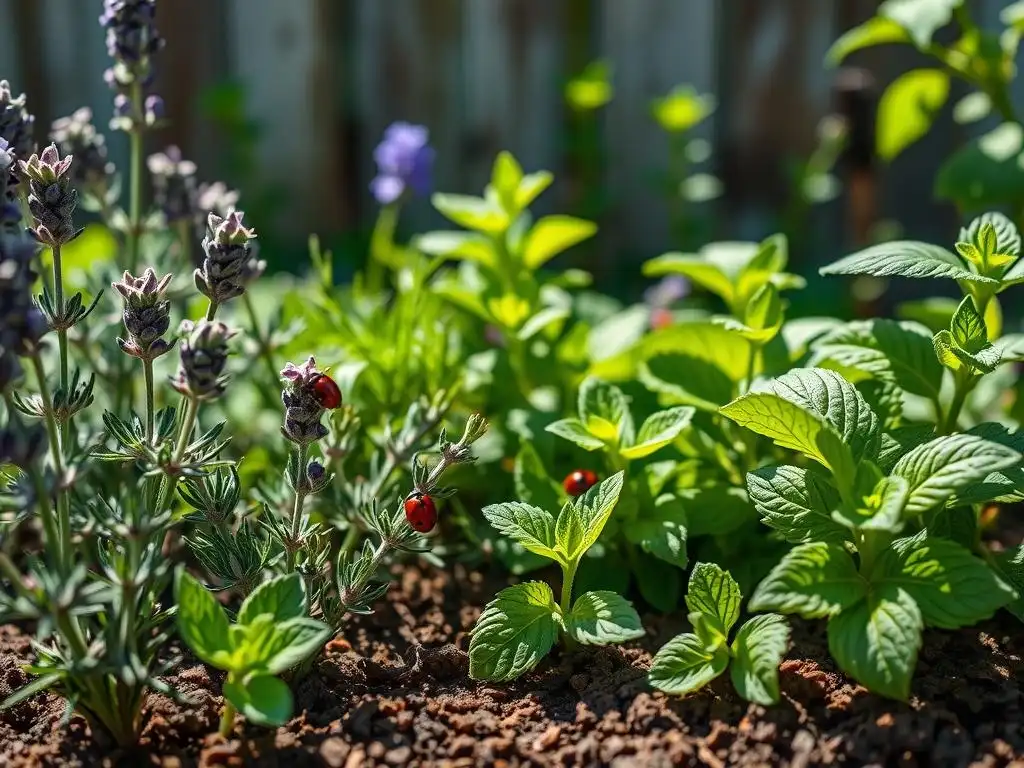
This section delves into the practical aspects of establishing and nurturing a thriving herb garden that effectively repels pests naturally. We'll explore optimal planting locations, the benefits of companion planting, and organic care techniques to ensure your fragrant herbs flourish and provide maximum pest protection. Remember, a healthy, vibrant herb garden is the best defense against unwanted insects and diseases. This approach to pest control focuses on prevention and natural solutions, thereby enhancing the overall health and sustainability of your garden.
Optimal Planting Locations for Maximum Pest Repellency
The location of your herb garden significantly impacts its effectiveness in pest control. Sunlight, air circulation, and soil drainage are crucial factors. Many pest-repelling herbs, such as basil, rosemary, and mint, thrive in full sun (at least 6-8 hours daily). However, some, like lavender, prefer slightly less intense sunlight. Remember to consider the specific needs of each herb when planning your garden layout.
Adequate air circulation is essential to prevent fungal diseases and discourage pest infestations. Avoid planting your herbs in crowded or shaded areas with poor airflow. Well-spaced plants allow for better air circulation, reducing the humidity that many pests prefer.
Finally, well-drained soil is paramount. Waterlogged soil can lead to root rot, weakening your plants and making them more susceptible to pests. Amend heavy clay soils with organic matter like compost to improve drainage. Consider raised beds or containers if drainage is a concern in your garden area. Careful consideration of these factors will contribute to a robust and pest-resistant herb garden.
Companion Planting: Maximizing the Effectiveness of Your Herb Garden
Companion planting leverages the synergistic relationships between different plants to enhance their growth and pest-repelling capabilities. Strategically placing certain herbs together can create a powerful natural defense against common garden pests. For example, planting basil near tomatoes is a classic companion planting technique. Basil's strong scent repels tomato hornworms and other pests while attracting beneficial insects.
Here's a table illustrating some effective companion planting combinations for pest control:
| Herb | Companion Plant | Benefits |
|---|---|---|
| Basil | Tomatoes, Peppers | Repels tomato hornworms, aphids, whiteflies |
| Rosemary | Cabbage, Carrots | Repels cabbage moths, carrot root flies |
| Mint | Cabbage, Roses | Repels cabbage white butterflies, aphids |
| Lavender | Many vegetables | Repels moths, fleas, and some other insects |
| Thyme | Many vegetables | Repels cabbage worms, spider mites |
Remember to research the specific needs of each plant pair to ensure compatibility and optimal growth. Overcrowding can negate the benefits of companion planting, so maintain appropriate spacing. Careful planning and execution are key to maximizing the effectiveness of your companion planting strategy.
Organic Care and Maintenance of Your Herb Garden
Organic care and maintenance are essential for creating a healthy and pest-resistant herb garden. Avoid using synthetic pesticides and fertilizers, which can harm beneficial insects and disrupt the delicate ecosystem of your garden. Instead, focus on creating a thriving environment that naturally discourages pests.
Regular weeding is crucial to prevent competition for resources and to eliminate potential hiding places for pests. Mulching with organic materials like straw or wood chips helps retain soil moisture, suppress weeds, and regulate soil temperature. It also creates a less hospitable environment for many pests.
Regular watering is also important, but avoid overwatering, which can lead to fungal diseases and attract pests. Water deeply and less frequently, allowing the soil to dry slightly between waterings. Observe your plants regularly for signs of pests or diseases and address any issues promptly using organic methods. This proactive approach will ensure the long-term health and productivity of your pest-repelling herb garden. Remember, a healthy plant is less susceptible to pests. 🌱
Harvesting and Utilizing Your Pest-Repelling Herbs
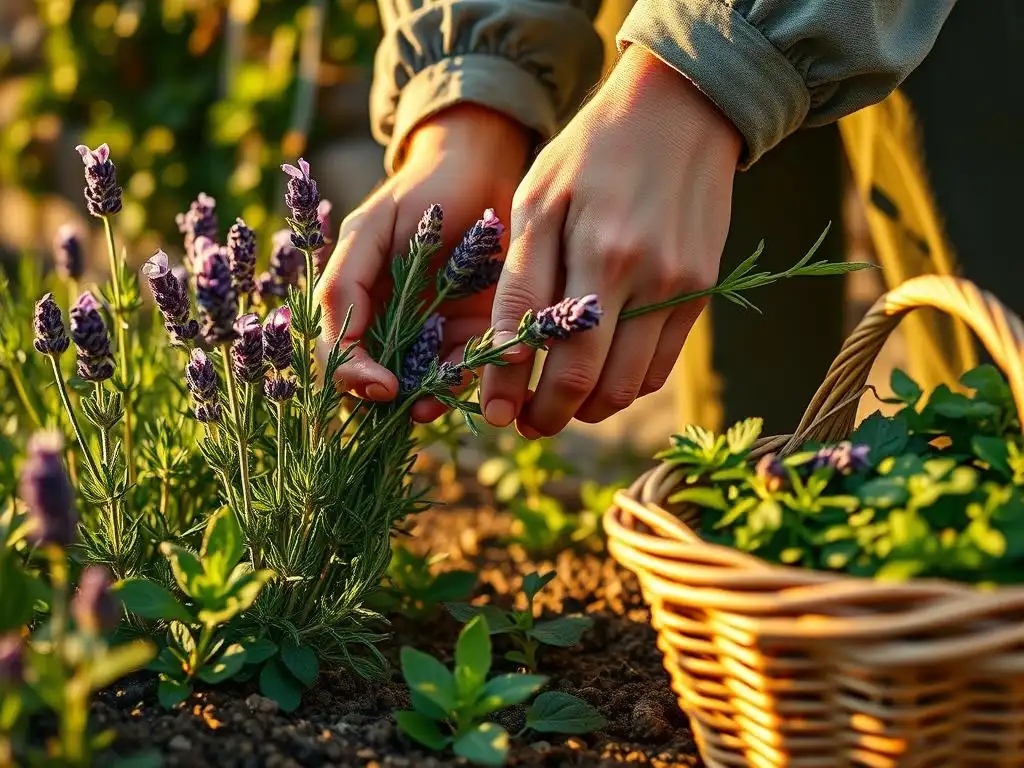
This section delves into the optimal harvesting and utilization techniques for your fragrant, pest-repelling herbs, maximizing their effectiveness in natural pest control strategies. Remember, proper harvesting significantly impacts the concentration of essential oils responsible for their pest-repelling properties. Timing and method are key to achieving the best results. Let's explore these crucial aspects for a successful and sustainable pest management plan in your garden.
Harvesting Techniques for Maximum Essential Oil Content
The concentration of essential oils in your herbs directly correlates to their potency as a natural pest repellent. To maximize this concentration, timing is crucial. Generally, the best time to harvest is just before the plant flowers, or at the very beginning of flowering. This is when the essential oil content is at its peak. However, this varies slightly depending on the specific herb.
- Rosemary: Harvest sprigs throughout the growing season, but avoid harvesting during the hottest part of the day to prevent wilting.
- Lavender: Harvest flowers when they are fully open and the color is vibrant. This usually occurs in mid-summer.
- Mint: Harvest leaves frequently, pinching off the top few inches of growth. This encourages bushier growth and a continuous supply of fresh leaves. The best time is usually after the morning dew has dried.
- Basil: Harvest leaves regularly, pinching off the top sets of leaves to encourage bushier growth. You can also harvest entire stems, cutting them back to promote new growth.
- Thyme: Harvest sprigs before the plant flowers for the strongest flavor and aroma.
Harvesting techniques are also important. Avoid harvesting after rain, as the essential oils will be diluted. Use clean shears or scissors to prevent the spread of disease. Handle the herbs gently to avoid bruising, which can reduce their essential oil content. Remember to always leave some foliage on the plant to allow for continued growth and production. This sustainable approach ensures a continuous supply of pest-repelling herbs.
Using Fresh and Dried Herbs for Pest Control
Once harvested, your fragrant herbs can be used fresh or dried, each offering unique advantages in pest control. Fresh herbs generally offer a stronger, more immediate repellent effect due to their higher essential oil content. However, drying allows for longer-term storage and use.
Here's a comparison:
| Method | Advantages | Disadvantages |
|---|---|---|
| Fresh Herbs | Stronger immediate repellent effect; easy to use | Short shelf life; requires frequent harvesting |
| Dried Herbs | Longer shelf life; convenient for storage | Less potent repellent effect; requires drying |
Fresh herbs can be directly planted around vulnerable plants, or you can create simple sachets to place near plants to repel pests. For dried herbs, you can create stronger infusions or sprays for broader application. The choice between fresh and dried depends on your needs and the specific pest you're trying to repel. Experimentation is key to finding the most effective approach for your garden.
Creating Natural Pest Repellent Sprays and Infusions
Creating natural pest repellent sprays and infusions using your harvested herbs is a simple and effective way to leverage their pest-repelling properties. These homemade solutions avoid harsh chemicals found in commercial pesticides, creating a safer and more sustainable environment for your plants and beneficial insects.
Creating a Spray:
- Steep a handful of fresh or dried herbs (approximately 1 cup) in 1 quart of boiling water for 30 minutes.
- Strain the mixture through a fine-mesh sieve or cheesecloth.
- Allow the liquid to cool completely.
- Pour the liquid into a spray bottle.
- Spray directly onto plants, focusing on the areas where pests are most active. Avoid spraying during the hottest part of the day to prevent leaf burn.
Creating an Infusion:
- Place the herbs in a clean jar.
- Cover the herbs with a high-quality oil, such as neem oil or vegetable oil.
- Seal the jar tightly and let it sit in a cool, dark place for several weeks, shaking occasionally.
- Strain the mixture through a fine-mesh sieve or cheesecloth.
- Store the infused oil in a dark, cool place.
- Apply a few drops of the infused oil directly to affected plants or dilute it with water to create a spray.
Remember to always test a small area of your plants before applying any spray or infusion to the entire plant to ensure there are no adverse reactions. Regular application is key to maintaining effective pest control. The specific herbs and method you use will vary depending on the type of pest you're targeting. Experiment to find what works best in your garden. This process promotes a flourishing and healthy garden while protecting your plants naturally. Enjoy the fragrant bounty of your pest-repelling herb garden!
Beyond Pest Control: Additional Benefits of Fragrant Herbs
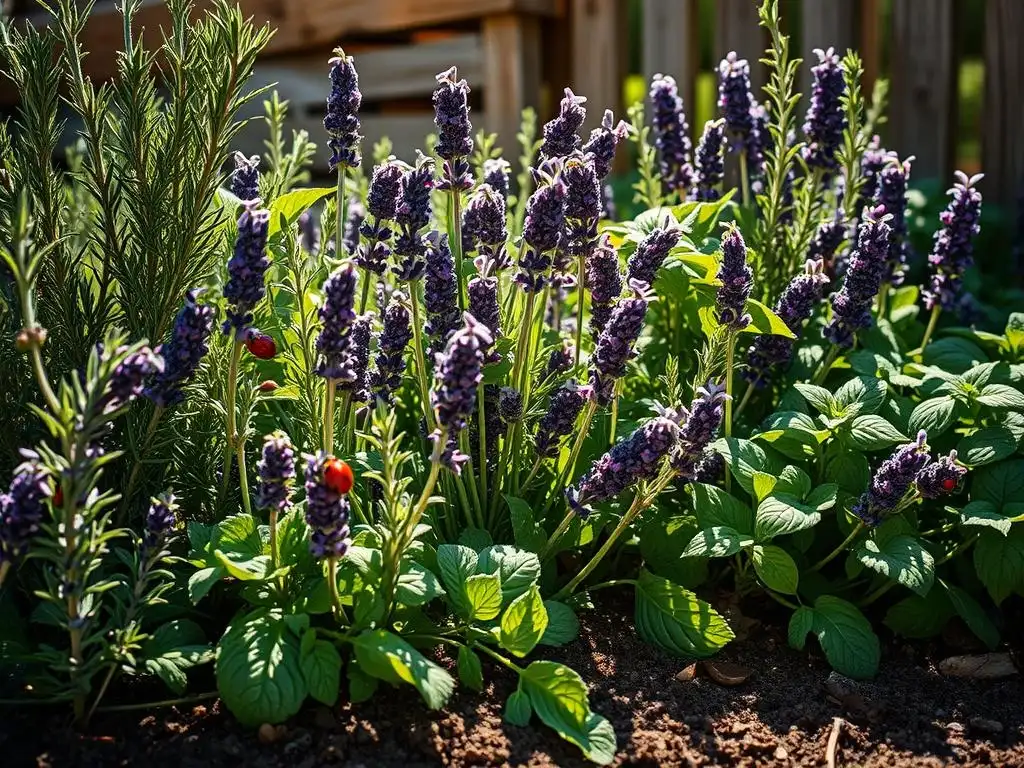
Fragrant herbs offer much more than just natural pest control; they contribute significantly to a thriving and healthy garden ecosystem. Their benefits extend beyond repelling unwanted insects, enriching your gardening experience in several unexpected ways. By strategically incorporating these aromatic plants, you're not just protecting your crops, but also actively improving the overall health and productivity of your garden.
This section explores some of these additional advantages, highlighting the multifaceted role fragrant herbs play in sustainable gardening practices. Understanding these benefits allows you to make informed decisions when designing and maintaining your herb garden, maximizing its potential for both pest control and overall garden health. The strategic use of these plants can significantly reduce your reliance on chemical pesticides, contributing to a more environmentally friendly approach to gardening.
Attracting Beneficial Insects with Aromatic Plants
Many fragrant herbs act as magnets for beneficial insects, crucial allies in the fight against garden pests. These beneficial insects, such as ladybugs, lacewings, and parasitic wasps, prey on common garden pests, providing natural pest control without the need for harsh chemicals. For example, herbs like dill, fennel, and coriander attract beneficial insects that feed on aphids and other sap-sucking pests.
These plants provide both food and shelter for these helpful creatures, encouraging them to establish a presence in your garden. The more beneficial insects you attract, the less likely you are to experience significant pest problems. This creates a self-regulating ecosystem where natural predators keep pest populations in check.
This symbiotic relationship is a cornerstone of effective and sustainable pest management. Planning your herb garden to include these attractors is a proactive step towards a healthier, more balanced garden ecosystem. Consider strategically placing these herbs near vulnerable plants to provide maximum protection.
Here's a table summarizing some fragrant herbs and the beneficial insects they attract:
| Herb | Beneficial Insects Attracted | Pests Controlled |
|---|---|---|
| Dill | Ladybugs, lacewings, hoverflies | Aphids, spider mites |
| Fennel | Ladybugs, parasitic wasps | Aphids, caterpillars |
| Coriander | Parasitic wasps, beneficial spiders | Aphids, whiteflies |
| Chamomile | Hoverflies, lacewings | Aphids, whiteflies |
| Yarrow | Ladybugs, parasitic wasps, hoverflies | Aphids, caterpillars, spider mites |
Enhancing Pollination with Specific Herb Varieties
Beyond attracting beneficial insects, certain fragrant herbs are excellent pollinators themselves, attracting bees and other pollinating insects to your entire garden. This increased pollination leads to healthier, more abundant harvests for your fruits, vegetables, and other plants. Herbs like lavender, rosemary, and thyme are particularly attractive to bees, encouraging them to visit your garden more frequently. This cross-pollination effect can improve the yield and quality of your crops.
The vibrant colors and strong scents of these herbs act as beacons for pollinators, increasing the overall pollination efficiency within your garden. By strategically placing these herbs amongst your other plants, you create a more inviting environment for pollinators, leading to a more bountiful harvest. This natural approach to pollination contributes to a healthier ecosystem and enhances the overall productivity of your garden.
This natural approach to pollination improves the quality and quantity of your produce without resorting to artificial methods.
Improving Soil Health with Beneficial Herb Roots
Many fragrant herbs contribute to improved soil health, enriching the soil with beneficial nutrients and improving its overall structure. Their root systems often work to break down compacted soil, improving drainage and aeration. Some herbs, such as oregano and thyme, have allelopathic properties, meaning they release compounds that suppress the growth of weeds, reducing competition for resources.
This natural weed control reduces the need for herbicides. Furthermore, the decomposition of herb roots adds organic matter to the soil, improving its fertility and overall health. This organic matter improves water retention and nutrient availability, creating a more favorable environment for your other plants to thrive.
The long-term benefits of incorporating these herbs into your garden extend far beyond the immediate pest control effects. The continual enrichment of the soil contributes to a healthier, more sustainable garden ecosystem. This holistic approach to gardening builds a robust and resilient soil structure, reducing the need for external inputs.
Troubleshooting Common Issues
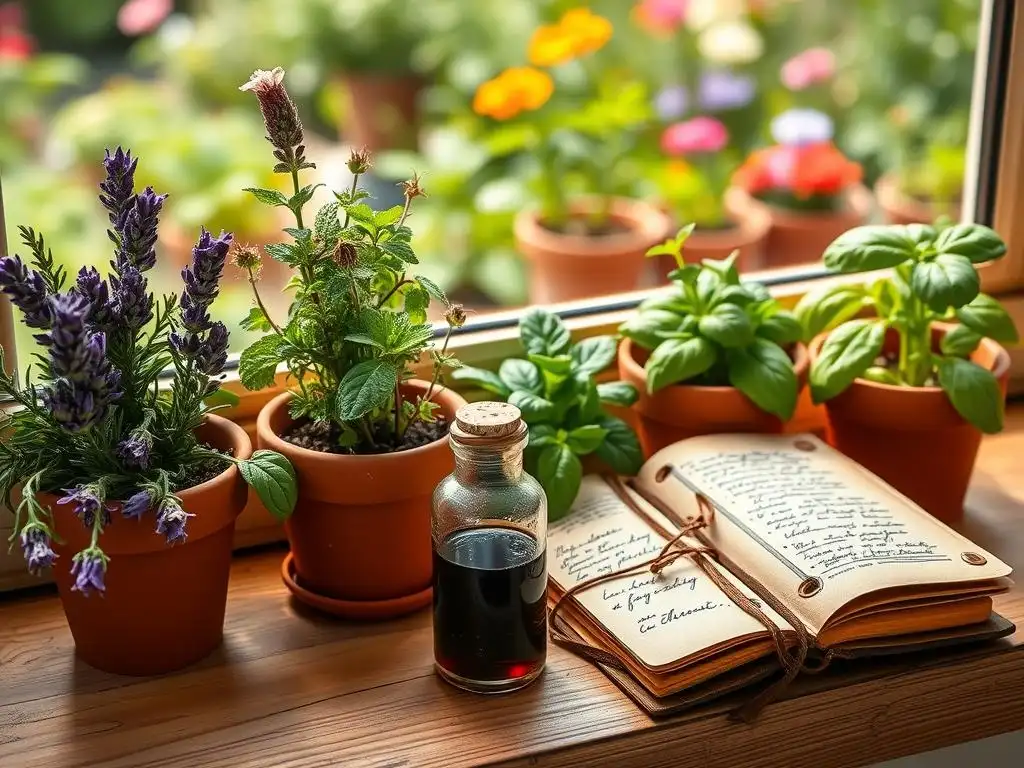
Growing fragrant herbs to repel pests naturally is a rewarding endeavor, but like any gardening project, it comes with its challenges. Understanding common problems and implementing effective solutions is crucial for a successful and fragrant herb garden. This section will delve into two key areas: dealing with pests and diseases, and addressing slow growth or a lack of aroma in your herbs.
Dealing with Herb Pests and Diseases
Even with the natural pest-repelling properties of your herbs, some pests and diseases may still find their way into your garden. Early detection and swift action are vital to minimize damage and maintain the health of your plants. Regular inspection is key; check your plants at least once a week, looking for signs of infestation or disease.
Here's a breakdown of common issues and solutions:
- Aphids: These tiny sap-sucking insects can quickly infest herbs, causing stunted growth and leaf curling. A strong spray of water can dislodge them, and introducing beneficial insects like ladybugs can help control their population. Neem oil is also an effective organic solution. Remember to always follow the instructions on the product label carefully.
- Spider Mites: These microscopic pests weave fine webs on the undersides of leaves, sucking plant sap. Regular misting can help prevent infestations, as mites dislike high humidity. If an infestation occurs, insecticidal soap can be an effective organic control method.
- Fungal Diseases: Overwatering and poor air circulation can lead to fungal diseases like powdery mildew. Ensure proper spacing between plants for good airflow, and avoid overhead watering. If mildew appears, remove affected leaves and consider using a fungicide based on baking soda and water. This home remedy is a cost-effective and organic way to tackle powdery mildew.
- Root Rot: This common problem, often caused by overwatering, results in decaying roots and wilting plants. Ensure your herbs are planted in well-draining soil and avoid overwatering. Improve drainage by adding perlite or vermiculite to your potting mix. Proper soil drainage is key to preventing root rot, a common issue in herb gardening.
| Pest/Disease | Symptoms | Organic Solutions | Prevention |
|---|---|---|---|
| Aphids | Stunted growth, leaf curling | Strong water spray, ladybugs, neem oil | Proper spacing, regular inspection |
| Spider Mites | Fine webs on leaves, yellowing leaves | Insecticidal soap, misting | Good air circulation, regular inspection |
| Powdery Mildew | White powdery coating on leaves | Baking soda solution | Proper spacing, avoid overhead watering |
| Root Rot | Wilting, decaying roots | Improve drainage | Well-draining soil, avoid overwatering |
Remember to always identify the specific pest or disease before applying any treatment. A quick online search or consultation with a local gardening expert can help in accurate identification. Using organic solutions whenever possible helps maintain the natural balance of your garden and ensures you're cultivating herbs in a sustainable way. This is crucial for maintaining a healthy and productive herb garden for repelling pests naturally.
Addressing Slow Growth or Lack of Aroma in Herbs
Several factors can contribute to slow growth or a diminished aroma in your fragrant herbs. Understanding these factors and taking corrective measures is essential for maximizing the yield and potency of your herbs.
- Insufficient Sunlight: Most herbs thrive in at least six hours of direct sunlight per day. If your herbs are receiving less sunlight, their growth will be stunted, and their aroma will be weaker. Choose a sunny location for your herb garden, or supplement with grow lights if necessary. Adequate sunlight is crucial for the production of essential oils responsible for their aroma and pest-repelling qualities.
- Poor Soil Quality: Herbs require well-draining soil rich in organic matter. Poor soil quality can lead to nutrient deficiencies and hinder growth. Amend your soil with compost or other organic matter to improve its structure and nutrient content. Regular soil testing can help determine any nutrient deficiencies and guide you in selecting the appropriate amendments.
- Improper Watering: Both underwatering and overwatering can negatively impact herb growth and aroma. Ensure your herbs receive consistent moisture without becoming waterlogged. Water deeply and less frequently, allowing the soil to dry slightly between waterings. Consistent moisture, but not waterlogging, is essential for optimal herb growth.
- Nutrient Deficiencies: Lack of essential nutrients like nitrogen, phosphorus, and potassium can lead to slow growth and reduced aroma. Regular fertilization with an organic fertilizer can help address nutrient deficiencies. A balanced fertilizer will support healthy growth and essential oil production.
Addressing these issues proactively will contribute to a thriving herb garden that not only repels pests naturally but also produces abundant, fragrant herbs. Remember that patience and observation are key to successful herb gardening. Careful attention to detail will ensure your herbs grow strong and aromatic, providing a natural and effective pest control solution for your garden.
Resources for Further Learning on Natural Pest Control
This section provides valuable resources to deepen your understanding of natural pest control methods, specifically focusing on the use of fragrant herbs as a sustainable and effective repellent. Expanding your knowledge base will empower you to cultivate a thriving and pest-free herb garden. Remember, a proactive approach to pest management is key to a successful harvest.
Recommended Books and Websites on Organic Gardening
Investing in reliable resources is crucial for success in organic gardening. Many excellent books and websites offer in-depth information on integrated pest management (IPM) techniques, including the use of fragrant herbs as natural repellents. These resources can provide detailed guidance on identifying pests, understanding their life cycles, and implementing effective control strategies. They often feature practical advice, case studies, and troubleshooting tips for common gardening challenges.
Here are some examples of the types of information you can expect to find in these resources:
- Detailed plant profiles: Learn about the specific pest-repelling properties of various herbs, including their active compounds and effectiveness against different pest species. For example, you might find detailed information on how catnip's nepetalactone affects cat fleas or how rosemary's essential oils deter cabbage moths.
- Companion planting strategies: Discover how to strategically plant different herb species together to maximize their pest-repelling effects and create a synergistic effect, boosting the overall health and resilience of your garden. The books will often suggest ideal pairings and explain the scientific rationale behind these pairings.
- Organic pest control techniques: Explore a wide range of organic pest control methods beyond the use of fragrant herbs, including beneficial insects, homemade sprays, and cultural practices to prevent pest infestations.
- Troubleshooting common pest problems: Gain insights into diagnosing and addressing common pest issues in your herb garden, learning to identify the signs of infestation and implementing appropriate, environmentally friendly solutions.
Beyond books, dedicated websites are invaluable. They often provide up-to-date information, community forums for sharing experiences and advice, and access to expert consultations. Look for websites that offer detailed articles, videos, and interactive tools related to organic gardening and pest management.
These online resources can offer a wealth of information, allowing you to continuously learn and refine your pest control strategies. Remember to always cross-reference information from multiple sources to ensure accuracy and reliability. By utilizing both books and websites, you can build a comprehensive understanding of how to repel pests fragrant herbs naturally and create a thriving, organic herb garden.
Understanding the Science Behind Repellent Herbs
The effectiveness of fragrant herbs in repelling pests isn't just folklore; it's rooted in science. Many herbs produce volatile organic compounds (VOCs) – aromatic chemicals that affect the behavior and physiology of insects. These VOCs can act as repellents, deterrents, or even toxins to various pest species.
For example:
- Lavender: Its fragrant oils contain linalool and other compounds that are known to repel moths, fleas, and mosquitoes.
- Mint: The menthol and other components in mint plants can deter aphids, ants, and even rodents.
- Basil: Its essential oils have insecticidal properties effective against many common garden pests.
Understanding the specific VOCs produced by different herbs helps in choosing the right plants for your garden and tailoring your pest control strategy. Further research into the chemical composition of these plants, and their effects on specific pests, can significantly improve the effectiveness of your natural pest control methods. This deeper understanding will enable you to create a truly effective and sustainable pest management system for your herb garden. This scientific approach ensures you are not just relying on anecdotal evidence, but are making informed decisions based on established research.
Case Studies: Successful Implementations of Herb-Based Pest Control
Real-world examples showcase the practical application and effectiveness of using fragrant herbs to repel pests. Consider these hypothetical but realistic scenarios:
| Case Study | Herb Used | Pest Targeted | Results |
|---|---|---|---|
| Home Vegetable Garden | Basil and Rosemary | Aphids and Cabbage White Butterflies | Significant reduction in pest populations, leading to healthier plants and higher yields. |
| Lavender Hedge | Lavender | Mosquitoes and Flies | Created a mosquito-free zone around the patio area. |
| Herb Spiral Garden | Mint and Thyme | Ants and Slugs | Reduced ant activity and slug damage to delicate herbs. |
These examples highlight the versatility of herb-based pest control. The success depends on proper planting techniques, plant density, and the specific needs of your garden environment. Note that while these herbs are effective, they may not eliminate pests entirely but rather significantly reduce their population, promoting a healthy balance within your ecosystem. Remember that integrating multiple pest control methods, including companion planting and cultural practices, often yields the best results. Further research and observation in your own garden will allow you to refine your techniques and optimize your success with herb-based pest control.
Frequently Asked Questions
What are some fragrant herbs that naturally repel pests?
Many herbs effectively repel pests! Basil, mint, lavender, rosemary, and thyme are excellent choices, each deterring different insects and animals. Planting these around your garden can significantly reduce pest infestations.
How do fragrant herbs repel pests?
Fragrant herbs repel pests using their strong aromas, which many insects and other pests find unpleasant or even toxic. The essential oils in these plants disrupt the pests' senses and discourage them from feeding or laying eggs.
Can I use these herbs to replace chemical pesticides entirely?
While fragrant herbs are a powerful natural deterrent, they might not eliminate all pests completely, especially in severe infestations. They're best used as a preventative measure or in combination with other organic pest control methods.
How should I plant fragrant herbs for pest control?
For optimal pest control, plant your herbs strategically throughout your garden, interspersing them amongst your vegetables and fruits. You can also create borders around your garden beds using these fragrant plants.
Are there any drawbacks to using fragrant herbs for pest control?
Some herbs can be invasive, so research each plant before planting. Additionally, the effectiveness can vary depending on the specific pest and the herb used; some pests may be less affected than others.
Final Reflection: The Enduring Power of Nature's Pest Control
The fragrant world of herbs offers not just culinary delight, but a potent, sustainable solution to the age-old problem of pest control. This natural approach, far from being a quaint alternative, is increasingly vital in a world grappling with the environmental consequences of synthetic pesticides. We've explored the remarkable abilities of specific herbs to repel unwanted insects and other pests, highlighting their effectiveness and ease of implementation.
The shift towards natural pest control is more than just a trend; it's a reflection of our growing awareness of the interconnectedness of our actions and the environment. Nature always wears the colors of the spirit.
- Ralph Waldo Emerson. This quote perfectly encapsulates the profound beauty and efficacy of utilizing nature's own defenses against pests. From my own experience, the simple act of planting fragrant herbs has not only reduced pest problems in my garden but has also enriched my connection with the natural world, fostering a sense of peace and accomplishment.
Now, consider your own space – your garden, balcony, or even windowsill. What small step can you take today to invite the fragrant power of nature into your life? Plant a basil bush, cultivate a patch of rosemary, or simply place a few sprigs of lavender near vulnerable plants. By embracing these simple yet powerful techniques, you not only protect your plants but also contribute to a healthier, more sustainable future, one fragrant herb at a time.
Unleash the Power of Aromatic Pest Repellents!
Thanks for exploring the fragrant world of natural pest control! You've discovered how simple and effective it is to use aromatic herbs to keep your garden thriving. Ready to put this knowledge into action?
- Plant your own aromatic pest-repelling garden: Choose a few herbs from the article and start growing them today! This is the most impactful way to make a real difference. Even a small pot on your windowsill can help.
- Share your experiences: Let's learn from each other – share your successes (and challenges!) with our community in the comments below.
- Experiment with different combinations: Try various blends of herbs to discover which are most effective in your unique garden environment.
What surprising combination of pest-repelling herbs will you try first?