
The Science of Harvesting: Understanding the Physiology of Ripening

Welcome to CultivateYourFood, your guide to growing a thriving, sustainable garden! Ready to unlock the secrets to bountiful harvests? Learn how to perfectly time the picking of your fruits and vegetables with our in-depth article on Harvesting fruits optimal ripeness, exploring the fascinating physiology behind achieving peak flavor and preserving freshness. Discover the science behind the harvest and take your homegrown bounty to the next level – your journey to a more flavorful and fulfilling garden starts now!
-
Harvesting Fruits: Optimal Ripeness for Peak Flavor and Nutrition
- Determining Optimal Harvest Time for Apples, Bananas, and Strawberries
- The Role of Hormones in Fruit Ripening: Ethylene and Auxin
- Visual Cues of Ripeness: Color Changes in Berries, Texture Shifts in Peaches, and Aroma Development in Melons
- Taste Testing for Ripeness: A Crucial Step in Harvesting Stone Fruits
-
Harvesting Vegetables: Recognizing Signs of Maturity
- Understanding Vegetable Growth Stages and Their Impact on Harvesting Lettuce, Carrots, and Peppers
- Visual Indicators of Vegetable Ripeness: Color in Tomatoes, Size in Cucumbers, and Texture in Beans
- Taste and Texture Evaluation for Vegetable Harvest Readiness: Assessing Sweetness and Crispness
- Harvesting Vegetables at the Right Time for Optimal Nutritional Value: Maximizing Vitamin Content
- The Impact of Harvesting Techniques on Fruit and Vegetable Quality
- Sustainable Harvesting Practices: Minimizing Waste and Environmental Impact
- Troubleshooting Common Harvesting Challenges
- Advanced Techniques for Harvesting Specific Crops: Tomatoes
- Frequently Asked Questions
- Final Reflection: The Enduring Harvest: A Legacy of Flavor and Sustainability
- Unlock Nature's Bounty: Take Your Harvest to the Next Level
Harvesting Fruits: Optimal Ripeness for Peak Flavor and Nutrition
Harvesting fruits at their optimal ripeness is crucial for maximizing both flavor and nutritional value. This process isn't simply about picking fruit when it's big enough; it's a nuanced understanding of the physiological changes that occur within the fruit as it matures. This article delves into the science behind fruit ripening, providing you with the knowledge to harvest your homegrown bounty at its absolute best.
We'll explore the key indicators of ripeness, from subtle color shifts to noticeable changes in texture and aroma, enabling you to consistently harvest fruits with superior taste and nutritional content, enhancing your overall home-cultivation experience and connecting you more deeply with the natural processes of your garden. Understanding the science behind harvesting will significantly improve the quality of your harvests and your overall satisfaction with your homegrown produce.
Mastering the art of harvesting fruits at optimal ripeness is key to achieving the best results from your sustainable and organic gardening efforts. Let's explore the crucial factors that determine the perfect harvest moment for your fruits.
Determining Optimal Harvest Time for Apples, Bananas, and Strawberries
The ideal harvest time varies greatly depending on the fruit species. For example, apples generally reach optimal ripeness when they easily detach from the branch with a gentle twist. This “easy-release” test indicates that the fruit has reached its peak maturity and will offer the best flavor and texture. Bananas, on the other hand, exhibit clear visual cues – a transition from green to yellow, often with slight browning at the tips, signals ripeness. However, the optimal ripeness for bananas is subjective; some prefer firmer bananas, while others prefer softer, sweeter ones.
Strawberries, with their delicate nature, require a careful touch. They should be a deep red color, fully plump, and have a sweet aroma. Avoid harvesting strawberries when they are still green or partially red, as these will lack sweetness and flavor. The following table summarizes key indicators for optimal harvest time for these three fruits:
| Fruit | Visual Cue | Texture Cue | Aroma Cue | Other Considerations |
|---|---|---|---|---|
| Apples | Red, or other variety-specific color, depending on the apple type. | Firm but not hard. | Slightly sweet and fruity aroma. | Easy to detach from the branch with a gentle twist. |
| Bananas | Yellow, with possible slight browning at the tips. | Firm to soft, depending on preference. | Sweet and fruity aroma. | Consider the degree of softness desired. |
| Strawberries | Deep red, fully plump. | Firm and slightly yielding to gentle pressure. | Sweet and fruity aroma. | Avoid green or partially red berries. |
The Role of Hormones in Fruit Ripening: Ethylene and Auxin
Fruit ripening is a complex physiological process heavily influenced by plant hormones. Two key players are ethylene and auxin. Ethylene, a gaseous hormone, acts as a ripening accelerator.
It triggers the breakdown of cell walls, leading to the softening of the fruit, and stimulates the production of sugars and volatile compounds that contribute to the fruit's characteristic aroma and flavor. Auxin, on the other hand, plays a more complex role, often inhibiting ripening in the early stages but contributing to fruit growth and development. The interplay between these hormones, along with other factors such as temperature and light, determines the precise timing of fruit ripening.
Understanding their roles helps us predict and manage the harvesting process more effectively. For example, storing fruit in a sealed container will increase ethylene concentration, potentially speeding up ripening – a useful technique if you harvest slightly underripe fruit. However, excessive ethylene can lead to over-ripening and spoilage.
Visual Cues of Ripeness: Color Changes in Berries, Texture Shifts in Peaches, and Aroma Development in Melons
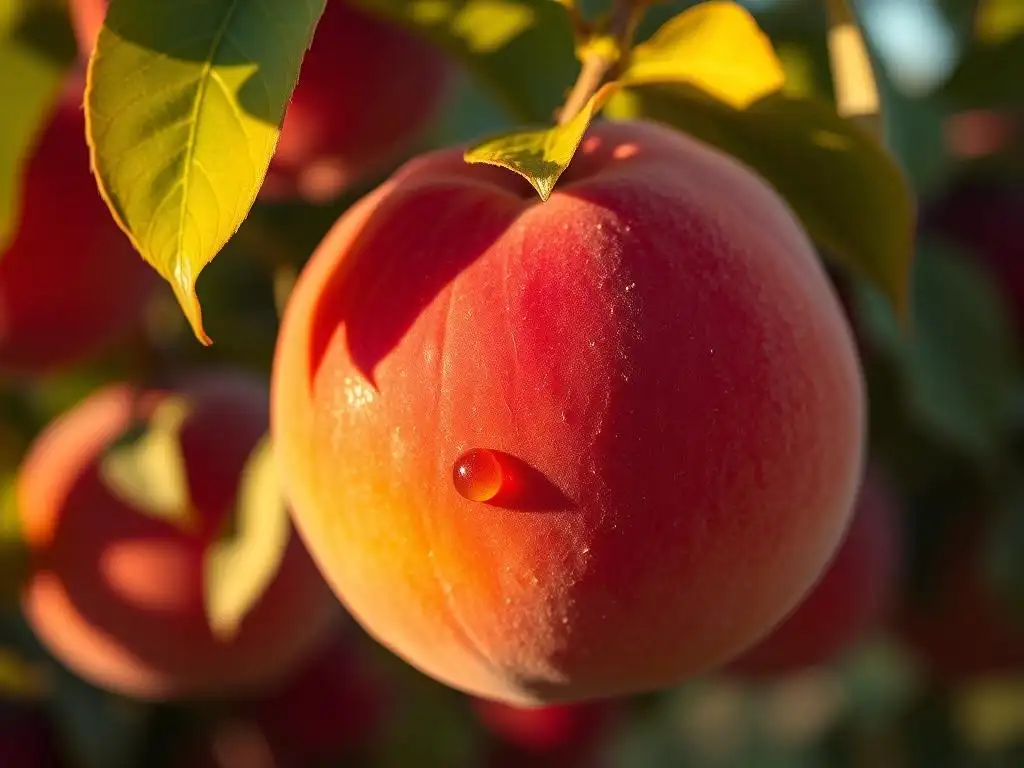
Visual cues are often the most readily available indicators of fruit ripeness. Berries, for example, typically transition from green to a vibrant, deep red or other color specific to the variety, signaling maturity. Peaches, on the other hand, undergo a texture shift. Ripe peaches will give slightly to gentle pressure, indicating a soft but not mushy consistency. The aroma is another crucial indicator.
For melons, a ripe fruit will have a strong, sweet aroma emanating from its stem end. This aroma develops as the fruit matures and indicates the presence of volatile compounds released during ripening. Paying close attention to these visual, textural, and aromatic cues will allow you to harvest your fruits at their peak flavor and nutritional profile. Remember to always consider the specific characteristics of each fruit variety, as these cues can vary slightly depending on the cultivar. 🍉🍑🍓🍎
Taste Testing for Ripeness: A Crucial Step in Harvesting Stone Fruits
Taste testing is arguably the most reliable method for determining the optimal ripeness of stone fruits like peaches, plums, nectarines, and cherries. While visual cues can be helpful, they don't always tell the whole story. Color can be misleading, as many factors influence fruit coloration, including sunlight exposure and variety. A peach might be brightly colored but still lack the sweetness and juiciness indicative of perfect ripeness. Therefore, gently squeezing the fruit and then tasting a small sample is paramount.
The ideal stone fruit should yield slightly to gentle pressure, indicating its softness. Avoid fruits that are rock-hard, as these are likely underripe and will lack flavor. Conversely, overripe fruits will be excessively soft, potentially bruised or beginning to ferment. The perfect balance lies in that sweet spot between firm and soft.
When tasting, pay close attention to the flavor profile. A ripe stone fruit will be bursting with sweetness, balanced by a pleasant acidity. The texture should be smooth and juicy, not mealy or dry. Consider the aroma as well; a fragrant fruit is usually a sign of ripeness. Remember that different varieties will have slightly different taste profiles, so familiarize yourself with the characteristics of the specific fruit you're harvesting. For example, a perfectly ripe 'Elberta' peach will taste quite different from a ripe 'Red Haven' peach. This subtle variation is part of the joy of homegrown fruit!
Practicing taste testing requires patience and a willingness to sacrifice a few fruits along the way. However, the reward is well worth the effort. Mastering this technique will significantly improve your harvesting success, ensuring you consistently pick fruits at their peak flavor and nutritional value. This translates to more enjoyable meals and a deeper appreciation for the fruits of your labor. Don't be afraid to experiment and develop your own sense of what constitutes optimal ripeness for your specific climate and varieties. Remember, the goal is to find that perfect balance, that moment when nature's sweetness reaches its zenith.
Harvesting Vegetables: Recognizing Signs of Maturity
This section delves into the crucial aspects of harvesting vegetables at their optimal ripeness, focusing on how understanding plant physiology directly impacts the quality and flavor of your harvest. Mastering the art of harvesting translates to maximizing the nutritional value and deliciousness of your homegrown produce. We'll explore how different vegetables signal their readiness for picking, emphasizing the importance of timing for achieving the best "Harvesting fruits optimal ripeness" results, even though we're specifically focusing on vegetables here.
Understanding Vegetable Growth Stages and Their Impact on Harvesting Lettuce, Carrots, and Peppers
Understanding the growth stages of your vegetables is paramount to successful harvesting. Each vegetable has a unique timeline, and harvesting at the correct stage significantly impacts flavor, texture, and nutritional content. Let's examine three common vegetables:
- Lettuce: Lettuce generally progresses through three main stages: seedling, vegetative, and reproductive. Harvesting lettuce during the vegetative stage ensures tender, crisp leaves. Waiting too long leads to bolting (flowering), resulting in bitter, tough leaves. Optimal harvesting is typically 4-6 weeks after planting, depending on the variety and growing conditions. Look for leaves that are fully developed and have reached the desired size for your recipe.
- Carrots: Carrot maturity is determined by root size and color. Smaller carrots are often sweeter and more tender, while larger carrots may be woody. The ideal harvest time is usually 70-80 days after planting, but this can vary depending on the variety. Examine the carrot tops; if they start to yellow and wilt, it could indicate that the roots are mature. Gently pull on a few carrots to assess size and firmness.
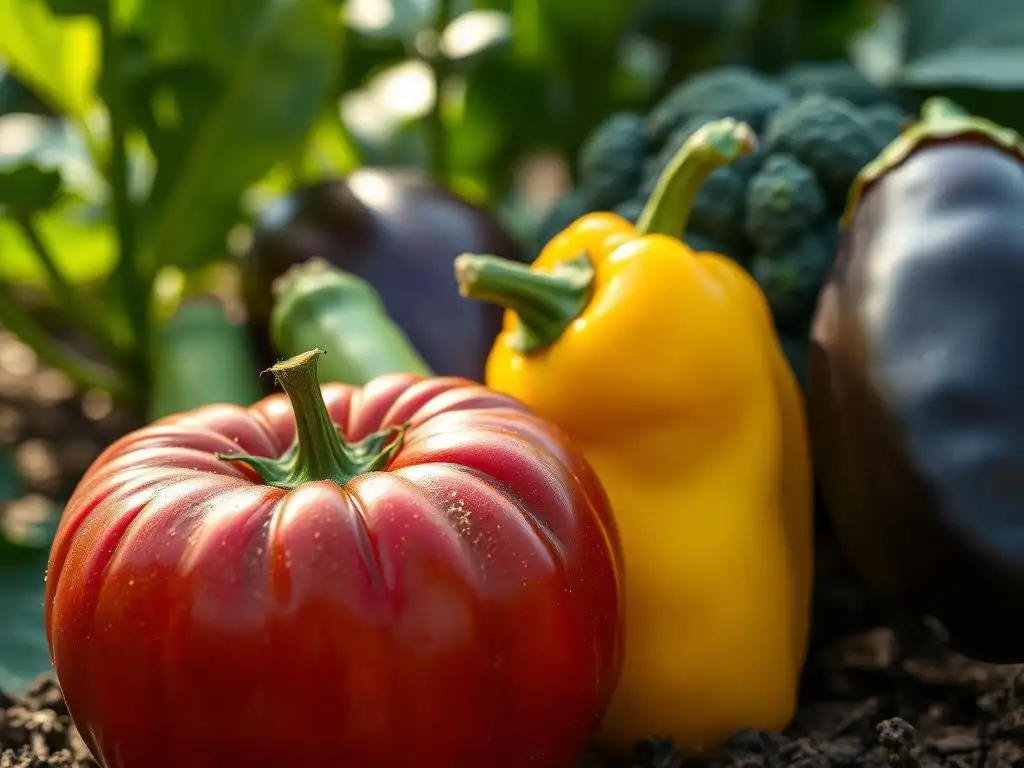
- Peppers: Pepper maturity is indicated by color changes. The time to harvest depends on the type of pepper and the desired level of ripeness. For example, bell peppers are typically harvested when fully colored (green, red, yellow, orange, etc. ), while jalapeños can be harvested at various stages of ripeness depending on the desired heat level. Harvesting too early results in smaller, less flavorful peppers. Conversely, overripe peppers can become soft and less flavorful. Pay close attention to the color chart provided by the seed packet for your specific pepper variety.
Visual Indicators of Vegetable Ripeness: Color in Tomatoes, Size in Cucumbers, and Texture in Beans
Visual cues are often the most reliable indicators of vegetable ripeness. Different vegetables provide various visual signals.
| Vegetable | Ripeness Indicator | Description |
|---|---|---|
| Tomatoes | Color Change | Transition from green to the characteristic color of the variety (red, yellow, etc.) |
| Cucumbers | Size and Firmness | Reach the desired length and feel firm to the touch. |
| Beans (Snap Beans) | Pod Size and Color | Pods should be plump and firm, with a bright, vibrant color. |
| Eggplant | Color and Firmness | Deep, glossy purple color and firm skin. |
| Zucchini | Size and Firmness | Reach desired size and feel firm to the touch; avoid overripe, soft zucchini. |
This table highlights the importance of careful observation. For instance, tomatoes should show a rich, deep color consistent with their variety. Underripe tomatoes will lack flavor and sweetness. Similarly, cucumbers should feel firm and have reached their expected size; overripe cucumbers will be soft and seedy. Snap beans should exhibit a vibrant color and a crisp texture.
Taste and Texture Evaluation for Vegetable Harvest Readiness: Assessing Sweetness and Crispness
While visual cues are helpful, tasting and feeling the vegetable provides the most definitive assessment of ripeness. This is especially true for fruits and some vegetables. For example:
- Sweetness: Taste-testing a sample fruit or vegetable, like a tomato or a sweet pepper, can reveal its sugar content and overall sweetness. A fully ripe fruit will be noticeably sweeter than an unripe one.
- Texture: The texture is crucial for determining ripeness. A ripe vegetable will have the optimal texture for its type. For instance, a ripe cucumber should be crisp and firm, while a ripe tomato should yield slightly to gentle pressure. Overripe vegetables will often be soft or mushy.
- Aroma: The aroma of a ripe vegetable is often a good indicator. For example, a ripe melon will have a strong, sweet aroma, while an unripe melon will have little or no scent.
Remember, consistent monitoring and careful observation are key to successful harvesting. By understanding the unique growth stages and ripeness indicators of your vegetables, you can consistently harvest at the peak of flavor and nutritional value, resulting in bountiful harvests and delicious meals. This approach to "Harvesting fruits optimal ripeness" principles, though focused on vegetables, will significantly improve your gardening outcomes.
Harvesting Vegetables at the Right Time for Optimal Nutritional Value: Maximizing Vitamin Content
Harvesting vegetables at their peak ripeness is crucial not only for flavor but also for maximizing their nutritional value. Many vitamins and minerals begin to degrade once a vegetable reaches maturity and remains on the plant. This degradation process is influenced by several factors, including exposure to sunlight, temperature fluctuations, and enzymatic activity within the plant itself.
For example, a tomato left on the vine too long may develop a richer color, but its vitamin C content will have significantly decreased. Similarly, leaving leafy greens in the field beyond their prime will lead to a loss of essential vitamins like folate and vitamin A.
The timing of harvest directly impacts the concentration of these vital nutrients. Consider broccoli: harvesting young, tightly formed florets ensures higher levels of vitamin C and sulforaphane, a potent antioxidant. Conversely, allowing broccoli to mature fully results in a tougher, less flavorful product with diminished nutrient content.
This principle applies across a wide range of vegetables. Early harvesting generally preserves higher levels of vitamins, while waiting for "full maturity" often means sacrificing nutritional density for size or appearance. This isn't to say fully mature vegetables are devoid of nutrients; rather, their concentration is typically lower than in younger, optimally harvested specimens.
Understanding the specific nutritional profile of each vegetable and its optimal harvest window is key to maximizing vitamin intake. For instance, harvesting bell peppers when they've reached their full color (red, yellow, orange, etc.) is ideal for maximizing vitamin C and carotenoid content. However, even with bell peppers, prolonged exposure to harsh sunlight after reaching peak color can still lead to some nutrient degradation.
Detailed guides and resources specific to different vegetable types provide precise information on ideal harvest times for optimal nutrient retention. Consulting such resources can greatly enhance the nutritional value of your homegrown harvest. Careful observation and attention to detail during the growing process, alongside precise harvesting, are essential aspects of cultivating nutrient-rich vegetables. This commitment contributes significantly to a healthier and more fulfilling harvest.
The Impact of Harvesting Techniques on Fruit and Vegetable Quality
Harvesting fruits and vegetables at optimal ripeness is crucial for maximizing their quality, flavor, and shelf life. However, the method of harvesting significantly impacts the final product. Rough handling can lead to bruising, cuts, and other damage that accelerates spoilage and reduces nutritional value, impacting both the sensory experience and economic viability for those selling their produce. Conversely, careful harvesting techniques can extend the post-harvest life and enhance the overall quality of the produce.
This section explores the critical link between harvesting techniques and the final quality of your homegrown bounty. Understanding this relationship is key to achieving optimal results in your harvesting and preservation efforts. The science of harvesting goes beyond simply knowing when to pick; it's equally about how you pick.
Minimizing Damage During Harvesting: Proper Handling Techniques for Delicate Berries and Robust Squash
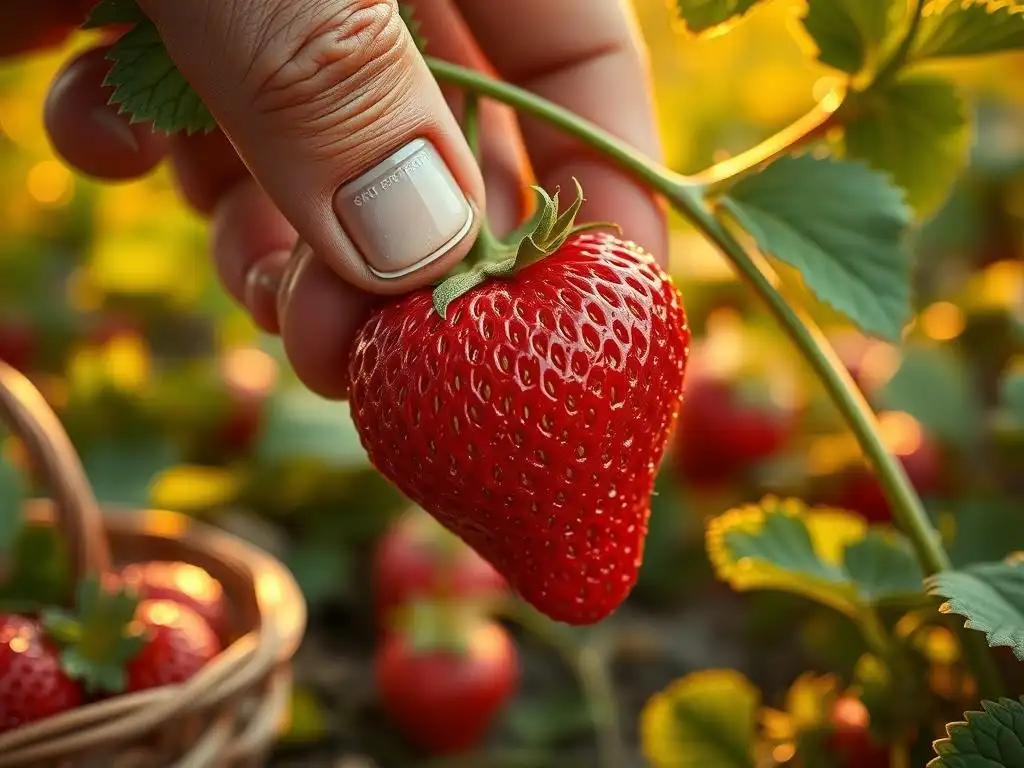
Gentle handling is paramount, especially for delicate fruits and vegetables. Consider the differences between harvesting strawberries and butternut squash. Strawberries, with their soft, easily bruised structure, require a delicate touch. Using a small, sharp knife or scissors to cut the stem, rather than pulling or twisting, prevents damage.
Furthermore, harvesting strawberries into small, shallow containers lined with soft material minimizes friction and reduces the risk of bruising. This contrasts sharply with harvesting robust squash. While firmness is a strength, improper handling can still result in surface damage and impact storage life. For squash, the focus shifts to using appropriate lifting techniques to avoid dropping or impacting the fruit.
The following table highlights best practices for various produce types:
| Produce Type | Harvesting Technique | Post-Harvest Handling |
|---|---|---|
| Strawberries | Cut stem with scissors; gentle placement in containers | Refrigerate immediately in shallow containers |
| Tomatoes | Gently twist and pull; inspect for blemishes | Store at room temperature, away from direct sunlight |
| Butternut Squash | Lift carefully; avoid dropping or impacts | Cure in a cool, dry place for several weeks |
| Leafy Greens (Lettuce) | Cut at the base with a sharp knife; avoid tearing | Refrigerate in breathable containers |
| Root Vegetables (Carrots) | Gently pull or use a garden fork; brush off soil | Store in a cool, dark, and dry place |
This careful approach ensures your harvest arrives at its destination in prime condition, ready for consumption or preservation. Ignoring these nuances can dramatically reduce the quality and shelf life of your produce.
The Importance of Post-Harvest Handling: Storage and Preservation of Leafy Greens and Root Vegetables
Post-harvest handling is just as critical as the harvesting process itself. Proper storage and preservation techniques extend the shelf life of your produce and maintain its quality. For instance, leafy greens like lettuce are highly perishable and susceptible to wilting. Immediate refrigeration in breathable containers helps to slow down respiration and maintain freshness. Avoid over-packing, as this can lead to moisture build-up and promote fungal growth.
Root vegetables, on the other hand, benefit from storage in a cool, dark, and dry place. Proper curing, as in the case of squash, can extend their storage life significantly. High humidity can lead to rot, while exposure to sunlight can cause discoloration and loss of nutrients.
Understanding the specific needs of each type of produce is crucial for maximizing its shelf life and minimizing waste. Careful attention to detail during both harvesting and post-harvest handling ensures that the fruits of your labor are enjoyed for as long as possible. This holistic approach to "harvesting fruits optimal ripeness" encompasses the entire process, from the field to the table.
Sustainable Harvesting Practices: Minimizing Waste and Environmental Impact
Sustainable harvesting isn't just about getting the most yield; it's about minimizing waste and protecting the environment. This involves a holistic approach, considering the entire process from the field to the table. Efficient harvesting techniques directly impact the amount of food wasted, the health of the soil, and the overall sustainability of your gardening practices. Optimizing your harvesting for "harvesting fruits optimal ripeness" is key to this process.
Reducing Food Waste Through Careful Harvesting and Storage: Implementing efficient sorting and packaging
Food waste is a significant problem, and a substantial portion originates during harvesting and post-harvest handling. Careful harvesting techniques can significantly reduce this waste. For example, implementing a robust sorting system during harvesting allows for the separation of produce based on ripeness and quality. This prevents the spoilage of perfectly good fruits and vegetables that might otherwise be discarded due to being mixed with damaged or overripe items. Consider these strategies:
- Visual Inspection: Train yourself to quickly identify ripe and unripe produce. This requires understanding the visual cues specific to each type of fruit or vegetable you're growing. For example, the color change in tomatoes from green to red is a clear indicator of ripeness, while the firmness of a pepper can signal its readiness for harvest.
- Selective Harvesting: Instead of harvesting everything at once, focus on picking only the ripe produce. Leave the unripe fruits and vegetables to continue maturing. This ensures that you're harvesting at the peak of flavor and nutritional value.
- Proper Packaging: Appropriate packaging is crucial in preventing bruising and spoilage during transportation and storage. Use breathable containers or bags to allow for proper ventilation and prevent moisture buildup. Avoid overcrowding containers, as this can lead to increased spoilage.
- First In, First Out (FIFO): Implement a FIFO system for your harvested produce. This means consuming the oldest items first to prevent spoilage and maximize shelf life. Proper labeling with harvest dates can aid in this process.
A well-organized harvesting and storage system can reduce food waste by up to 40% 1 . This translates directly into reduced environmental impact, as less food ends up in landfills, decreasing methane emissions.
Organic Harvesting Techniques: Protecting Soil Health and Biodiversity: Utilizing cover crops and crop rotation
Organic harvesting goes beyond simply avoiding pesticides; it involves practices that protect soil health and biodiversity. Sustainable soil management is essential for long-term productivity and environmental stewardship. These practices directly impact the quality and quantity of your harvest, aligning perfectly with the goal of achieving "harvesting fruits optimal ripeness" while minimizing environmental impact.
- Cover Cropping: Planting cover crops between main crops helps improve soil structure, prevent erosion, and suppress weeds. These crops also add organic matter to the soil, improving its fertility and water retention capacity, thus contributing to healthier plants and higher-quality harvests. Examples include legumes (like clover or beans) which fix nitrogen in the soil, benefiting subsequent crops.
- Crop Rotation: Rotating crops annually helps to break pest and disease cycles, reduce soil depletion, and maintain soil biodiversity. Different plant families have different nutrient requirements and pest sensitivities, so rotating them can prevent the buildup of pests and diseases in the soil. For example, rotating root vegetables with leafy greens can improve soil health and reduce pest pressure.
- No-Till Farming: Minimizing soil disturbance during harvesting reduces soil erosion and preserves beneficial soil organisms. This can be achieved through careful hand-harvesting or the use of specialized equipment that minimizes soil compaction. No-till practices benefit soil structure, water infiltration, and nutrient cycling, leading to healthier plants and a more sustainable harvest.
By integrating these organic harvesting techniques, you contribute to a healthier environment, supporting biodiversity and building resilient ecosystems. This holistic approach ensures not only a bountiful harvest but also a sustainable future for your garden and the planet.
1 [Data source pending]
Troubleshooting Common Harvesting Challenges
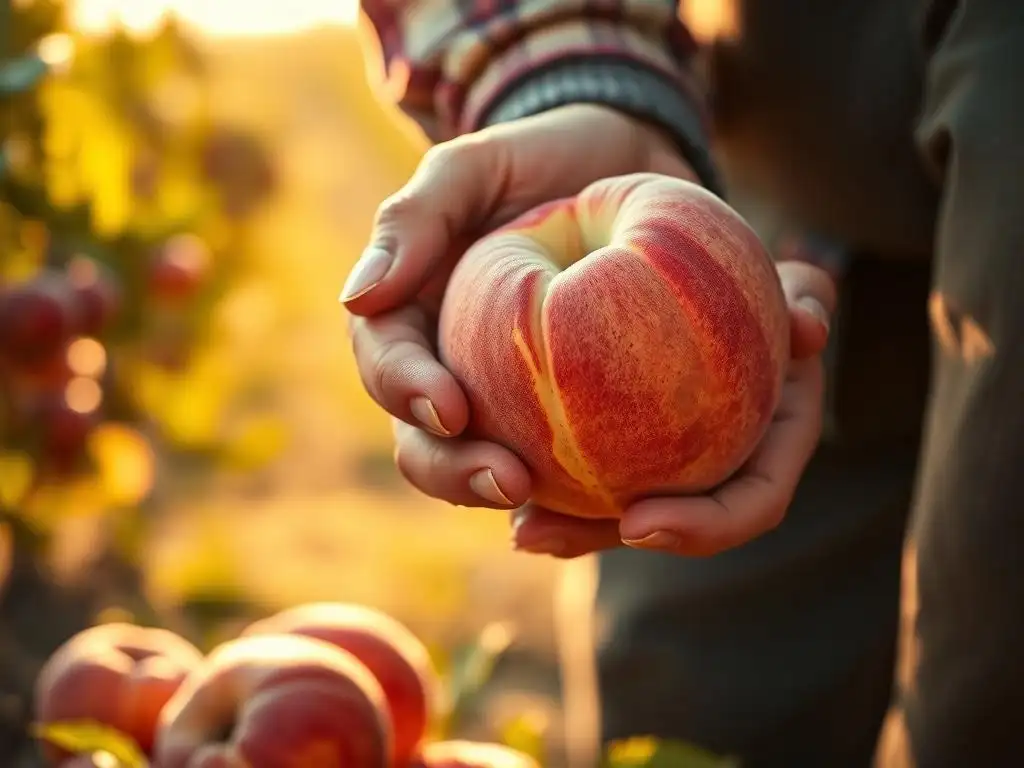
This section delves into practical solutions for common problems encountered during the harvesting process, focusing on achieving optimal ripeness in your fruits and vegetables. We'll explore strategies to overcome hurdles and ensure you're bringing in the best possible produce from your garden. Mastering these techniques is crucial for maximizing yield and quality, contributing to a successful and rewarding harvesting experience. Remember, consistent monitoring and proactive measures are key to preventing issues before they escalate.
Dealing with Premature Ripening or Delayed Maturation: Addressing environmental factors and pest control
Premature ripening and delayed maturation are frequent challenges faced by home gardeners striving for optimal harvesting of fruits and vegetables. These issues are often intertwined with environmental conditions and pest infestations. Understanding the underlying causes is the first step towards effective solutions.
Environmental factors play a significant role. Extreme heat can accelerate ripening, leading to fruits and vegetables becoming overripe before they reach their full flavor potential. Conversely, insufficient sunlight or unusually cool temperatures can delay maturation, resulting in smaller yields and less flavorful produce. For instance, tomatoes subjected to intense heat often develop cracks and lose their sweetness prematurely. On the other hand, peppers grown in shaded areas may remain green and underdeveloped for extended periods, impacting their overall quality.
Pest control is equally crucial. Various pests can directly influence the ripening process. Aphids, for example, can weaken plants, hindering their ability to mature properly. Similarly, certain caterpillars and beetles can feed on the developing fruits and vegetables, causing damage and premature ripening or halting development altogether. Implementing appropriate pest management strategies, such as introducing beneficial insects or employing organic pesticides, is vital to protect your crops and ensure they reach their optimal ripeness.
Consider this example: A gardener observes that their strawberries are ripening too quickly, becoming soft and mushy before they fully develop their characteristic red color and sweetness. This could be due to prolonged periods of intense sun exposure. By providing some afternoon shade, perhaps through the use of shade cloth, the gardener can mitigate the rapid ripening and allow the strawberries to achieve their full potential. Simultaneously, monitoring for strawberry pests like aphids and implementing organic pest control measures can further enhance the harvest.
Effective strategies involve:
- Careful monitoring: Regularly inspect your plants for signs of stress, pest damage, or unusual ripening patterns.
- Environmental adjustments: Provide appropriate sunlight, water, and temperature conditions based on the specific needs of your plants. This might involve using shade cloth, adjusting irrigation schedules, or implementing windbreaks.
- Integrated Pest Management (IPM): Employ a holistic approach to pest control that incorporates various techniques, such as crop rotation, companion planting, the introduction of beneficial insects, and the use of organic pesticides only when absolutely necessary.
- Mulching: A layer of mulch around the plants can help regulate soil temperature and moisture, promoting even ripening.
By addressing these environmental and pest-related issues proactively, gardeners can significantly improve their chances of harvesting fruits and vegetables at their optimal ripeness, maximizing both yield and quality. Consistent observation and timely intervention are key to success in achieving your "Harvesting fruits optimal ripeness" goals.
Advanced Techniques for Harvesting Specific Crops: Tomatoes
Optimizing Tomato Harvest for Processing and Fresh Market Sales
The timing of tomato harvesting significantly impacts both the quality of the final product and its market value. For processing (e.g., canning, sauces), slightly less ripe tomatoes are often preferred, as they possess higher acidity and better texture for long-term storage. Conversely, fresh market sales demand fully ripe, intensely flavorful tomatoes with vibrant color. Understanding these nuances is crucial for maximizing yield and profitability.
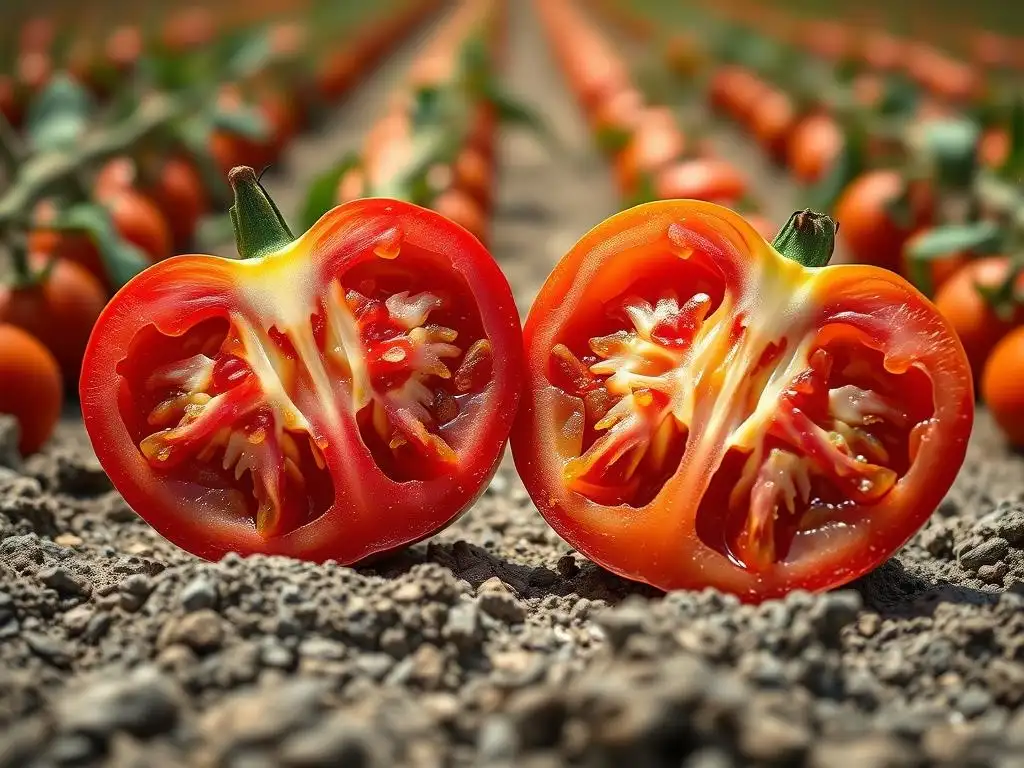
Harvesting for processing typically begins when the tomatoes have reached the breaker stage – a stage where slight color change is visible, but the fruit is still firm. This allows for easier handling and transportation. Careful selection at this stage minimizes spoilage during processing. Using specialized harvesting equipment, such as gentle picking baskets, can further reduce damage. Data from agricultural extension services shows that losses due to bruising during harvest can be reduced by up to 30% with proper equipment and training.
In contrast, harvesting for the fresh market necessitates a more delicate approach. Tomatoes intended for direct consumption should be fully ripe, exhibiting their characteristic color and aroma. The optimal ripeness for fresh market tomatoes is often determined by a combination of factors: color (deep red for most varieties), firmness (slightly yielding to gentle pressure), and aroma (sweet and fragrant). Overripe tomatoes are prone to rapid deterioration, rendering them unsuitable for sale. Therefore, frequent monitoring of the crop is essential, with multiple harvests spaced closely together to capture the peak ripeness of each tomato.
A key consideration for both processing and fresh market tomatoes is the environmental impact of harvesting. Minimizing waste and employing sustainable practices are crucial. This includes careful handling to reduce bruising, efficient transportation methods to minimize spoilage, and proper disposal of any unusable produce to prevent pest infestations. Sustainable harvesting practices contribute positively to the overall environmental footprint of the farming operation, enhancing its appeal to environmentally conscious consumers. Implementing these techniques, coupled with precise timing based on the intended market, ensures maximum yield and quality, directly impacting the profitability and sustainability of tomato production.
Identifying the Ideal Ripening Stage for Different Tomato Varieties
Tomato varieties exhibit diverse ripening characteristics. Some ripen uniformly, while others display uneven coloration. Recognizing these variations is essential for optimizing harvesting practices. For example, heirloom varieties often require more frequent monitoring due to their slower and less uniform ripening compared to hybrid varieties. Proper identification of the optimal harvest stage for each variety is crucial for maintaining consistent quality and maximizing market value.
The following table showcases examples of different tomato varieties and their ideal harvesting stages:
| Tomato Variety | Ripening Characteristics | Ideal Harvesting Stage |
|---|---|---|
| Roma | Uniform, slow ripening | Breaker stage for processing, fully ripe for fresh market |
| Beefsteak | Uneven, slow ripening | Fully ripe, individual assessment needed |
| Cherry | Uniform, fast ripening | Fully ripe, color change is a good indicator |
| Brandywine | Uneven, slow ripening | Fully ripe, careful selection is crucial |
Understanding these nuances ensures that each tomato reaches its full potential, maximizing both yield and quality. Regular observation, coupled with knowledge of specific varietal characteristics, is key to precise harvesting and optimum results. This detailed approach minimizes losses and maximizes the return on investment. Ignoring these varietal differences can result in significant losses due to premature or overripe harvests. Therefore, a thorough understanding of the specific requirements of each tomato variety is paramount for success.
Post-Harvest Handling and Storage for Extended Shelf Life
Proper post-harvest handling significantly impacts the shelf life and quality of harvested tomatoes. Gentle handling during picking and transportation is crucial to minimize bruising and damage. Storage conditions also play a vital role. Tomatoes should be stored at appropriate temperatures and humidity levels to maintain freshness and prevent spoilage.
For instance, storing tomatoes at temperatures below 12°C (54°F) can lead to chilling injury, resulting in discoloration and flavor loss. Maintaining optimal humidity levels prevents wilting and dehydration. In addition, storing tomatoes in single layers prevents crushing and promotes air circulation, further extending shelf life. Proper storage containers and techniques can significantly extend shelf life, reducing waste and enhancing the overall profitability of the harvest.
Data suggests that tomatoes stored at the optimal temperature of 18-21°C (64-70°F) with proper humidity can retain their quality for up to a week. However, this can vary depending on the variety and ripeness at harvest. Implementing best practices in post-harvest handling and storage is essential for maximizing the value of the harvest, minimizing waste, and ensuring consistent quality for consumers. This comprehensive approach is key to the success of any tomato cultivation and harvesting operation.
Frequently Asked Questions
How can I tell if my fruit is at its optimal ripeness for harvesting?
The best way to determine optimal ripeness depends on the specific fruit. Look for characteristic color changes, a fragrant aroma, and sometimes a slight give when gently squeezed. Consult reliable resources for your specific fruit type.
What are the physiological changes that occur during fruit ripening?
Fruit ripening involves complex biochemical processes. Enzymes break down cell walls, converting starches to sugars, resulting in the characteristic softening and sweetness. Hormones, like ethylene, play a crucial role in initiating and regulating these processes.
Why is harvesting at the optimal ripeness important?
Harvesting at peak ripeness ensures the best flavor and nutritional value. Premature harvesting results in poor taste and texture, while overripe fruit may be damaged or susceptible to spoilage.
How does harvesting affect the plant's overall health?
Proper harvesting techniques, such as using clean, sharp tools and avoiding damage to branches or stems, are essential for maintaining the plant's health. This minimizes the risk of disease and encourages future fruit production.
What are some sustainable harvesting practices?
Sustainable harvesting focuses on minimizing waste and preserving the environment. This includes using reusable containers, composting fruit scraps, and employing selective harvesting to avoid damaging the plant or surrounding ecosystem.
Final Reflection: The Enduring Harvest: A Legacy of Flavor and Sustainability
The science of optimal ripeness isn't just about picking the perfect peach; it's about securing our future food supply. Understanding the physiological processes behind fruit ripening is crucial in a world facing increasing challenges to food security and sustainability. Ignoring these processes leads to significant losses in both quality and quantity, impacting both consumers and producers alike.
The journey from blossom to bowl is a delicate dance of biochemical reactions, a testament to nature's intricate design. This understanding has profoundly shaped agricultural practices, moving us beyond simple observation towards precise interventions that maximize yield and minimize waste. The earth provides enough to satisfy every man's needs but not every man's greed.
- Mahatma Gandhi. This quote highlights the ethical dimension of harvesting, urging us to consider not just the immediate gain, but the long-term impact on our resources and the environment. We must strive for a balance between efficient harvesting and responsible stewardship of our planet.
Consider the implications of this knowledge. How can you, as a consumer, make informed choices that support sustainable farming practices? How can you, as a grower or even a home gardener, apply this understanding to improve your own harvests? By embracing the science of optimal ripeness, we can cultivate a future where delicious, nutritious fruit is readily available to all, while preserving the health of our planet for generations to come. Let's harvest not only fruit, but also a deeper understanding of our relationship with the natural world.
Unlock Nature's Bounty: Take Your Harvest to the Next Level
Thank you for exploring the fascinating science behind fruit ripening! We hope you gained valuable insights into optimizing your harvest. Now it's time to put that knowledge into practice.
Here’s how you can take the next steps:
- Detailed Harvest Tracking: Maintain a record of your fruits and vegetables, noting the ideal harvest time and storage conditions for each variety. This will significantly improve the quality and shelf life of your produce.
- Share Your Experiences: Tell us about your harvesting and ripening experiences – what methods have worked best for you? We'd love to hear about your successes (and challenges!) in the comments below.
- Experiment with Ripening Techniques: Try some of the methods discussed, such as using ethylene gas or adjusting storage temperatures, and carefully record your results.
What innovative approach will you use to improve your next harvest?